Tag Archives: thinking

Driving in Los Angeles

Driving in Los Angeles is an unique experience. It can be daunting, stressful, confusing, exhausting, and sometimes downright harrowing! The roads and freeways are a relic of the L.A. of yesterday when there were fewer people, fewer cars, and lower speeds. As the city grew and sprawled, freeways were added that interconnect and crisscross…some to the left, some to the right, often with short on ramps and sometimes an immediate need to change lanes. The surface streets aren’t much better. Many are narrow with lanes unexpectedly ending or suddenly cars parking in what used to be your driving lane. There is evidence of attempts to update the roadways and to improve the driving experience, but most work is mostly cosmetic…keeping what already exists functional, while attempting to make the improvements when possible to the roads and freeways in use.

Sometimes our educational systems feels like driving in Los Angeles. Many of the structures in place are relics of days gone by. Schedules and groupings are mostly as they have always been. But we have more students, diverse learners, more access to information, and as a result of all of that, changing expectations for outcomes for student learning. With the Common Core State Standards (CCSS) there is a move to go in and remake some of those roads (to carry out the L. A. driving metaphor), the improve access to and delivery of robust learning experiences for students. But in many cases, instead of reconsidering the educational system…including testing, funding, organizing, professional development…teachers are being asked to fill in the potholes. They are taking old practices and adding a new activity or two to meet the new standards.

And I understand why this is happening…both with L.A. roads and our educational system. Change is hard and often painful. We would have to make sacrifices to tear down what isn’t really working and build new structures to meet emerging needs and those in the foreseeable future. Wow, I tackled a complex topic late on a Wednesday. There’s so much more to think about here…

Learning from Patterns

This week the #sdawpphotovoices photo-a-day focus has been patterns.  And while I have taken photos of the patterns I have found, I have also been thinking about my own patterns…patterns of thinking and patterns of behavior.

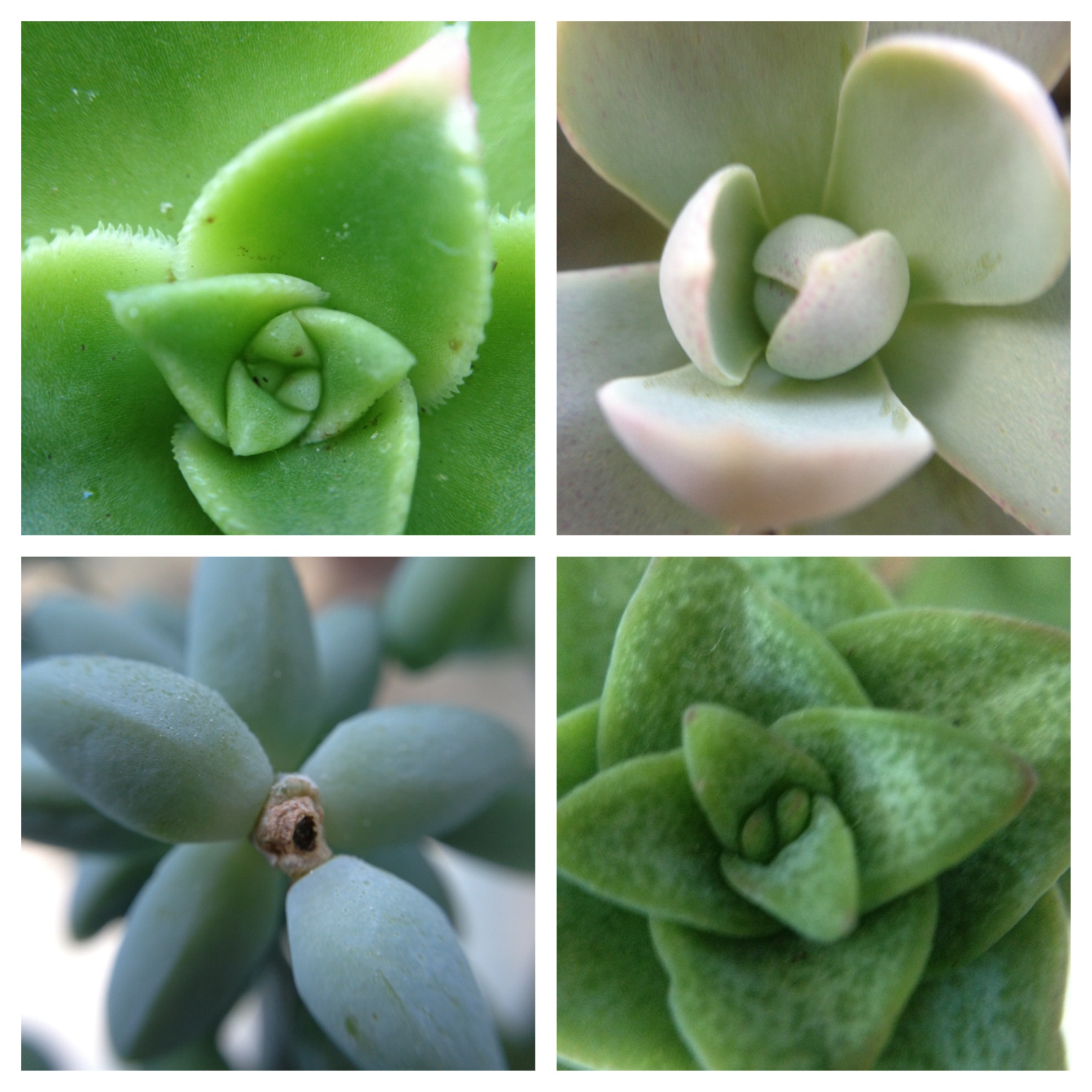
Being back at work definitely re-directed my attention from photography to my classroom.  On Monday I remember getting home, feeling tired and realizing I hadn’t taken a single photo all day!  Taking a look around the house for interesting patterns led me to my macro lens…I took pictures of the center of the succulents in the kitchen window.  Using picstitch I put four pictures together and posted with the caption, “What patterns do you see?”

photo

Is it cheating to create your own pattern by stitching photos together?  Tuesday and Wednesday were also days where the photos I posted didn’t really reflect patterns as they are defined in the design world.  I didn’t want to post photos of tiles or carpet or brick or other typical patterns.

On Thursday I was more inspired and had already taken several photos of patterns when I squeezed in a five minute pattern walk between errands in the afternoon.  (You can see more of Thursday’s patterns here.)  This was the day when I realized how important it is to take some time every day to do something just for yourself.  Those five minutes I spent looking for and photographing patterns were energizing and relaxing.  This is a practice I want to make sure to develop.

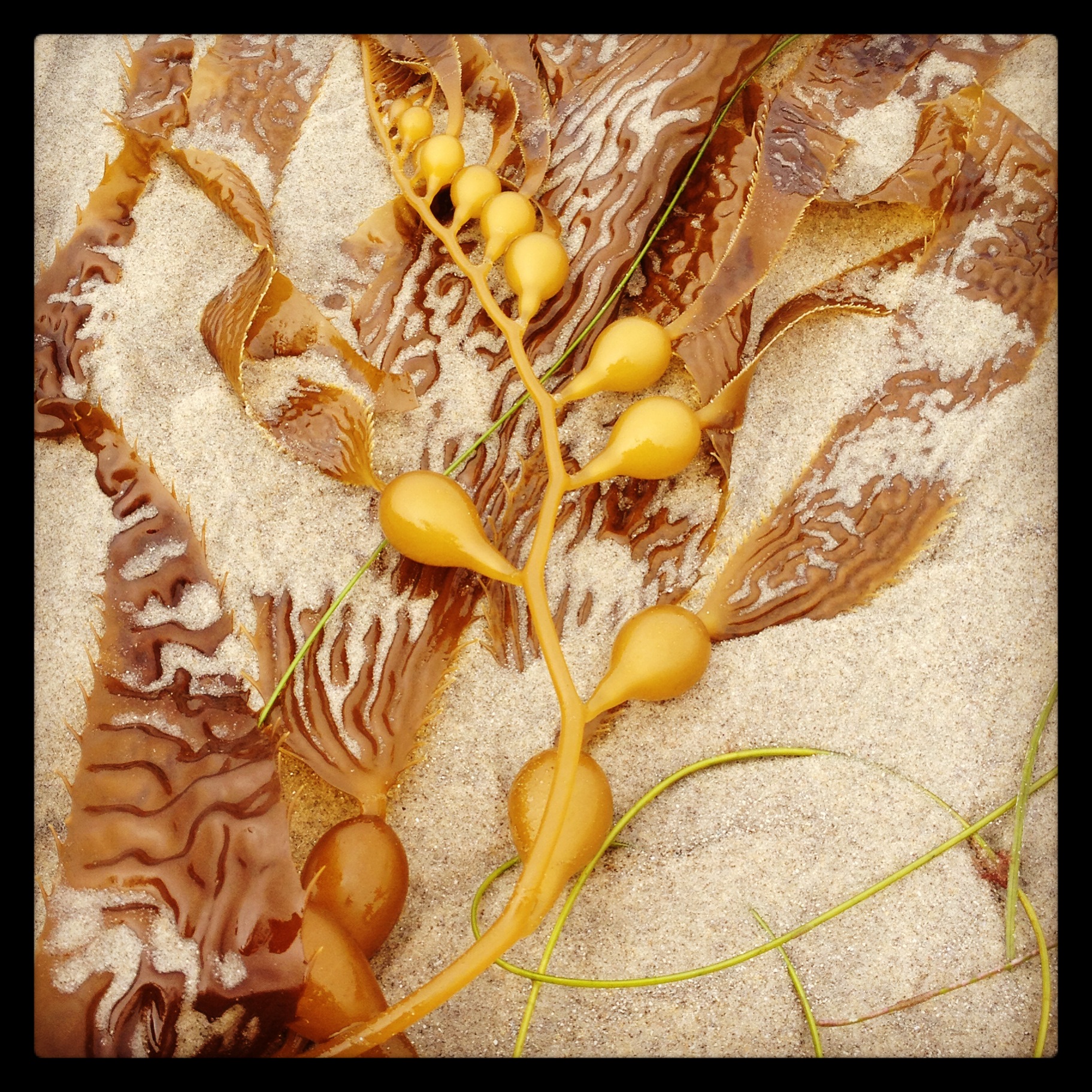
Most of the patterns I photographed this week were organic–nature’s beauty unveiled in heirloom tomatoes, cactus blossoms, clouds, and kelp.  Even the man-made patterns I captured often had an element of nature to them, I found myself looking at shadows and seeing patterns repeated by the sun’s angles.


photo-1

picstitch

photo-2

photo-3

photo-2

So I’ve noticed that my photo-a-day theme does make me look at the world differently than I might without it, but that regardless of the theme, I take pictures that catch my eye…and then play with language and ideas to make them work as I post.

So my two take aways for the week are:

1.  Take time to do something I enjoy each day (photography is an example of this), even if the photos don’t match the theme.

2.  It’s okay to play with the theme if it works for the photography–isn’t that the point after all?

What patterns do you notice in your life?  Which will you change and which will you embrace?

Next week is repetition…I wonder what that will teach me?

Connected Wondering

A friend of mine gave me two books the other day.  One I have read all the way through and the other I have browsed through.  They are alike…and they are 100% polar opposites.  The first, more of a coffee table/picture heavy book is called A Lifetime of Secrets by Frank Warren. Warren invited people to send a secret to him on a postcard or in a letter that he curated as an art installation.  They range from unthinkably horrible to silly, yet their arrangement and juxtaposition creates a powerful message.  This idea of sending anonymous secrets on the back of postcards is an interesting one–and one, and one that people seem to get relief from the sending…and maybe relief in reading the anonymous secrets of others.  Here’s a related website.

The other book is The Book of Awesome by Neil Pasricha.  This is a collection of little things that make people happy…like when you find cash in your coat pocket or the grocery store opens up a new line just when you think the wait is endless.  Each is written as short vignette–as short as a sentence or two to as long as a couple of pages.  This book also has a related website where people can submit their own awesome moments (in 1000 words or less).

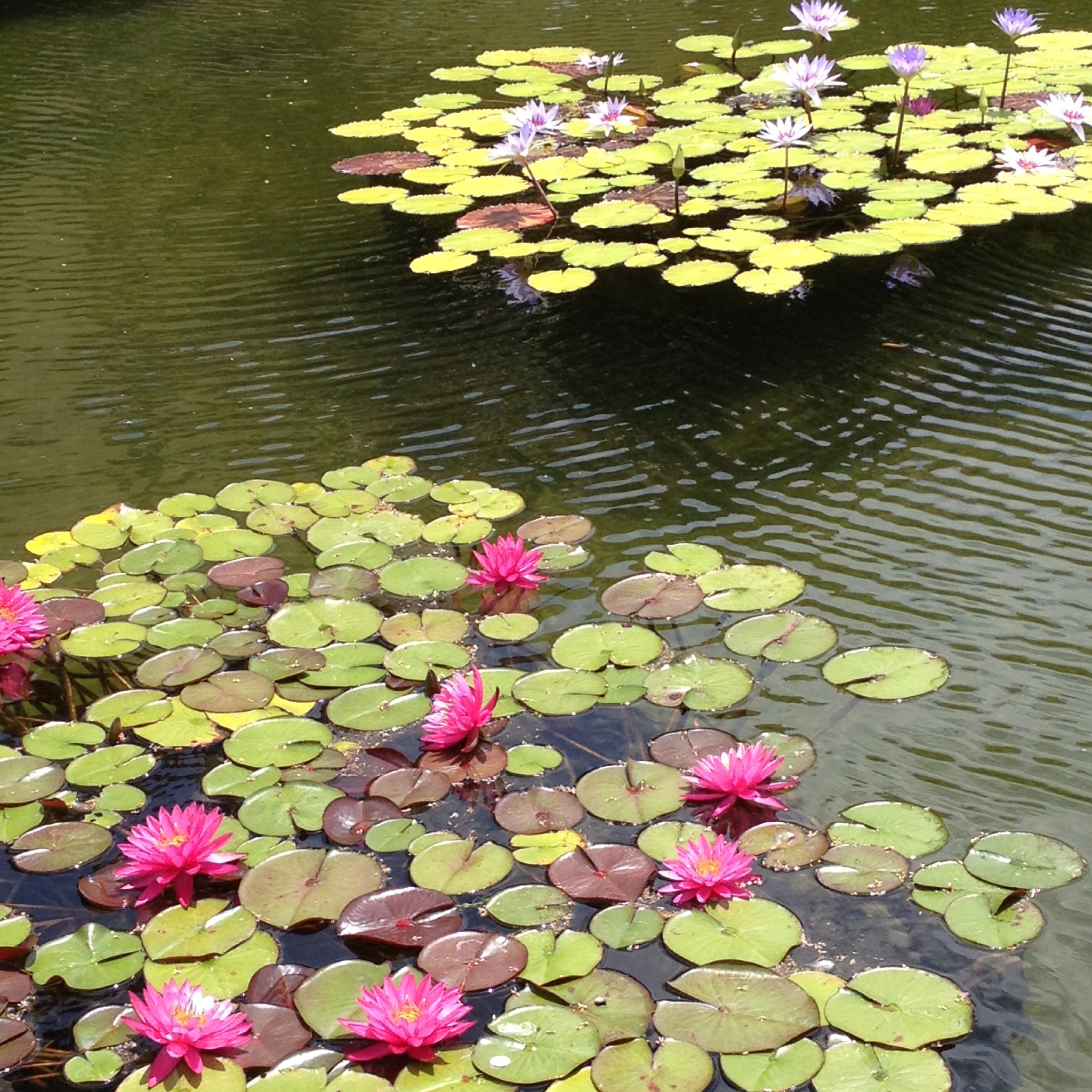
What strikes me about both of these pieces is the way people want to connect–even if it is anonymously.  People seem to have an urge to know that those things that burden or delight them also resonate with others, that they are not alone.  Like these water lilies I photographed today, tangled connections seem to help us as we live and grow.

photo-1

So as my thinking often does, I came back to the classroom with my thoughts about these books.  So how does the sharing of secrets and the sharing of awesome moments connect to the classroom?  I’m thinking about all those little things we do in the classroom to establish a trusting, cooperative, and collaborative community.  The ways we work to support each other in spite of our differences.  And a lot of that happens through writing–just like it did in these books.  Our writing uncovers our lives and lets others in.  It exposes our interests and our fears, our hopes and our dreams.

In response to my thinking about establishing a genius hour in the classroom in yesterday’s post, another friend commented about her experience seeing “wondering walls” in classrooms where students wrote down their questions–those things they are wondering about.  I’m already thinking about how a wondering wall might serve as an entry place for developing student-generated projects…and for encouraging students to use their classmates wonderings as springboards for their own.  Would that be like Postsecrets and The Book of Awesome — a place to connect and learn from each other?  A way to develop community and create collective interest as we pursue our individual wonderings?  What do you think?