Yearly Archives: 2013

An Urban Landscape

It’s easy to appreciate the beauty of the natural world.  Trees and flowers, bugs and birds, fish and squirrels…and all the wonders of zoos and other wildlife sanctuaries make us stop and wonder at the miracles of nature.  And we often find this beauty in spaces that are open and natural, away from the hustle and bustle of busy city life.

And after a couple of days communing with nature, today I was back in a more urban landscape.  A place where parking is difficult , traffic is the norm, and lots of people are concentrated in small spaces.  And I enjoyed a couple of hours browsing a wonderful independent bookstore and some other retail shops before heading to the airport to return home.

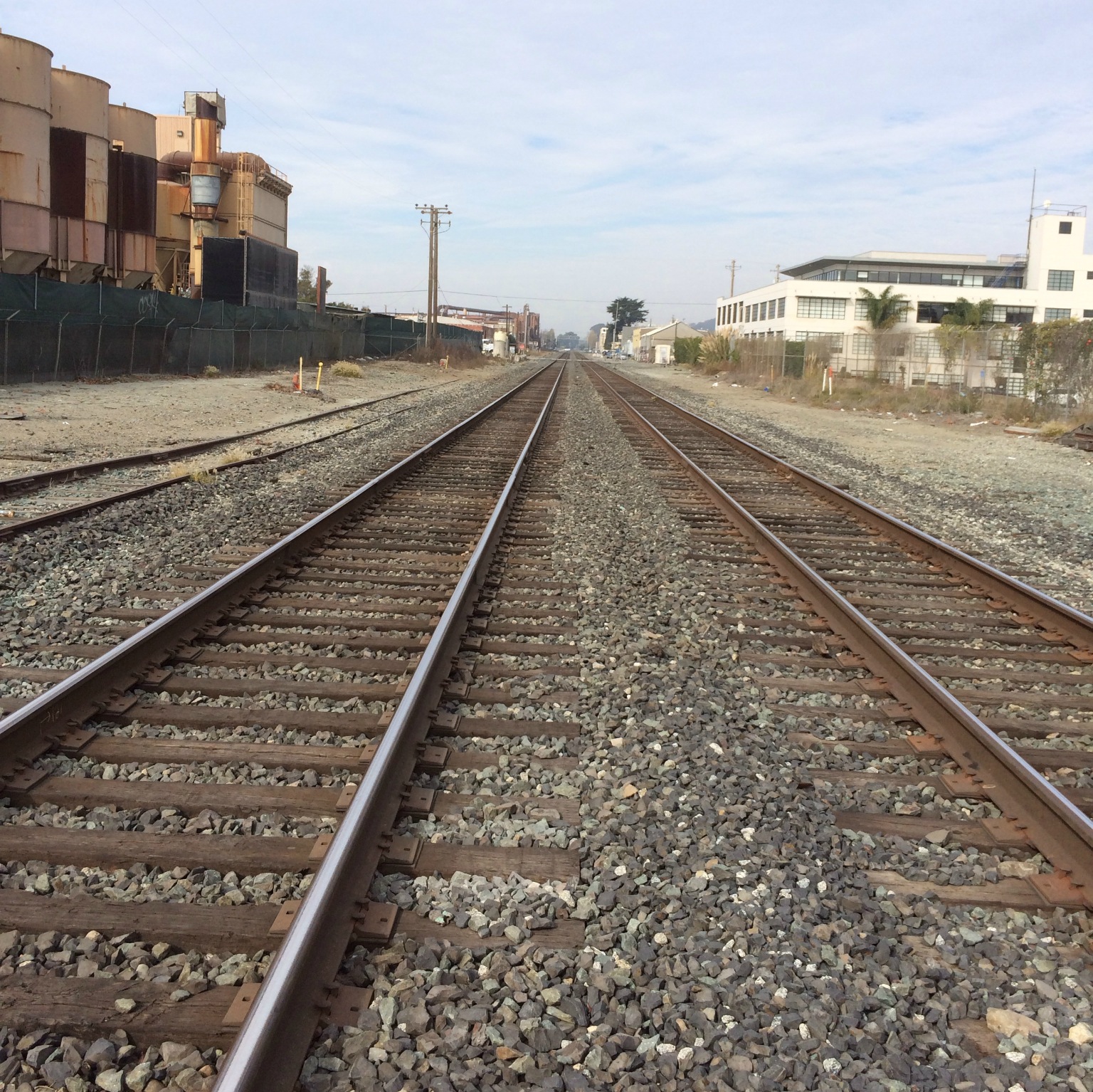
But before I left that coveted parking space, my trusty iPhone camera and I walked a couple of blocks to explore the manufacturing district just a block or two away from the upscale shopping district.

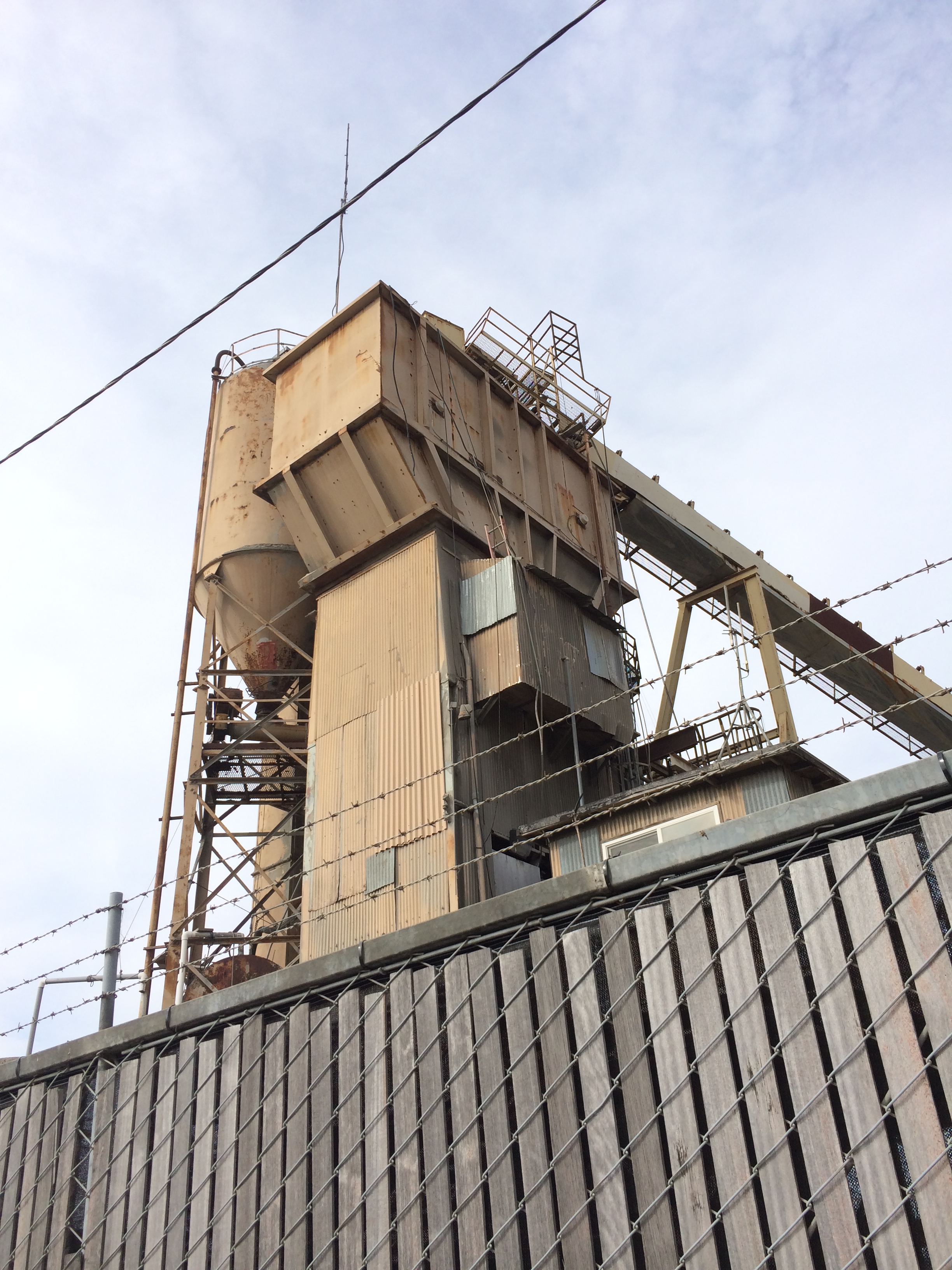
After crossing the train tracks, I came across this asphalt factory.

photo_1-5

And there’s a kind of beauty in this man-made factory and the machines that we depend on for smooth roads and transportation.

photo_2-5

Big trucks drove in and out, but I didn’t get to see any actual asphalt.

photo_3-3

It’s amazing what you’ll discover when you cross the tracks!

photo_4-2

Where do you discover unexpected beauty?  What catches your eye and makes you want to know more?

Reflections: a Photoessay

I’m fascinated with reflection. Both the mental version and the physical version. Reflections appear in many surfaces…mirrors, metals, through shade and shadows…and in my favorite medium, water.

I love the idea of the way water captures the way reflection works with learning. Reflecting is a way of reinforcing and internalizing your learning. Taking time to think about why the learning matters and making connections to other experiences enriches learning.

Reflection is not the literal mirror image of seeing exactly what you experienced. Instead, reflection is the processing of experience. Like with peering into water, everything around you impacts the learning. The wind, the current, the life within the water…even the angle you take when you take a look.

I also love to play with reflection in my photographs. Sometimes I intentionally look for ways to capture reflection, but more often than not, I notice the reflection after taking the photo.

Here are a few of my favorites…

I love to capture birds on the beach.

20131110-204452.jpg

And the surprise of the cliffs reflected when I was trying to capture these birds.

20131110-204641.jpg

This fisherman has such a feeling of timelessness and captures the quiet and solitary beauty of individual focus.

20131110-204836.jpg

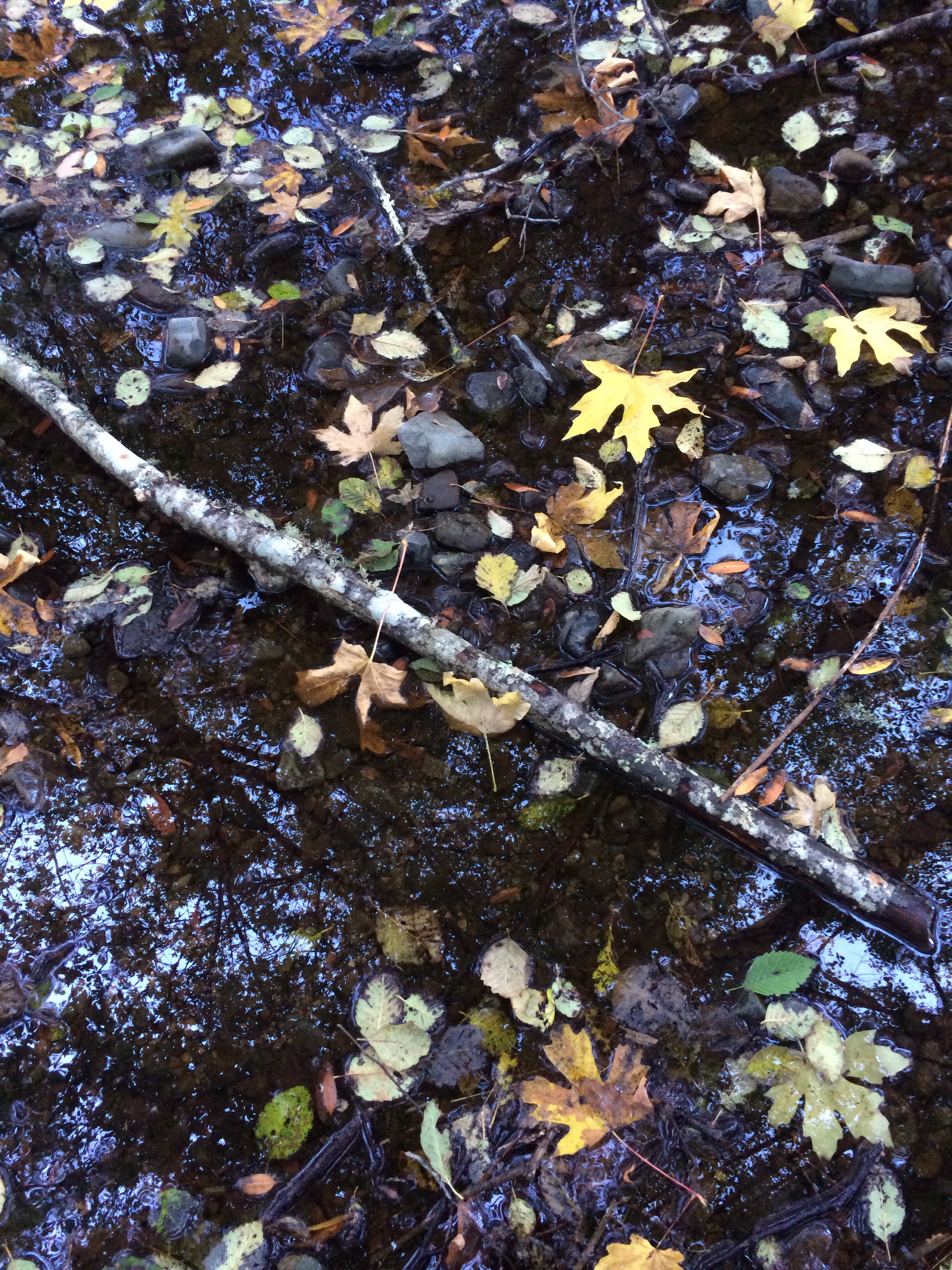
And I’m not limited to the beach. I love the ways the redwoods are captured in this stream. (I also love the colors of the fall leaves floating in the water!)

20131110-205147.jpg

And even at the zoo there are opportunities for reflection!

20131110-205311.jpg

These photos remind me that taking time for reflection matters. There is beauty and meaning in looking back to look forward. I’m reminded to pay attention to the angles, to consider the environment, and to be aware of the life within…in my photography and in my life.

How do you make time for reflection? Do you create opportunities for your students to reflect?

Habits…of Language

How many times have I used the phrase, “What a zoo!,” to describe a particularly chaotic situation? Just what do I mean by that?

Today I spent the afternoon at the Oakland Zoo, watching animals, learning more about their behaviors and natural environments, and generally enjoying spending time with family in the presence of these people and animals that I don’t get to see everyday. There was nothing chaotic about the zoo. Instead, the animals seem to be well cared for and the enclosures offered opportunities to feel like I could really see the animals while keeping everyone safe. The zoo was peaceful, relaxing, and educational.

I do have mixed feelings about zoos. The ideal environment for wild animals is their natural habitat. But I also know that zoos offer humans opportunities to learn about and protect animals. And the zoo as outing provides families and children ways to appreciate wild animals and learn about ways they can help prevent the destruction and encroachment on the natural environments of these beautiful creatures. I watched people of all ages enjoying their interactions with each other as they watched giraffes, tigers, meerkats, sun bears, and even bats.

20131109-191513.jpg

So what do I mean when I describe a chaotic event as a zoo? I’m really not sure. And now that I’m thinking about the reasons behind this phrase, I will be breaking the habit of using those words. There are other phrases I am working to eliminate from my language use. One of those is that one about “killing two birds with one stone.” And “there is more than one way to skin a cat.” And any phrase that includes the word slave in it. I need to break these language habits and figure out more precise uses of language to describe what I’m thinking.

Being mindful about language also makes me more mindful about my actions. Habits can help us get things done, like my habit of writing every day. They can also make us less mindful and result in some thoughtless words and actions.

What habits will you be working to undo…and what will you try to establish as habits?

Muir Woods: a Photoessay

Nestled in a valley not far from the knotted web of Bay Area traffic and coursing flow of humanity is a space dedicated to showcasing some of nature’s treasures.

20131108-214437.jpg

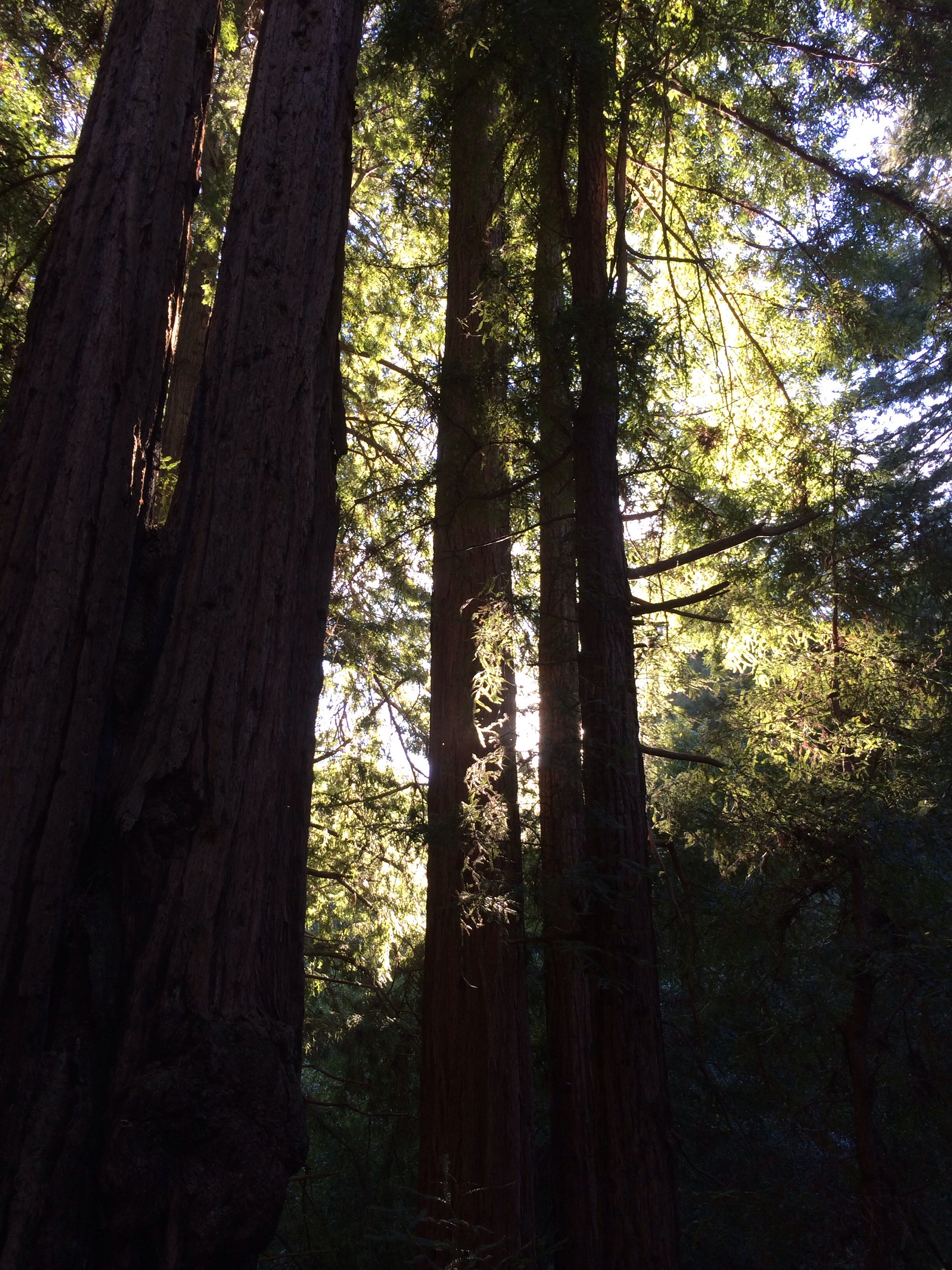
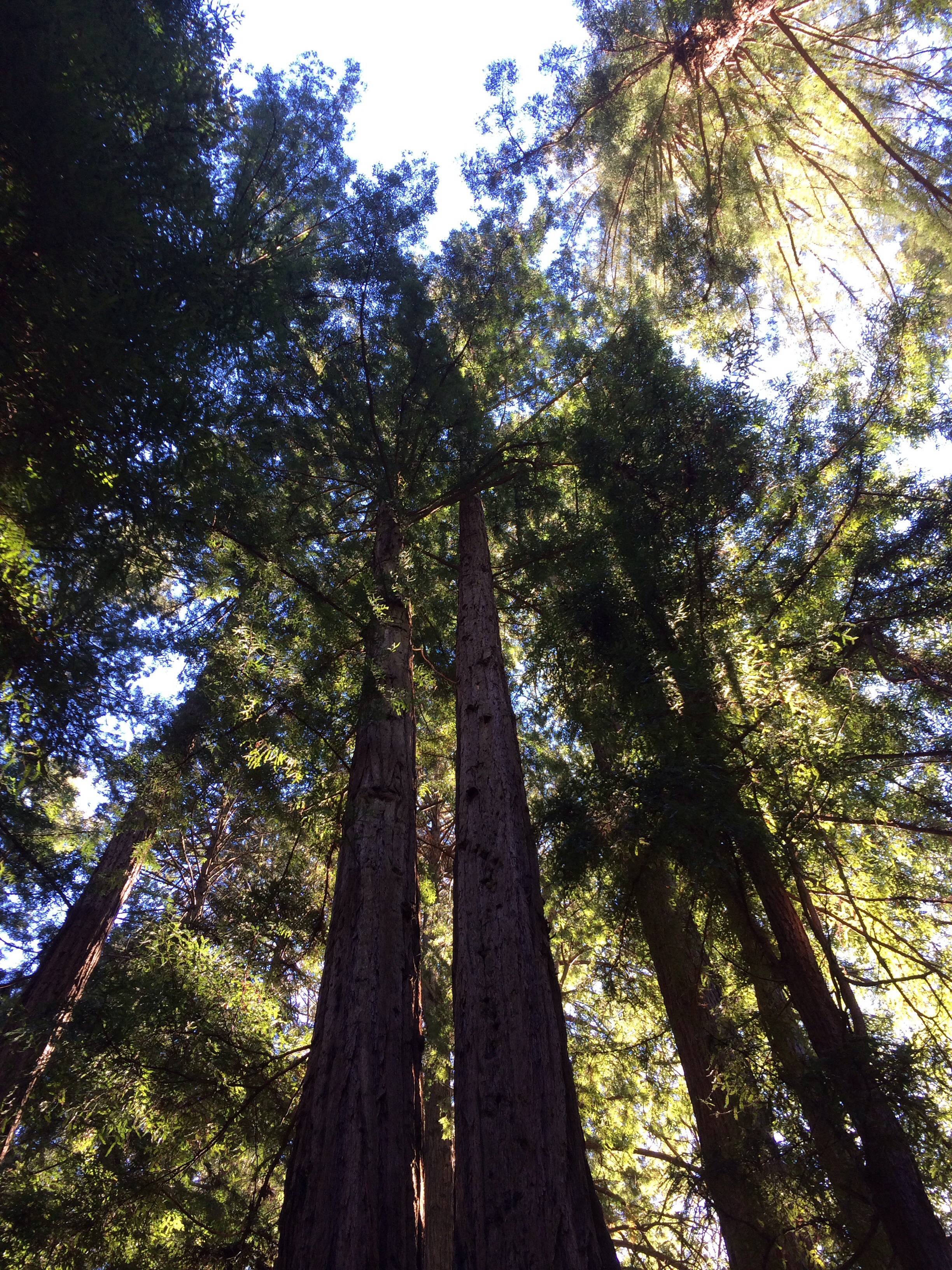
The majesty of redwoods is best experienced in person. These giants are not only tall, but also express such personality. Each tree is unique from the next one. They seem to grow in families, clustered as if to offer support and companionship to one another.

20131108-214459.jpg

I found myself intrigued by the light and shadows. At two in the afternoon, the sun struggled to penetrate these amazing tall trees. Occasionally we would see the soft glow of light where the sun found its way through the canopy.

20131108-214548.jpg

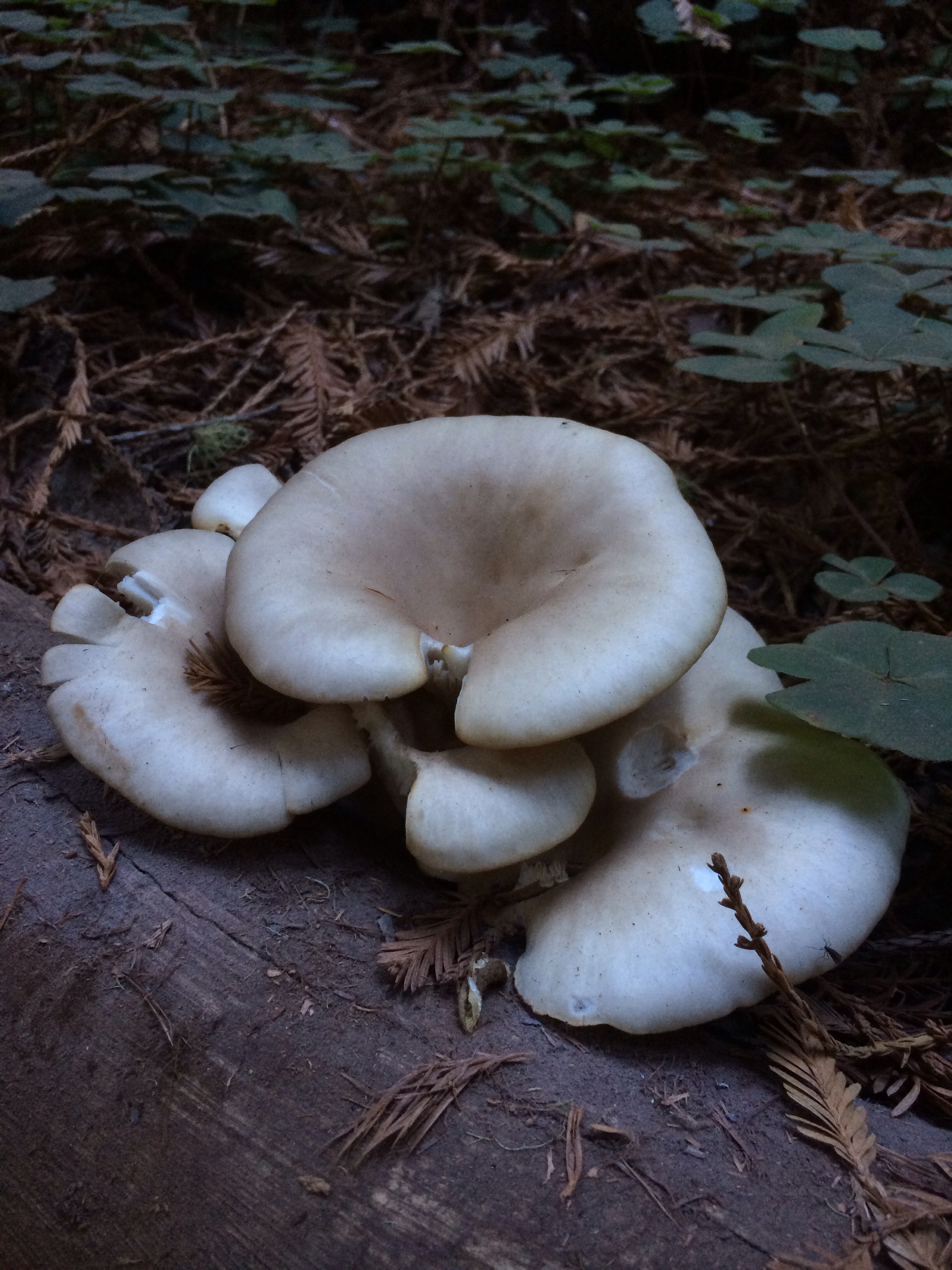
I love the way this forest demonstrates how it sustains itself. Trees that have fallen and died, teem with live as decomposers work at recycling…returning the tree trunks to the soil to feed new life. As I paid close attention, I noticed these mushrooms growing from a broken trunk.

20131108-214615.jpg

And as I continued walking I spied these beauties growing along the edge of the trail in with the clovers.

20131108-214515.jpg

The stream was pretty shallow… After all, summer has just ended and the rainy season has not yet begun. I worked to capture the water’s movement…and to my surprise I captured the reflection of the trees above in the water!

20131108-214529.jpg

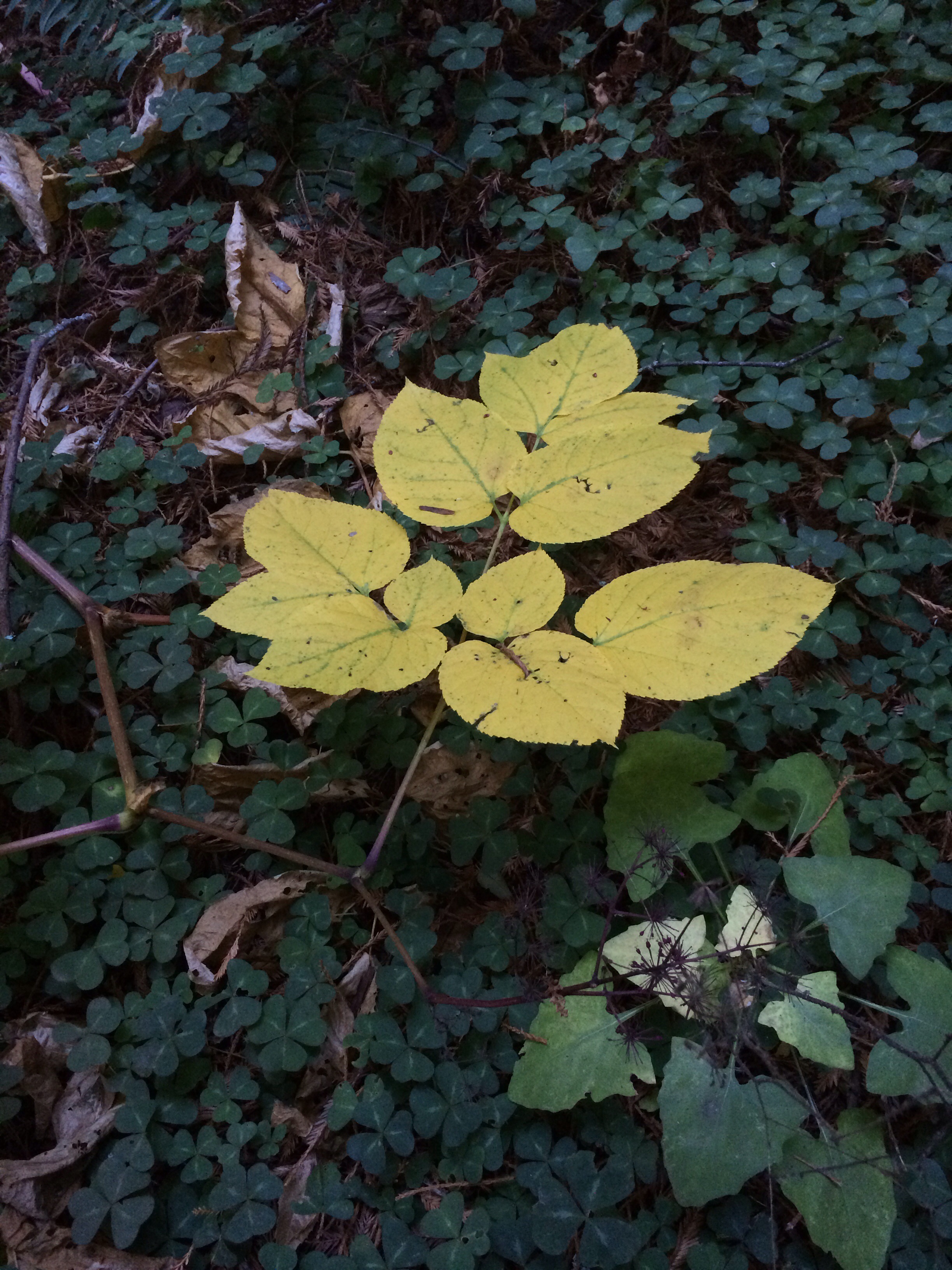
And as a southern Californian who has to search for fall colors in trees, I noticed the leaves of the deciduous trees in my adventures today. There were no reds and oranges evident, but this yellow caught my eye.

20131108-214603.jpg

Walking through the woods today was refreshing. The fresh, fragrant air and the natural beauty of the trees felt like a massage…relaxing and energizing.

What do you do to relax and rejuvenate? What amazing places do you have the opportunity Ito explore?

They’re Back…

Last school year we planted milkweed in the planter box in front of our classroom…and had a front row seat to view the intricacies of the monarch life cycle.

As the school year continued, what was left of the milkweed (after the caterpillars had decimated it) died away and a native volunteer took over the box.

A week or so ago, a classroom mom came by and cleared out our box and replanted milkweed.  And before even an hour had passed, a monarch friend had already visited.  We’ve all been on the lookout for evidence of eggs and caterpillars since.

This week, they made their presence known!  Teeny tiny yellow, green, and black caterpillars have made an appearance and are busily chomping away at the milkweed.

20131107-200546.jpg

It is amazing just how quickly they grow from almost invisible to the eye, to plump little crawlers.

20131107-200801.jpg

These are actually much smaller than they appear in the photo thanks to the magic of modern technology and cropping techniques!  But you can see they have been quickly devouring this plant.

And so now we wait.  Will these caterpillars survive long enough to grow to the size where they form a chrysalis and transform into butterflies?  Is there enough milkweed there to sustain them?  What predators will they have to avoid?

20131107-200938.jpg

These beautiful creatures are fascinating to watch (and photograph), and seem to thrive in our school environment.  I love that we don’t need to buy a butterfly “kit” to have our students learn about the majesty and wonder of the insect world.

20131107-202037.jpg

I always find that the more I learn about something, the more I appreciate and notice the natural beauty right in front of my eyes!  What critters sit outside your door for you to learn more about?

Introducing…

Beginnings and endings often confound writers.  And yet they are critical to the success of a piece of writing.  Many of the young writers I work with simply dive into their content…regardless of genre or text type.

We recently gave our students a writing performance task to inform our teaching of informational writing.  Students watched a short video about animal defenses and either read a short article on the same topic or listened to a picture book on that topic.  After reading, watching, taking notes, and answering a few questions, they were prompted to write an article describing and comparing animal defenses.  Our students were immediately engaged in the task, eagerly taking notes and excitedly writing about the animals.  It was clear that they understood the material and wrote effectively about the content.

But…many of our students dove directly into the body of their writing without any kind of introduction at all.  They started with sentences like, “The porcupine has sharp quills…” or “Puffer fish blow their bodies up so other animals can’t eat them.”

I’ve often wondered why this lack of introduction is so noticeable (not just in my class) in prompted writing and less evident in classroom products that make their way through the writing process, including the use of mentor texts and mini lessons along the way.  Does the written prompt encourage students to see the writing as an answer to a question rather than writing that stands alone?  Or is the missing step the writing response group or individual teacher conference?  Or maybe it’s a combination of all of the above.

My teaching partner and I have thought long and hard about this phenomenon and decided that we would use our students’ prompted writing, and our analysis of it, as an opportunity to teach our students about introductions and conclusions.

In planning our introductions mini lessons, we took a careful look at non-fiction/informational texts we had read in our classroom recently.  We ended up using both texts from the performance task…a picture book and a short article.  We also used an article about pumpkins from Scholastic News that we had read as a class, a book about rock collecting, and then an unrelated book about rain forests that we had not read.  We chose all of these because they demonstrated different approaches to introductions.  With our students we noticed a “preview” introduction, one that set the stage with a context and overarching idea, an anecdote that took us right into a place, and one that used a list to get started.

We sent students off to try our a new beginning for their animal defenses piece…with varying success.  Some of our younger students actually started rewriting the same information they had already provided!  As a class, we looked at a couple of student examples and noticed what they had tried out.

Today we returned to our introduction mentor texts and reminded ourselves about the purpose of the beginning.  And then we asked students to write a short piece about the fruit trees we had been out photographing and studying yesterday.
photo_1-3

With beginnings fresh in mind, students began to write.  We limited the time…giving them 7 minutes of “power writing” to write their beginning and whatever else they had learned about fruit trees.

Here are a few examples;

photo_1-2

So here’s a second grader’s attempt, “Hey, want to know about trees?”  I’m not that crazy about the “Hey” or the simple rhetorical question…but it is an attempt at at a beginning.

photo_3-2

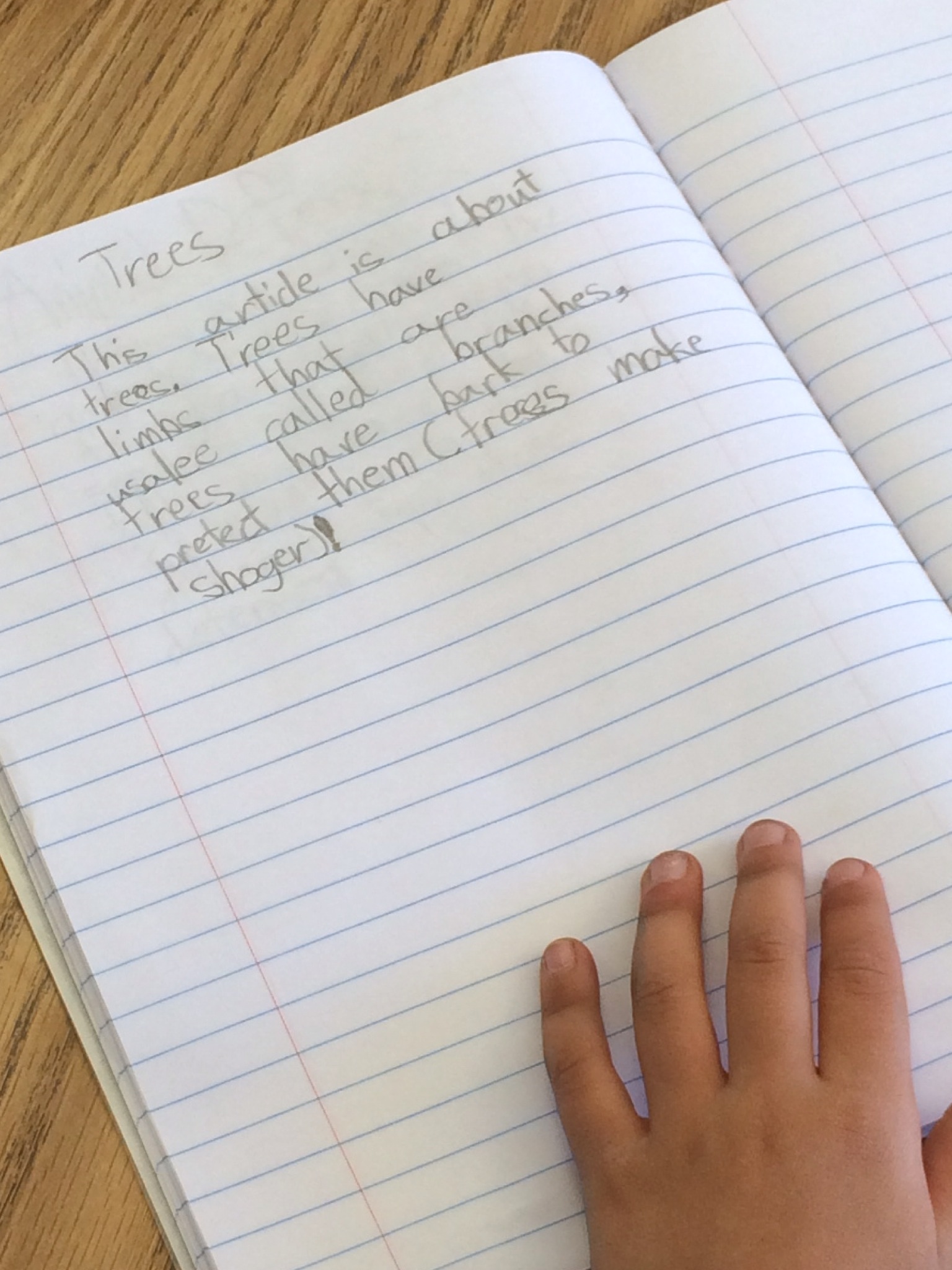
This first grader took a very formal approach, “This article is about trees.”  She made a very definite attempt to set the context and expectations for her writing.

photo_2-2

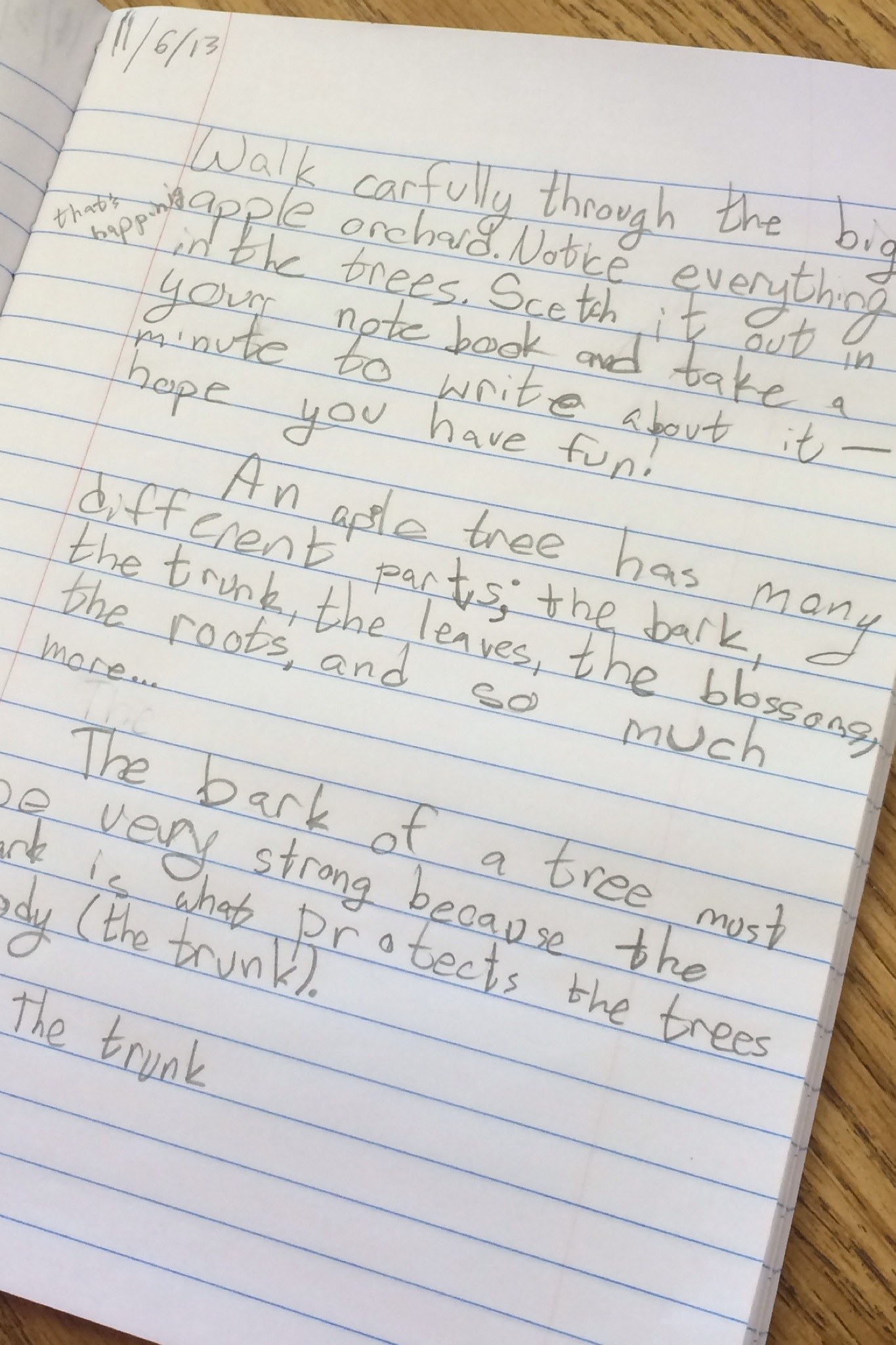
This third grader attempted the more complex and creative anecdote approach, “Walk carefully through the big apple orchard.  Notice everything that has happened in the trees. Sketch it out in your notebook and take a minute to write about it–hope you have fun!”

photo_4

And this second grader tried out a broad overarching idea, “Trees are amazing parts of Mother Earth.”

I feel like our students are getting the idea of the importance and variety of introductions. Tomorrow we will take another look at introductions–both from our mentor texts and from some student examples.  And then we will ask students to write another short informational piece about another topic they are familiar with…with an emphasis on the introduction.

And then next week we will shift our focus to endings…and continue to explore ways to support our students’ development of writing that includes beginnings and endings as well as rich content!

Writing is complex…and we can always work to make our writing better.  How do you support student writers?

photo_2-3

One Photo, Three Ways

When daylight savings time ended early Sunday morning, our daylight hours also shrunk. Instead of getting home with some daylight left, it is now dark.

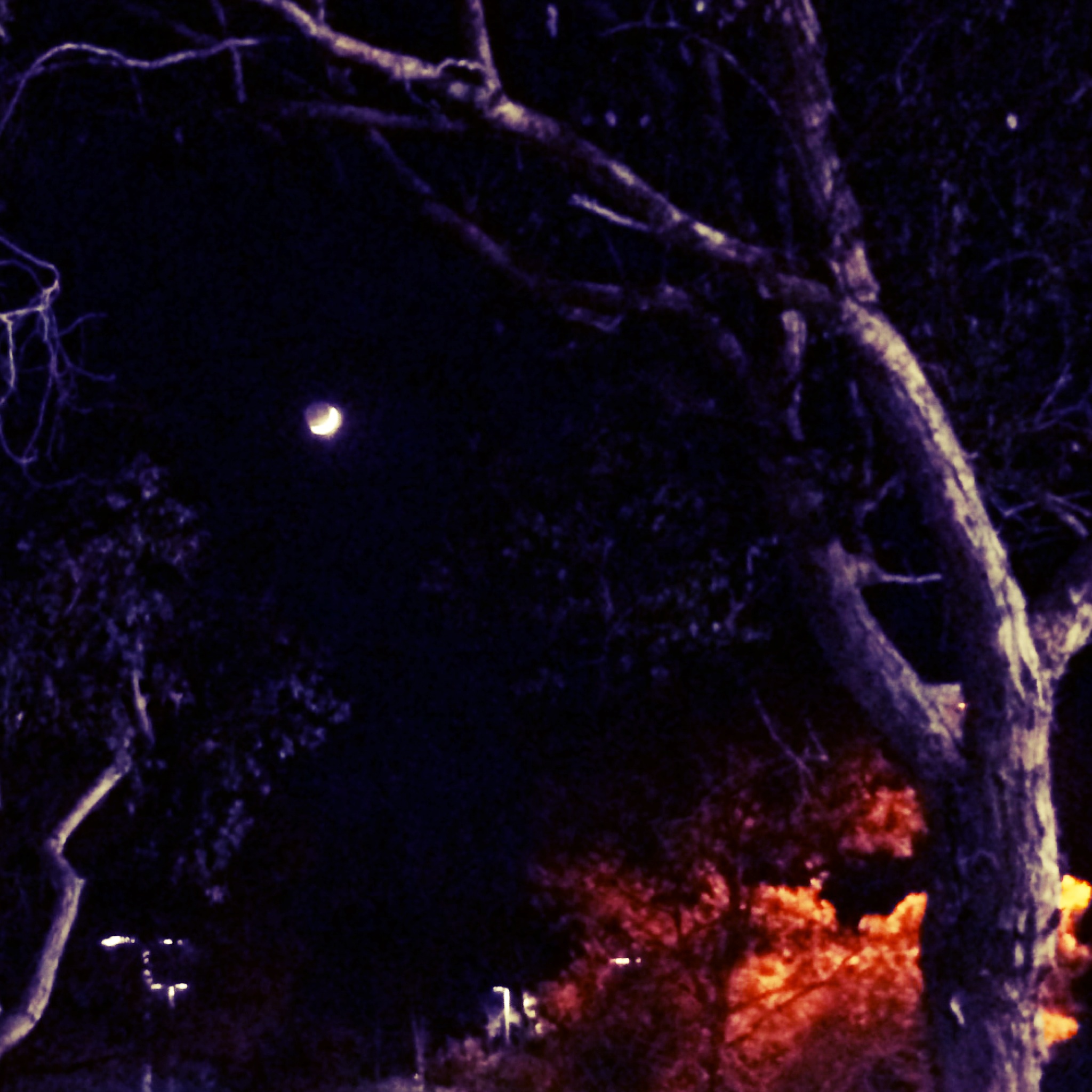
As I left the university this evening, it was already dark.  Looking into the dark, evening sky I noticed the beautiful fingernail of a moon.  Even knowing that my iPhone doesn’t take great pictures of the moon, I couldn’t resist pausing to take a shot.

photo_3

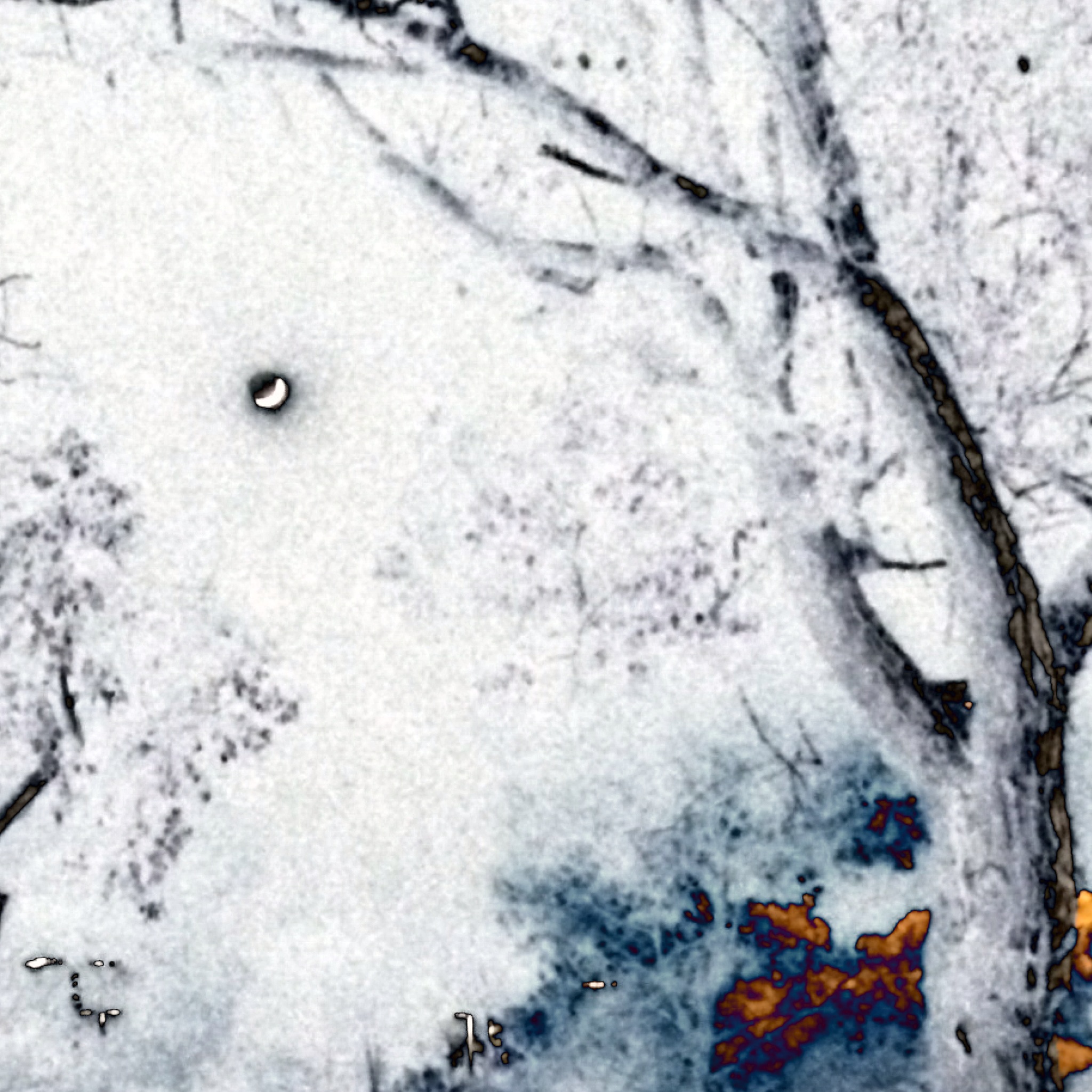
When I got home I thought I would play with this image (which was better than I anticipated) using the app Tadaa.  It has some interesting filters that work particularly well with playing with light and shadow.

Here’s a dark version:

photo_1

I like the way the trees frame the moon in the distance and the reds and oranges are nested in the foreground.  I couldn’t resist trying one of my favorite filters, otherland, and was surprised when it turned my dark, nighttime image to white.  I love the way the moon is silhouetted in the white sky.

photo_2

The filters dramatically change the mood and setting of this photo.  Each tells a different story by a simple change of the filter.

What stories do you see in these images?  I hope you’ll take a few minutes to write your ideas in the comments here!

A Balancing Act

Over at the NWP iAnthology, this week’s writing prompt is about the art of balance and that never ending question of how people balance their personal lives and their work lives and still gets all that they want to get done done.

That balance question is a tricky one…and I think the answer is idiosyncratic.  Each of us must define for ourselves what balance means.  On some days I feel miserable: too tired and overwhelmed to focus on the things I value.  On those days I’m often not eating right, I skip exercise, my family feels neglected, and my work suffers.  That’s when I drop the ball and need to step back and reevaluate.

photo-9

For me the secret to balance is in prioritizing.  I try to focus on what I love in both my work and my personal life…and lucky for me, there is lots of overlap!  I try to spend my time with people who give me energy rather than take it away.  I try to spend my time on projects that are interesting and generative and delegate tasks when I can.  And I try to make time for fun.  It might be as simple as a walk or some time taking photos or even texting with my sons…I find that those relatively quick and simple activities are rejuvenating.  They improve my spirits, make me feel good…and best of all, seem to have a positive impact on both my work and relationships!

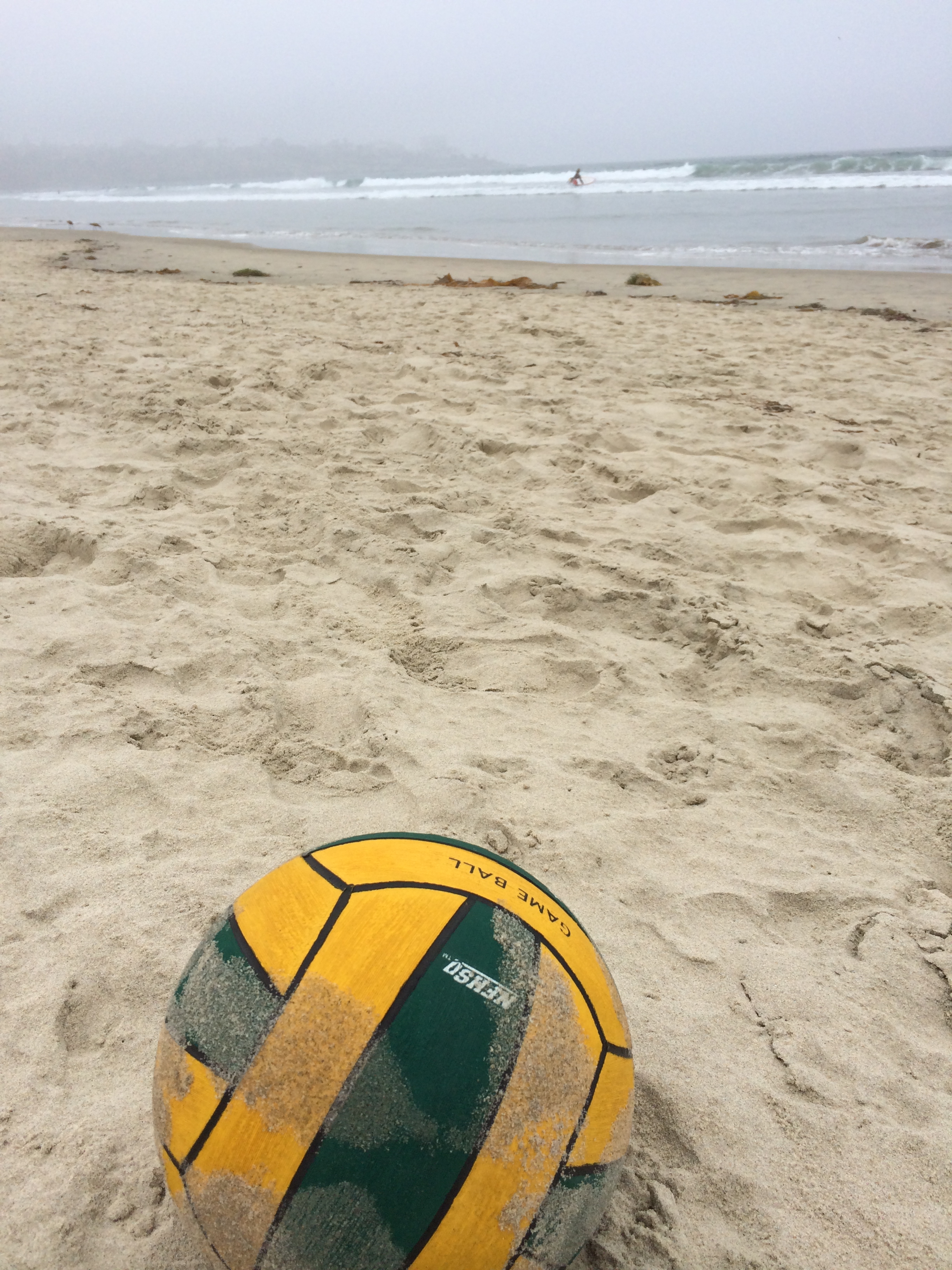
Like everyone else, I feel the stresses of overwork and expectations from time to time.  And this month is always a difficult one for me with report cards and holidays added to the regular everyday demands.  I’m reminding myself to stop and breathe.  And then to walk and take some photos…so instead of dropping the ball, I can take a fun picture of an abandoned ball (dropped by someone else) on the beach!

What do you do to achieve balance in your life?  What activities give you energy?

Working from the Why

Everyone loves a field trip…right?  Or maybe not…  As a teacher I like the way that field trips give my students a shared experience and helps to make abstract science or social studies concepts more concrete.  I also like to give my students access to experts in the field and help them imagine professions where this content learning is applied.  But…to get these outcomes, teachers have to plan carefully and connect classroom learning to the resources of the field trip destination.

The San Diego Area Writing Project (SDAWP), along with the San Diego Natural History Museum (SDNHM) and the Reuben H. Fleet Science Center (Fleet) are partnering in a National Writing Project (NWP) and Association of Science and Technology Centers (ASTC) initiative investigating the intersections of science (or STEM) and literacy (with an emphasis on writing).  Yesterday we launched our work  with ten formal educators (who work in public schools) and ten informal educators (who work in the museums mentioned above), with a particular focus on field trips.

photo-7

The facilitation team (of which I am a part) decided to launch our work by focusing on the why of the work.  Why is it important to re-examine field trips and consider ways to improve the experience for students and to create supportive structures for teachers and other adults who accompany young people to museums and other field trip sites?

Inspired by a TED Talk by Simon Sinek entitled How Great Leaders Inspire Actionwe spent our first (of 5) sessions focused not on the what or how of our project.  We sent teams of educators out into the museums to observe and experience an exhibit through a set of prompts that invited them to look and try through a variety of different lenses, and write about their experiences.  They critiqued the exhibit–not to find fault with it–but as a way to consider what structures might support learners’ interest, inquiry, and pique curiosity.

photo-6

Our short, but intense day left us with a desire to take action…to figure out how to make field trips amazing learning experiences, with students at the center.  One comment from the end of the day reflections is still bouncing in my head,

…the “why”has the power to transform educational practices.  From field trips to worksheets to projects, I wonder how many educators push past the “what.”

Our goal with this project is to do just that–to push past the what and consider the why. The why is where the action sits…and we want to take action toward improving field trip experiences for students by supporting the adults who facilitate them: teachers, museums educators, chaperones, and parents.

I can’t wait to see where this project takes us…  If only I had a window into the future to get a hint at just what the possibilities might be!

photo-8

What do you love about field trips?  What does your ideal experience look like, feel like, leave you thinking about?