Monthly Archives: January 2014

Making and Learning

Instead of thinking about teaching on Tuesday, I spent my day thinking about learning.  On the plane Tuesday morning I sat next to a young family who had vacationed in San Diego to go to Legoland with their two young boys…and got stuck Monday night because of the domino effect of the weather in the midwest and east coast.  For being pretty tired, the boys were great.  The littlest guy (maybe 3 or 4) was playing a game on his DS system.  Whenever he got “stuck,” he would hand the game system up to his older brother (who was maybe 5) in the seat in front of him and ask for help.  Brother would play the troublesome spot and then hand the game back and little guy would go on with his play.  After his brother tired of helping, mom would help…and coach as she did so.

At the same time I was reading Invent to Learn, a book about the maker movement and the value of engaging learners in meaningful activity to maximize learning.  It begins with the theory behind making as learning…including information about Piaget, Montessori, Dewey, Vygotsky, the Reggio Emilia system, and folks at MIT, including Seymore Papert.  The book emphasizes what they call the constructionist (rather than the constructivist) theory of learning.  Their argument is that through the concrete construction of meaningful projects, learners gain rich, layered skills that serve them in school and beyond.  They also emphasize the value of play.

I landed in Oakland and made it on time for my 9:00 meeting at the National Writing Project offices in Berkeley with a small group of like-minded educators interested in the maker movement, interested in the intersections of literacy and science and STEM-related learning, interested in meaningful learning, both in and out of schools, for young people in their community. We gathered to consider ways schools and writing projects might collaborate with other organizations to further these goals.

I wrote about my experience in Boston with paper circuitry here, and today we met with Jen Dick and David Cook to continue to build our relationship and thinking about the ways writing and circuitry enhance each other and might support student learning in and out of schools.  We began by talking about our own experiences with paper circuitry and the benefits and barriers to bringing it to our own contexts.  Lou had managed to secure some LED stickers from Jie in Boston and returned to his high school class in Northern California where he introduced his students to the paper circuitry project.  He described the success and excitement his students experienced and what he learned from both his students and his own children who also tried out the process.

We took our circuitry learning a step further and programmed mini controllers to make our LED lights blink on and off at intervals we selected.
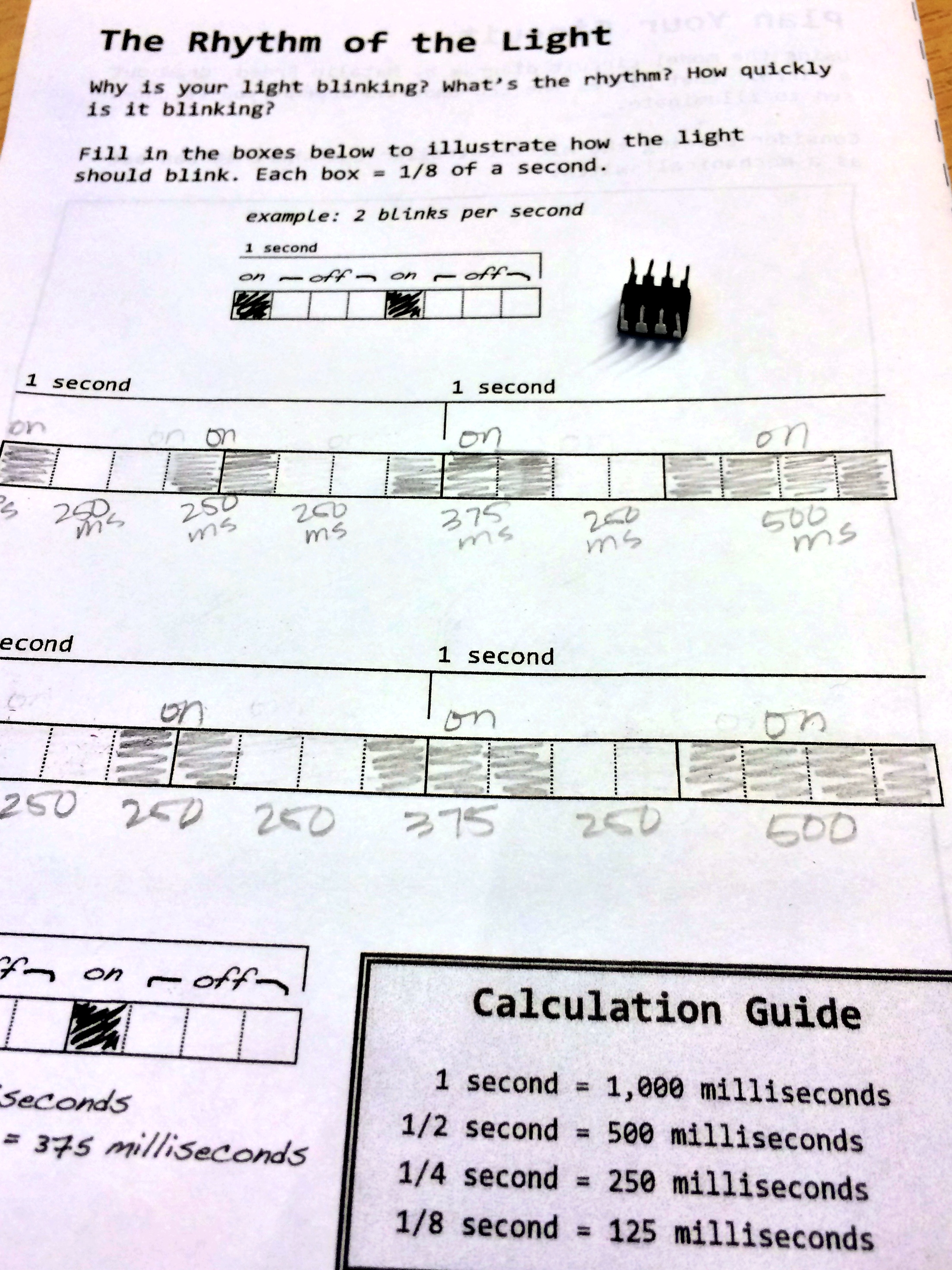
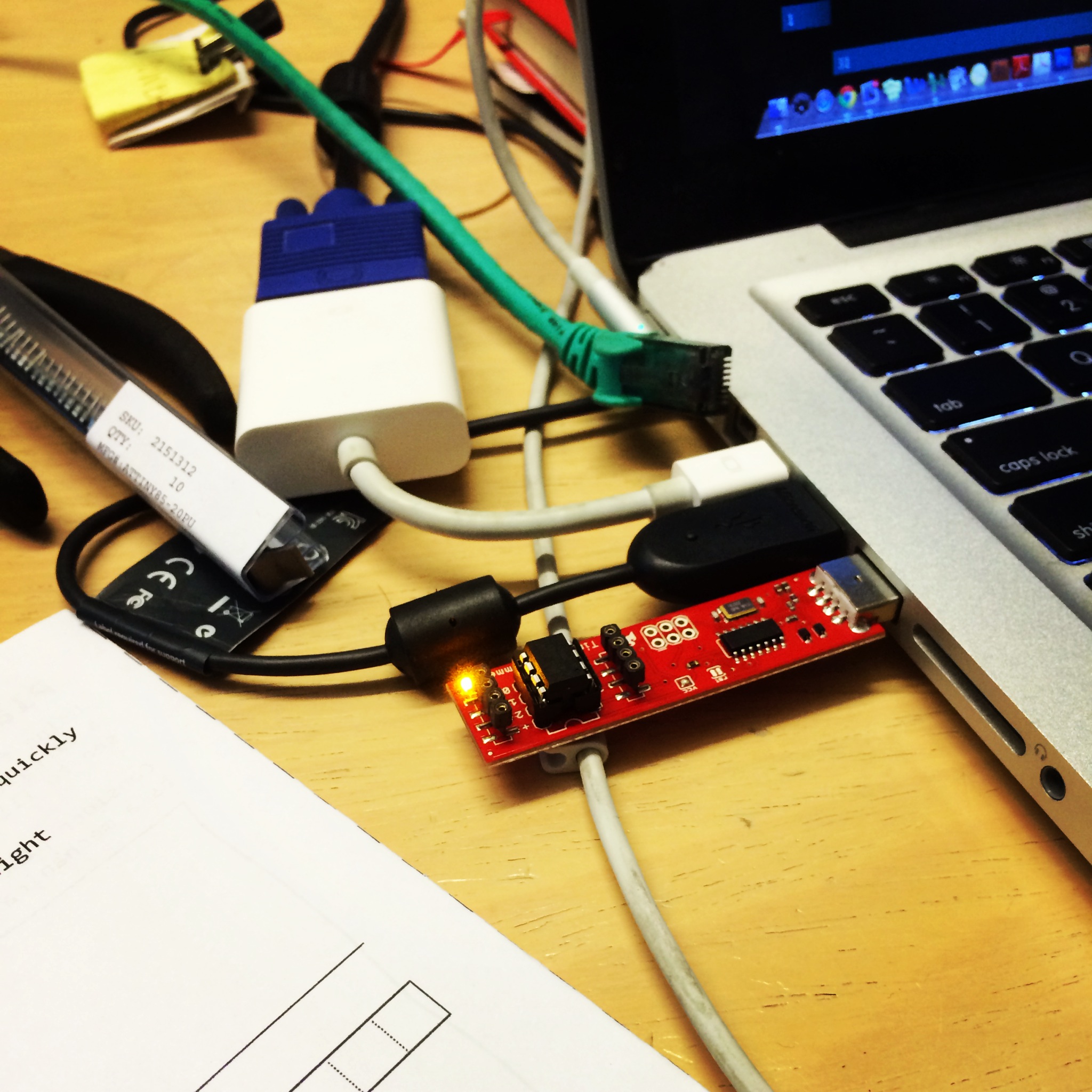
photo-44

photo-43

We also learned about some other exciting new developments on the horizon for merging the science of circuits, technology with programming, and writing.  I still find myself thinking mostly about what students learn when they make a plan and then need to troubleshoot and iterate to get it to work the way they intend.  Systems thinking is a powerful tool that we employ throughout our lives across subject matter and circumstances.

Jie, the designer of the LED stickers, also Skyped with us after we worked with the circuits and we all thought together about how these stickers impact the experience of working with the circuits..and with the the experience of the creating of writing and imagery with the lights.  I appreciate Jie’s attention to the aesthetic experience of composing writing and art and how it is enhanced or impeded by the circuits rather than putting the circuits themselves at the front of the project.  By considering the work as a whole…light and drawing and writing…she reminds us that it is the integration of these elements that create the meaningful result.

The morning ended with the group thinking about how we might put these LED stickers to use back in our classrooms and at our writing project sites.  There was much more to the day…but that will have to be another post.

And I am left thinking about learning.  Those little boys on the plane, the book I was reading, my experience programming to create a blinking light all remind me that the best of learning is meaningful, active and interactive, and collaborative.  Even though I understand the basics of circuitry, sitting next to Peter and examining his working circuit informed my thinking…and since I ran out of time before completing my mini project, I will finish it on my own, at home. I’m confident that I know how to make it work and if I do run into a problem, Peter and my others colleagues are just a tweet or email away.  If you want to see Peter’s finished mini project, see his Vine here.

I can’t wait to share my experiences with my students and with my colleagues.  I look forward to exploring all the ways that writing can enhance and expand this circuitry work along with how the circuitry and lights can add another dimension to the writing.

Exploring, Lagoon Style

Sometimes I find myself taking the same photo over and over again.  I definitely have my favorite places to go, and when I’m not intentionally doing something differently, habit leads me to frame that same photo yet again.

To combat that, and to push my photography, I’ve been trying two things: finding someplace new to take photos and framing my photos in intentionally different ways.

I stopped by the San Elijo lagoon yesterday and snapped a few photos near sunset.  Today we headed off to the Batiquitos lagoon–a place we seldom visit–to walk the trails and take photos.

Heading west, we took a trail over a small bridge and found ourselves on a mucky path, slick with mud and wet sand.  We trudged on for a while until we got to a place where we could only pass by climbing rocks.  But along the way I had noticed the pickleweed, a specially adapted plant that thrives in the brackish water of the lagoon.  It’s often green, but today it was gorgeous with vivid pinks and reds.  I got out my macro lens and leaned in close to capture the pickleweed.

photo-20

And as long as I had the macro attached, I took photos of other native plants including salt grass and whatever this plant is.

photo-21

Heading back to the east, we found the drier part of the trail and walked with many people and their dogs in the sunny mid-60 degree weather.  We spied an osprey high in a eucalyptus tree overseeing the lagoon.  Ducks paddled and dove down into the briny water for a mid-day meal.

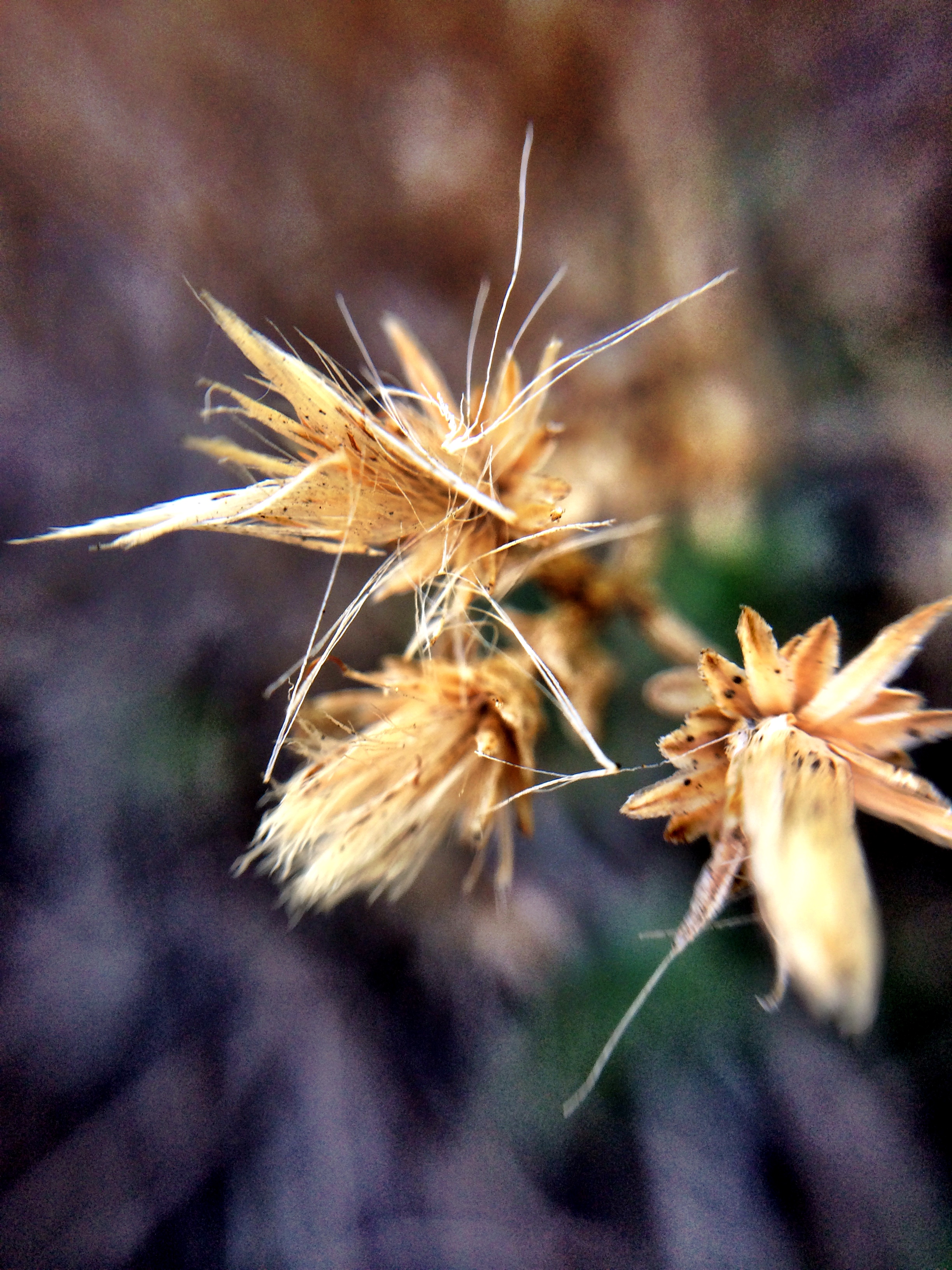
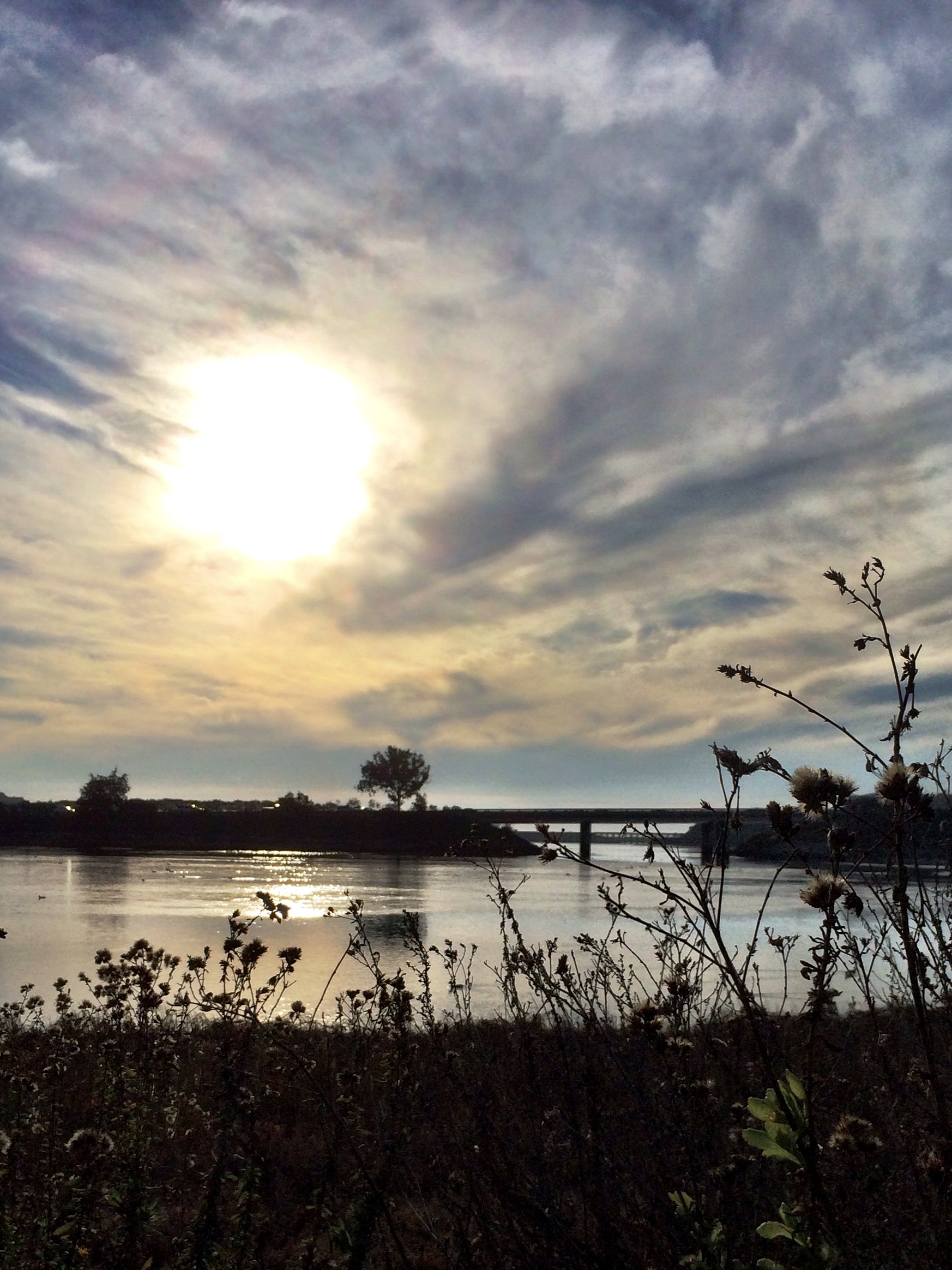
I love the way this lagoon plant almost looks like cotton with puffs exploding from it.  I worked to photograph the lagoon with this plant in the foreground and the sun over my shoulder, framing the water with the plant instead of shooting over the top of it.

photo-24

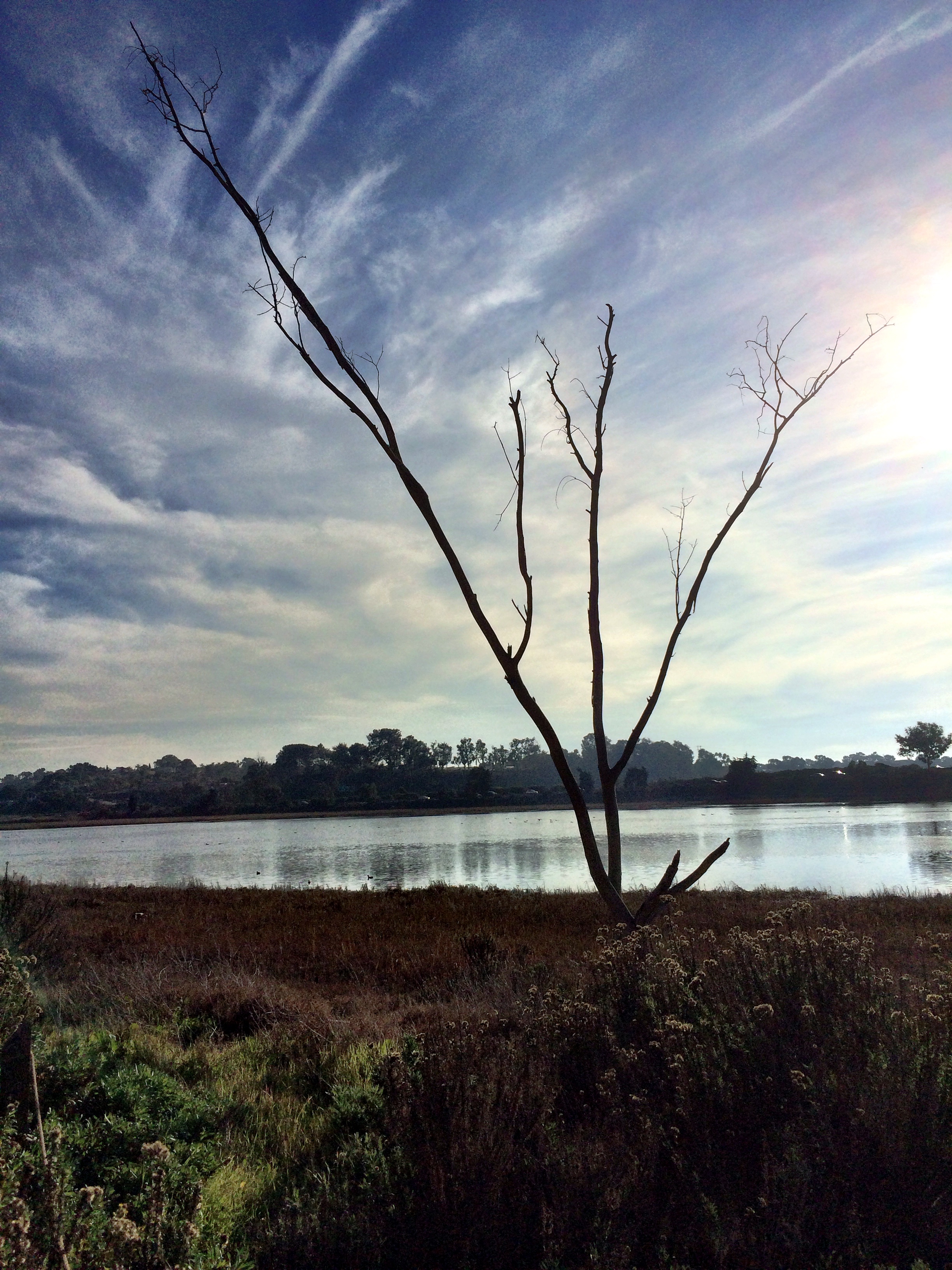
Bare trees are uncommon around here, so this one caught my eye.  Instead of focusing my camera on the tree branches, I worked to see the lagoon through the tree, capturing the wispy white clouds and the shine of the water’s surface behind it.  Shooting toward the sun created the silhouette-like sharpness of both the foreground and the background.

photo-22

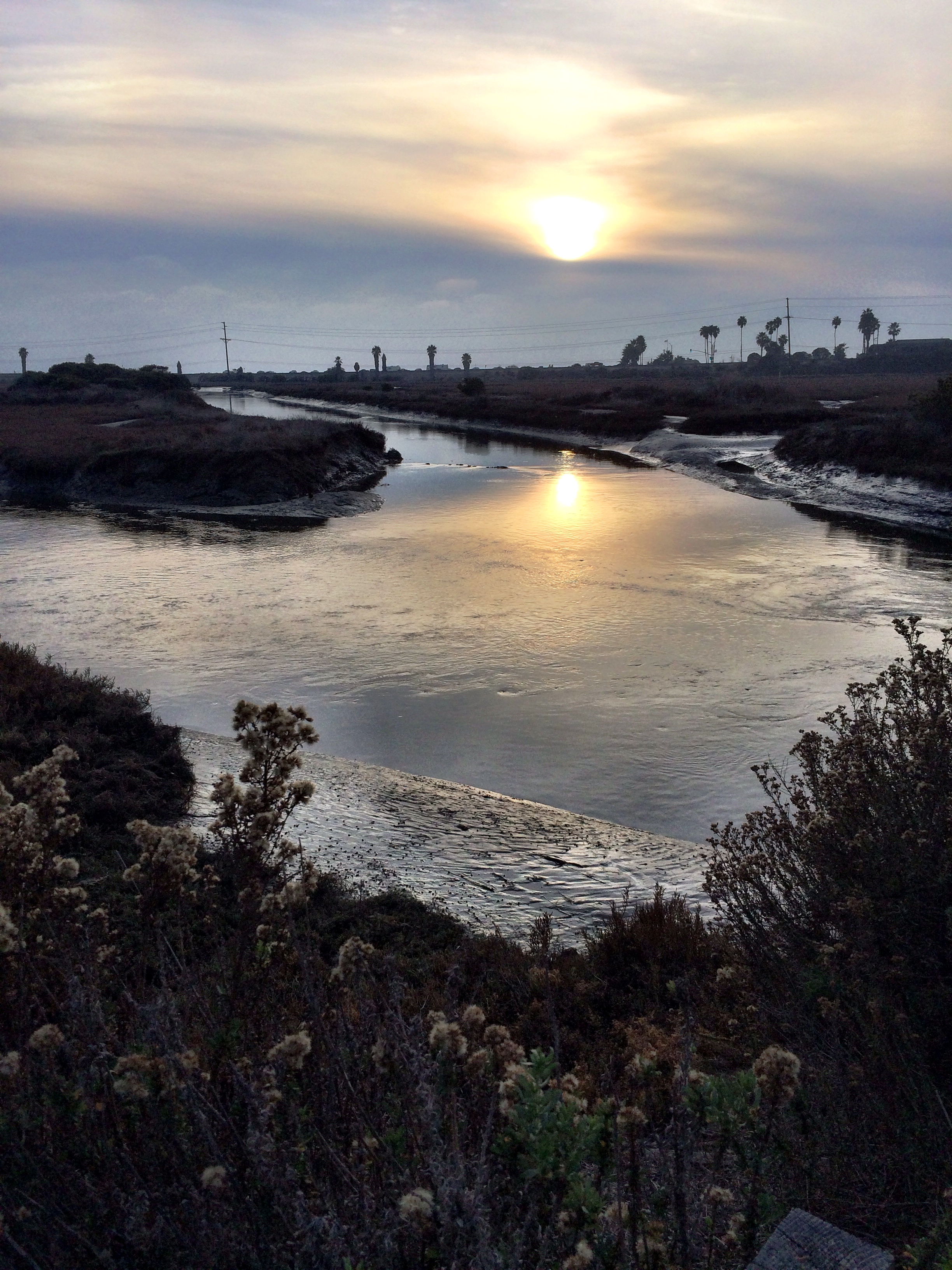
As we were leaving, looking toward the northwest, the sun was a bit off to the side as I tried to frame this image of the space where the freeway passes over the lagoon.  I knelt, pulling the brush into the image as I looked out to the ocean.  You can see the fog beginning to gather along the coast and if you look closely you might even notice the many ducks floating on the current just beyond the brush.

photo-23

And as an added bonus, we got in a nearly two mile walk in the fresh, salty air on our quick photo expedition!

Beginnings

New Year’s Day just passed and everyone is talking about beginnings and goals and thinking about the accomplishments of the year gone by.  But somehow, January 1st seems like an arbitrary beginning to me.  It’s just not the time when I am ready to take stock of the year and make plans for the new.

As an educator, January feels like the middle.  In some ways we have just really gotten started on our learning this year.  Everyone has settled in, we’ve figured out how to operate as a learning community, and with the holidays behind us we are ready to surge forward!

And then the Weekly Photo Challenge presented this week’s prompt–beginnings–and I started to think about how sometimes beginnings and endings are hard to distinguish.  Kinda like the chicken and egg dilemma.  Which comes first?  Which is the beginning and which is the end?

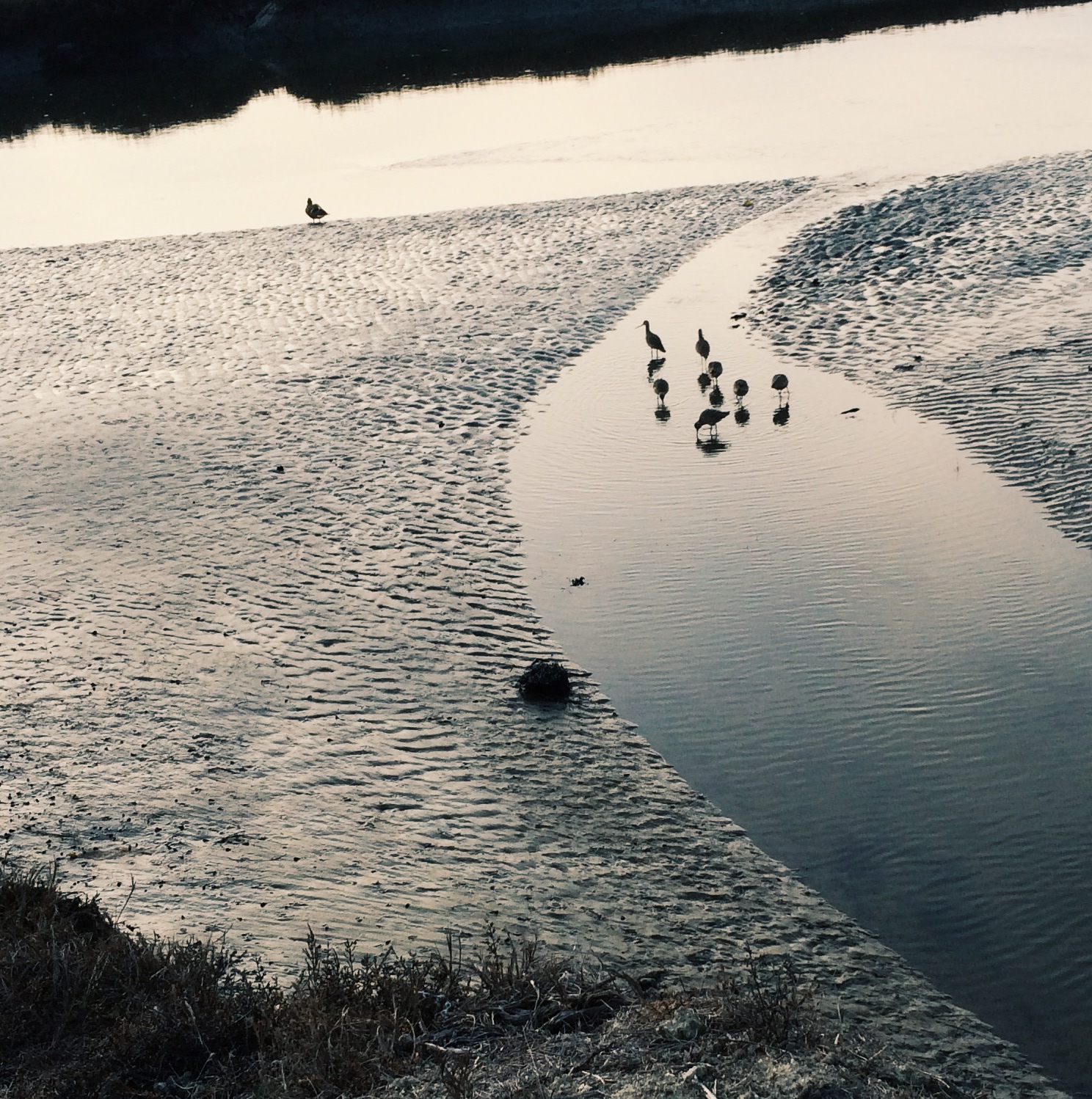
In my pursuit of interesting photos today I found myself at the lagoon–that space where the ocean mingles with fresh water creating a complex environment teeming with life.  It was nearly sunset when I arrived and the briny air was chilled by the gentle sea breezes as the impending fog bank rested off shore.

photo-17

The tide was out, exposing the mud flats, presenting a banquet for the marsh loving birds.

Processed with VSCOcam with g3 preset

Is this marsh the beginning of the ocean or the end of the river?  Is sunset the end of the day or the beginning of the evening?

I’m not so sure it really matters that we have “hard” starts and stops, but it definitely matters that we take time to reflect, consider the experiences we have, and move forward with intention.  I may not do this on January 1st (or December 31st), but I do take the time at regular intervals to consider my work and my life and make adjustments to its course.

Processed with VSCOcam with c1 preset

And sometimes I just take the time to pause and appreciate the moment.  Maybe that, too, is a beginning.

Gaps and Possibility

While I’m still officially on vacation, today was a day spent catching up…on laundry, housework, email, and some reading.  I’ve been reading Onward, (a Christmas gift from my sister) Howard Schultz’ book about Starbucks and his realization that his company had lost its way. He describes the journey to transform Starbucks to be forward thinking, innovative, and successful “…without losing its soul” as requiring hard work, strategic planning, collaborative effort, and respect for employees and customers.  I’m only about a third of the way through the book, but I find his willingness to sacrifice short term gains for the greater long term good interesting and thought provoking.

I also read an article today entitled, We Need to Talk about TEDabout a recent TED talk by Benjamin Bratton where he talks about how little action results from the ideas presented in TED talks.  He describes the ways that TED talks oversimplify the problems we are confronted with and overly rely on inspiration as the take-away from their viewing.  If we talk about problems in inspiring ways, those problems will be solved. Bratton talks about the folly of seeing problems as a puzzle to be solved–implying that all the pieces are already here, ready to be assembled…and that this is a barrier to solving the very problems that need solving.  This talk definitely is worth thinking about…I know I’ll be giving it some more consideration.

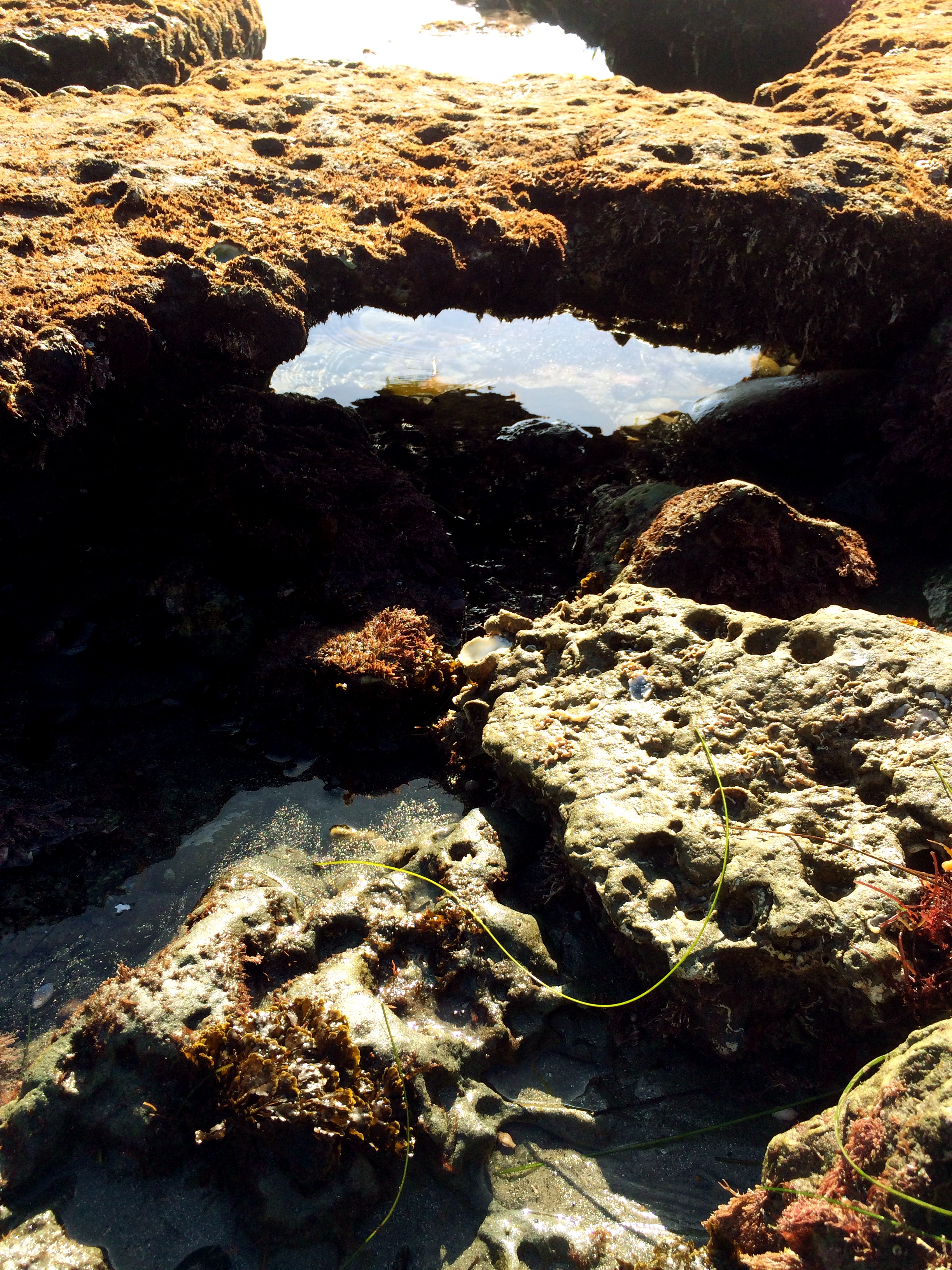
This week’s Word a Week Photo Challenge is Gap, so as I was thinking about my reading, I was also looking through the pictures I have taken in the last few days for an image to capture gap.

I found myself thinking about gaps…gaps in understanding, gaps between problems and actions, gaps between beliefs and reality.  The word gap tends to give a negative connotation to space…it implies that something is missing, not closed properly, maybe even dangerous.

When I looked at this picture taken on the beach a few days ago, I saw the gap…and I saw the possibility that is positioned around the gap.  I also see the beauty in the gap, the space for imagination and innovation and appreciation of the complexity that surrounds us.

photo-16

I also read a short article today, Use Language to Shape a Creative Culturearguing that changing language from negative to positive can dramatically impact the culture of the workplace (and other places as well).  I know that positive language makes a difference to me, it makes a difference in my classroom, and it makes a difference in our writing project.  When we consider, “How might we…” instead of getting mired in all the potential barriers, we are able to come up with creative solutions and move from ideas to action.

I like the way the gap in this photo also highlights the bridge above it.  I’m known to be optimistic…and yet I know that positive thinking alone doesn’t get things done.  But I do know that believing that something is possible allows me to find a way to figure it out…to dig in, try some things, connect with others and learn from their efforts, and then step back and reevaluate my own efforts, make a new plan, and try again.

So maybe we need to analyze gaps and consider redefining them as spaces…spaces to leap over, spaces where a bridge might work, spaces for the wind to soar through.  Change and action take effort, not just ideas.  But we do need spaces for ideas to grow, so look for the gaps in your life that offer opportunity and beauty, and consider, “how might we…”