
It’s October 20th…and that means it’s the National Day on Writing! We started our day by talking about the reasons we write during our morning meeting. It warms my heart that most of my students mentioned either that writing is fun or one of our recent writing activities (writing letters or making zines) as their reasons for writing. I do feel like we are building a wonderful writing community in our first grade classroom. It’s a place to take risks, a place to express ourselves, and a place to build our knowledge and skills related to writing.
So after recess today, I read my students Kiyoshi’s Walk by Mark Karlin. In this lovely story, Kiyoshi is asking his grandpa where poems come from. On each stop along the walk, Eto (Kiyoshi’s grandpa) writes a short three-line poem about something they see, hear, imagine, or feel…each adding to Kiyoshi’s understanding of where poems come from. At the end, Kiyoshi asks his grandfather if he can write a poem…and writes a beautiful three-line composition for his grandfather. While technically the poems in this book are Haiku, I talked about them as three-line poems rather than engage in syllable counts for my students today.
With this as inspiration, we grabbed our sketchbooks and headed out on our own walk, ending up in our school garden where we wrote our own three-line poems inspired by our walk and our time writing in the garden.
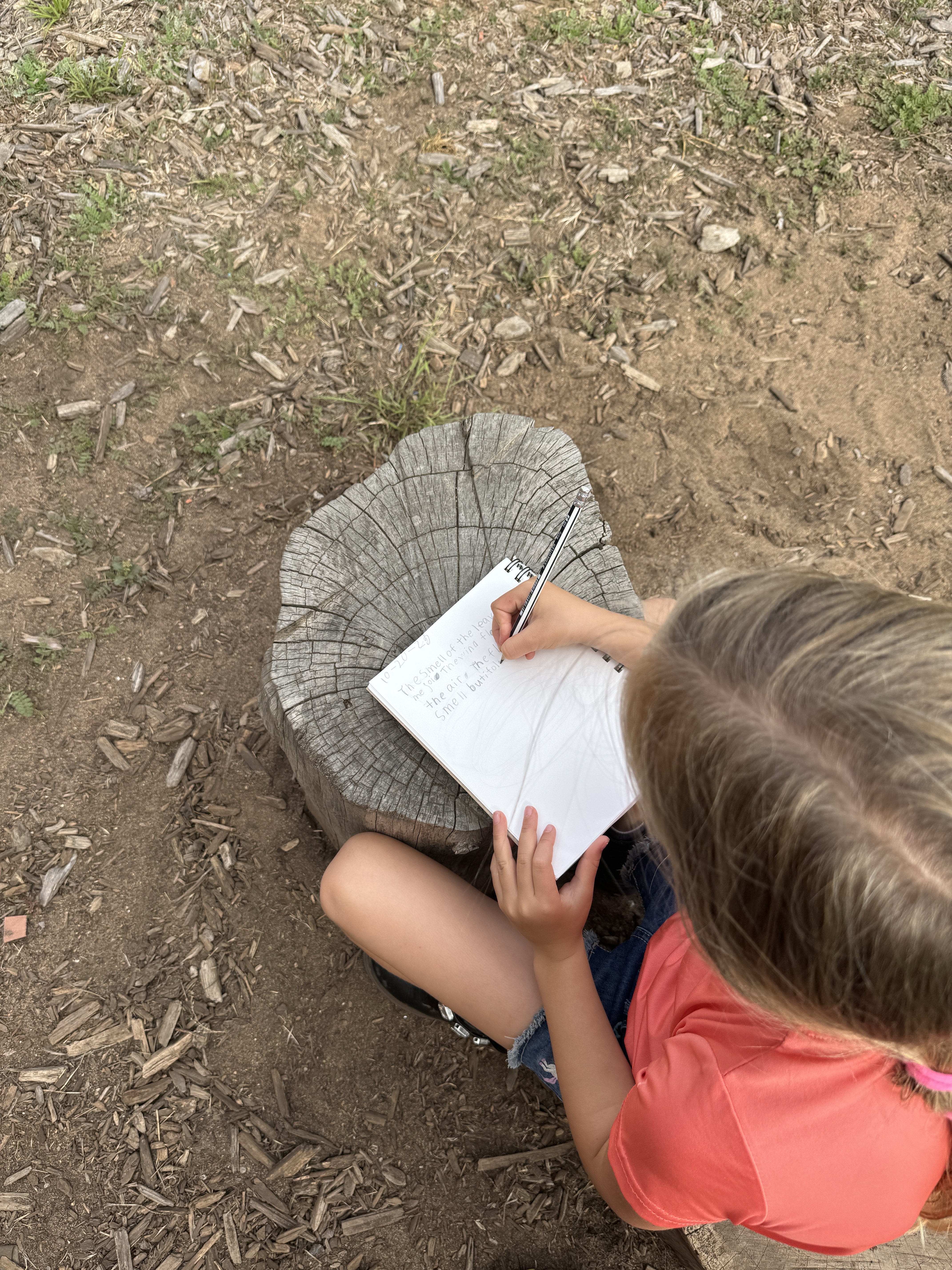
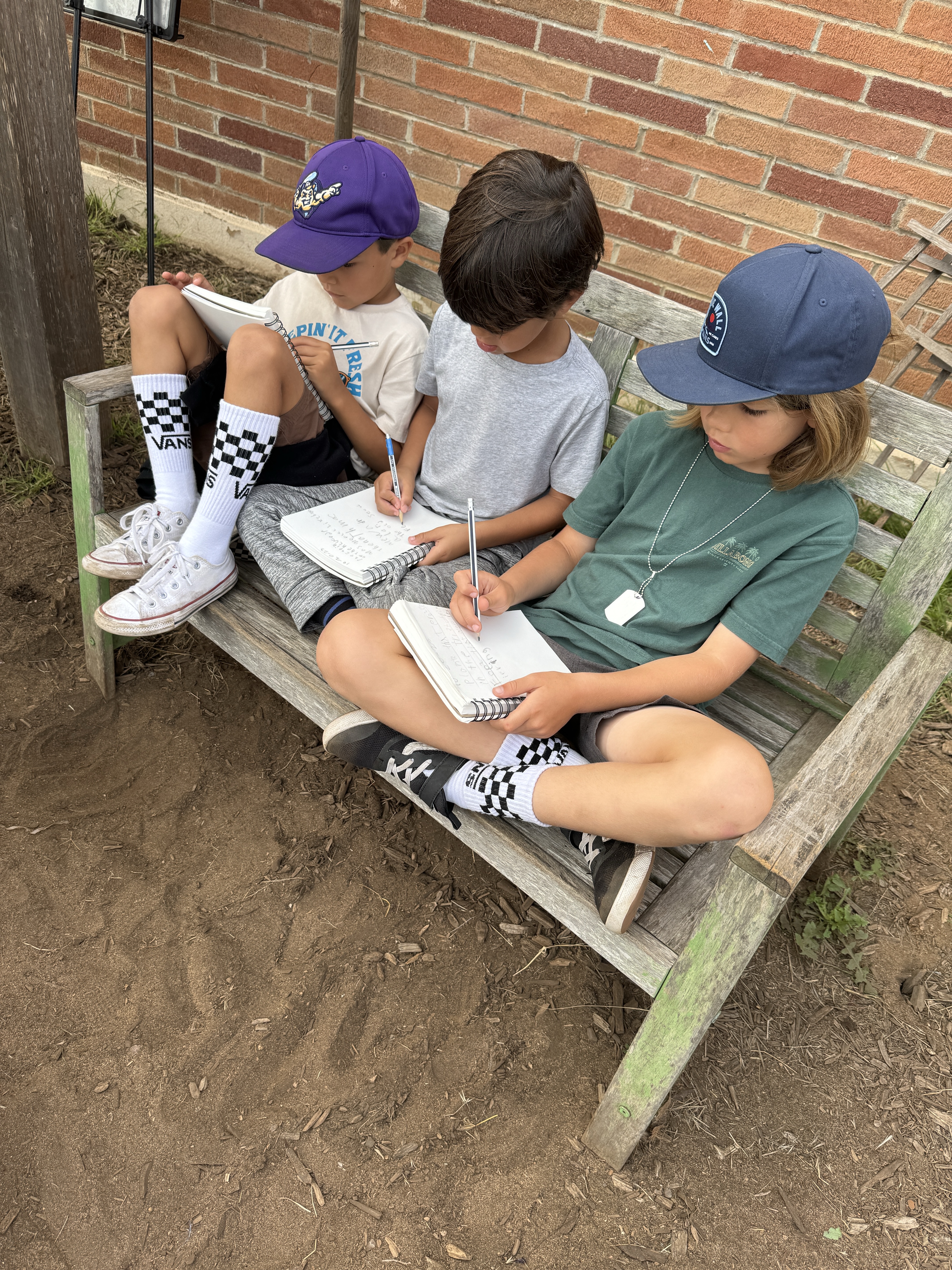
These first graders wrote as many three-lines poems as they could during the time we were in the garden. They wrote about the fog that wafted across the playground, the rollie pollies that they love to rescue from the sidewalks, ladybugs, passion fruit, the sky, tomatoes, potatoes, and so much more.
When we returned to the classroom, writers shared a few of their compositions and then picked their favorite to copy onto another sheet of paper and illustrate. While their poems are still developing, they are beginning to get the idea that there are many different reasons and inspirations for writing. Here are a couple:
I See a Butterfly by C
A butterfly flying
In the garden with yellow wings
Pollinating the garden flowers.
The Blowing Fog by M
The fog is blowing
The rollie pollies are crawling
The flowers are blooming.
I also know that being outdoors is a powerful motivation for writing for the first graders I teach. Changing our writing venue, writing in a sketchbook rather than a notebook, and writing under the influence of nature all keep writing fresh and novel. And my writing with them also matters. I hope they are learning that writing is not just for school, but that it is a lifetime pursuit that can serve many different purposes.
And I know that I don’t need #writeout or the National Day on Writing to keep writing at the forefront of the classroom–but it’s fun to know that there are educators all over taking their students outdoors, playfully approaching writing tasks, and making writing something students love…for so many different reasons.
So I leave this post with the NDOW question, Why do you write?
Yeah, I’m that person. The one who is quick to point out that purpose and audience matters in writing. I also know that the realities of the classroom often means that purpose and audience can both end up being contrived as we strive to provide real world writing opportunities AND work in all the other demands of teaching writing.
So this year when a colleague asked if I wanted to have my students be penpals with her fifth graders, I was quick to say yes. I like the idea of starting out early in the school year so we can ensure that our students can participate in several exchanges. We’re hopeful that as we progress in this penpal process that we can arrange to have our students meet in person as well.
I’ve had students participate in penpal projects in years past. And I have positive memories from the experiences. The challenge is always finding the “just right” partner to make sure that the exchange of letters happens with some regularity. And of course, you have to keep up the energy and excitement for yourself to make sure you make space in the school day to get those letters written.
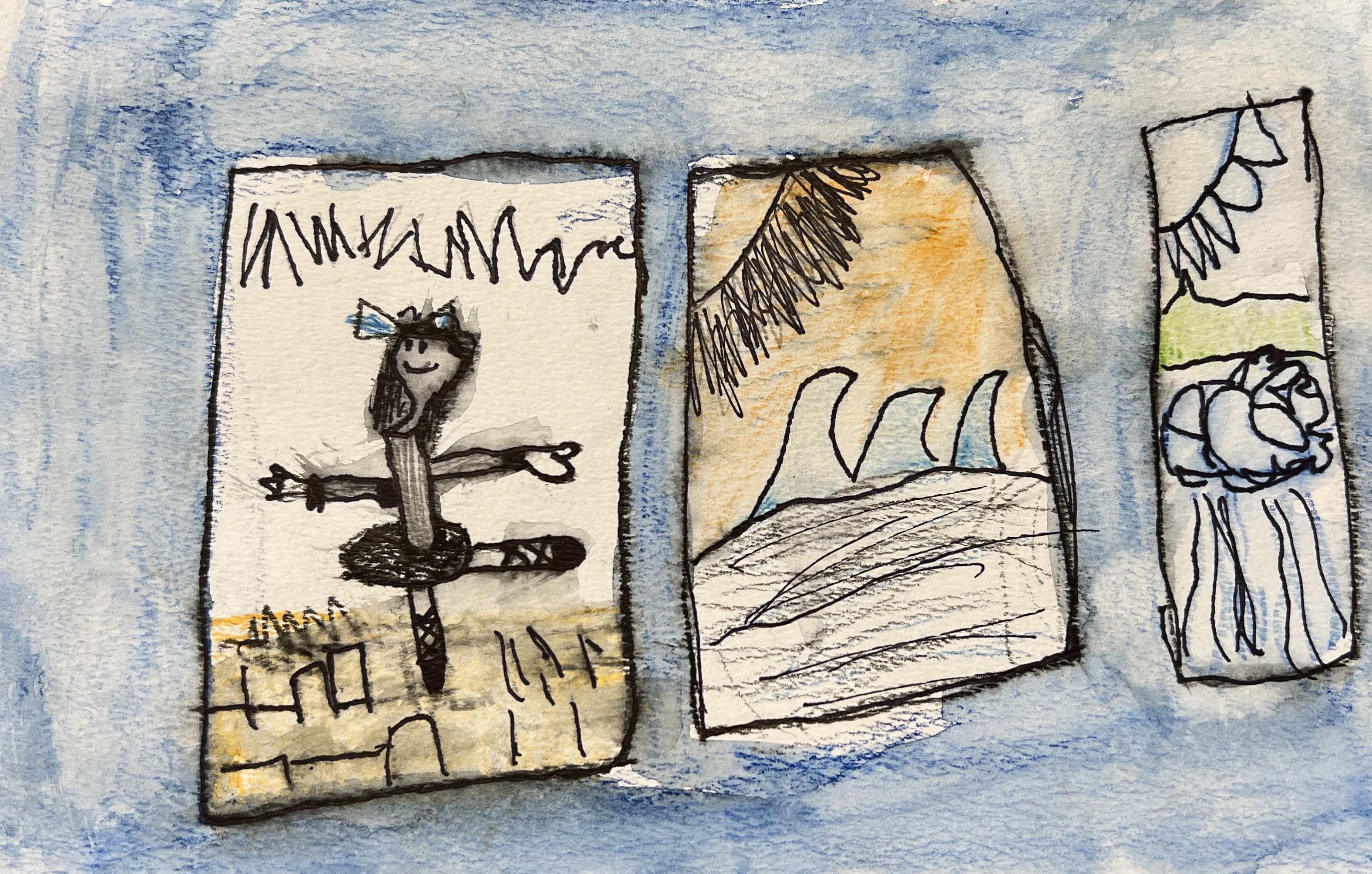
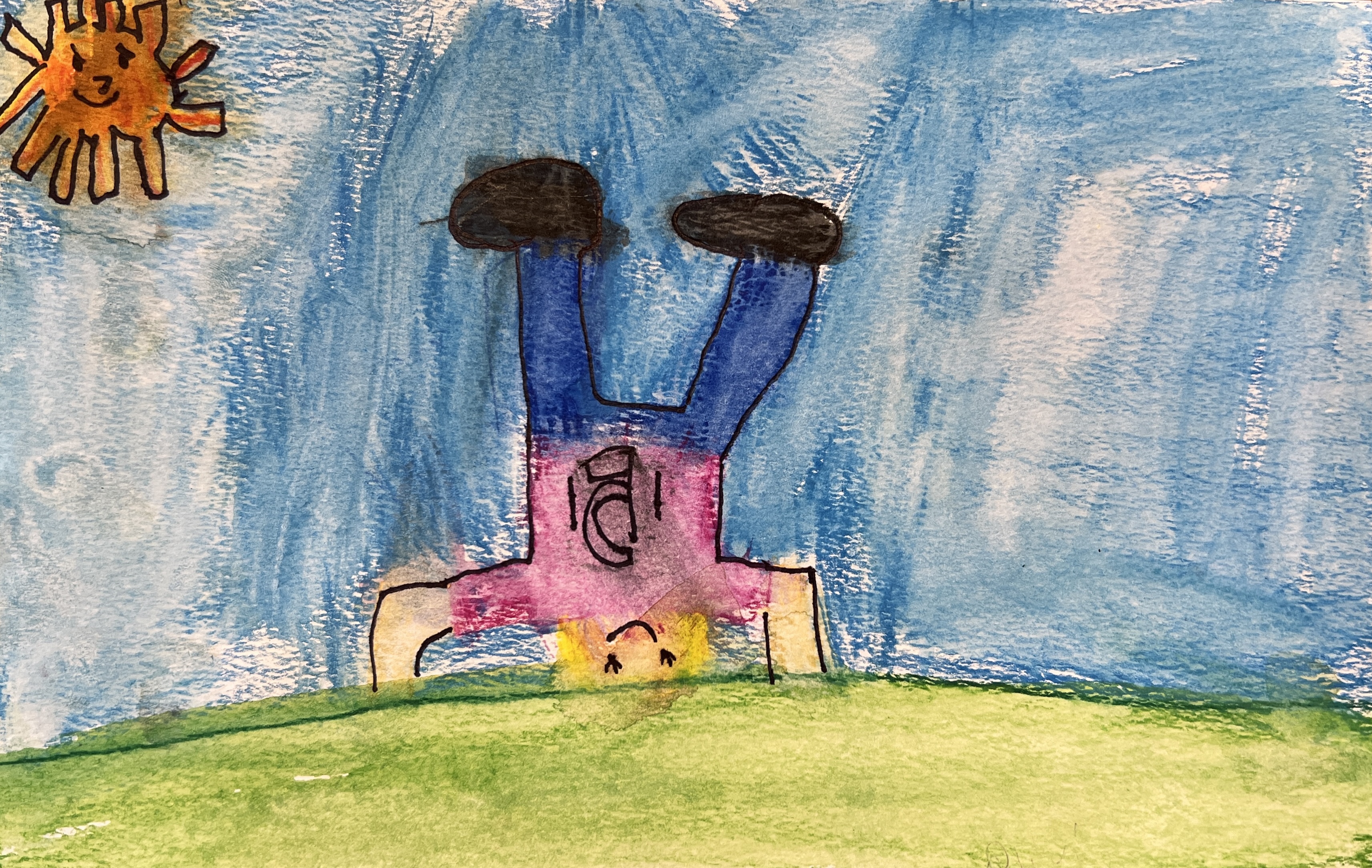
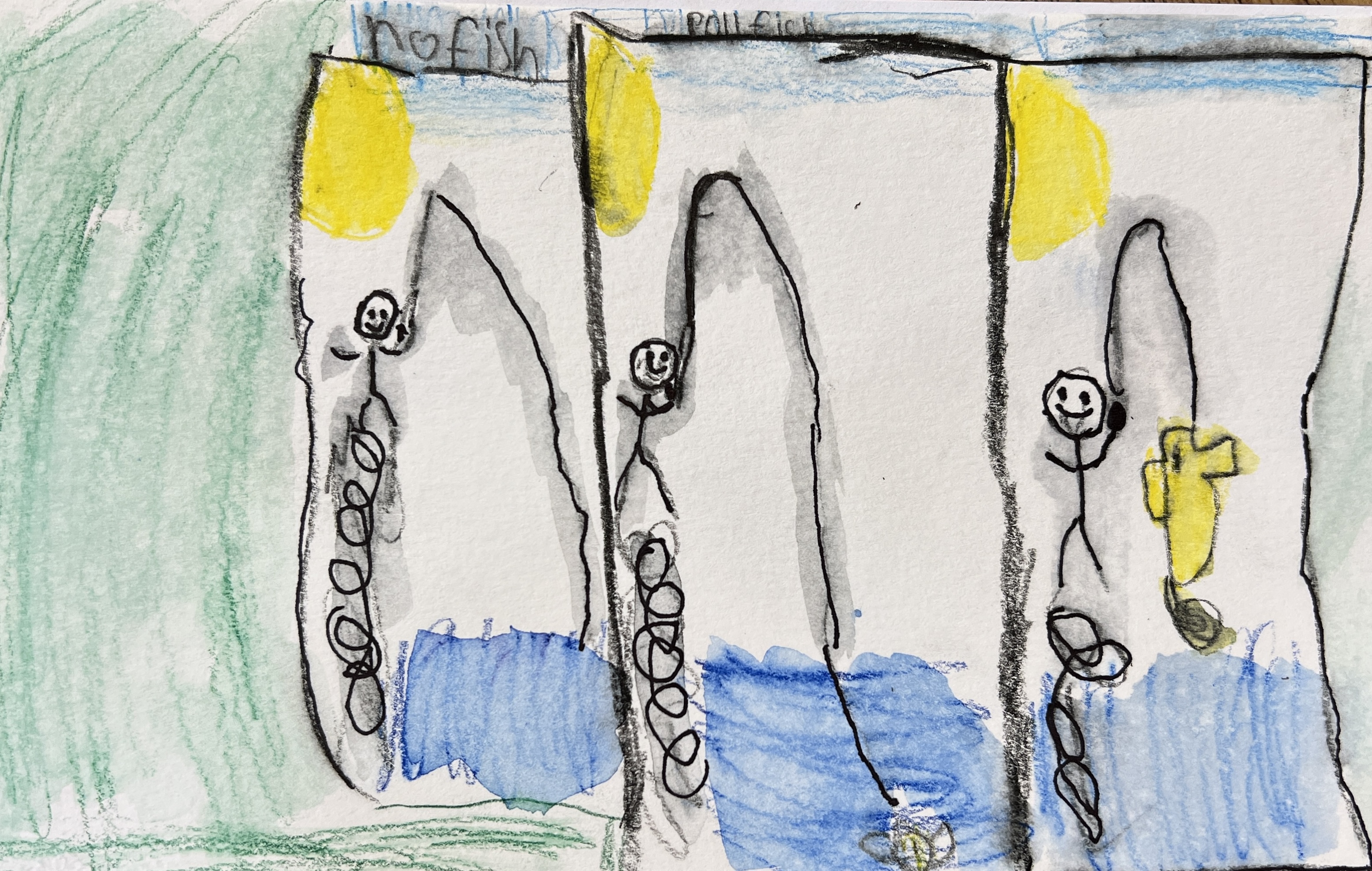
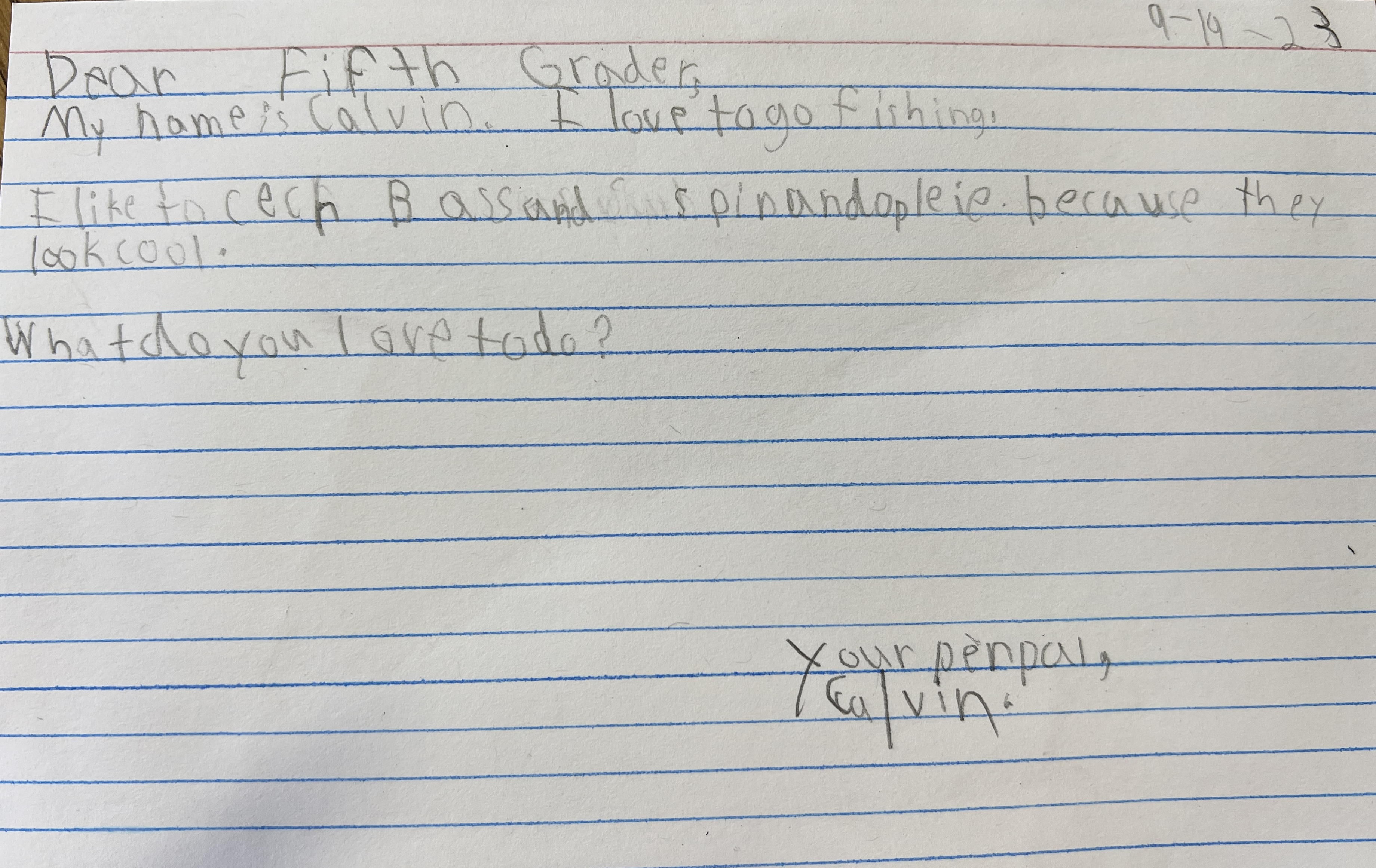
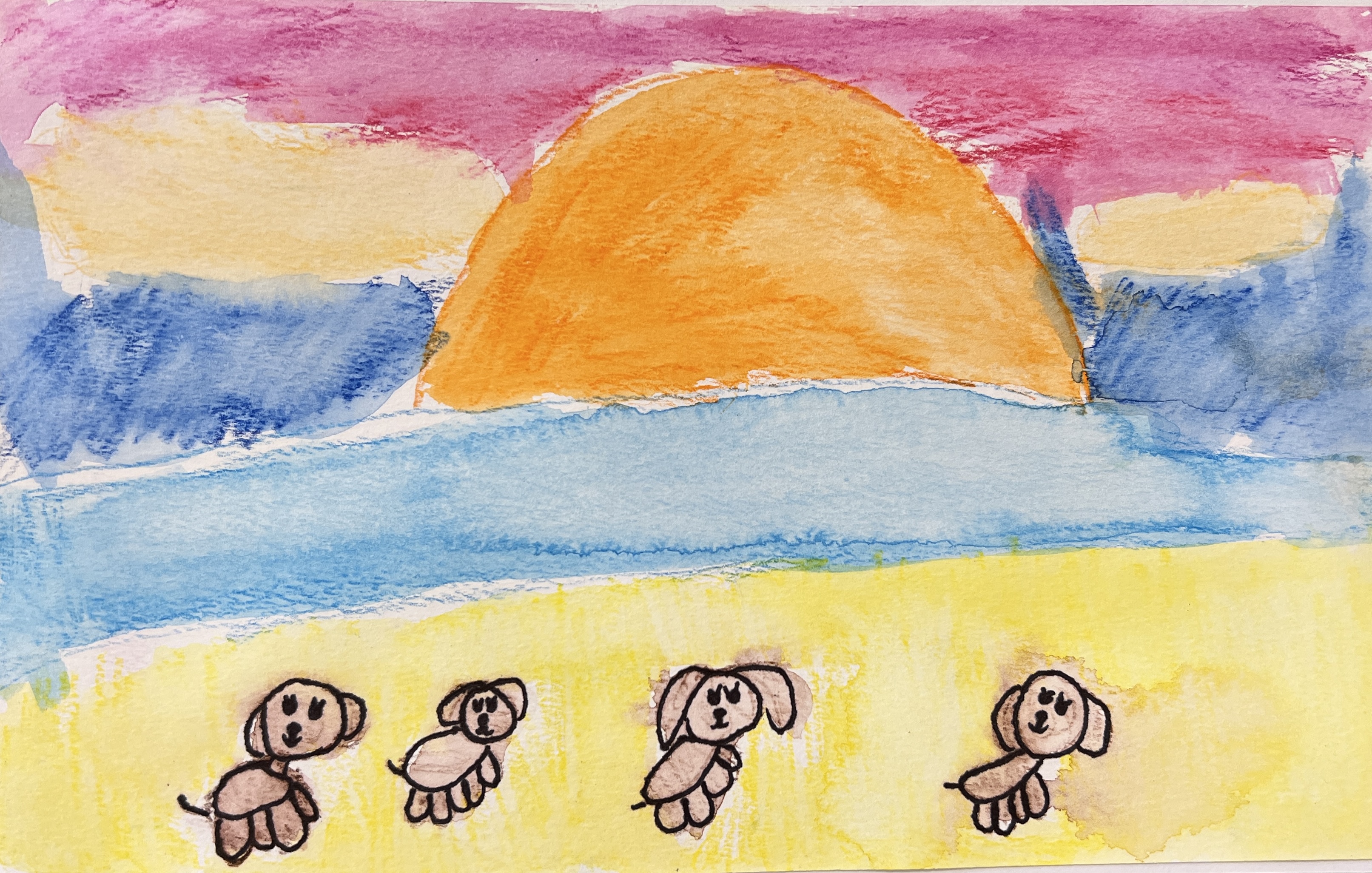
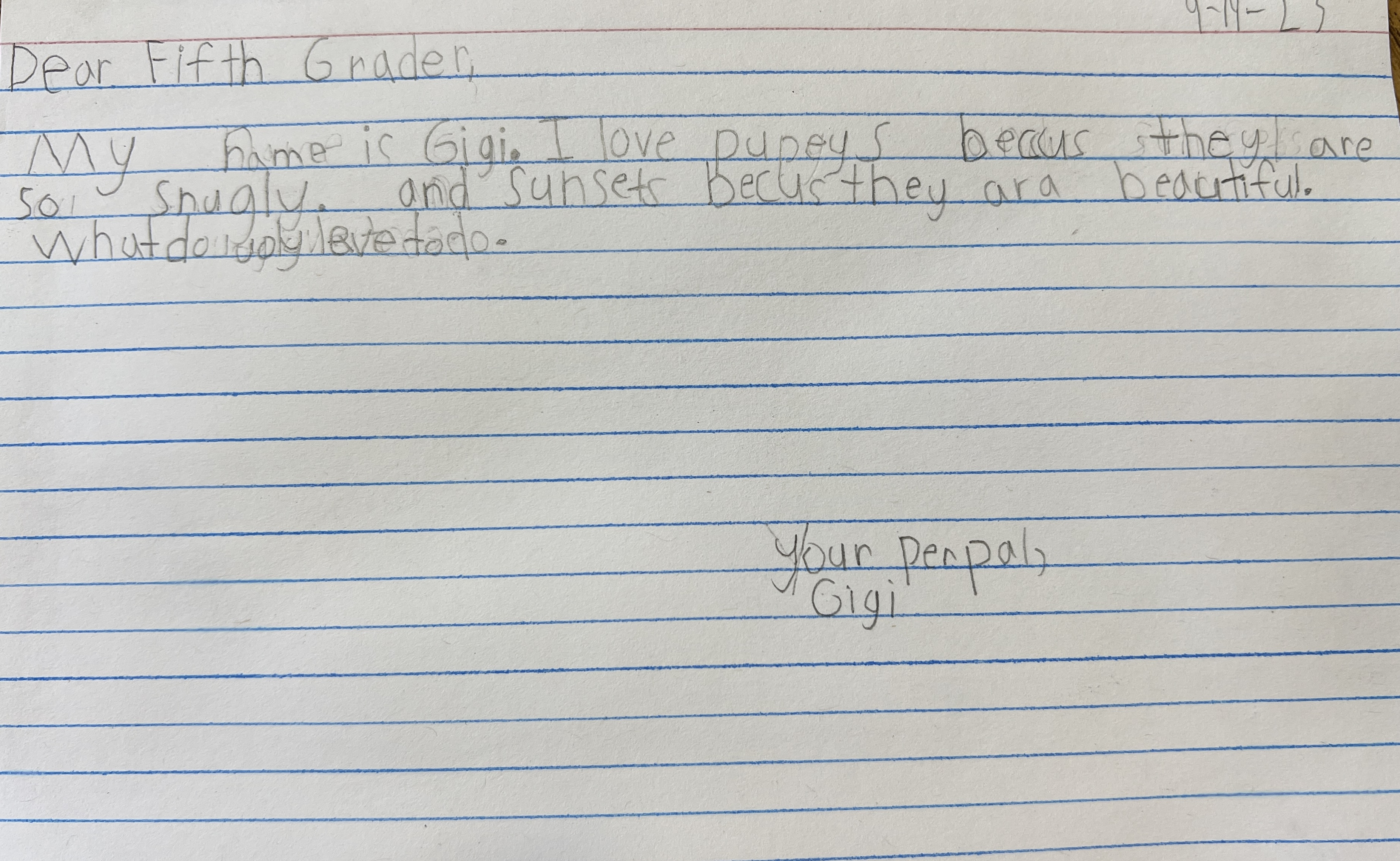
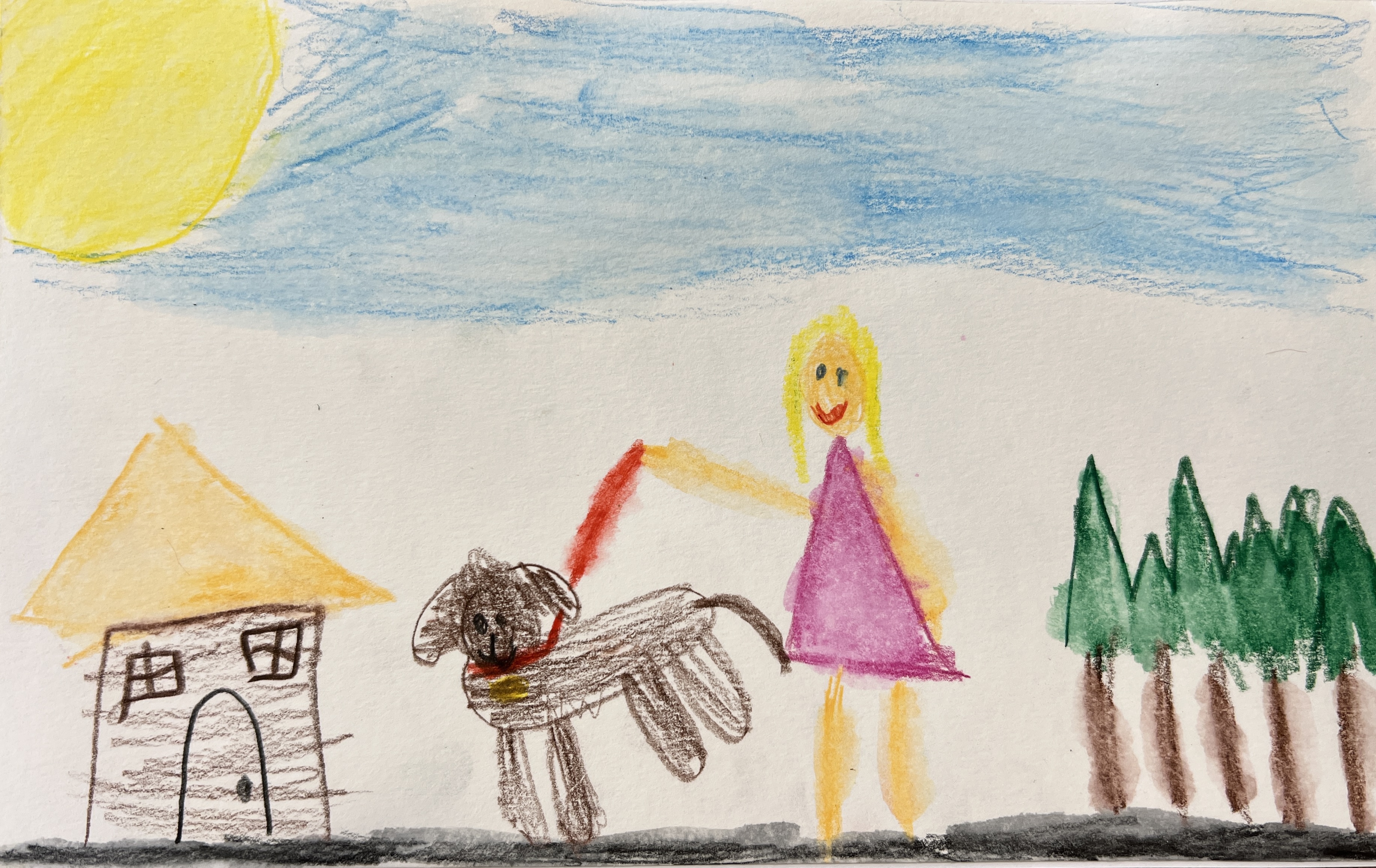
This year I offered to have my students write first. With first graders early in the school year, I wanted to make sure they started off from a place of abundance. Even before knowing who our penpals were, we created postcards illustrating things we loved. As they crafted their artwork, they were also thinking about their favorite activities giving them something to say in their postcards.
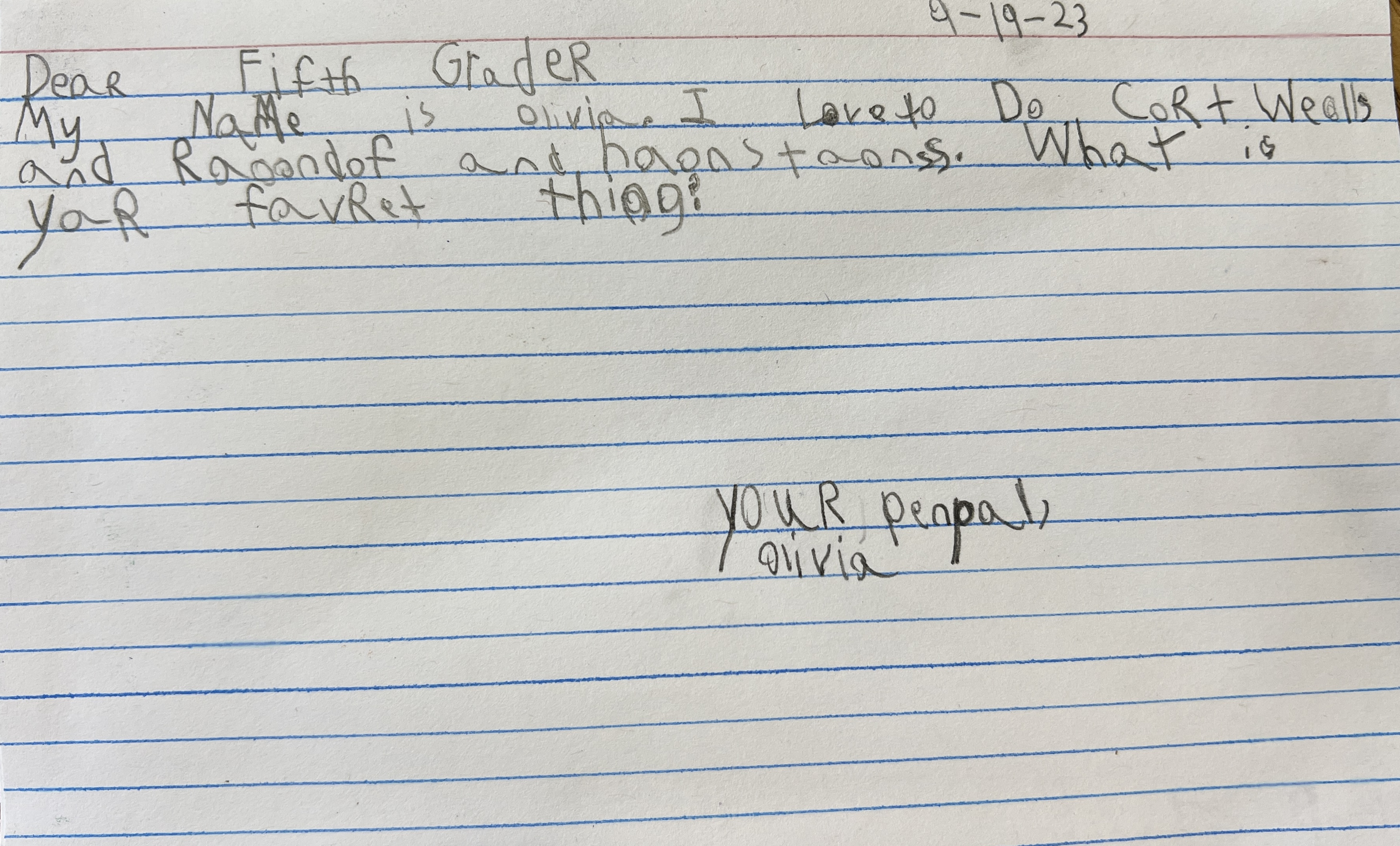
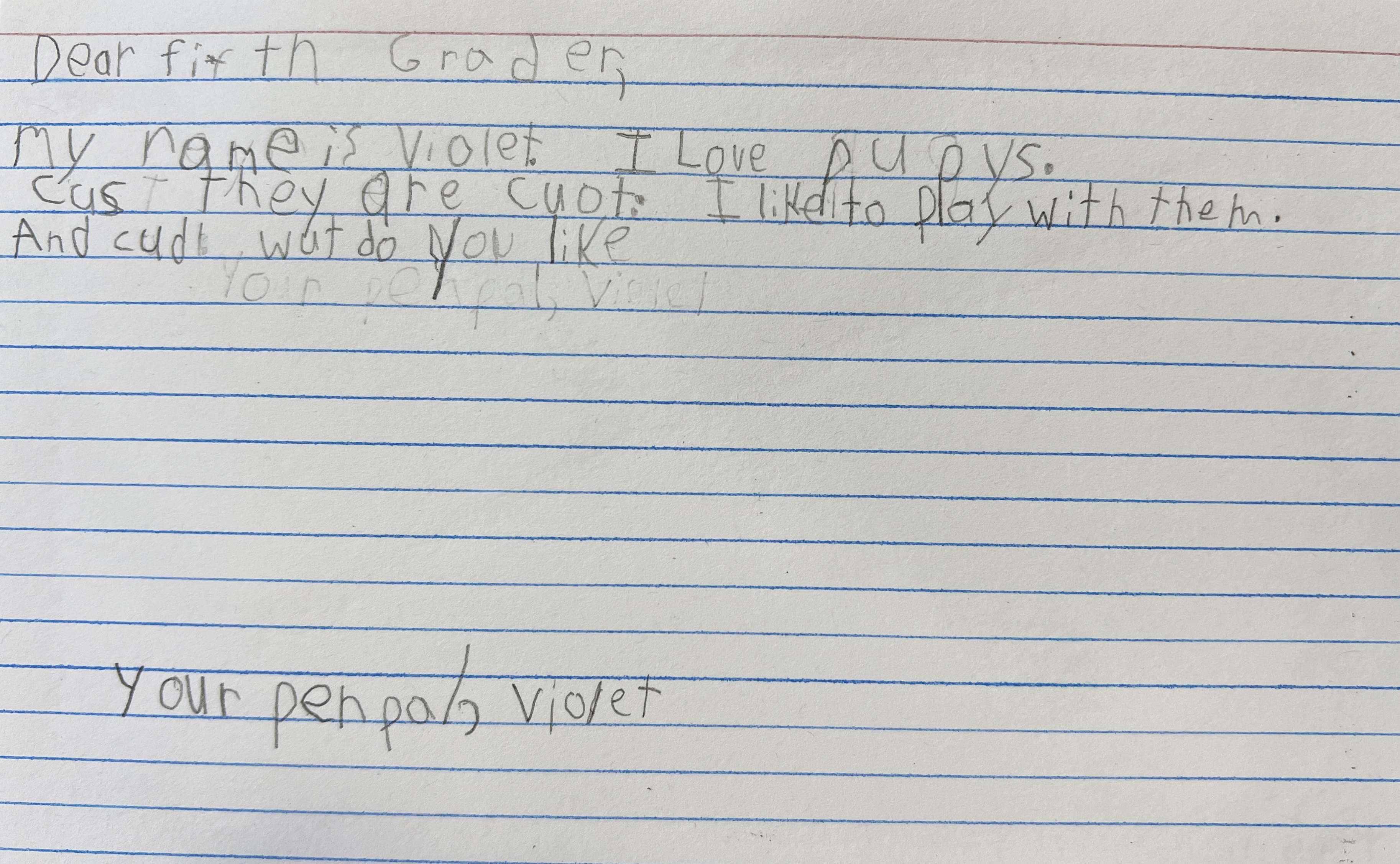
To make things a bit easier for my young writers, we used lined 5×8 cards to write our messages.
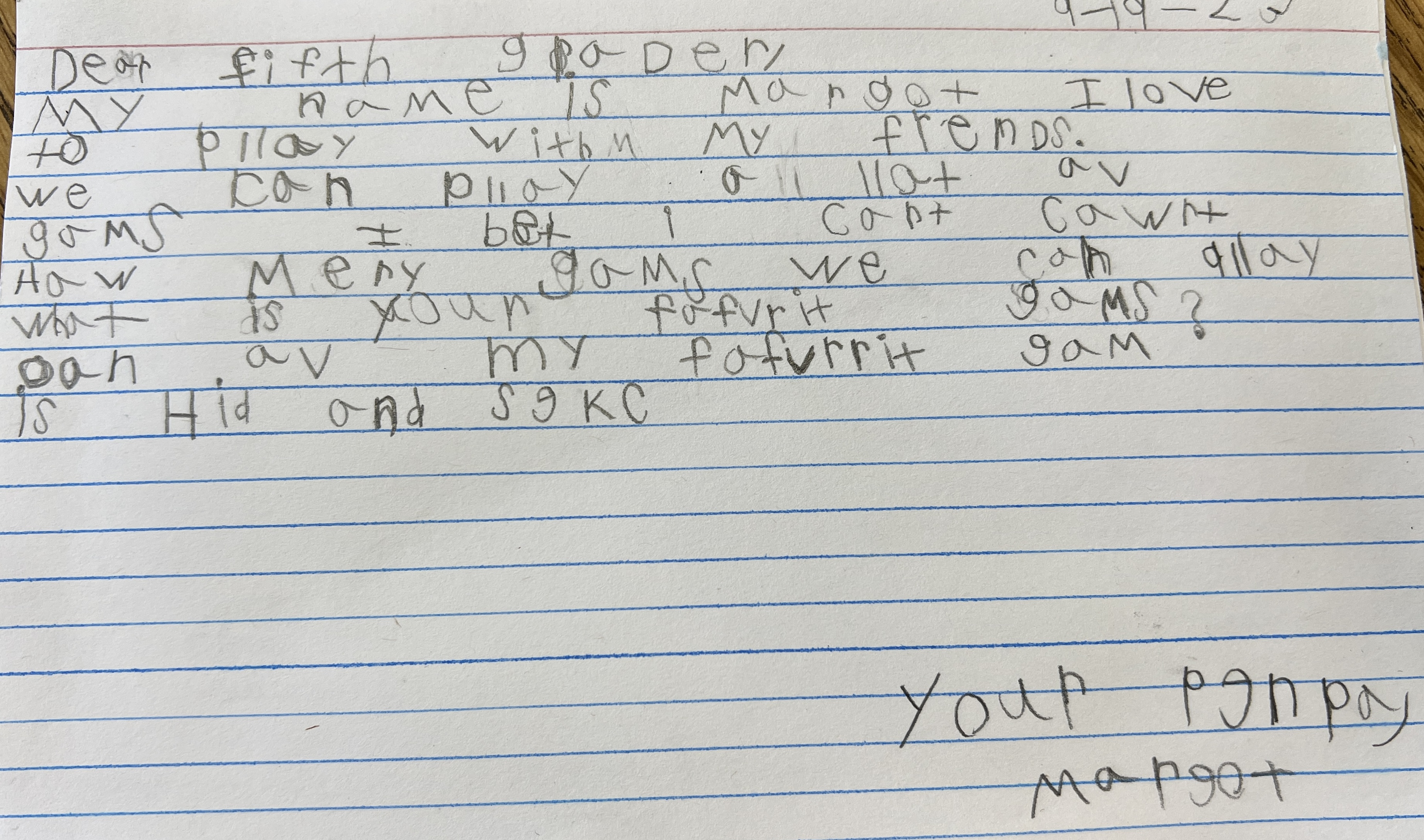
My students easily and eagerly completed their postcards, wondering just who their penpal would be. I realize that fewer and fewer people exchange non-electronic communication…I love that students are getting this opportunity!
I sent the postcards through district mail to our other school where they were delivered to the fifth graders. My colleague shared a cute video with me featuring her students and their excitement at receiving the postcards. It was hard to wait for them to write back.
But last Friday, it seemed that it was worth the wait! I distributed the letters written by the fifth graders. They had typed their letters, integrating a letter format lesson, and included a selfie inserted in the document. The letters were warm and welcoming. The fifth graders commented on the first graders interests, shared their memories from first grade, told the first graders something about themselves, and asked a question or two.
Our classroom hummed with energy. Students helped each other read their letters, compared photos, wondered about games they weren’t familiar with, and generally reveled in receiving a letter. We then took a few minutes to talk about how to respond to a letter and then they set off to write.
My students wrote and wrote. They chatted as they worked, encouraging each other, sharing spellings of more challenging words, asking for help from me from time to time…”How do you spell Seattle Seahawks?” “Does eclipse have a c or a k?” It was the first time this school year where we truly felt the phenomenon of flow when writing. Every one of my students was engaged, stretching themselves as writers, sharing their interests and inquiring about the interests of their penpals. They kept on writing…for more than half an hour on a Friday before lunch.
We finished the letters today, adding a drawing just for fun. I read through them all, marveling at students’ efforts and the high level of readability of these handwritten notes. I plan to send the letters off to the fifth graders by the end of the week.
There is power in the penpal. I can’t wait to see how this written exchange grows during the course of the school year! (Below are a few more of the postcards we sent to the fifth graders)
We study a poem each week in my first grade class and this week’s poem was Choose a Color by Jacqueline Sweeney. The first lines are… If I were brown I’d be cattail or turtle deep burrowed in mud… In our study we notice, we discuss, and we illustrate the poem. Today, we went a step further and. used the poem as a mentor text for our own writing.
Although my students didn’t know it at the time, I primed the pump earlier this week by posing the question, if you were orange, what thing in nature would you be? And then as they picked the thing (garibaldi–our state saltwater fish, a tiger, a fox…) I encouraged them to stretch out their idea…what is the thing (animal, plant, form) doing? And then today as part of our morning meeting I posed the question again, this time asking about yellow. So by the time we were ready to write after our snack recess, students had ideas galore! I asked them to include at least 3-5 colors in their own nature-inspired color poem.
Today is our minimum day, so time was limited. Students wrote and then used their crayons to illustrate. While we didn’t have time to go outside for our #writeout effort, we let our love of nature and color inspire our writing.
Here’s a few examples (typed by me for reading ease):
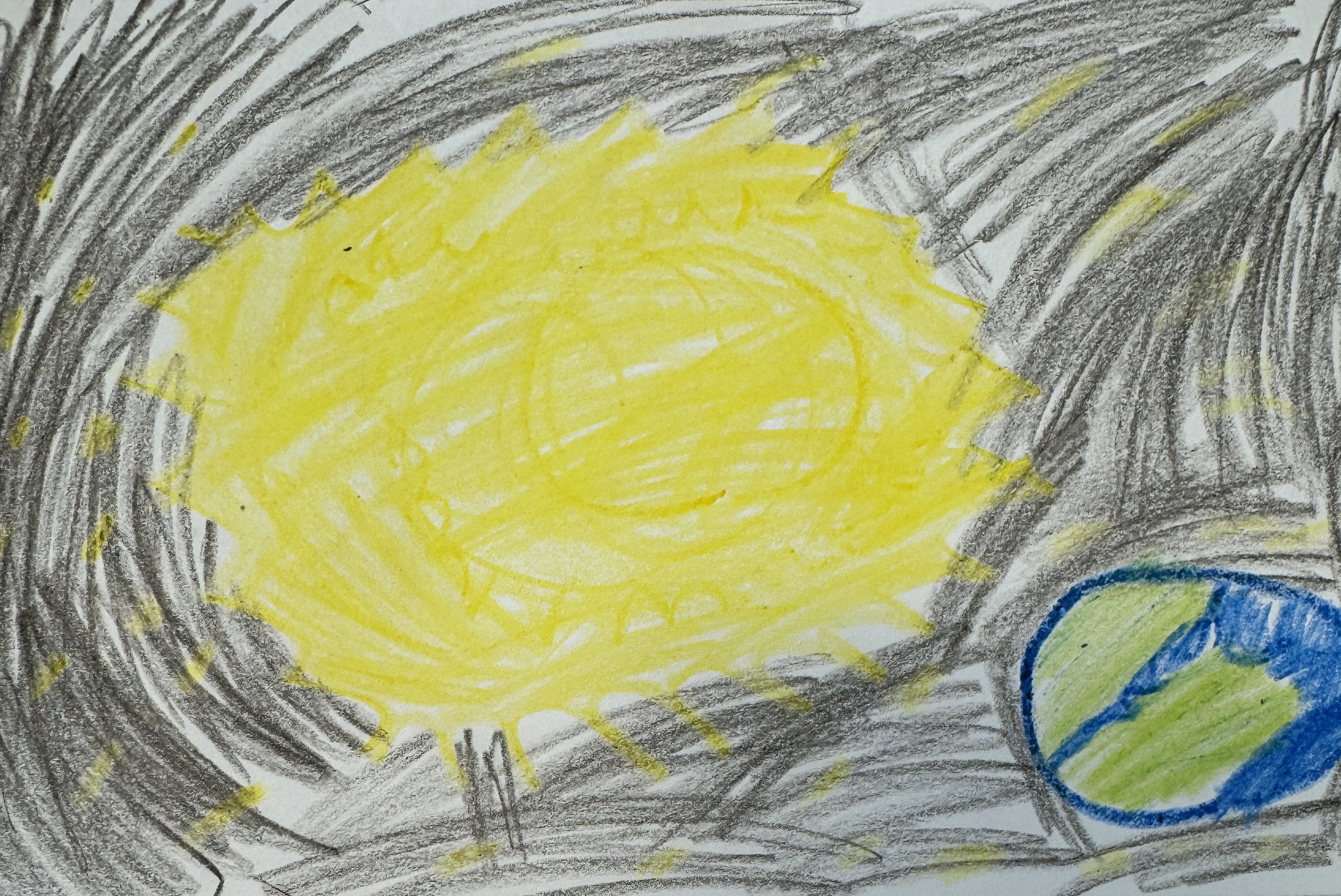
Choose a Color by M
If I were turquoise I’d be the cool ocean rising onto the shore. If red fire blazing in a forest. If yellow the sun blazing down to earth.
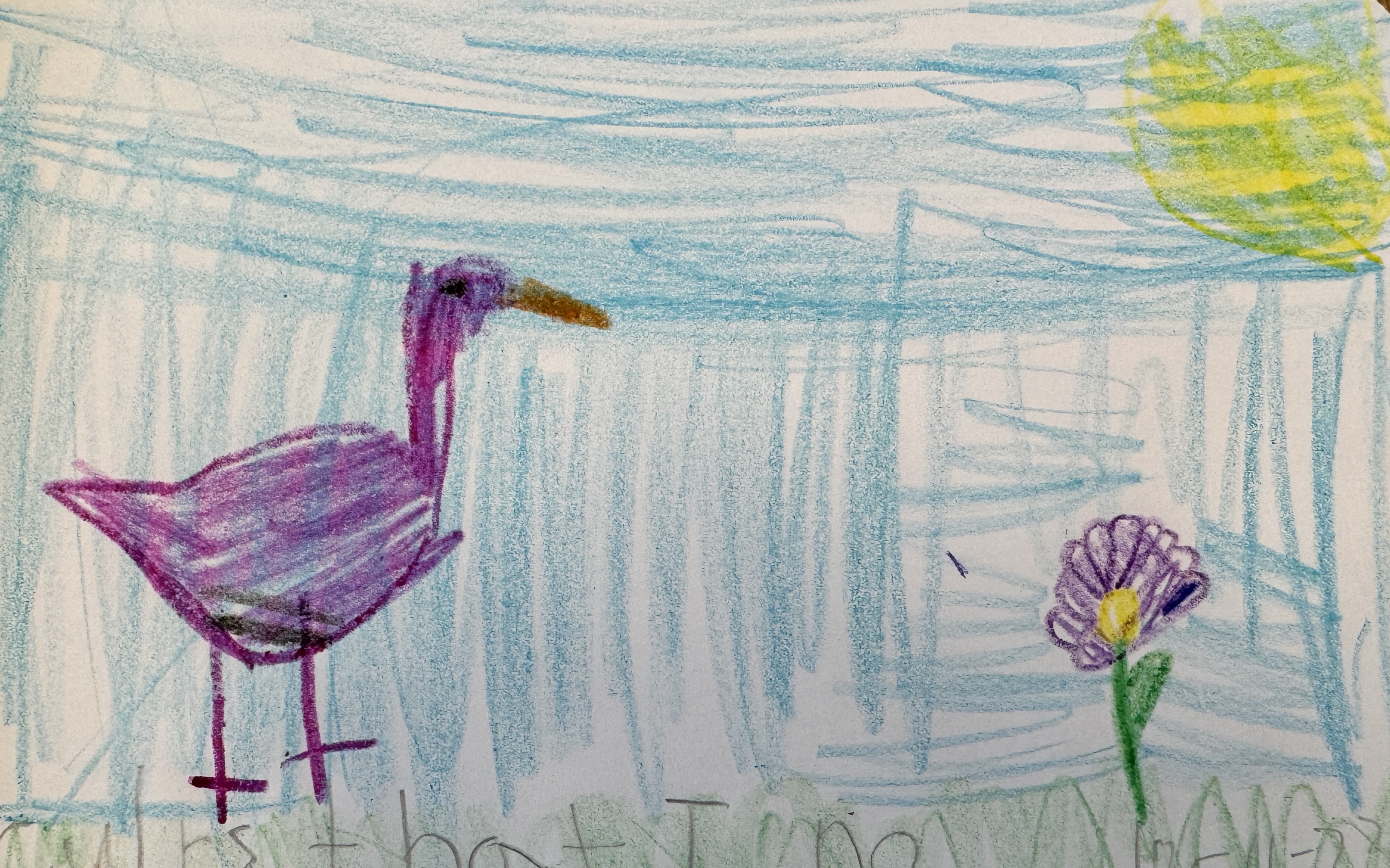
Colors that I Know by V
If I was blue I would be rivers floating by.
If I was purple, violets in spring.
If pink I would be a flamingo.
If green I would be grass swaying in the wind.
One of my more reluctant writers is now picking up the pencil and getting started. I noticed he was writing short–just picking a color and saying the thing. I quickly went over to get him to stretch past…but I could see him starting to shut down. I leaned in close and learned that he couldn’t do it because there wasn’t room…and he didn’t wait to erase. It was the perfect time to teach him a tool. I showed him how he could use a symbol to show that he needed to continue on another page. Lucky for him, he had written on the right hand page, leaving the left side open for those additions. This felt like a bit of a breakthrough teaching moment!
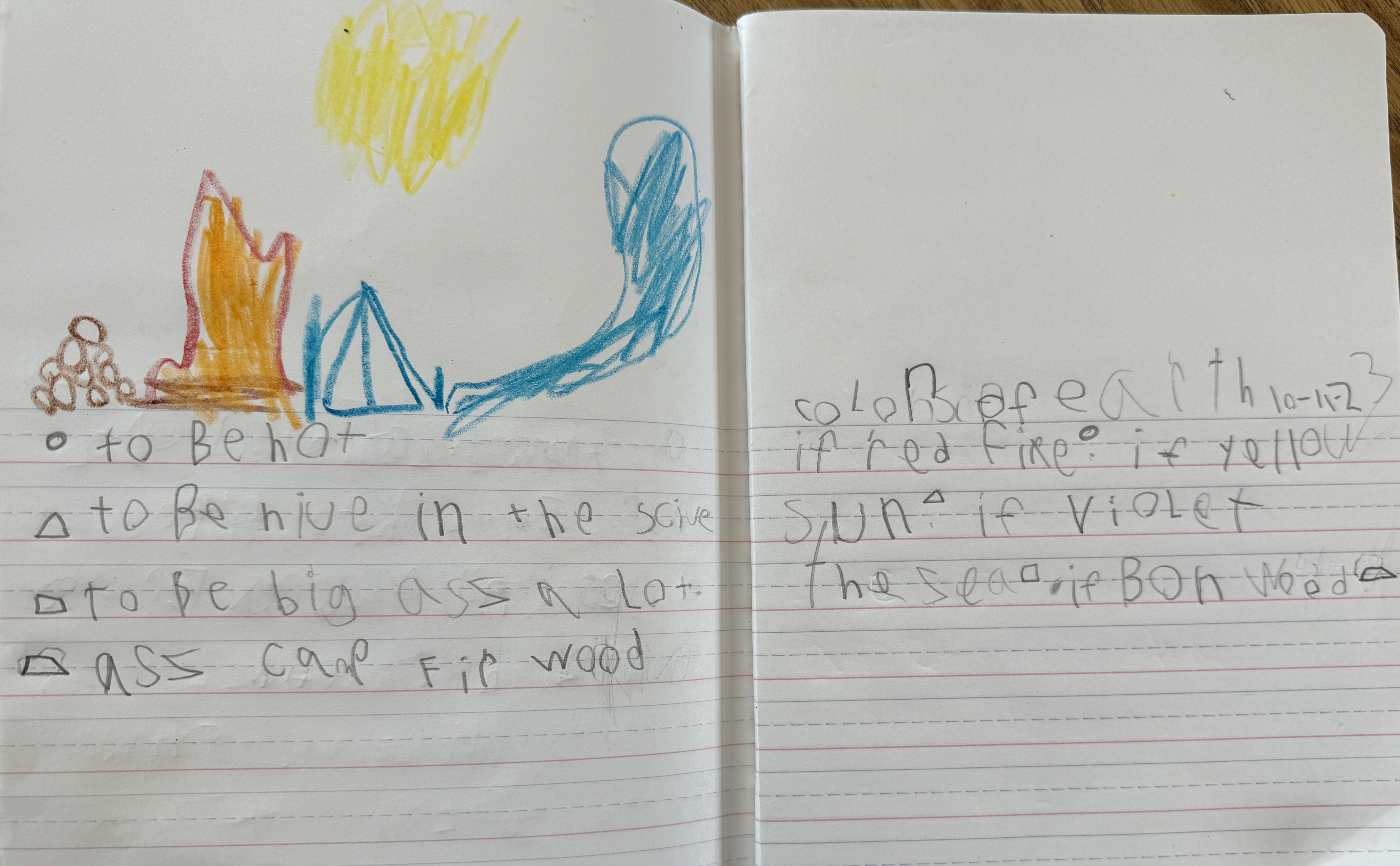
Colors of Earth by J
If red fire to be hot.
If yellow sun to be high in the sky.
If violet the sea to be big as a lot.
If brown wood as campfire wood.
And then there is my Star Wars aficionado who can turn any writing invitation into a themed piece that is Star Wars from start to finish. He checked in with me…does it have to be nature? I reminded him that we were in the midst of #writeout and so were sticking to a nature theme. Here’s how he made it his own!
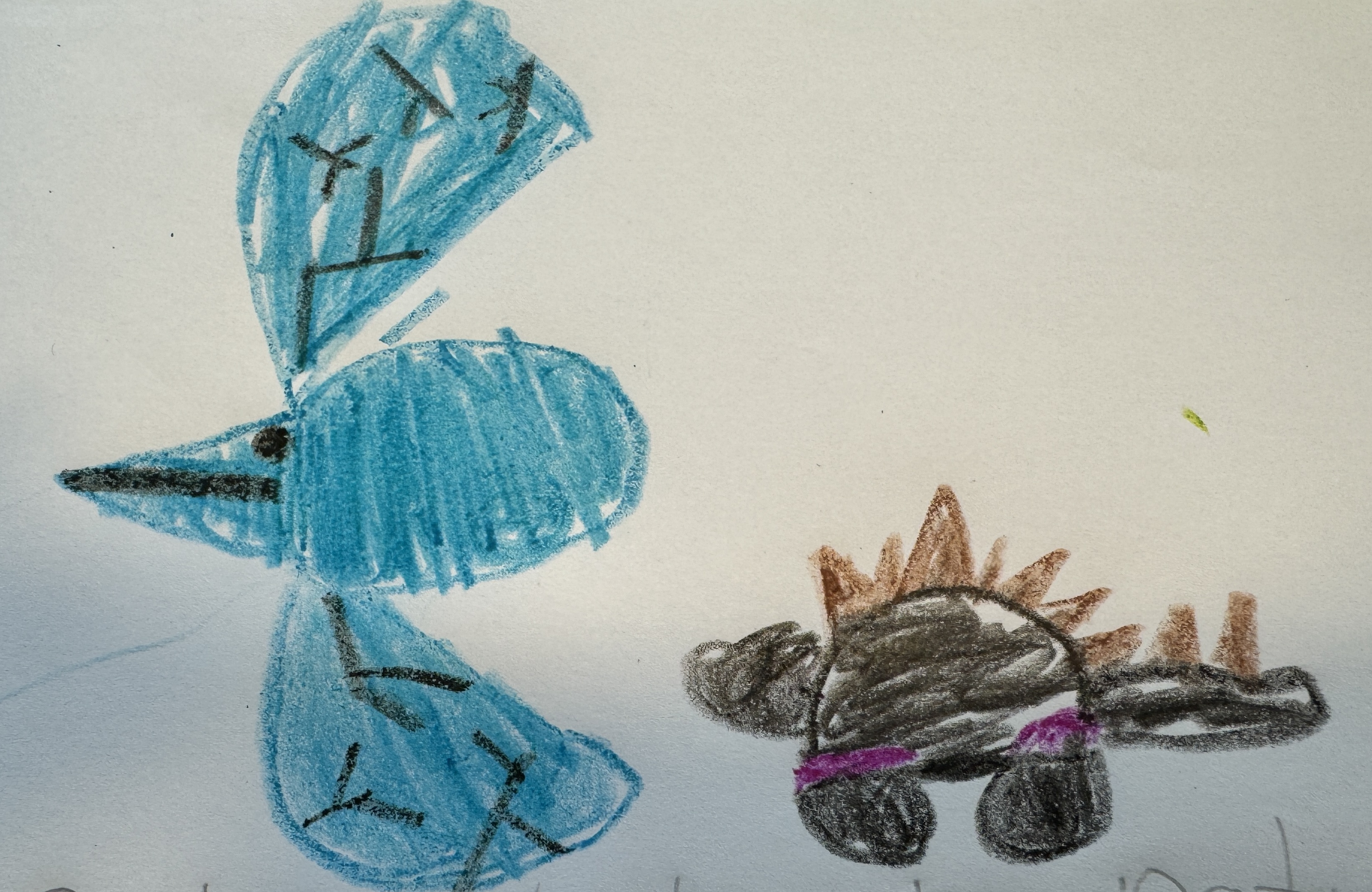
Colors that are not Primary by O
If light blue I would be a pterodactyl hunting. for food.
If I’d be black I would be stegosaurus drinking water.
If I’d be green I would be sabertooth tiger running from a volcano.
It’s such fun to watch my first graders grow as writers, learning to add details and stretch out their compositions, and to find their own writing voices. And what better writing invitation than #writeout?
On some days, my students and I head outside for inspiration for our writing and learning and on other days, we bring nature right inside the classroom. Fall is known for leaves changing colors, animals preparing for winter, acorns dropping… But in southern California that isn’t what we see outdoors. Our trees are mostly green, the weather is warm, and no one really hibernates. But in first grade students don’t seem to notice that our fall is different…and so, we often import the icons of fall.
Yesterday after reading, Because of an Acorn and talking about the interconnectedness of plants and animals, we watched a video from a park ranger at Sequoia National Park where we learned more about oaks, acorns, and the communications between trees. And then I pulled out my stash of acorns, saved from a year ago when a friend from the central part of our state shared some from her neighborhood. My students examined these extra large acorns carefully, delighting in the texture of their caps, the smoothness of the acorn itself, and the way it rattled when they shook it (they have dried out somewhat after being in my classroom for a year). Then then carefully sketched the acorns and some oak leaves (using our book as reference). Many spontaneously began adding notes, noticing the point at the bottom, the variations in color, and more. Obviously the note taking carried over from our nature notebooking described in my previous post.
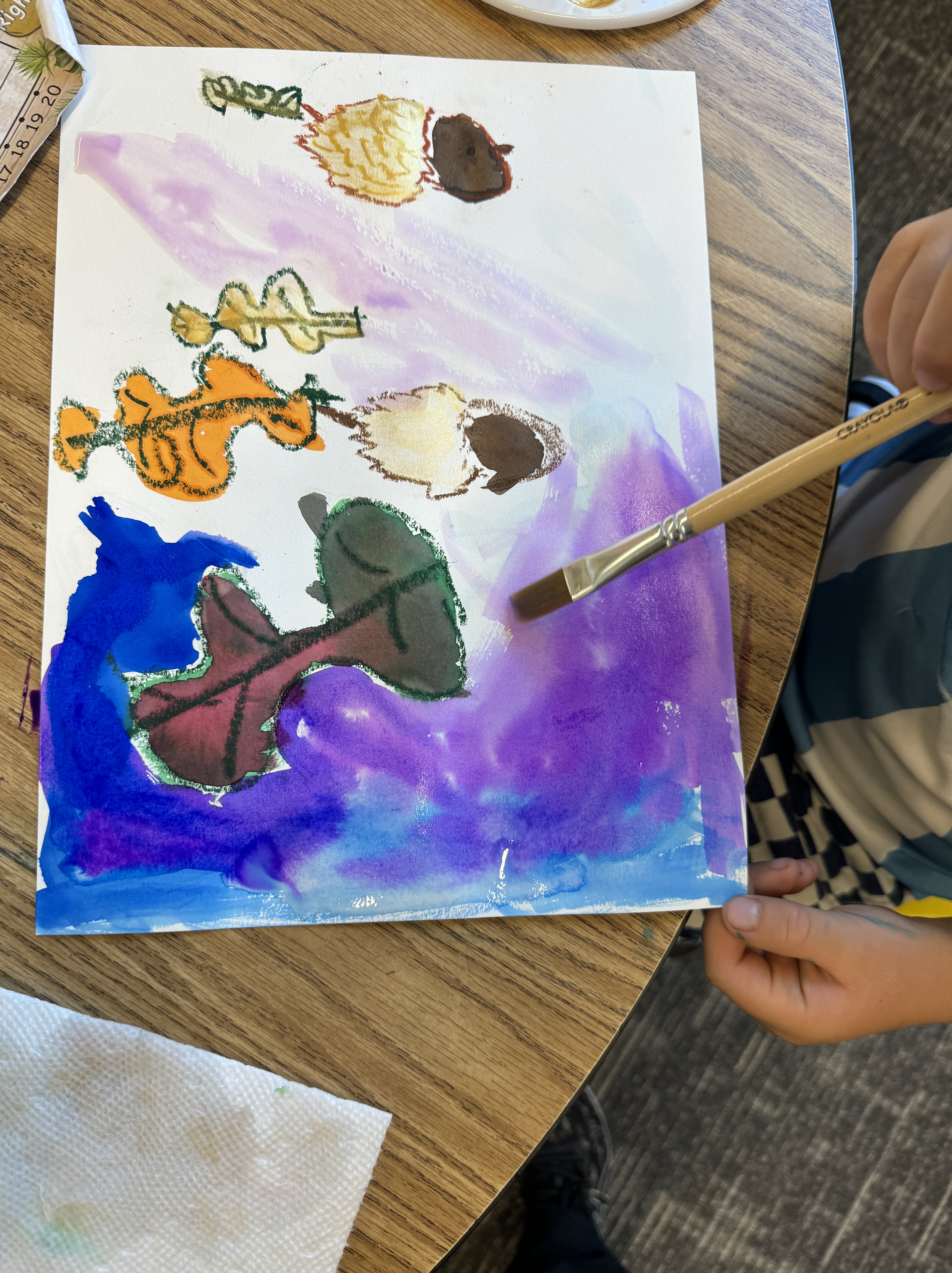
In this case, the goal of the sketching was practice for a watercolor project. Our subject was the acorn, and then we experimented with three different watercolor techniques: oil pastel resist (using oil pastel to create a border to keep paint from running), wet on wet (painting the background with water before applying the paint), and then adding some pinches of salt to create a starburst effect. First graders have so much freedom as artists, they grab the oil pastel with confidence, seemingly not worrying that they will not be able to erase a mistake. They drew and painted…with stunning outcomes.
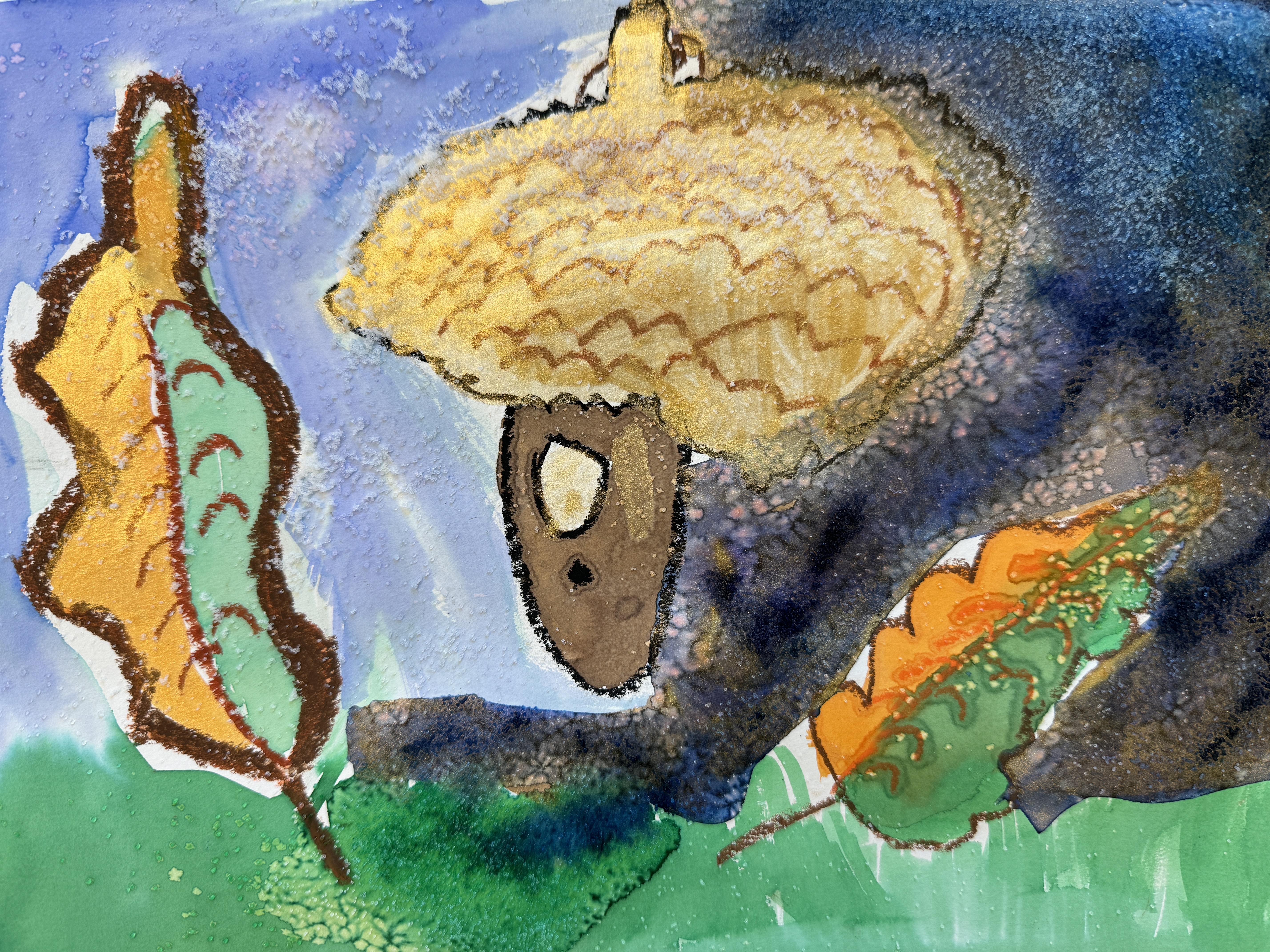
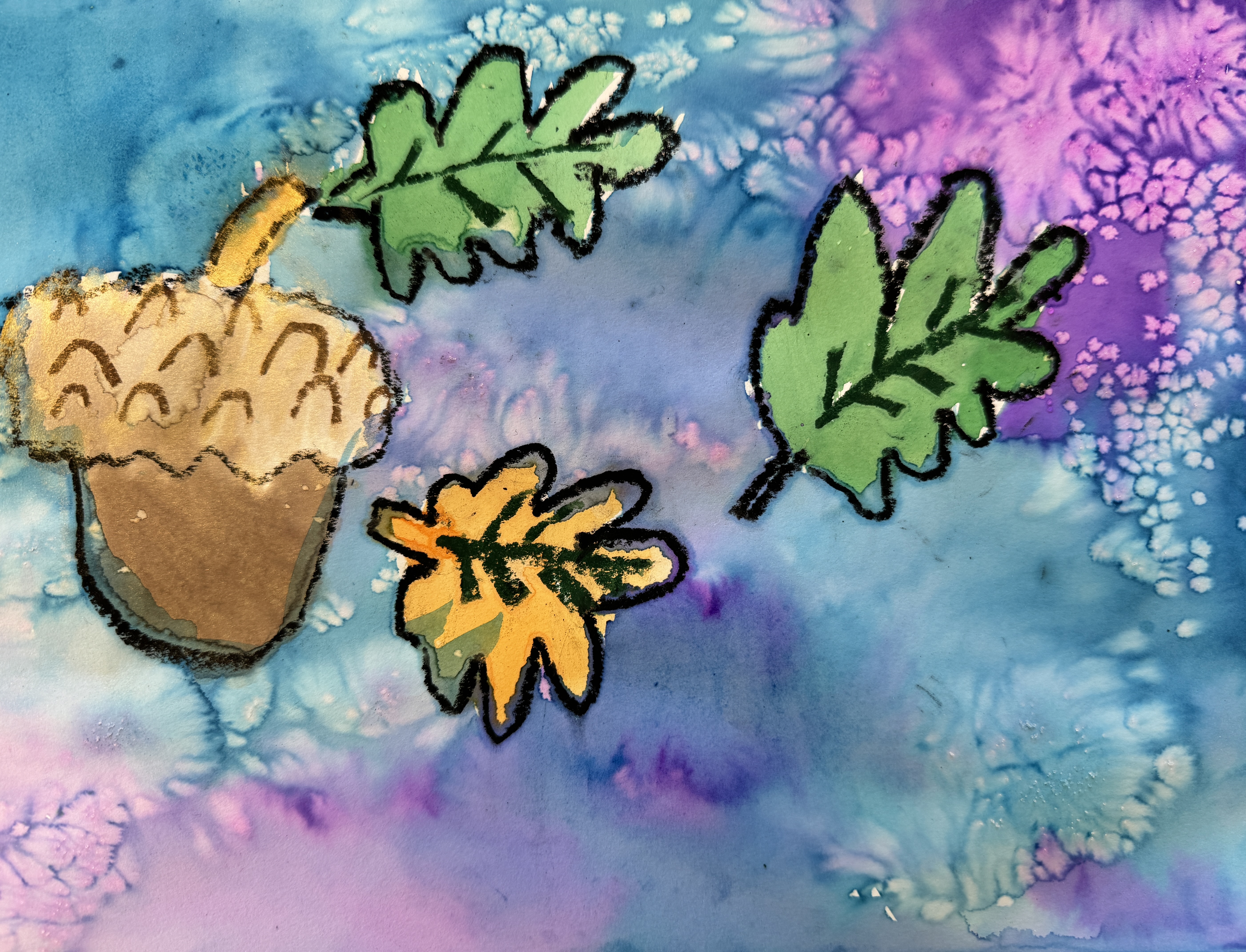
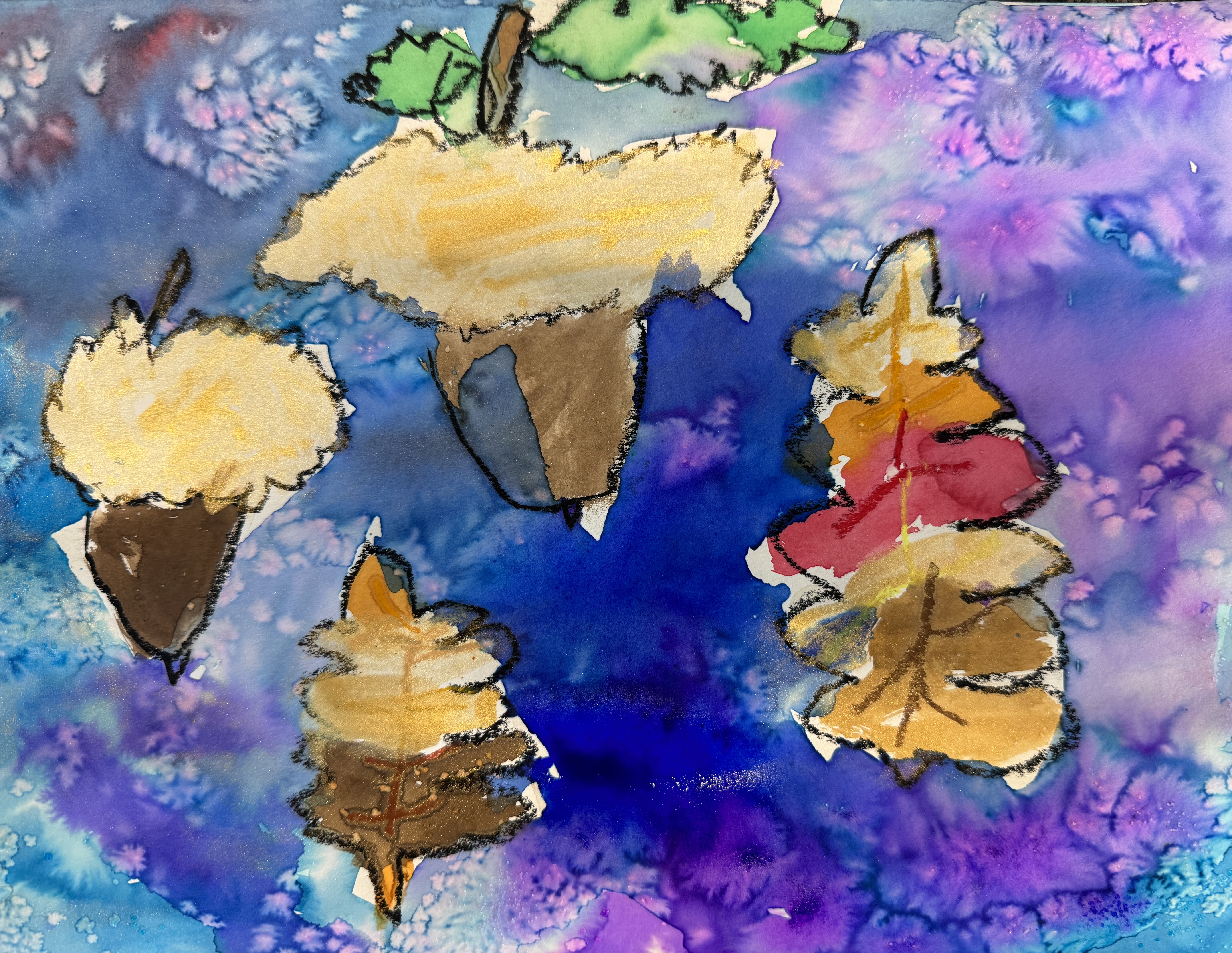
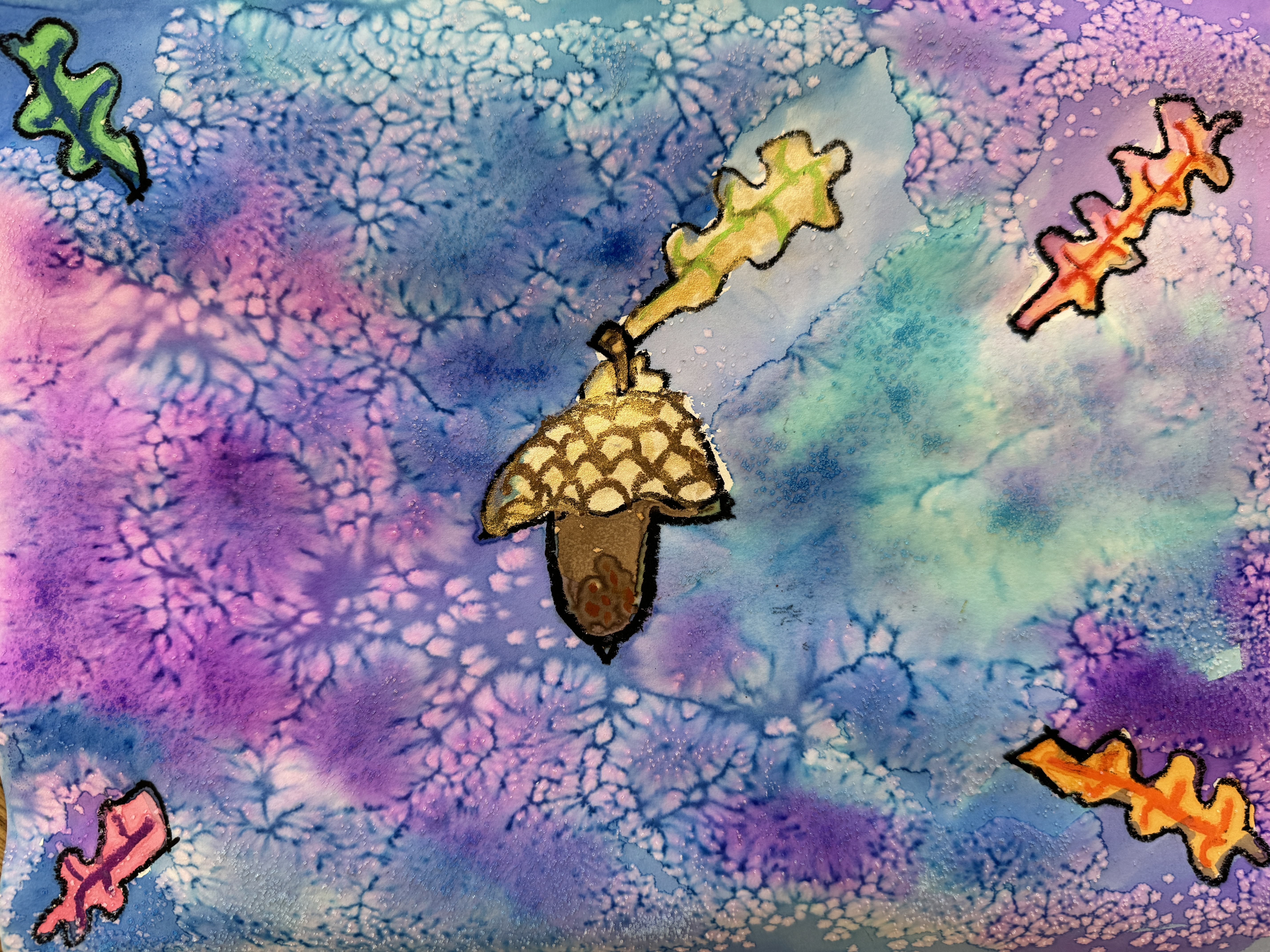
And since the ranger in the video offered as a prompt, imagine a dialogue between trees…which we expanded to include a conversation between acorns and oaks, students experimented with writing about that interaction. They are new to the writing of dialogues, but their first drafts show some promise. Here’s a couple (typed by me for ease of reading).
An acorn falls off an oak tree. Am acorn hangs from a branch. An acorn drops and a chipmunk will eat it. Hi oak. Are you going to drop the acorns? Oh. I will when it is fall. Hey oak trees, you want to drop acorns! Now it is fall. The oak trees wait. Let me tell the other oak trees so they know. Now it is winter. The animals are hibernating. The bunnies are gathering food for winter.
And…
A squirrel asks an oak tree, can I have one acorn? The oak tree said no you can not have an acorn. Acorn said please! Okay said oak tree but I’m keeping an eye on you! And if you grow into a tree then I will talk to a scientist, so don’t forget squirrel. But wait! I have to tell the other oak trees so we can do a masting said oak tree. Hey oak trees, let’s do a masting yelled oak tree. The oak trees did.
My students were most impressed with their own volume of writing, most filling more than a page with their words. I love that they picked up on some of the science from the video–the idea of a masting, the phenomenon where oaks drop an extreme number of acorns every 3-5 years was information directly from the park ranger.
How are you letting #writeout influence your writing and the writing of your students?
I love October. The weather is warm–it’s still shorts weather. Many of the tourists have gone home, leaving the beaches and the freeways to the locals. My first graders are starting to believe they are writers–and it’s time for #WriteOut! #WriteOut is a partnership between the National Writing Project and the National Park service–a two week effort to encourage everyone to get outside, explore the nature around you, and write.
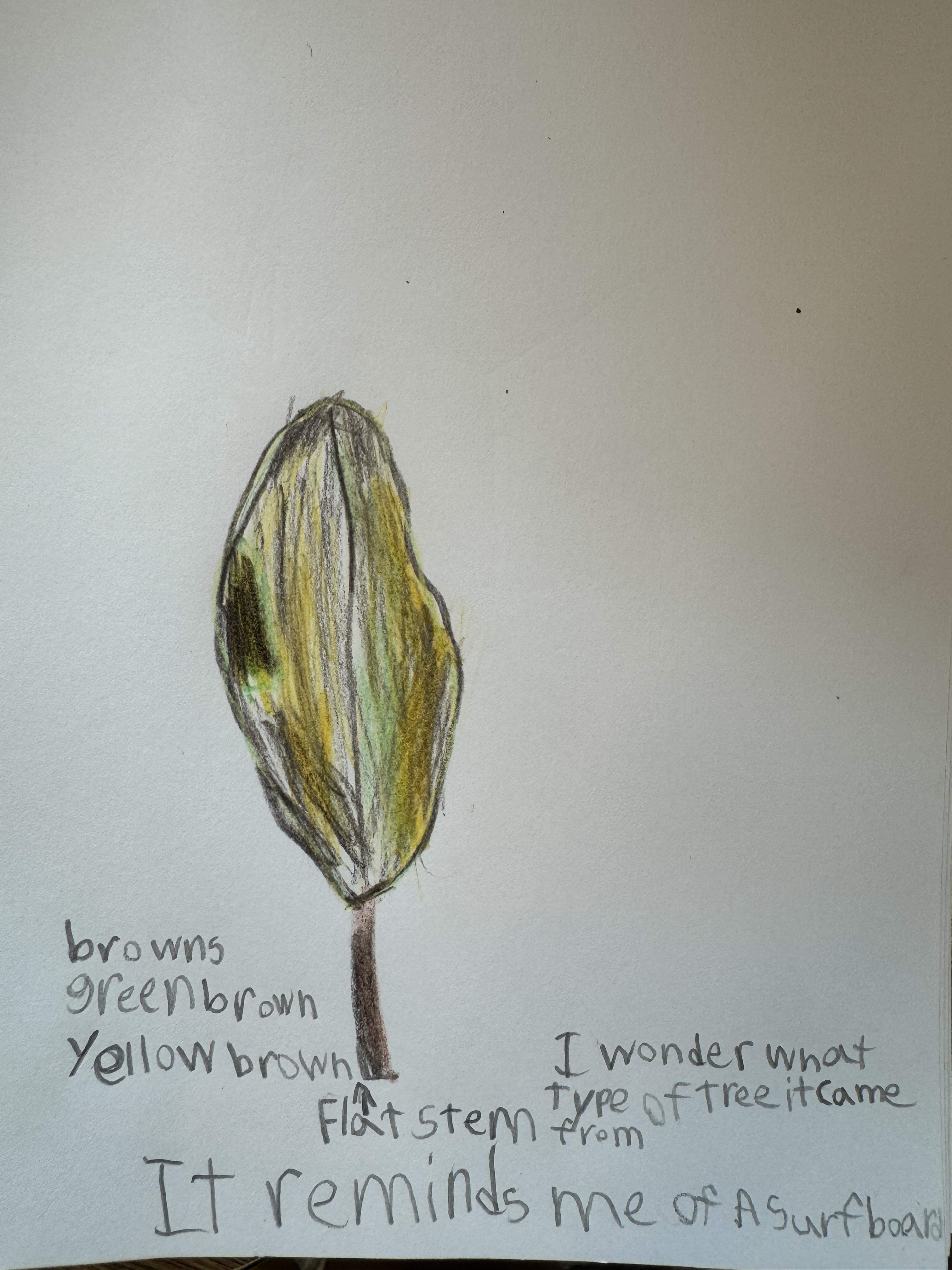
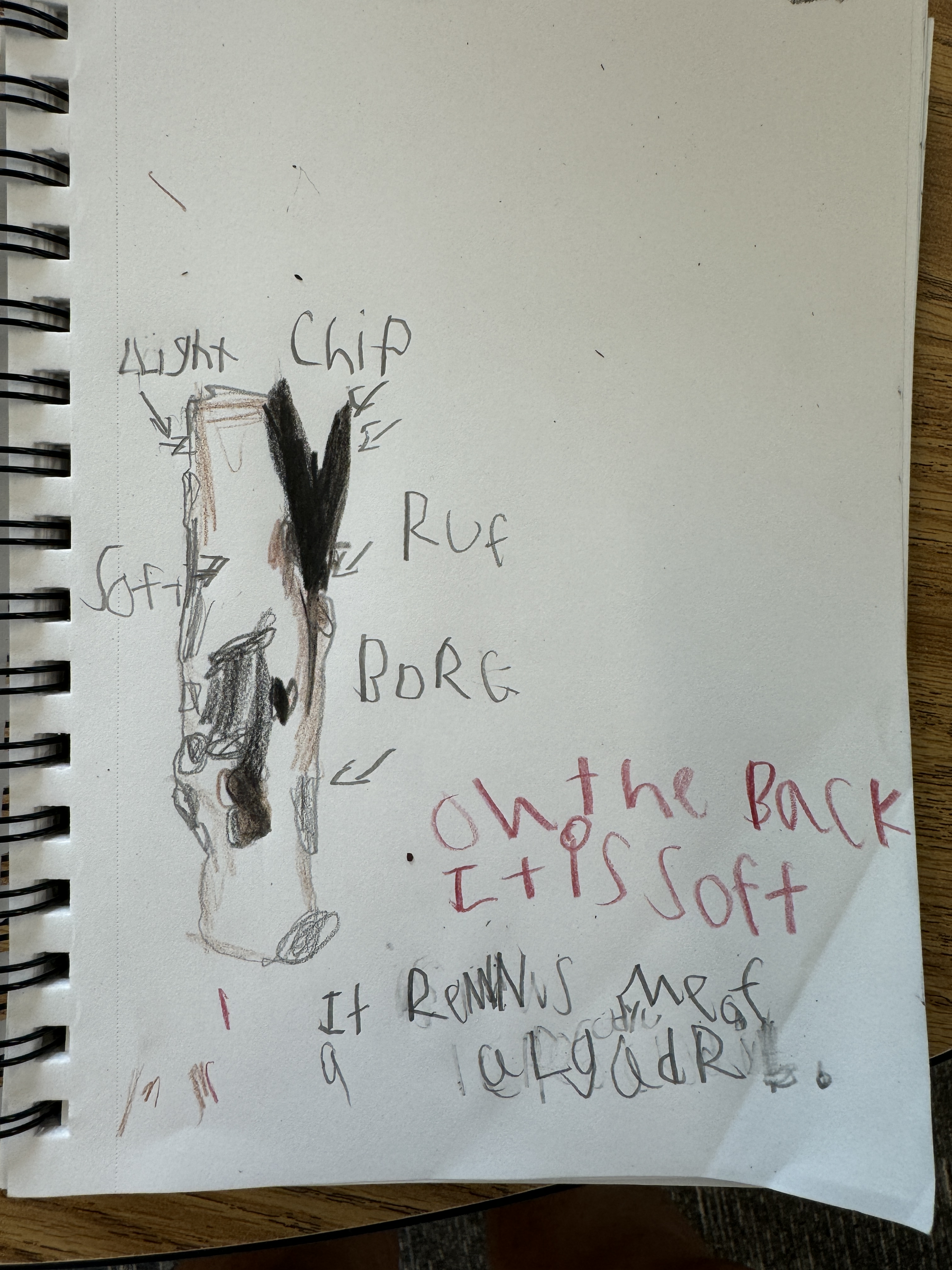
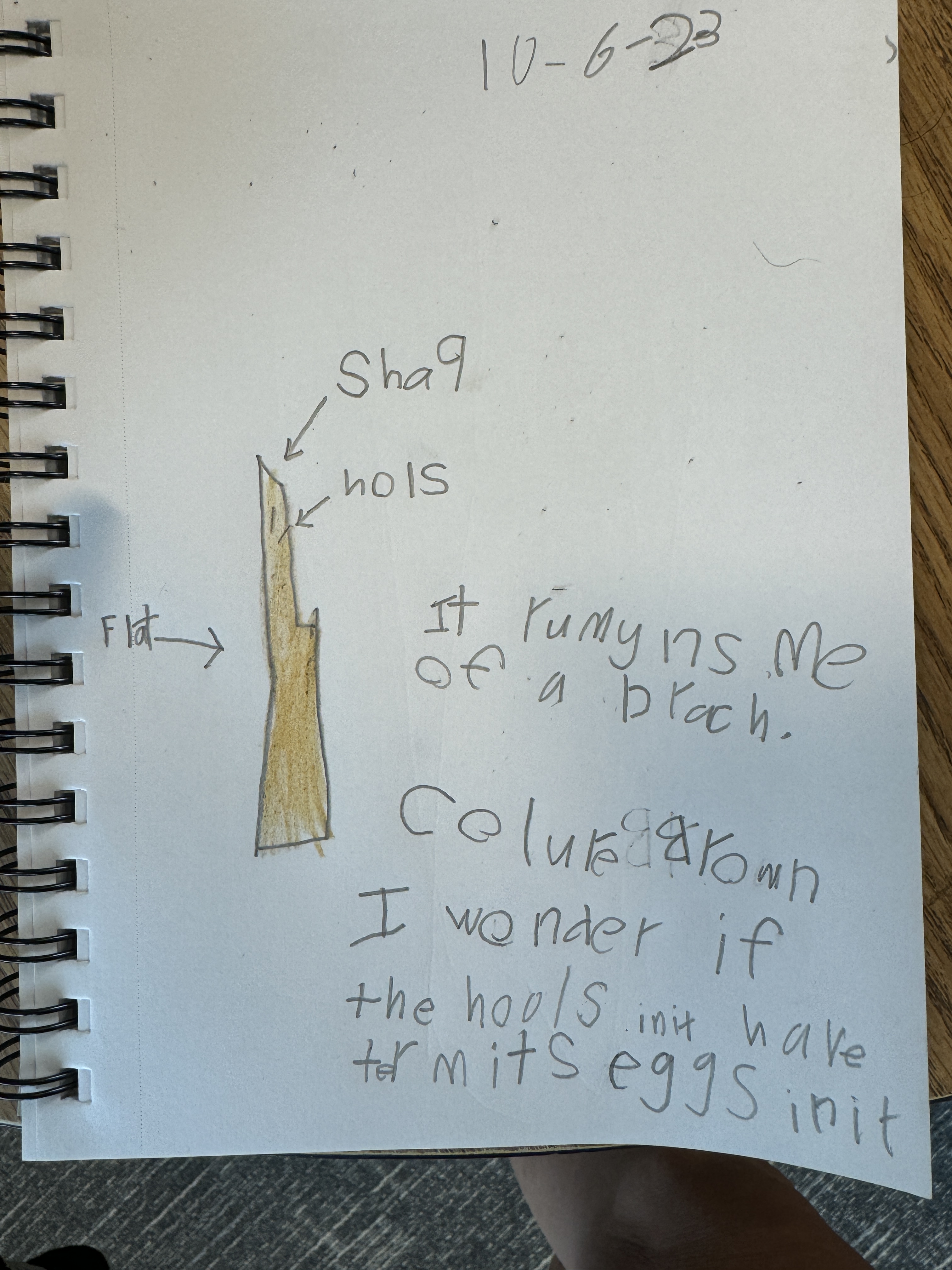
Last week we warmed up for #WriteOut by going for a Wonder Walk on our school campus. We started by reading the book Wonder Walkers by Micha Archer. This is a wonderful book full of questions like, “Is the wind the world breathing?” that also pushed my students to think beyond the literal, framing their observations through the lens of wonder. After reading and talking, students took their nature collectors (a piece of cardboard with rubber bands around it) and headed out to our pollinator garden to look and wonder and pick up some bits of nature to bring back into the classroom with us.
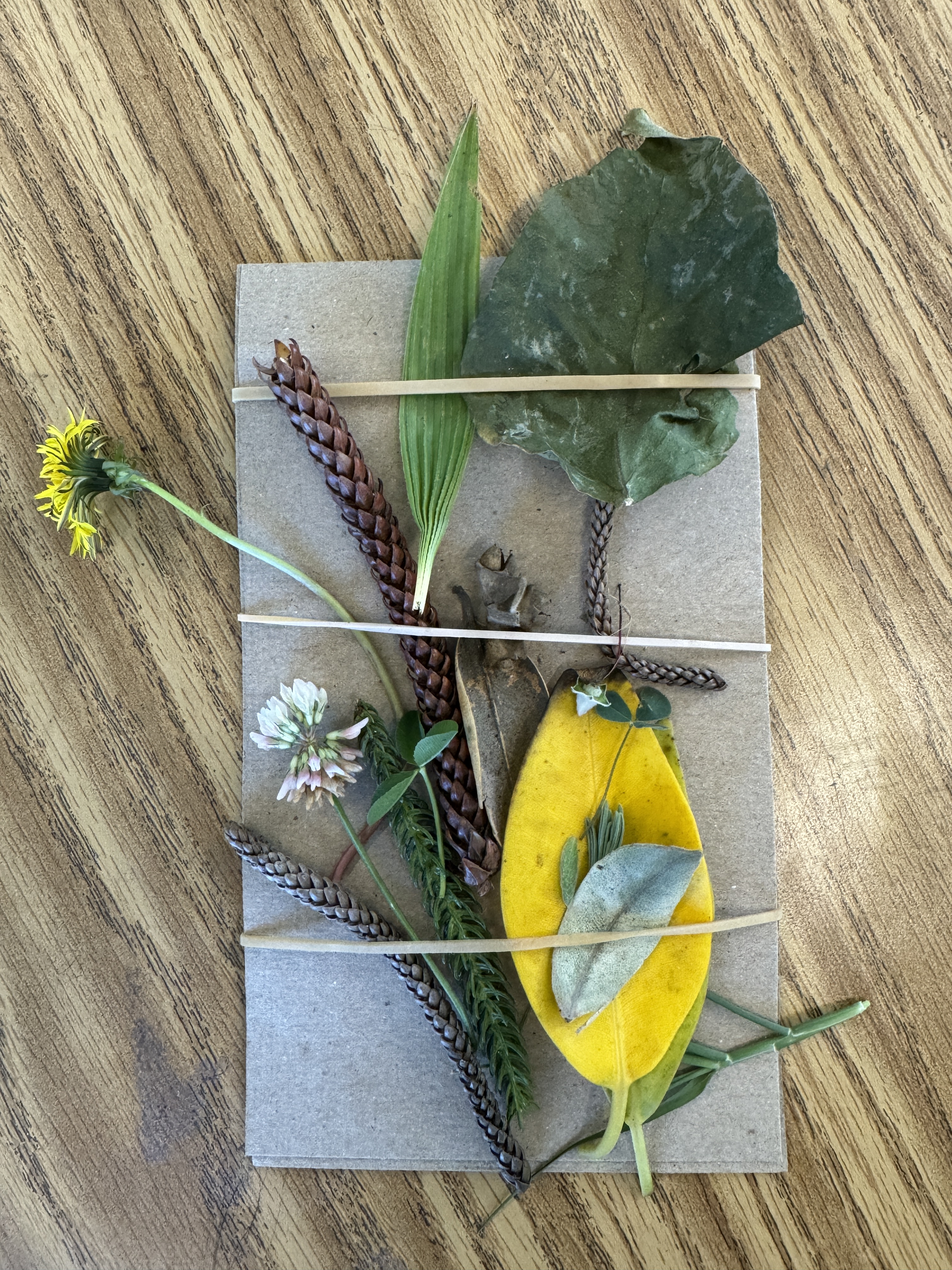
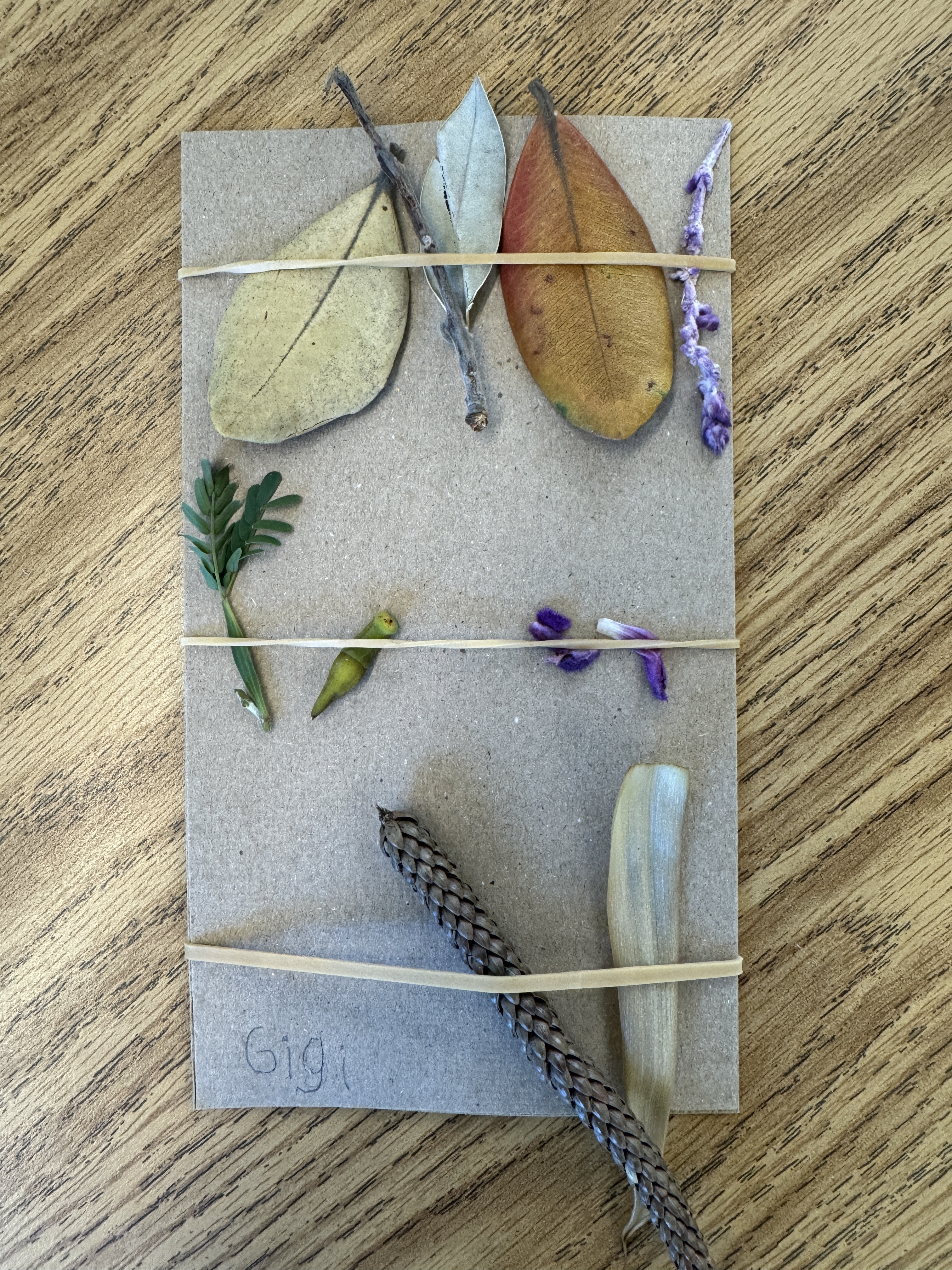
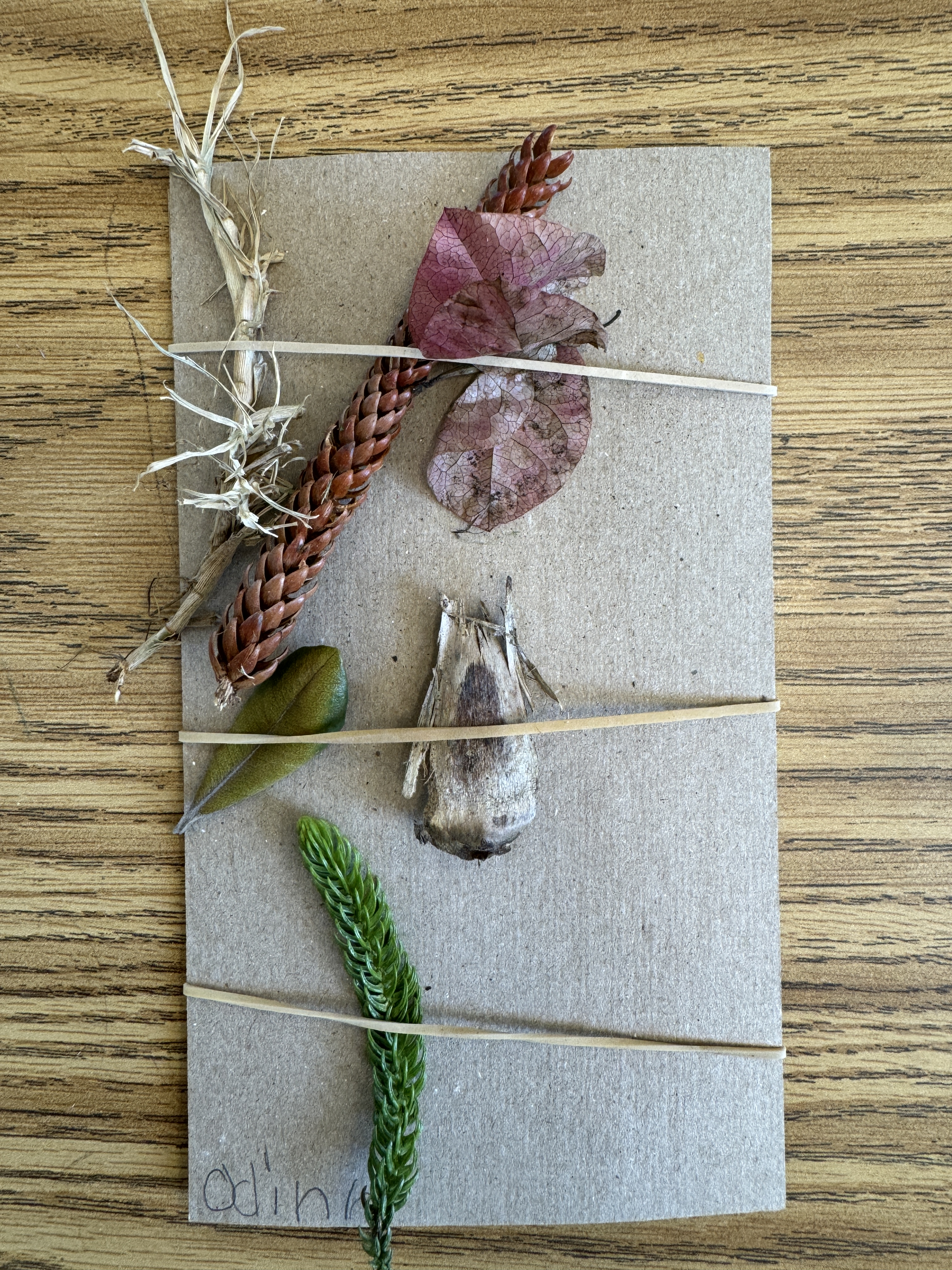
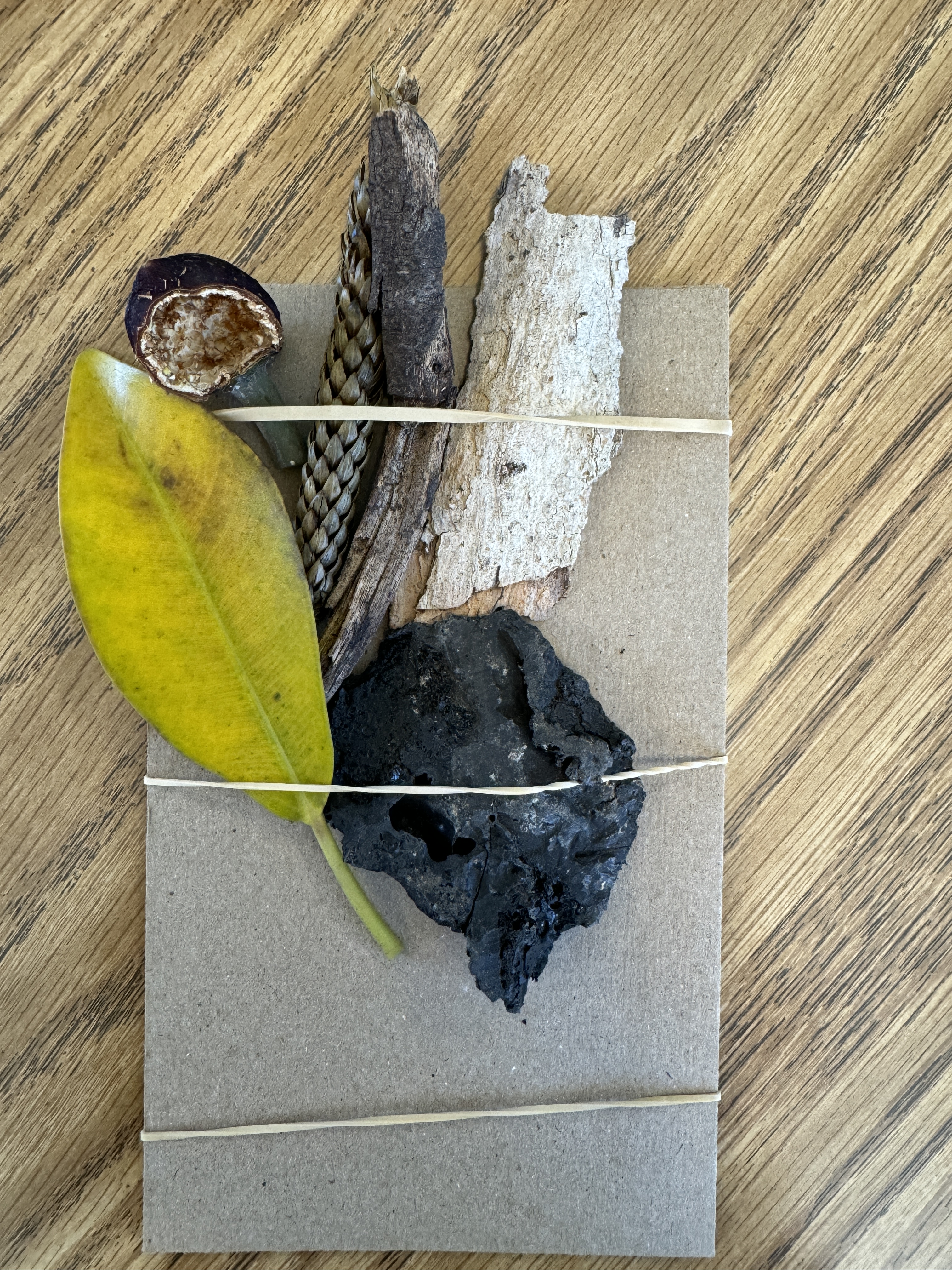
Later students had to pick just one item from their collection to examine much more closely. To facilitate that close observation, we pulled out our sketchbooks and started drawing, trying hard to capture all the details they could see in front of them. Using colored pencils to hone in on subtleties, they added dimension to their sketches. Then using nature notebooking prompts adapted from the work of John Muir Laws including labeling their sketch, adding what does it remind you of and what do you wonder about it, students completed their entry.
The results were stunning. And a perfect beginning to #WriteOut!
 Thinking Through My Lens