Breathe in exhale out
Unfurl the spiral of stress
Week of unwork waits

Breathe in exhale out
Unfurl the spiral of stress
Week of unwork waits
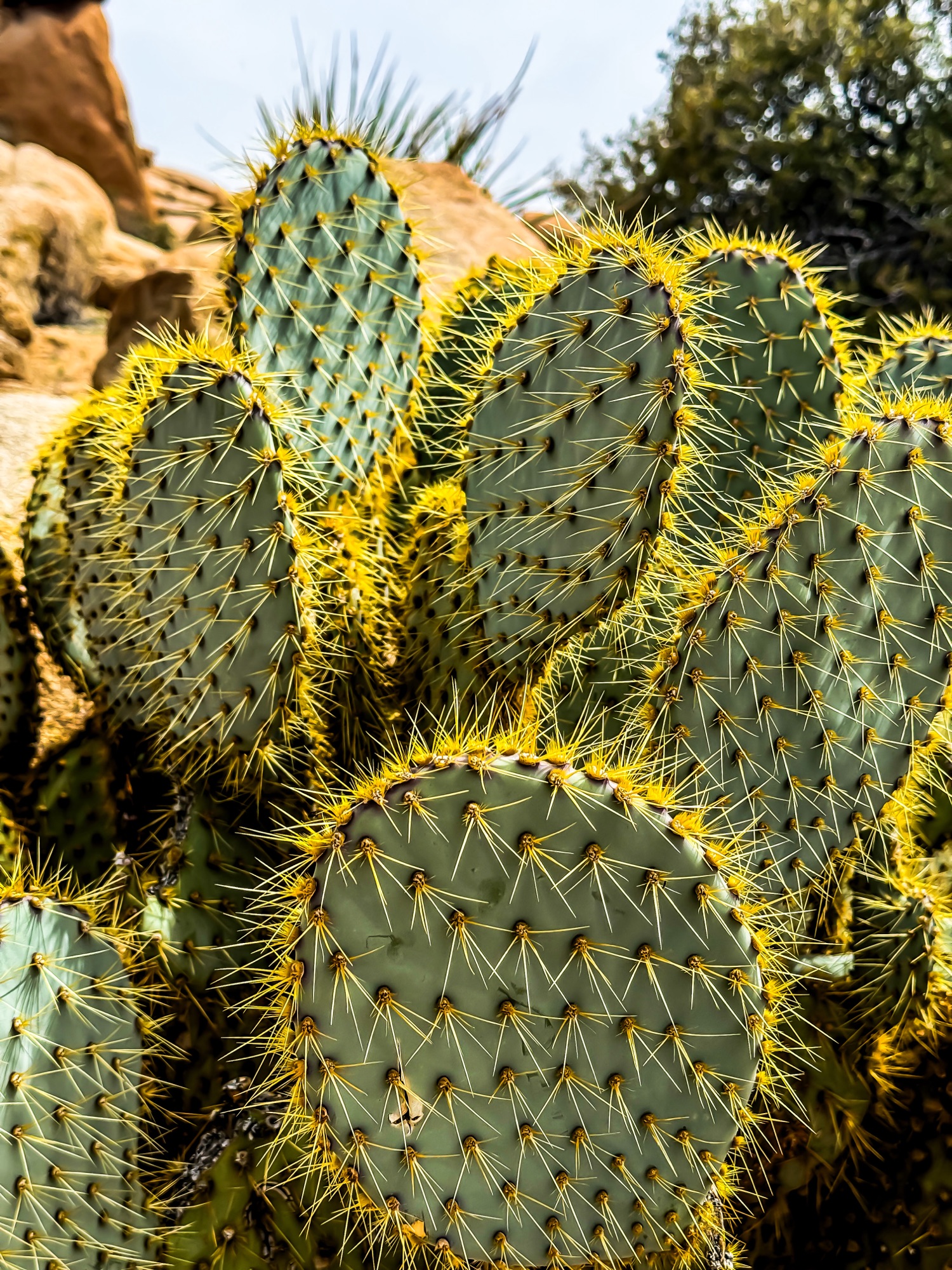
Do you ever get that prickly feeling? You know, when the littlest things get under your skin, rub you the wrong way, creating an irritation that you can’t seem to shake?
Maybe it was the fire alarm with its robotic voice demanding that I leave the building. Of course that was once a colleague knocked persistently on my office door to alert me since the announcement was only audible in the hallways and not in the offices.
I didn’t even hesitate. I packed my things, locked my office, walked down five flights of stairs (“Do not use the elevator,” the voice reminded!), got in my car and headed home. (I know, what a luxury to be able to work from home when chased out of my office–and it’s Spring Break at the university so my colleagues were mostly absent.). Of course, in that fit of annoyance, I forgot about the Zoom call I had scheduled! Luckily, that colleague was flexible and forgiving and we were able to fit it in once I got home.
The pins and needles of the to-do list loomed. Emails needed sending, reports needed reading, an agenda needed planning…and then there’s the article I haven’t gotten back to. And I almost forgot–that “abusive behavior in the workplace” training module that I have pushed to the bottom of the list right up to the deadline (which was today).
But, the house was quiet and my meeting load was lighter than usual (thank you UC Spring Break). As I crossed item after item off the list, those pokes and prods lessened and I began to appreciate the beauty and functionality of those pesky prickly spines.
Of course, there are still items that need doing. And…my own Spring Break begins once school ends tomorrow! Now to switch hats, finish my lesson plans, get that newsletter written, schedule the parent email… Wait…I think that prickly feeling is getting under my skin again!
Math is everywhere. That’s what I’m always telling my students. But at 6 and 7 years old, my students mostly think math is either counting things one by one or solving equations someone else puts on a page for them.
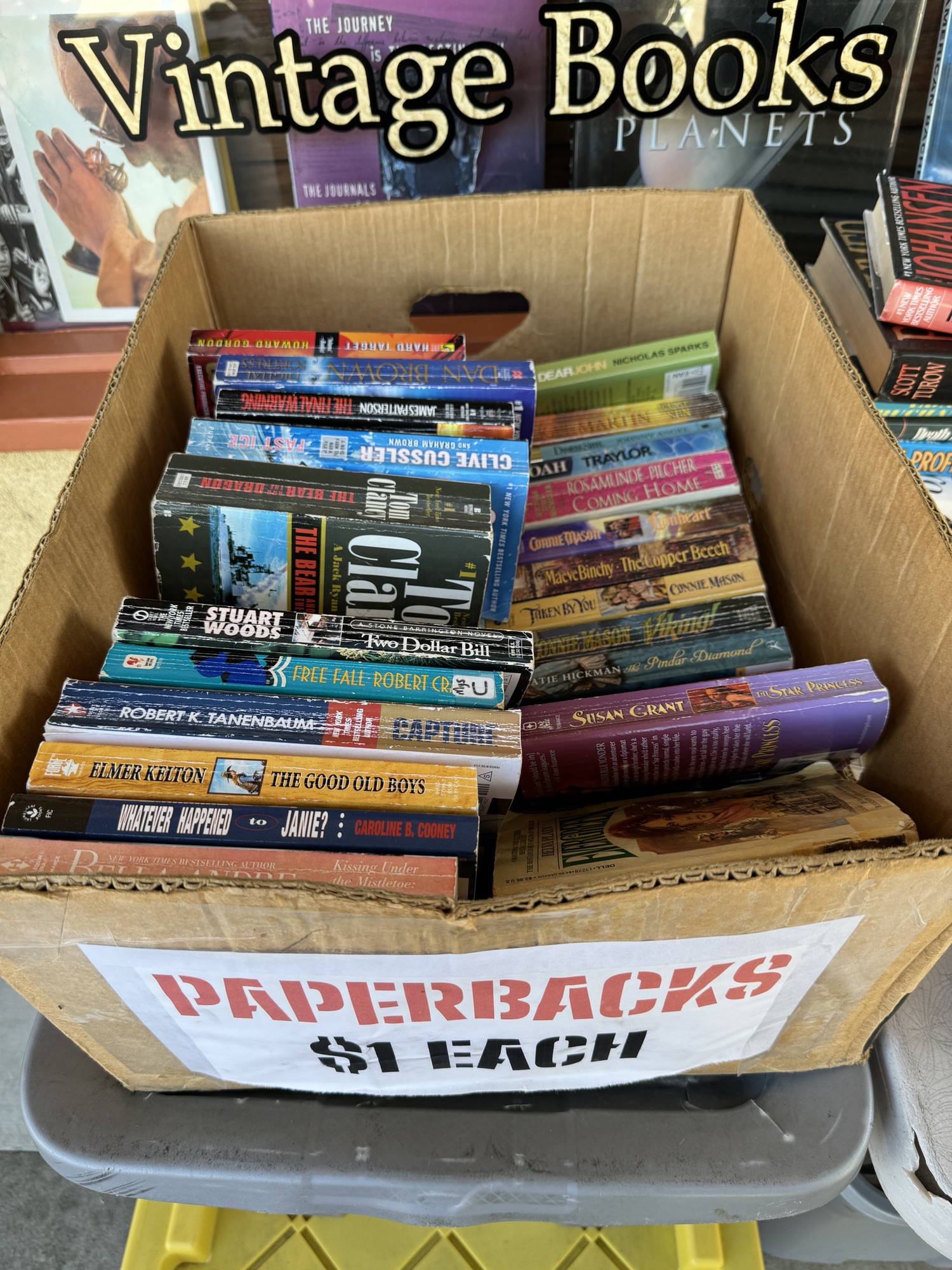
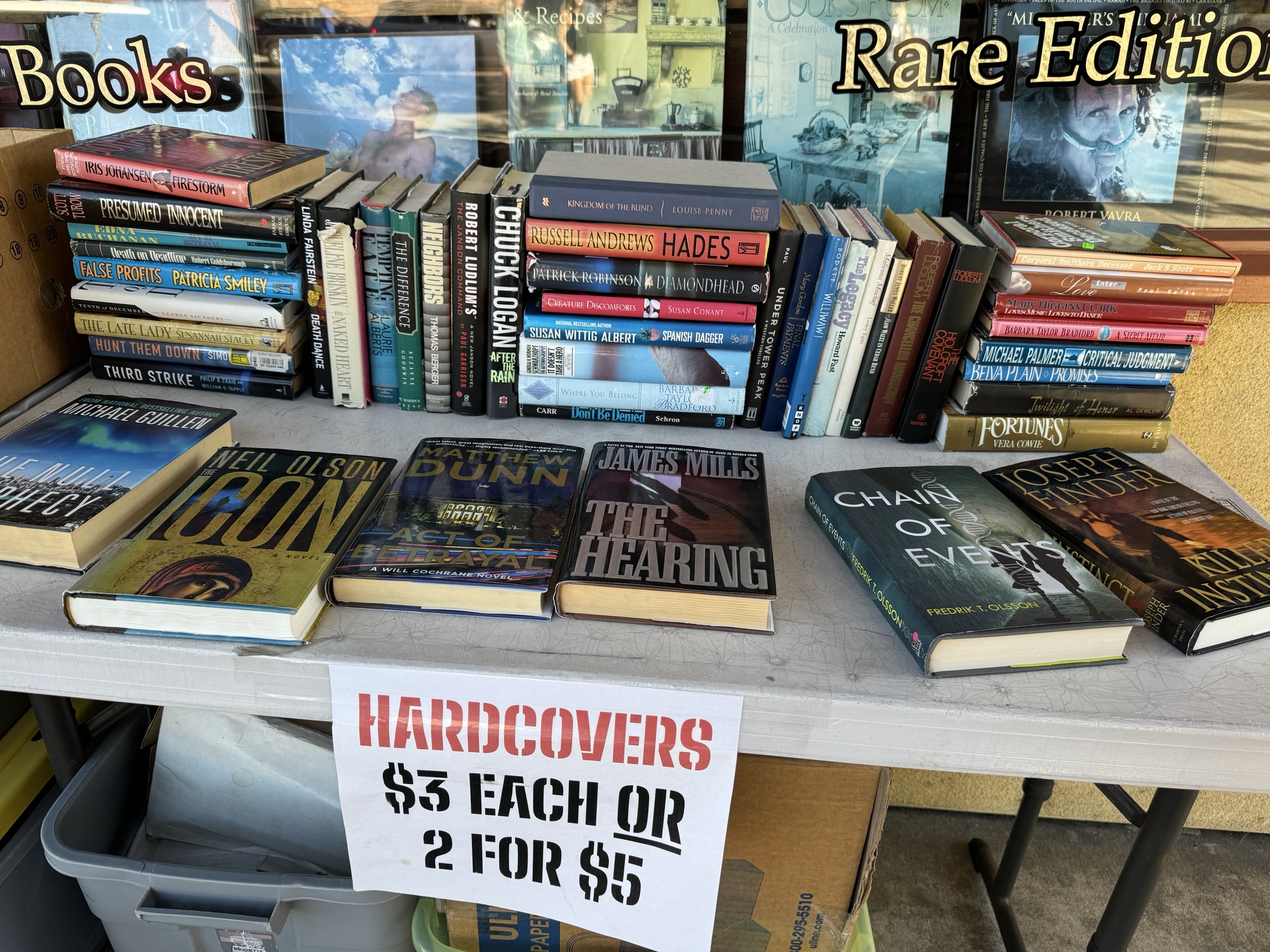
So I’m trying to get in the habit of finding math in my own daily life. And somedays I’m pretty good at it. On a walk in a local downtown I saw these boxes of books at the local used book store. What perfect math for students (or just ordinary people) to think about. What question(s) might you ask to evoke a mathematical response?
When I see these local trashcans I want to challenge my first graders to figure out how many tiles there are without counting each individually. How might you figure it out? Is there more than one strategy to help figure it out?
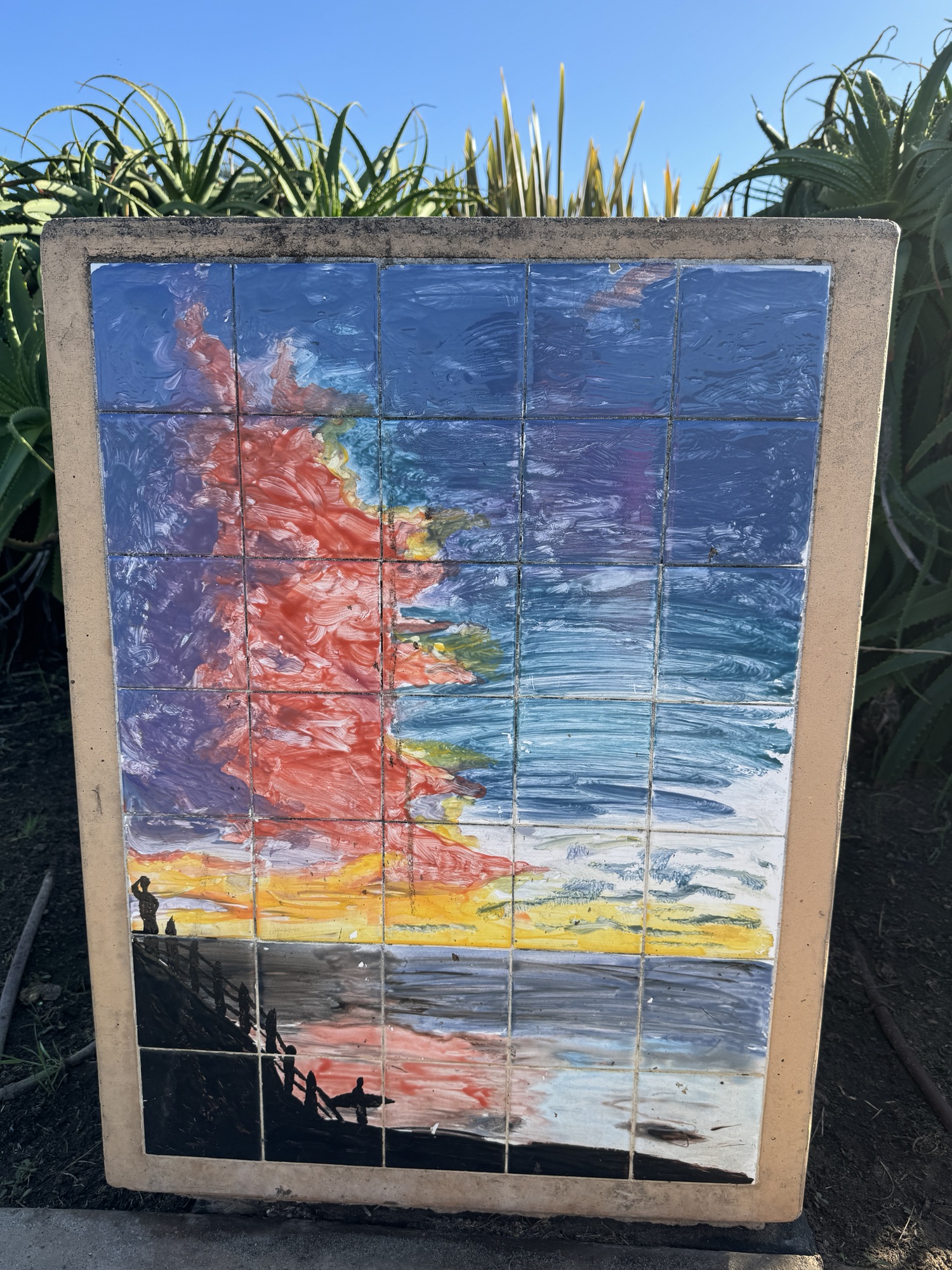
There’s the holes in this drain. Is there an easy way to count them? How might you keep track?
Today we headed out on our playground in search of math. But I’m not so sure that I managed to convey how to look for math. Some students noticed the squares of the climbing ladder on the play structure and were figuring out how many were outlined by the ropes. The inaccuracy of their sketches were definitely not helping them find the solution.
When I prompted, “Do you see any fractions?” a few students were able to see the eight “slices” outlined on the floor of the spinning merry go round thing–and could even articulate that each was an eighth.
But I see that more practice and maybe a bit more direction are still in order. I think I may practice by showing my students one of these photos and then asking some questions to provoke a mathematical response.
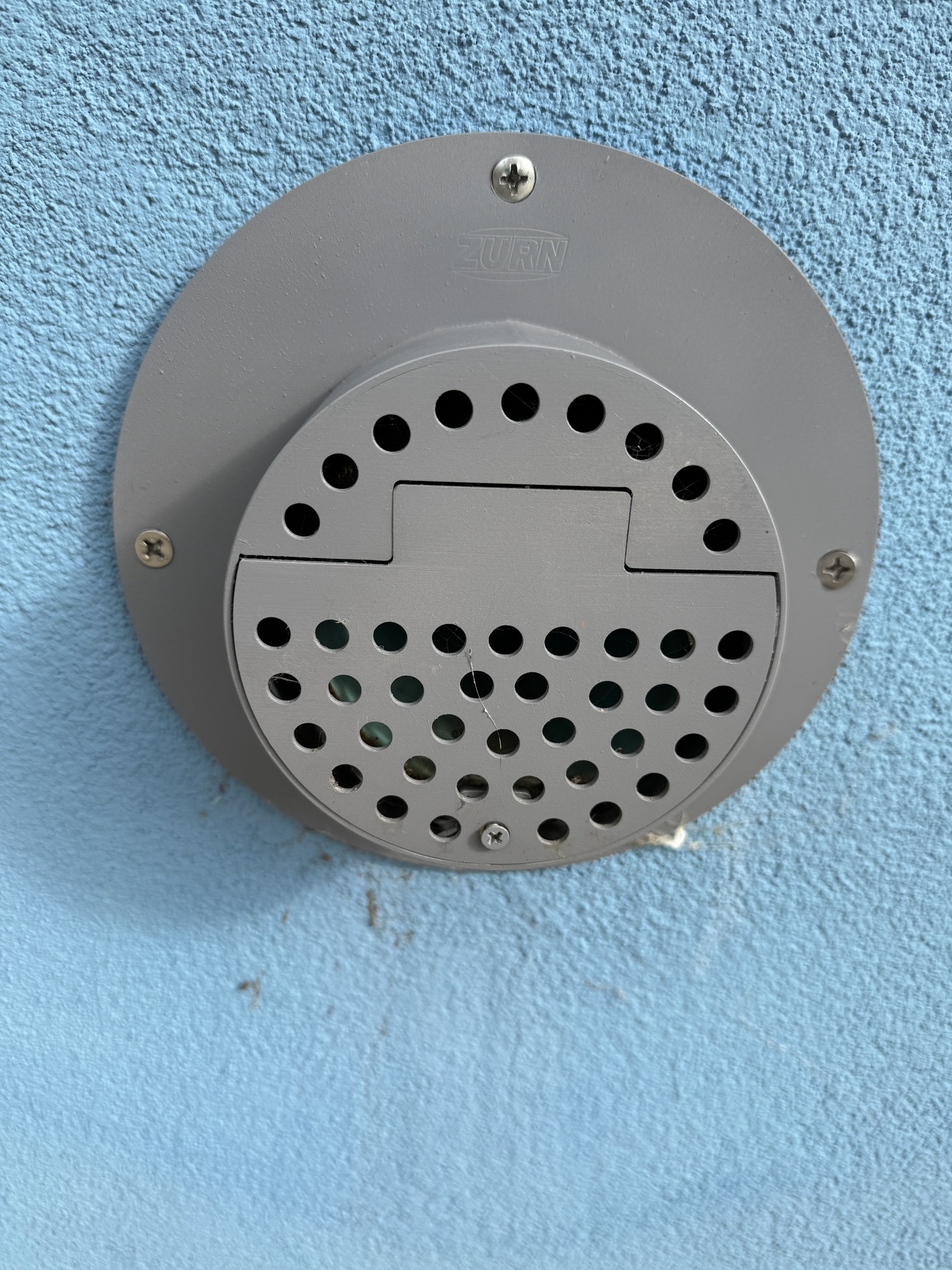
So, let me practice on you. What mathematical situations might come from the close up of these balls on the cart in the playground?
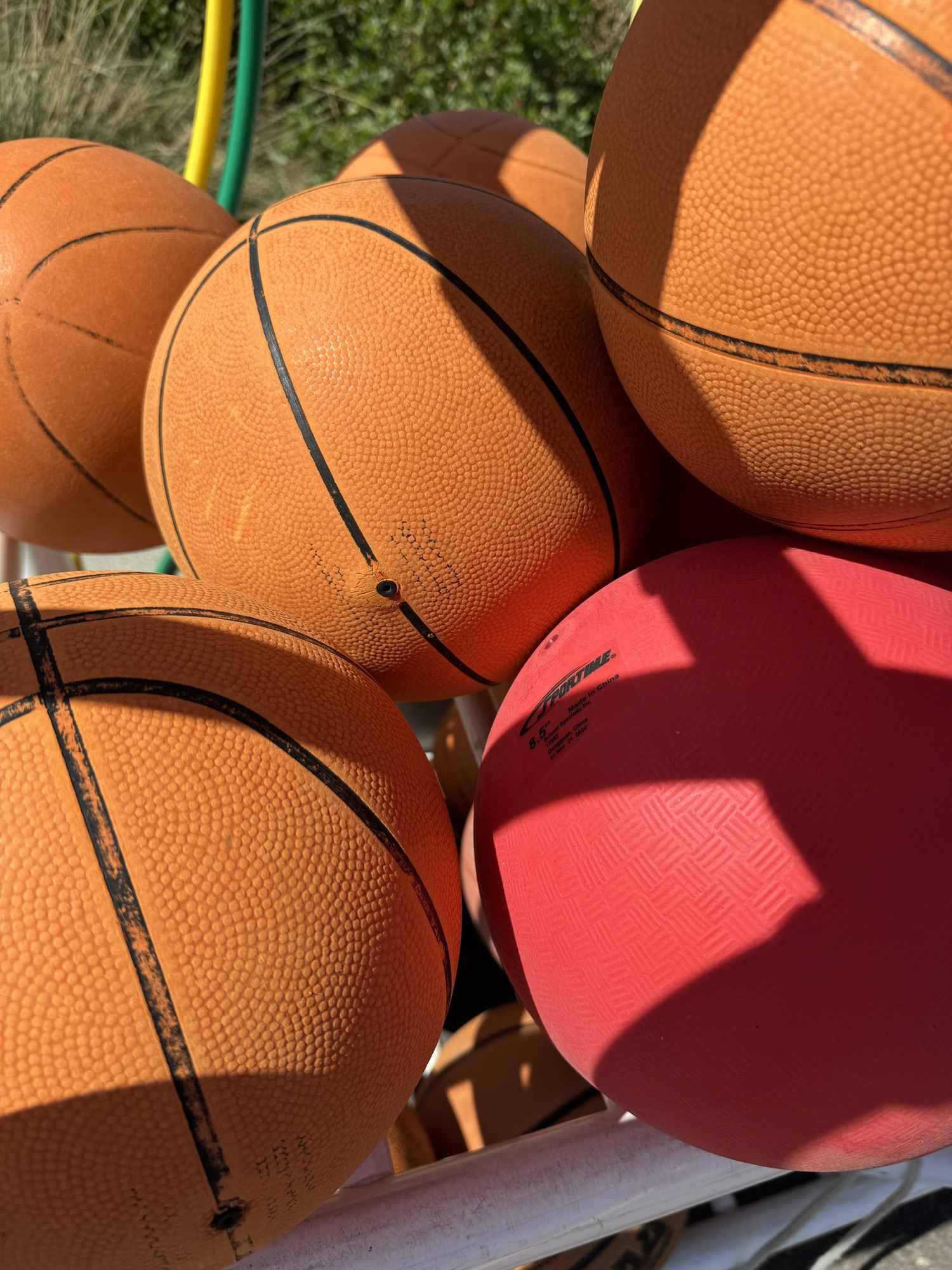
Where do you find math in your daily life?
Another book review? Is it even allowable to write three slices that double as book reviews?
But I simply couldn’t resist. I’ve been following Grant Snider for a while on Instagram/X and I am constantly inspired by his comic writing (for lack of a better term). Somehow he has a knack for simplifying complex ideas into 4 panels or 9 panels where the combination of images and words slices through and hits me right in the heart.
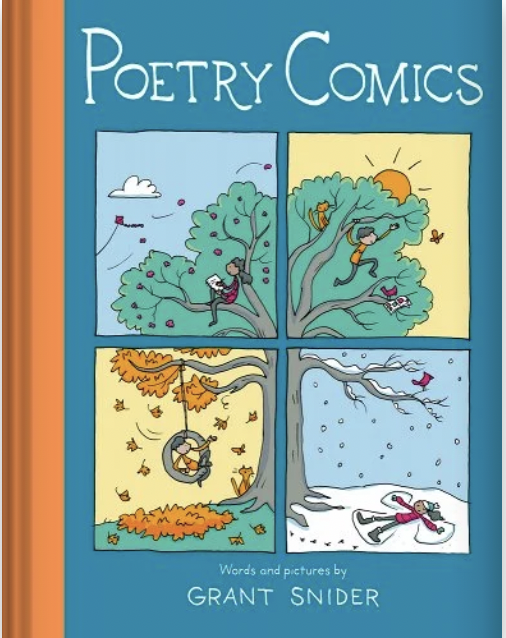
I preordered Poetry Comics, knowing that I needed to have this book not on my Kindle, not from the library, but right in my hands. Ironically, my school librarian got a copy last week and put it in my box a week before my preorder arrived today. I’ve been savoring each page, connecting both as an adult and as a teacher.
I know I will be having my students study a few of these poems and try their own hand at crafting their own poetry comic. There are so many great choices it’s making it hard for me to choose. Here’s one I am considering.
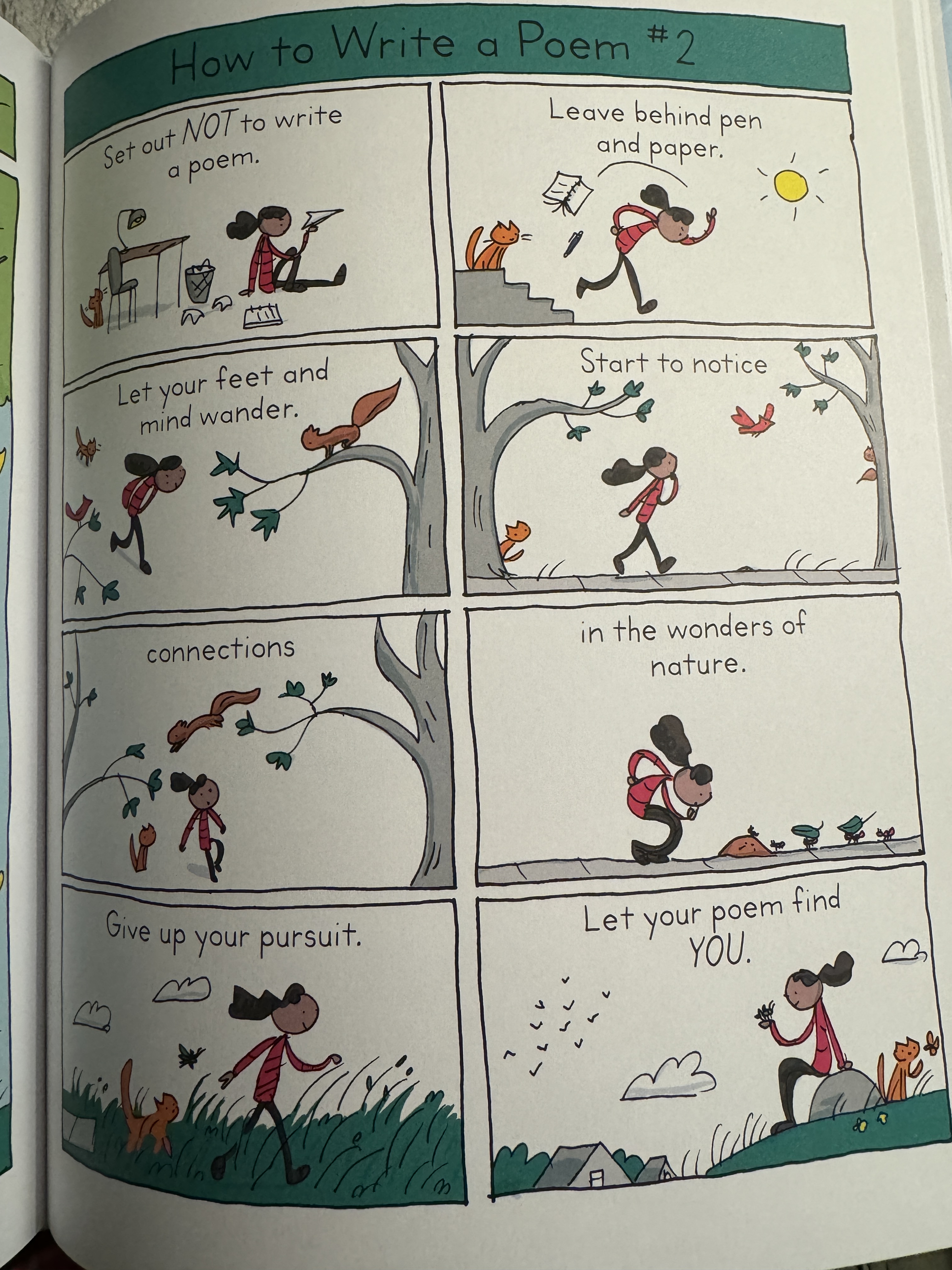
I can’t wait to see what my students will create as they explore poetry comics! How about you? Will you try to craft a poetry comic as we head into National Poetry Month?
Even if you don’t, I highly recommend Grant Snider’s Poetry Comics. There’s plenty to love in this deceptively simple volume.
I didn’t grow up going to National Parks–and to be honest, I didn’t take my sons to National Parks either. But somehow, weirdly enough, I became a hiker after my kids left home.
I think it’s photography that turned me on to hiking. When I decided to take a photo every day, I needed to actively seek out interesting things to photograph. That led me to spend lots of time at our local beaches…and to somehow become interested in exploring other natural spaces…including National Parks.
At this point I have been to a number of National Parks–in my state and far beyond. I’ve been to some once and to others multiple times. So when I had the opportunity to visit Joshua Tree on Saturday, I was all in!
It’s a good 3+ hour drive from home, so making the trip from Palm Springs shortened the commute by more than 2 hours–making a day trip reasonable.
I was somewhat optimistically hoping for a super bloom (I did visit during a super bloom a few years back), but it’s a bit early and a bit chilly for the blooms yet. Instead we found some short hikes and headed off to enjoy the local flora and fauna.
Joshua Tree is a place where rock climbers gather, testing their skills on nature’s beautiful rock formations. I was mesmerized as I watched climbers with ropes navigate up the sides of giant boulders. They worked in teams, searching for toe holds and crevices as they pulled their bodies up inch by inch. And of course, I had to take photos along the way.

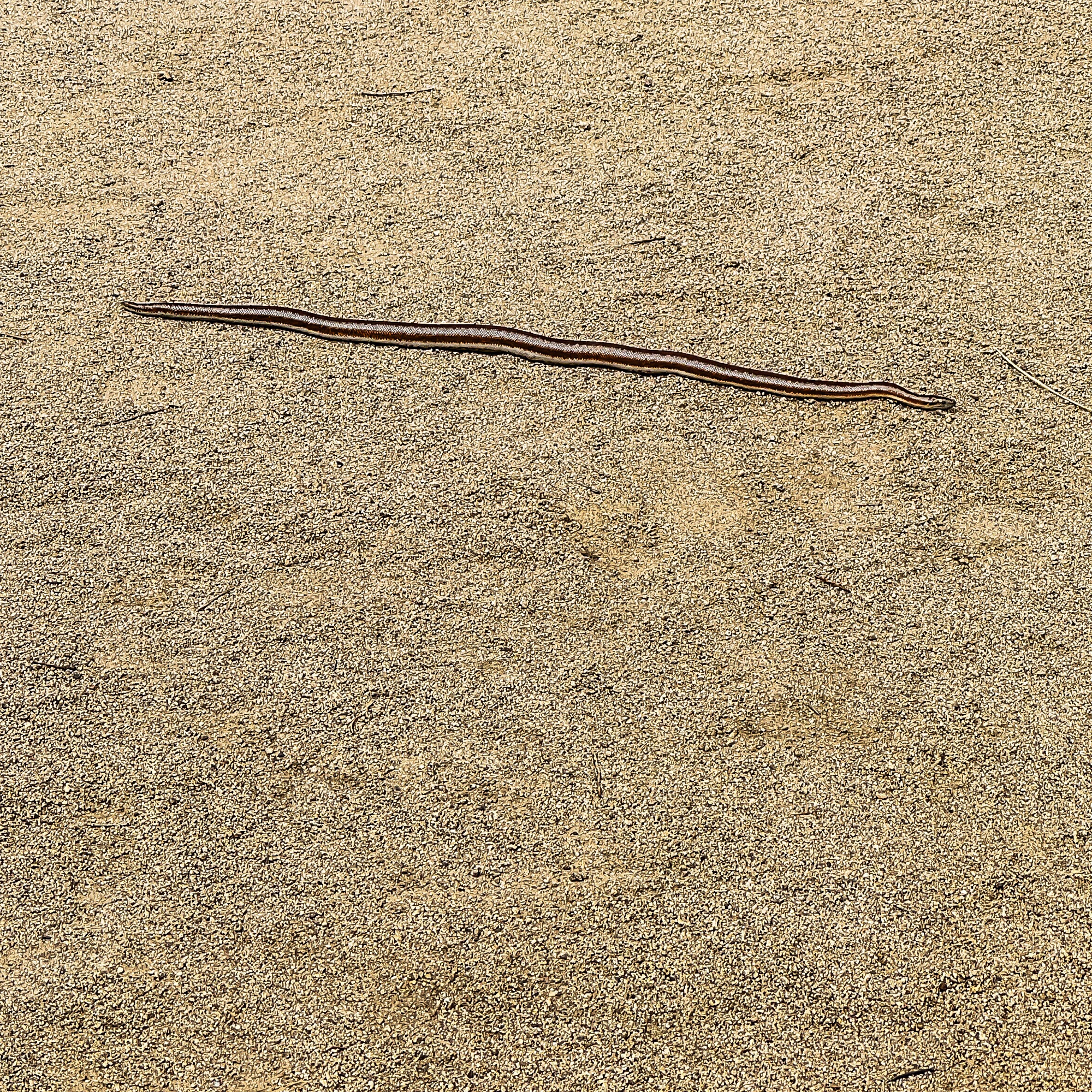
Thank goodness for the little girl who noticed the snake I almost stepped on! Look at the snake she called, and a I turned around to see a snake just a short distance from me. Luckily it was a desert rosy boa on a slow (it was still chilly out) meander across the trail. We all enjoyed the sight and the photo op before continuing on our way.
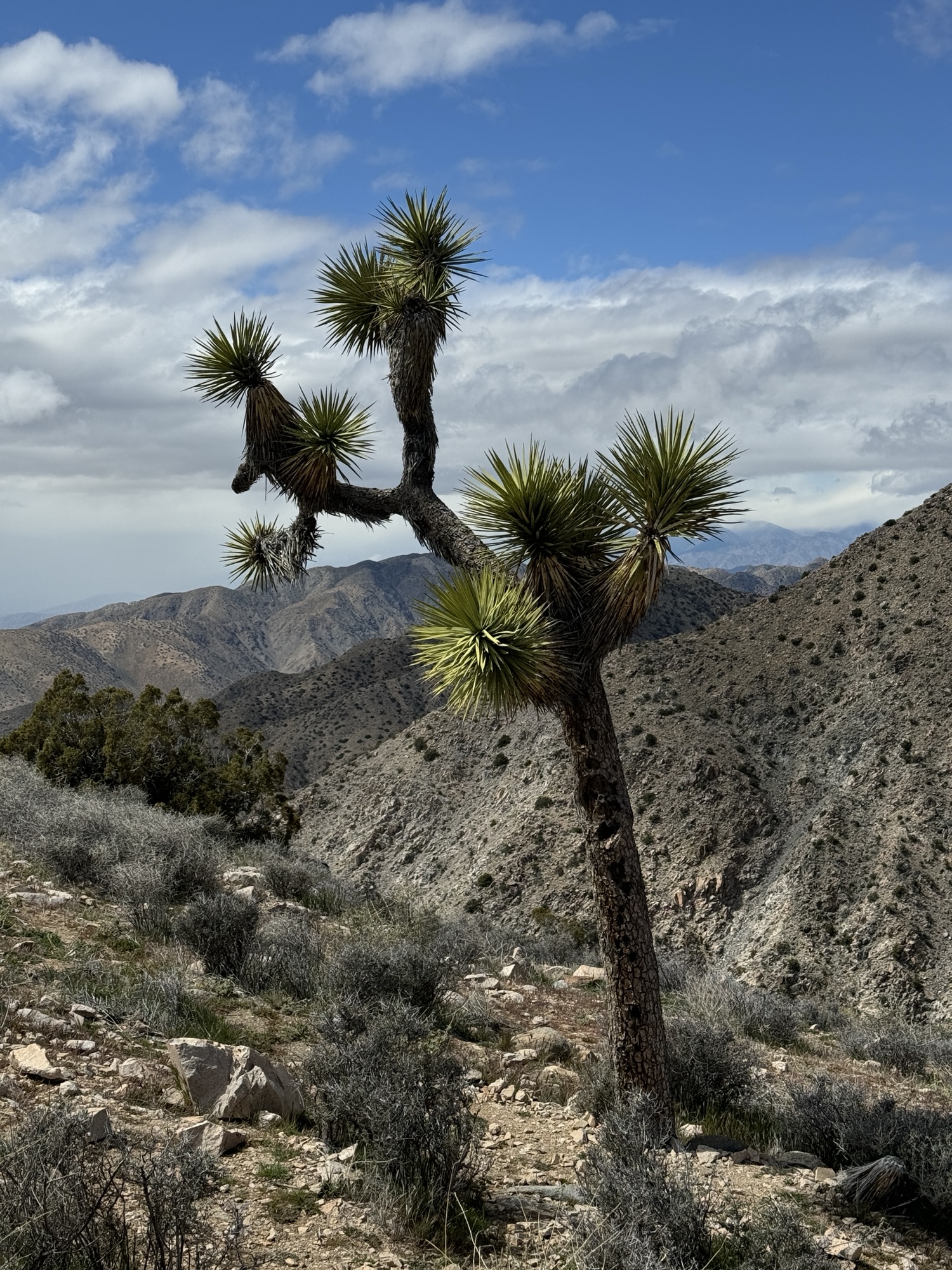
But when in Joshua Tree, the highlight is always the Joshua trees. The rain this year and last has been good for them. They are looking green and happy–especially compared to the visit during the extreme drought when they were not looking so good. These trees are interesting, somehow a cross between cactus and tree. The park looked almost like a forest, with Joshua’s spotting the high desert environment.
Do you have a favorite National Park? Maybe some other beautiful natural space I really shouldn’t miss? I appreciate any recommendations.
If you get a chance, take a trip to Joshua Tree. It’s totally worth it!
I’m a reader. Well…maybe not a refined reader. Like many readers, I read to escape, to learn, to experience time and history from others’ points to view. I read lots of junk–often intense mysteries and crime novels–maybe as a counter balance to all of the professional reading I do.
I’ve also read my share of war novels, many set in World War II, and to be honest, lately I’ve been avoiding that particular genre. But when I saw that Kristin Hannah had written a new novel set in the Vietnam war with a focus on women who had served, I was interested. I’m trying not to buy every new book that piques my interest, more out of space consideration than monetary expenditure. So I went onto Libby (the online library reserve system for checking out e-books) and put a hold on The Women. In the meantime I continued reading a variety of novels, finishing one last weekend.

And then earlier this week, my hold came up. I downloaded The Women onto my kindle and started reading it midweek. It felt a little stilted at the beginning–stiff, maybe even cliche, but it was set in San Diego (Coronado to be specific) and who doesn’t love a book that refers to places you know well?
It was when the book took a deep dive into the Vietnam experience of nurses “in country” (meaning in Vietnam) that the book turned for me. The characters became multi-dimensional and I became invested. I enjoyed the focus on a women’s experience and the struggles returning home to a time and place that was rejecting the war and those who served…and also finding, even within veterans’ groups and services, that women’s service was barely acknowledged if it was acknowledged at all.
If you have read Hannah’s other novels, you’ll recognize her style and likely enjoy this one too. I appreciated the research and attention to detail in this book and was clearly invested enough that I spent too much of my day reading today, finishing the book this afternoon.
If you’re looking for a sometime’s emotional read in a historical fiction novel about the Vietnam war, pick up The Women. I was engrossed–makes me think about my dad and all the other Vietnam war vets who returned from service, whether or not they were in actual combat on the ground in Vietnam, to mixed feelings about their worth as soldiers in a war that seemed never-ending. I feel like I’ve still got some thinking to do on this one.
The drive to and from Palm Springs from San Diego is not a particularly pleasant one. One thing you can always count on is traffic–especially through the Riverside area. It is one of the reasons we decided to extend the trip and not drive home on Friday evening.
So today we spent the day in Joshua Tree National Park (more on that tomorrow) and got lucky enough to escape most of the weather (high winds and rain) forecasted for Palm Springs today midday.
Anticipating a not-so-fun drive home today, we decided that we HAD to stop at the quirky roadside attraction not far from Palm Springs–the Cabazon Dinosaurs. We have visited the attraction before, but who wouldn’t want to stop and take photos of a 150 foot long hot pink apatosaurus (formerly known as brontosaurus) and a 65 foot tall T-Rex dressed in a tux?
We’ve learned through the grapevine (and now through personal experience) that the dinosaurs are palnted differently during different seasons. The last time we saw the dinosaurs T-Rex was wearing a bunny suit (in anticipation of Easter, I think) and our son reported them decked out in Christmas colors when they visited Palm Springs in December.

We had relished the 85 degree days during my conference in Palm Springs and enjoyed the day in the mid-60s and sunny up in the high desert of Joshua Tree. As we drove back down from 5000 feet toward sea level we noticed the clouds gathered in a huge pile over the mountains that surround Palm Springs and water splatters began to hit the car window. Suddenly the winds increased and the rain poured as we turned off onto the 10 freeway.
Should we stop to the see the dinos in the pouring rain?
We decided we’d at least pull off the freeway and take a look. Maybe the rain would stop in a couple of minutes.
Instead of being pelted by rain, we were treated to a rainbow. Definitely made that drive home a little bit better! Moral of the story: make time for silly fun–the rewards will be many!

What quirky roadside attractions have you visited? Any that you would recommend to others?
We’re not fancy people. We seldom go out to an extravagant dinner and really splurge on the experience. Don’t get me wrong, we eat out our fair share, but we’re more likely to grab In and Out Burger after a beach walk or frequent the tasty but not too expensive local Mexican place for taquitos or burritos.
But tonight, after a couple of days at a conference in Palm Springs, we decided to go out. Geoff had traveled with me, exploring the airplane museum while I conferenced today. It’s our last evening here and this town is full to the brim with conference goers, spring breakers, and retired folks who enjoy the desert when it’s not too hot. I suggested a reservation, hoping I wouldn’t have to make the dinner decision. And I hit the jackpot!
Apparently he skimmed the Italian restaurants in the area (last night was Mexican dinner with colleagues from my school district) and made a reservation at the only one who took reservations. Acknowledging it might be pricey but that neither of us had eaten lunch, and that the restaurant was a quick 3 minute walk from out hotel, we decided that we deserved a high end dinner.
Douglas was an excellent server who let us know right away that the owner was also the chef and that the recipes had been handed down from her grandmother, the pasta was made in house, and that everything would be delicious. Douglas was right! We started with a glass of wine, followed by a wonderful caprese salad to share. I had a lovely pasta entree whose name I don’t remember…but was fresh and so yummy. And of course, we had to top it off with some gelato for dessert.

The real kicker was the price–brace yourself, it was no bargain–but the total was such a unlikely and serendipitous number: 12345! (In monetary terms it was $123.45). But how often does that happen? Douglas encouraged us to head off to the casino in town since surely it was omen of good luck. We declined that suggestion–instead we are hoping that the Megamillion and Powerball lottery will come in for us! But if it doesn’t, we had a lovely dinner on a warm, beautiful Palm Springs March evening. Seems we can’t really lose today.
Hollywood icon
looming larger than life, still
seeking perfect light

 Thinking Through My Lens