Category Archives: teaching

A Lesson in Resilience

Learning is what school is all about…and I’m lucky to learn with my students every day.  Today’s lesson was all about resilience.

We have 1:1 iPads in our classroom–for the second year in a row.  It’s one of those mixed blessings:  a flexible tool that kids love to learn with, and a tool with a mind of its own that creates havoc with lessons from time to time.  Last week, before the students arrived, Margit and I spent time sorting out our returning students’ iPads and assigning the newly “cleaned” iPads to our new students.  We made sure to sync the entire batch to our “cart account” to ensure that all our apps were on all the iPads and we also charged the iPads so they would be ready to use.

We introduced (or reintroduced) the iPads on Tuesday (the first day of school) with our focus on care, basic operations, and getting the IPads out and putting them away.  Students constructed rules for iPad use yesterday…and we had grand plans for a project involving the iPads today.  Things began smoothly…we split the students this morning with returning students in one room “cleaning up” their iPads and new students in the other room personalizing theirs. Students were successful and engaged–helping one another and taking care of business.  That wonderful “buzz” permeated the classroom as we all were reintroduced to our tools after a summer away from them.

We moved on to our project…working with personal “artifacts” to tell a story about ourselves. Each student photographed their artifact.  They worked to ensure they captured the item in the photo, careful to keep fingers out of the way and not let the iPad cover block the lens.

After recess we moved on to the next step: using the Notability app to import the photo and then record their voice telling the story of the artifact.  We walked through the basics of the directions confident that students would help each other through the steps.  And then the rumbles began…

It quickly became clear that our new students did not have the Notability app on their iPads–in spite of our syncing last week–and it wasn’t a quick fix.  Times like these doubly reinforce the benefits of co-teaching.  Margit worked with the IT support as I encouraged students to rehearse for their eventual recording, even without the iPad.

As you might expect, there was some anxiety from those without iPads–wondering if they would get to work on their projects and the sense of frustration that comes with plans gone awry.  But overall, resilience won out.  Our projects did not get done today and students have been reassured that they will get to return to the work tomorrow…with Notability installed on all the iPads.  As teachers, we once again learned the importance of resilience and flexibility and a sense of calm in the face of a potential storm.

I know that in spite of the frustration, our students will benefit from learning how to respond when technology complicates our best laid plans.  We hear plenty about this generation’s need for immediate gratification and inability to wait…often attributed to new technologies.  And sometimes I don’t think I am any more patient than they are!  But what I know from experience is that the use of these digital tools in the classroom is the perfect venue for teaching delayed gratification, problem solving, cooperation, and resilience…important life lessons for all of us.
The First Day

What do you remember about the first day of school?

photo-3

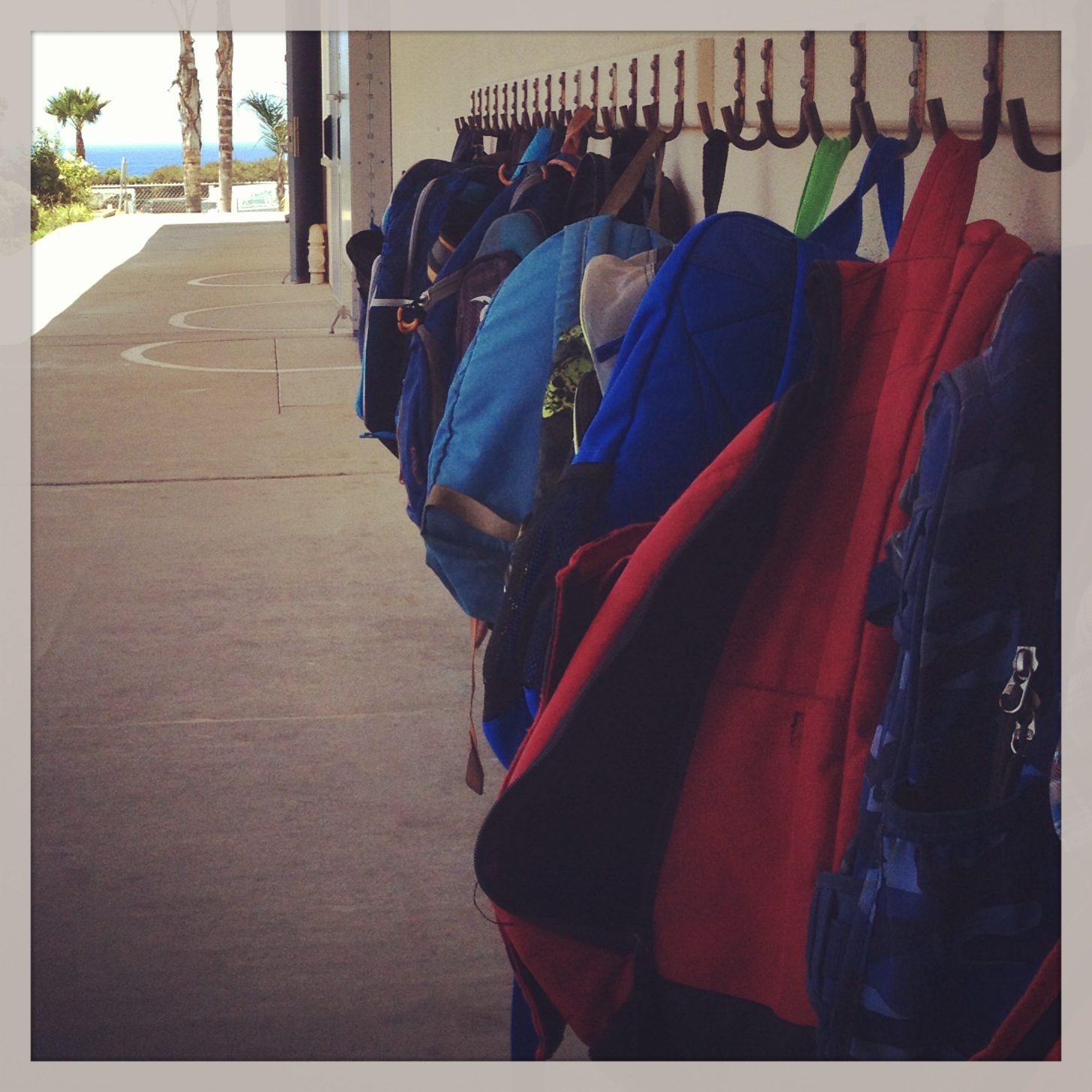
As a teacher, I continue to experience the first day of school every year.  And every year I have those same feelings of nerves and excitement. In my multiage class I get the best of all worlds–I get to loop with my students entering second and third grade and I get new first grade students every year.

Today was our first day of school and it began with hugs and smiles…from returning students and parents.  We got to catch up a little and students easily said good-bye to their parents as the school day began.  And we met our new students with the excitement of beginnings.  Nervous energy–ours and theirs–reminded us of the important milestone of starting a new school year.  Those first days are filled with establishing the routines that will mark our community all year long.

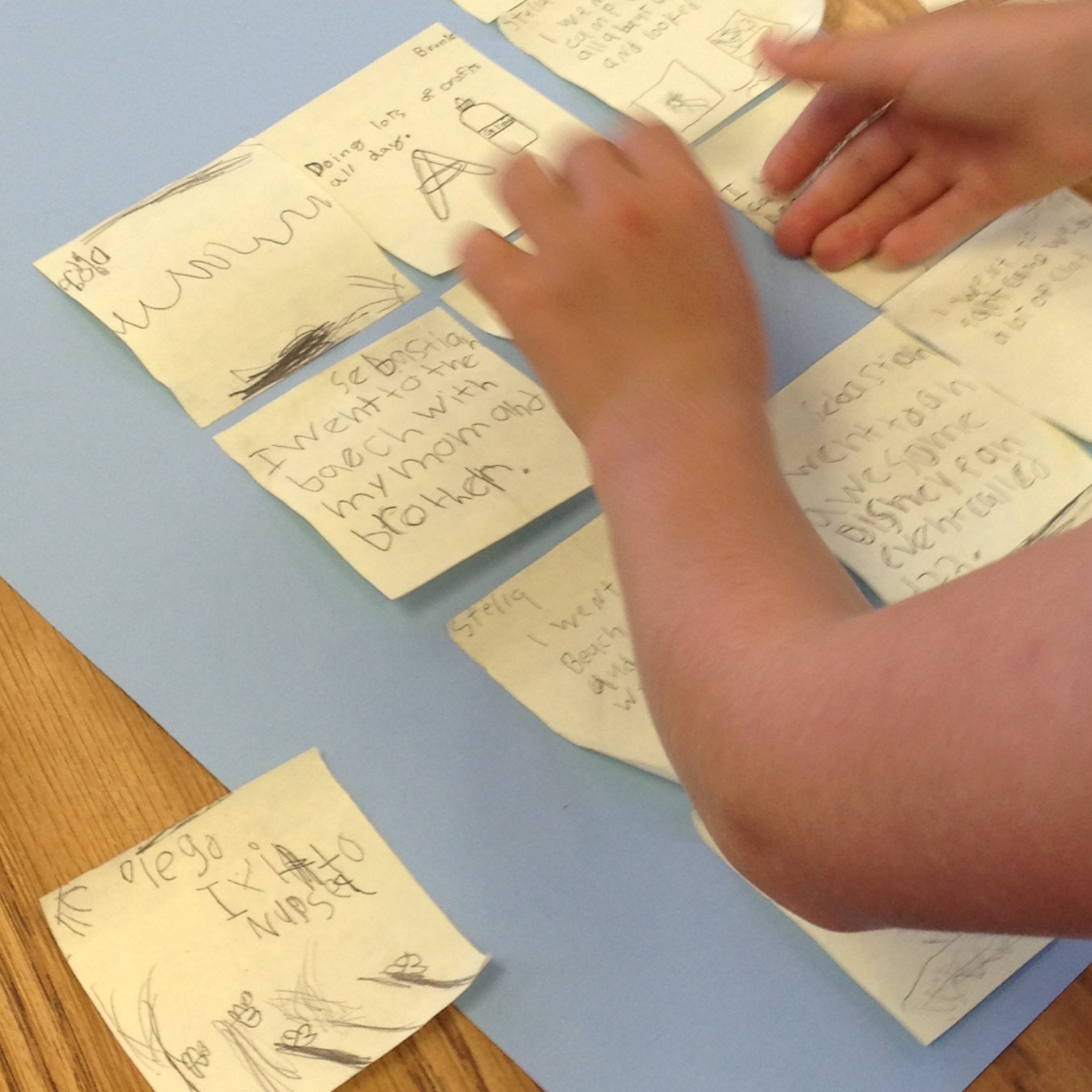
My highlight of the day was watching my students work in groups, returning students facilitating the activity for their younger classmates.  After discussing the highlights of their summer (everything from watching TV to running through the sprinklers, trips to visit cousins and grandmas to plenty of beach time, camps of every type–have you ever gone to fishing camp?–to playing at the park near home), students selected four of them to draw and write on sticky notes.  Then as a table group (teams of four), they sorted their summer favorites and created categories to describe them.  Finally each group created a graph that we will come back to in the next few days to both learn more about graphing and about each other.

photo-4

While we wrote and read, sorted and classified we also began to form ourselves as a learning community where everyone has something to offer and much to learn–teachers and students alike.

I was exhausted at the end of the school day…and I suspect the same was true of my students.  But I can’t wait until tomorrow.  The first day of school marks a milestone, but it the days that follow that are the reason I teach.

What do you remember about the first day of school?

Developing a Practice

One of my favorite weekend morning activities is the opportunity to lounge in bed and read. It’s such a luxury since even on weekends I often have to be up and about and out of the house early.  This morning I was reading Natalie Goldberg’s latest book, The True Secret of Writing: Connecting Life With Language.  I’ve read most of her books–and while this one doesn’t rank as my favorite–the chapter I read this morning on the importance of developing and committing to a practice struck me.  Here’s what Natalie says about practice:

…we established a different slant to practice other than “practice makes perfect”: It’s something you choose to do on a regular basis with no vision of an outcome; the aim is not improvement, not getting somewhere.  You do it because you do it.  You show up whether you want to or not.  Of course, at the beginning it’s something that you have chosen, that you wanted, but a week, a month in, you often meet resistance.  Even if you love it, inertia, obstacles arise: I can make better use of my time, I’m tired, I’m hungry, this is stupid, I need to listen to the evening news.  Here’s where you have the opportunity to meet your own mind, to examine what it does, its ploys and shenanigans.  That’s ultimately what practice is:  arriving at the front–and back door–of yourself.  You set up to do something consistently over a long period of time–and simply watch what happens with no idea of good or bad, gain or loss. No applause–and no criticism.

To get myself blogging, I gave myself a challenge (maybe that is one variation on a practice) to write and post a blog daily for 30 days.  That short term challenge felt doable.  I didn’t create the challenge for myself because I hoped to become a professional blogger (or writer), but because I wanted to feel what it would be like to consistently blog.  But, I am on the verge of establishing a blogging practice.  I have continued to write and post daily on this blog, well past the 30 days of the challenge…but I am sure as the school year begins on Tuesday that this daily practice will need to morph to a regular practice that is more like a three times weekly practice.  But what I love about the practice is that I have written and posted every day–even when I was tired and couldn’t seem to think of anything interesting to write.  I have pushed past my comfort zone and figured out how to generate ideas and get something composed each and every day.

And I can authentically share my experience of developing a practice with my students.  I can help them develop a regular writing practice.  It doesn’t have to be my practice–writing and publishing a daily blog post–but the act of developing a practice and “showing up” on a regular basis help us each learn something about ourselves.  It also helps us to develop those valuable traits of persistence and grit–hanging in there even when things seem hard.  Because ultimately it’s our drive that determines success and learning.  Talent is great…but effort over time is everything.

This reminds me of my time working for McDonald’s Restaurants before I decided to go into teaching.  Ray Kroc, McDonad’s founder, was inspired by this quote by Calvin Coolidge…which I kept for years on the bulletin board in our home office.

Nothing in the world can take the place of persistence. Talent will not; nothing is more common than unsuccessful men with talent. Genius will not; unrewarded genius is almost a proverb. Education will not; the world is full of educated derelicts. Persistence and determination alone are omnipotent. The slogan “press on” has solved and always will solve the problems of the human race.

Natalie recommends keeping a log of your practice–even if you skip–and rather than giving up when you miss a day, just make note of it and resume the next day.  I like this recommendation…and I like that my blog keeps track for me.  I can easily see which days I have “practiced.” What practice will you develop?

Rethinking Use

For the last couple of days, my teaching partner and I have been busy planning for the first week of school.  With a multiage class of first, second, and third graders, we have a wide span of age and school experience to take into account…and our older students have been in class with us for the last year or two.  That means we are always figuring out new ways to build community and academic skills, encouraging student engagement and building collaboration and problem solving.

We love using picture books to launch student thinking…and students love to be read to!  Today’s planning conversation involved many books, what role they might serve, and how we might use them as we start the school year.  Last year we read a book by Jerry Pallotta called How Will I Get to School This Year? which we used to get our students started with writing opinions.  We used this simple picture book to ask our students to come up with reasons and evidence to support their opinions about how they would want to travel to school.  Which would be better, a grizzly bear or a butterfly?

At the end of the school year when we came across another Pallotta book in the series, Who Will Be My Teacher This Year, we set it aside for potential use this fall.  And when we read it again this year to think about how we might use it, it initially fell a bit short of our expectations. And then we started thinking…

Something we want our students to begin when they come back next week is to help us reorganize our classroom library to better serve their needs.  We have lots and lots of books–but they don’t seem as accessible as we would like.  And we would love to have our students more actively recommending books to each other.  As we thought this reorganizational task through, we worried that some of our more accomplished readers might be dismissive of some of the easier to read choices in the library.

So…how might we use this Pallotta book to model how a seemingly simple book might actually be more than you see at first glance.  When we took a closer look at this book we noticed that in addition to the fairly simple text and some silly associations between teachers and animals, there are also a lot of idioms used.  Attention to these would change the way a reader looks at the book.  We also considered how our students might pick a page where the connection between the animal and the teacher action is tenuous (the alligator teaching students to be “green”–as in environmentally aware–is one example) and revise it.

We found ourselves reading and reconsidering picture books from a variety of perspectives in our planning today.  I know that our thinking today will inform the way we set our students up to revamp our classroom library.  I can’t wait to see all the ways they approach books when charged with this important task of making our classroom library work for them!

How have you rethought your use of and approach to a book you use with students?  What’s a favorite book you can’t wait to share?

Building Stamina

Today marks my 45th blog post.  It also marks my shift from a focus on summer work back to my classroom.  Tomorrow is my official first day back–a day that will be filled with seeing familiar faces, catching up on summer activities, meetings and more meetings, and working to prepare the classroom and plan for an engaging start to the new school year.

The beginning of the school year always feels hard.  Even with 2/3 of our students returning (or maybe in spite of it), we want to set a tone and begin to build community that will set the stage for a year filled with learning.  Co-teaching makes it easier…and harder.  We have each other to work through our ideas with, and our ideas get examined and turned inside and out as we each consider how that idea might work…or where it might fall flat.  We have lofty goals for our first, second, and third graders–and we have to remember that they are still very young, so sometimes we have to temper our own enthusiasm and consider how to help our students build the stamina and resilience to reach (and exceed) the goals we set.

And because our students loop up with us we can’t depend on our favorite activity from last year, or read that book that worked so well with last year’s class.  Each year we need a fresh approach to getting started–new books to read, new ideas to get writing started, new ideas for getting to know each other.  It’s what I love about teaching a multiage class–and what makes it hard!

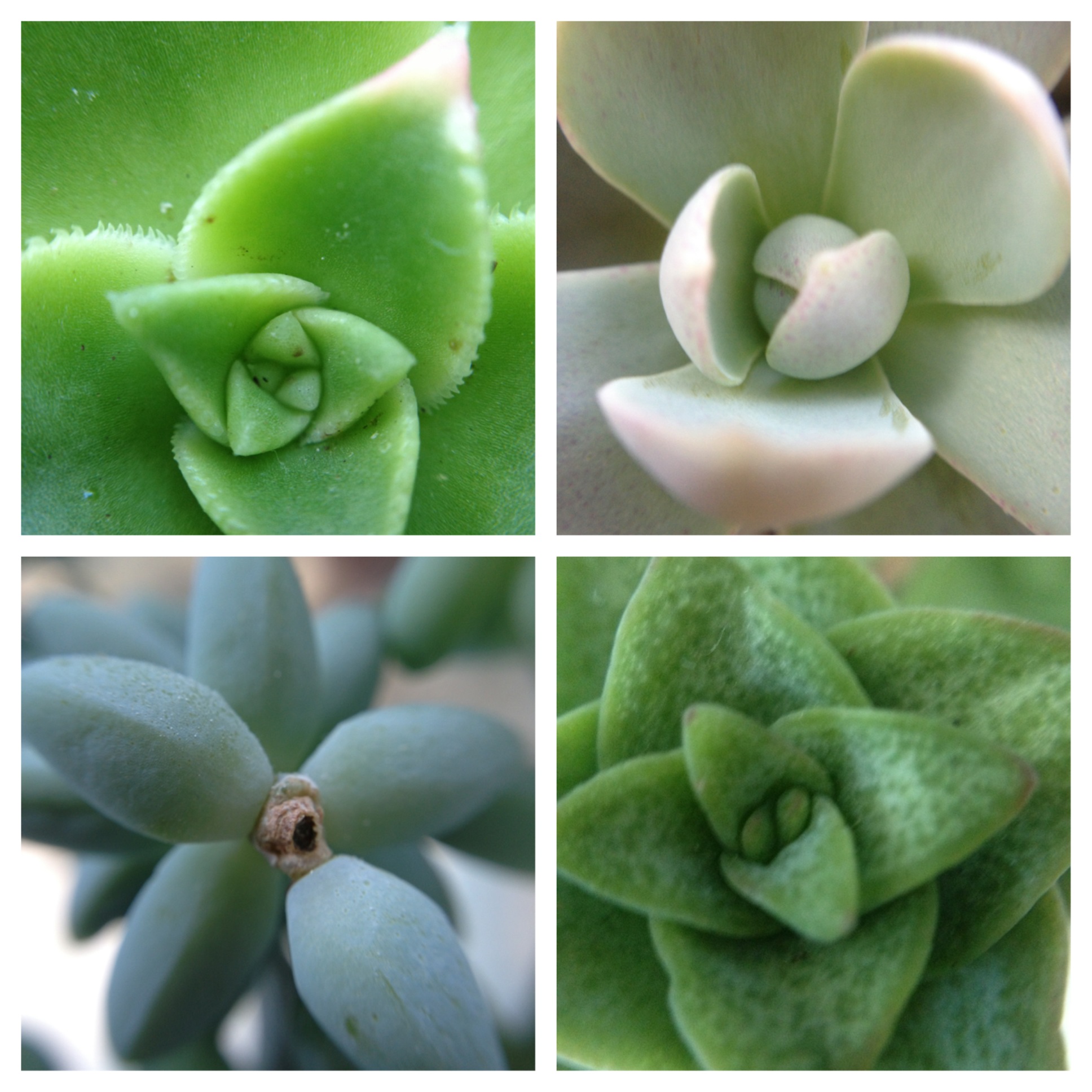
So I’m reminding myself to breathe.  And to appreciate the little things.  When I got home today after a long day in the classroom (I know, my official first day back is tomorrow–but we worked all day today!), I realized I hadn’t taken the time to look for any patterns to photograph. But the plants above the kitchen sink caught my eye…so I took out my macro lens and started noticing.  I ended up capturing the centers of a number of plants.  Do you see any patterns?

photo

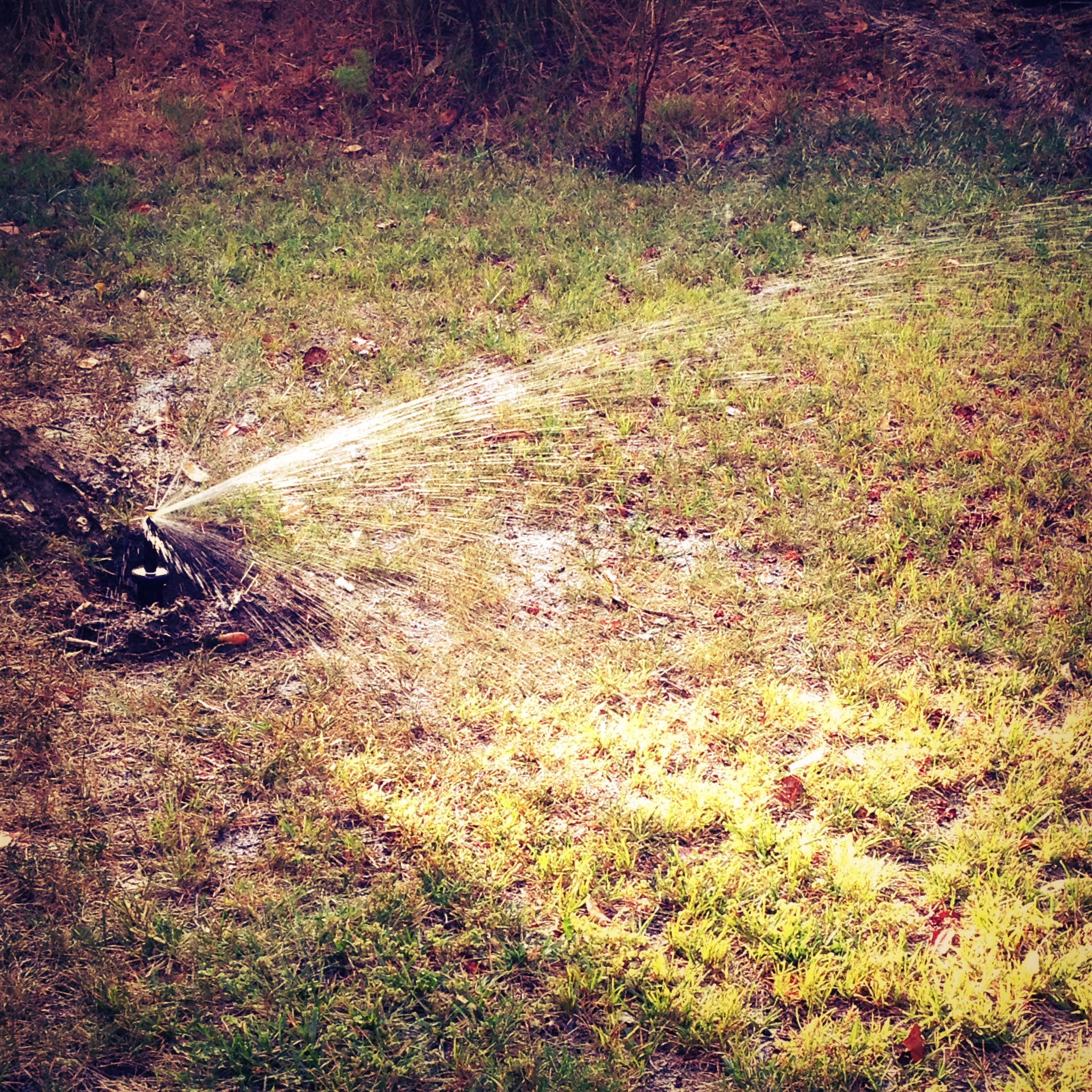
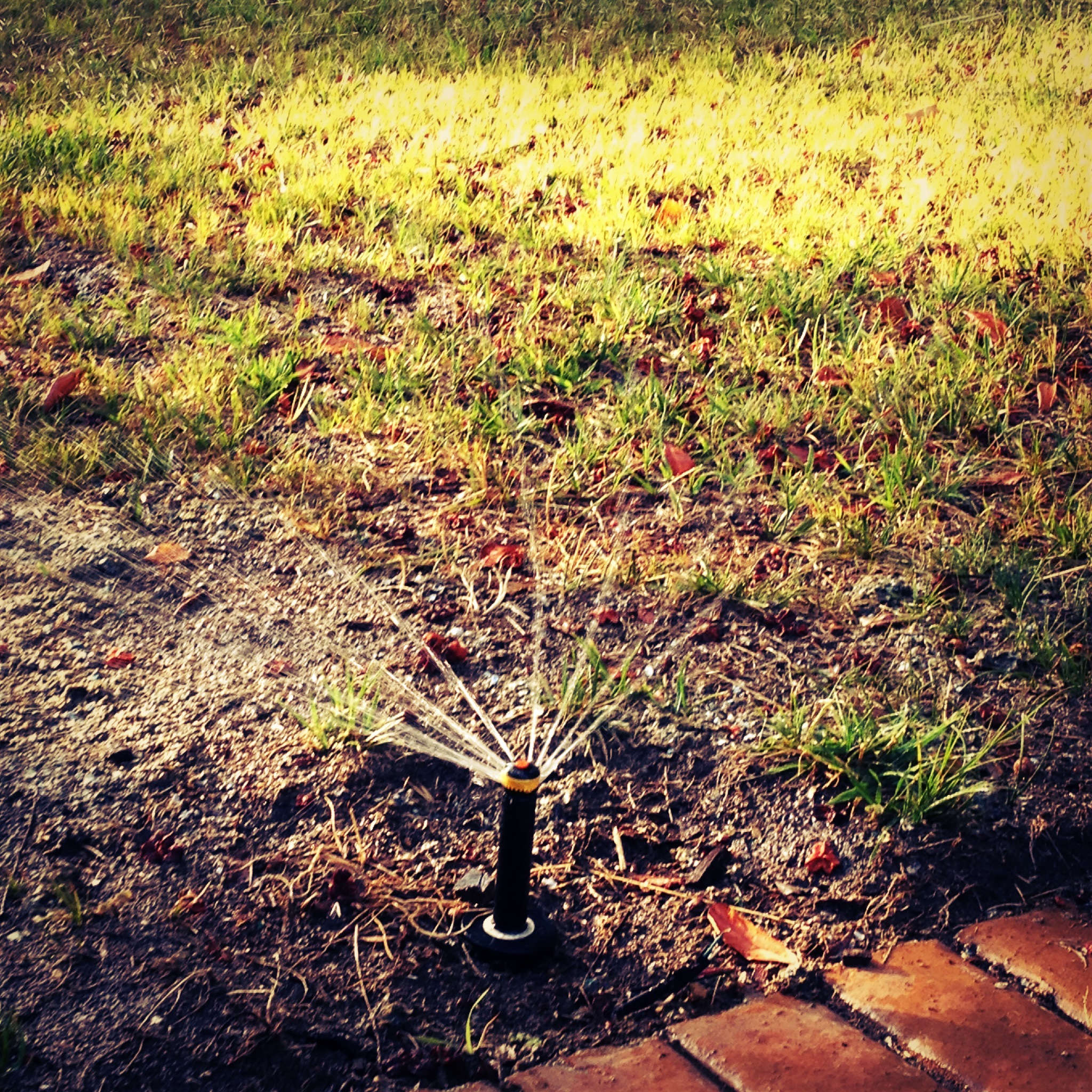
I also spent a little time in the back yard watching Geoff work with the sprinklers.  They have been dysfunctional for most of the summer.  He dug them up and replaced the parts yesterday and today was adjusting the spray to both cover the yard and not hit the house.  There’s something relaxing about spending a bit of time in the yard, feeling the cool evening breeze, and watching the water spray.  (We now have fancy rotating sprinkler heads!)

photo-1 photo-2

I’m sure that sprinkler pictures are not what readers look for in a blog post–but the act of appreciating the spray of the sprinklers helped me to clear my mind and reframe my thinking.  I know we’ll figure out how to get this school year started and I know I will love my new students and I know that my returning students will rise to each new challenge as the school year progresses.  As teachers, we also have to remember that we have to build our own stamina and resilience as we reach for our own lofty goals!  It has taken stamina and resilience to get to this 45th blog post too.  Some days it’s hard to write and I feel like I have nothing of worth to say…and then I breathe, try to focus on and appreciate the little things and dive into the writing.  Some days are filled with false starts…but by sticking with it, I always learn something about myself and I hope something that will help my students.

What do you do to refocus when things feel hard and you feel anxious?  How do you build your stamina and resilience?

Some Thoughts on Digital Learning: #Leadership Day 2013

Scott McLeod over at Dangerously ! Irrelevant is celebrating the 7th anniversary of his blog today and inviting educators to share views on effective school technology leadership on what he calls Leadership Day 2013.

In lots of way I have been fortunate in my district with technology–our administrators employ a person to provide tech support to troubleshoot problems, send me to trainings if I ask to go, and trust me to figure out what is best for my students.  But I would say that those conditions are not enough to ensure participation of teachers who feel less confident with digital literacy and need more direction and support to implement robust technology use in their classrooms.

But instead of saying just how to support these teachers, in this post I will talk about the pieces of technology leadership that I feel are most often overlooked.  They are two very different but very important aspects of digital literacy:

  • Consideration of the impact of technology on student learning
  • Leadership by example by being a user of digital tools

Consideration of the Impact of Technology on Student Learning

There seems to be lots of attention to hardware decisions in education–Macs or PCs, tablets or chrome books, smart boards, document cameras…  The list goes on.  And there’s lots of attention to software and applications and how technology supports teachers–ease of grading, presentation tools, record keeping…  What is missing for me are meaningful conversations about the ways technology and digital literacy impact student learning.  Instead of asking each other what apps to use on classroom iPads, I think we need to ask how digital tools support student learning.  How can students transform information in ways that make it relevant and meaningful–and accessible in novel situations?  Instead of deciding between Evernote and Notability, we need to have conversations about how and why students will use this type of application–and it probably doesn’t matter which you choose if you have reasons that support student learning.

Leadership by Example by Being a User of Digital Tools

What I notice from my own Professional Learning Network (PLN) on Twitter is that educators who are thinking about the ways digital tools impact student learning are also actively using digital tools for their own learning.  They are blogging about their professional learning, tweeting articles and links about research and thinking about digital tools, they are experimenting with new ways to represent their own learning with video, digital photography, infographics, and other digital tools, and they are actively learning with and from other educators trying similar tools.   I do see a few administrators and district leaders joining in this effort–and it seems that those who do have a bigger impact on the implementation of technology in their districts. The more district leaders use digital tools themselves, the better positioned they are to understand the benefits and challenges of them–and the potential implementation possibilities for use with students.

Our students will be using digital tools–they are pervasive in our lives.  Our question as educators is how do we use these tools to support our students’ learning…and help our students (and ourselves) see and use these technologies in ways that make us all more thoughtful, efficient, and productive?  Leadership is essential to successful implementation.  I hope my suggestions give some food for thought for those in leadership positions for the implementation of technology in education.

One Shot, Two Ways…Revision, Photo Style

One of the benefits of blogging is that other people like and follow my blog…and when they do that I often take a glimpse at what they are blogging about–it’s a lot like my experience with the CLMOOC.  Yesterday shotwithmyphone.com liked my blog post and I spent some time perusing the photos he posts…all shot with his iPhone (like me!).  One of his posts was titled One Shot, Two Ways and is part of a challenge posted here.  The challenge invites photographers to take two photos of the same shot–one with a vertical orientation and one with a horizontal orientation and to post them side by side.

Inspired by those ideas (and looking at a few photos) I decided to try a variation on that theme and show two views of the same photo–one original and one with some editing and filters applied.  In some ways the editing process I apply to my photos feels a lot like revision in the writing process.  It’s the part of the process where I zoom in (or out), crop out distracting details, brighten up the setting, or change the mood.  In many cases, revision in writing and editing in photography transforms the end product and helps the reader/viewer see it differently.

Here’s are a couple from my beach walk on Sunday:

photo-12pipe

photo-10turtle

And here’s a couple from yesterday’s excursion to the Living Coast Discovery Center:

photo-13photo-14

photo-11photo-1

There are times when I post my photos without editing, but I like experimenting with how to take a photo and work with it to convey the message I have in mind–or one that emerges as I play with it.

What do you think?  How does the editing change the way you see the photo?  How does it change the message of the image?  How does this relate to writing and writing instruction?  I’d love to know your thoughts!

A #Macro View of San Diego Natives

I’m lucky to live in a beautiful city–a place where I don’t even have to say the name of my state for people to know where I’m from.  Many people I meet have either visited or know someone (often a relative) who lives here.  But despite that familiarity, there are many misconceptions about San Diego.  So many people expect it to be tropical–like Hawaii or Tahiti–and are surprised when they come in contact with our pervasive marine layer, moderate temperatures (low 60’s in the winter to mid 70’s in the summer with occasional higher and lower temps), and low humidity (we average about 10 inches of rain annually).

San Diego skyline from the Coronado Bay Bridge

San Diego skyline from the Coronado Bay Bridge

Our beautiful skyline and beaches are often framed with tall swaying palms (not native) and colorful hibiscus flowers (also not native).  Many species of plants grow well here–especially when supported by providing extra water.  Today I vacationed in my own city, taking a trip to Chula Vista to visit the Living Coast Discovery Center (formerly the Chula Vista Nature Center). Located in the wetlands along the San Diego Bay, the center boasts a rich history.  Once the domain of the local Kumeyaay people, around the turn of the century this location became a kelp processing plant run by the Hercules Powder Company extracting potash and acetone from the kelp to make cordite–an explosive used for fuses during World War I.  After the war, abandoned buildings were taken over by the San Diego Oil Products Corporation and became the largest cottonseed warehouse in the United States.  Later it became farmland and after that a site of illegal dumping.  In 1980’s the city of Chula Vista helped develop the site into the Chula Vista Nature Center.

As you can see appreciation of our local habitats has not always been a given, even among the local population.  We love our beaches and our mild climate, but haven’t always taken the time to understand how to best care for or learn about them.  Today, with the help of my macro lens on my iPhone, I spent time looking closely at some of the native plants of San Diego.

The coastal sage scrub community, which grows around our wetlands near the coast, is filled with hearty, drought resistant plants.  In the summer many of them look dry and brown.  Some might even conclude that they are dead…but just wait until some rain falls…

I noticed today that some of the most beautiful blooms are tiny…often unnoticed unless you take the time to bend down and really look closely.  Here’s some of the beauties I uncovered today, all taken with my iPhone and macro lens with no filters applied.

I wish I knew the names of all of these plants.  I admire the resilience and adaptations of these hearty natives and know that I will continue to learn about them.  It’s so easy to overlook these plants and be mesmerized by the exotic beauty of other more colorful species.  I hope you’ll see what I saw when I took the time to look closely–that there is much to appreciate about these natives, you just have to come close and notice what is right in front of you!  (Yet another lesson for my classroom…look for the talents and expertise that are not immediately obvious, but there nevertheless!)

10 Picture Books on August 10th

I’ve done a couple of recent posts about mentor texts I use in my classroom and recently I noticed a challenge by some other teachers about a Picture Book 10 for 10 Challenge.  #pb10for10  Their invitation is to share ten picture books you can’t live without on August 10th.  So today is August 10th…and my picture books are all in my classroom.

I had almost abandoned the idea of sharing my picture book favorites since I don’t have easy access to them today.  But then I spent the morning with my SDAWP colleagues at UCSD thinking about complex texts–both reading and writing–which led me to think about the ways I use texts in combination in the classroom.  So I started thinking about some of favorite picture books for the classroom…and how I often layer books to create more complexity and deeper meaning with my students.  These books come from the top of head (with the help of the web to sort out the actual titles and authors)…you don’t get pictures or excerpts…just what I can remember!

photo

I’ll start with a few that I used with my students to examine abstract concepts.  Most of them use the idea of color in different and interesting ways.

1.  The Other Way to Listen by Byrd Baylor:  This book is a gem (like most of the others by this author).  I love the way she describes colors using senses other than sight.  I wish I had my book handy to include an excerpt!  Read it — you won’t be disappointed!

2.  The Black Book of Colors by Menena Cottin:  This book, all in black in white, is gorgeous!  The use of texture and Braille add a fresh dimension to this book…and reinforces the need to use powerful sensory language in descriptions.

3.  The Sound of Colors by Jimmy Liao:  This book describes the experience of a blind girl as she travels in the New York subway system.  Imagination takes the girl on a powerful journey. What do you experience when you aren’t able to see?

4.  The Colors of Us by Karen Katz:  This books offers way to describe the colors of our skin in beautiful and appreciative ways.

5.  What Does Peace Feel Like? by Vladimir Rudunsky:  This book is a collection of similes and metaphors from students describing peace–helping to bring some concreteness to this big and abstract concept.

6.  If… by Sarah Perry:  This books takes a fanciful journey into the imagination and invites students to imagine if worms had wheels and other fanciful and surrealistic ideas.

And I also love books that are about math and nature.  Two more favorites that I used this past year to support my students’ understanding of the Fibonacci sequence and its appearance in the natural world.

7.  Wild Fibonacci: Nature’s Secret Code Revealed by Joy N. Hulme:  This book explores the appearance of Fibonacci numbers in the natural world–mostly focusing on the spiral.

8.  Swirl by Swirl: Spirals in Nature by  Joyce Sidman:  This book is another look at Fibonacci’s sequence and spirals using spectacular illustrations.

And to round out my ten, two other books I purchased this summer and intend to use with students this year.

9.  One Hen by Katie Smith Milway:  A book about micro loans and how small investments can make a huge difference in someone’s life.

And one more math and science focused book

10.  Dave’s Down-to-Earth Rock Shop by Stuart J. Murphy;  This book combines geology and classification as the characters devise new ways to sort and display their rock collection.

I look forward to seeing what picture books other people love.  I’m always looking for new books to inspire my students’ thinking and to help them understand complex concepts.  I’m especially interested in those hidden treasures that somehow don’t get the attention of the large bookstore chains…and yet have wonderful content, language, and illustrations.  What picture books do you love?

Condor’s Egg: #113texts

Jonathan London is probably best known in children’s book circles as the author of the Froggy books, but he has many wonderful books that are varied in content and well written.  I mentioned Dream Weaver a couple of days ago as my contribution to the #113texts Mentor Text Challenge.  Today I want to tell you a bit about Condor’s Egg by Jonathan London.

photo

Condor’s Egg is a realistic story about a family of California Condors in the wild.  As is typical with London, the language is lyrical and carefully chosen.  His use of verbs evokes movement and creates a sense of action.  And as an added bonus, there is factual information about California Condors at the end of the book as well as a guide to using the book with children.

During the 2012-13 school year, after reading the book as part of our study of birds, we used a number of sentences from this book as mentor sentences for our students to study and then to replicate with their own content.

Here’s one sentence we studied: Circling, he rides the warm air, higher than the tops of the clouds. This is a tricky construction with the main part of the sentence between the parentheses where extra information is often deposited.

T (a second grader) created this sentence–a close approximation:  Roaring, they start their engines, then the drivers shoot off the starting line.

J (another second grader) came up with this one:  Building, Steve builds a square house, nice and safe!

Here’s one from a first grader (Okay–I know it’s not fair–this is a talented writer!): Running, she goes through the house as fast as she can, trying to get away from the pretend monster.

And here’s one more second grader: Diving, she is determined to catch it, landing on the dusty floor of the canyon.

We used many sentences from this book and explored creating our own sentences following the pattern of London’s sentences.  By doing this my students had opportunities to try out new sentence structures, which later showed up in their own writing.

I was thinking about the Jonathan London titles that I use…here’s a few:

  • Dream Weaver
  • Condor’s Egg
  • Puddles
  • The Waterfall
  • Like Butter on Pancakes

How have you used London’s books?  What titles do you like?