Shades of Gray

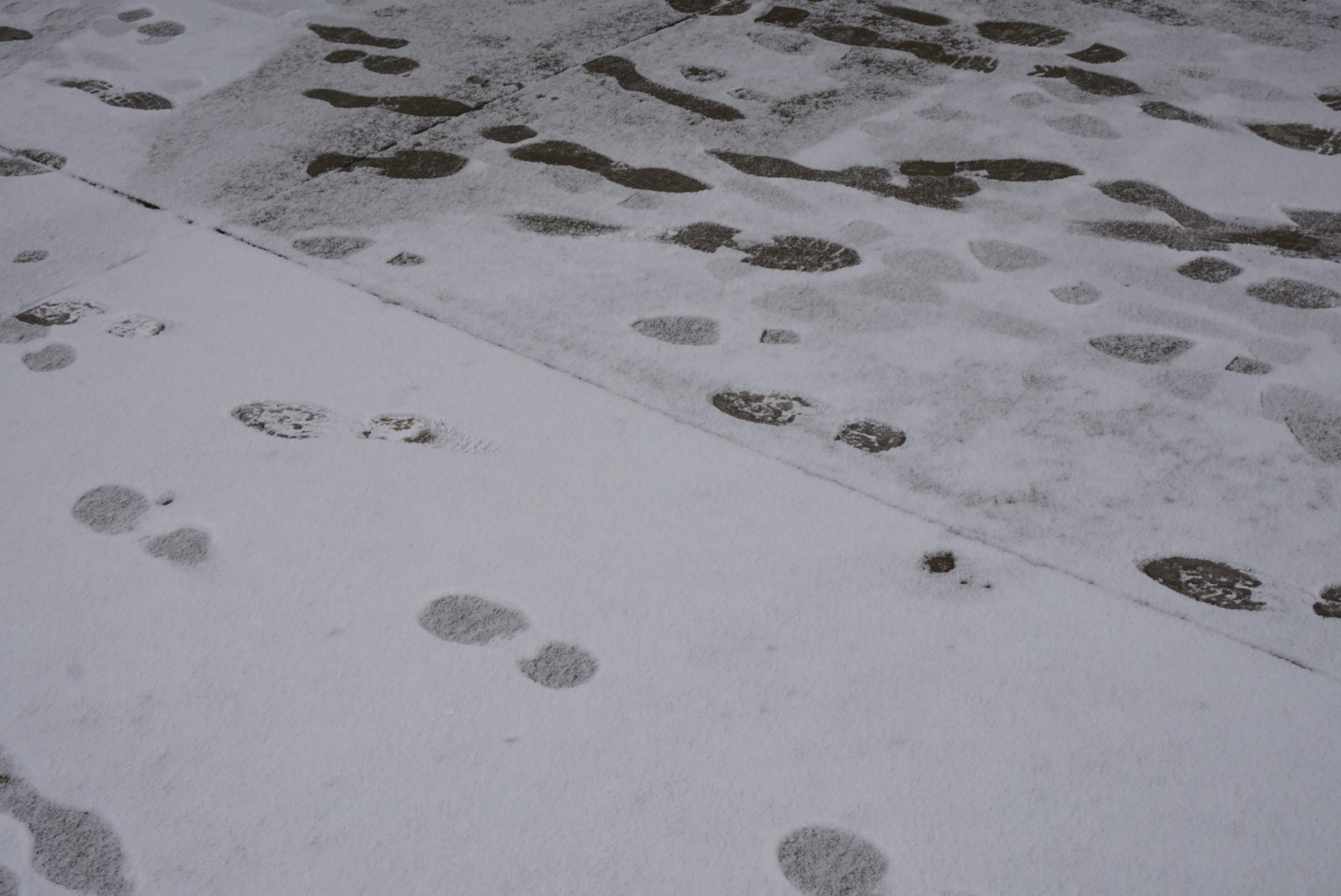
It’s not what you think…this isn’t about the book or the movie.  Instead, this is about winter and all the grays I’ve been seeing lately.

I’ve noticed icy grays…not here at home, but while I was in Chicago and the temperatures hovered between negative numbers and teens I noticed icicles hanging from the bumpers of cars in the parking lot while I was taking a brisk stroll around the hotel where I stayed.

icicles

And after some adventures in the airport, I found myself in a window seat in the last row of the plane.  On the positive side, I was able to take photos throughout the flight, including this one as we began to taxi to take off for the flight to San Francisco.

O'Hare

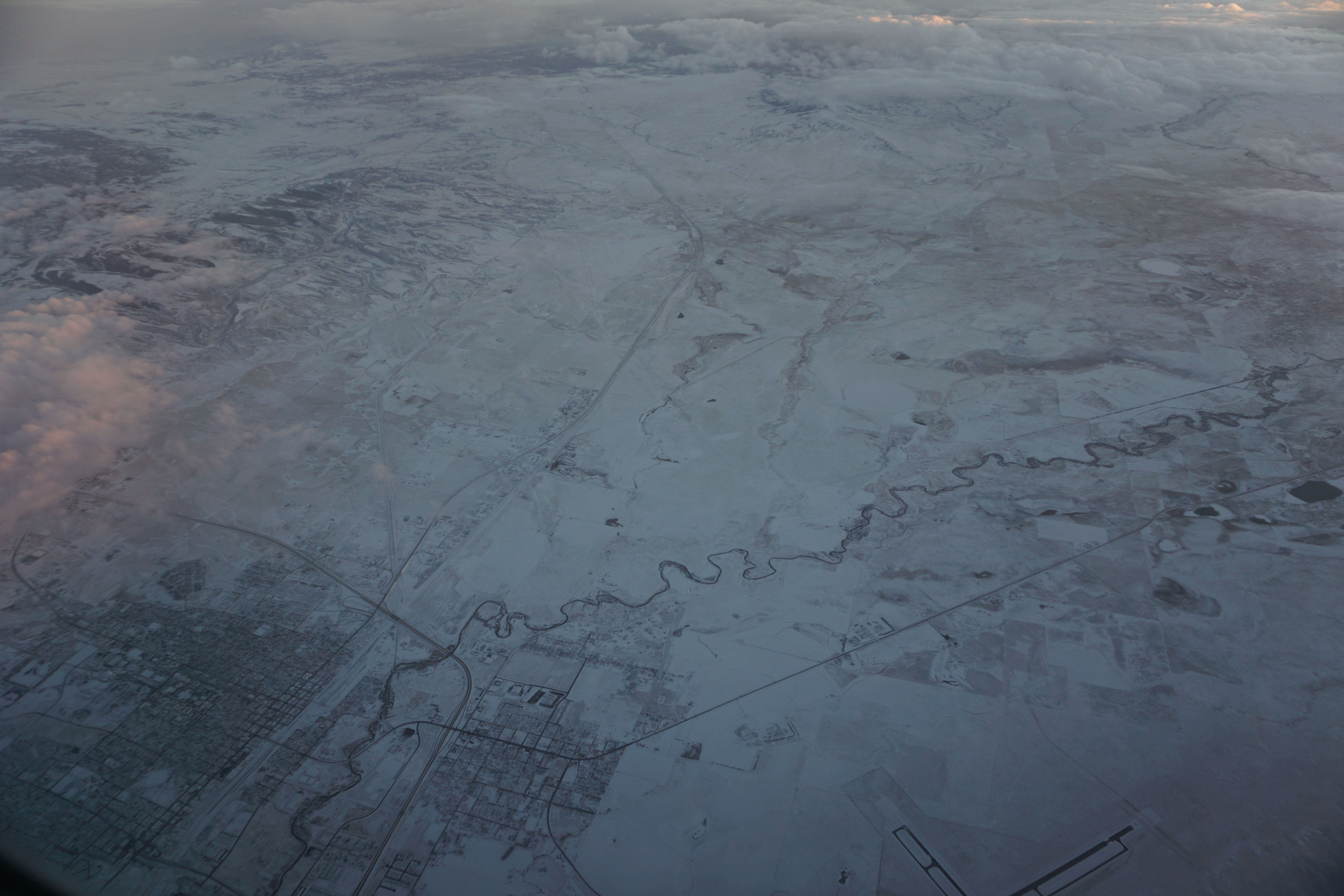
So much of the country we traversed from high in the sky was covered with snow.  At one point when I looked out I noticed this snowy map, with roads and rivers etched into the landscape below.

snowy map

I came back home to much more reasonable temperatures and headed off to Los Angeles to spend the day with my son.  (You saw some pictures on this post)  The historic Bradbury building offered a glimpse of some different gray…with lots of ornate metalwork including this amazing working elevator.

bradbury elevator

As we headed out of the downtown area, we traveled through this tunnel.  And because I wasn’t driving, I got to take a photo and capture the gray textures illuminated by the row of lights.

tunnel

From up on Mulholland Drive, the entire city skyline including the Hollywood sign were on display.  Unfortunately, the day was gray and hazy, making the skyline a shadow in the distance.

la gray

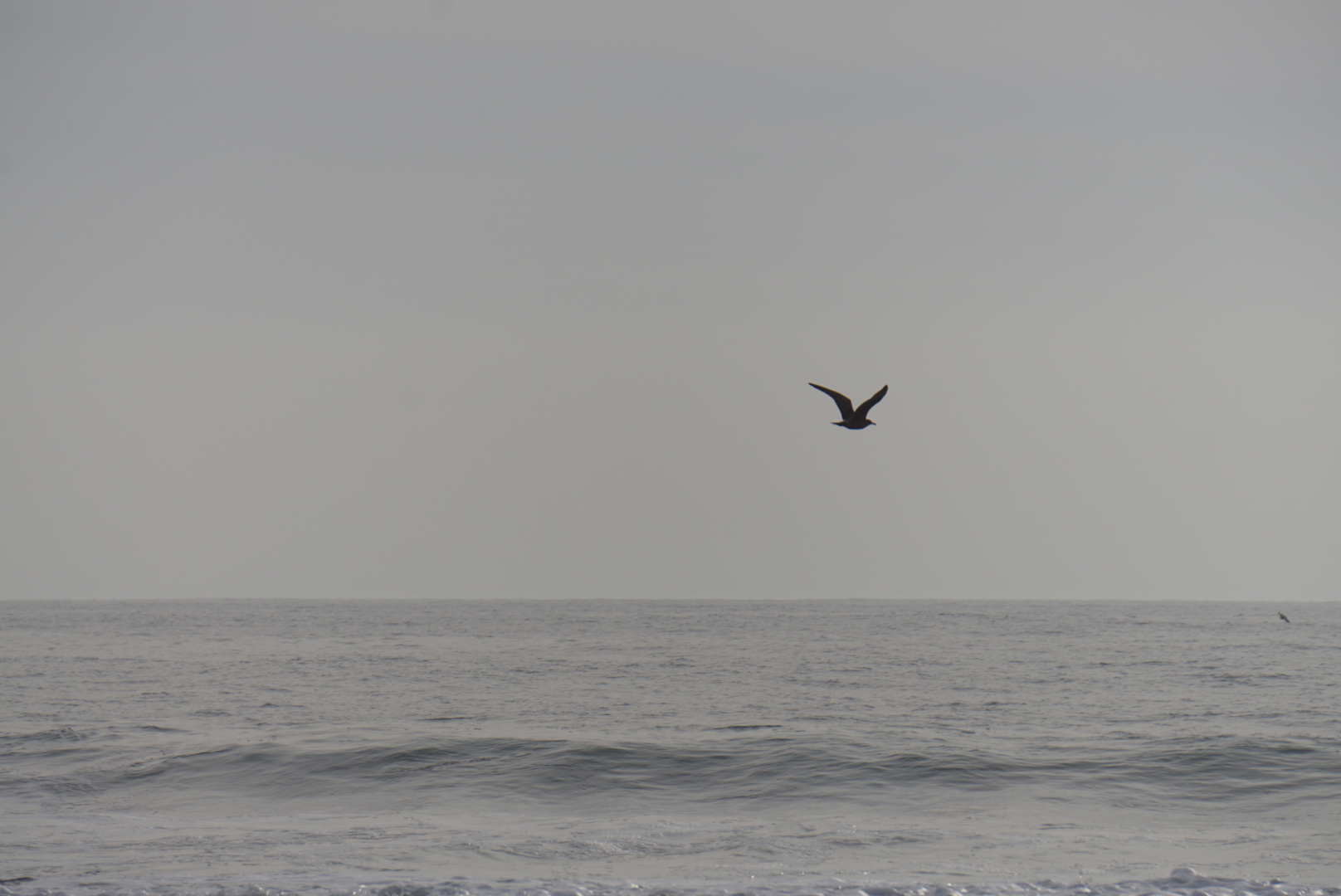
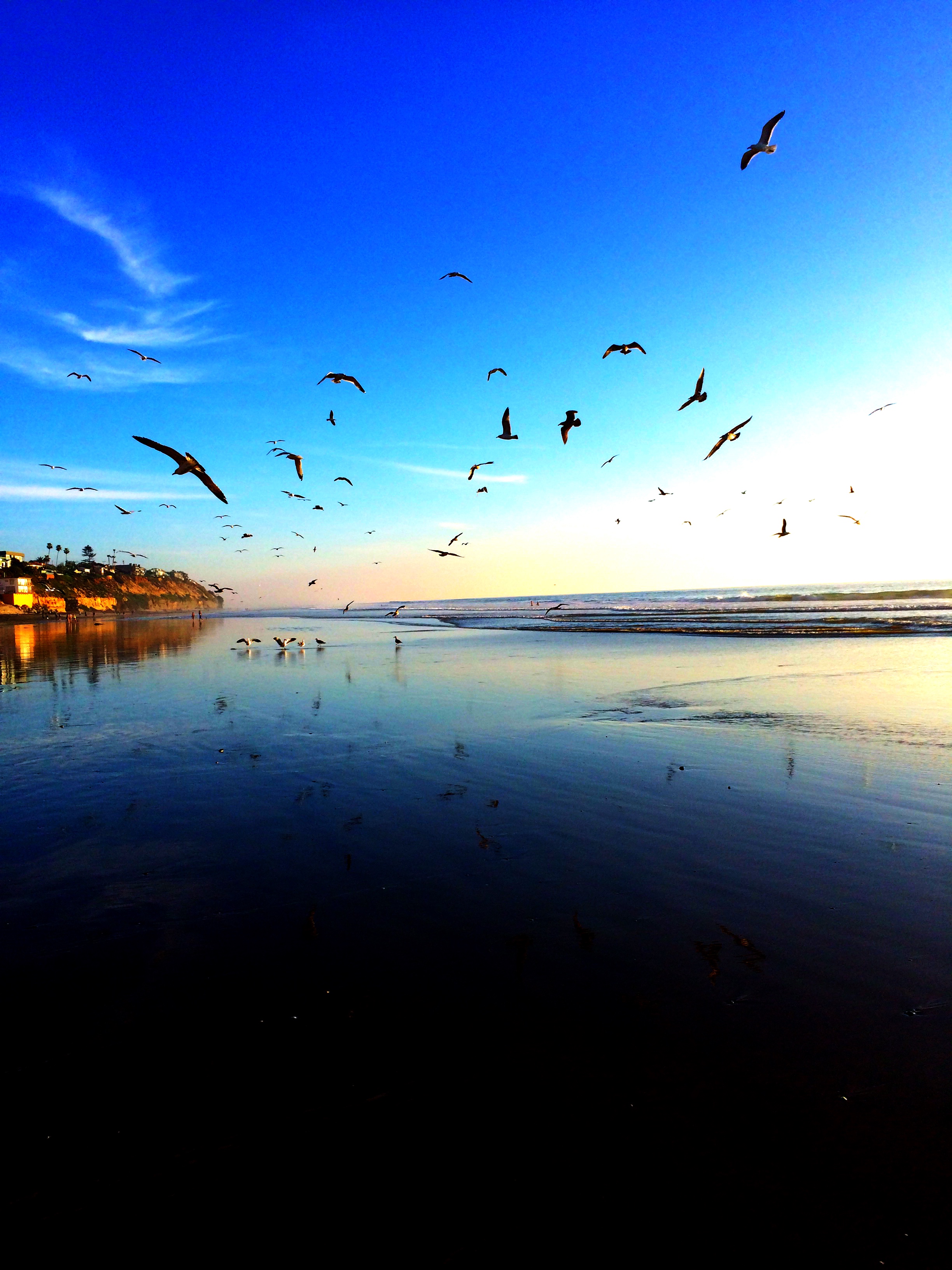
And back at home, I made my way back to the beach.  It wasn’t cold…sweatshirt and bare feet weather…but it was gray.  I’ve been a bit obsessed with seagulls lately, and found myself taking shot after shot.  This one captures the shades of gray visible on the beach this week.

seagull on a gray day

So, for this week, as we head toward the end of February, look for shades of gray.  Will you find them outside or inside?  The result of weather, the color of metal, or on the feathers of a local bird?

You can post your photo alone or along with some words: commentary, a story, a poem…maybe even a song! I love to study the photographs that others’ take and think about how I can use a technique, an angle, or their inspiration to try something new in my own photography. (I love a great mentor text…or mentor photo, in this case!)

I share my photography and writing on social media. You can find me on Instagram and Twitter using @kd0602. If you share your photos and writing on social media too, please let me know so I can follow and see what you are doing. To help our Weekly Photo community find each other, use the hashtag #gray for this week and include @nwpianthology in your post.

So go out in search of gray…all the shades you can find!  Let’s reclaim those shades of gray and capture images that reflect the range of grays that we see.  I’m looking forward to seeing all the shades of gray in your life…through your lens!

Exploring Symmetry…LA Style

I know that symmetry is a mathematical concept…one of precision, perfectly matched halves. But mostly, in the world, symmetry is not so perfect.  But there are echoes of symmetry all around us.  My eyes were hearing the echoes of symmetry the other day as I explored downtown Los Angeles with my son.

There is something so special about spending the day with my son and our cameras.  We walk and talk and take photos, noticing details, trying new shots, seeing the world through each other’s eyes.  And there’s a certain symmetry in that too.

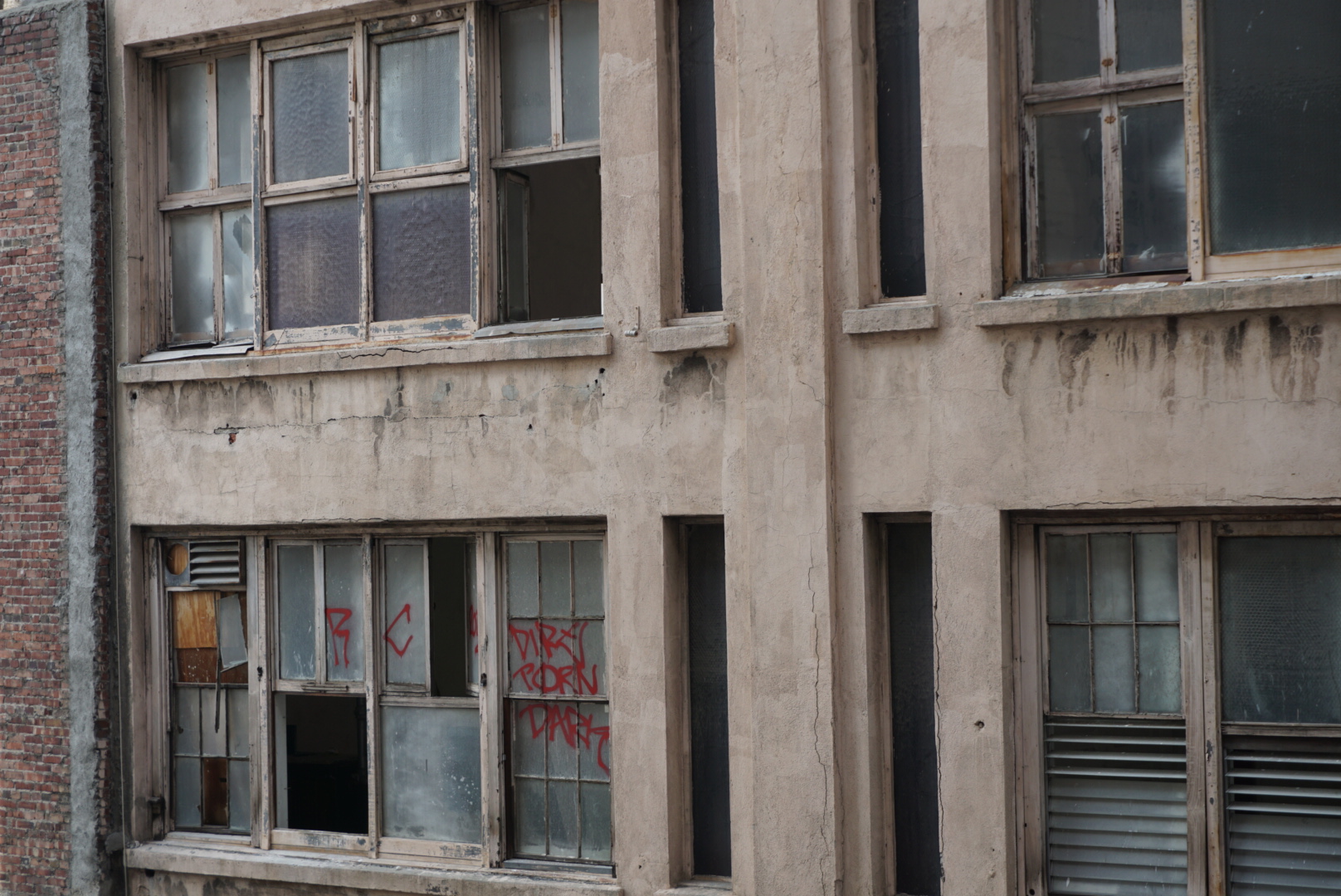
My eyes were drawn to this old building visible from the parking garage.  The symmetry has been spoiled by graffiti, age and disrepair.  But there is still something beautiful about it.

old building

In contrast, this old historic building has been preserved, both inside and out.  Inside, the exquisite marble floors and intricate wrought iron frame the antique mechanical elevators.  And outside, I had to angle my shot to exclude the modern Subway sandwich sign and stoplights to capture the beauty of this elegant old building.

Bradbury Building

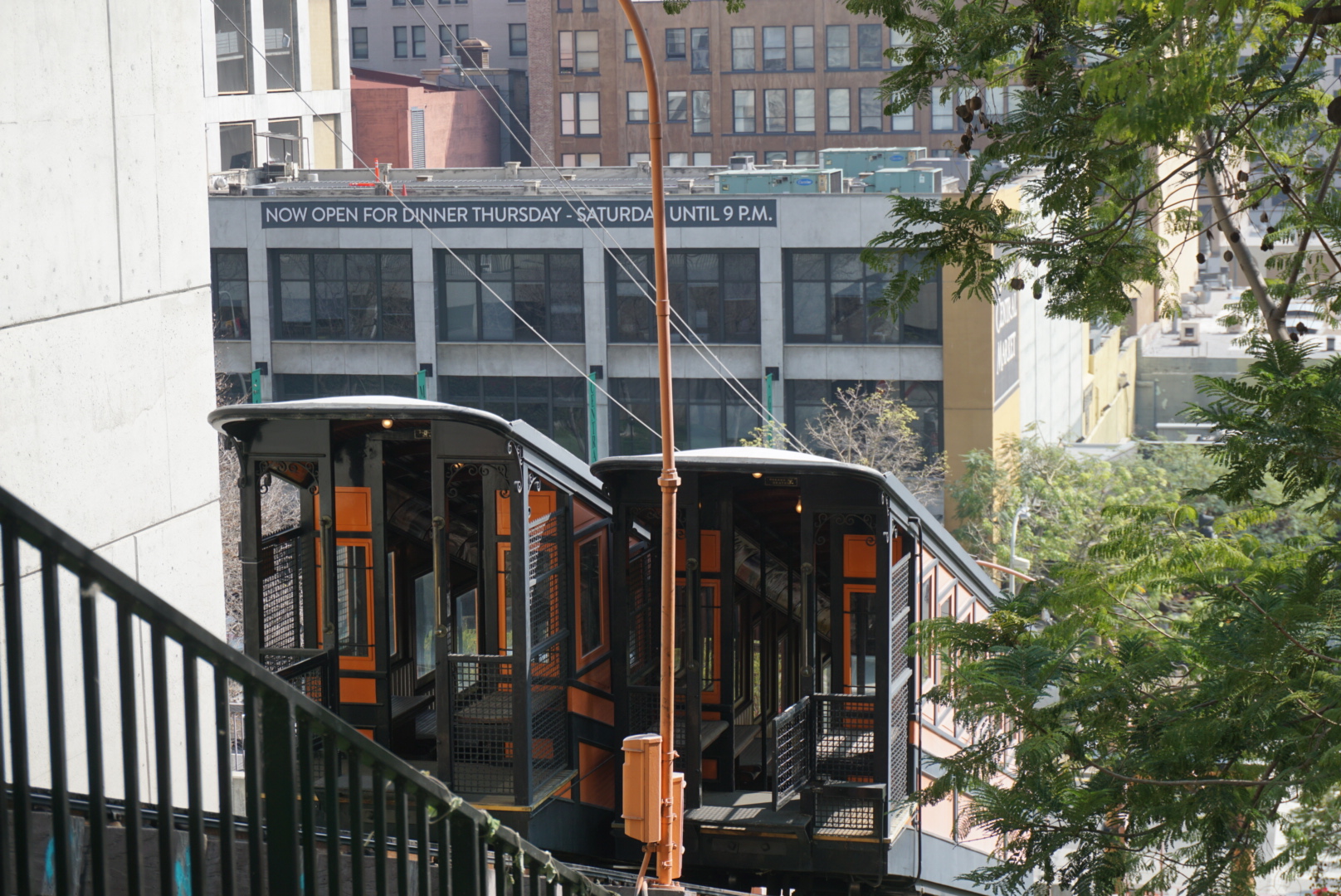
We also ended up climbing flight upon flight of stairs as we explore the is old rail system called Angel’s Flight.  Built in 1901 it traveled up and down a block…and after scaling the stairs…I see why they wanted a railway!

angel's flight

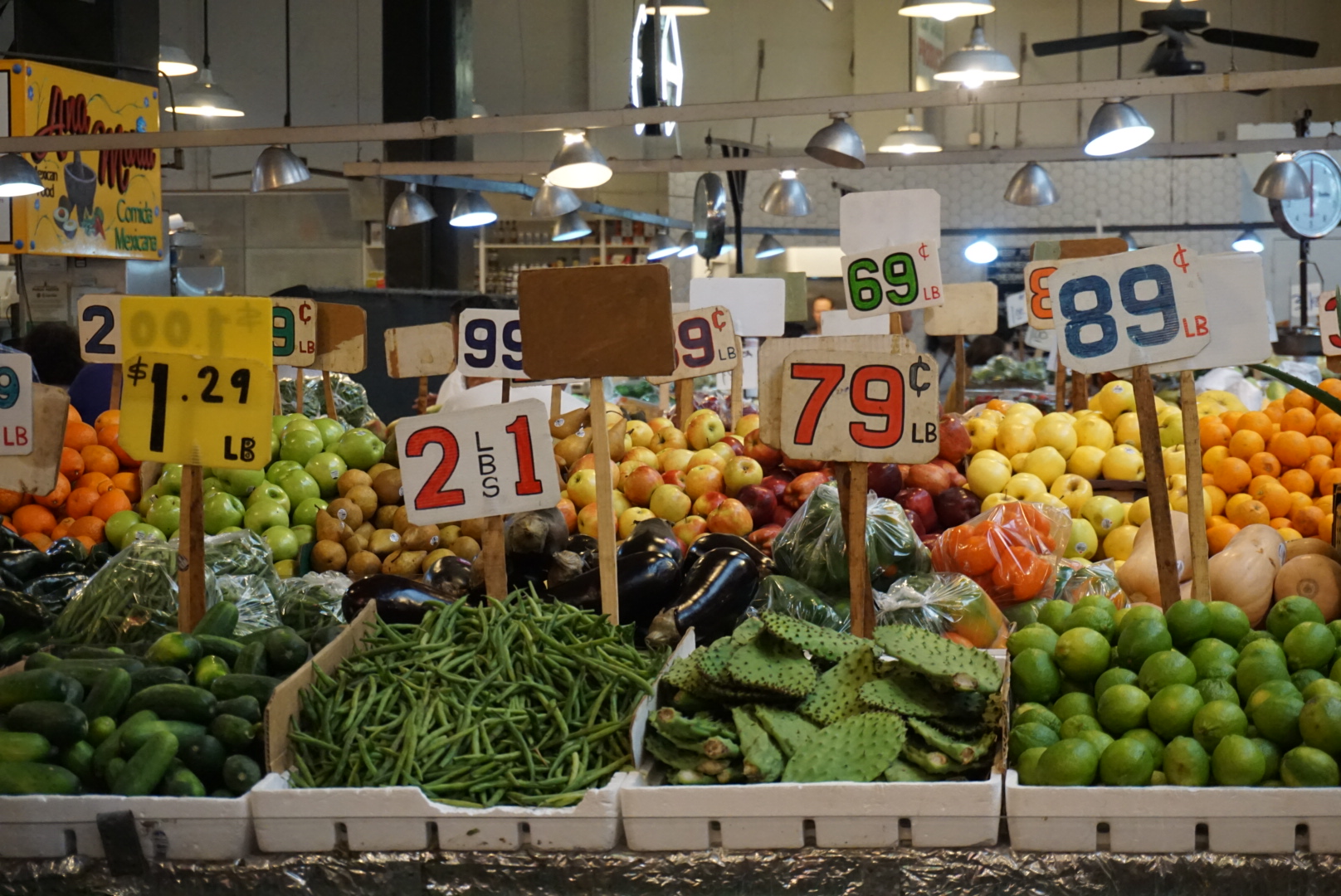
Grand Central Market was an explosion of colors and smells…and quite a tasty place for lunch! I was drawn to these cactus pads…there is a certain symmetry in these bins of produce and the jumble of price signs rising out of them.

veggies

I’m not sure that any of my photos fit the mathematical definition of symmetry…but for me they communicate the idea of symmetry, the creation of purposeful balance and arrangement. Just like my day with Nick…the perfect balance and arrangement of time, exploration, and connection.  And the cherry on top…dinner with my daughter-in-law!  Symmetry!

Weekly Photo Challenge: Spirited

Summer has burst into the middle of winter this week in San Diego. (Sorry east coast and mid-west friends…I know your weather has been brutally cold!) Blue skies, warm sun, and lengthening days have put many in great spirits. And this warming trend has people reaching for their summer wardrobe…flip flops are back in evidence, along with sundresses, tank tops, and the ever-present shorts. You can see some confusion about the seasons in the ways kids are dressing this week. I watched a second grader on the playground the other morning in his shorts and t-shirt…and thick gloves and ugg boots! His mother, who was watching him nearby, said he insisted on the gloves, and had even worn them to sleep overnight!

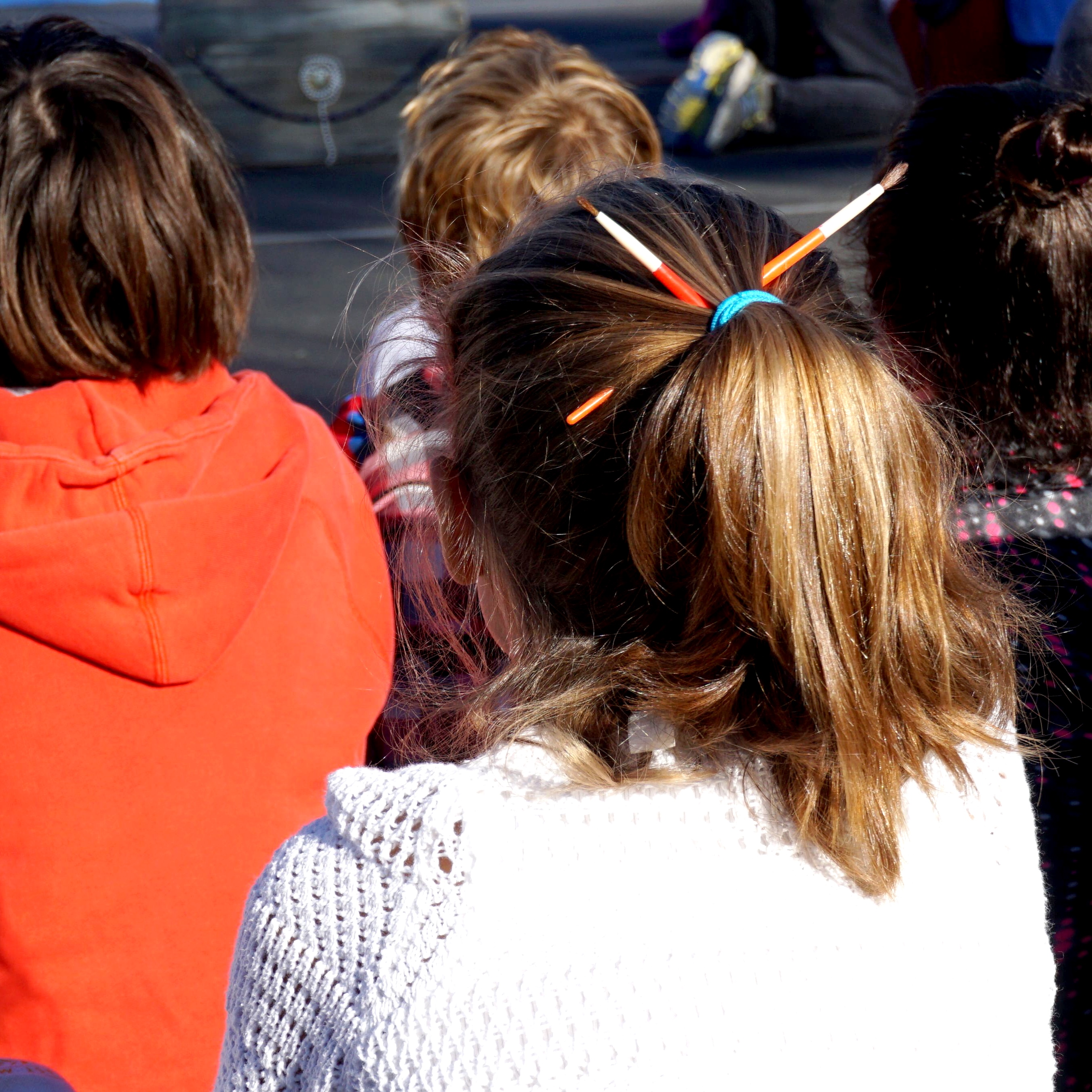
A week ago, our third graders club at school hosted a school-wide spirit day: Sports and Hobby Day. And students came to schools dressed in their favorite sports gear or somehow showing their interests through their attire. One of my students showed her artistic flair through her hair-do, sporting paintbrushes extending from her ponytail.

spirited-hobby hair

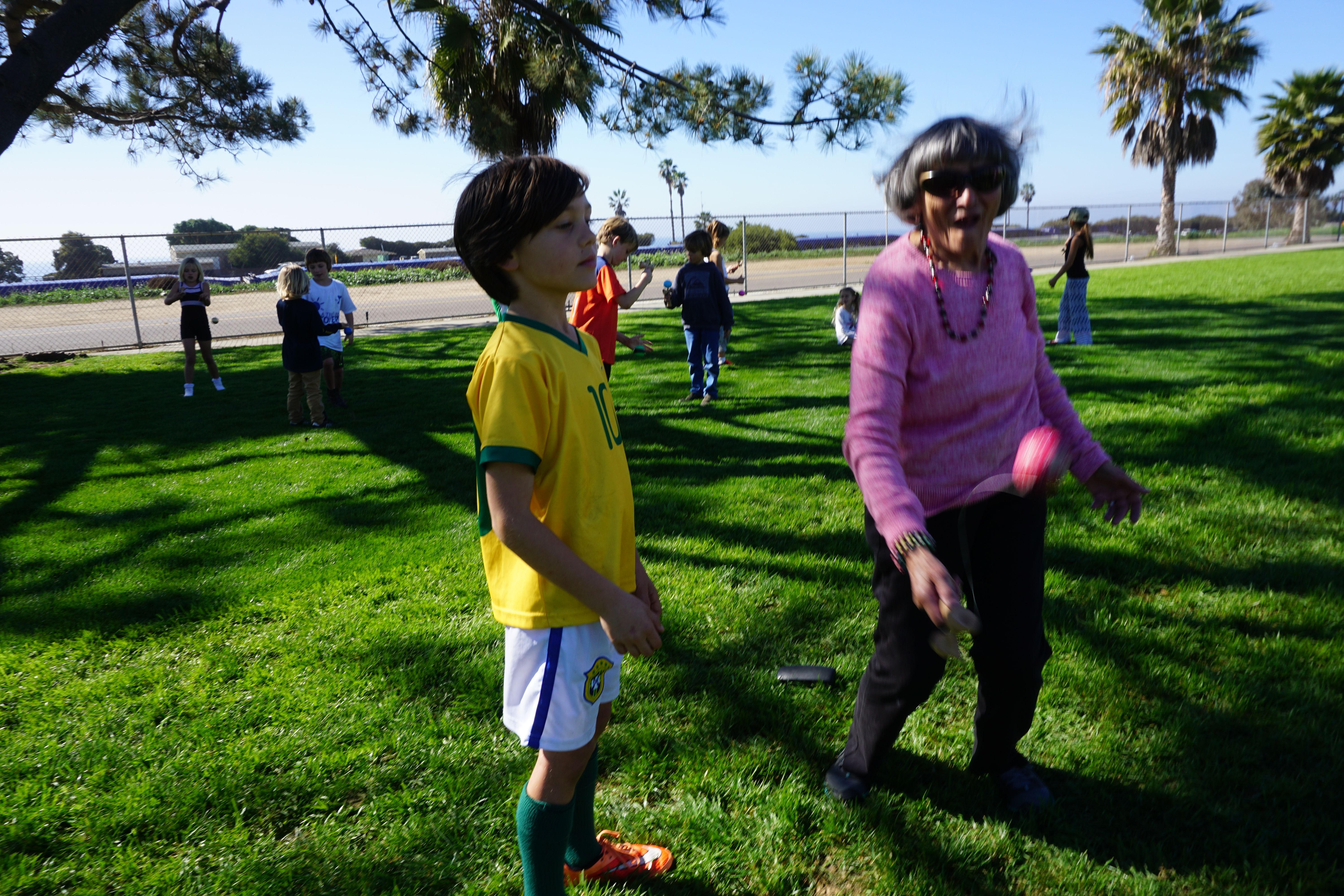
Later that same day, we headed out for an opportunity to engage in a popular new skill game that our students have become obsessed with. Kendama is a wooden skill toy from Japan—a ball on a string attached to a carefully crafted wooden handle. Since not all the students had Kendamas, my teaching partner asked students to gather in triads with the goal of having the Kendama owners share what they have learned so far and give those without Kendama a chance to try out this game. It was Ms. Esther’s last day with us before she flew back home to Australia, and at 85 Esther is a most enthusiastic learner! (She had shared her skydiving DVD with us before lunch.) It was such a spirited exchange to watch this second grader teach Ms. Esther how to use the Kendama…and then to watch her joy at trying! (He coached me too—this is not an easy game!)

kendama with esther

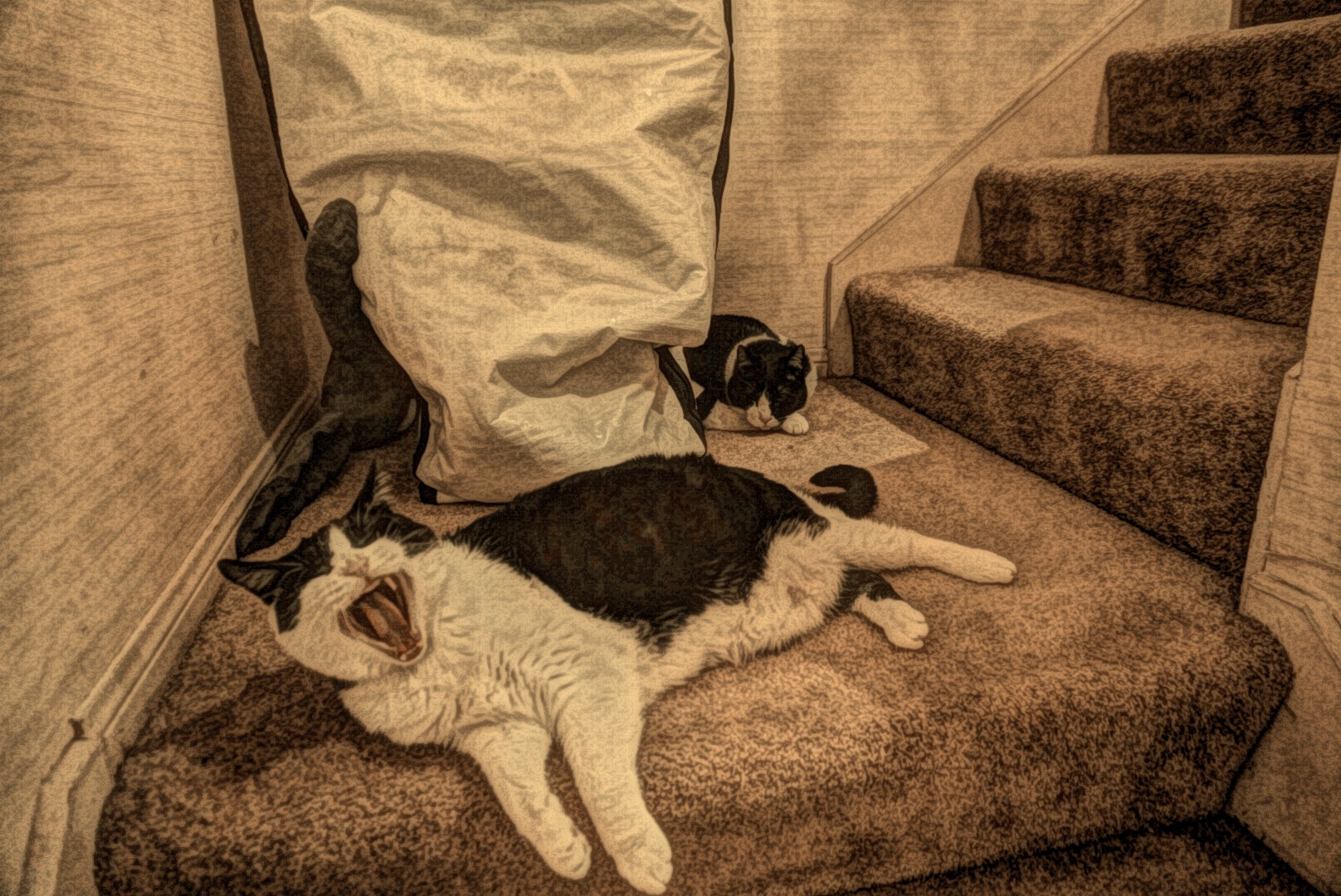
With a kitchen remodel underway, my cats have spent their days cooped up in our upstairs bathroom. So when we get home at the end of the day, they are quite ready to come out and explore the house. In some ways they seem to be getting more exercise than usual (they are 16 year old cats)…seeming energetic and spirited in the evening. After all that running up and down and exploring every nook and cranny of new in the kitchen, I love that I caught this big wide spirited yawn of Jack with Phil resting in the background!

spirited--yawning cat

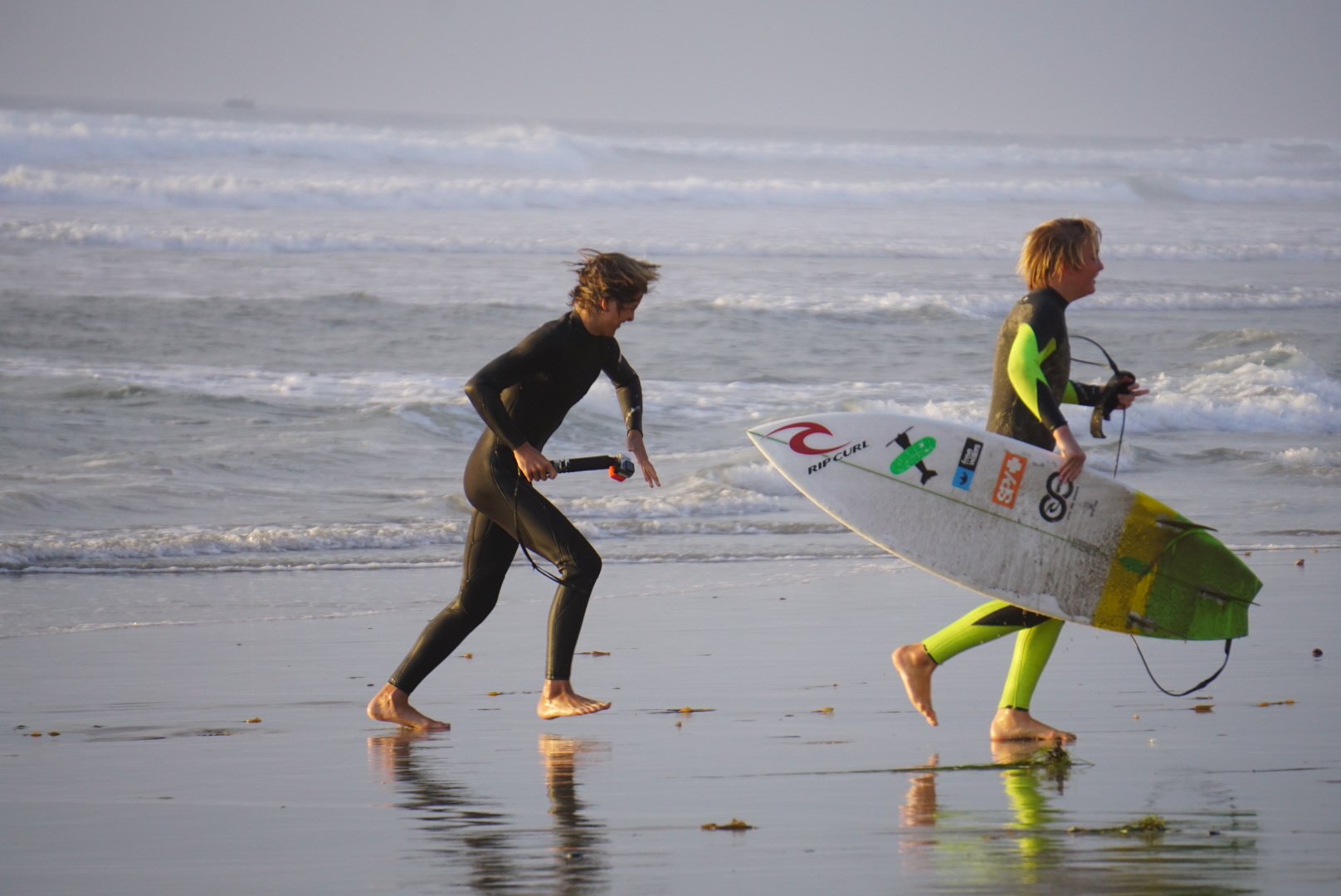
Over the weekend, we headed off to the beach for a low tide walk…my first in bare feet in a while. These boys caught my eye…both because of the brilliant green of the wetsuit and because they were so animated and playful. I just love their spirited energy!

spirited-surfing kids

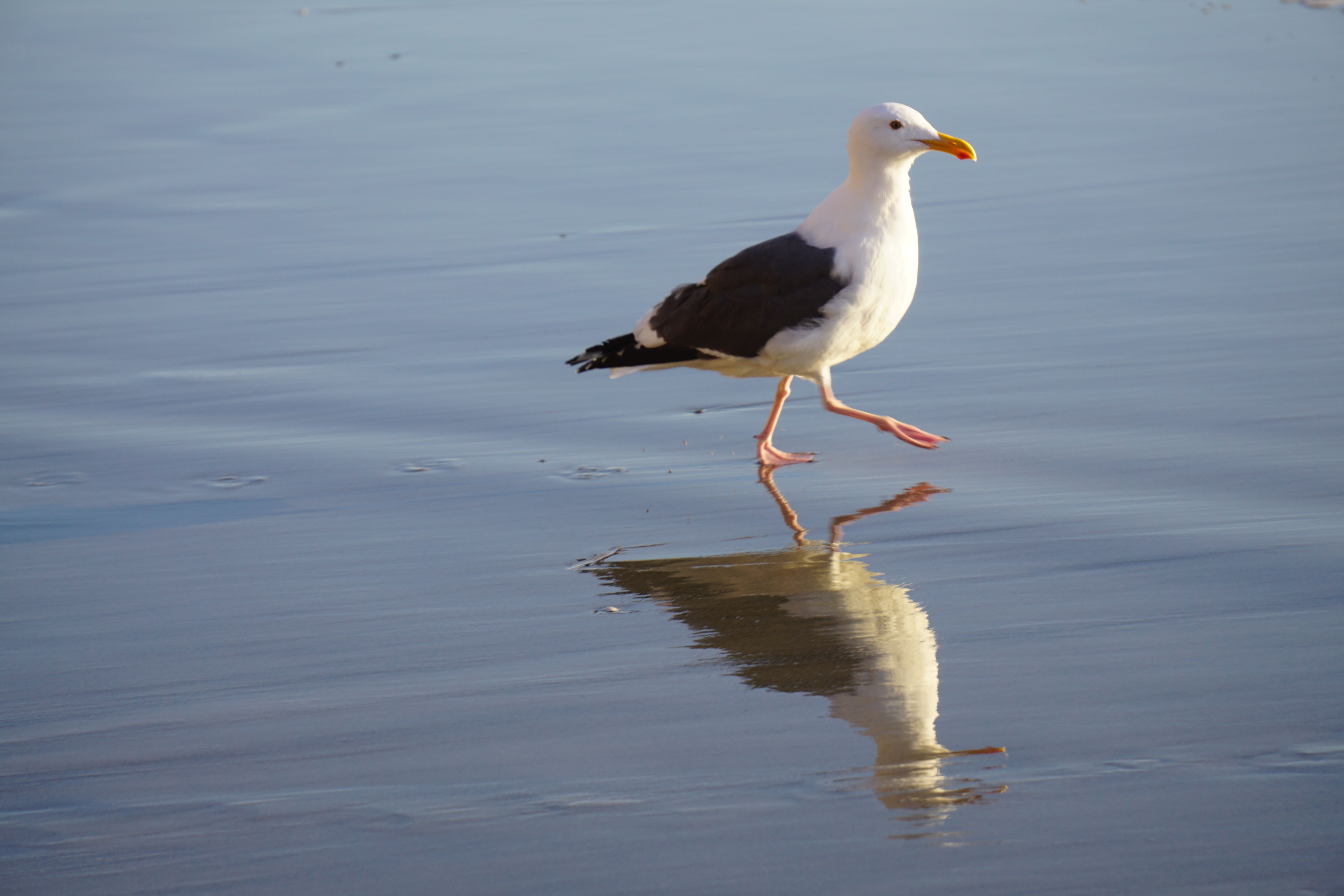
And with my telephoto lens in place, I explored taking pictures of seabirds. The light was just right for capturing reflection in the wet sand and there was enough light for colors to be brilliant. I love the spirited mood of this seagull caught in mid strut!

struttin' gull

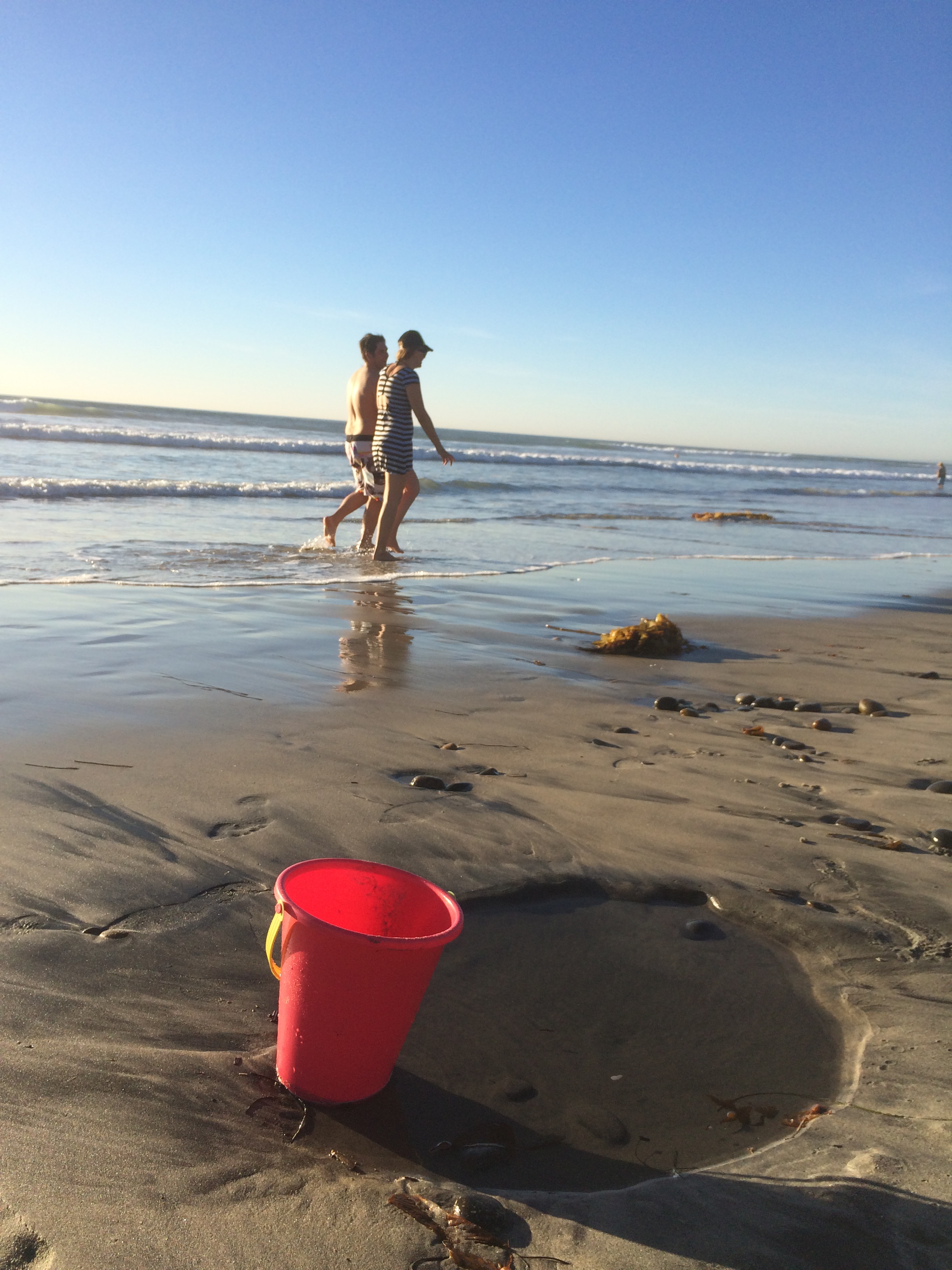
Yesterday was the warmest day all week. 85 degrees at the beach! At the end of the work day, before the sun began to set, I headed to the beach just to see what was going on. There were lots of people on the beach…engaged in lots of spirited play. I was nearly beaned by a flying object as I watched waves instead of people playing while walking on the beach! My eye was drawn to this red bucket…and the spirited mood of summer on this February afternoon.

spirited-bucket at the beach

So, even if it is not summer in February where you are, where do you see spirited activity?  Go out in search of that energy of spirit, in nature, with your pets, in the cold, in the warm…  (And you may see some “colder” looking photos from me next week…I just arrived in chilly Chicago!)

You can post your photo alone or along with some words: commentary, a story, a poem…maybe even a song! I love to study the photographs that others’ take and think about how I can use a technique, an angle, or their inspiration to try something new in my own photography. (I love a great mentor text…or mentor photo, in this case!)

I share my photography and writing on social media. You can find me on Instagram and Twitter using @kd0602. If you share your photos and writing on social media too, please let me know so I can follow and see what you are doing. To help our Weekly Photo community find each other, use the hashtag #spirited for this week and include @nwpianthology in your post.

So go out in search of spirited…it might just raise your spirits!  Can’t wait to see what spirited looks like through your lens.

“Do we get iterations?” : Creating a Culture of Innovation

Over the last few years, my teaching partner Margit Boyesen and I have been working to help our young students develop persistence and grit…and to see themselves as producers in the learning process. We’ve been trying to explode the notion that learning is something that takes place only within the walls of the classroom and is assigned by teachers. We aim to have students learn more by doing than by listening, and as much as we can, we try to have students engage in meaningful projects that extend the learning environment beyond the school and whenever possible connect them to others who are interested in or engaged in similar endeavors.

These are lofty goals—and like other classroom teachers we are faced with state standards, accountability measures, and even the often slow to change expectations of parents, the community, and the educational system. But we also believe that students who are persistent problem solvers, designers, and communicators will have the skills they need to succeed in testing situations and in the world. But mostly, we believe learning should be fun…for our students and for ourselves.

And we’re lucky. Margit and I co-teach a multiage class of first, second, and third graders. Twice as many students, two interconnected classroom spaces, and students we get to teach for three years. Unlike many teachers, Margit and I don’t teach in isolation and our planning involves starting with an idea and building on each other’s thinking, adding to and challenging the whys and hows until we land on the lessons we will facilitate with our students. Two teachers in the classroom give us flexibility in supporting students…and in challenging them.

Thanks to our San Diego Area Writing Project colleague, Abby Robles, we added an advanced vocabulary routine to our instruction a few years ago. We include the target word without defining it (last week’s was precarious) in our morning message and ask students to think of possible synonyms based on the context. Students refine their guesses through the week, continuing to use new context clues from each day’s message until the definition is revealed on Thursday. Students help to generate a gesture to use each time they hear the word…a gesture that also helps with remembering the meaning.  We select words to enhance the learning we have planned–to give authentic context for using the word and for our students to incorporate it into their personal vocabulary through experience.
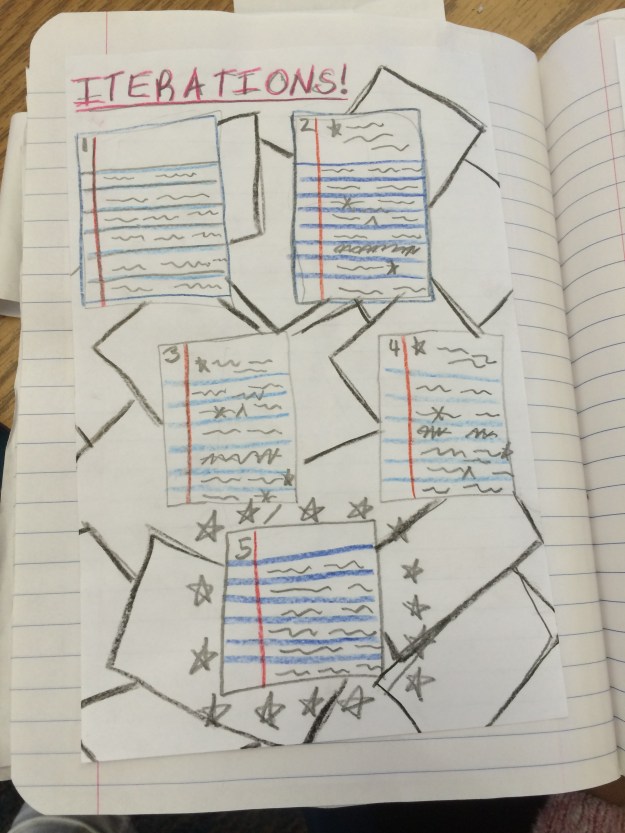
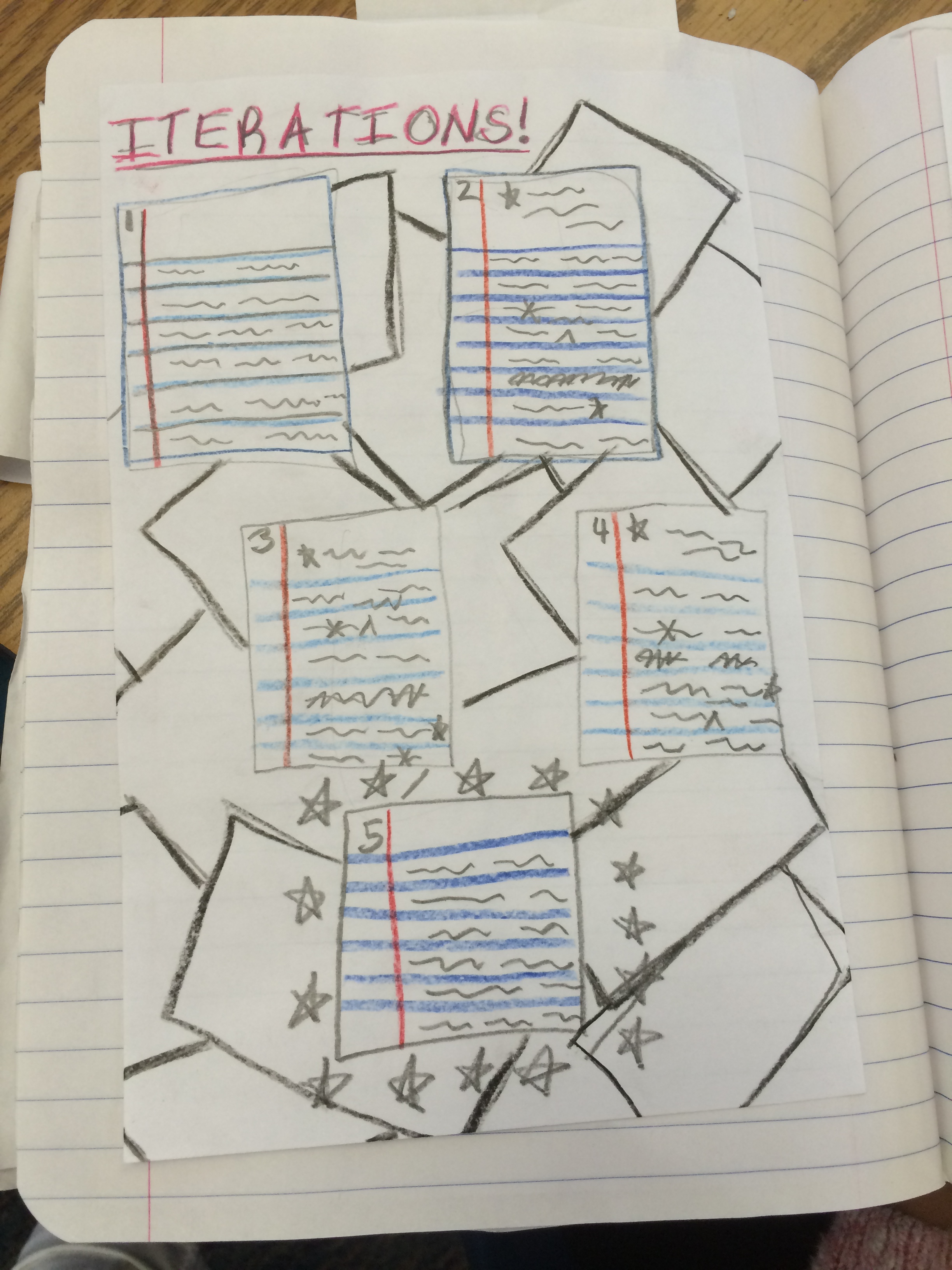
iterations

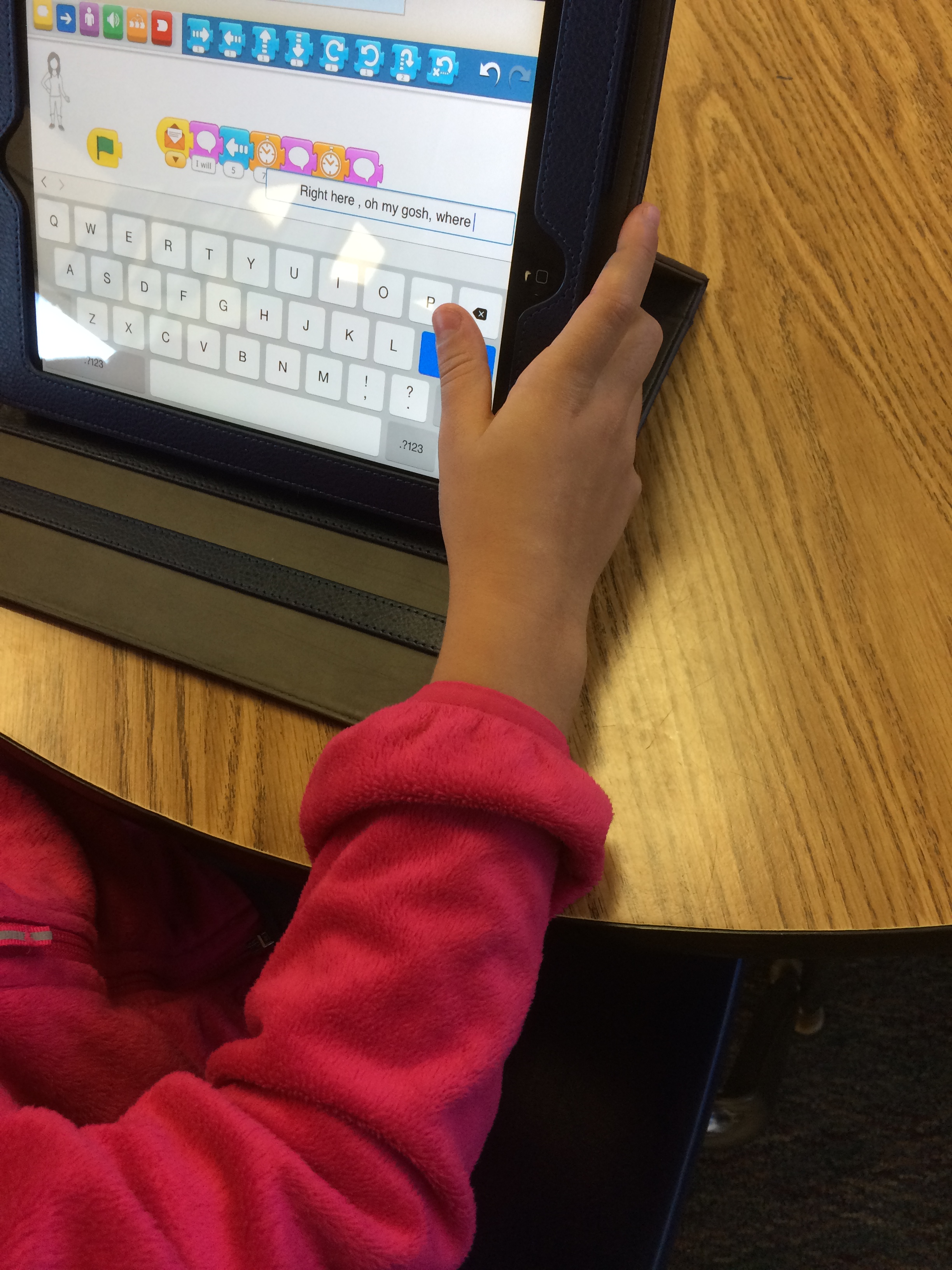
Because we are interested in design and making, last year we introduced the word iteration to our class…and the practice of iteration as an intentional part of our teaching. (I wrote last year about a project that focused on iteration here.) And not only did our students learn the definition of the word iteration, they also began to recognize the value of iteration in their learning. It was obvious when we started programming using the app Hopscotch, that computer programmers value iteration. And that language of designing: imagining, trying out, testing, and improving as a continual loop began to permeate our classroom. Instead of talking about writing as drafting, revising, and final drafts…we started to talk about iterations, and gave students opportunities to plan, write, try out, improve. Another iteration became a much friendlier and positive way to talk about revision…and better yet, students started to ask for opportunities to iterate, in their writing and in all their projects.
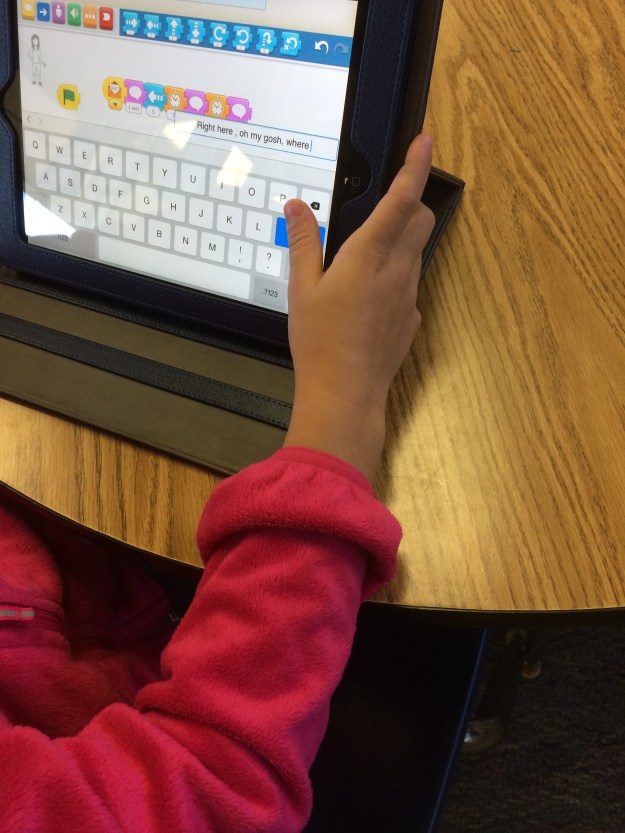
hands scratch jr

“Do we get iterations?” became a common question as students began a new project or a new writing piece. And Margit and I found ourselves asking whether we had given students enough opportunity to iterate when we saw the elevated level of work and the increased creativity of products students produced when they could go beyond a single try.

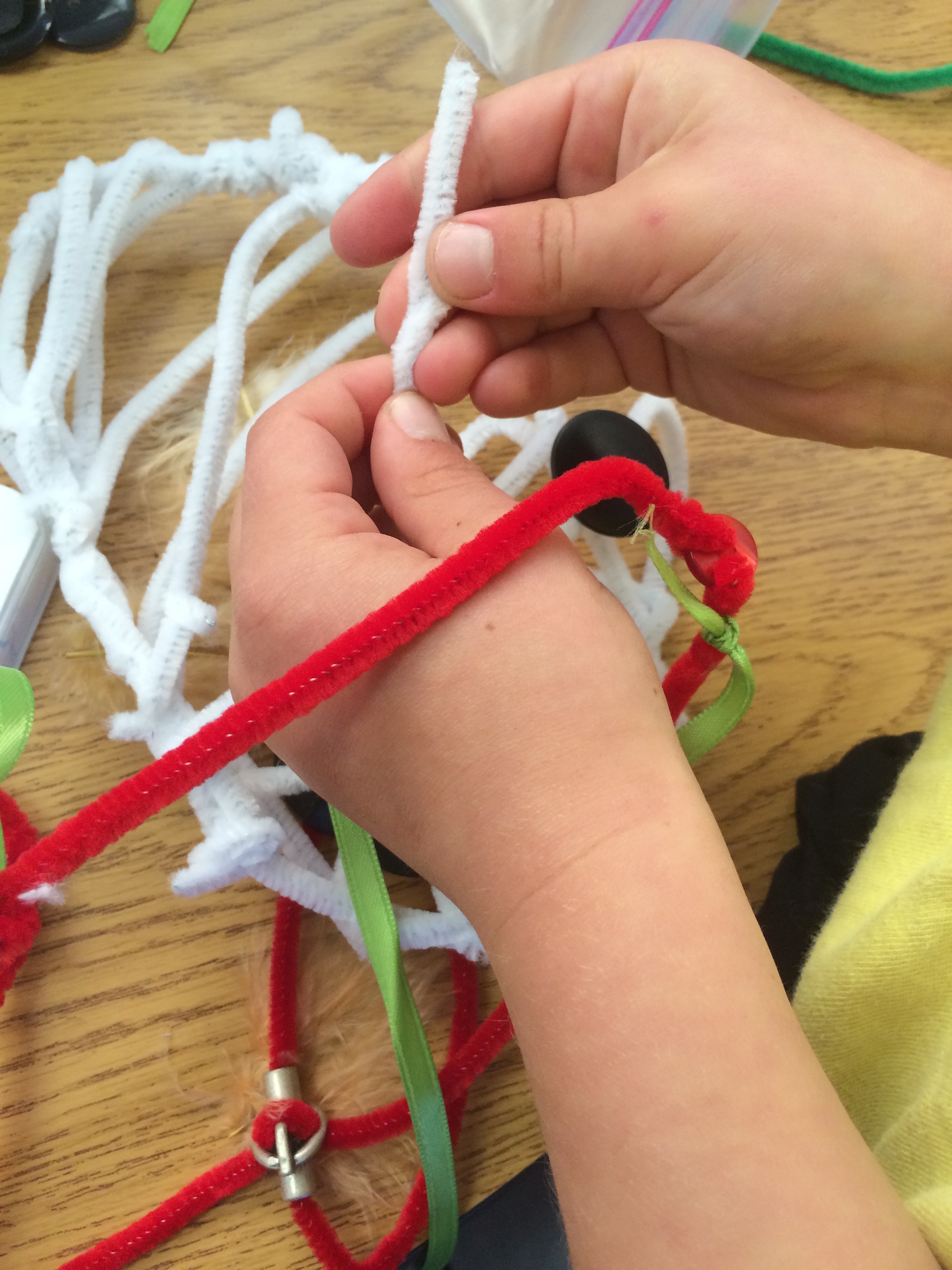
As school began this year, we intentionally built opportunities for iteration into our instruction. And when we forgot, we often revised our lessons to allow for time to iterate. On our first day of school this year we planned a “mini make” out of a piece of aluminum foil and before the end of the lesson, we added time for a second iteration the following day. This practice of iteration has developed a culture in our classroom that supports collaboration, persistence and innovation. I was reminded of this today as students were working on an Alexander Calder-inspired mobile design challenge. Our forty-four students were at different stages of work on two projects: getting their individual blog titled and about me page posted and gathering materials to start on the mobile project. While it was “a lovely mess” in the words of my teaching partner, it was calm, productive, and collaborative. Margit and I each helped individual students…with their blogs, with cutting pipe cleaners and ribbon lengths, threading strings through “doo-dads,” and more. And what’s better, students were helping each other too. They were free to move around, collect materials as needed, be the second set of hands for tying a tricky piece of string or holding the growing mobile from the top as the creator worked on balance elements. And as time flew by, I could feel the flow of learning our students were engaged in.
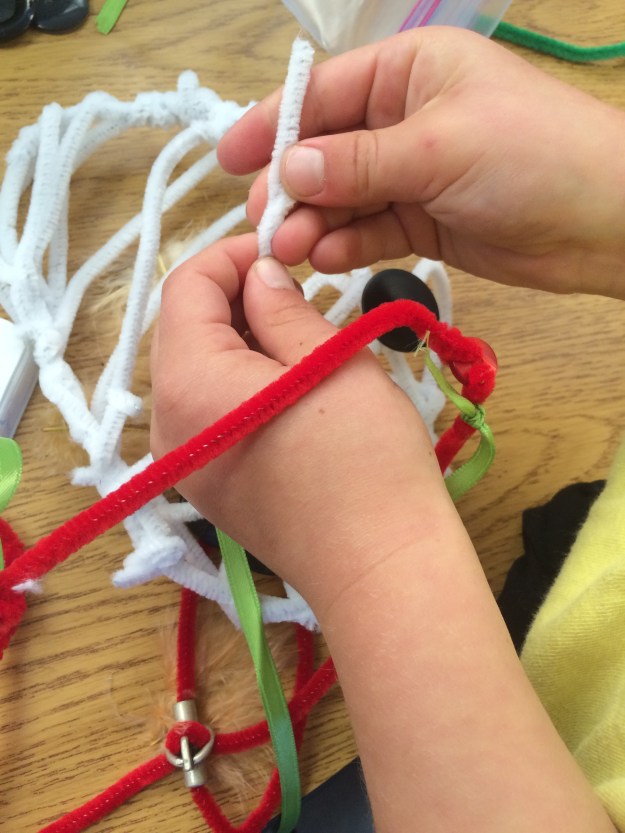
hands mobile

When I think of cultivating a culture of innovation, I think of the power of iteration and the design process. In order to risk doing something new or different, its important to know that your first effort isn’t your only effort. When students ask about iterations, they are asking if they can try something new, if they can start over again, if they can learn from their attempts—even those that didn’t work the first time around. And they learn to persist and help each other out too, because that’s what we do in this culture of exploration and deep learning.

And even better, this attitude toward learning changes our teaching too. We also find ourselves in a culture of innovation, as teachers and co-learners. We can try that project that involves something new that we aren’t even sure exactly how it will work—especially with a classroom full of students—because we know that our first attempt isn’t the only attempt. Like our students, we get to iterate too, refining our teaching, our expectations, our processes as we innovate and work to provide meaningful learning experiences for this generation of learners.


Considering Scale

Exploring different camera lenses changes my experiences with scale.  With the macro lens, I am able to magnify things that are small and make them appear larger than life.  The blossoms on this flowering tree look much different when you get up close.

cherry tree

cherry blossoms

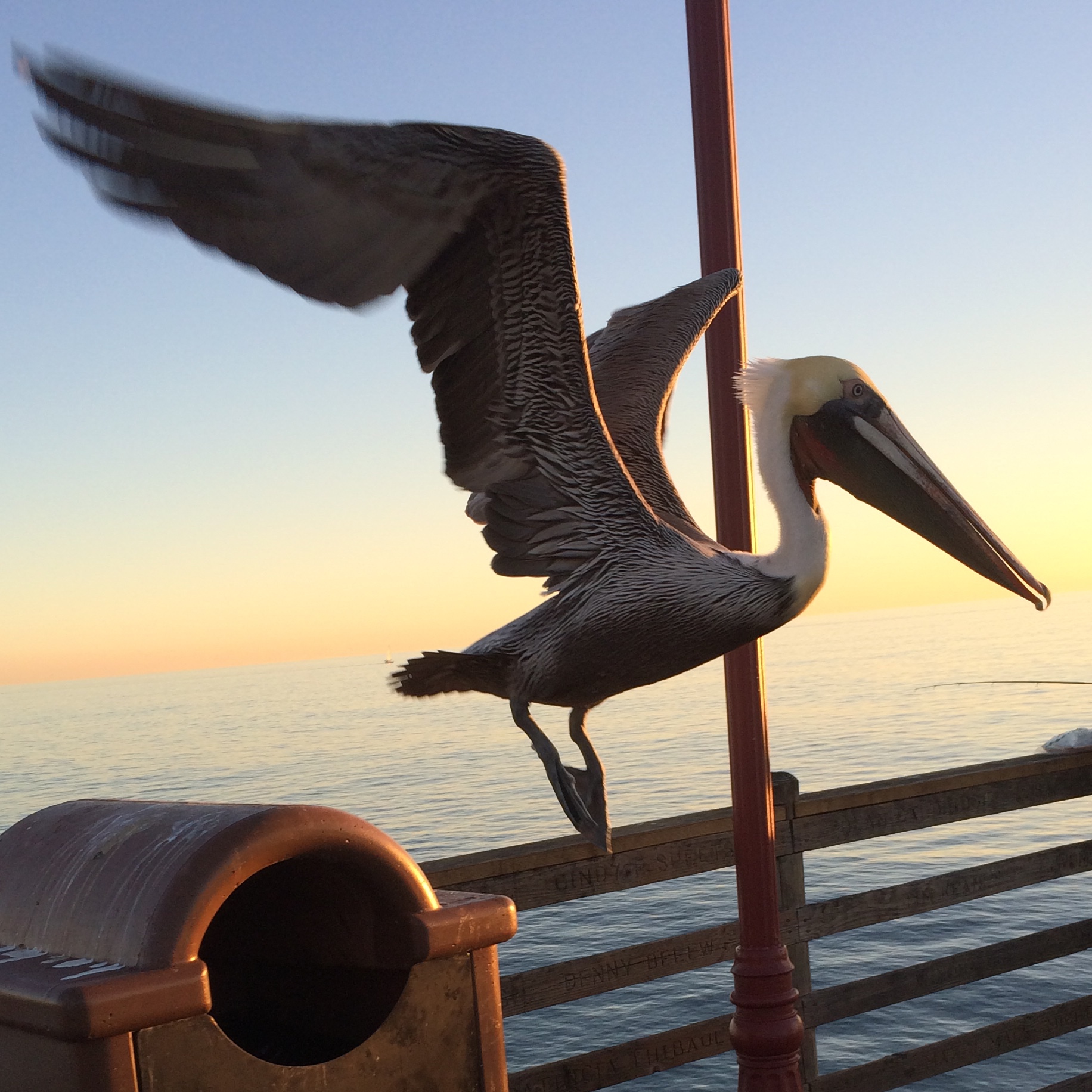
Yesterday I was playing with my telephoto lens, and exploring the options it gives me when I take photos.  Pelicans up close are huge birds…here’s an old photo I took on the Oceanside pier with my iPhone standing pretty close to the bird.

pelican in flight

Here’s another I took yesterday using my telephoto lens looking out into the distance as I watched the pelican soar over the waves.

peleican in flight

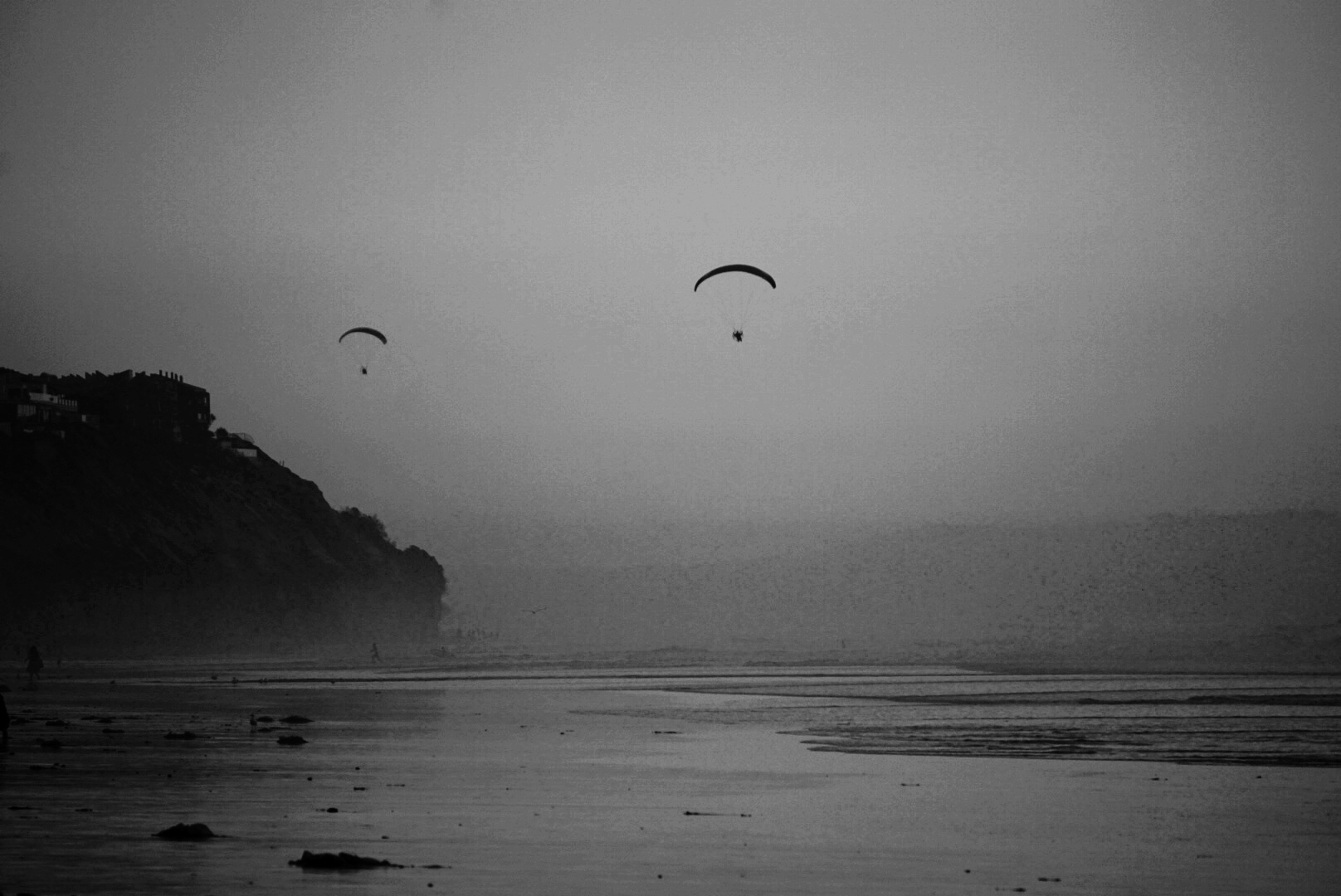
I also noticed these hang gliders in the distance as the fog began to roll in.  They are tiny specks in the distance, framed by the beach cliffs.

hang gliders in the fog

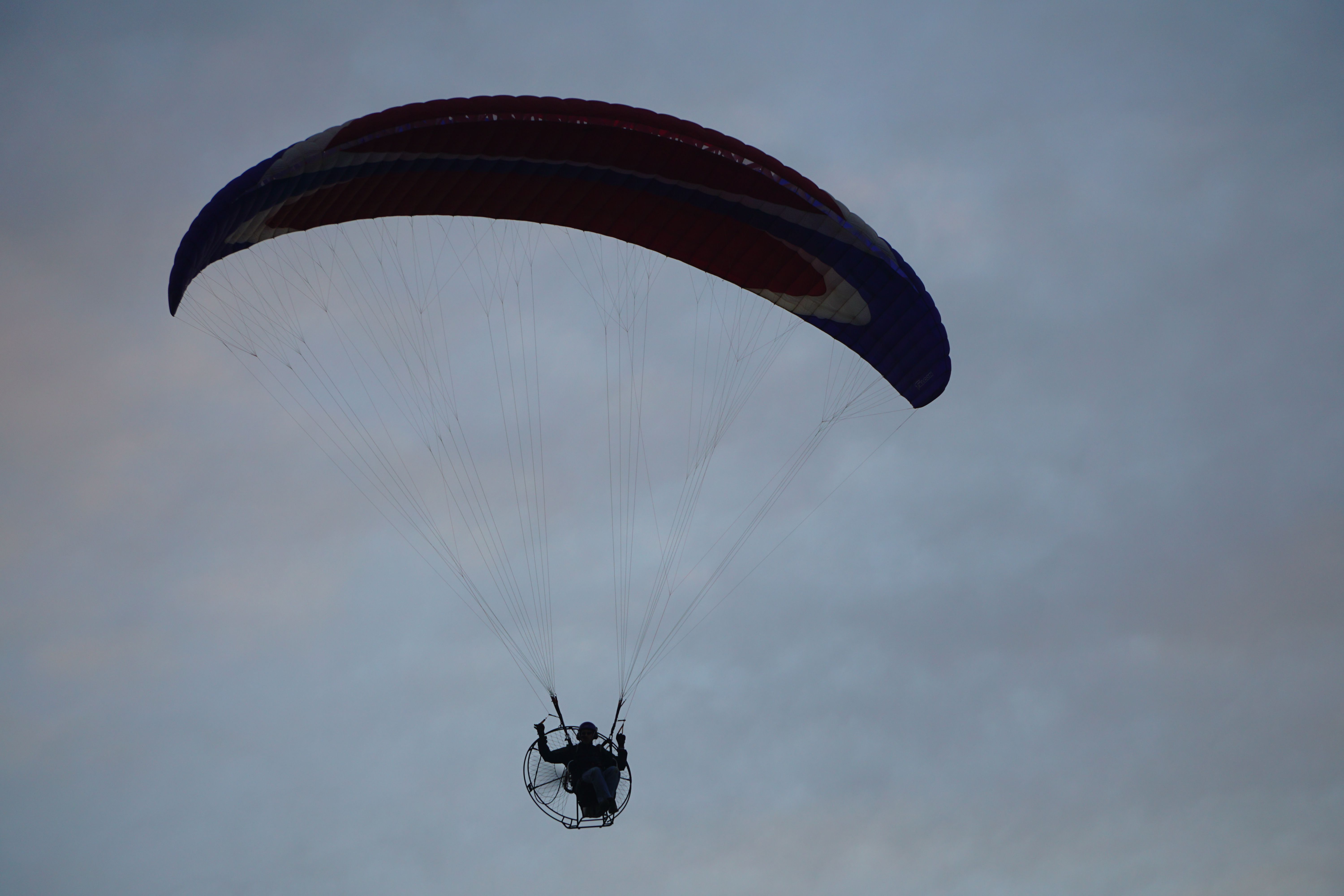
I also had the opportunity to zoom in as the glider came closer and closer to me.

hang glider up close

What I know is I have a lot more exploring to do with determining which kinds of shots lend themselves to which lenses.  I was wishing for my smaller lens at some points during my beach walk yesterday when I had my telephoto with me.  And I definitely have moments when I am wishing for my telephoto when I have my smaller lens.  I’m not all that comfortable changing lenses in the moment…maybe I just need to accept that I will work with the lens I am using at the moment.

And as always, I find myself thinking about how this idea of scale works in the educational area. When do we need to pull back and look at the big picture, dismissing the fine details to see the overall view?  And when do we need to zoom in…with the telephoto to bring things that are in the distance closer or with the macro to magnify the small details and make them visible?  I definitely love the way my camera helps me think about my work…the macro, the telephoto, the big picture, and the individual learner.  Scale definitely matters.
Weekly Photo Challenge: Reach

February has been a whirlwind and we are less than a week into it!  I’ve been across the state…and across the county, lucky enough to squeeze in a few  minutes to appreciate my surroundings.

Yesterday I spent the day at the San Diego Natural History Museum as part of the Intersections project my writing project is involved in.  After a full day spent observing a class in action on a field trip, my teaching partner and I headed off to a local cafe to do some planning for our upcoming focus on community with our class.  And as we walked we noticed the cherry trees in bloom.  When I headed back to my car to head off to another meeting, I took a few minutes to snap a few shots.  I love this one of the tree reaching up toward the warm February sun.
reach-cherry tree

Using the macro feature on my camera, I reached as high as I could to snap some close ups of the buds.  When I got home, I decided to play around with a new app called Waterlogue that transforms photos into watercolor paintings.  It was fun to experiment with the changes that the watercolor effect made to the photo using this app.

reach-blossoms

Over the weekend I had been at UC Davis with my California Writing Project colleagues and a group from our local writing project learning about Connected Learning.  And part of our connecting was some playful photography.  In this photo you can see a photo of my colleague taking a photo of another colleague…and me taking a photo of the two of them, and all of us reaching up.

reach-davis

After work on Tuesday, feeling a bit stressed by the demands of the month so far…and a kitchen remodel in full swing, I decided to stop by the beach.  And as I parked, I noticed that the tide was low–and I had thrown my tennies into the car with me when I left home that morning. So I headed out for a walk with the seagulls.  At one point as I almost reached this group of seagulls, they took flight, soaring and swooping, dipping and turning.  And I snapped and snapped trying to capture the energy and beauty of the moment.

reach-seagulls

And I can feel my students reaching too.  In their rolling systems lab they had to work in groups of five to complete a number of tasks, rotating the jobs with each trial.  Coordinating their efforts and coordinating their actions was challenging.  Making the stopwatch work, lifting the starting line, measuring distance, lining up wheels…and getting along in the process kept them reaching.  Luckily, they will get another try…and an opportunity to reach again.

reach-cooperating

So this week’s challenge is about reaching…up, out, beyond…  To help, to learn, to explore, to lend a helping hand.  Where are you reaching right now?

You can post your photo alone or along with some words: commentary, a story, a poem…maybe even a song! I love to study the photographs that others’ take and think about how I can use a technique, an angle, or their inspiration to try something new in my own photography. (I love a great mentor text…or mentor photo, in this case!)

I share my photography and writing on social media. You can find me on Instagram and Twitter using @kd0602. If you share your photos and writing on social media too, please let me know so I can follow and see what you are doing. To help our Weekly Photo community find each other, use the hashtag #reach for this week and include @nwpianthology in your post.

So reach out…and take some photographs.  What are you reaching for?  Show us through your lens!

Follow Your Muse: February’s Photo-a-Day Challenge

Sometimes I notice that I need to study my subject carefully through my photography.  I find myself taking photo after photo as I work to capture the mood, the personality, the intricacies of what I am photographing.

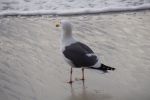
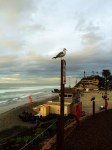
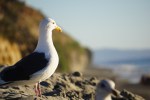
Last week, it was seagulls that served as my muse.  I worked to capture them in flight, up close, from behind…fascinated by their movement, their expressions, their antics.

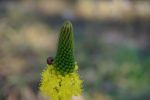
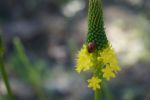
Today it was a ladybug who happened to catch my eye as I knelt to study an interesting plant.  It climbed around and around…seemingly playing hide and seek with my camera lens!

Sometimes it’s light…at night.  Trying to figure out how to frame the glow, capture the shine, or the way light plays with dark.

So your #sdawpphotovoices challenge for February is to find your muse and study it carefully.  You might take a number of shots of your subject or follow you subject over a series of days.  Here are some possible prompts to help you find a focus:

Week 1:  (February 1-7)   Place

Week 2:  (February 8-14)  Nature

Week 3:  (February 15-21)  Light and shadow

Week 4:  (February 22-28)  Composition

So spend February following your muse.  Let your eye wander, and then settle on that subject that captures your attention and spend some time with it.  Try shooting from different angles, up close and further away, from below and above.  Pick a single photo to post or create a gallery of your efforts.  Post a photo or gallery each day with the hashtag #sdawpphotovoices to Twitter, Instagram, Flicker, Google+ and/or Facebook (the more the better!), so that we can all enjoy the posts. If you would like to expand your exploration, write the story that the photo tells, compose a blog post about a photo, a week’s worth of photos, write a photo essay, or make a video or slideshow. You are invited to create a pingback by linking to this url or post your blog address in the comment section. It’s fun for me to see what others are doing with the same prompts I am using!

Take some time to be inspired by that ladybug, your furry friend, the buildings you pass each day as you head to work…   You can post every day, once a week, or even sporadically throughout the month…whatever works in your life. You can post your pictures in the order of the prompts or post the one you find on the day you find it–or make up your own prompt for the day or the week! You get to make your own rules…and find your own muse.  Be sure to share and tag your photos with #sdawpphotovoices so we can find them!

Head out in search of that muse…and follow it for a while.  What will you learn by following your muse…and letting others see it through your lens?