On Noticing

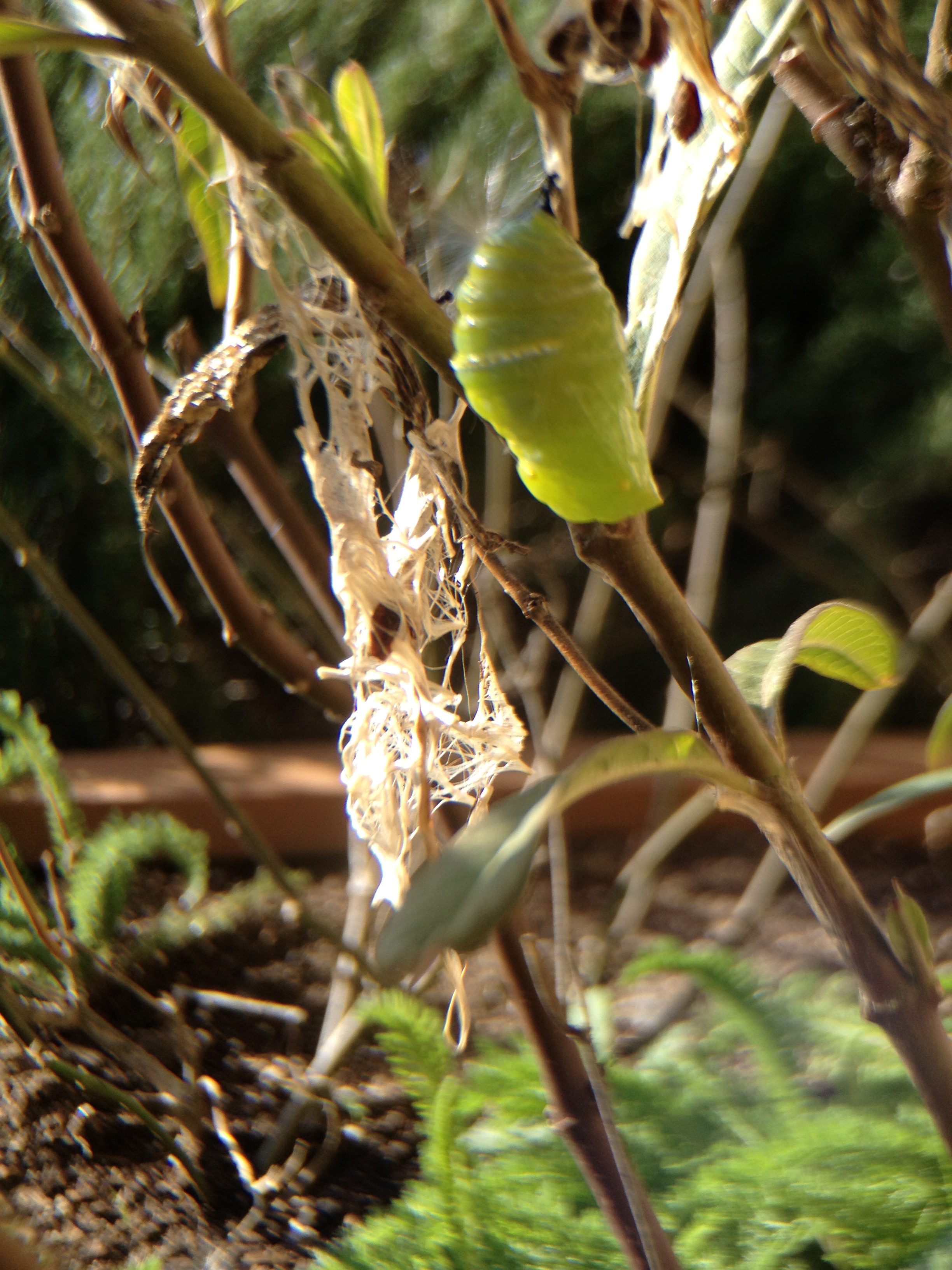
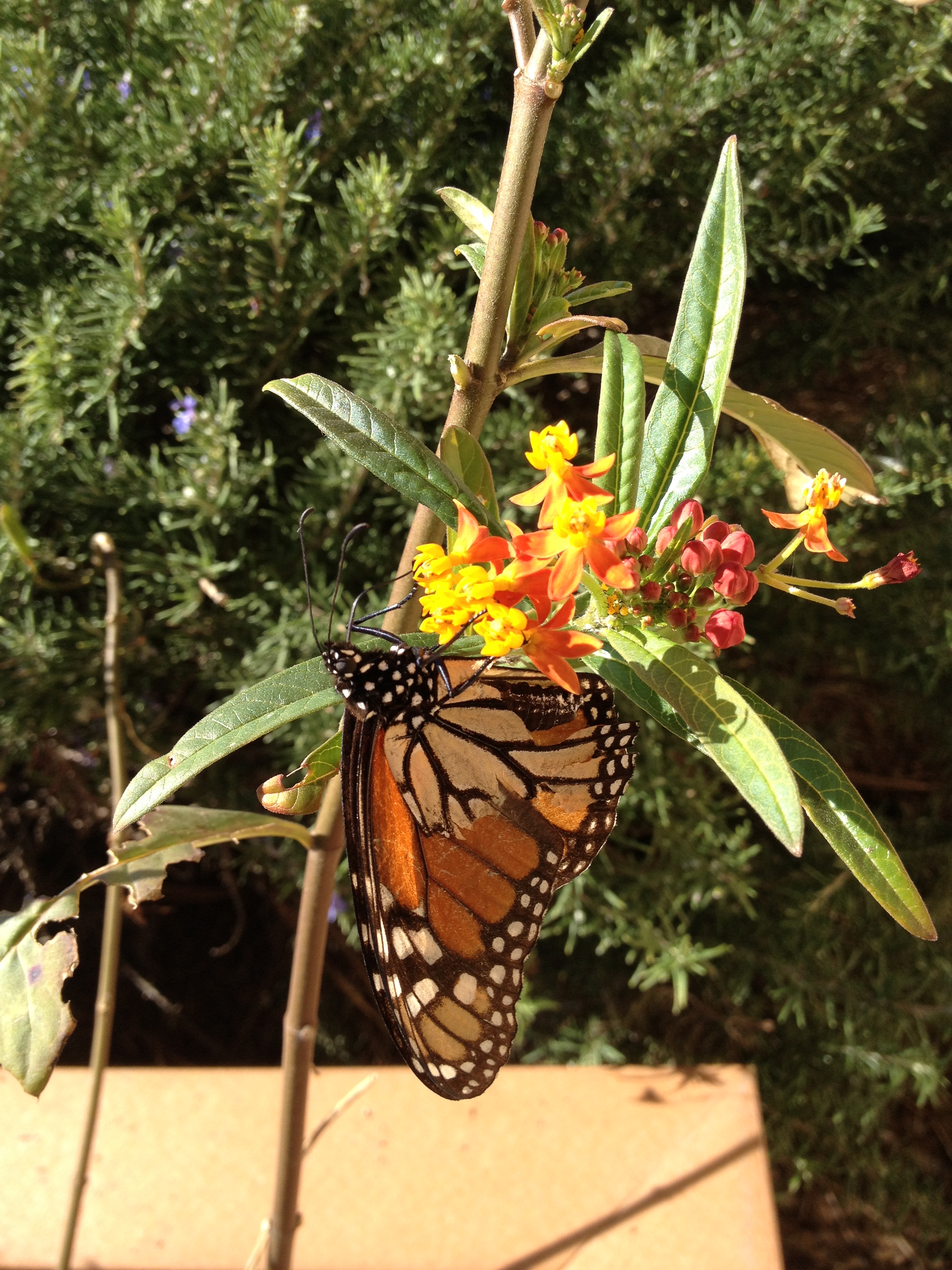
One of the reasons I love taking pictures is that it helps me notice.  Instead of going full-speed-ahead about my life–checking this thing or the other off my ever growing to-do list and worrying about whether I will ever get caught up–noticing helps me slow down, appreciate interesting things around me, and then I find myself asking questions.  When I watched this caterpillar wiggle its way into a chrysalis, my curiosity about everything related to monarch butterflies became insatiable.  (This incredible process happened in the planter box right outside my classroom.  I was also experimenting with using a macro lens on my phone–as seen in the top two photos–helping me to really look closely and focus carefully.  More on focus to come!)
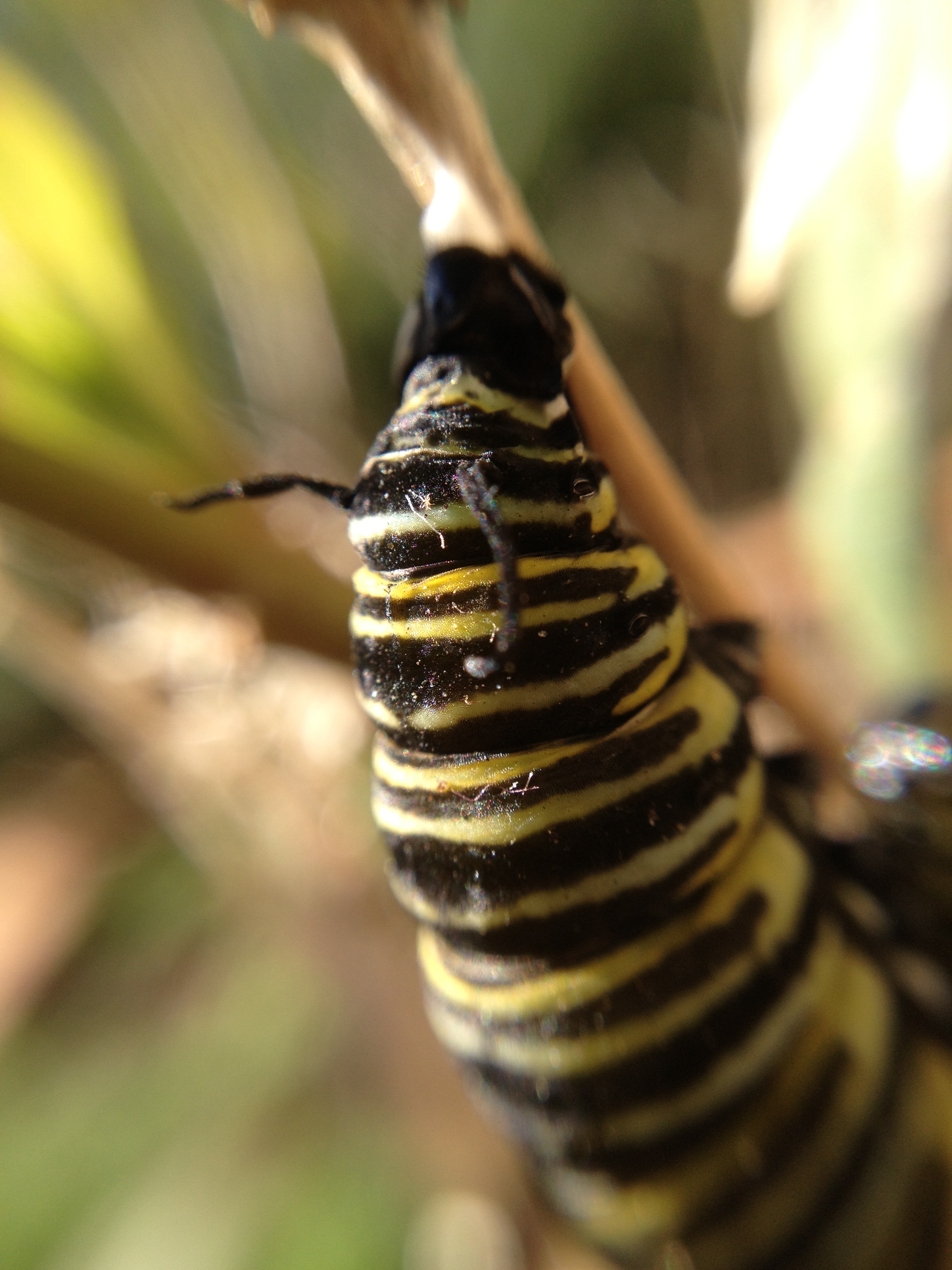
photo-4 photo-3 photo-5 photo-6

As a result of what I had noticed and photographed, I wanted to know more.  I researched on the web, found and read non-fiction books, watched some incredible videos, talked to people around me, and enjoyed reading some fiction as well (Flight Behavior by Barbara Kingsolver came out at the just the right time for me!).  I think that everyone around me also learned–whether they were interested or not–about monarchs and their life cycle!  But most importantly, this event heightened my noticing behavior.  Everywhere I went, indoors and out of doors, I was noticing: paying attention to patterns, colors, numbers, textures…subtleties in the world around me.

This article a friend of mine who works at the San Diego Natural History Museum referred me to reminded me of the importance of noticing–not just for me, but also for my students.  My favorite question to my students is always, “What do you notice?”  I ask that about text, about songs, about pictures, about math and science and social studies…about just about everything!

And even though we do a lot of noticing, I wonder if there is enough time in schools for noticing, for curiosity, for inquiring into things that are interesting.  As I photograph and write my way through the summer, I will also be thinking about that question–and the actions that I will take to make sure my students have ample opportunity to notice as part of their learning experience.  What do you do to help yourself (and the young people around you) notice?

SDAWP Photo Voices: Red

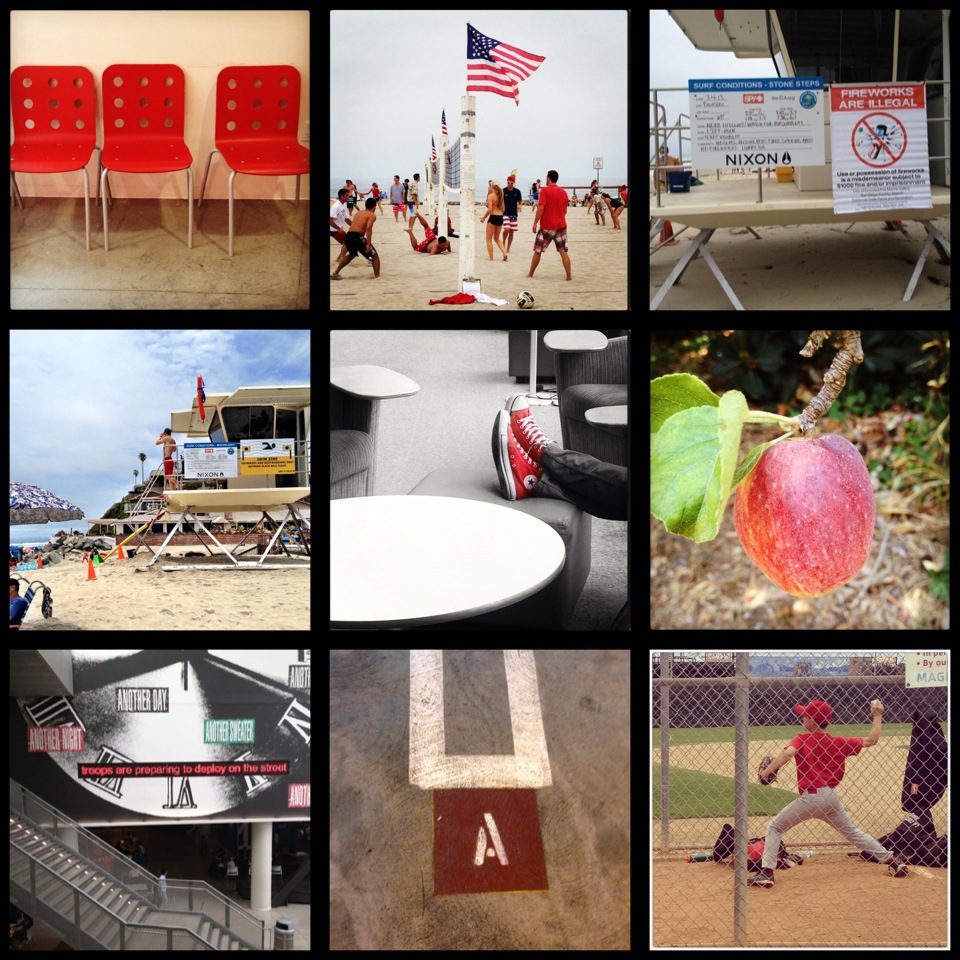
At SDAWP Photo Voices this month we are doing something different: a single prompt (they happen to be colors) for an entire week.  This week was red.  Rather than picking a single picture to highlight (although there is one that is the header for this blog!), I decided to create a collage (using collageit) or map of my week (a nod to my experience with the Connected Learning MOOC).  I did throw in a couple of extra red photos that I didn’t post as part of our photo-a-day challenge.

Red

I was surprised just how easy it was to find red…everywhere.  Because of the 4th of the July holiday, I was at the beach several days this week–and I found red without a challenge!  My favorite is the red shoes picture (edited with the app colorsplash), but I also love the unexpected red apple in my own backyard and the odd assortment of three red chairs.  I’m looking forward to seeing others’ red favorites today and tomorrow as they get them posted on our SDAWP Voices “red” page!

Up next…yellow.  Hmmm…

frames

With each photo I take with my cell phone, I spend more and more time thinking about how to frame the picture I see. I’ve learned that using the zoom feature on my phone helps me see the object clearly in the moment, but degrades the quality of the photograph when I go to edit. I can reframe in the editing process, pulling the image in closer, eliminating some of the background noise. If I shoot too “big” I often find myself with a nondescript landscape. Finding some kind of focal point makes the photo more interesting–and often evokes the curiosity of viewers.

This article in the New York Times on July 2, 2013 also has me thinking about frames and framing.  The author plans an outing for his 6 year old nephew based on both his budget and his nephew’s interests and personality.  A focus on Grady’s interest in art and low-key, meandering pace in life creates a day filled with drawing and art museums punctuated with opportunities for Grady to interact with working artists, study a variety of art forms, and enjoy a leisurely day with his uncle.  Framed in another way, Grady could have been disenfranchised, alienated by having to hurry here and there without the time to study and try out what he found interesting along the way.  Uncle Seth’s focus created spaces for Grady’s curiosity to blossom.

This has me thinking about ways I can use this idea of framing in my classroom and in my work with teachers, foregrounding student interests while keeping the skills and processes needed for learning success in mind.  I’m wanting each of my students to feel like Grady did on his outing with his uncle: like learning is what you do when you’re enjoying what interests you.  That’s what happening with my photography.  I’m learning as I play around–and through connections with others with a wide variety of interests and skills that relate to what I am doing.  My photography (and the photos themselves) are not framed in a permanent shape with a single focus, I am continually exploring frames and how they work with the images and ideas for each shot.

School curriculum often feels like it exists in the noun “frame” rather than used flexibly with the verb “frame”–ignoring students’ strengths, challenges, and existing interests and knowledge.  Does the frame/framing metaphor work for teaching and learning?  I’d love to know what you think!