Tag Archives: Grant Snider

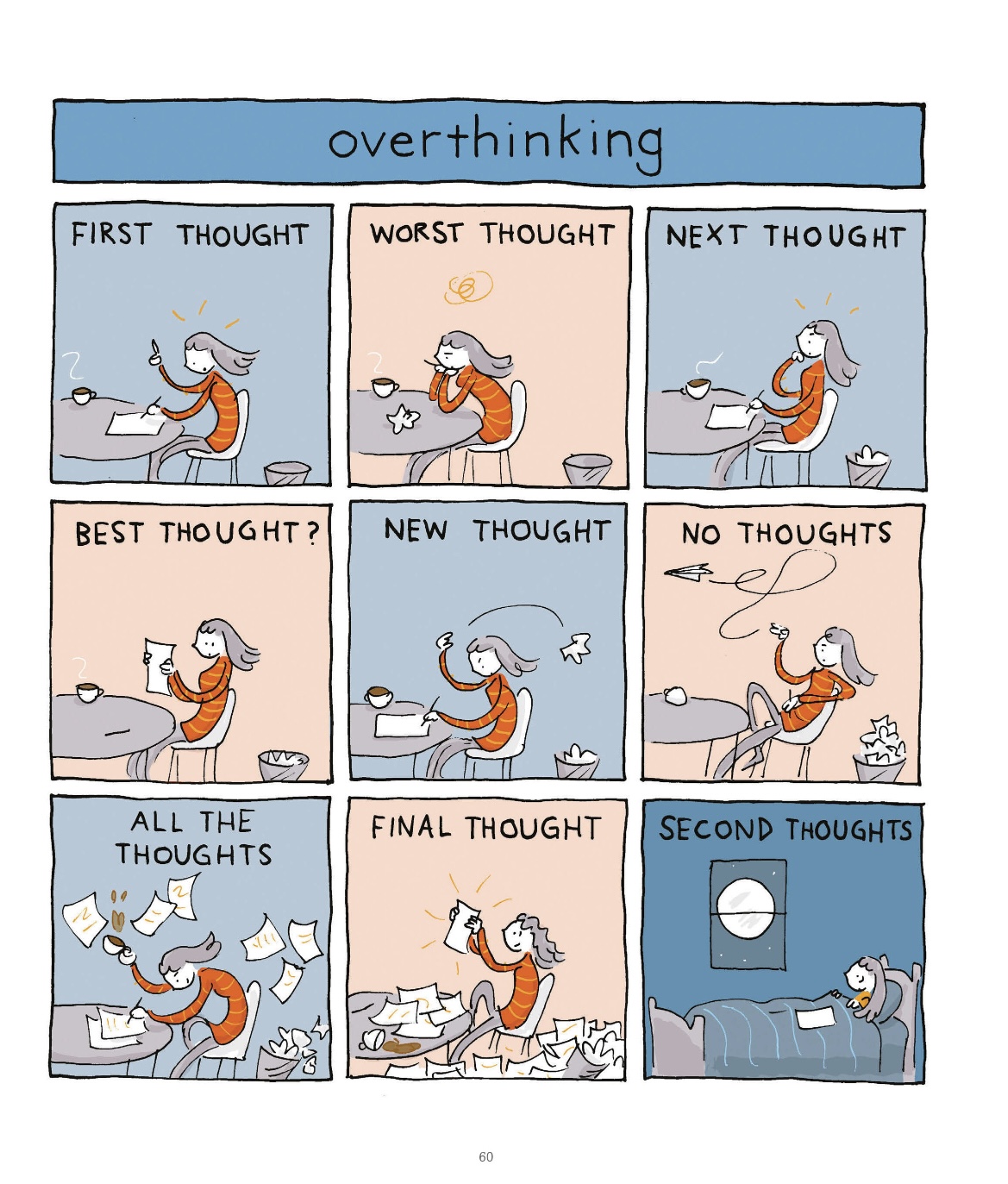
Overthinking

What is it about writing in the summer that brings out the overthinking in me?

I find myself spinning, rejecting idea after idea, often without putting a single word on the page.  I know all the things to do when faced with writer’s block:

  • lower my standards
  • just write something over and over again until the words start to flow
  • start small, or
  • even do some laundry (that is my go-to writer’s block activity–not sure it’s anyone else’s

…but some knots are really hard to undo.

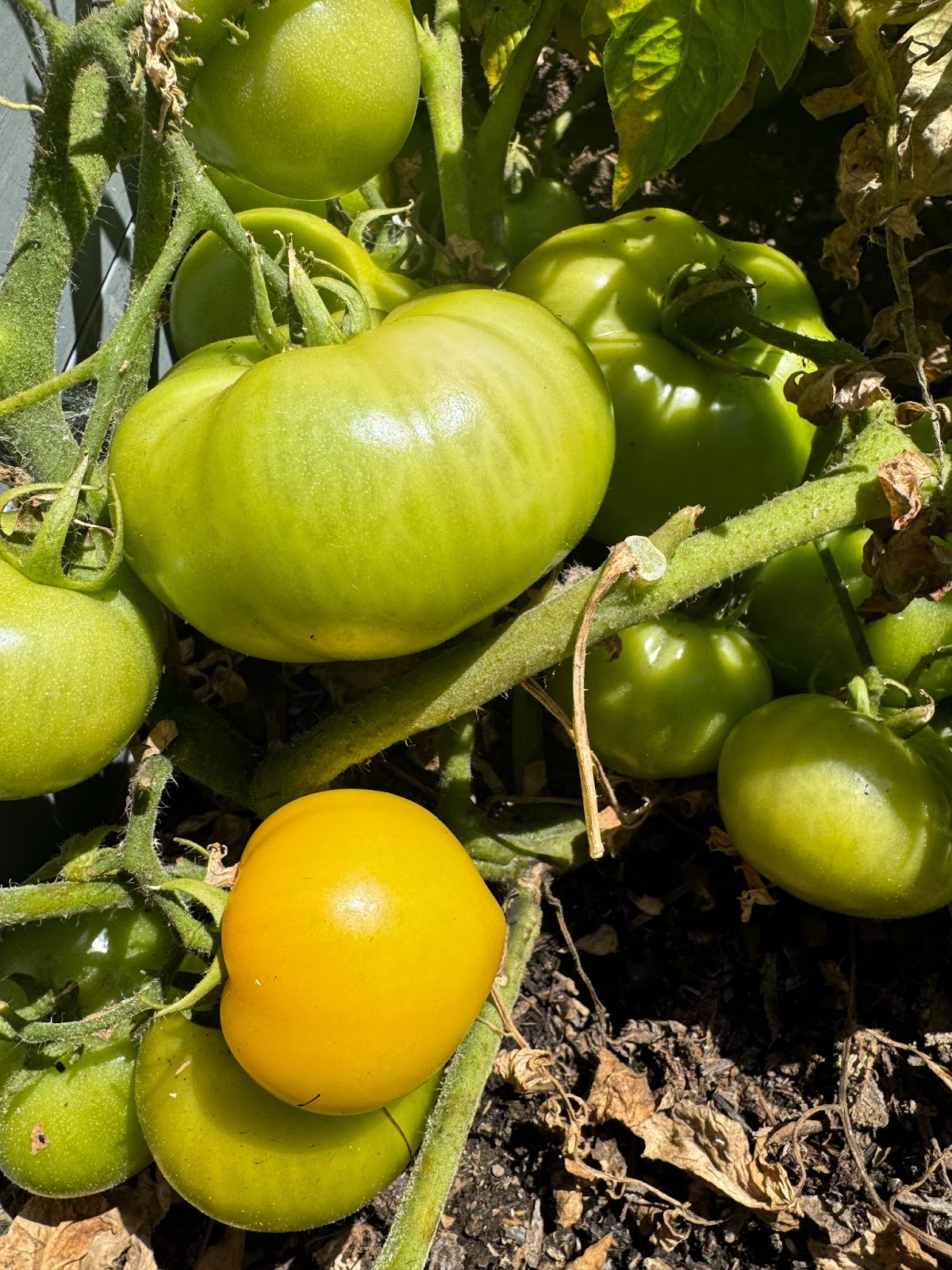
The same thing happens from time to time when taking photographs.  Some days there is simply NOTHING to photograph.  I’ve seen all the dandelions in all their various stages, the snails and lizards have all tucked themselves under a bush, inside a cactus, or in some dark place I’m not willing to explore, and the trees are just…green.  Sometimes I need to give myself a prompt to push out of that stagnant pool of a lack of imagination on my part.  So, I might say to myself, take photos of yellow.  As I head out the door with my camera or phone in my hand, I am looking for yellow.  I might notice the No Outlet sign on the corner–boring.  But what if I stand close to it and shoot looking up?  What if I get really close and fill the frame just with a corner of the sign?  Is that grass growing out of the back of the sign?  Suddenly I start to see yellow all around me: in the paint that SDG&E has used for their hieroglyphics on the street, in the teeny, tiny blossom of the weed growing out of the sidewalk crack, or the tomato that is just beginning to change from green toward red.
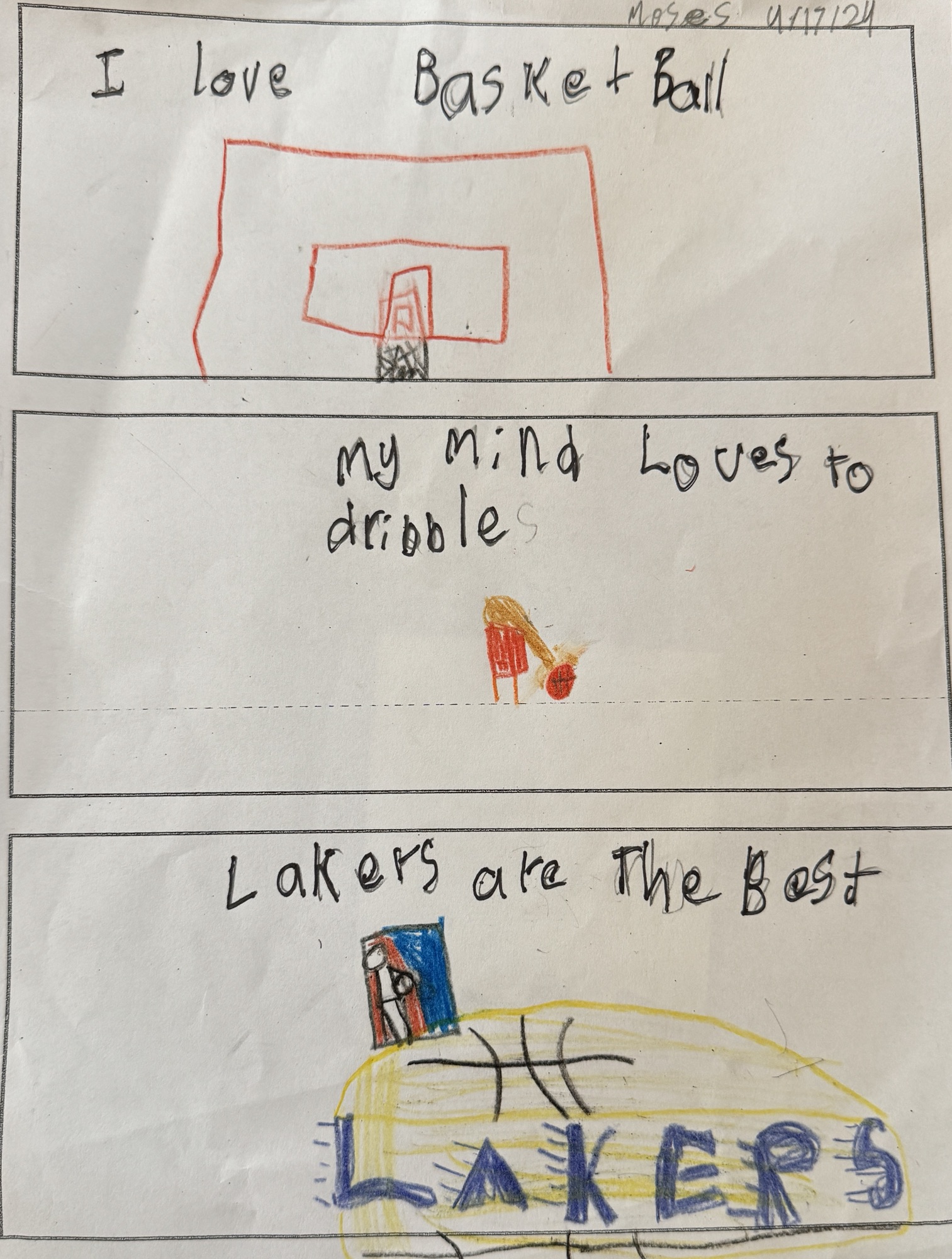
In the classroom, when I notice these knots starting to form when students sit down to write, even after we’ve spent some time generating ideas, I lean in and open a conversation often starting with something I know about the child’s interests.  With that student who wants to connect everything in the classroom to historical facts, I might ask about connections to the sinking of the Titanic that they keep telling me about.  To that Laker’s expert, I might ask a question about LaBron and his athletic prowess.  I might ask about a sibling, something about a parent’s work, leveraging all that I know to help open a space for the student to begin.  There is something about a casual conversation that loosens the knot for most students, allowing ideas to flow and words to form, first orally and then on the page.

So how do I help myself with this overthinking on the page?  Sometimes I turn to something I have read, seeking inspiration in the words of another.  A photo works well as a prompt for me, taking me back into a space, a place where I was in my creative element.  Sometimes an image can become a metaphor, guiding my thoughts and giving me a new way to see an experience or understand something I’ve been grappling with.  

This time it was Grant Snider’s comic that opened the door to my writing, forcing my brain to calm from violent spins to somewhat more graceful pirouettes.  Instead of pulling the knots tighter, they began to unwind and allow me to find some words and remind me that I do have strategies at my fingertips when I find myself overthinking and grasping for words.
How to Write a Poem: NPM24 Day 30

All this month I have challenged myself to write a poem and post it here…AND I have been working with my young students, creating opportunities for them to write poems in lots of different ways. I’ve been inspired by poets at #verselove who have offered daily prompts and thoughtful feedback to my mostly first draft poems. So on day 30, what would I offer my students…and myself as impetus for composing?

Today we headed back to Grant Snider and his book Poetry Comics. (You can read a mini book review here and a bit about Haikomics here). I read them the four “how to Write a Poem” pieces from the book and we talked about what advice we might give aspiring poets. Grant recently wrote a blog post teaching his readers how to make a poetry comic. When I read his post, working my way all the way down to the end I found my own students’ Haikomics featured there! So after reading Grant’s blog post and showing my students all the ideas he shared about how to create a poetry comic–I also showed them that some of their poems were a part of his post! (That definitely created a lot of excitement!)

With all of that as inspiration, I invited students to write their own poetry comics–maybe even a “how to write a poem” poem. And they are off and running! Unfortunately, creating a poetry comic takes a bit more time…I’m hoping we can get them finished tomorrow.

Of course I wrote with my students…and I, too, need more time to get the comic bit completed. But I did take some time to revise my poem when I got home today…and will share the words that hopefully will become a poetry comic with some work with my students tomorrow.

How to Write a Poem (with first graders)

Dip into lots and lots of poems

swim in the language

play in the wonder of words

Notice the pitter patter of ideas

tap dancing like raindrops on the roof

like dew drops slipping off the leaves

Soaking into childhood’s wild fresh colors

unleashing a sky full of rainbows

Settle in the moment

and wait…

poets will bloom

Haiku + Comic = Haikomic: NPM24 Day 17

I’ve been inspired by Grant Snider’s comics for a while now and was super excited when I learned about his book Poetry Comics published at the end of March. (I wrote a mini review here). I knew I would be doing something inspired by his poetry comics with my first grade students this month. When I saw he had done a Haiku comic style, I knew this would be a perfect format for my students.

We’ve written Haiku this year–well, mostly 3-line poems without much attention to the syllable count. So when we took a look at Grant’s Haikomic this morning, students immediately understood (and recognized the metaphorical thinking in his last line).

I’ve learned when teaching first graders that sometimes a novel paper use can propel young writers forward, somehow tricking that treacherous writer’s block into disappearing. So instead of writing in their notebooks or on lined paper, I handed each student a 3″ square post-it note to draft their Haiku. It didn’t take long for students to have their Haiku ready to be transformed by the comic making process.

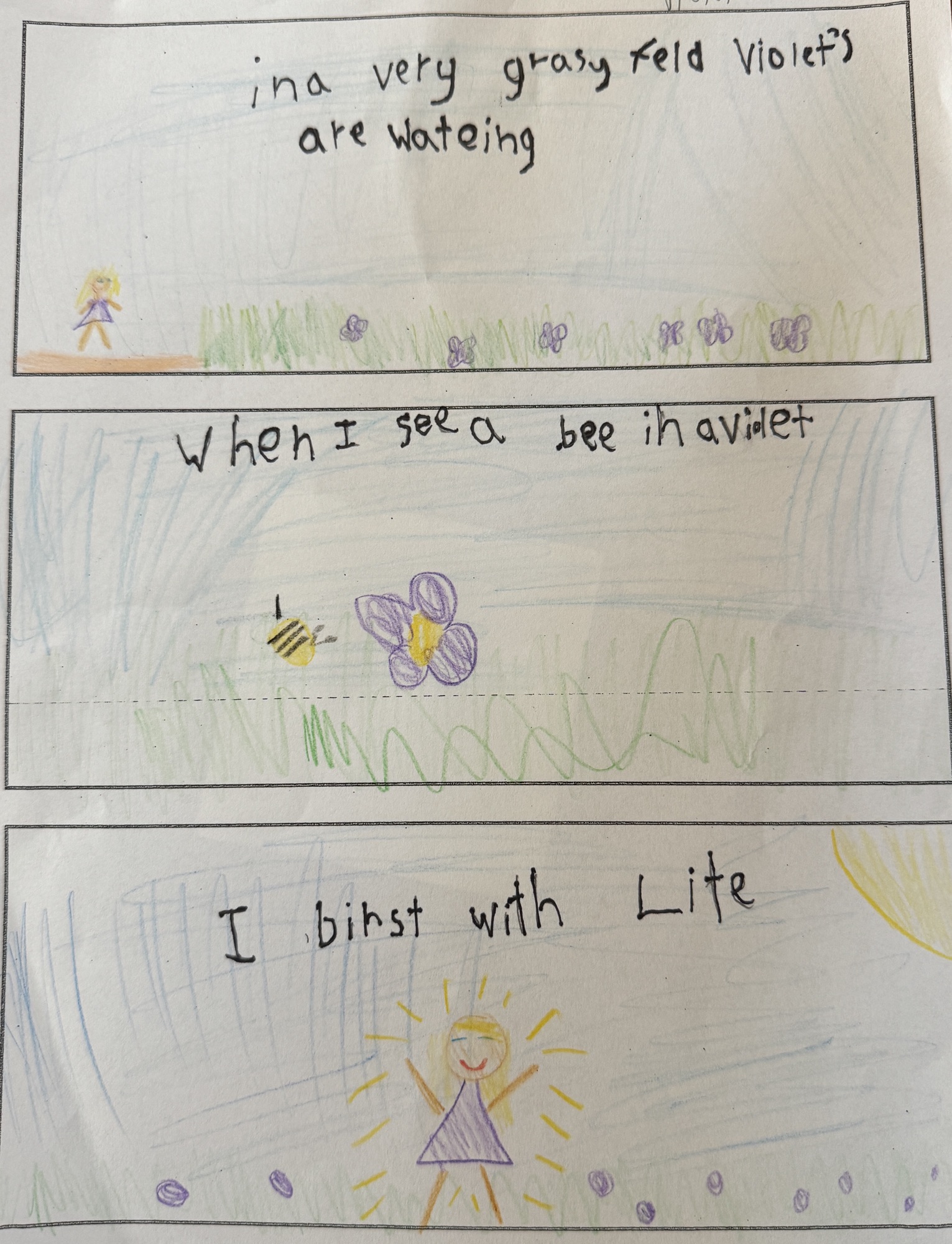
I distributed the comic paper–in this case, a page with three horizontal rectangular panels. Students wrote one line of their Haiku in each panel and added their comic drawing with colored pencil. As a final last step, they traced over the writing with a Sharpie marker.

Here are a few examples:

V can never help writing about violets!

M is obsessed with basketball!

In her piece, “I” decided to add speech bubbles.

And O celebrated flowers and springtime

While I wrote my Haiku about egrets with my students and drew along with them, later this afternoon with a group of Writing Project colleagues we crafted our Haikomics using photos instead of drawing (mostly due to severe time constraints). I then used Canva to write my Haiku directly onto my photo.

Maybe you’ll want to try your hand at a Haikomic too. I’d love to see what you come up with!