Tag Archives: photography

Layers

Today’s Weekly Photo Challenge asks us to think about layers…how they reveal, conceal, and make things more complex.  When I think about layers, I think about teaching and learning.
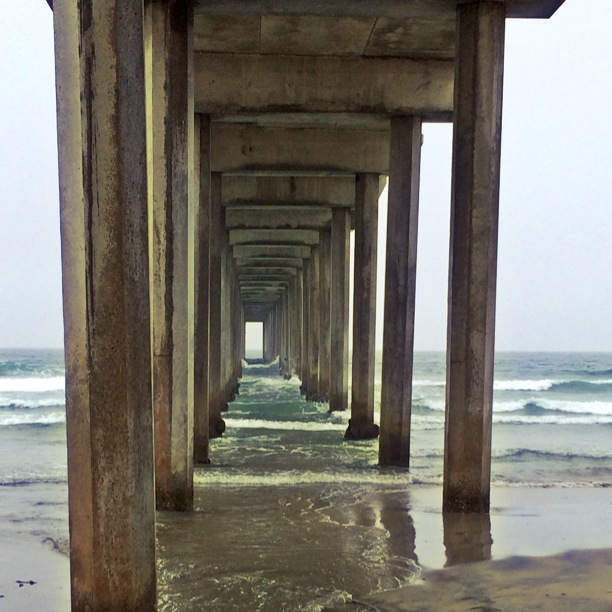
photo_1

When I teach I have to decide if I will start with the broad overview…the big picture and then zoom into the details.  Or if I will start with a detail and continue to pull back to let the bigger picture be revealed.  The best teaching is layered…creating a foundation that is continually built up so that learners can access the tools they need to keep growing.  Learners need to see the beauty so they will continue to dig and uncover the magic of the subject at hand.  This pier makes me think of all those different views, it’s like windows layered on each other, creating a view of possibility.

photo

Some layers are more like the supportive structure of bridges or scaffolding.  The layers create footholds and braces for continual progress.  They are less about the view, but more about feeling safe enough to take some risks.  It helps to know that when you stretch to reach the next rung, there are some toe holds to prevent a total collapse.  When I teach, I want to layer supports like this bridge does, allowing students places to hang on to as they reach and stretch toward the next level.

photo-2

Other layers are more like the stripes on these monarch caterpillars.  The stripes represent the way our knowledge and skills continue to grow and build, layer upon layer.  It makes me think of the small group of students who gathered in the classroom before school this morning.  We’ve been learning computer programming…and some made a bit of a breakthrough earlier this week (see this post), and have been working in whatever stolen moments they can find to continue the designs they started.  They’re excited and motivated…and they’re teaching each other and learning from each other as they learn from their successes and their mistakes along the way.

Like these caterpillars, they have been layering on their knowledge, black on white on yellow, black on white on yellow…as they experiment with the programming tools in Hopscotch.  And like these caterpillars, they are getting bigger and stronger…and closer and closer to transforming into beautiful butterflies.
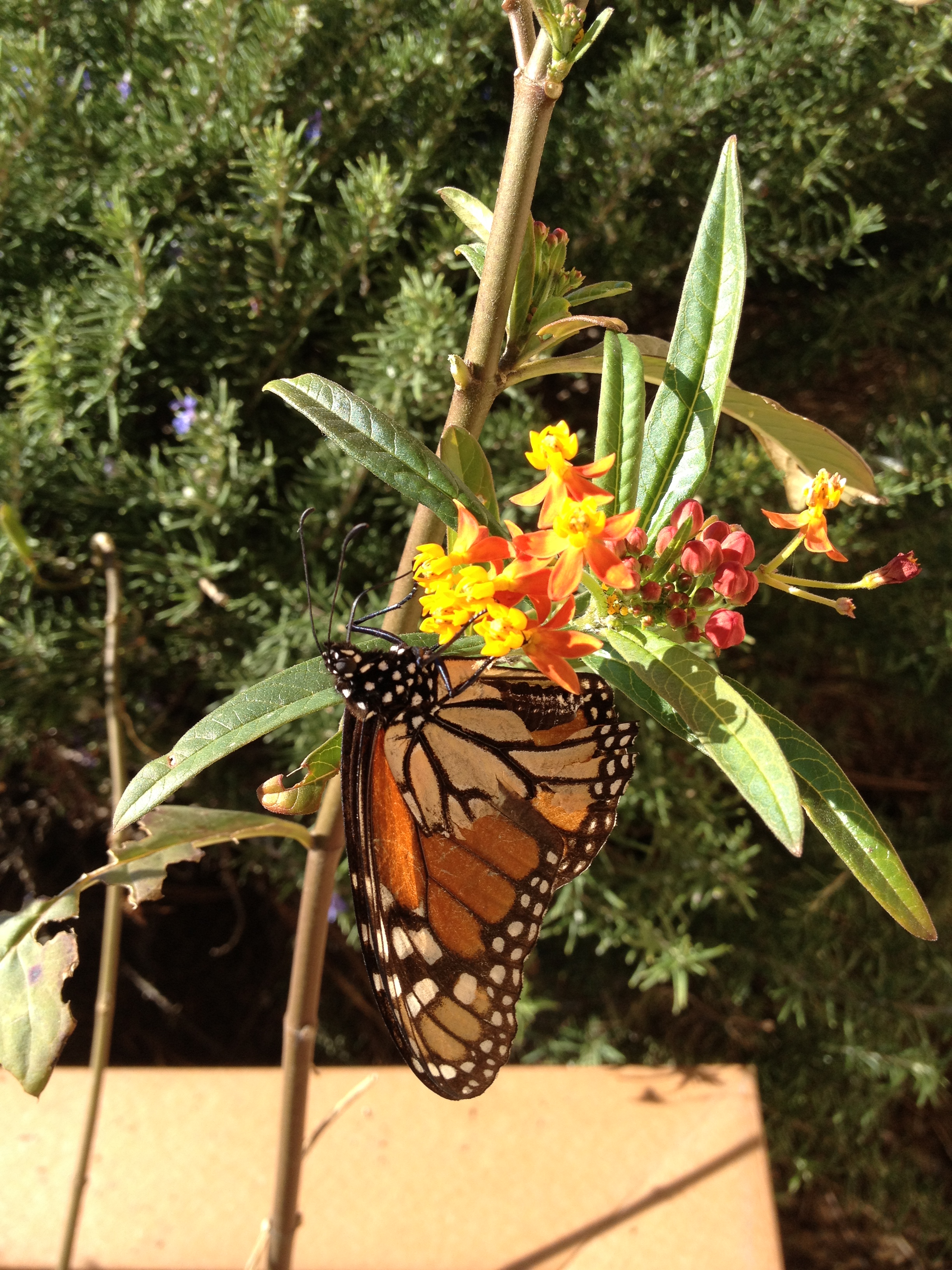
photo-6

Layers are like that!

Muir Woods: a Photoessay

Nestled in a valley not far from the knotted web of Bay Area traffic and coursing flow of humanity is a space dedicated to showcasing some of nature’s treasures.

20131108-214437.jpg

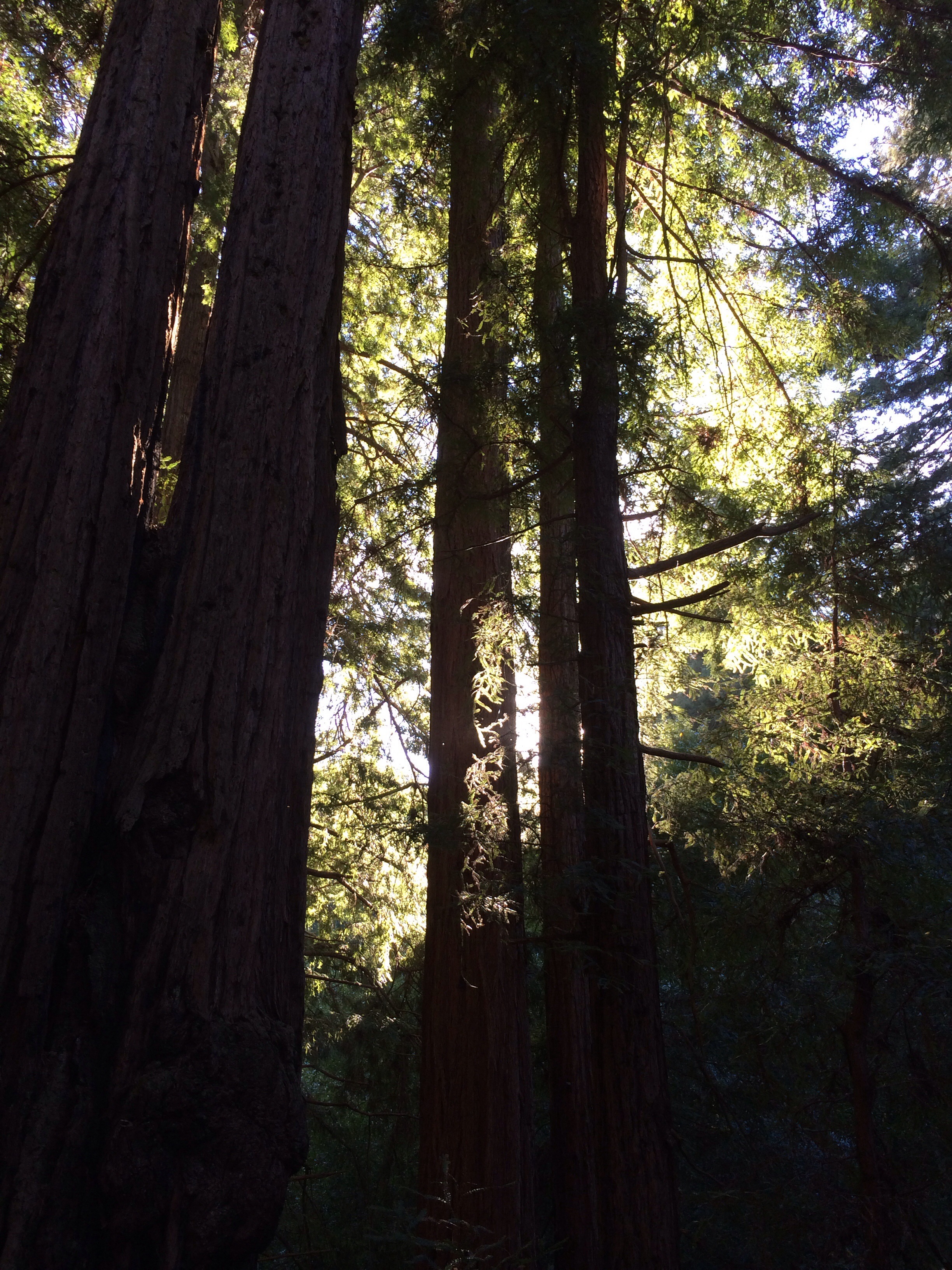
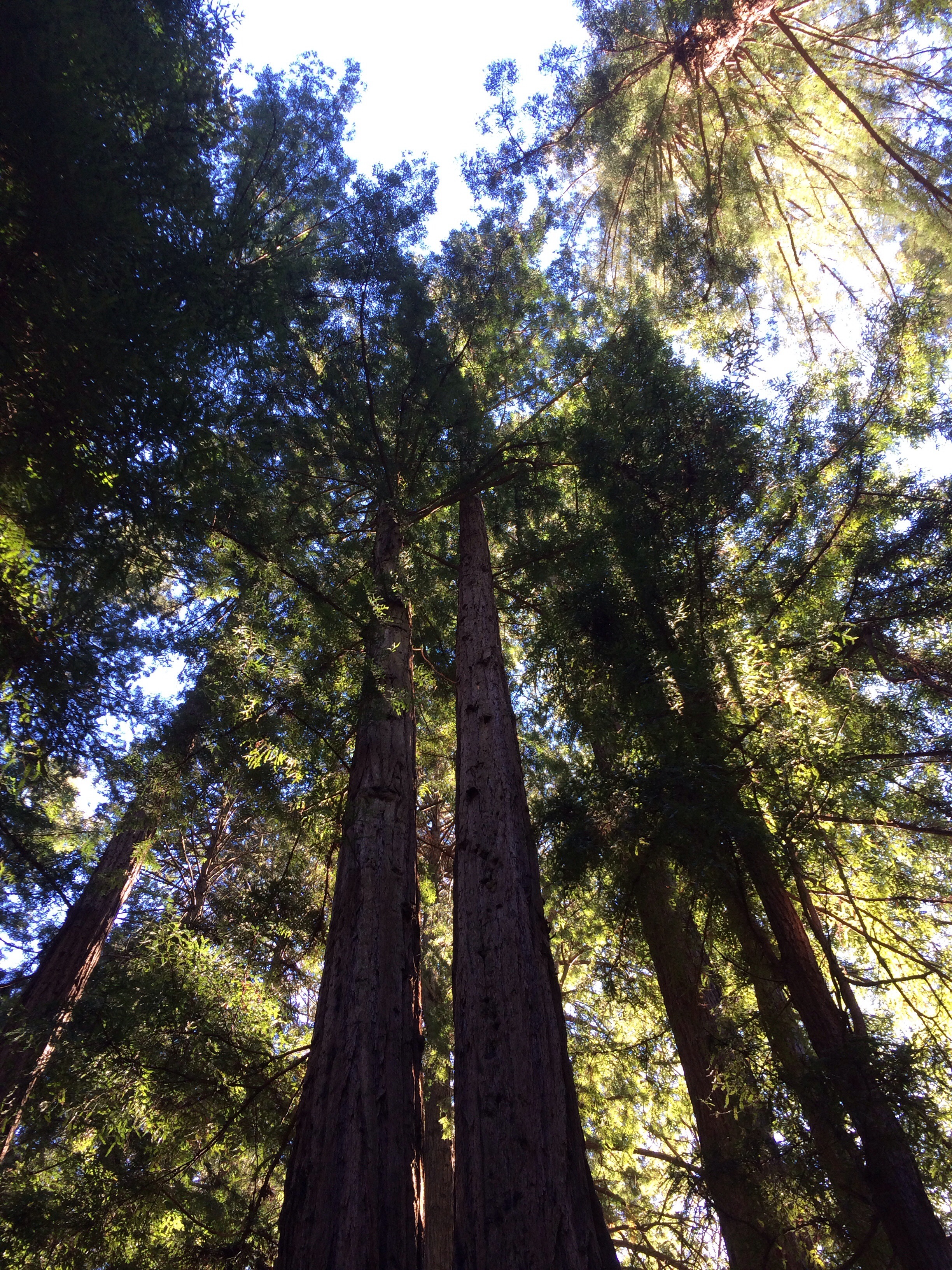
The majesty of redwoods is best experienced in person. These giants are not only tall, but also express such personality. Each tree is unique from the next one. They seem to grow in families, clustered as if to offer support and companionship to one another.

20131108-214459.jpg

I found myself intrigued by the light and shadows. At two in the afternoon, the sun struggled to penetrate these amazing tall trees. Occasionally we would see the soft glow of light where the sun found its way through the canopy.

20131108-214548.jpg

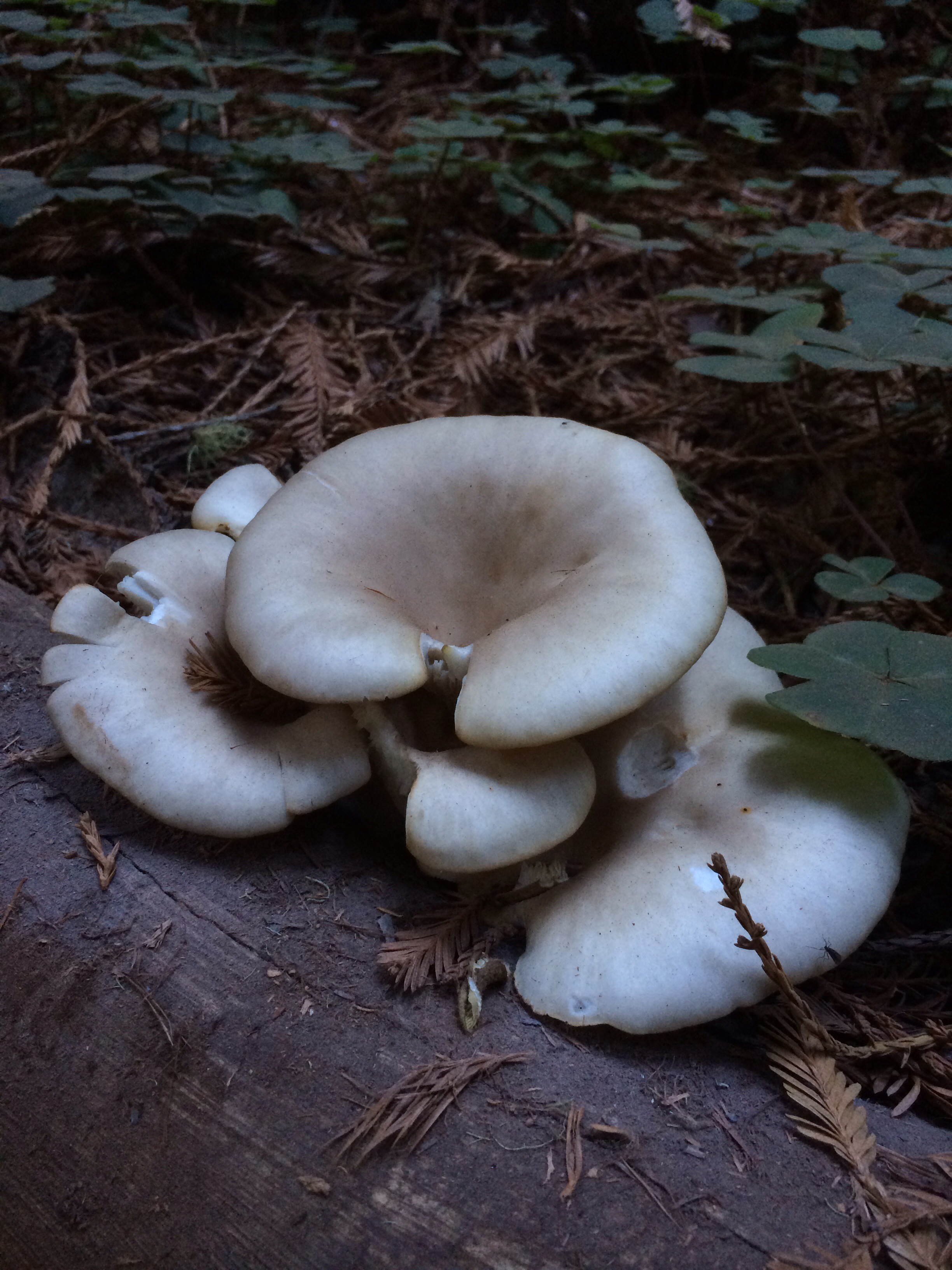
I love the way this forest demonstrates how it sustains itself. Trees that have fallen and died, teem with live as decomposers work at recycling…returning the tree trunks to the soil to feed new life. As I paid close attention, I noticed these mushrooms growing from a broken trunk.

20131108-214615.jpg

And as I continued walking I spied these beauties growing along the edge of the trail in with the clovers.

20131108-214515.jpg

The stream was pretty shallow… After all, summer has just ended and the rainy season has not yet begun. I worked to capture the water’s movement…and to my surprise I captured the reflection of the trees above in the water!

20131108-214529.jpg

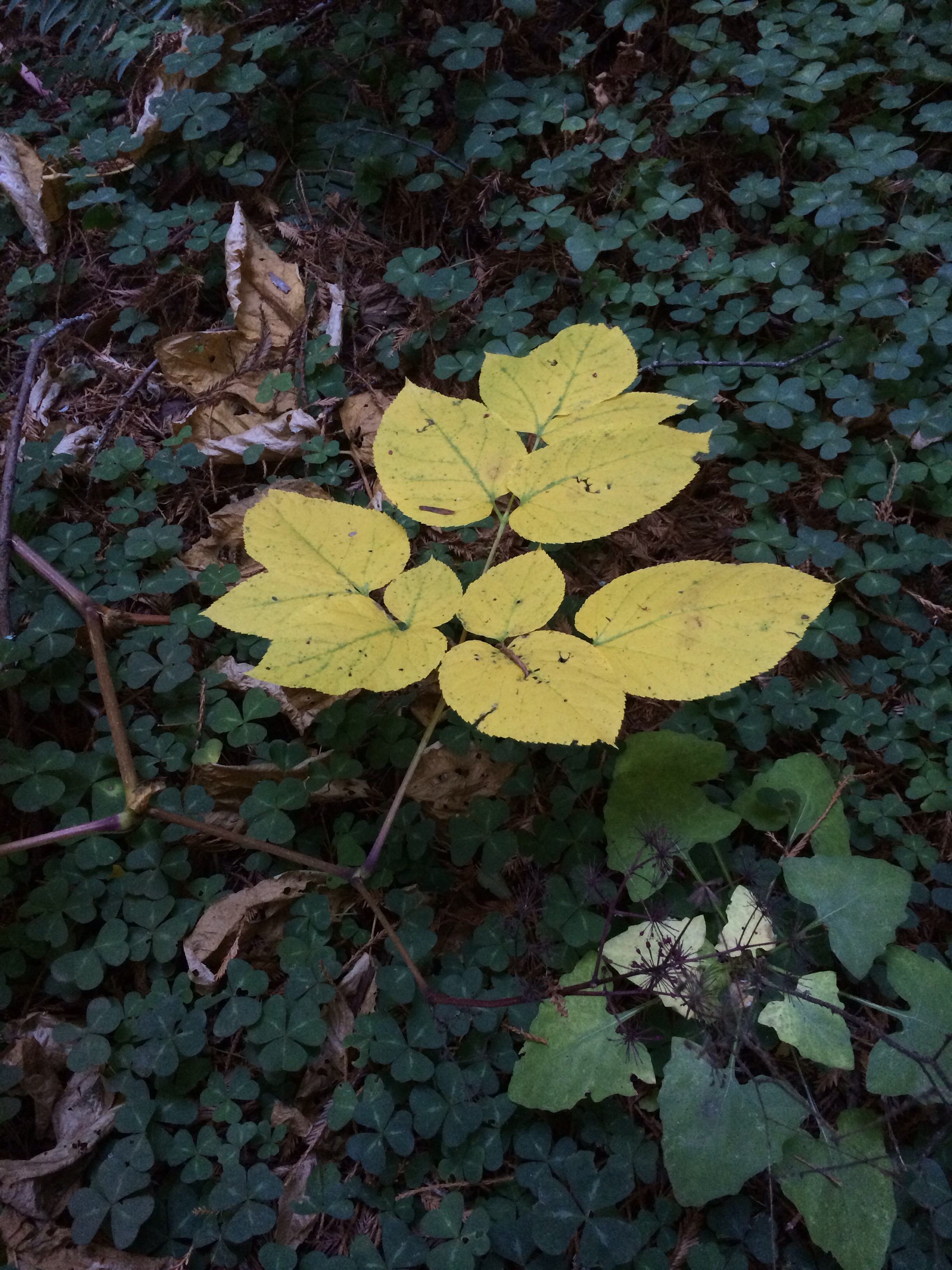
And as a southern Californian who has to search for fall colors in trees, I noticed the leaves of the deciduous trees in my adventures today. There were no reds and oranges evident, but this yellow caught my eye.

20131108-214603.jpg

Walking through the woods today was refreshing. The fresh, fragrant air and the natural beauty of the trees felt like a massage…relaxing and energizing.

What do you do to relax and rejuvenate? What amazing places do you have the opportunity Ito explore?

They’re Back…

Last school year we planted milkweed in the planter box in front of our classroom…and had a front row seat to view the intricacies of the monarch life cycle.

As the school year continued, what was left of the milkweed (after the caterpillars had decimated it) died away and a native volunteer took over the box.

A week or so ago, a classroom mom came by and cleared out our box and replanted milkweed.  And before even an hour had passed, a monarch friend had already visited.  We’ve all been on the lookout for evidence of eggs and caterpillars since.

This week, they made their presence known!  Teeny tiny yellow, green, and black caterpillars have made an appearance and are busily chomping away at the milkweed.

20131107-200546.jpg

It is amazing just how quickly they grow from almost invisible to the eye, to plump little crawlers.

20131107-200801.jpg

These are actually much smaller than they appear in the photo thanks to the magic of modern technology and cropping techniques!  But you can see they have been quickly devouring this plant.

And so now we wait.  Will these caterpillars survive long enough to grow to the size where they form a chrysalis and transform into butterflies?  Is there enough milkweed there to sustain them?  What predators will they have to avoid?

20131107-200938.jpg

These beautiful creatures are fascinating to watch (and photograph), and seem to thrive in our school environment.  I love that we don’t need to buy a butterfly “kit” to have our students learn about the majesty and wonder of the insect world.

20131107-202037.jpg

I always find that the more I learn about something, the more I appreciate and notice the natural beauty right in front of my eyes!  What critters sit outside your door for you to learn more about?

One Photo, Three Ways

When daylight savings time ended early Sunday morning, our daylight hours also shrunk. Instead of getting home with some daylight left, it is now dark.

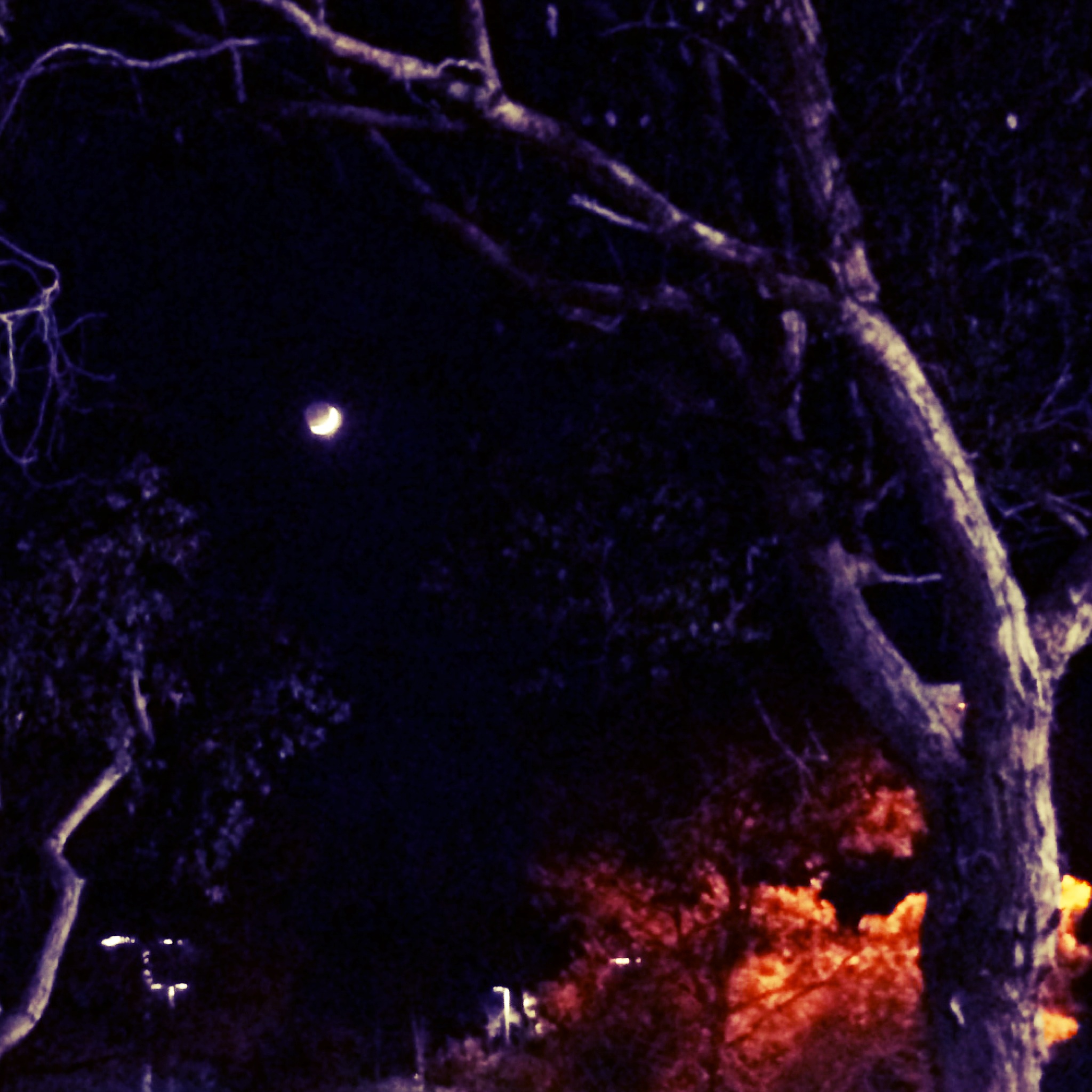
As I left the university this evening, it was already dark.  Looking into the dark, evening sky I noticed the beautiful fingernail of a moon.  Even knowing that my iPhone doesn’t take great pictures of the moon, I couldn’t resist pausing to take a shot.

photo_3

When I got home I thought I would play with this image (which was better than I anticipated) using the app Tadaa.  It has some interesting filters that work particularly well with playing with light and shadow.

Here’s a dark version:

photo_1

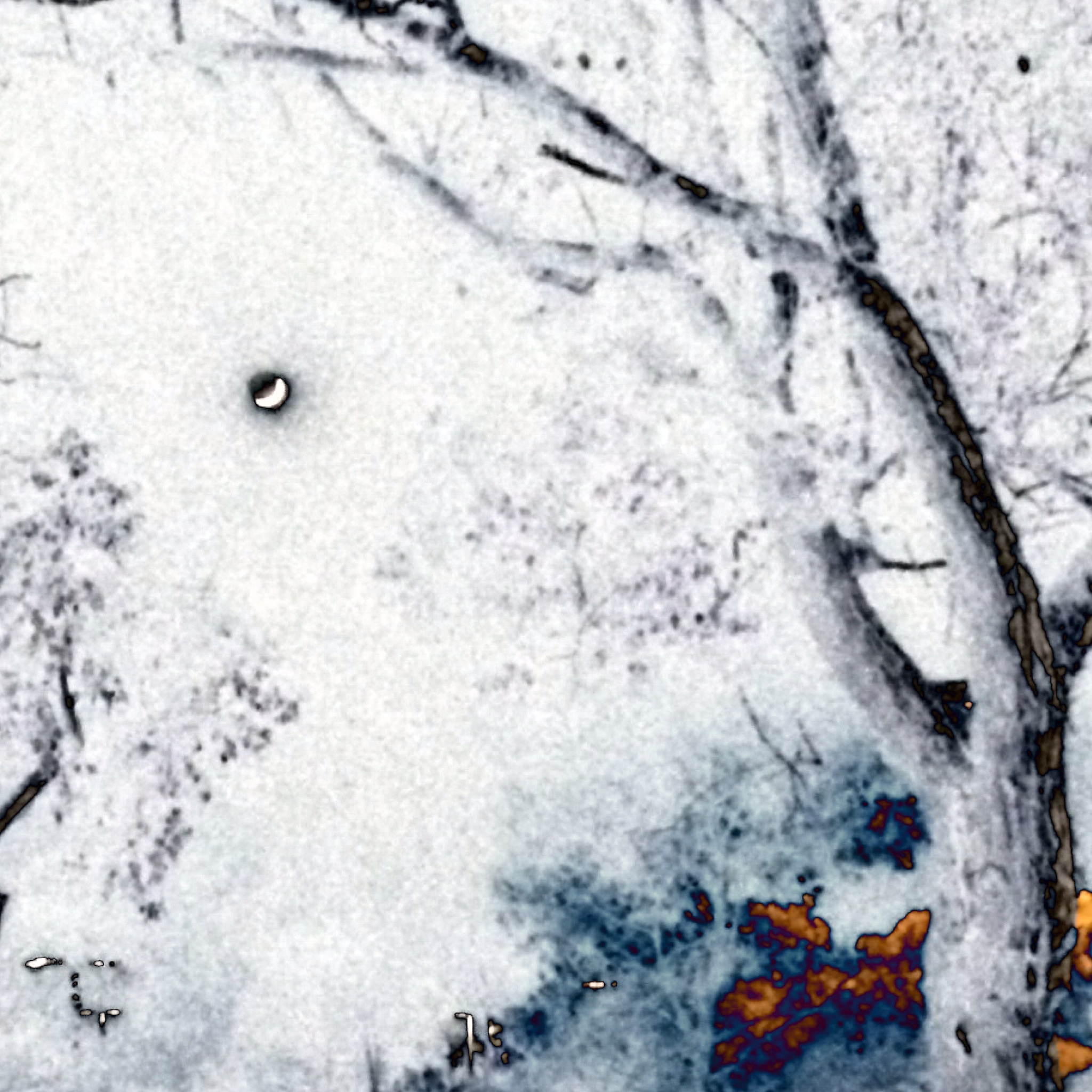
I like the way the trees frame the moon in the distance and the reds and oranges are nested in the foreground.  I couldn’t resist trying one of my favorite filters, otherland, and was surprised when it turned my dark, nighttime image to white.  I love the way the moon is silhouetted in the white sky.

photo_2

The filters dramatically change the mood and setting of this photo.  Each tells a different story by a simple change of the filter.

What stories do you see in these images?  I hope you’ll take a few minutes to write your ideas in the comments here!

A Study in Black and White…and Shades of Gray

I was reading a post on another blog yesterday with tips about black and white photography.  The person who wrote the post talked about “seeing in black in white.”

When I look at black and white photos I don’t see them as black and white at all…they seem all about shades of color ranging from dark black to gray to white, and all the variations in between.  The subtle shading creates a sense of depth and lets light and shadow play.

I frequently edit my photos and apply a black and white filter.  I love the sense of timelessness that black and white gives to certain photos.  It seems that there is a story-telling quality, maybe the lack of color invites each person to interpret the photo based on their own experiences.

These yellow pencils from my classroom look great in black and white.  It’s easy to colorize them in your mind when you look at the photo.

pencils

And I love the ways my students hands look in this one.  Even without color you can see the sun shining…and focus on those little hands holding even smaller seeds.

hands

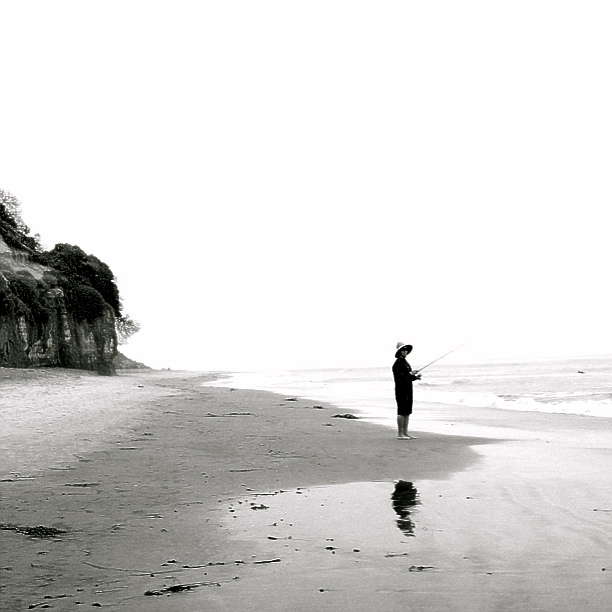
Who would guess I took this picture of a fisherman on an urban beach in 2013?

fisherman

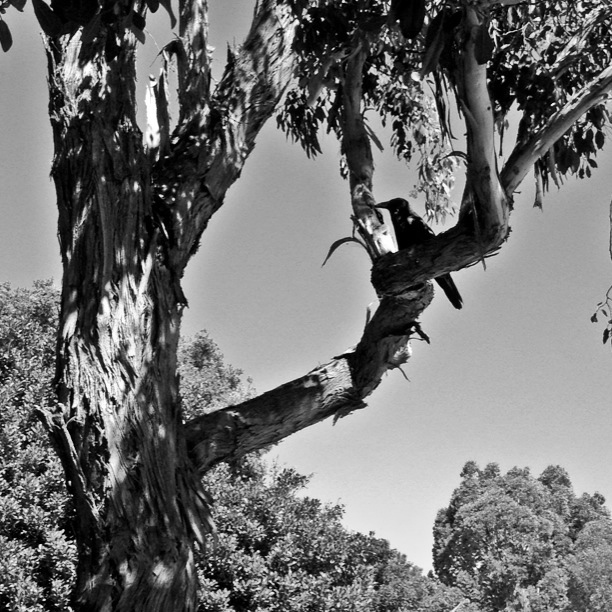
I think I liked this crow better in color.  The green leaves made the crow more prominent…it’s hard to make him out in this one.

crow

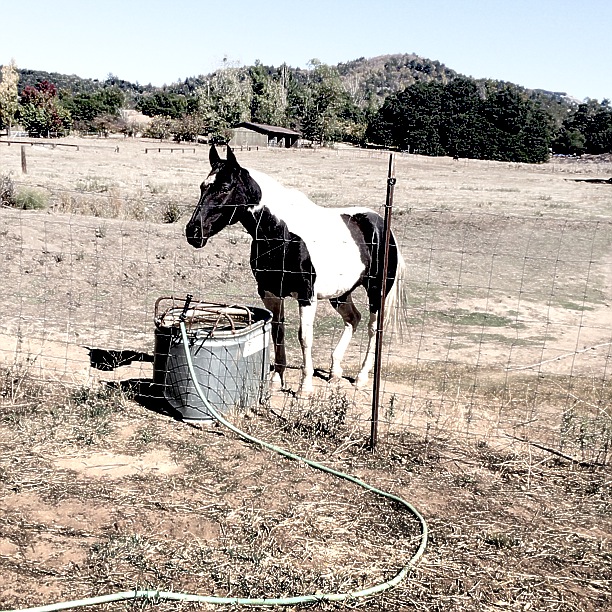
This one of the horse might be considered cheating.  I didn’t go all the way to black and white.  I just faded the colors a bit.

photo-3

And this is one of my favorites…my cat Phil.  I do lots of photos of him in black and white…he is a black and white cat, after all!  This photo is interesting because the color version looks quite similar.  A black and white cat in a white box with black print is already mostly black and white!

photo-2

The term black and white often makes me think of either/or.  But black and white photos are more like real life…built in shades of gray with plenty of room for interpretation and meaning making.

Which of these photos speaks to you?  How does the black and white impact your visual experience?

Outside

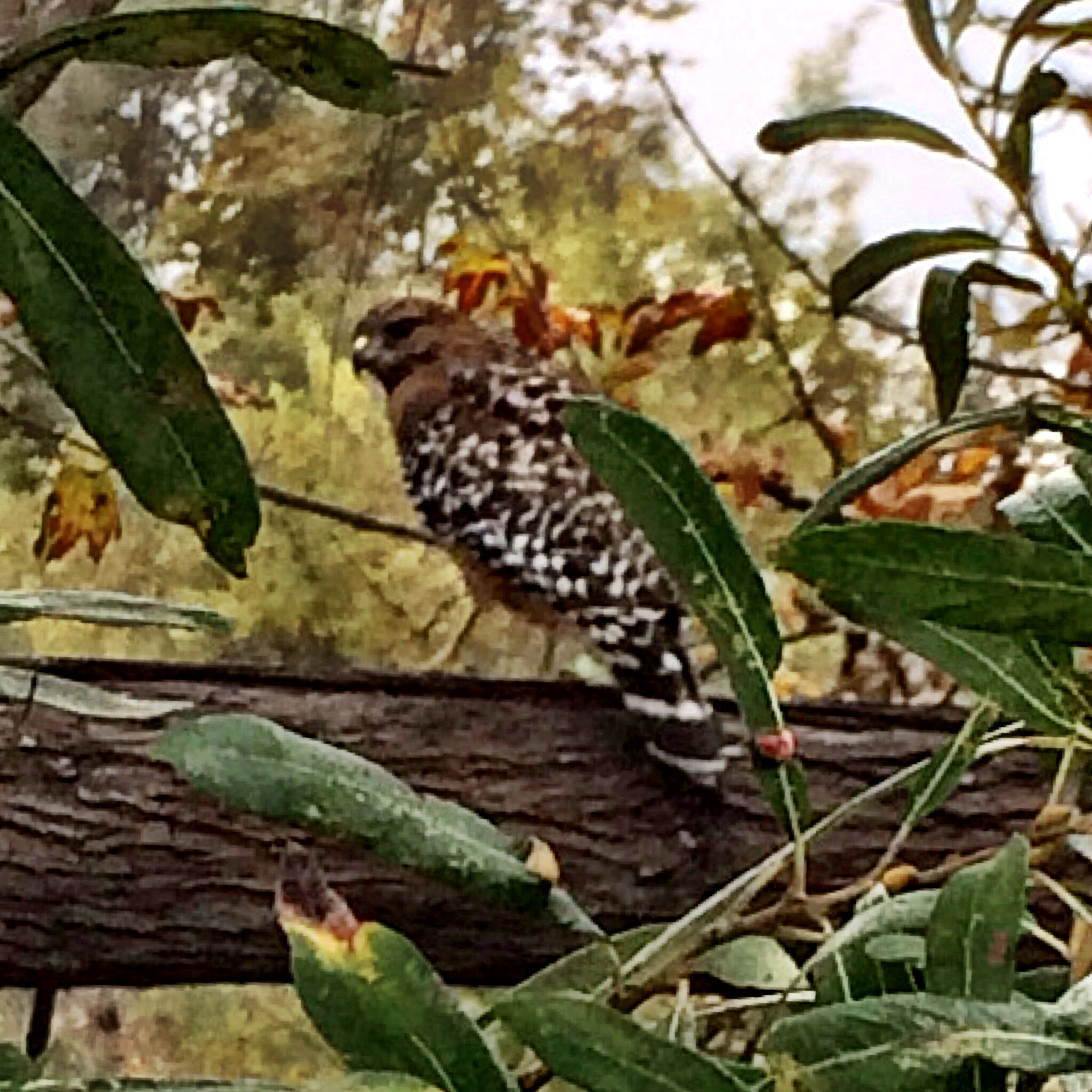
I spied this gorgeous hawk sitting in a tree not far from me as I was walking today.  I slowed and carefully positioned my camera, trying to capture this image.

photo-1

And as I watched and then continued my walk, a short 25 word story (or maybe the beginning of something more) was brewing in my head.

Tucked in behind the gas station and across the street from the McDonalds, hawk oversees wild space…what is left of what used to be.

I took a minute at the stop light and jotted notes down in my phone to remember this thought when I got back home.  Thinking about what used to be interests me.  What caused developers to leave this wild space untouched?

Last week a parent in our class sent us this article about going outside to write when you feel stuck or uninspired with your writing, saying that it reminded her of us and our classroom.  (Such a great compliment!)  I’ve shared it with many others…and was thinking about it this morning as I headed outside for a long walk.

I knew I had lots of writing to do today (beyond my blog post) and told myself I needed to get outside and be active before settling down to work.  To make the prospect more appealing, I planned my walk with a mid-walk stop at the local Starbucks and had my iPhone handy for any interesting photo opportunities.

As I started my walk I noticed that my “monkey mind,” as Natalie Goldberg calls it, took over.  I could feel my attention pulled in a million directions as I noticed sounds (cars, birds, breeze, leaves crunching, bicycles whizzing by…), smells (the smell of water in the curb drains, car exhaust, the damp of foggy air…), sights (the lone purple flower in a sea of ground cover, scraps of paper interwoven in the brush, leaves blowing…), and physical feelings (the sheen of sweat building on my shoulders, the push of air as cars rushed past, the uneven sidewalk under my feet…).  Before I started my walk, I had thought I might continue on a theme of water photos started yesterday with a walk on the beach, but the first half of my walk didn’t offer any interesting possibilities.

And then I noticed the hawk.  It literally stopped me in my tracks as I looked closely, noticing the beauty of this bird.  Crows and pigeons are pretty commonplace on my walks…and hawks are mostly noticed from a distance, flying high above.  I loved the opportunity to look closely as I angled my lens.  He watched me as I watched him.  And then he spread his magnificent wings and took to the sky.  I only wish I could describe the sound of those large, powerful wings as they lifted the bird from the branch.

As much as people complain about “screen time” and lament that devices are keeping our young people indoors, inactive, and uninspired, I find that it is my device that gets me moving, heading outdoors, and paying attention to my surroundings.  As always, we need balance in our lives.  Opportunities for solitude and times to interact.  Playtime and sustained work.  Time in nature to notice and question and wonder and time with our screens to produce, write and connect.  It doesn’t have to be either/or…can’t it be both?

How does your device (or devices) impact the ways you interact with the outdoors?

Improving my Craft

Taking lots of photographs means that sometimes things start to get a bit mundane…I get stuck in a rut of taking the same photo the same way time after time.  I have to remind myself to shift my position, pay attention to the lighting, look for natural frames, and play around with angles.

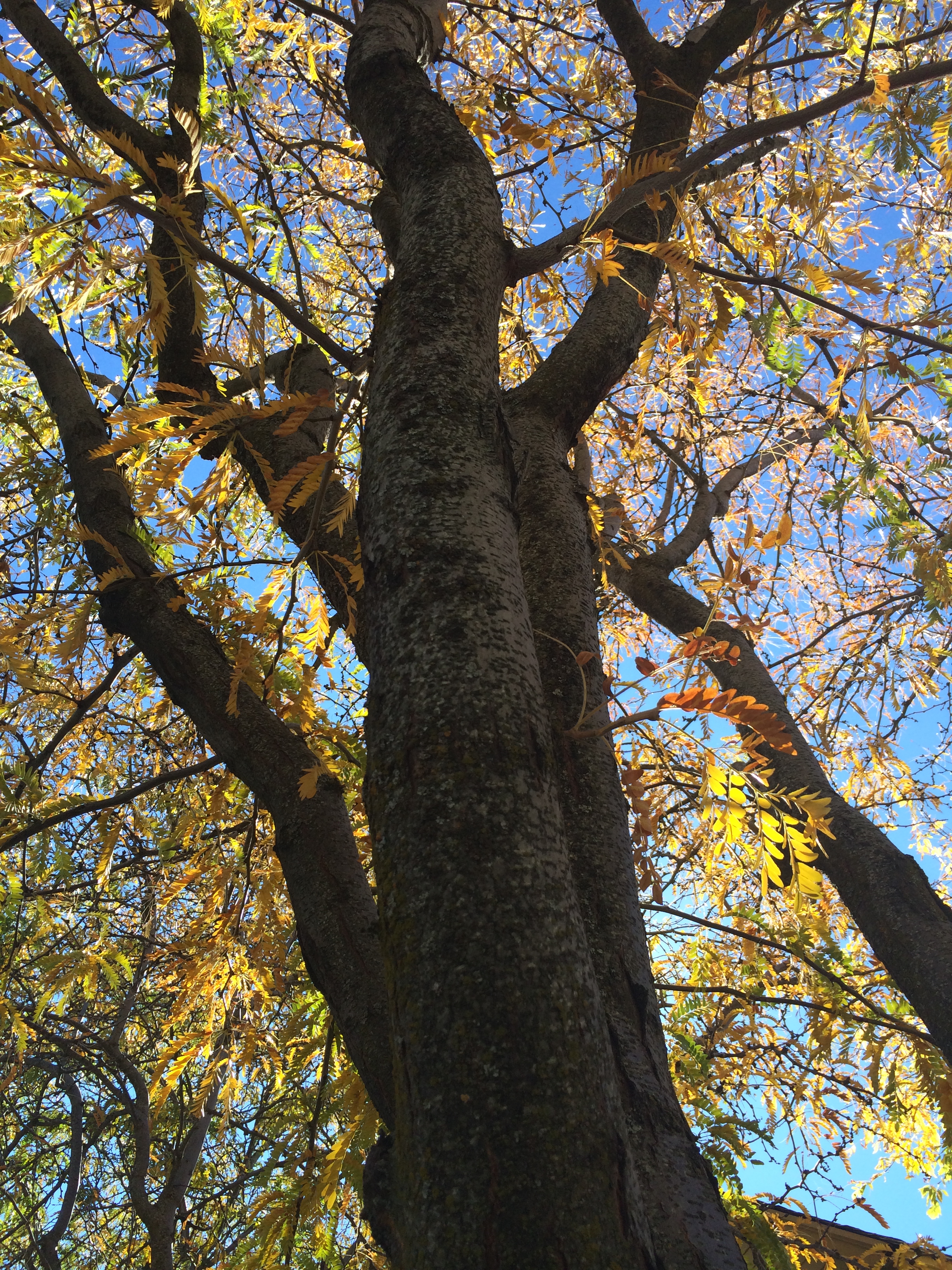
On Saturday I took lots of pictures of trees.  And many turned out looking like pictures of trees, pretty enough but nothing that would make you take a second look.

But here’s one that involves an interesting angle that captures the light in a way that highlights the leaves.  This is the original photo–no cropping and no filters.

photo

I’ve also been experimenting with taking pictures of things, paying attention to composition but not doing any arranging other than moving myself to create a better composition.

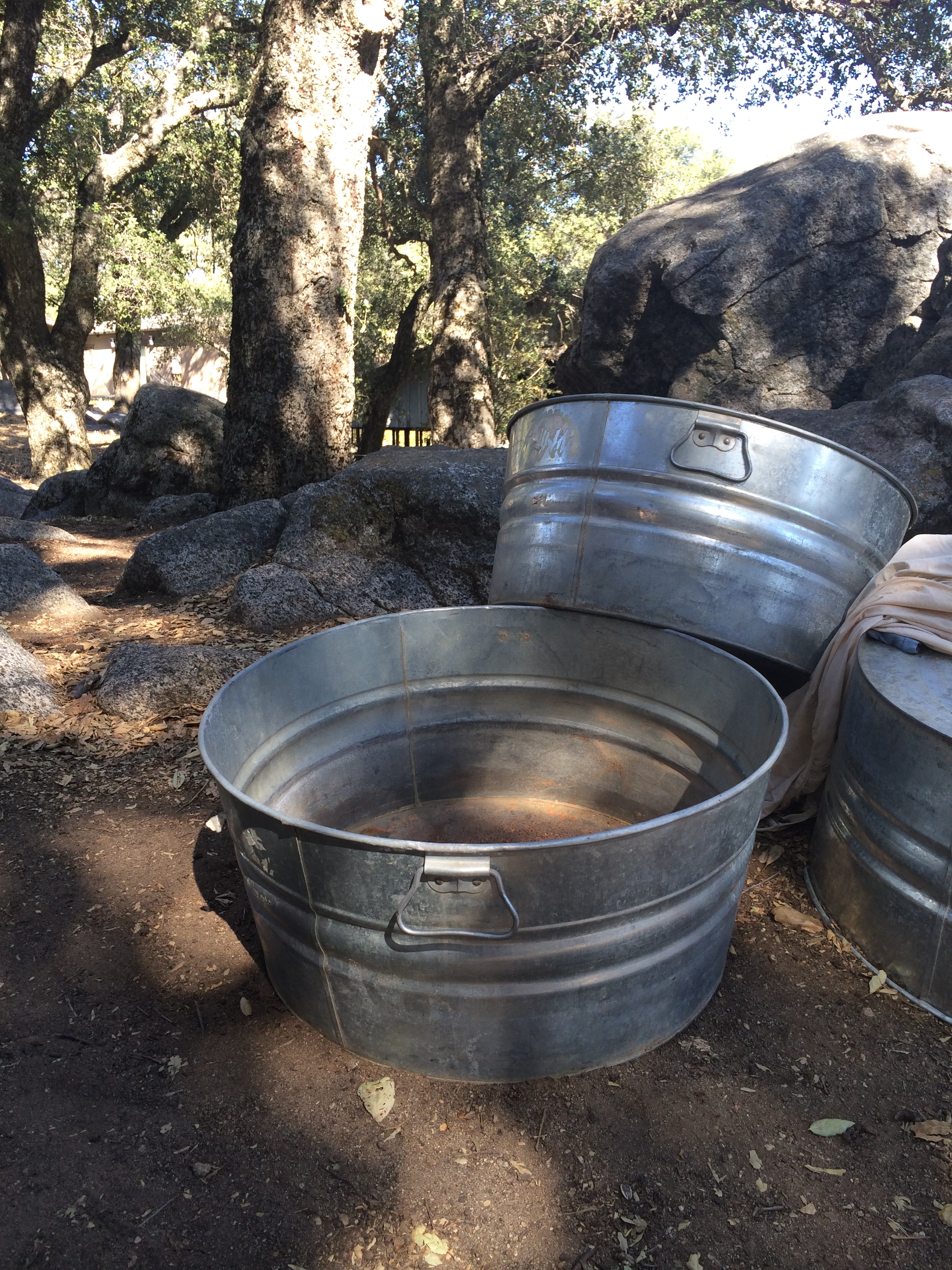
I like this one of metal tubs I found on my weekend adventures.  The haphazard arrangement and the mottled light creates interest and provokes questions for me.

photo-1

I find myself examining my photos carefully and critiquing them–a lot like responding to a piece of writing.  I’m looking for what is working (even some lousy shots have some things that work) and noticing what I might do differently with the next shot I take.

I still have a long way to grow in my photography skills…but I’m having fun learning!

What do you do to improve your craft?  How do you challenge yourself? (And I welcome tips and constructive critique on my photography too!)

Photo-Inquiry…Art, Science, and Writing

I’ve been taking pictures every day for more than a year now.  Some days it’s a struggle, other days it’s pretty easy.  But one of my favorite things about being a photographer (albeit, amateur) is that it makes me pay attention…and ask lots of questions.

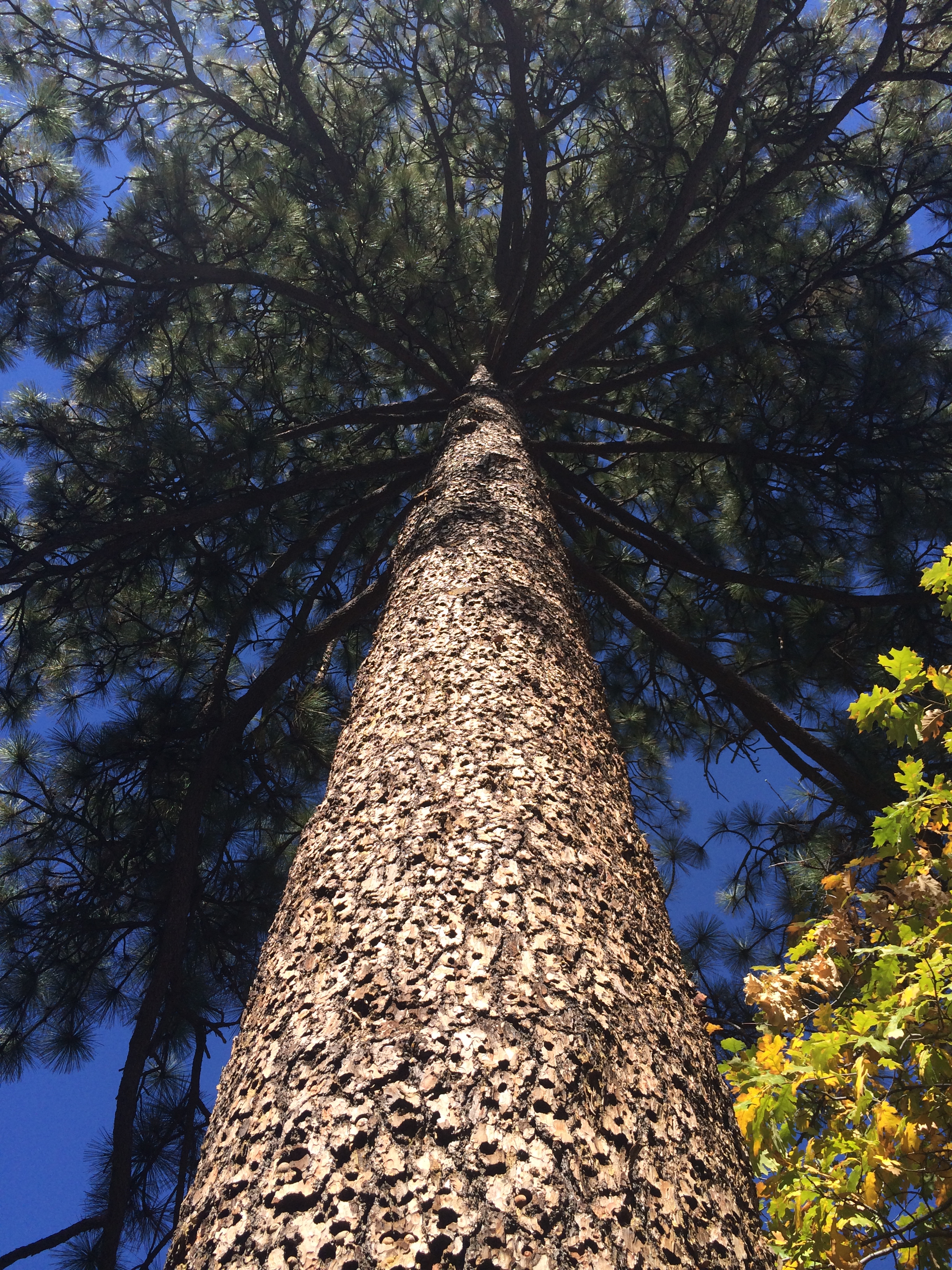
Yesterday I was up in our local mountains enjoying all that fall brings…colors and pumpkins and apples…on a warm fall day.  As I was photographing some beautiful leaves turning orange and red and yellow, I noticed this beautiful pine tree.

photo-12

Looking closely, I was fascinated by the texture of the bark on the tree.  And an even closer look revealed all these tiny holes…with many filled with acorns or other nuts.

photo_1

That observation set off a million questions…how does this happen, what animal does it? Does it hurt the tree?  Is it squirrels?  And then I noticed this nearby fence post.

photo_2

So it’s not only about trees…it’s about wood.  I noticed the nearby utility pole also had holes and nuts.

With all these questions running through my head, we continued our adventure and I continued to look for interesting subjects for my photography.  A while later, at the edge of a little pumpkin patch I looked up and saw a beautiful blue bird with red markings high up on a utility pole.  I thought it might be some kind of jay, but my husband was quick to point out that it was tapping the pole…a woodpecker!

We watched closely, listening to the persistent tapping as it pecked into the top of the pole.  I attempted several photographs…but one thing the iphone camera is not good at is long distance photos!  Here’s an attempt.

photo

If you look closely you can see a tiny silhouette at the top the pole.  As I watched I started to make connections to the pine tree and fence post I had photographed earlier.  These holes with the acorns in them were the work of an acorn woodpecker!  A little internet search today led me to this information:

The group will guard their territory, and will often have a single tree in which they store their acorns; known as a granary. A single granary may contain tens of thousands of acorns. The acorns themselves are placed individually into a hole drilled into the tree. Acorn Woodpeckers also feed on insects (including aerial flycatching), sap, and fruits.

I love that photography always ends up teaching me interesting things about nature and about the world.  It makes me pay attention, notice details, and ask questions.  It makes me curious…and makes me wonder…a perfect tool for inquiry!  And as I write this on the National Day on Writing, I get to share my photography and learning with you!  #write2connect in action!

How do you write to connect?  What do you learn from the activities you love?

San Diego Fall: The Hue of You

Living in a place like San Diego, seasons are all about subtlety.  Rather than piles of fluffy white snow or icy winds in winter, we have chilly mornings and nights and mostly sunny, cool days.  Spring is our rainy season (note: 10 inches of rain per year is our maximum!), the nights and mornings are a bit warmer than winter and most days are cool and sunny–although late spring brings the dreaded “May Gray,” that marine layer that pushes the sun away from the coast.  Summer in San Diego starts slowly.  June is characterized by “June Gloom” (just like May Gray), with the sun appearing for a cameo in the late afternoon before the fog rolls in again.  And fall in San Diego is gorgeous!  It’s warm and sunny, often well into November and even December.  But it can also be scary with dry Santa Ana winds that whip up the fire danger in our arid, desert-like climate.

Today we decided to trek up to a local mountain town about an hour east of my house in celebration of fall.  Julian is known for fall…filled with apple pies, apple cider, and other iconic fall features.  But those vivid red and orange and yellow leaves that shout fall in other regions, whisper fall in San Diego.  And even in Julian where San Diegans go for fall, the autumn hues are subtle.

photo-6

And they’re positioned between the greens and browns and reds of the pines and manzanitas and California live oaks that are native to the region.

photo-12

photo-11

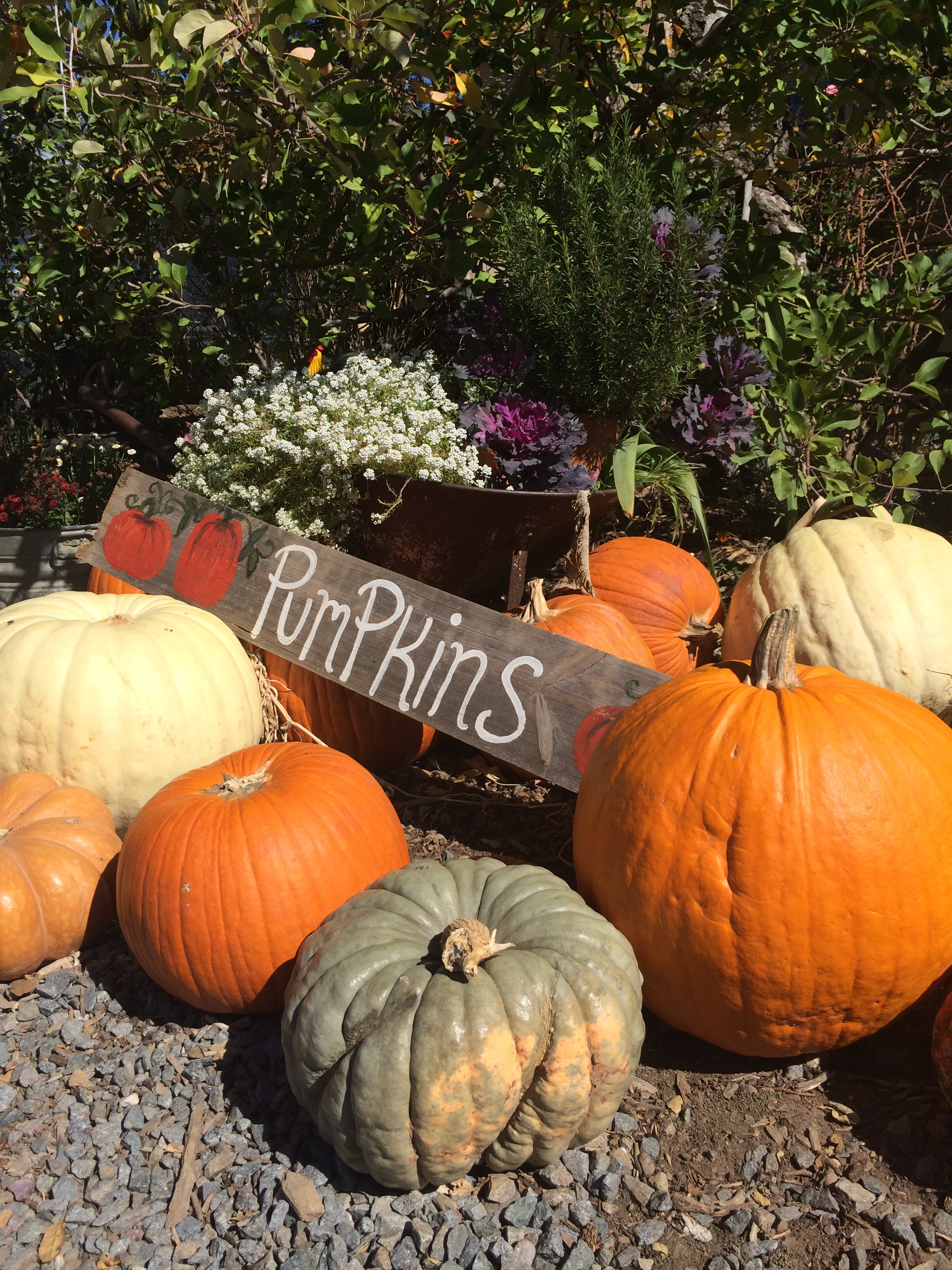
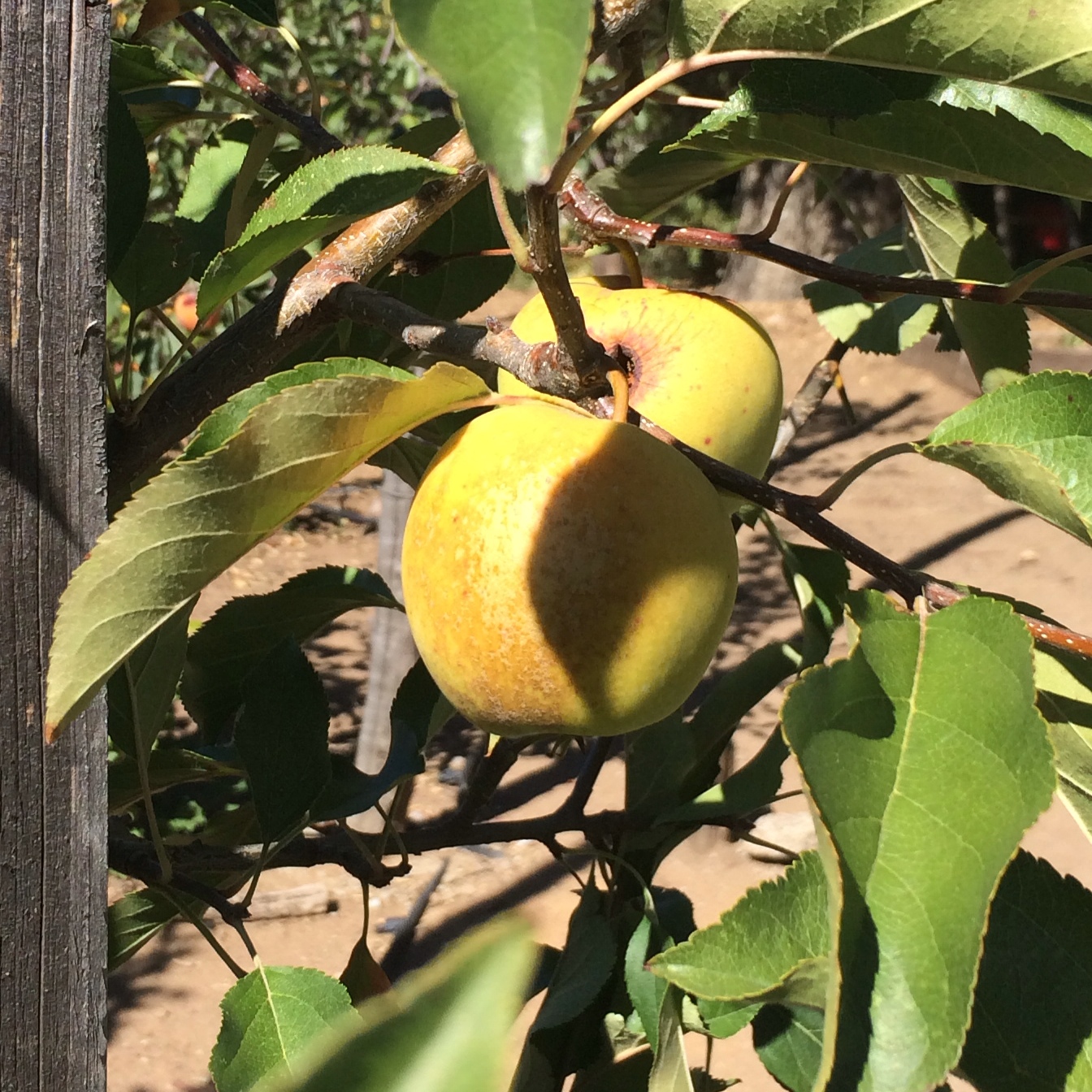
And then there are the iconic fall images we know so well…pumpkins, scarecrows, apples.

photo-8

photo-10

photo-7

So, the hues of you for me as a San Diegan in fall are a rich, but subdued, palette of oranges, yellows, greens, browns, and reds.  And I can feel them and smell them and taste them as much as I can see them.  Warm and dry and spicy…and yummy.  Like this apple dumpling I had today.

photo-13

What hues evoke fall for you?