Tag Archives: questions

Questions and Answers: NPM26 #4

What’s your job?

No matter who asks:

     doctor

     cashier

     insurance agent

     random stranger in the elevator 

I answer

     teacher

What grade?

The standard follow-up.

First grade

The inevitable unchanging single syllable 4-letter response is

Cute

They can be. 

They’re also:

feisty and opinionated 

timid and uncertain 

liars and painfully honest

hilarious and NOT!

surprising and predictable 

constant conundrums

consumingly curious

cautiously certain

ferociously feral

frustrating

funny

fabulous 

They learn 

even when they’re trying not to 

mostly they sink their teeth 

(the ones that aren’t falling out)

into your heart

and never let go. 

That’s my job. 

What’s yours?

In a Knot

It feels like tying things is becoming a lost art. The majority of the first graders in my class don’t know how to tie their shoes, most opting for Velcro or slip-ons as alternatives to the dreaded shoe tying.

Bows on packages are often premade. You can just peel off the paper and stick them directly on the wrapping paper. Maybe I’m showing my age, but tying used to feel like a rite of passage rather than an avoidable annoyance.

We recently sent our grandsons knot tying kits — kind of in the same genre of the Swiss Army knives we got them for their birthdays (and I wrote about here). And I’m wondering if they will take up the challenge of learning to tie a variety of knots. I think the kit includes directions for 23 essential knots. (What knots are essential? And for who?)

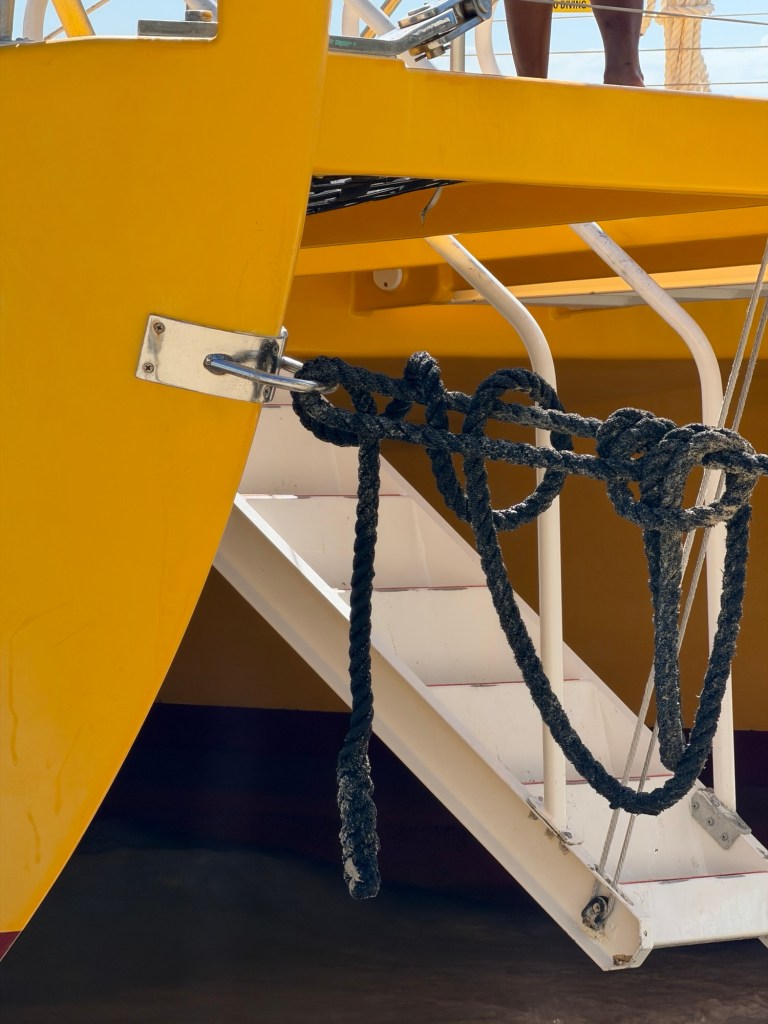
Sitting in a beach chair, reading a novel, I heard the horn of a catamaran alerting people to move so they could land on the beach. And probably about 10 yards from me the boat landed on the sand and two young women ran down the stairs, hopped off, each grabbing a long and thick rope that they then looped through a metal ring and tied with confidence. I have no idea what kind of knot it is, but I’m guessing if you work on that catamaran, that knot is essential.

What other professions and hobbies depend on knots? How do we get our children and students interested in these lost arts? How many knots do you know how to tie?

Birds and Curiosity

Shore birds are fascinating. They come in many shapes and sizes and have distinctive ways of moving. There are different beaks, adapted to whatever they love to eat, and different feet. I love the elegance of egrets with their sleek curved necks and bright yellow feet. I’ve written about them and photographed them frequently, here are just a couple of the many posts. You can find them here and here. I love the power of ospreys who patiently watch the world from on high and then dive, picking up their prey (large-ish fish) in their sharp talons. You can find posts about them here and here.

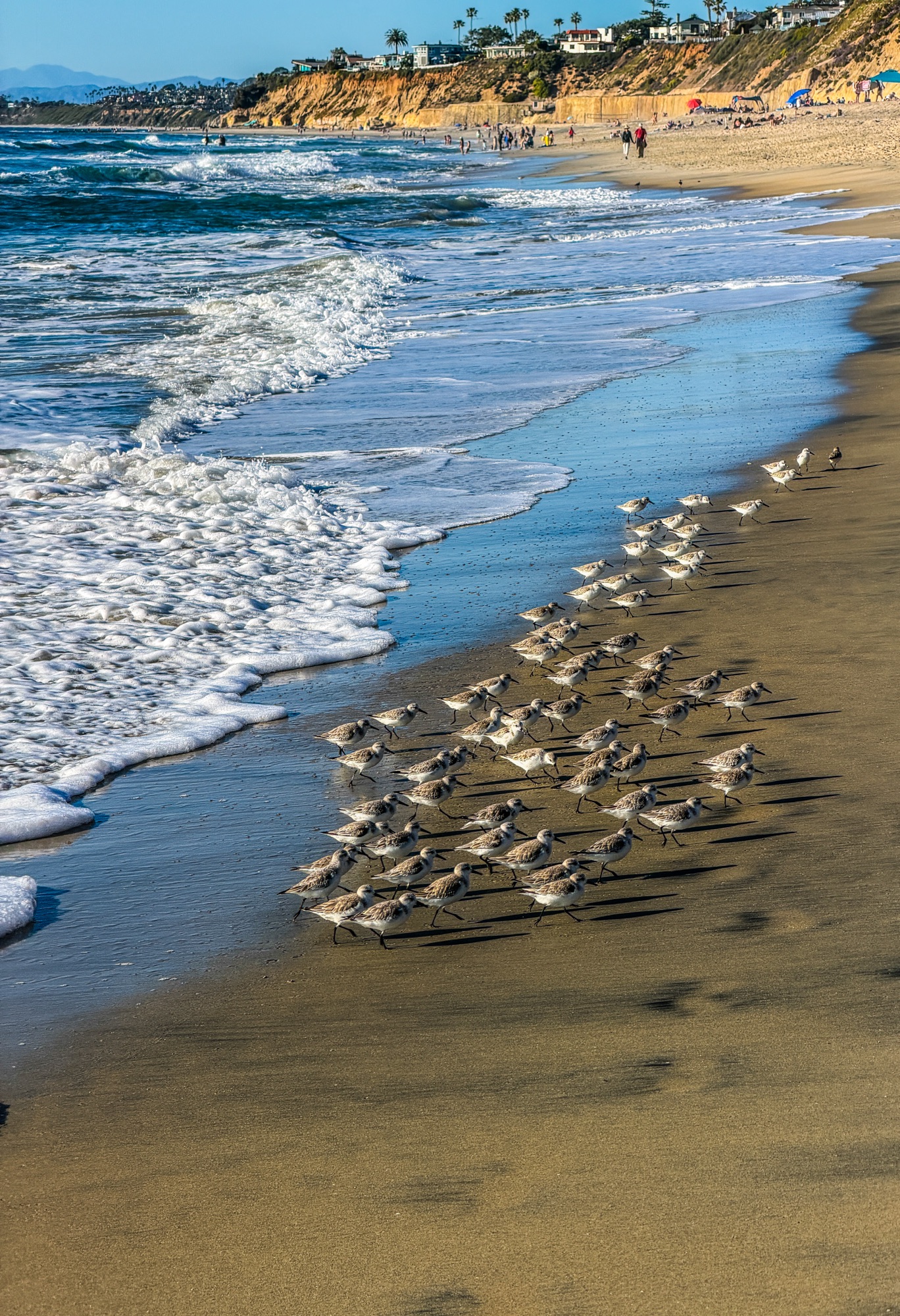
Sandpipers, tiny and nimble, mostly move as a unit. They remind me of those cartoons of the roadrunner where their feet move so fast they almost look like wheels. Waves flow in and the birds move up the shoreline, the tide ebbs back and they rush down to find some tasty tidbits, somehow always staying just along the edges of the water. Their colors change as their direction changes, almost like a wave themselves.

If I move too close, they lift en masse, flying out over the sea, often settling back on the shore a few hundred feet away. I watch and snap photos endlessly, continually curious about these tiny little birds.

What piques your curiosity? What sends you out with your camera and a bottomless pit of questions?

Where Do You Find Art? SOL25 Day 30

Most people see the beach as a playground, a gym, an opportunity to commune with nature, a place to get away from stresses and routines of the work week. Sometimes, though, I notice artists at work.

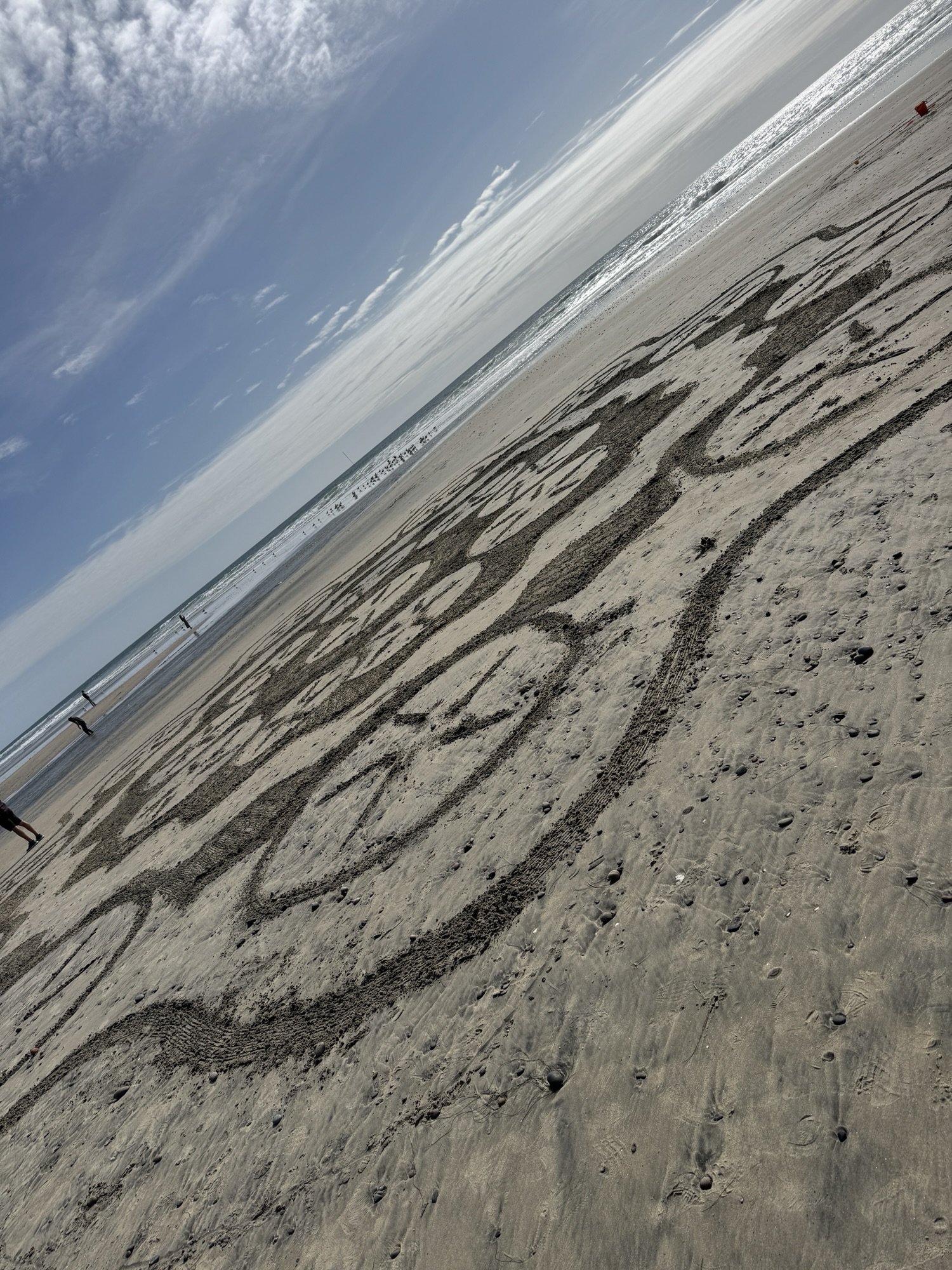
There are artists who are inspired by the natural beauty of the beach and drag their easels, paints, and canvases to the shore and set up to work en plein air trying to capture what they see in front of them. Today’s artist used the sand as both canvas and paint and a rake as his brush.

When my walk began, he was just getting started and had traced some circles on a large flat spot near where I walked onto the beach. I paused long enough to watch his technique for creating even circles–although I doubt I could replicate his motions. I walked some miles, stopping to watch egrets and other shore birds. I noticed some places where the cliffs have crumbled since my last visit to this beach. I took photos of sand dollars, sea birds, and the piling remnants of a structure that existed on this beach about a hundred years ago.

As I returned back to where I began, I noticed the completed art raked into the sand. As the mom of an artist, I’m fascinated by artists’ processes. I see the compulsion to create, the need to express, and how artists find their own tools of choice. When I see the scale of a piece like this in the sand, I have so many questions!

Is the work pre-planned? Does the size relate to the size of the rake? The size of the artist? Are the measurements a felt sense that the artist intuitively knows as the pole end of the rake traces circles and then the rake is turned to brush in the texture?

What is it about temporary art that is so question-invoking? I’ve seen other sand artists who place their art strategically where they can stand above it and photograph their work. Did the artist take a photo before he left his art for beachgoers to admire?

I did notice others like me taking the time to photograph this piece of temporary art, admiring its scale and shape. And there is something spectacular about art with the Pacific Ocean as its backdrop.

What found art have you come across? What surprised you? What wonderings did you have?

Eclipsing the Day Away: NPM24 Day 8

I think this was the first day in my long teaching career that I have ever taught during a solar eclipse. Unfortunately, this wasn’t a total eclipse in our area, but still an eclipse. And on this first day back from Spring Break, we were fortunate. All our of classes were supplied with eclipse viewing glasses…so why not turn the day into an eclipse-centric science phenomenon-based day of learning?

Even before the eclipse began (around 10am our time) we reviewed what we had learned about solar eclipses before our break by watching and listening to a song called “Total Eclipse of the Sun” by PBS kids. I did remind students that we were not going to see totality, but the energy in the classroom was rising. We took our first peek at the sun shortly before recess. With glasses in place, we looked up and could see right away that our usually round sun had a big bite right out of it! From that moment, these first graders were hooked.

After recess, I set up the livestream so that we could keep track of the eclipse for those places in the path of totality and we headed outside with our solar glasses to view the partial eclipse progress about every ten minutes, coming in to sketch and document the time after each viewing.

Totality, even via livestream was exhilarating! “The diamond ring!” they shouted as we watched the sun just about disappear. Four minutes of “nighttime” passed so quickly and then we watched the sun reappear. And just when students thought there was nothing more to notice about our partial eclipse, one more viewing before we headed out for lunch revealed that the “bite” of the sun had changed sides!

And no day of science learning would be complete without adding in some art and writing. After lunch we tried our hand at creating our own eclipses using oil pastels and a masking technique. Students were encouraged to use some artistic license with color–and enjoyed creating these colorful coronas.

Inspired by a poem from the book Welcome to the Wonder House by Rebecca Kai Dotlich made up of all questions, students took a first try at crafting a question poem about their eclipse experience. While we ran out of time before we really had time to finish, here is an early look at a first grade question poem by F.

The Solar Eclipse

When is the next solar eclipse?

Can America have a full eclipse?

Who can track the eclipse?

Can someone see the eclipse from inside an airplane?

Why do we have the moon come in front of the sun on special days?

When was the last eclipse?

When I look up at the moon at night I see a smile on it, but why?

For my own poem, I turned the #verselove Zip Poem prompt into an eclipse teaching poem using my school zip code (and using emoji’s as suggested for the zeros). Thanks for the inspiration Mo!

Zip Poem: Teaching Under the Influence of a Partial Eclipse

9-Solar science eclipsing school day, igniting first grade wonder

2-Planetary alignment

0-☀️

0-🌙

7-Young astronomers’ energy fueling totality-free sky learning

In Search of Math: SOL24 Day 27

Math is everywhere. That’s what I’m always telling my students. But at 6 and 7 years old, my students mostly think math is either counting things one by one or solving equations someone else puts on a page for them.

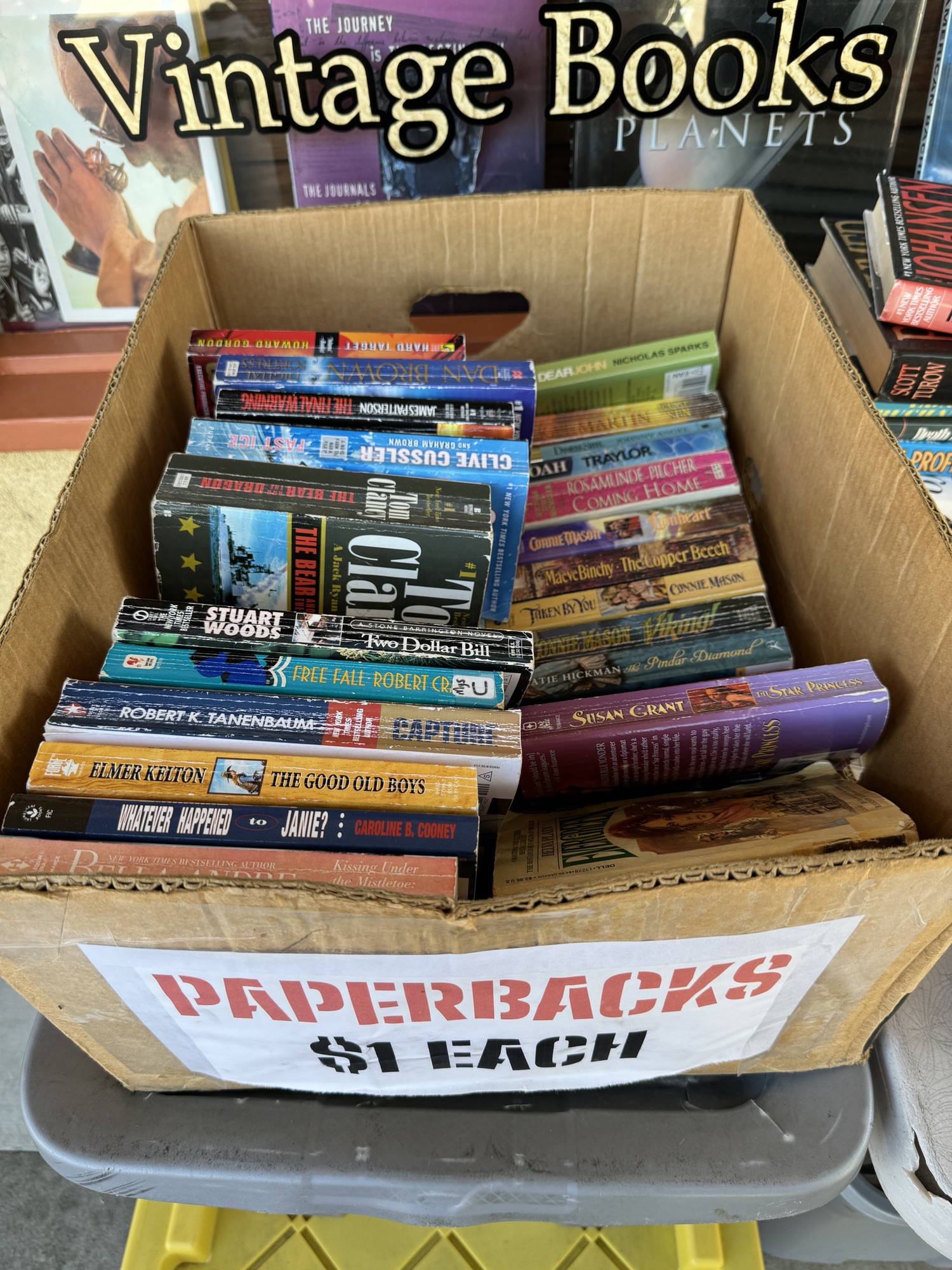
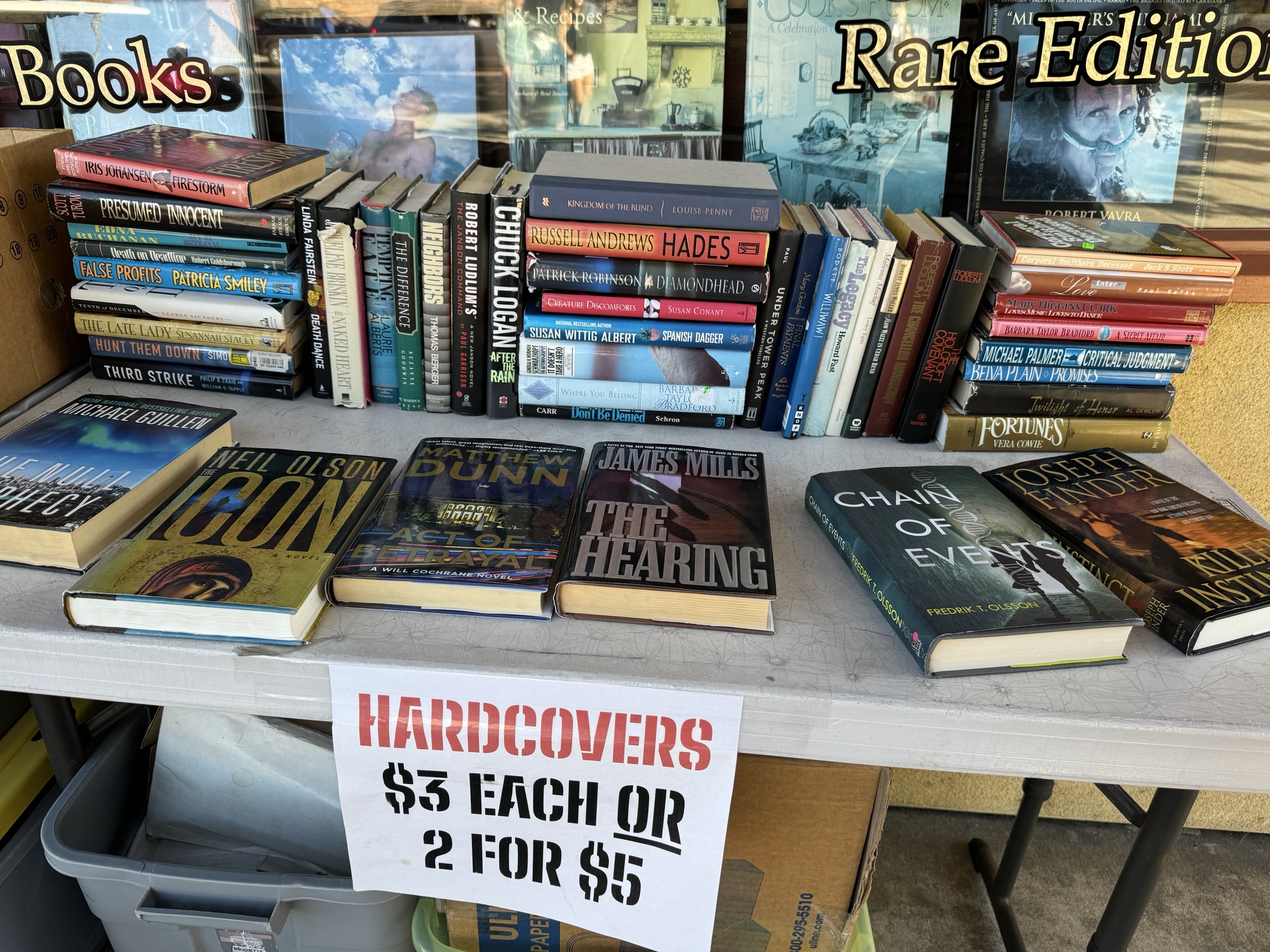
So I’m trying to get in the habit of finding math in my own daily life. And somedays I’m pretty good at it. On a walk in a local downtown I saw these boxes of books at the local used book store. What perfect math for students (or just ordinary people) to think about. What question(s) might you ask to evoke a mathematical response?

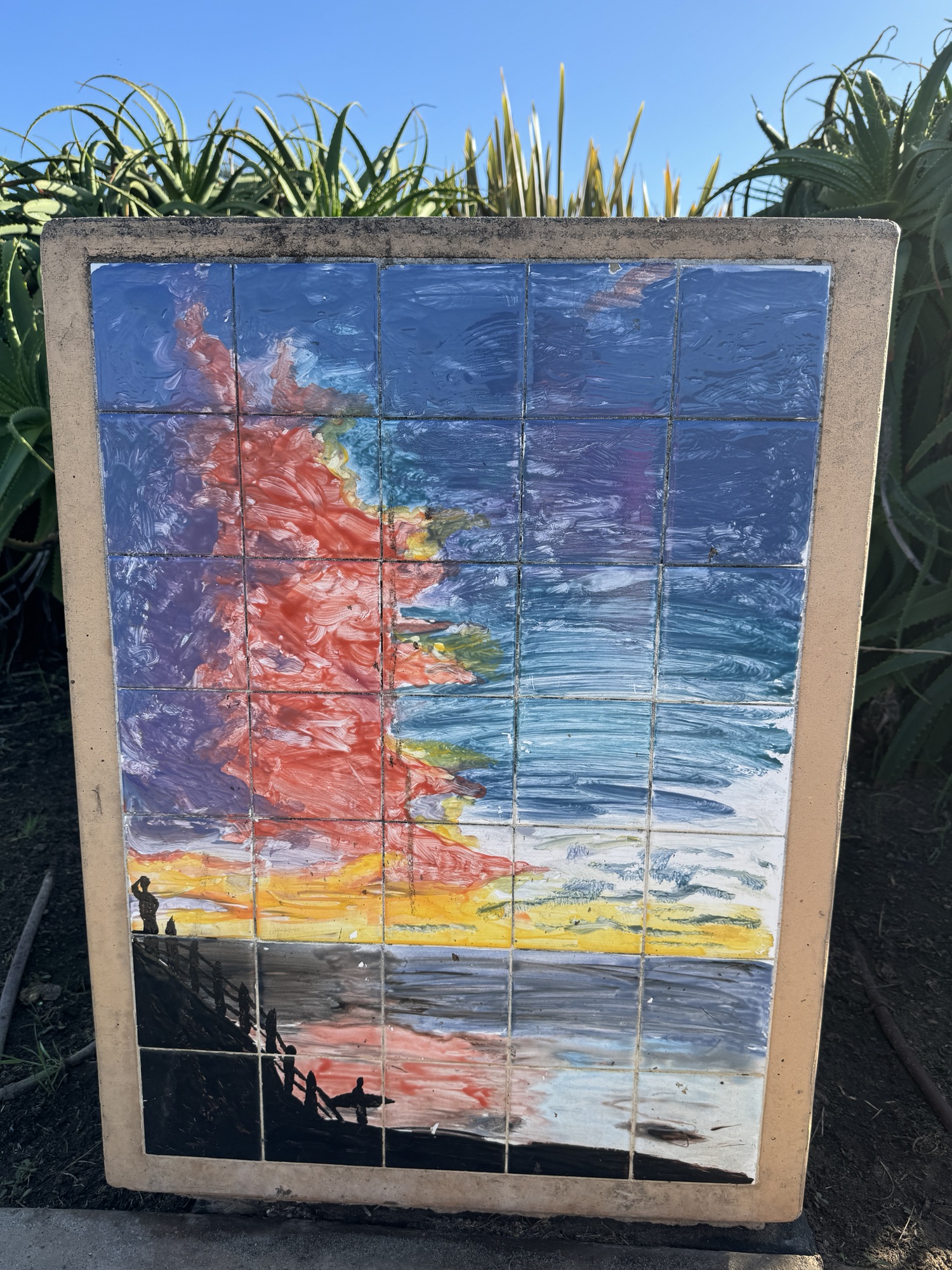
When I see these local trashcans I want to challenge my first graders to figure out how many tiles there are without counting each individually. How might you figure it out? Is there more than one strategy to help figure it out?

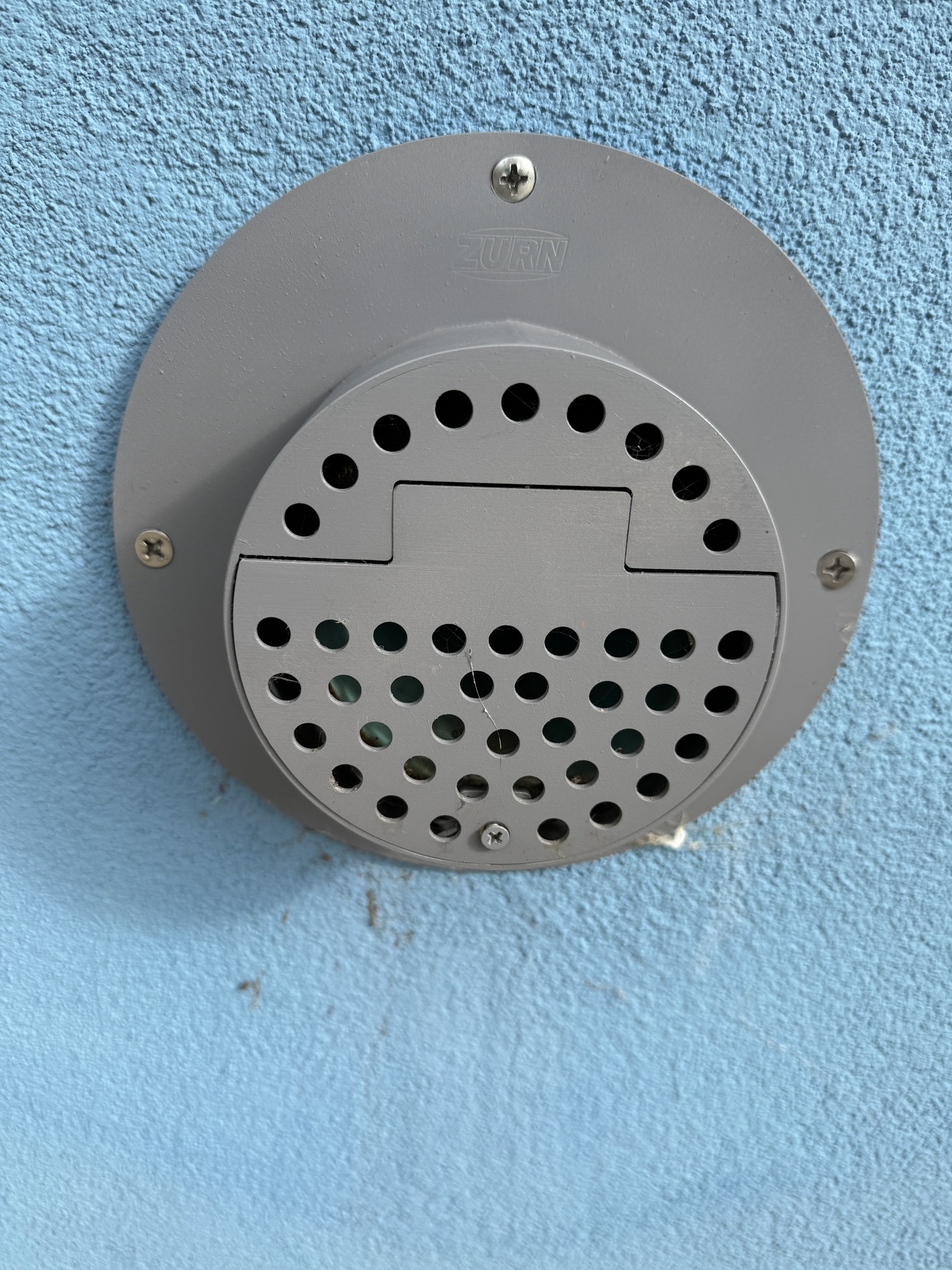
There’s the holes in this drain. Is there an easy way to count them? How might you keep track?

Today we headed out on our playground in search of math. But I’m not so sure that I managed to convey how to look for math. Some students noticed the squares of the climbing ladder on the play structure and were figuring out how many were outlined by the ropes. The inaccuracy of their sketches were definitely not helping them find the solution.

When I prompted, “Do you see any fractions?” a few students were able to see the eight “slices” outlined on the floor of the spinning merry go round thing–and could even articulate that each was an eighth.

But I see that more practice and maybe a bit more direction are still in order. I think I may practice by showing my students one of these photos and then asking some questions to provoke a mathematical response.

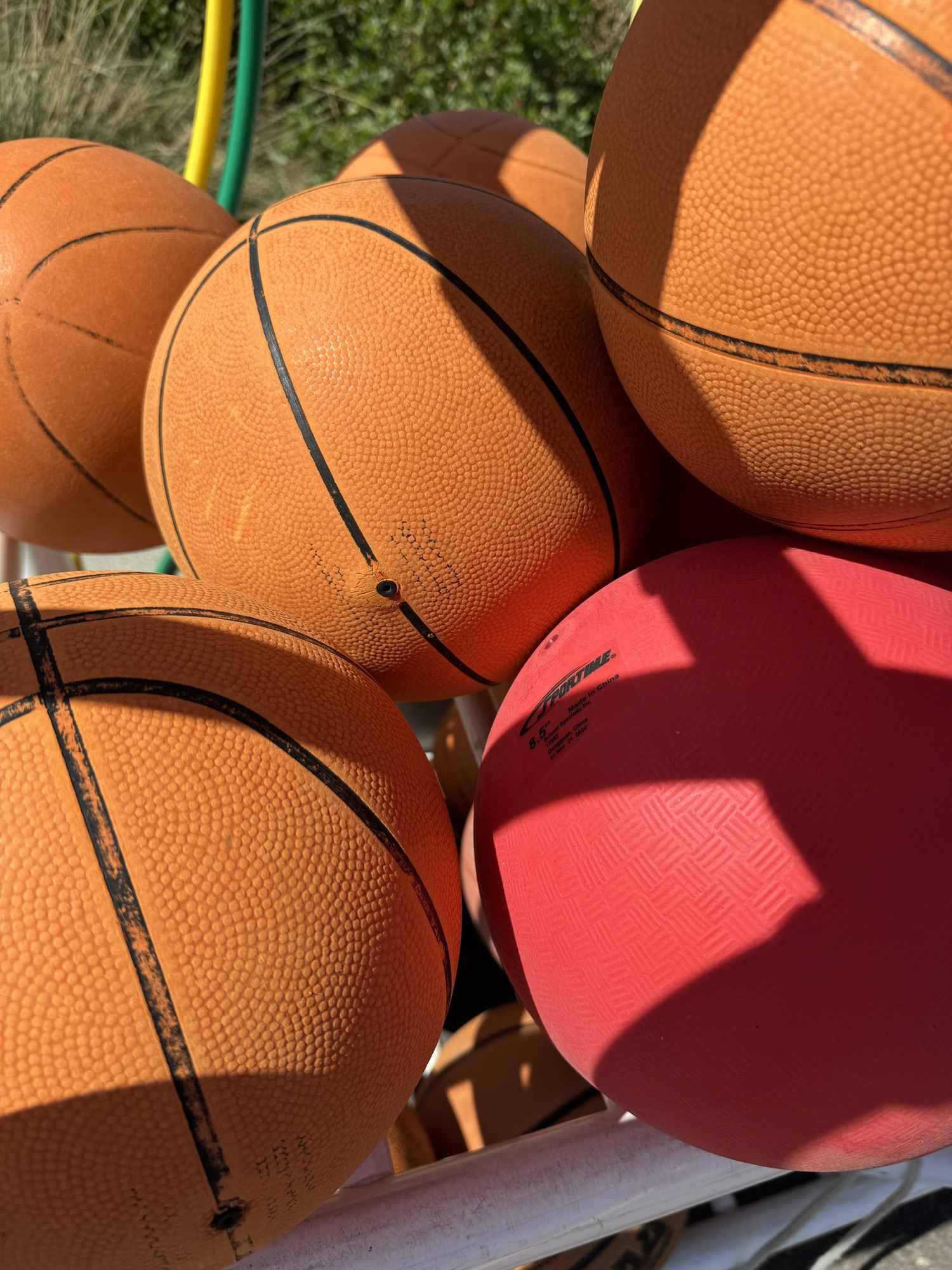
So, let me practice on you. What mathematical situations might come from the close up of these balls on the cart in the playground?

Where do you find math in your daily life?

Tiny Surprises

Not too long ago I got a cool little photo gift–a small detachable macro lens for my iPhone.  It has a little clip (kind of like a clothespin) that fits the macro lens right over my phone’s native camera lens.  The fun thing about a macro lens is that it lets you get close up and magnify tiny things so you can really see them.

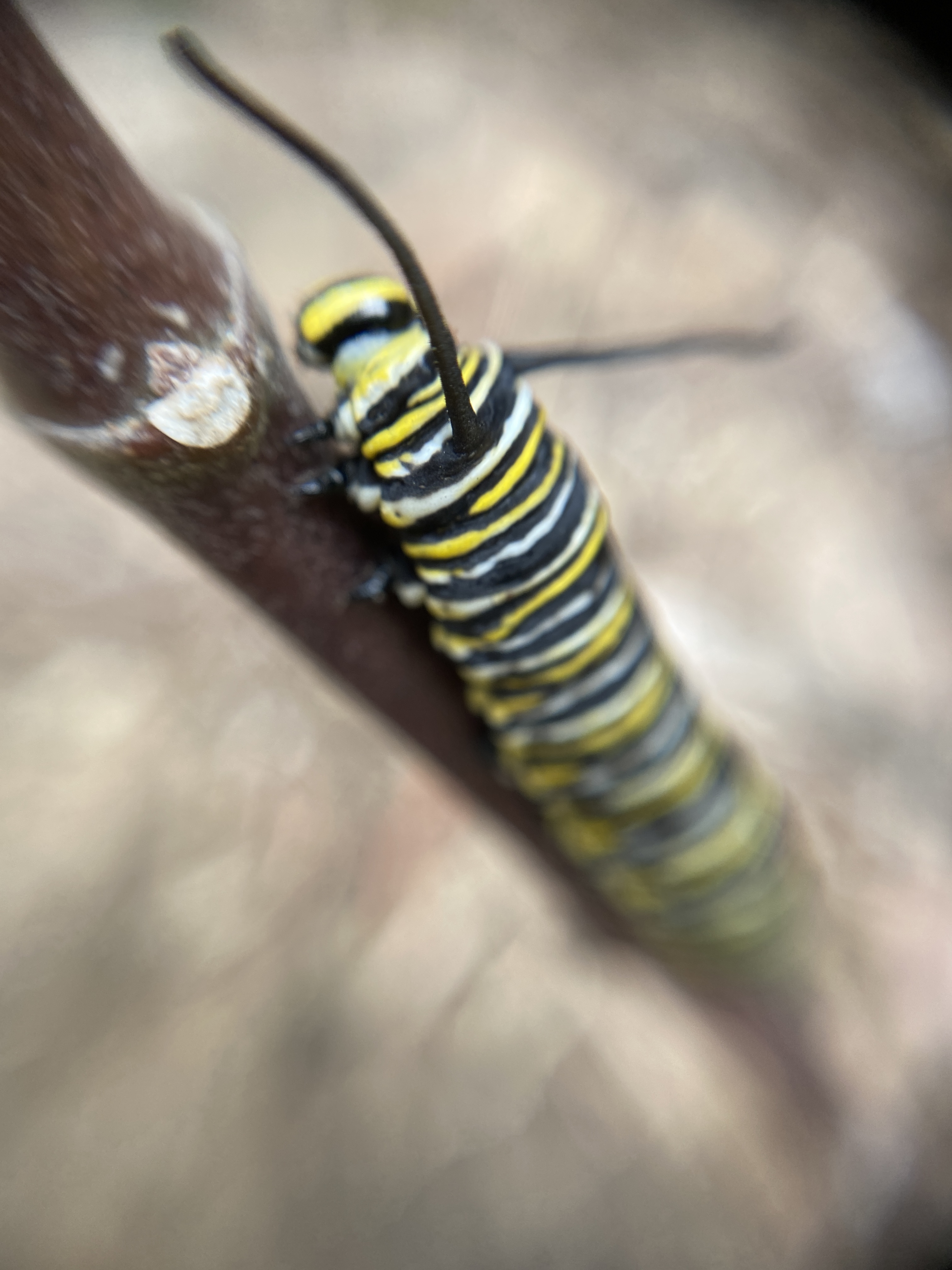
During Tuesday’s lunch break I decided to attach the macro lens to my phone and head out into the backyard in search of a photo subject.  The milkweed is looking quite sickly.  There are a few flowers, but the leaves have been stripped clean.  Upon close examination, I did find a caterpillar–the monarch variety–cruising the stripped branches.  I leaned in, took a deep breath, and held as steady as possible to snap a few photos of the yellow, white, and black crawling creature.  It was a pretty big one, so I ended up with a head shot rather than a full body portrait.

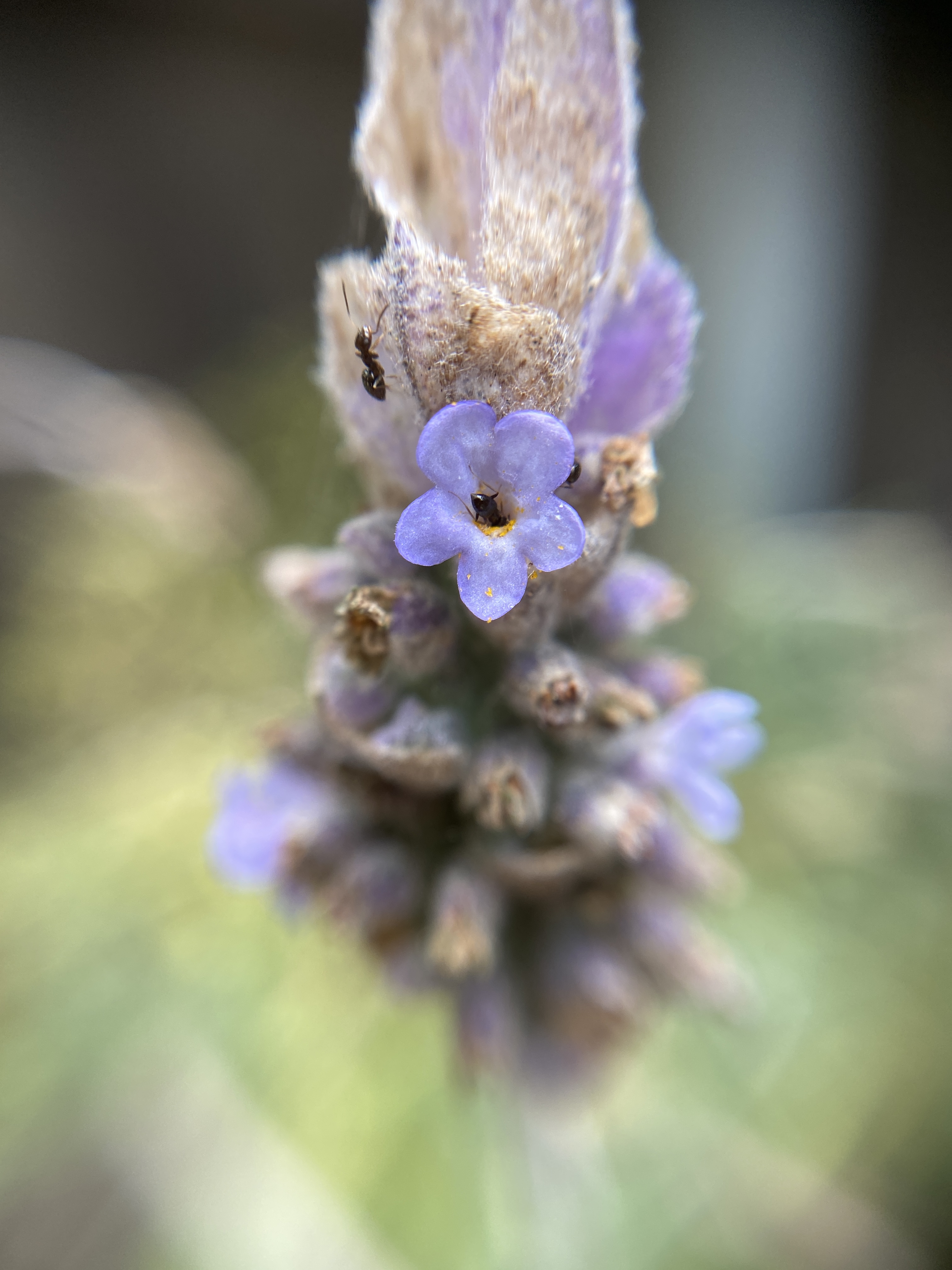
Then I turned my attention to the lavender.  I love the way that lavender has tiny blossoms that make up the bloom.  I aimed the macro lens at the individual blossom–and then I saw them!  The tiniest ants were crawling in and out of the blossom.  I moved the lens away and looked closely.  I could make out the tiny ants, just barely, without the lens.  I snapped a few different shots of the tiny ants exploring the blossom and then my questions started emerging.  Are these ants pollinators?  Do they help or hurt the lavender?  What about these tiny ants–are they a different species than the regular ants I’m used to seeing, just smaller?

I love the way taking photos also creates opportunities for research and learning, piquing my curiosity as I notice something new or unexpected.  Photography keeps reminding me to look at the world through fresh eyes, changing my angles…or just the camera lens!

Ducks

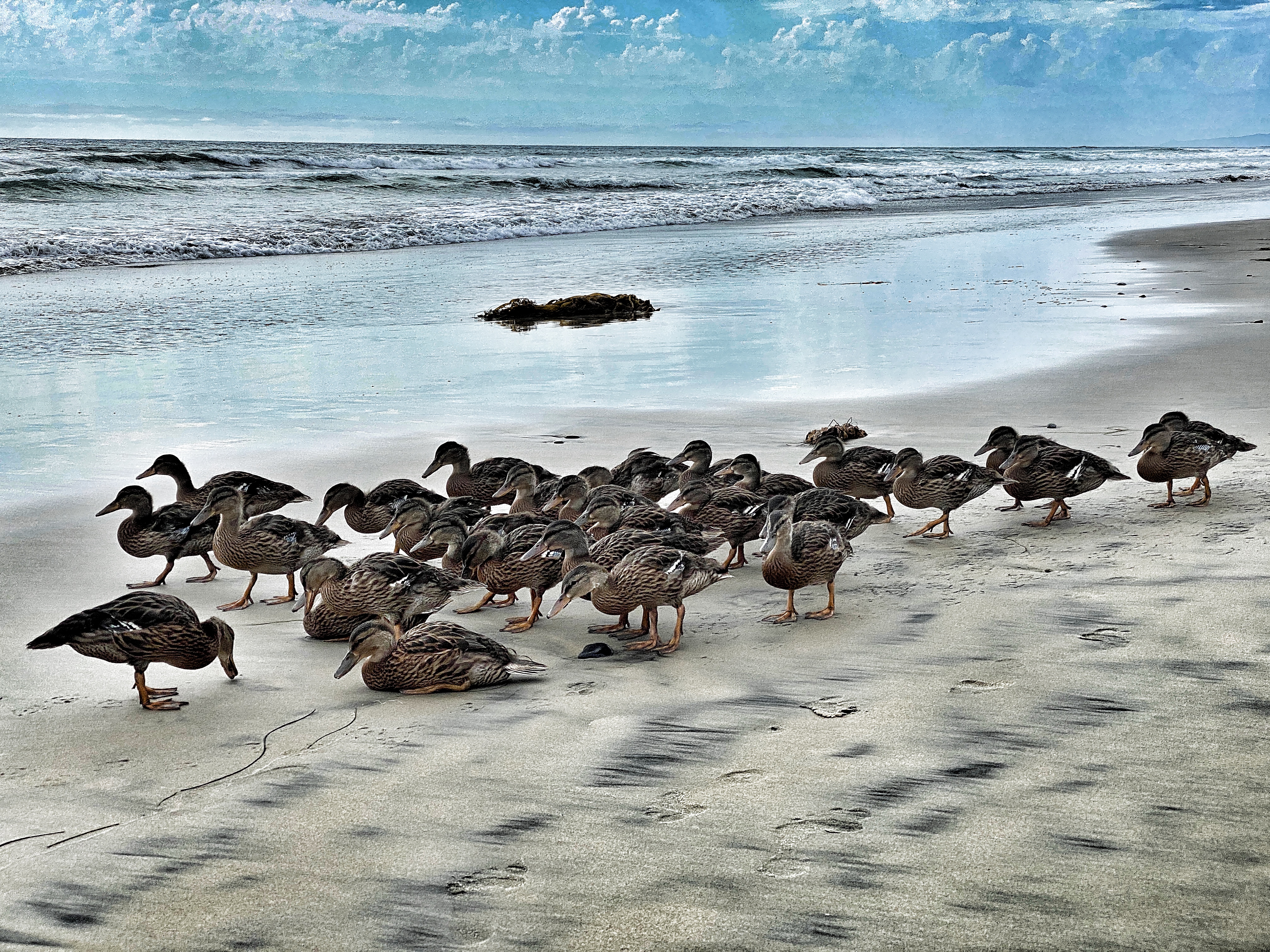
There were a lot of them.  Gathered in a group, moving with purpose.  Where did they come from and where are they going?  

Seagulls are usual.  They congregate, squawking and arguing over who gets the bag of cheetos stolen from the blanket.  Shorebirds with their long thin beaks poke the wet sand in search of snacks.  Whimbrels and godwits are shy, scattering as I creep near.  I’m always on the lookout for egrets, tall and elegant with bright yellow feet.  Sometimes they feed in pairs or triads, but mostly seem to lead a solitary life.  

When the little girl approached the group, I expected them to take flight.  Rise into the sky in unison.  But they didn’t.  As I got closer, I saw they were traveling together, one after the other like school kids heading from the classroom to somewhere.  They were unperturbed when I came close with my camera from behind.  And not concerned when I ran ahead and took my photos from the front of the line, in fact, the lead duck nearly walked right into me!

I’m still wondering about that sord of mallards (if they had taken flight they would have been called a flock).  In all my walks on the beach over the years, this is my first sighting of mallards on a pilgrimage.  Where did they come from?  Where were they going?

Snowy Egret Questions: NPM #15

Today was my first day back with my full class, full day, now on a 5-day a week schedule. I’ve challenged them (and myself) to writing a poem-a-day during the month of April. Today I started by reading them Little Black Crow by Chris Rascka–a picture book written entirely of questions. And we revisited the poem Yellow Weed by Lilian Moore–a question poem. Then we set off to write our own question poems.

I love writing with my students–and I love when they make no hesitation before beginning to write. And better yet, when after 7 minutes, I asked who would like to share their question poem–more than half the class shot their hands into the air! What fun to hear their question poems and the variety of topics they picked to write about. And they were not surprised at all to hear than I chose to write my question poem about snowy egrets.

So here is my poem:

Snowy Egret

Feathery friend, what brings you to the beach today?

Is it the tasty orange shrimp in the low tide soup?

Feathery friend, do those bright yellow feet

bring critters near as you stomp and stir?

Are they a beacon shining bright in the salty sea grass?

When you spread your delicate white wings

do you feel like a plane

or a kite lofted into the gentle sea breeze?

Feathery friend, what do you think when you see

my eye pressed to my camera lens?

Am I intruder or a familiar-faced friend?

Feathery friend, where do you go when you leave the beach?

Do you fly away home? Do you live alone?

I look for you on all my beachside walks

my lucky charm

a sign of good fortune.

Good bye snowy egret,

will I see you soon?

®Douillard