
On this last day before my students arrive for a new school year I squeezed in that last (and infrequent even during the summer) leisurely morning in bed, ran a few errands, did a bit of work unrelated to the classroom, and pushed myself to fit in some exercise. (Exercise is one practice I have yet to firmly establish in my life!) And on that brisk and fairly long walk I wondered what I would write about today. The last thing I want to do on this blog is rattle off the mundane details of my life.
Lacy (@nowawake) reminded me this morning on a conference call about her variation on a design activity I had worked on at the Intersections Design Institute in Denver where photography was used as a venue for science learning. In her variation, Lacy takes pictures that generate science questions (check #sciencequestions on twitter for some examples) as a way to create curiosity and genuine inquiry. I’ve been taking these science question photos for a while now–but haven’t posted any of them. Somehow, today seems like the right day to highlight some of these questions.
I was thinking on my walk about how I decide that I have a question and pause to take a picture. Do I ask questions about things I already have some theories about possible answers? I think I do…I think I ask questions about things I am on the verge of understanding rather than things I know nothing about. Does it take some awareness to know to ask the question?
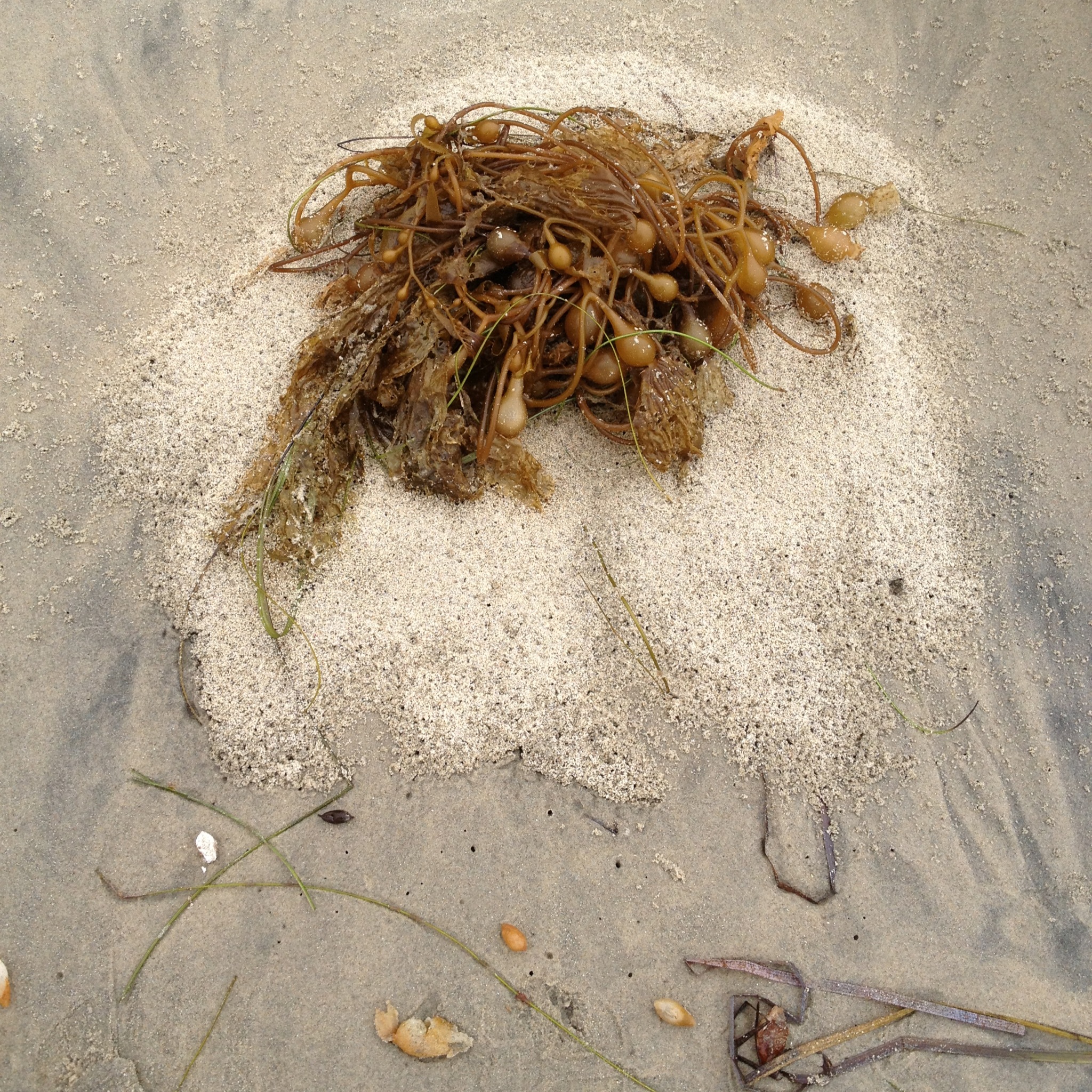
This first science question comes from my beach walk on Sunday. I noticed this dry sand under little piles of kelp along the beach. I walk on the beach quite a bit, but haven’t noticed this phenomenon before. As you can see, the rest of the sand is damp, but directly under the kelp the sand looks dry and churned up. I have two possible hypotheses about why–either some little sea creatures hitched a ride in to the shore on the kelp and then burrow into the damp sand or some sea birds churn up the sand as they feast on sea creatures. What do you think? I’ll have to dig into this question to see what others know about this.
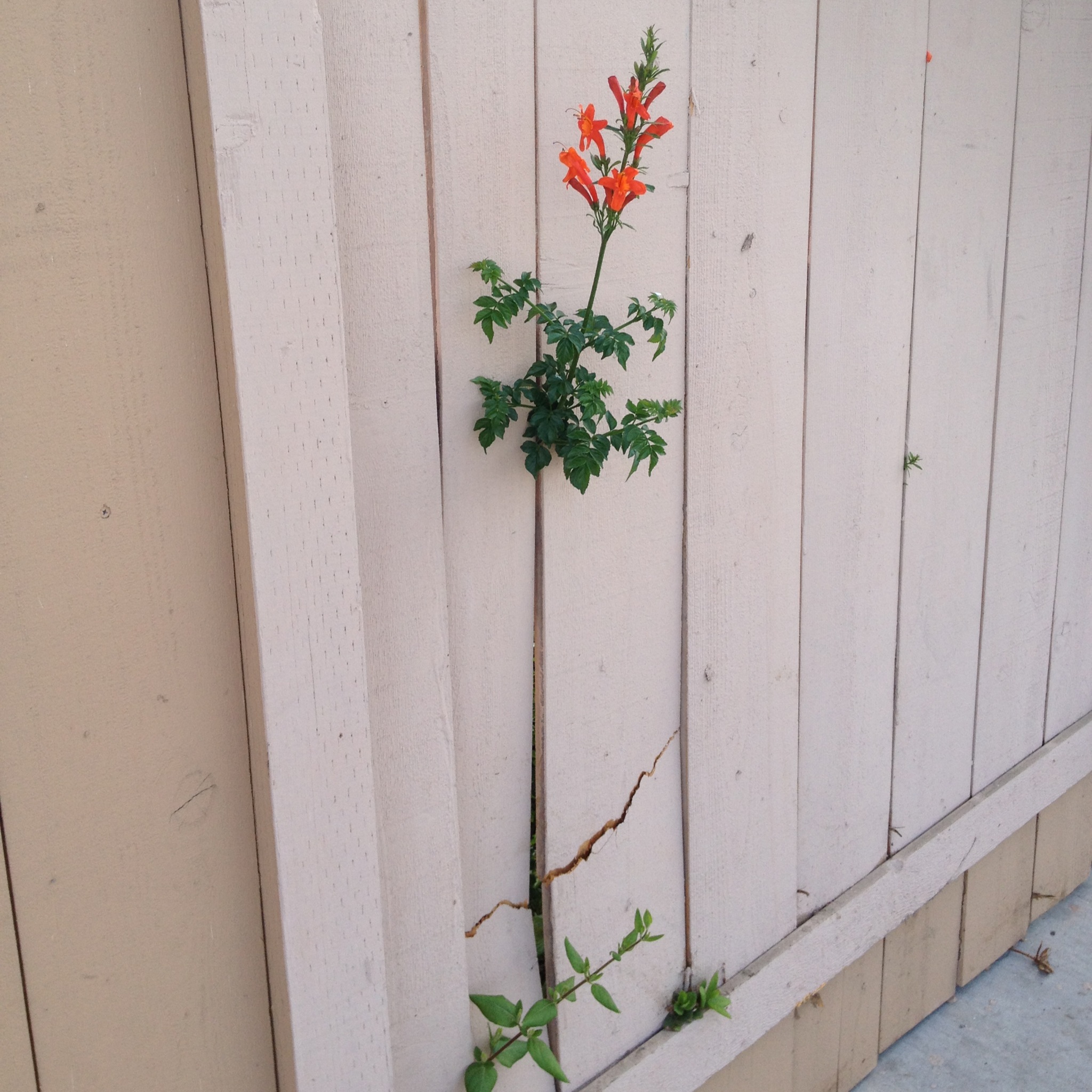
On today’s exercise walk I noticed this fence with many breaks and holes in it. I was wondering how the fence was so damaged and then I noticed this flower literally growing through cracks in the fence. Were the other holes caused by plant growth or something else? How long does it take for a plant to break through the wood of a fence?
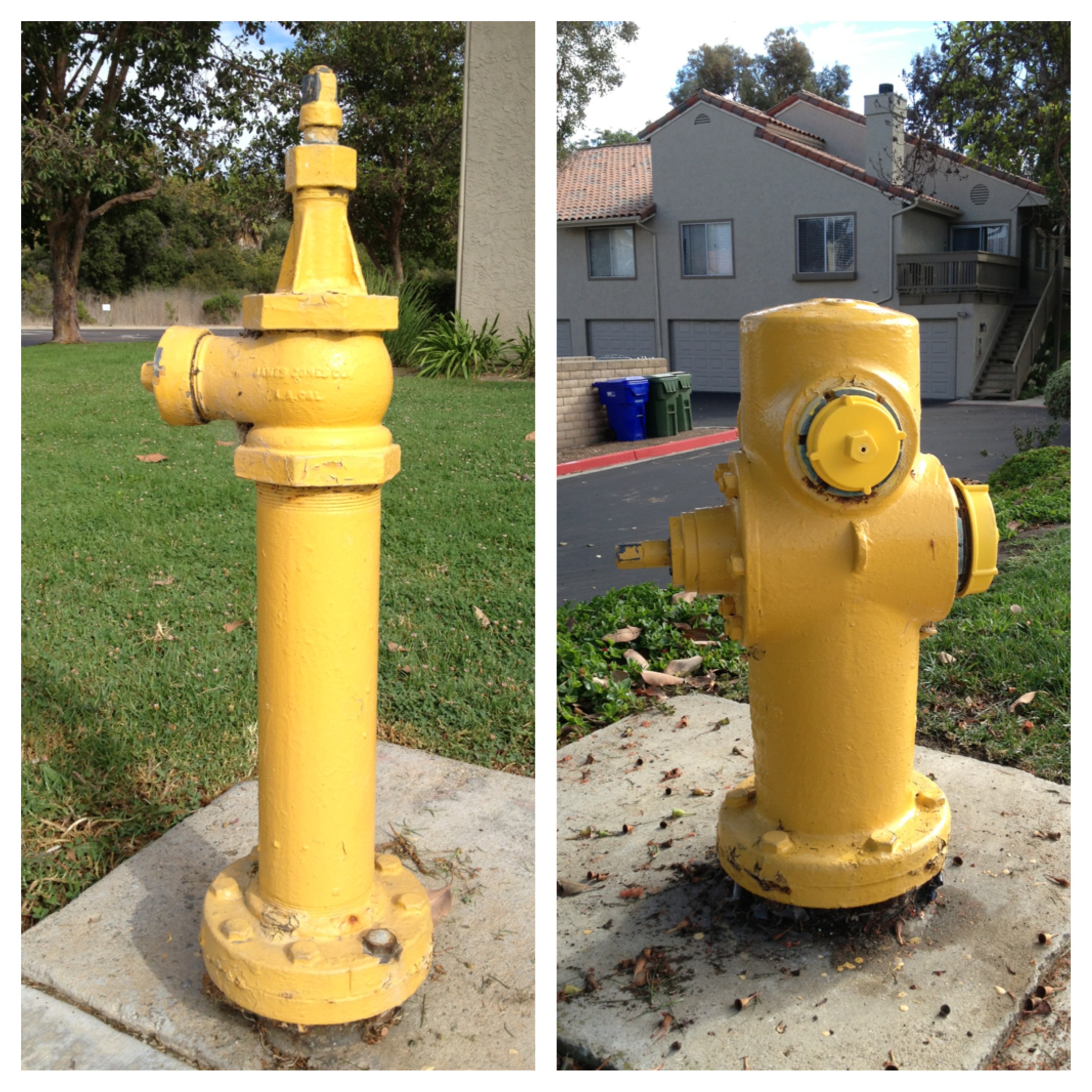
I was also noticing lots of fire hydrants. Most of them are quite similar–yellow and squat with metal caps on the openings. Then I walked by this skinny hydrant (or is it a fire hydrant?), I actually had to double back to take a photo. Just ahead of me was one of the those typical squat hydrants–but this one had plastic caps instead of metal caps. What’s the reasons for these variations? And then I wondered as I continued my walk–are these science questions or are these social studies questions?
And that got me wondering about some of the bus stops I passed. I passed one with a bench and a trash can in front of it. Then a little further on I noticed a woman waiting by a bus stop–and there was neither a bench nor a trash can. So how are decisions made about which bus stops get benches and which don’t?
I love the way taking photos makes me take the time to ponder the questions that arise as I survey my world. They also give me a visual reminder to go back and explore those inquiries. How do you document your questions about the world? Do you follow those inquiries to find answers? What are you wondering about?
 Thinking Through My Lens