
Yeah, I’m that person. The one who is quick to point out that purpose and audience matters in writing. I also know that the realities of the classroom often means that purpose and audience can both end up being contrived as we strive to provide real world writing opportunities AND work in all the other demands of teaching writing.
So this year when a colleague asked if I wanted to have my students be penpals with her fifth graders, I was quick to say yes. I like the idea of starting out early in the school year so we can ensure that our students can participate in several exchanges. We’re hopeful that as we progress in this penpal process that we can arrange to have our students meet in person as well.
I’ve had students participate in penpal projects in years past. And I have positive memories from the experiences. The challenge is always finding the “just right” partner to make sure that the exchange of letters happens with some regularity. And of course, you have to keep up the energy and excitement for yourself to make sure you make space in the school day to get those letters written.
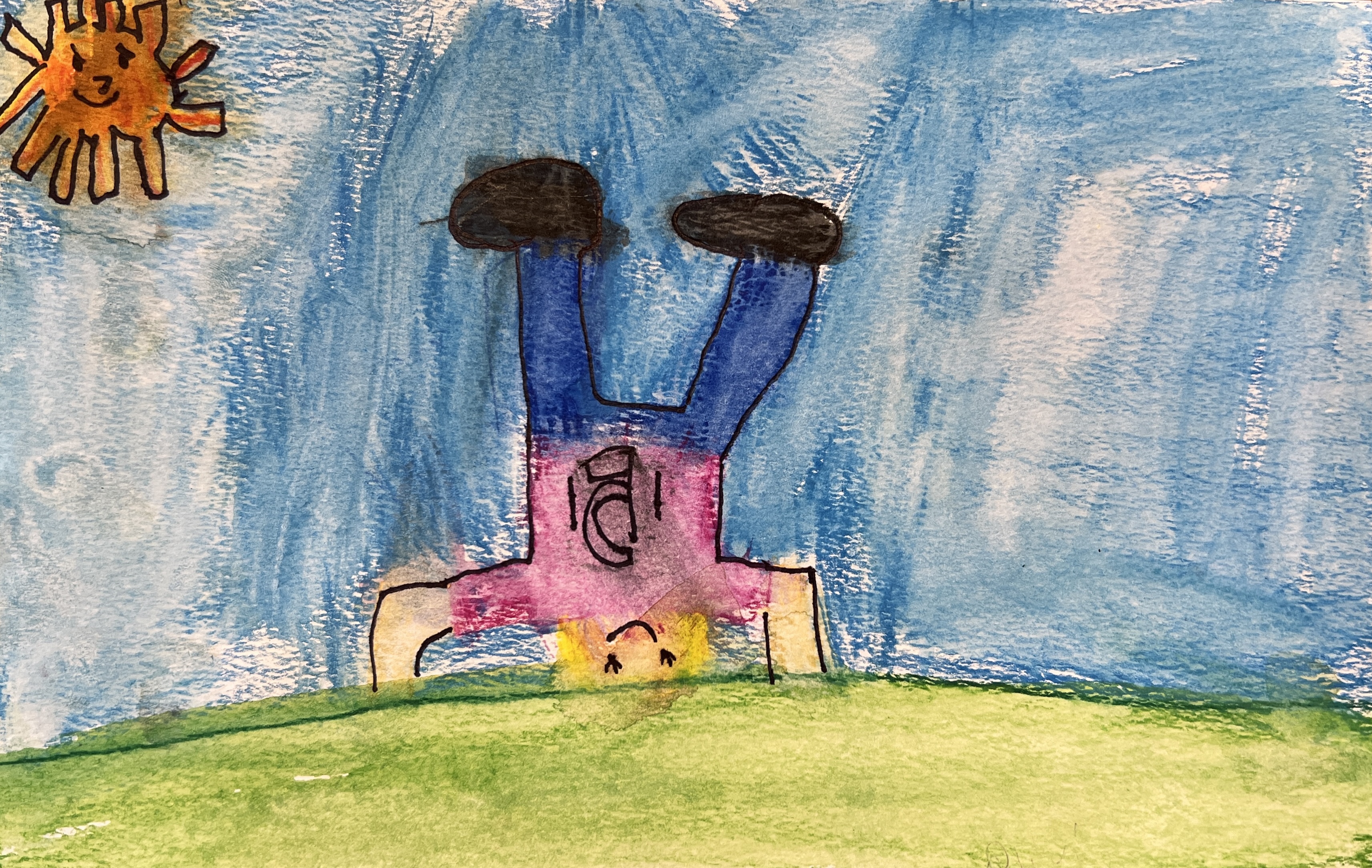
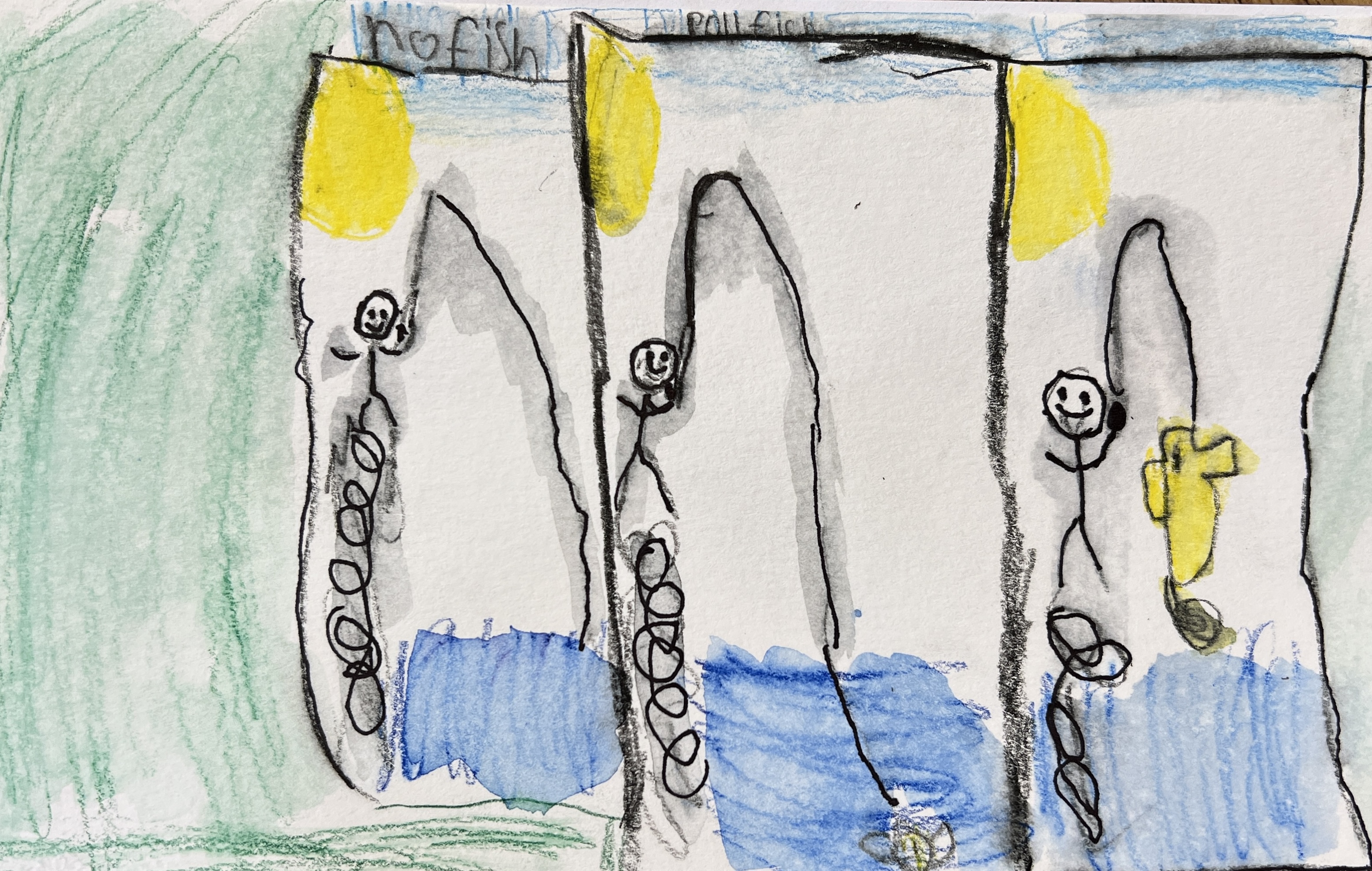
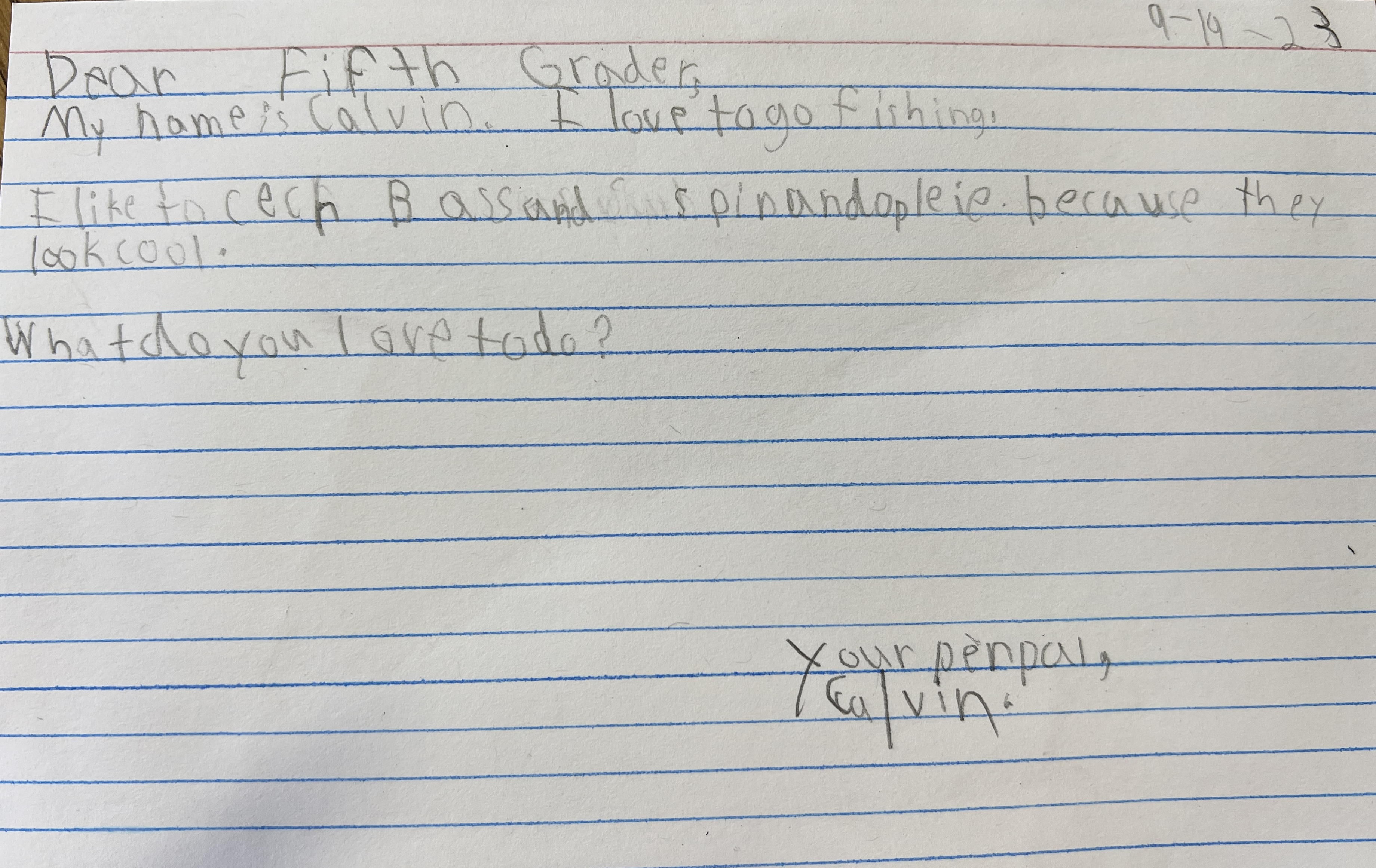
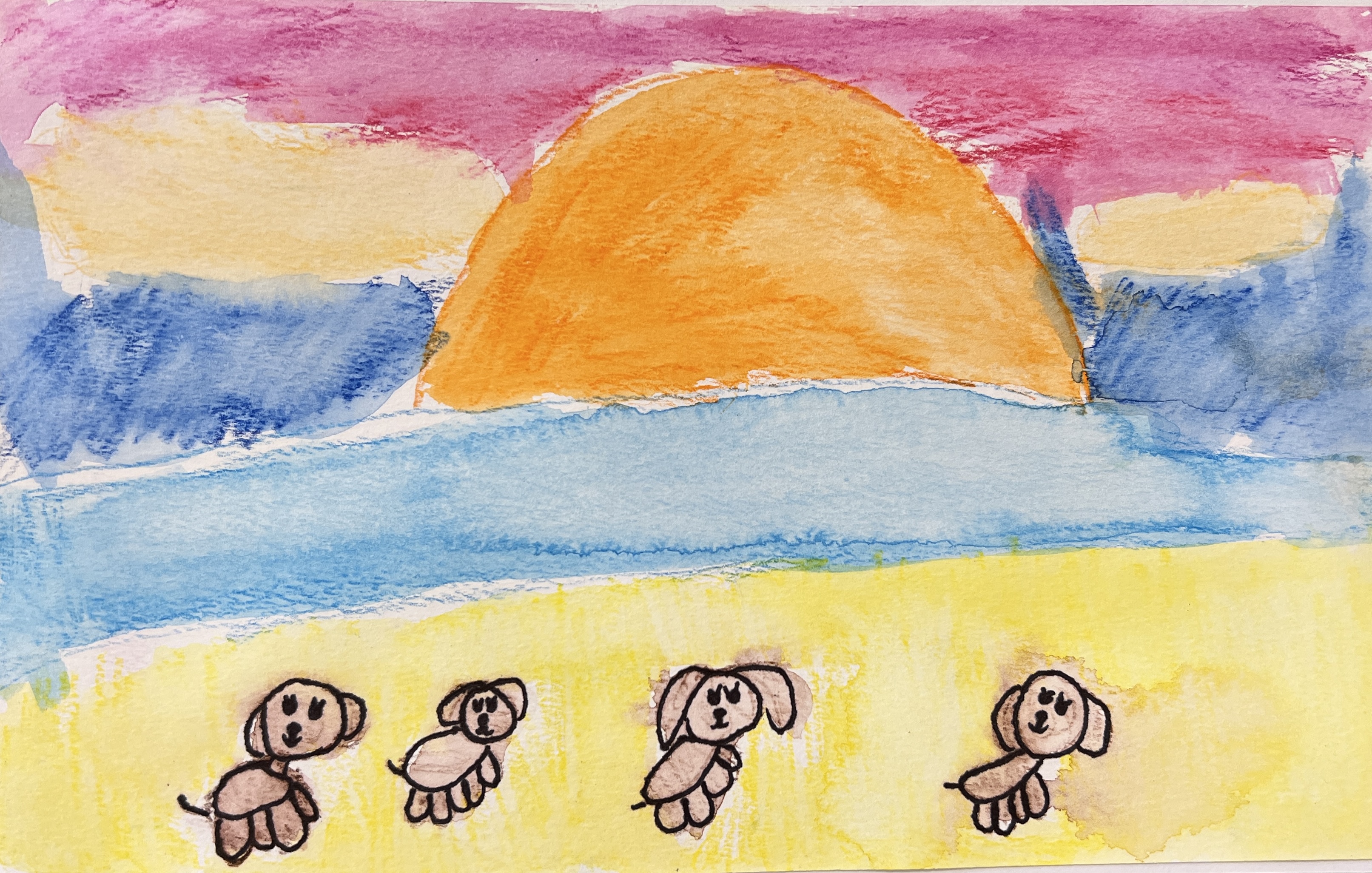
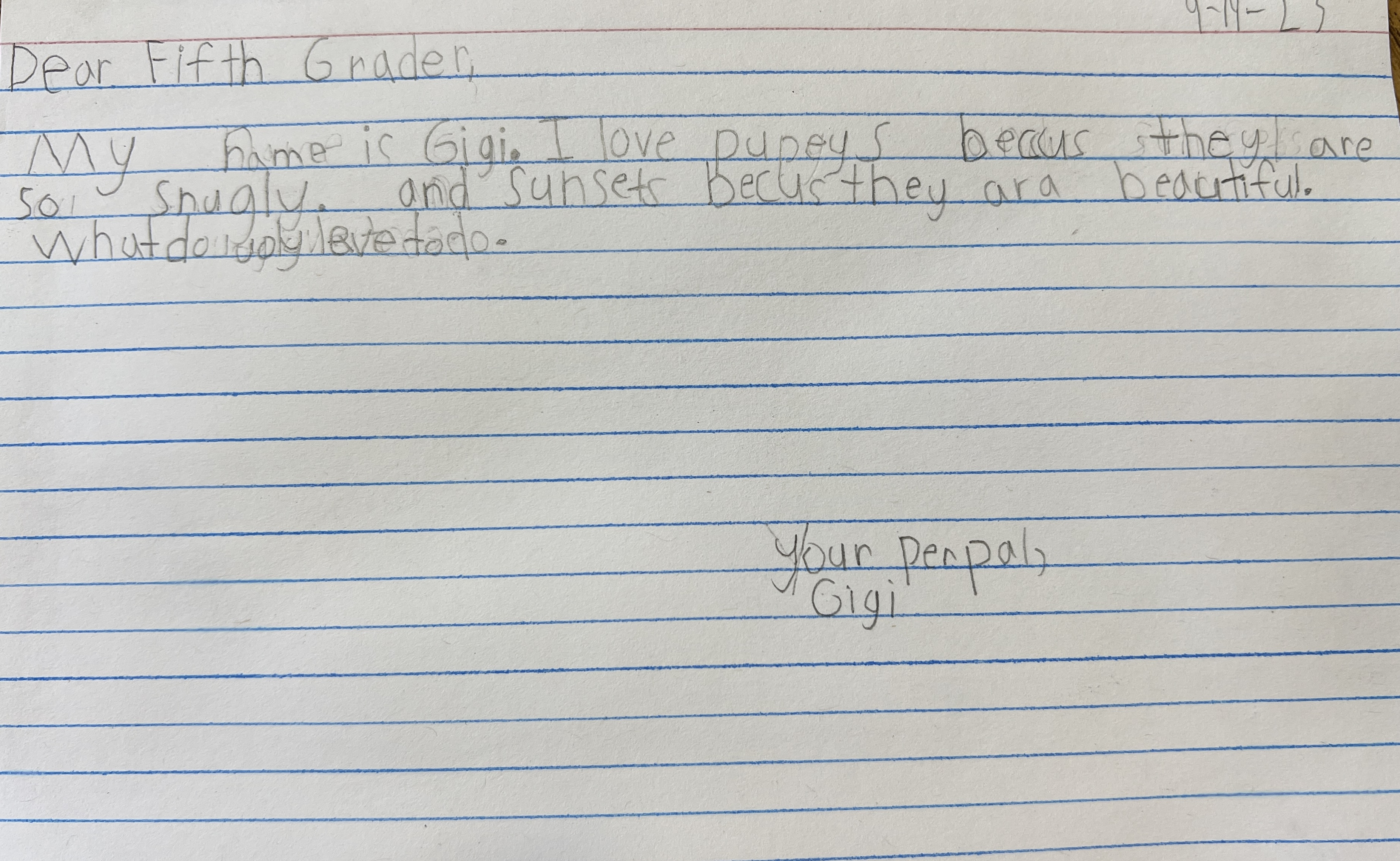
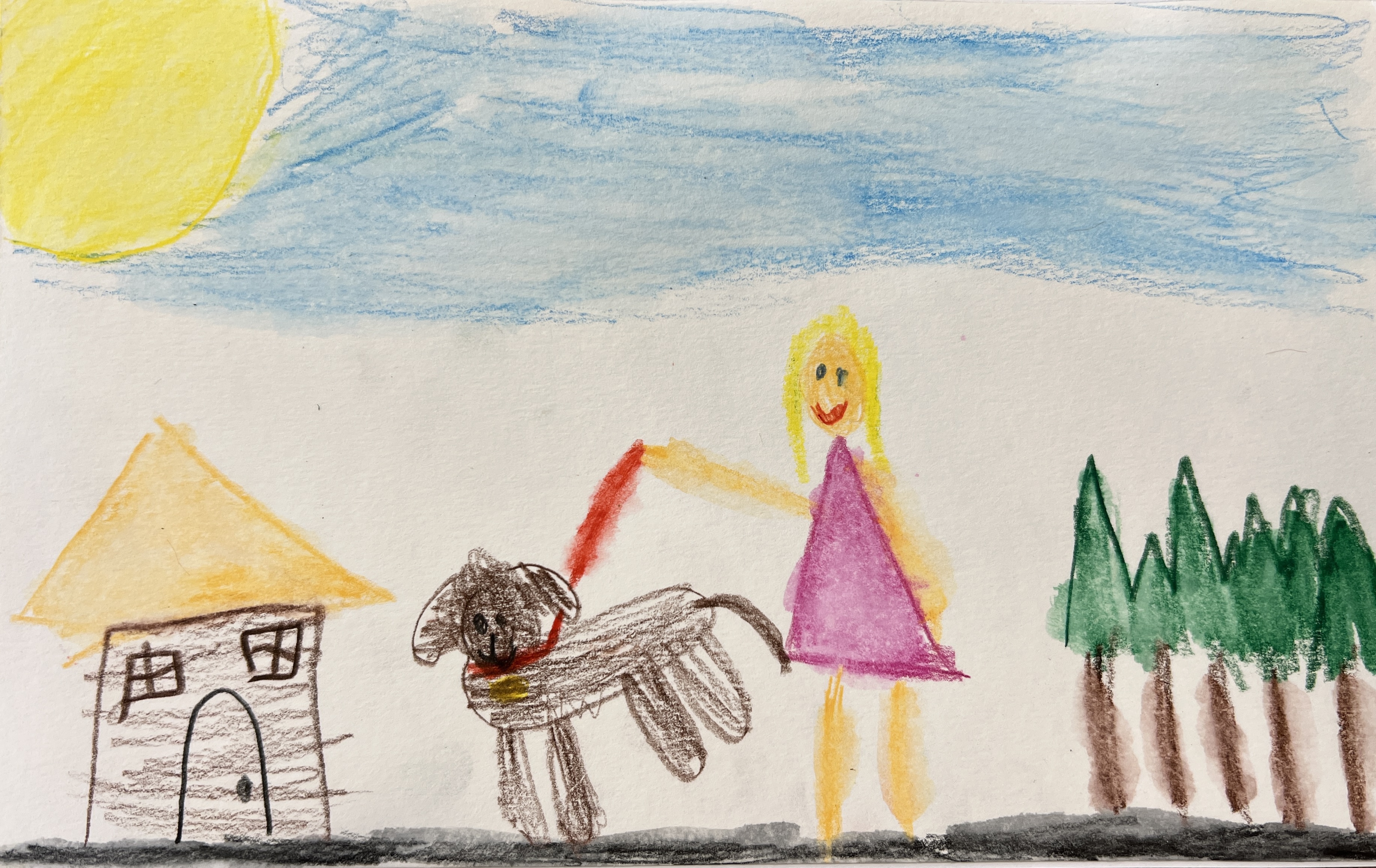
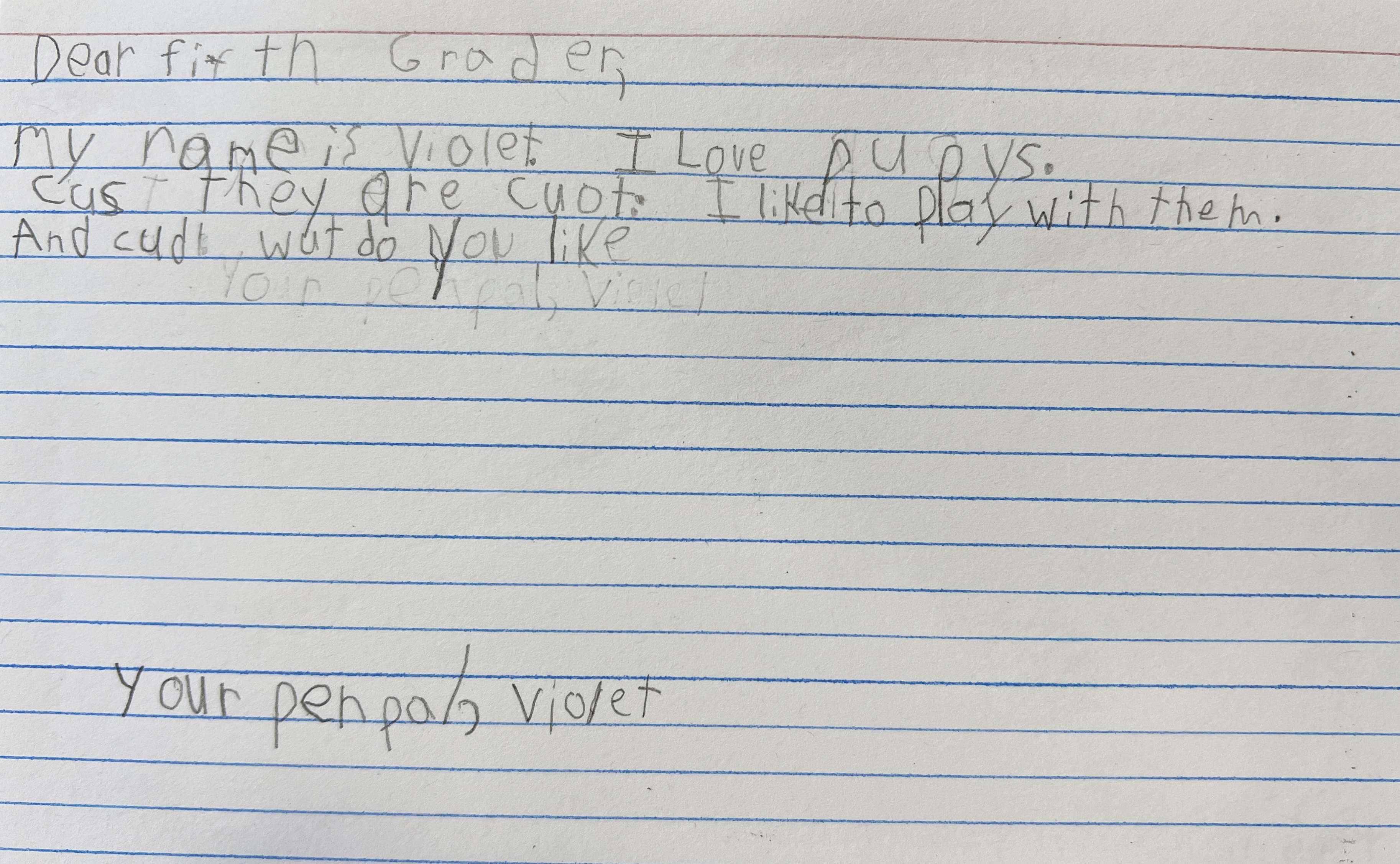
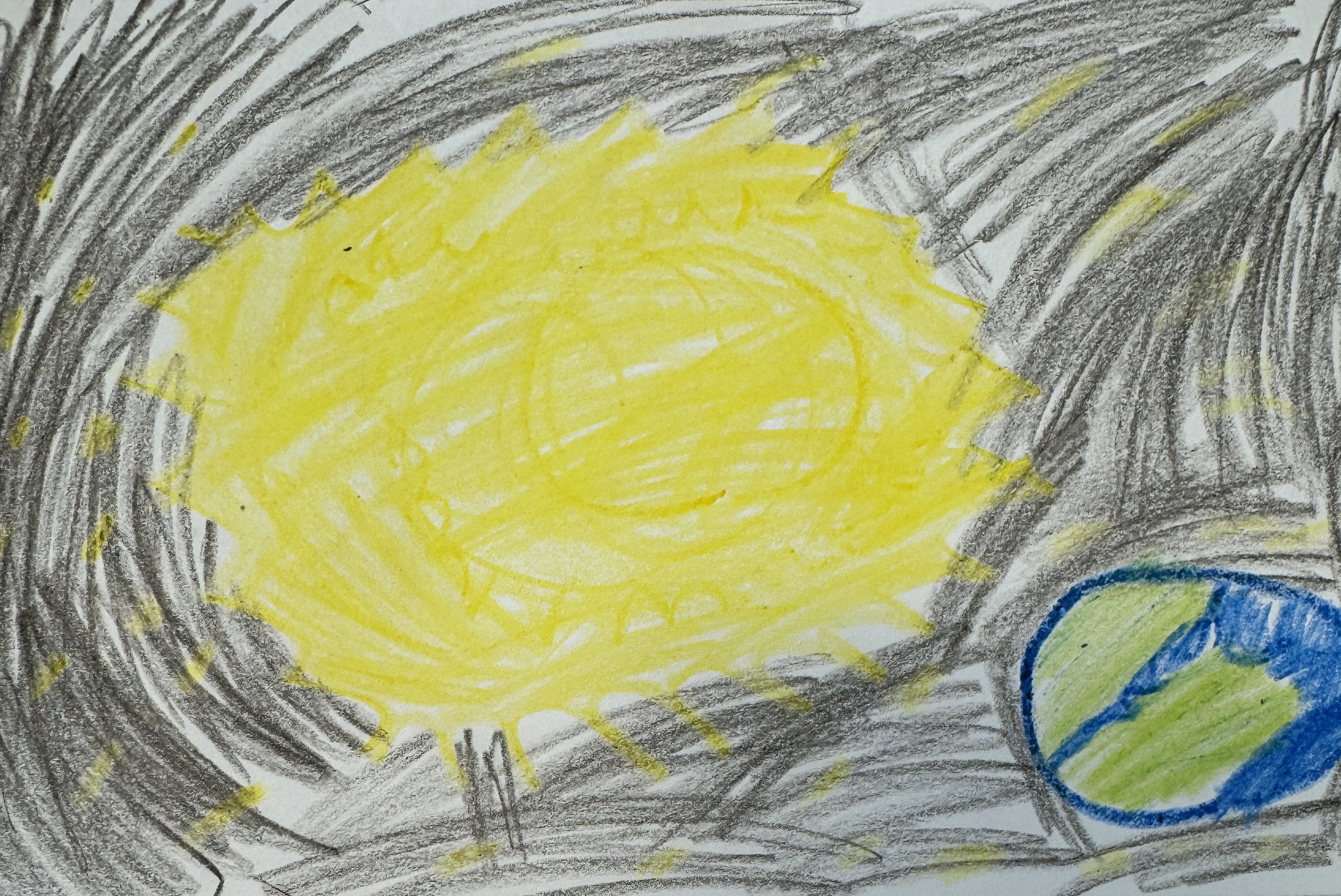
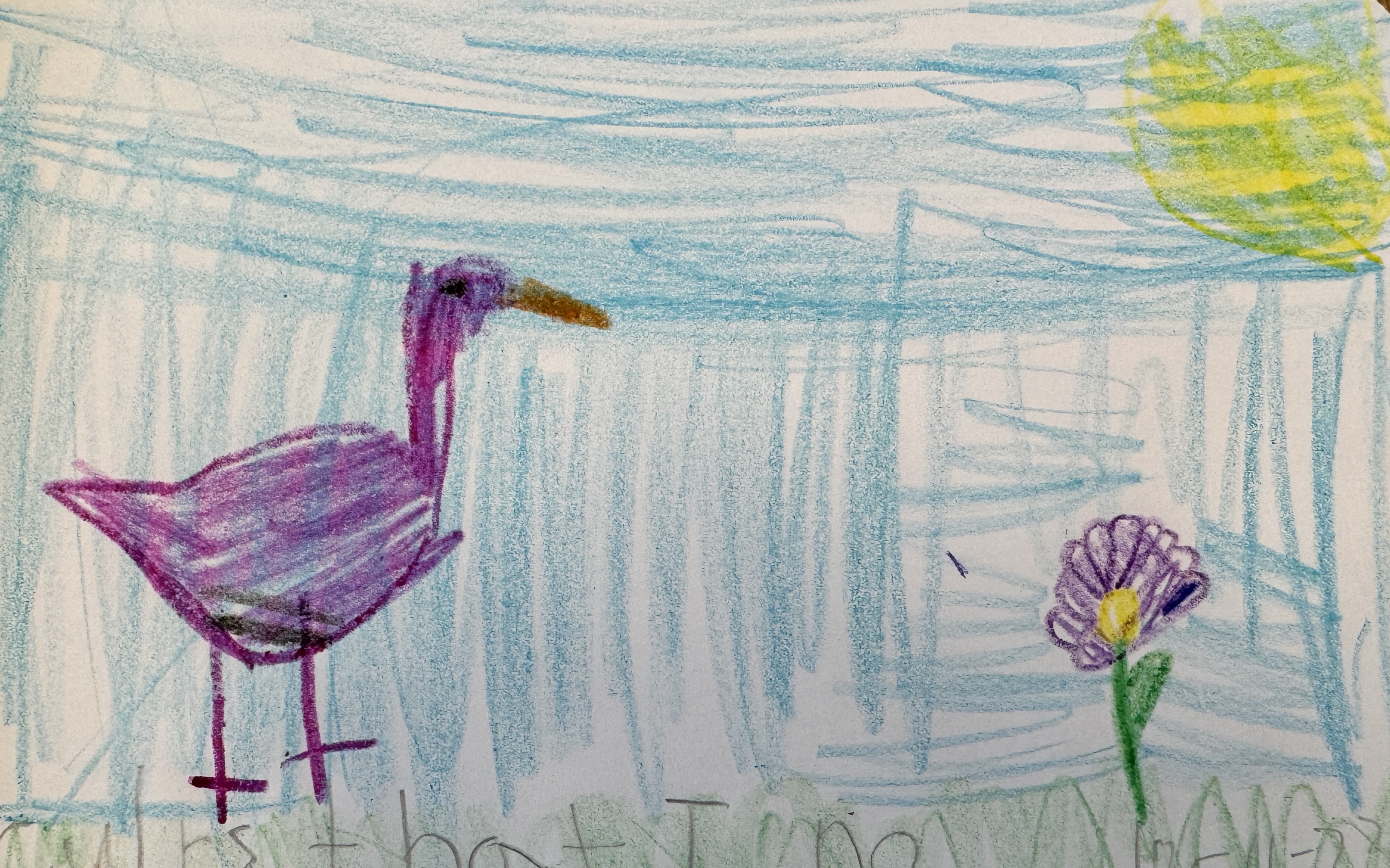
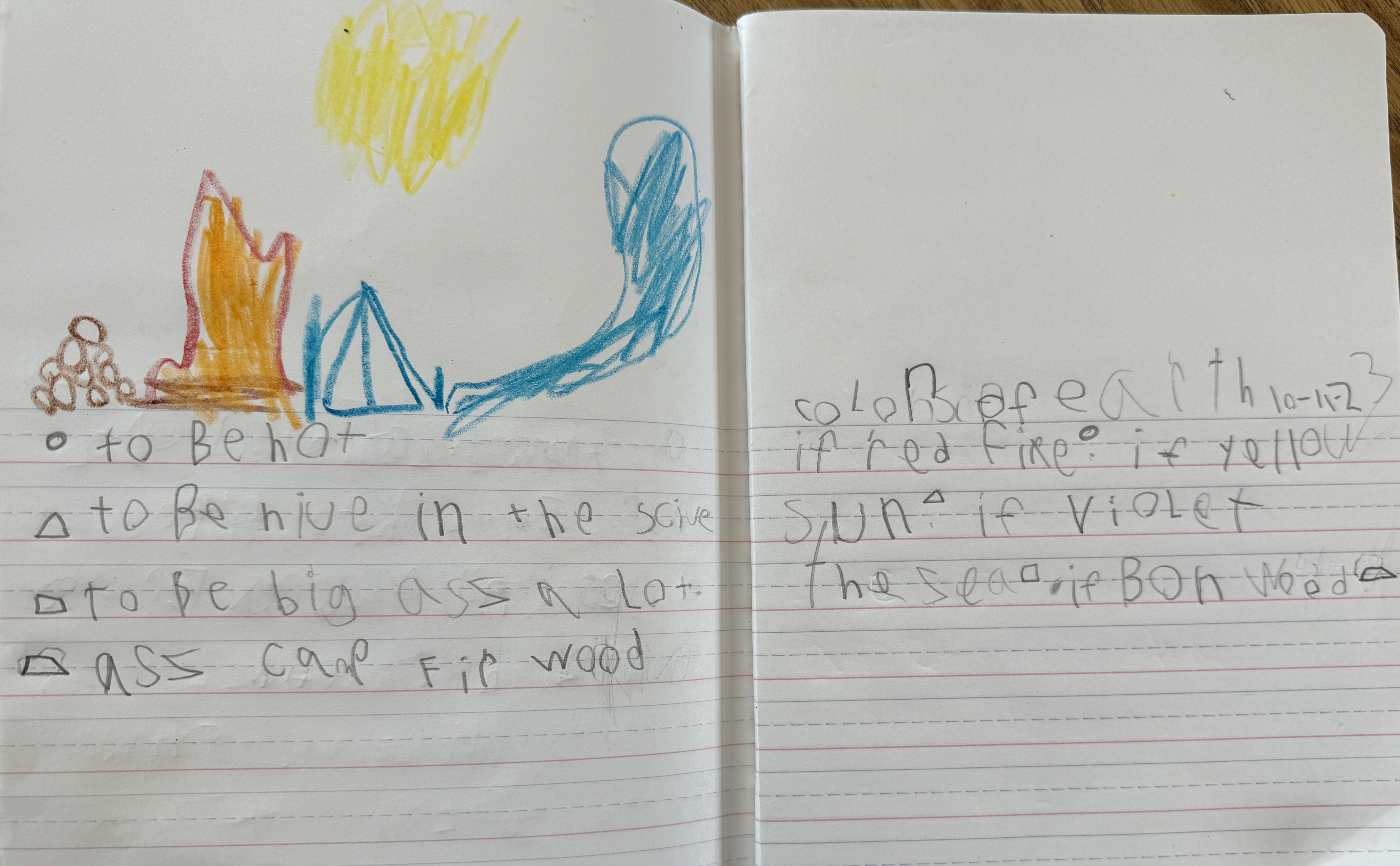
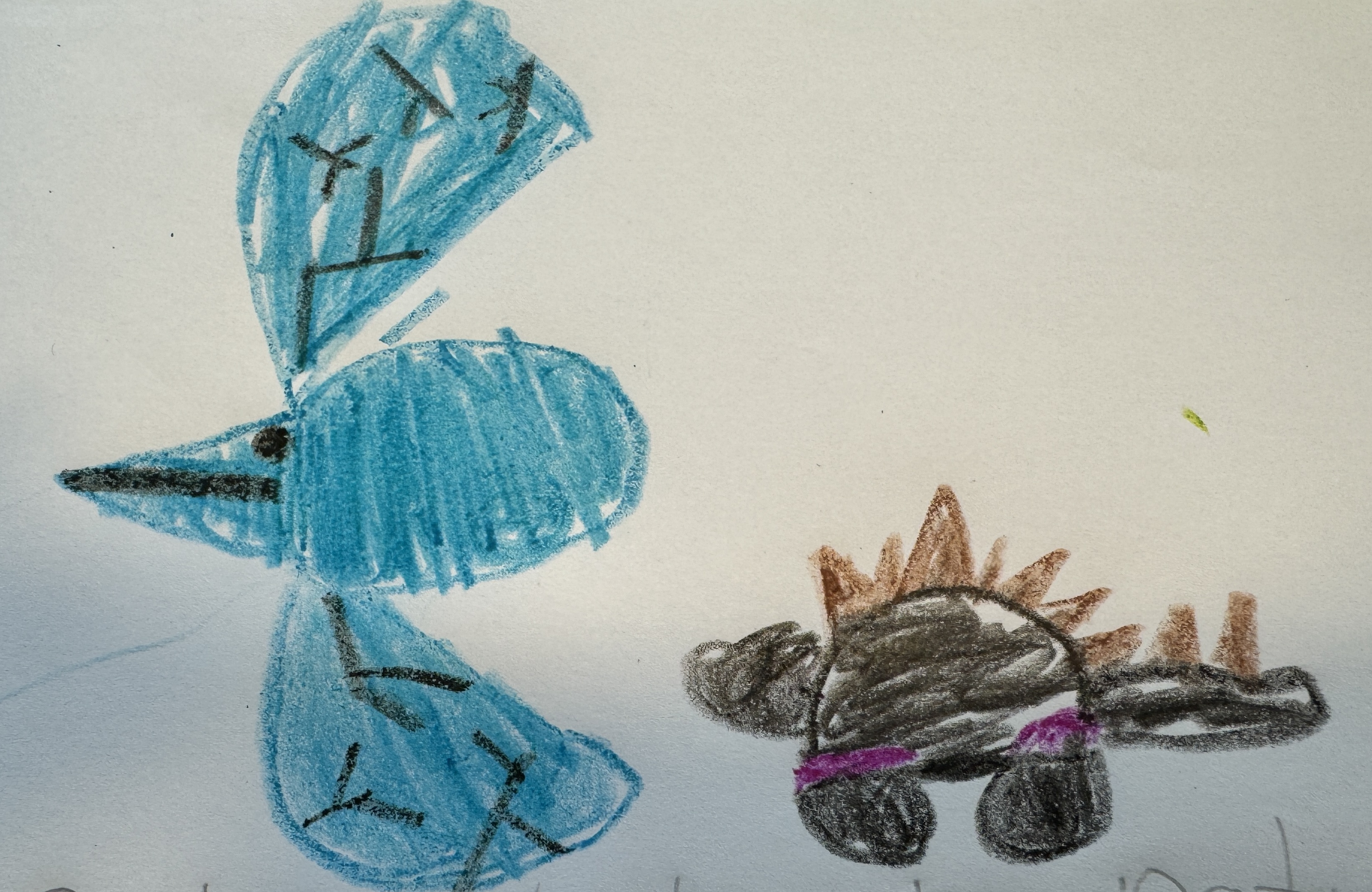
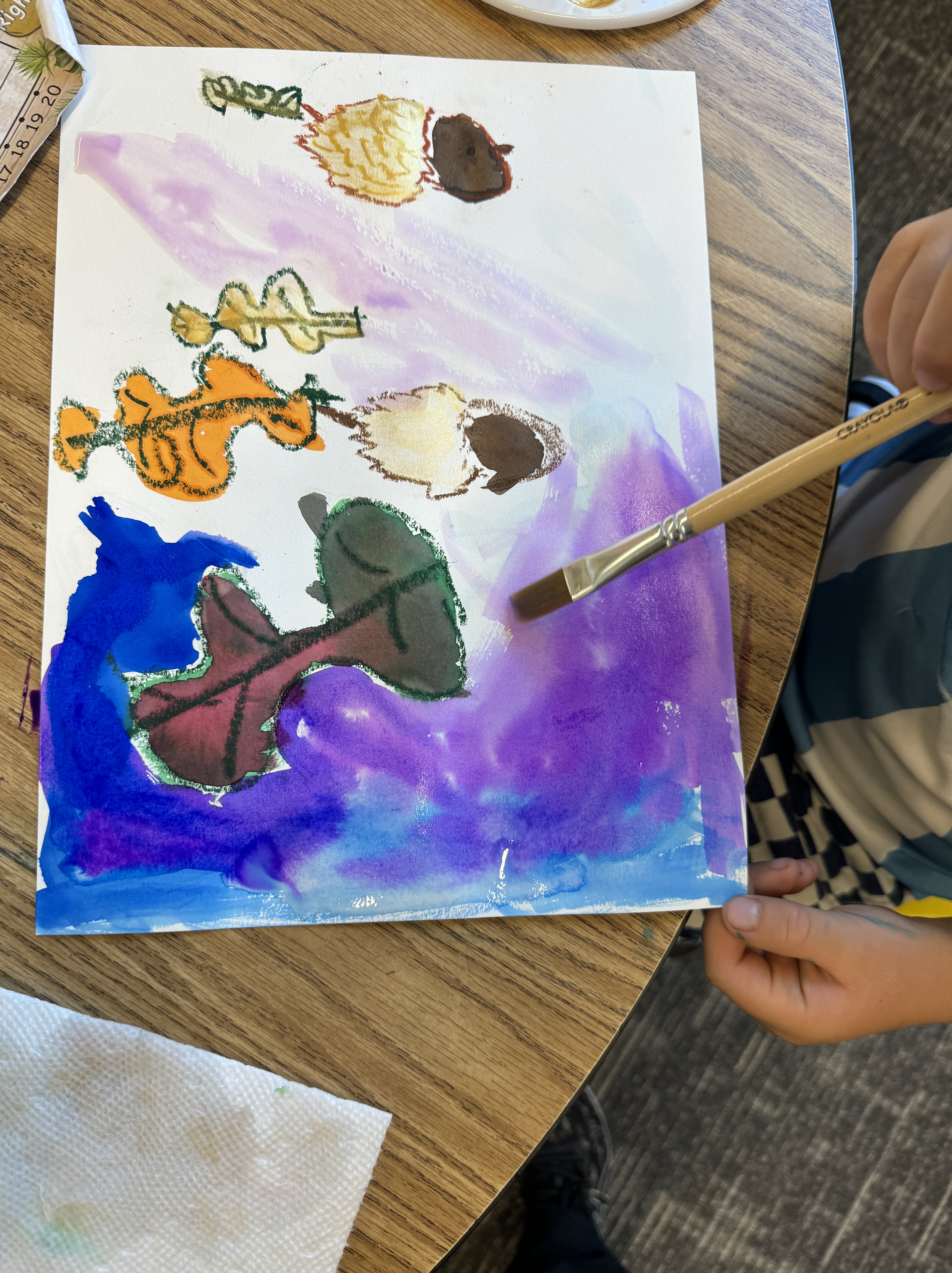
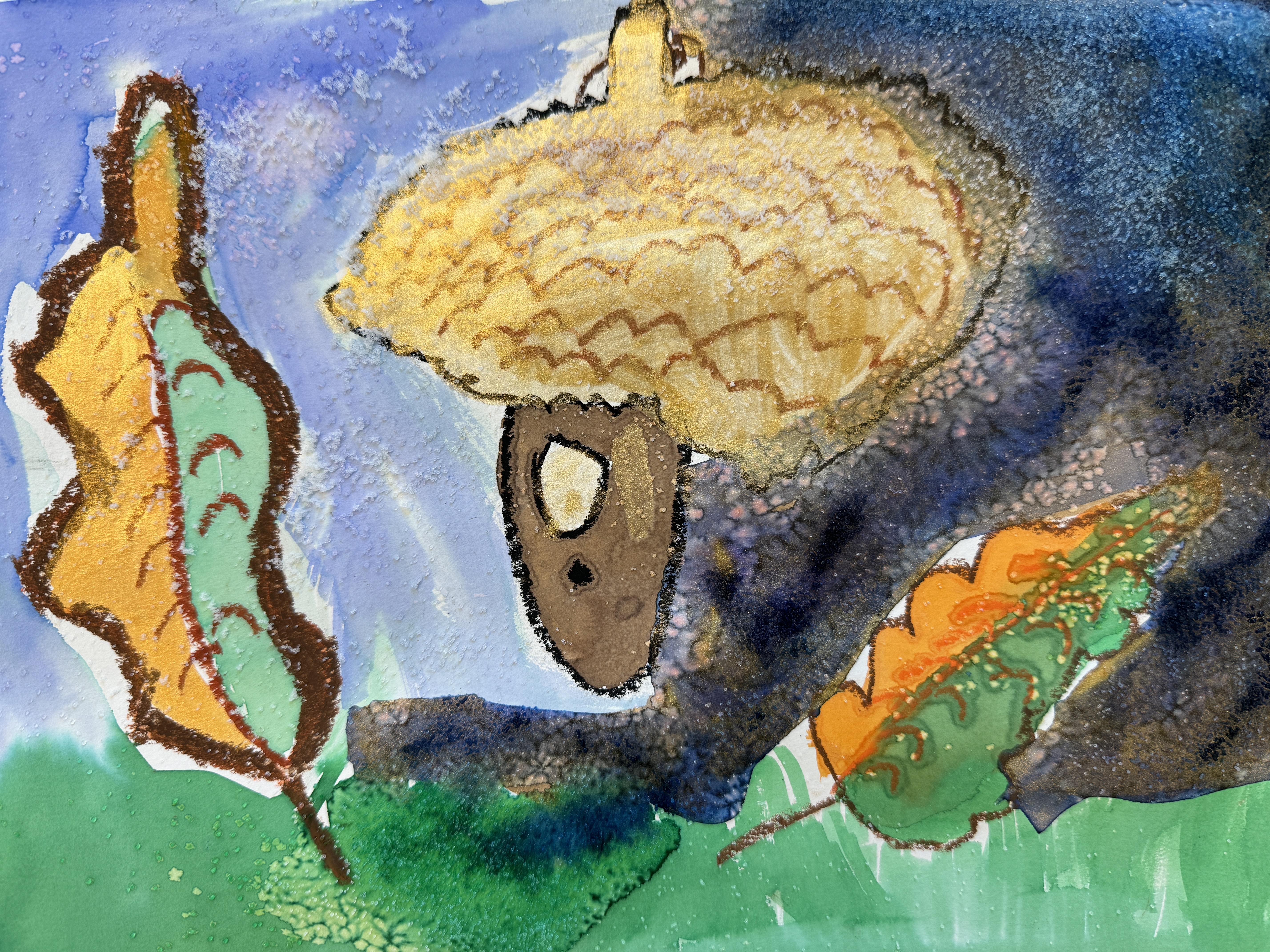
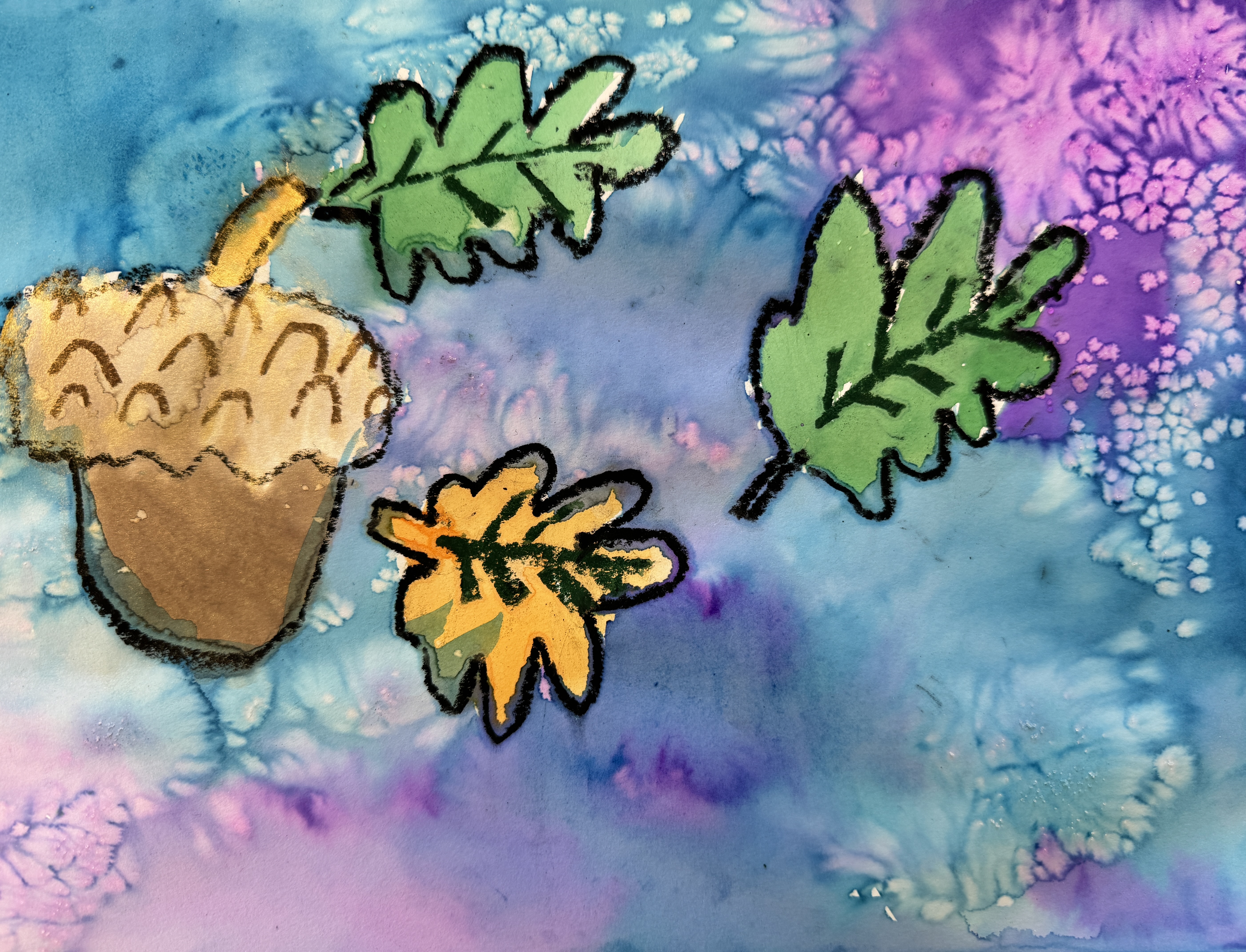
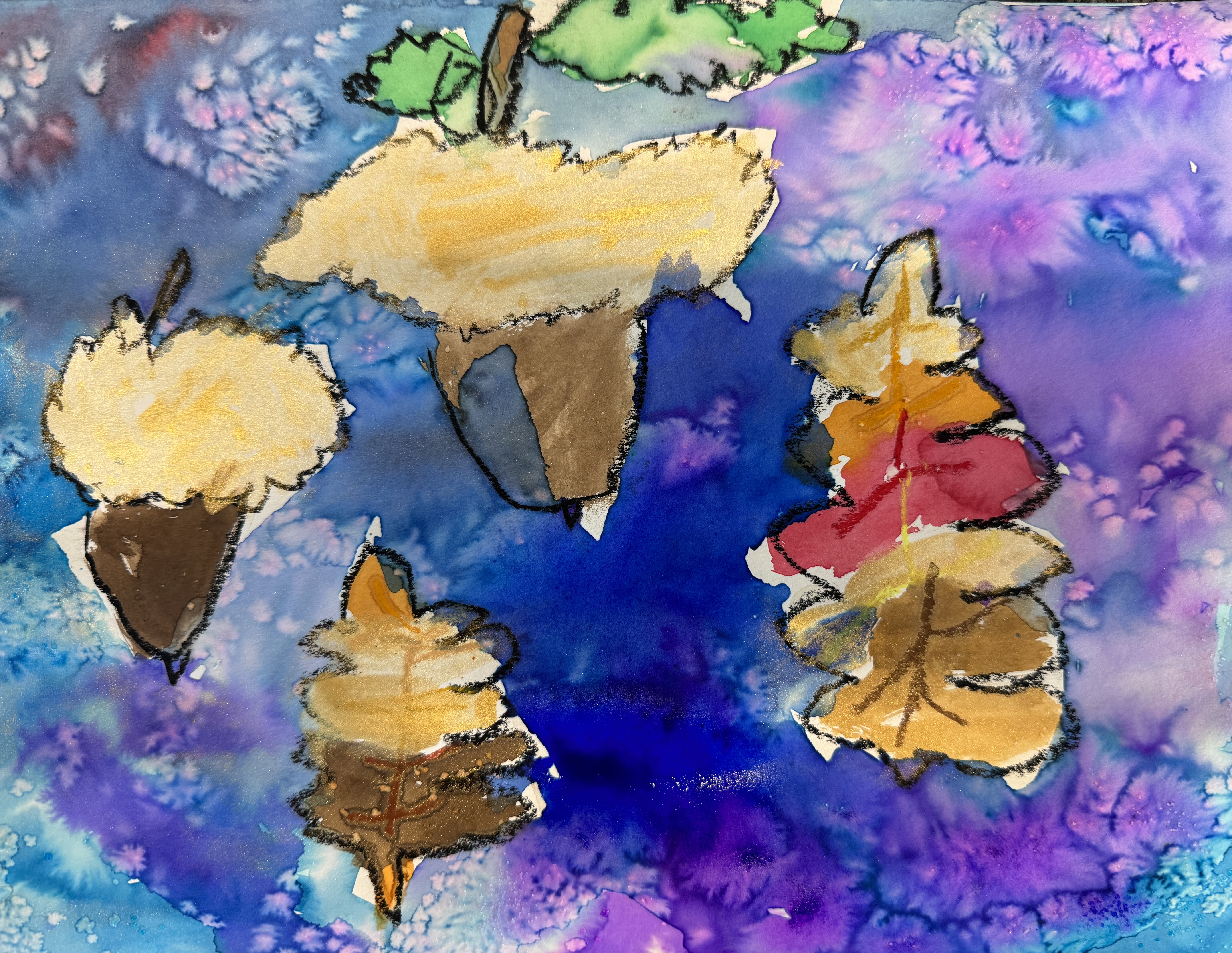
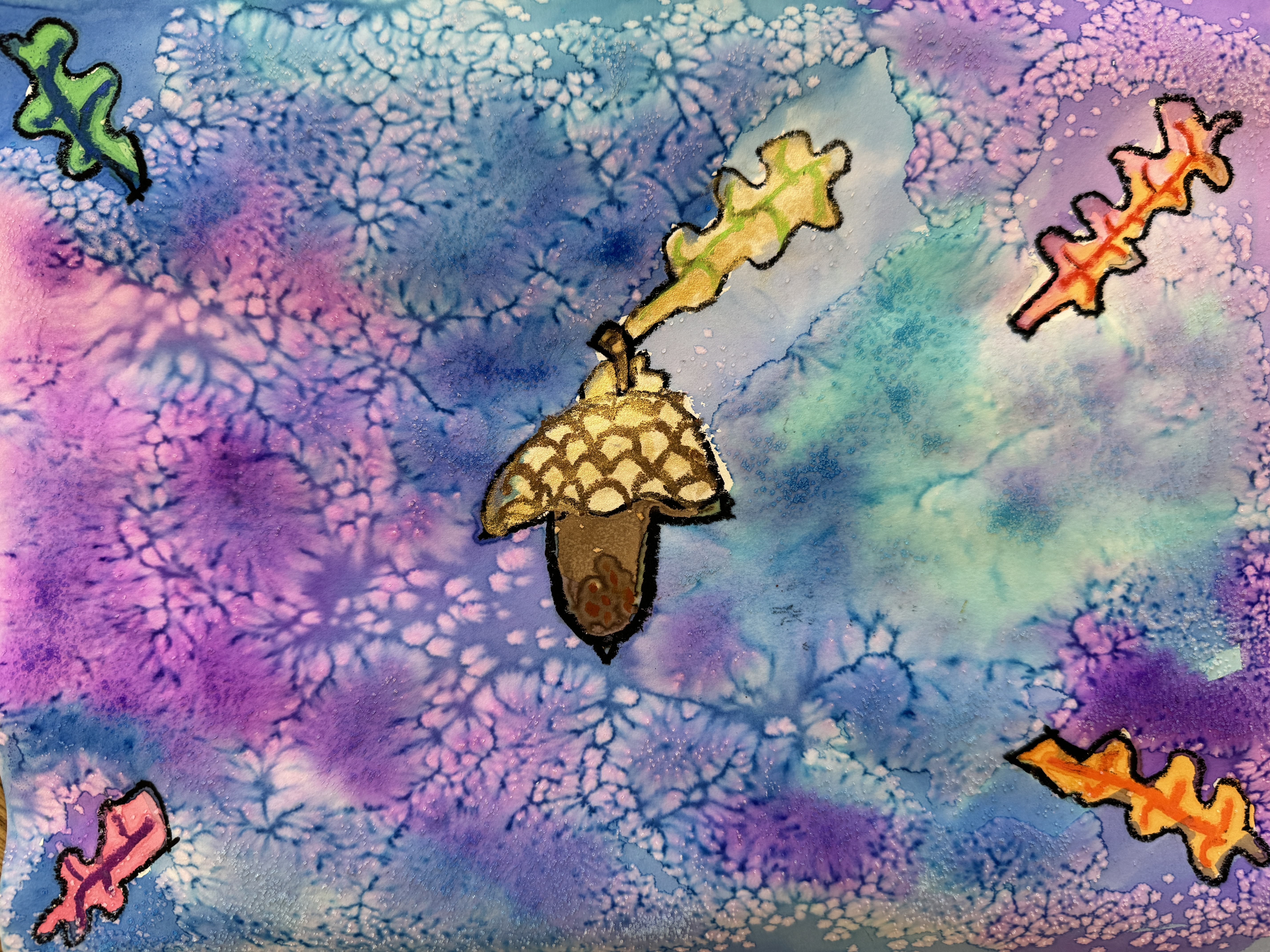
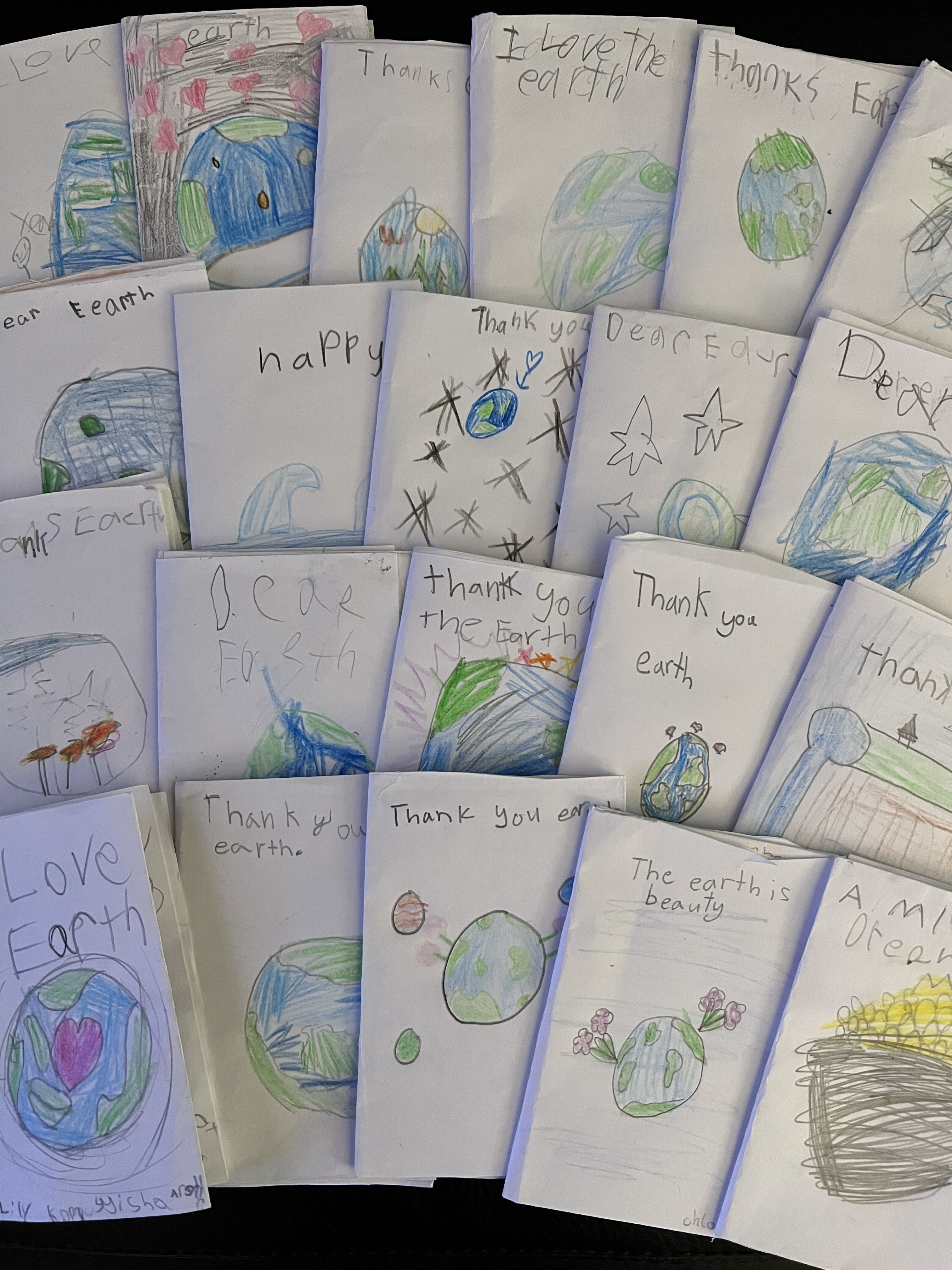
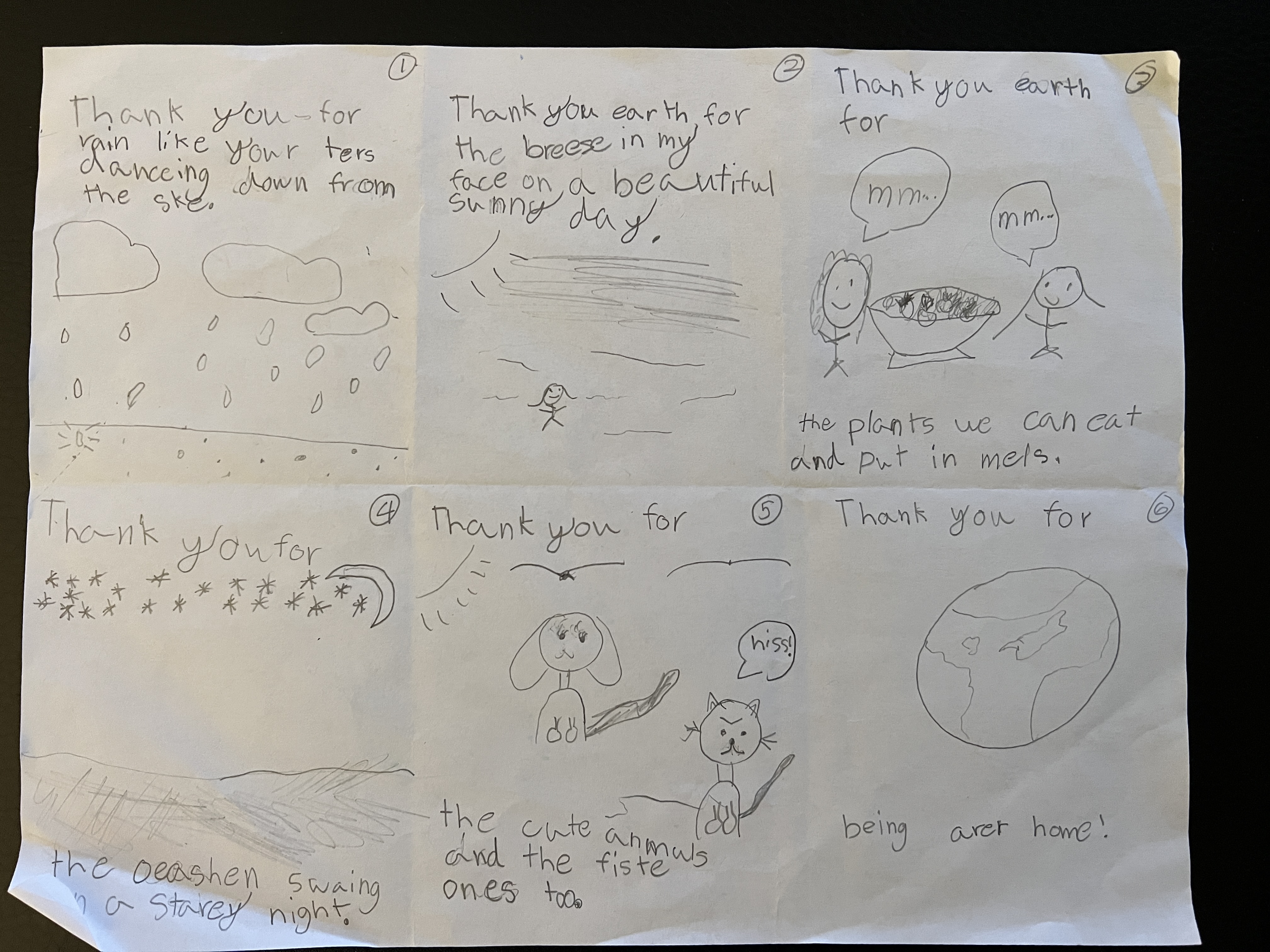
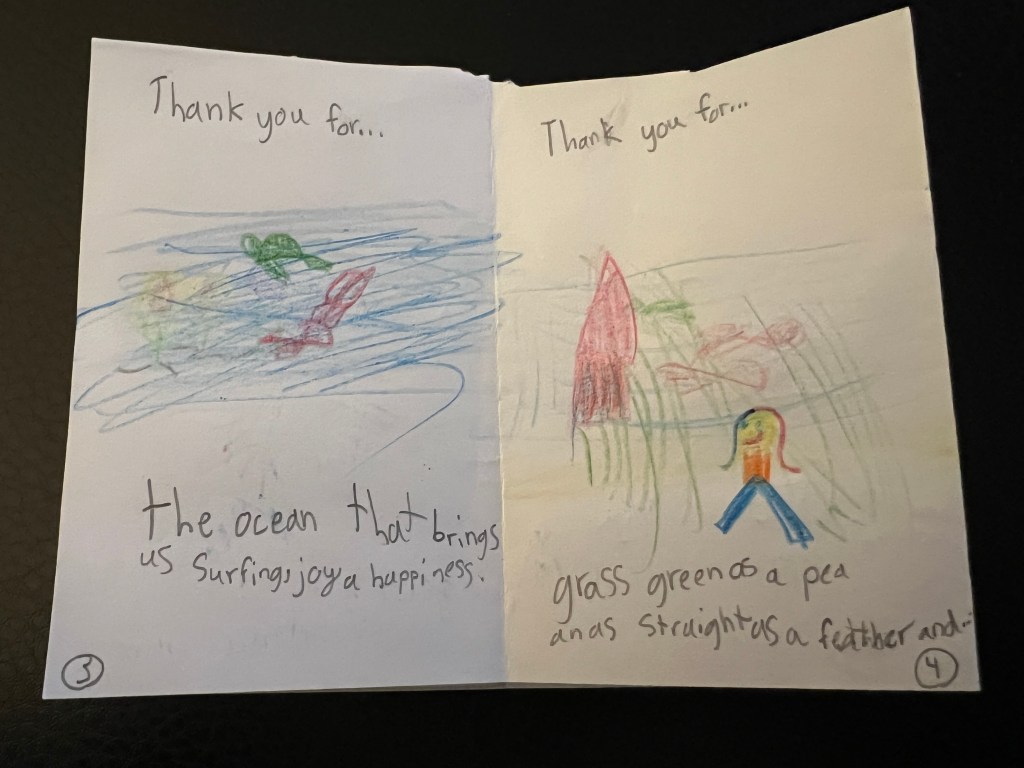
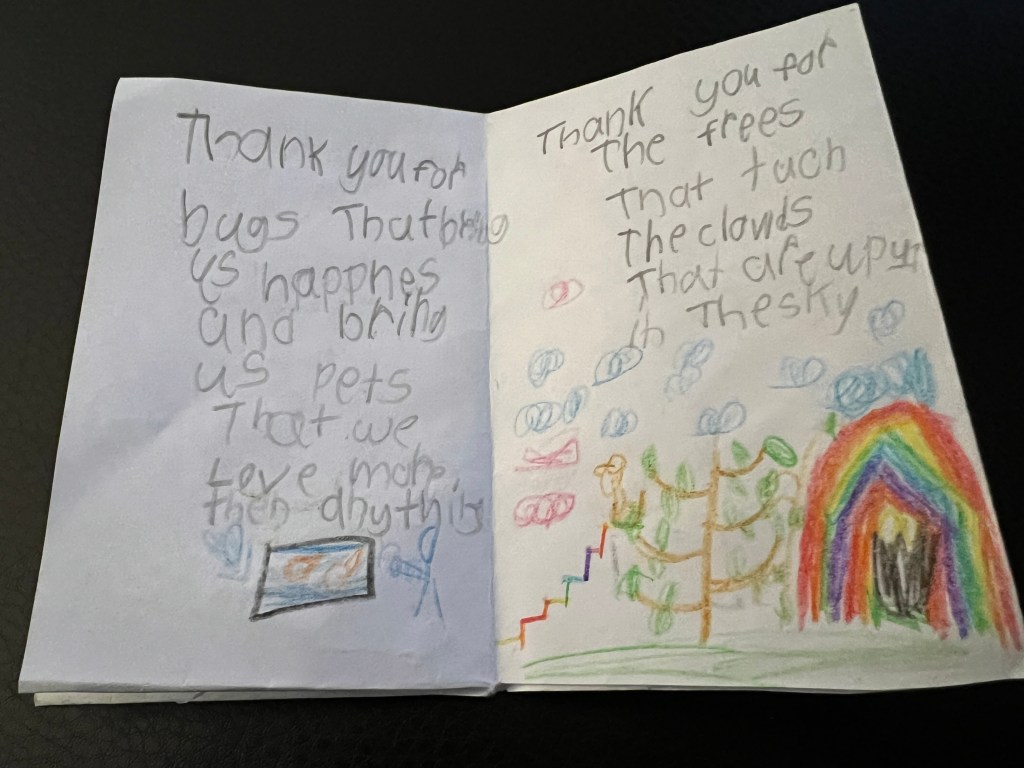
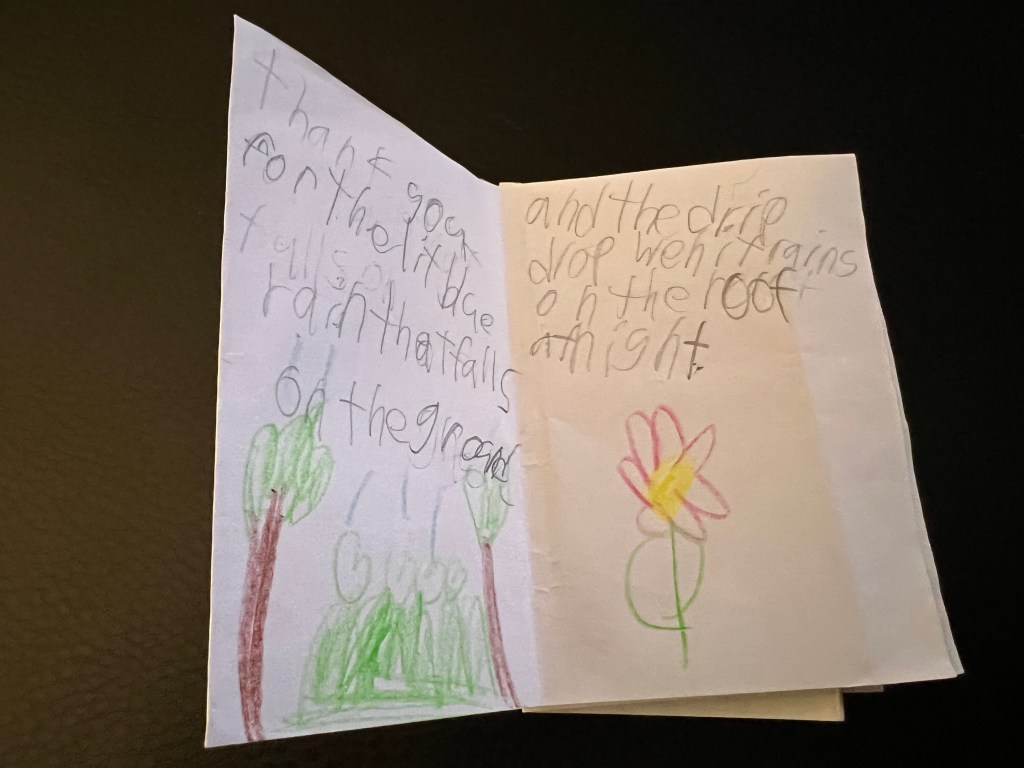
This year I offered to have my students write first. With first graders early in the school year, I wanted to make sure they started off from a place of abundance. Even before knowing who our penpals were, we created postcards illustrating things we loved. As they crafted their artwork, they were also thinking about their favorite activities giving them something to say in their postcards.
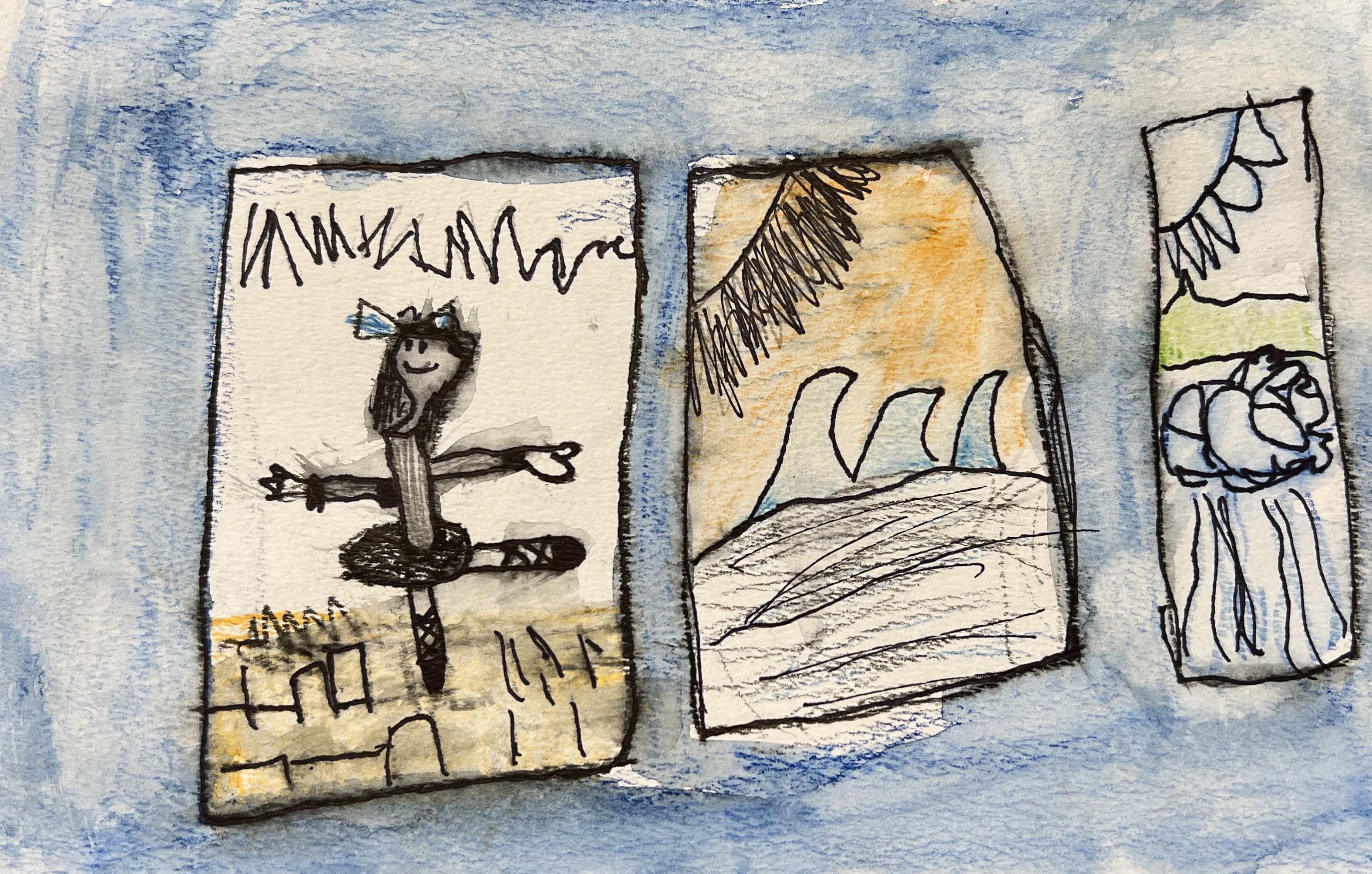
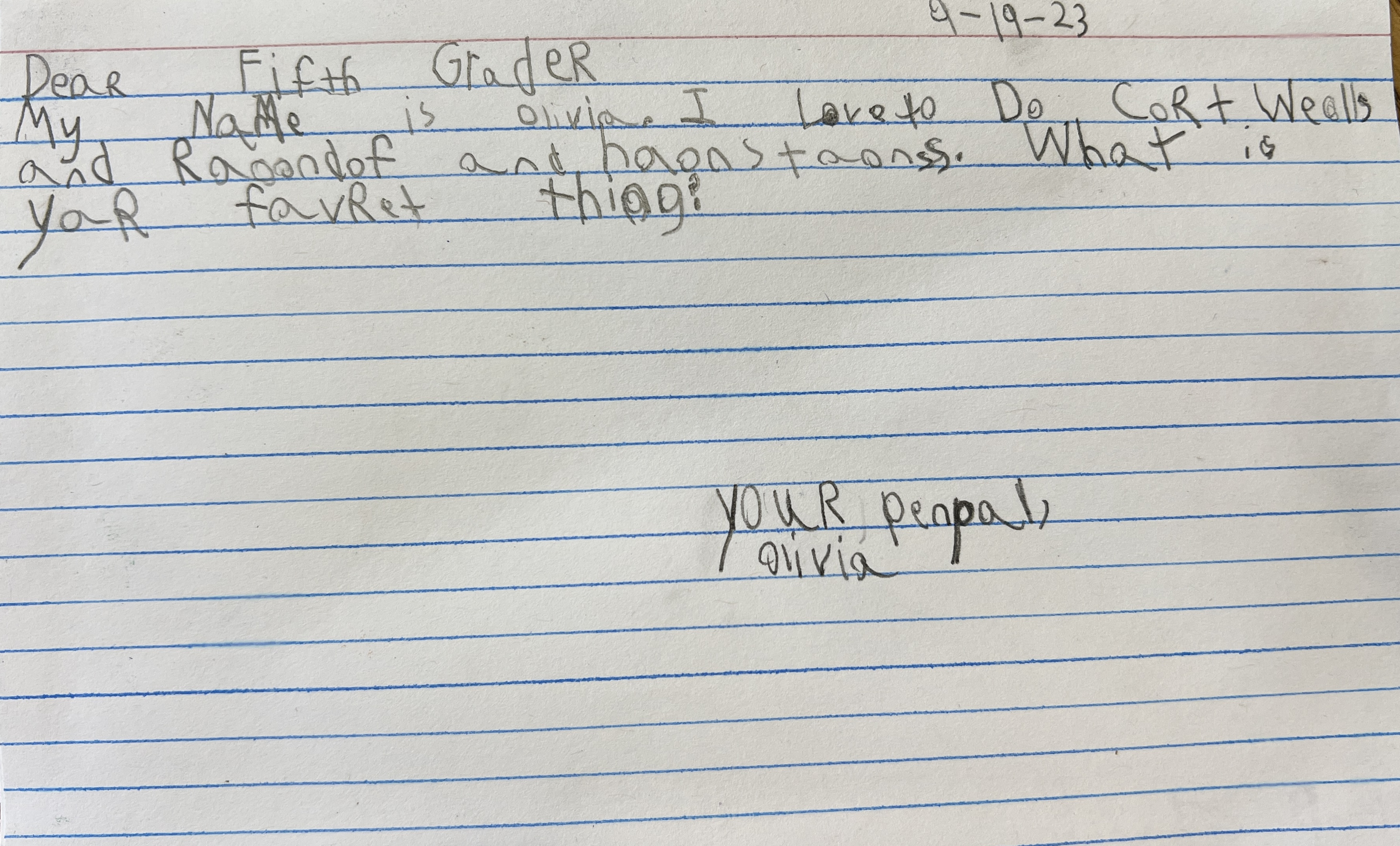
To make things a bit easier for my young writers, we used lined 5×8 cards to write our messages.
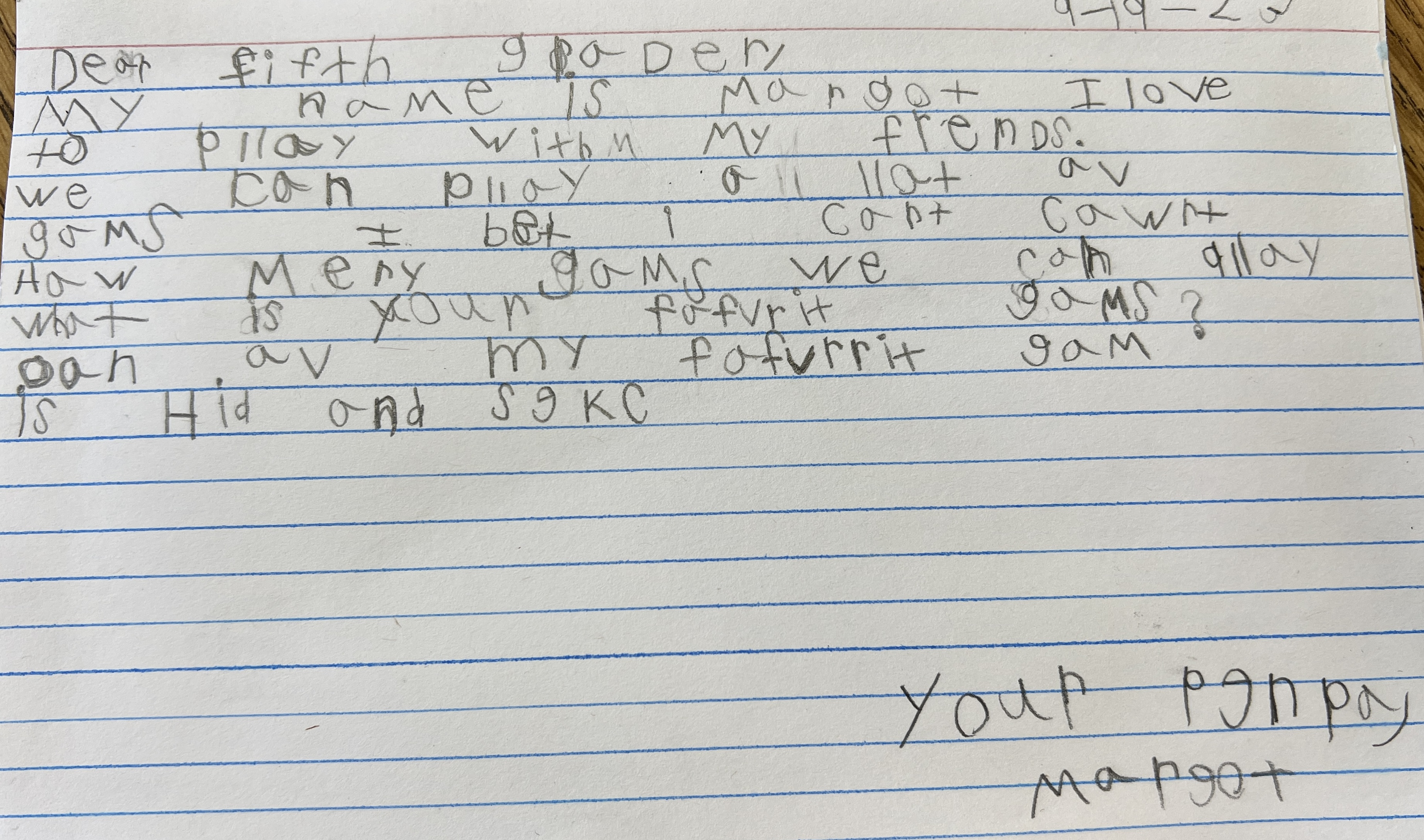
My students easily and eagerly completed their postcards, wondering just who their penpal would be. I realize that fewer and fewer people exchange non-electronic communication…I love that students are getting this opportunity!
I sent the postcards through district mail to our other school where they were delivered to the fifth graders. My colleague shared a cute video with me featuring her students and their excitement at receiving the postcards. It was hard to wait for them to write back.
But last Friday, it seemed that it was worth the wait! I distributed the letters written by the fifth graders. They had typed their letters, integrating a letter format lesson, and included a selfie inserted in the document. The letters were warm and welcoming. The fifth graders commented on the first graders interests, shared their memories from first grade, told the first graders something about themselves, and asked a question or two.
Our classroom hummed with energy. Students helped each other read their letters, compared photos, wondered about games they weren’t familiar with, and generally reveled in receiving a letter. We then took a few minutes to talk about how to respond to a letter and then they set off to write.
My students wrote and wrote. They chatted as they worked, encouraging each other, sharing spellings of more challenging words, asking for help from me from time to time…”How do you spell Seattle Seahawks?” “Does eclipse have a c or a k?” It was the first time this school year where we truly felt the phenomenon of flow when writing. Every one of my students was engaged, stretching themselves as writers, sharing their interests and inquiring about the interests of their penpals. They kept on writing…for more than half an hour on a Friday before lunch.
We finished the letters today, adding a drawing just for fun. I read through them all, marveling at students’ efforts and the high level of readability of these handwritten notes. I plan to send the letters off to the fifth graders by the end of the week.
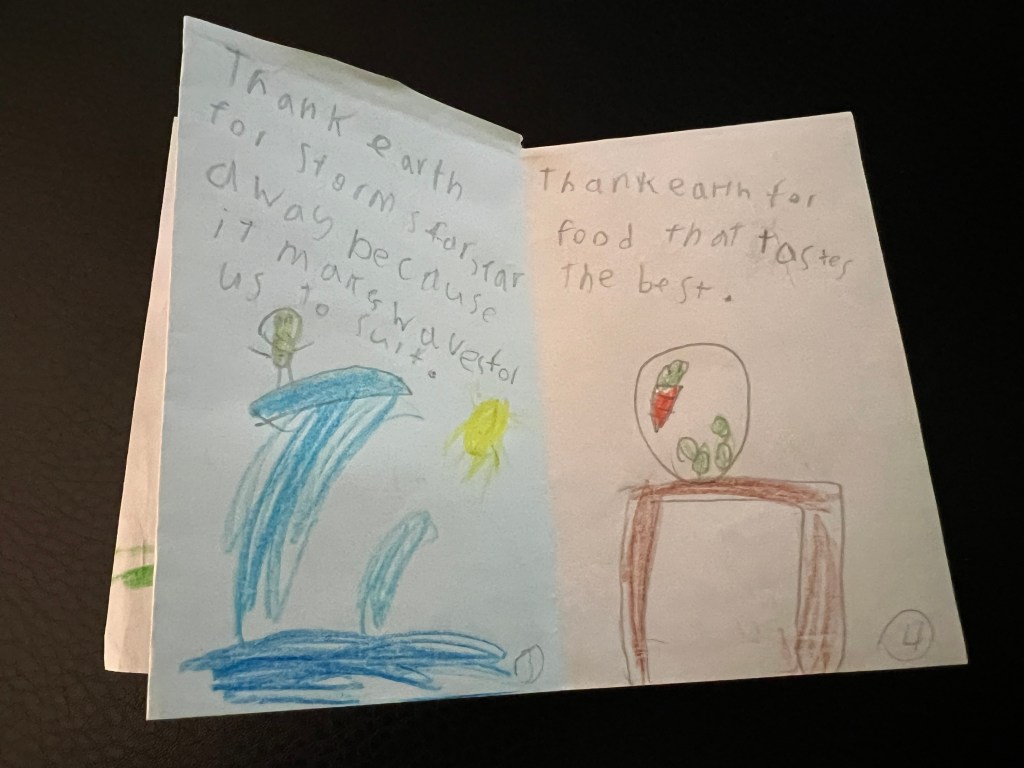
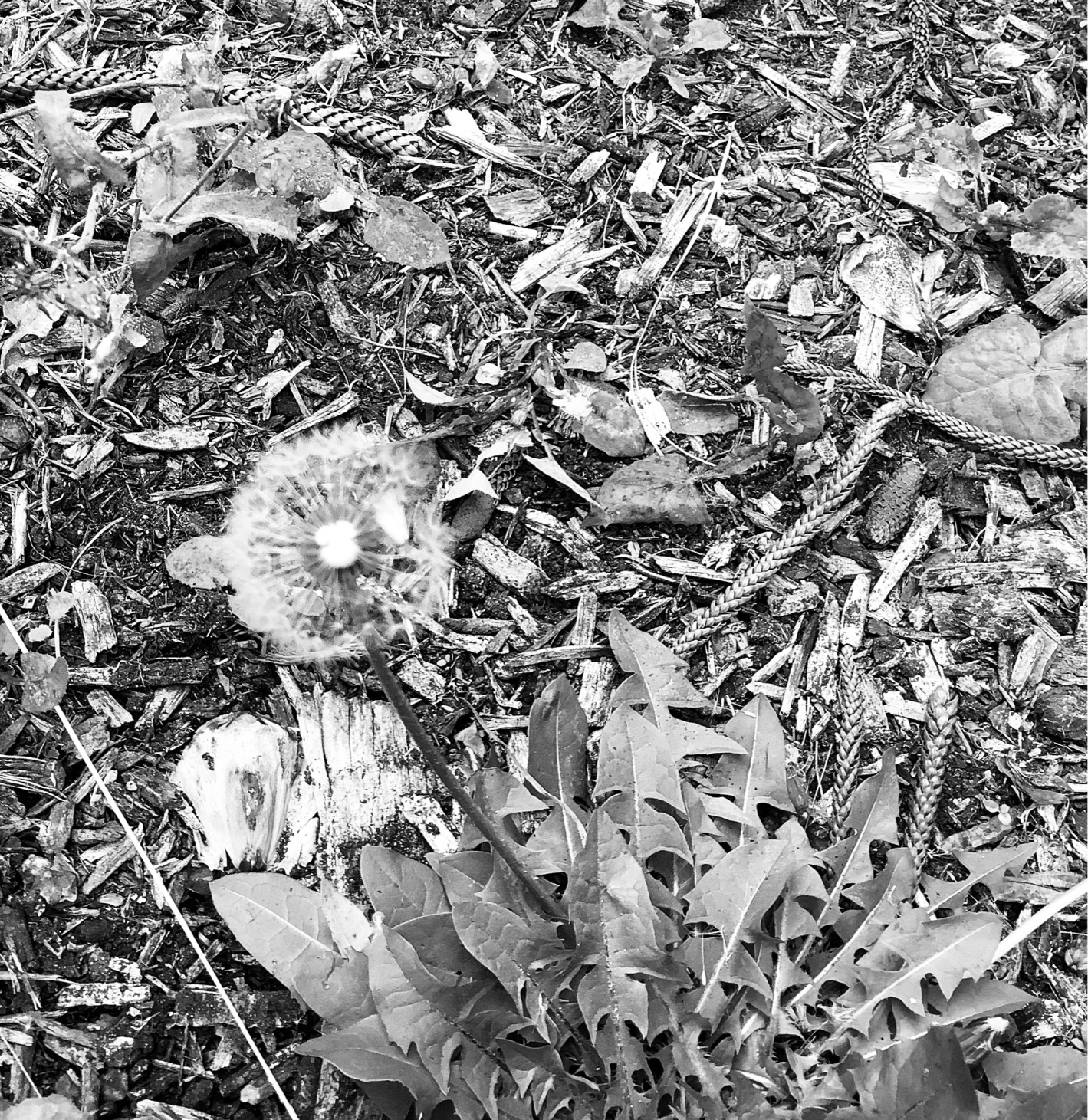
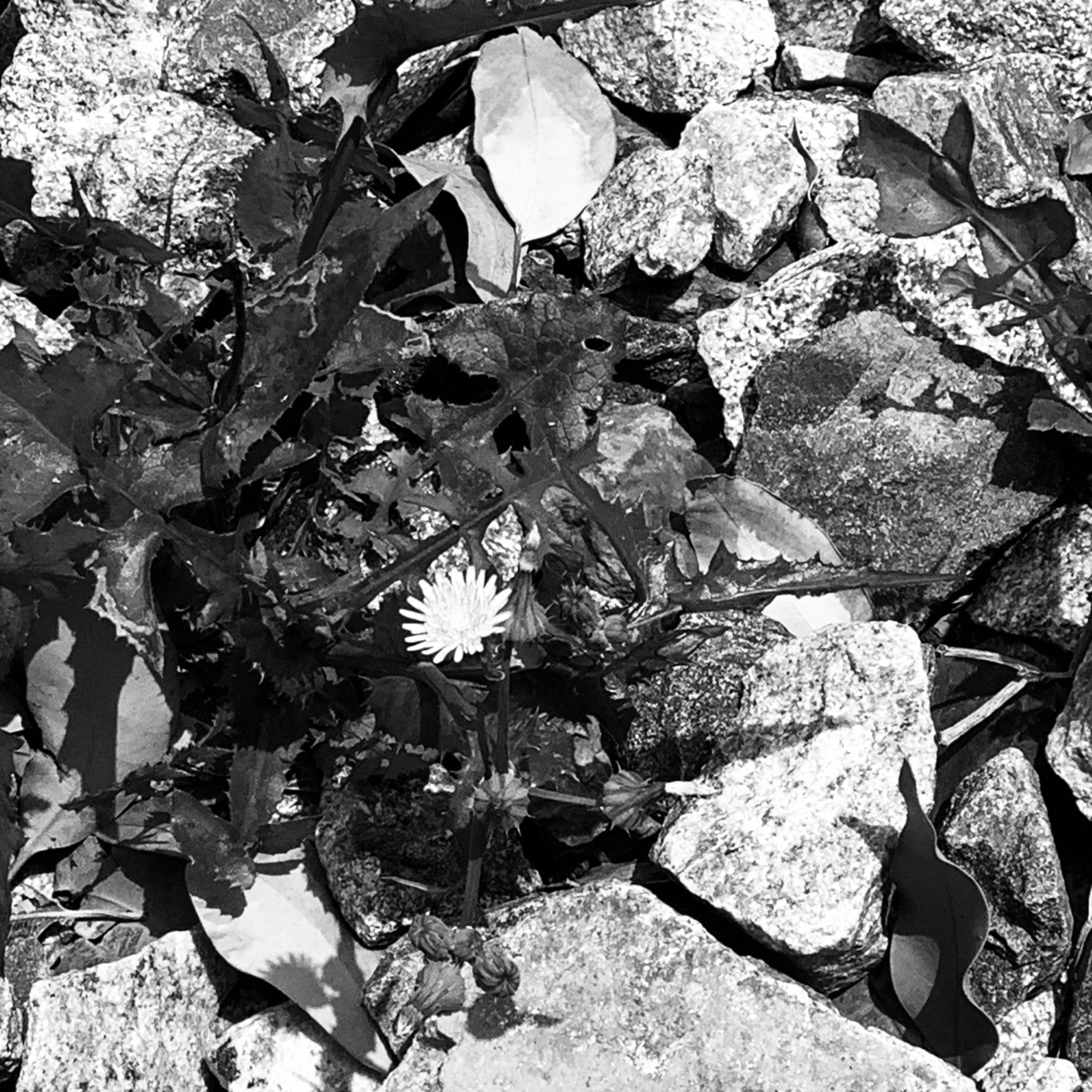
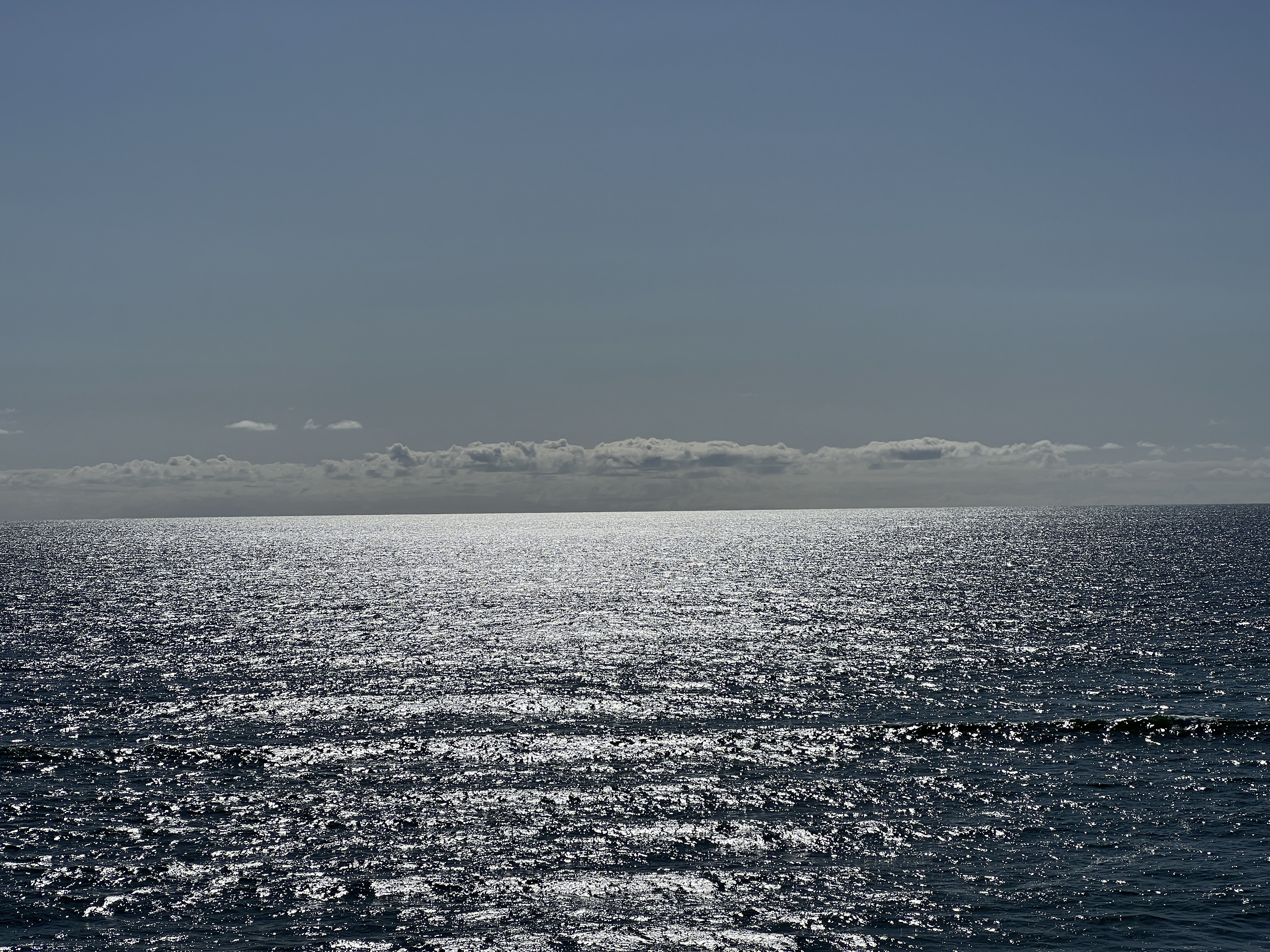
There is power in the penpal. I can’t wait to see how this written exchange grows during the course of the school year! (Below are a few more of the postcards we sent to the fifth graders)

 Thinking Through My Lens