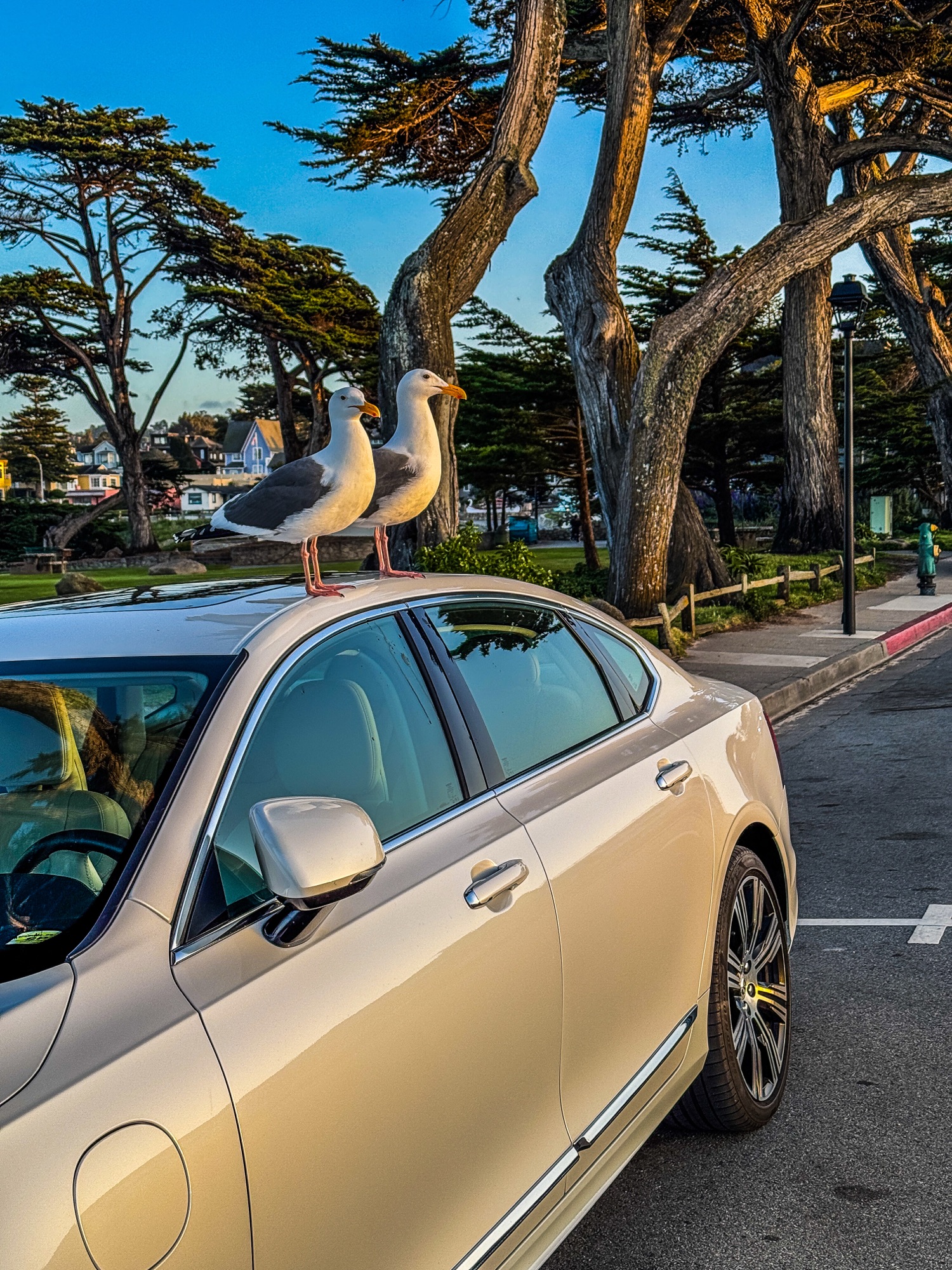
Espresso stamped with
deliciously heart-shaped foam
that’s a latte love
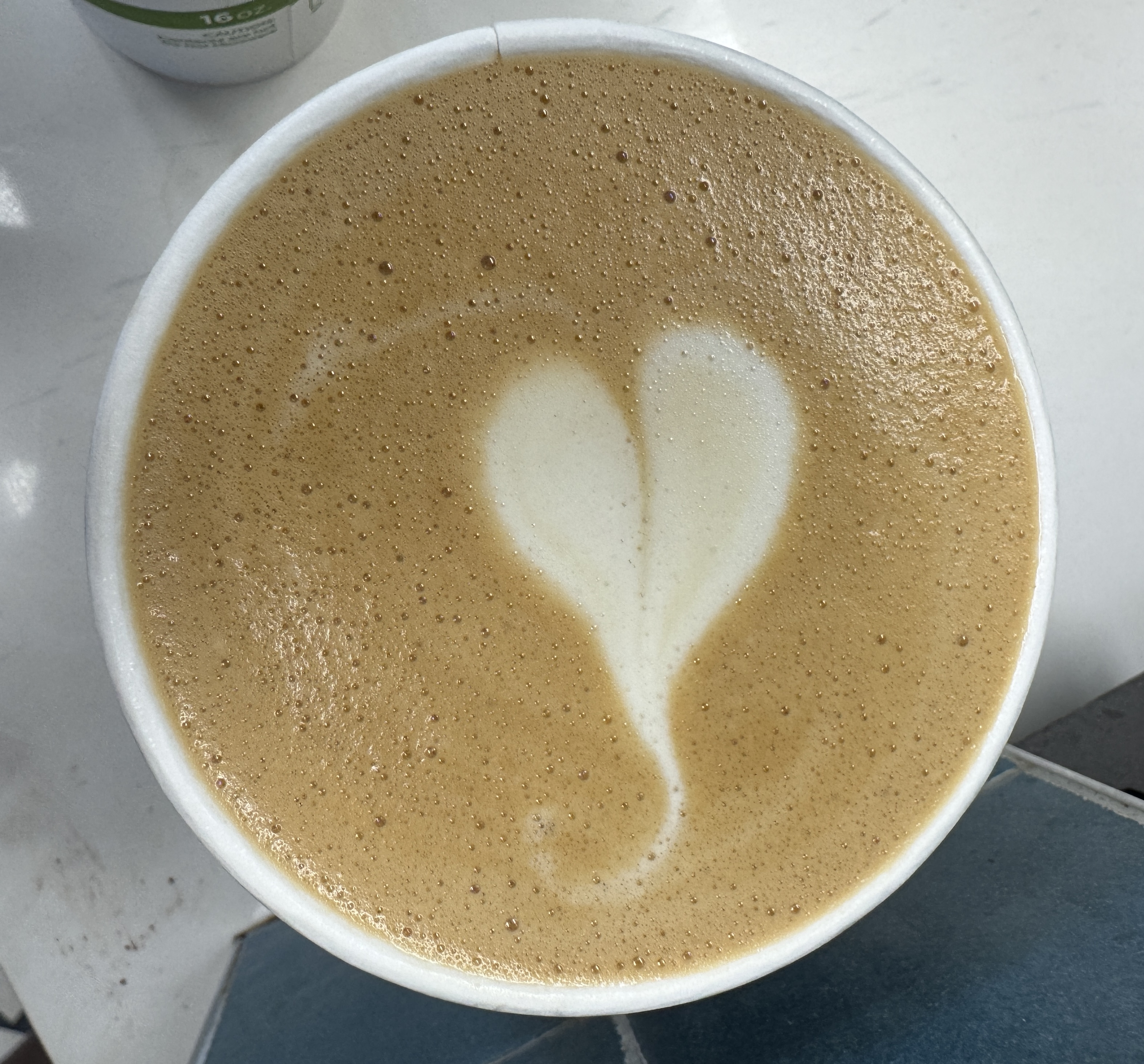

Espresso stamped with
deliciously heart-shaped foam
that’s a latte love
I can’t resist a great bookstore or even a not so great bookstore. Wherever I travel, bookstores are always on my list of places to visit. I’ve been trying hard to stop buying books and use the library instead…because…you know…there is only so much space on my many bookshelves at home. And I’ve been better. I’m becoming quite good at managing my Libby app. But…I still can’t resist a visit to a bookstore.
So when today’s Verselove prompt was an invitation to tell a literary memory, my bookstore addiction popped into my head, compounded by my need to visit the local Barnes and Noble in my son’s town today. (And true confessions, I didn’t resist today!)
I’m Addicted to Bookstores
Breathe in the smell of new books
words floating in the air
tickling that part of my brain
that loves stories
intoxicating
Shelves stacked high
tables teetering too
like cairns of rocks
balancing fiction, poetry, nonfiction, biography, memoir
When is enough enough?
What number of books is the right amount?
Is it even possible to have too many books?
My fingers trace the titles I’ve read
characters whispering
their lines of dialogue in my ears
I see the one that got away
pick it up
to reread the blurb on the back
My library queue is loaded
but the covers cry out
tantalizing instant gratification
over the hands-off library wait
Can I justify just this one?
The one I read, then he reads, they read…
Even when I don’t buy
I still can’t stay away
from that
intoxicating
word-filled
wonderland
A playground for readers
like me
I don’t remember when I fell in love with wildflowers
Maybe it was when
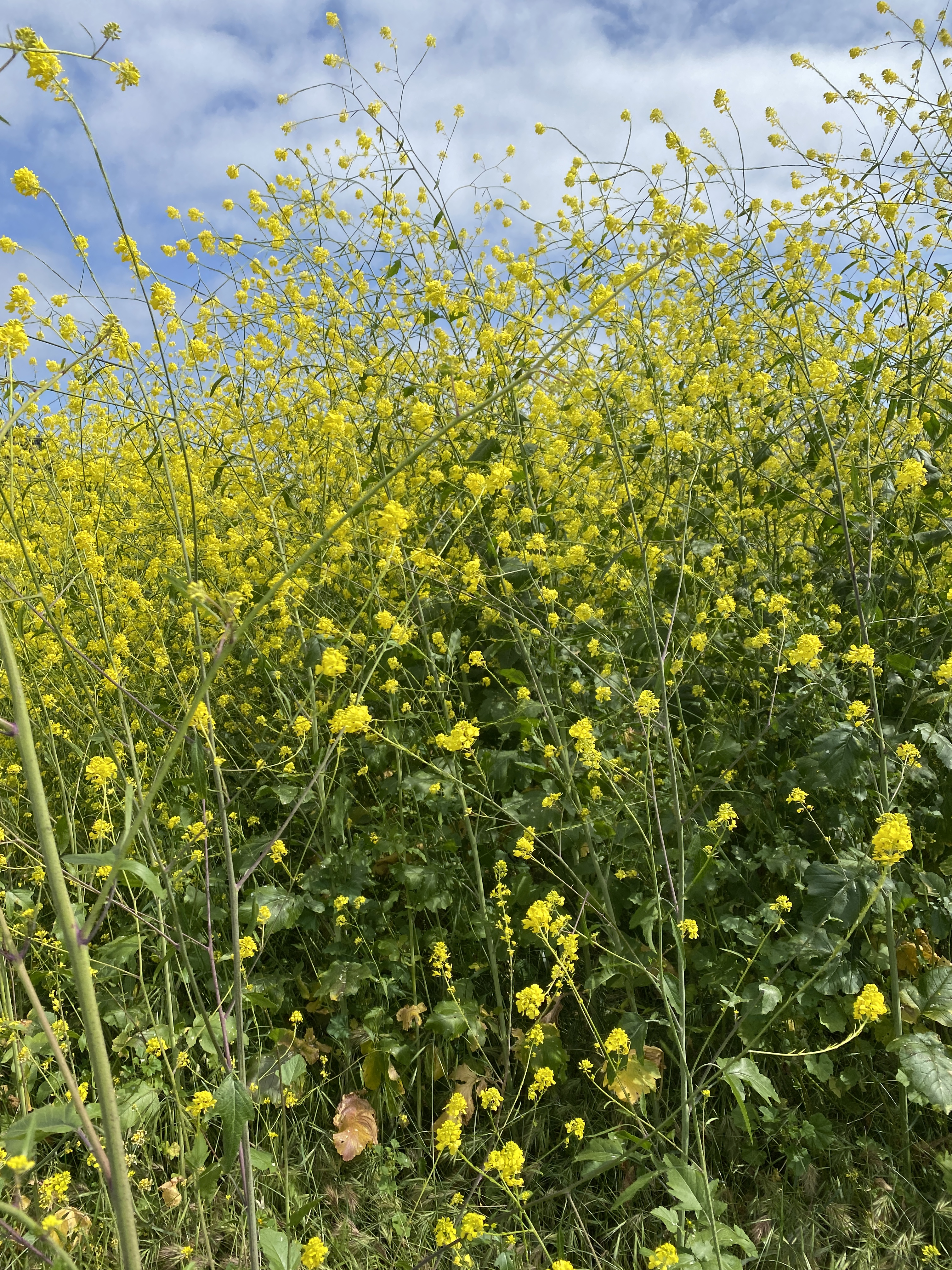
I danced to the music of wild mustard
forehead to forehead
with great blue heron clapping the beat
Maybe it was when
the chorale of poppies
sang out the orange
a song I can’t help
but sing along
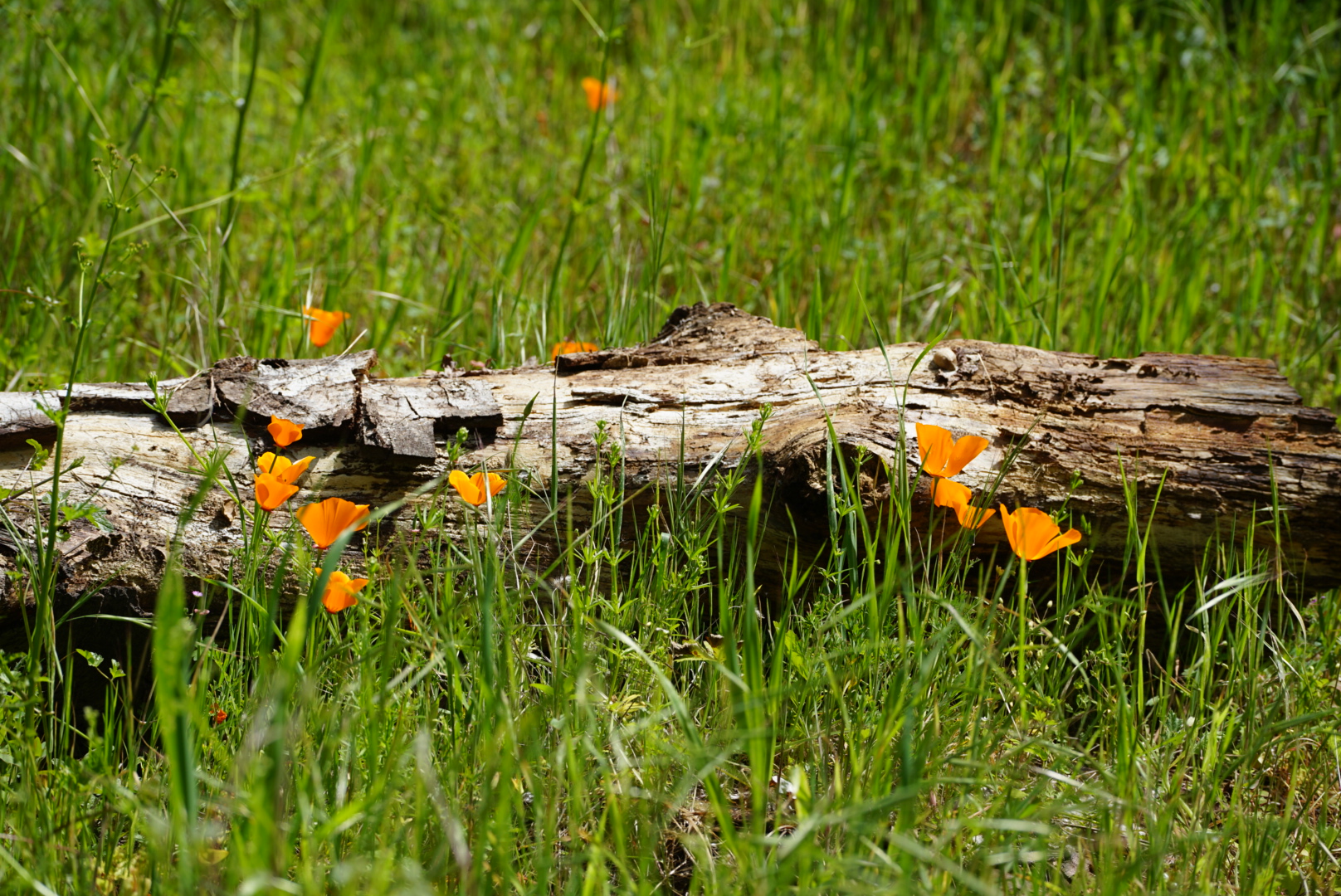
Maybe it was when she told me
I’d find globe lilies
at the second bench
and they bounced in the breezes
of Mt Diablo valley
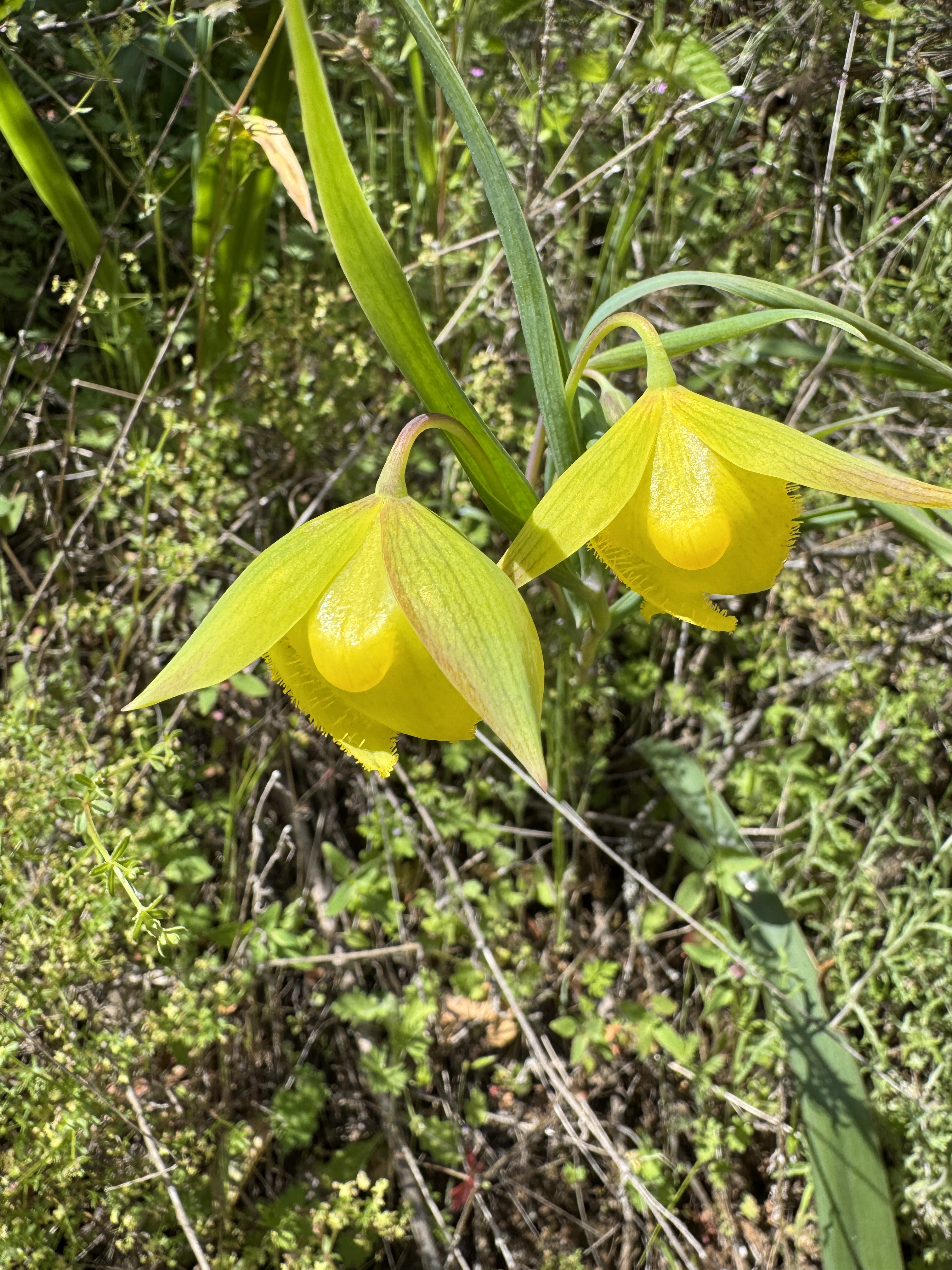
I don’t remember when I fell in love with wildflowers
but today
I fell in love
all over again
Today’s Verselove prompt was an invitation to look closely–something I find that my camera helps me do. So after a stroll through my camera roll, I found my inspiration.
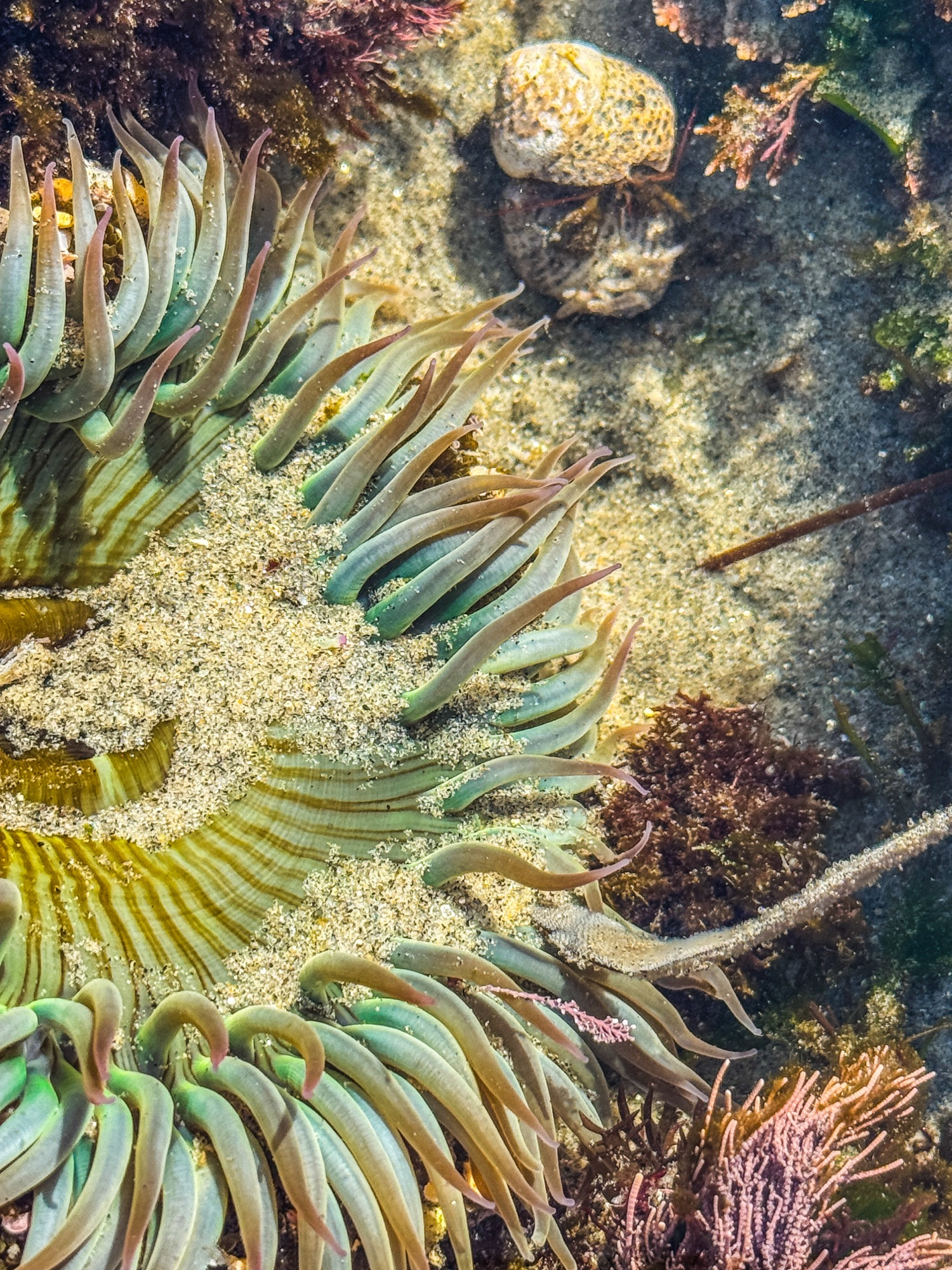
Slow Motion
Fireworks explode
in greens, blues
purples
painting the sea
in still life
motion
in motion almost imperceptible
sea stirred
I remember
to slow down
and channel
my inner anemone
sunbathe in the shallow salt
water
soak up the sun
let the sea stir me into motion
And, when no one
is looking
throw out sparks
that bring
color
to the world
During the pandemic I accidentally discovered the power of poetry dice. Not the pre-made ones that you purchase. Those are great, but when my students weren’t in my classroom, I figured out a way they could make their own dice at home. At the time, I saw those homemade dice as a replacement for the ones I had used in the classroom. But I have learned after making our own dice in the classroom that they are so much more than that!
The prelude to making the dice is important. We began this week by reading Peter Reynold’s book The Word Collector. This book is rich with language and encourages a delight in words: short words, multi-syllabic words, words that sing…. The book is great on its own…and then as my students predicted–we would be making our own word collections!
To keep them from collecting only one kind of word, I gave them some categories…and a few restrictions. They collected nouns (but not people), verbs, describing words, and colors. They chatted as they wrote their words, sharing ideas with each other. Then we folded the collections, placed them in our notebooks, and left them for a while.
Today, we returned to our word collections. I suggested that they might want to trade out some of the words they had collected on Monday. I showed them on my list by crossing out a word that felt ordinary and adding another that I had thought about since then. Then I gave them some time to read over their words, trade them out, or just add to their list.
Then I pulled out the highlighters. (The magic of office supplies is real!). Since we were going to make poetry dice, students would need to narrow their collection down to 12 words (for a pair of dice). We talked about including words from different categories and again, I talked aloud about some of my decisions as I highlighted my list. Once the 12 words were highlighted, it was time to distribute the cube templates. I use colored card stock so that the dice will have some firmness.
Students wrote their words, one per face, onto their cube template. And at that point, it was time for the cutting. This can be a tricky step with first graders, but they persevered and were careful, even with the tight corners. We had time to fold before recess, but not time to tape, so we left our unfinished dice and headed out for a snack and some playtime.
When we returned I pulled out an old favorite of a poetry book, I am Writing a Poem About… edited by Myra Cohn Livingston. (This is one of those oldie but goodie books–and I think it might be out of print!) In the book, described as a poetry game, authors are challenged to write a poem using certain words. We read through quite a few poems that used 3 words: drum, blanket, and ring. Right away students tuned in to listening to hear those 3 words in each poem. They noticed that sometimes the poet used a different form of the word, like drumbeat instead of drum. After marinating in the poetry game, we headed back to our tables to tape our dice together.
Pulling the edges of the cube together and taping them was challenging for some of these young poets, but again, they were up for the challenge. And then it was time to start rolling the dice. They were directed to roll 3 or 4 words, write them in their notebook and then to write their own poem including the words, along with some action, metaphorical thinking, and maybe the use of some of their senses.
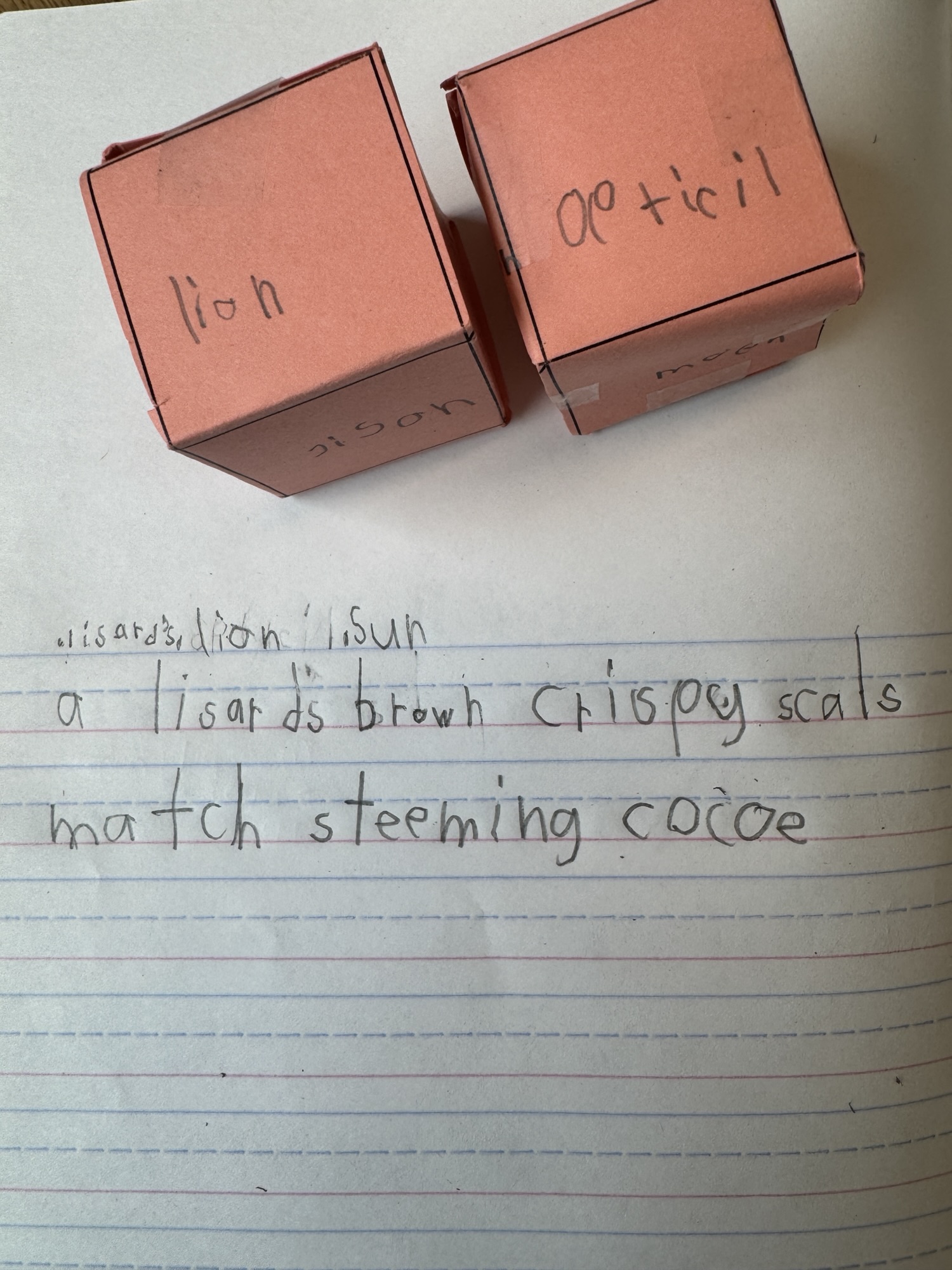
I’m convinced that the making of the dice creates fertile ground for poetry to grow. Time to think about words, to play around with words, to list words, to select words, to hear words, to consider the words of others, and then to roll dice and write…and then roll some more and write some more. In our last few minutes before going home, we took some time to read some of these pieces-in-progress out loud.
O, who doesn’t usually read, was ready to share today. Rolling robot, rainbow, and teal, O wrote:
A rainbow in the sunset
with a robot running through all the colors
with not a speck of teal
B seems to be using poetry to process feelings, rolled scared, blue, purple, and green. B wrote:
Making new friends
is scary
but blue, purple, and green
fill my heart
And J rolled three words, but ended up with just one of the words in the poem. J wrote:
A lizard’s brown crispy scales
match steaming cocoa
first smell
then blow
I rolled kaleidoscope, microscopic, collect, and singing and wrote alongside my students. Here’s my draft:
They collect words like gems
holding them up
to reflect the sun
A kaleidoscope of poems
emerge from this microscopic
piece of the universe
singing out a world
imagined by children
I’d love to hear your experiences making and playing around with poetry dice–either for yourself or with your students. Any variations to suggest?
Some days it’s the unplanned lessons that have the best results. A few weeks back I came across a picture book that looked interesting. I ordered it, it arrived, and I set it aside. Then yesterday, our first day back after spring break, I found myself with some unclaimed time and reading a book seemed like the perfect solution.
I walked over to the shelf where I stash the books I haven’t gotten to yet…and Together, a Forest: Drawing Connections Between Nature’s Diversity and Our Own called out to me. I started reading the book and those wiggling post-lunch students settled. We learned about different students in the book and their affinity to plants and animals in the forest. There was the student who was interested in everything–and forgetful–just like the squirrel who buried acorns and the ones it forgot later grew into trees.
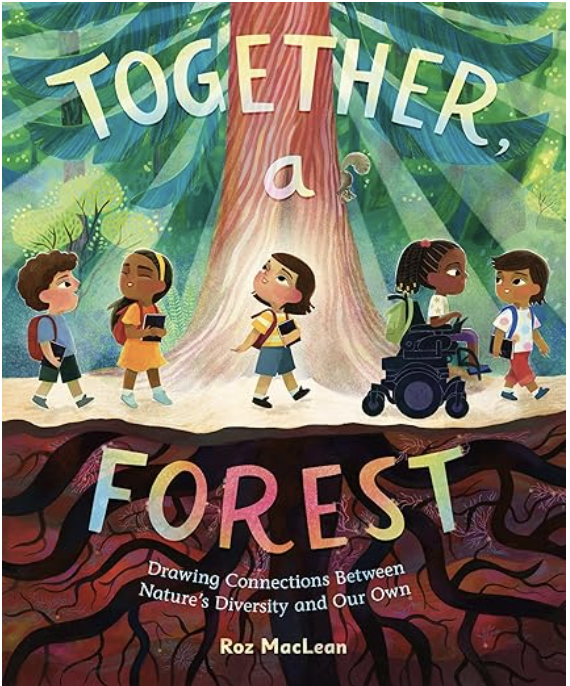
We started to think about the plants and animals who were like us…and while we didn’t have enough time to finish the book, the seed was planted in the poetry ecosystem that is our classroom.
Today our planned ceramics project went well and we finished successfully before recess. That meant the time I had allowed for the completion of the project after recess was now open and free. So, we went back to Together, a Forest and completed the reading and discussion. And then we started thinking about that question from yesterday…what plant or animal are you like?
The first graders grabbed their notebooks and started to write. They asked the usual questions, “Does it have to be a plant?” (No) “Does it have to be a part of a forest?” (No) “Can I use metaphorical thinking?” (Yes). I wrote–and I made the rounds around the classroom peeking over shoulders, listening to ideas, watching these comparisons turn into small poems, taking root in this poetry ecosystem.
J wrote:
I am an army ant. My super power is strength and I work with people. I eat fruit and I get it at the store then bring it home. My strength is teamwork.
H wrote:
I am an octopus. I am smart. I act like I have eight hands and I am super fast and tricky and change colors.
B wrote:
I am moss. I am like moss because I soak up everything I hear. I remember everything and if it is something bad I can squeeze it out.
And I wrote:
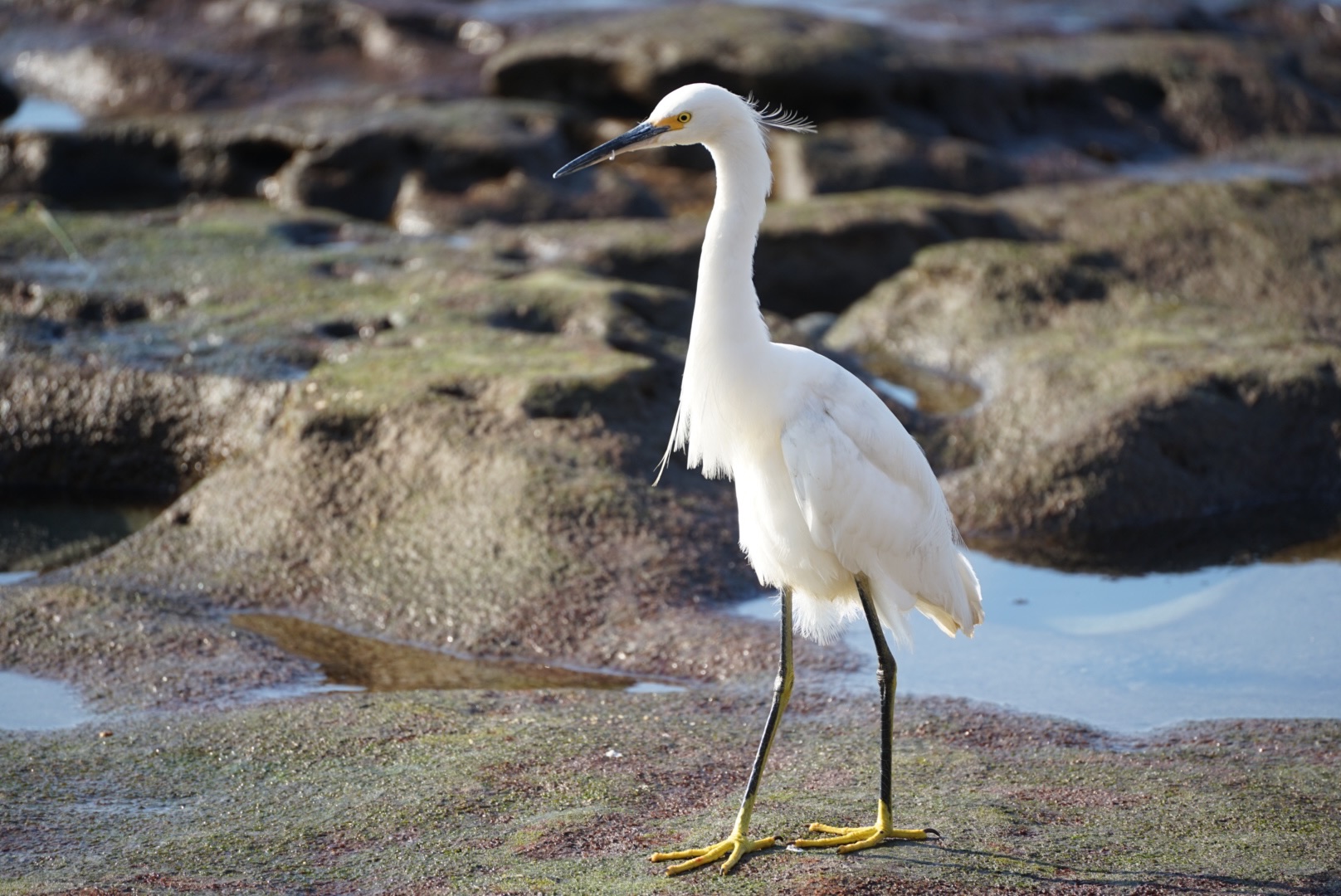
I am an egret. I am quiet and still. Patience is my super power. Most of the time I am good at waiting and thinking. Other times I startle and fly off in a flurry of feathers. I am good at being alone without being lonely. I love to reconnect with my family at the end of the day.
These first drafts will be fodder for the writing we will continue to do, this month and into the future. Right now, my students are writing easily, adding details and elaboration, beginning to play around with language and ideas…and willing and eager to read their writing aloud to their classmates. We have truly built an ecosystem of poetry and writing in our classroom.
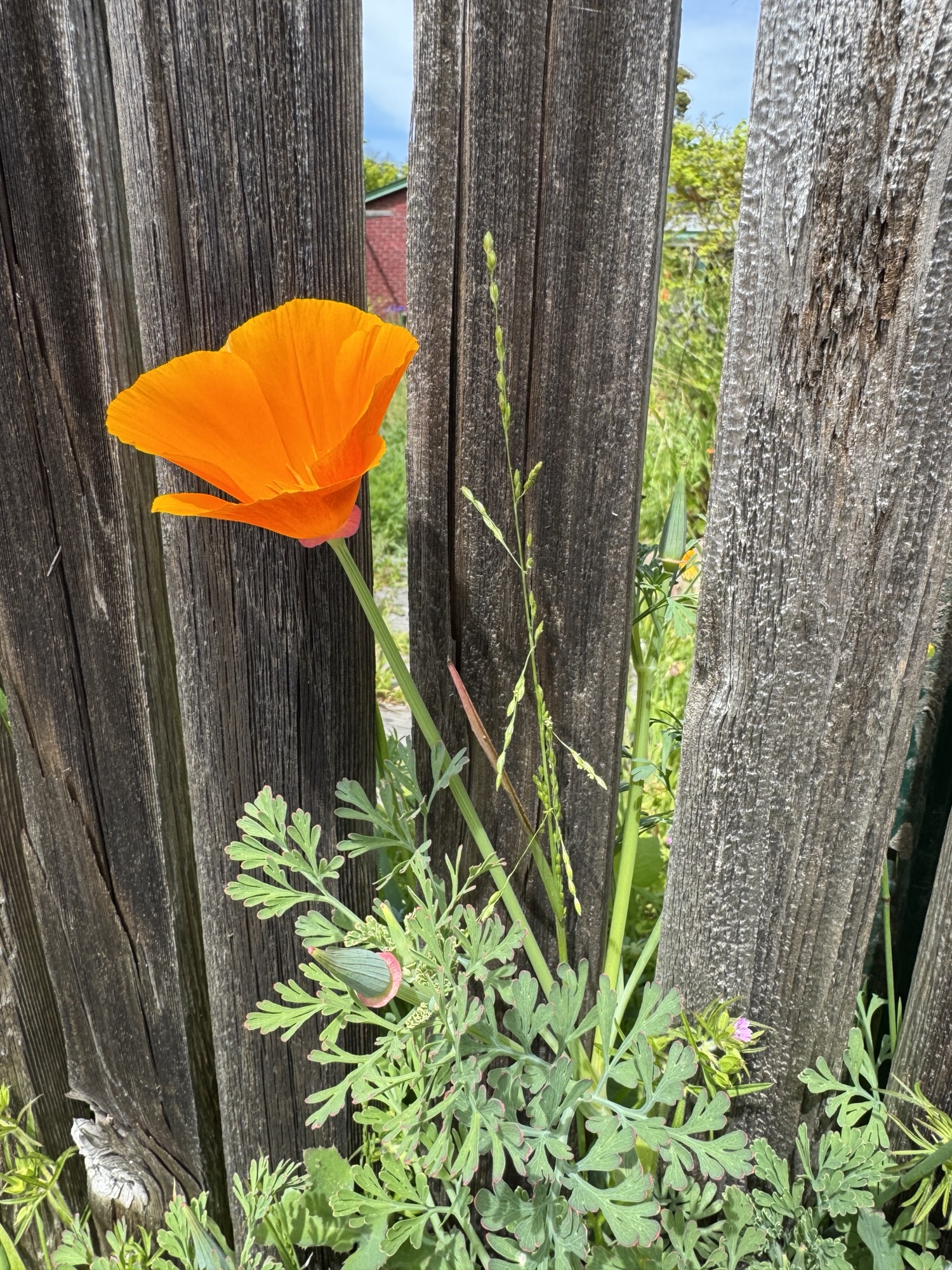
When Erica over at Verselove offered an invitation to write about flowers, I knew immediately that I would write about the California state flower: the golden poppy. Poppy’s feel like my alter ego–they open up in the warmth of the sun and close and duck their heads when the weather cools and the sky is cloudy.
On my first day back in the classroom after a week away for spring break, I knew I wasn’t up for the technicalities of crafting a villanelle. Instead I opted for the simplicity and constraint of an etheree: a ten line poem that begins with one syllable and builds to ten in that tenth line.
Ode to the California Golden Poppy
Pop
of gold
on roadsides
California
golden poppies sing
delicate beautiful
dancing in the warm breezes
It’s spring! I’m here! Pay attention!
Carpets of gold ignite the hillsides
pure California sun in a blossom
Where I’m from poems are tried and true in the writing project circles where I spend my time. So when Stacey at Verselove shared Where I’m From, Again as today’s post, it felt familiar.
I decided to try a very short form today…a Haiku. Can I express some aspect of where I am from in just 17 syllables? Here goes…
Where I’m From: Moonlight Beach version
walking sandy shores
osprey soar, egrets wait — breathe
in sea, breathe out home.
I’ve written scar stories, I’ve had my students write their own scar stories, but when Bryan’s scar prompt came up this morning at Verselove, I just kept thinking about my good fortune in this life.
Instead of my own scars, my mind immediately went to a student that I didn’t get to help this year. Time with me was too brief, attendance too sporadic, and eventually fear won and my student was gone. I can only imagine the resulting scars for this child and this family.
Both Molly at Nix the Comfort Zone and Margaret at Reflections on the Teche posted poems using a form they called a shadorma: a six-line poem that follows a 3/5/3/3/7/5 syllable count. To keep myself focused and constrained, I used this structure for today’s poem.
Immigration Policy Fallout
scarred learning
at only seven
fear impedes
permeates
school: expensive luxury
erasure of hope
Dave’s prompt over at Verselove about travel is actual lived experience at the moment. And as often does when travel is involved, the day got away from me. Here is my small offering…a piece that may (or may not) develop during the course of the month.
Roadtrip
Pack the car
snacks galore
(which we never touch)
Are we traveling
or moving in to stay?