Category Archives: Connected Learning

An Unusual Point of View

Yesterday I wrote a post about playing with frames where I was looking for different ways to photograph the ordinary in my life.  This evening I headed off to the beach (again) to cool off and enjoy the sunset.  And with my iPhone camera in hand I was again looking for new ways to explore the beach photographically.

When I sat down to write this post, I wondered about my topic.  Would I write about my school day?  Would I participate in Five Minute Friday and write about red?  I took a quick look at my blog reader and saw today’s Friday Weekly Photo Challenge on The Daily Post…and discovered that this week’s challenge is just what I have been working at!  The challenge is titled, “An Unusual Point of View” and talks about trying new ways to take photos of ordinary (or popular) views.

Back to the beach.  The tide was ultra low when we arrived and the seabirds were feasting in the wet sand.  I love sandpipers and their gently curved beaks that poke deep in the wet sand pulling up tiny shellfish and crabs.  I was stalking this pair as they searched the shore and shot this photo, capturing the reflection of the cliffs in the wet sand.  Can you spot my pair of sandpipers?

photo-2

As the sun moved lower on the horizon, I took a few shots and then felt that they were too much like the sunset photos I took last week.  How could I frame them differently?  I noticed that through my sunglasses the view looks different than it does when I look without them.  I decided to use my sunglasses as both a frame and filter for a picture of the setting sun.

photo-3

And then as the sun sat down into the water, I tried using the people in the water as features of my photos.  I tried some fishermen, some surfers…and then captured this pair which I am titling, Into the Sunset.
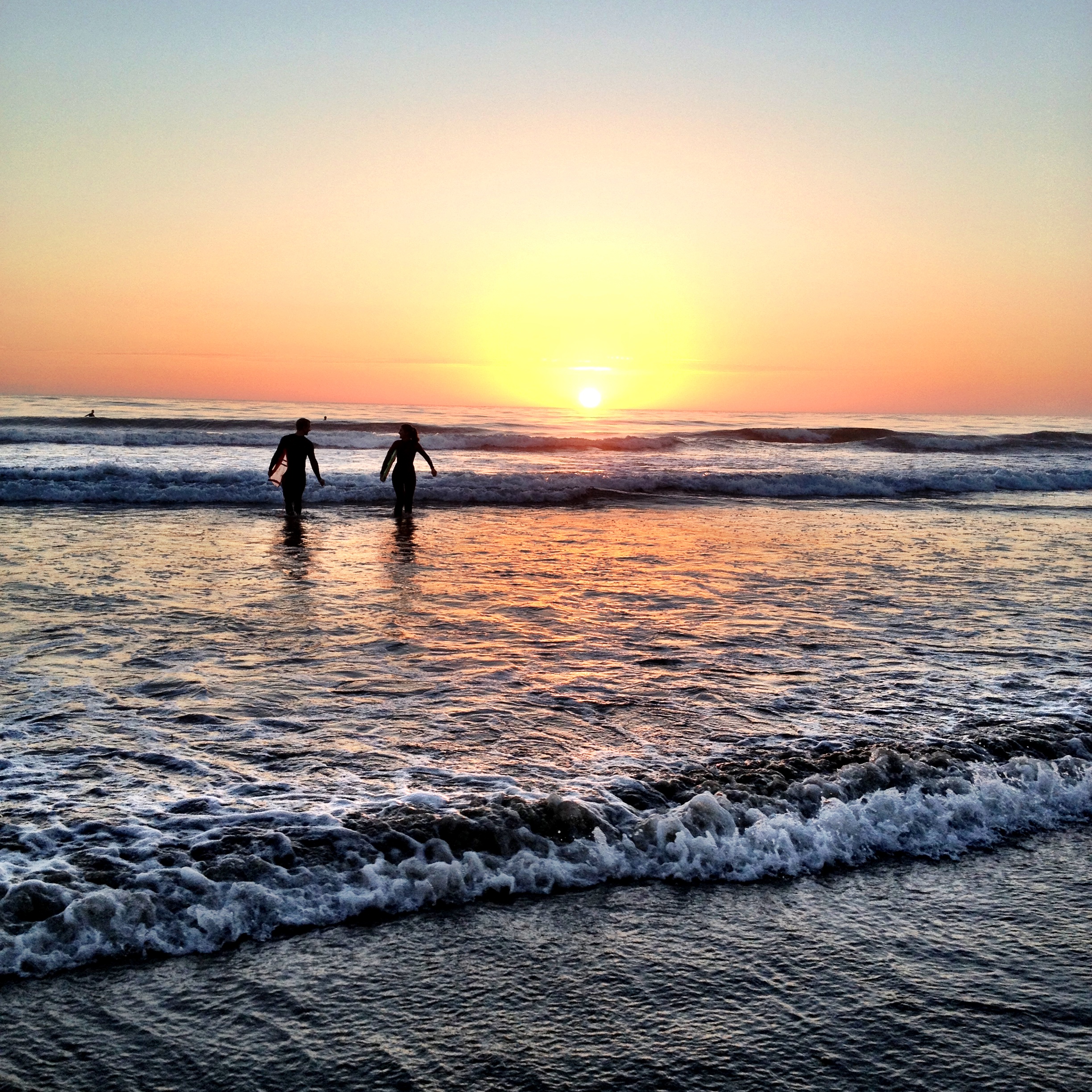
photo-1

I love stretching and trying out new strategies.  The experimentation adds a new dimension to my view of the world and has me alert to novel opportunities for photos.  I look forward to seeing what others produce with their unusual points of view.  What does an unusual point of view do to your craft?

Sorting Quiet

Today was a sorting and categorizing kind of day in my classroom.  Yesterday we read The Quiet Book by Deborah Underwood.

quietbook

In it she describes quiet in lots of evocative ways…here’s a couple of lines:

Last one to get picked up from school quiet.  Swimming underwater quiet.  Pretending you’re invisible quiet.  Lollipop quiet.  First look at your new haircut quiet.  Sleeping sister quiet.

Then we asked our students to think about the best kinds of quiet they have experienced. They had so many wonderful ideas including things like lost in a good book quiet, waking up before everyone else quiet, playing your favorite video game quiet, watching your favorite cartoon on television quiet…  They wrote their best kind of quiet on an index card before the end of the day.

Today to help us think about sorting and categories we read Shoes, Shoes, Shoes by Ann Morris–a book about shoes from around the world used for a variety of purposes.  We thought about the categories our shoes fit into…and the ways they cross categories: school shoes, running shoes, playing shoes…  And then, in groups of four students shared their best kinds of quiet and thought about ways to group their “bests” into categories.  We asked each group of four to try to find 2 categories that their 4 index cards would fit.  They came up with lots of categories: electronics quiet, family quiet, in-the-zone quiet, playing quiet, learning quiet…

And as a class we were able to narrow their categories down to four that we will use to create a class graph of our best kinds of quiet tomorrow.  Can’t wait to see what the data tells us!

What’s your best kind of quiet?

Noticing Texture: September’s Photo-a-Day Invitation

September arrives on our doorstep tomorrow and announces the unofficial end of summer. There’s something about the way Sssss roll off the tongue that suggests a texture that you can feel if you pay enough attention.  This month, for the September photo-a-day challenge, you are invited to notice texture in your world and capture it in photographs.  There are no rules–you are in charge in determining whether your photo fits the category!

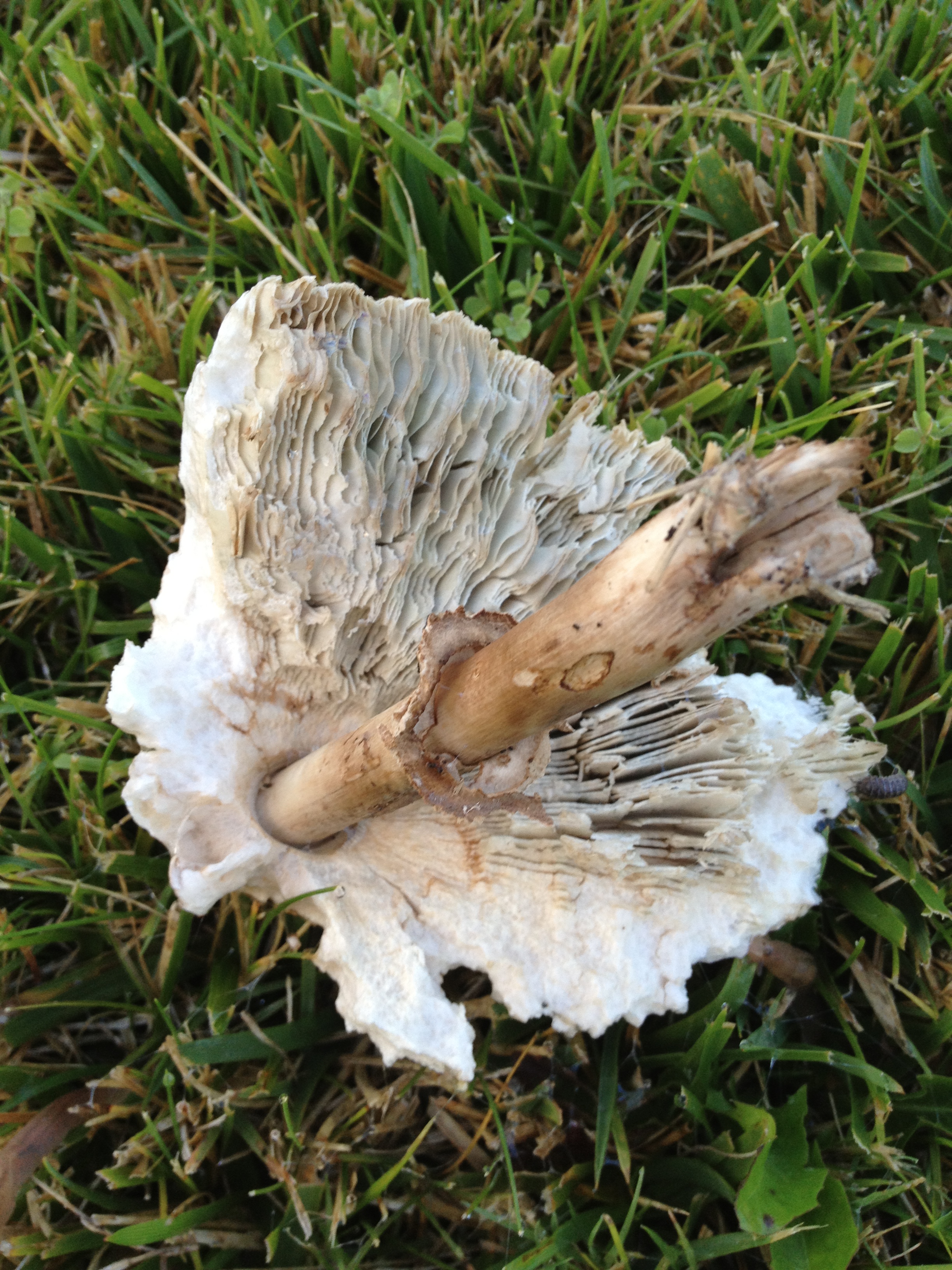
The #scaly inside of a mushroom.

The #scaly inside of a mushroom.

Take a picture each day that captures the spirit and feeling of the texture and post it to Instagram, Twitter, Facebook, or Flickr using the hashtag #sdawpphotovoices.  (You can post anywhere—if you want others to be able to follow your photos, Instagram and Twitter are best!) For more information about posting click here.  At the end of each week let’s add an additional challenge:  curate your pictures from the week and select one to highlight.  You might post it on your blog along with some musings about why you selected it.  If you don’t have a blog of your own, you have a couple of choices—you can create a blog (be sure to share it with us by including your blog address in the comments here—or better yet, tweet it using the hashtag #sdawpphotovoices) or you can post to the SDAWP Voices blog.

September 1-8:   smooth

September 8 or 9: reflect on your week and share your thinking and picture (or collage) on the link up

September 9-15:  scratchy

September 15 or 16:  reflect on your week and share your thinking and picture (or collage) on the link up

September 16-22:  scaly

September 22 or 23:  reflect on your week and share your thinking and picture (or collage) on the link up

September 23-30:  silky

September 30:  reflect on your week and share your thinking and picture (or collage) on the link up

As an extra invitation, at the end of the month, pick your five favorites to inspire a bit of writing or art or something else you want to make.  Be sure to share your creativity and what you discover through the process.

What will you find to photograph as you explore the texture in your world?  Join us…for a day, a week, or the entire month!

Weekly Photo Challenge: Sea

photo

Today was one of those rare hot, sultry days in our coastal community…and it’s the first week of school.  I love our old fashioned school with high ceilings, big windows…and no air conditioning!  By the time I left work today I felt hot and soggy–and home was also hot and un-airconditioned.

The perfect answer to almost anything in my world is a walk on the beach.  Mostly I walk at the beach on weekend mornings or afternoons.  But today, a Friday evening sunset walk was the perfect way to cool off and the perfect end to the week.  I’d forgotten how the sun setting changes the light and creates softness and shimmers, reflections and incredible colors.

photo-1

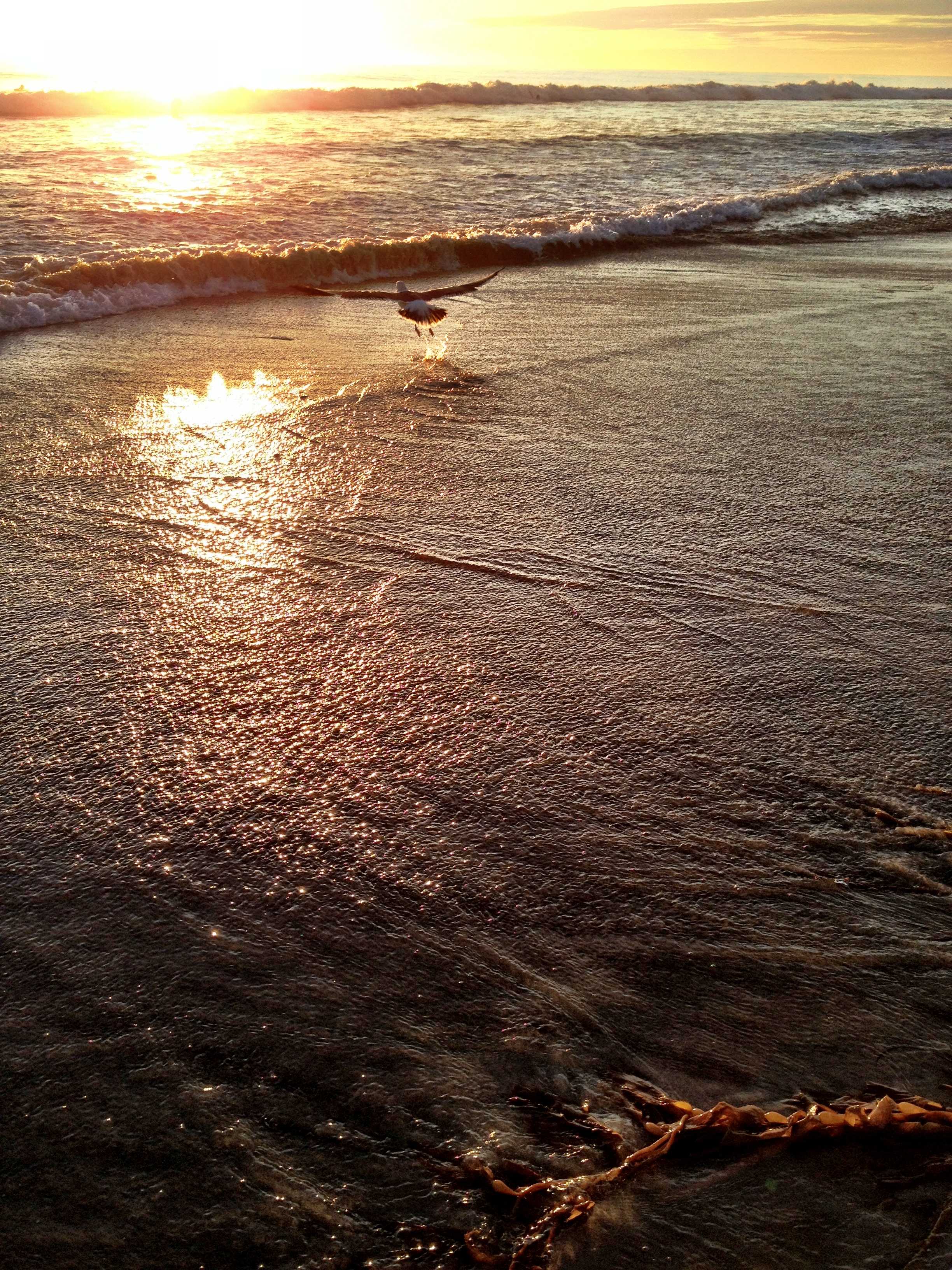
A feeling of peacefulness comes over me as I listen to the waves crash and smell the salty air.  I managed to catch this seagull in flight as it headed over the breakers.  There is nothing like the sea to sooth away the stresses of the week and help me feel centered and calm.

Where is your peaceful place?  What soothes and calms you at the end of your work week?

A Lesson in Resilience

Learning is what school is all about…and I’m lucky to learn with my students every day.  Today’s lesson was all about resilience.

We have 1:1 iPads in our classroom–for the second year in a row.  It’s one of those mixed blessings:  a flexible tool that kids love to learn with, and a tool with a mind of its own that creates havoc with lessons from time to time.  Last week, before the students arrived, Margit and I spent time sorting out our returning students’ iPads and assigning the newly “cleaned” iPads to our new students.  We made sure to sync the entire batch to our “cart account” to ensure that all our apps were on all the iPads and we also charged the iPads so they would be ready to use.

We introduced (or reintroduced) the iPads on Tuesday (the first day of school) with our focus on care, basic operations, and getting the IPads out and putting them away.  Students constructed rules for iPad use yesterday…and we had grand plans for a project involving the iPads today.  Things began smoothly…we split the students this morning with returning students in one room “cleaning up” their iPads and new students in the other room personalizing theirs. Students were successful and engaged–helping one another and taking care of business.  That wonderful “buzz” permeated the classroom as we all were reintroduced to our tools after a summer away from them.

We moved on to our project…working with personal “artifacts” to tell a story about ourselves. Each student photographed their artifact.  They worked to ensure they captured the item in the photo, careful to keep fingers out of the way and not let the iPad cover block the lens.

After recess we moved on to the next step: using the Notability app to import the photo and then record their voice telling the story of the artifact.  We walked through the basics of the directions confident that students would help each other through the steps.  And then the rumbles began…

It quickly became clear that our new students did not have the Notability app on their iPads–in spite of our syncing last week–and it wasn’t a quick fix.  Times like these doubly reinforce the benefits of co-teaching.  Margit worked with the IT support as I encouraged students to rehearse for their eventual recording, even without the iPad.

As you might expect, there was some anxiety from those without iPads–wondering if they would get to work on their projects and the sense of frustration that comes with plans gone awry.  But overall, resilience won out.  Our projects did not get done today and students have been reassured that they will get to return to the work tomorrow…with Notability installed on all the iPads.  As teachers, we once again learned the importance of resilience and flexibility and a sense of calm in the face of a potential storm.

I know that in spite of the frustration, our students will benefit from learning how to respond when technology complicates our best laid plans.  We hear plenty about this generation’s need for immediate gratification and inability to wait…often attributed to new technologies.  And sometimes I don’t think I am any more patient than they are!  But what I know from experience is that the use of these digital tools in the classroom is the perfect venue for teaching delayed gratification, problem solving, cooperation, and resilience…important life lessons for all of us.

The First Day

What do you remember about the first day of school?

photo-3

As a teacher, I continue to experience the first day of school every year.  And every year I have those same feelings of nerves and excitement. In my multiage class I get the best of all worlds–I get to loop with my students entering second and third grade and I get new first grade students every year.

Today was our first day of school and it began with hugs and smiles…from returning students and parents.  We got to catch up a little and students easily said good-bye to their parents as the school day began.  And we met our new students with the excitement of beginnings.  Nervous energy–ours and theirs–reminded us of the important milestone of starting a new school year.  Those first days are filled with establishing the routines that will mark our community all year long.

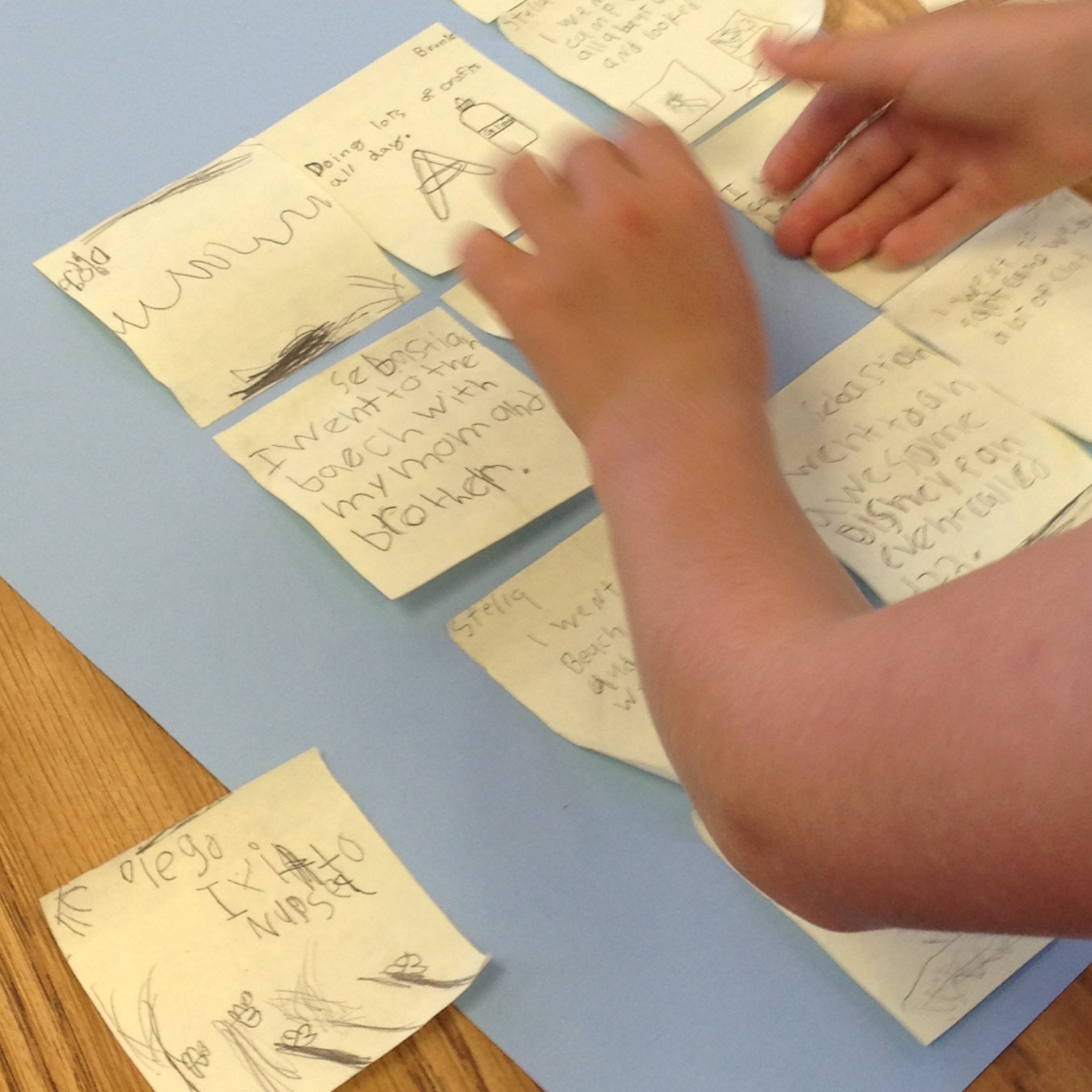
My highlight of the day was watching my students work in groups, returning students facilitating the activity for their younger classmates.  After discussing the highlights of their summer (everything from watching TV to running through the sprinklers, trips to visit cousins and grandmas to plenty of beach time, camps of every type–have you ever gone to fishing camp?–to playing at the park near home), students selected four of them to draw and write on sticky notes.  Then as a table group (teams of four), they sorted their summer favorites and created categories to describe them.  Finally each group created a graph that we will come back to in the next few days to both learn more about graphing and about each other.

photo-4

While we wrote and read, sorted and classified we also began to form ourselves as a learning community where everyone has something to offer and much to learn–teachers and students alike.

I was exhausted at the end of the school day…and I suspect the same was true of my students.  But I can’t wait until tomorrow.  The first day of school marks a milestone, but it the days that follow that are the reason I teach.

What do you remember about the first day of school?

Generating Questions–Photo Style

On this last day before my students arrive for a new school year I squeezed in that last (and infrequent even during the summer) leisurely morning in bed, ran a few errands, did a bit of work unrelated to the classroom, and pushed myself to fit in some exercise.  (Exercise is one practice I have yet to firmly establish in my life!)  And on that brisk and fairly long walk I wondered what I would write about today.  The last thing I want to do on this blog is rattle off the mundane details of my life.

Lacy (@nowawake) reminded me this morning on a conference call about her variation on a design activity I had worked on at the Intersections Design Institute in Denver where photography was used as a venue for science learning.  In her variation, Lacy takes pictures that generate science questions (check #sciencequestions on twitter for some examples) as a way to create curiosity and genuine inquiry.  I’ve been taking these science question photos for a while now–but haven’t posted any of them.  Somehow, today seems like the right day to highlight some of these questions.

I was thinking on my walk about how I decide that I have a question and pause to take a picture.  Do I ask questions about things I already have some theories about possible answers?  I think I do…I think I ask questions about things I am on the verge of understanding rather than things I know nothing about.  Does it take some awareness to know to ask the question?

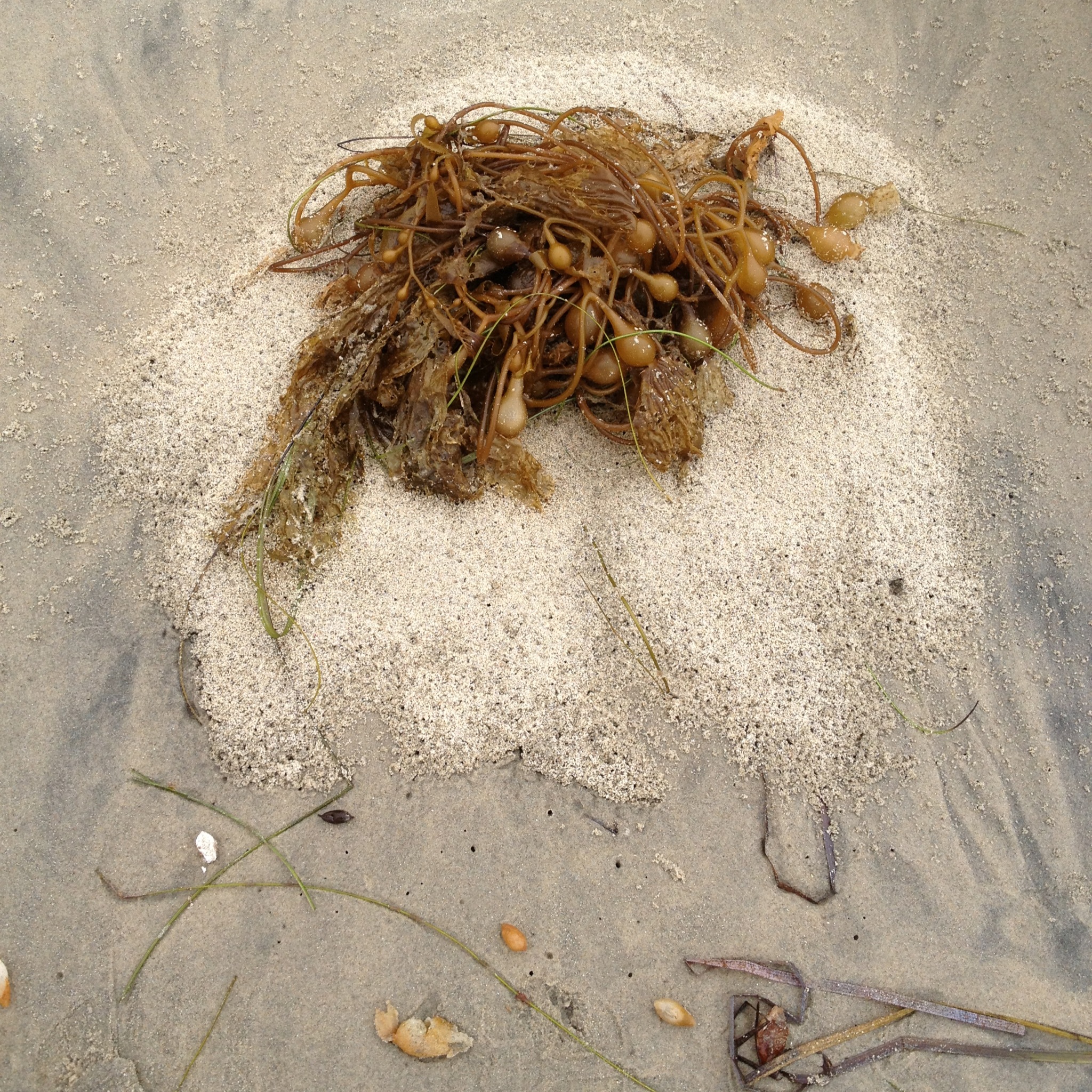
This first science question comes from my beach walk on Sunday.  I noticed this dry sand under little piles of kelp along the beach.  I walk on the beach quite a bit, but haven’t noticed this phenomenon before.  As you can see, the rest of the sand is damp, but directly under the kelp the sand looks dry and churned up.  I have two possible hypotheses about why–either some little sea creatures hitched a ride in to the shore on the kelp and then burrow into the damp sand or some sea birds churn up the sand as they feast on sea creatures.  What do you think?  I’ll have to dig into this question to see what others know about this.

photo

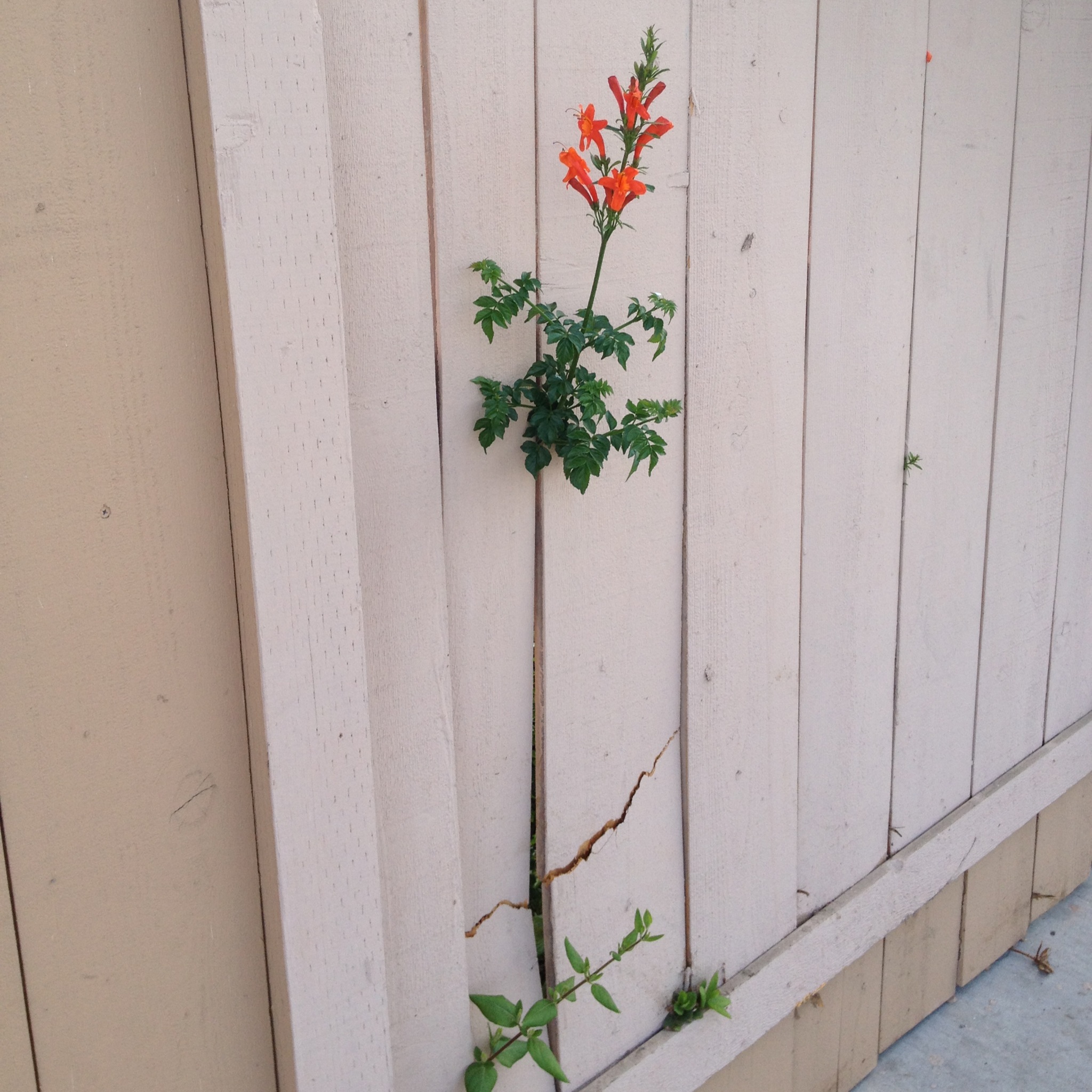
On today’s exercise walk I noticed this fence with many breaks and holes in it.  I was wondering how the fence was so damaged and then I noticed this flower literally growing through cracks in the fence.  Were the other holes caused by plant growth or something else?  How long does it take for a plant to break through the wood of a fence?

photo-1

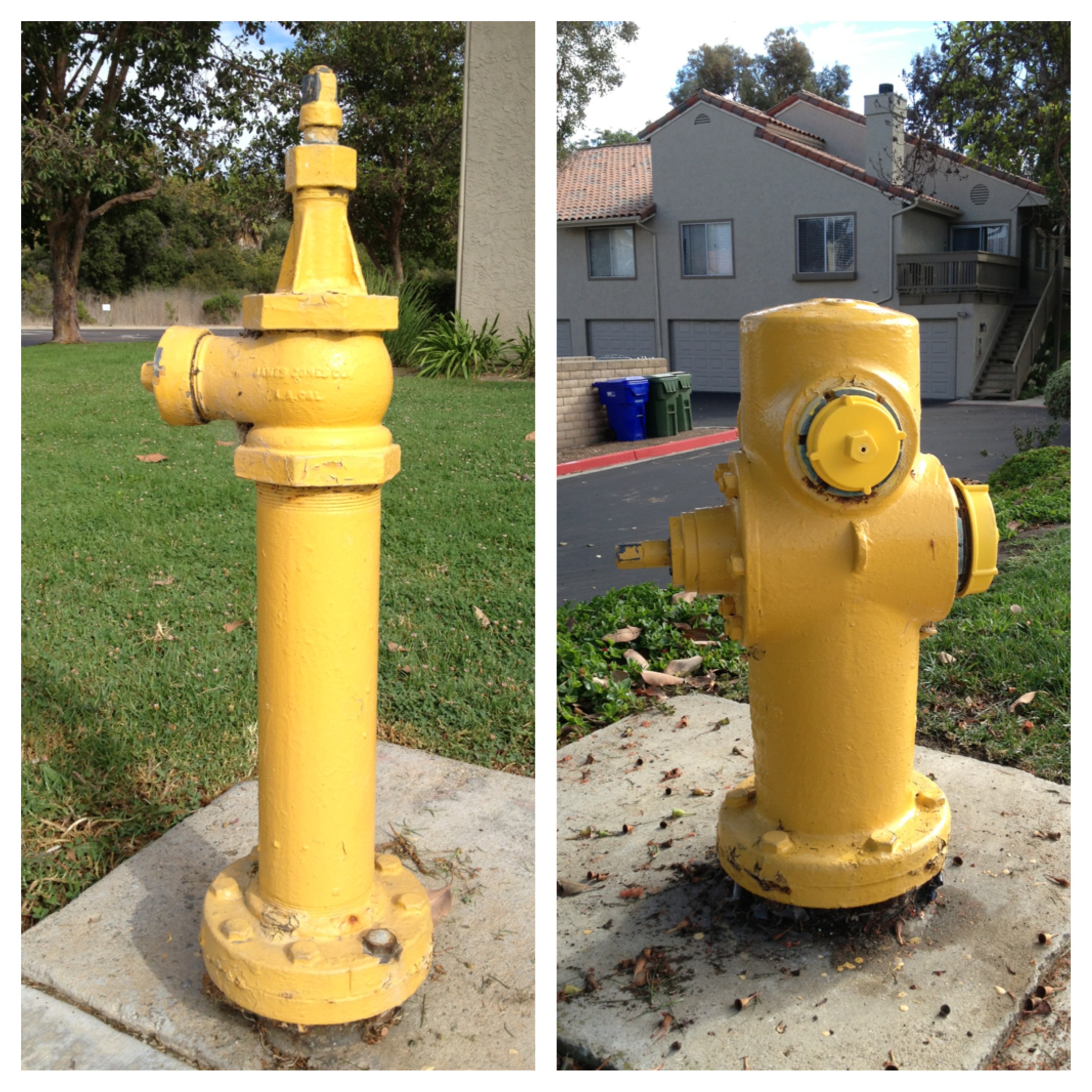
I was also noticing lots of fire hydrants.  Most of them are quite similar–yellow and squat with metal caps on the openings.  Then I walked by this skinny hydrant (or is it a fire hydrant?), I actually had to double back to take a photo.  Just ahead of me was one of the those typical squat hydrants–but this one had plastic caps instead of metal caps.  What’s the reasons for these variations?  And then I wondered as I continued my walk–are these science questions or are these social studies questions?

photo-2

And that got me wondering about some of the bus stops I passed.  I passed one with a bench and a trash can in front of it.  Then a little further on I noticed a woman waiting by a bus stop–and there was neither a bench nor a trash can.  So how are decisions made about which bus stops get benches and which don’t?

I love the way taking photos makes me take the time to ponder the questions that arise as I survey my world.  They also give me a visual reminder to go back and explore those inquiries. How do you document your questions about the world?  Do you follow those inquiries to find answers?  What are you wondering about?

Learning from Patterns

This week the #sdawpphotovoices photo-a-day focus has been patterns.  And while I have taken photos of the patterns I have found, I have also been thinking about my own patterns…patterns of thinking and patterns of behavior.

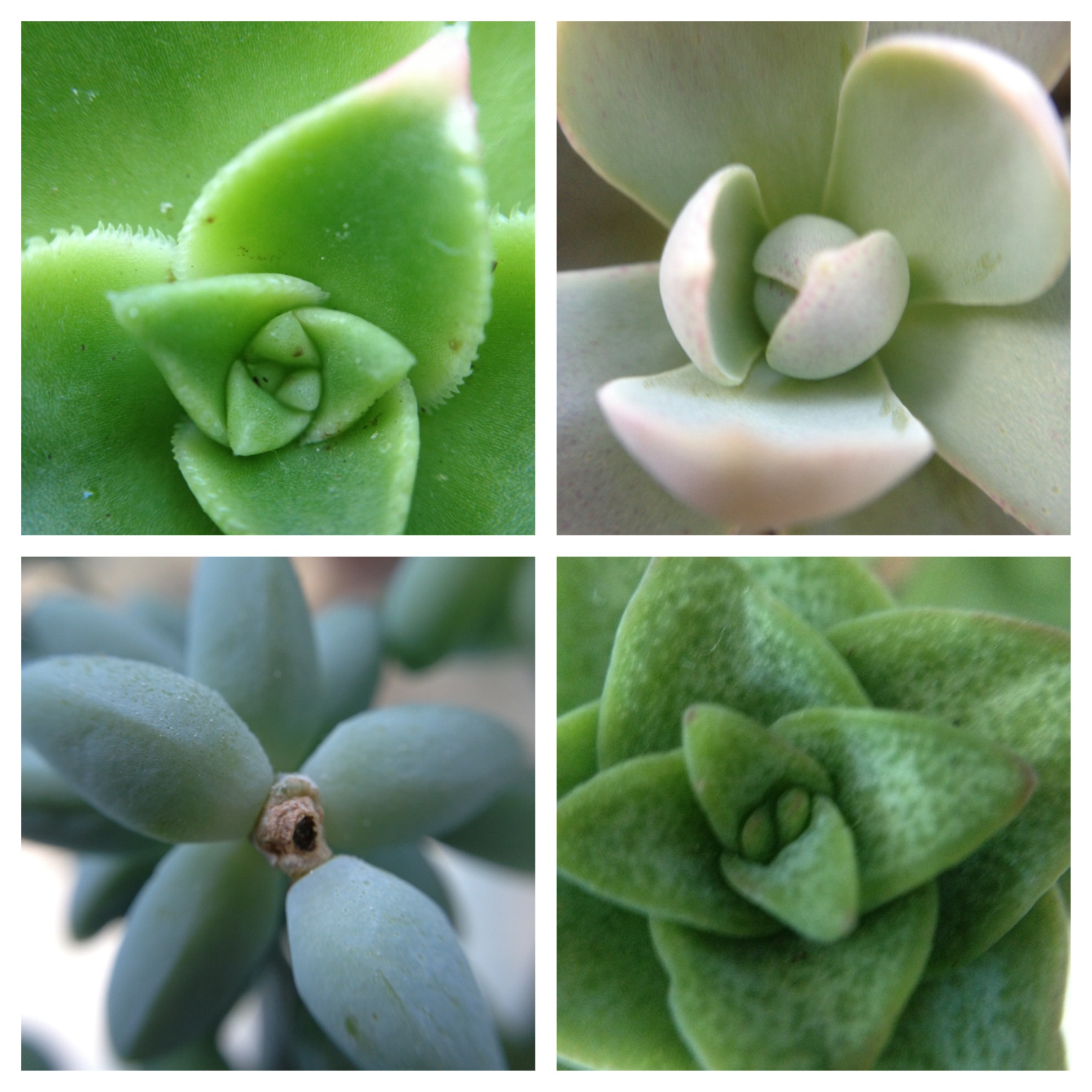
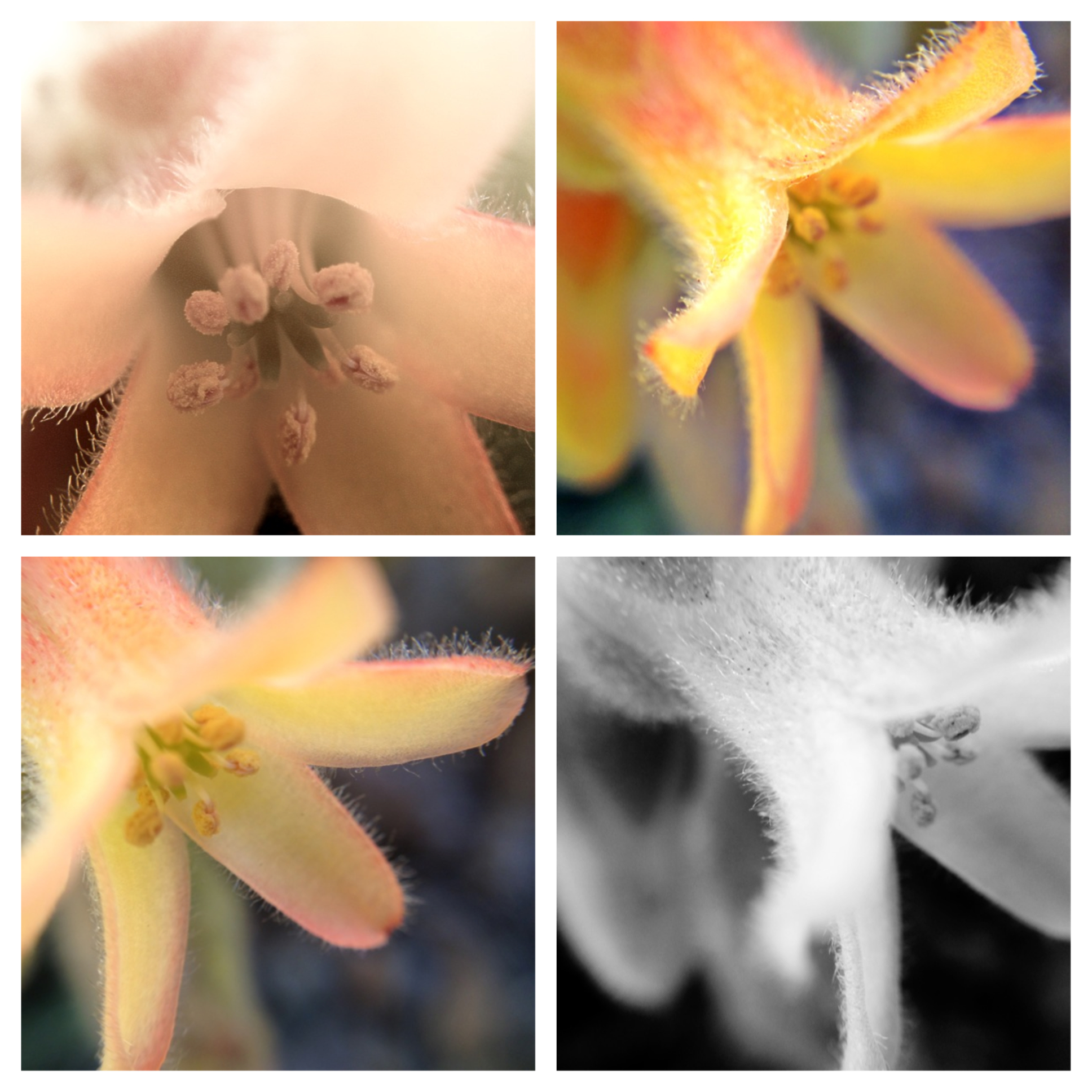
Being back at work definitely re-directed my attention from photography to my classroom.  On Monday I remember getting home, feeling tired and realizing I hadn’t taken a single photo all day!  Taking a look around the house for interesting patterns led me to my macro lens…I took pictures of the center of the succulents in the kitchen window.  Using picstitch I put four pictures together and posted with the caption, “What patterns do you see?”

photo

Is it cheating to create your own pattern by stitching photos together?  Tuesday and Wednesday were also days where the photos I posted didn’t really reflect patterns as they are defined in the design world.  I didn’t want to post photos of tiles or carpet or brick or other typical patterns.

On Thursday I was more inspired and had already taken several photos of patterns when I squeezed in a five minute pattern walk between errands in the afternoon.  (You can see more of Thursday’s patterns here.)  This was the day when I realized how important it is to take some time every day to do something just for yourself.  Those five minutes I spent looking for and photographing patterns were energizing and relaxing.  This is a practice I want to make sure to develop.

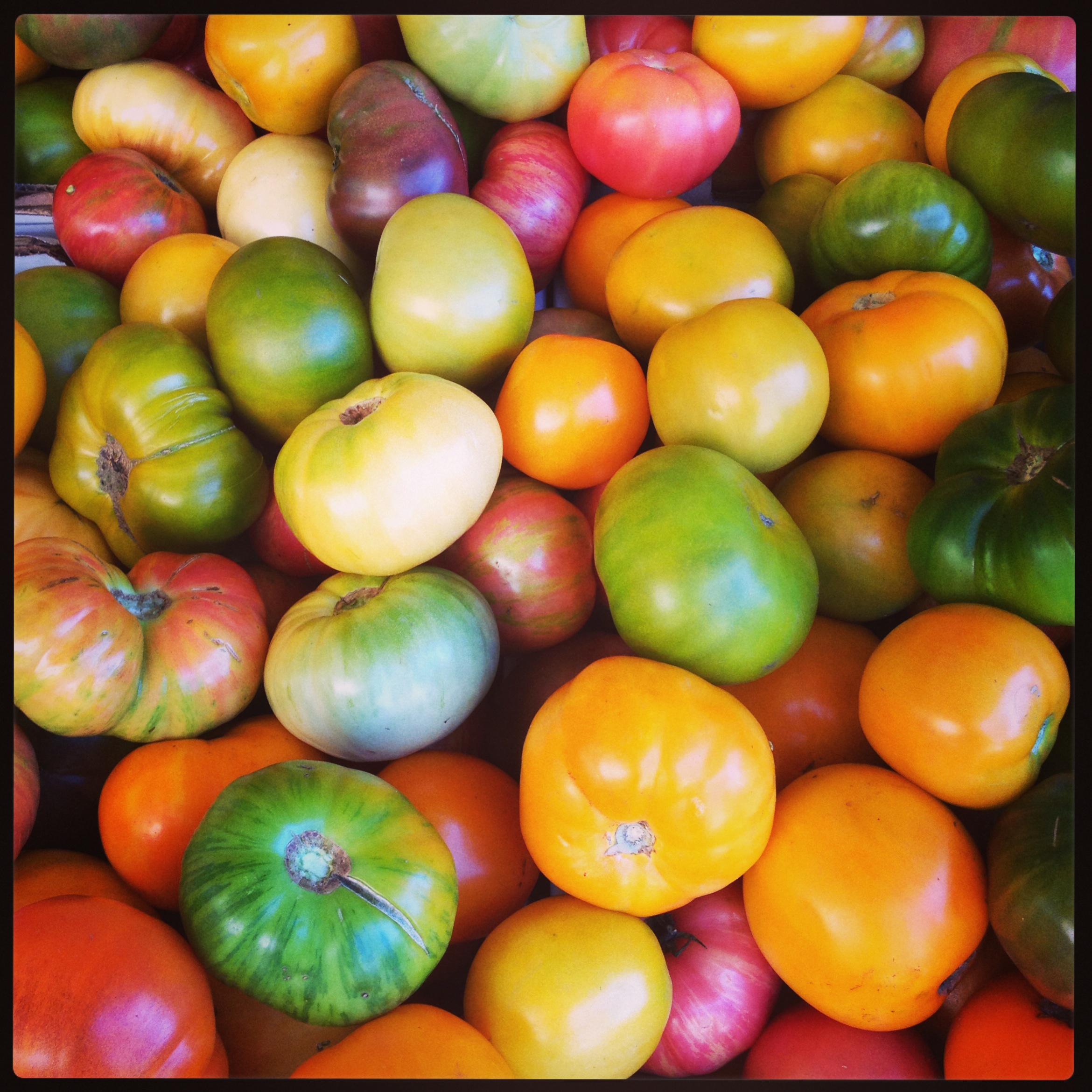
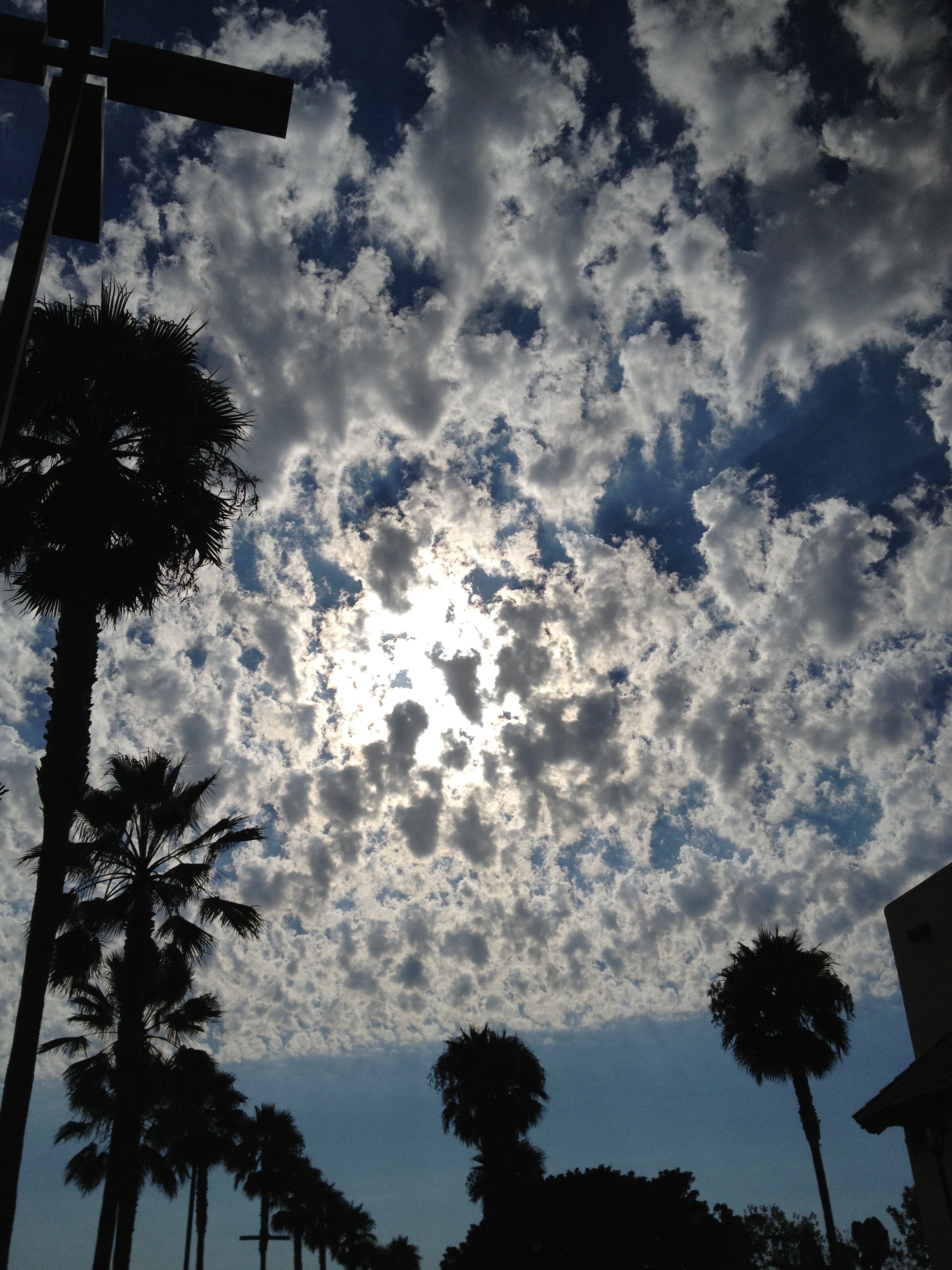
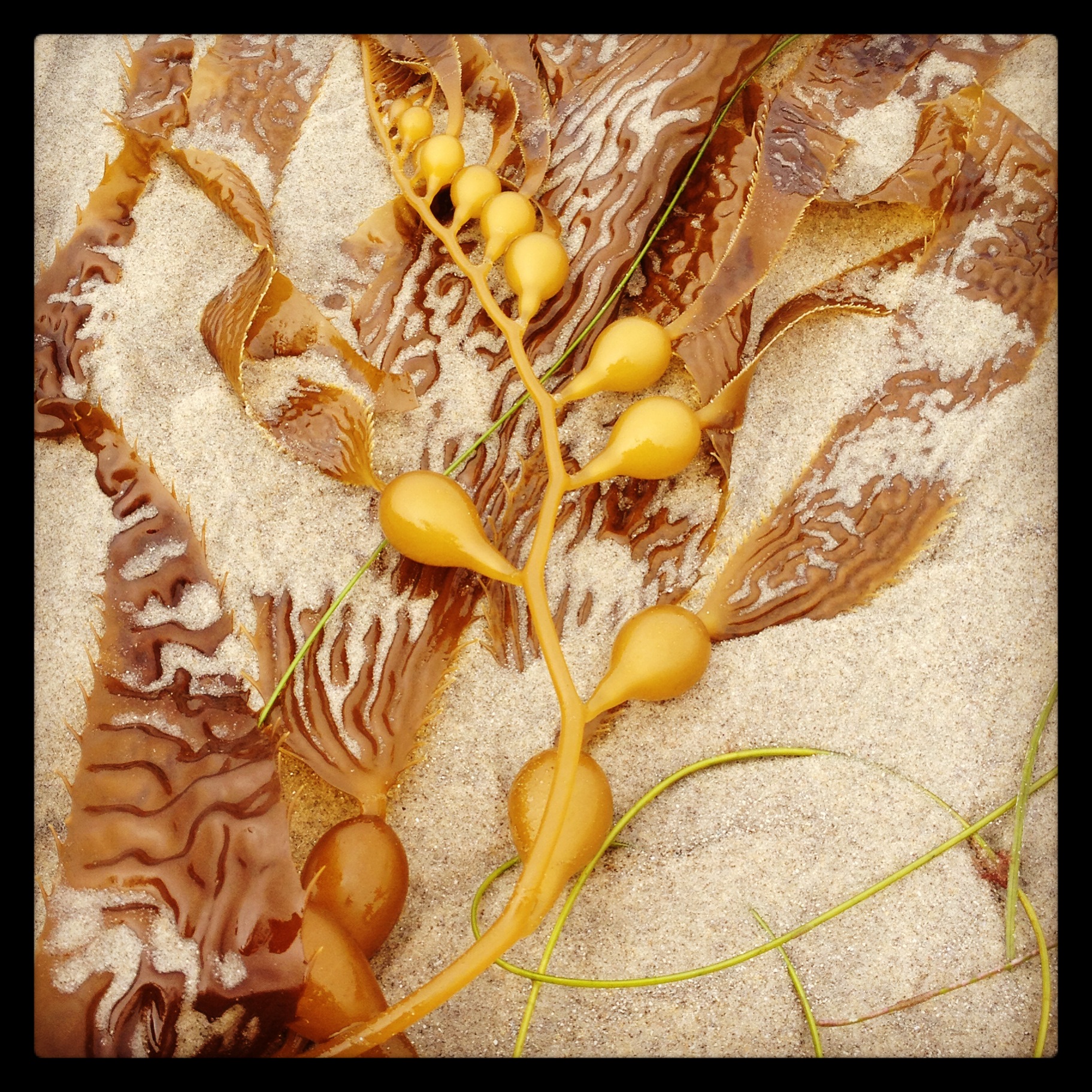
Most of the patterns I photographed this week were organic–nature’s beauty unveiled in heirloom tomatoes, cactus blossoms, clouds, and kelp.  Even the man-made patterns I captured often had an element of nature to them, I found myself looking at shadows and seeing patterns repeated by the sun’s angles.

photo-1

picstitch

photo-2

photo-3

photo-2

So I’ve noticed that my photo-a-day theme does make me look at the world differently than I might without it, but that regardless of the theme, I take pictures that catch my eye…and then play with language and ideas to make them work as I post.

So my two take aways for the week are:

1.  Take time to do something I enjoy each day (photography is an example of this), even if the photos don’t match the theme.

2.  It’s okay to play with the theme if it works for the photography–isn’t that the point after all?

What patterns do you notice in your life?  Which will you change and which will you embrace?

Next week is repetition…I wonder what that will teach me?

Rethinking Use

For the last couple of days, my teaching partner and I have been busy planning for the first week of school.  With a multiage class of first, second, and third graders, we have a wide span of age and school experience to take into account…and our older students have been in class with us for the last year or two.  That means we are always figuring out new ways to build community and academic skills, encouraging student engagement and building collaboration and problem solving.

We love using picture books to launch student thinking…and students love to be read to!  Today’s planning conversation involved many books, what role they might serve, and how we might use them as we start the school year.  Last year we read a book by Jerry Pallotta called How Will I Get to School This Year? which we used to get our students started with writing opinions.  We used this simple picture book to ask our students to come up with reasons and evidence to support their opinions about how they would want to travel to school.  Which would be better, a grizzly bear or a butterfly?

At the end of the school year when we came across another Pallotta book in the series, Who Will Be My Teacher This Year, we set it aside for potential use this fall.  And when we read it again this year to think about how we might use it, it initially fell a bit short of our expectations. And then we started thinking…

Something we want our students to begin when they come back next week is to help us reorganize our classroom library to better serve their needs.  We have lots and lots of books–but they don’t seem as accessible as we would like.  And we would love to have our students more actively recommending books to each other.  As we thought this reorganizational task through, we worried that some of our more accomplished readers might be dismissive of some of the easier to read choices in the library.

So…how might we use this Pallotta book to model how a seemingly simple book might actually be more than you see at first glance.  When we took a closer look at this book we noticed that in addition to the fairly simple text and some silly associations between teachers and animals, there are also a lot of idioms used.  Attention to these would change the way a reader looks at the book.  We also considered how our students might pick a page where the connection between the animal and the teacher action is tenuous (the alligator teaching students to be “green”–as in environmentally aware–is one example) and revise it.

We found ourselves reading and reconsidering picture books from a variety of perspectives in our planning today.  I know that our thinking today will inform the way we set our students up to revamp our classroom library.  I can’t wait to see all the ways they approach books when charged with this important task of making our classroom library work for them!

How have you rethought your use of and approach to a book you use with students?  What’s a favorite book you can’t wait to share?

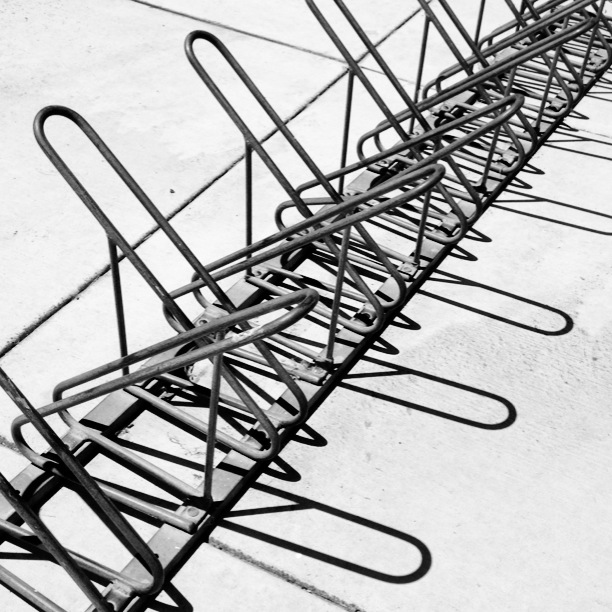
A Week of #Angles

My daily blog post is most often the result of a percolation of ideas throughout the day…written toward the end of the day.  Today I knew I would be writing about my week of focusing on angles –this week’s #sdawpphotovoices topic.  My morning began. as it often does on Sunday, with some time reading articles on Twitter.  Today’s @brainpicker post was about a book called On Looking: Eleven Walks With Expert Eyes by Alexandra Horowitz.

As I read the review of the book I found myself thinking about how photo-a-day has impacted the way I look and what I see as I go about my daily life.  And then I saw Janis’s post today on SDAWP Voices as she reflected on her week–and she was saying similar things about her experience (and she had also read the same post by @brainpicker this morning!).  This book focuses on the ways a different lens opens up an entirely different experience of the place.  When you walk with a toddler and pay attention to how that toddler pays attention, you see a different place than the familiar routine you are used to. What does your dog see?  How about an entomologist?

Back to angles…this week’s photo-a-day focus.  I took a lot of pictures this week, from a variety of angles, of a variety of angles…angles were everywhere!  Some of my favorite pictures of the week I never did post on Instagram.  But because I am writing every day to post to this blog, my pictures also become a stimulus for my writing and my thinking.

photo

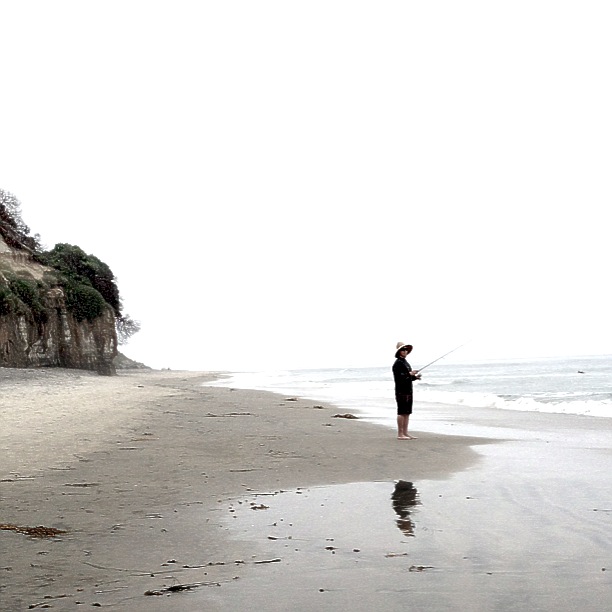
I love this picture of the lone fisherman with his pole angled in the surf.  I don’t often take pictures of people–it feels awkward to photograph people I don’t know…and I didn’t want him to pose.  Instead I took the picture from a distance, knowing I would lose the details of his face. The bonus is the reflection!  I can see writing a story with this photo as the prompt…I think the story is already beginning to take shape for me.

photo-1

This angry bird kite was roosting in the tree above the beach.  Its angles had it caught pretty securely in the intertwining branches…in fact I saw it again several days later on a walk later in the week.  I love the play on words and images of the bird kite in the tree.

photo-4

Shell fragments are common on the beach, but coming across an entire shell–especially one still connected and angled like this is a rare occurrence.  If you look closely you can see the strand of sea grass lying in the background.  I wonder if a seagull got this tasty morsel!

photo-3

Coming down the ramp from the parking lot, I got to see these wonderful flat and yet angled rooftops of the new concession stand and bathrooms.  I love the way that architecture can take straight lines and create unexpected angles by the way they are placed in relation to each other.

Tomorrow I will shift my focus from angles to patterns.  Added to my photography focus and blogging focus, I will also be thinking about all the other ways I might see the world through the lens of a child, or an architect, a scientist, or an artist.  I’ll also try “seeing” the world through my other senses–how does what I hear impact what I see?  What about smell, taste, and touch?

What have you failed to notice?  How can you shift your attention to see more of your world?