Category Archives: nature

Rain and the Common Core

October in San Diego is often a hot and dry month characterized by Santa Ana conditions, creating a high risk for wildfire.  We’ve already had many “red flag” warning days.  These warm, dry October days are both wonderful…an extension of summer…and terrifying, having lived through some horrific urban wildfires in the last decade or so.

Rainy days are a rare occurrence here.  We average less than ten inches of rain a year…and I can’t remember the last time it rained!  (Was it in May or June?  Or even before that?)

With rain in today’s forecast, my students were dressed in an odd assortment of post-summer attire: shorts with sweatshirts, boots with tank tops, hoods and hats…  Like having one foot in summer and one ready for the impending storm.  Students were excited, edgy–some complaining of cold (in the 60+ degree temps), others in sleeveless tops running happily in the almost-weather.  The blustery conditions hinted at “real” weather–weather that didn’t arrive during the school day today.

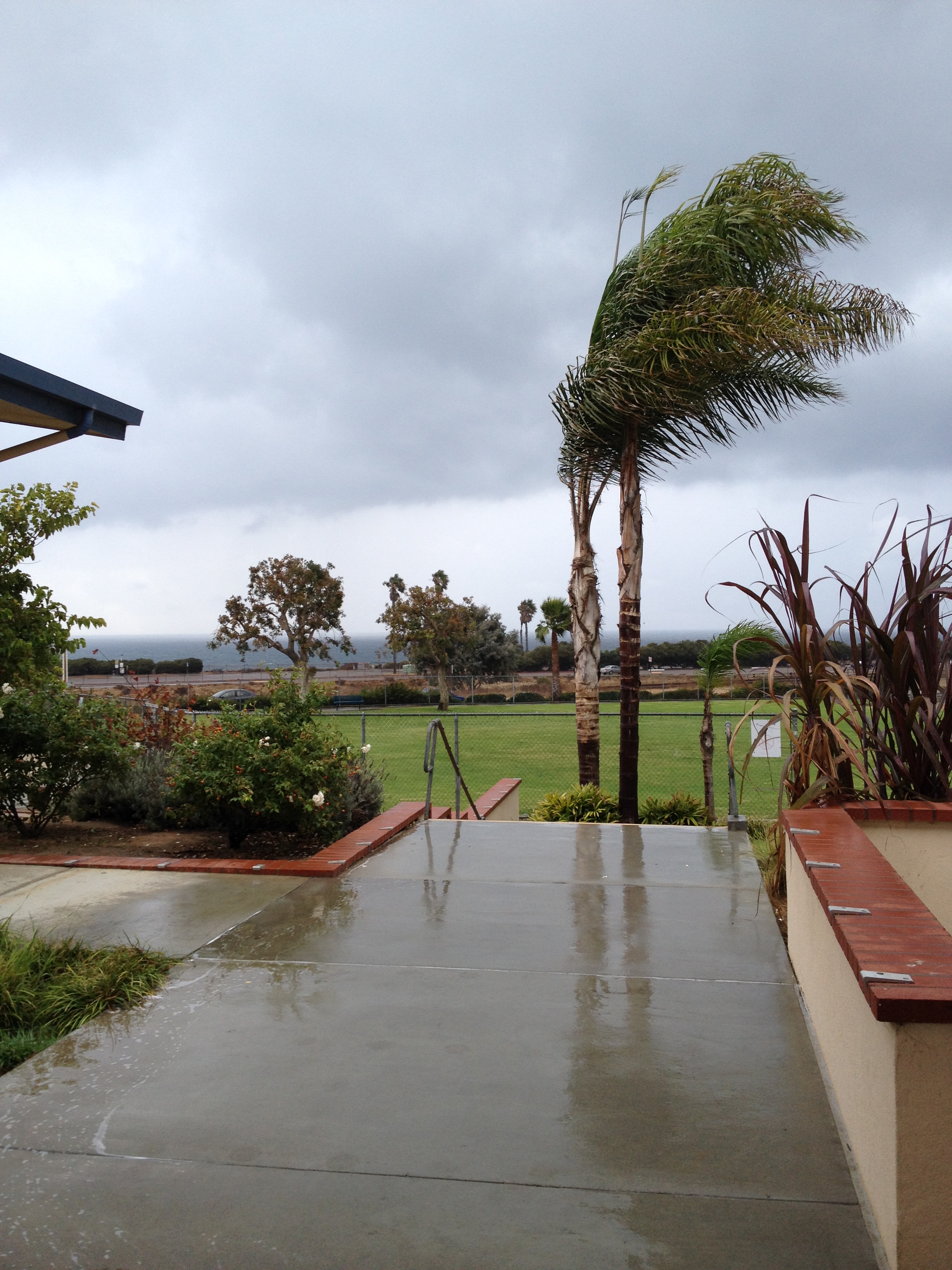
An hour or so after school ended for the day, the much anticipated rain arrived.  Not just the drizzles the we so often get, but real soak-the-ground kind of rain.
photo

Meteorologists, through the media, announce our “severe weather” and the roadways are a mess with spin outs and collisions caused by slippery conditions and out-of-practice rainy day drivers.  And yet, we need this rain.  We need it to ease the fire conditions that come with the parched earth.  We need it to lessen the demands on our over-stressed reservoirs.  We need it to water our lawns and gardens and native foliage.

And the rain is a reminder that change can be a catalyst.  In a place where the weather seldom changes, it’s easy to see rain as inconvenience.  It tangles the traffic, scares customers from the local farmer’s market, and causes many events to be canceled.  (Like I said, rain is rare here!) But change, like rain, is an opportunity to rethink everyday routines.

At lunch today, some of my colleagues and I were talking about the Common Core State Standards (CCSS) and the stormy conditions they are creating for many teachers.  They feel threatening like severe weather (or a rainy day in San Diego)…requiring a change in the ways teachers think about instruction and classroom routines.  It will take more than pulling on some rain boots to create an environment for deep learning, a place where students make sense of concepts rather than memorize facts and procedures.  Change feels hard and scary, but like the rain in San Diego, we need it.

And like my students on an almost rainy day, some teachers are ready to embrace the change and rethink their instruction and consider new ways to support students to more critical thinking and in-depth analysis.  And others will make more cosmetic changes, renaming old practices and repackaging old projects.  There will be an odd assortment like the tank tops and boots and shorts and hoods my students wear–a mish-mash in our educational system–as we figure out just how to deal with the change.

I’m choosing to embrace change and see it as an opportunity rather than an inconvenience. We need the rain in San Diego…and we need change in our educational system.
Planting Seeds

We planted seeds today…in the garden and in our writer’s notebooks.  There are many garden metaphors about learning and students–especially at the elementary level and as I watched my students today, I can understand why.

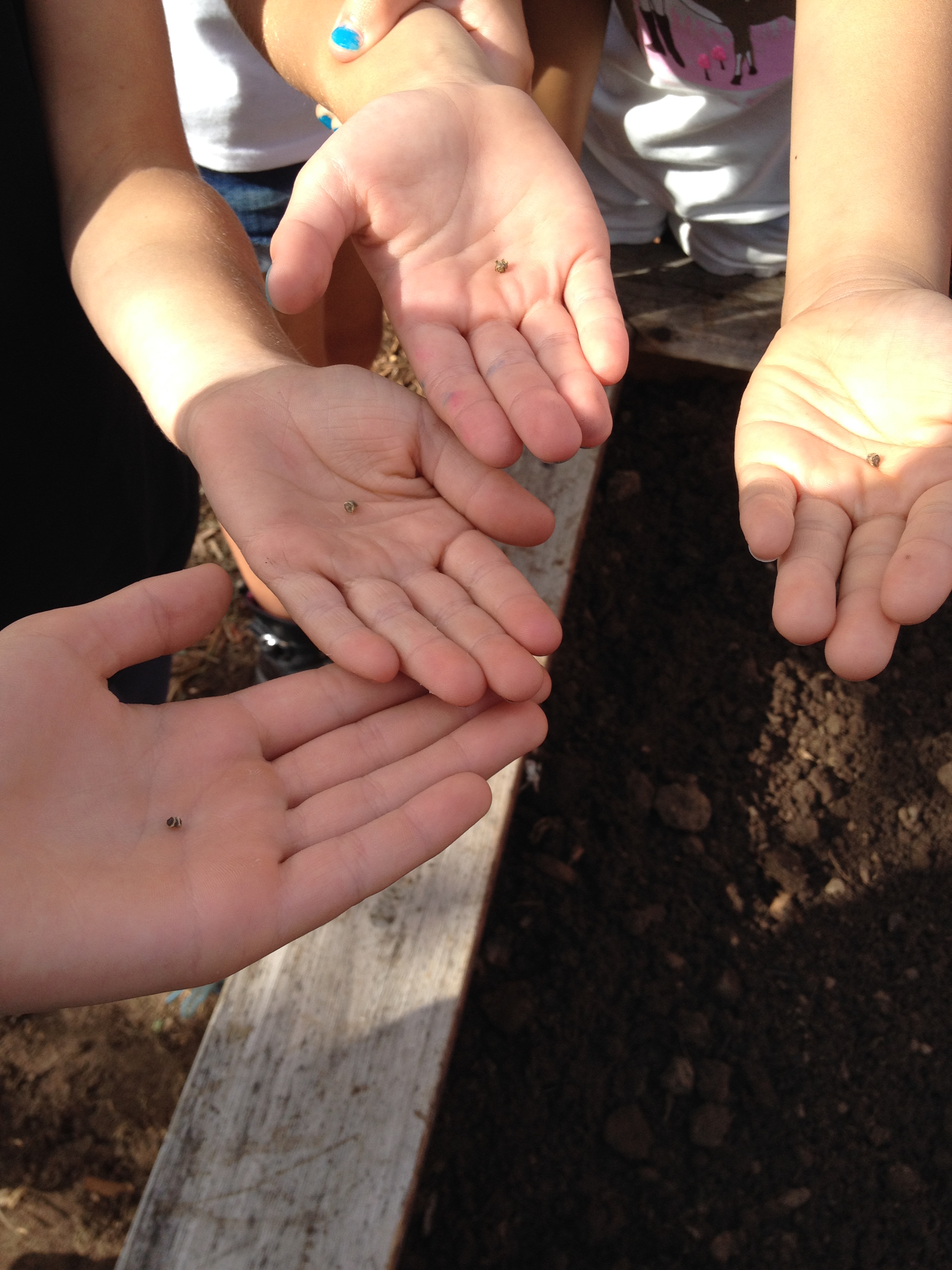
The beet seeds were small and for some of my students, hard to hang onto.  Some seeds slipped to the ground, blending in with the earth.  Those students needed another seed to plant in our garden bed.  Other students delighted in the tiny seeds and noticed every detail. They were able to keep track and carefully nestled the seed into the soil.

photo

During our writing lesson a bit later, I noticed that some of my students took the lesson on similes and easily “planted” their ideas in their writer’s notebooks.  A few stretched even further and played with language and the technique of simile to create fresh and interesting images.  Others had dropped their “seeds” and needed some extra support to “plant” a seed or two in their notebooks.

In the garden, after planting our seeds, students carefully watered the soil to create an environment to support the seeds’ germination.  They managed the heavy watering cans and negotiated turn taking as fledgeling gardeners.

photo-1

In the classroom, we left our writing seeds to germinate too after carefully sowing them in our notebooks.  Time was short and ideas were flowing…students can’t wait to come back to share their writing and extend their ideas.  This is an environment ripe for more writing tomorrow! Today we used Stubborn as a Mule and Other Silly Similes by Nancy Loewen to “prime the pump” and get us thinking about similes and how we might use them in our writing.

We planted beets, peas, arugula, spinach, beans, kale, and sunflowers today.  As our gardening teacher reminded the kids, we plant all the time because we want to eat all the time.  And as writers and learners, we need to write and play with language and writing so our ideas and stamina and capacity for writing and learning will also grow. We celebrate the National Day on Writing in October each year as a reminder of the importance of writing in our lives and learning.  But just as we don’t only plant our gardens in October, we can’t just plant our writing in October.  We have to write all year long, in lots of ways for lots of reasons to nurture our writing…and our writers so they too will grow strong and tall.

photo-2

How do you nurture writers and learners?  What seeds did you plant today?

Crows

As I walked across the parking lot toward my office today I heard a crow cawing. I looked and noticed it sitting in a tree at the edge of the parking lot. It was loud and totally unconcerned that I stopped to take a photograph.

20131001-232143.jpg

Thinking about that crow made me realize how much attention I pay to the crows in my life. Those that are loud or otherwise command my attention get more of my time and energy than those that are quieter and less assuming.

Too often that’s true in my classroom too. How often do I seek out the quiet, still child? Instead, all too often I am drawn to that loud voice or the wiggly body that can’t seem to keep in its own space.

I’m glad I stopped to photograph the crow today. I want it to serve as a reminder to look for and notice the quieter beings–the roly polies, the snails, the chickadees and sparrows– that blend into their surroundings and go about their lives without calling for attention.

What am I missing when I only see the crows? What can I learn by tuning my eyes and ears and other senses to the quieter students in my classroom? I’m going to find out…

Saturated

In our classroom we like to give students lots of ways to process information.  They listen, they speak, they sketch, they observe, they write, they read, they move, they sing, they paint…

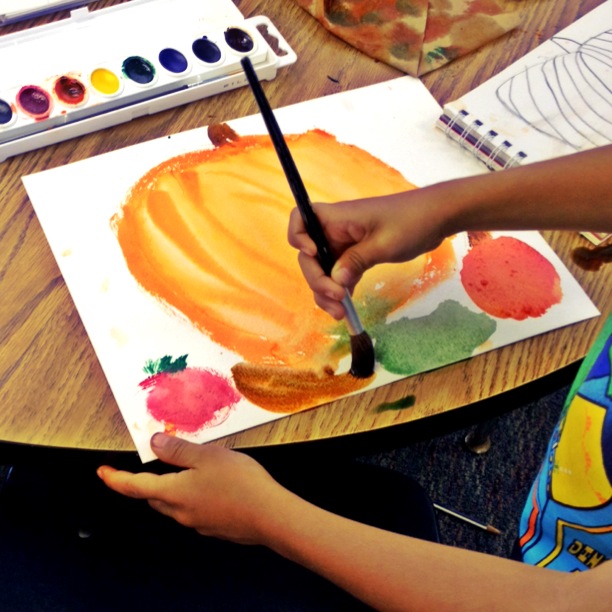
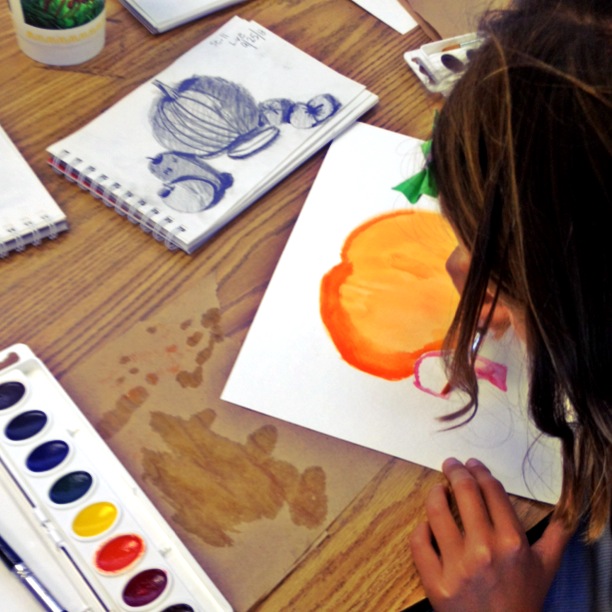
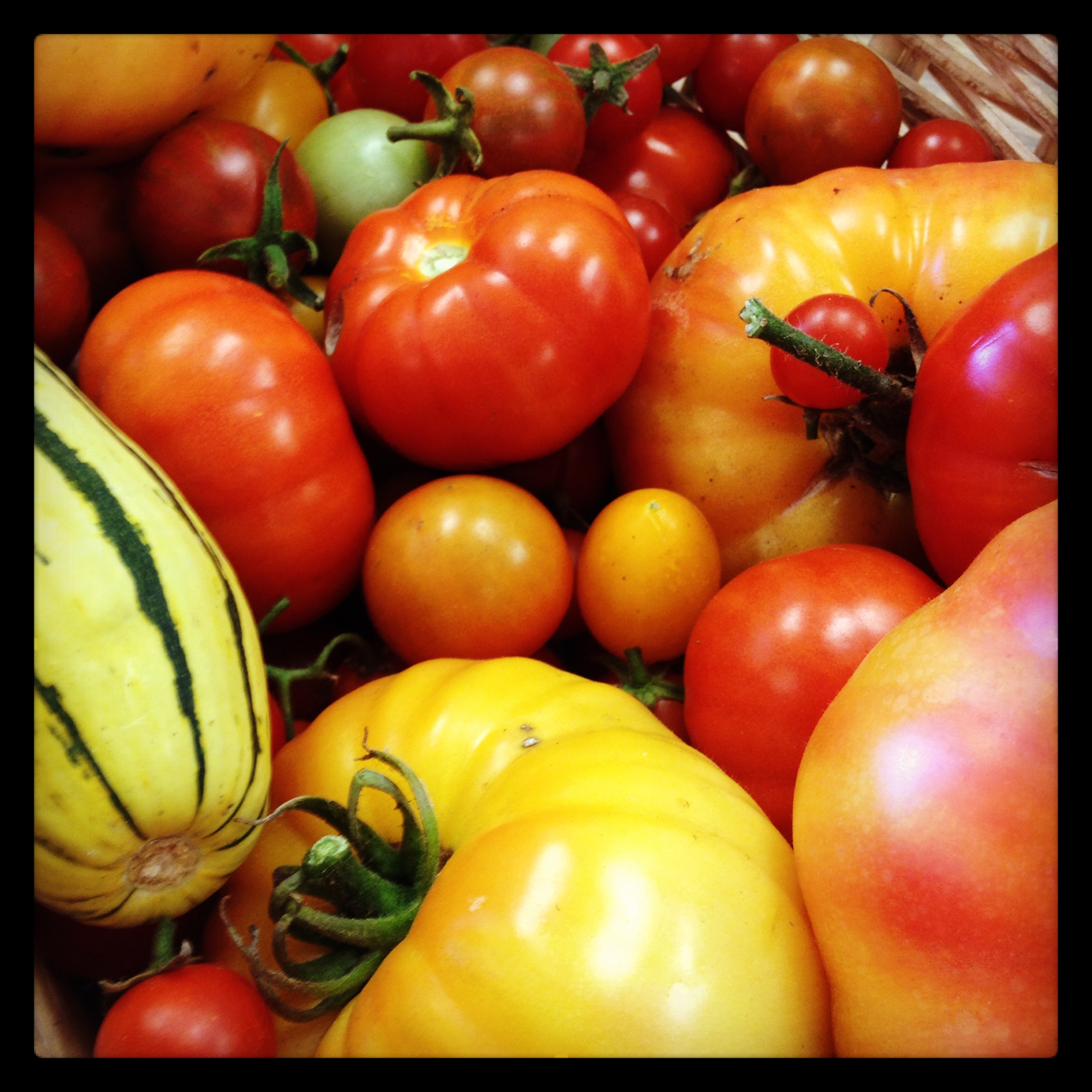
They are saturated with learning experiences.  Today we painted.  But it was just a part of a series of experiences to help students look closely, notice details, and then learn to sketch roundness by using curved lines and shading with their sketch pencils.  They started with pumpkins harvested from our school garden.  They moved to tomatoes, also harvested in the garden. They studied Vincent Van Gogh and learned about the concept of still life.  They arranged their own still life composition and photographed it using their iPads.  They used the photo as a guide for sketching their unique composition–and also learned some techniques for showing the overlapping of the fruits and vegetables.  And then today they tried the same techniques using watercolor paints.

photo_1-1

These six, seven, and eight year olds saturated their compositions with the brilliant colors of fall based on their experiences with the actual objects.

photo-3

In this photo you can see the gorgeous sketch (that the student made earlier this week) that guided this careful painting.  Saturating students in a variety of experiences related to a topic allows for deeper and more meaningful learning.  This learning is not just about art–although the art is beautiful–it’s also science and history and math and reading and writing…and so much more.

And conveniently, this week’s Weekly Photo Challenge is saturated.  It talks about color…but there is so much more to saturation than color, in my opinion!

How do you saturate yourself and your students in learning experiences?

The Action of Stillness: Still Life

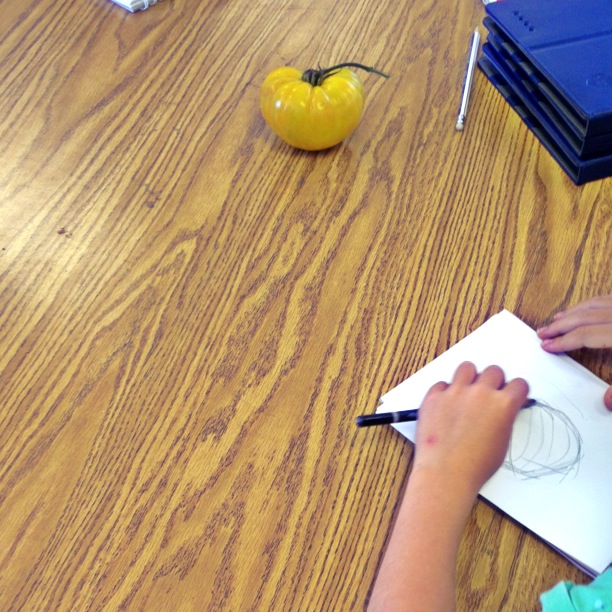
Today’s daily prompt at The Daily Post is stillness.  In our classroom we’ve begun to work on sketching techniques that help artists capture roundness.  All this in preparation for sketching a still life of the fall bounty from the school garden.  Last week we sketched pumpkins.  Today…tomatoes!

photo-1

So here is the action of a child working to capture the stillness and roundness of a tomato just picked from the school garden.

photo

How do you capture stillness?

Too Much of an Interesting Thing…

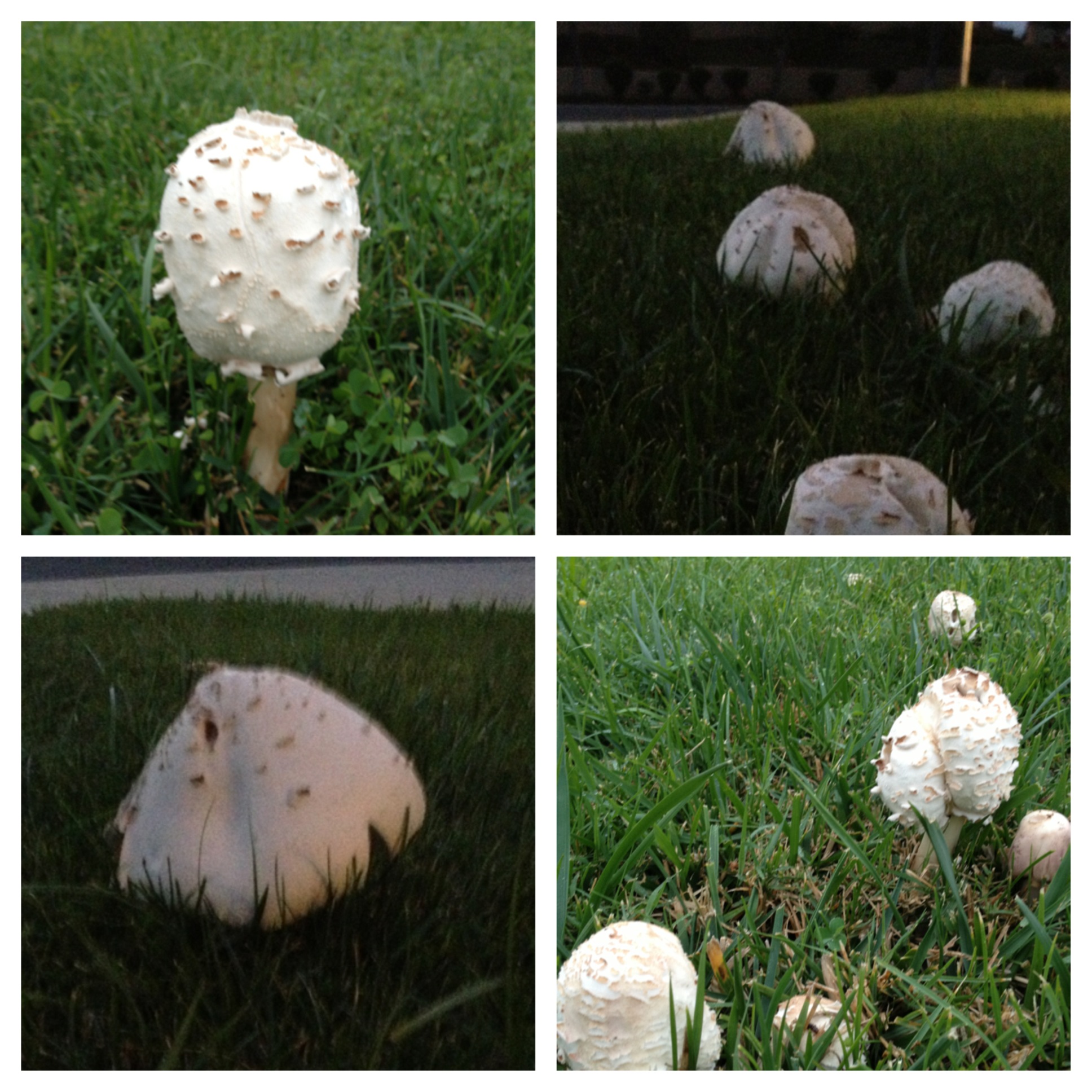
When I first spied the mushroom in my front yard I saw it as a photo opportunity.  I watched it grow, seeming to magnify right before my eyes.  I watched it for days until I found it kicked across the yard one morning–and then, once it was turn upside down, I captured what I had missed by looking at only the outside surface with my camera.

The following week I noticed a few more mushrooms growing in my lawn.  Again, I watched them grow…this time with some “portholes” to look inside and see what was beneath the surface.  I got out my macro lens and worked to capture my secret view of the underside of the mushroom.

And then this morning it seemed that an entire forest of mushrooms has exploded on my lawn!  One was so round and on a tall stem…looking almost like a lollipop.  When I got home–late (meeting and then traffic)–that forest had ballooned, each mushroom doubling in size from this morning.  And while my photos don’t really capture the drama of the growth, my eyes registered it.

photo

And now I’m thinking that these fascinating mushrooms are becoming a problem.  What started as an interesting novelty has become a bit of an eyesore.  Just where do these mushrooms come from?  What effect do they have on my lawn?  How do they multiply?  What is making them thrive in my lawn?  And now…how do I get rid of them?

Early morning update:  As my husband was leaving for work, he came back into the house saying, “The fairies are having a field day at our house!”  I looked out the door…the mushrooms are enormous this morning!  They ballooned overnight–and the biggest among them are between 6 and 8 inches across.  Here’s a picture trying to capture the magnitude.  (The photos don’t really capture the size adequately!)

photo-1

Some Macro Play

I love using my macro lens on my iPhone…but it’s not easy.  I have to take my case off and attach the lens to the magnetic ring…so I don’t take macro shots spontaneously, I have to think about using this lens and make the necessary preparations.

I definitely have days when I feel at a loss for what to photograph.  Things feel ordinary…or I feel like I have already taken those same shots some other day.  Today I headed out to my backyard with plans to sit in the shade and read for a while.  But when I headed out there, I noticed the aloe plant that has gone crazy!  It started as a small house plant…and now is obviously loving the growing conditions in the back yard!  This week on #sdawpphotovoices our photo-a-day focus is #scratchy…and what could be scratchier than aloe spines?  I took a photo with my regular lens…and then headed inside to attach my macro lens.

I love the way the sun behind the plant makes the spine tips glow!

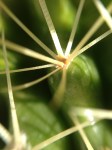
In the same big pot with the aloe there is also a cactus that outgrew its tiny indoor pot and ended up in the backyard.  The long, thin, needle-like spines create interesting flower-like patterns.  I love that the top spines are a brilliant yellow, creating a beautiful sunburst!

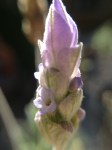
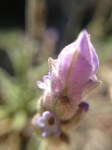
These ordinary cactus almost look like exotic sea creatures when you get close!  My attention turned to the lavender plant–the one I wrote about here–that was almost killed due to neglect! The plant continues to improve, although it is not in full bloom right now. There are a couple of beautiful blossoms…and some buds developing.

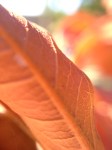
And I wasn’t quite done…I noticed a “volunteer” plant–one that planted itself in a pot of dirt on the edge of the patio.  It was green, but in the last week it has turned to a rusty red-orange color.  I’m not sure if it is dying…or if it is a natural cycle of growth for this plant.

All of these photos are unedited…and I love the colors and the way the sun creates glow.

I decided to take one last photo…of a spiderweb down in a hole where my husband is fixing the sprinkler.  As I moved my lens in close, the web began to glow, catching the sun.

photo

Playing with my macro lens today helped me see the ordinary things in my backyard in a new way.  The colors popped, the patterns emerged, and the light created beauty that’s hard to see without looking closely.  And, as I always notice, opportunities to play and make help me find my creativity and the fun that is so often right in front of me.  And best of all, all this noticing piques my curiosity and wonder at the world around me.

Have you taken time to play today?

Looking Beneath the Surface

I suspect my neighbors thought I was crazy as I crawled around the lawn in my skirt when I got home from work today.  I had spotted some new mushrooms growing this morning and noticed that one had a hole where you can see through to the inside.

After unloading my work bag and feeding my cats, I attached the macro lens to my iphone and set out to get a closer look at the underside of the mushrooms.  One had been kicked over and lay with the underside exposed.  It was already turning brown on the exposed texture that is in such contrast to the smooth outside surface.

photo

And then I got down on my hands and knees to look through the hole along the edge of the mushroom top.  I peered through first with my eye…and then with the lens of my camera trying to capture the interesting layers I spied beneath the surface.

photo-2

These mushrooms remind me that what I see on the surface doesn’t always capture the complexity of what lies beneath.  My classroom is like that too.  There is so much about each of my students that isn’t visible unless I take the time to bend down and look carefully beneath the surface.  And sometimes I need a special tool, like my macro lens, to bring those interesting layers into focus.  Sometimes that tool is those informal conversations that I have with the students near me as we walk in lines.  Other times it is the opportunity to listen into a discussion a small group is having about a math concept or a story we have read.  Oftentimes it is through my students’ writing that I learn the most.  Their stories reveal their interests and their experiences…and show me what they know about reading and writing and science and sometimes even math and social studies.  Looking at a piece of student writing is like looking at the underside of a mushroom.  When you take the time to get beyond the surface, there are layers and layers that unfold and reveal new information that helps me know my students and helps me help them learn.

What have you learned from a student lately?

A Question of Luxury

Just what is a luxury?  The word tends to bring to mind those things you buy: fancy cars, expensive homes, designer clothes…

As I mulled the idea of a luxury I wouldn’t want to live without, I found myself thinking instead of just how fortunate I am.  My basic needs are met…and more.  I live in a beautiful city…a place that others choose for vacations.

The natives have been restless this week, our weather has been hot (for us) and we’ve had unusually high humidity too.  Weather has been the topic of conversation for everyone.  Most coastal dwellers don’t have air conditioning–we’re all much more used to carrying a sweatshirt at all times since it’s more likely to be chilly (for us) rather than too hot.  So we’re all whining and complaining about discomfort and wishing for greener (and more temperate) pastures.

As I headed off to the beach this evening for relaxation and relief from the heat (it’s starting to become a habit), I realized that it is our proximity to the ocean that is the luxury that I would prefer not to live without.  I love seeing the ocean in the distance as I sit in traffic on the freeway.  I love knowing which direction west is as I watch the sun set.  I love the briny smell of foggy mornings and the woody smell of bonfires along the shore.  I love the quirky behaviors of seabirds, watching them run along the shore with bills specially adapted for the food source they seek.  I love the piles of amber kelp that wash up and become jump ropes and sandcastle decorations and fun poppers exploding under my bare feet.

I love long walks, especially at low tide, with the white noise of the surf soothing my soul and relaxing that tight knot that often forms between my shoulder blades.  The beach is definitely a luxury–and I wouldn’t want to live without it.

photo

What luxury would you not want to do without?