Category Archives: photography

Improving my Craft

Taking lots of photographs means that sometimes things start to get a bit mundane…I get stuck in a rut of taking the same photo the same way time after time.  I have to remind myself to shift my position, pay attention to the lighting, look for natural frames, and play around with angles.

On Saturday I took lots of pictures of trees.  And many turned out looking like pictures of trees, pretty enough but nothing that would make you take a second look.

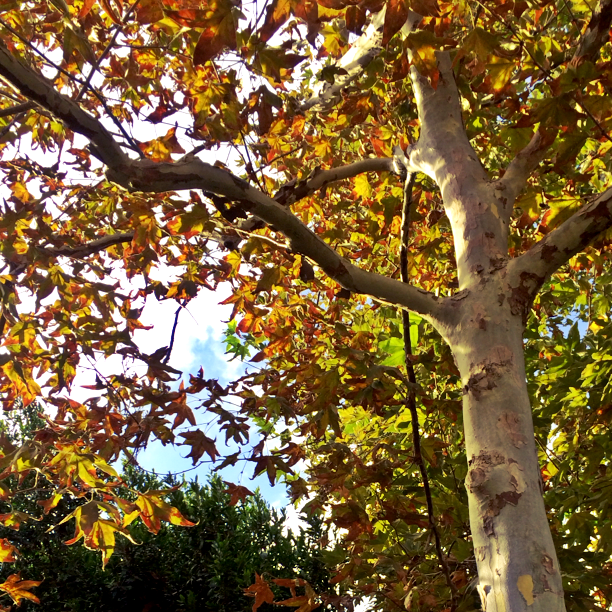
But here’s one that involves an interesting angle that captures the light in a way that highlights the leaves.  This is the original photo–no cropping and no filters.
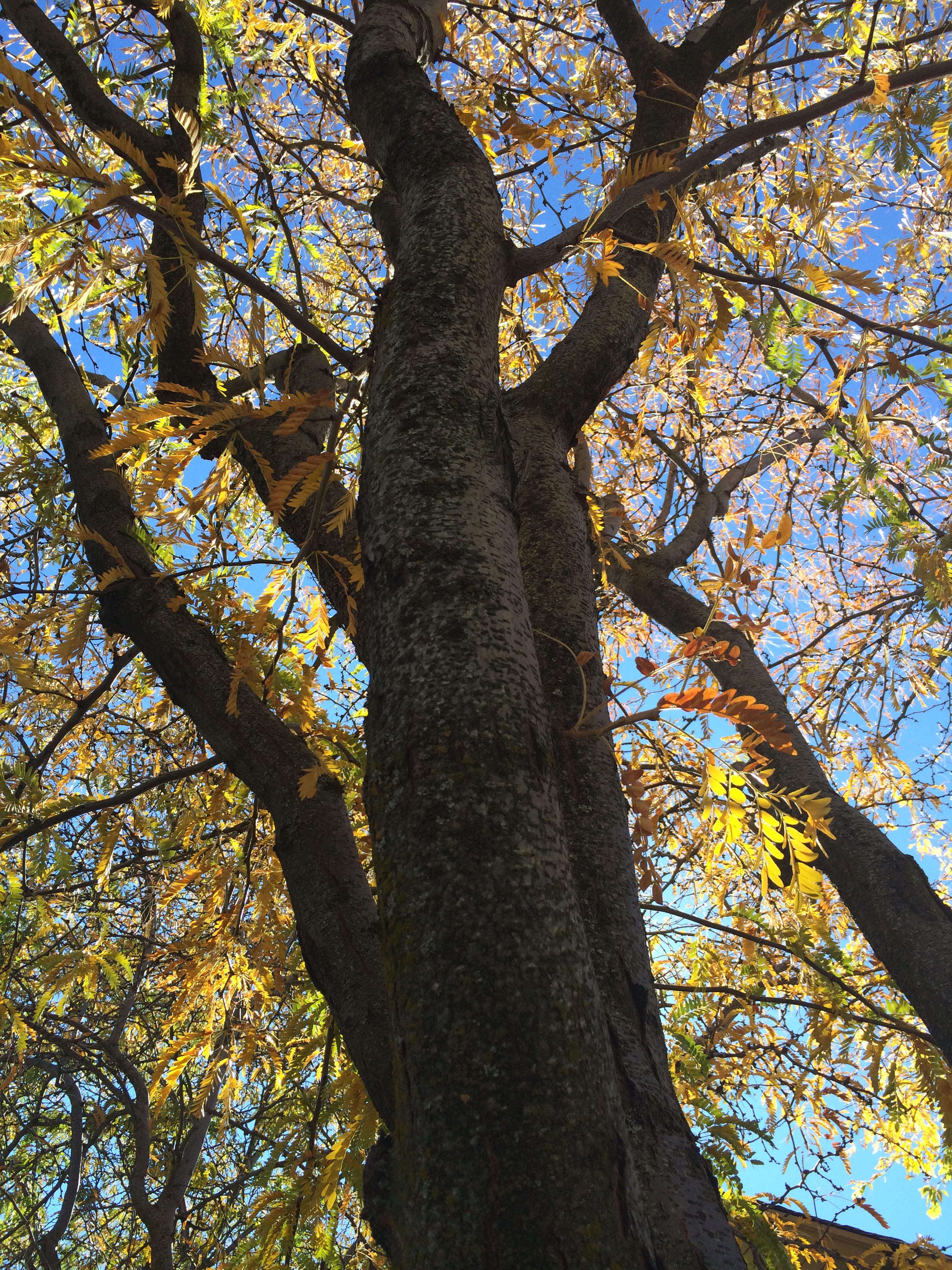
photo

I’ve also been experimenting with taking pictures of things, paying attention to composition but not doing any arranging other than moving myself to create a better composition.

I like this one of metal tubs I found on my weekend adventures.  The haphazard arrangement and the mottled light creates interest and provokes questions for me.
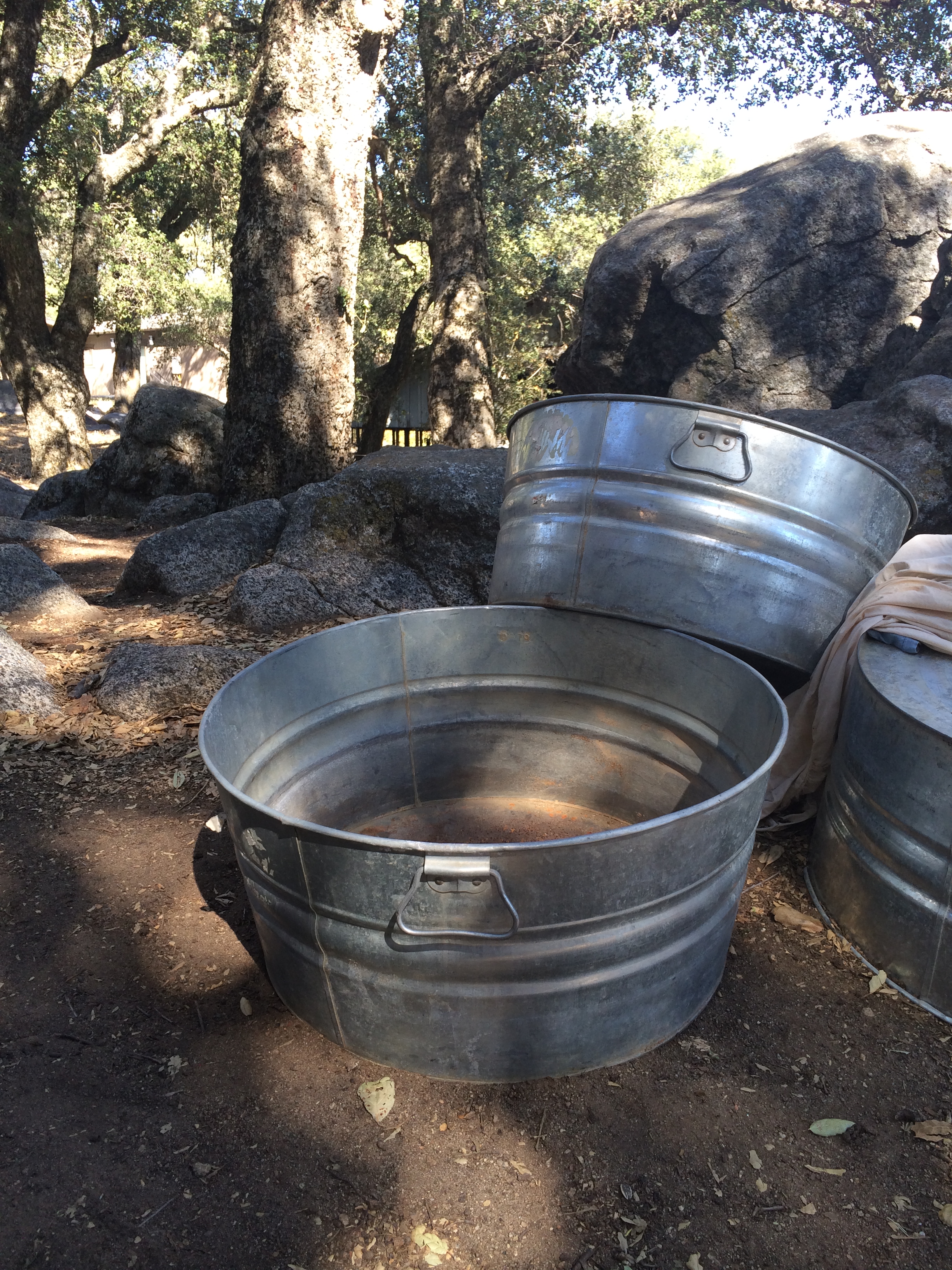
photo-1

I find myself examining my photos carefully and critiquing them–a lot like responding to a piece of writing.  I’m looking for what is working (even some lousy shots have some things that work) and noticing what I might do differently with the next shot I take.

I still have a long way to grow in my photography skills…but I’m having fun learning!

What do you do to improve your craft?  How do you challenge yourself? (And I welcome tips and constructive critique on my photography too!)
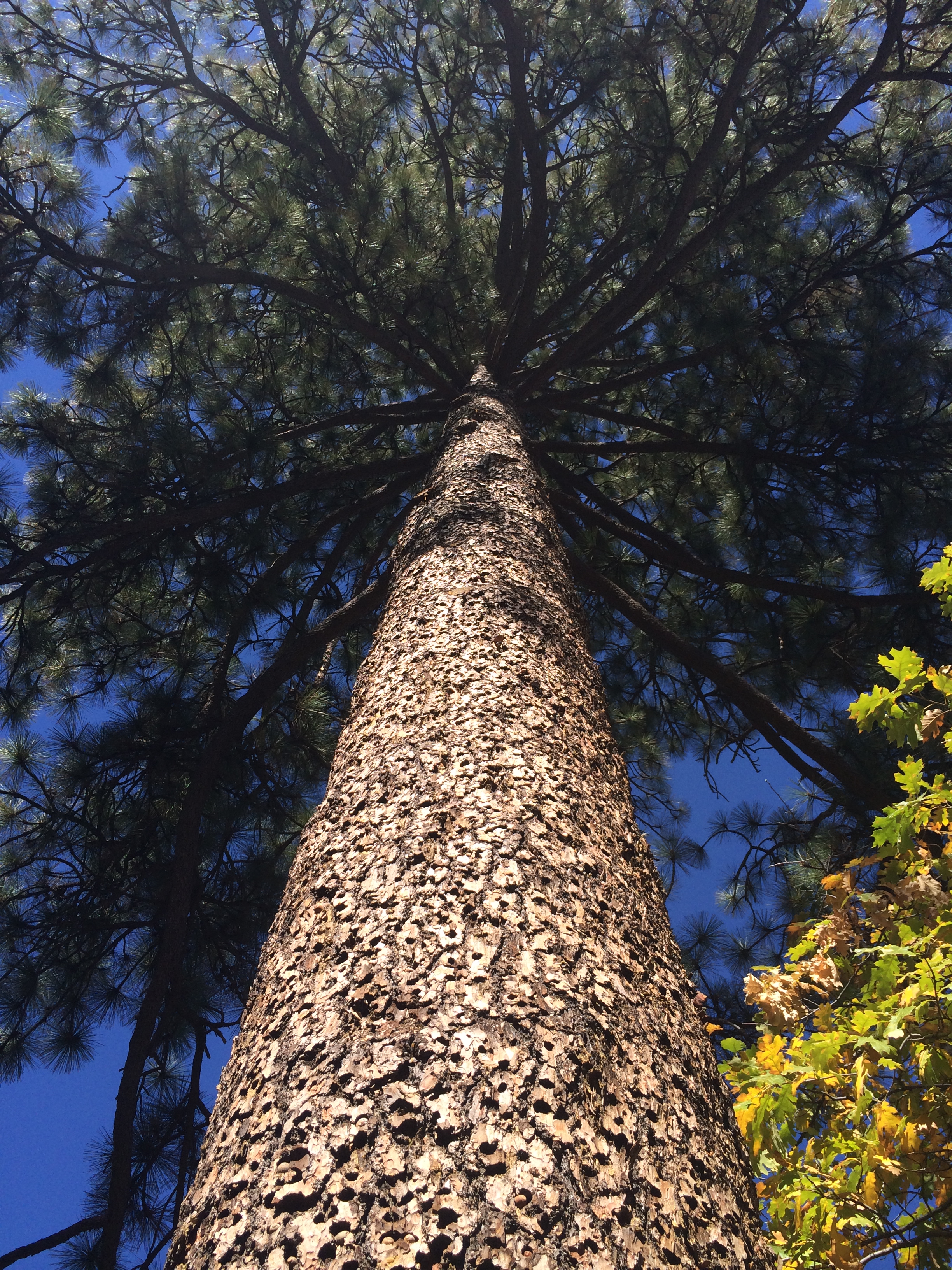
Photo-Inquiry…Art, Science, and Writing

I’ve been taking pictures every day for more than a year now.  Some days it’s a struggle, other days it’s pretty easy.  But one of my favorite things about being a photographer (albeit, amateur) is that it makes me pay attention…and ask lots of questions.

Yesterday I was up in our local mountains enjoying all that fall brings…colors and pumpkins and apples…on a warm fall day.  As I was photographing some beautiful leaves turning orange and red and yellow, I noticed this beautiful pine tree.

photo-12

Looking closely, I was fascinated by the texture of the bark on the tree.  And an even closer look revealed all these tiny holes…with many filled with acorns or other nuts.

photo_1

That observation set off a million questions…how does this happen, what animal does it? Does it hurt the tree?  Is it squirrels?  And then I noticed this nearby fence post.

photo_2

So it’s not only about trees…it’s about wood.  I noticed the nearby utility pole also had holes and nuts.

With all these questions running through my head, we continued our adventure and I continued to look for interesting subjects for my photography.  A while later, at the edge of a little pumpkin patch I looked up and saw a beautiful blue bird with red markings high up on a utility pole.  I thought it might be some kind of jay, but my husband was quick to point out that it was tapping the pole…a woodpecker!

We watched closely, listening to the persistent tapping as it pecked into the top of the pole.  I attempted several photographs…but one thing the iphone camera is not good at is long distance photos!  Here’s an attempt.

photo

If you look closely you can see a tiny silhouette at the top the pole.  As I watched I started to make connections to the pine tree and fence post I had photographed earlier.  These holes with the acorns in them were the work of an acorn woodpecker!  A little internet search today led me to this information:

The group will guard their territory, and will often have a single tree in which they store their acorns; known as a granary. A single granary may contain tens of thousands of acorns. The acorns themselves are placed individually into a hole drilled into the tree. Acorn Woodpeckers also feed on insects (including aerial flycatching), sap, and fruits.

I love that photography always ends up teaching me interesting things about nature and about the world.  It makes me pay attention, notice details, and ask questions.  It makes me curious…and makes me wonder…a perfect tool for inquiry!  And as I write this on the National Day on Writing, I get to share my photography and learning with you!  #write2connect in action!

How do you write to connect?  What do you learn from the activities you love?

San Diego Fall: The Hue of You

Living in a place like San Diego, seasons are all about subtlety.  Rather than piles of fluffy white snow or icy winds in winter, we have chilly mornings and nights and mostly sunny, cool days.  Spring is our rainy season (note: 10 inches of rain per year is our maximum!), the nights and mornings are a bit warmer than winter and most days are cool and sunny–although late spring brings the dreaded “May Gray,” that marine layer that pushes the sun away from the coast.  Summer in San Diego starts slowly.  June is characterized by “June Gloom” (just like May Gray), with the sun appearing for a cameo in the late afternoon before the fog rolls in again.  And fall in San Diego is gorgeous!  It’s warm and sunny, often well into November and even December.  But it can also be scary with dry Santa Ana winds that whip up the fire danger in our arid, desert-like climate.

Today we decided to trek up to a local mountain town about an hour east of my house in celebration of fall.  Julian is known for fall…filled with apple pies, apple cider, and other iconic fall features.  But those vivid red and orange and yellow leaves that shout fall in other regions, whisper fall in San Diego.  And even in Julian where San Diegans go for fall, the autumn hues are subtle.

photo-6

And they’re positioned between the greens and browns and reds of the pines and manzanitas and California live oaks that are native to the region.

photo-12

photo-11

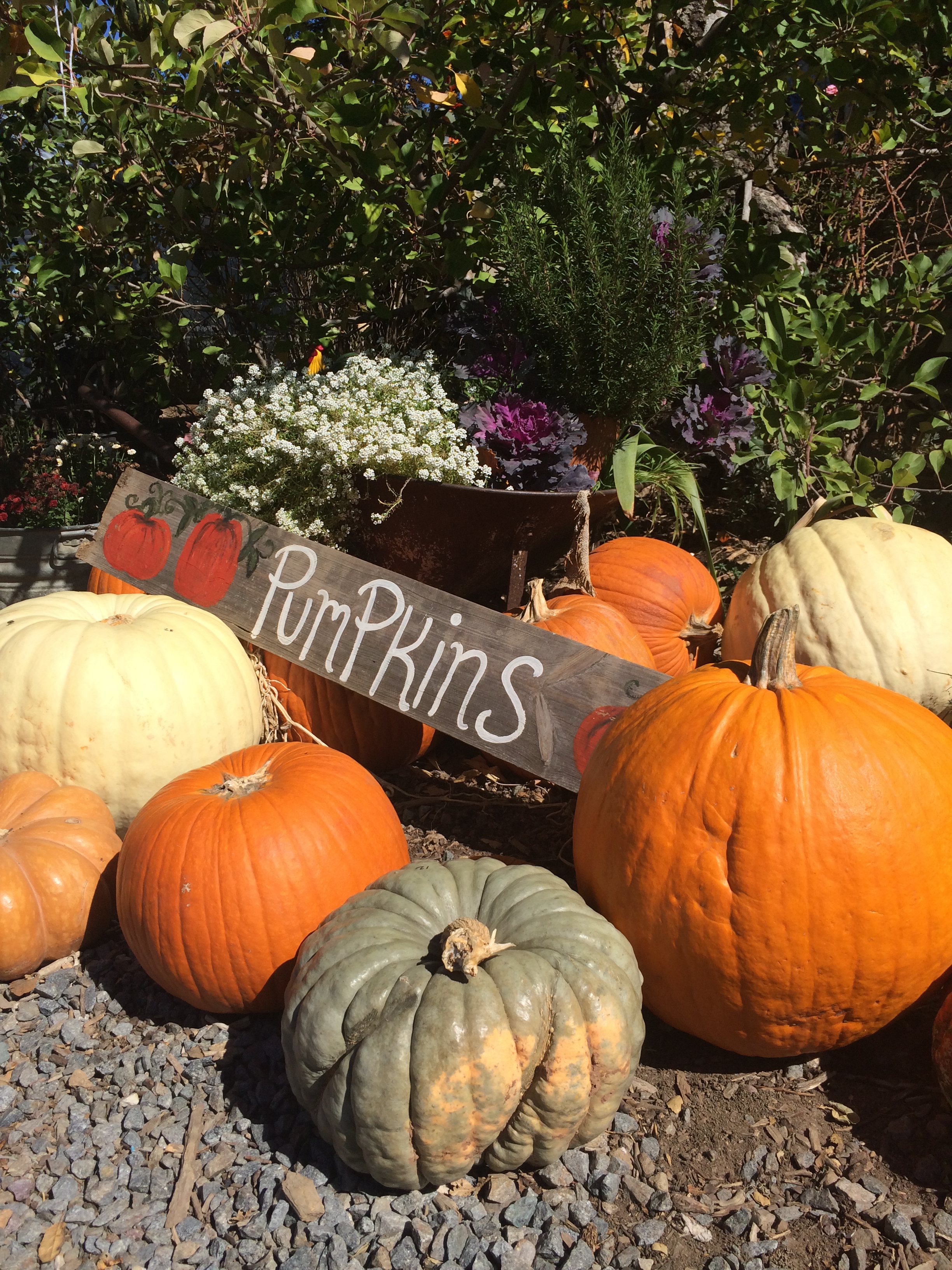
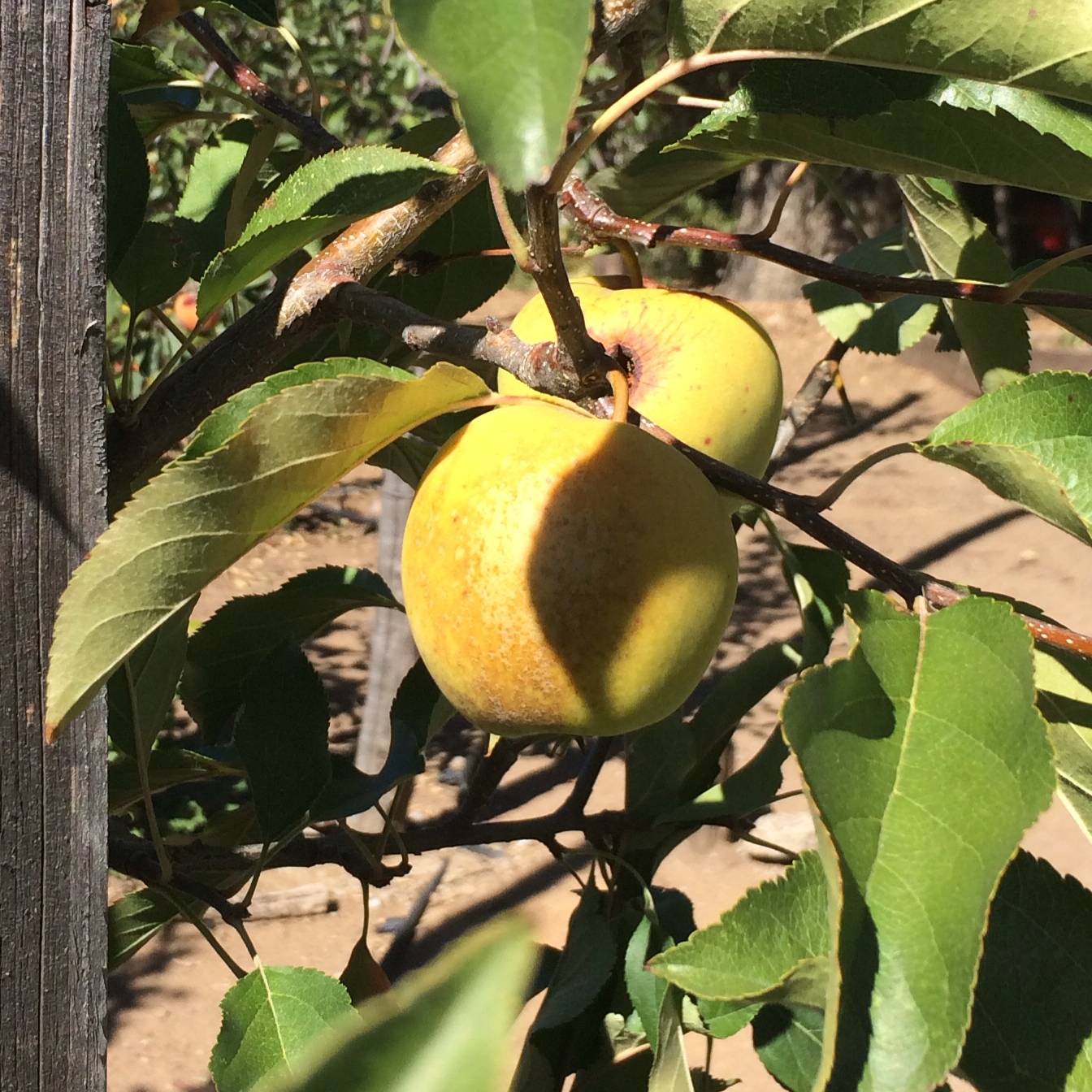
And then there are the iconic fall images we know so well…pumpkins, scarecrows, apples.

photo-8

photo-10

photo-7

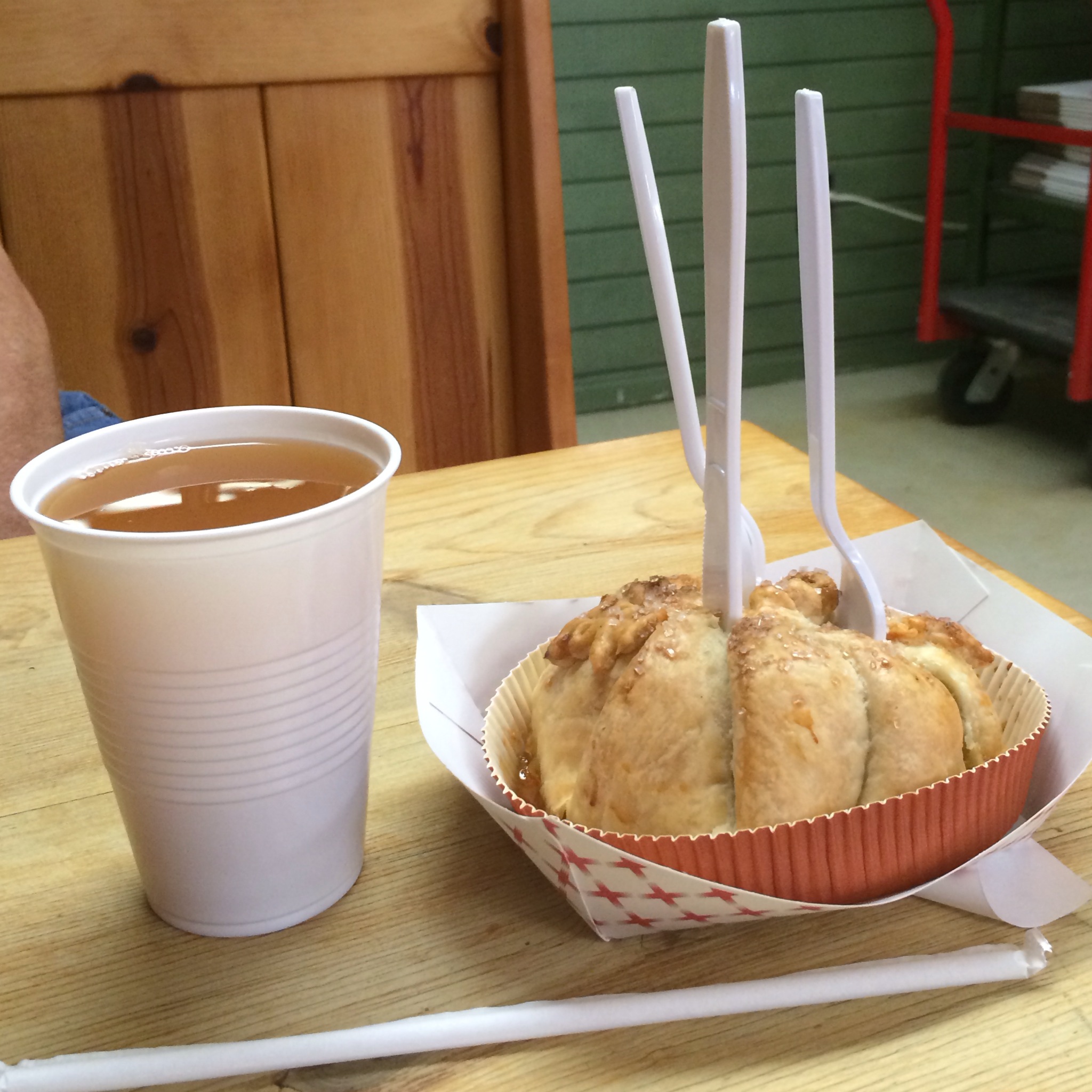
So, the hues of you for me as a San Diegan in fall are a rich, but subdued, palette of oranges, yellows, greens, browns, and reds.  And I can feel them and smell them and taste them as much as I can see them.  Warm and dry and spicy…and yummy.  Like this apple dumpling I had today.

photo-13

What hues evoke fall for you?

Ordinary: A Photoessay

When I get busy I don’t take the time to pursue my personal interests, instead I get bogged down with the intricacies of my work and the demands of my schedule.  When I finally get a chance to catch my breath, I also find myself needing to tend to demands of ordinary life…you know, housework and errands and such.  And my exercise routine also falls to the wayside (even though I know that exercise is essential to energy, health, and well-being).  So today I decided to do two things that have been neglected…take a walk and take some photos.

And continuing my theme over the last few days of ordinary…this was an ordinary walk.  I threw on my tennies and took a walk around the neighborhood.  And while I was walking I was also taking a close look at my surroundings…alert for interesting images.

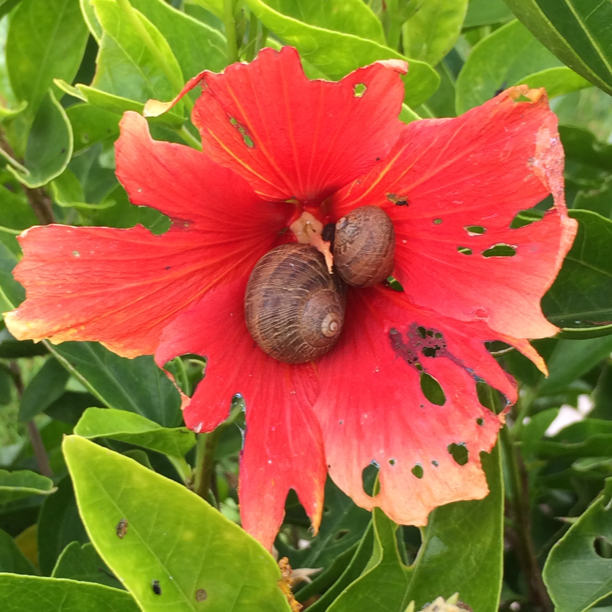
Lots of people in my area have hibiscus bushes with beautiful red or yellow flowers.  As I walked by one house today I noticed this blossom with snails nestled up in the center of the blossom!  While I’m sure it isn’t good for the flower, I love the idea of the snails becoming the center of the flower.

vintique_image

I often hear about how people in other locales have four seasons…and we, in southern CA, don’t.  (Somehow our temperate weather gets construed as sameness)  As a native to the area I feel like the seasons are quite distinct…and fall is definitely in the air!  There’s a difference in light, in the way the air feels (even warm feels different in the fall), and in the foliage.  We do have plenty of evergreen trees…but there are deciduous trees like this too.

vintique_image-1

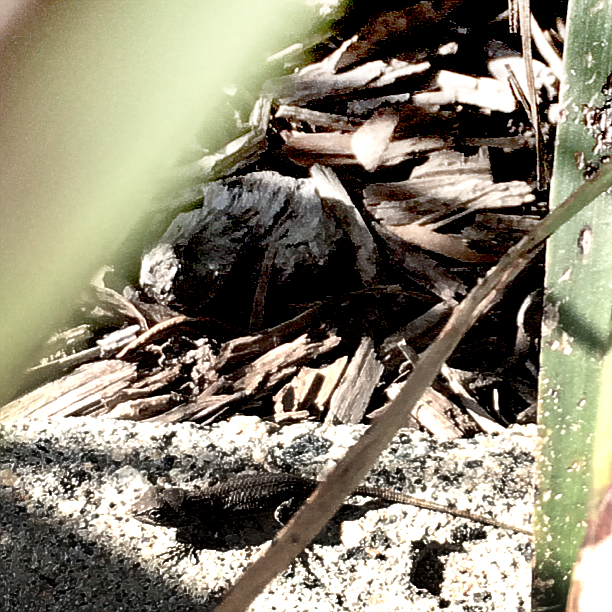
Sometimes when I walk, I find myself “in my head,” not really paying attention to my surroundings.  But today I was alert and tuned in to the dragonflies flitting by, the abandoned Santa toy wedged in the ground cover, the granny smith apple in the gutter, and this tiny lizard that skittered in front of me.  He was cooperative enough to stop and let me take a photo…unlike the dragonfly!

vintique_image-2

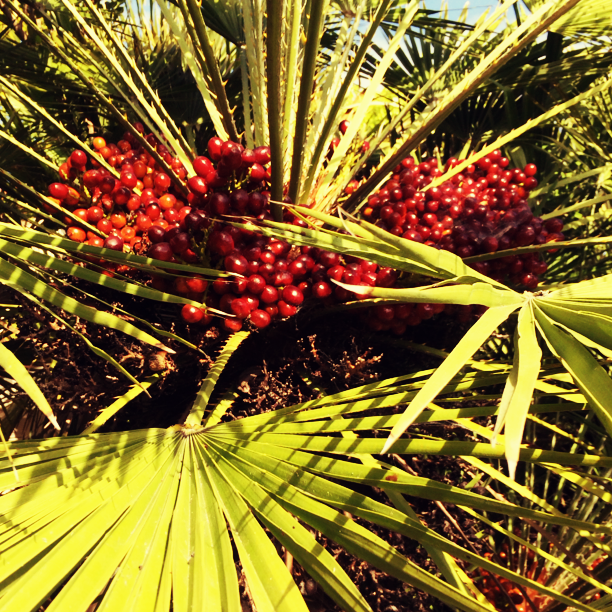
I’ve been noticing the variety of palms in my area.  I commented just yesterday about the fact that the banana leaf palms are pretty uncommon…and then I saw one on my walk today.  And as I headed back to my house I noticed this palm with all these little berries at the center.

vintique_image-3

I love the way the ordinary…a neighborhood walk…becomes something more when you take the time to pay attention and notice details.  And I feel refreshed and relaxed…ready to tackle another busy work week.  I’m sure I will need to remind myself to take time to notice, to tune into the ordinary, and enjoy the moments in the moment!

Making Art

Participating in photo-a-day means that I am always on the lookout for an interesting photo opportunity.  And even though this whole month is themed writing, that doesn’t mean that I don’t take and post other interesting photos.

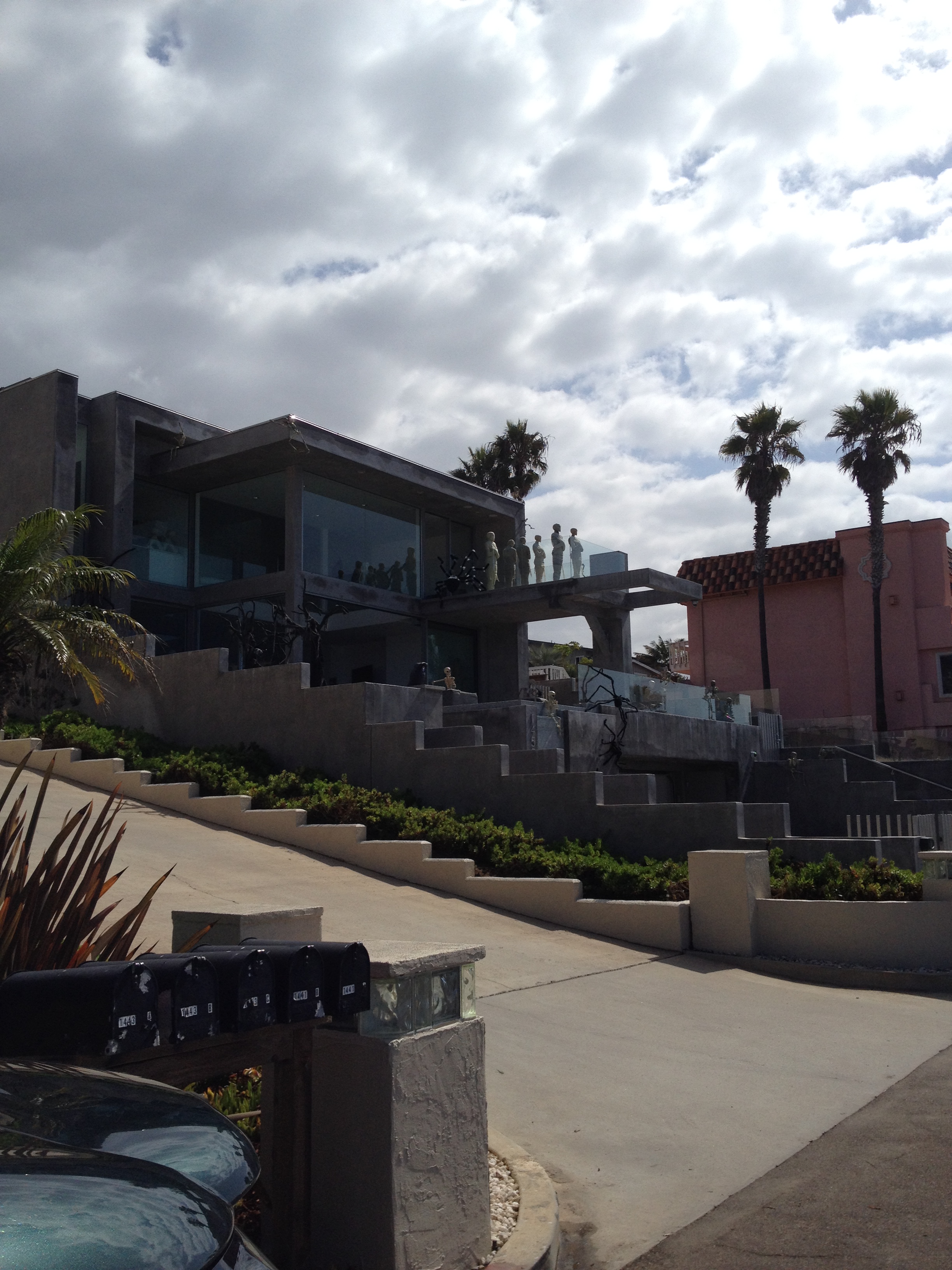
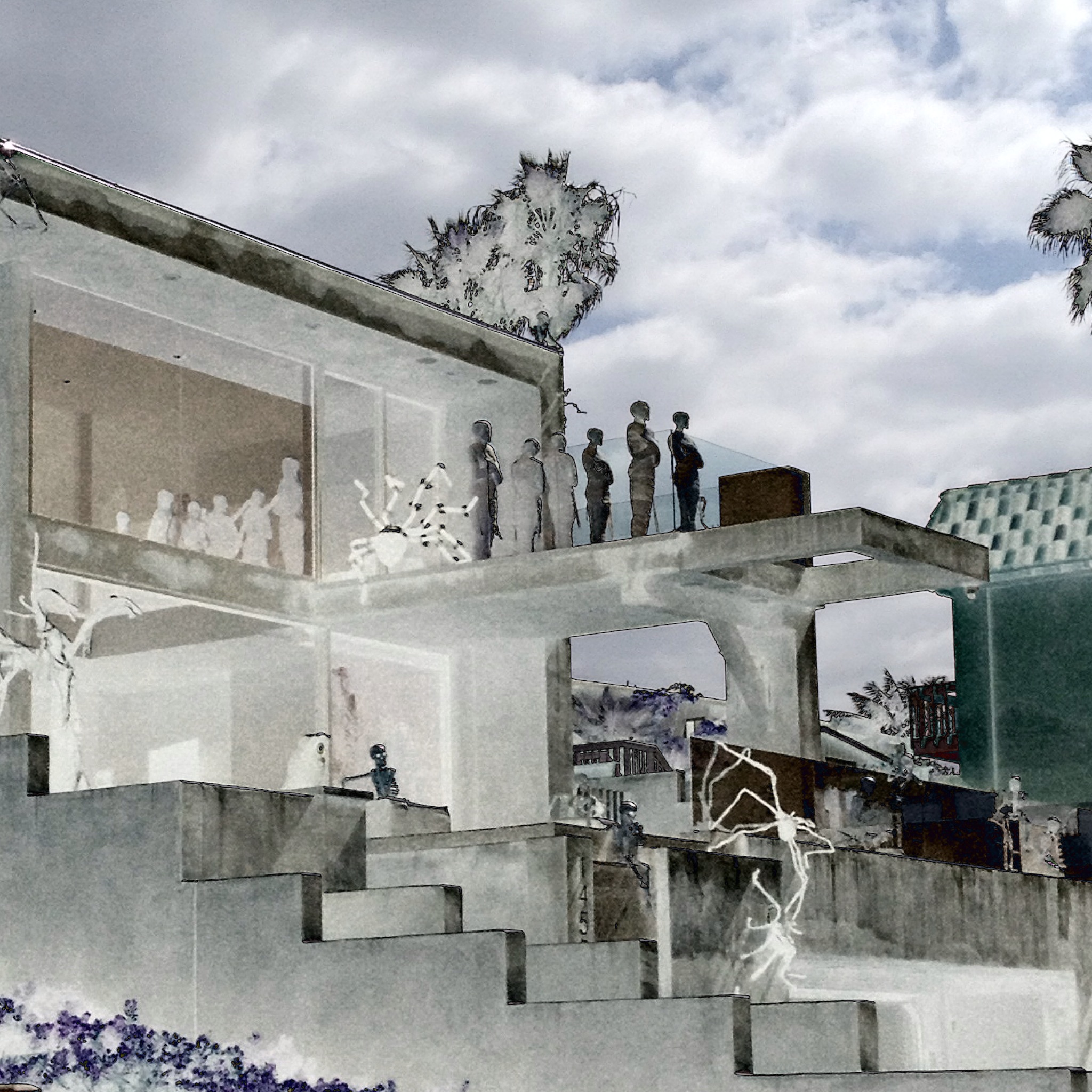
Driving to work is one of those times when I keep my eyes peeled for promising places to return to for a photo or two.  Over the last few weeks I’ve noticed a house not far from my school that seems to be made of concrete.  It’s huge, looks over the ocean, and has floor to ceiling windows…obviously designed for maximum visual impact, from inside and from outside.

And today as I drove by, I noticed skeletons and zombies and other creepy things through the windows and on the deck.  I knew I would stop by later and take some photos.  When I stopped on my way home I struggled to get a photo that captured what I could see with my eyes.

photo-1

So I took this photo and used an editing app to play around with it.  Could I pull the photo in and see those full sized bodies standing on the deck?  Could I see through the windows?  Here is what I was able to produce from the picture above using the app Tadaa and the filter otherland.

photo

I love that moment when a snapshot becomes a piece of art.  I wonder if that is what the owners of that house also had in mind?

Planting Seeds

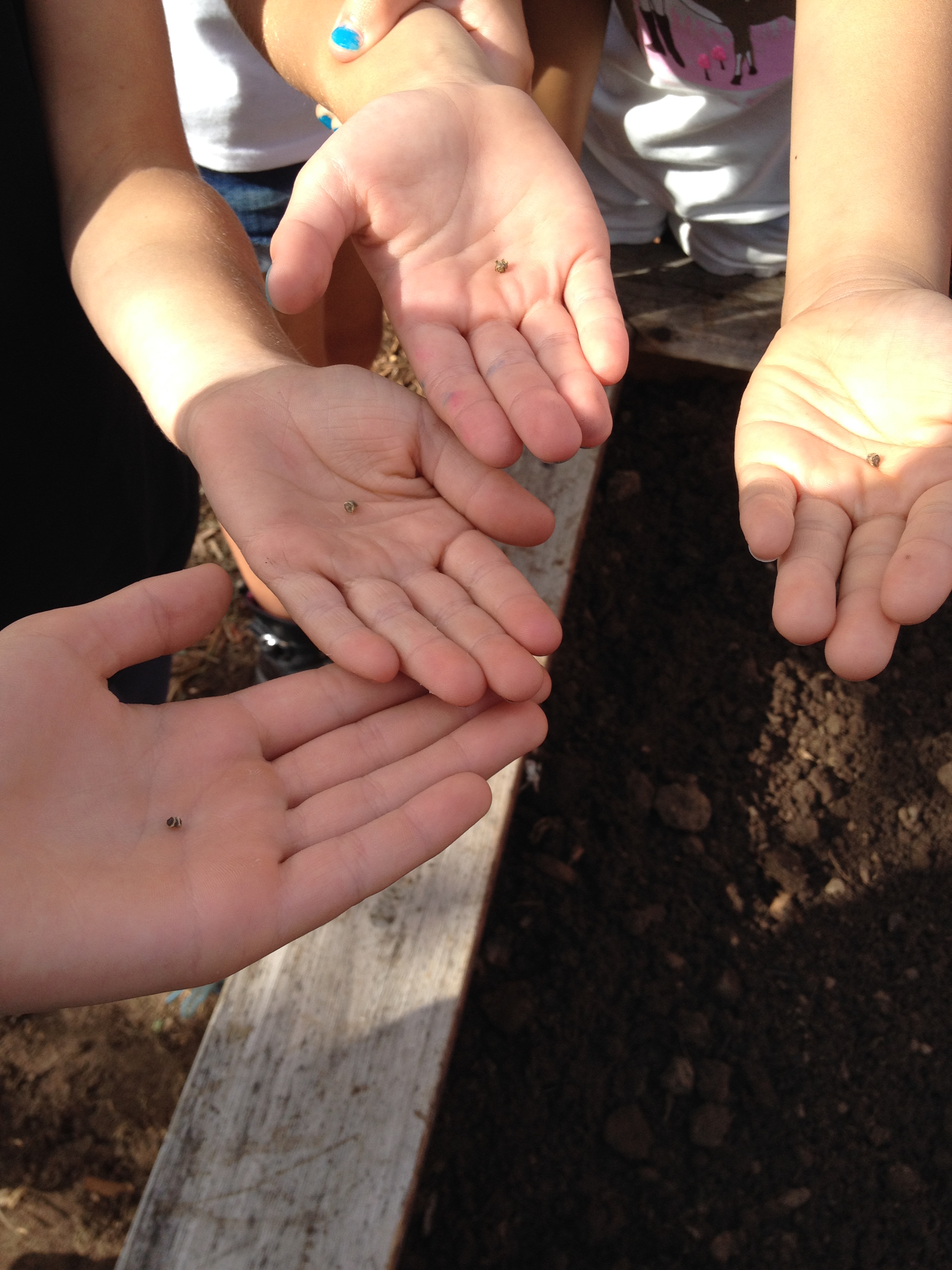
We planted seeds today…in the garden and in our writer’s notebooks.  There are many garden metaphors about learning and students–especially at the elementary level and as I watched my students today, I can understand why.

The beet seeds were small and for some of my students, hard to hang onto.  Some seeds slipped to the ground, blending in with the earth.  Those students needed another seed to plant in our garden bed.  Other students delighted in the tiny seeds and noticed every detail. They were able to keep track and carefully nestled the seed into the soil.

photo

During our writing lesson a bit later, I noticed that some of my students took the lesson on similes and easily “planted” their ideas in their writer’s notebooks.  A few stretched even further and played with language and the technique of simile to create fresh and interesting images.  Others had dropped their “seeds” and needed some extra support to “plant” a seed or two in their notebooks.

In the garden, after planting our seeds, students carefully watered the soil to create an environment to support the seeds’ germination.  They managed the heavy watering cans and negotiated turn taking as fledgeling gardeners.

photo-1

In the classroom, we left our writing seeds to germinate too after carefully sowing them in our notebooks.  Time was short and ideas were flowing…students can’t wait to come back to share their writing and extend their ideas.  This is an environment ripe for more writing tomorrow! Today we used Stubborn as a Mule and Other Silly Similes by Nancy Loewen to “prime the pump” and get us thinking about similes and how we might use them in our writing.

We planted beets, peas, arugula, spinach, beans, kale, and sunflowers today.  As our gardening teacher reminded the kids, we plant all the time because we want to eat all the time.  And as writers and learners, we need to write and play with language and writing so our ideas and stamina and capacity for writing and learning will also grow. We celebrate the National Day on Writing in October each year as a reminder of the importance of writing in our lives and learning.  But just as we don’t only plant our gardens in October, we can’t just plant our writing in October.  We have to write all year long, in lots of ways for lots of reasons to nurture our writing…and our writers so they too will grow strong and tall.

photo-2

How do you nurture writers and learners?  What seeds did you plant today?

Good Morning

When I saw the Weekly Photo Challenge on the Daily Post this week I realized that even though I am a morning person, I don’t take many photos in the morning.  So the prompt, Good Morning, has made me think about that.

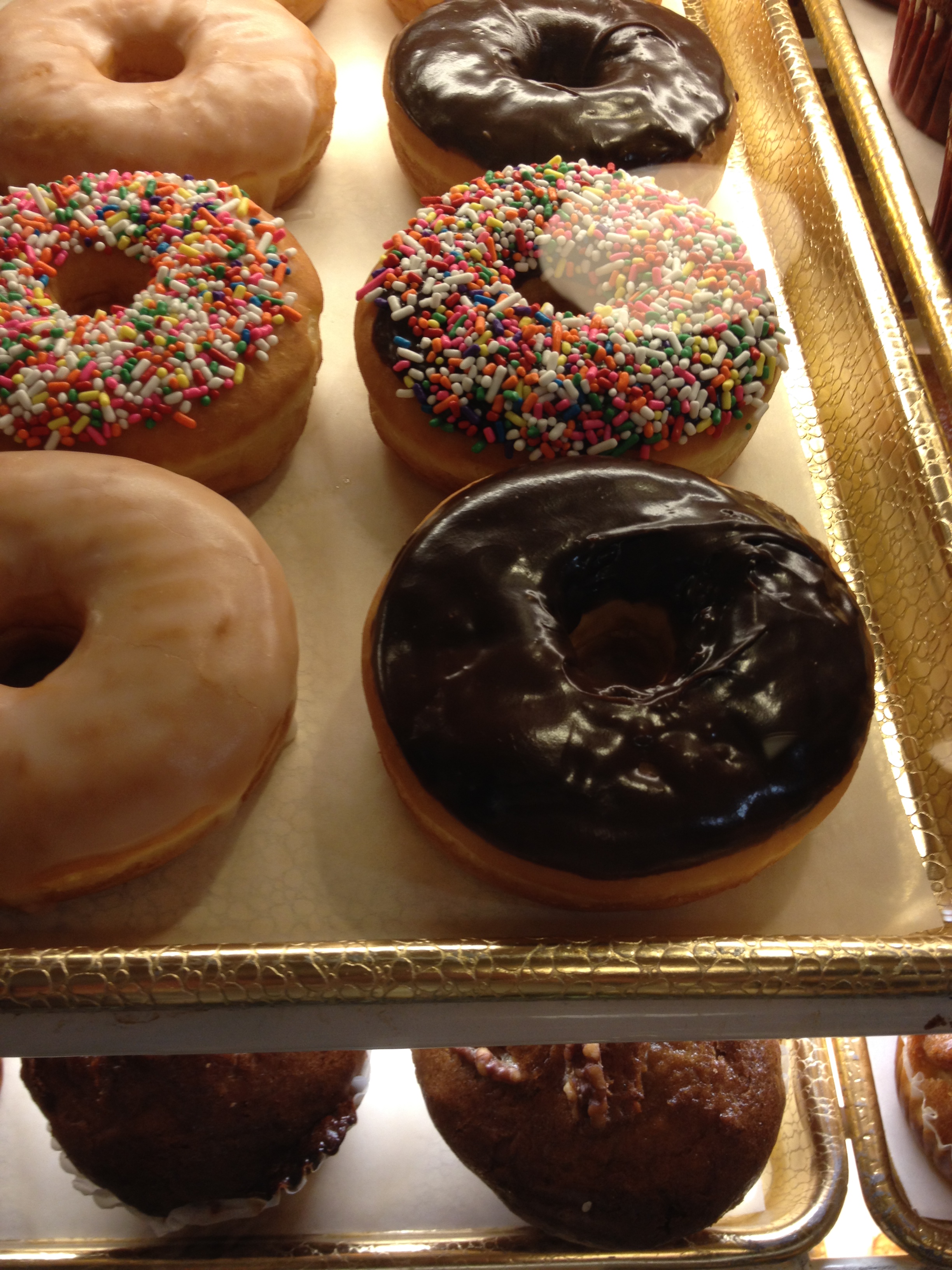
Saturday, because I was at a conference at UC Davis, I stopped by our favorite bagel shop right next to the Starbucks for a quick and carry breakfast.  And while I was waiting for my order I noticed the beauty of the donuts in the case near the cash register.  That shiny chocolate was tempting…I resisted the donut, but did take a photo!

donuts

I also took a photo of the sun through the fall trees…and then played with it in one of my photo editing apps.

photo_2

Earlier in the week I spent some time with my son and daughter-in-law and stayed in this funky little hotel.  I took this photo as I headed to check out in the morning.

photo_3

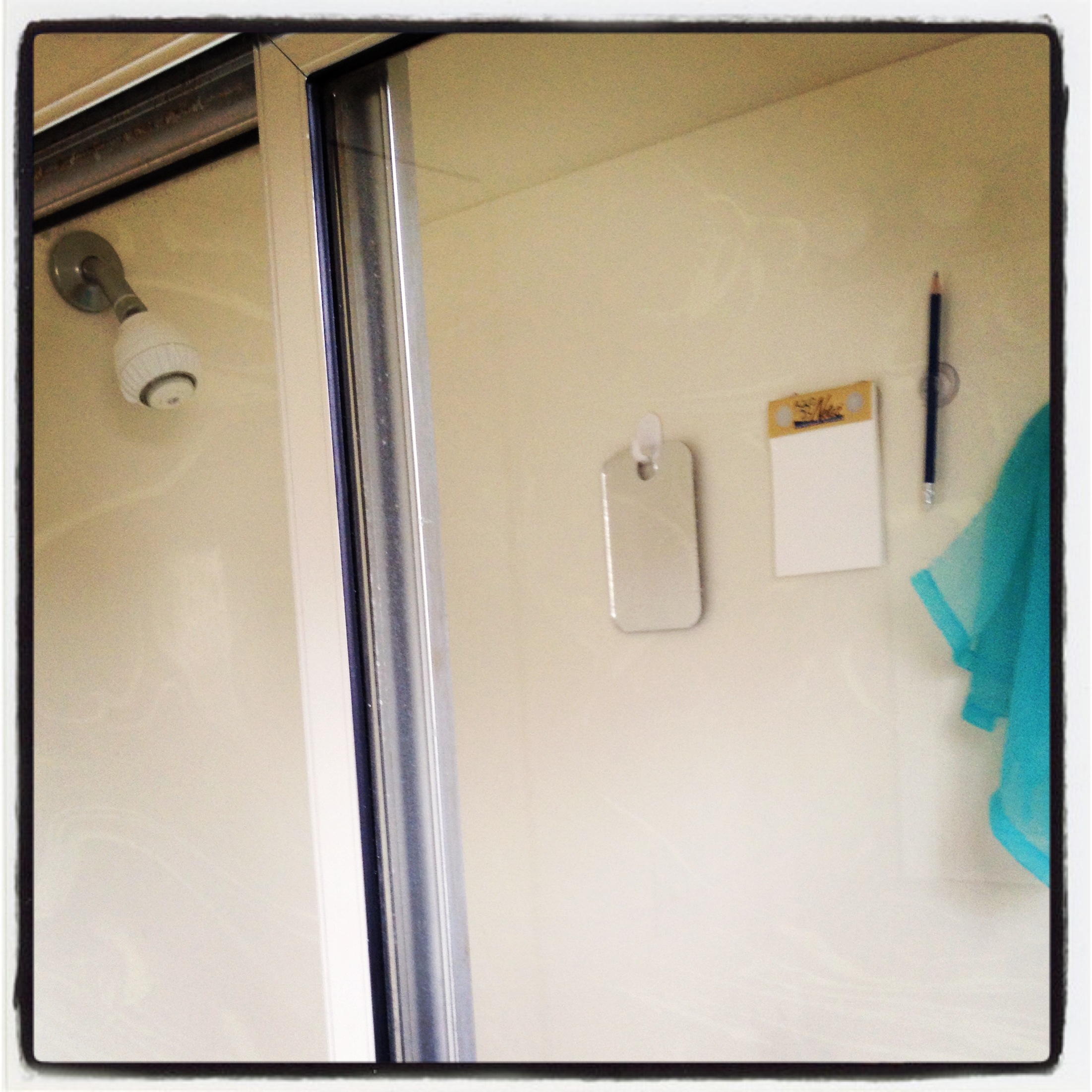
I like the hint of light over the top of the hills in the distance.  And then at my son’s apartment I noticed the tools in his shower.  Why don’t I have a pad of waterproof paper and a pencil hanging in my shower for those soothing water-induced inspirations in the morning?

photo_1

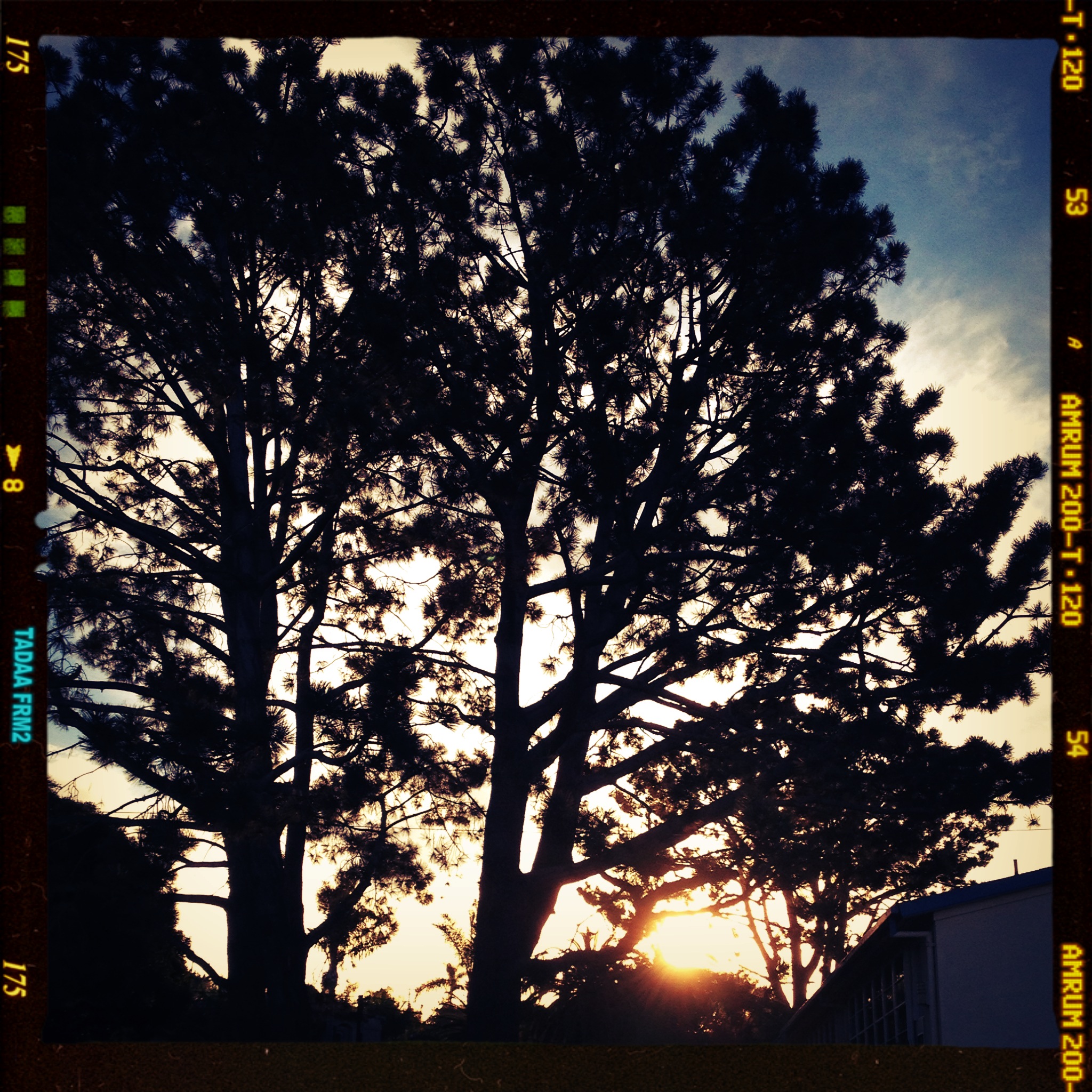
I found this one this morning on my way to work as the sun rose through the Torrey pines.

photo

What says good morning to you?

Crows

As I walked across the parking lot toward my office today I heard a crow cawing. I looked and noticed it sitting in a tree at the edge of the parking lot. It was loud and totally unconcerned that I stopped to take a photograph.

20131001-232143.jpg

Thinking about that crow made me realize how much attention I pay to the crows in my life. Those that are loud or otherwise command my attention get more of my time and energy than those that are quieter and less assuming.

Too often that’s true in my classroom too. How often do I seek out the quiet, still child? Instead, all too often I am drawn to that loud voice or the wiggly body that can’t seem to keep in its own space.

I’m glad I stopped to photograph the crow today. I want it to serve as a reminder to look for and notice the quieter beings–the roly polies, the snails, the chickadees and sparrows– that blend into their surroundings and go about their lives without calling for attention.

What am I missing when I only see the crows? What can I learn by tuning my eyes and ears and other senses to the quieter students in my classroom? I’m going to find out…

In Search of Silky

I’m usually pretty good at making a photo prompt work for me…or as my son says, I cheat. What that means is that I take the pictures I find interesting and caption it in a way that I can make the daily or weekly prompt “fit.”

But I struggled this week.  Silky was just plain hard.  I looked everywhere for that quality of luxurious smoothness that I associate with silky, but mostly I found fluffy and creamy and shiny…

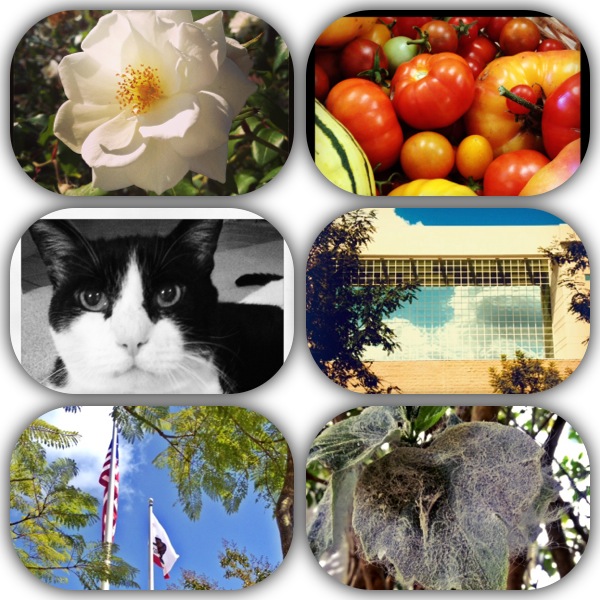
Here is a collage of six of my silky pictures.  Which suggests silky to you?

photo-1

Tomorrow begins a month long prompt: writing.  I can’t wait to see how I can make writing into wonderfully interesting photos!

Listening: Becoming a Connected Educator

Earlier in the week I posted about being a Connected Educator.  Since then I’ve also been thinking about those educators who are connected but not yet putting their voices out in the digital space professionally.  Lurker is the term I’ve heard to describe people who read on social media but don’t comment or post themselves.  But lurker has such an evil sound to it–as though they lurk in order to gain information for underhanded reasons.  In some ways they seem to me to be listeners, like those students in my classroom who are soaking everything up like sponges but can’t yet bear to raise their hand and make a public comment.

Like the students in my classroom, I suspect that those digital listeners will at some point begin to comment and post for themselves, they just aren’t ready…yet.  And since I started this blog (almost three months ago), I have had many instances of people making comments about my content when I’ve had no evidence of their interaction.  It feels a bit odd at first.  Almost like someone is eavesdropping on a conversation that they are not participating in.  But then again, I am making a choice to put my writing and thinking out in the public sphere.  And whether people chose to comment or “like” my blog post is a decision for them to make.  It also reminds me as a reader of blogs and other social media that I read substantially more than I comment or otherwise indicate my presence.

And I also know that sometimes it just takes the right condition to get someone to dip their toe into the social media waters.  If you listen to the NWP radio show on being a Connected Educator you will hear Abby and Janis and Barb talk about getting started and how much it helps to have support, like when our SDAWP teachers take on the Twitter account as @SDAWP_Fellow for a week.  (We adapted that idea from Sweden’s practice of having a citizen take on the country’s Twitter account.)  It’s also like having Barb and Matt’s support when trying out blogging on our collaborative blog, SDAWP Voices.

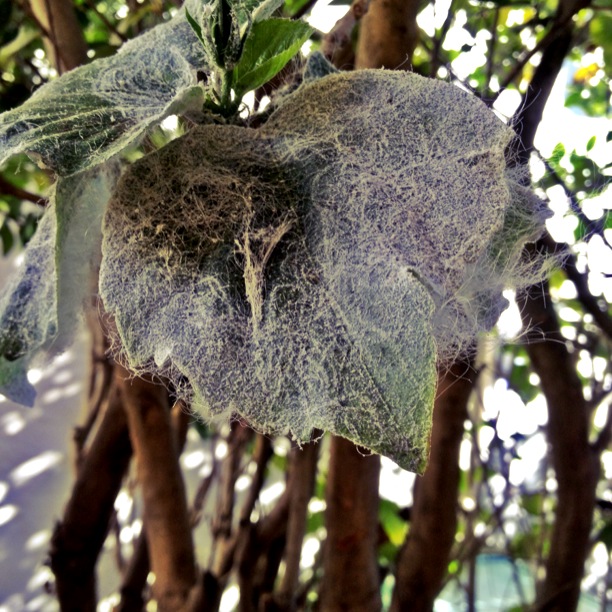
Today for my #sdawpphotovoices photo-a-day I took a photo of what I thought was some kind of fungus making a silky white coating on the leaves of our hibiscus plant.  When I posted it to Instagram and Twitter, I got a response from one of my colleagues from my school site via Twitter telling me that this “fungus” was in fact white flies.  I knew my colleague had a Twitter account, but she seldom tweets.  I do try to nudge my colleagues when I see something that I think will interest them by “mentioning” them on Twitter.  (I know I’m more likely to respond when someone “elbows” me and points me to something that has been posted.)  I did this on Friday with my colleague when I saw an app I thought she might find interesting.  And she acknowledged that tweet by replying.  And then today, without a nudge, she shared valuable information with me about my plant.

photo

There are stages to being connected.  Most people start slow (I know I did) and then work up to more active participation.  For most of us that’s how we learn to do a lot of things.  We watch, we listen, we test, we get some feedback and then continue to increase our confidence and participation–or abandon that thing altogether.  As educators we can’t afford to abandon digital literacy or being connected educators, but it isn’t necessary to jump in the deep end. There are lots of support systems out there.

In what ways are you connected?  What is the one thing you will do in the next week to increase your connectedness?  Will you comment on a blog?  Respond to a tweet?  Tweet a link to an interesting article or blog post?  Start a Twitter account?  (You are welcome to follow me @kd0602)  I’d love to know if you are willing to post your goal as a comment!