Category Archives: Slice of Life

The Threshold of Possibility

Long skinny boats, a sunny and cool spring morning, and enthusiastic college athletes…and so began my spring break.

crew

I’ve never been to a crew event before, even though the Crew Classic happens in my hometown every year.  I’ve watched rowing on TV and seen it during the Olympics.  But recently, my nephew, a college sophomore became the coxswain of his college crew team…and their team was participating in our local event.  So I had to go…and who wouldn’t enjoy a morning on the beach in beautiful San Diego?
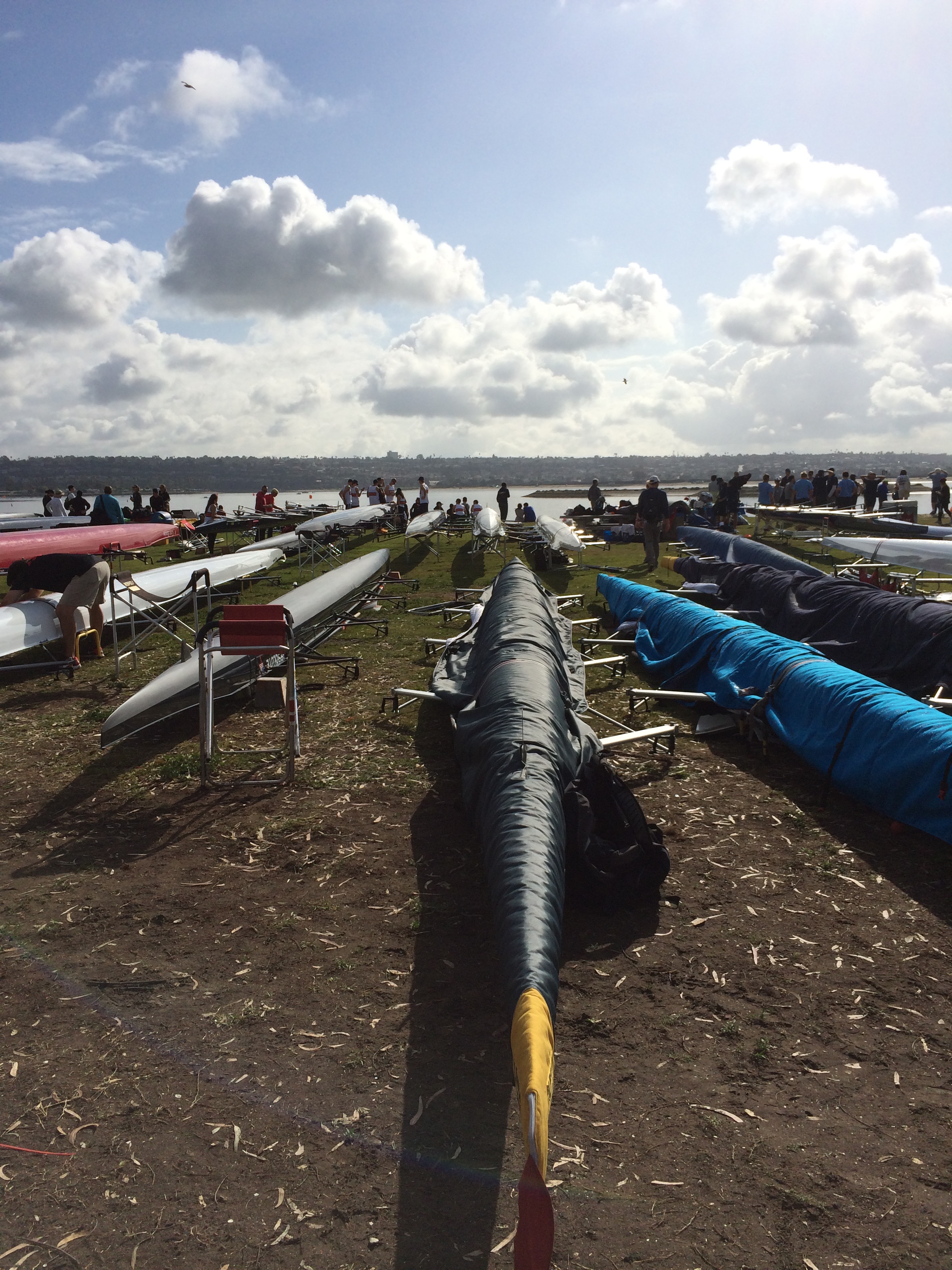
boats

The long skinny boats lined the beach, propped up upside down until each team carefully lifted the shell up over their heads and carried them down to the water.
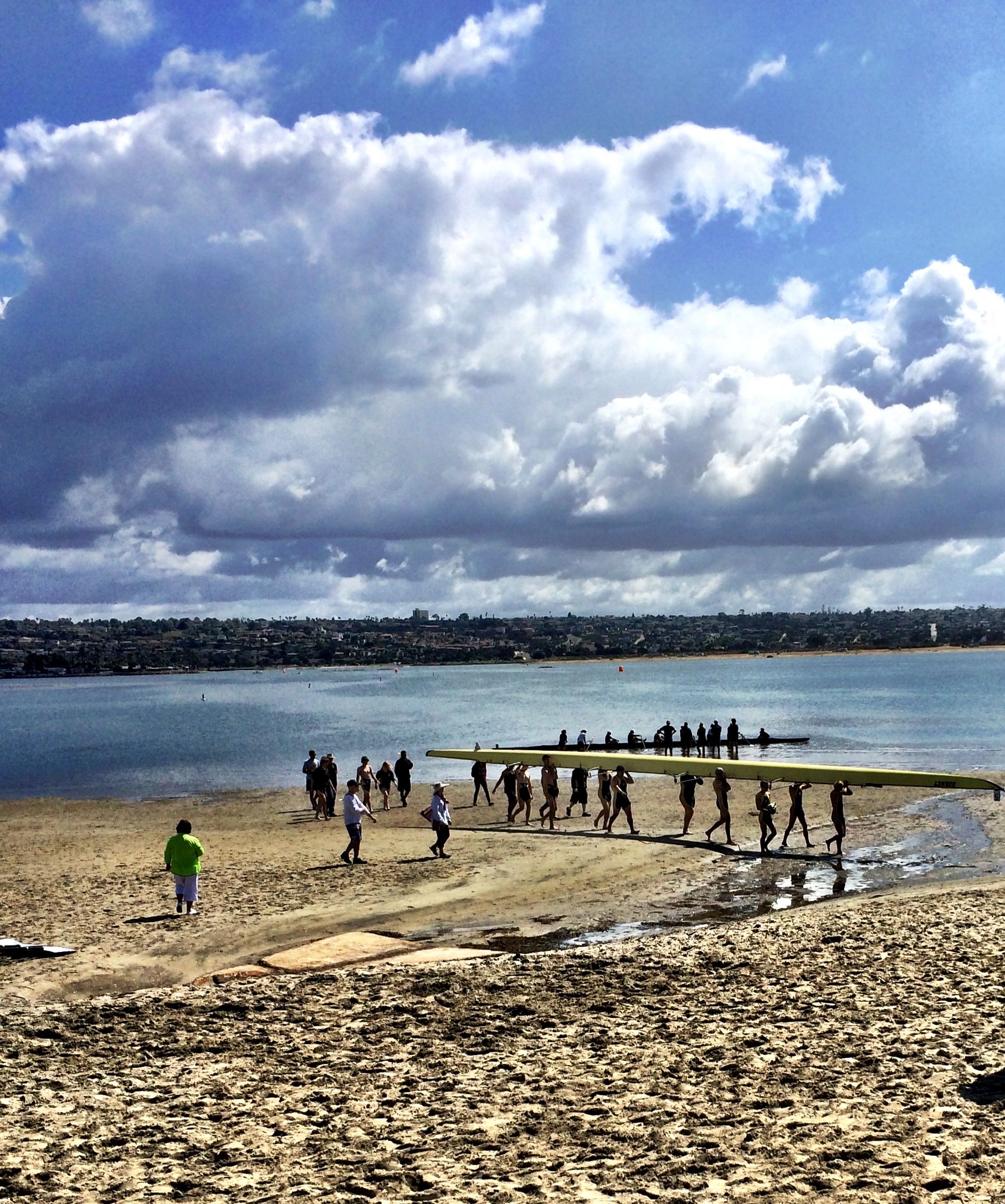
carrying

There are interesting traditions within the sport.  Coxswain are smaller and lighter than the rowers–and charged with keeping the rowers on cadence.  They wear high-tech equipment, magnifying their voices above the wind and water for the rowers to hear.  Apparently coxswain don’t wade out to the boat (or carry it either), and are lifted into the boat by a rower on the team.  I caught this picture of the coxswain being lifted to his perch at the front of the boat…or is it the back?
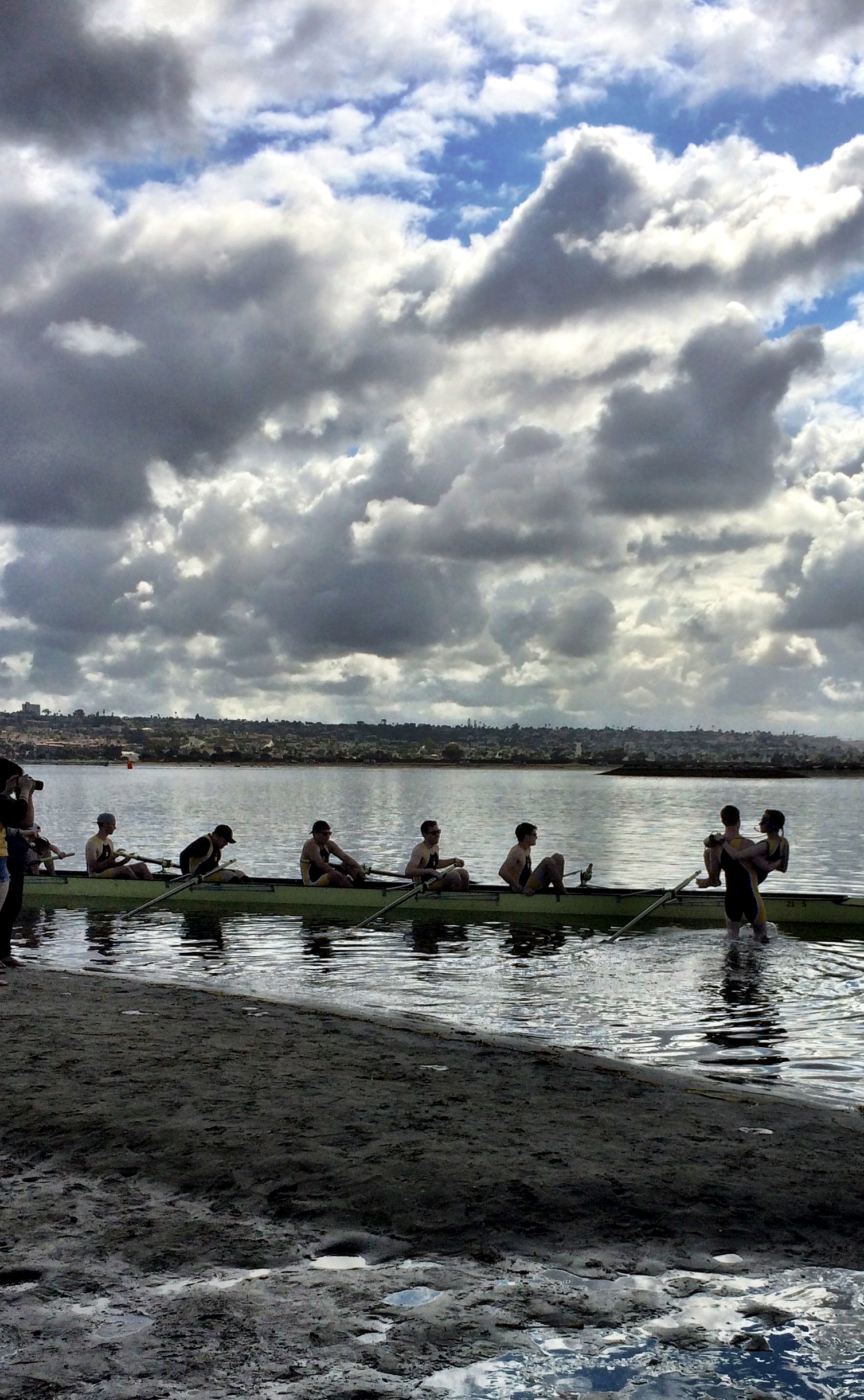
coxswain

I find myself thinking about all these young people on the threshold  of adulthood.  I know they are technically adults, after all, all of them are 18 or older.  But I also know they are still in the process of figuring out how they will live their lives as grown-ups, separate from their parents.  And it seems that the camaraderie and teamwork from sports and other team-oriented activities in college support these young adults as they find their way to independence.  And it was fun to see the families cheering their young people on…and delighting in their efforts, even if the result of the race was 4th out of 4 or the boat came trailing in much later than the others in the race.  It isn’t about winning or losing…it’s about playing, being together, learning together, figuring how to be a team.

My spring break is bookended with two threshold events: cheering on my younger nephew as part of his rowing team and then celebrating the wedding of my other nephew at the end of my break.  They are both embarking on new chapters of their lives, figuring out their places in the world.

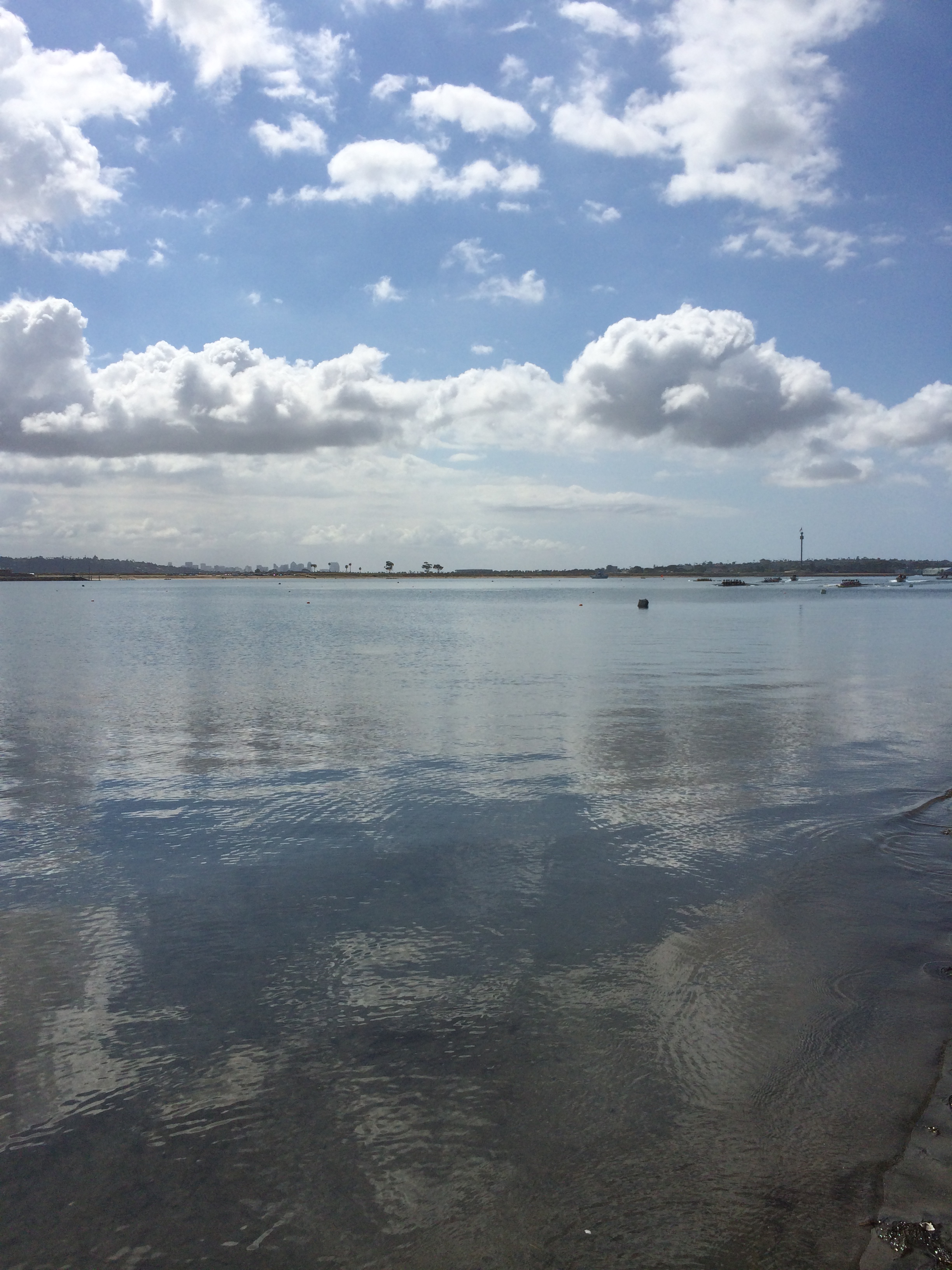
And there is something about standing at the edge of water on a gorgeous spring morning, the threshold of my spring break, that suggests possibility, play, and learning for me too. Sometimes just taking the time to try something new or explore a new aspect of my hometown is enough to break up the routines of the ordinary.  I can’t wait to see what these days ahead will hold for me.
sky

What thresholds are on your horizon?  What inspires new beginnings in your life?  How do you breathe possibility into your everyday life?
Playground Life

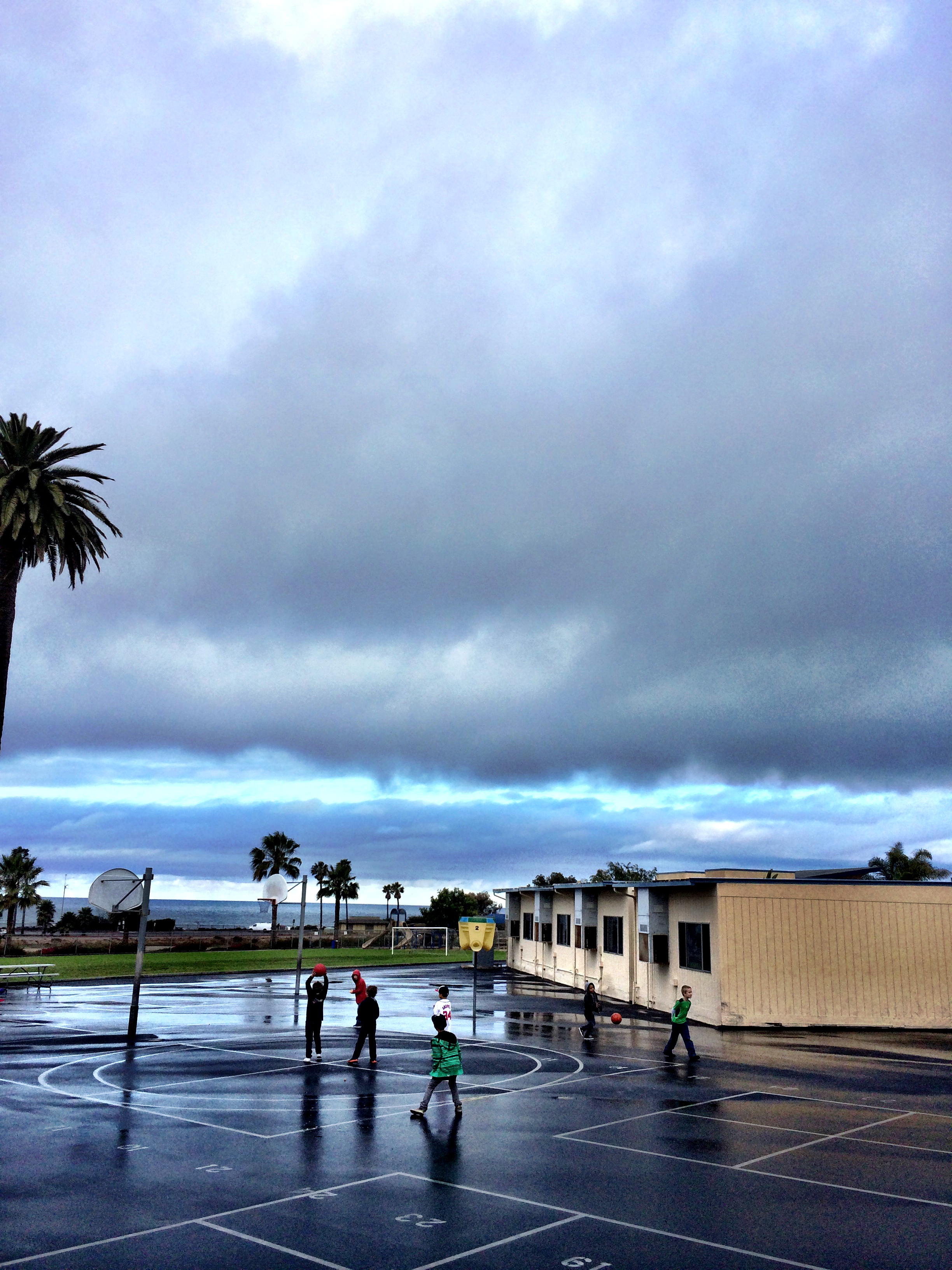
I spend three mornings a week out on the playground watching children play.  These early morning duties are generally calm, giving me an opportunity for reflection and observation.

I notice children making up games, resolving their own conflicts, and through their play, improving their coordination and fitness.  I see the same early arrivers most mornings and watch the seasonal changes in the sports of choice.

Balls are always popular, the current favorite ball games are wall ball, basketball, and a blacktop version of baseball that requires no bats or mitts and involves a large rubber ball.

I wasn’t sure this morning that the kids would get to go out and play.  We had a rare rainy day and I ran my windshield wipers all the way to work.  But by the time kids arrived, the sky was still dark, the ground was still wet, but as long as no drops are falling, the kids can play.

rainy playground

The day turned out bright and sunny–and I am doubly glad that I stopped to capture this wet, cloudy moment of children at play.  And so this becomes my Street Life for the Daily Post’s Weekly Photo Challenge.

It’s supposed to rain again tomorrow.  We need the rain so badly that I’m not complaining about the inconveniences of rainy day schedules.  Instead, I’m looking for the silver linings…


Butterflies

Taking photos has taken me out of doors much more often and kept me alert for interesting things to photograph.  I find myself taking new routes to and from work and pulling off the road when something interesting or unusual catches my eye.

This exercise in paying attention has the side effect of feeling playful and fun and has me noticing small details that might have escaped my gaze otherwise.

Yesterday’s walk on the beach was a bit different than usual.  We had started off for a hike, but a detour changed our plans and sent us down the road to where my husband lived in college.  We found a parking place (never easy in beach communities) and headed to the beach. We met very near this place many years ago when we were both undergrads…and walked this stretch of beach on the evening we met.

As we walked we noticed the changes on the beach and in the buildings along the shore.  Temporary lifeguard towers have been replaced by permanent buildings and some modern designer homes have replaced beach cottages.

The sun was shining, but it was cool and breezy as we walked.  There were still the die-hard sun worshippers tanning in their bathing suits along with dog walkers, joggers, and other beach strollers like us.  Kids played in the water and dug holes in the sand.  Sandpipers feasted and seagulls squawked as the bombardiers–the pelicans–cruised the skies above.

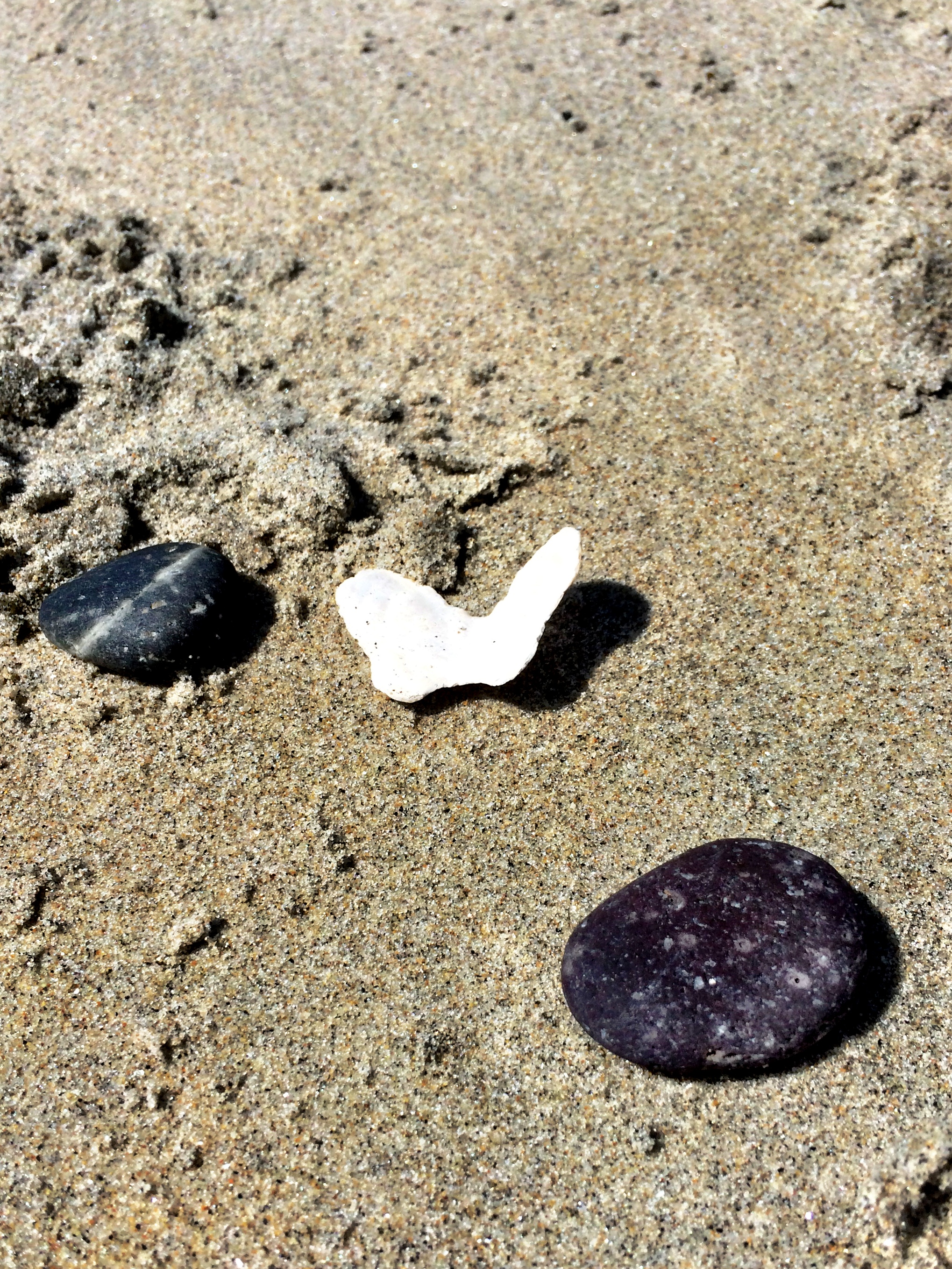
And then we saw it.  Nestled between some rocks on the sand was a butterfly-shaped shell. And I had to stop, get low, and capture that unusual sight.  Perfectly shaped by the sea’s tumbling waves, the shell was smoothed with its original curvature creating the illusion of wings in flight.

butterfly shell


Butterflies are amazing creatures, light and airy, delicate and beautiful.  It’s hard to believe that they begin as caterpillars crawling on leaves and end up winging their way through the air.  Butterflies always feel like good luck to me, representing life and bringing life as they pollinate plants they visit on their travels.

This butterfly, carved by nature from a shell, seems to celebrate the long-term, complex, and happy relationship my husband and I have shared since we met that evening when we were in college.  It represents our growth, our ongoing evolution as a couple, and the freedom we feel together.  And maybe it also reminds us to be playful, to continue to explore and to learn, and to enjoy the moments.

The butterfly is resting on a shelf now…reminding us…

Making Biscuits

I’m a bit behind in my participation in the Learning Creative Learning MOOC, put on by the MIT Media Lab, P2PU and sponsored by the MacArthur Foundation.  So I am going back to last week’s activity, which involves reading Seymore Papert’s essay Gears of My Childhood and then using that essay as an invitation to reflect and write about my own childhood experience with object-based learning.

Unlike Papert, I don’t have an immediate memory of a particular object that influenced my view of the world from a very early age.  (It’s probably more of a memory problem than of a lack of interest in an object!)  But as I continued to think about influences on my outlook toward learning and curiosity, I found myself thinking of many different influences–most of them including important people in my life: my mom, my dad, and my Grandma Millie come immediately to mind.  And then I thought about my experiences making biscuits with my Uncle Bob.

Uncle Bob (actually my dad’s uncle–so my great uncle) lived in a trailer somewhere in the same county where we lived and we would visit on Sunday mornings (I think).  He would make biscuits and always invited me and my little sister to help him.  (He seemed old from the time I knew him and we were very little girls at the time)  We would climb up on a chair of the trailer table and watch closely as he kneaded and smoothed the floury dough.  Then he would roll it out and hand each of us a drinking glass, the same kind we would drink 7-up in a bit later, and we would carefully cut the biscuits using the glass.  He would then take the biscuits, place them on the pan, and put them in the oven.  I still love biscuits, especially when they are made from scratch like that!

And I think the important lesson I learned from that drinking glass/biscuit cutter is that the right tool for the job is often the tool you have access to.  Uncle Bob didn’t need fancy biscuit cutters that were just the right size, he just pulled a glass out of the cupboard.  And better yet, my sister and I each had one to work on cutting those tasty biscuits from the dough.  We all worked together and, in spite of our age, were trusted to do this important work.

And to this day, so many years later, I know that using what you have access to is an important truth to experimenting, to figuring things out, to designing, and to feeling like making is within your grasp.  I still don’t have to go out and buy the perfect kit or have the just right materials to get started with exploring…I just have to be interested, and it really helps to have someone like Uncle Bob (or my mom, dad, and Grandma Millie) around to support you as you’re getting started.

Uncle Bob

Reflecting on Weeds

I’ve been pretty obsessed with weeds over the last few weeks.  These much maligned plants are resilient, tenacious, and often quite beautiful…traits I admire.

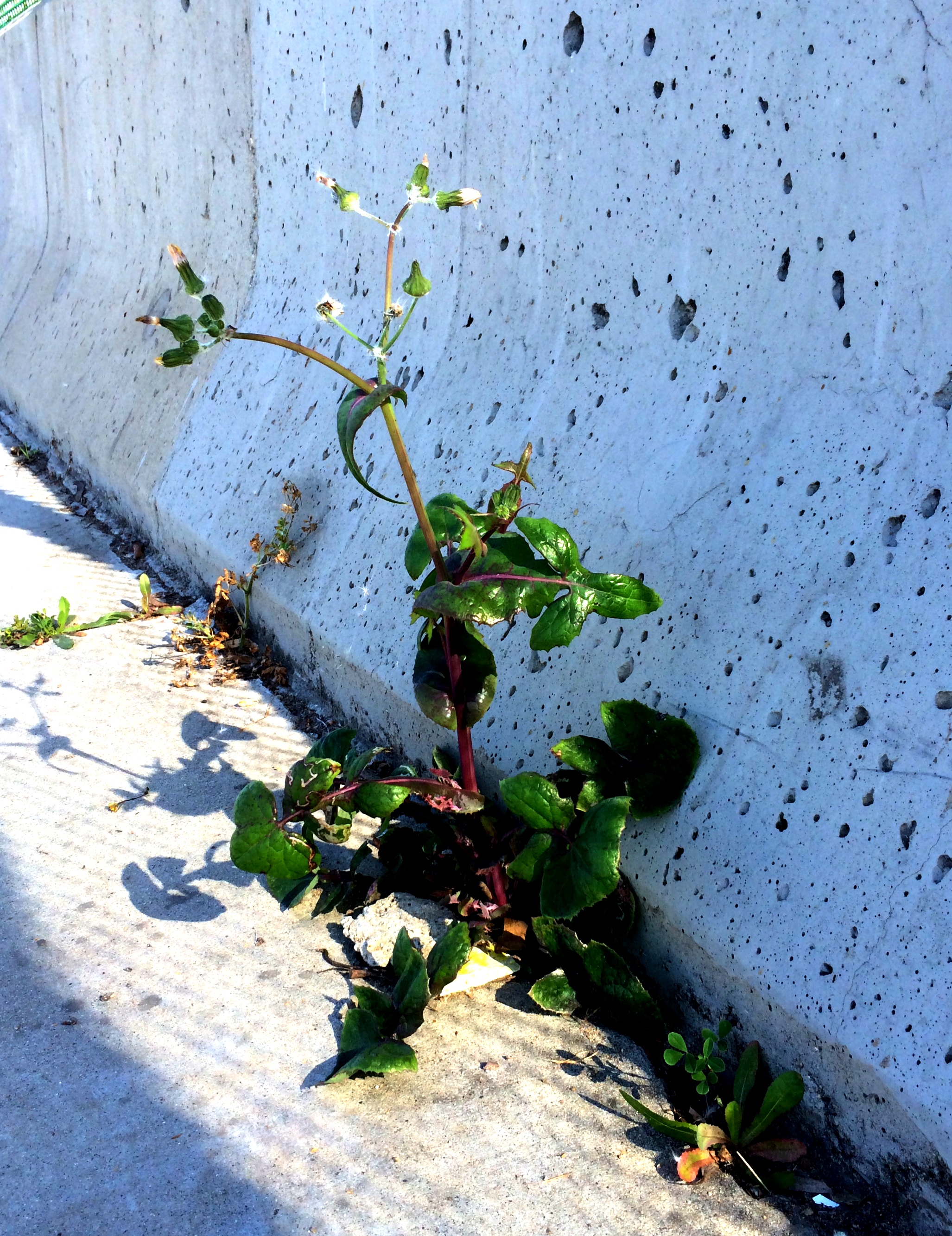
On my way home from work today I noticed that the greenhouses I passed were ablaze with color, so I pulled off the road, parked and walked to take a closer look and a few pictures.  And on my way I noticed this weed growing along the cement wall in a crack between the sidewalk and the wall.

urban weeds

When I got home I noticed that today’s Daily Post Weekly Photo Challenge was reflection…and instead of thinking about the many photos I take of literal reflections (mostly involving water), my mind immediately went to this photo of a dandelion weed growing in the crack of a sidewalk.

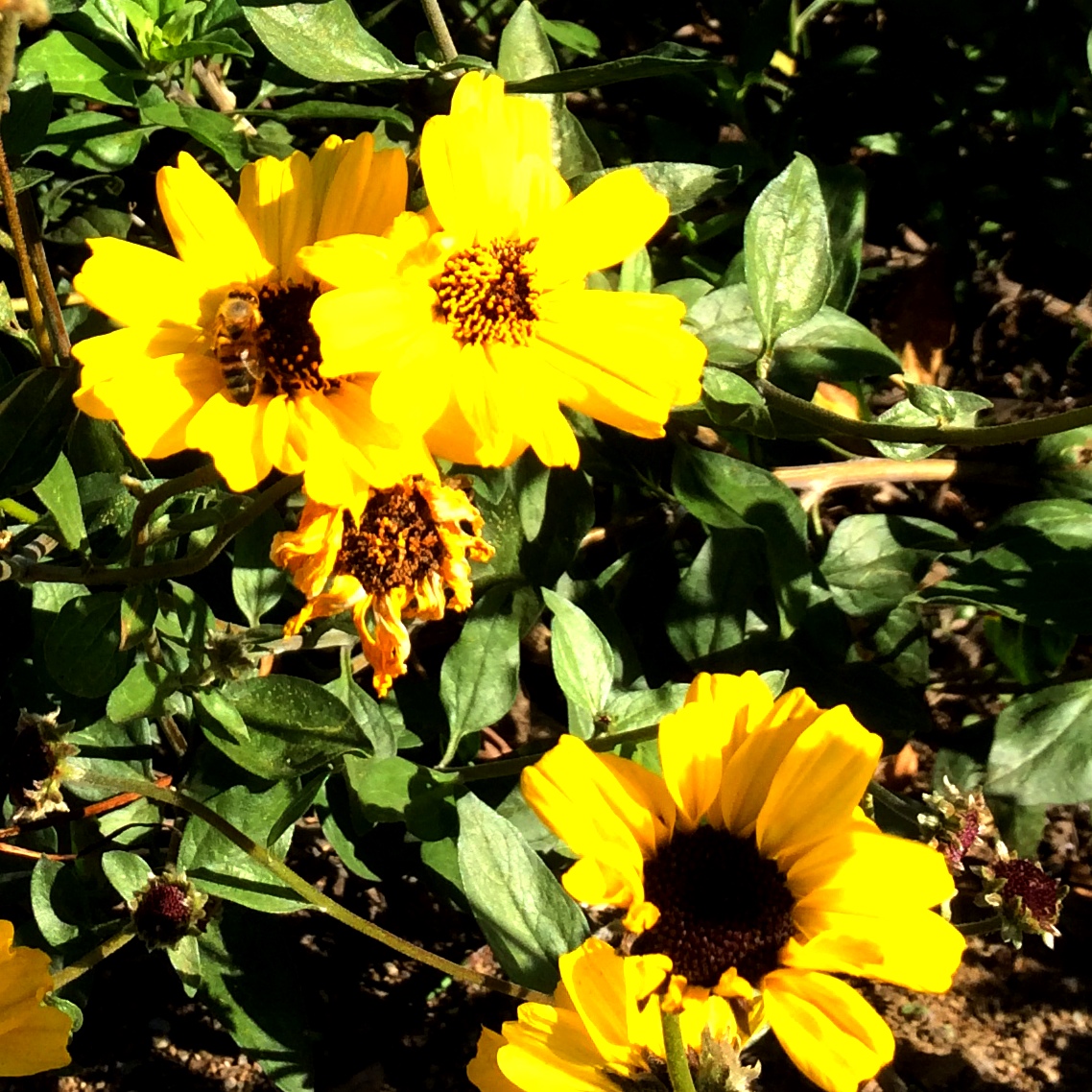
I’ve reflected on many aspects of weeds in the last couple of weeks: their beauty, the role of a negative label, and about things that we see as expendable. Every time I see a weed I find myself thinking about its positive qualities…and wondering if a particular plant is seen as a weed depending on the context.  After I photographed the dandelion weed I also noticed the salty susans growing wild in the dirt where the sidewalk stopped.  I wondered…are these weeds or are they native plants?  And really, what is the difference?  If these yellow blossoms were in the crack of the sidewalk would that make them a weed?

salty susan

And as I finished my parent-student-teacher conferences today I was thinking about the qualities the educational establishment values in learners.  What about the students who don’t quite fit the profile of the ideal learner?

I heard a piece on the radio this morning about the rate of suspension and expulsion in schools of students of color…and know that there is no reasonable explanation for these statistics. These children are being seen as “weeds” in the system, intentionally or unintentionally, and this has to change.  How we talk about kids and how we define success plays a huge role in the ways kids are treated in schools and other contexts.  Plucking them out is not a viable solution…and there’s plenty of research to support that premise.

I think the answer lies in broadening our definitions of school success.  I also think we need to consider what we expect of students.  Do we want them to sit quietly or do we want them to learn?  Is reading from a textbook or listening to lectures the best pathway to learning?  How do we support students in finding their own experiences in the content we teach?  What environments do we cultivate to encourage the growth of students who are quite different from each other?  How do we engage families and learn from them and with them about their children?

For me, weeds are an object of reflection…and of fascination.  And they generate question after question for me to consider as I strive to improve my teaching practice.

And watch out…I might just have an entire garden full of weeds one of these days!

A Pink Fedora

It was a pink fedora kind of day.  What does that mean, you ask?

This is parent-student-teacher conference week.  I love the opportunity to talk to families and yet, it’s a tough week for teachers.  Three hours of back to back to back conferences takes its toll…and it takes those precious after school moments usually devoted to planning and preparation and pushes them aside to make room for the conferences.  And, in conversation after conversation I find myself reminding students to be playful in their learning–that learning doesn’t mean routine and boring and something you dread.  You have to find ways to make it fun and interesting.  And that, in turn, reminds me to be more playful in my teaching and other responsibilities.  I have to find ways to make my hard days fun and rewarding too.

It seems odd to remind children to play, but when it comes to school and learning they seem to think that the path to learning is narrow.  They are looking for the one right way, which sometimes transfers to battles at home about that thing called homework.

I want “homework” to be curiosity and experimentation.  I want students to go home and explore ideas that came up in the classroom.  I want them to play with numbers and play with language.  I want them to figure out new ways to express their ideas in words…and in pictures. And I want them to come back to school and spread that energy and excitement around.  And some of my students do.

This morning, one of my students arrived at school wearing a pink fedora.  It was the first thing I noticed when I walked out to pick up my students this morning.  I could see him from quite a distance…smiling broadly and walking with the air of assurance that comes from knowing with confidence that a pink fedora makes a statement!

photo-101

Somehow that pink fedora represents that playfulness I hope for in our learning community. Playful doesn’t have to mean silly or distracting…and that fedora was neither today.  For me that jaunty pink hat was a talisman of fun, of individuality, of style, with a bit of hopefulness and joy thrown in.  I’m not so sure that the hat will arrive at school again…and that’s okay.  One day of the bright pink fedora reminds me…and helps me remind my students…to find the fun and the playfulness in our work and our learning.

I hope you had a pink fedora kind of day too!

Stars Emerge

Writing is hard.  Teaching writing is harder. And every once in a while the effort of teaching writing and supporting and inspiring writers comes together in ways that make your heart sing and tears flow.

I had one of those moments yesterday.

The first, second, and third grade bloggers were hard at work in our classroom.  The room was filled with the productive hum of writers at work.  I moved around the room, helping with inserting youtube links to the digital stories we had created, troubleshooting technical issues, and helping those emerging writers get their ideas pinned to the digital page.

One of my students called me over, asking for help with a formatting issue.  And that’s when I noticed the poem.  “Where is the poem from?” I wondered.  “I wrote it,” he replied.  “Will you read it to me?” I asked.  And he did.

Stars

A poem

Two stars diverge sending each other down to earth like eagles mating, gripping each other so hard that before they descend and hit the ground they turn into dust. As all the stars shine and shimmer with a shine so big it blinds eyes.

The portal of time, a hole, may it be a dimension to another world? Might it have different forms of life? Or does it hold the keys to the past as you turn the engine?

May it be a beach of darkness or is it truly where your body is when you pass away.

Still a star inside, you shine, a star big enough to fill this sad place with colors and light up the world.

Are all the stars just a puzzle or are they illusions that move and move as you play the game, the game of life?

I have loved watching this writer go from a reluctant and troubled writer to a creative, confident, and willing writer over the three years in our class.  Writers don’t follow easy, uncluttered pathways, instead, like stars and diamonds they emerge from from pressure and heat and time and the tumultuous intricacies of the universe.  I am so lucky to spend three years with my students, it often takes that long for writers to emerge–finding both confidence and voice as writing instruction, practice, and a supportive writing community come together over time.

I’m still thinking about Brit’s poem…great writing does that.  It ignites a fire in the reader, kindled by the writer.  It’s burning bright and hot.

photo-102

You might want to stop by Brit’s blog and leave a comment.  I know I will.

Considering Perspective

“If you look the right way, you can see that the whole world is a garden.”
― Frances Hodgson BurnettThe Secret Garden

With play as my word this year, I’m trying to approach my life and work by playing more and looking through a more playful lens.  But sometimes it’s hard and those feelings of being overwhelmed and overworked creep up.

I’m lucky though.  I work with kids in the classroom every day.  And they remind me that when we are having fun, even while going about our work of learning, time flies by without us even noticing.  This week has been like that.

And it’s not that we have done anything so very different than usual…but I think it’s just about the way we’ve been looking at our work.  One example is playing with our math.  Today a small group of third graders were challenged by a tricky math problem.  They knew they needed to multiply 62 and 27, but they didn’t know how to multiply those numbers.  Some tried adding 62 twenty seven times…but it’s so easy to make mistakes doing that.  They consulted each other to see if someone had a workable strategy.  And there was some good thinking going on.  Another student tried breaking the numbers down to multiply easier combinations–more good thinking–but didn’t quite have all the pieces in place.  Yeah–I had to work at it too…and think through where they were going wrong.

The point is that even though we were trying to figure out the correct answer, we were learning through our efforts and through our errors.  As we talked through our strategies we could see where things weren’t working and wondered why a promising approach wasn’t quite right. But it was fun and we weren’t ready to give up…even when we ran out of time.

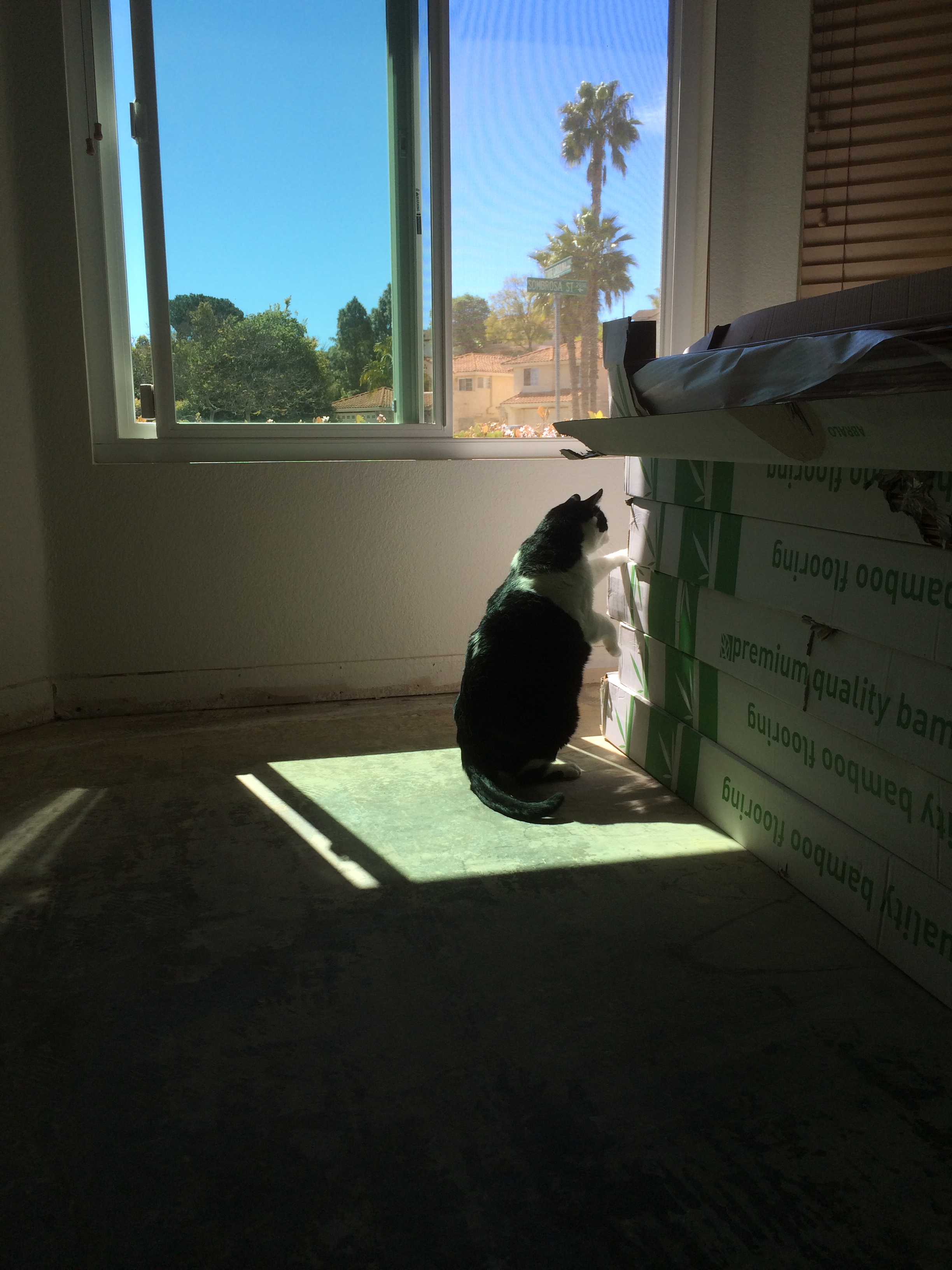
Perspective is everything.  When I remember to be playful, my students play more too.  When I look for the light, the darkness doesn’t seem so daunting. I love this image of Jack, my cat, finding the light.  Cats are like that…they seek out the sliver of sun and squeeze themselves into that space to soak up the warmth.

photo-98

I’m working to keep my perspective positive and playful this week.  In spite of too many meetings, writing report cards, trying to adjust to Daylight Savings Time, and so many people being sick (what is the deal with the horrid cough that everyone seems to have?), I’m looking for the metaphorical garden.  And better yet…I’m finding it.  It’s all about perspective.

Learning From Weeds

My students seem to be falling in love with weeds.  After reading Weeds Find a Way yesterday, we invited students to be on the lookout for weeds.  And this morning while kids were out running laps for Cardio Club, I was presented with more than one dandelion puff–those magical seed pods of childhood.  I guess they wanted to make sure I knew how much they loved them!

And I love it when different classroom activities intersect and overlap, creating a deeper learning experience for all of us.  Today when students headed out to the garden with our gardening teacher, they went in search of weeds.  And while they had weeded the garden beds before, after our reading yesterday and with the gardening teacher knowing that we were learning about weeds, this time they were looking more closely.  One student came in from recess with a weed clutched in her fist.  She showed me the plant, pointing out what she was as interesting features.  She also let me know that she had sketched this plant in her gardening journal.

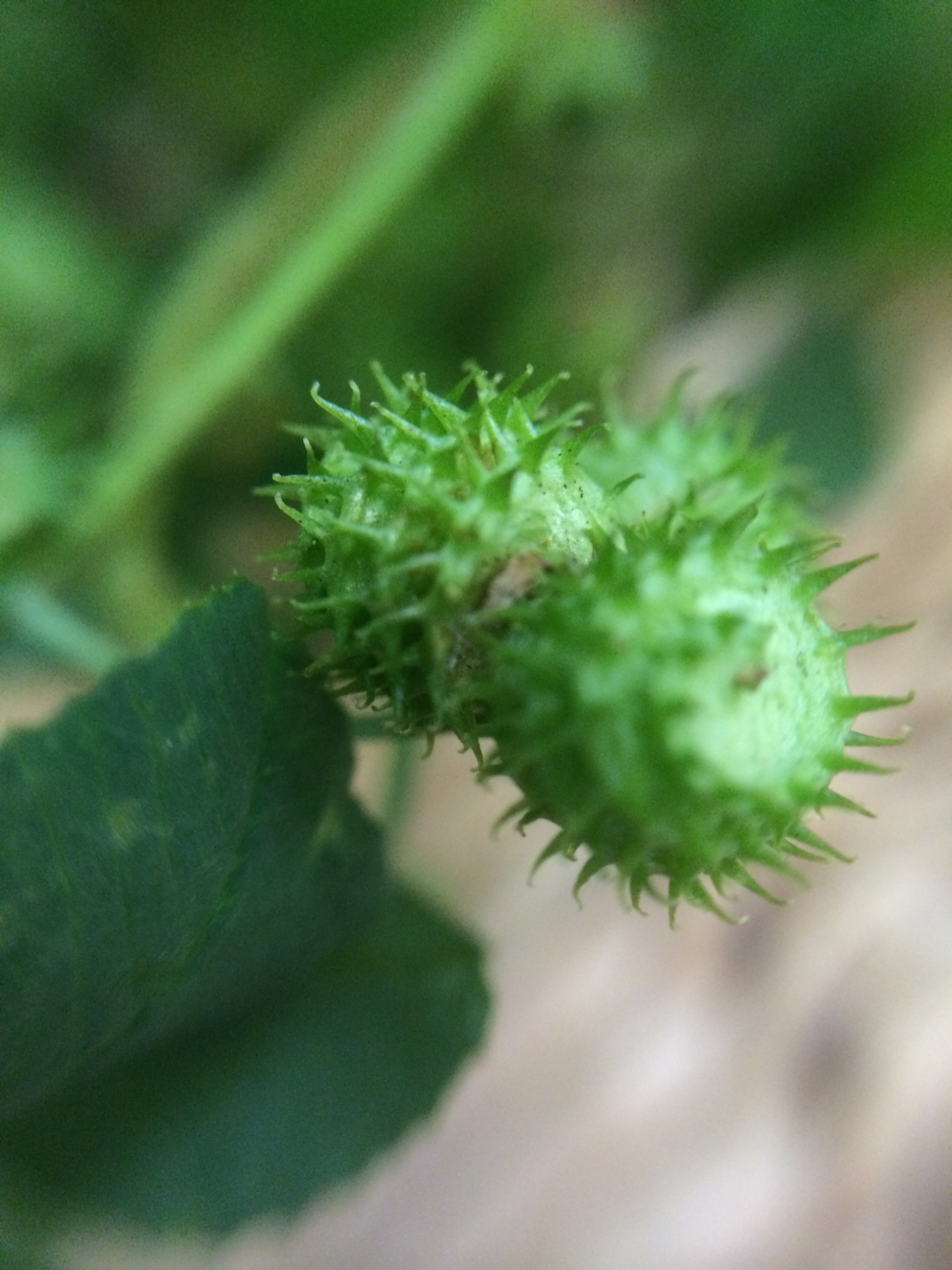
Student brought a basket full of weeds back to the classroom…and we’ll use them later this week in a science lab about weeds.  As I peered into the basket, I was immediately interested in the stickers on the plants that I remember as a child.  I have vivid memories of pulling those stickers out of my socks.  And of course, I had to grab my phone and take a few shots.

sticker weed

In some ways the topic of weeds has stuck to me like those stickers I used to pull out of my socks.  I’m noticing a lot of variety in weeds and find myself wishing I knew more about them. I’m also still thinking about labels and how that influences the way we view and treat those labeled as nuisance or disposable or disgusting or not worth time or energy.  This goes well beyond plants.  It seems to apply to both living things and inanimate items.

Think about those one-time use plastic bags that many people (me included) use to carry groceries home from the market.  We find them everywhere they don’t belong…on the ground, at the beach, on park benches and half buried in the sand.  They are seen as expendable, cheap, replaceable–so people are not taking care to keep track of them or even to dispose of them properly.

My city is contemplating banning these bags because of the environmental dangers they pose. How will the ban change the way people see them and use them?

And how does this apply to students?  Which are seen as expendable, easy to replace, just a number in the system? Does that change the way they are treated?

I’m glad we are learning about weeds.  They are helping me learn a lot about myself.

The Dilemma of Labels

I’m still thinking about weeds.  Probably because we read Weeds Find a Way in class today.  Our students were so surprised when they realized the puff balls they love to blow from dandelions are really seeds!

photo-97

We talked about the places weed grow…and I urged them to be on the lookout for weeds in unexpected places and to report back to us what they noticed.

The more I think about weeds, the more I realize that weeds are just plants that have managed to make pests of themselves.  One of my students pointed out that weeds are plants that we don’t try to grow–they plant themselves.  There’s a list of weeds in the back of Cindy’s book, most that I have never heard of (obviously I’m not well-versed in weeds beyond dandelions).

But then again, is labeling a plant a weed just a matter of opinion?  Is a weed a plant you don’t want?  I can remember as a kid my mom calling geraniums weeds.  They grew along the side of our garage and my mom was always trying to pull them out.  And now I see people trying to grow geraniums, buying them from the nursery, cultivating them for their beautiful colors and vibrance.

Yesterday I noticed this ivy coming through the fence to my backyard.

gate with ivy

Sometimes I think ivy is pretty…but it can be insidious once it takes hold and is very hard to get rid of.  We had some ivy wrap itself around the trunk of a tree in our yard…and nearly kill the tree!  And it took a lot of work to free that tree from the ivy, and the tree is just beginning to come back to health.

So just when does a plant become a weed?  Is ivy a weed when it chokes a tree, but a plant when you cultivate its growth? And does the label matter? What about students?  When we label them…gifted, learning disabled, autistic, dyslexic…does it change the ways we view and treat them?  Do they become metaphoric weeds in our classrooms when they become a nuisance?  When they take too much work?  When they choke someone else’s growth?

Can we change our perceptions by changing the labels?  Or by removing the labels?  Would we like weeds better if we learned their names and noticed their unique qualities?

Hmmm…weeds and labels.  I need to do some more thinking about this!