Fresh Eyes

I live in a place where there are plenty of beautiful and interesting things to see…and I work to see my place anew each day.  But it’s hard sometimes.  And sometimes I end up seeing the same things I always see.

And I think that happens for students too.  The classroom becomes familiar and learning looks like the same old thing.  That’s where field trips come in…they offer opportunities for students to see learning through fresh eyes, in a different context, in a different place.

I was definitely feeling the need for some fresh eyes today.  After working for eight straight Saturdays, today was rare free one and we made plans for a “field trip” to the desert.  We’re lucky here in San Diego, we have coast–beautiful beaches–near where I live and not even two hours to the east, we have the desert.  So today, we headed to the desert to see what spring had to offer.

We were hoping for a riotous spring bloom knowing that we’ve had a bit of rain since the new year.  But once we arrived, we learned that spring had sprung…in February!  Luckily, there were still beautiful desert flowers in evidence–maybe not a riotous display, but definitely worth the trip.

IMG_4828

Our first glimpse of the desert this morning came from above.  As we looked over the valley below, we noticed the quiet.  I caught this moment of my husband drinking in the silence.

IMG_4826

The desert is already warm this time of year, so we set out early for a hike, knowing it would likely be near 90 degrees by the time we got back to our car.  We watched for desert flowers, for snakes (especially rattlesnakes), for big horned sheep, and birds and bugs too.  And we weren’t disappointed.

IMG_4838

The cholla cactus (the first photo), was pretty plentiful and many were blooming.  The prickly pear was less obvious, and many were not blooming.  I felt lucky to catch this one right near the end of our hike!

Lizards skittered across our path, sunned themselves on rocks, and raced into cracks in the rocks.  Butterflies, moths, and bees were drawn to the plentiful yellow flowers.  I noticed this caterpillar hanging from a slender stalk.  (Love that caterpillars will pose!)

IMG_4835

The snake we saw was slithering in the spaces between rocks…and luckily we only caught a glimpse…and it didn’t appear to be a rattler.  We didn’t linger–no sense tempting fate when it comes to snakes!  But we did catch sight of some big horn sheep.  There was quite a group–12, I think–coming down to a stream near the oasis we hiked to.  Here are a few we watched from some rocks above.

IMG_4842

Their coloring is amazing–making them nearly invisible in the rocky locale.  We saw babies as well as adults…you can see them stopping to check out whether to bolt back up the hillside!

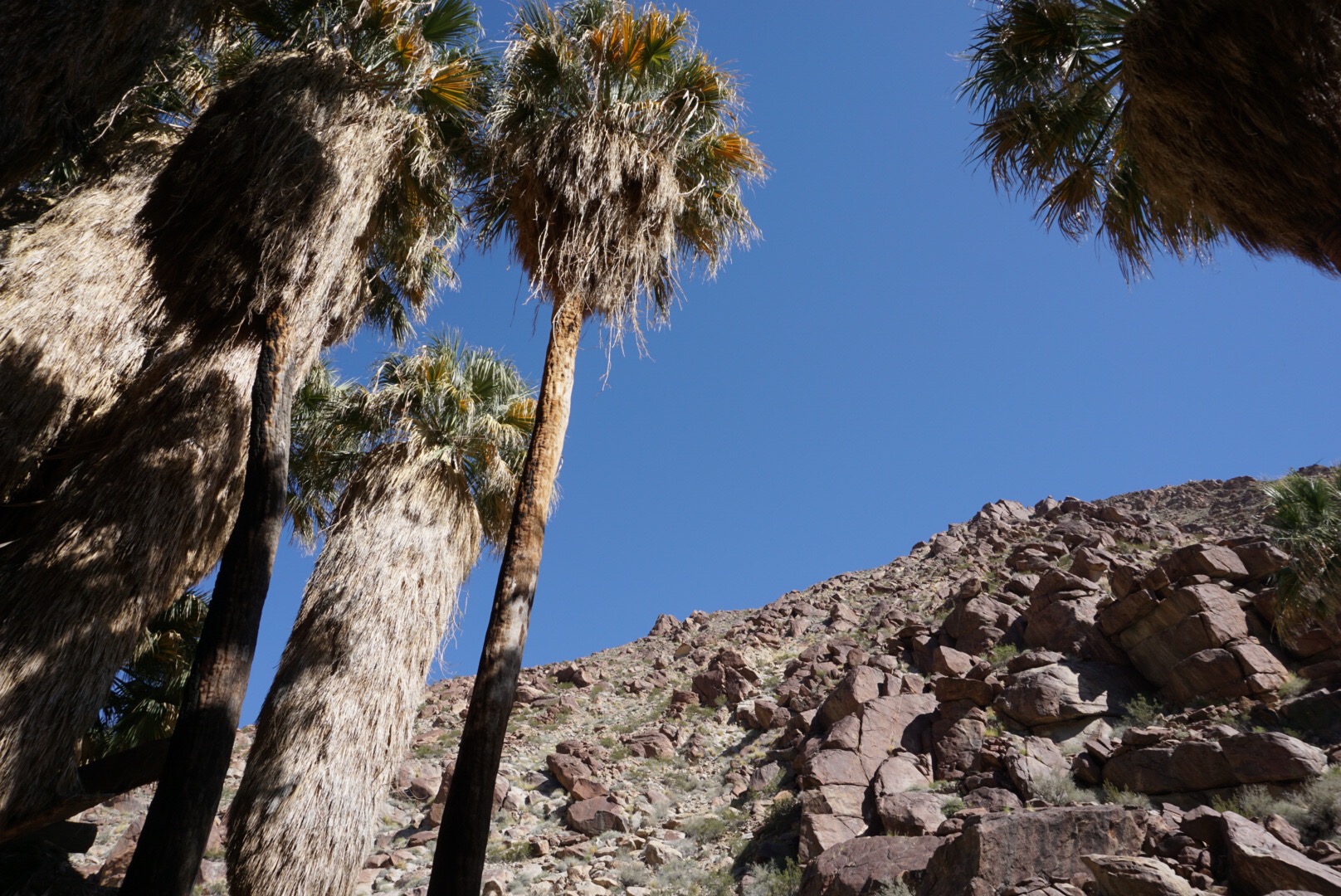
It was surprising to see a waterfall deep in the desert.  We could hear the running water before we saw it.  And the California fan palm, the only palm tree native to California, completed that iconic image of oasis.  Shade, water…and a nice place to rest before heading back into the hot sun to finish our hike.
IMG_4831

IMG_4840

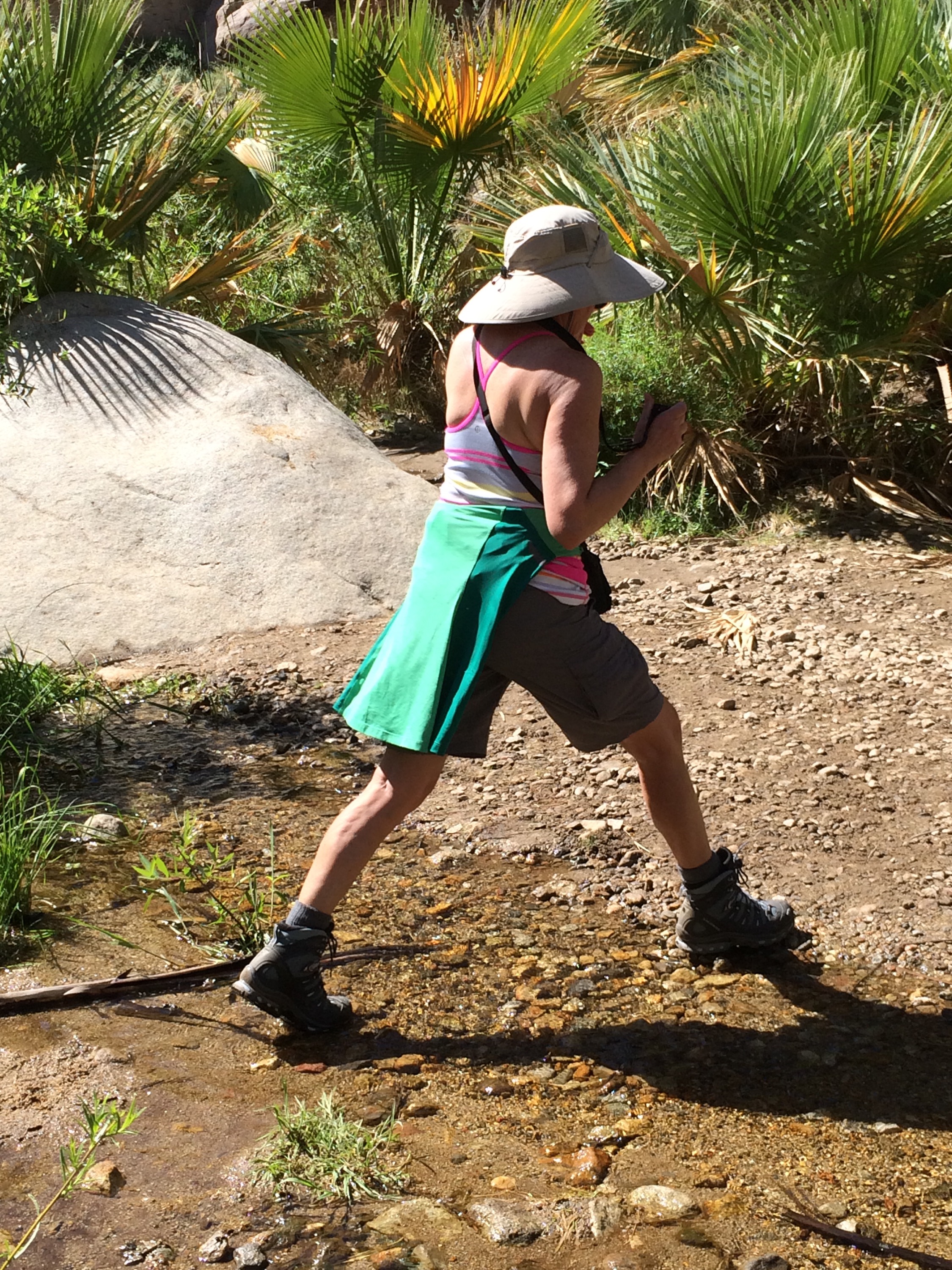
My husband snapped this shot of me traversing a shallow portion of the small stream!

I feel like I got to view spring through fresh eyes today.  I was looking closely and responding to novelty.  I snapped photos and then when I returned home, looked up information about some of what I saw.  I had to try and retry framing my shots, not sure how to capture the tall ocotillo reaching up toward the hot desert sun with the desert cliffs as backdrop.

IMG_4834Today’s field trip was just what I needed…a chance to see the world with fresh eyes, to go beyond the familiar and rekindle my interest in learning about this place I call home.


Weekly Photo Challenge: Study


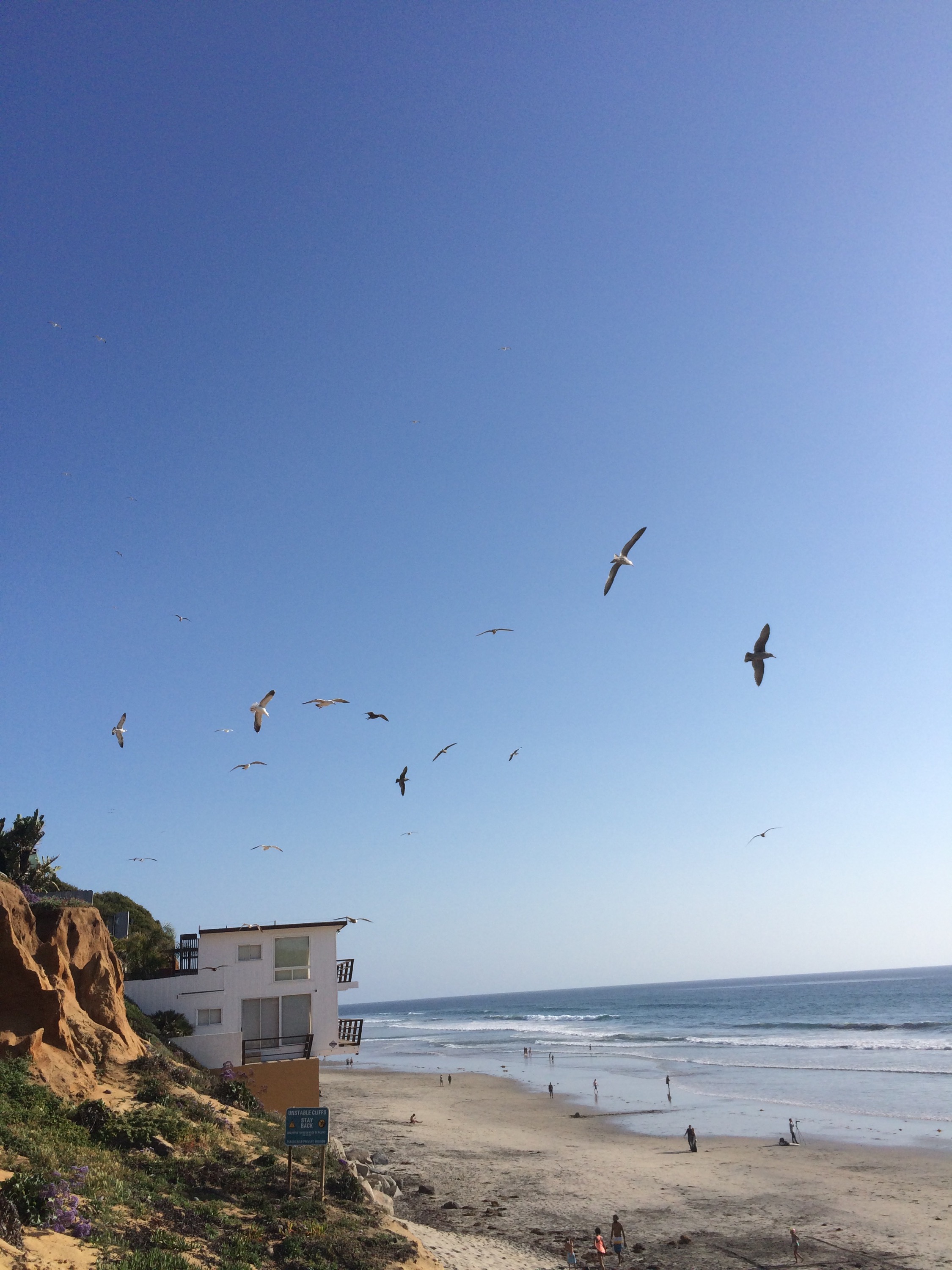
Anyone who reads my blog with any regularity knows that I spend plenty of time on the beach. And with my camera in hand, I find that I often begin to study the things that I see through my lens.  I’ve been drawn to seagulls lately…as evidenced in the photo gallery above (all images posted on my blog over the last few months).

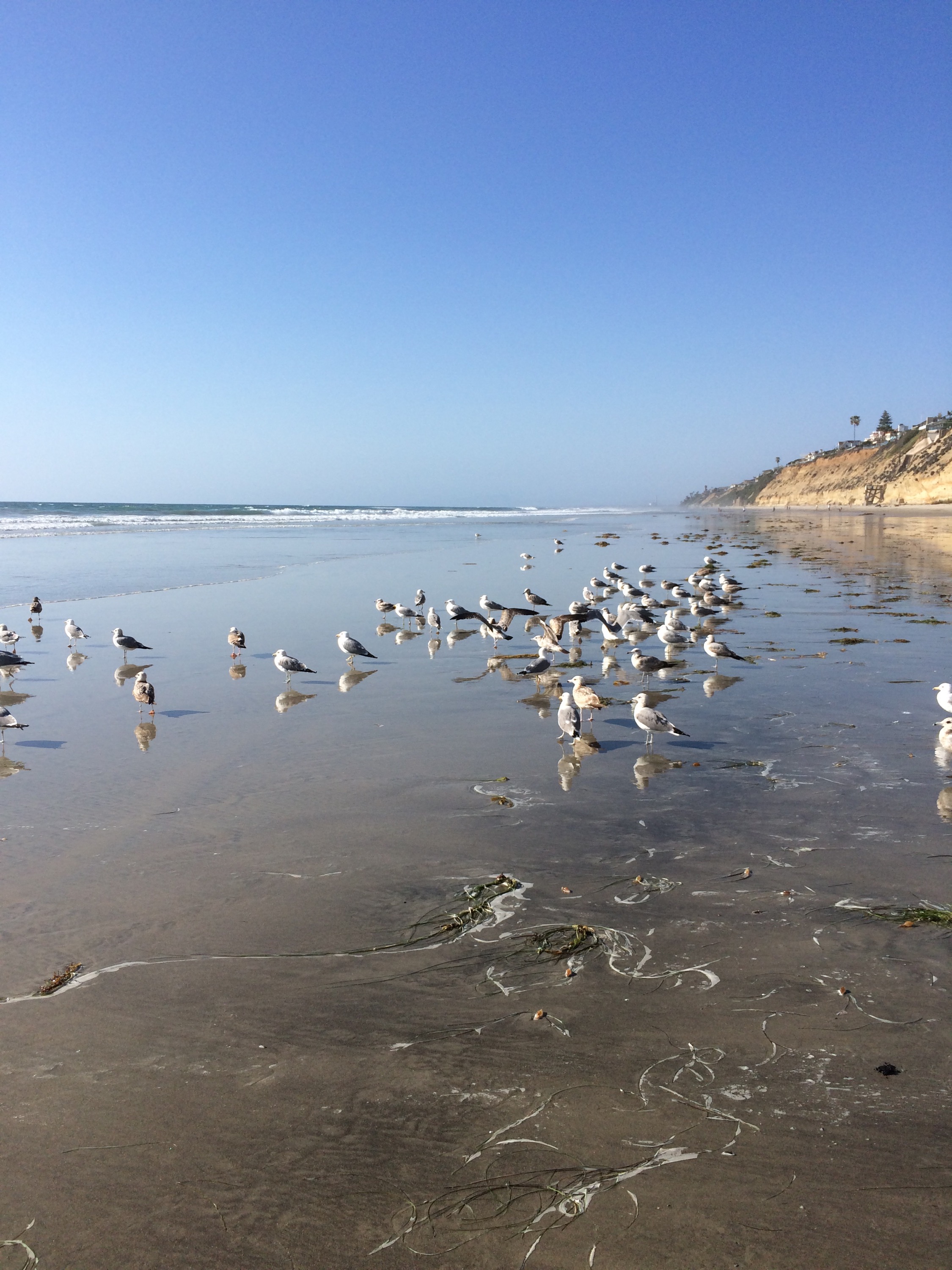
And as I take photos of seagulls, I have also studied them.  Noticing their habits, their preferences, their personalities…and more.  As I walk along the shore, I am drawn to the crowd of seagulls.  They seem to be social creatures, gathering together to hang out.  They seem to have some favorite spots…and I walk through them on a regular basis.

IMG_4771

I love the way they casually walk away from me as I come near.  Seldom do they take flight as I approach, they just seem to shuffle over a bit as they keep a close eye on my movements.

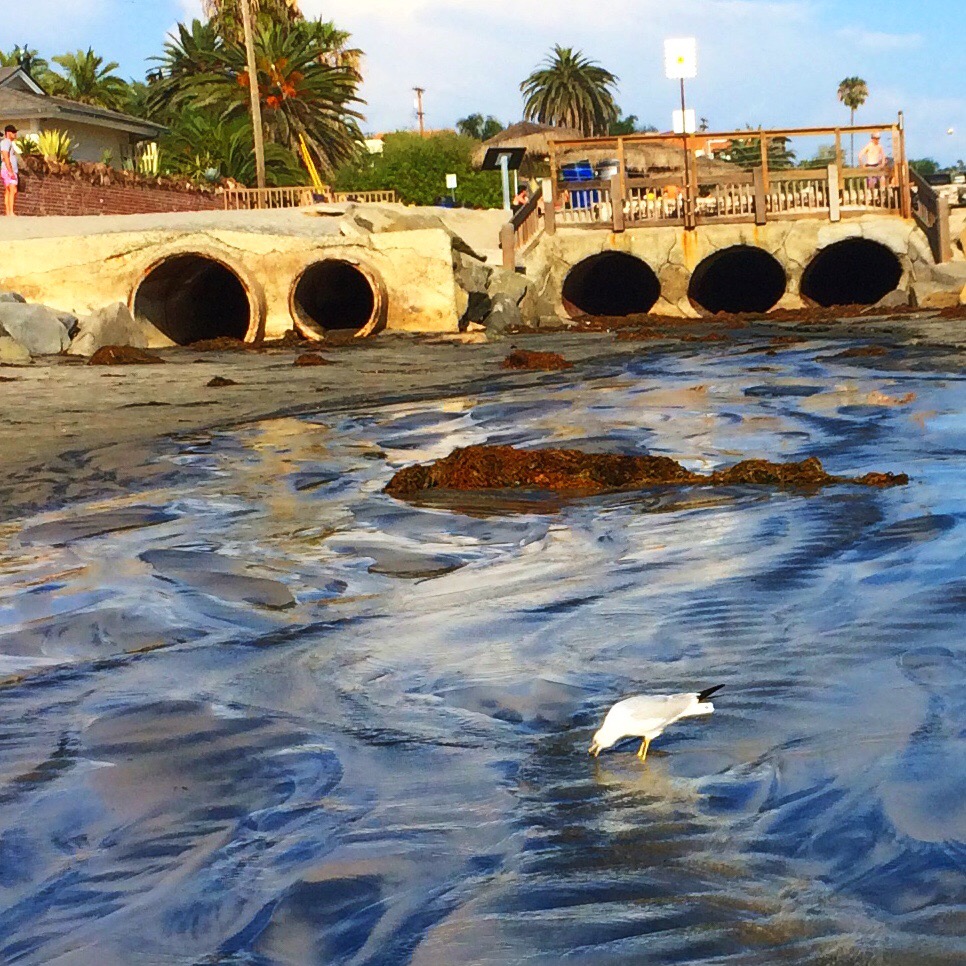
I am always surprised by their adaptations.  The runoff from the storm drains flows into the ocean near the lifeguard station at our local beach.  I am assuming that this is fresh (ish) water (at least not salt water).  I often see seagulls taking a drink from this runoff–in spite of the fact that we humans get regular warnings to stay away from this water–especially after the rain because of the risk of bacteria.  I caught this guy in action, taking sip from the flowing runoff.

IMG_4794

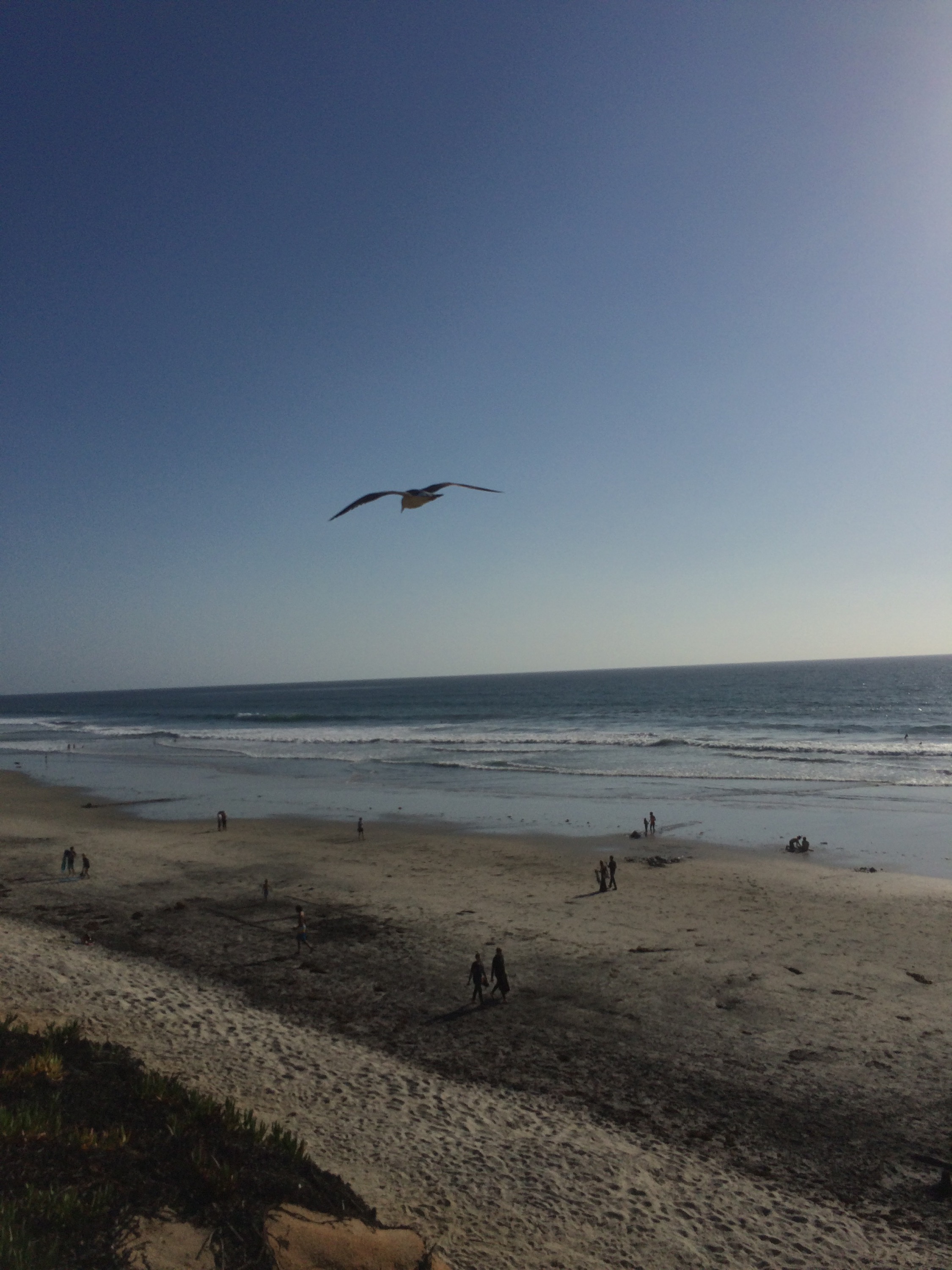
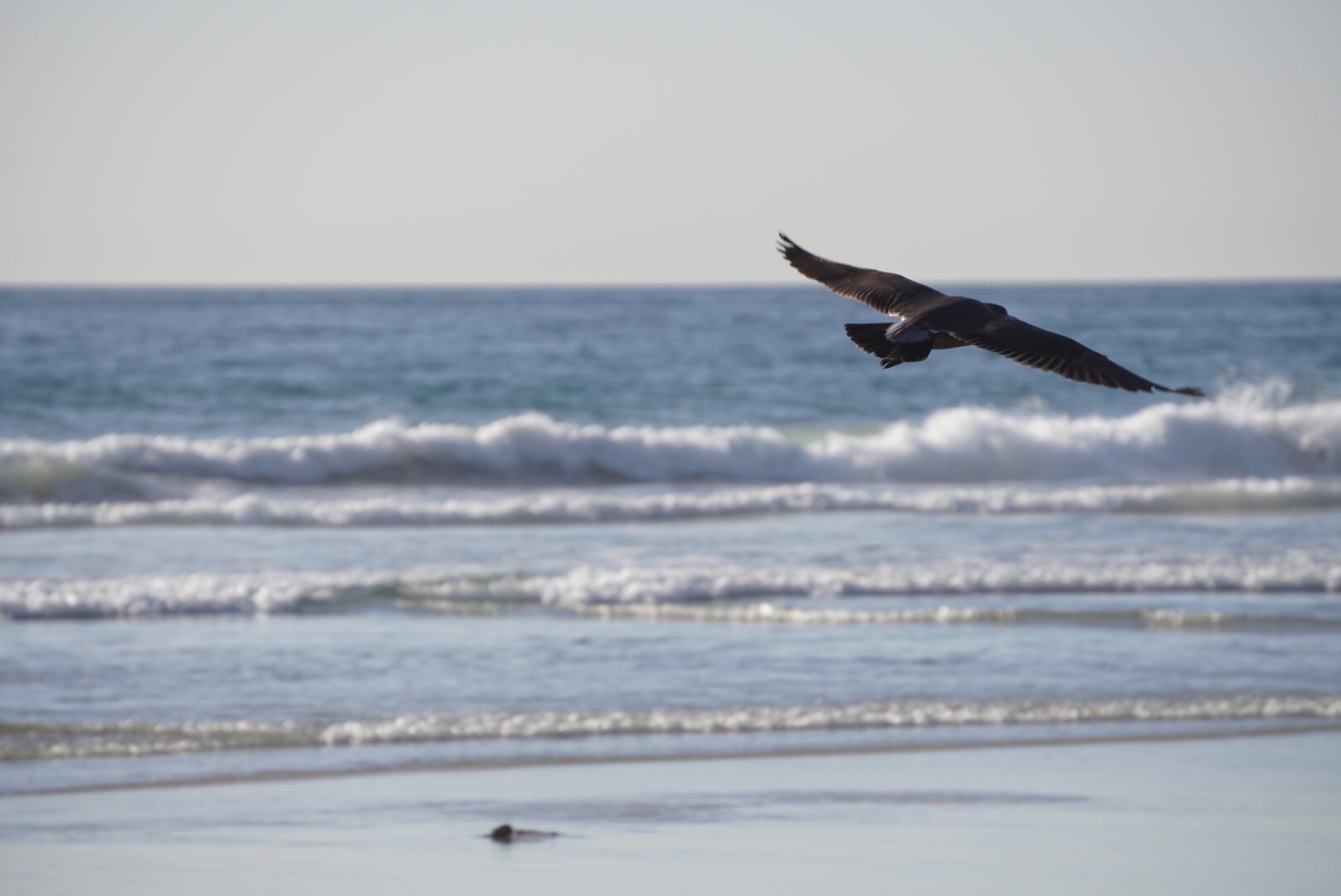
I love to watch seagulls in flight.  They seem so carefree and graceful in the sky…when they are not squabbling with one another over a bit of food.  This guy today was nice enough to fly right in front of my camera.

IMG_4785

And there are times when it seems that the gulls take to the sky in a carefully choreographed dance, floating on the air waves, dipping and turning, swooping and gliding.  I notice this most often in the late afternoons when I squeeze a walk in after I am done with work.  There was a beautiful performance going on this afternoon as I headed back to my car for my drive home.

IMG_4790

So…what are you studying through your lens?  Nearby birds? The light in the afternoon?  The way snow melts? The plants in your garden or the tree you pass on your way to work each day? If you haven’t yet studied…this is your week for a mini study!

You can post your photo alone or along with some words: commentary, a story, a poem…maybe even a song! I love to study the photographs that others’ take and think about how I can use a technique, an angle, or their inspiration to try something new in my own photography. (I love a great mentor text…or mentor photo, in this case!)

I share my photography and writing on social media. You can find me on Instagram and Twitter using @kd0602. If you share your photos and writing on social media too, please let me know so I can follow and see what you are doing. To help our Weekly Photo community find each other, use the hashtag #study for this week and include @nwpianthology in your post.

So take a look around…what are you noticing?  What questions does it raise?  Use your lens as a tool for closer study…  I can’t wait to see what you are learning as you study through your lens!

Weekly Photo Challenge: Action!

Summer has come early here in southern California…with temps in the 90s on the coast today! This is not our normal weather…but it has people flocking to the beaches to play.  People are shedding their clothes and there’s lots of action on the shoreline.

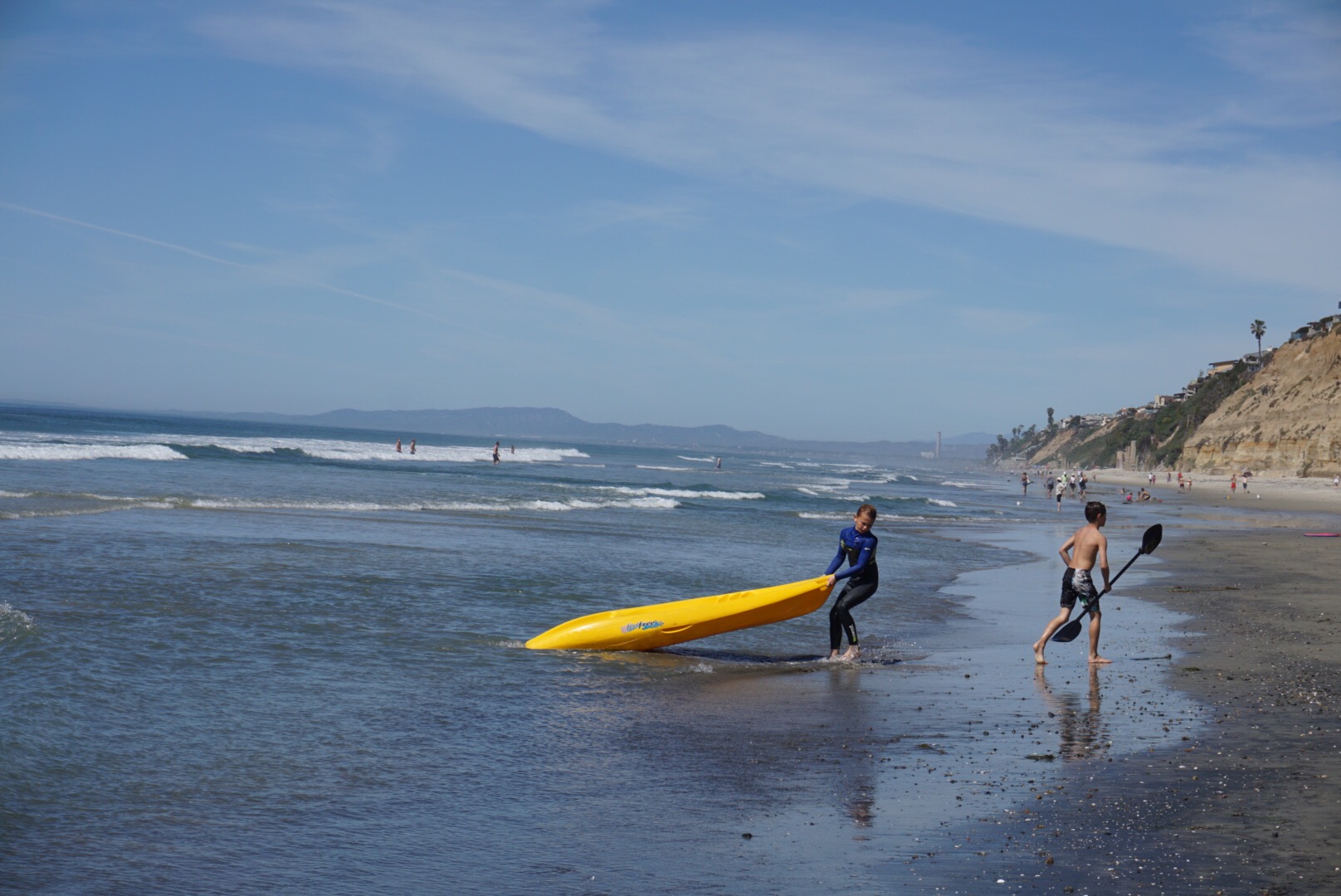
The water is not warm yet, even though you wouldn’t know it by looking at people playing in the surf.  The sign on the lifeguard tower said 64…and my feet agreed as I walked along the shore. These boys show the contrast between the air and water in they way they are dressed…one in a wetsuit, the other in trunks…as they pull the kayak up on the shore.

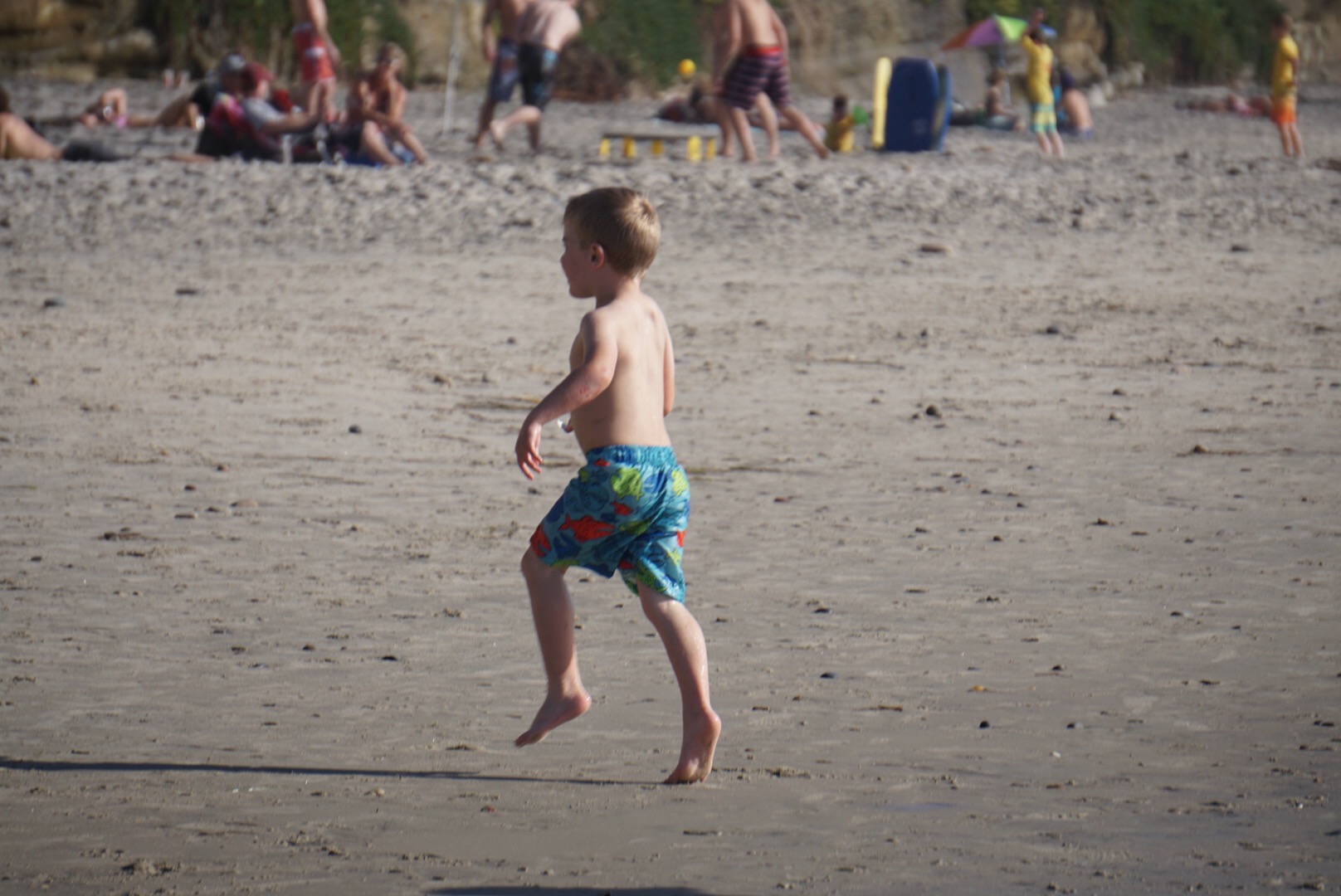
IMG_4679I love the spring in the step of this little guy.  He just exudes energy!

IMG_4690

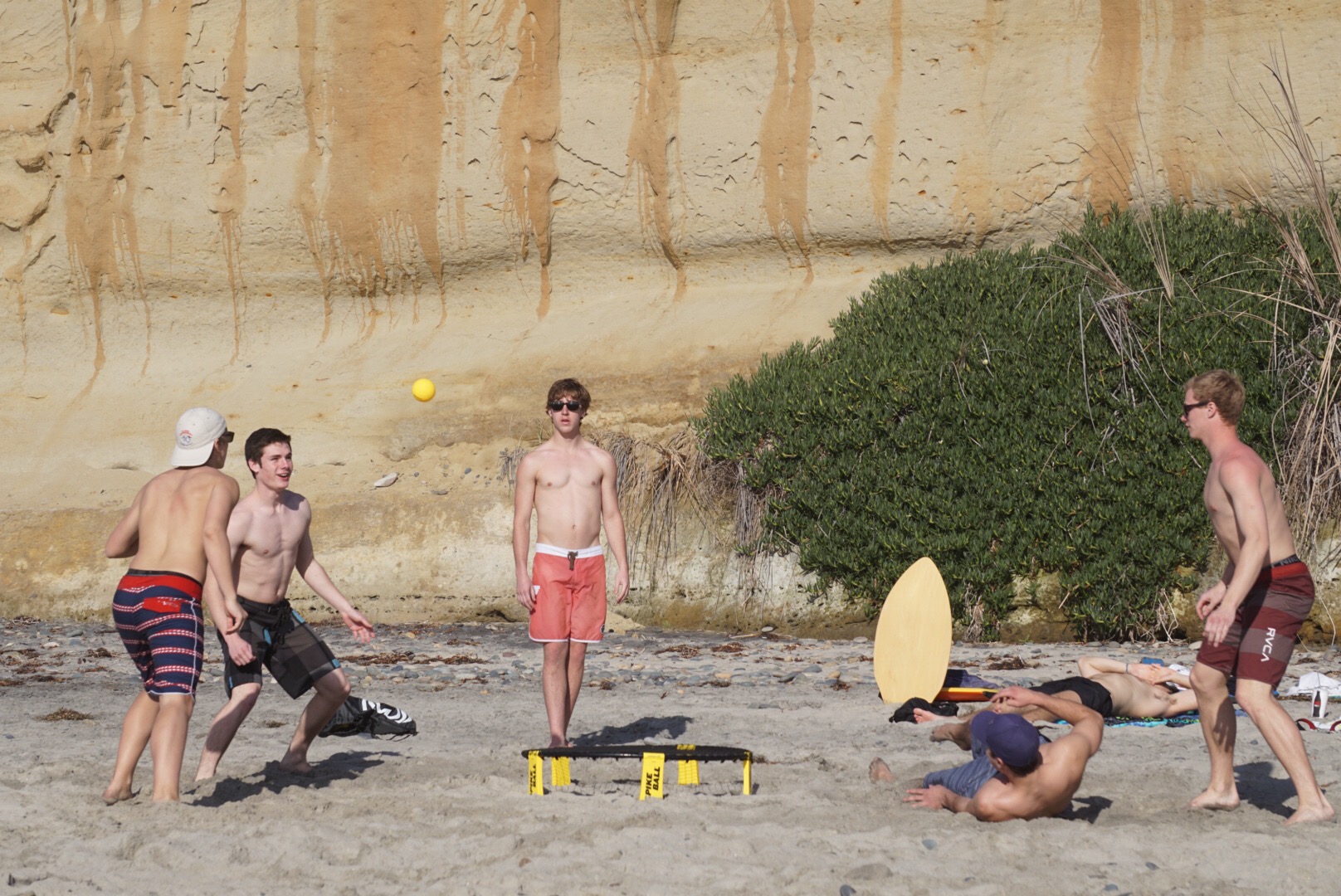
There are lots and lots of games to play on the beach…frisbees and footballs and smashball are usual.  I’ve been noticing this game lately…where you bounce the ball off the mini trampoline, with the goal of keeping the ball moving within the group.  These boys were playing an extreme version, throwing themselves to the ground to assure the ball stayed in play!

IMG_4691

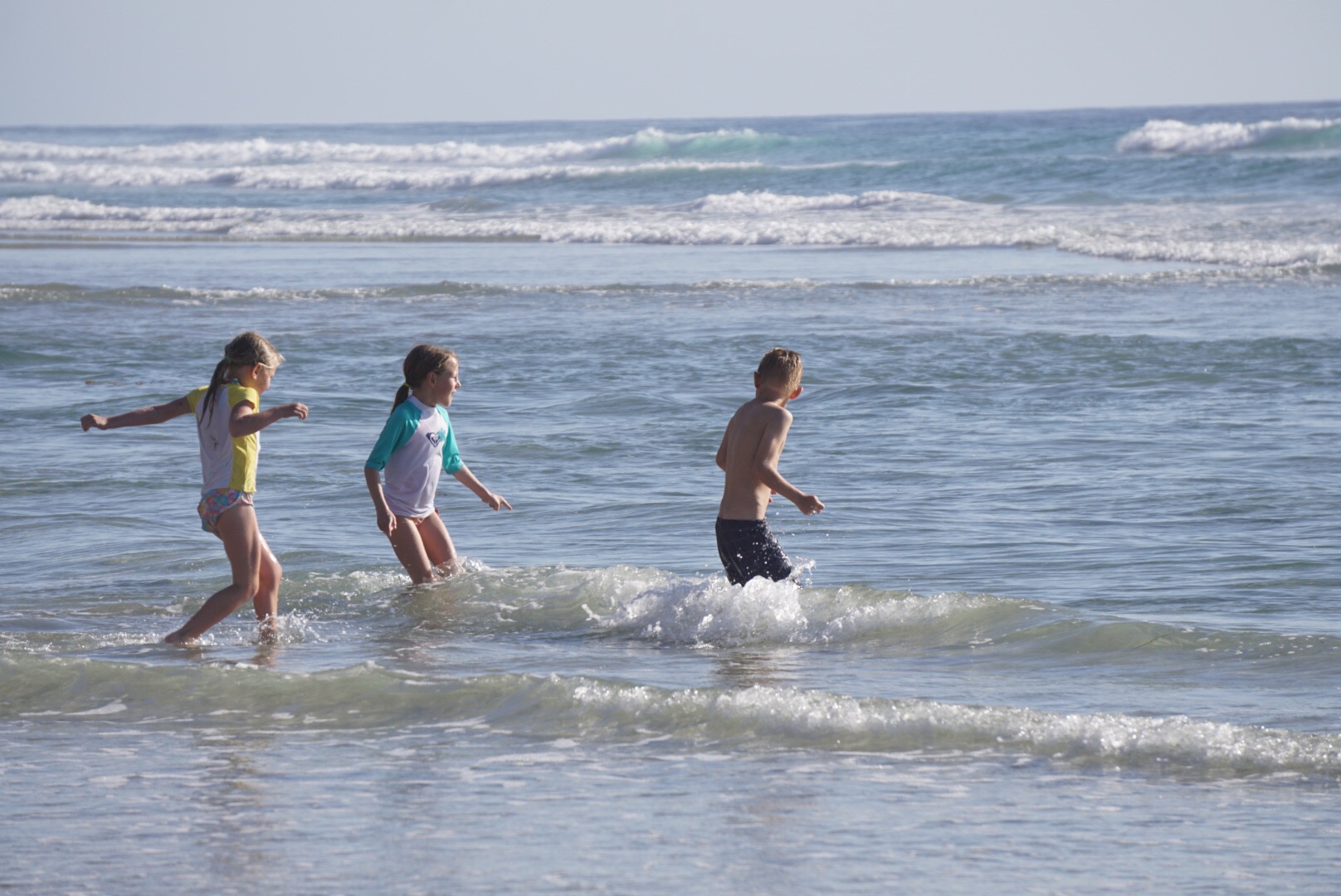
And there’s lots of fun to be had just playing in the waves, jumping and screaming with each surge of water.IMG_4689

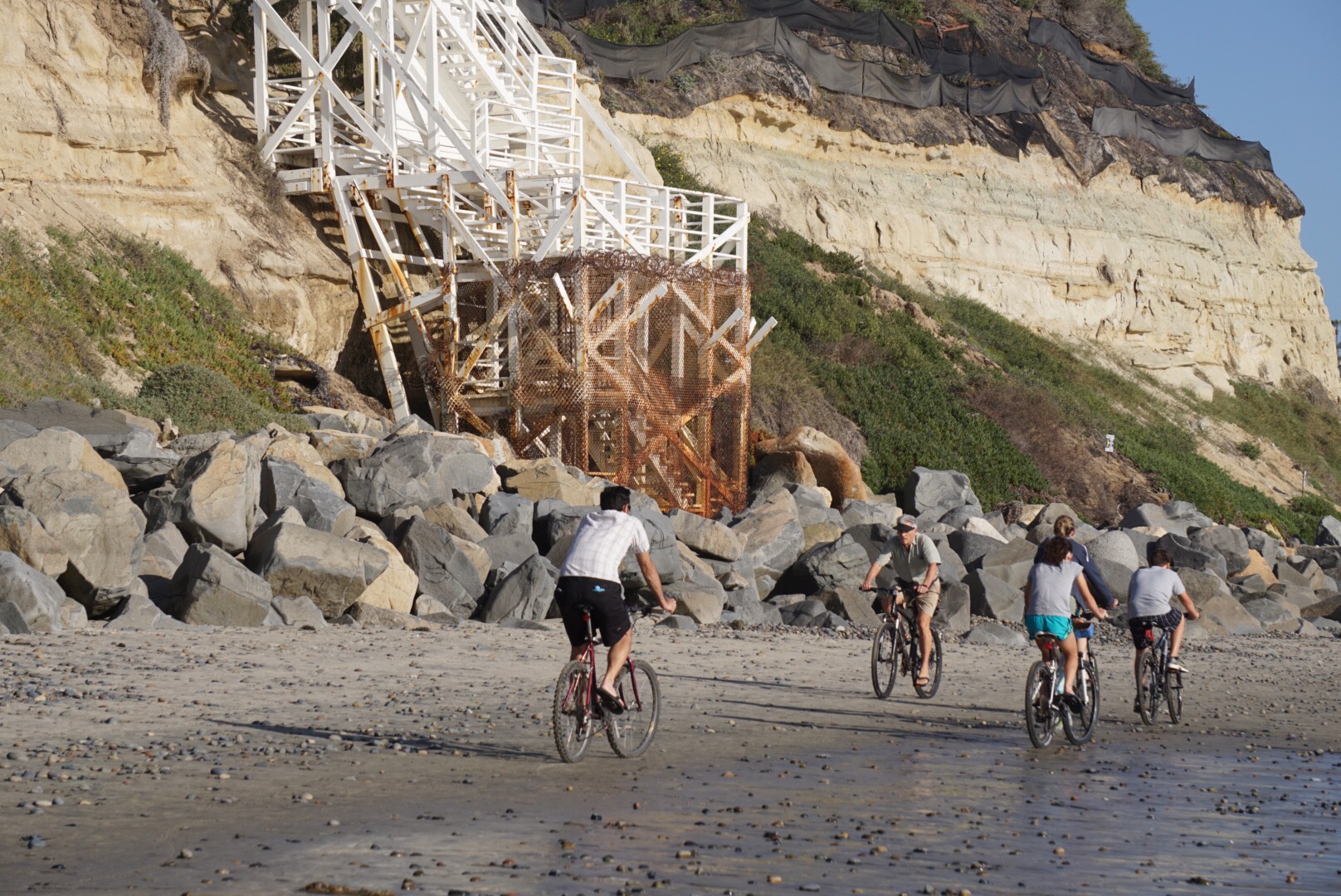
And when the tide is low, the bikes come out.

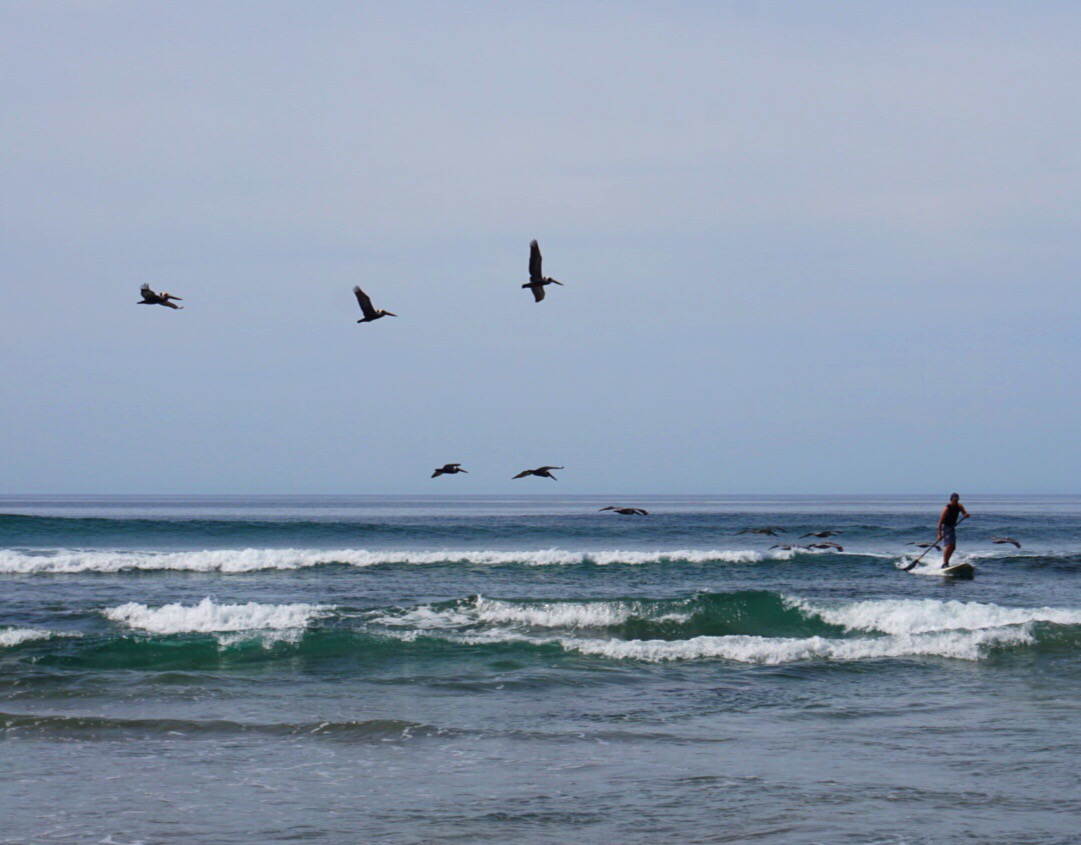
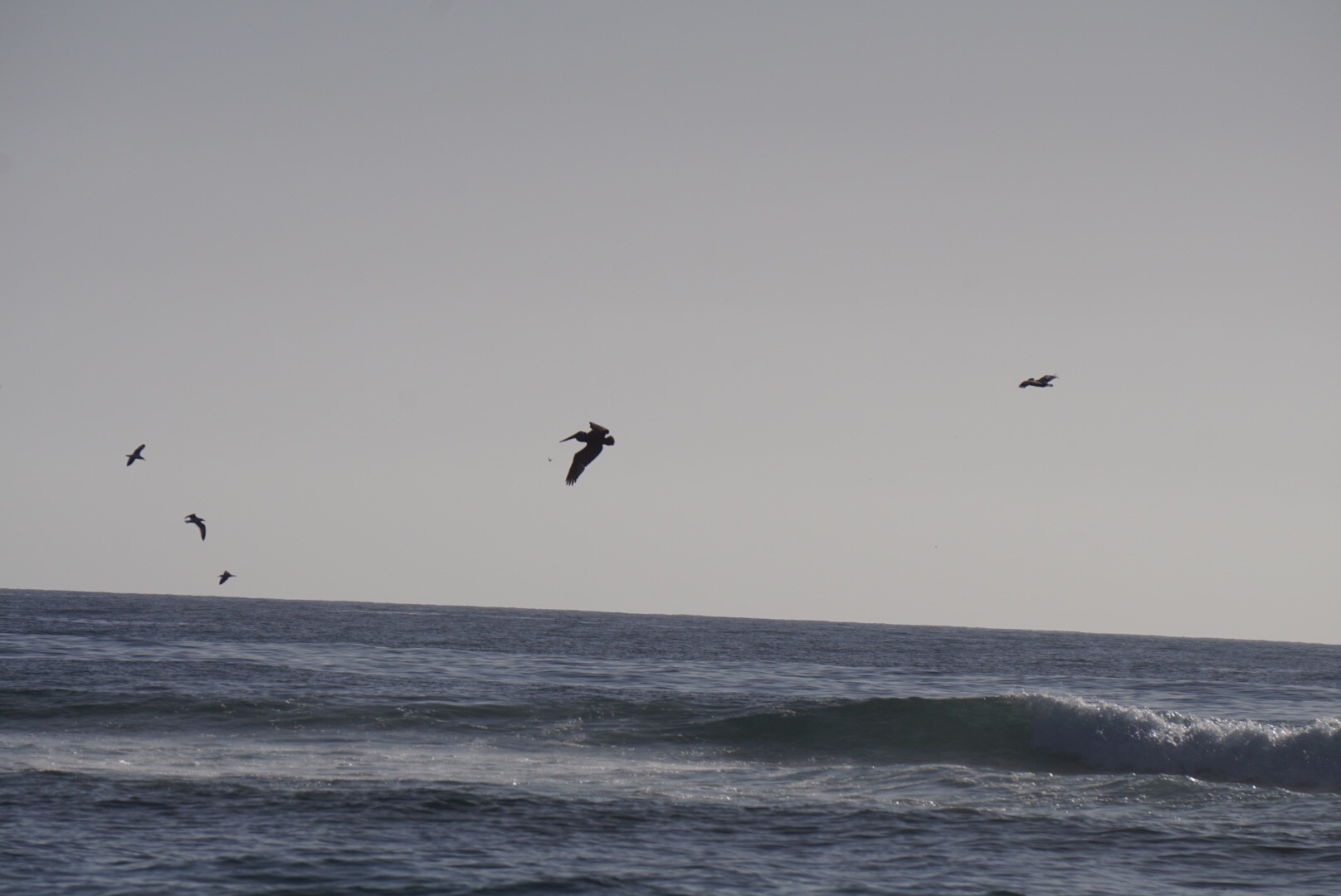
IMG_4693And people aren’t the only ones in action!  These birds, pelicans I think, must have found something good to eat as they gather, hovering and plunging into the waves.

IMG_4692

And if you look closely you can see both the action of the seagull in flight and the waves rolling and crashing here.IMG_4688

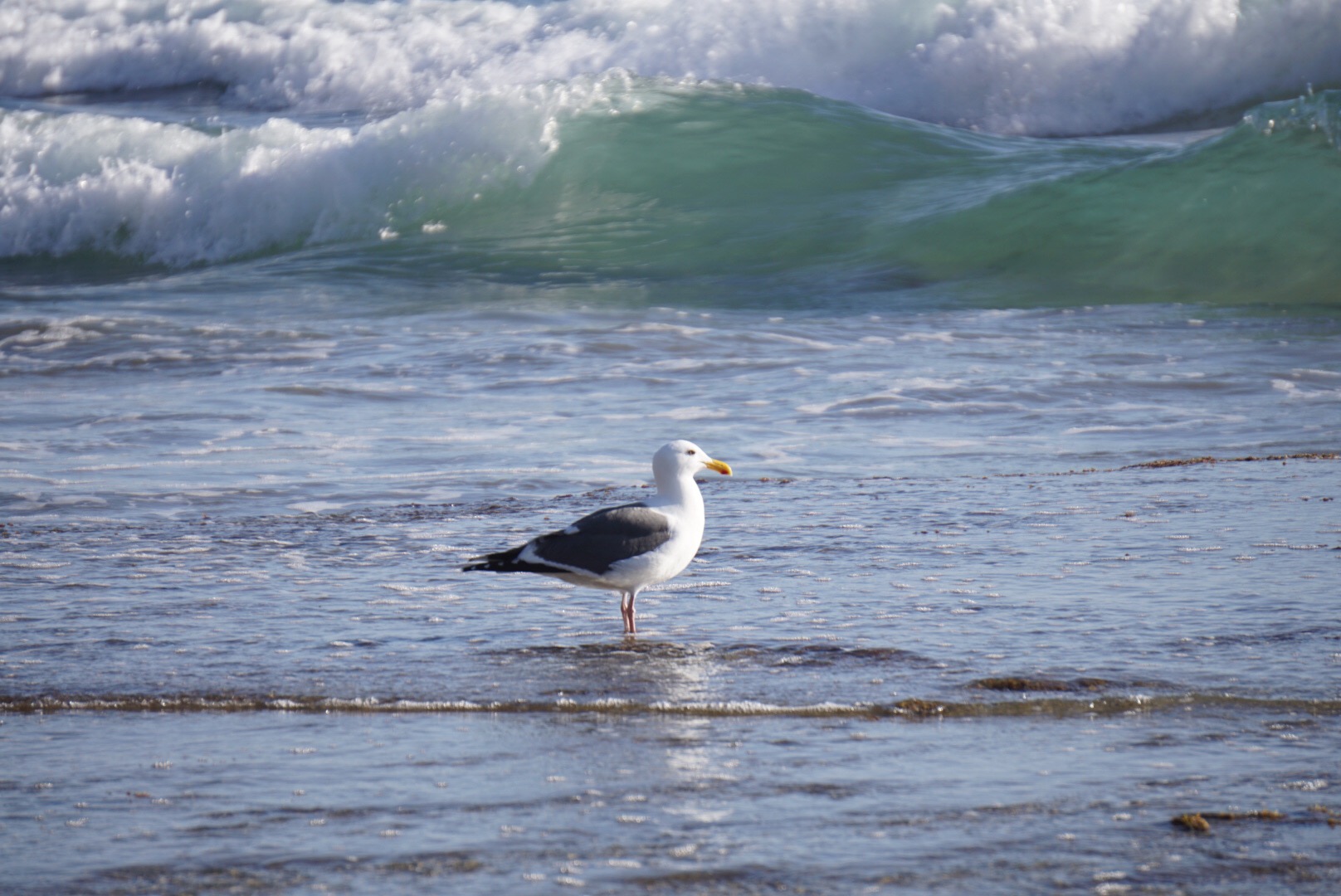
I love this one where the seagull is still and the waves are caught in action,  I love the colors that are so hard to catch in a photo!IMG_4694

So, for this week, be on the lookout for action.  What’s going on in your little piece of the world? Are people playing? Working?  What about plants and animals…are they in action?  Or like me, you might even notice the action of water…or weather.

You can post your photo alone or along with some words: commentary, a story, a poem…maybe even a song! I love to study the photographs that others’ take and think about how I can use a technique, an angle, or their inspiration to try something new in my own photography. (I love a great mentor text…or mentor photo, in this case!)

I share my photography and writing on social media. You can find me on Instagram and Twitter using @kd0602. If you share your photos and writing on social media too, please let me know so I can follow and see what you are doing. To help our Weekly Photo community find each other, use the hashtag #action for this week and include @nwpianthology in your post.

So take a look around, where is the action in your life this week?  I can’t wait to see what action you find through your lens!


Architecture: The Structure of Learning

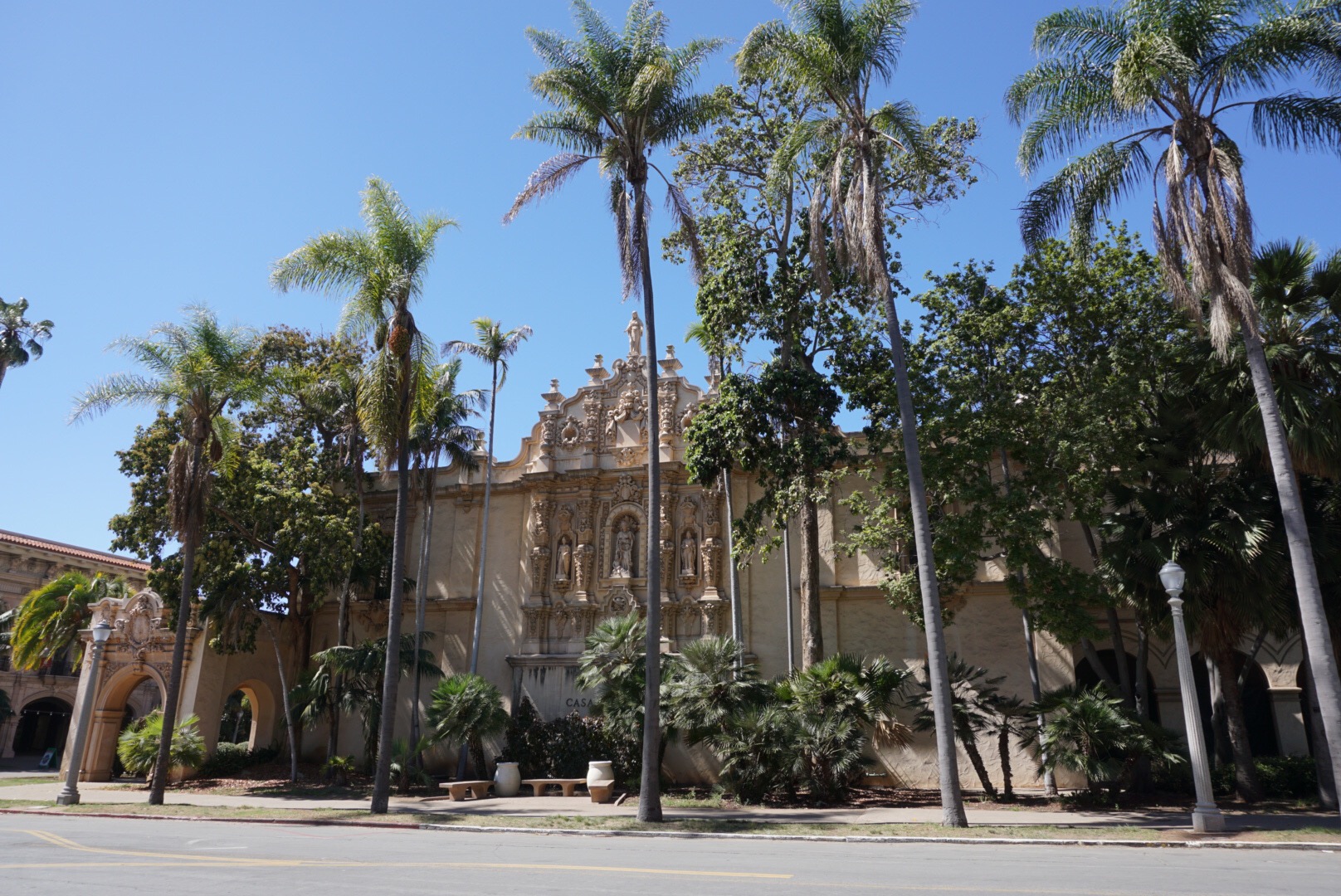
We have a beautiful urban park here in San Diego.  Open space, trees, a lily pond, fountains, trails, museums and restaurants…including some ornate and historic architecture that dates back to the Panama-California exhibition in 1915.  In these storied surroundings, I’ve been spending time with a group of formal and informal educators investigating ways to improve school field trips through a project we call Intersections.  (I’ve written before about it here and here.)

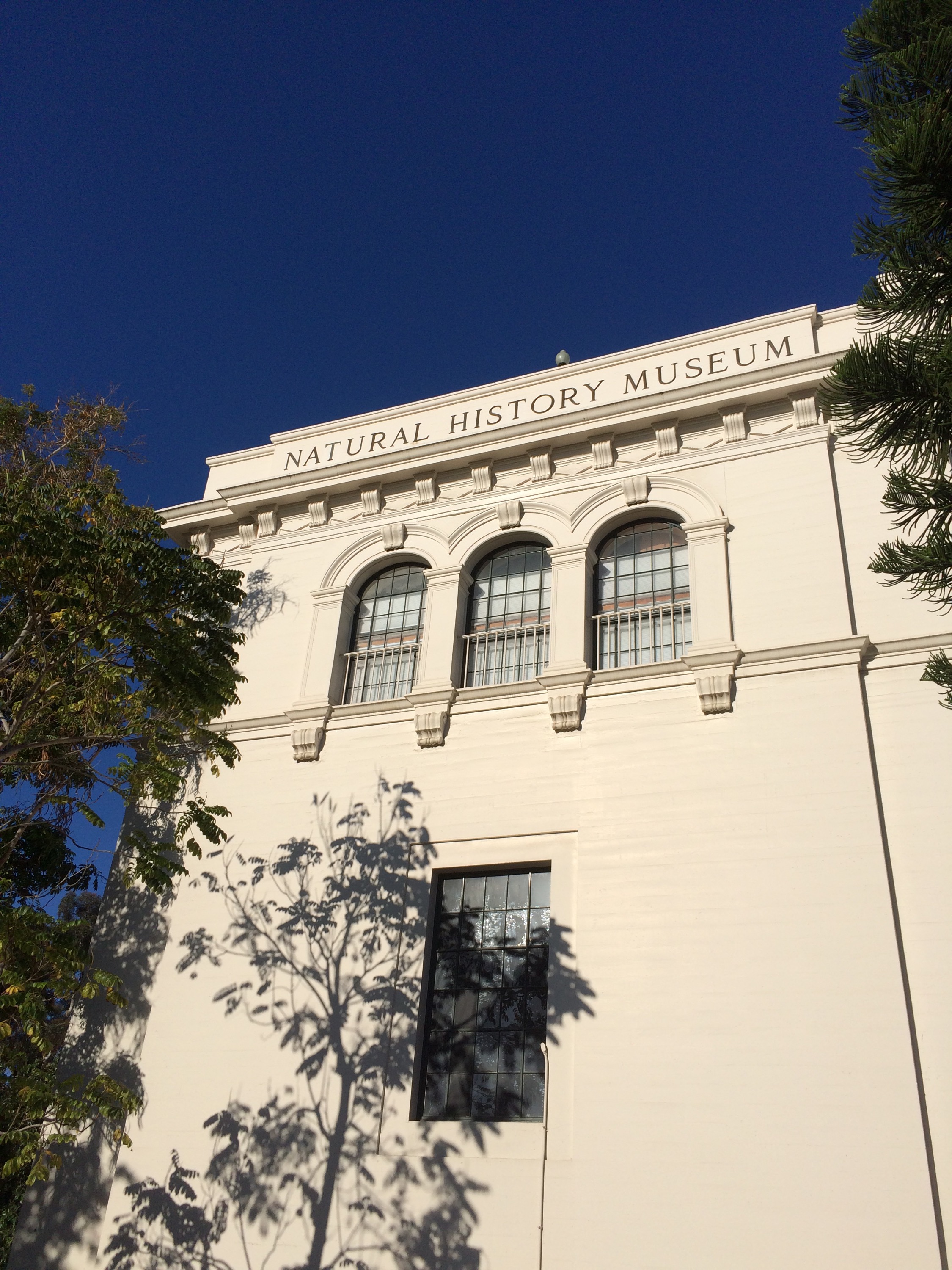
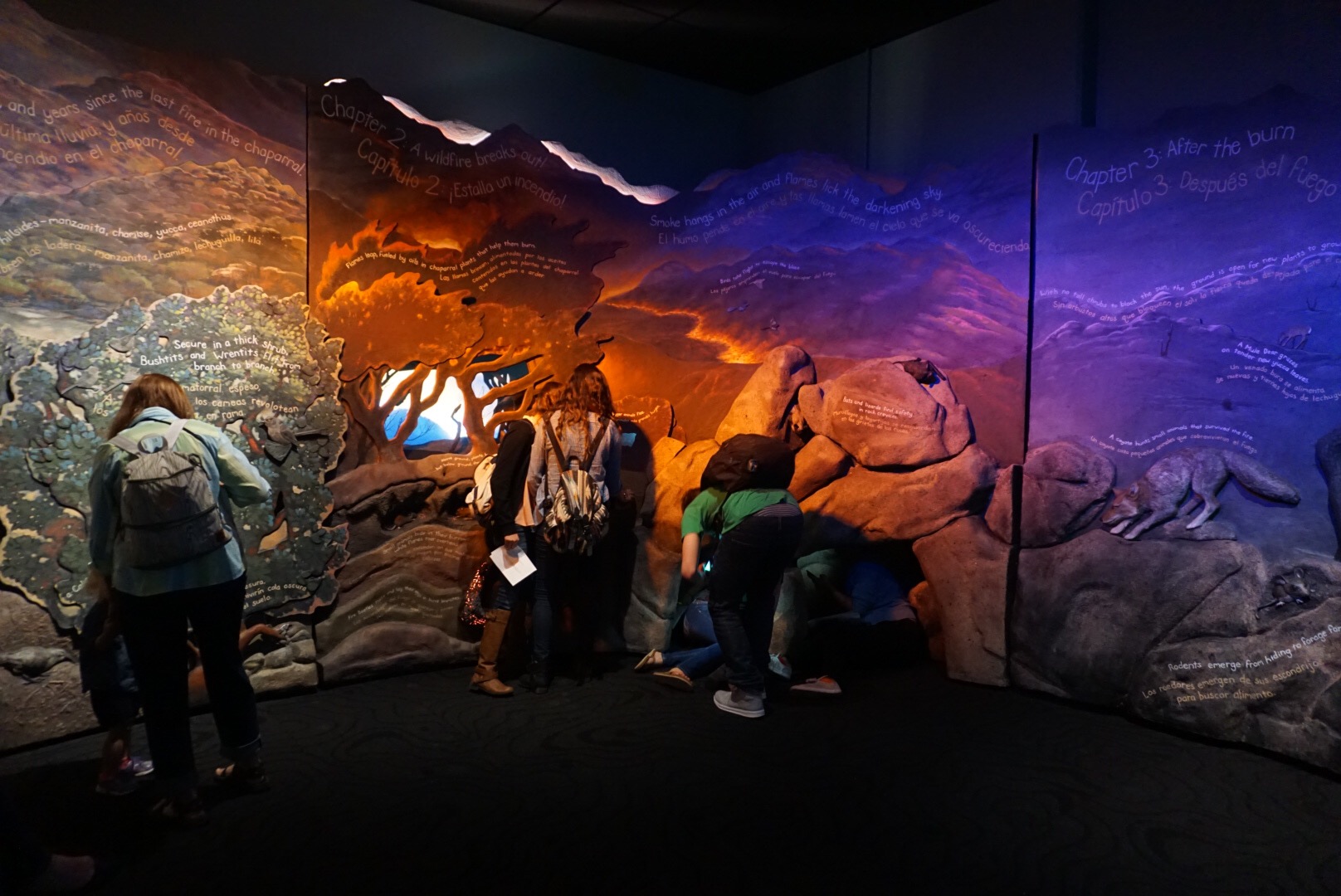
As I spent the day at the San Diego Natural History Museum today, observing a group of high school students on a field trip, I found myself thinking about architecture.

IMG_4641

As the educator-researchers in our group discussed what we observed watching students during their field trip today, our conversation moved to the carefully planned structures that support students’ independence and dispositions toward learning.  Field trips have traditionally depended on adult-centered structures that keep students “on-task,” ensuring that the trip has documented educational value in the form of completed packets of answered questions rather than trusting students to be interested in what they find in front of them.

Over lunch, our Intersections leadership team chatted with an external evaluator–a part of our larger National Science Foundation grant– about our observations and tentative conclusions. And we found ourselves thinking about and talking about all the learning that happens that we are not able to document.  When we take students outside the classroom, what are we hoping for?  What can they learn that the classroom environment doesn’t offer?  And why then, do we keep trying to make field trips more like school?

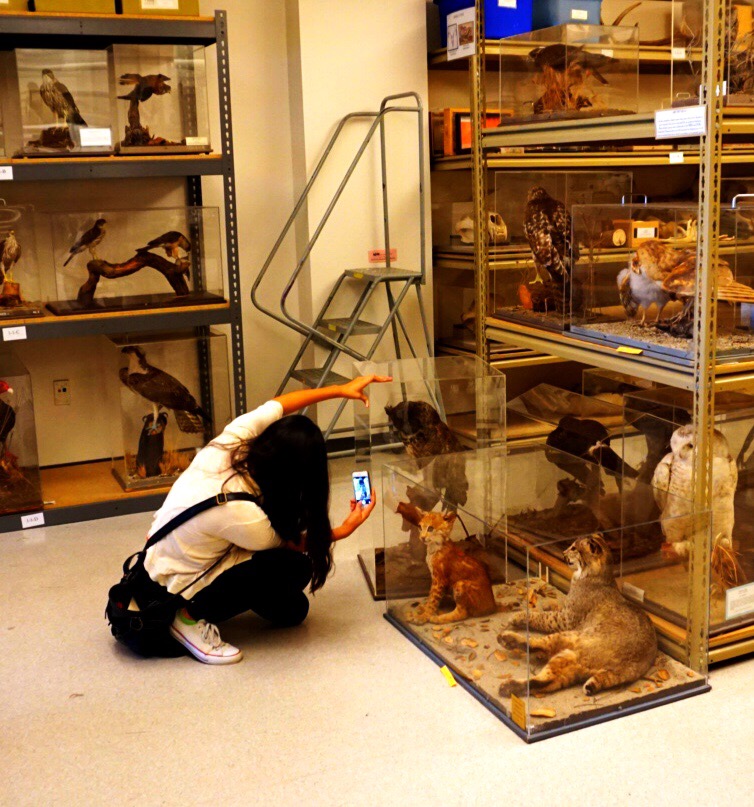
As I look at this photo of a young woman using her cell phone to photograph an owl, I wonder how we encourage students to use tools and processes they use outside of school to support their own learning.  How will this student use this photograph?  What was she aiming for as she composed the image?  How can students’ digital lives interact in positive ways with their school lives?

IMG_4653

And as my colleague described her understanding of the development of social capacity, a concept important in her binational work, my understanding of the learning that happens on field trips continued to evolve.  A field trip is not a classroom lesson, it is a social event, a shared learning experience outside the school environment.  And while students certainly learn some content, they are also developing social capacity–as representatives of their school and class in a public arena.  They are navigating unfamiliar spaces, coming in contact with people they don’t usually see, interacting with adults–docents, volunteers, vendors, scientists, researchers–and exploring materials not present in their classrooms and schools.

IMG_4648

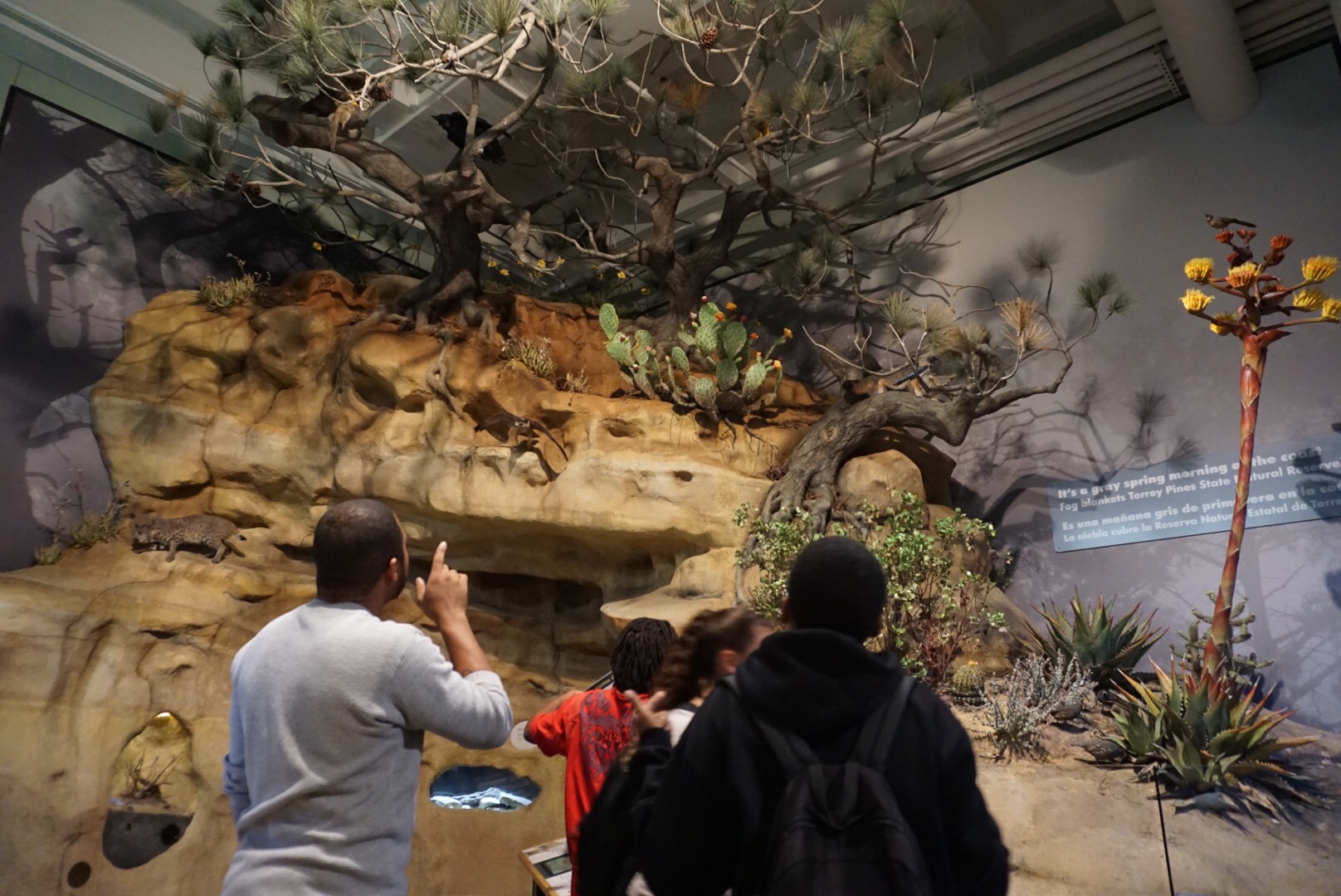
And in the best of situations they are figuring out how to interact with the space, people, and information in meaningful ways.  I loved this informal game I observed today…a chaperone and his group spontaneously started counting the animals they spied in this coastal sage environment.  Someone saw 9…and another saw 12, someone else saw 15.  They started pointing them out to each other, looking closely, naming what they saw.

IMG_4647

And another researcher watched a pair of students challenge each other on the native/nonnative quiz in the patio area.  The goal was to win…and the game was calling on prior knowledge and combining it with what they were observing in the exhibit.  And they were having fun…being social, laughing, enjoying themselves…and learning.

So what is the underlying architecture of a successful field trip…that structure that enables students to engage in learning on their own terms?  That takes advantage of the place and the richness of expertise and artifacts that aren’t present in the classroom?  And that honors the beauty and elegance of learning…not for a grade or a test, but because we are inspired and motivated to learn because we are learners–driven to make sense of our world, on our own terms.

IMG_4652


March Madness

It’s that time of the year…

No, I’m not talking college basketball, brackets, and the sweet sixteen.

It’s report card time, and I can feel the March madness starting to seep in.  That insidious doubt that narrows my vision and makes me doubt what I know to be true.

If I weren’t writing report cards right now and you asked me to describe student learning in my classroom in one word, I would say blossoming.

Our students are blossoming.  They are reading and writing eagerly.  There’s a sense of confidence and fluency among this group of 6, 7, 8, and 9 year olds that defies grade level benchmarks.  Last week when students learned about how reasoning could make their evidence more compelling in a piece they were writing about this special place where they live, they were undaunted and dug in to add reasoning to their evidence, carefully explaining just why the beach makes this place special and why having a family owned donut shop matters to them.  A line like this one makes my heart sing… A second grader describing an iconic statue in our community that makes the community a special place to live wrote:  We also have a Cardiff Kook that loves to get dressed up.  I think everyday is Halloween for him.  And I want to shout from the rooftops when I read an ending like this one a third grader used to close the essay: So where were we again in the beginning? Oh yes, the beach.  Now the sunset kisses the dusk with oranges, yellows, reds, pinks, purples, and blues too beautiful to explain, and as you see the last foamy white whale spout on the horizon, there’s no doubt Encinitas is a very special place.  

Of course they weren’t written on demand in an decontextualized setting.  They are the result of rich discussion and leveraging of background knowledge, a writing community where revision is ongoing and expected, instruction that encouraged students to go back and add reasoning to their claims and evidence, and a space filled with mentor texts that highlight and celebrate beautiful language.  These complex sentences mean that the punctuation isn’t perfect…and the vocabulary students use push them to depend on phonics to express the words they don’t yet know how to spell, but honestly, I wouldn’t have it any other way.

But I know the first thing people see when they look at student writing is the mechanics…and that sometimes it can stop them from even noticing the beauty of the language and composition.

And then there’s math.  All year we have worked to develop a strong sense of number and the ability to solve real life (or as close as you can get in a classroom) mathematical problems.  So why did we hand our students traditional equations to solve?  March madness is my best excuse.  Luckily I took the time to look closely and notice that every one of our third graders competently solved a problem that featured Alexander Calder and his wire circus–and required both multiplication and division to solve.  And the majority of them solved three different versions of the problem that varied the level of difficulty!  (Thank goodness we decided to add that problem to our assessment to represent the kind of problem solving we have worked on all year!)

And most people don’t even ask about students’ programming skills, design abilities, persistence and resilience, empathy…or even their dispositions as budding scientists.  (You can read a bit about that here and here)

So, as I write report cards I’m trying to remind myself to breathe…and focus on the blossoming, pushing against the March madness.  Are all our students right where we want them to be?  No. Is there still room for growth?  Of course!  Can I improve my instruction to better support student learning?  Yes–and I’m working on that every day.

But, our students are blossoming.  And I want to make sure that the way I communicate progress helps their families and other educators see all that they can do, all the ways they have grown as learners…and help our students recognize that growth can be measured and documented in lots of ways.  And also know where they need to continue to work and grow…because learning continues for a lifetime.

I understand the importance of accountability and communication in our educational system.  I want to make sure that students are making progress and not slipping through the cracks.  But I also want to honor hard-earned growth and pay attention to the attitudes and processes that aren’t measured by standardized tests or traditionally reported on through report cards and assessments.

I’ll keep pushing against the March madness…and once the report cards are done, maybe I’ll watch a bit of basketball…


Seeing Orange

In spite of the rain on Sunday and Monday, it seems that spring has sprung in San Diego.  Today’s warm temperatures brought out the bathing suits, shorts, and lots of people heading to the beach.  And there is plenty of orange around.

The vibrance of golden poppies, the amber of giant kelp, a hearty soup of fresh vegetables, pasta, and beans, hang gliders with sun shining through their colorful sails, beach umbrellas casting shadows as protection from the sun, a tangerine hanging from a tree, a tractor lumbering down the beach–used to protect expensive homes from eroding cliffs, and the sun dipping low on the horizon silhouetting the people sitting on the sand berm watching the waves roll.  I’m feeling the shift from winter as the days lengthen…and we spring forward overnight.

What’s orange in your part of the world?

Weekly Photo Challenge: Overlooked

Some weeks I feel inspired and find lots to take photos of…I spend time outdoors, exploring the beauty of the natural world.  And some weeks, like this one, I feel a bit overwhelmed with the responsibilities in my life and it seems like a stretch to find anything at all interesting to photograph.

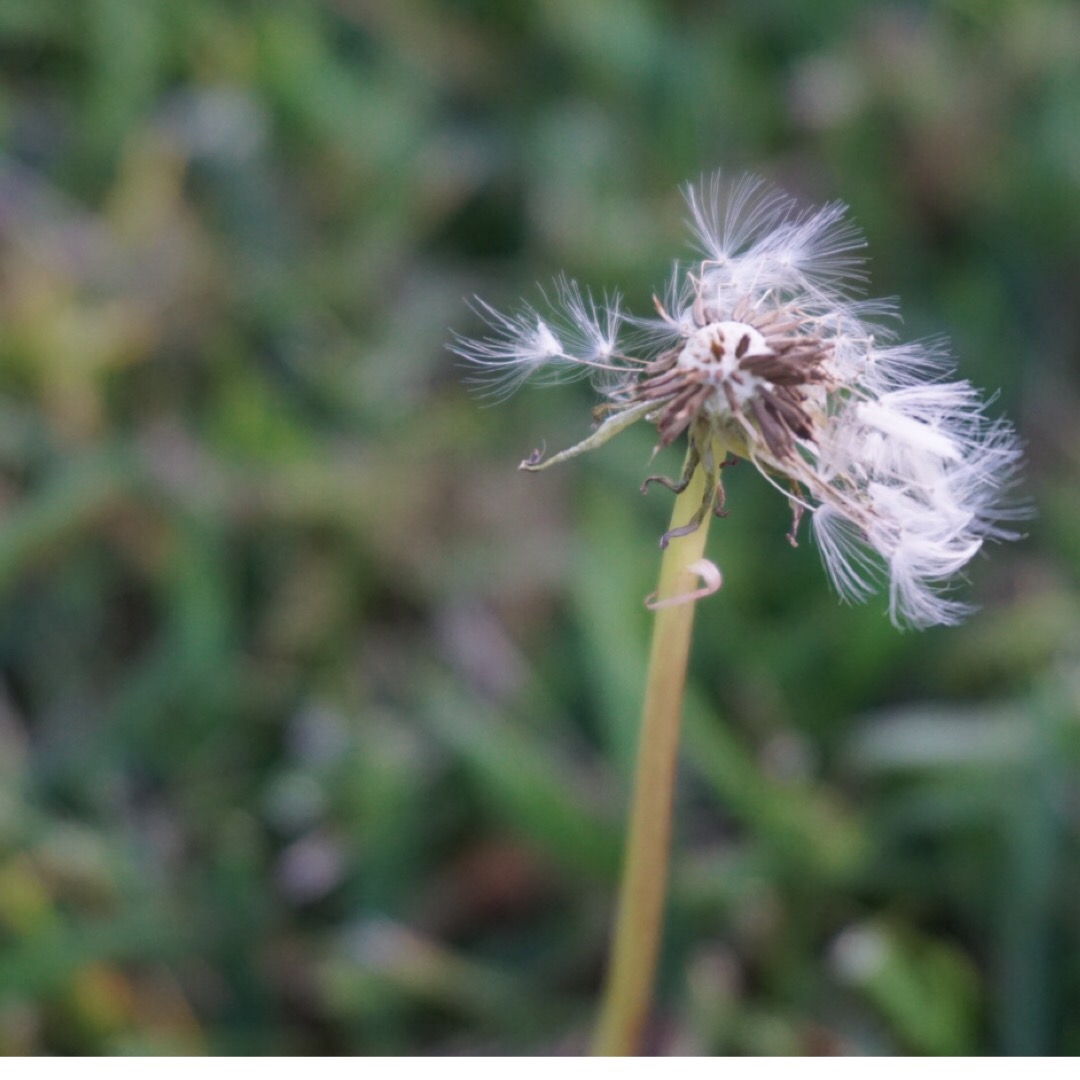
But this week, in spite of only feeling like I have had mere minutes to devote to photography, I have been trying to take photos of things I might have otherwise overlooked.  I’m sure my neighbors think I’m crazy as they watch me crawling around my front yard taking photos of dandelions!

IMG_4561

I also noticed the way the light was playing with this crazy thorny tree near my driveway.  The leaves have recently sprouted, bringing a bit of spring green with it.

IMG_4558

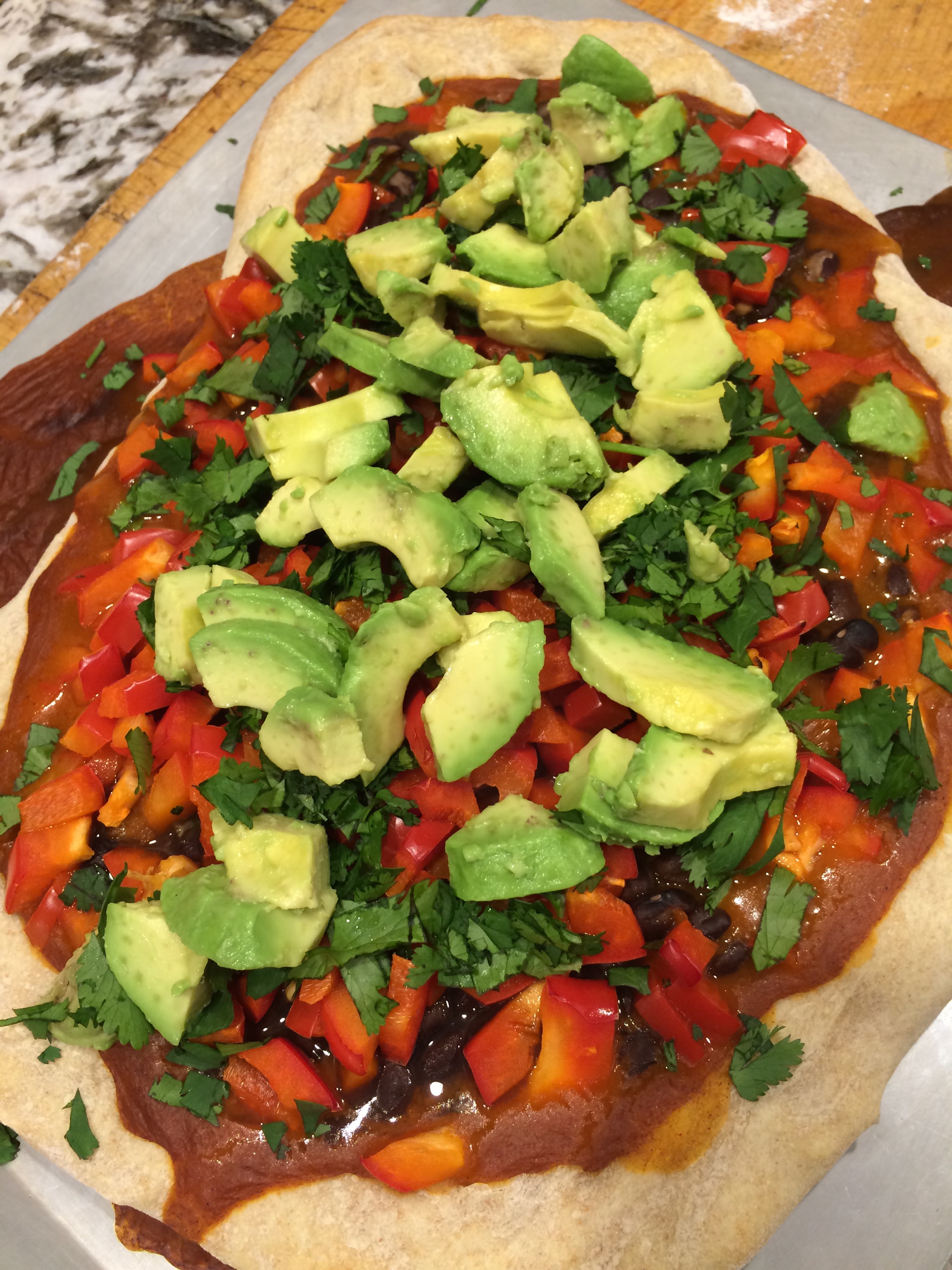
With our kitchen remodel done and my hubby back to cooking, we are getting more interesting (and yummy) meals again.  This week he experimented with a “South of the Border” pizza.

IMG_4513

That’s enchilada sauce, red bell peppers, cilantro and avocado.  Delicious!  And today he was baking these vegan raspberry thumbprint cookies in his shiny new oven.

IMG_4566

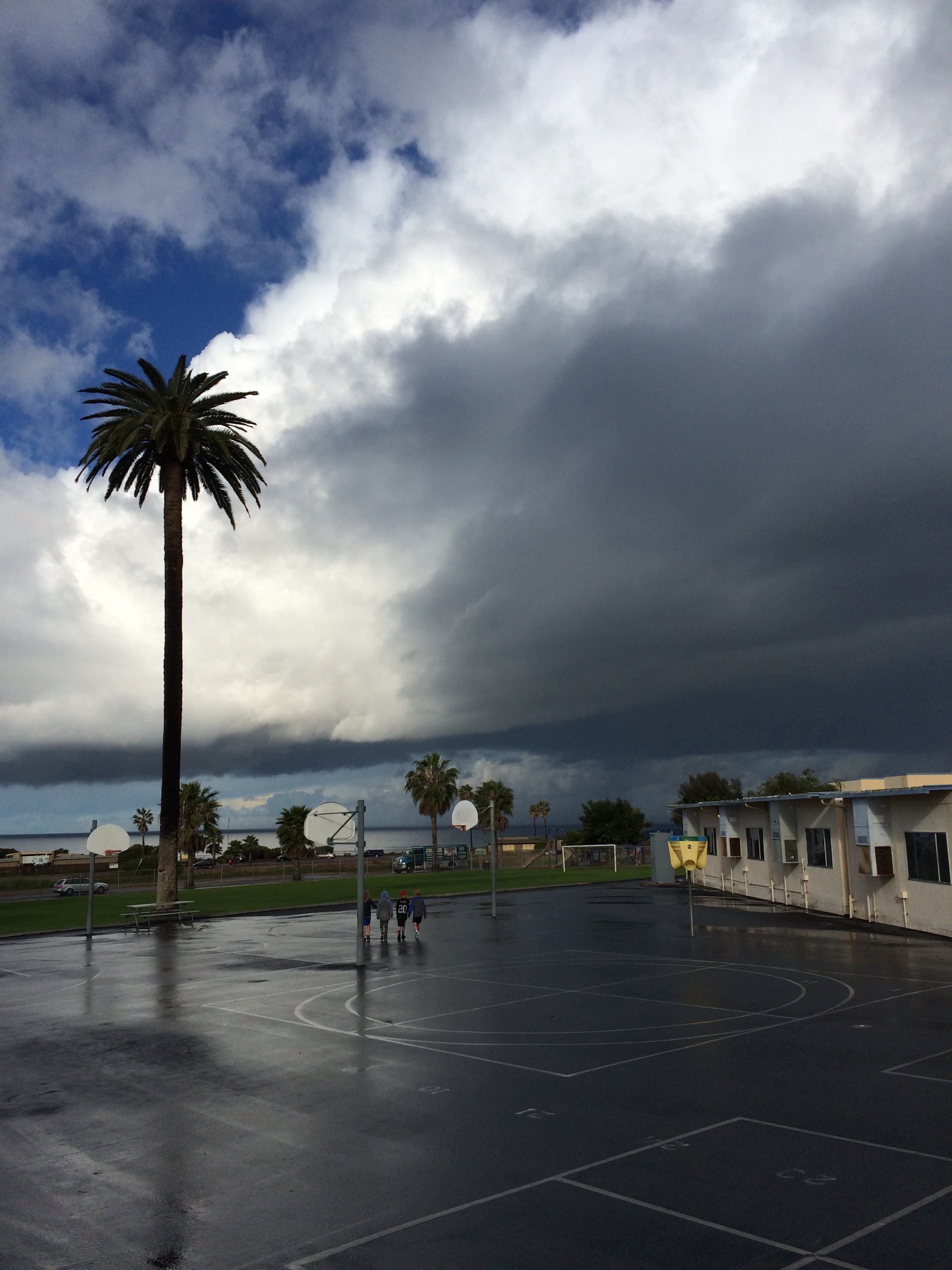
We had a much-needed rainy weekend that continued into Monday morning…and my morning playground duty (conveniently timed between rainy squalls) had me looking skyward, hoping students would have a little time for outdoor play before being cooped up inside most of the day.  It was hard to overlook the rare dark clouds framing the playground.

IMG_4504

Today I was at the university, thinking about how much time I spend driving around and around the parking lot looking for that elusive parking spot.  I decided I should capture that struggle in a photo…which also had me noticing the light and shadows…and the many white cars!

IMG_4560

I’ve been noticing the jacarandas in bloom this week as I turn from the major thoroughfare into my neighborhood.  The pinkish purplish blossoms are stunning against the lengthening daylight as I head toward home from work.  Today I took my big camera with me to work and reminded myself to stop, park my car, and take some photos on my way home.  Here’s what I saw.

IMG_4556

So, for this week, take a look around at what you may ordinarily overlook as you go about your busy life.  What’s right under your nose?  Out in your yard?  Along the road on your way home from work?

You can post your photo alone or along with some words: commentary, a story, a poem…maybe even a song! I love to study the photographs that others’ take and think about how I can use a technique, an angle, or their inspiration to try something new in my own photography. (I love a great mentor text…or mentor photo, in this case!)

I share my photography and writing on social media. You can find me on Instagram and Twitter using @kd0602. If you share your photos and writing on social media too, please let me know so I can follow and see what you are doing. To help our Weekly Photo community find each other, use the hashtag #overlooked for this week and include @nwpianthology in your post.

So take a look around, what can you photograph that you may have overlooked in other circumstances?  I can’t wait to see overlooked through your lens!