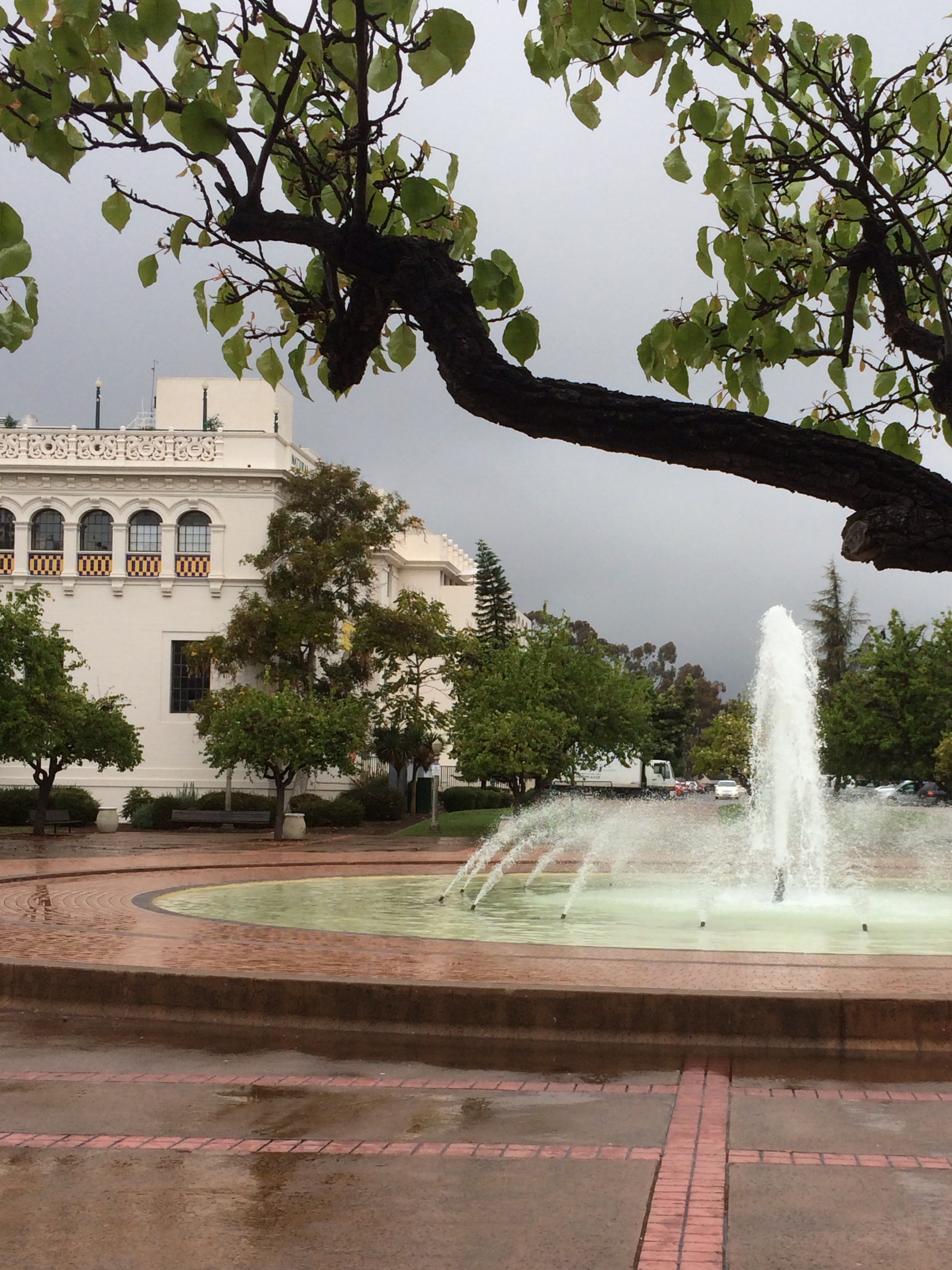
Considering Perspective

“If you look the right way, you can see that the whole world is a garden.”
― Frances Hodgson BurnettThe Secret Garden

With play as my word this year, I’m trying to approach my life and work by playing more and looking through a more playful lens.  But sometimes it’s hard and those feelings of being overwhelmed and overworked creep up.

I’m lucky though.  I work with kids in the classroom every day.  And they remind me that when we are having fun, even while going about our work of learning, time flies by without us even noticing.  This week has been like that.

And it’s not that we have done anything so very different than usual…but I think it’s just about the way we’ve been looking at our work.  One example is playing with our math.  Today a small group of third graders were challenged by a tricky math problem.  They knew they needed to multiply 62 and 27, but they didn’t know how to multiply those numbers.  Some tried adding 62 twenty seven times…but it’s so easy to make mistakes doing that.  They consulted each other to see if someone had a workable strategy.  And there was some good thinking going on.  Another student tried breaking the numbers down to multiply easier combinations–more good thinking–but didn’t quite have all the pieces in place.  Yeah–I had to work at it too…and think through where they were going wrong.

The point is that even though we were trying to figure out the correct answer, we were learning through our efforts and through our errors.  As we talked through our strategies we could see where things weren’t working and wondered why a promising approach wasn’t quite right. But it was fun and we weren’t ready to give up…even when we ran out of time.

Perspective is everything.  When I remember to be playful, my students play more too.  When I look for the light, the darkness doesn’t seem so daunting. I love this image of Jack, my cat, finding the light.  Cats are like that…they seek out the sliver of sun and squeeze themselves into that space to soak up the warmth.
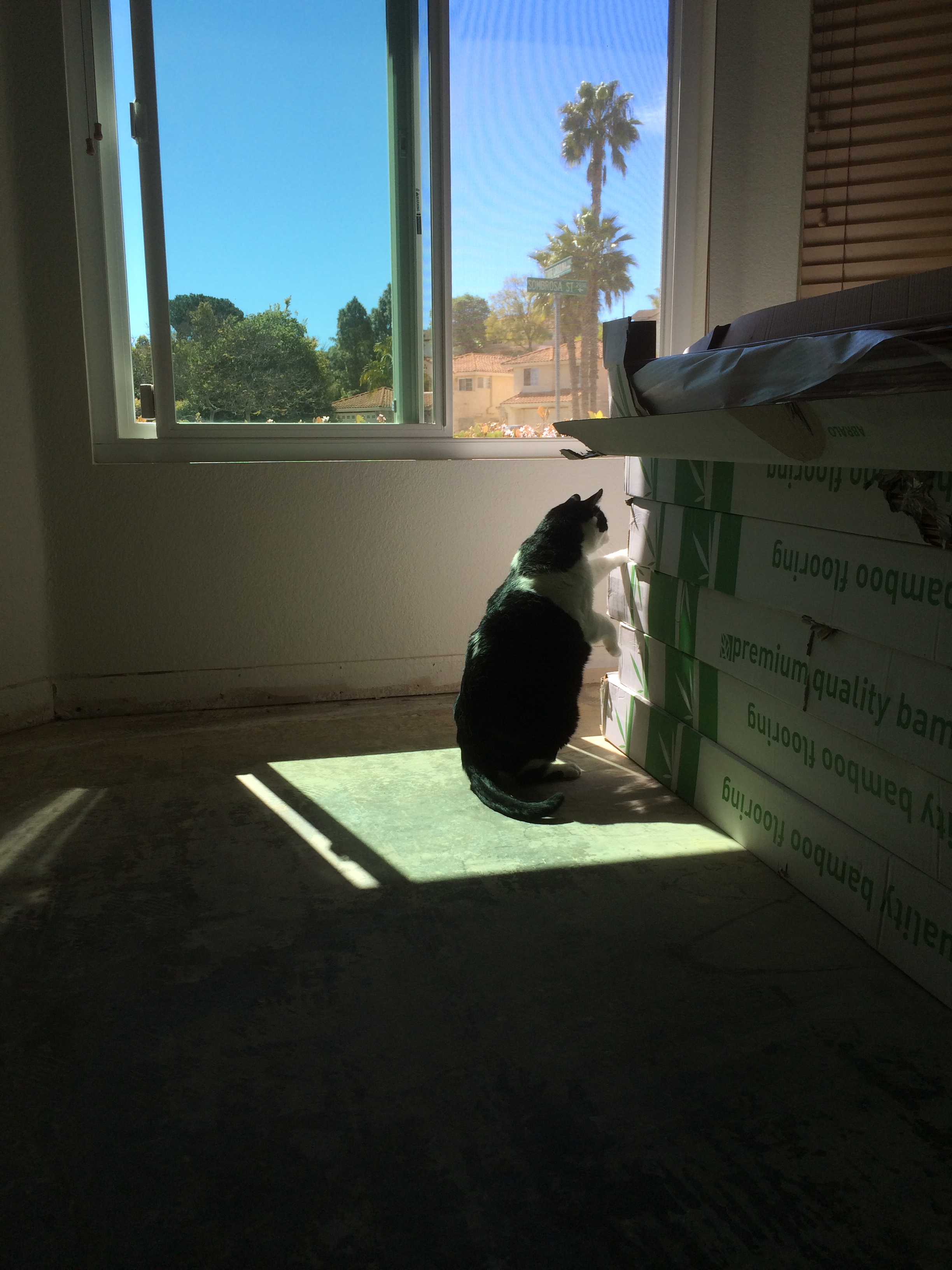
photo-98

I’m working to keep my perspective positive and playful this week.  In spite of too many meetings, writing report cards, trying to adjust to Daylight Savings Time, and so many people being sick (what is the deal with the horrid cough that everyone seems to have?), I’m looking for the metaphorical garden.  And better yet…I’m finding it.  It’s all about perspective.

Invent to Learn: A Book Review of Sorts

Airplanes are great places to get some serious reading done.  The forced sitting, no access to the internet, no television…make perfect conditions for finishing that book I’ve been wanting to get back to!

Invent to Learn: Making, Tinkering, and Engineering in the Classroom by Sylvia Libow Martinez and Gary Stager is a book I’ve been wanting to read since I first heard about it last summer.  I started it a while back and got about half way through it before my overflowing to-do list pushed it back behind a pile too high to see over.  And okay, I admit, I did sneak a bit of “junk food” novel reading in there too!

Screen Shot 2014-03-05 at 4.00.09 PM

Anyway, I got back to Invent to Learn last week and remembered all the reasons I wanted to read this book.  One of the things I appreciate most about this book is the  theoretical foundation it lays down at the beginning.  I like the historical context of the Maker Movement and seeing where my own beliefs and learning experiences fit into it.  I also like the way that it extends making to include building with cardboard and other “old school” examples but also makes a case for including computers and digital technologies as well as electronics, circuitry, movie making and more.

In lots of ways this book confirms practices I already value and reminds me that messiness and time are essential elements of the learning process–not indicators of failure.

But, in spite of all my interest and good intentions to include a makerspace in my classroom, I haven’t gotten there yet.  We have done making and worked to help our students experience and understand iterative processes.  They have “made” with paper, with fabric and thread, and with digital programming.

So what are my obstacles?  Time is the big one.  I’m still figuring out how to balance the demands of curriculum, traditional learning expectations, and the value of making within the school day.

So I’m trying to be patient with baby steps, carving out small but consistent opportunities for making (of all types).

I encourage you to read Invent to Learn–definitely the first half–to think about why making and tinkering and engineering are such valuable practices for the classroom.  And then I would love to know more about how you will implement some version of making in your classroom. What works for you?

Weekly Photo Challenge: Round

Here’s the week 9 Weekly Photo Challenge prompt for the NWP iAnthology!  (Here are weeks 1234567, and 8 if you want to look back.)

I just realized that today is Thursday…and I haven’t yet thought about a weekly prompt.  I am lucky enough to have the opportunity to attend the DML 2014 conference (Digital Media and Learning) conference in Boston today through Saturday, but it means being off my usual schedule and out of my time zone!  It seems like last week’s prompt might have felt like too much of a stretch…which tells me that maybe I needed to offer some more varied examples to create more pathways for you all to find your way and your own interpretation.

So this week I am heading in a different direction and inviting you to find images of round.  It might be as deceptively simple as a single raindrop on a dandelion plant.

water drop on dandelion

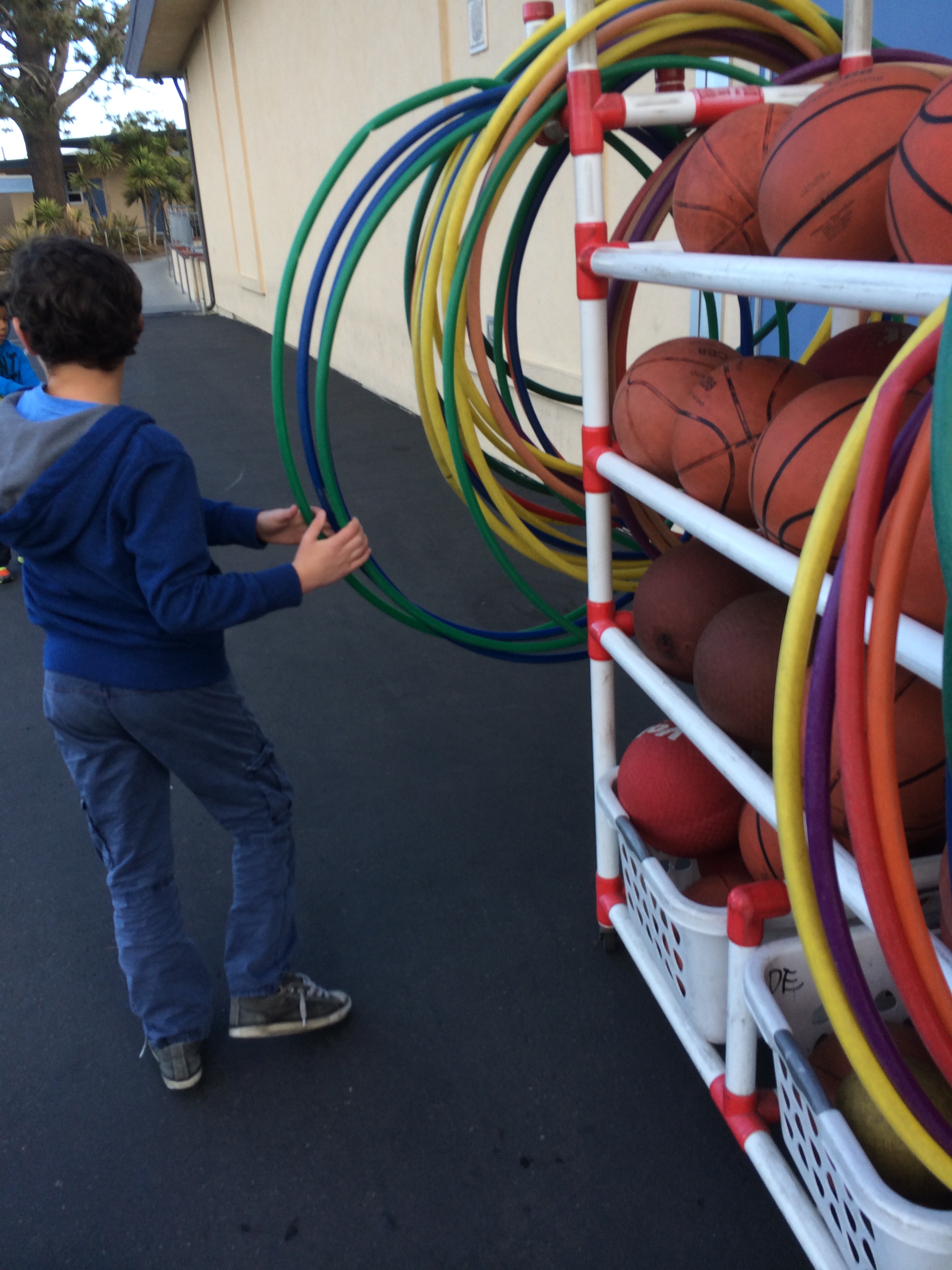
Or maybe the circle of a hula hoop or the sphere of a basketball on the cart that students use for recess play.

hoops

Or maybe even the flat, rounded paddles of the prickly pear cactus.

prickly pear

So this week’s photo challenge is to share a photo that is round is some way. It might just have a hint of roundness or it could be completely spherical…or anything in between.  Share a photo (or several) that pictures round in some way.  Post either the photo alone or along with writing inspired by the photo.  I also invite you to use others’ photos as inspiration for your own writing and photography.  I often use another photographer’s image as “mentor text” for my own photography, trying to capture some element in my own way.

I like to share my images and writing on social media…and I invite you to share yours widely too. (You might consider Twitter, Instagram, Facebook, Google+) Use the hashtag #round and include @nwpianthology to make it easy for us to find and enjoy.  You can find me on Twitter and Instagram @kd0602.  I’d love to follow you if you share your handle.

You can also share your photos and writing by linking to this blog post or sharing in the comment section below.  I am excited to see how you represent round through your lens!

Learning From Weeds

My students seem to be falling in love with weeds.  After reading Weeds Find a Way yesterday, we invited students to be on the lookout for weeds.  And this morning while kids were out running laps for Cardio Club, I was presented with more than one dandelion puff–those magical seed pods of childhood.  I guess they wanted to make sure I knew how much they loved them!

And I love it when different classroom activities intersect and overlap, creating a deeper learning experience for all of us.  Today when students headed out to the garden with our gardening teacher, they went in search of weeds.  And while they had weeded the garden beds before, after our reading yesterday and with the gardening teacher knowing that we were learning about weeds, this time they were looking more closely.  One student came in from recess with a weed clutched in her fist.  She showed me the plant, pointing out what she was as interesting features.  She also let me know that she had sketched this plant in her gardening journal.

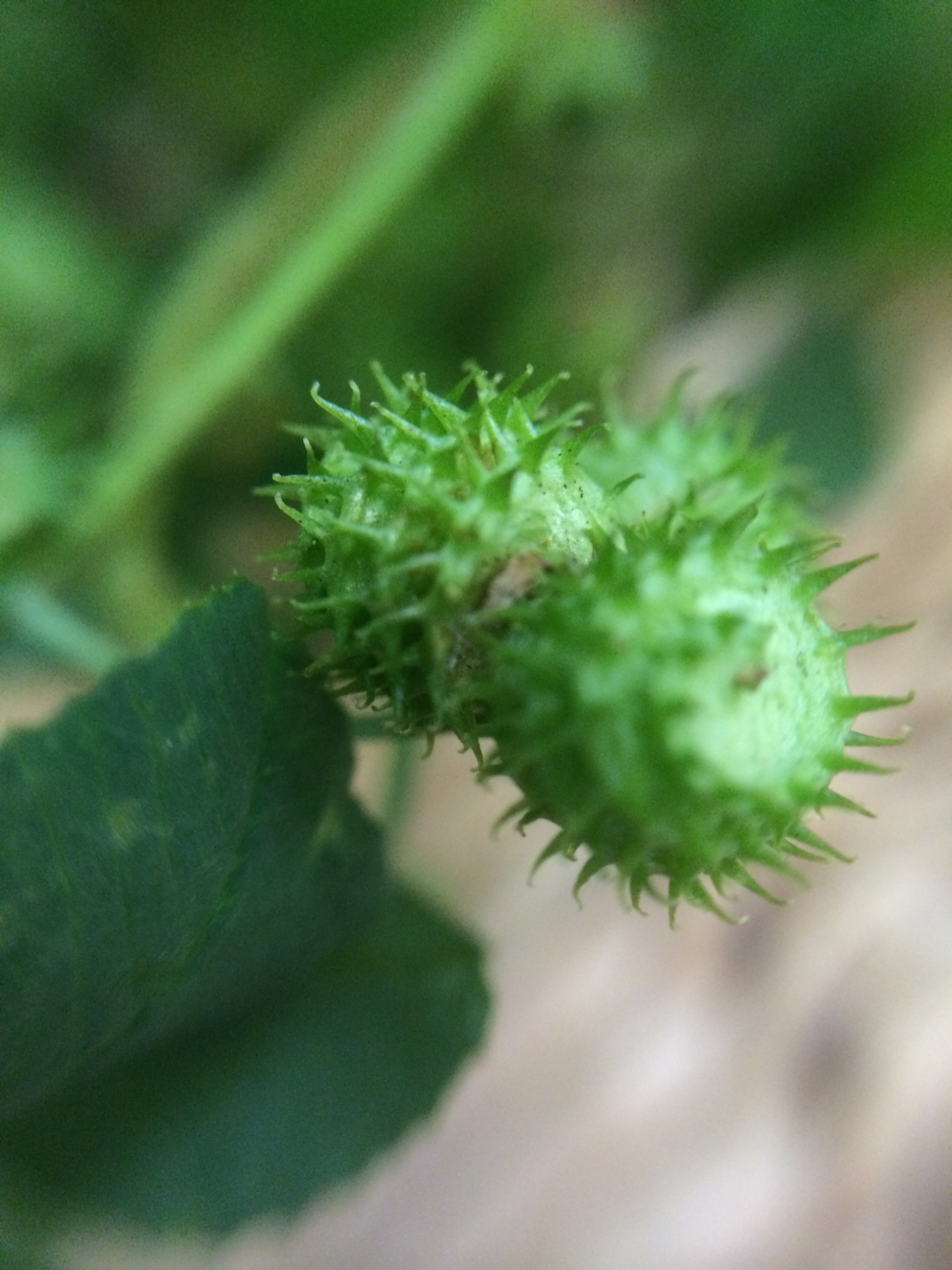
Student brought a basket full of weeds back to the classroom…and we’ll use them later this week in a science lab about weeds.  As I peered into the basket, I was immediately interested in the stickers on the plants that I remember as a child.  I have vivid memories of pulling those stickers out of my socks.  And of course, I had to grab my phone and take a few shots.

sticker weed

In some ways the topic of weeds has stuck to me like those stickers I used to pull out of my socks.  I’m noticing a lot of variety in weeds and find myself wishing I knew more about them. I’m also still thinking about labels and how that influences the way we view and treat those labeled as nuisance or disposable or disgusting or not worth time or energy.  This goes well beyond plants.  It seems to apply to both living things and inanimate items.

Think about those one-time use plastic bags that many people (me included) use to carry groceries home from the market.  We find them everywhere they don’t belong…on the ground, at the beach, on park benches and half buried in the sand.  They are seen as expendable, cheap, replaceable–so people are not taking care to keep track of them or even to dispose of them properly.

My city is contemplating banning these bags because of the environmental dangers they pose. How will the ban change the way people see them and use them?

And how does this apply to students?  Which are seen as expendable, easy to replace, just a number in the system? Does that change the way they are treated?

I’m glad we are learning about weeds.  They are helping me learn a lot about myself.

The Dilemma of Labels

I’m still thinking about weeds.  Probably because we read Weeds Find a Way in class today.  Our students were so surprised when they realized the puff balls they love to blow from dandelions are really seeds!

photo-97

We talked about the places weed grow…and I urged them to be on the lookout for weeds in unexpected places and to report back to us what they noticed.

The more I think about weeds, the more I realize that weeds are just plants that have managed to make pests of themselves.  One of my students pointed out that weeds are plants that we don’t try to grow–they plant themselves.  There’s a list of weeds in the back of Cindy’s book, most that I have never heard of (obviously I’m not well-versed in weeds beyond dandelions).

But then again, is labeling a plant a weed just a matter of opinion?  Is a weed a plant you don’t want?  I can remember as a kid my mom calling geraniums weeds.  They grew along the side of our garage and my mom was always trying to pull them out.  And now I see people trying to grow geraniums, buying them from the nursery, cultivating them for their beautiful colors and vibrance.

Yesterday I noticed this ivy coming through the fence to my backyard.

gate with ivy

Sometimes I think ivy is pretty…but it can be insidious once it takes hold and is very hard to get rid of.  We had some ivy wrap itself around the trunk of a tree in our yard…and nearly kill the tree!  And it took a lot of work to free that tree from the ivy, and the tree is just beginning to come back to health.

So just when does a plant become a weed?  Is ivy a weed when it chokes a tree, but a plant when you cultivate its growth? And does the label matter? What about students?  When we label them…gifted, learning disabled, autistic, dyslexic…does it change the ways we view and treat them?  Do they become metaphoric weeds in our classrooms when they become a nuisance?  When they take too much work?  When they choke someone else’s growth?

Can we change our perceptions by changing the labels?  Or by removing the labels?  Would we like weeds better if we learned their names and noticed their unique qualities?

Hmmm…weeds and labels.  I need to do some more thinking about this!

A Homage to Weeds

I’m fascinated by weeds.  They have a way of surviving in the most unlikely of circumstances, even when they are directly and persistently attacked…like the dandelions in our lawn!  And on a lazy Saturday, a day where I am trying not to have the cold this tell-tale runny nose is suggesting, I’m still looking for an interesting photo or two to snap.

So, after wandering around my yard, I spied a patch of dandelions and other assorted weeds that have hijacked an abandoned pot of dirt and the ground around it.

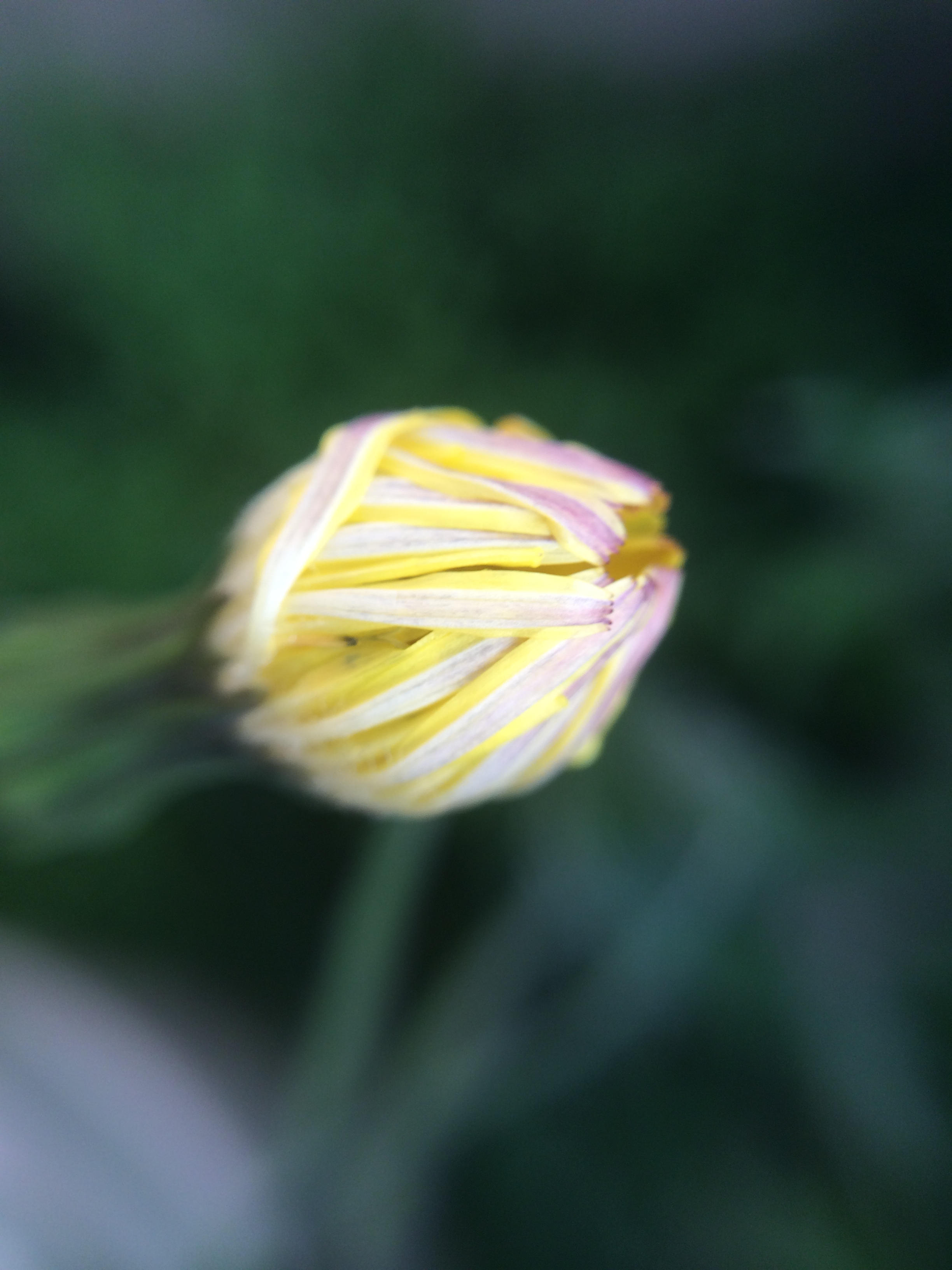
I love my macro lens when weeds are concerned, it takes me in close and lets me see the magic and beauty of what often is mistaken as ordinary.  So with the macro attached, my phone and I headed out to a corner of the yard.  I’m particularly interested in unfolding buds, like this one.

Dandelion bud-macro

The string-like petals remind me of a variegated ball of yarn or multicolored strands of thread. It’s hard to believe that this will bloom into that yellow, sun-like blossom that most recognize as a dandelion.  (I’ve written about dandelions before, if you’re interested.)  Here’s a few tiny blossoms trying to get a foothold in my lawn.

dandelion-macro

SDAWP TC Cindy Jenson-Elliott just had her first picture book released recently.  Weeds Find a Way is a book that celebrates weeds in all their tenacity, beauty, and adaptions for survival. We’ll be using it in our class this week to both teach students about weeds in all their glory and to study the writing as a mentor text for our writing about some other plants in our school garden.

water drop on dandelion

So this post is an homage to weeds, a pause to appreciate these often maligned plants.  Taking time to find beauty, especially in what others have taught us to see as ugly or a nuisance, is refreshing and renewing for me.  And for me it transfers beyond weeds and helps me look at all aspects of life and living in a more appreciative frame.

What have you taken the time to appreciate today?

Reflections on Photography and Rain

“You don’t make a photograph just with a camera. You bring to the act of photography all the pictures you have seen, the books you have read, the music you have heard, the people you have loved.”
― Ansel Adams

I saw this Ansel Adams quote on Instagram (thanks @lyndango) today and had an immediate and visceral connection to it.  I wasn’t always a photographer, in fact, I am only now beginning to identify myself with that description after taking and posting daily photos for more than a year and a half.  It is that daily practice that has transformed my photographs.  Before I took photos of people I loved and things I wanted to remember, but I didn’t put a lot of thought into the composition and I didn’t pore over my photos the way I do now, thinking about the messages they carry and convey to others.

I am coming to understand this Ansel Adams quote as I reflect on what I choose to photograph and how I choose to compose my photographs.  Even the editing process draws on my experiences and interests.

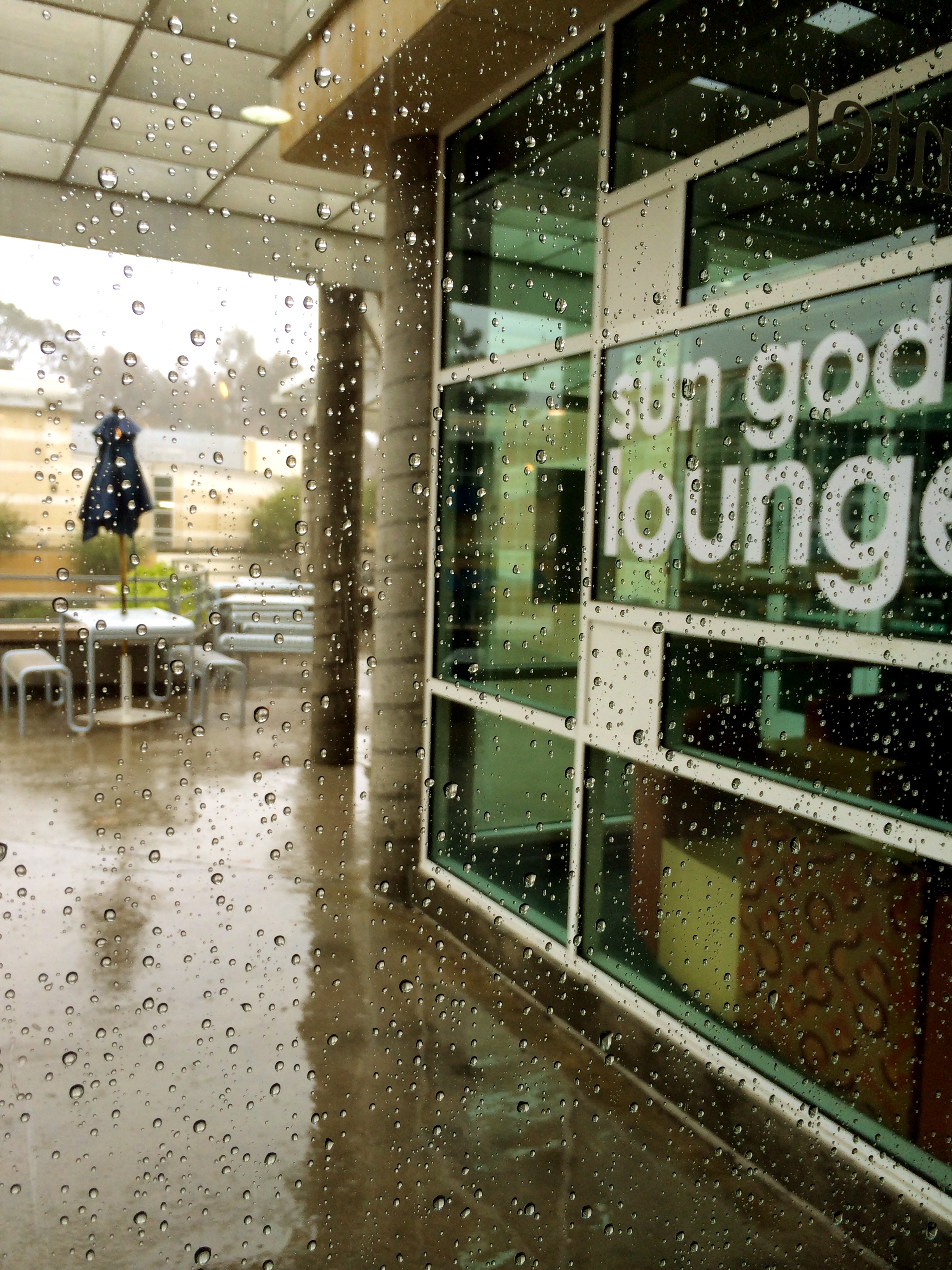
On a rainy Saturday morning, in the midst of the San Diego Area Writing Project Spring Conference, I was drawn to the windows to try to capture the rain and its energy through my lens. It’s hard to see rain through my camera lens…but the rain splattered window helped me out.

juxtapose

And I love the juxtaposition of the name of this building, The Sun God Lounge, with the rainy morning.

And across the room I noticed the interesting lines of the window panes.  As I walked closer,  I could see the distinctive architecture of the Geisel Library through the lines of the panes. Even though I have been in this building many times before, I had never noticed this view of the library.

library through the window

I like the iconic eucalyptus trees between the window and the library building…trees that are prevalent on the UCSD campus.

And yesterday we experienced the rare stormy day at school.  My students were fascinated by the bending of the palms… “Look,” they said as they pointed!  “The trees are bending.”  I like the way this photo not only captures the wind and windiness, but also the school-ness of the context with the four square courts in the foreground.

windy palms

I definitely bring the pictures I have seen, the books I have read, the music I have heard, and the people I love to my photography…and my photography brings them back to me, helping me to better understand who I am in the world.

How does photography impact your understanding of the world?  Or do you have another form of art/creativity that serves a similar purpose?

slice of life

Field Trippin’ Through the Intersections

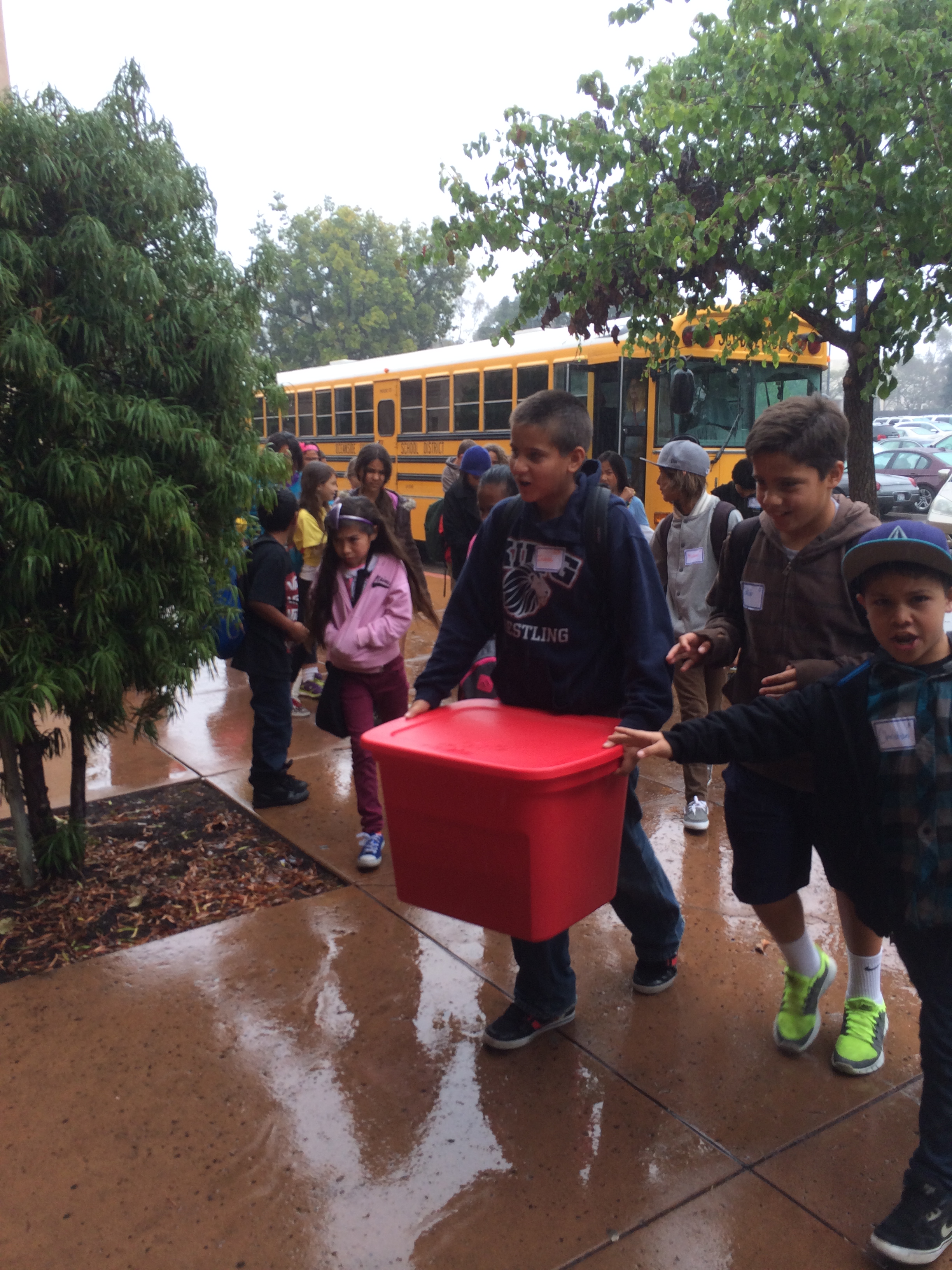
The bus pulled up in front of the Reuben H. Fleet Science Center as the much-needed rain pelted down.  Excited fifth graders poured from the bus into the rain, ready to explore.

photo-97

And waiting just inside were a group of classroom teachers and museum educators ready to watch closely and think carefully about how these students’ teachers and chaperones support student learning and promote student inquiry during the field trip.

This was the pilot of the materials developed by the participants of the Intersections project–a collaboration between the San Diego Area Writing Project (SDAWP), the Reuben H. Fleet Science Center, and the San Diego Natural History Museum funded by a National Science Foundation Grant to the National Writing Project and the Association of Science and Technology Centers.  This group of educators has been meeting and learning together–with a focus on inquiry, science, writing, and field trips since the fall.  And just a week ago they designed “tools” for use to prepare for and facilitate the field trip to the two museums.

And the field trip was an opportunity to examine the tools in use, with the aim of improving them in a next iteration.  We watched the kids in action, noting their conversation, their body language, their interaction with the exhibits…taking pictures, detailed field notes, video and audiotape…all with the goal of understanding their experience in order to improve students’ opportunities for learning and engagement.  And…we were under strict orders to only observe–something very difficult for this group of hands-on educators dedicated to facilitating engaging learning experiences for students!

photo-98

After lunch, students moved across the park plaza to the NAT and we repeated the process.

photo-99

Students sketched and wrote, questioned and connected what they were seeing and learning to things they already knew.

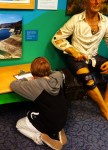
And one of my favorite moments was at the end of the trip, just before the students headed back to board their bus for the ride back home.  They had discovered the pendulum at the NAT and were curious about the little blocks set up inside the circle where the pendulum swung.  Would the ball of the pendulum knock the blocks over?  They started watching by learning on the rail…and then got lower…until they were laying on their bellies on the floor, feet bent up behind them, noses pushed up against the railing.  And they watched, almost holding their breath as the ball closely avoided the tiny blocks.  And then it happened.  The block fell…and the cheer broke the quiet!

photo-103

After the students left we took some time to reflect on our experience…and also hear the experience of the teachers in our group who brought these students to the museums.  There were lots of things that went well…and plenty that we still want to improve.  And plans are already being made for improved tools and new tools for our next field trip pilot…sometime in April.

There is something amazing about the opportunity for educators to collaborate, to design and then to test, to take time for careful, considered observation and data collection, and then time to reflect on their learning.  If only there were more opportunities like this one, for educators to come together to make sure that students have optimal learning experiences…how would that change our world?

Weekly Photo Challenge: Culture

Here’s the week 8 Weekly Photo Challenge prompt for the NWP iAnthology!  (Here are weeks 123456, and 7 if you want to look back.)

If we’re lucky, there are places in our communities where cultural experiences take place.  That word culture has lots of different meanings depending on your frame of reference.  But commonly, culture has to do with access to music, art, and other learning opportunities.

In San Diego we are lucky to have Balboa Park, a beautiful urban park right in the downtown area.  It has many museums, our world famous zoo, a botanical garden and lily pond, international houses, a theatre, an organ pavilion, gardens, a world class restaurant, lots and lots of walking and hiking trails and so much more.  It was the site of the Panama-California Exposition in 1915, and is about to celebrate its centennial anniversary.

balboa park fountain

This iconic fountain is a favorite place for people to meet, to relax, to cool off, to people watch, and to enjoy the outdoors.  Even on a rainy day like today (hooray for rain!), you can sense the beauty and specialness of this place.  And for me Balboa Park is a cultural experience–whether I am exploring the museums or simply people watching, this is a place where culture is alive and well.

So this week’s photo challenge is to share a photo that represents culture to you. What image stirs up a cultural experience or helps you explore your own culture?  Share a photo (or several) that pictures culture in some way.  Post either the photo alone or along with writing inspired by the photo.  I also invite you to use others’ photos as inspiration for your own writing and photography.  I often use another photographer’s image as “mentor text” for my own photography, trying to capture some element in my own way.

I like to share my images and writing on social media…and I invite you to share yours widely too. (You might consider Twitter, Instagram, Facebook, Google+) Use the hashtag #culture and include @nwpianthology to make it easy for us to find and enjoy.  You can find me on Twitter and Instagram @kd0602.  I’d love to follow you if you share your handle.

You can also share your photos and writing by linking to this blog post or sharing in the comment section below.  I am excited to see how you represent culture through your lens!