Connected Learning…a Challenge

At the San Diego Area Writing Project (SDAWP) we are always looking for ways to learn from each and ways to support each others’ learning in our mission to improve writing instruction for the young people in our area.  For a while now we’ve been wanting to create a shared resource of mentor texts that teachers love and have used successfully to teach writing in their classrooms.  We’ve thrown a bunch of ideas around about how to do that–and nothing has really stuck.

Enter Barb–SDAWP Teacher Consultant and one of the administrators of our SDAWP Voices blog, the collaborative blog we’ve been experimenting with over the last year.  In another part of her life she is an artist with fabric–creating beautiful quilt projects–and maintains a sewing focused blog where she also participates in challenges and contests and blog link-ups.  Sharing her experience with textile artists and their social media world is helping us at the SDAWP experiment with new ways to build connections…and learning experiences.

So starting today we’re asking people–everyone is invited–to commit to the 113 Mentor Texts by the End of 2013 challenge.  Committing means agreeing to add at least one mentor text that you’ve used to teach writing or used to support your own writing that you would recommend to others.  There are lots more details on the SDAWP Voices blog here.

So join us…and please share with your friends and colleagues so we can reach our goal of 113 mentor texts by the end of 2013!

Whose Voice? A Soundscape Ecology

A tweet crossed my feed this morning with the following message:

When a person dominates an event, the group shows less intelligence. #ADE13

Just those few characters in a tweet already had me thinking about voices…those that get heard and those that don’t.

And then I came across this TED talk by Bernie Krause talking about his study of wild soundscapes.  He introduced me to three new terms to understand his research:

1.  Geophony–the non biologic sounds in an environment like wind and water

2.  Biophony–sounds that living organisms make (not focused on the individual, but the sounds you hear all at the same time)

3.  Anthrophony–human sounds like airplanes, cars (things we think of as noise) or even music that is soothing or aesthetically pleasing

Bernie goes on to explain that the soundscape ecology can give us a great deal of information about the health of a habitat.  His point is that our eyes don’t give us all the information we need to assess the world.  Sometimes our ears can tell us things that our eyes cannot see.

Careful listening is also important in the classroom.  And I think, like Bernie, we need to listen to what sounds we hear…and what sounds are missing from our classroom soundscape.  The classroom soundscape includes the obvious sources: teachers and students.  We need to listen to not only who speaks, but also to what kind of speaking is going on.  Does the teacher dominate the talk time?  (Yes, instructional speech counts!)  What about the students?  Who talks?  Is the speech competitive or collaborative?  What role does silence play?  And what can we as adults do to shift the soundscape ecology?

What does it say about the group’s intelligence when some voices dominate?

What do you think?

Reflections on Yellow

I love focusing on a single theme all week long with my photography.  Instead of feeling limited, I find myself not only looking for ways to capture my “word,” I also find myself searching for new ways to frame my shots to create interesting and different photos.

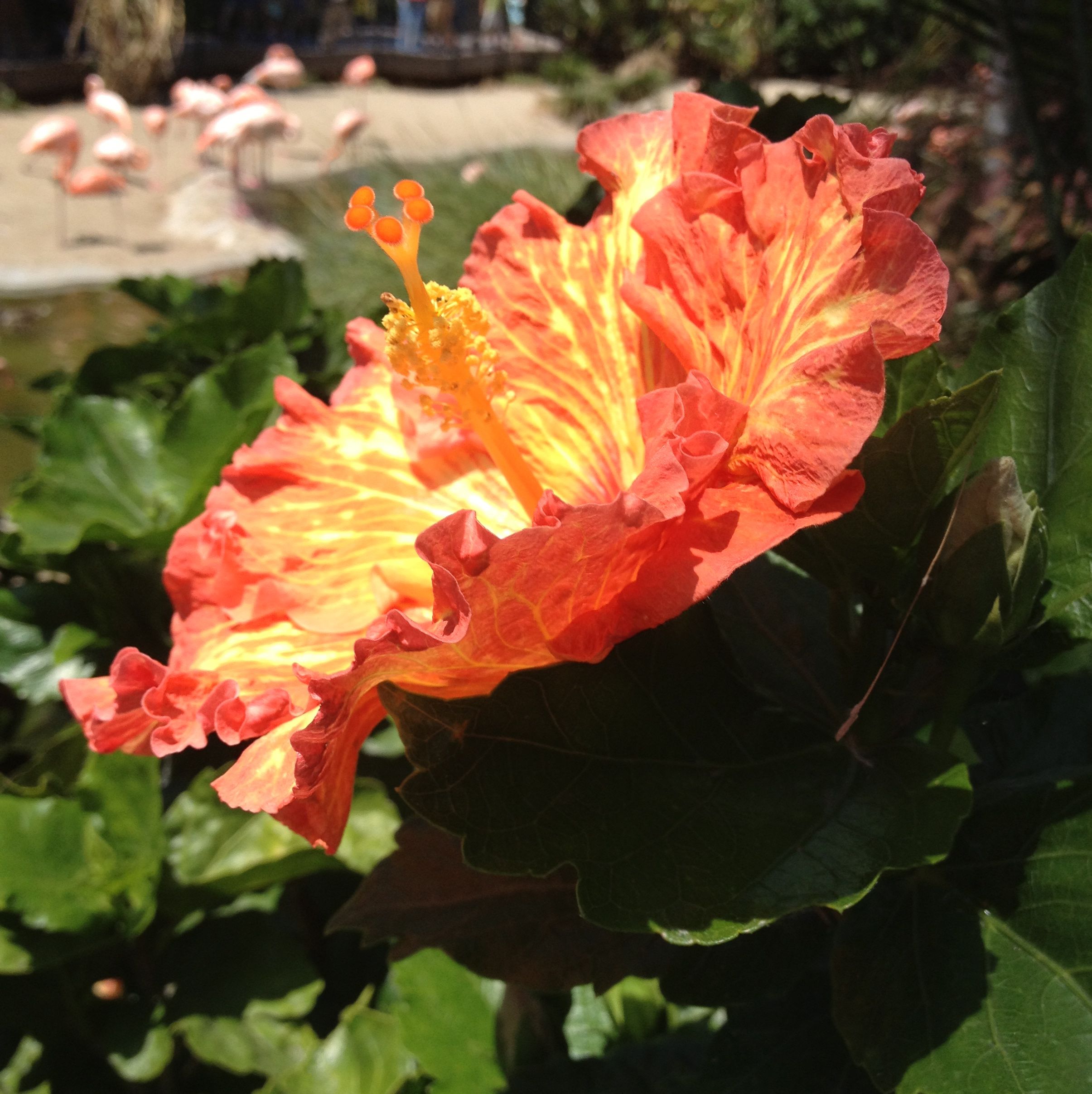
One of my favorites this week is this picture of the variegated hibiscus (orange with yellow at the center) with the flamingos slightly out of focus in the background.  I was intentional at including the flamingos and was working for a crisp focus on the flower.  I’m pretty happy about the result.

hibiscus with flamingos

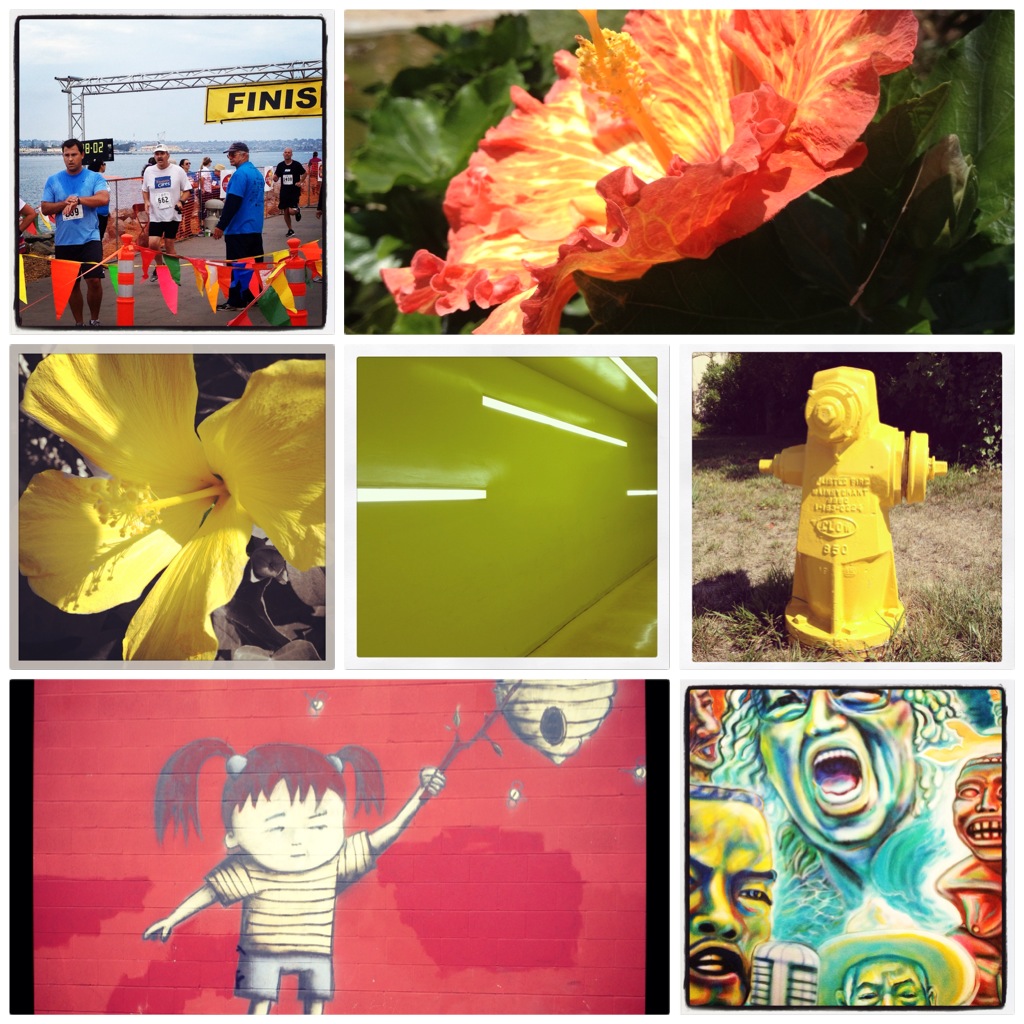
I worked hard to avoid yellow as road signs and street markings (once I got past the fire hydrant) this week.  Yellow was more challenging as a photographic topic than red.  Here’s a snippet of the entire week:

yellow collage

It is so much fun to see what other people participating in this photo-a-day challenge come up with!  There are some gorgeous yellow pictures out there this week.  I love that Janis’s (@janisselbyjones) yellow “abandoned bucket” was featured on the Litterati Facebook page this week!

Looking forward to orange!  We’d love you to join us, check out the challenge here.

Boys and Bears

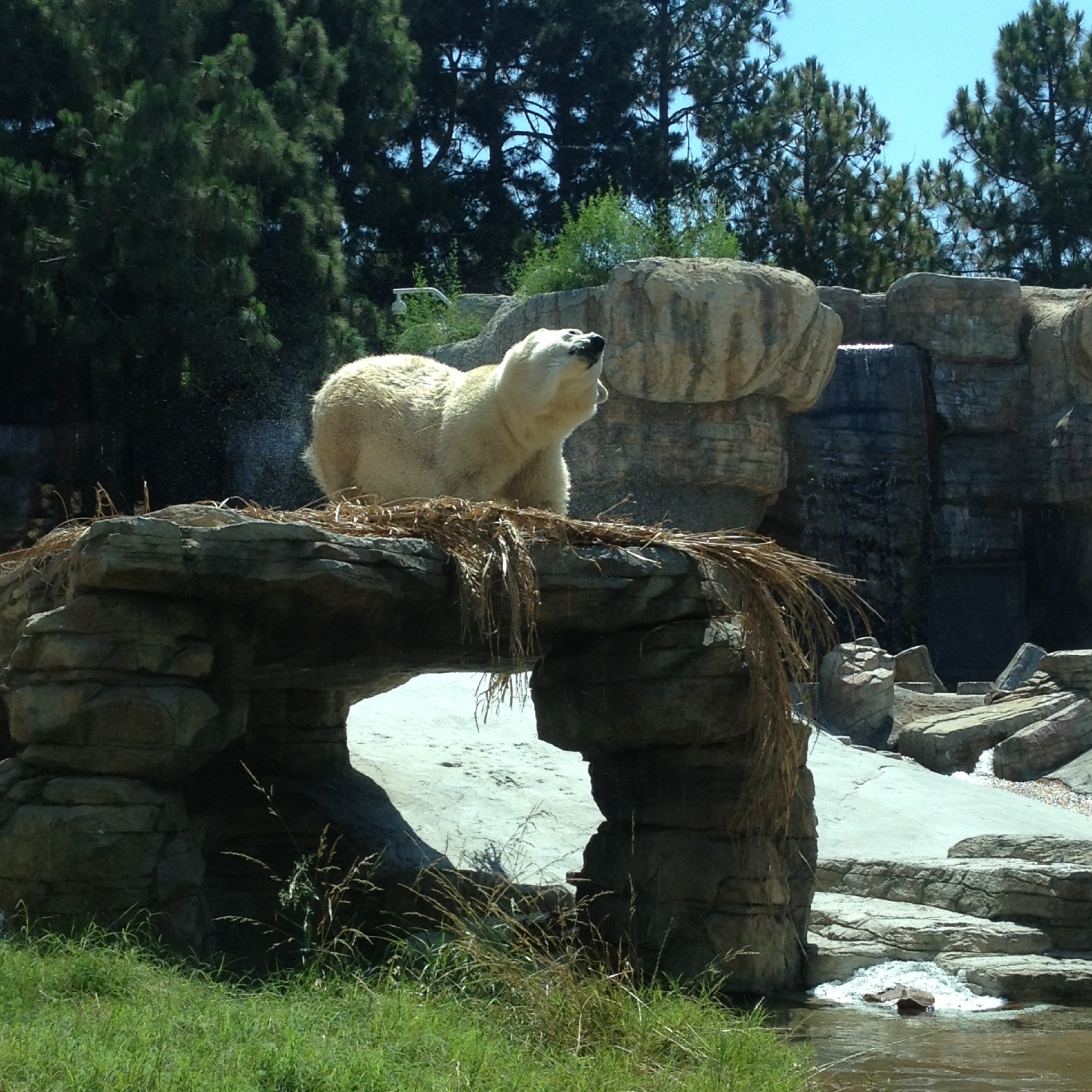
Today was a perfect July day at the zoo, sunny and warm with gently ocean breezes to keep things tolerable.  The animals were active and playful.  We watched the polar bears frolic in the cool water of their enclosure—so close you could almost touch them through the clear Plexiglas barrier.

photo

I watched the animals, thinking about how the zoo personnel was careful to point out the ways they put the animals’ well being and health ahead of the visitors’ desires to take the perfect picture and get that close-up look.  I heard a similar message from the tour bus driver, the panda keeper, and the sea lion show trainer: these are wild animals, they are in this zoo so we can learn to take better care of them to ensure their continued existence.  The zoo is a place for learning.

I also did a lot of kid watching today.  And while there were usual instances of whining and demanding, there were also many kids fascinated and engaged watching the animals.  I observed some little boys near the polar bears for quite a while.  They stayed right up next to the glass where a polar bear was enjoying chewing on a bone right on the other side.  As the bear dunked under the water against the glass, the boys would run their hands against their side of the glass as though they were petting the bear.  As the bear emerged from the water, the boys reached their faces up alongside the bear’s.  A crowd formed with many adults attempting to get a close-up portrait of that bear—or line their own child alongside the bear for that illusion photo of their child with the bear.  You could feel and hear the frustration of those adults, wanting the kids to move out of the way.  After ten minutes or so, the parents of the boys seemed to catch on to the frustration of the crowd and urged the boys away from the glass so others could have a turn.

I understand the frustration of the adults waiting for the boys to move away.  And I understand the boys’ fascination with the bears.  I find myself thinking about how their physical interaction supported their appreciation of the bears…and how that may impact their future actions in the world.  If they had to stand back and watch quietly from afar, would they still find polar bears interesting and want to know more about them?  I’m also fascinated by the physical structure of the zoo and how that structure creates intimacy and relationships with the animals.

How can I think more carefully about the structures in my classroom to invite engagement and interaction rather than passive compliance?  Zoos and classrooms—I have a lot to think about!

Writing, Learning, and Time

Time is one of those precious commodities that we never seem to have enough of.  There are so many demands on our time—work and family, the business of maintaining homes and cars and health and beauty.  And then there are all those things we want to do: play and make and explore and learn.

We’re often impatient, wanting to see the fruits of our labor immediately, especially as teachers.  We want to see our students grasp new concepts and show us they are learning.  We often forget that learning is not fast and often follows a zig-zaggy trajectory rather than that even slope of progression that seems to be the meme for learning.

Yesterday, Judy shared this short, eloquent piece from Ralph Fletcher in his book Mentor Author, Mentor Texts: Short Texts, Craft Notes, and Practical Classroom Uses, who writes about his experience spending a day with eighty-year-old doctor.

We worked together planting baby trees in New Hampshire.  The saplings were little bitty things, no more than six or eight inches tall.

“It’ll take twenty years before they’re even close to maturity,” he admitted with a wry smile.  “Guess I won’t be around to see it.”

I was struck by the quiet heroism of this act, planting trees that would never bring him shade.  As writing teachers, we do the same thing.  It won’t happen today.  It may not even happen this year, or next.  But you can count on it: one day our young writers will blossom, even if we’re not there when it happens.  Except I actually think we will be there, buried deep inside them.

I think this is true—when we are being the best teachers we can with student learning at the center of our practice—but I also think that some of our young writers “die on the vine” at school, from lack of water, sun, and nutrients necessary for growth.

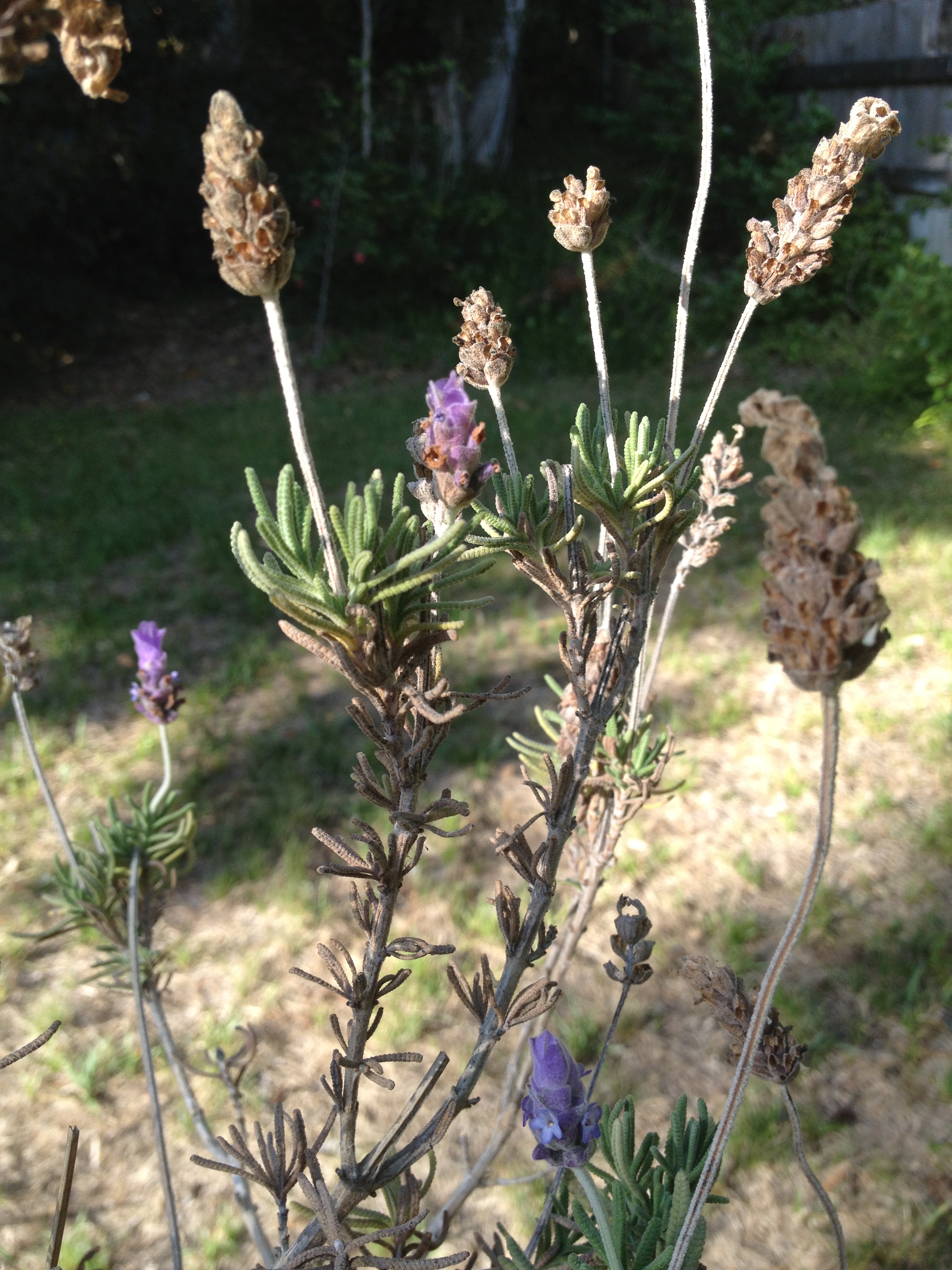
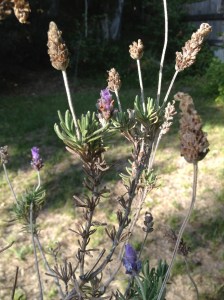
And I’m also remembering my beautiful lavender plant from my front yard that got relegated to the wilds of the backyard during our early spring plumbing disaster—a place where “out of sight, out of mind” meant a lack of watering and near death.  And yet, we didn’t discard it, assume that it had died.  Instead…as we became more mindful and intentional about caring for it and nurturing it (and with strategic placement where it gets some water from the automatic lawn sprinklers), it is beginning to come back.
photo

We can do that for our students too.  Instead of feeling bad for not being the best possible teacher for the students who came before, we can work to nurture the learners we have before us.  We can keep learning ourselves and share that learning with these young people in our care.  Time will always be a challenge…for fitting in our own learning and for uncovering evidence of our students’ learning.

And then I think of myself as a writer.  How often do the demands of work and life suck up time necessary for writing and thinking and dreaming…the lifeblood of composition.  I’m working to find ways to be more intentional about my writing life; creating strategic ways to find spaces for writing and thinking and dreaming.

What do you do to nurture the young writers in your life?  How do you nurture your own writerly life?

Being Intentional

Barb’s blog post about her yellow walk on Wear the Cape Tuesday takes me back to a week or so ago when I first heard of something called streetview that seems to be some version of something we are tagging in the Connected Learning MOOC as a #learning walk.  The streetview/learning walk is not really something new, it involves that ever important skill of noticing that I wrote about the other day and adds another intentional element: documenting the noticing.  The documenting described in the sreetview make was photography—convenient for me!

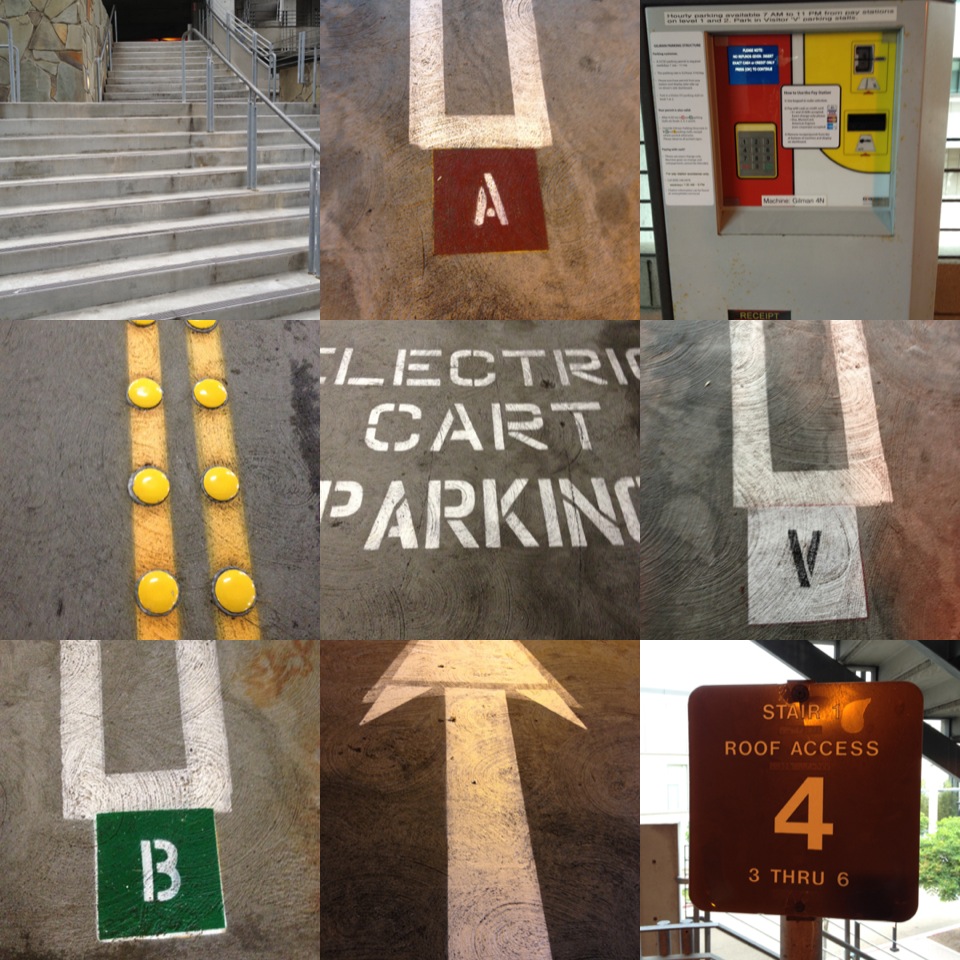
I tried my own version of a learning walk last week focused on the parking garage at UCSD.  I took some pictures, found an app that would let me put them in a collage (many collage apps seem to have a six photo limit—but I needed more), and then thought about what that composition said to me about my experience.

photo

I love that this composition takes away a lot of the cold, institutional feel of the garage and highlights the icons, textures, and angularity.  It would be interesting to capture the smells and sounds of the garage as well as the things to see–capturing more layers of the garage experience.  Mostly what occurs to me by doing this exercise is that I was more aware of interesting details, noticing things I hadn’t noticed before.  (I hadn’t been aware of the electric cart parking space–is that for the all the golf cart-like vehicles?  I’ve never seen one parked in the parking garage!)

In addition to my streetview and Barb’s yellow walk, on Wednesday Linda @hirshmiller, who is also participating in SDAWP Photo Voices photo-a-day, read a piece of writing about her increased noticing as a result of her search for yellow this week.  We were all incredulous as she described her amazement at noticing that her cat, Flounder, had yellow eyes.  And how that discovery sent her on a mission to wake the sleeping pets and peer into their eyes to see what color they are.  (For me, that would have been a small job…for her with her husband’s animal rescue mission and her kids’ aspirations toward animal-focused careers, that meant checking the eyes of 55 animals!)

These experiences are reminding me how important it is to be intentional as we move through our lives, to be open to noticing new details, and to uncovering interesting connections.  Writing does that too…when I write regularly (like I am doing now with this new blogging adventure) I pay close attention to the world around me and make connections in unexpected ways.  What have you noticed lately?

Writing, Science, and Making

On my way to UCSD yesterday morning I listened to this story on our local public radio station about a zombie horror video game inspired by a nature documentary, with commentary from a local entomologist from the San Diego Natural History Museum, Michael Wall.  I’m not much of a video game player, but I love the idea that a nature documentary and the very real behavior of parasites inspired the story of this game.  I started to think about the ways that science and writing are natural partners and the roles that curiosity and creativity play in both.

And then I started to think about the ways that curiosity and creativity often get squished in schools in the name of supporting our learners.  We’ve been reading, writing, and debating formulaic writing in the SDAWP Invitational Summer Institute this week and asking ourselves what is gained and what is lost when writers, especially young writers, are encouraged or even forced to fit their thinking and ideas into five paragraphs (or three or…) predetermined and highly structured by a formula?

I’ve heard people say that “structures” (provided by formulaic writing) free young writers from the frustration of figuring out effective organization for their ideas and their writing.  But I’m guessing that neither the writer of the nature documentary nor the video game maker used a formula to craft the stories behind their movie and game.  I wonder if they even thought they were writing (as in school writing) as they crafted the narrative structures that hold their work…or were they simply making and/or playing as they explored the ideas in their heads?  I’m also wondering if they worked with collaborators–and how that shaped their stories and their productions.  (It sounds like both making and playing to me…and fun!)

My brain is already on fast forward to the new school year as I think about how my students might be inspired to write video games and documentaries and radio podcasts like the one above and who knows what else!  I know I won’t be providing any fill-in-the-blank formulas to structure their compositions.  Instead, I will help them locate mentor texts (texts in the broadest sense of the word) to play with, examine, and study to figure out how they will construct their own.  And I will create and compose along with them.

And for those of you who think your ideas are not clever or original or good enough, take a look at this video (thanks Kristina Campea for sharing on google+ at the #clmooc).

So what inspires your writing and creating?  What structures do you depend on to move from ideas to composition?

Eat…and Lead Locally

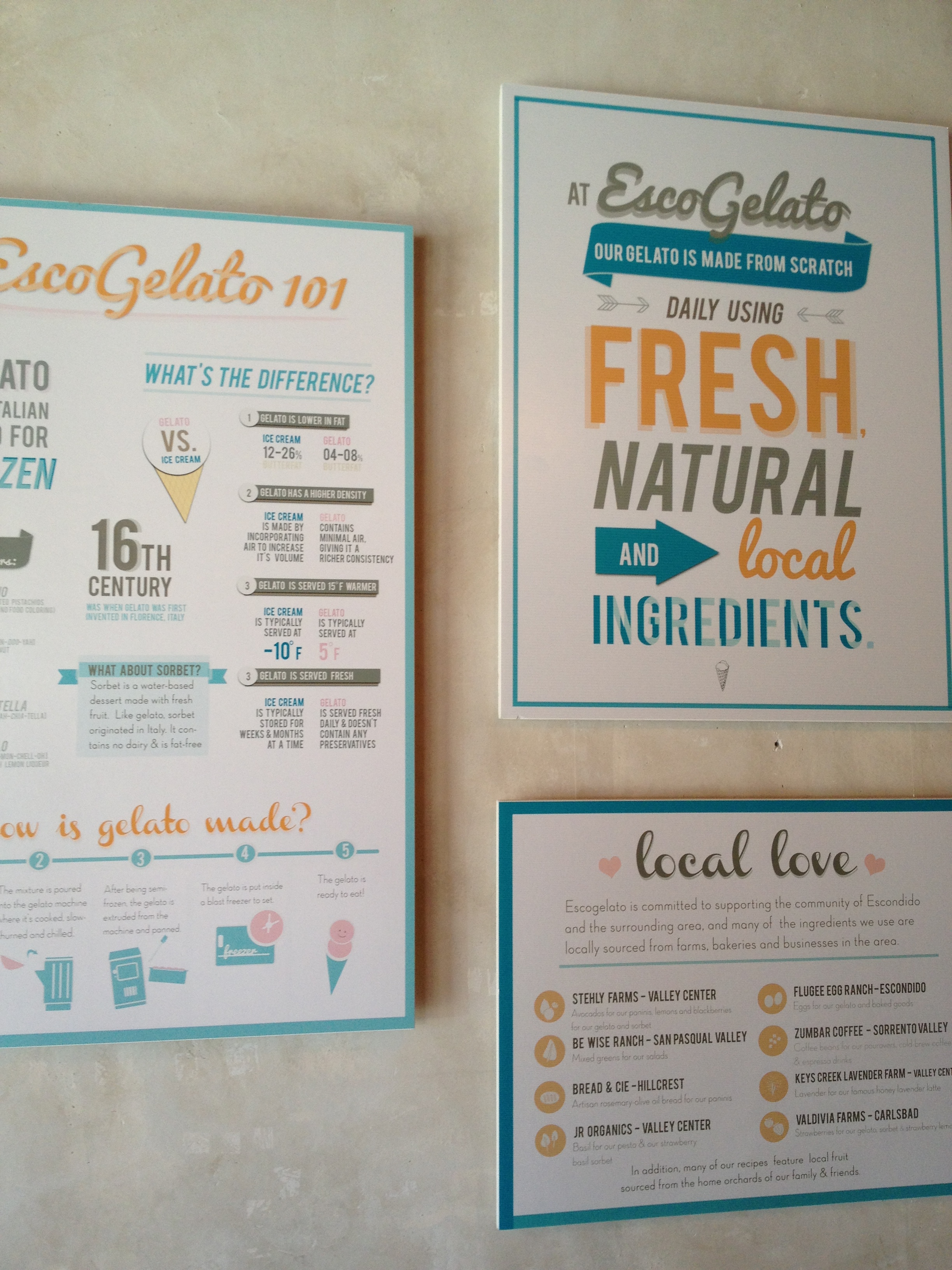
Local Love.  That was the phrase that caught my eye while enjoying some yummy gelato for my mom’s birthday on Sunday.  EscoGelato makes a point of highlighting all the ways their products are local—using local bakeries for their breads, local farms for their avocados, eggs, strawberries…

photo

Yesterday I ate locally again.  At Urban Plate with my friend and San Diego Area Writing Project (SDAWP) colleague Abby, I also noticed signs in the restaurant pointing to the sources of the local produce and other food products.  It feels good to eat locally—in both places the food was delicious and the feel in each place was friendly and welcoming…accessible.

As we ate, Abby and I caught up on the progress of our summer and moved to the topic of professional development for teachers.  We talked about how teachers need to not just hear about some new approach or instructional technique, but to try it out and think about how and why it is useful for themselves as learners and for their students before they can truly implement effectively in their own classrooms.  And that, as professional developers, our hearts drop when participants say, “Can’t you just come to my classroom and teach it for me?”

Abby and I talked about the power of connectedness and collaboration for professional growth.  How opportunities to talk about our ideas caused those ideas to grow and develop and transform into something more than where they began.  And how that collaboration makes us a bit braver and more willing to take risks with our teaching practice…and in the process we grow as educators.  We also talked about how important it is for someone in your local place—your school site, your district, your writing project or other organization—to see you as a leader.  We grow leadership when we nurture leaders.

At the SDAWP, we’re right in the middle of the Invitational Summer Institute…a place for nurturing local leaders.  And I’m not so sure that all of the participants see themselves as leaders—yet.  But we’re ready to help them and to ease them into some accessible spaces where their leadership can emerge and continue to grow whether that is in their own classrooms, at their school sites, or beyond.  Maybe that, too, is local love.

On Noticing

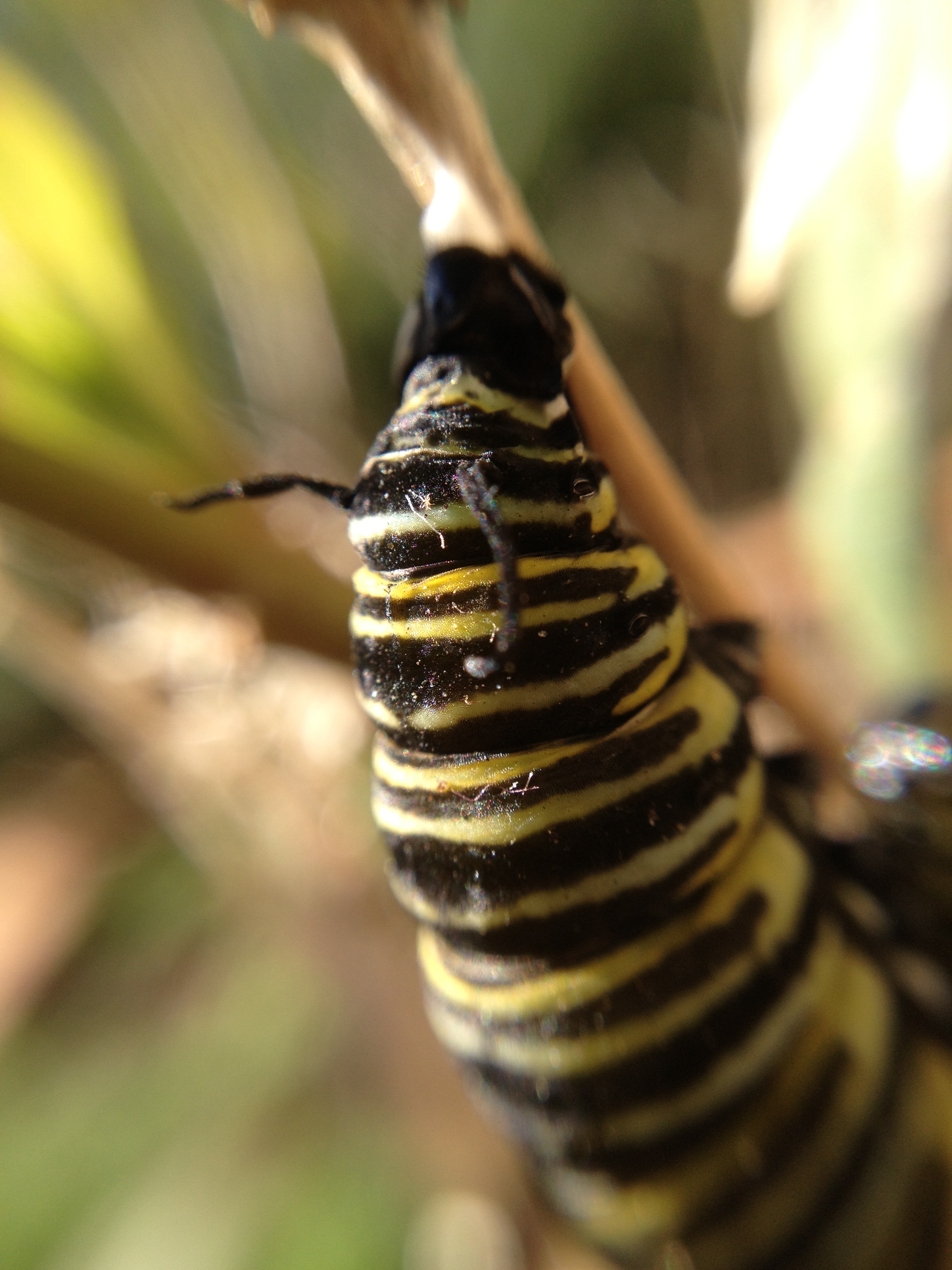
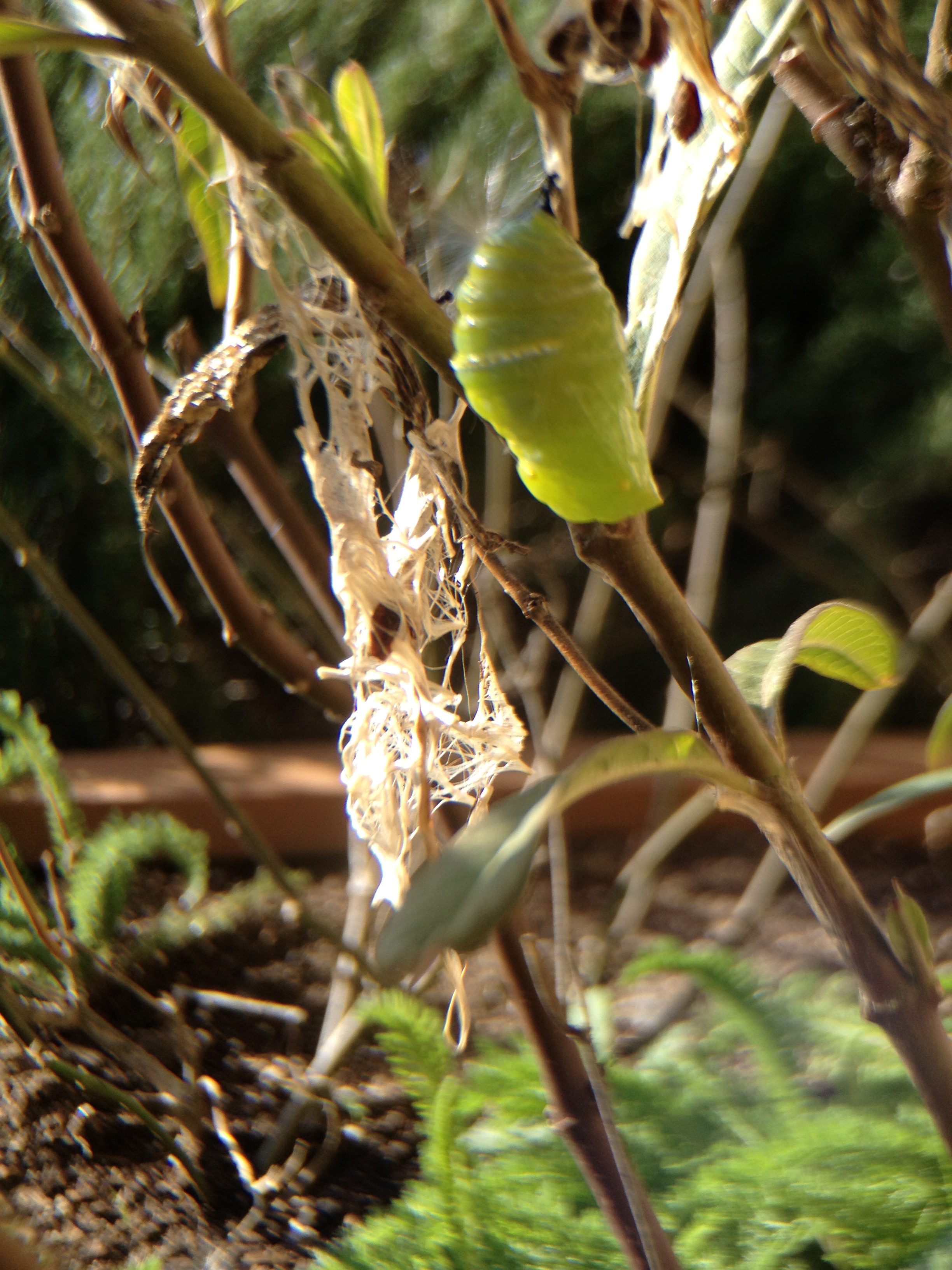
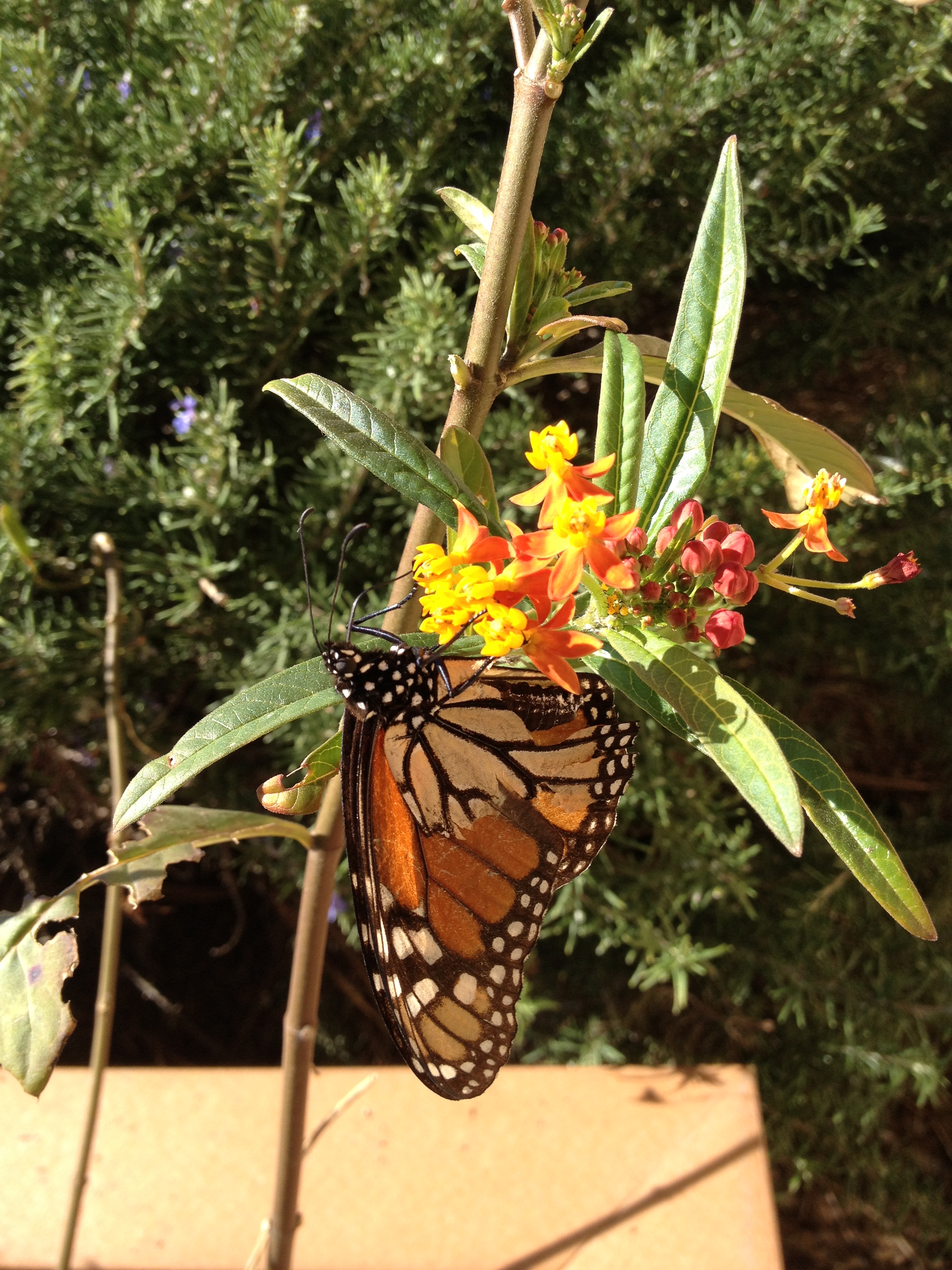
One of the reasons I love taking pictures is that it helps me notice.  Instead of going full-speed-ahead about my life–checking this thing or the other off my ever growing to-do list and worrying about whether I will ever get caught up–noticing helps me slow down, appreciate interesting things around me, and then I find myself asking questions.  When I watched this caterpillar wiggle its way into a chrysalis, my curiosity about everything related to monarch butterflies became insatiable.  (This incredible process happened in the planter box right outside my classroom.  I was also experimenting with using a macro lens on my phone–as seen in the top two photos–helping me to really look closely and focus carefully.  More on focus to come!)

photo-4 photo-3 photo-5 photo-6

As a result of what I had noticed and photographed, I wanted to know more.  I researched on the web, found and read non-fiction books, watched some incredible videos, talked to people around me, and enjoyed reading some fiction as well (Flight Behavior by Barbara Kingsolver came out at the just the right time for me!).  I think that everyone around me also learned–whether they were interested or not–about monarchs and their life cycle!  But most importantly, this event heightened my noticing behavior.  Everywhere I went, indoors and out of doors, I was noticing: paying attention to patterns, colors, numbers, textures…subtleties in the world around me.

This article a friend of mine who works at the San Diego Natural History Museum referred me to reminded me of the importance of noticing–not just for me, but also for my students.  My favorite question to my students is always, “What do you notice?”  I ask that about text, about songs, about pictures, about math and science and social studies…about just about everything!

And even though we do a lot of noticing, I wonder if there is enough time in schools for noticing, for curiosity, for inquiring into things that are interesting.  As I photograph and write my way through the summer, I will also be thinking about that question–and the actions that I will take to make sure my students have ample opportunity to notice as part of their learning experience.  What do you do to help yourself (and the young people around you) notice?

SDAWP Photo Voices: Red

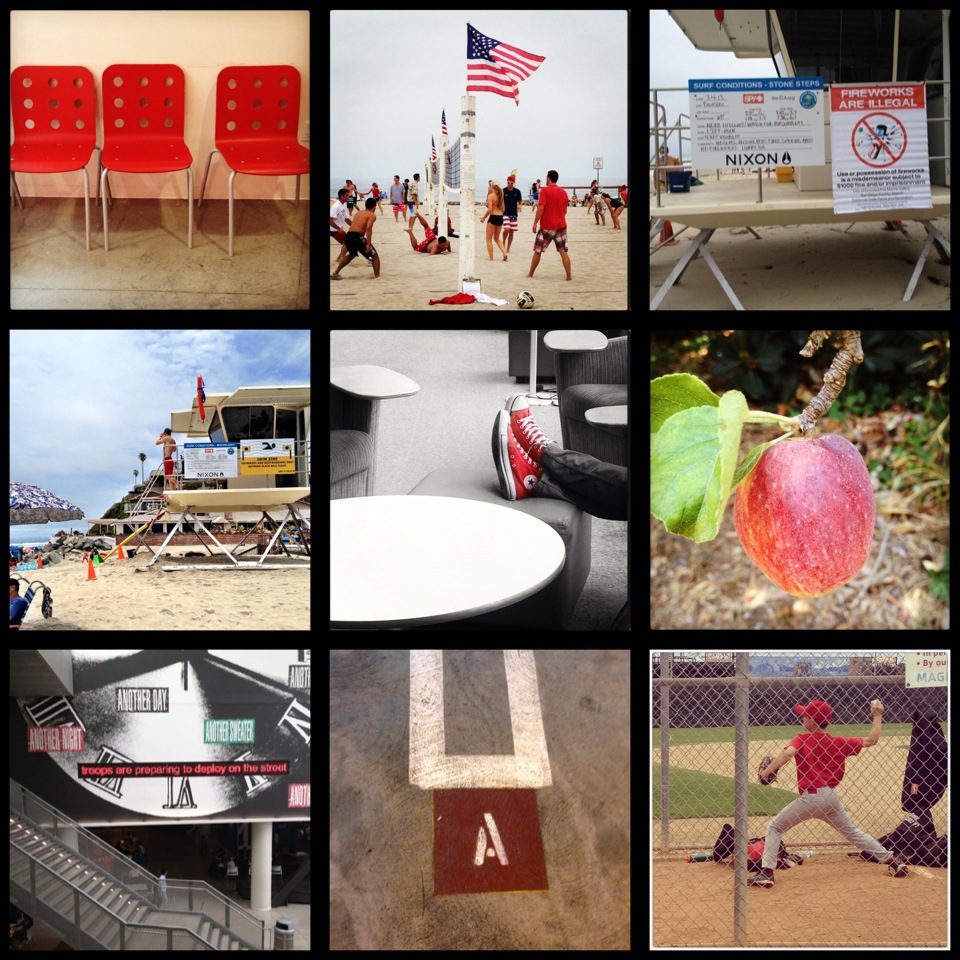
At SDAWP Photo Voices this month we are doing something different: a single prompt (they happen to be colors) for an entire week.  This week was red.  Rather than picking a single picture to highlight (although there is one that is the header for this blog!), I decided to create a collage (using collageit) or map of my week (a nod to my experience with the Connected Learning MOOC).  I did throw in a couple of extra red photos that I didn’t post as part of our photo-a-day challenge.

Red

I was surprised just how easy it was to find red…everywhere.  Because of the 4th of the July holiday, I was at the beach several days this week–and I found red without a challenge!  My favorite is the red shoes picture (edited with the app colorsplash), but I also love the unexpected red apple in my own backyard and the odd assortment of three red chairs.  I’m looking forward to seeing others’ red favorites today and tomorrow as they get them posted on our SDAWP Voices “red” page!

Up next…yellow.  Hmmm…