Today is my day for a six word post. (+ one bonus word!)
Fourteen isn’t masquerading as disguised thirteen! (Phew!)


Today is my day for a six word post. (+ one bonus word!)
Fourteen isn’t masquerading as disguised thirteen! (Phew!)
I like meandering through gardens much more than doing the actual work of gardening. I love watching the buds blossom, the bees buzz, smelling the distinct aromas of lavender and tomatoes (maybe not together), I even enjoy a tomato worm sighting (they’re great for a photographic moment!). My backyard is less a garden and more a menagerie of plants. An eclectic mix of succulents (there’s an aloe plant that has gone wild and has at least tripled in size over the years–it started as a gift in a small pot), potted lavender, a few cacti and sago palms, and who knows what else. Plants that overgrow the kitchen window often get banished to the backyard where they, more often than not, go feral. We do have a small raised garden bed with tomatoes and strawberries that have somehow survived two seasons with minimal attention (and too many insects who often enjoy the fruit before we get there) and we have a couple of blueberry plants.
The blueberry plants have been a challenge. We started with one expensive one, and it promptly tried to die. We adopted a cheaper brother for it and now both seem to be doing great. They each have a wine bottle waterer in their pots to keep them from dying of thirst and they are both jam-packed with blueberries right now! (Is it blueberry season? Is there a blueberry season in Southern California?)
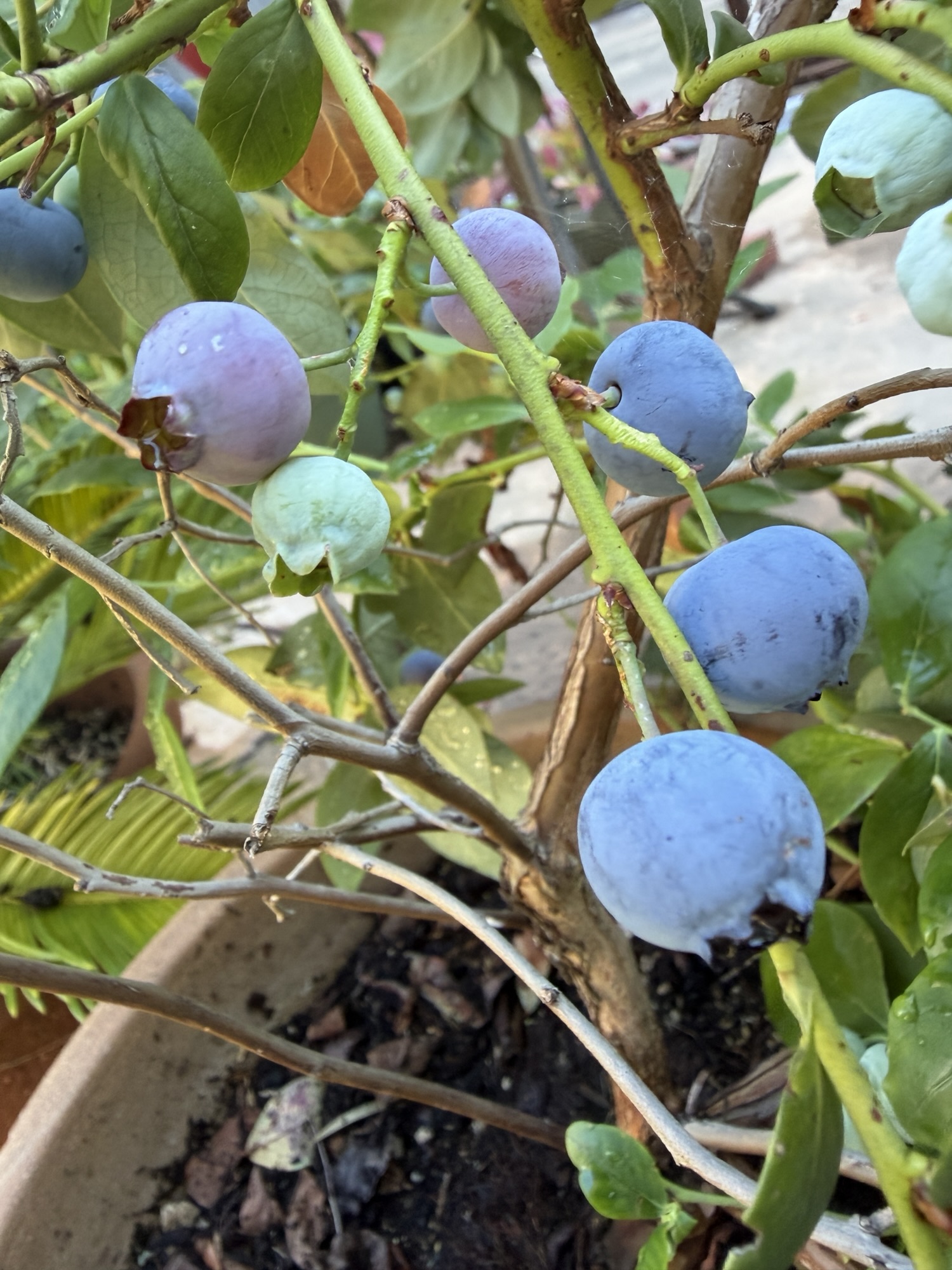
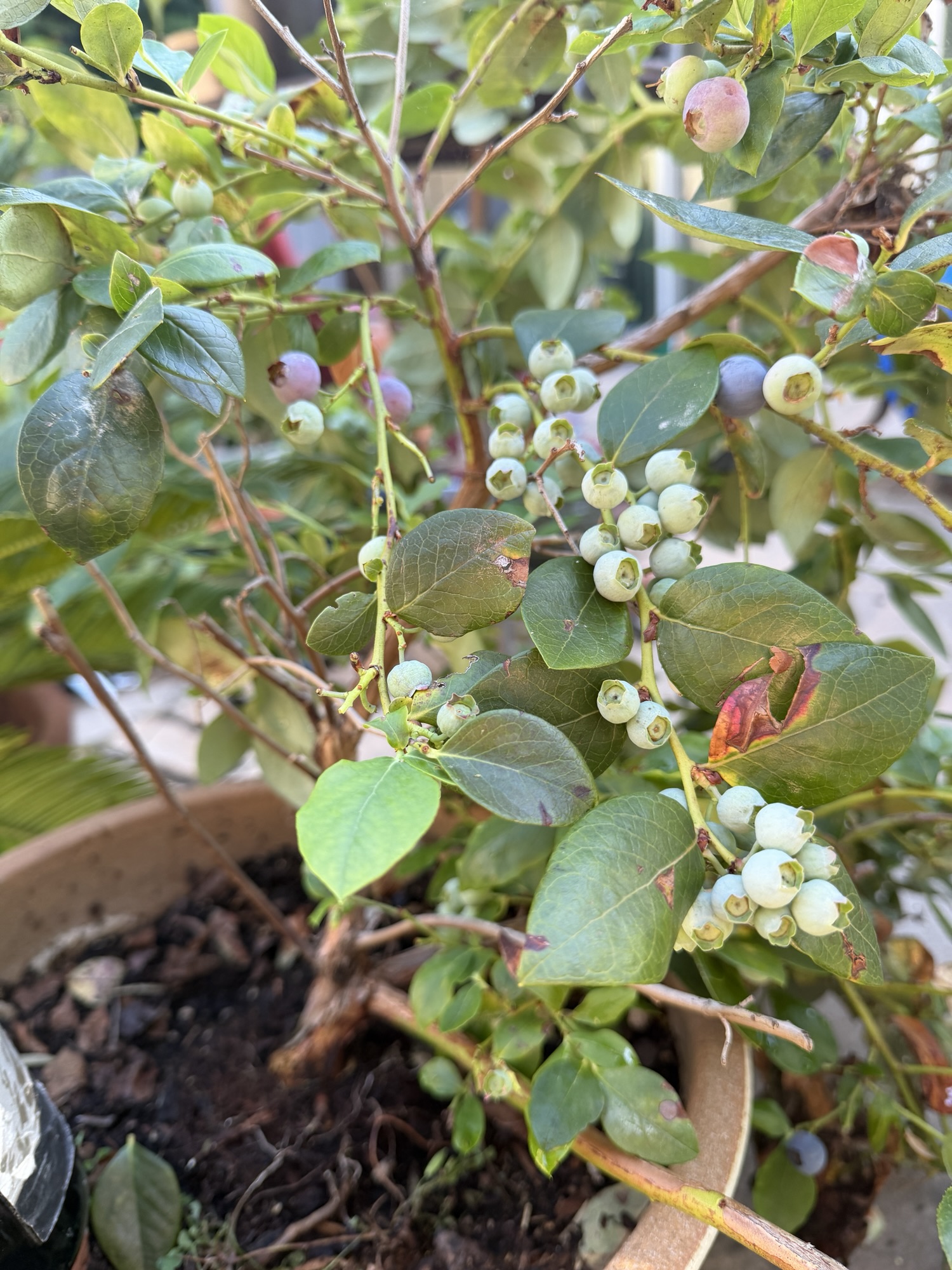
So after taking some photos, I proceeded to harvest some blueberries. I collected quite a haul and after rinsing, my husband and I enjoyed a handful each. There is something so special about blueberries directly from the bush, lightly warmed in the sun.
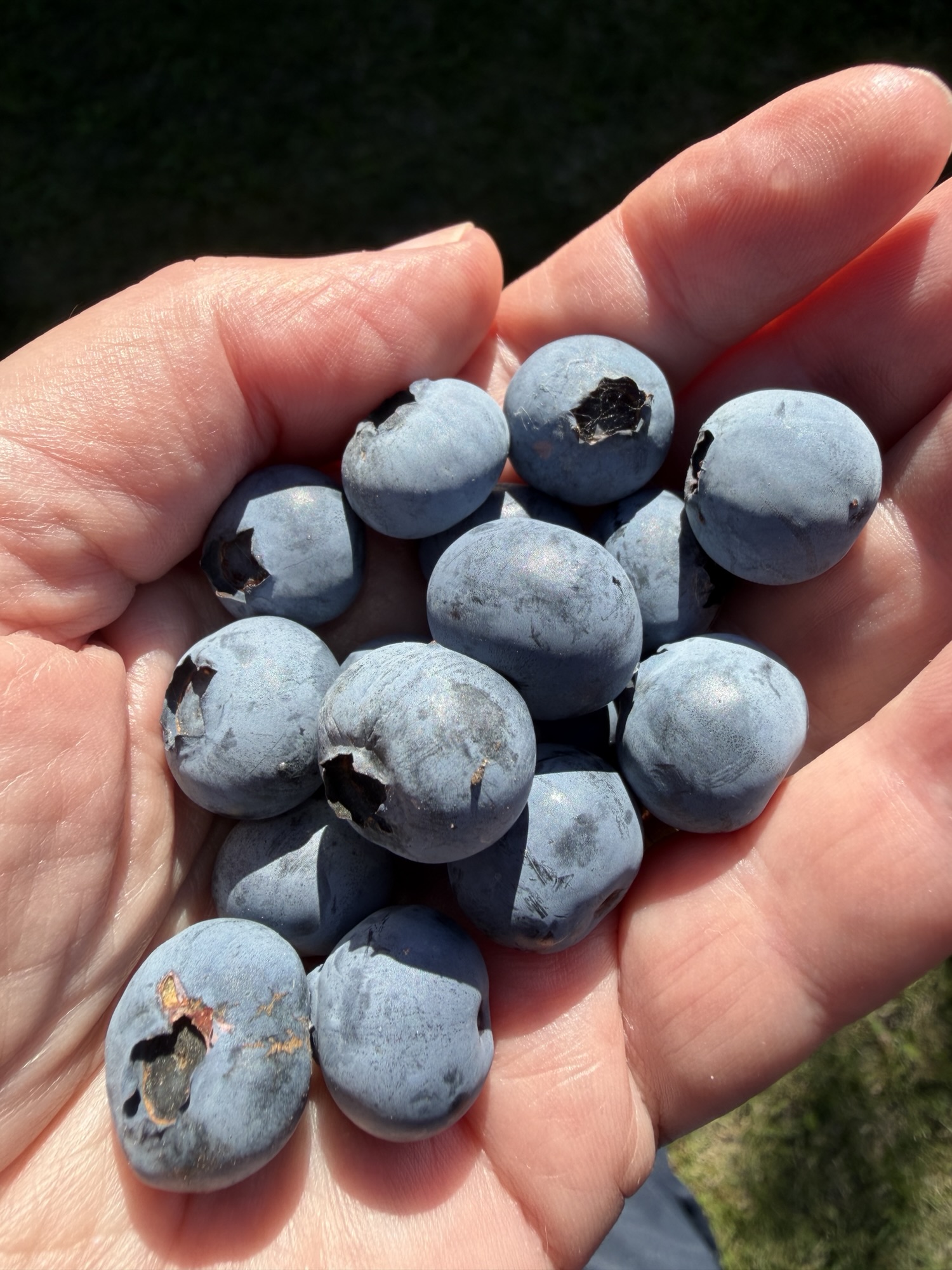
Thankfully, my husband is a more dedicated gardener than I am. At least they get watered regularly. What treats is your garden offering in these first few days of spring?
Do you have a Swiss Army knife? For some reason, these knives keep popping into my life lately. As a Camp Fire Girl in my childhood, I had a version of a Swiss Army knife (no name brand for me back in the day), that included a fork and a spoon in addition to a knife. It was something to take on camping trips…eating utensils all in one place. But my camping career ending with my exit from the CFGs–I definitely prefer a hotel-based outdoor experience.
When my grandsons turned 10 a few weeks ago, it seemed like the perfect time to gift them their first pocket knives, and a Swiss Army knife was the knife of choice. Their grandpa achieved Eagle Scout status in his childhood and still has his first Swiss Army knife and many, many, many outdoor utensil gadgets. Their knives were accompanied by instructions for use and careful supervision by their dads. (You might imagine that their dads, my sons, also have Swiss Army knives gifted to them as children.)
I stopped carrying my small Swiss Army knife with its handy scissors and tweezers when I was doing a lot of traveling. It’s hard to remember where a small pocket knife is allowed and where this innocuous tool forbidden…and potentially confiscated, so I just left it at home all the time. I saw some teachers pull out their Swiss Army knives at a recent conference to use their scissors for some collaging and found writing (more about that experience here). I was wishing for my knife then!
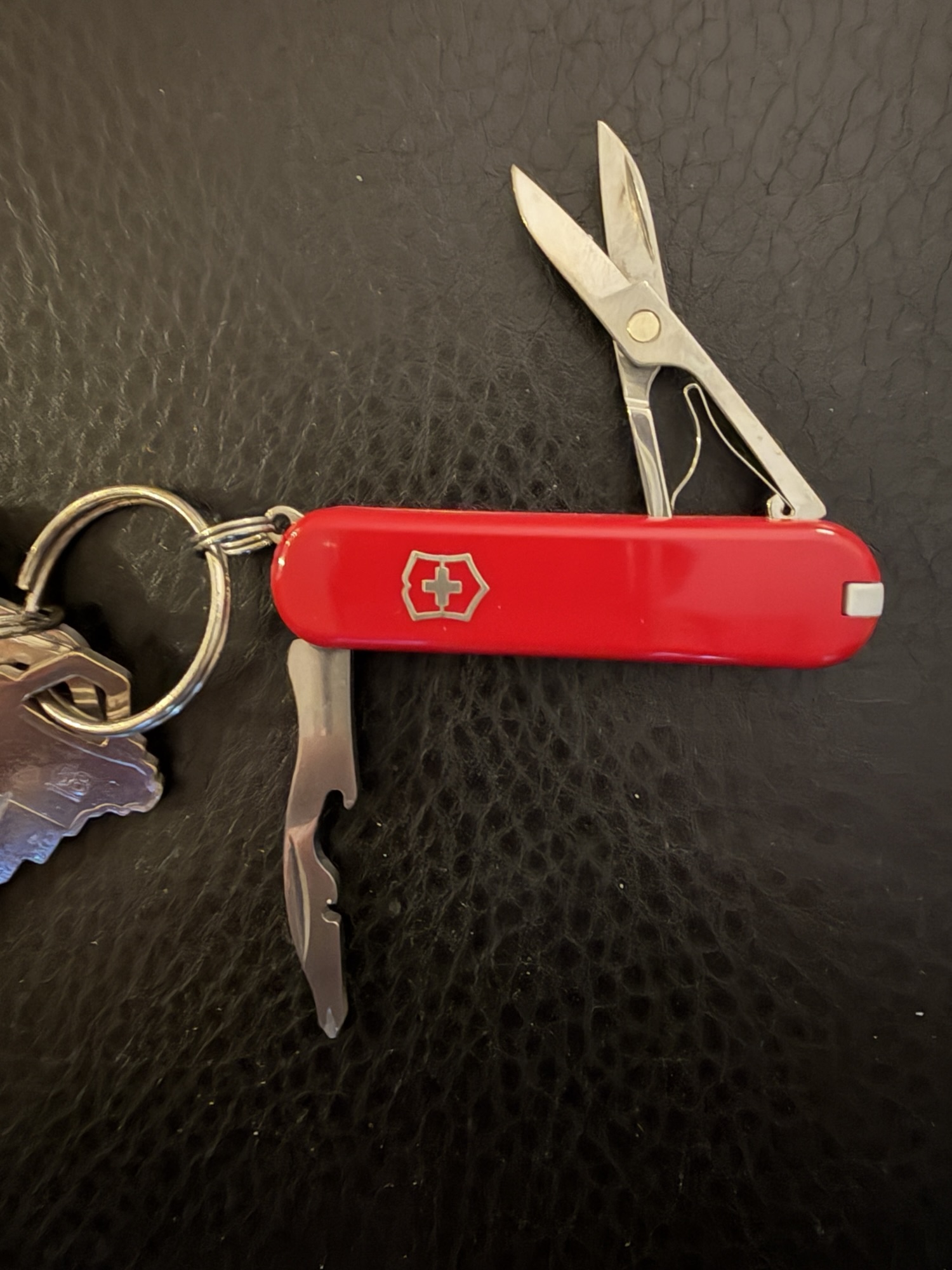
Just a few days ago my husband was scrolling and came across the newest addition to the Swiss Army knife family called the Jetsetter. First, it is guaranteed TSA compliant–it isn’t actually a knife at all. But it looks like a Swiss Army knife and includes scissors (yay!), a screwdriver/bottle opener, tweezers, and a toothpick.
And today, just as my late afternoon Zoom meeting was about to start, I saw him glance at his Alexa and go to the front door. Seconds later he was handing me a tiny box. And in it, was my own Jetsetter! It’s already on my keychain. Can’t wait to have the opportunity to pull this tiny, shiny red tool out and put it through its paces!
There’s something special about bread. Maybe it’s the yeast–or sourdough starter–that requires careful handling, favorable temperatures, and loving care. And then there is the satisfying mouth feel: the bite, the chew, the need to take the time to ruminate a bit so that when it lands in your belly you’ve spent some time getting to know it. Did I mention the smell? A savory scent that reminds you that this is a food of substance, it will hold you over for a while.
COVID seems to have brought the art of bread baking back to our home kitchens. Not only did people have more time for the complexities of bread baking (and starter making), but when the world felt shaky and threatening, maybe we needed the comforts that only bread can provide. I tried to get my personal chef (AKA my husband) on the sourdough bandwagon. I followed sourdough bakers on social media (including a number of friends) and gifted him with a sourdough bread cookbook, but it hasn’t taken…yet. (I do see him moving in that direction though…maybe one day soon he’ll take the leap. I know he will be amazing once he commits!)
A gift of bread feels like love in a loaf. It represents time, effort, and thoughtfulness, especially when it comes from someone’s home and hands. Being gifted a loaf of homemade sourdough bread on Friday at the end of parent-conference week felt like winning the lottery. Delivered into my hands by the hands of my young student made it even more special…and I could immediately smell that special aroma that only the best sourdough has. A perfect way to end the week. (Thank you Vanessa)
Time in the school garden with my students today turned into my wish for the future.
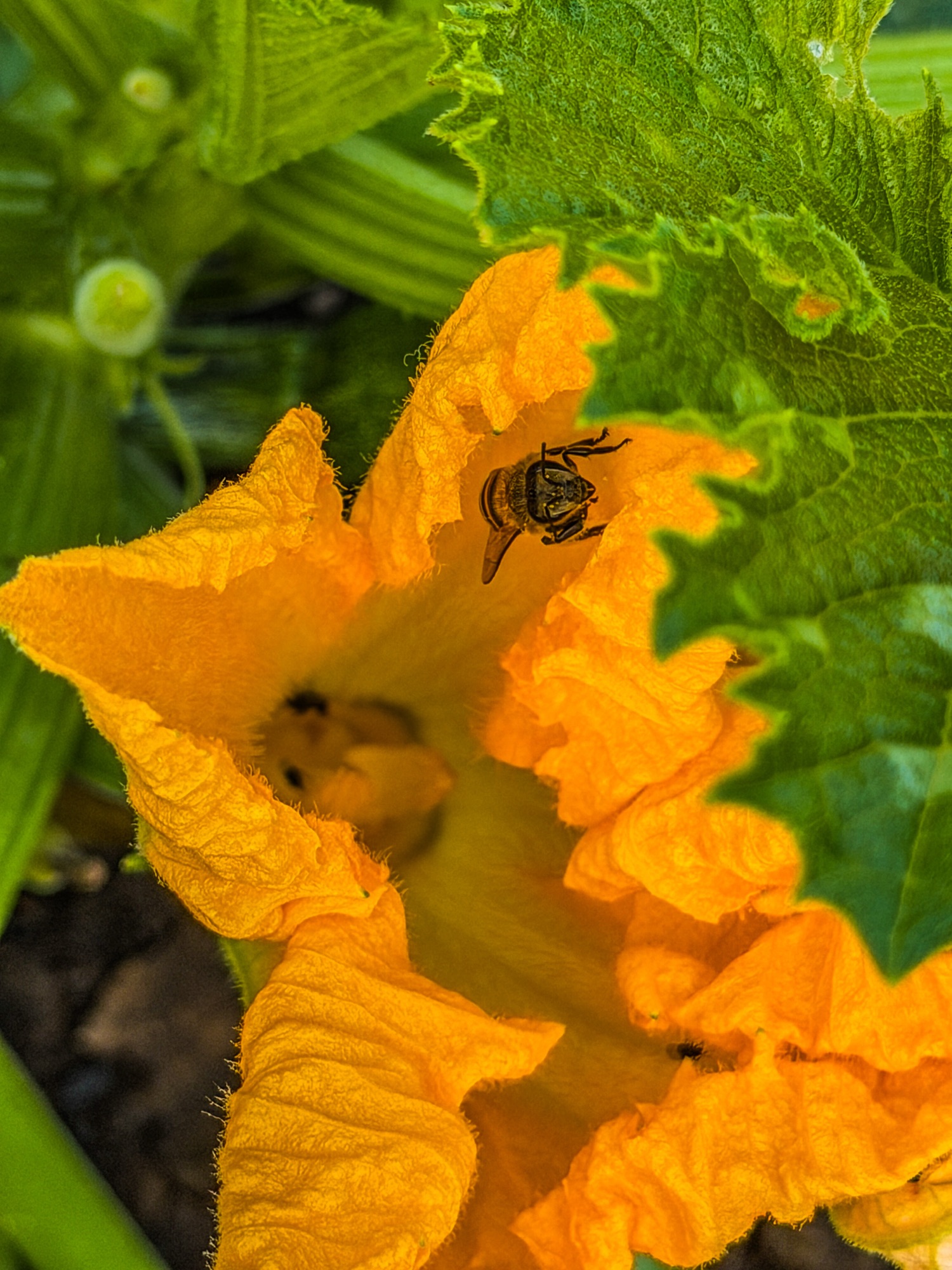
I watch it dive
into the waterless pool
swimming in the vibrance
of orange
of squash blossom
of too soon summer
In this place tended by children
where vegetables thrive
where small hands pull weeds and pet insects
where blossoms invite the pollinators in
I dream of a world
inhabited by honesty and gardens
inhabited by bees and babies
inhabited by kindness and care
And I worry that it will be destroyed
by war
be inattention and neglect
by the power hungry
before these children get a chance to make their mark
draft by @kd0602
I went to an animated movie yesterday, with no children in tow. On purpose. And I enjoyed it.
I’d seen the trailer. Gotten good reviews from one son and grandson. Read a review from an environmental blogger about it. It was enough to push me to get up early on a Saturday and make my way to movie theater. With popcorn in hand (is it ever too early for popcorn?), we sat with 2 other movie goers and watched.

I was drawn to the movie because of its environmental plot. I love that the opening scene was a young student rescuing class pets from captivity, because she clearly and completely loved animals. And I love that the solution to the trouble she kept getting into at school was spending time in nature with her grandmother.
For some years now I’ve worked to make attention to the environment and cultivating students’ love and understanding of it “ordinary” in the classroom. I want students to make lifestyle choices with the environment in mind. Luckily I teach at a school with a wonderful garden (that includes 40 minutes of time with a garden teacher each week), a pretty strong recycling ethic, and a system for children to compost their food waste. My students also go to school across the street from the ocean, so access to the wonders of our planet is right in front of them.
Back to Hoppers. The story includes a short-sighted politician who uses some underhanded, certainly unethical, practices to convince the public to go along with his plans. And the local university has a teacher/scientist using “cutting edge” technology to better understand local wildlife.
If you’re interested in a positive environmental message in a cute movie, you’ll enjoy Hoppers. There’s a couple of scary parts if your children are very young…and honestly, you don’t need kids to enjoy the movie. I can feel a bit of influence from Wild Robot in this story–and love when animals and humans are able to communicate effectively.
If you get a chance to check it out, let me know what you think.
I have to admit it, I am a bit obsessed with dandelions. There is something about the resilience of these blossoms, in all their forms, that captures my imagination. (If you are looking for a wonderful picture book that features dandelions, check out Matt de la Pena’s Carmela Full of Wishes.). I love the way dandelions get mowed over with the lawn mover one day, then the next day you’ll see them peeking their bright yellow heads out of the grass. I love how those full white puff balls call people of all ages to pull them out, hold them in front of their lips, and blow out wishes…and dandelion seeds. I love that they spring up in the cracks of sidewalks, along the edges of buildings, and sometimes right in the middle of the street!
Today I was wandering the aisles at Target, I love to make seasonal bags of stuff to send my grandsons, looking for interesting doodads when I came across a small bag that was a Lego Botanical–a dandelion! Of course I had to throw it in my basket…not for my grandsons…but for me!
Once home I set to work building my botanical. Weirdly enough when my kids were little I don’t remember building Legos with them, and when I was little it was my sister who was into Legos, not me. But I’ve loved the botanical Legos and working with my husband to build some bigger non-botanical kits that he was gifted. It feels a lot like putting puzzles together. I especially enjoy these small bags of Legos–and their much lower price. My dandelion was under $5.
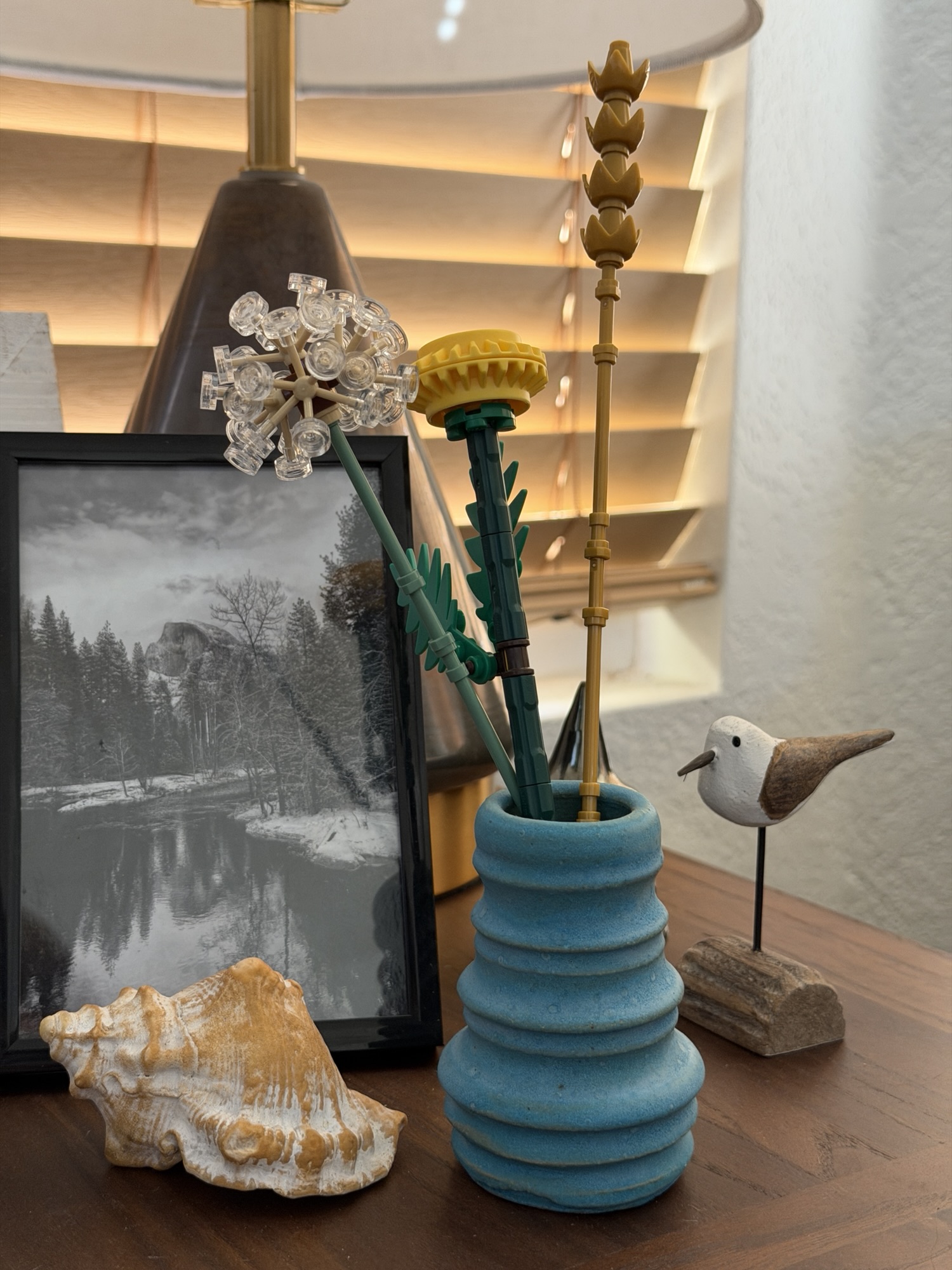
Of course, nothing beats the real thing–and I have lots and lots of photos I’ve taken of dandelions over the years.
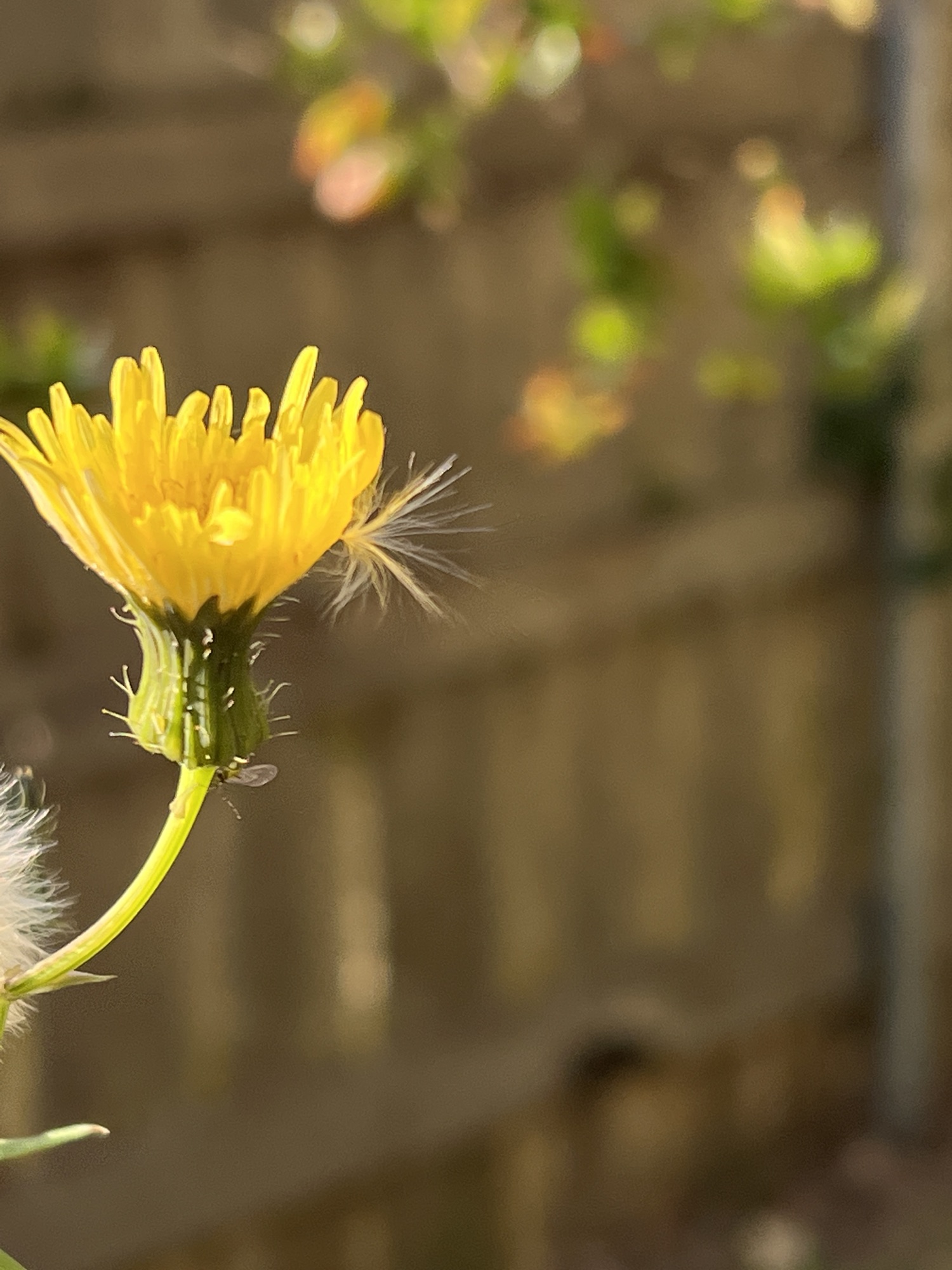
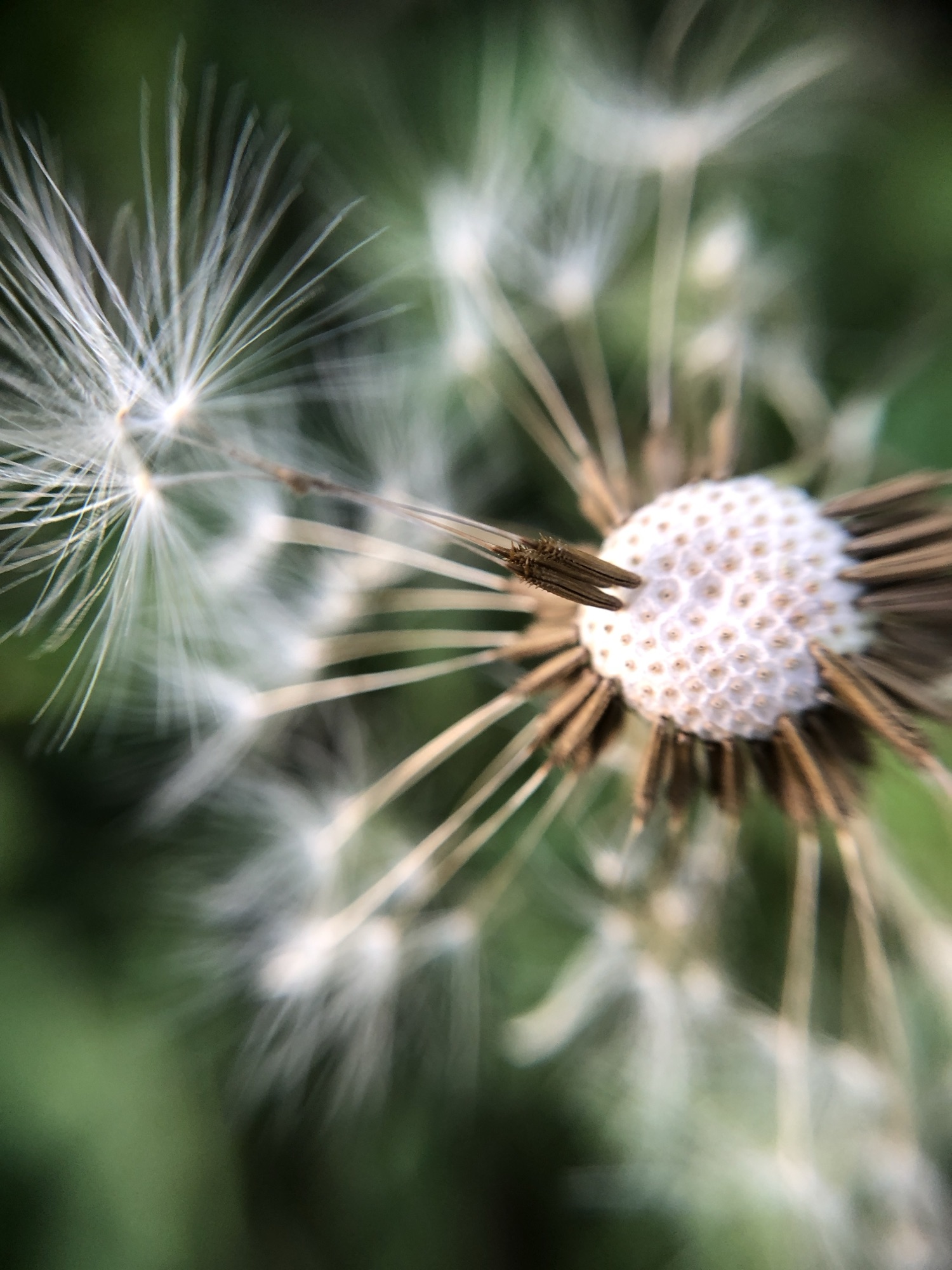

Every time I see a dandelion, hope and possibility flood my mind. I love to watch the way they play around with light, how they change depending on your perspective, I even enjoy their moon-like surface when all the seeds have blown away.
What is your current obsession?
On this first day of spring (or is actually the 4th day of summer?), I shared Raymond Souster’s poem aptly titled, “Spring” with the first graders in my class. I could hear them murmuring…that’s not a poem, it’t too short! This poem, made up of two short sentences, was perfect for this last day of parent conference week.
Our typical process with a weekly poem is that I read it aloud first, then students repeat the lines of the poem after me, and then they contribute what they have noticed. Today with this lovely short poem (maybe as short as our winter), I invited students to volunteer to read the poem aloud. So many volunteer readers at this time of the year, we heard the poem in voice after voice. (It’s about rain and roots meeting in a flower). Students noticed the two stanzas, the two sentences, a few even counted out the words. They recognized the science in the first stanza and the metaphor in the second. They even pointed out some phonics-related vowel patterns in the words. They illustrated the poem and added it to their ever growing poetry anthology.
After recess I asked them to write a description of spring using metaphorical thinking. Actually, we had practiced some of these orally earlier in the day, and they were so confident then that I asked them to write three metaphors for spring (on the hopes that they would be varied and more interesting as they pushed past their first attempt). I handed them each a large index card and asked them to write their metaphors. A calm settled, and of course a few students asked if they could write more than three.
I’m counting this as a success when not a single student expressed doubt or mystery about what I was asking them to do…and that everyone easily wrote more than one spring-inspired metaphor. I collected their metaphors and picked one from each child to produce a collaborative Spring Is… metaphor poem.
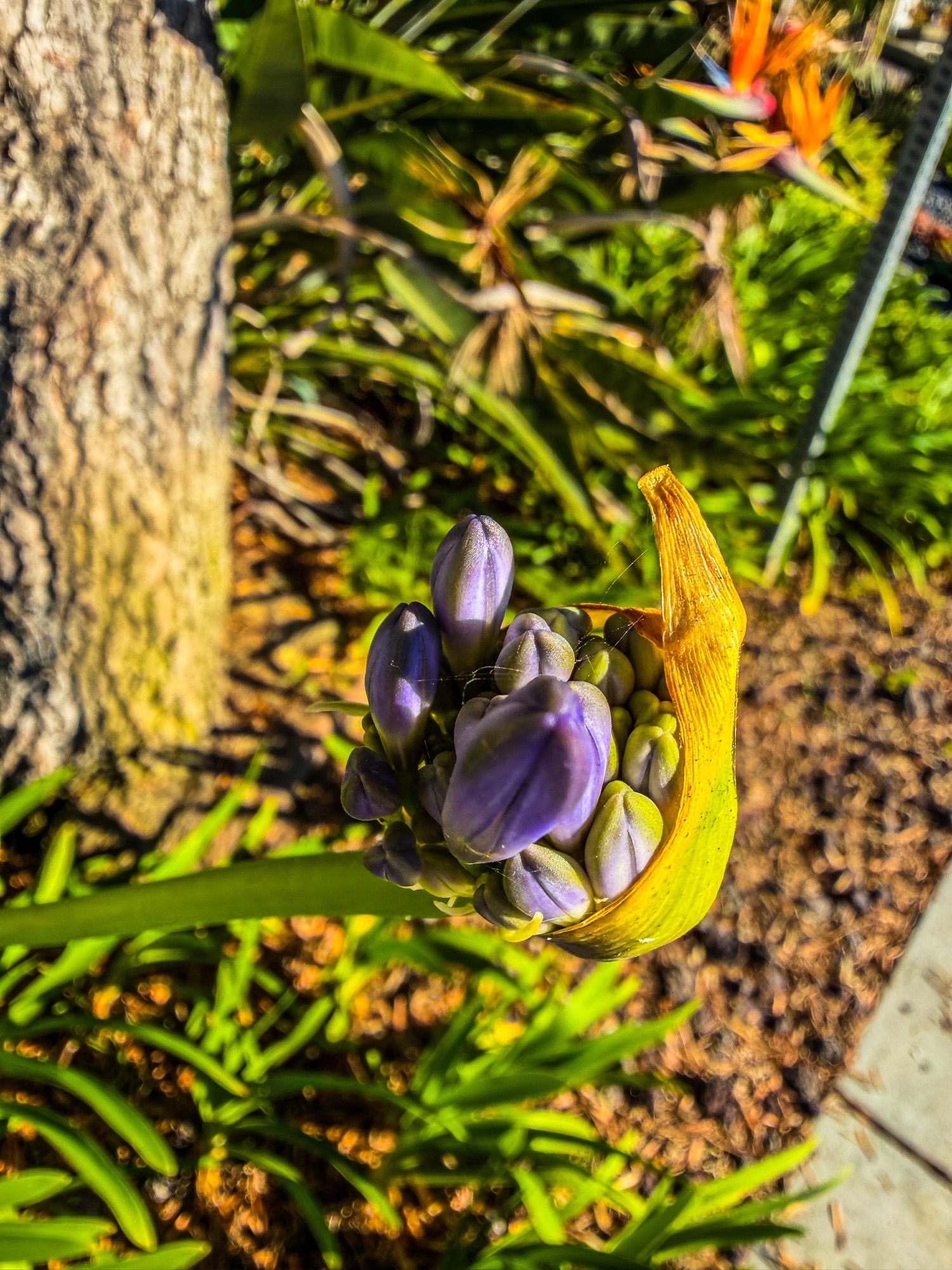
And on yesterday’s neighborhood walk I couldn’t resist stopping to take a photo of this flower beginning to unfurl–a metaphor of spring in a photo for me!
What would you contribute to this collaborative metaphorical collection about spring?
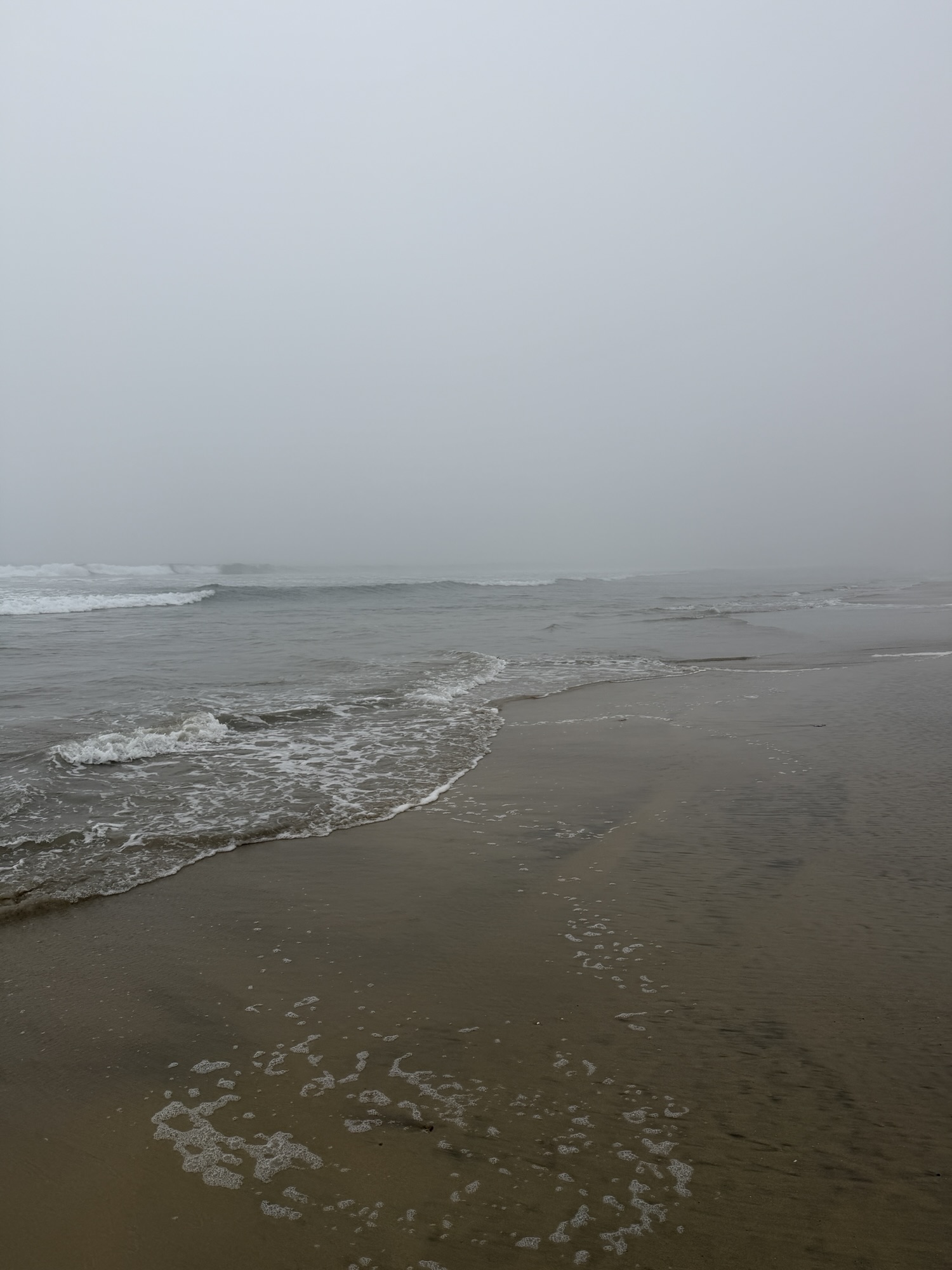
Walked in fog so thick that it was like walking in a tunnel. Cool and moist with a dash of mystery. The next day dawned bright and clear with record breaking highs for March. Both were wonderful experiences—I am grateful to have beach walks as an after work option.
Engaged in lively conversations with 18 families about their child’s progress as first graders. Many laughs and stories—first graders are such interesting (and often funny) human beings.
Had my eyes dilated and had that long solitary wait in the exam room before the doctor arrived to examine my eyes. Left with the lingering headache and sensitive eyes, but both are temporary. (Thankfully!)
Continued to read Margaret Atwood’s memoir (of sorts), Book of Lives. It’s long (600 pages), lively, and odd. And I keep reading it. Will I finish it before the library loan is up in 8 days? That’s yet to be determined.
Flip flopped dramatically between healthy eating (my husband made a Chilean vegetable stew last night with butternut squash) and a quick dinner the night before at In and Out with the best french fries! Will I ever stick to strictly healthy eating? Probably not.
What have you been up to this week?
I’m gulping in the beach walks this week, taking advantage of the warm weather and the low tides and attempting to counter balance the intensity of parent-conference week.
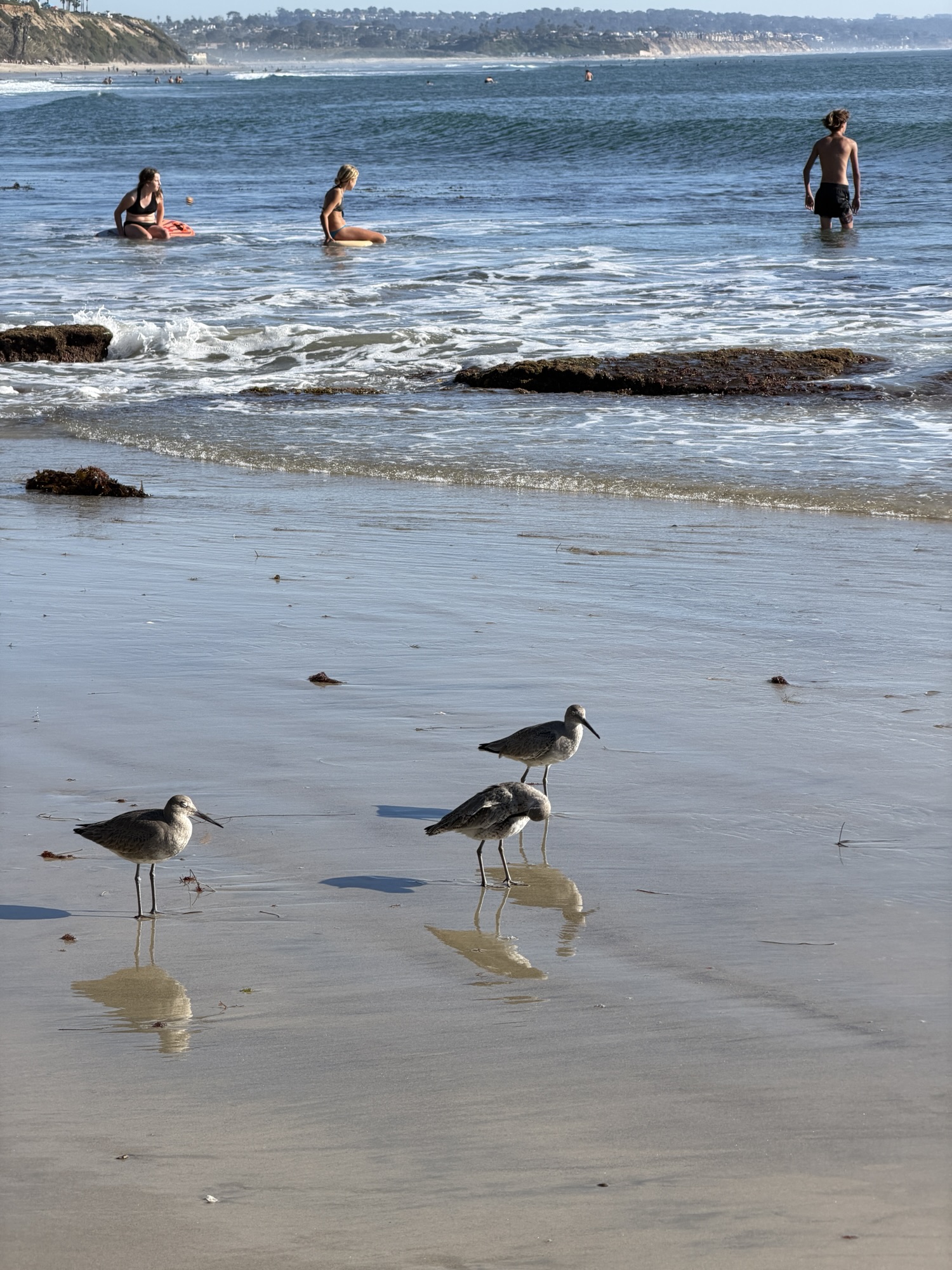
Shore birds are regular beach goers too. From the most common seagulls, those pesky scavengers who make a practice of poking their beaks into any beach bags left unattended and then chasing one another around, squawking to high volume, trying to abscond with the treasure, to infrequent sightings of great blue herons, tall and stately cousins to the snowy egrets that I delight in photographing.
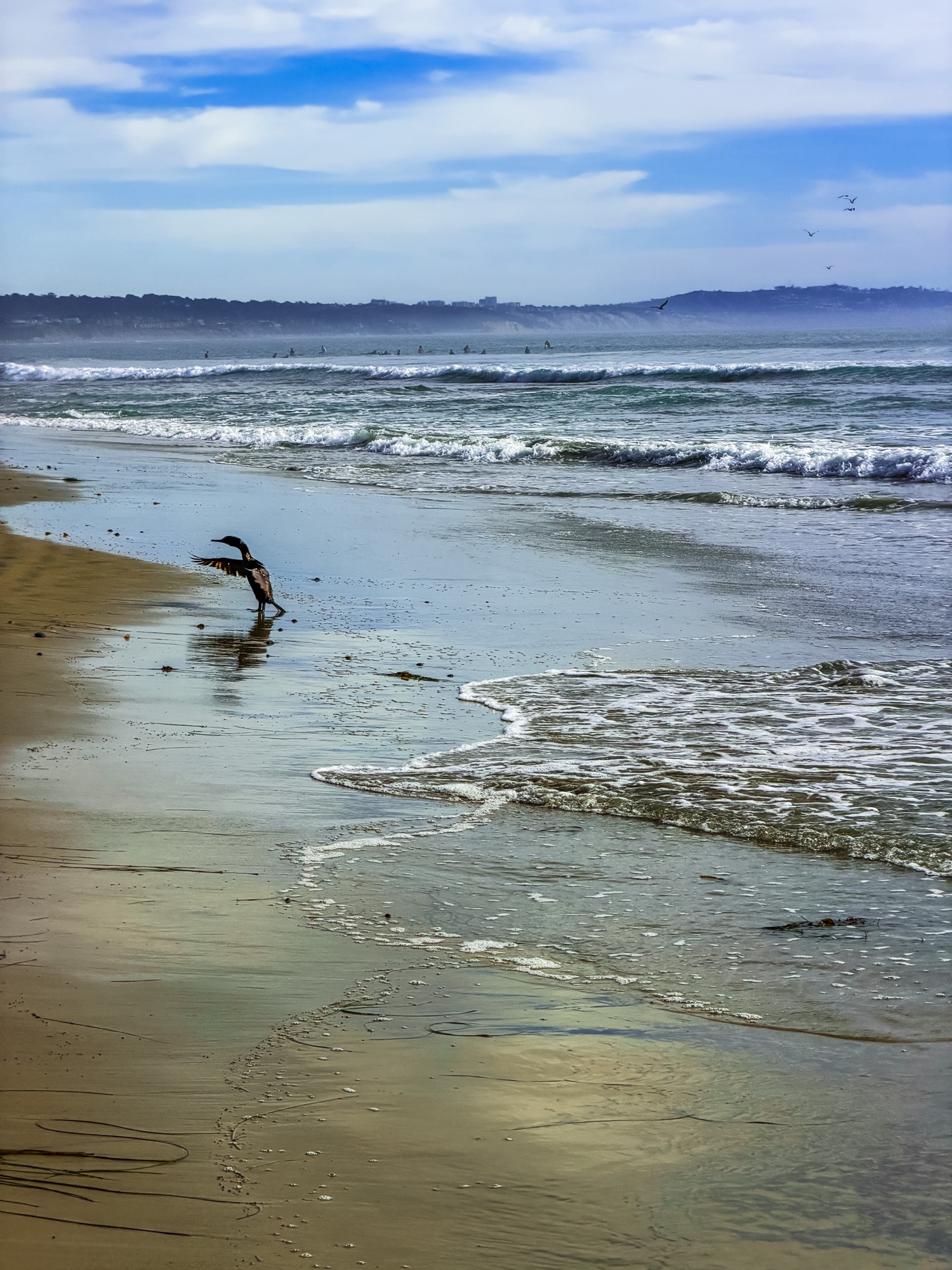
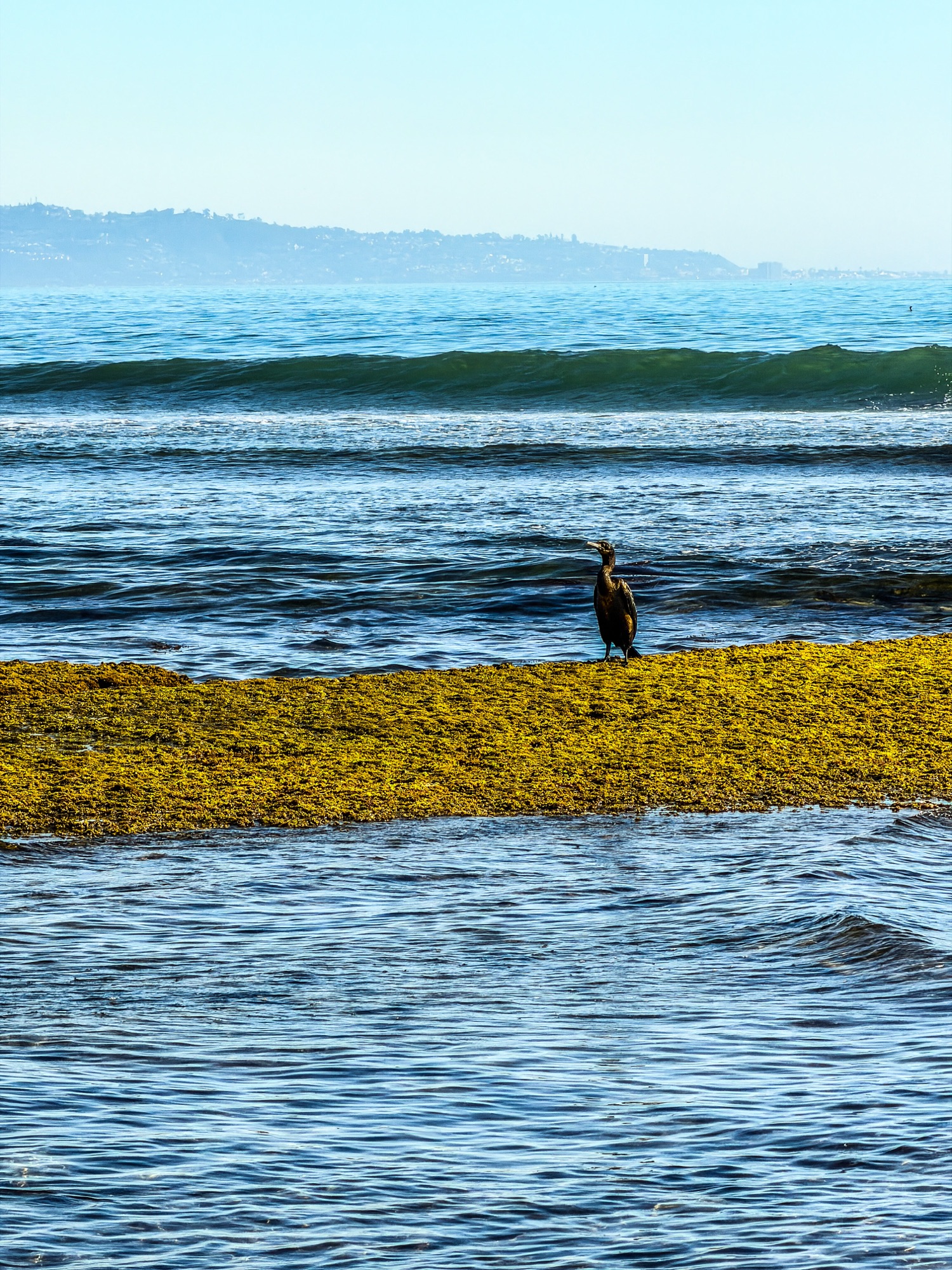
In the last few days it has been cormorants that I keep seeing on the beach. I don’t think they are technically shore birds, I more commonly see them flying over the beach or sunning themselves on piers or in lagoons. They are described as strong swimmers and they have these big, awkward webbed feet that are definitely not ideal for walks on the beach!
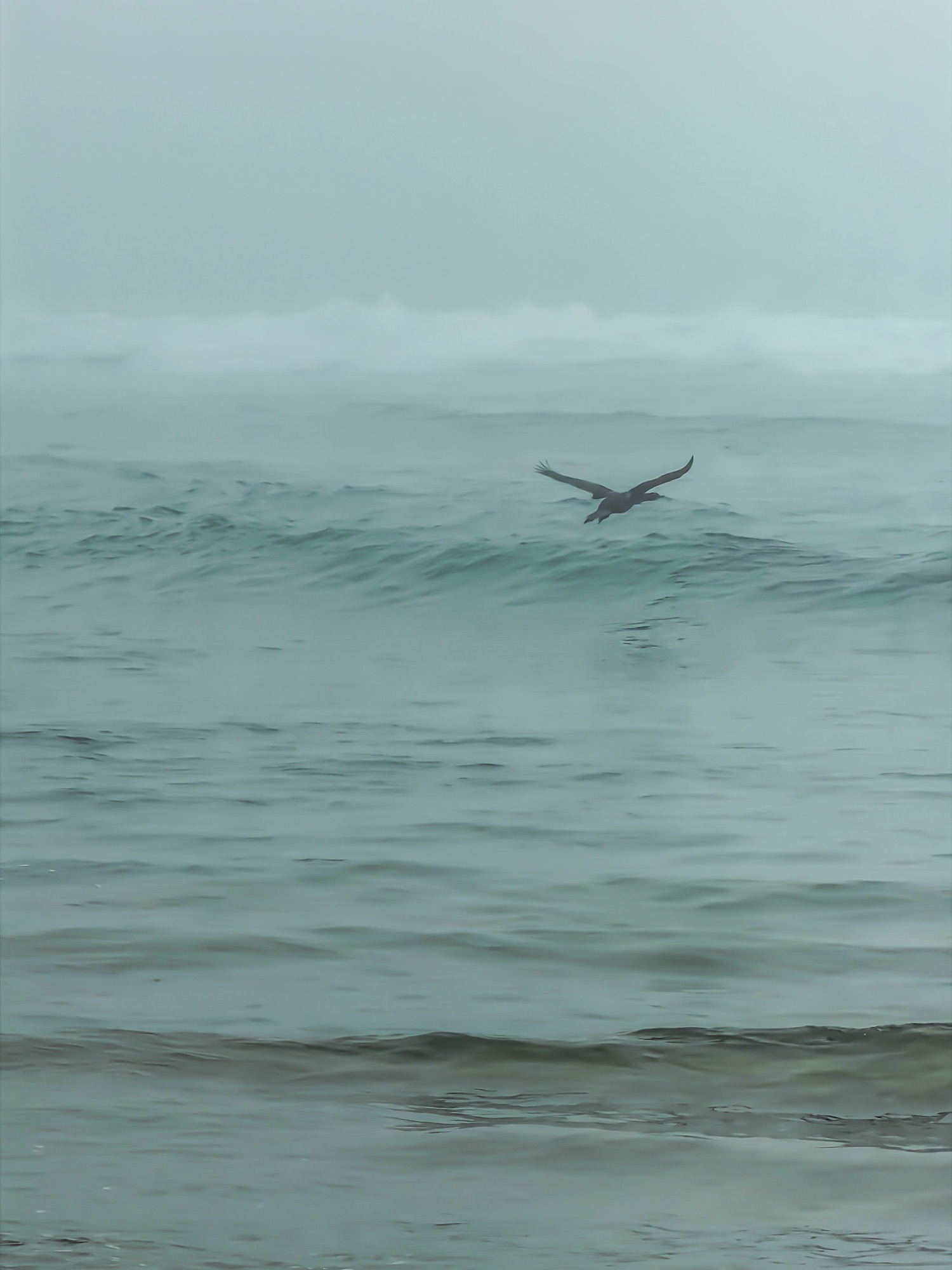
I even spied one flying in the fog on Monday. They have a distinctive flying style, flapping their wings much more quickly than other birds. It makes them seem like they are in a big hurry and trying to catch up.
I find myself wondering if these cormorant sighting are related to the weird weather, the high heat, the lack of winter… Are they confused, lost, having trouble finding their usual food?
Clearly I have some research to do! But for now, I will enjoy watching these distinctive birds and appreciating their unique characteristics. And I can never take enough photos!
What is piquing your interest these days?
 Thinking Through My Lens