
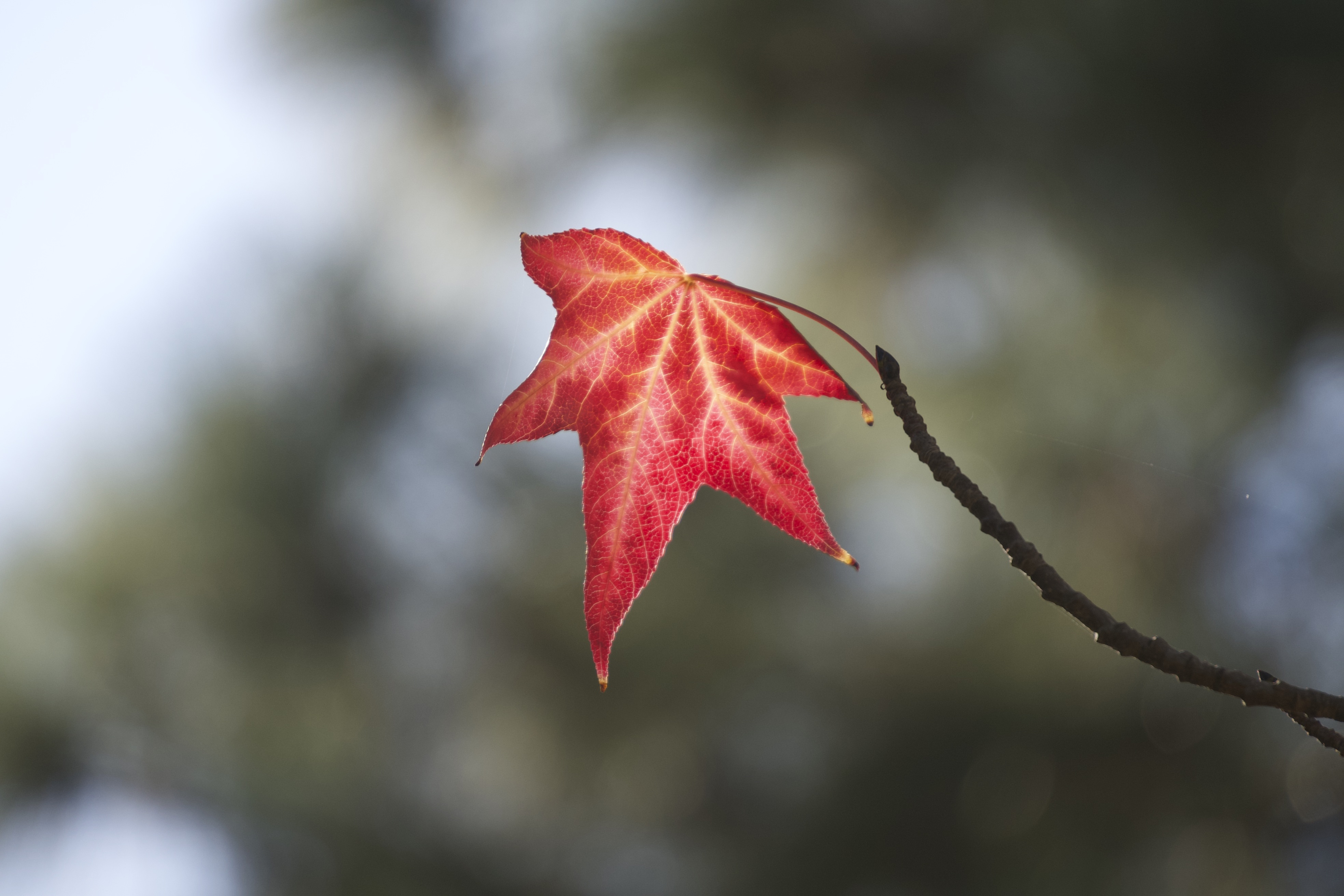
As December winds down I start to notice people displaying their “Best Nine” on Instagram. And every year, my “Best Nine” simply doesn’t represent what I deem to be my best nine photos. Since the “Best Nine” uses an algorithm based on numbers of likes, they often include a flashback birthday photo or anniversary collage. I get why those draw the likes from family and friends–but they don’t get at what I am trying to represent in my photography.
So today I took a walk back through time, exploring my Instagram postings and selected a “best” photo for each month, based on composition, color, clarity, and other aspects of photography that I have been working on.
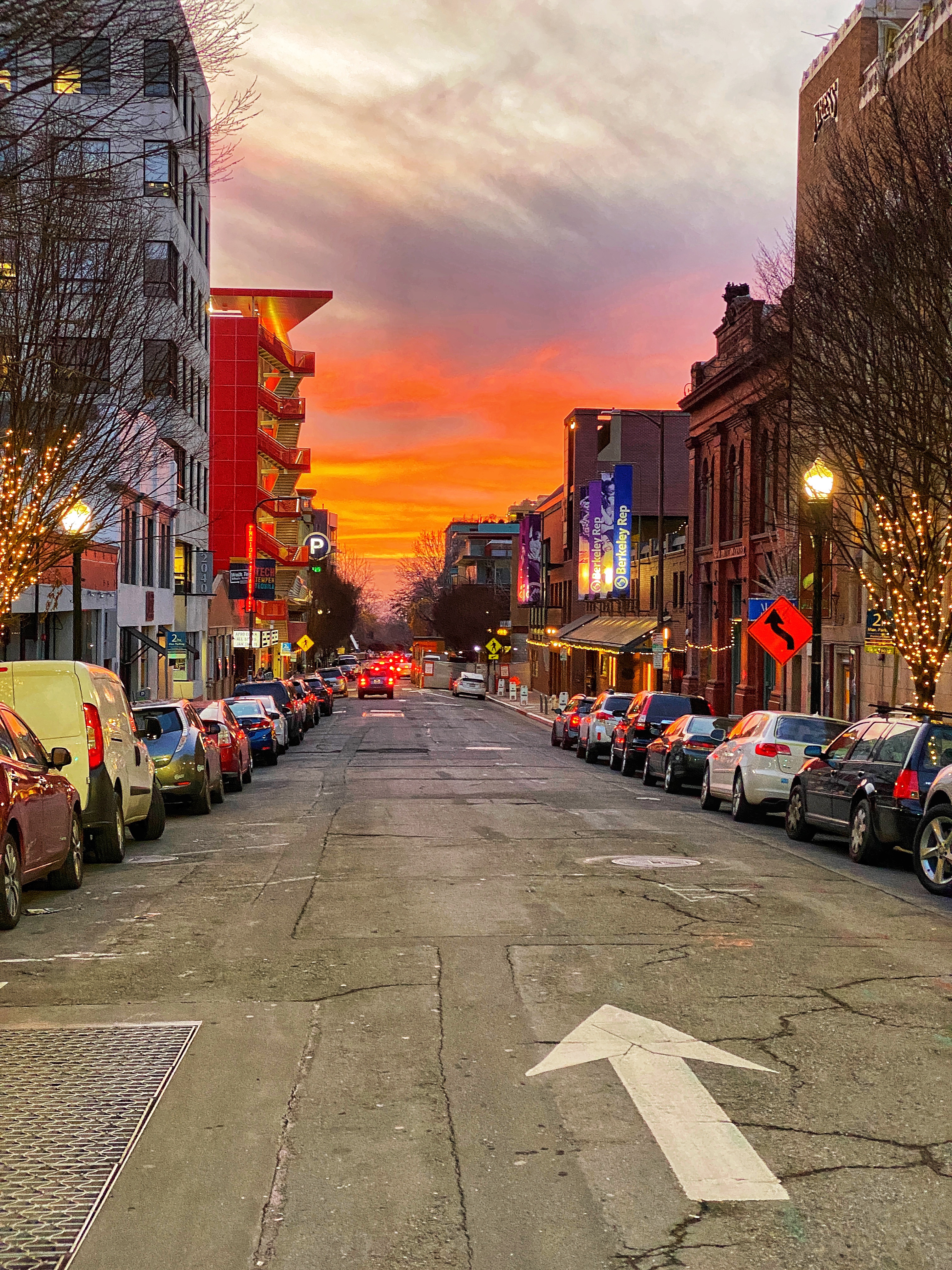
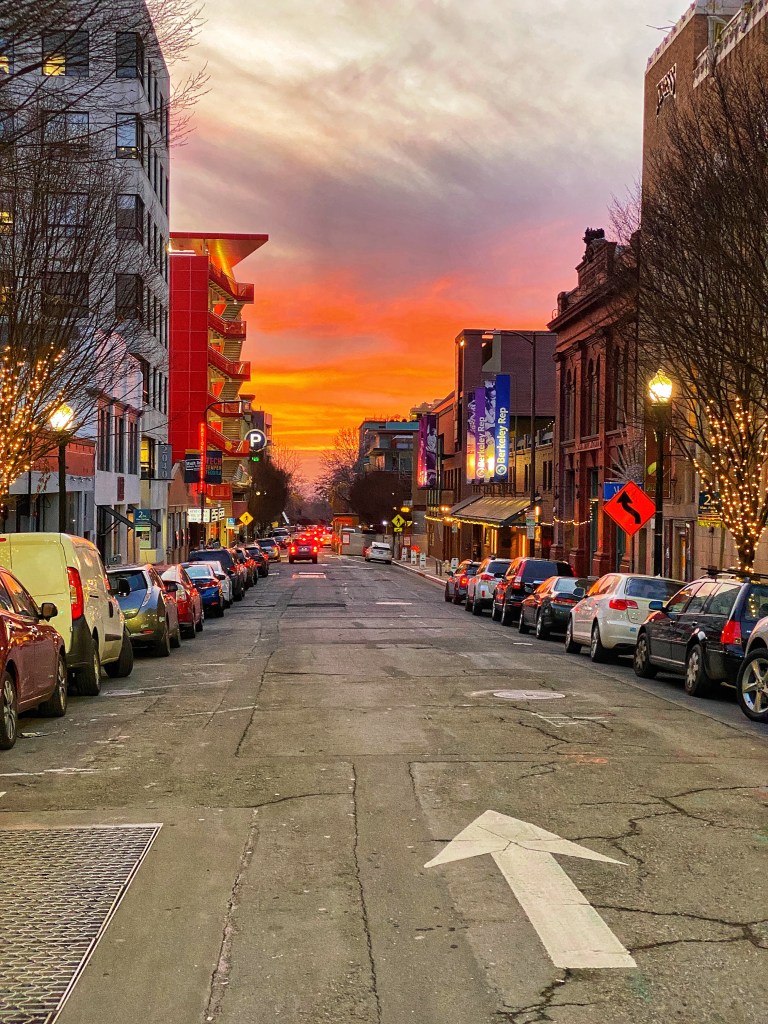
My January choice came from a trip to Berkeley for some National Writing Project work. Walking back to our hotel near sunset, I couldn’t resist standing in the middle of the street to capture the arrow, the light, and the colorful sky. This photo seemed to be suggesting all the good things ahead as we entered the new year…well before the realities of 2020 set in.
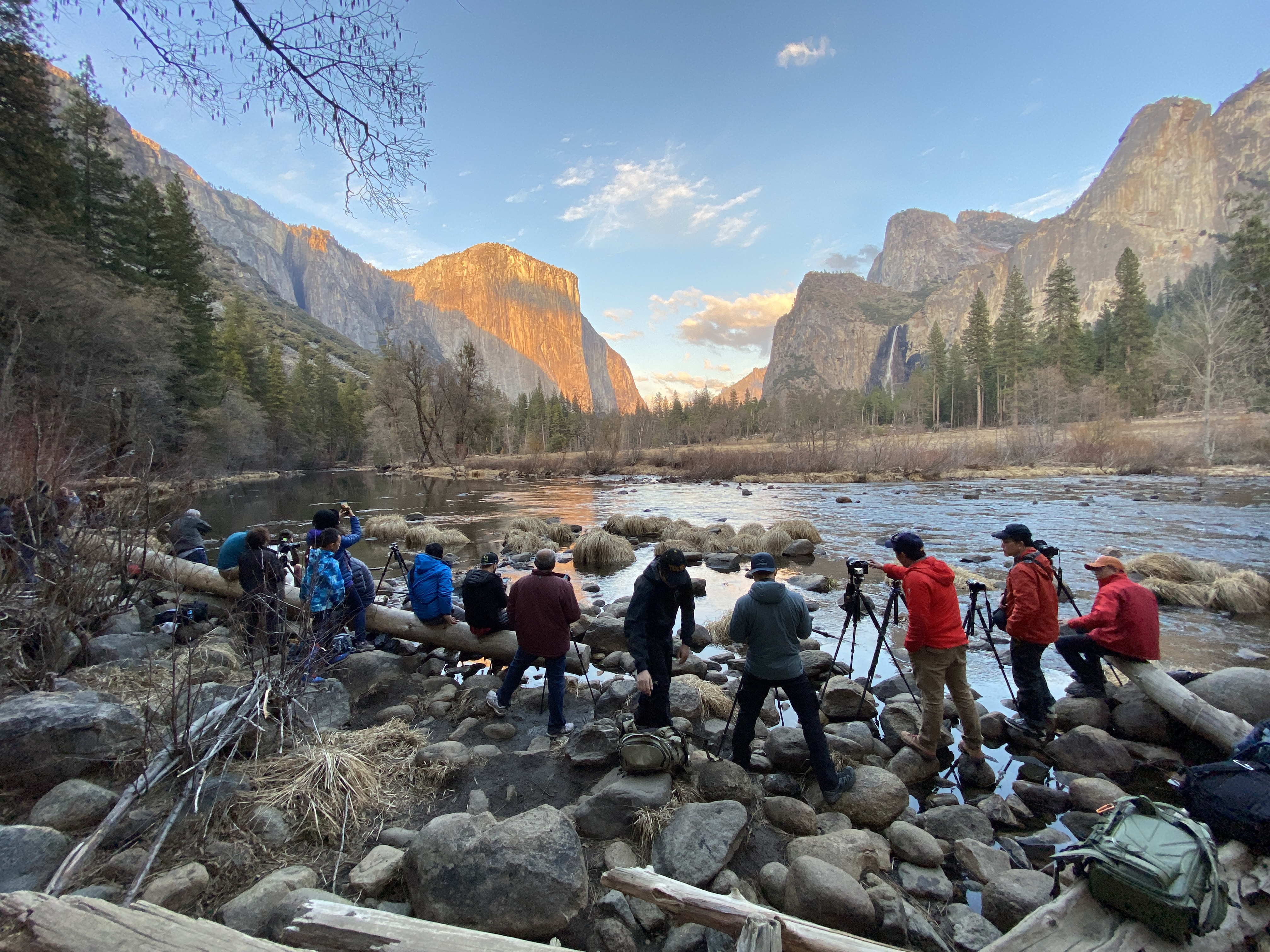
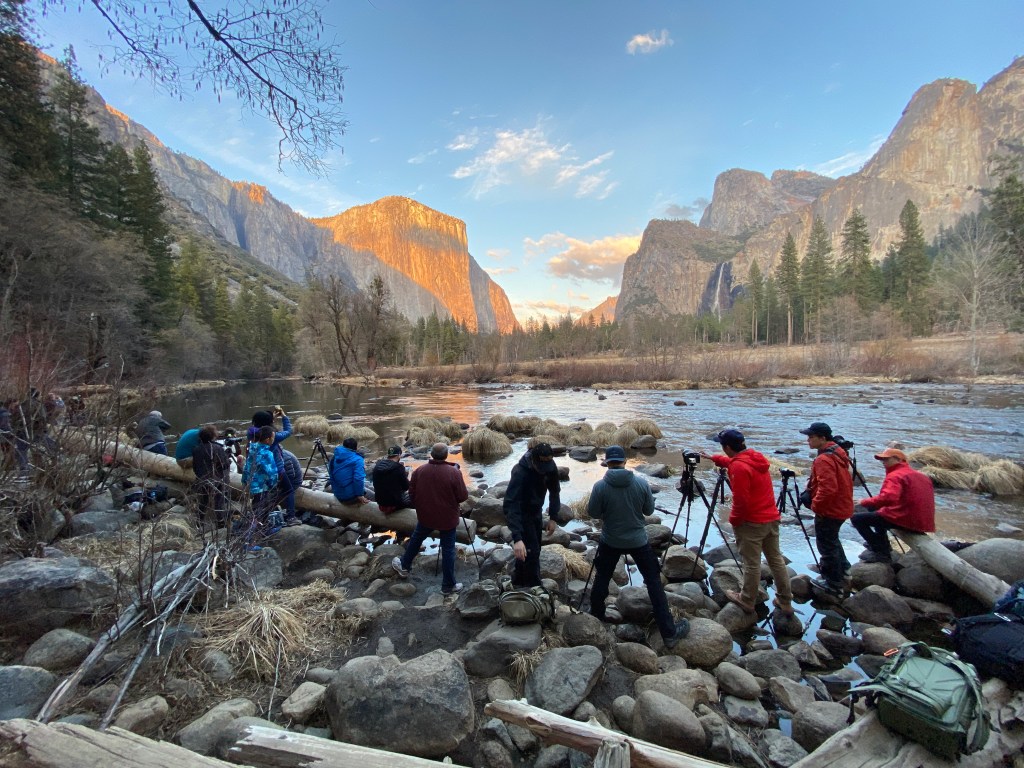
I’m fortunate to have a week off each February–a perfect non-holiday break during the winter. This year we decided to spend our time in Yosemite National Park–a place neither my husband or I had ever visited. We were treated to amazing views, strenuous hikes, and even some snowshoeing. One of my favorite experiences was finding a place to take photos of the sun setting on the iconic granite cliffs like El Capitan. We knew we had found a great spot when we found quite a few fellow photographers lined up to capture the magic. I love this view of photographers, all queued up for sunset shots of the beautiful Yosemite valley.
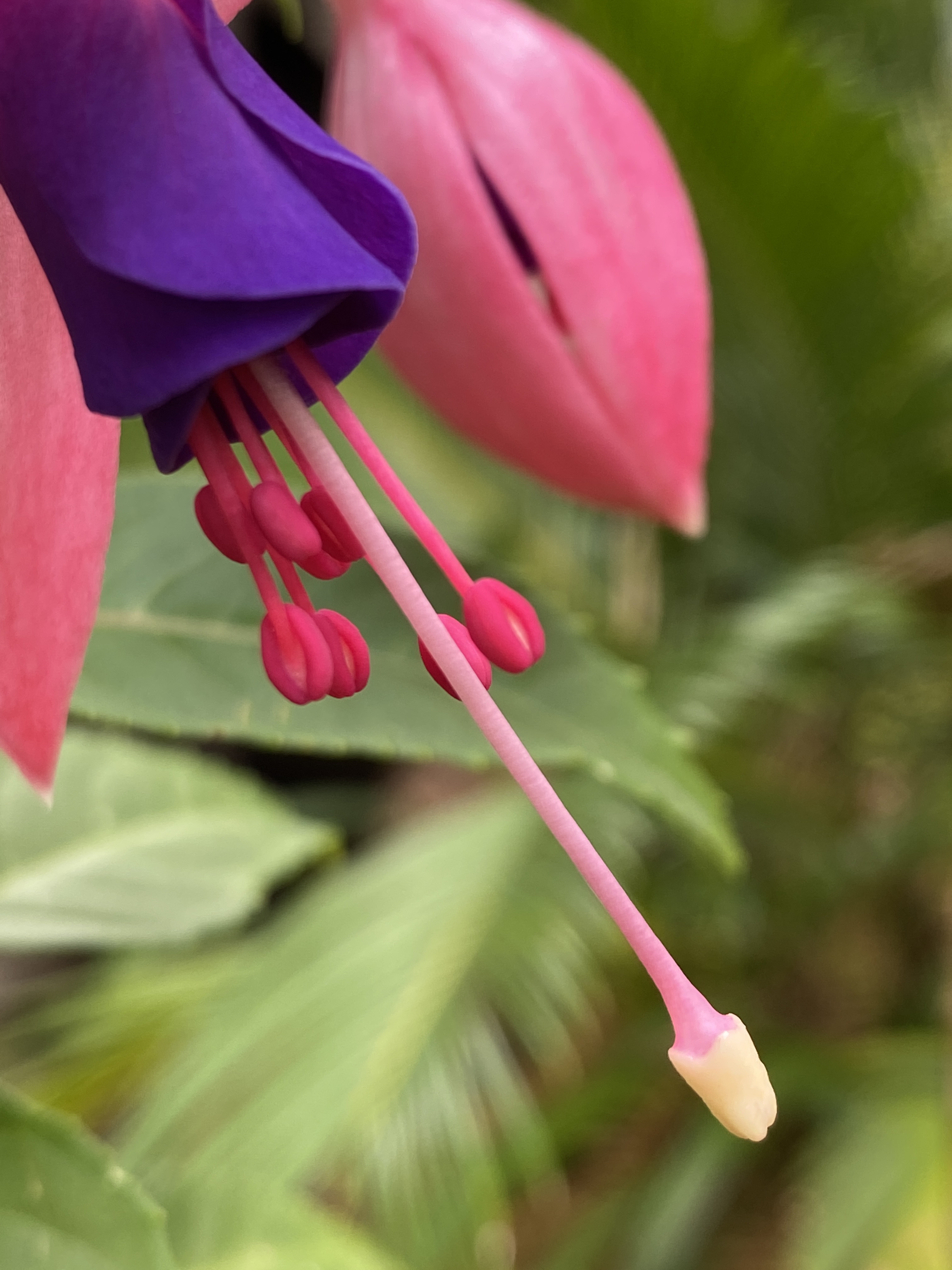
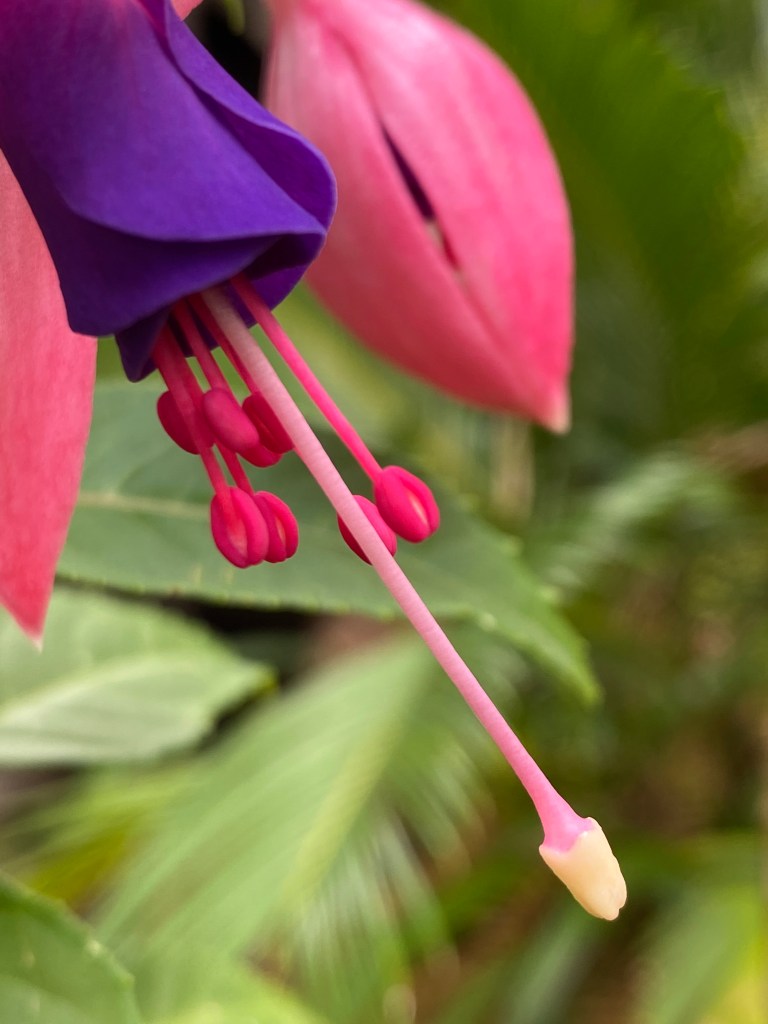
March brought the lockdown. Schools closed, travel stopped, and even beach access was restricted. Morning walks felt like an escape. And my backyard became the object of my photography. I discovered the wild garden of abandoned plants thriving just beyond our notice. That gorgeous fuschia that I was given as a gift had found a second life in the backyard…and became a focus of photography when home was the only place, day in and day out.
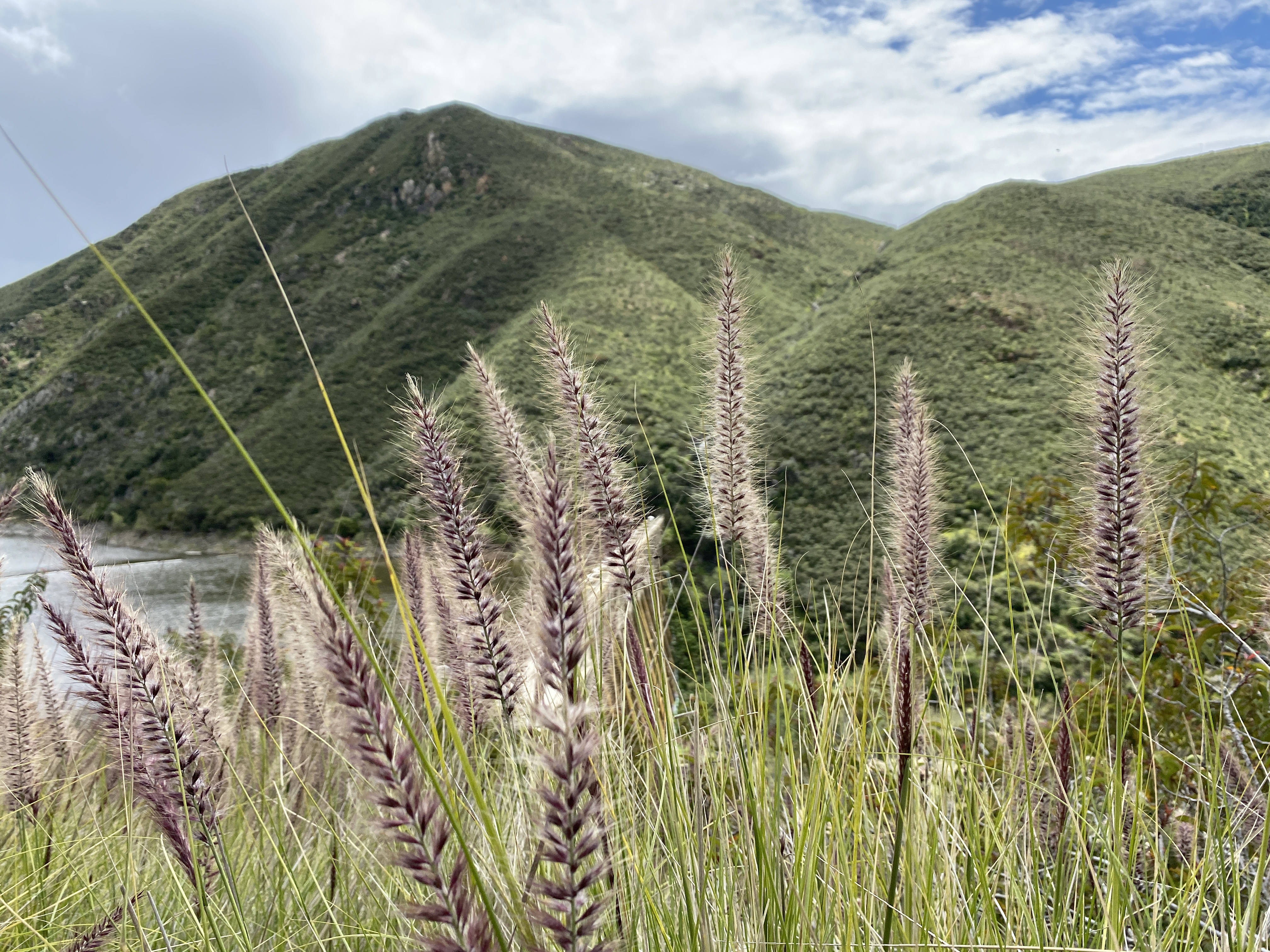
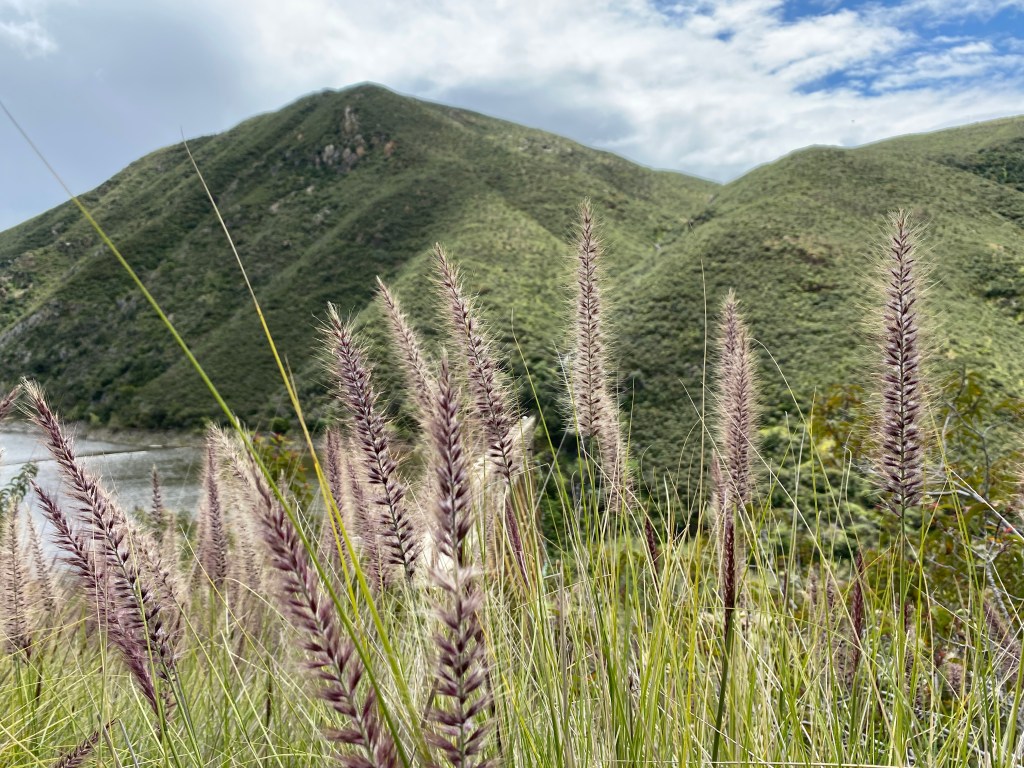
April brought the sadness of Spring Break with no place to go. Yes–I know I am so fortunate to live in a place where people go to spend their vacations. But staying home still feels hard, especially when work and home are the same place…and then a break just means more time at home, trying not to work! We turned Spring Break into small road trips, exploring our own county. This picture was taken from the side of the road above the Lake Hodges dam–a man-made reservoir in our area. I love the abundance of green–something we don’t see much of in our parts!
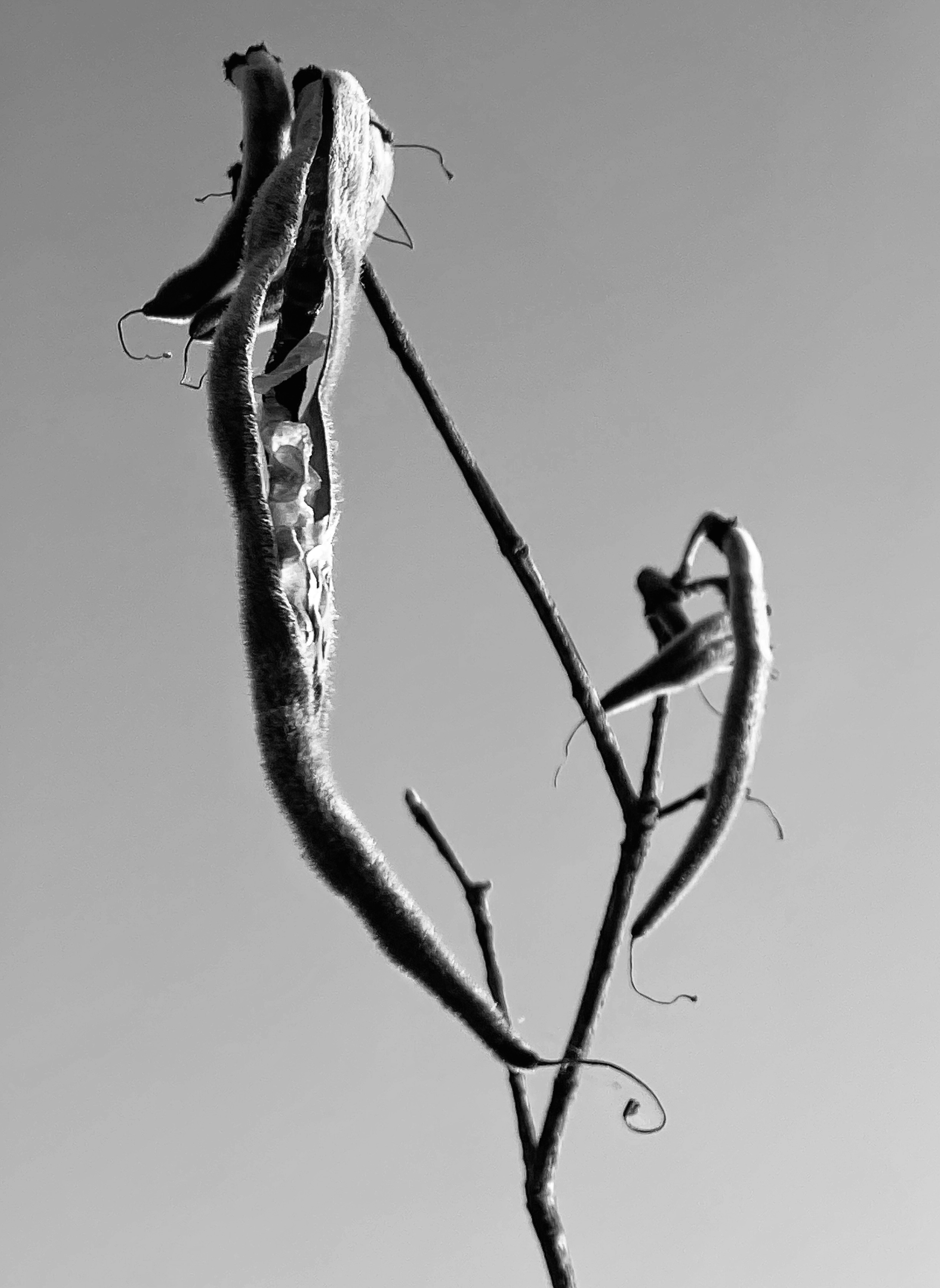
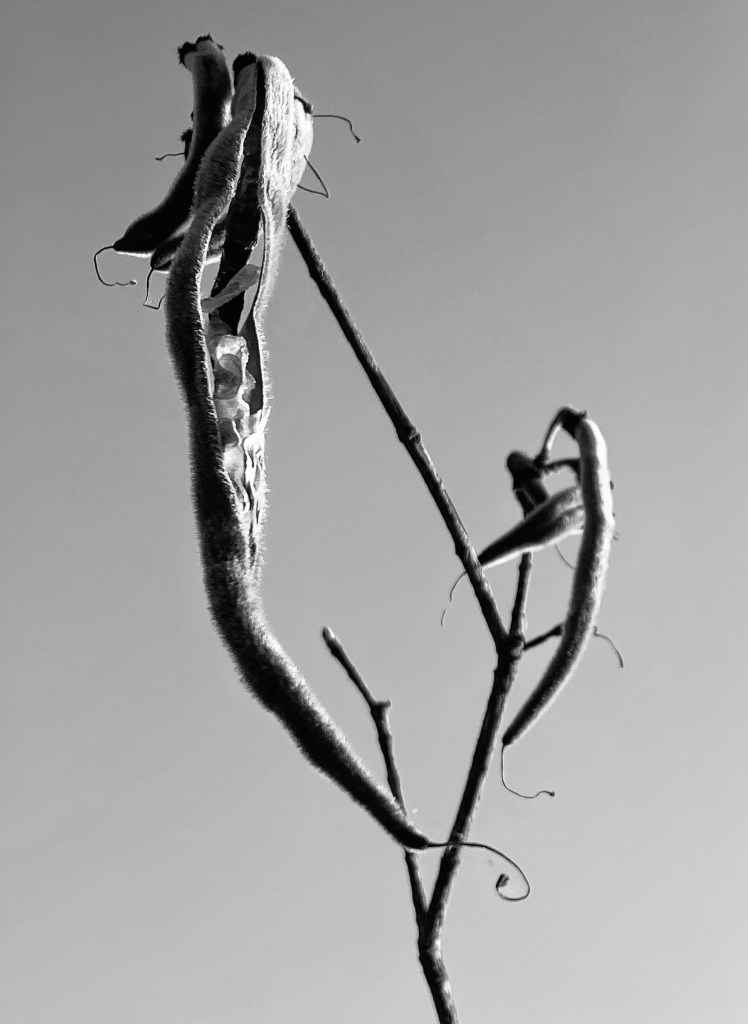
By May that morning walk felt like Groundhog’s Day all over again. How do you see the same path, at the same time, in a different way? I kept noticing the same seed pod hanging from the same tree morning after morning. So, of course, I had to take a photo. I loved the fuzz, the morning light, the long bean-like quality of the pod. And transforming that photo to black and white brought out the surrealist qualities of the image.
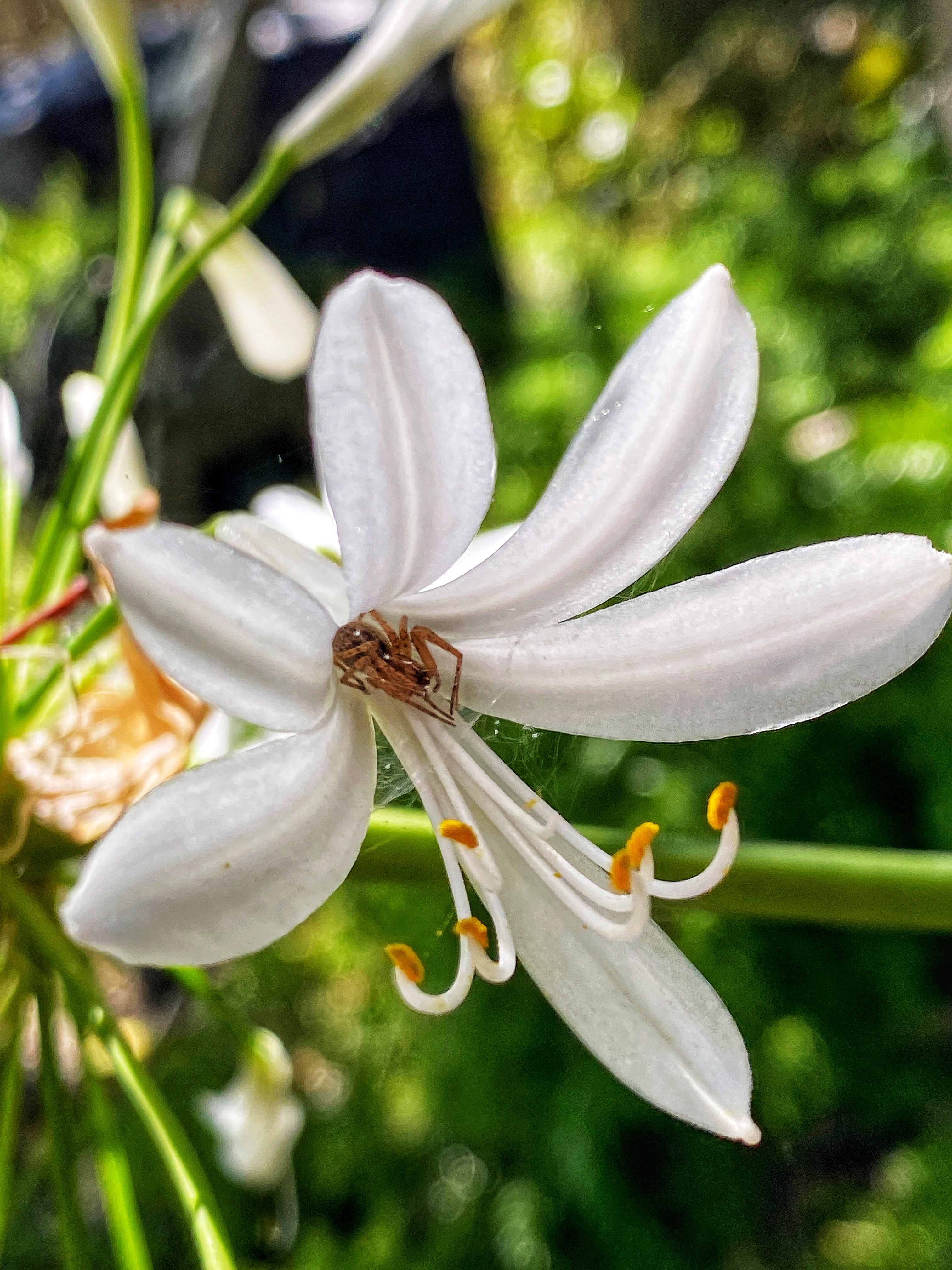
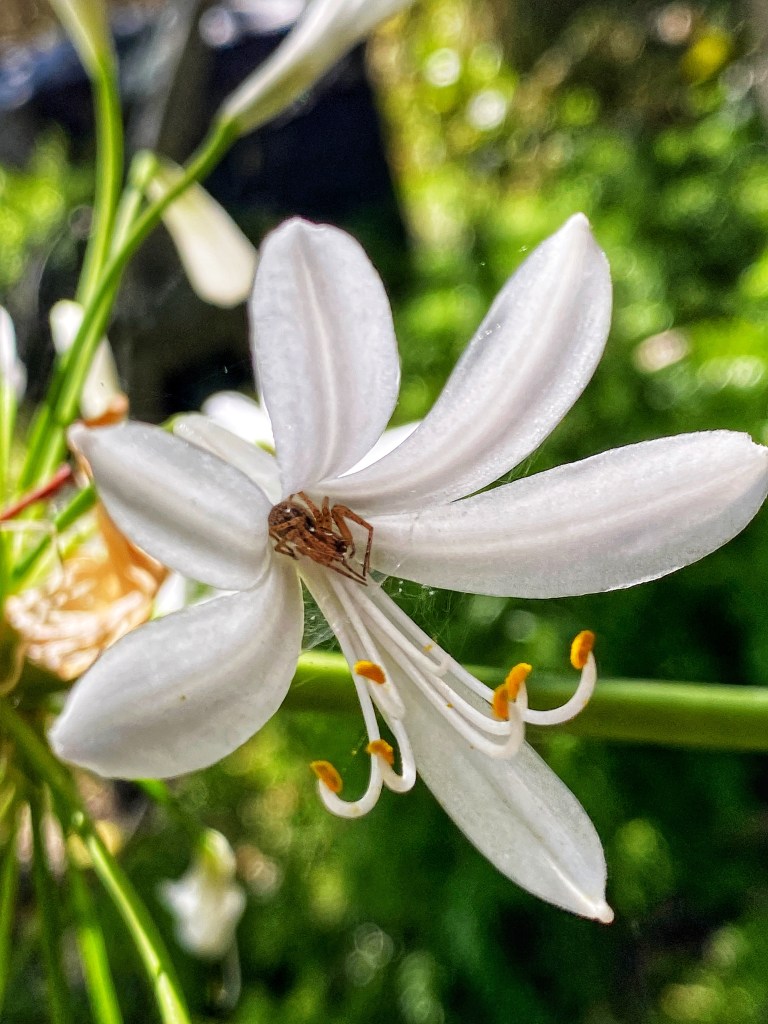
June brought more of the same. School was ending but I was still home. In between writing report cards, responding to student work online, and Zoom meetings with colleagues, I wandered my back yard with my camera. Sometimes a close look reveals a surprise inside. These white flowers that grow in my backyard seldom attract my attention, but on this day in June I was drawn to look closely…and to my delight, found a spider settled into the center! (And I may have screamed when I noticed it there!)
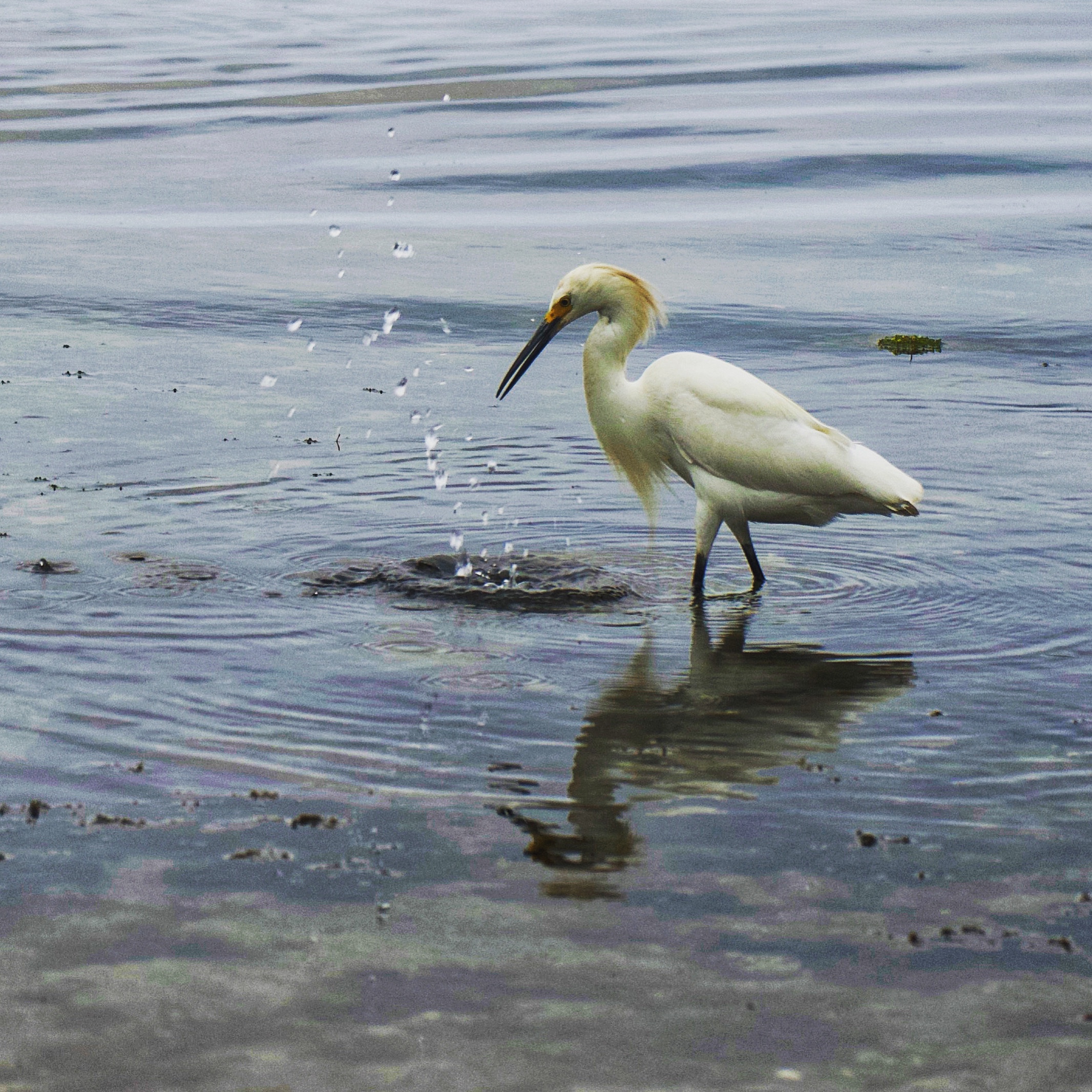
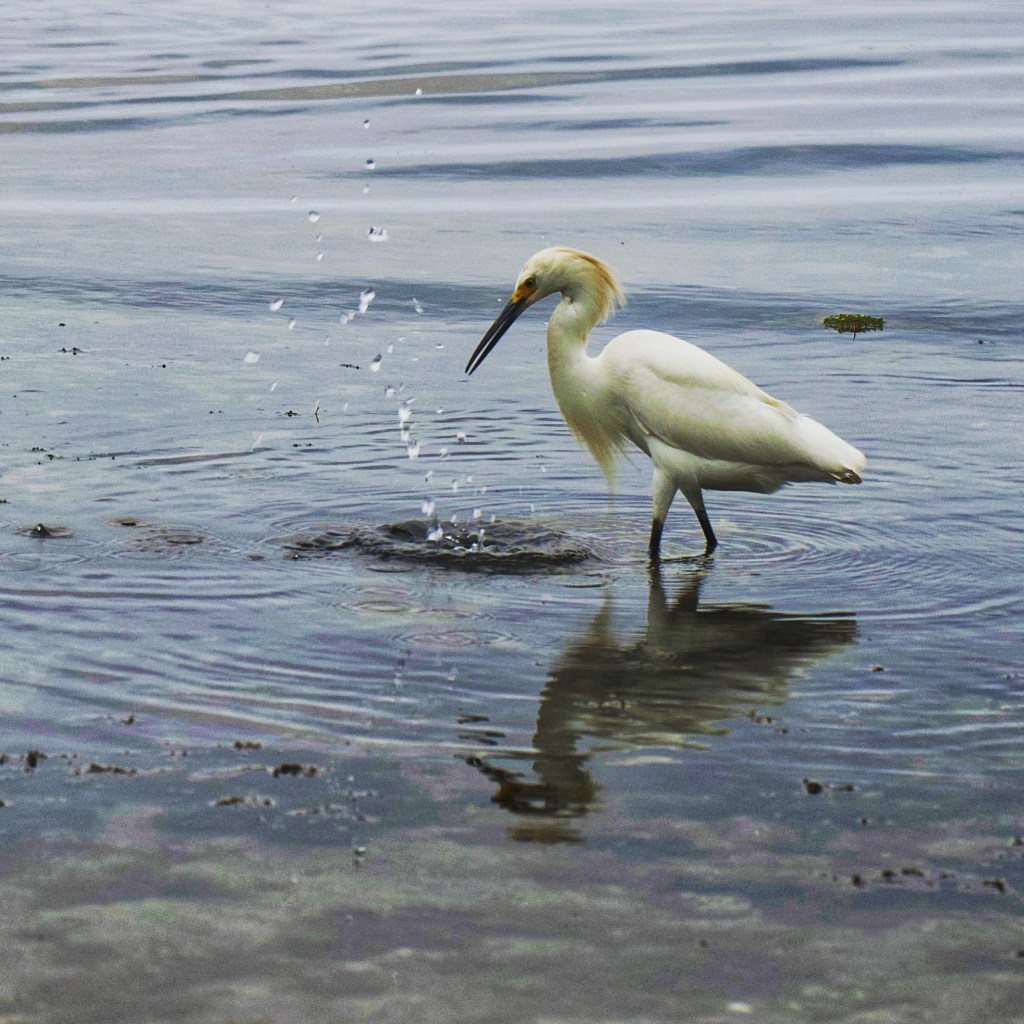
Most years July finds me in different places, often traveling for work or vacation–or at least at the university for our writing project’s Summer Institute. But this year all that work was virtual, taking place at my kitchen table–the same place I had worked every day since mid-March! Luckily, the beaches had reopened and all the regulars were back! I wandered all my old haunts, often timing my walks with low tide. I love photographing our local egrets and delighted in this image of the splash after the egret dove that sharp beak down for a quick snack.
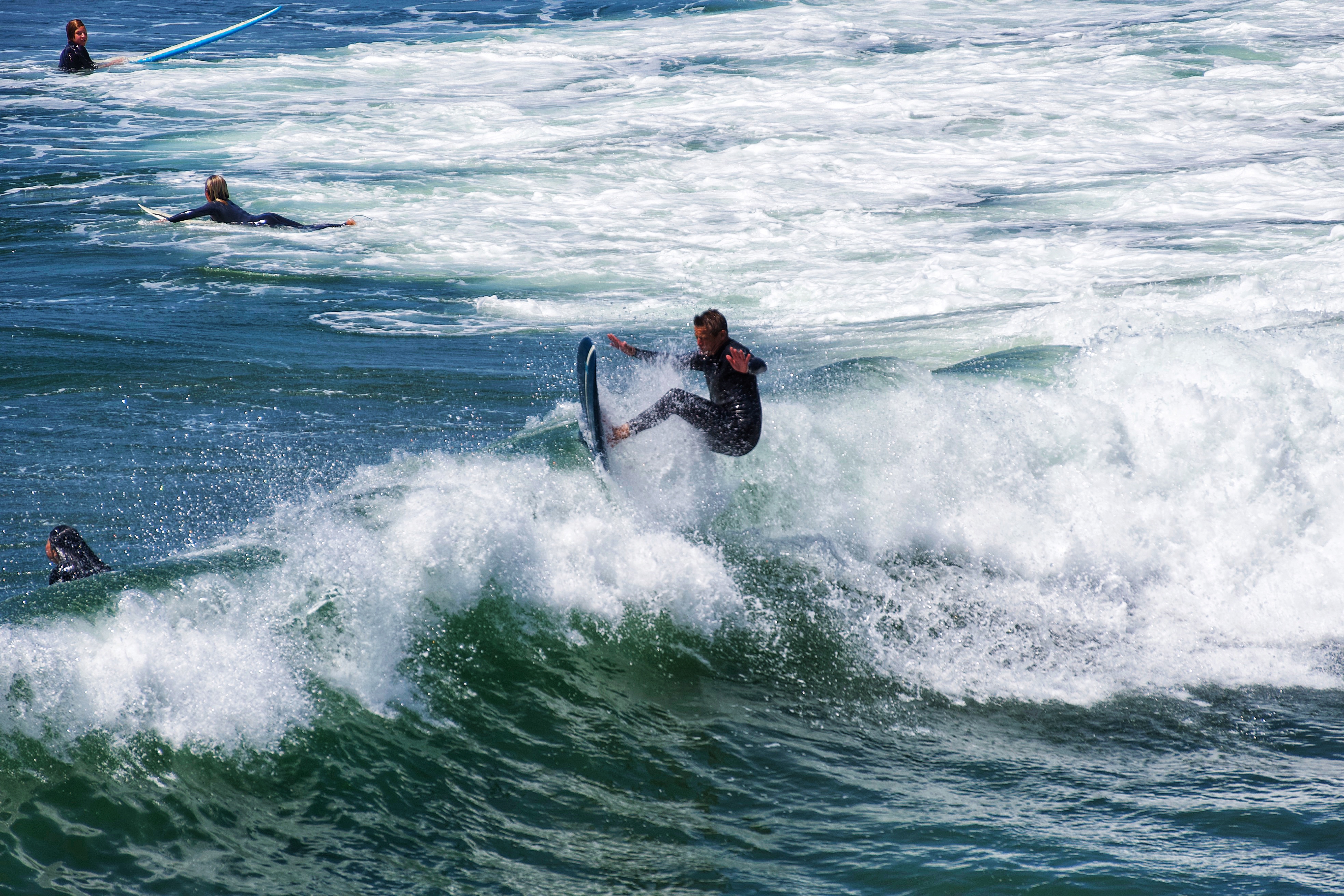
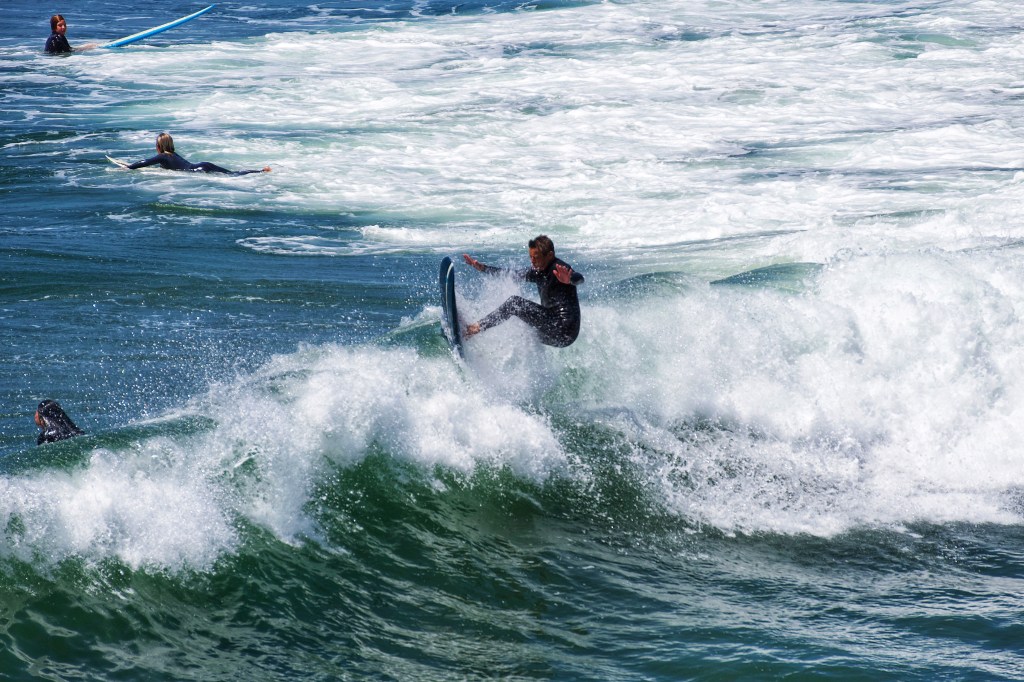
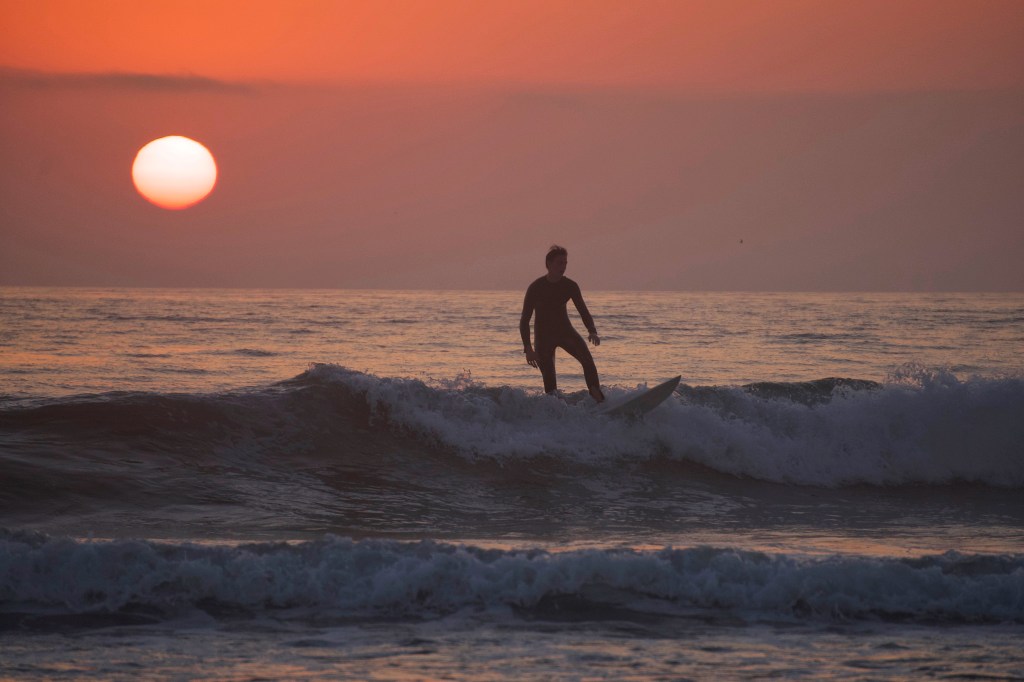
I always try to squeeze in personal time in August, often spending time with my sons or on a trip away from home with my husband before the demands of the new school year begins. We did venture a bit beyond our county…taking some day trips just beyond the county line. We found beaches we had never visited and appreciated new perspectives…like watching surfers at Huntington Beach from the pier. Action is hard to capture in a still…and I like that you can see the movement in this one.
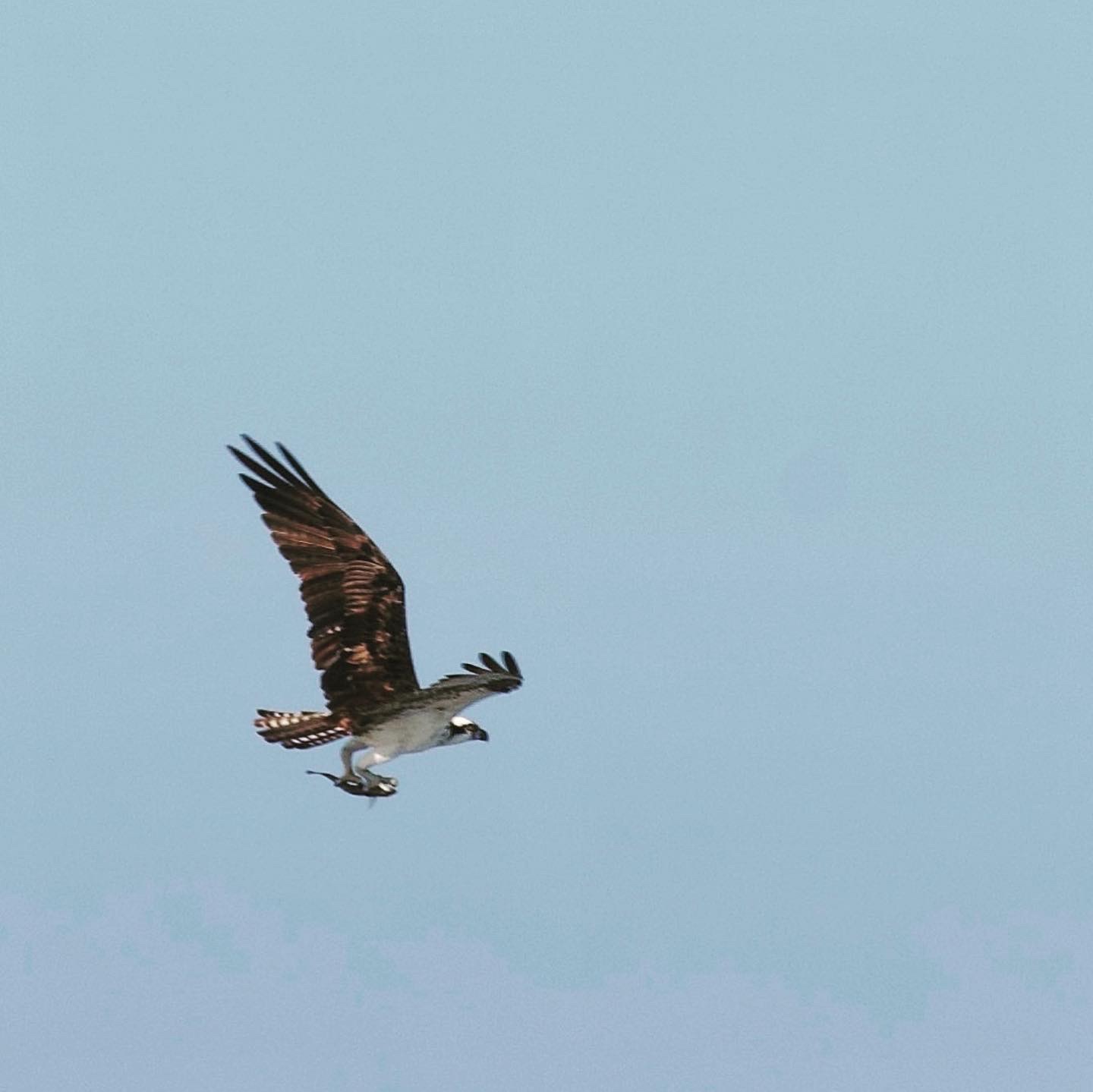
And a bonus photo for August. I couldn’t resist including this image of an osprey in action. If you look closely you can see the fish in the very sharp talons as I watched this bird swoop down, pick up the fish and fly off to enjoy its lunch. Luckily, ospreys are regular visitors to my favorite walking beach and I get to see them when my timing is right!
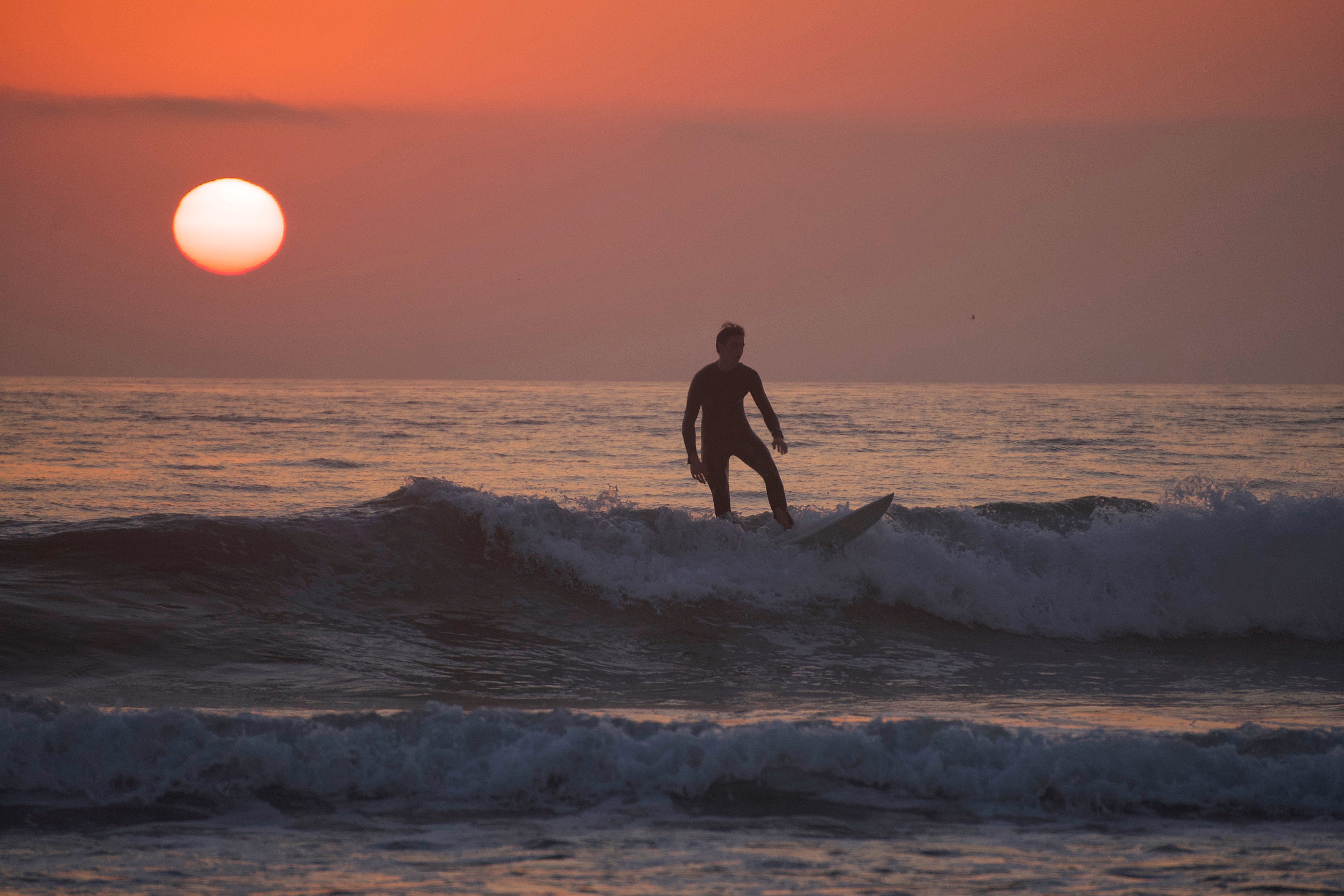
In a typical year, September is the time when tourists return to their homes and we can once again find parking places at our local beaches! The weather is perfect in September–warm and sunny, and the days are still long. It is definitely the time of endless summer…and this light captures that sentiment perfectly!
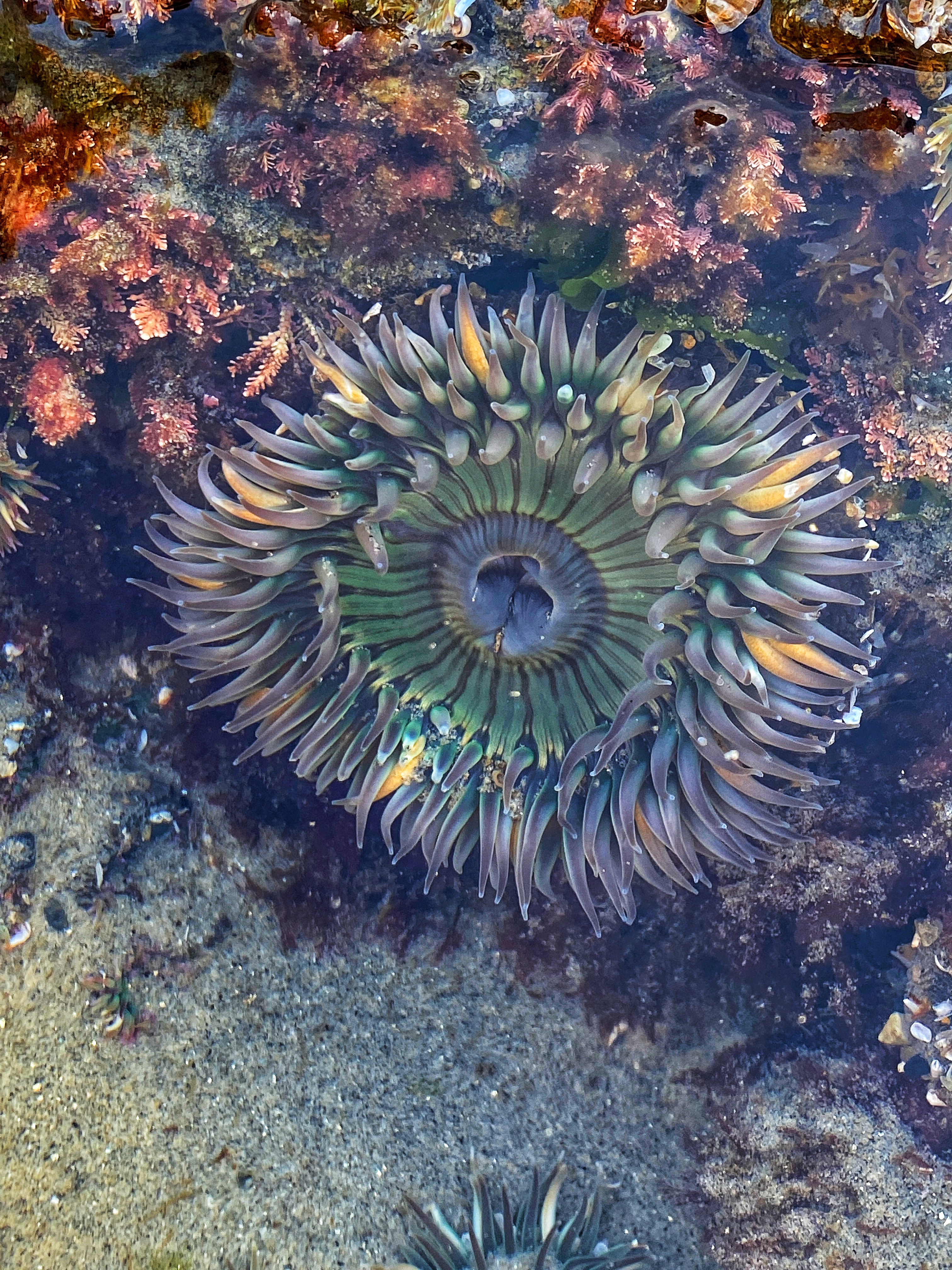
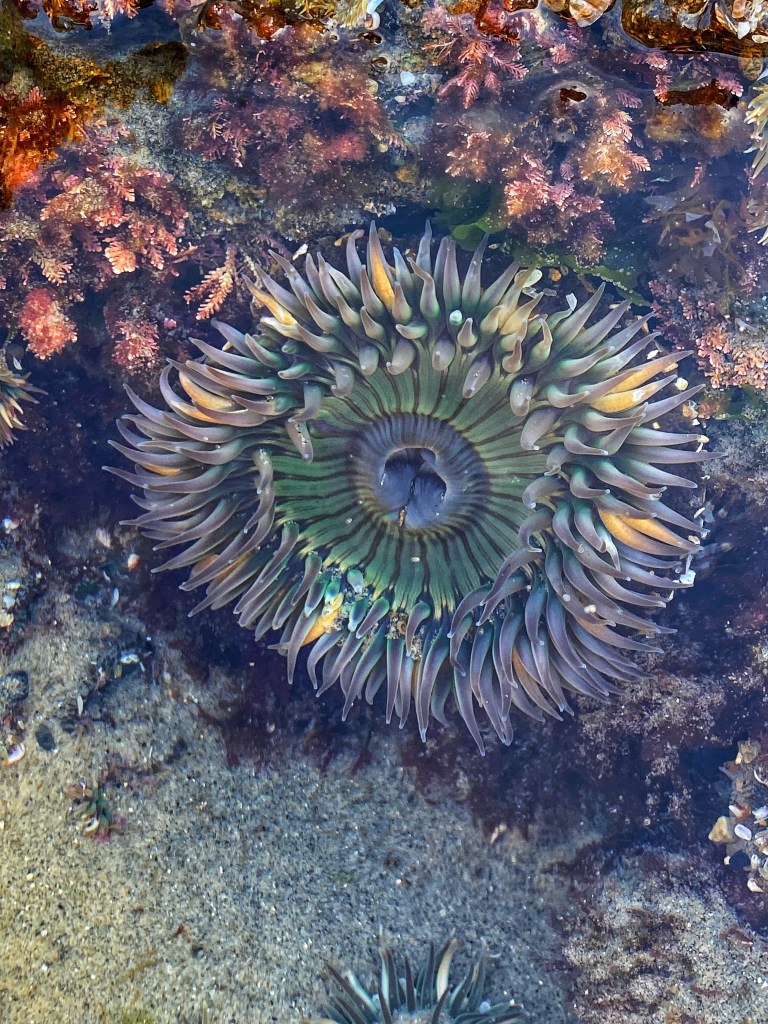
How many pictures can you take at the beach? Apparently hundreds and hundreds based on my camera roll! I take pictures of landscapes, surfers, and seabirds…and when the tide is really low and I look closely, I can photograph sea life in the tidepools. I love the colors of this sea anemone in its natural environment that I discovered in October.
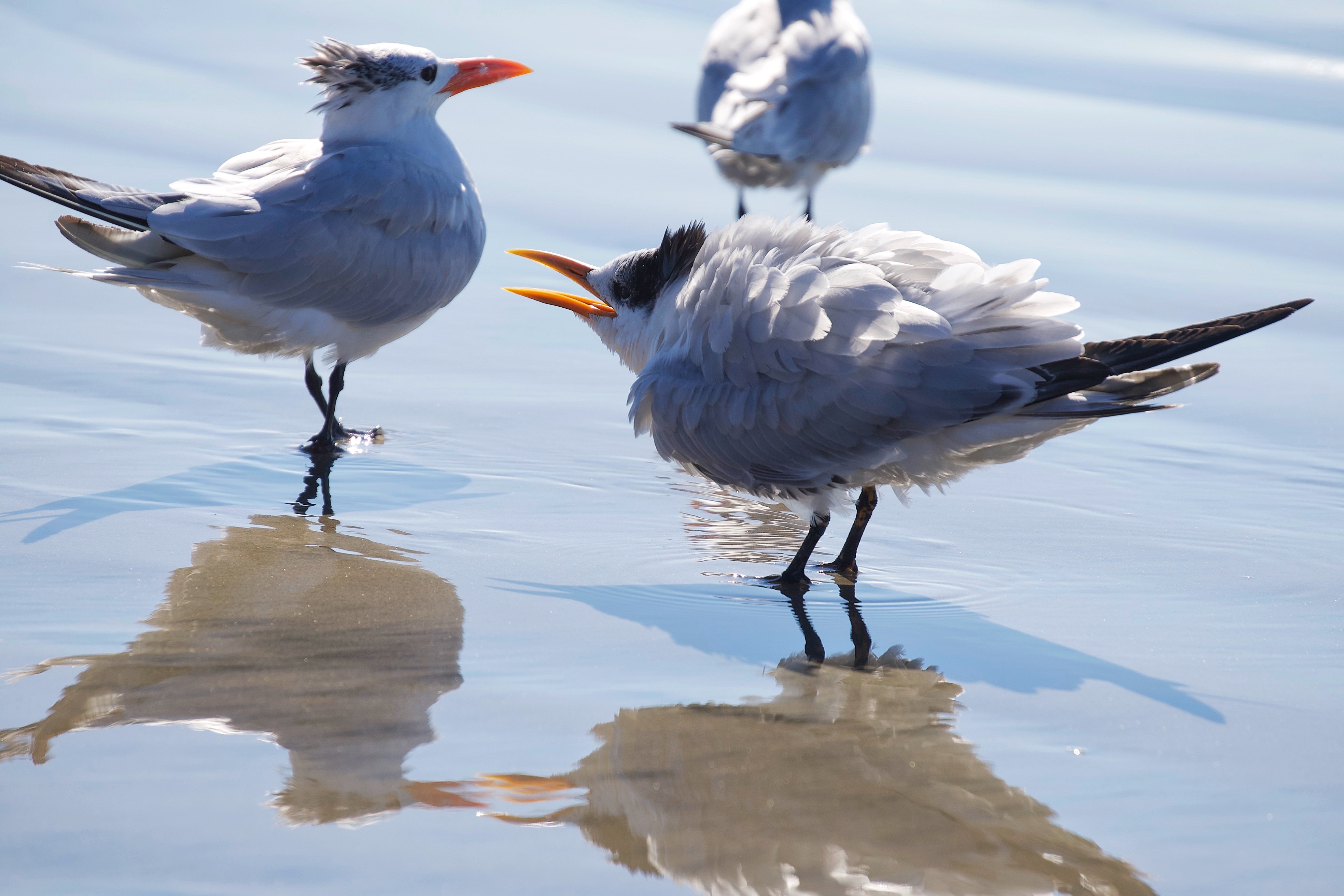
November–was that really just last month? It becomes clear that that I spend much of my down time at the beach. I walk and breathe and photograph. I notice all the regular characters–the people I pass day after day, the landforms that appear and disappear depending on the tide level, and the birds. Oh, the birds. I love these royal terns. They always remind me of Groucho Marx and until someone taught me that they are royal terns, I called them Groucho Marx seagulls because of their big eyebrows! I love the animated conversation caught in this image. That near tern certainly has something to say!
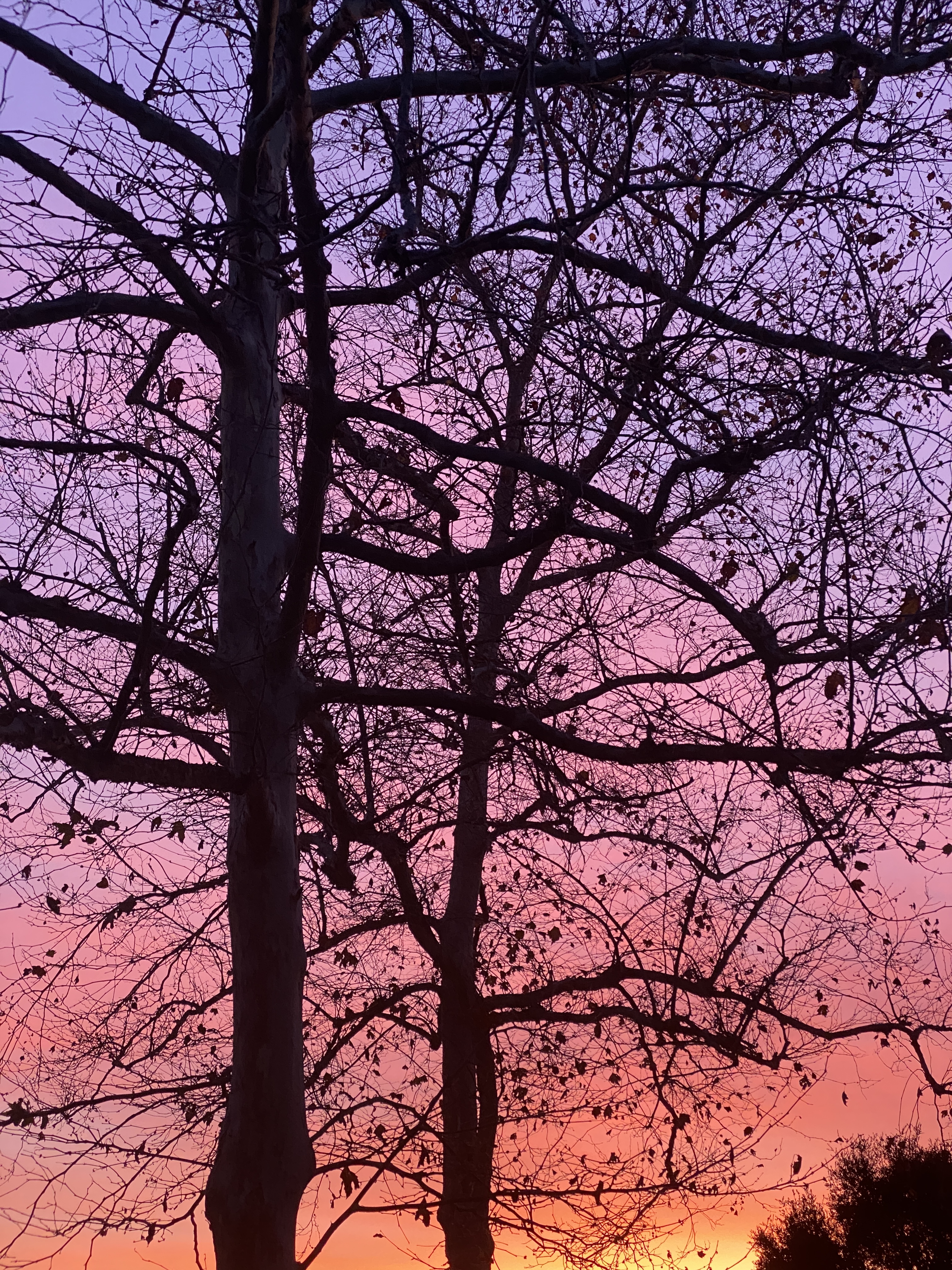
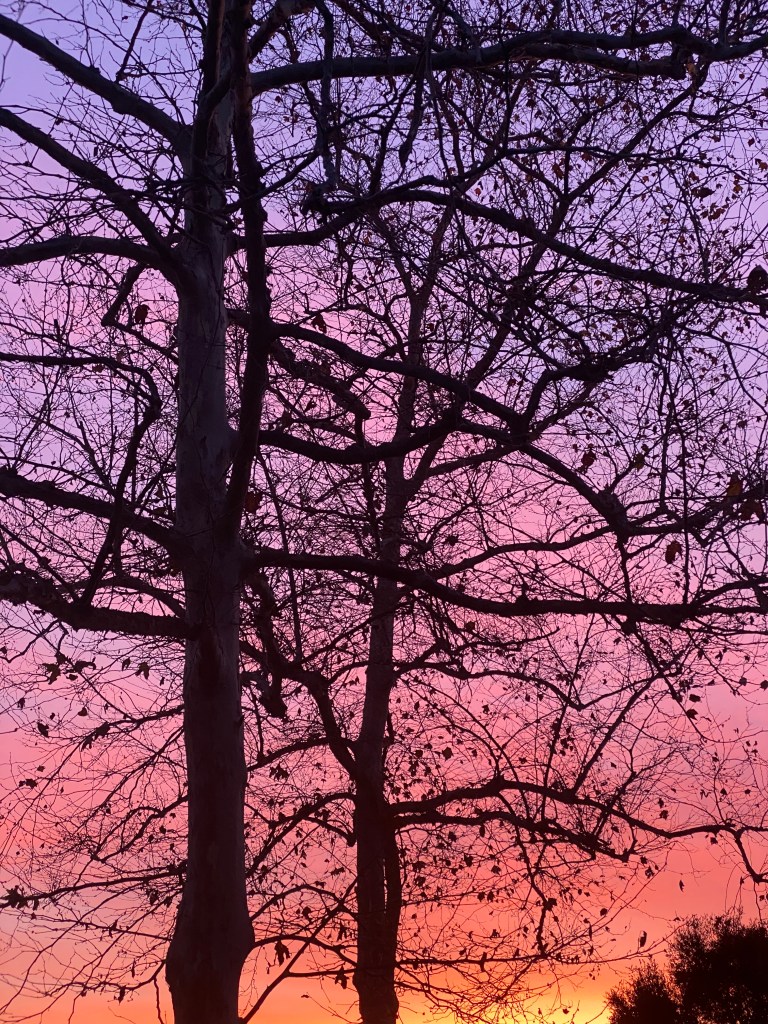
With December comes short days and changing light. Trees drop their leaves (even in sunny San Diego) and weather is more variable than the usual night and morning low clouds with daytime temps in the 70s. An early morning walk (yes–those are still a staple after all these months!) revealed the most gorgeous sherbet-colored sunrise skies, the perfect backdrop for winter trees.
So instead of a “Best Nine,” I present a best of 2020 in 13 photos. Here’s to a fresh canvas beginning tomorrow. What images will paint your 2021?


 Thinking Through My Lens