
A couple of weeks ago I learned a new poetry form. Related to Haiku (3 lines, 17 syllables), Hai(na)ku consists of three lines, the first line with one word, the second with two words, and the third line with three words–no syllable counting needed. This Filipino format was introduced to me by Barb who blogs over at Sitting Behind the Eight Ball. She provides more detail about this interesting form on her blog.
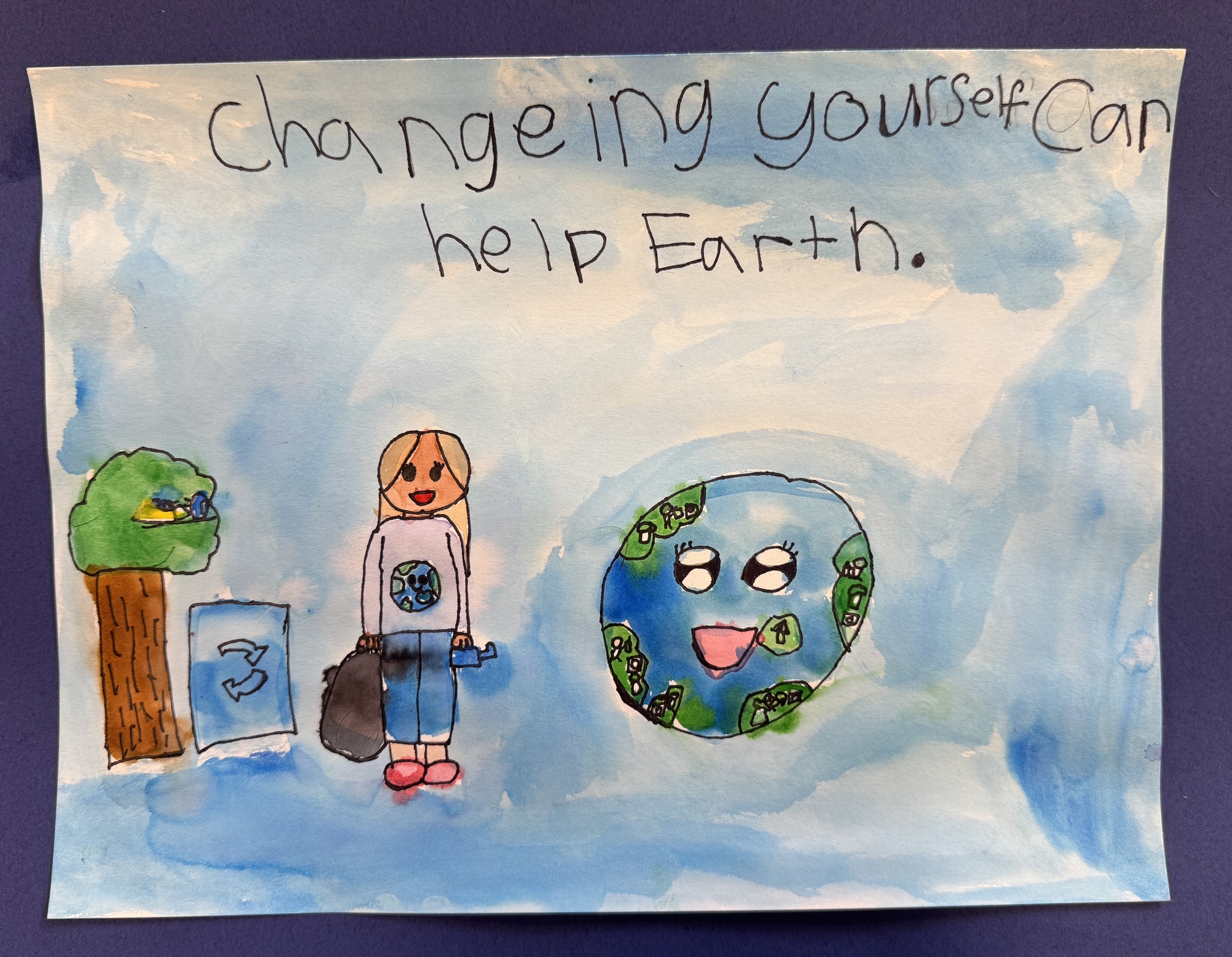
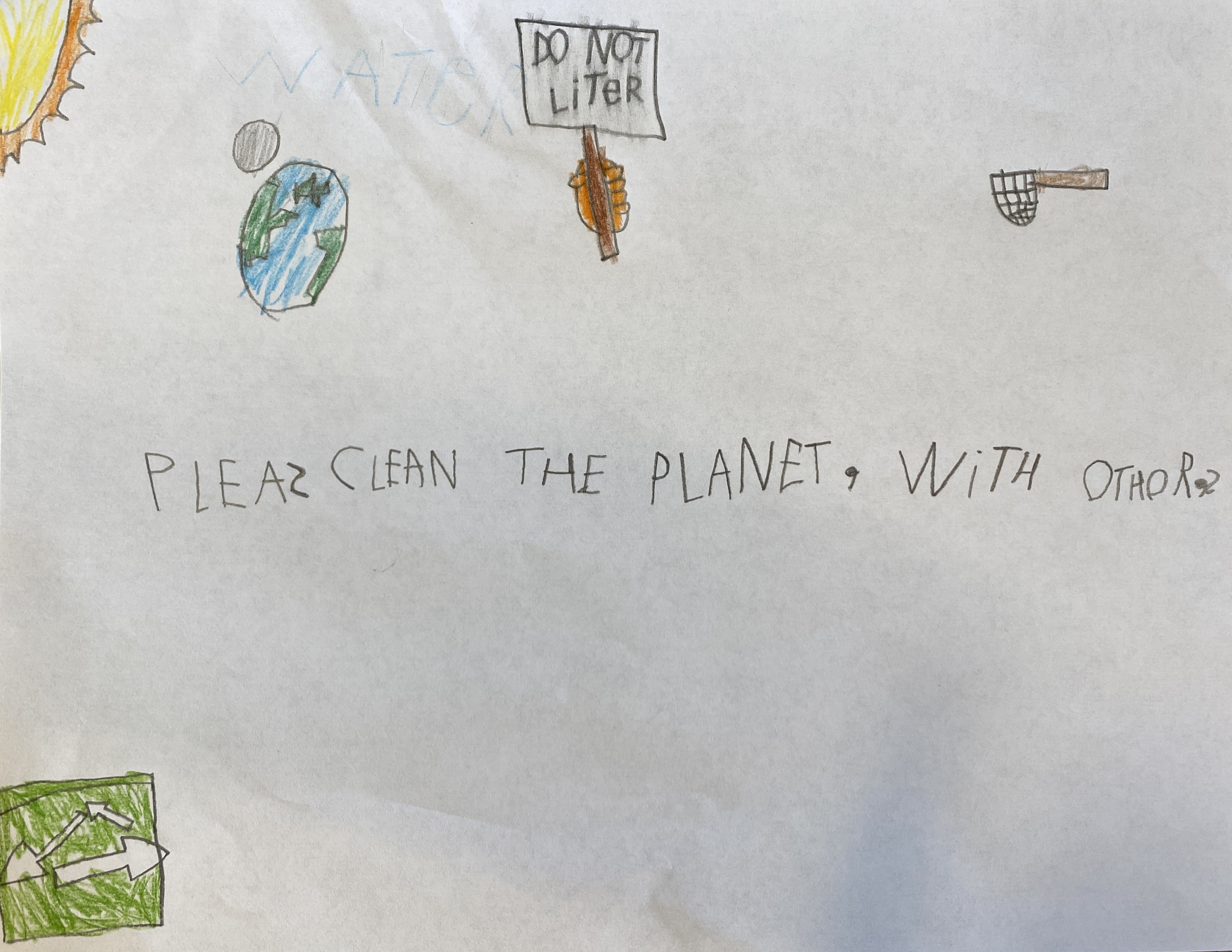
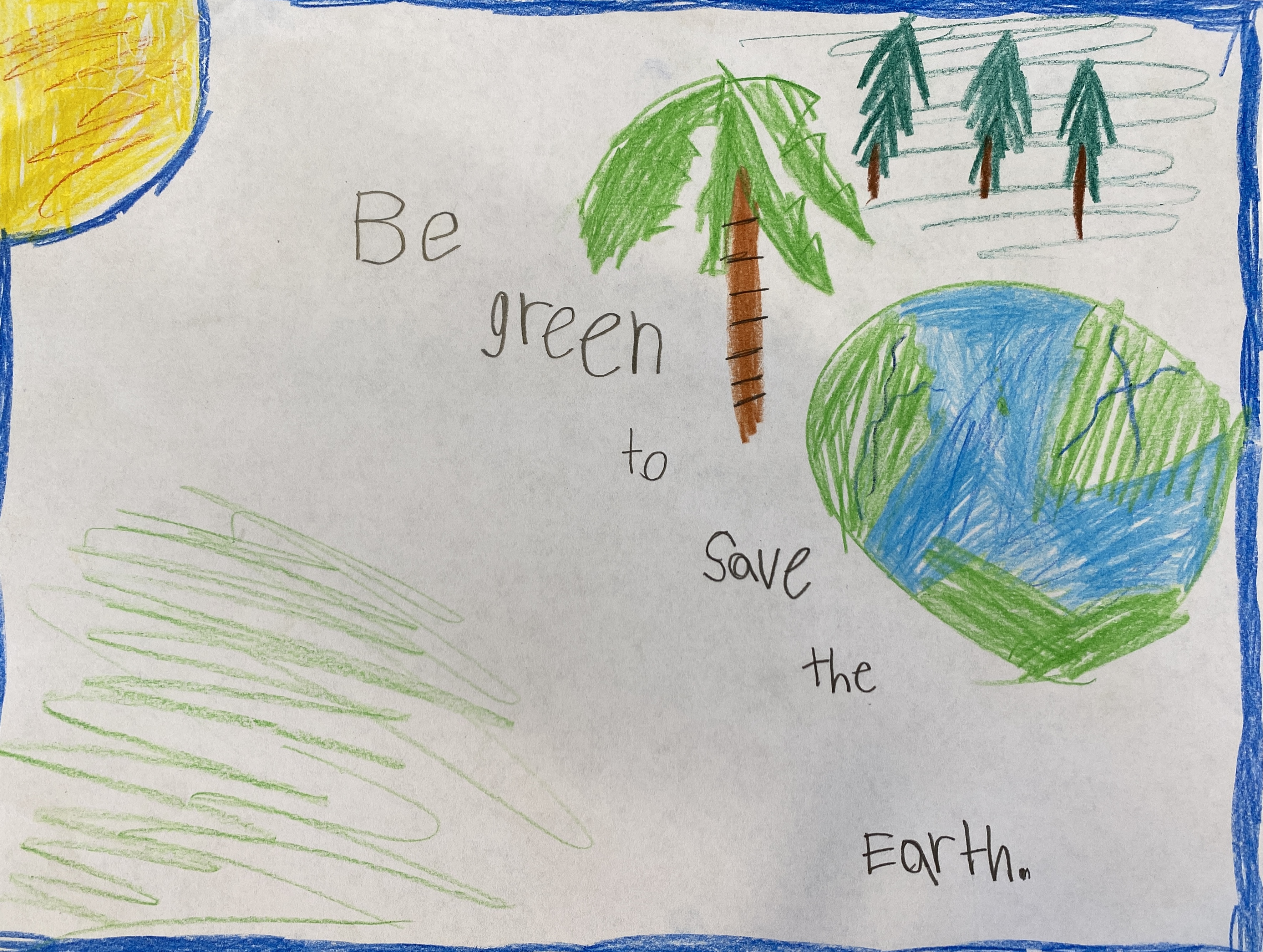
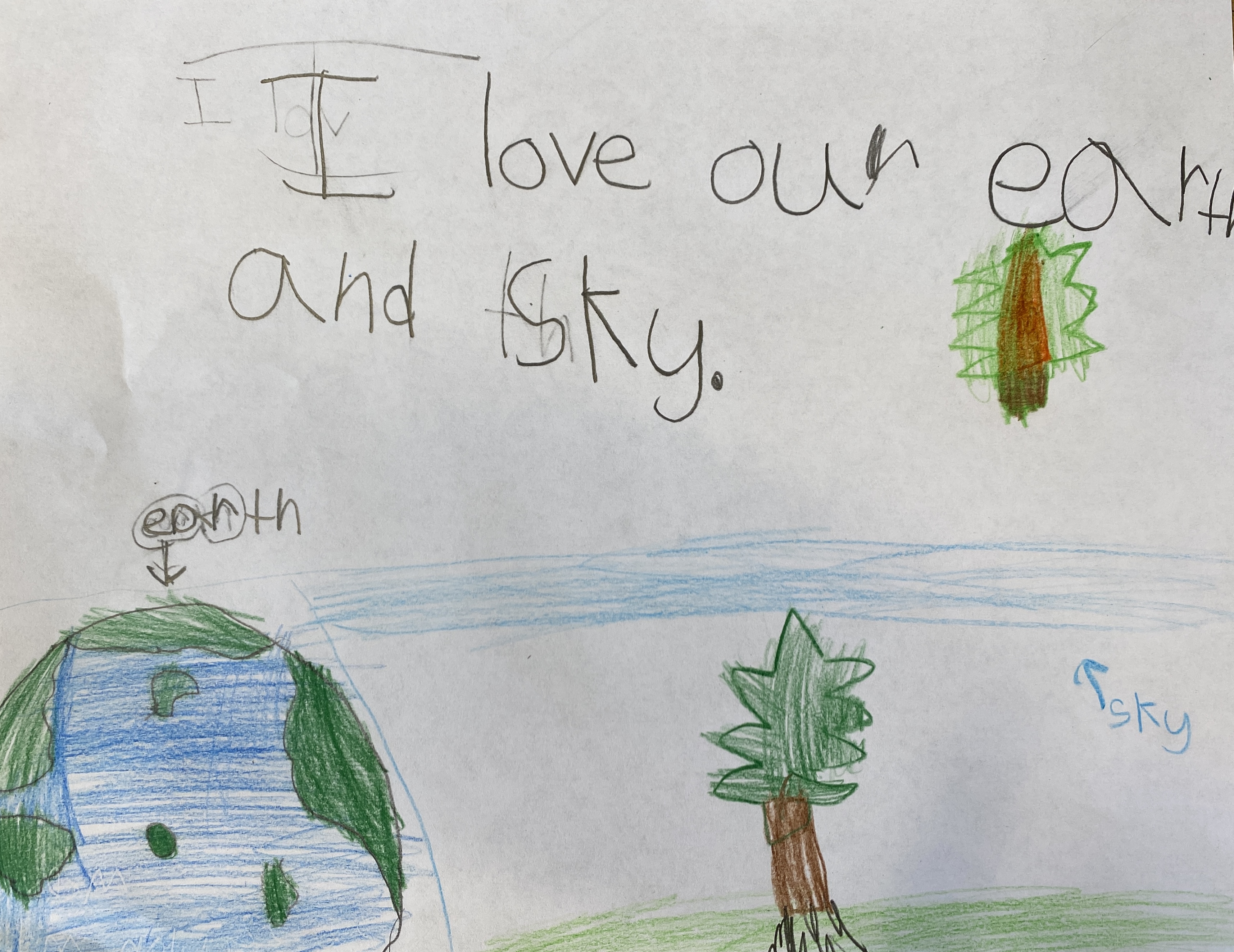
Since National Poetry Month and Earth Day overlap, the first graders in my class spend time thinking about and learning how to help the Earth in addition to writing poetry during the month of April (and other times throughout the year as well). They write about plants and animals and the Earth itself. For the last few years, I have had them write 6 Words for the Environment based on the idea of a 6 word story. But this week, after brainstorming a number of 6 word pieces about the Earth, I introduced the Hay(na)ku. We re-looked at our 6 word drafts and re-worked them to craft a Hay(na)ku. (The artwork was inspired by the book we read, Our Planet! There’s No Place Like Earth by Stacy McAnulty and illustrated by David Litchfield)

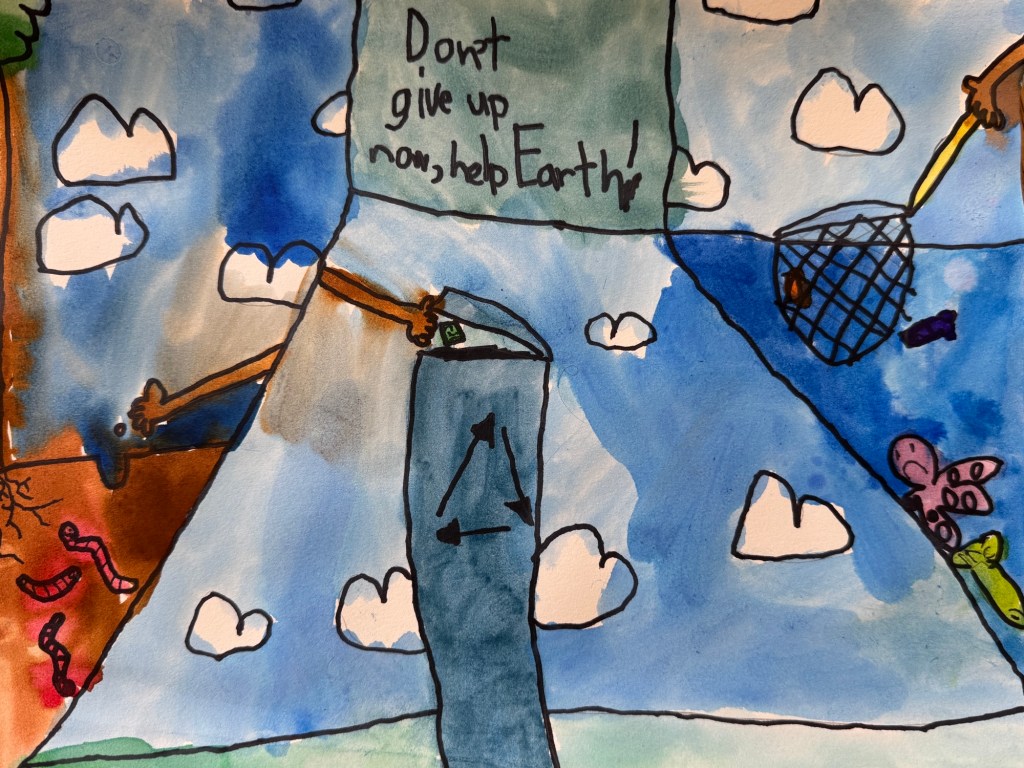
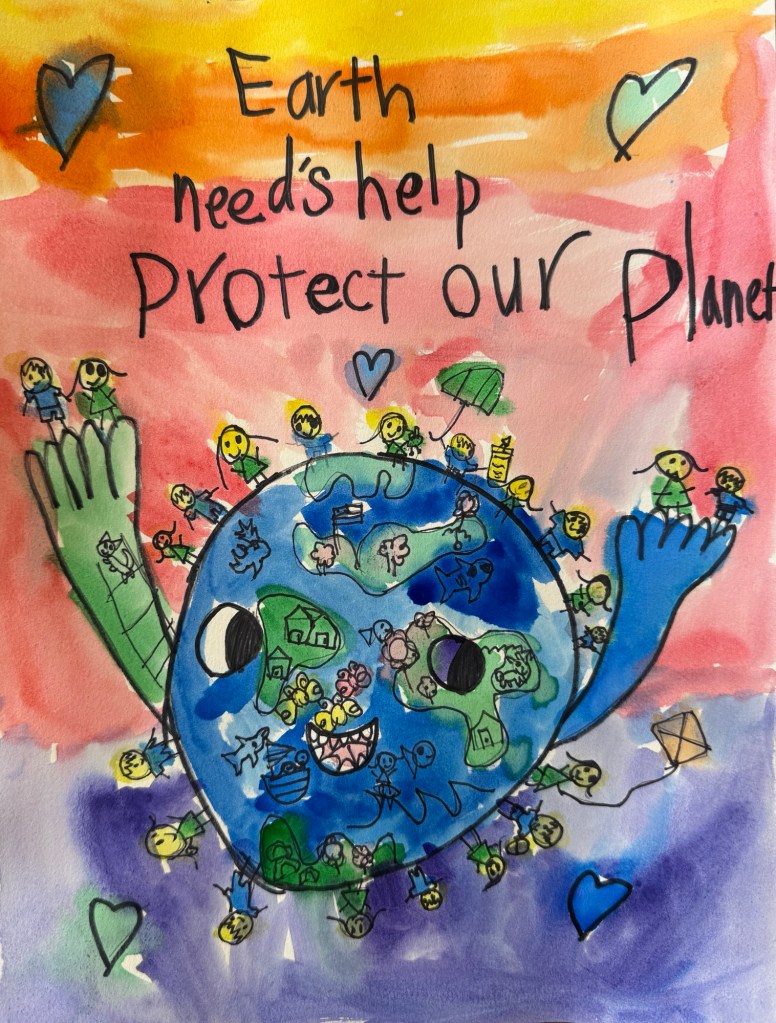

It’s important to me that the young learners in my classroom understand that their voices matter and that there is power in their words. These first graders have opportunities to explore different ways to use writing and are just beginning to experiment with format. Poetry is perfect to encourage language play!
As I think about my students and my own writing, why not try to express those ideas in a Hay(na)ku myself? Here goes:
Writing
changes everything
speak out now
It might just be the right time for you to play around with form–maybe even try a Hay(na)ku for yourself! What 6 words might you use to express your care and/or concern for our Earth? I know my students would love to know!


 Thinking Through My Lens