Tag Archives: 6 words for the environment

Some Hay(na)ku for the Earth: NPM25 Day 17

A couple of weeks ago I learned a new poetry form. Related to Haiku (3 lines, 17 syllables), Hai(na)ku consists of three lines, the first line with one word, the second with two words, and the third line with three words–no syllable counting needed. This Filipino format was introduced to me by Barb who blogs over at Sitting Behind the Eight Ball. She provides more detail about this interesting form on her blog.

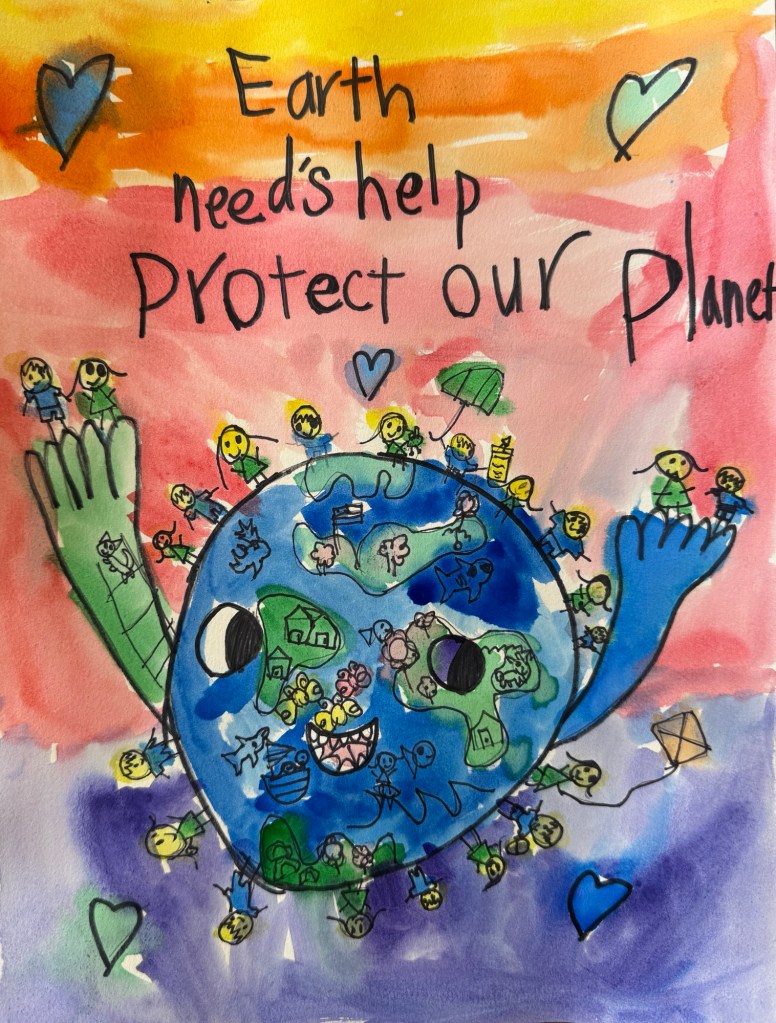
Since National Poetry Month and Earth Day overlap, the first graders in my class spend time thinking about and learning how to help the Earth in addition to writing poetry during the month of April (and other times throughout the year as well). They write about plants and animals and the Earth itself. For the last few years, I have had them write 6 Words for the Environment based on the idea of a 6 word story. But this week, after brainstorming a number of 6 word pieces about the Earth, I introduced the Hay(na)ku. We re-looked at our 6 word drafts and re-worked them to craft a Hay(na)ku. (The artwork was inspired by the book we read, Our Planet! There’s No Place Like Earth by Stacy McAnulty and illustrated by David Litchfield)

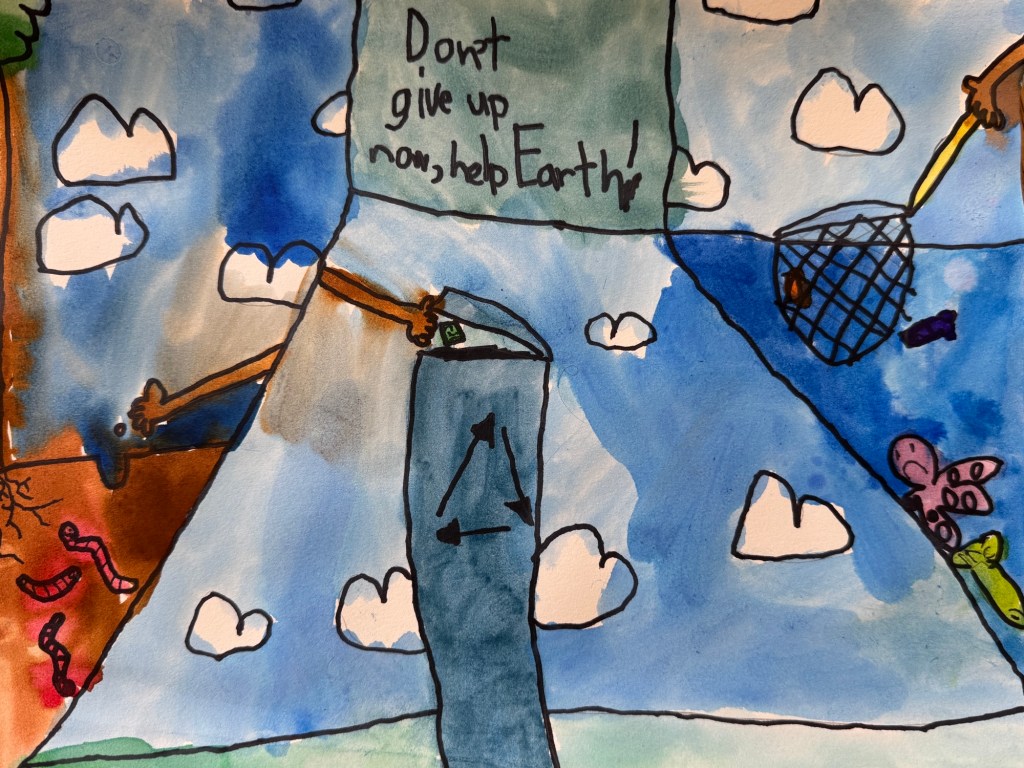
It’s important to me that the young learners in my classroom understand that their voices matter and that there is power in their words. These first graders have opportunities to explore different ways to use writing and are just beginning to experiment with format. Poetry is perfect to encourage language play!

As I think about my students and my own writing, why not try to express those ideas in a Hay(na)ku myself? Here goes:

Writing

changes everything

speak out now

@kd0602

It might just be the right time for you to play around with form–maybe even try a Hay(na)ku for yourself! What 6 words might you use to express your care and/or concern for our Earth? I know my students would love to know!
Prose Poem-100 Word Rant: NPM24 Day 28

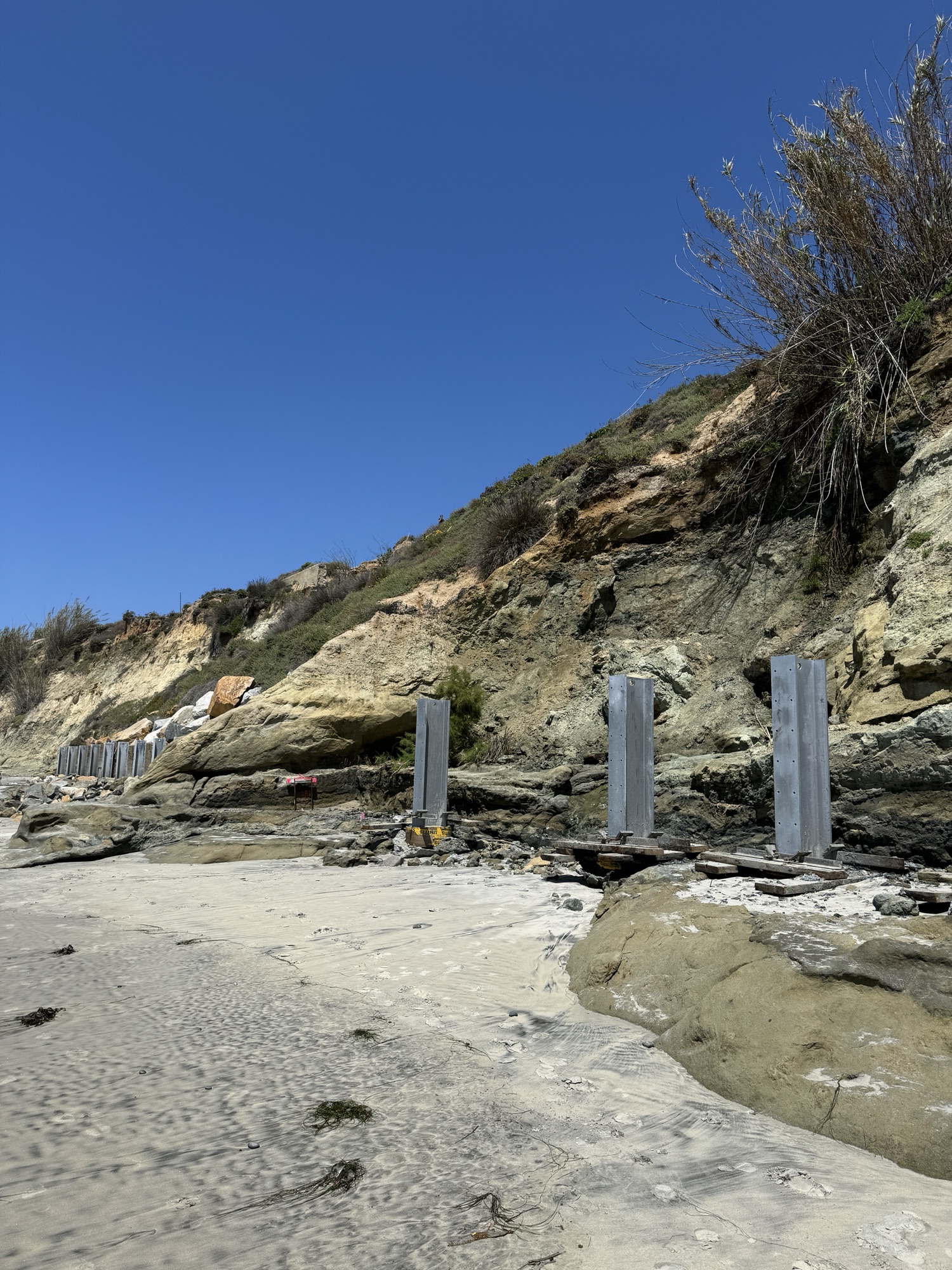
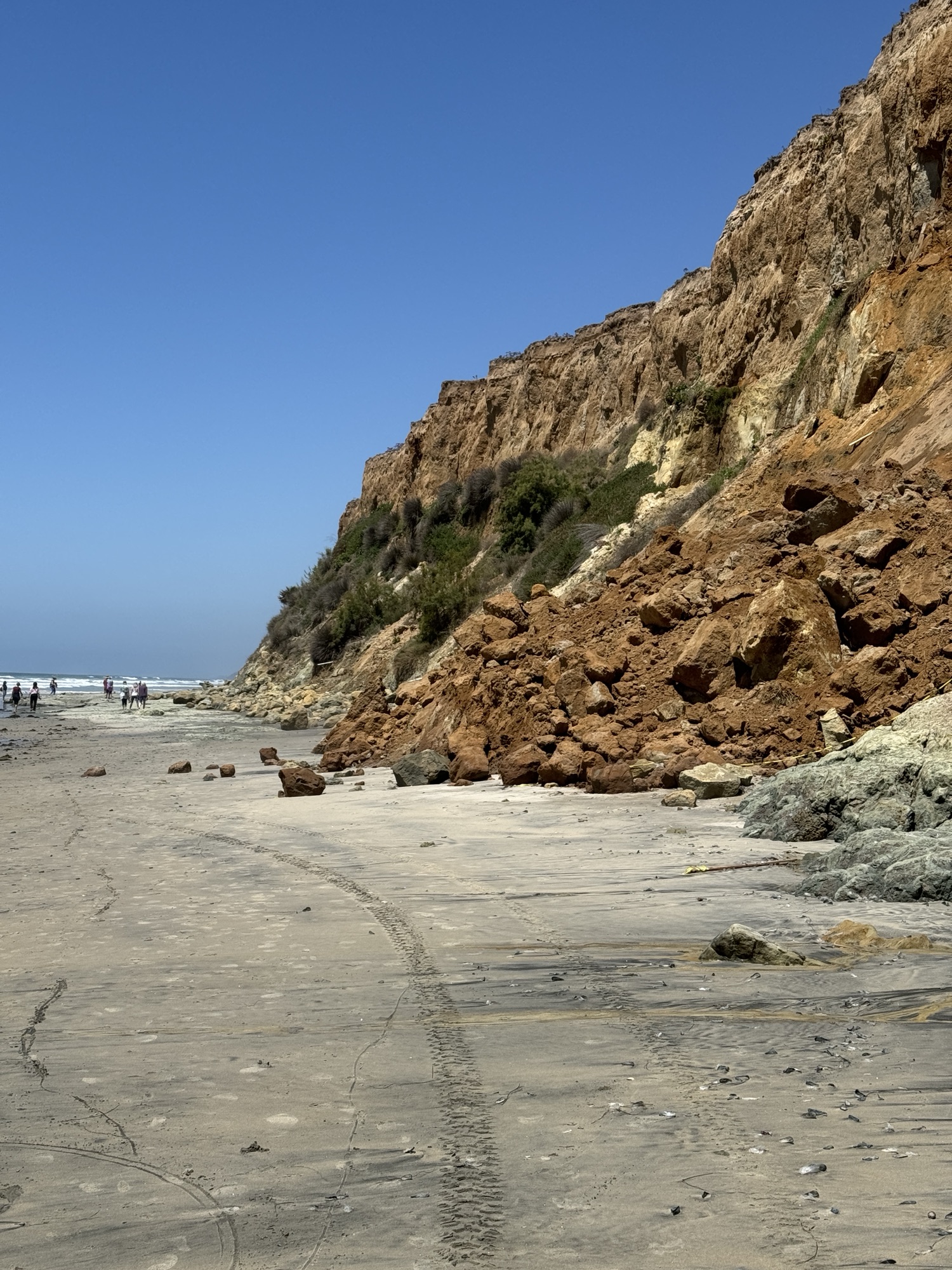
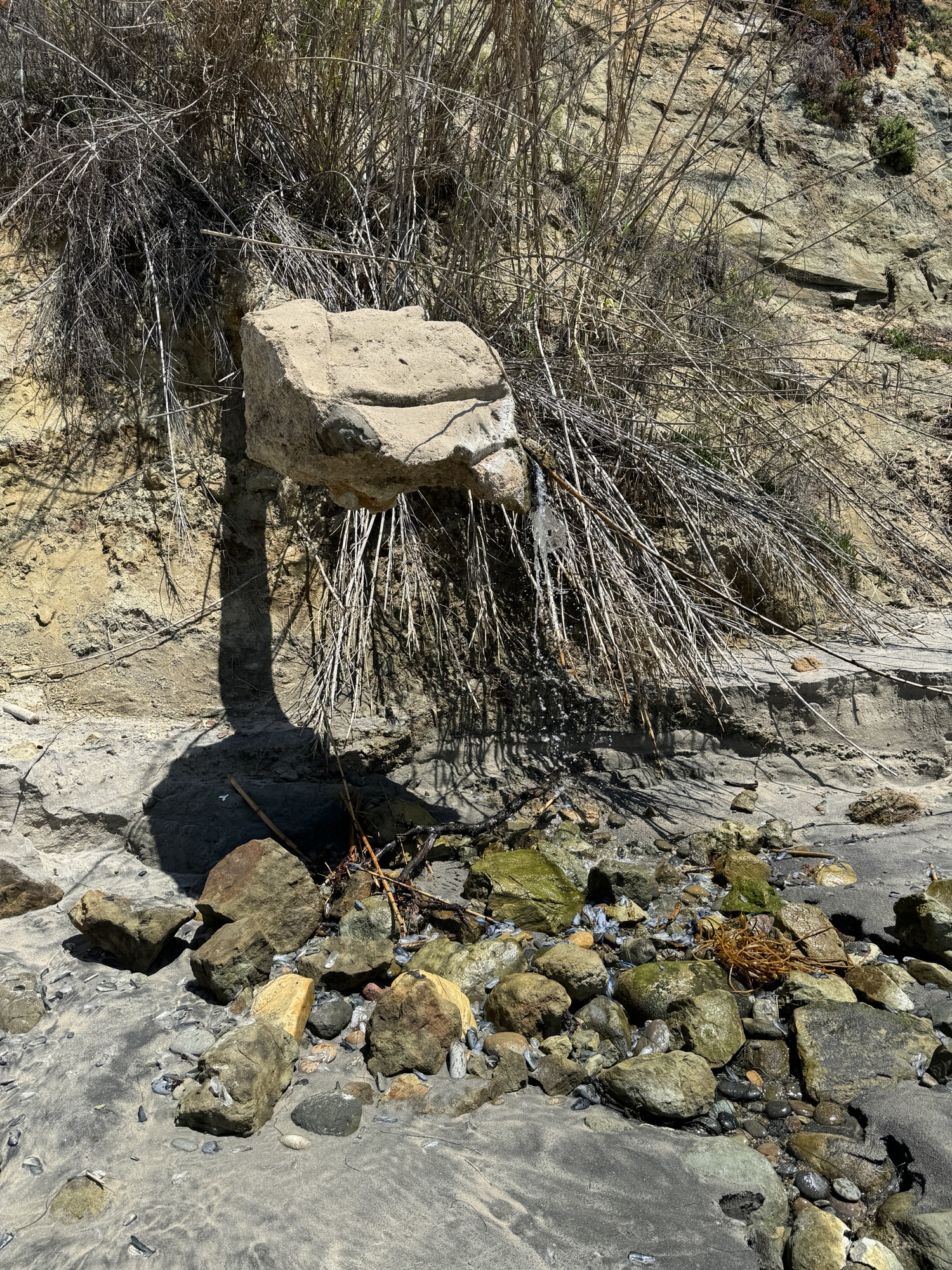
Today as I walked the beach I was struck once again by the fragility of our planet.  I noticed the crumbling cliffs pouring onto the sand below, those same cliffs where the amtrak and coaster trains run daily. The cliffs that support multimillion dollar homes in danger of sliding into the ocean.  The cliffs that have been whittled away by wind and water, by weather, by building, by human life.  Yes, erosion is a natural phenomenon, but there is more to it than that.

My mind wandered from the damage to poetry. The way poetry can offer healing by pushing words into the world, letting us examine our thinking, play with ideas, connect with the earth, the wind, the water, each other.

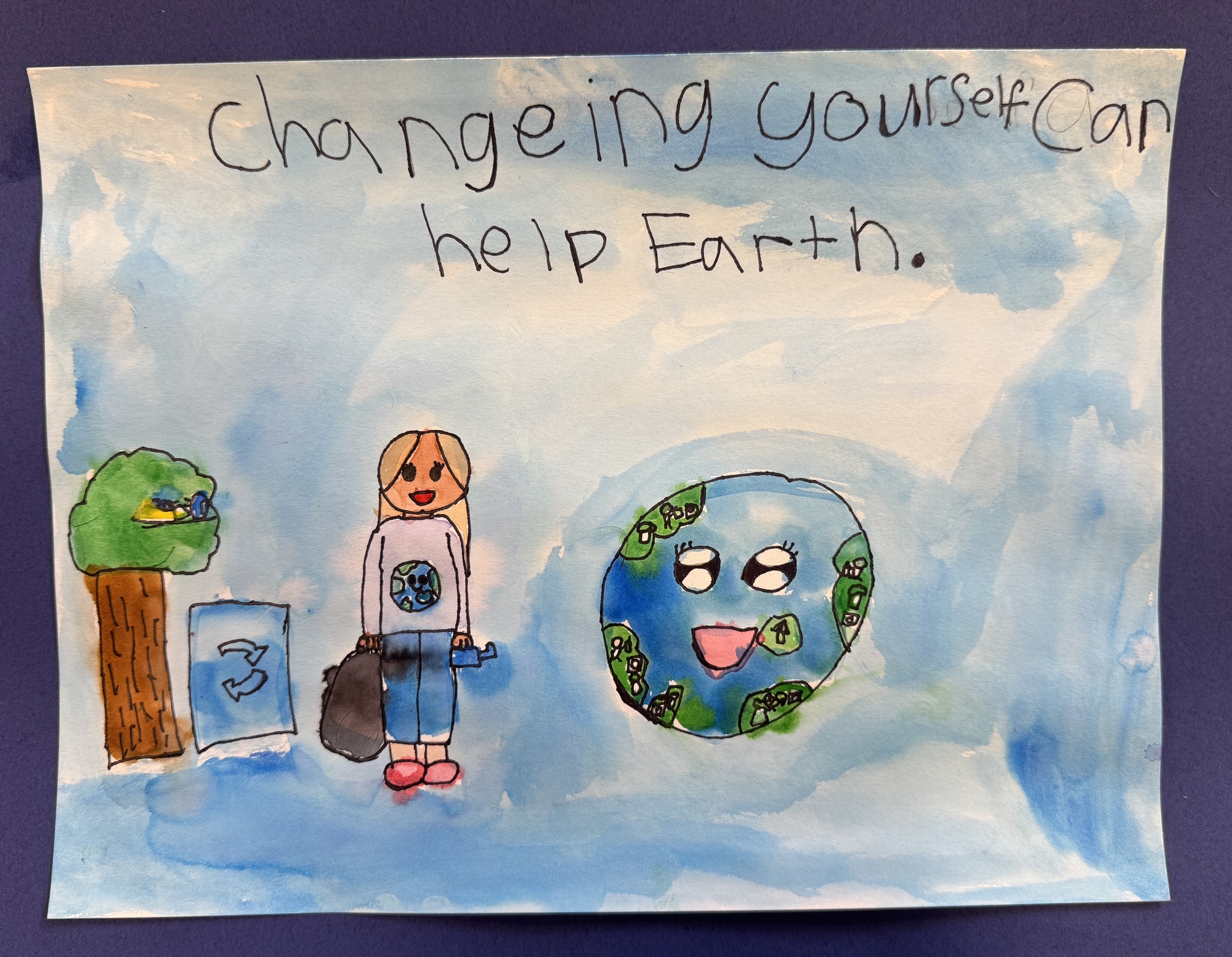
My students wrote their own 6 words for the environment a week ago and then created a poster to share their words and their thinking with others. The words of this first grader continue to resonate with me.

I think she’s right. It’s time to change ourselves so we can help each other and help the earth. Which led me to a 100-word rant for my poetry today.

I don’t think it’s a coincidence that poetry and earth share the month of April as their time of attention. We need poetry to understand our planet, to appreciate our planet, to save the planet from our reckless disregard for its limits. As we spin on this planet we call home, let’s consider the harm that comes from the use and abuse philosophy that has become so prevalent. It’s time for solving.  More leaning in than lashing out. Instead of global clashing and teeth gnashing it’s time for change.  For ourselves, our community, our nation, our world.  It’s our moment.

6 Words for the Environment: SOL23 Day 24

I wrote earlier this week about reading the book, I’m Trying to Love Garbage by Bethany Barton. In response to the book we discussed ways to reduce human trash. I followed that book by reading the gorgeous To Change a Planet by Christina Soontornvat. This beautiful book talks about how collectively we have created problems for our planet….and how collectively, we can also make change. Both words and illustrations are beautiful!

I find that students want to do things to help our planet. They are already aware of the importance of keeping the earth clean, about the value of caring for plants and animals, and are knowledgeable about composting food waste. And we’ve also been exploring the power of words and images to inform others about things that need doing.

So after reading and talking about To Change a Planet, I introduced them to the idea of writing 6 words for the environment. This is a version of the 6-word memoir that many of you may be familiar with. In 6 words for the environment, students come up with 6 words about our planet–to express its beauty, to help others understand how to help, to explain a crisis. We started by brainstorming words related to earth–and they had plenty to contribute.

I showed them how I would compose 6 words for the environment–including showing my first attempt that only had 5 words! I rearranged and revised in front of them so they would know that they should play around with the words. And then they opened their notebooks and started writing their own 6 words for the environment.

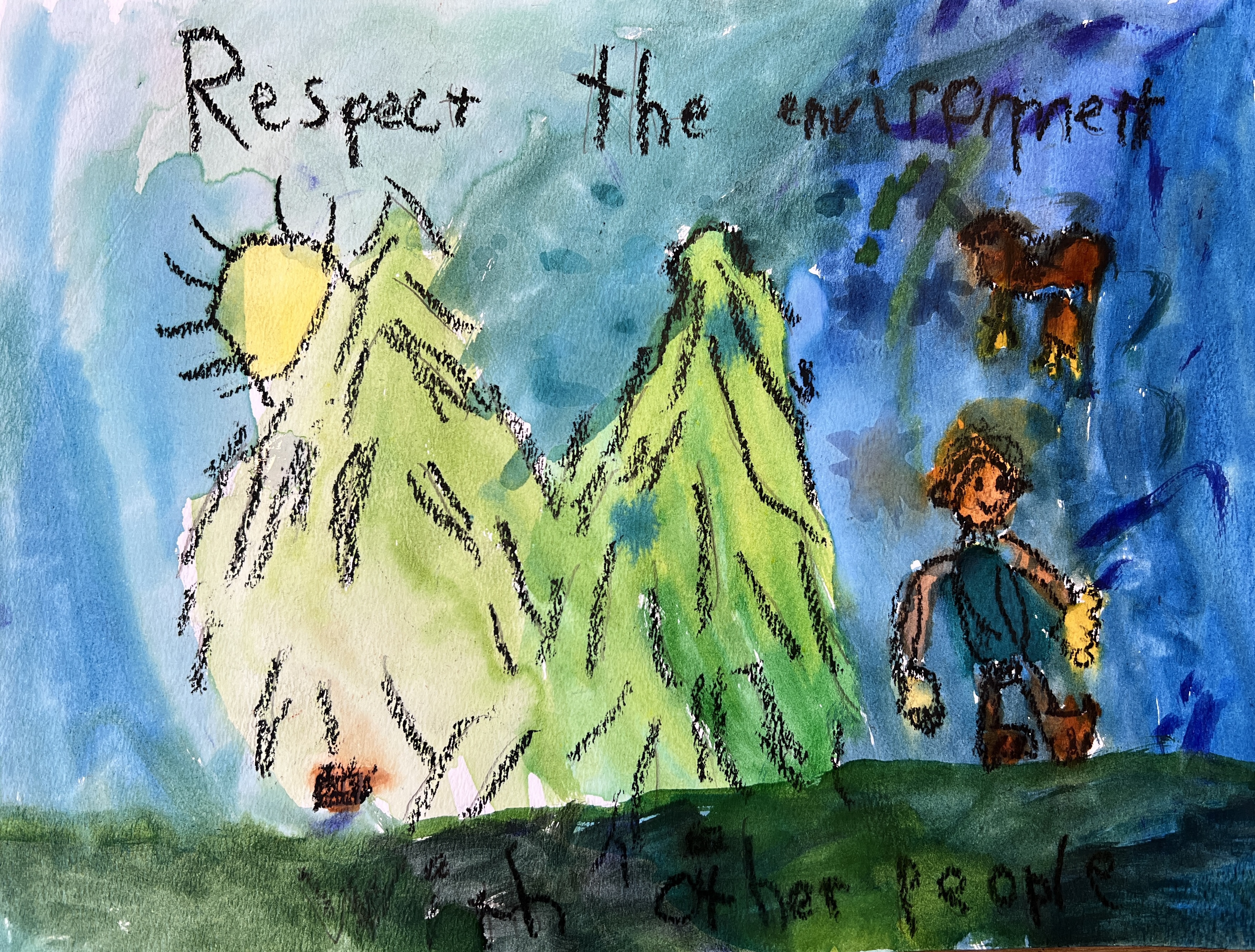
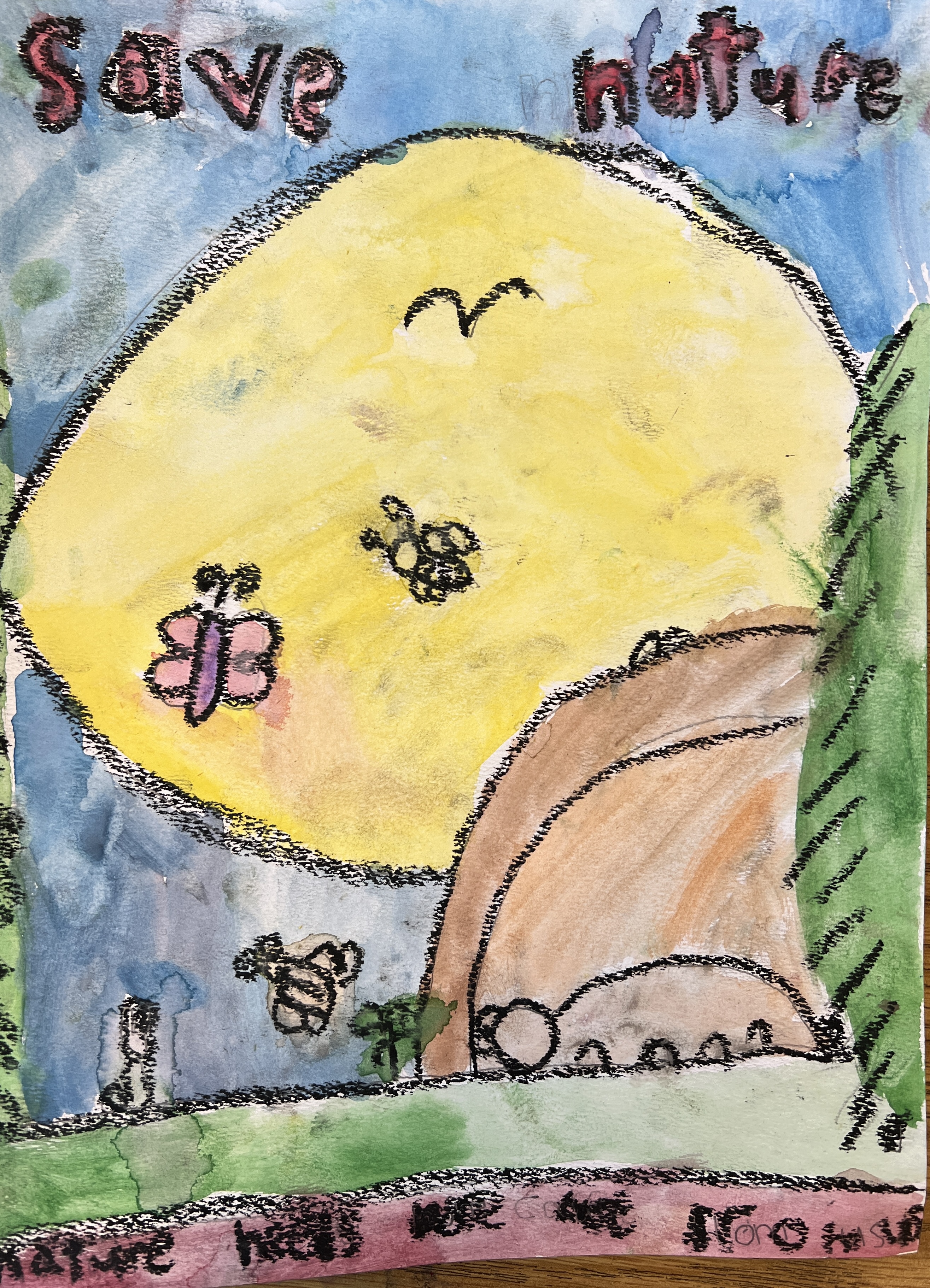
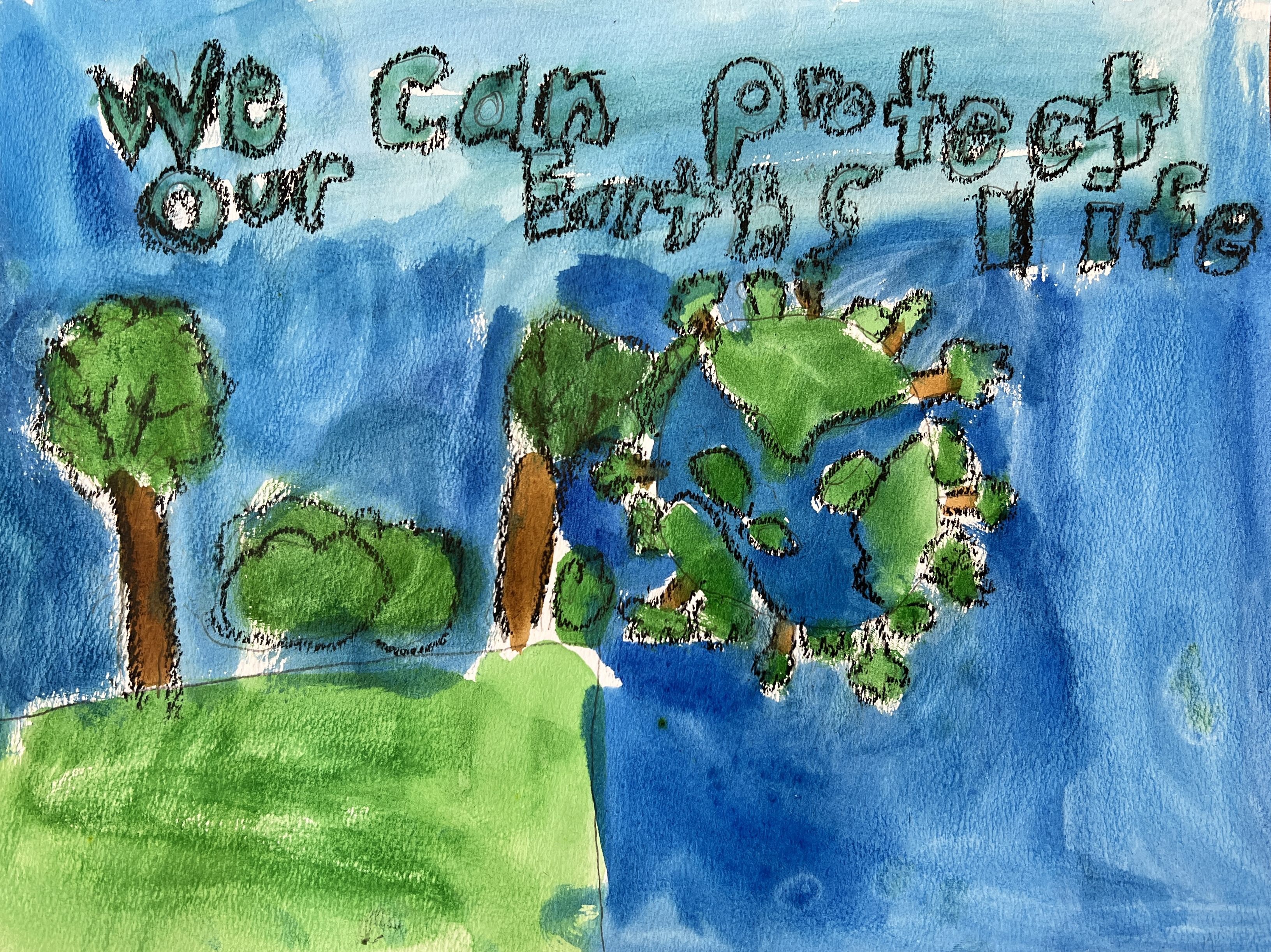
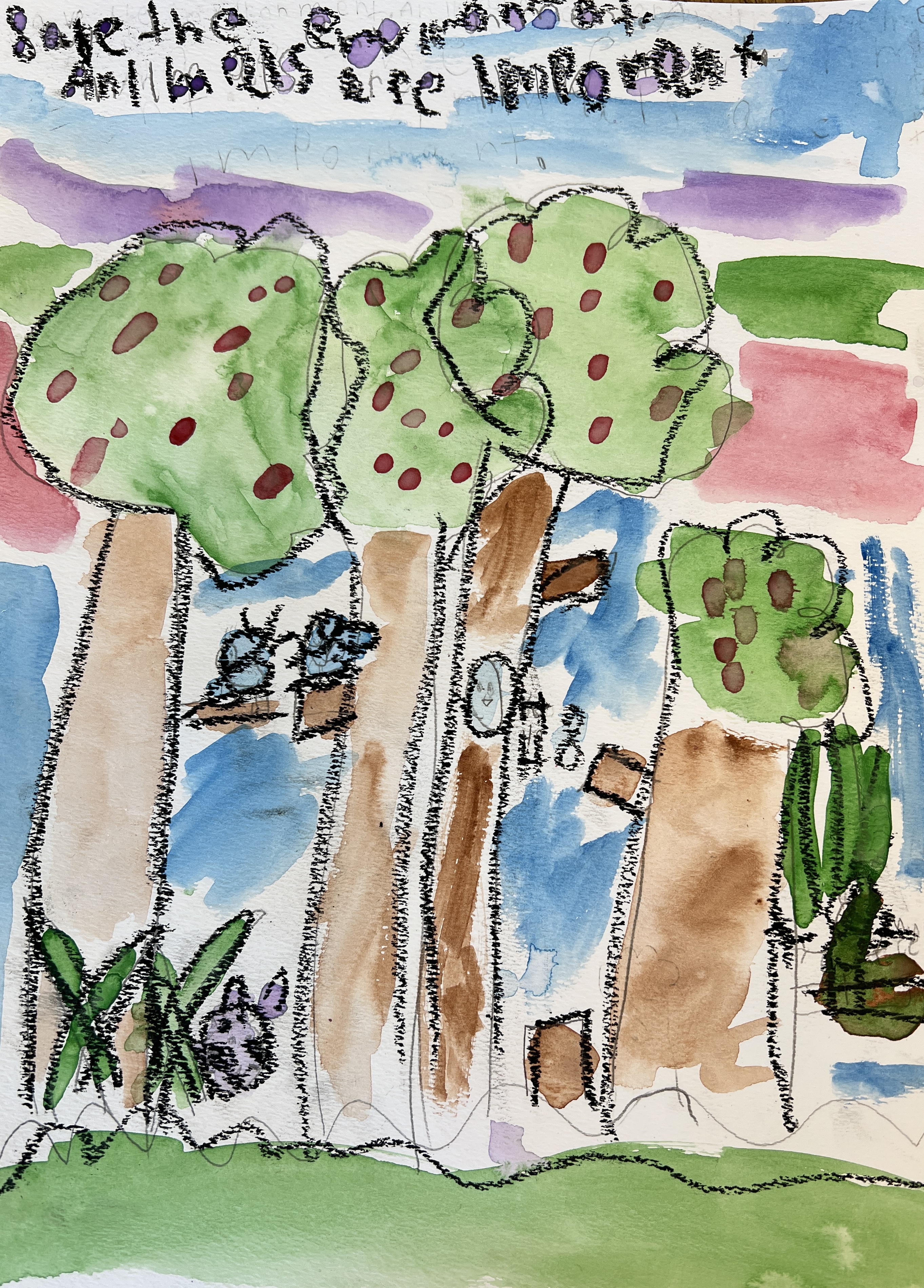
We then took those words and used black oil pastel and watercolor to create posters with their messages. Honestly, next time I will use a different medium. The oil pastel did not allow the words to be easily read, but the images themselves are quite striking. Here’s a few examples:

Respect the environment with other people.
Nature needs more care from us.
We can protect our Earth’s life.
Save the environment. Animals are important.

Integrating environmental literacy into the curriculum is essential. My students (and yours) are our hope for the future. They will be the stewards of our precious planet. I think it’s in good hands.

6 Words for the Environment: SOL22 Day 30

Today, March 30, 2022, marks the date of the Worldwide Teach In for Climate/Justice sponsored by Bard College. That is significant because as a writing project, we have spent time and energy this year looking for ways to implement climate teaching in a writing centric way.

With my young students, my approach to climate/justice teaching is to raise their awareness and appreciation of our planet, the people who live on it, the animals they already love, and also include some study of people making a difference (Jane Goodall came up through Scholastic News–so we inquired a bit further about her and her work) and about actions they can take as 6 and 7 year olds.

I have writing project colleagues who adapted the idea of a 6-word memoir into an opportunity for students to write 6 words for the environment. It seemed a perfect fit for a week of minimum days (to allow for parent conferences) just before Spring Break (which begins after school ends on Friday).

So, after they finished some amazing Poetry Is writing (check yesterday’s post for more details), we started to brainstorm words about the earth, about people and animals who live on the earth, and about actions people might take to protect the earth. They helped me write a few 6 word attempts before I sent them back to the their notebooks to write as many 6-words for the environment as they could in 7 minutes.

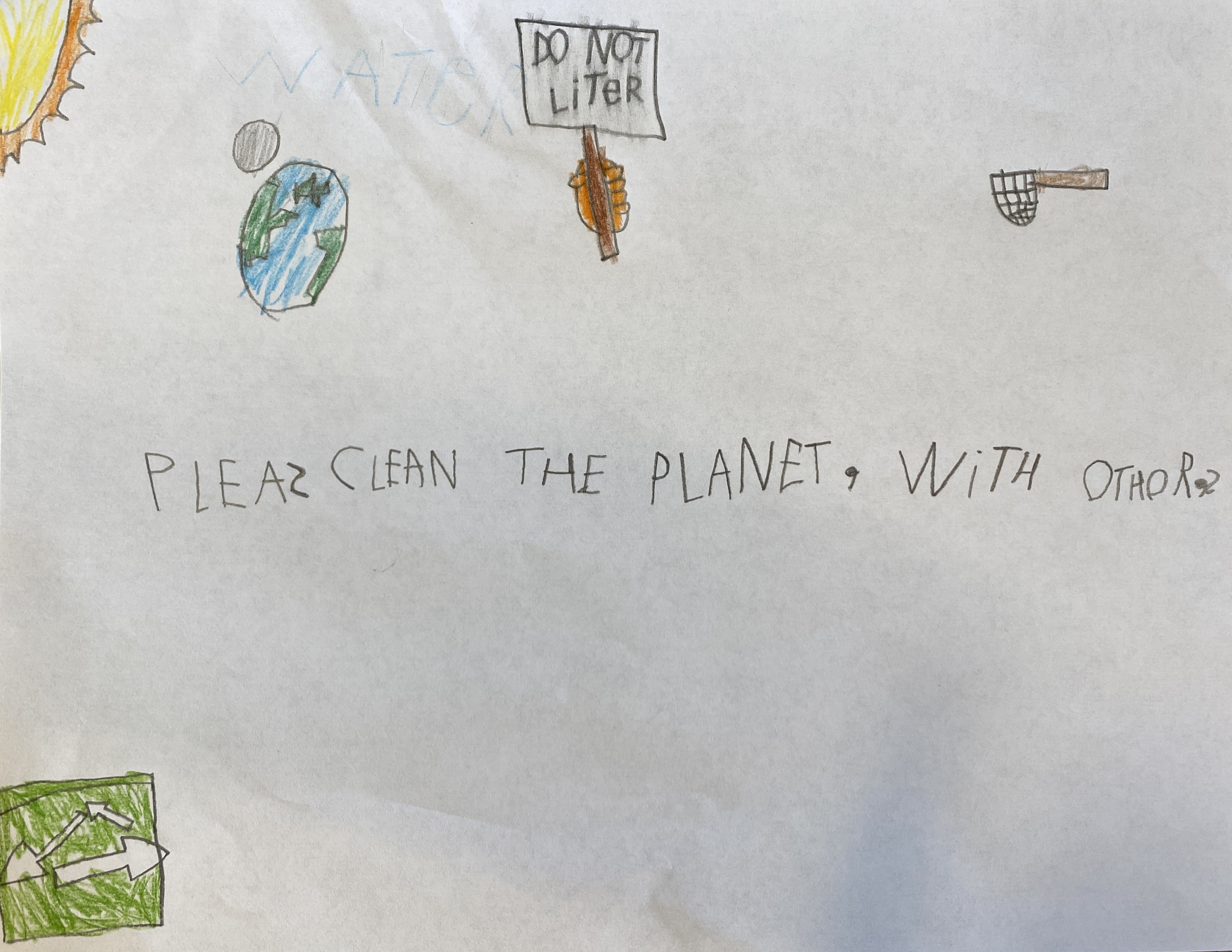
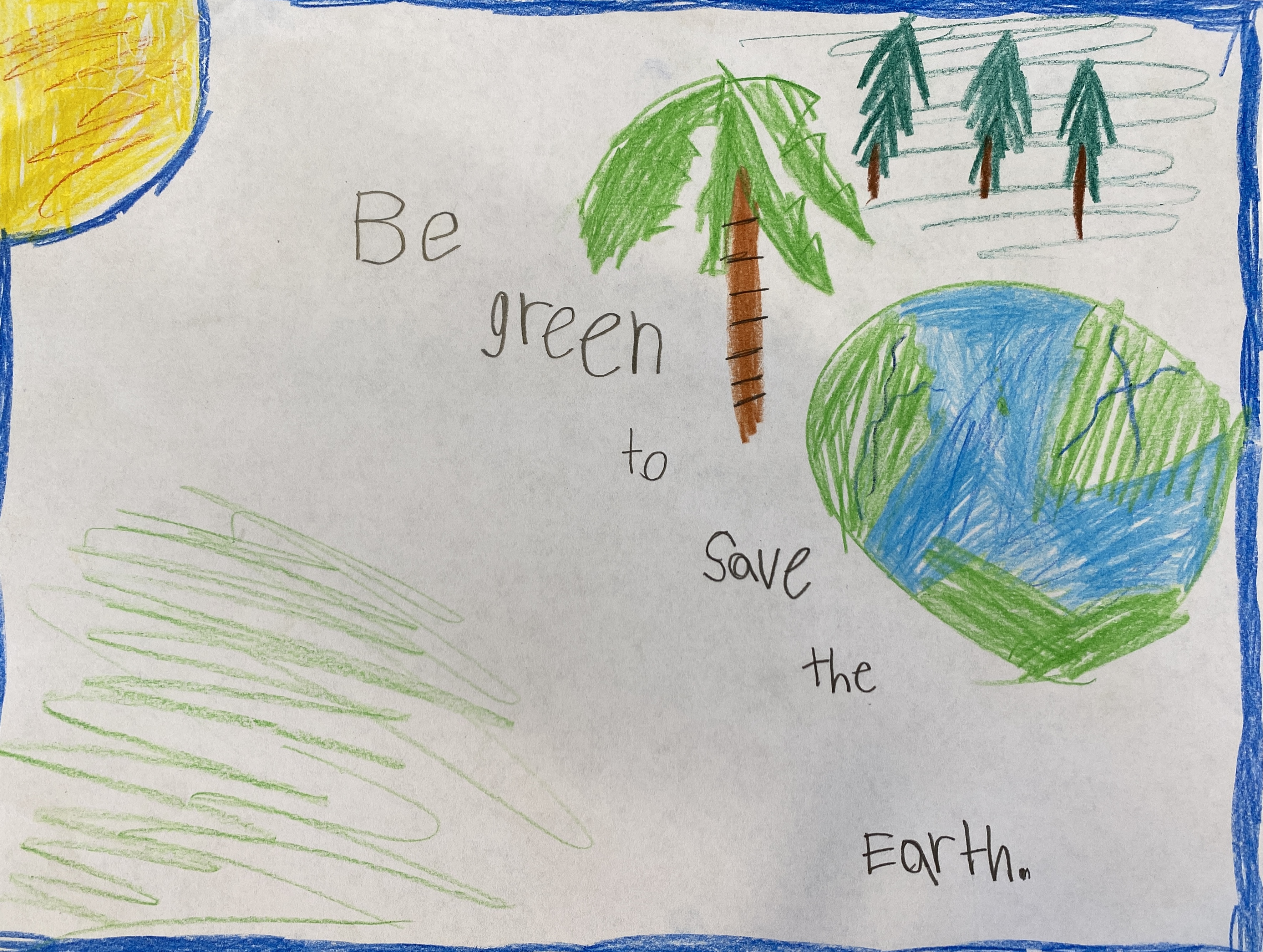
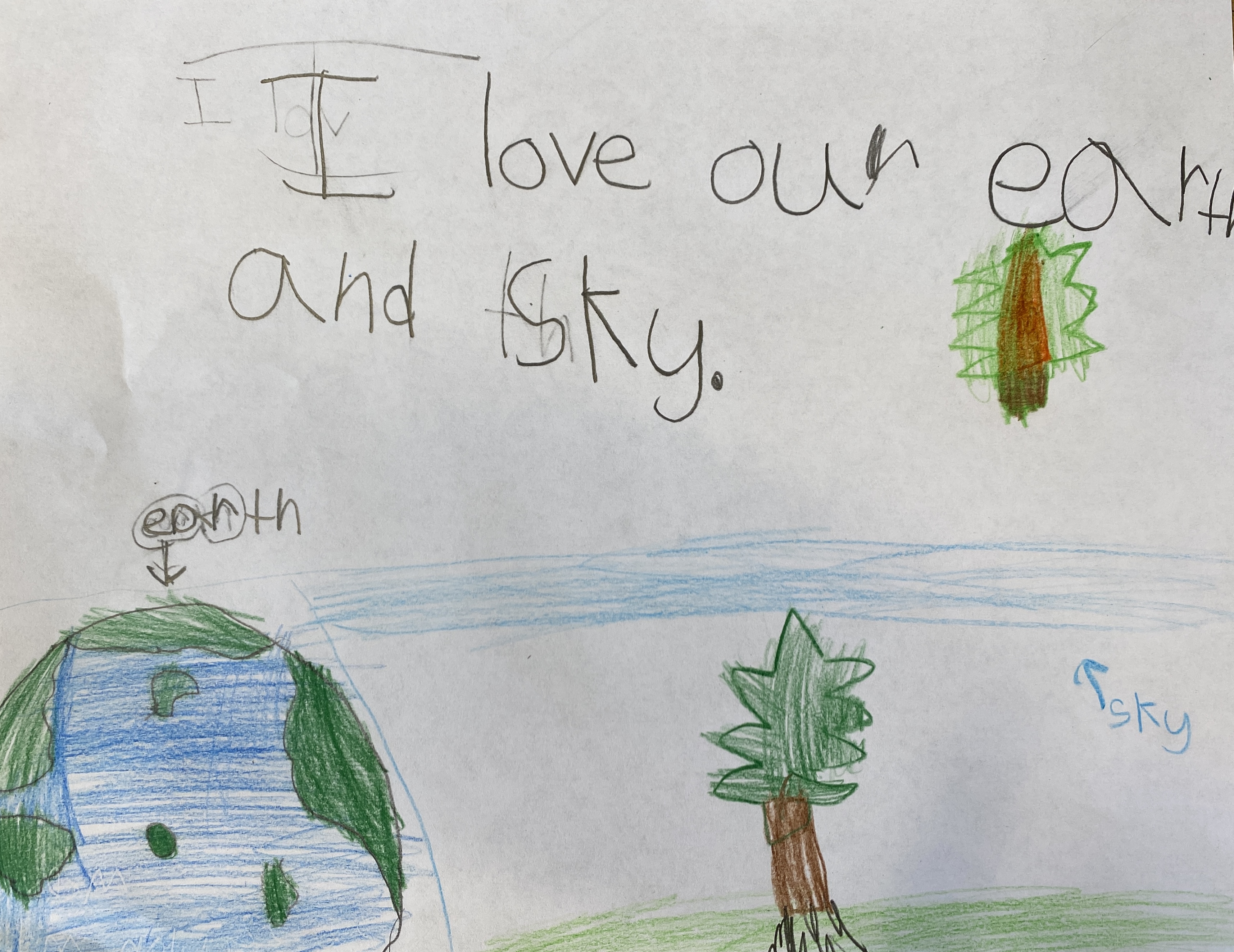
Then, they had to select their favorite of the 6-word statements they had written to feature on a mini poster. Some struggled to figure out which of their 6-word pieces to use (“They’re all good!” You’ve gotta love the confidence of first graders!) while others knew just what they wanted to write and draw on their poster. And even with phonetic spelling and some questionable counting of 6 words, they had important messages to share. Here’s a small sampling:

Pick up after yourself
Beautiful plants, beautiful earth, beautiful life
Please clean the planet, with others
Be green to save the Earth
I love our earth and sky

Building time to learn about and think about positive actions to protect our precious planet is essential to our longevity as a species. My students know they can make a difference and they are ready to do their part (and urge others to help out too).

Let’s not give in to doomsday thinking and instead cultivate a love for this incredible planet and everything and everyone who resides here. Together we can make a difference.