Tag Archives: photo essay

Ups and Downs

You’ve probably noticed that I love the beach–I take lots of photos there and it’s a wonderful place for walking.  There’s the sea breeze, the beauty of the surroundings…and it’s pretty much flat, making walking easy.

So today, we decided to take a walk away from the beach.  In fact we went to a place that we knew would have some pretty significant uphill and downhill climbs.

And while there is something to be said about staying on the flat and keeping things on a even keel, there is value in the ups and downs too.

As we started up the gently slope it was easy to set a brisk pace even as I was looking around at the native plants and looking out over the vistas.  I could walk and talk and breathe.

vistas

The first part of the walk continued on a gentle incline.  We walked quickly without feeling labored and then began down a pretty steep decline.  Walking downhill does’t feel too hard…but I was remembering that I was going to have to walk back up that same slope.  And at the bottom there was a pretty steep incline in front of us.  And rather than turning around, we decided to continue up for a bit.  I could feel myself slowing down and my breathing becoming more labored as I headed upward.  And then, about halfway up I noticed a mushroom growing along the side of the trail.  Of course I had to stop, kneel low, and take a photo.

mushroom

When we turned around to head back, lots of steep uphill was in front of me.  I could feel my muscles, my heartbeat, and each and every breath I took.  And yet, I kept climbing and kept walking.  I had to give up talking for a bit…I needed my breath for the climb.  At the hardest point in the climb, the place I was ready to stop, I found myself noticing and naming the native plants.  I recognized the black sage, the lemonade berry, the alkali heath…

As the grade eased, so did my breathing and I began to enjoy the scenery again.  We could see evidence of the rain in the plants, tender green shoots and colorful blossoms decorating these often monochromatic plants.
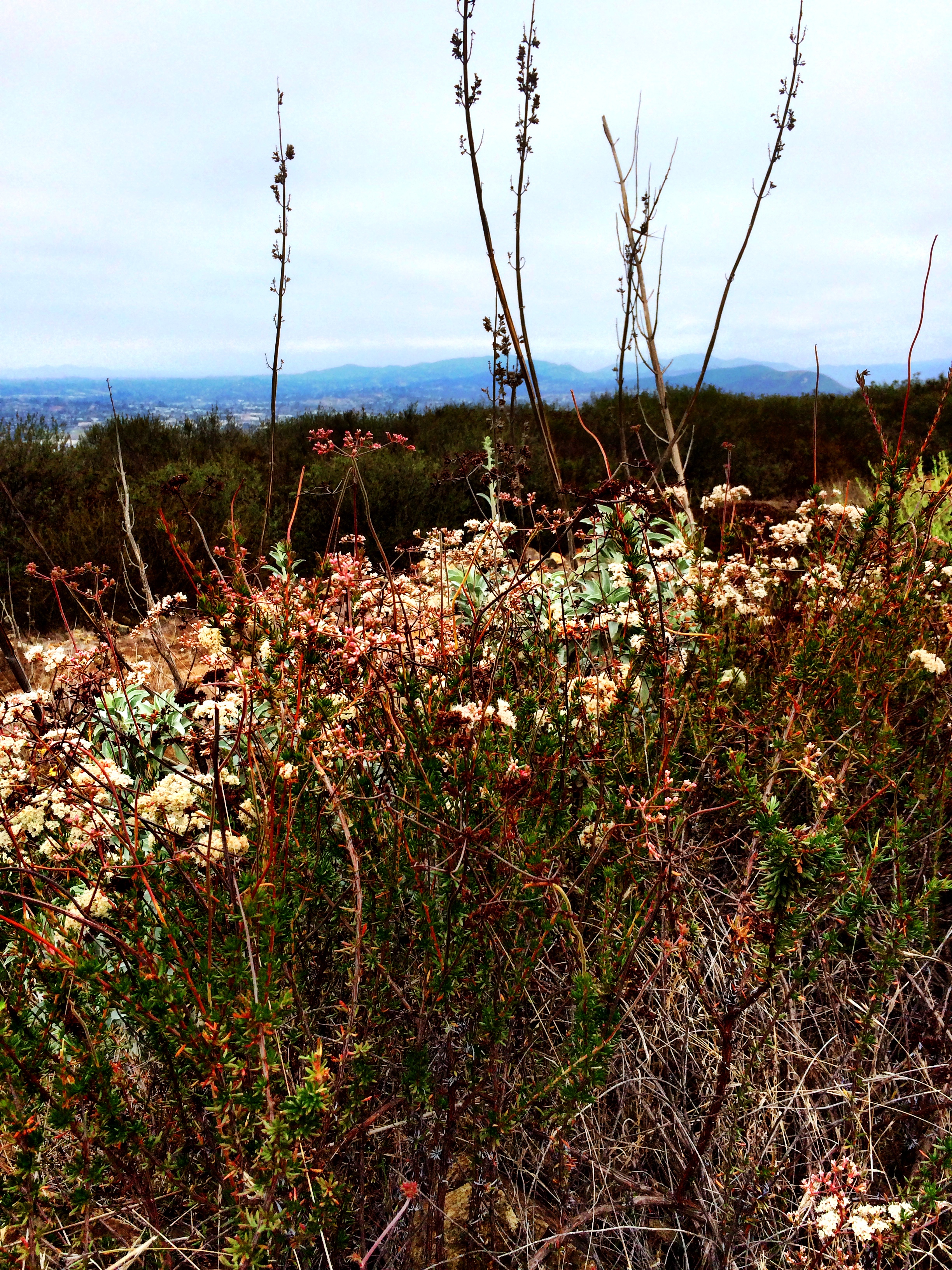
natives

As the walk came to an end, I felt good.  The ups and downs made my body (and mind) work in some different ways than walking on the flat.  The peaks and valleys made me work harder, and I could feel myself working on both my stamina and my resolve as I walked.

There are many more steep trails that we haven’t yet tried, and in spite of the fact that I know they will feel hard, I can’t wait to head back and explore some more of them.  I have great admiration for the woman I watched run the same trail I had trudged.  I don’t aim to run that route, but I would love to improve my fitness by including more of these challenging walks in my repertoire.

I find myself thinking about ups and downs, peaks and valleys in the classroom too.  There are some climbs that leave us all winded, laboring to get to the next flat stretch.  But, like my experience today, the challenges help us build our stamina, increase our “fitness” for learning together, and remind us that even when things are hard, there are reasons to continue on.

What ups and downs do you experience?  What do they teach you about your life and learning?  I know that I will be including more ups and downs in my walking routine, but don’t worry, I’ll still make time for walks by the beach.
Do You Selfie?

This week’s Weekly Photo Challenge on the Daily Post is the selfie–that ubiquitous self-portrait, usually taken on a mobile device.  They highlight the National #Selfie Portrait Gallery, an exhibit of the art of the self-portrait or selfie.

I’m not much of a selfie taker.  I don’t love to post photos of myself on social media and there are just so many other interesting things to take photos of that it doesn’t occur to me to turn the lens on myself.

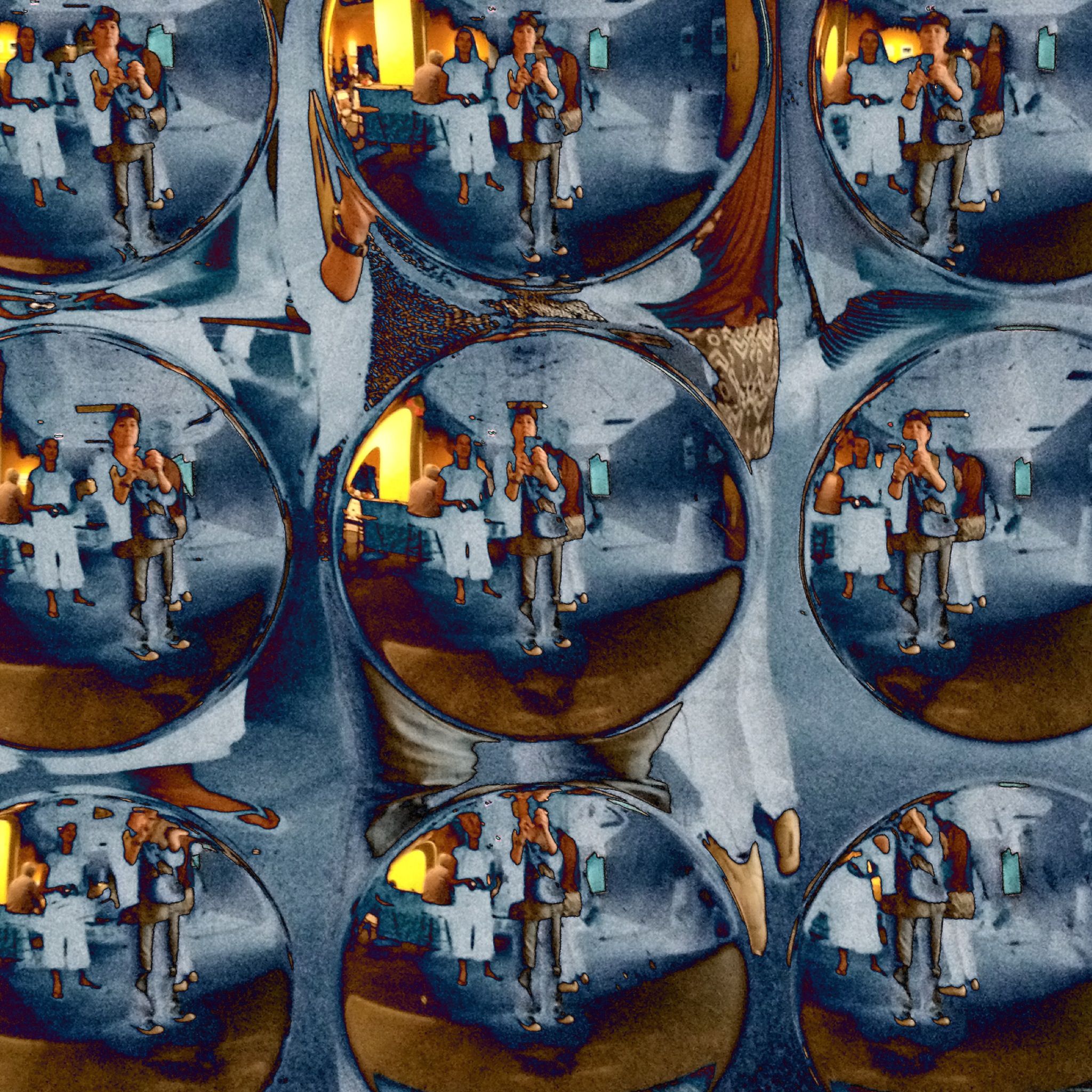
But when I saw the challenge, I realized that I do have a small collection of selfies.  This one, taken in the Natural History Museum in Denver, is one of my favorites.  I couldn’t resist the multiple mirrors…and then I used some editing apps to transform the image into an artistic interpretation of me.

museum selfie

I had fun playing with the colored light at the Reuben H. Fleet Science Center, creating a refracted light selfie.

selfie-colors

A mirrored wall at the Getty Museum created an opportunity to catch a selfie of myself…with my son, and a little of the marble surfaces of the buildings and walkways.

getty selfie

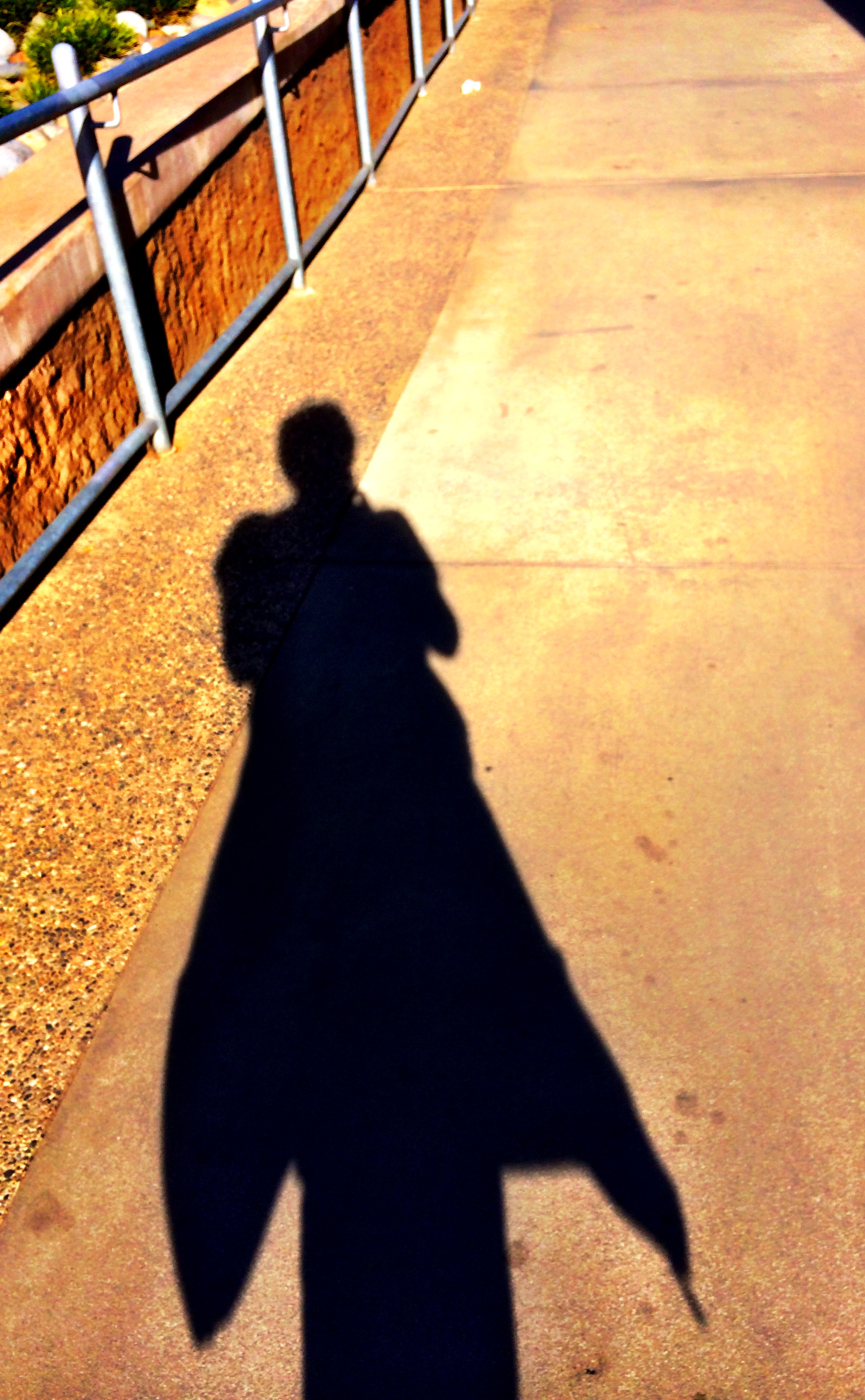
And since so many of my photo are of landscapes and the natural beauty of the place where I live, I do snap of few shadow selfies.  (Is that a selfie sub-genre?)  This one was taken on an exercise walk…you can see my sweatshirt tied around my waist.

selfie-boardwalk

And then the classic shadow couple selfie…my hubby and I out on one of my picture taking expeditions.  I was loving the long and lean shadow here.

selfie-us

On social media (Facebook, Twitter, and Instagram) I see some people who document their actions through selfies.  They snap pictures of themselves at landmarks, with friends, eating and drinking…  It seems to be a way to create a scrapbook of sorts of the moments they want to remember.  And as you can see, I do a few of my own.  Most of my selfies come from moments where the picture of myself (or my shadow) emerges as a way to play with photography–to try something a bit different and maybe even to prove I am physically present in some way.  I do capture the occasionally accidental selfie–standing in my own light and causing a shadow, shooting a reflective surface and surprising myself with a picture of myself instead of the image I was after.

Do you selfie?  Do you have a signature style or a classic pose?  Do you favor using your front facing camera on your phone, shooting into reflective surfaces or capturing shadows?  Do you post on social media or just share privately with friends?  What do your selfies say about you?

The Rule of Thirds

I woke up this morning thinking about where I wanted to go today to take some photos.  I wanted to stay close to home…and I didn’t want to head to the beach since I take a lot of beach shots.  I finally decided to head up near a golf course not too far from home, thinking about some greenhouses I pass every day and never take the time for a close look.

For February’s #sdawpphotovoices, we are playing with photography techniques and spending a week on each of four different aspects of those techniques.

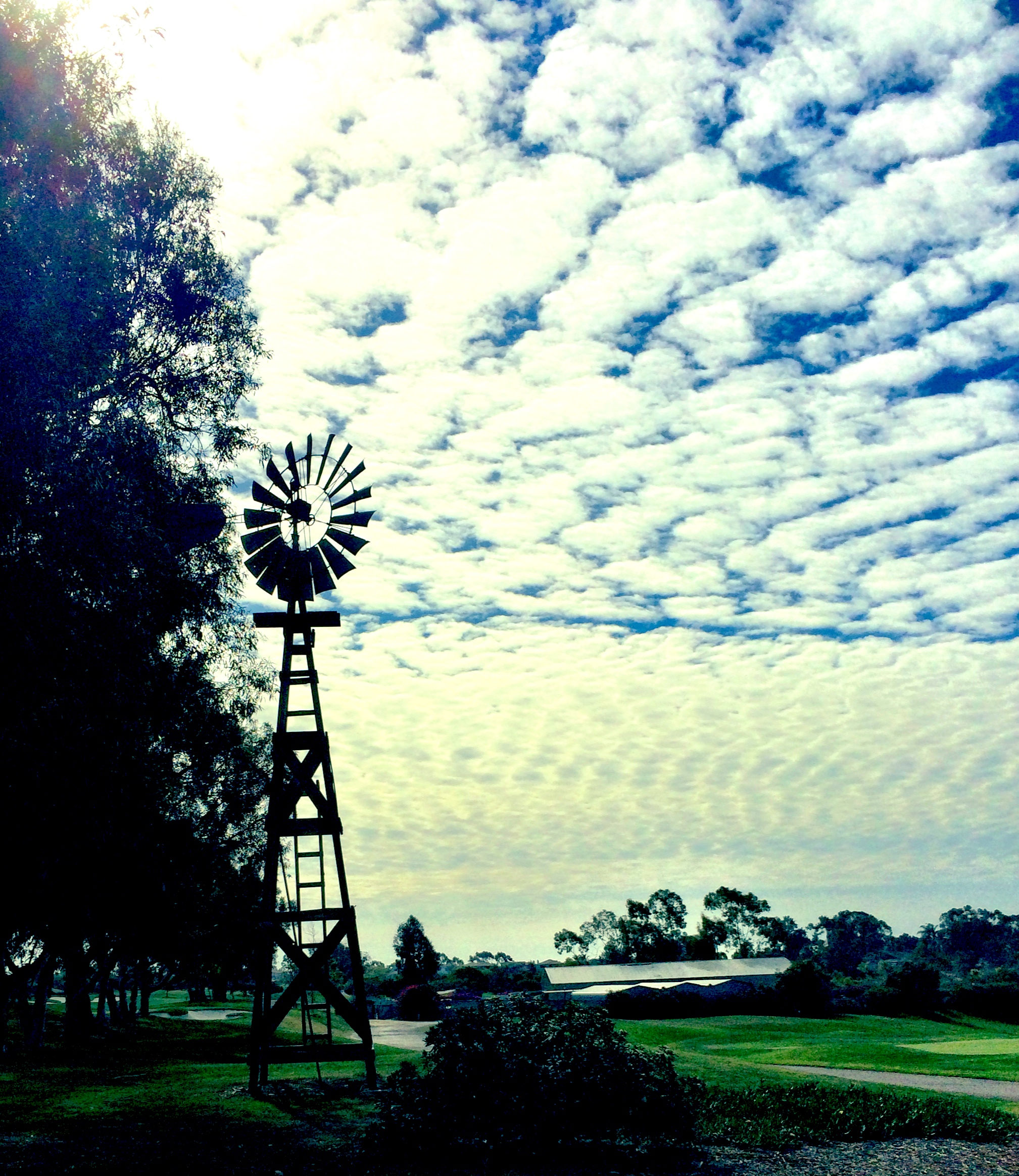
I headed out this morning specifically thinking about the rule of thirds–the technique of placing the focal element of the photo off to the side rather than centering it in the frame of the lens. This is a technique I do pay attention to, and sometimes it creates spectacular shots.  I notice that when I move the focal point off the center, I also allow something else interesting into the shot.

watertower

In the case of this watertower, it also allowed the beautiful flowering trees and the mottled clouds to enter the stage.  In some cases, moving into the thirds also works to simplify the scene and allows the viewer to see what you are looking at and not everything your lens might otherwise see.

windmill on golfcourse

As I was thinking about the rule of thirds in photography, I was also thinking about the value of applying that rule to instruction.  Sometimes the best approach to learning is coming at it from the side, letting context take center stage.

We saw evidence of this at the end of last week when we asked students to reflect on the service learning project we’ve been working on.  While we did revisit the importance of some kind of introduction and conclusion to a piece of writing, as students wrote about something they were not only intimately familiar with but also something that they were engaged and invested in, the writing flowed.  And we even had that wonderful experience of having students beg for more writing time!

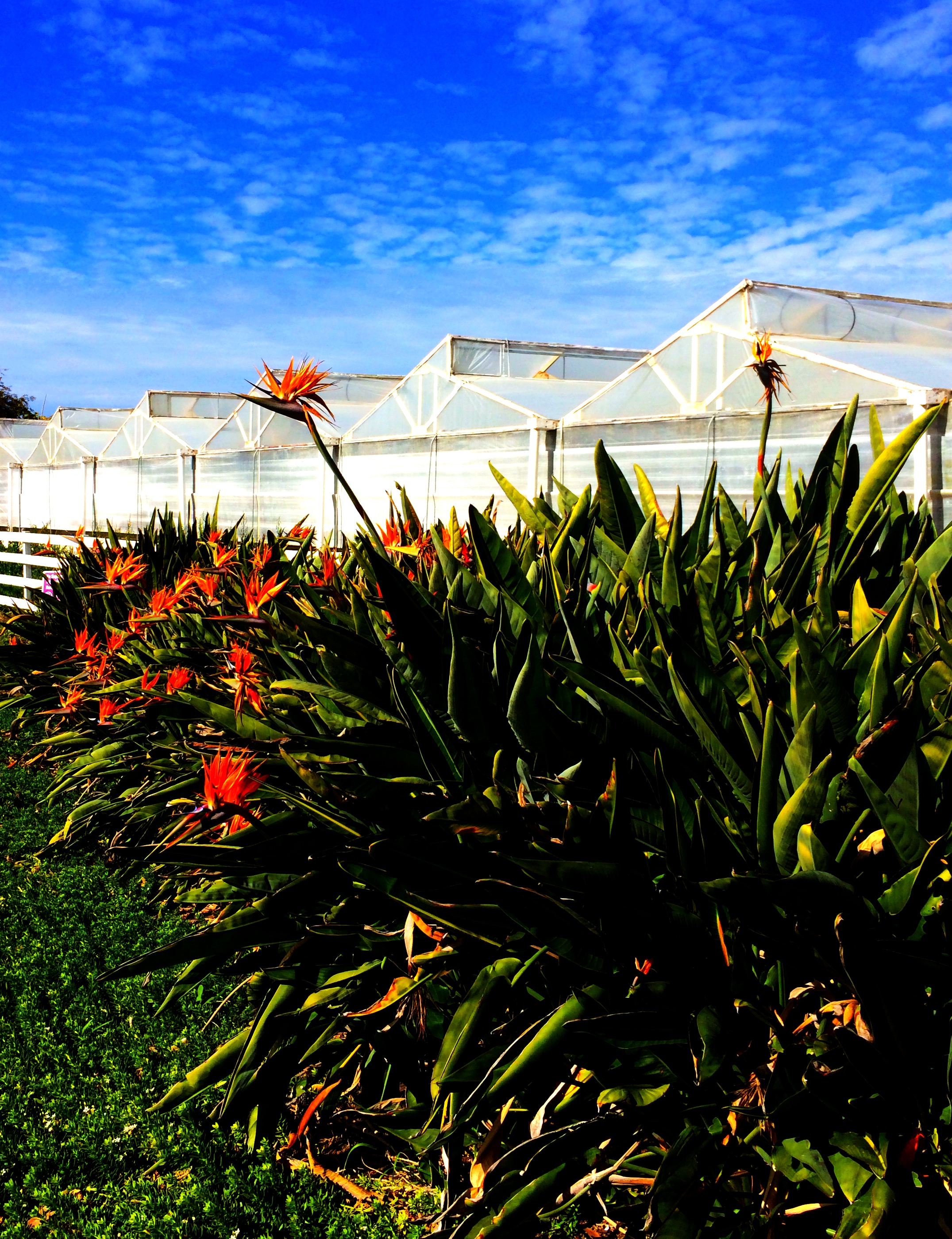
Sometimes you barely notice the rule of thirds being applied.  You might remember that I mentioned greenhouses at the beginning of this post.  The area where I live used to be covered with flower fields and greenhouses.  Development has pushed much of the agriculture out of our area, fields and greenhouses now replaced by million dollar (or more) homes.  As I explored this morning, I captured some shots of one of the remaining operations–surrounded by a suburban housing development and across the street from the golf course.

Greenhouses with bird of paradise

In this case my focal point was the bird of paradise in the foreground.  The greenhouses and the sky serve as a beautiful backdrop.  I was wishing for the sides of the greenhouse to open. There are many days when I drive by and notice the plastic walls open, offering a peek at the colorful flowers within.

And finally, it’s sometimes the simplest of things that makes for a beautiful photo.  This tree and fence and clouds taken from the back of the golf course seemed a perfect candidate for a black and white application.  I think the white fence and the white clouds create the kind of contrast that is needed with black and white.

Black and White from behind

I had a lot of fun playing with the rule of thirds and exploring the local community.  It’s interesting to drive down side streets and behind the places I see so often only from my car window as I commute to and from work.  I’m thinking that a month focused on photographic technique may offer me many new ways to play…right here, close to home.

An Architectural Learning Walk

Sometimes I’m surprised at what interests me.  With my camera in my hand, I find myself drawn to shapes and angles, light and shadows, things that shine and things that crumble, the cute and the hideous…  Contradictions make for interesting photographs.

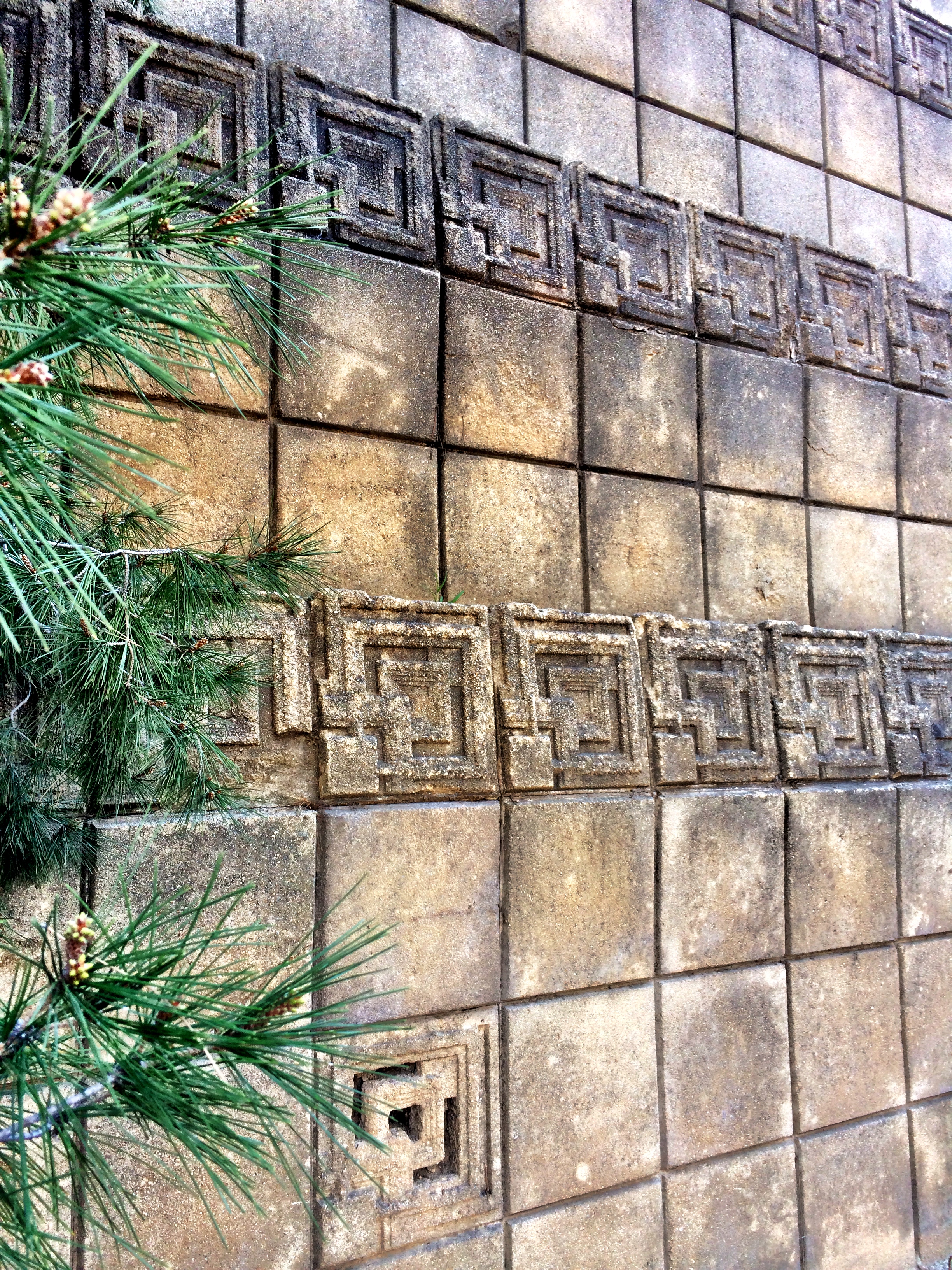
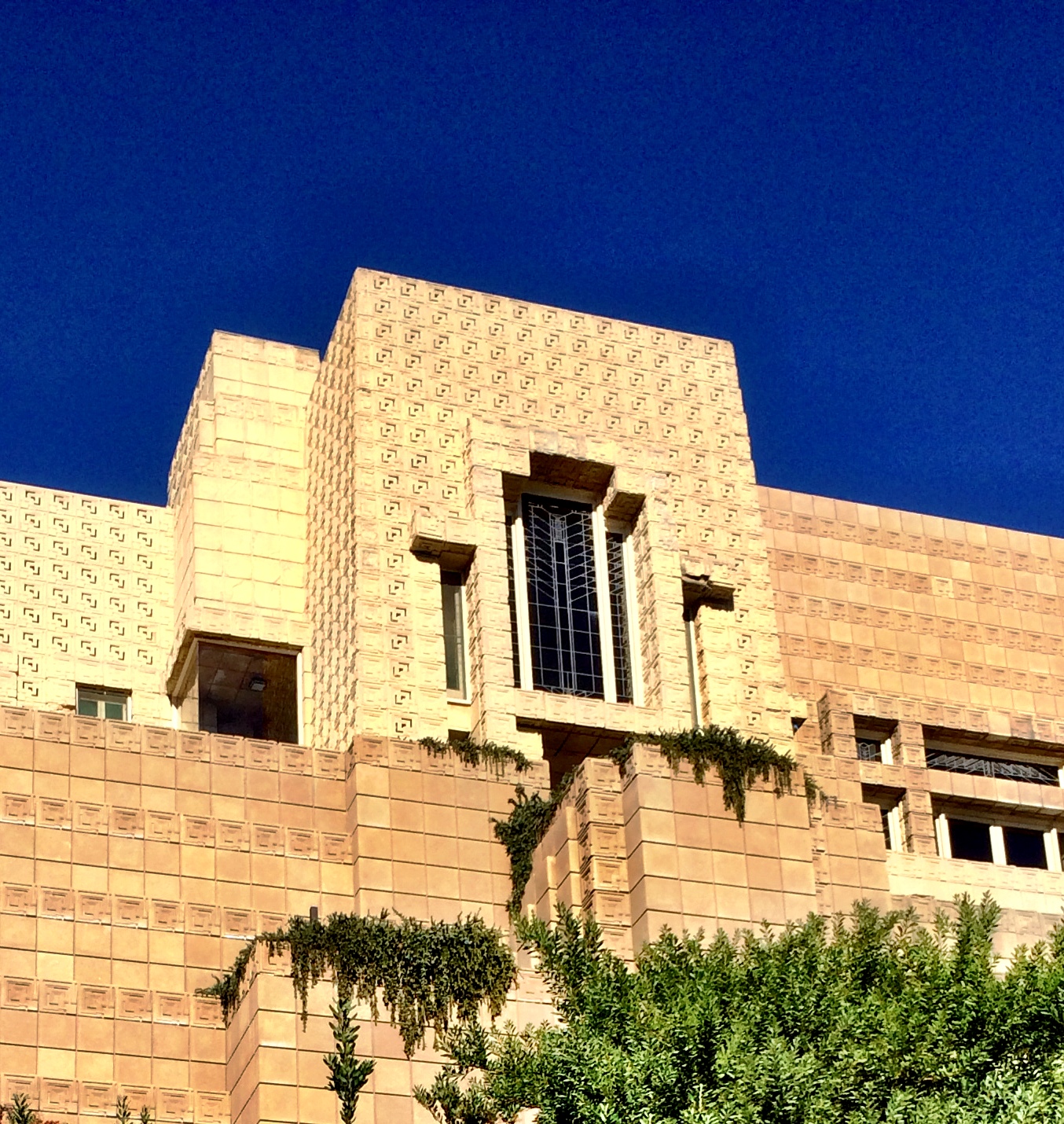
I mentioned earlier this week that I had gone exploring in the Los Angeles area on Monday with my son.  We headed into the hills in search of the Ennis House, a residence designed by Frank Lloyd Wright.  This house is made of “textile blocks”–intricate patterns pressed into the concrete.  The concrete has deteriorated over time (it was built in 1924), putting the building in danger.   Since being purchased a few years ago by billionaire Ron Burkle, it is now being restored to its original state.

photo-69

This is a huge place and has a history of being used by the film industry as a setting for movies, Blade Runner is one example.  I can only imagine what the view must be from the interior of the house from its perch on the side of the hill above downtown Los Angeles.

photo-71

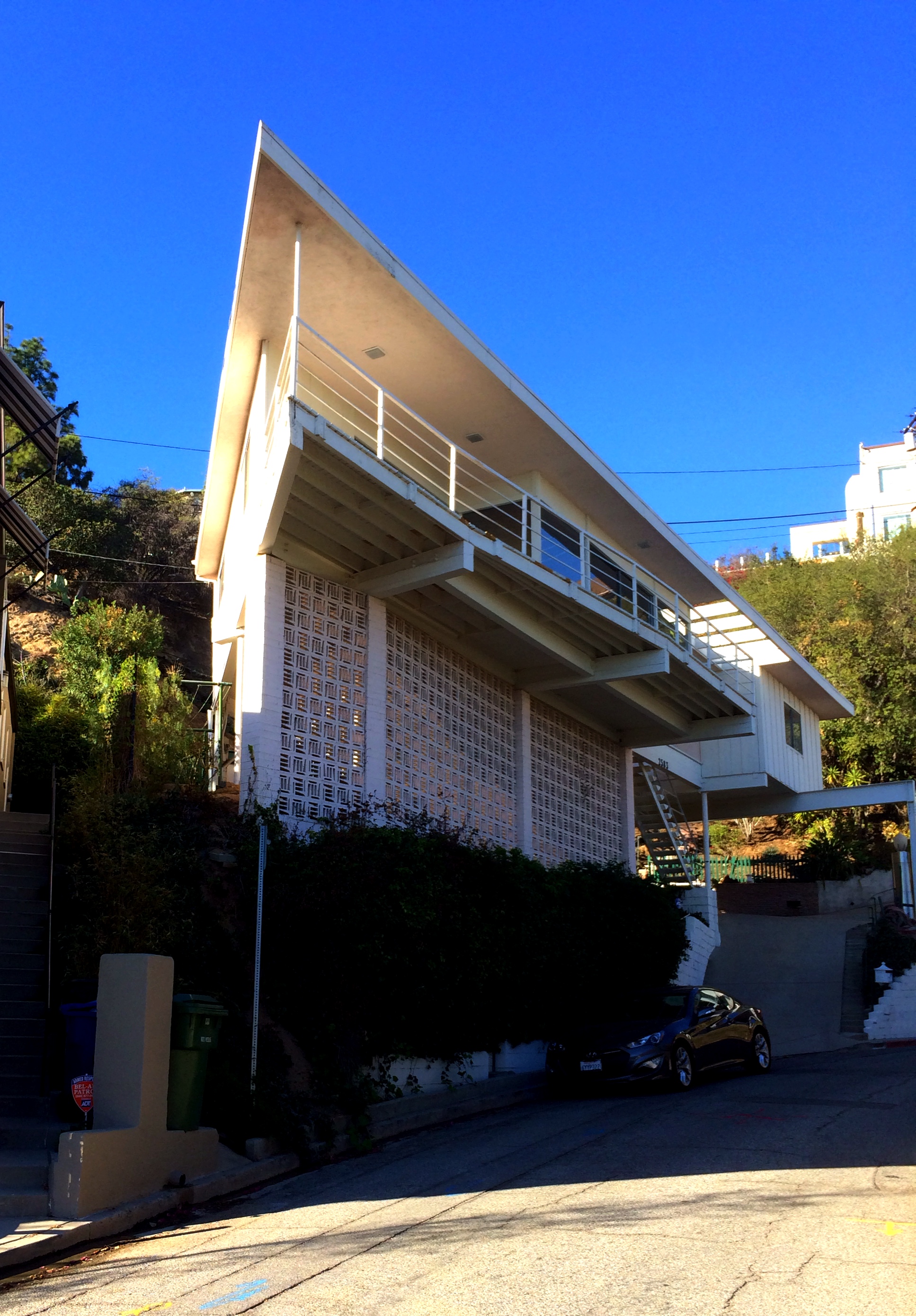
In our climb up to the house, we noticed other interesting architecture in the neighborhood. After parking and walking around, we examined the interesting collection of eclectic design built into the hillside.

photo-72

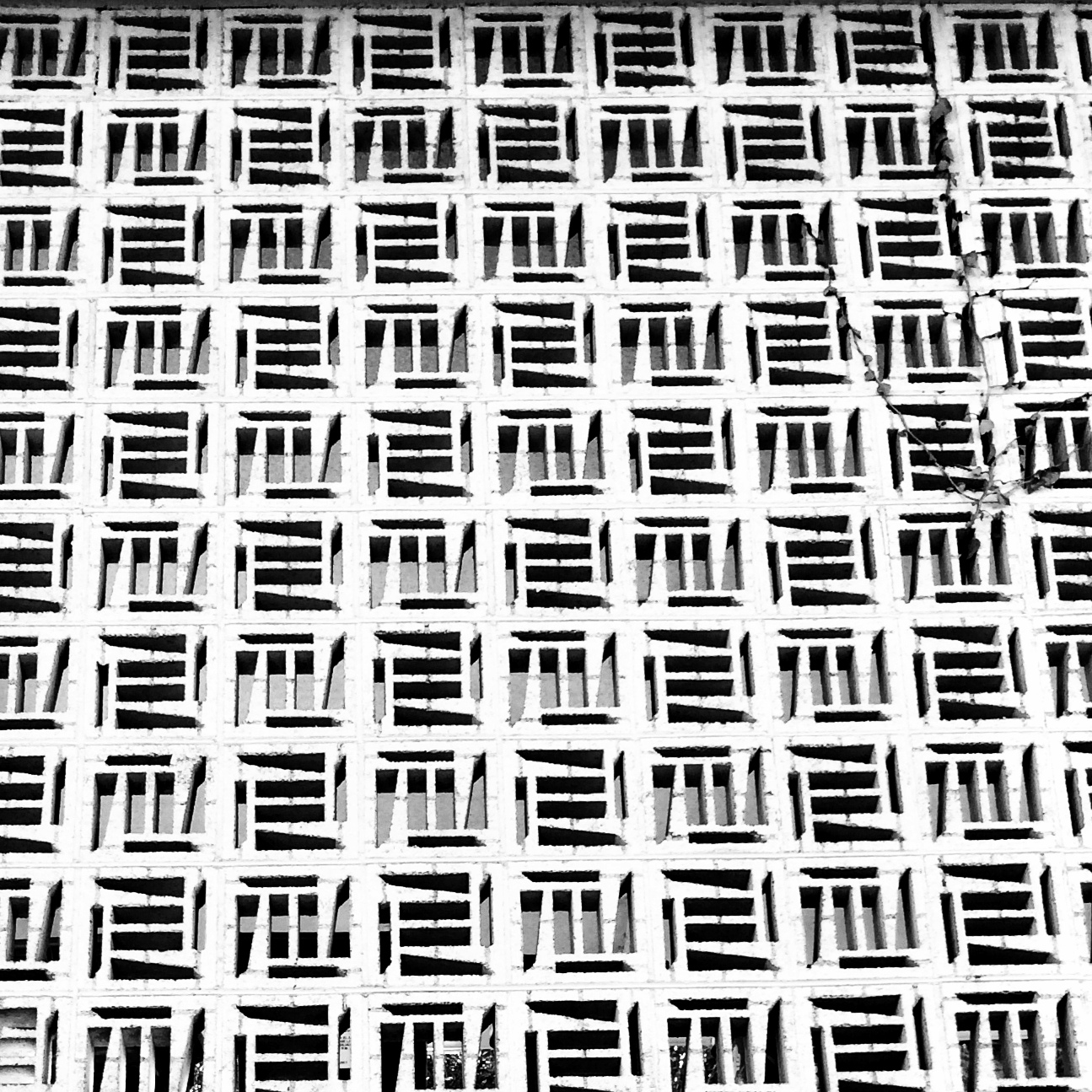
This one that juts out at an angle also sports an interesting screen along the bottom.

photo-70

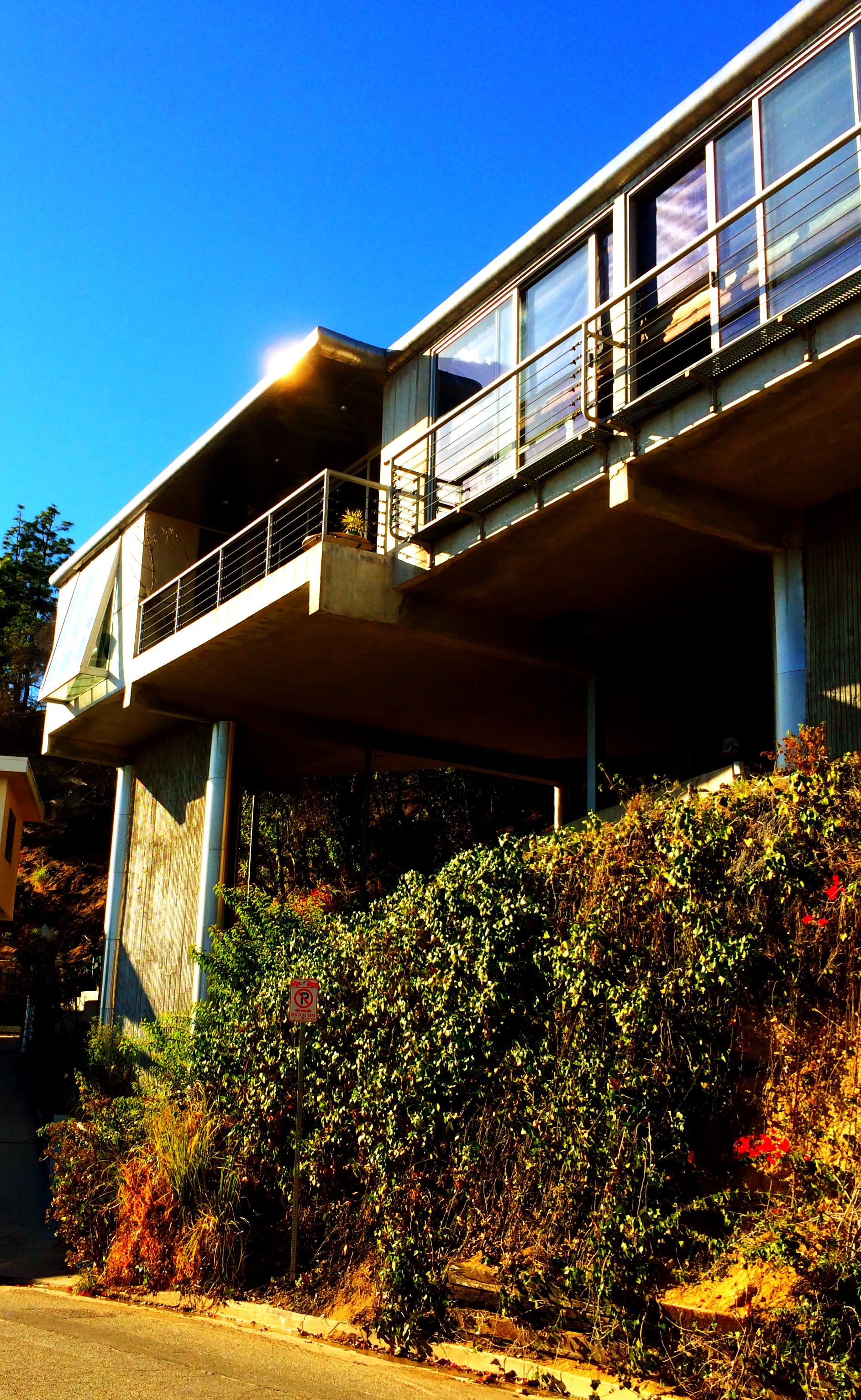
The one right next door seemed to built on stilts, lifting the living quarters up high enough to catch the view below.

photo-79

If you asked me last week if I was interested in architecture, I might have said no.  But after my day exploring through photography, I found myself looking up information about the Ennis House and interested in finding out more about other architectural styles.

This happens in my classroom too.  Once students engage in learning about something…especially in an active, student-centered way, their interest is piqued and they can’t wait to learn more.  They seem to notice the new information everywhere and make connections well beyond the classroom walls.

What new interests have you found recently?  What inspires your learning?

Window Views

I’ve heard that saying that eyes are the windows to the soul…a way to look beyond the surface of a person into their thoughts and emotions, which got me thinking about windows.

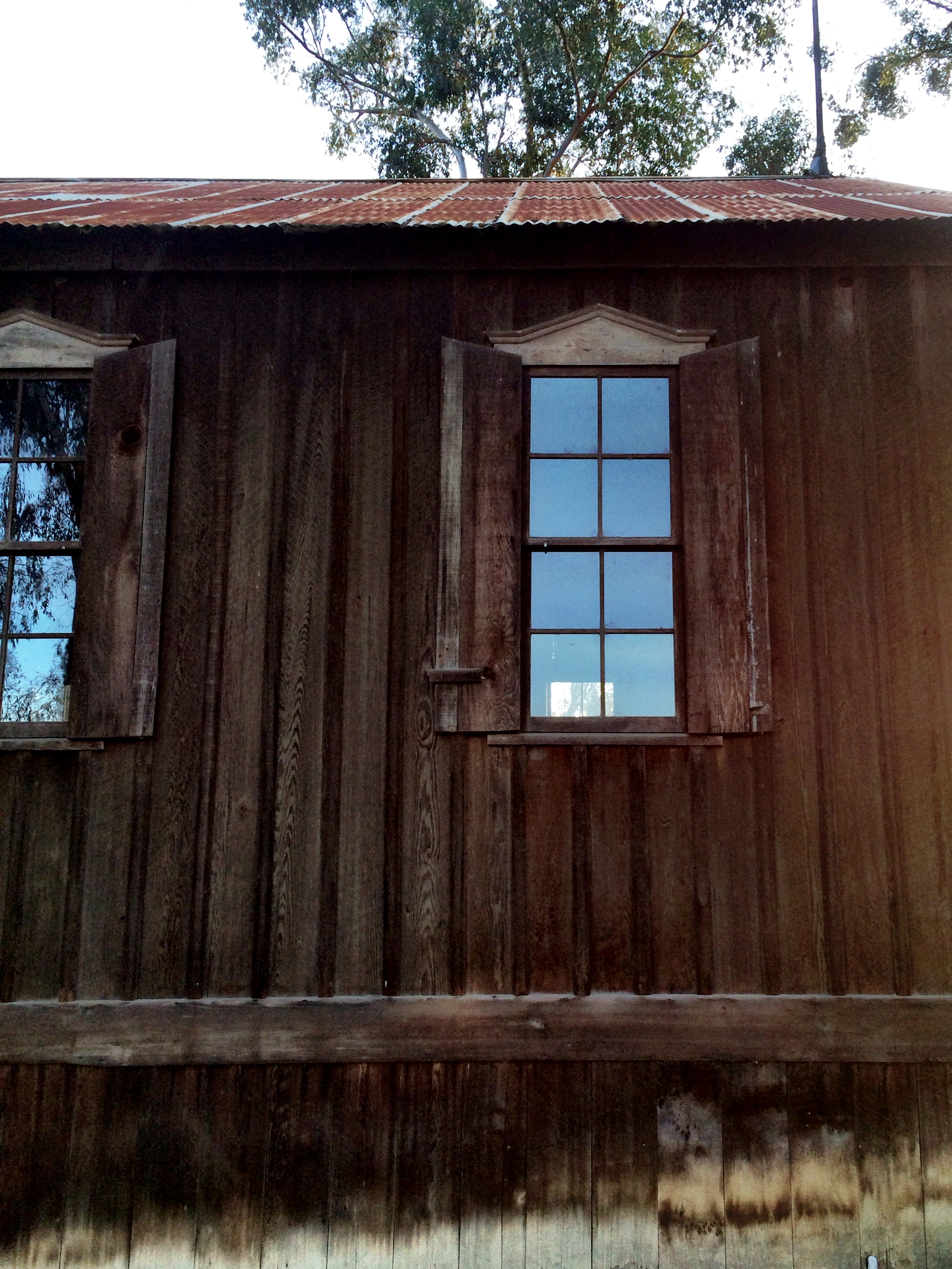
From the outside, you can look through a window to see what is inside.  But sometimes, when the light is right, what you see when you look through the window from the outside is a reflection of the sky and trees…like this.

photo-60

It’s almost more of a mirror than a window.  You don’t see through it, you see the world reflected back at you.

And other times when you look through a window you can see through one window and then back out another window…and catch a glimpse of what is on the other side.

photo-58

It’s almost like looking beyond the present…into the future or maybe into the past.

But what about the shape of windows?  How does that impact our view?  These windows are long and thin, reducing the amount of light that enters and restricting the view.  Was that an intentional goal of the windows in this applied physics and math building?  Or is there some physics and math at work that impacts just how these windows work?

photo-61

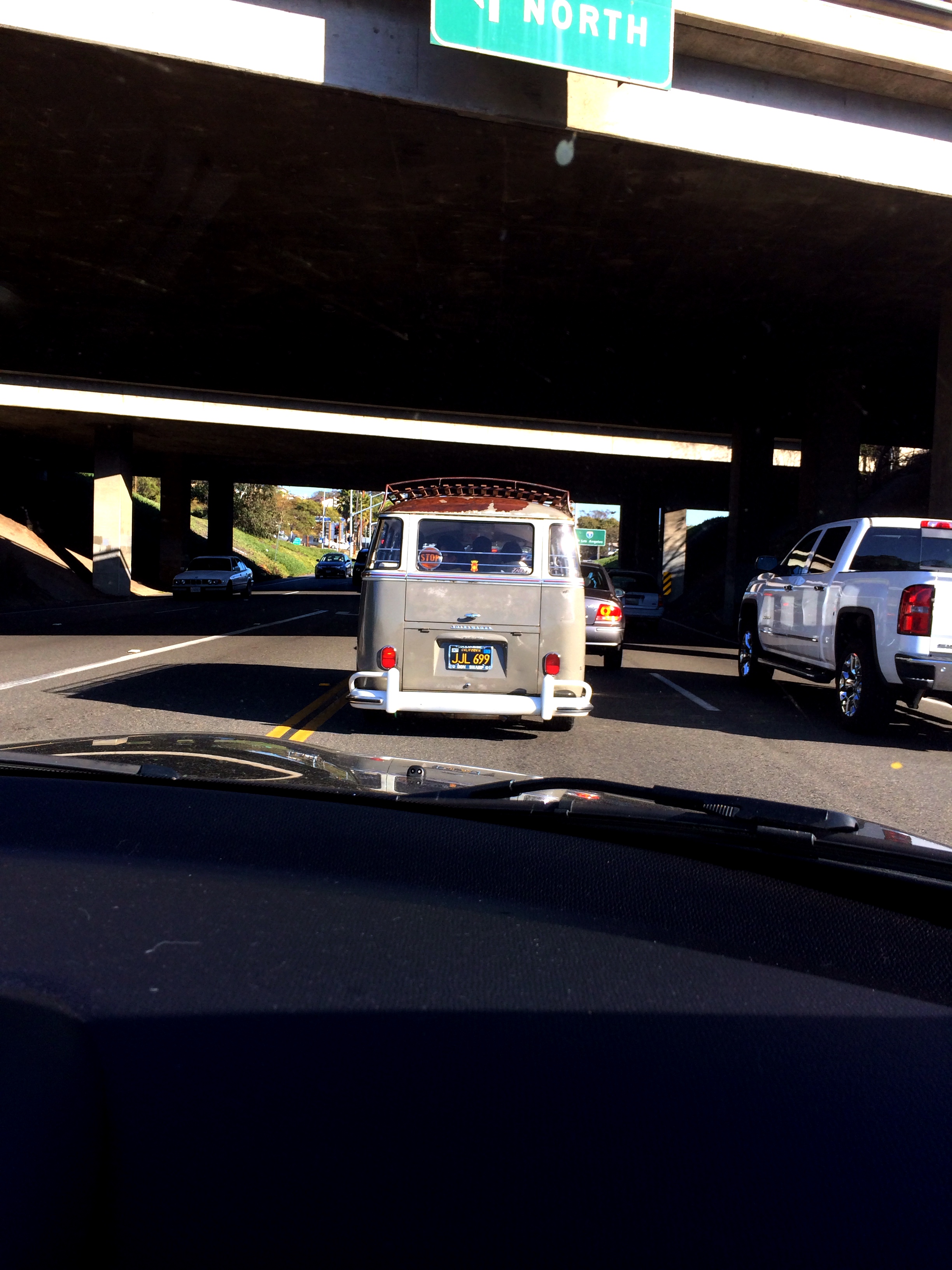
Looking through my photos also makes me realize just how much of my life is seen through the frame of a car window.  How does this window affect my view?  (This one is from the passenger seat…not the driver’s!)  I was fascinated by the VW bus, the rusty roof, the retro license plate…

photo-59

And we also look out through windows.  Sometimes the view is pretty open, allowing a wide angle of view.

photo-57

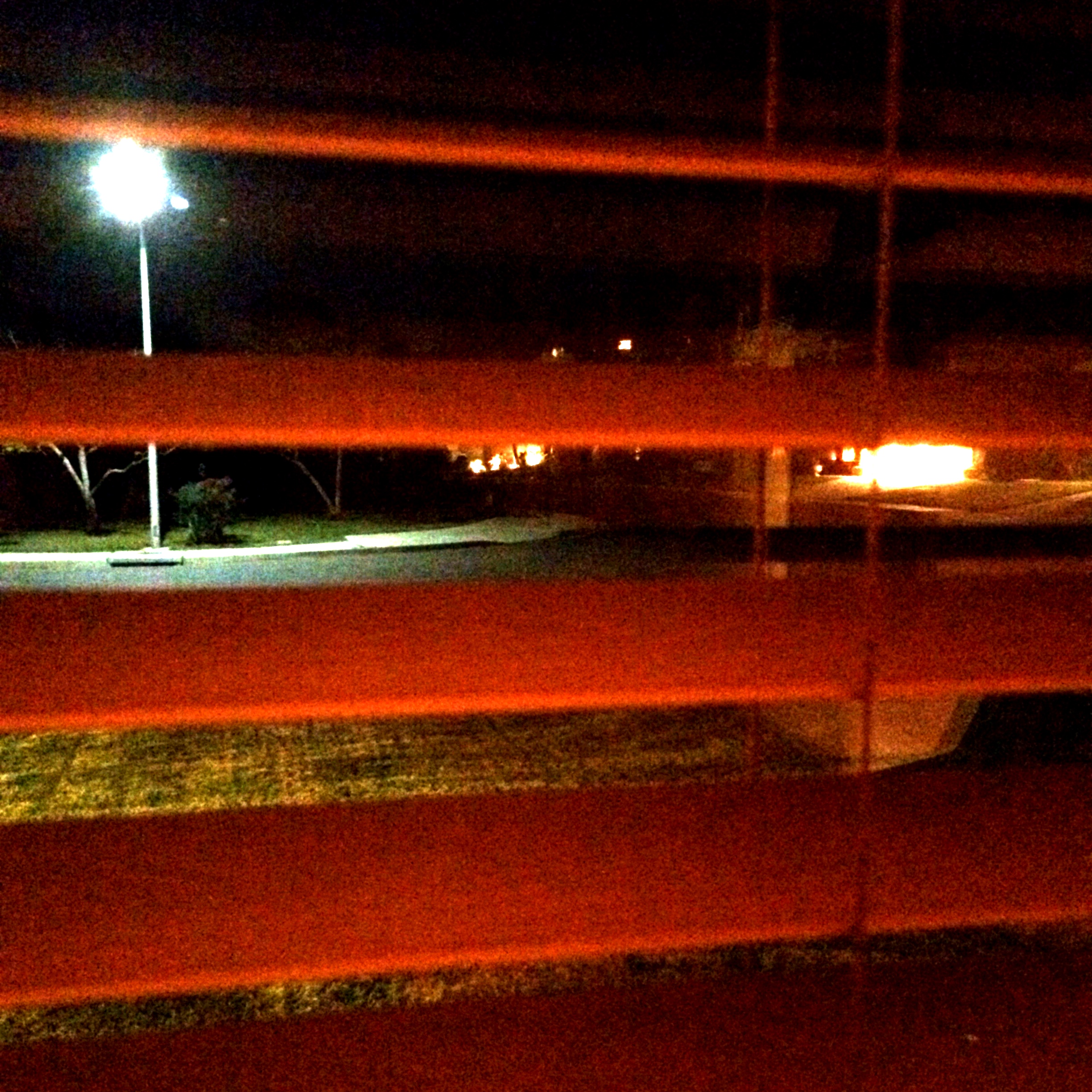
And other times there are barriers, restricting our vision and limiting what can be seen.

photo-62

So are our eyes really like windows?  Do they sometimes reflect, sometimes allow the viewer to see beyond, sometimes carefully frame or give a view influenced by your seat?  What affects the way we see out?  When are the curtains drawn wide open and when are the blinds restricting the view?

How do your windows influence your view of the world?

Documenting Growth

The garden metaphor is pretty common in education–you know, planting seeds and watching them germinate, grow, and eventually bloom.  And as a teacher who keeps her students for three years, I really do get to plant some of those seeds, watch them germinate, grow…and bloom–sometimes a year or two after they are planted.

One of the families in our class gave each of us a mason jar planted with a narcissus paperwhite bulb for Christmas with a note on the lid telling us to be sure to take the top off and water.  And since taking that top off three weeks ago, I’ve been watching that bulb.  It began by stretching roots down, filling the jar with stringy white texture.  And then green shoots began to emerge, quickly growing tall above the rim of the jar.

Earlier this week those tall shoots got taller than they had the strength to hold onto and bent over, startling me as I looked up and found the shoots looking down at me.  My handy husband found some old chopsticks and propped the shoots back upright.

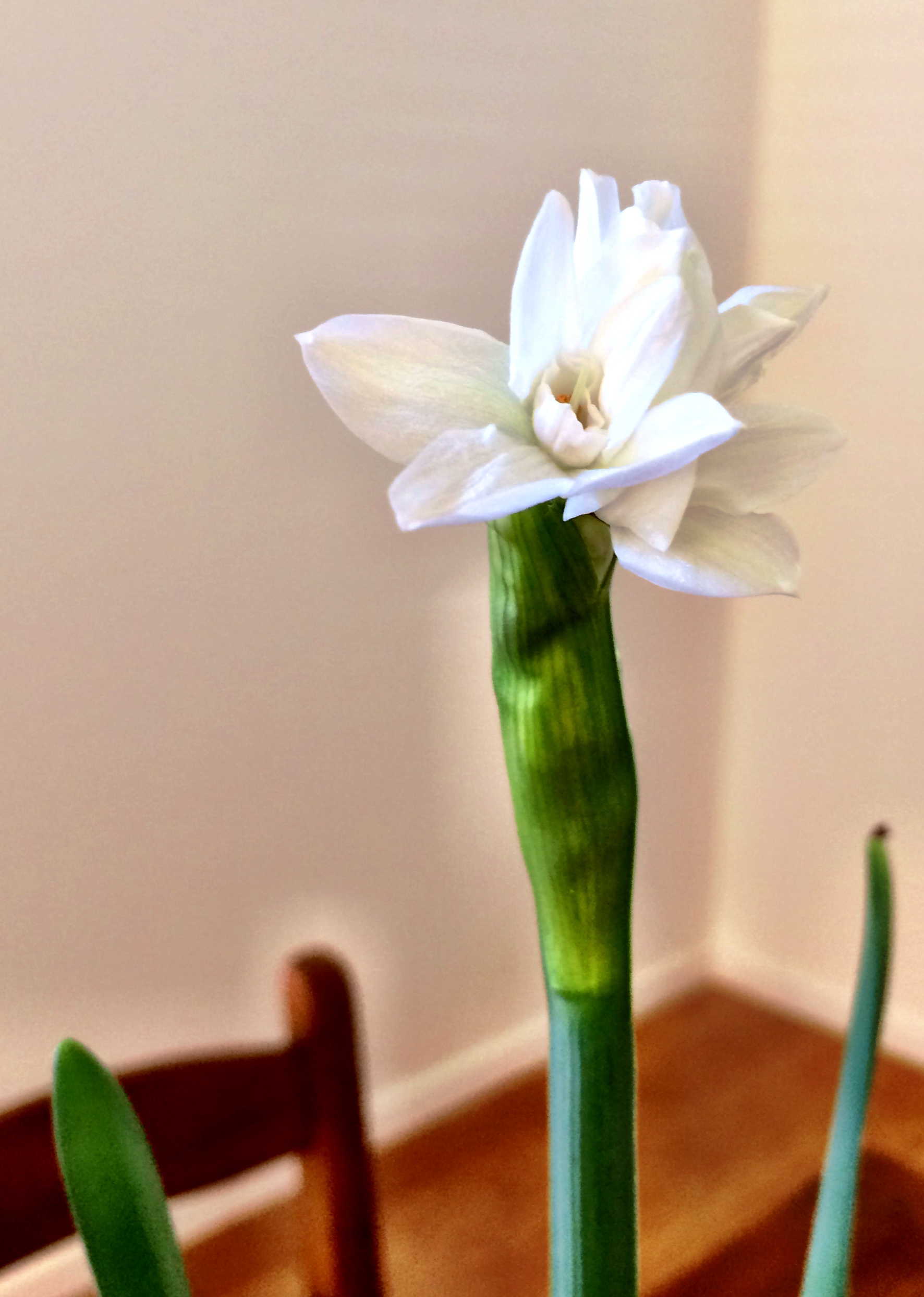
Close examination over the last week revealed buds, and I checked daily to see if they were ready to open.  And today when I got home from my morning San Diego Area Writing Project Leadership Group meeting, I found that the blossom had opened.  And of course I had to get my camera out and take some photos to document the growth and capture the beauty.

photo-54

I’m loving this still life, an unedited photo taken with my iPhone.  If you look closely you can see the blossom at the top and the one to the left that is getting ready to bloom.  (You can even see the chopstick props if you really look closely!)

Of course I also wanted to lean in and capture the detail with my macro lens.  The detail of the blossom is revealed by the magnification of the lens.  This is another unedited photo.

photo-55

And sometimes it’s nice to get a different view.  In this shot I used the regular iPhone lens and then brought the image into Camera+ to crop and enhance. I like the effect and how it emphasizes how the shoot changes as it gets close to the blossom.

photo-53

I’ve enjoyed documenting the growth of this bulb through my photography.  It also has me thinking about how we document our students’ growth…and how they keep track of their own growth.  We keep samples of students’ work and have them reflect on their own learning, encouraging them to notice, stretch, and build on what they have learned.
My photographs document my growth as a photographer.  I can see how my composition has improved and as I examine my photos I make plans to try new techniques.  I seek out mentors on other blogs and on other internet sites.

We plan to start our students blogging next week.  We began blogging last year…figuring out how this might work with young students as we worked through each step of the way.  We’ve let the blogs idle as we established our classroom community and let our first graders develop some fluency and confidence with writing.

As we get ready to restart our blogging, I want to think about student blogs as documentation of learning…as portfolios of growth over time. And I want to capture snapshots of their growth like I have with the paperwhites, documenting their progress and their process over time.  Maybe the blogs will be like my camera lens…

Exploring, Lagoon Style

Sometimes I find myself taking the same photo over and over again.  I definitely have my favorite places to go, and when I’m not intentionally doing something differently, habit leads me to frame that same photo yet again.

To combat that, and to push my photography, I’ve been trying two things: finding someplace new to take photos and framing my photos in intentionally different ways.

I stopped by the San Elijo lagoon yesterday and snapped a few photos near sunset.  Today we headed off to the Batiquitos lagoon–a place we seldom visit–to walk the trails and take photos.

Heading west, we took a trail over a small bridge and found ourselves on a mucky path, slick with mud and wet sand.  We trudged on for a while until we got to a place where we could only pass by climbing rocks.  But along the way I had noticed the pickleweed, a specially adapted plant that thrives in the brackish water of the lagoon.  It’s often green, but today it was gorgeous with vivid pinks and reds.  I got out my macro lens and leaned in close to capture the pickleweed.

photo-20

And as long as I had the macro attached, I took photos of other native plants including salt grass and whatever this plant is.

photo-21

Heading back to the east, we found the drier part of the trail and walked with many people and their dogs in the sunny mid-60 degree weather.  We spied an osprey high in a eucalyptus tree overseeing the lagoon.  Ducks paddled and dove down into the briny water for a mid-day meal.

I love the way this lagoon plant almost looks like cotton with puffs exploding from it.  I worked to photograph the lagoon with this plant in the foreground and the sun over my shoulder, framing the water with the plant instead of shooting over the top of it.

photo-24

Bare trees are uncommon around here, so this one caught my eye.  Instead of focusing my camera on the tree branches, I worked to see the lagoon through the tree, capturing the wispy white clouds and the shine of the water’s surface behind it.  Shooting toward the sun created the silhouette-like sharpness of both the foreground and the background.

photo-22

As we were leaving, looking toward the northwest, the sun was a bit off to the side as I tried to frame this image of the space where the freeway passes over the lagoon.  I knelt, pulling the brush into the image as I looked out to the ocean.  You can see the fog beginning to gather along the coast and if you look closely you might even notice the many ducks floating on the current just beyond the brush.

photo-23

And as an added bonus, we got in a nearly two mile walk in the fresh, salty air on our quick photo expedition!

The Joy of the Unexpected

As a photographer I am attracted to things I find beautiful…interesting shapes, saturated colors, cute furry animals, sweet children.  But today was different.

Using my macro lens, I was taking photos of a paperwhite bulb that is beginning to emerge, capturing the brilliant green shoots emerging from the jar.

photo-8

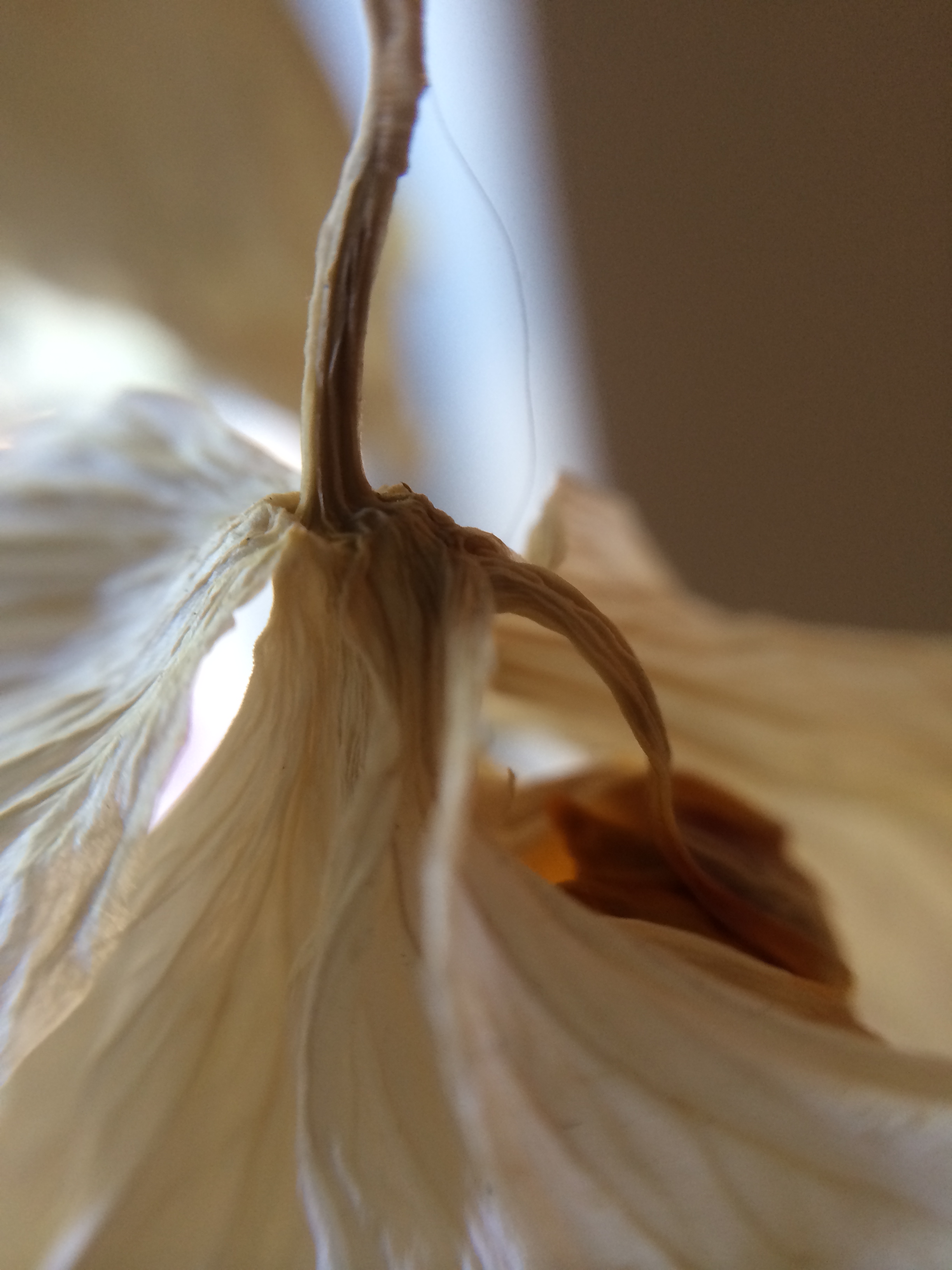
But I wasn’t done exploring with my lens.  I noticed the orchid in the kitchen window still hanging onto the dried blossoms.  I should probably pull off these dead remnants, but instead I aimed my macro lens and captured a beautiful image of the dried and withered petals.

photo-7

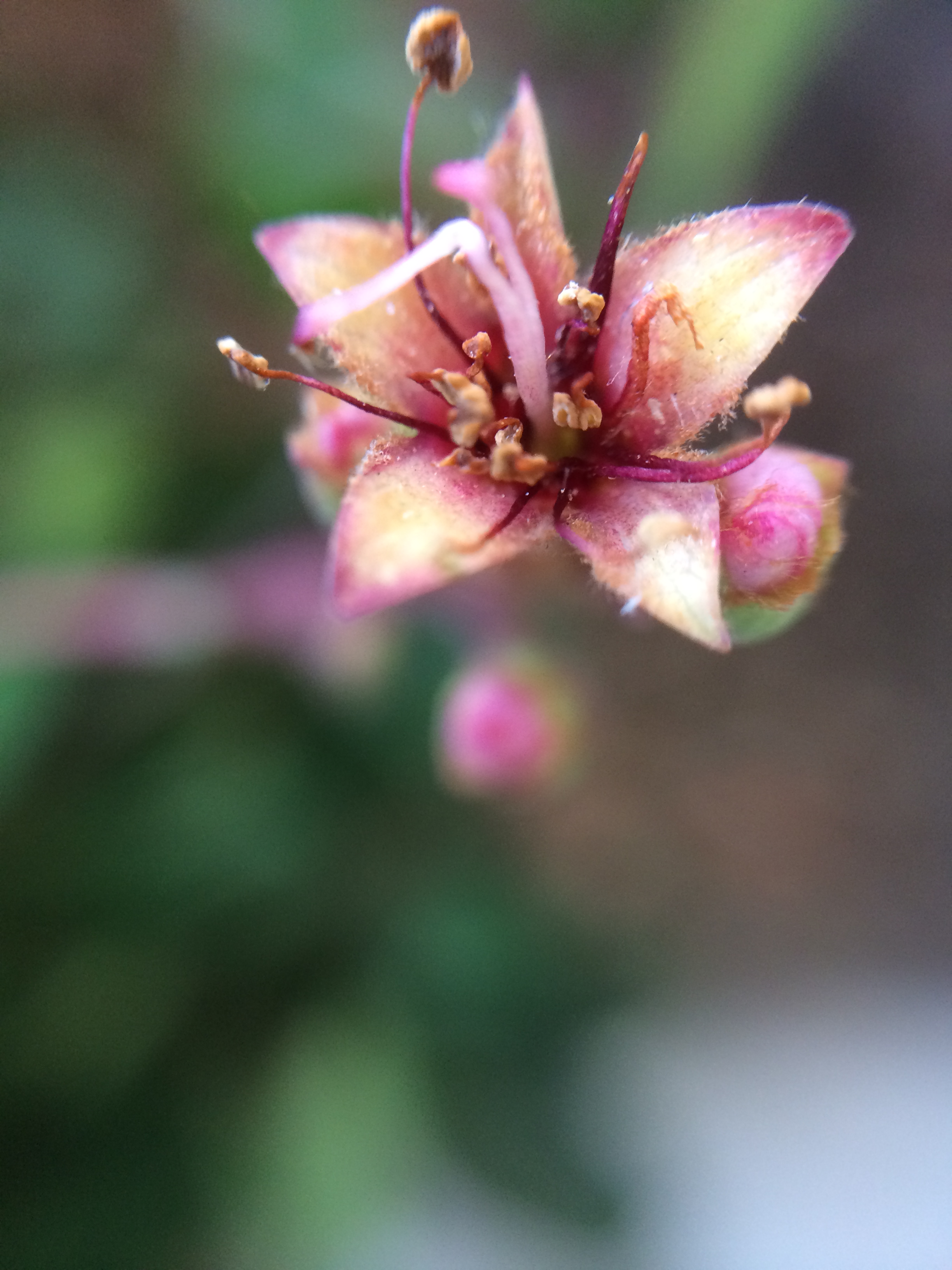
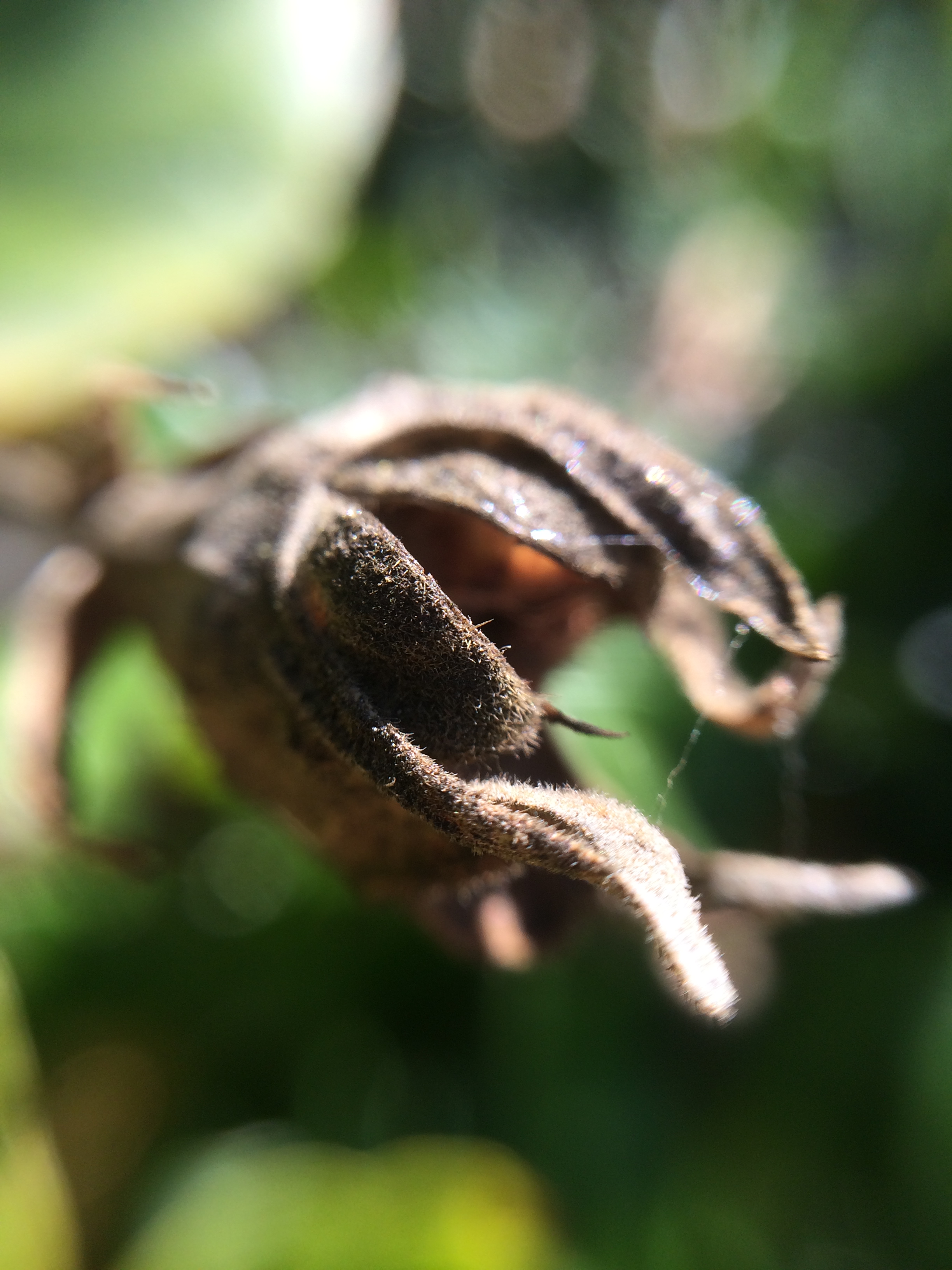
I headed outside into the unusually warm December morning, still looking for opportunities to get close.  I noticed this dried blossom on the hedge and leaned in.

photo-9

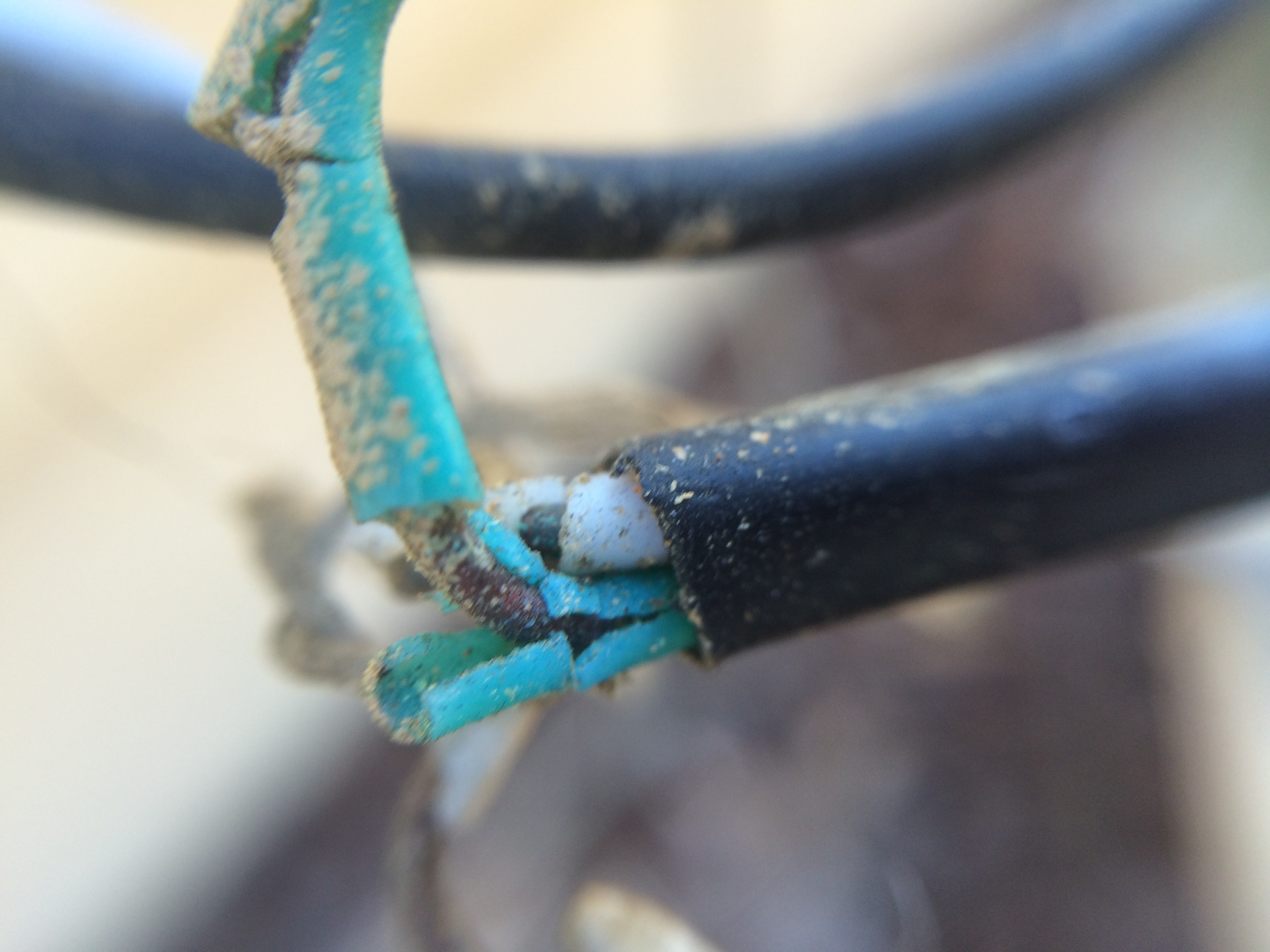
Then I noticed the old wires on the part of the sprinkler system that has been disabled.  There’s a certain elegant beauty to the turquoise plastic revealing the coppery wire within.

photo-13

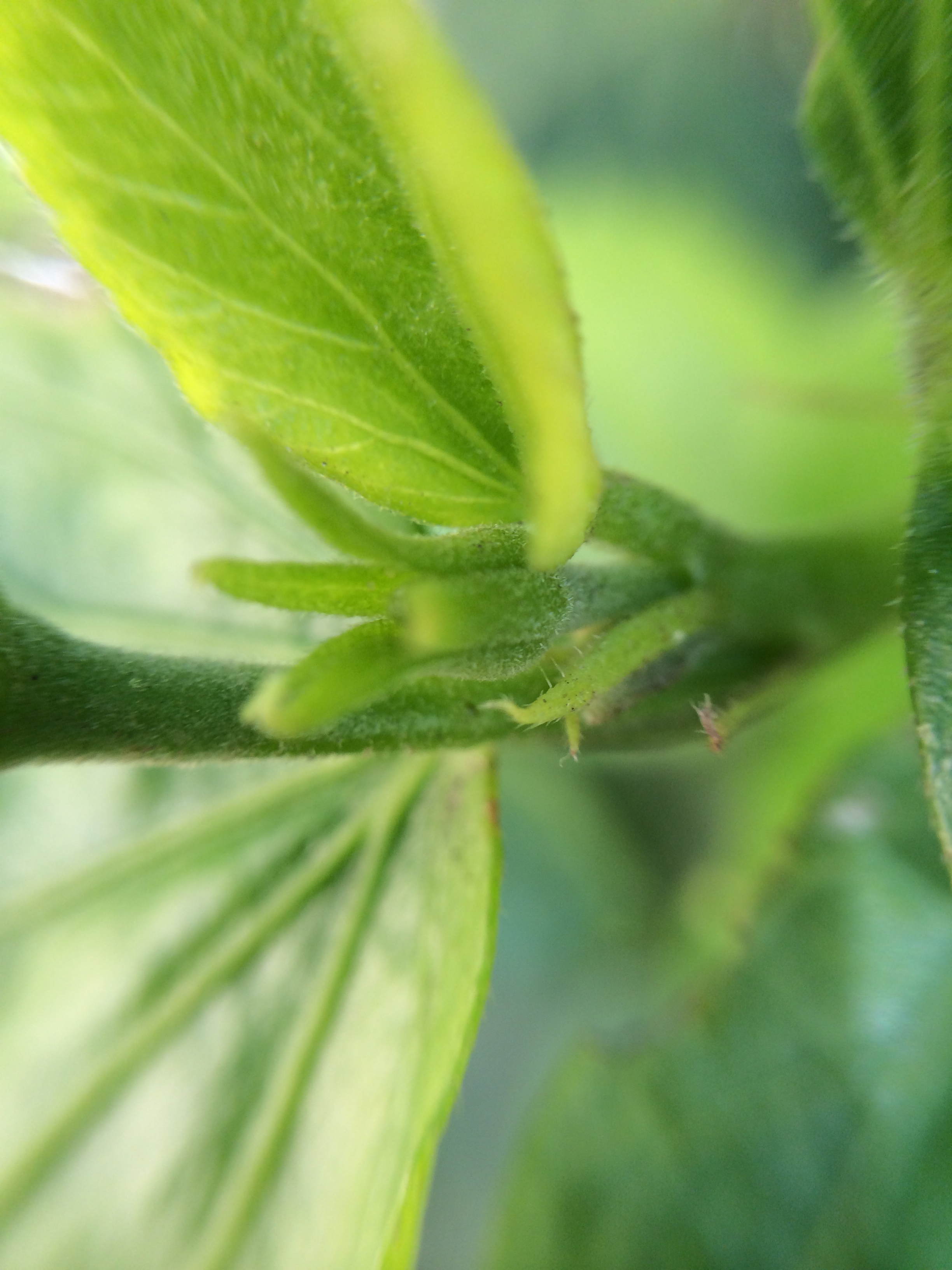
I headed around the corner toward the hibiscus plant.  It has tiny shoots of green emerging along with dried remains of previous flowers.

photo-11

photo-10

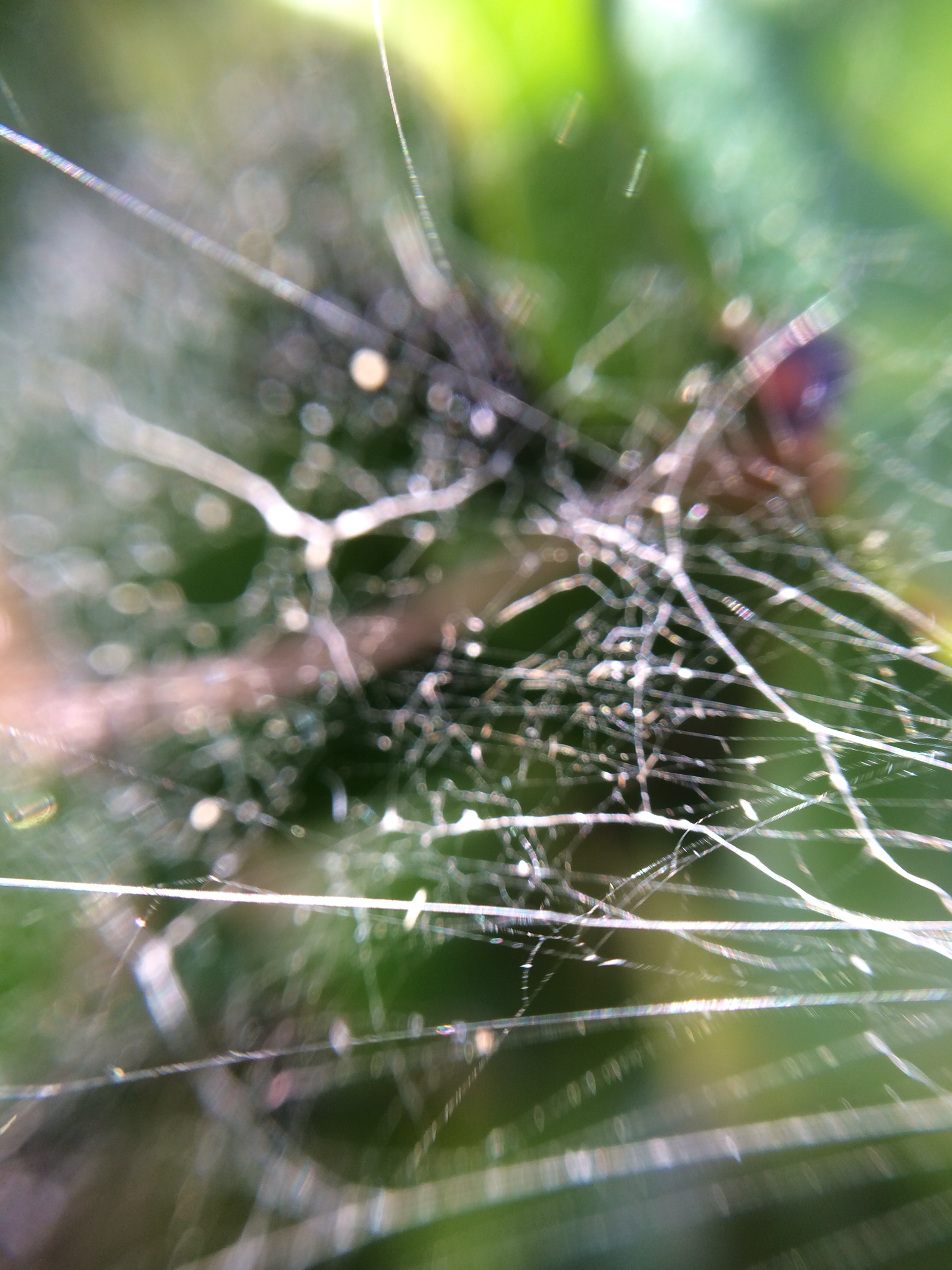
And I have a love/hate relationship with spider webs.  They can be elegantly beautiful like delicate lace, especially when they capture drops of dew or rain.  And they can be a messy nuisance.  But when you look closely, you can see past the mess and notice the intricacies of design and the way the sunlight plays with the thin strands.

photo-12

I found myself looking for things I would otherwise think of as ugly as I photographed with my macro lens this morning…and I found unexpected beauty and experienced the joy of discovery in my re-seeing.

All of these unedited photos are yet another reminder that there is plenty of beauty to find in our world if we take the time to look past the obvious and consider perspectives beyond what is conventionally accepted.

Where do you find beauty?  Do you find joy in the unexpected?

Airport Reflections

My blog has been dark these last few days as I’ve taken time to ready my home and my head for holiday celebrations.  With school in session through the 20th and home renovations that same week, little things like cleaning and decorating…and bigger things like Christmas shopping got pushed off to after the break began.

As I headed off to the airport yesterday (the day after Christmas) to pick up my oldest son, I found myself thinking about the ups and down of the airport.  Anticipation, dread, excitement, drudgery…they are all part of the airport experience, depending on the reason for being there.

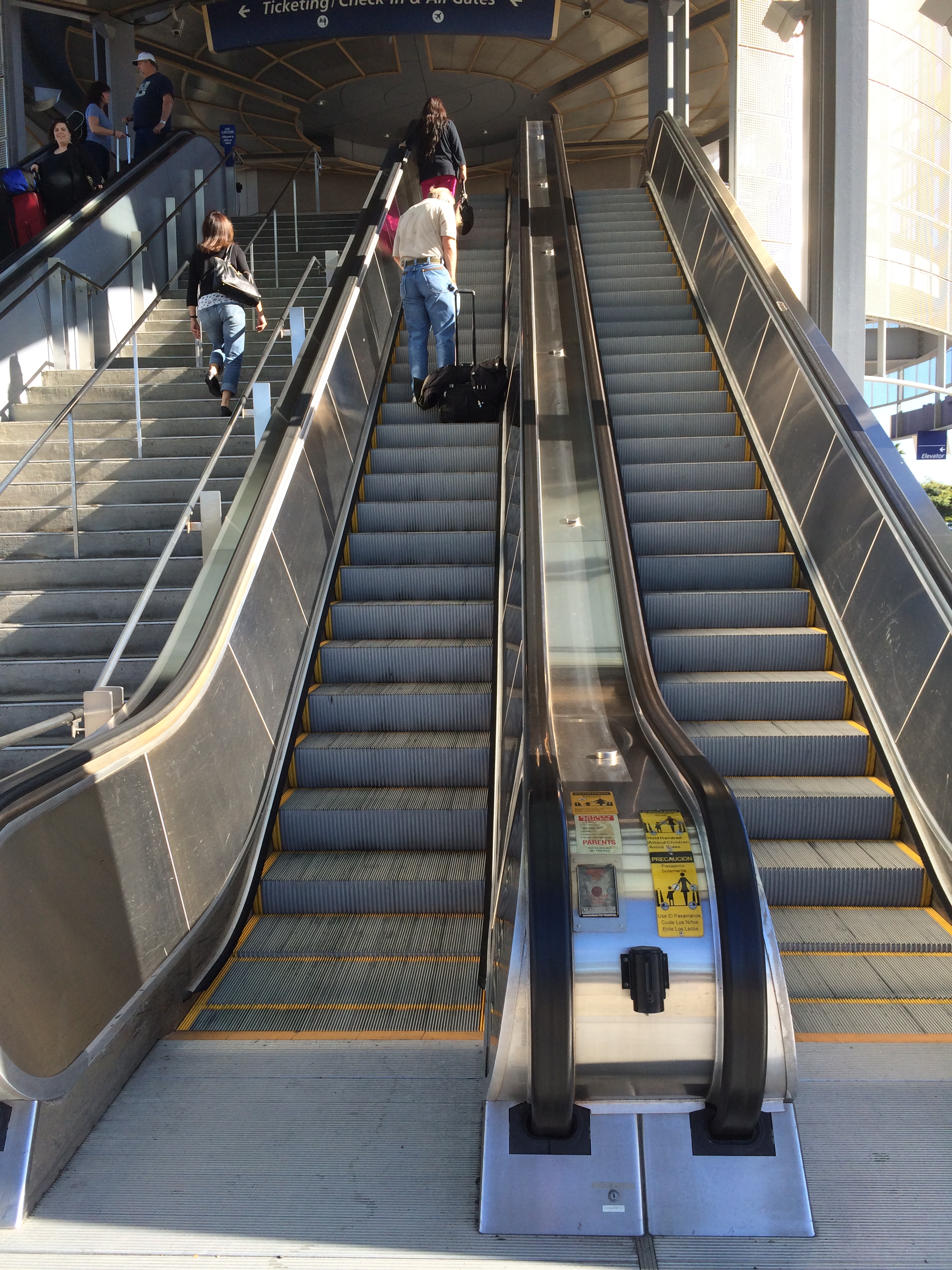
Traffic was light and parking was easy as I arrived at the airport.  I parked in my favorite 60 minute parking zone and knew I had a bit of time for some photographs before Andy’s plane landed.  I thought I might see crowds of people ascending and descending the escalator either arriving in our sunny city or departing for parts unknown.

photo

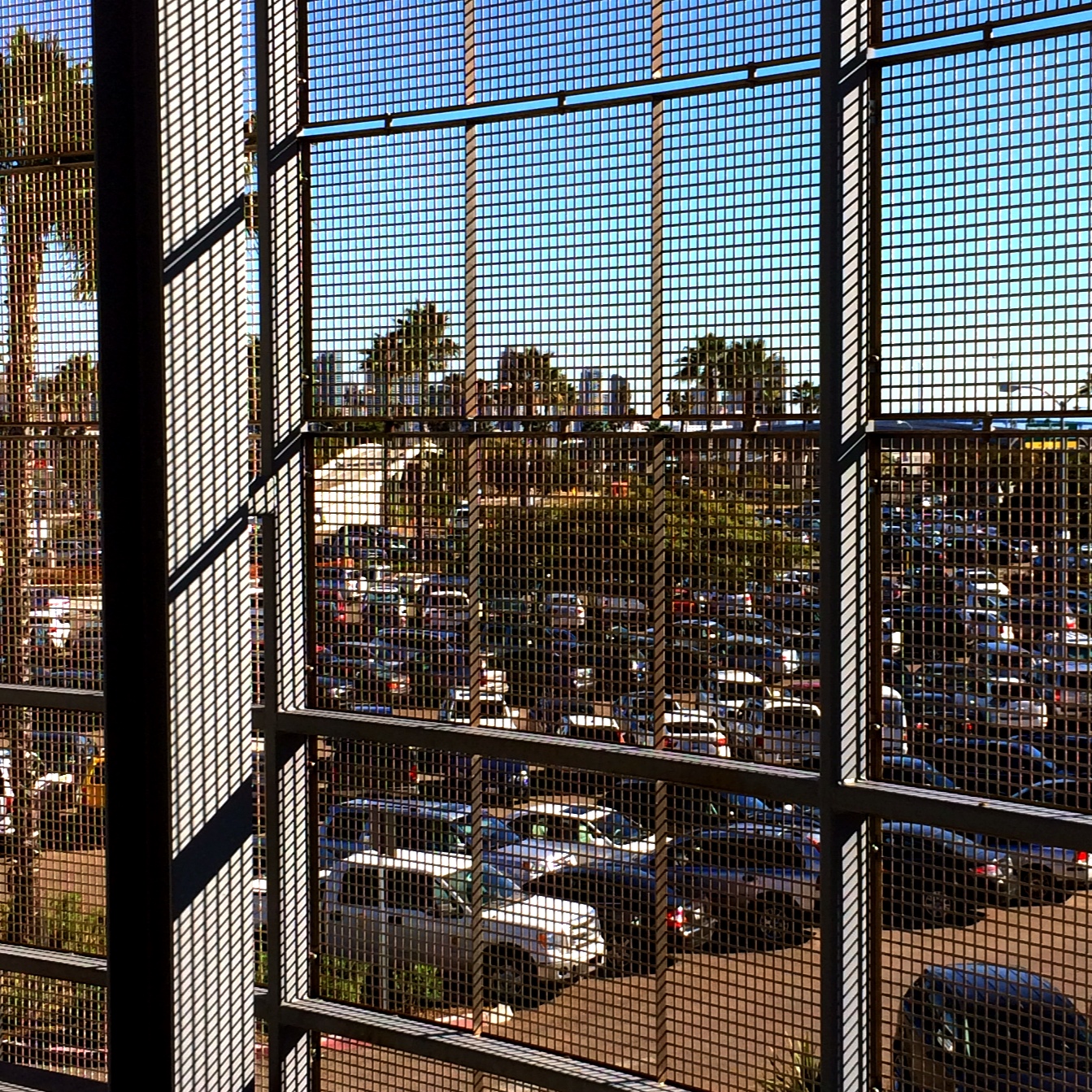
But instead, as you can see, it was pretty empty.  As I got to the top of the escalator, I realized I could see the cityscape in the distance…as well as the sea of cars parked in the parking lot. (The illusion of emptiness was just that, an illusion!)

photo-1

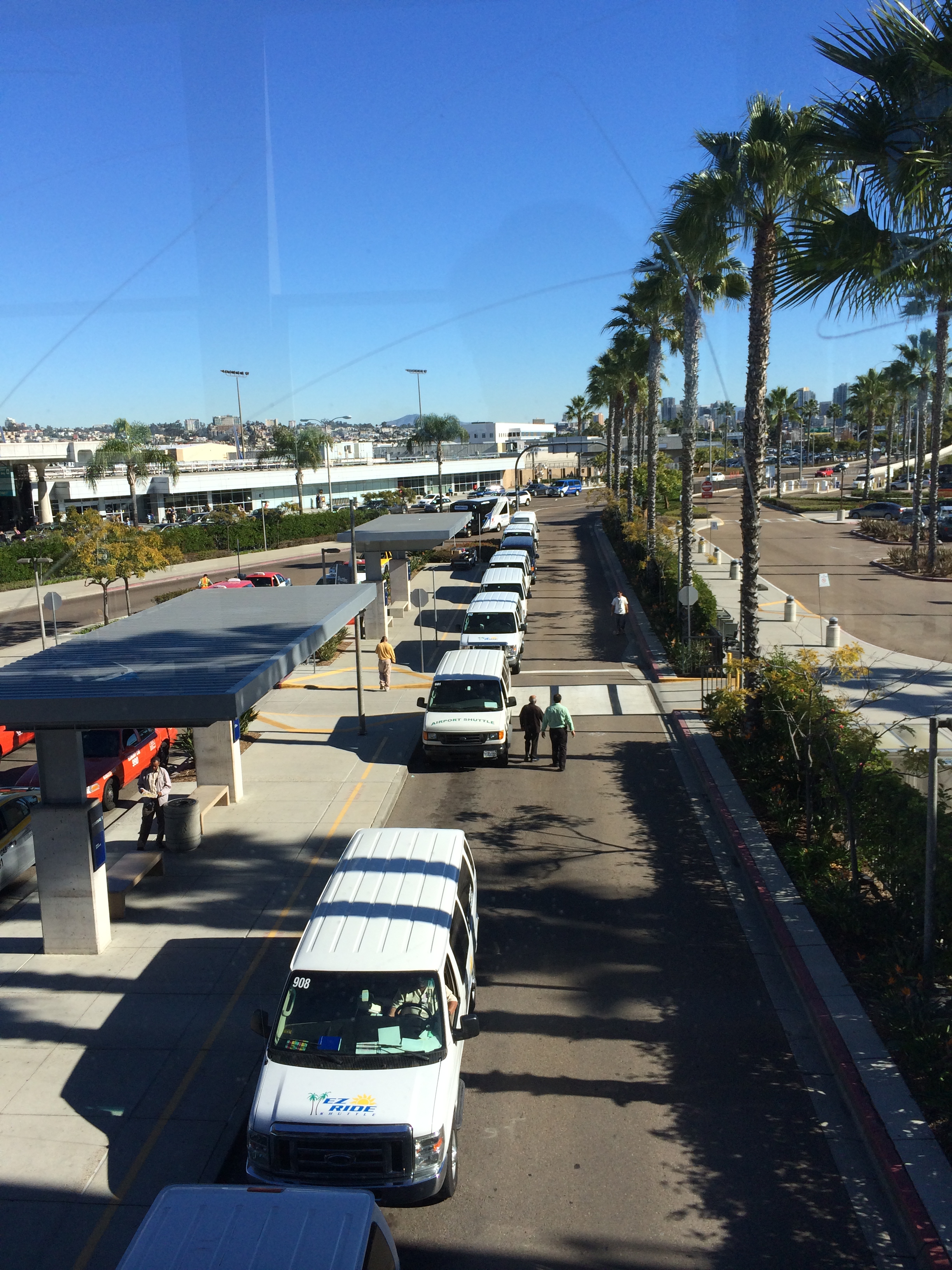
Crossing the bridge from the parking lot to the terminal I noticed the line of shuttles below. Who will get into these cars?  Are they visiting family? Vacationing? Working? Were they for visitors to the Poinsettia Bowl?

photo-4

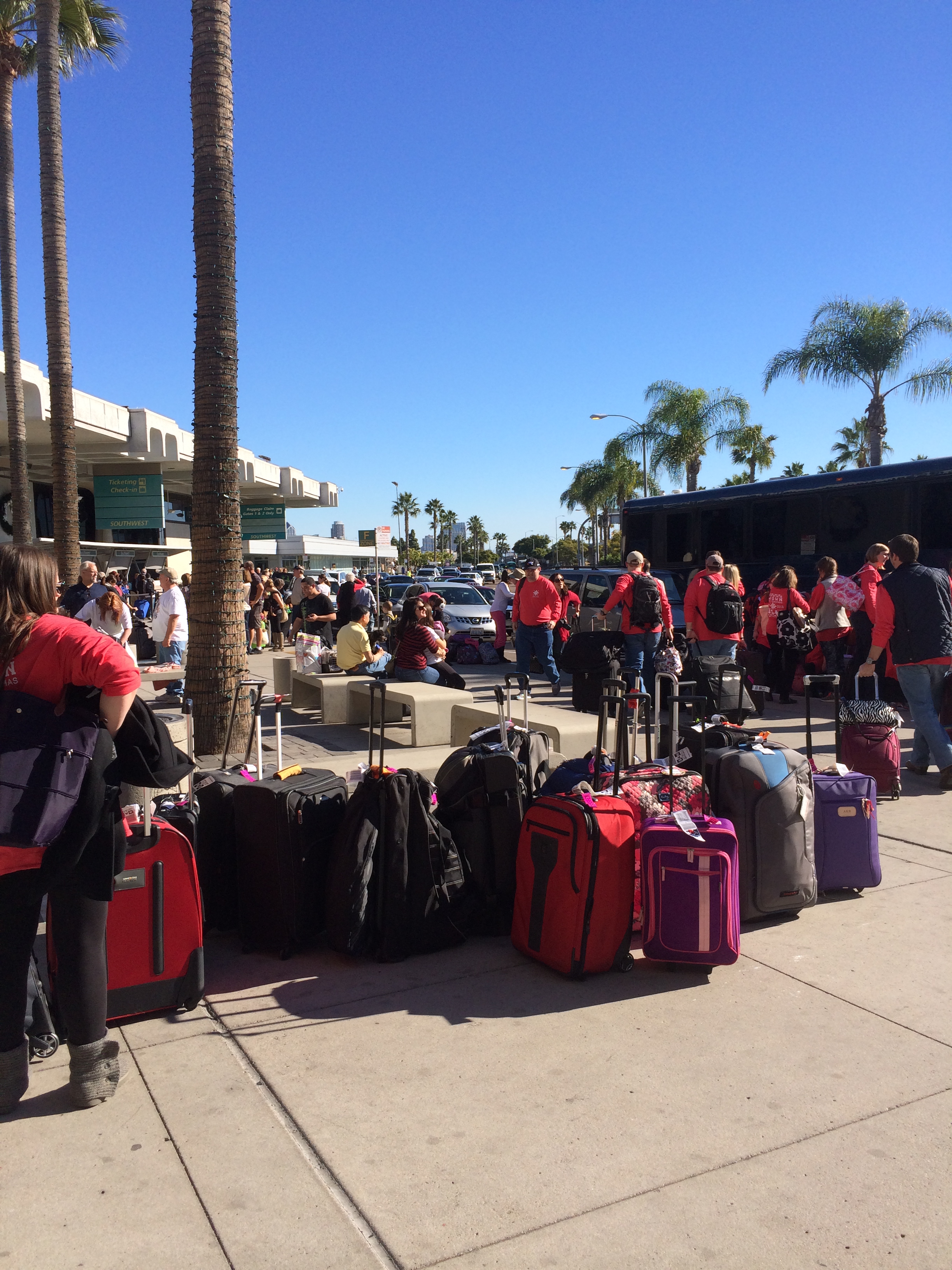
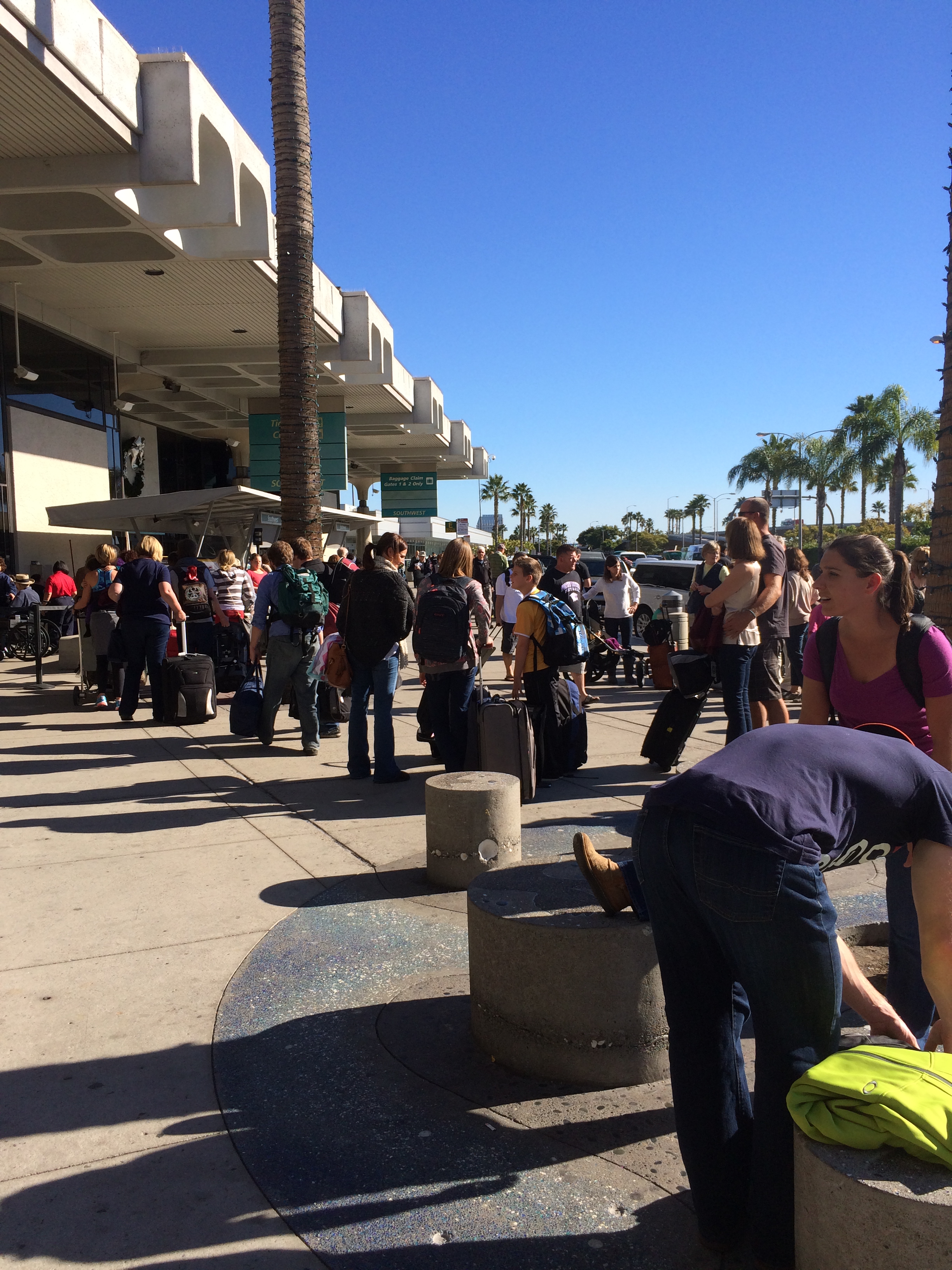
When I arrived in the terminal, I immediately went back outside (into the 75+ degree weather) to take photos of the people.  You can see that there were lines of people checking their bags…and there were also lines inside of people checking in for their flights.

photo-3

And then I noticed this big crowd of people dressed in red.  I first saw them near the baggage claim…and then they headed outside together.  There were lots of them and they all wore red t-shirts that said something like, “Brown Family Christmas 2013.”  There were little children in red shirts, teenagers, adults, and some grandparent looking folks too.  Once outside a big fancy tour bus pulled up and they all began to load their bags and themselves onto it. And I wondered…did they all come from the same place to spend Christmas in San Diego? Did they come on different planes from different places?  Do they do this every year?  Who makes the arrangements and the t-shirts?  I was reminded of a colleague I met this summer whose family collects dues to put on a family reunion each year…something that has never occurred to me!

photo-2

And then I got my gift…my son arrived!  Now that my children are grown I don’t get to spend every special occasion with them.  I share them with their wives and in laws and jobs and friends.  And instead of feeling like I am missing out, I feel grateful for the time I get to spend with them.  And in that moment yesterday, the airport was one of my favorite places!

And even though Andy is here, the airport will continue to be present over this next week as my daughter-in-law arrives tomorrow and my other son and his wife board a plane to fly back this direction the following day.  And then, all too soon, they will go back to their homes and their lives and their work.

I’ll be boarding a plane in not too many days too as I head off to meet with colleagues about some interesting ideas for our work.  Many people focus on either the excitement of the airport as they travel off on exotic vacations…or the hassle as they get stranded, stand in long lines, or searched in the security process.

But the reality is, in so many ways the airport connects us.  It shrinks the miles between us and brings us together…as families, as colleagues, as friends.

photo-5

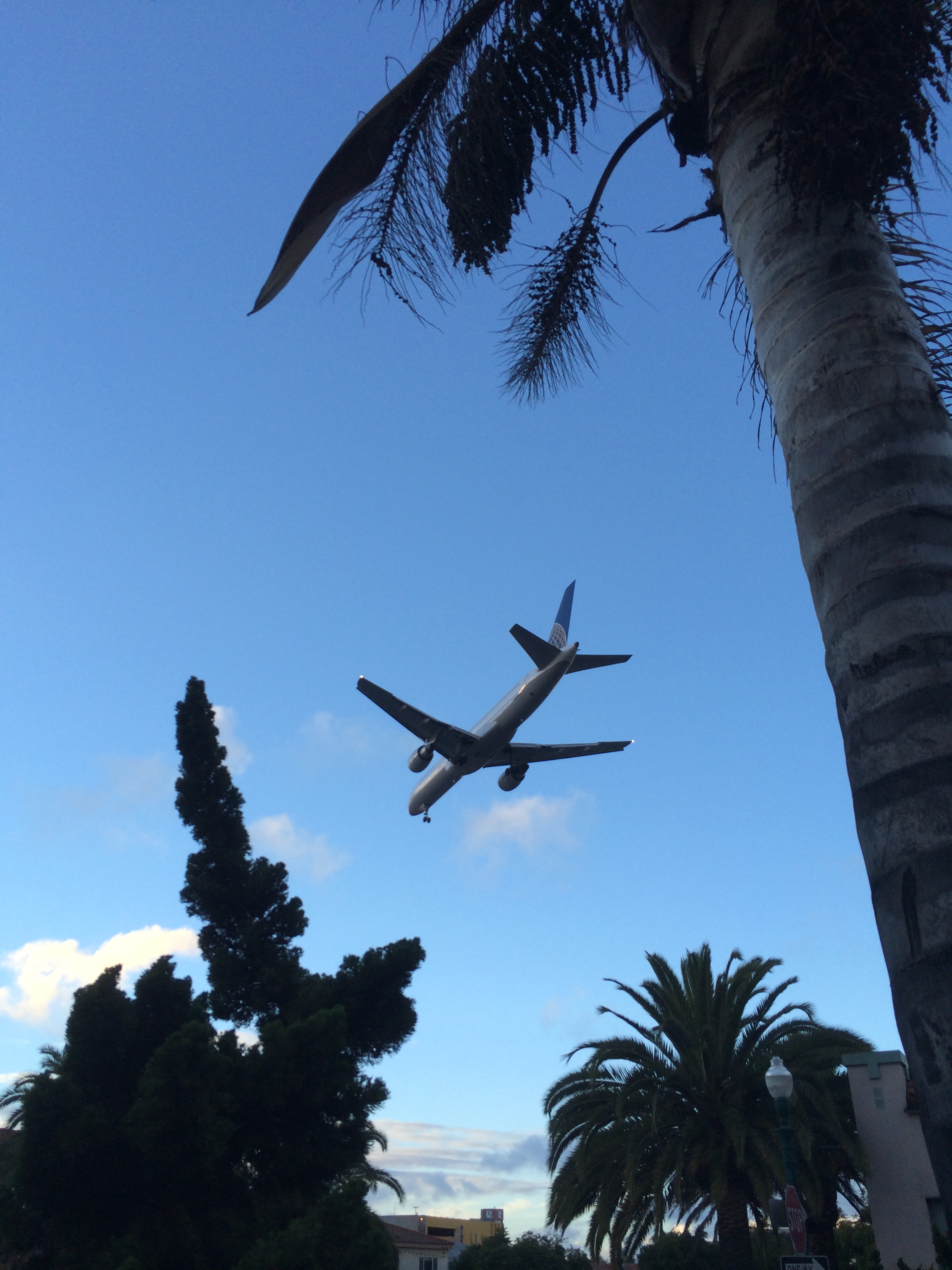
Airplanes bring my kids home to me…and who can complain about that?

Following the Tracks of Lights

It’s December and the frenzy of the holidays is in full swing.  With only a week until school breaks for the winter there are projects to complete, plans to create…not to mention the shopping, decorating, event attending and more that comes with the season.

Our neighborhood is one that hangs their Christmas lights on Thanksgiving weekend, with each house just a bit more sparkly than the one next door.  With the short days and early dark I notice the lights coming on as I head home on the evening.  We’ve been talking about taking time to go out and walk our neighborhood after dinner one night so we can look closely at the lights rather than simply drive by them on the way home.

So, in spite of being tired on a Friday evening after a busy, work-filled week, we headed out tonight to follow the tracks left by the lights.

Bundled up in heavy (Southern CA heavy) jackets and with camera in hand, we set off.  We decided to go in the direction that we don’t see on our way home each day, up and around the corner.  In addition to the lights on the houses, we also noticed the tracks left by the stars in the sky.  As I photographed electric lights, my husband searched the sky for tracks of constellations (and consulted his constellation app for more information about what he was seeing).

The traditional white icicle lights are definitely the most common decoration in the neighborhood.  But there is no shortage of the traditional trappings of Christmas.  We found Santa…with a couple of arctic bears.

photo-3

And a variety of versions of reindeer, including the red-nosed Rudolph.  I’m partial to this more natural version set in among the trees (even if they are palm trees).

photo

And it wouldn’t be Christmas without a trail marked by candy canes!

photo-2

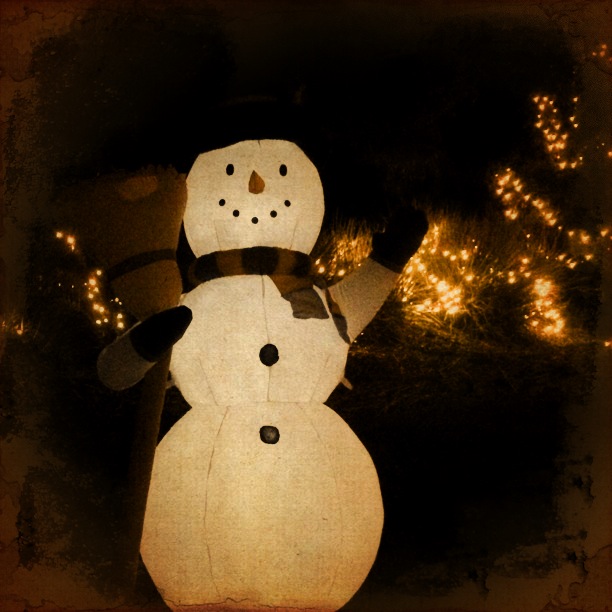
A couple of houses sported these inflatable characters.  During the day they appear to be melted as they sit deflated until they are plugged in at dusk.

photo-5

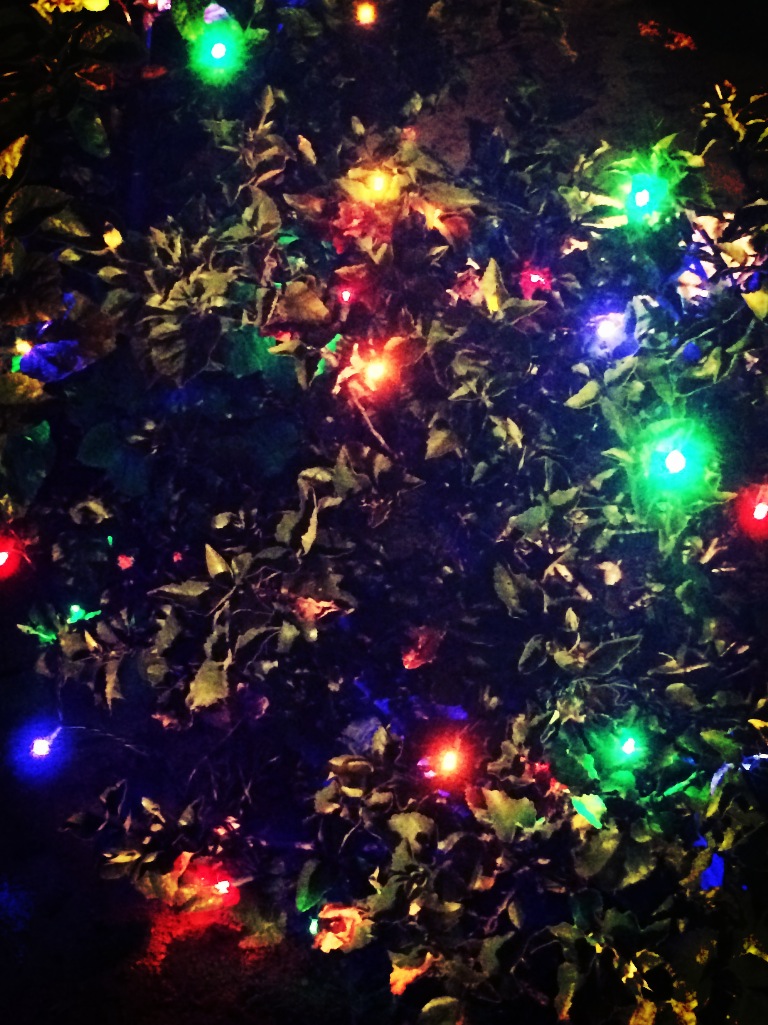
We saw twinkling lights, flashing lights, lights that were all red, lights in trees, on bushes, wrapped around pillars and poles.  Lights arranged in the shapes of trees and wreaths. Sometimes the simplest were the most beautiful.

photo-4

I often wonder about the electric bill of the people with the most lights.  Do they plan for the increased usage as part of their annual budget?  I have to admit, my house is one of the unadorned with only the porch lights to penetrate the dark.  And yet I enjoy the display of lights my neighbors set out, adding light to the long nights of December.

photo-6

Following the tracks of lights was a perfect ending to a busy week.  Walking in the crisp cool evening was energizing and it was fun to notice the details of the displays and even get some new perspectives on decorations I had only previously seen from a particular angle.

I might just add this activity as a December tradition…and maybe even branch out a bit further to take a look at how others create tracks with lights.  This was definitely a learning walk…my first focused on lights!