Category Archives: Connected Learning

Making Sandcastles

Yesterday’s post focused on my sandcastle collection, digital documentation of sandcastles I have found during my walks on the beach over the last week or so.  As I wrote the post I realized that I was collecting other people’s sandcastles–but hadn’t taken the time to build one of my own in a very long time.

Today was the perfect day for a beach walk.  The marine layer cleared early, the sun made an appearance, the water temperature was reported to be at 70 degrees (that’s warm for ocean water here!) and…low tide was perfectly timed at midday.  As Geoff and I headed out for a walk, we grabbed some tools and decided we would make a sandcastle and enjoy a bit of playing in the sand.
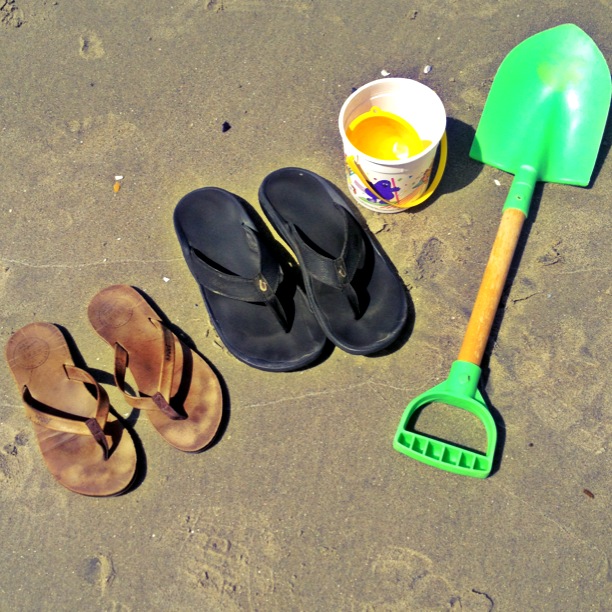
photo

We walked up the beach and picked a place near the edge of the water and away from the crowds of people to get started with our castle.

photo-1

Once we had a base to work from, the fun really began!  We pushed and patted the sand into shape, used the bucket as a mold to create the castle spires, and our castle began to take shape.

photo-2

Gathering water in the bucket and mixing in sand allowed us to drizzle sand to create more texture and detail.  We scoured the nearby area for small rocks, shell bits and pieces of kelp for detail.  A small sand crab moved in (although his camouflage abilities made him impossible to catch in a photo).

photo-3

We had such fun building this castle today!  It was a bit tricky keeping my phone handy and away from the sand.  My shorts became my towel for wiping ocean-cleaned hands.  Here I am with the final product!

photo-4

After finishing our sandcastle, we continued our walk leaving our castle for others to enjoy. The tide was still going down so we knew the surf would leave the castle for a while…and we visited it again on our way back from the walk.  And I added some other sandcastles to my collection too!  (There were some master castle builders out today!)

I’m reminded that taking the time to make and play are essential.  Geoff and I had so much fun and the process of making for myself gives me new understandings and appreciation for the sandcastles I will continue to collect.  When was the last time you made a sandcastle?

Some Thoughts on Digital Learning: #Leadership Day 2013

Scott McLeod over at Dangerously ! Irrelevant is celebrating the 7th anniversary of his blog today and inviting educators to share views on effective school technology leadership on what he calls Leadership Day 2013.

In lots of way I have been fortunate in my district with technology–our administrators employ a person to provide tech support to troubleshoot problems, send me to trainings if I ask to go, and trust me to figure out what is best for my students.  But I would say that those conditions are not enough to ensure participation of teachers who feel less confident with digital literacy and need more direction and support to implement robust technology use in their classrooms.

But instead of saying just how to support these teachers, in this post I will talk about the pieces of technology leadership that I feel are most often overlooked.  They are two very different but very important aspects of digital literacy:

  • Consideration of the impact of technology on student learning
  • Leadership by example by being a user of digital tools

Consideration of the Impact of Technology on Student Learning

There seems to be lots of attention to hardware decisions in education–Macs or PCs, tablets or chrome books, smart boards, document cameras…  The list goes on.  And there’s lots of attention to software and applications and how technology supports teachers–ease of grading, presentation tools, record keeping…  What is missing for me are meaningful conversations about the ways technology and digital literacy impact student learning.  Instead of asking each other what apps to use on classroom iPads, I think we need to ask how digital tools support student learning.  How can students transform information in ways that make it relevant and meaningful–and accessible in novel situations?  Instead of deciding between Evernote and Notability, we need to have conversations about how and why students will use this type of application–and it probably doesn’t matter which you choose if you have reasons that support student learning.

Leadership by Example by Being a User of Digital Tools

What I notice from my own Professional Learning Network (PLN) on Twitter is that educators who are thinking about the ways digital tools impact student learning are also actively using digital tools for their own learning.  They are blogging about their professional learning, tweeting articles and links about research and thinking about digital tools, they are experimenting with new ways to represent their own learning with video, digital photography, infographics, and other digital tools, and they are actively learning with and from other educators trying similar tools.   I do see a few administrators and district leaders joining in this effort–and it seems that those who do have a bigger impact on the implementation of technology in their districts. The more district leaders use digital tools themselves, the better positioned they are to understand the benefits and challenges of them–and the potential implementation possibilities for use with students.

Our students will be using digital tools–they are pervasive in our lives.  Our question as educators is how do we use these tools to support our students’ learning…and help our students (and ourselves) see and use these technologies in ways that make us all more thoughtful, efficient, and productive?  Leadership is essential to successful implementation.  I hope my suggestions give some food for thought for those in leadership positions for the implementation of technology in education.

Poster Poems, Found Poetry: Remixed

One of my fellow #clmooc-ers, Vanessa Vaile, posted this invitation in the G+ community to remix, hack, create found poetry…and it’s been sitting in the back of my mind, waiting for the opportunity to find its place on my blog.

This morning the twittersphere handed my this poem and it has stayed with me all day, begging me to think about ways to remix and recreate and combine it with my photography.

The World Is in Pencil

BY TODD BOSS

—not pen. It’s got
that same silken
dust about it, doesn’t it,
that same sense of
having been roughed
onto paper even
as it was planned.
It had to be a labor
of love. It must’ve
taken its author some
time, some shove.
I’ll bet it felt good
in the hand—the o

of the ocean, and

the and and the and

of the land.

Source: Poetry (November 2011).

And so, here is my remixed version:
The World Is in Pencil: Remixed
Pencil in the ocean
and the land
Authored with labor
roughed by silken dust.
Love it
shove it
take time
to feel, to handle
Until you can see
as if it was planned
the world 
inked on paper.
A map of your life.
photo
This photo was also remixed.  Taking a photo I took earlier this week,
I wanted to create a sense of pencil and sketch, roughed and labored.
I used the app Sketch on my iPhone to create this effect.
Here is the original:
photo-1
Try your hand at found poetry…I invite you to remix mine or find
something that speaks to you.  How might you remix a photo or
other image to go with it?  Be sure to share!

One Shot, Two Ways…Revision, Photo Style

One of the benefits of blogging is that other people like and follow my blog…and when they do that I often take a glimpse at what they are blogging about–it’s a lot like my experience with the CLMOOC.  Yesterday shotwithmyphone.com liked my blog post and I spent some time perusing the photos he posts…all shot with his iPhone (like me!).  One of his posts was titled One Shot, Two Ways and is part of a challenge posted here.  The challenge invites photographers to take two photos of the same shot–one with a vertical orientation and one with a horizontal orientation and to post them side by side.

Inspired by those ideas (and looking at a few photos) I decided to try a variation on that theme and show two views of the same photo–one original and one with some editing and filters applied.  In some ways the editing process I apply to my photos feels a lot like revision in the writing process.  It’s the part of the process where I zoom in (or out), crop out distracting details, brighten up the setting, or change the mood.  In many cases, revision in writing and editing in photography transforms the end product and helps the reader/viewer see it differently.

Here’s are a couple from my beach walk on Sunday:

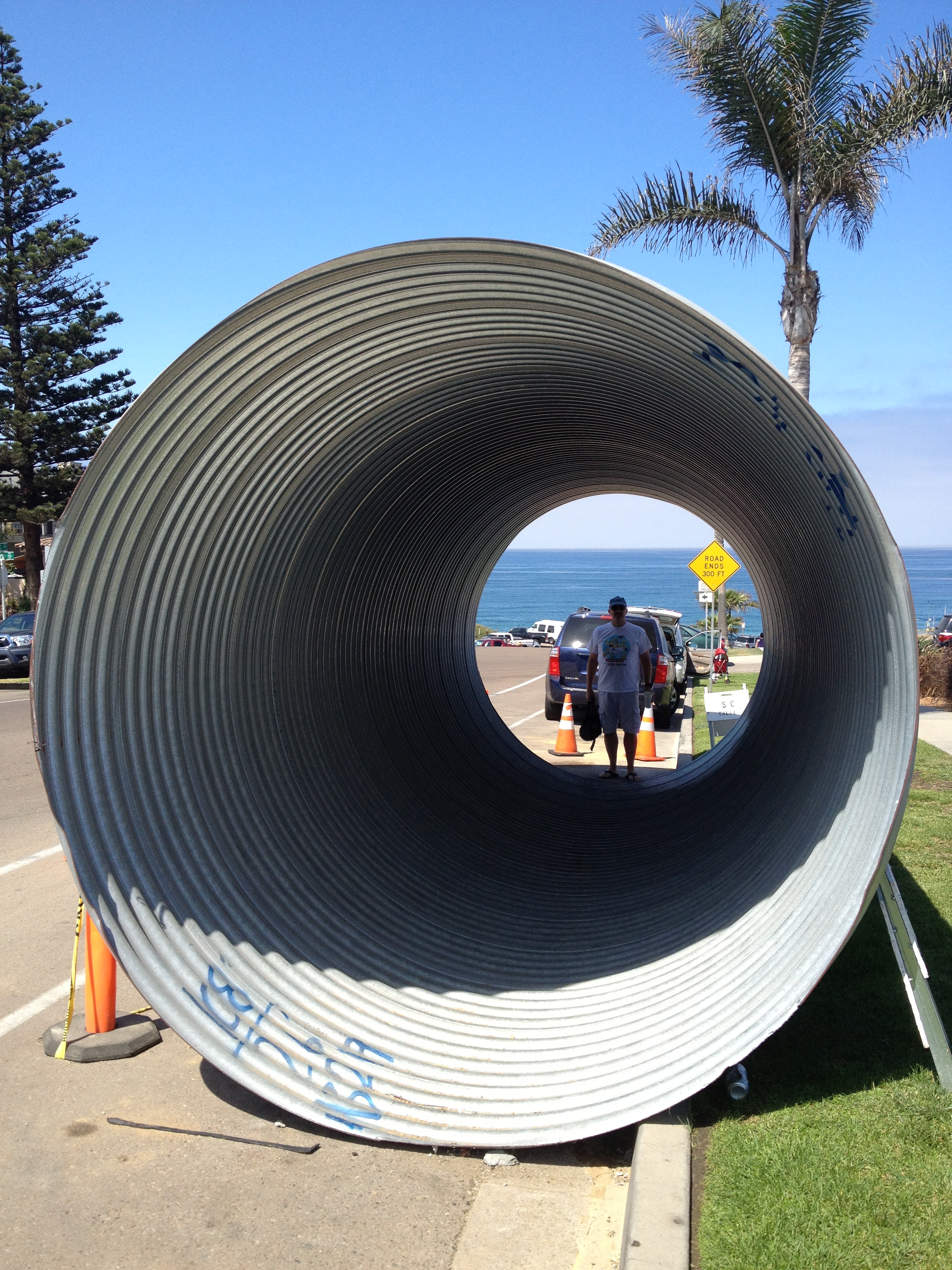
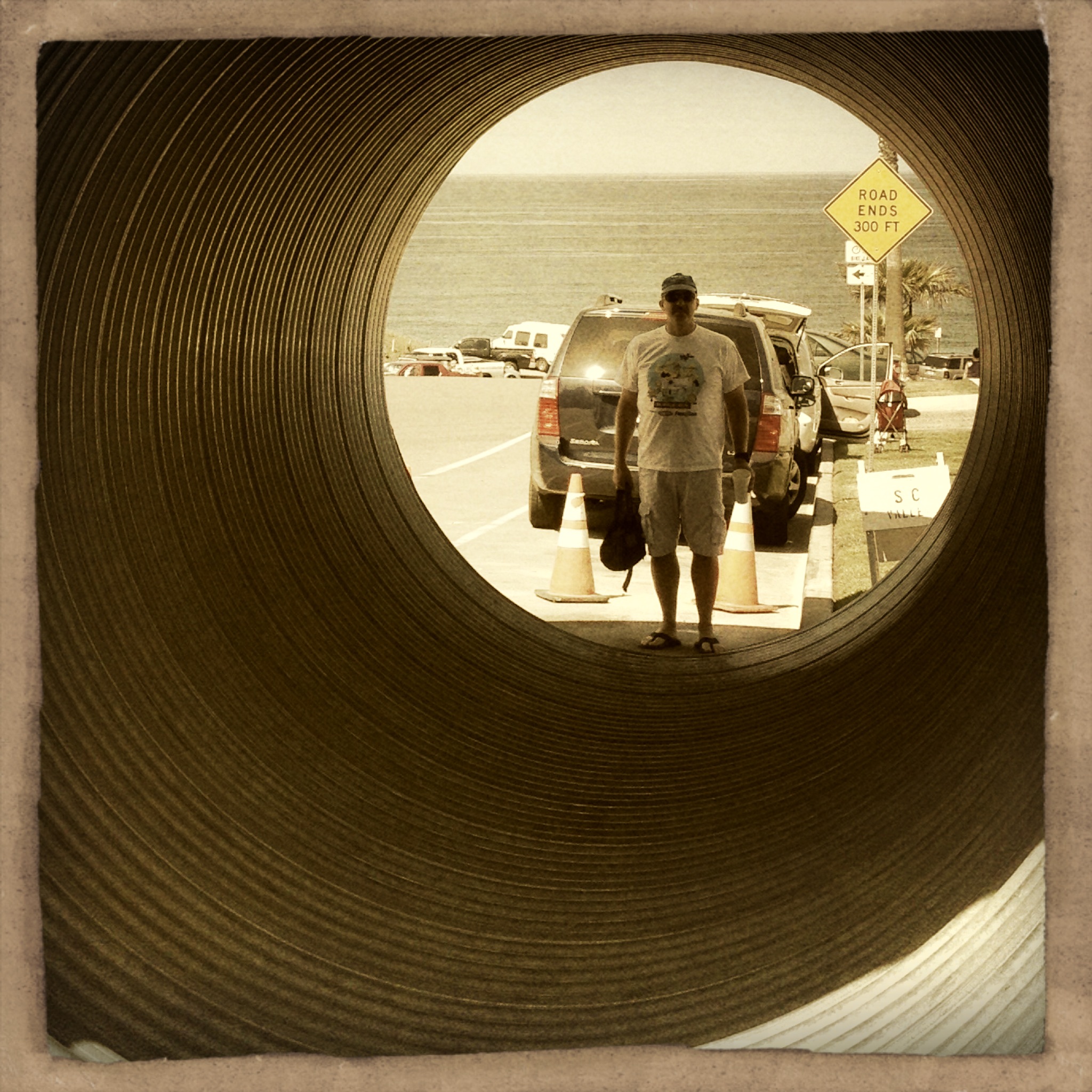
photo-12pipe

photo-10turtle

And here’s a couple from yesterday’s excursion to the Living Coast Discovery Center:

photo-13photo-14

photo-11photo-1

There are times when I post my photos without editing, but I like experimenting with how to take a photo and work with it to convey the message I have in mind–or one that emerges as I play with it.

What do you think?  How does the editing change the way you see the photo?  How does it change the message of the image?  How does this relate to writing and writing instruction?  I’d love to know your thoughts!

10 Picture Books on August 10th

I’ve done a couple of recent posts about mentor texts I use in my classroom and recently I noticed a challenge by some other teachers about a Picture Book 10 for 10 Challenge.  #pb10for10  Their invitation is to share ten picture books you can’t live without on August 10th.  So today is August 10th…and my picture books are all in my classroom.

I had almost abandoned the idea of sharing my picture book favorites since I don’t have easy access to them today.  But then I spent the morning with my SDAWP colleagues at UCSD thinking about complex texts–both reading and writing–which led me to think about the ways I use texts in combination in the classroom.  So I started thinking about some of favorite picture books for the classroom…and how I often layer books to create more complexity and deeper meaning with my students.  These books come from the top of head (with the help of the web to sort out the actual titles and authors)…you don’t get pictures or excerpts…just what I can remember!

photo

I’ll start with a few that I used with my students to examine abstract concepts.  Most of them use the idea of color in different and interesting ways.

1.  The Other Way to Listen by Byrd Baylor:  This book is a gem (like most of the others by this author).  I love the way she describes colors using senses other than sight.  I wish I had my book handy to include an excerpt!  Read it — you won’t be disappointed!

2.  The Black Book of Colors by Menena Cottin:  This book, all in black in white, is gorgeous!  The use of texture and Braille add a fresh dimension to this book…and reinforces the need to use powerful sensory language in descriptions.

3.  The Sound of Colors by Jimmy Liao:  This book describes the experience of a blind girl as she travels in the New York subway system.  Imagination takes the girl on a powerful journey. What do you experience when you aren’t able to see?

4.  The Colors of Us by Karen Katz:  This books offers way to describe the colors of our skin in beautiful and appreciative ways.

5.  What Does Peace Feel Like? by Vladimir Rudunsky:  This book is a collection of similes and metaphors from students describing peace–helping to bring some concreteness to this big and abstract concept.

6.  If… by Sarah Perry:  This books takes a fanciful journey into the imagination and invites students to imagine if worms had wheels and other fanciful and surrealistic ideas.

And I also love books that are about math and nature.  Two more favorites that I used this past year to support my students’ understanding of the Fibonacci sequence and its appearance in the natural world.

7.  Wild Fibonacci: Nature’s Secret Code Revealed by Joy N. Hulme:  This book explores the appearance of Fibonacci numbers in the natural world–mostly focusing on the spiral.

8.  Swirl by Swirl: Spirals in Nature by  Joyce Sidman:  This book is another look at Fibonacci’s sequence and spirals using spectacular illustrations.

And to round out my ten, two other books I purchased this summer and intend to use with students this year.

9.  One Hen by Katie Smith Milway:  A book about micro loans and how small investments can make a huge difference in someone’s life.

And one more math and science focused book

10.  Dave’s Down-to-Earth Rock Shop by Stuart J. Murphy;  This book combines geology and classification as the characters devise new ways to sort and display their rock collection.

I look forward to seeing what picture books other people love.  I’m always looking for new books to inspire my students’ thinking and to help them understand complex concepts.  I’m especially interested in those hidden treasures that somehow don’t get the attention of the large bookstore chains…and yet have wonderful content, language, and illustrations.  What picture books do you love?

A Summer of Making: Reflections on CLMOOC

If you’ve been reading my blog at all you know that I participated in something called the CLMOOC this summer.  The Connected Learning Massive Open Online Collaboration was an opportunity to experiment with the principles that underlie Connected Learning.  This short video gives some more information or check the link above.

http://vimeo.com/49645115

When I originally signed up to participate in the MOOC I thought I would stay on the fringes, read what others posted, and think about how the participants interacted.  I knew I would be time challenged, after all I would be facilitating the SDAWP Summer Institute during the bulk of the MOOC.  But somehow, I was quickly drawn into action.  I used my photo-a-day work as my introduction and posted a couple of photos.  Immediately I began to get feedback, comments, and links to others’ work with a similar focus…I was hooked!  Then came the #vineoffmonday. I was already playing with Vine and with Instagram video, so it was fun to see what others were doing.  I loved Kevin’s invitation to make a seven second story and even though I wasn’t particularly successful, the challenge was valuable–and it’s something I can see having my students try (even if they don’t use a social media platform like Vine to do it).

I’d been thinking about starting a blog for a couple of years…and have had a couple of false starts where I posted once or twice and then never returned.  With the CLMOOC community around me, I decided to create a new blog AND to challenge myself to posting 30 days in a row. Remember, this was not a “summer’s off” undertaking–with this community around me, I made my decision to blog right in the middle of the SI I talked about earlier.  (And if you know writing projects at all, you know that it is an intense and focused time of meaningful, challenging work–even as a facilitator.)

My blog became my space for “makes.”  I explored my photography in a variety of ways, thought about learning and spaces for learning, considered my own classroom and how I might approach my teaching differently, and wrote and wrote and posted and posted…today is my 34th consecutive post!

And…I earned my first badge!

badge_be1ee794-764e-4739-981e-69a447770c74

To earn the badge I had to submit one of my makes, reflecting on its significance.  I chose my Spaces for Learning post that I wrote in response to an invitation from Terry to respond to a Washington Post article about teachers and teaching.

I am strangely proud of my badge.  It represents a summer of exploration and of putting myself “out there.”  It has been about writing every day even when I am busy and tired and would rather just hang out or watch some mindless TV.  It has been about being public with my learning process and trying things beyond my comfort zone.  And I still see lots of spaces for my learning to grow.  I definitely have a better understanding of the Connected Learning principles and how they support my own learning and risk taking.  I plan to create more spaces for this kind of learning for my students…and for the teachers I come in contact with.  It has definitely been a summer of making and connected learning for me…and I don’t want it to stop!

Carousel Horses: What Stories Do They Tell?

With my photography this week, I have been focusing on curves.  And somehow, when I am out taking pictures that concept/word “curves” keeps getting translated in my head to “round.” Now I know that round and curves are related–that curved surfaces often result in roundness. So yesterday when I parked for a meeting in Balboa Park–our city’s urban park–the carousel immediately drew my attention.  I could hear the festive music as the merry-go-round started its trip around and around.  I took a few pictures as I thought about this curved trajectory and the combination of movement around and up and down.

horse

I like the way this photo (with no filters applied) shows the movement of the carousel horse.  I can also see the curved lines above.  The people riding–adults and children–were energetic, giving off that feeling of summertime fun.  I decided to move to my hipstamatic app–and dialed a couple of film types and lenses.  One of them, this gangsta lens creates a round frame.

photo

And while the curved frame works for my photo-a-day theme, what I love about this picture–and I knew it when I tapped to take the picture–is that somehow I had caught the guy with the while cowboy hat in the frame.  In some ways this particular picture feels timeless–the “tough” guy in the white cowboy hat (doesn’t that make him a hero?) with the white t-shirt and jeans on a carousel horse with the young woman nearby.  He’s on the outside so he can reach out for the brass ring, showing everyone his skills on this classic summertime ride.

photo-3

This third photo is another hipstamatic photo using Americana film and lens that gives a retro feel to the picture.  It also gives the sense of movement–but doesn’t have the same feel of summer as the other more colorful photos.

I’m wondering how photos like these might prompt my students’ writing and storytelling.  How does the visual invoke the powers of imagination?  What evidence is contained in these photos that leads to character development?  An advertisement?  An argument of some sort?  Where would you go with one of these photos as a prompt?

Teaching to See: The Value of Iteration

Yesterday began our August photo-a-day challenge at #sdawpphotovoices with a focus on design elements…beginning with symmetry.  Anna over at #clmooc posted this video about Inge Druckrey, a graphic designer and teacher, saying she thought I would appreciate it.  And she’s right.  It is about 40 minutes long (a pretty long video for me to watch!), but interesting on many levels.

<p><a href=”http://vimeo.com/45232468″>Inge Druckrey: Teaching to See</a> from <a href=”http://vimeo.com/et”>Edward Tufte</a> on <a href=”https://vimeo.com”>Vimeo</a&gt;.</p>

The idea of teaching to see seems to be a theme of mine since I began this blog almost a month ago.  Photography has proven to be a tool that has helped me see and look at my world in some more intentional ways.

A focus on symmetry has been challenging for the past two days.  Neither of my pictures

photo-3

photo-2

quite captures symmetry to my liking…although I’m not sure I know what that picture will be. The beauty of exploring a concept over a week is that I begin to see it differently as I continue to look for opportunities to capture that idea in my photos.

While Inge didn’t use these precise words, the focus on iteration (which we call revision in the writing world) as a way to improve your craft continues to leave me thinking about my classroom and my own learning.  It also takes me back to Malcolm Gladwell’s 10,000 hours as the time needed to gain mastery of something.  And whether that number is right or not, I do believe that we get better at things as we practice them.  But don’t get me wrong…I don’t think we need to drudge through rote and boring practice to achieve our learning goals.  For me, passion is key–finding ways to get excited about learning something new, and to make the practice interesting and motivating–iteration for authentic and meaningful reasons.  One of Inge’s students (now a professional artist) described his weekly practice of figural drawing for three hours every Friday.  He talked about it still being hard, but worthwhile–said he didn’t go to church, but he continues to keep up his practice of weekly drawing practice.

Both my photography and blogging are like that.  They are practices that require effort and time…and I enjoy the practice and the effort because I can feel myself learning and growing.  I want this for my students too–for them to develop practices that support their own learning goals.  I’ll be thinking about this as the new school year begins.  What learning practices are you considering for yourself and your students as the new school year begins?

Learning From Blue

As I have worked through photographing with a focus on a color each week during July, I have noticed that the weeklong focus pushed me to think about not only color but also composition differently.

blue

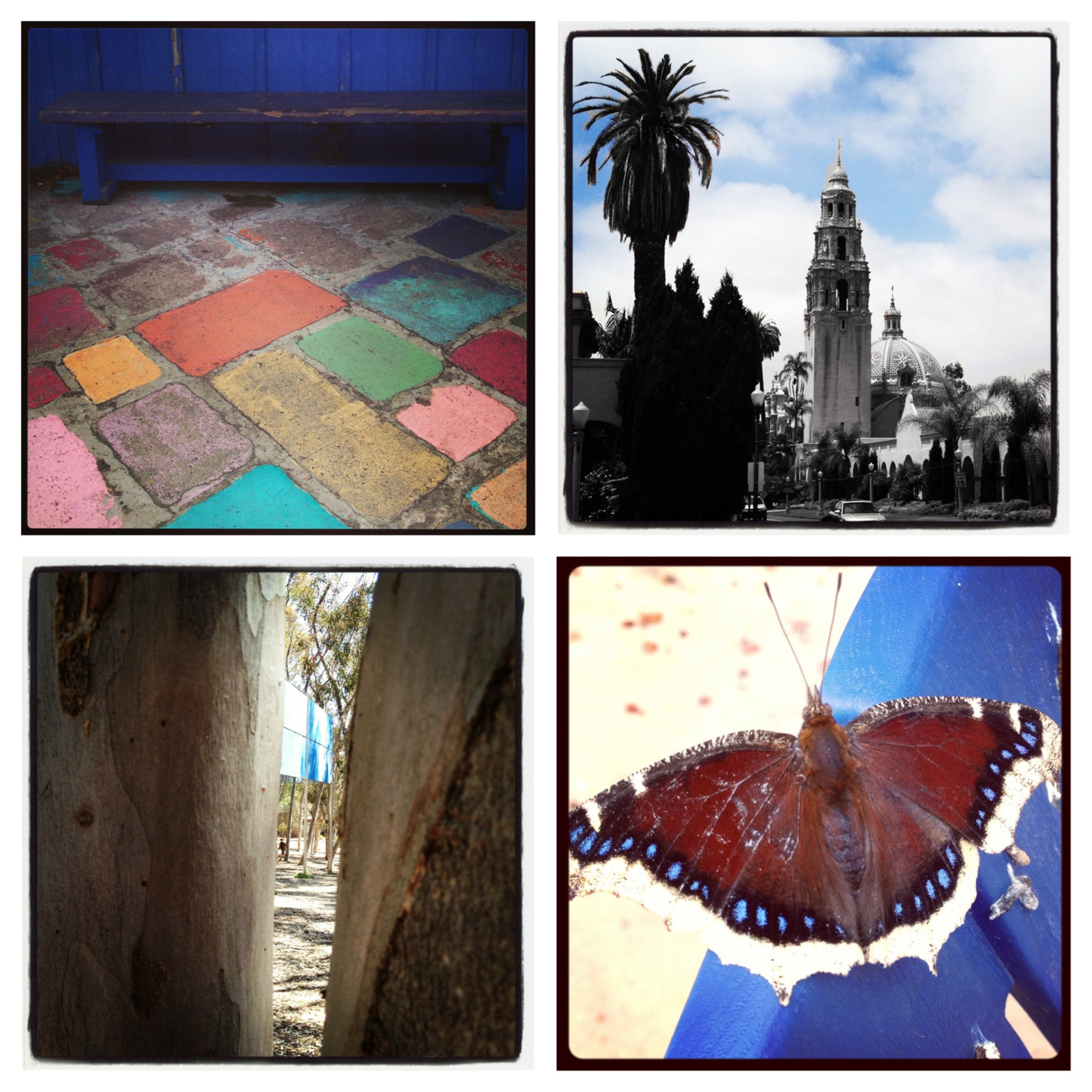
Blue…only a short three days as July came to an end…expressed itself differently than I expected.  When I originally crafted the color challenge I thought blue would focus on water…beachy things that are so prevalent in summer.  But my end of July didn’t take me to the beach or near the water as expected.  Instead, with the color in my head, blue appeared in unexpected places.  When I photographed this butterfly I didn’t even know it had blue dots on its wings. I don’t think I even noticed it was sitting on a blue chair.  What I saw was an opportunity to capture this beautiful creature through my lens.  I took a shot, then crept closer took another shot, crept closer…  I was amazed that the butterfly let me get so close.  Maybe it could sense my appreciation.

I find myself looking at the world around me as an opportunity for composition.  And I’m also thinking about the ways my eyes see things differently than my lens does.  Sometimes it’s the light…and my camera captures a silhouette where I see color.  Other times I can clearly see that bird in the sky…and my camera records a spot.  It’s a reminder to me that our lens shifts our view and understanding of the world.  We can look at the same thing and understand it differently.  It’s important for me to remember that what I see and understand doesn’t necessarily represent what someone else sees and understands through their lens.  And looking at those differences creates an opportunity to learn from one another.  As Margaret Wheatley reminds us in her text Willing to be Disturbed:

We live in a dense and tangled global system.  Because we live in different parts of this complexity, and because no two people are physically identical, we each experience life differently.  It’s impossible for any two people to ever see things exactly the same.  You can test this out for yourself.  Take any event you’ve shared with others (a speech, a movie, a current event, a major problem) and ask your colleagues and friends to describe their interpretation of that event.  I think you’ll be amazed at how many different explanations you’ll hear.  Once you get a sense of diversity, try asking even more colleagues.  You’ll end up with a rich tapestry of interpretations that are much more interesting than any single one.

This is what I love best about the photo-a-day challenge…I get to explore my own lenses and see what my friends and colleagues see through their lenses.  And I know this openness and exploration helps me beyond photography…into my classroom, with my fellow educators, and out in the world.

Connected Wondering

A friend of mine gave me two books the other day.  One I have read all the way through and the other I have browsed through.  They are alike…and they are 100% polar opposites.  The first, more of a coffee table/picture heavy book is called A Lifetime of Secrets by Frank Warren. Warren invited people to send a secret to him on a postcard or in a letter that he curated as an art installation.  They range from unthinkably horrible to silly, yet their arrangement and juxtaposition creates a powerful message.  This idea of sending anonymous secrets on the back of postcards is an interesting one–and one, and one that people seem to get relief from the sending…and maybe relief in reading the anonymous secrets of others.  Here’s a related website.

The other book is The Book of Awesome by Neil Pasricha.  This is a collection of little things that make people happy…like when you find cash in your coat pocket or the grocery store opens up a new line just when you think the wait is endless.  Each is written as short vignette–as short as a sentence or two to as long as a couple of pages.  This book also has a related website where people can submit their own awesome moments (in 1000 words or less).

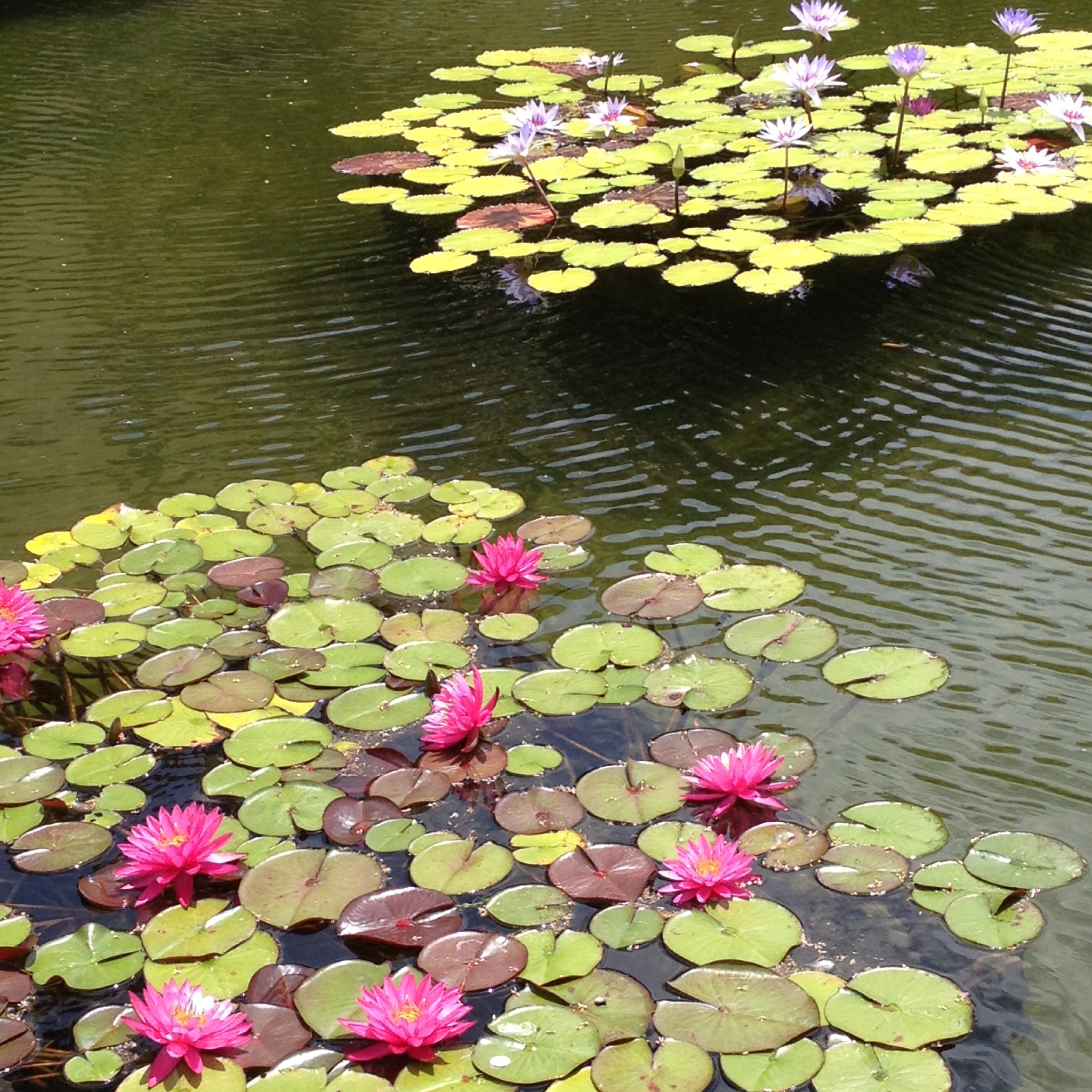
What strikes me about both of these pieces is the way people want to connect–even if it is anonymously.  People seem to have an urge to know that those things that burden or delight them also resonate with others, that they are not alone.  Like these water lilies I photographed today, tangled connections seem to help us as we live and grow.

photo-1

So as my thinking often does, I came back to the classroom with my thoughts about these books.  So how does the sharing of secrets and the sharing of awesome moments connect to the classroom?  I’m thinking about all those little things we do in the classroom to establish a trusting, cooperative, and collaborative community.  The ways we work to support each other in spite of our differences.  And a lot of that happens through writing–just like it did in these books.  Our writing uncovers our lives and lets others in.  It exposes our interests and our fears, our hopes and our dreams.

In response to my thinking about establishing a genius hour in the classroom in yesterday’s post, another friend commented about her experience seeing “wondering walls” in classrooms where students wrote down their questions–those things they are wondering about.  I’m already thinking about how a wondering wall might serve as an entry place for developing student-generated projects…and for encouraging students to use their classmates wonderings as springboards for their own.  Would that be like Postsecrets and The Book of Awesome — a place to connect and learn from each other?  A way to develop community and create collective interest as we pursue our individual wonderings?  What do you think?