Category Archives: Slice of Life

SOLC Day 14: Finding a Poem

My face-to-face meeting with directors of California Writing Project sites all over the state became a Zoom meeting in light of the Corona virus pandemic. I was not looking forward to hours in front of my computer screen, I knew I would miss all the informal opportunities for conversation and camaraderie. But I was wrong. Today’s meeting was energizing and comforting and brought much-needed connection and shared experiences with others who can relate in a world that is suddenly so filled with uncertainty.

Our rich conversations had me jotting down phrases, words I couldn’t forget. And during my beach walk this afternoon, they started to become a poem of sorts. So here’s the early draft…not quite done, found in the words of my colleagues.

Normal 0 false false false EN-US JA X-NONE

Just Wait


In a roiling cauldron of virus brew

we swim

blindly dodging infection

unwilling to get out

sure if we can’t see it, it’s not there


The pandemic spreads

morphing from fear of illness

into a pandemic of disappointment:

canceled events, weekend plans, the coveted spring break

we resist–just this once, I’ll be okay

wash your hands, pump the hand sanitizer


It’s time for each of us to listen loudly

to hear voices of those at risk

each of us is a single brick, interlocking, interconnected

whether we want to be or not


Distance physically

but not emotionally

wash your hands, cough into your elbow

cancel your plans and check on your neighbor

find ways to inject an inoculation of connection

without passing the virus


Write more, read more

Facetime with Grandma, phone call to Dad

and wait…

®Douillard


(And an image from this afternoon’s trip to the grocery store. Empty shelves are so unexpected!)

SOLC Day 13: In the Upside Down

I could feel this day coming, but there’s still no real preparing for it. Life and all the routines that keep it steady and grounded have been disrupted.

I knew when I heard from my colleague this morning that Los Angeles Unified School District would close their schools beginning on Monday that I would get a similar message before the day was out. And it was literally only minutes later that the email arrived.

Because of my Writing Project buy-outs, I don’t teach on Thursdays and Fridays so I was working from home when the message arrived. I texted my teaching partner to learn that the principal had called a meeting during recess. I couldn’t be there by that time, but as soon as my Zoom meeting finished, I headed over to school. I knew I wanted more information, I wanted to see our students, and I wanted to support my teaching partner in getting materials and information ready to send home by the end of the day.

And while we are prepared…as prepared as possible for an impossible situation, there is no roadmap for closing schools for a global pandemic. It feels like the whole world has flipped over and we’re now living in the upside down.

So…my students will be learning remotely for at least the next two weeks. They went home with their iPads today, knowing that they will find lessons and activities to do at home beginning on Monday morning. And importantly, they know that their teachers are on the other side of their apps…planning for learning and expecting to see evidence of learning coming back to them.

So will this move flatten the curve? Tamp down the spread of the virus? Keep us all safer and healthier? I hope so. And I know I will be ready for the world to flip back upright–knowing that our routines will likely continue to be disrupted even when our schools re-open.

Let’s keep washing our hands and keeping our spirits up, the kids out there need us!

SOLC Day 12: A Break in the Rain

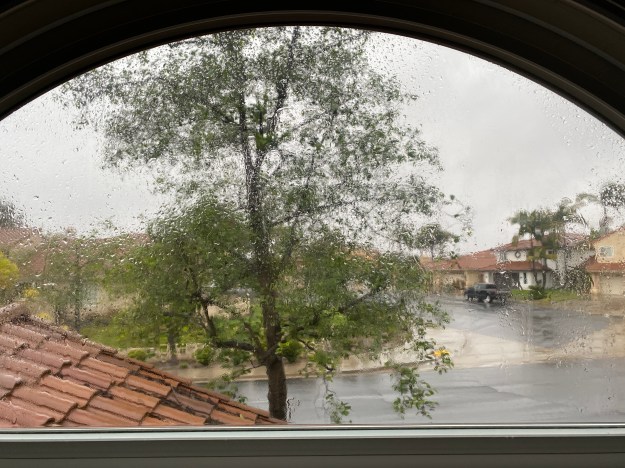
I’m fighting some kind of upper respiratory infection and the laryngitis that always seems to come with it. Luckily, I was able to work from home today (obviously not a teaching day for me!) and not even have to deal with commuting on a rare rainy day in southern California.

So I laid low, kept quiet, and got quite a bit of work done as the rain pattered its soothing rhythm on the roof tiles.

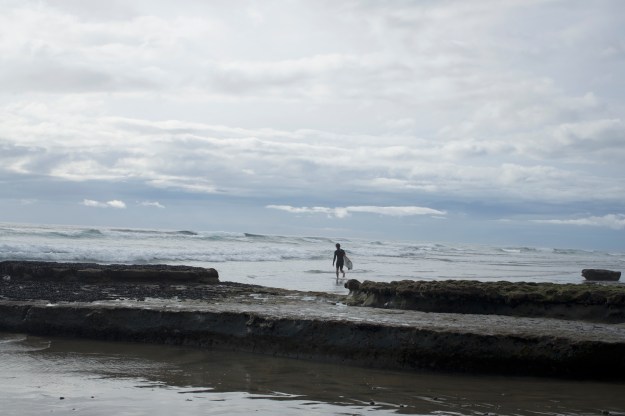
So when the light changed in my house this afternoon and I realized the sky had brightened and there was a break in the rain, I checked the weather app and then headed out to the beach for a much needed walk.

Sometimes I feel like I am solar powered, energized by blue skies and sunshine and depleted by days that are pervasively gray. I could feel my energy levels rise as I headed from the parking lot down to the shore. It felt so good to get outside in the fresh air. In spite of the rain, it wasn’t cold out…the conditions were perfect for a walk.

I love that the beach always surprises me. There were people like me, in jackets and tennies walking along the shore. There were those in jackets and bare feet, walking in the water or throwing rocks into the surf. There were the teenagers in bikinis, seemingly not experiencing the chill of water in the 50’s and air temps in the 60’s. And always, always, there are the surfers. Most wear wetsuits year round…and nothing ever seems to keep them out of the water.

And today’s treat was the cormorant. I’m always on the lookout for seabirds–seagulls are usual, but it’s tough to see seabirds close enough to photograph. I saw from a distance that there was a bird sitting on the tide pool outcropping. I had my camera ready and crept as close as I could without drenching my shoes or scaring the bird. I click and click, watching as the bird gets ready to launch. And I catch that shot…just at lift off!

Sometimes a break in the rain is just what you need.

SOLC Day 11: What’s Your Angle?

As we swam through the complication of terms used to describe and classify angles and triangles, it became clear how unfamiliar this language was to my third graders. How many adults know that there are three kinds of triangles that can described by their angles: right triangle, acute triangle, or obtuse triangle. Or by their sides: scalene (all sides of different length), isosceles (2 sides of equal length), or equilateral (all sides the same length).

There’s nothing like a novel tool to make learning more fun–and so, we pulled out the protractors and set to work creating and measuring some “angle fish.” After a quick demonstration, students set to work…trying hard to remember to trace and draw a semi-circle on the fold (there were only a couple of oopses!). I gave them each an angle measurement on a post-it note…and they used their protractor to measure the designated angle to cut out as the mouth. And then the fun began as students used scraps to create colorful, unique fish with definite personality!

We later sorted the fish into their angle category–discovering that my careful distribution of angle measurements (dividing the class approximately equally into acute and obtuse angles) didn’t quite work out in practice. Using a protractor actually means you have to know some things about angles before using the tool. It’s quite easy to measure 110º and end up with an acute angle instead! But the point was the learning–not perfection, and learn they did!

To top things off, we started singing a new song…another one penned by the Bazillions called Triangular Triangles. Songs are always a fun way to learn new information and my students are not shy about belting them out!

My angle in all of this is to convince my students–all of them–that math is fun! Everyone can learn math and make continual improvement if they engage with the ideas. My students were already suspecting that I would be having them do some writing (as I do with almost every kind of art we make)–I’m also always working to convince them that writing is both fun and meaningful. My students know I always have some kind of ulterior motive for my lessons–and I guess they are right! My goal is to impact each student I teach in ways that positively impact their success as contributing members of society, whatever they decide to do in their futures…and of course, to make learning enjoyable each and every day at school!

SOLC Day 10: Leaving a Trail

Rain sang me to sleep last night. And I woke to a damp morning. As I headed out the door, overloaded as usual with this bag and that one too—along with my lunch and coffee—I nearly stumbled as I spied the tiniest snail crawling near the doorstep. I just had to stop, pull out my phone and photograph the snail and the damp trail behind it.

As I thought about that snail I found myself thinking about those trails I leave, will anyone notice that I have been here? I hope I leave trails for my students. Those that they can turn to even when I am not around. Can they locate a mentor text for themselves when they have something they want or need to write? Will they remember to start with what they know when faced with an unfamiliar math problem?

Maybe those songs we sing in the morning help. Perimeter Around the Area by the Bazillions is a fun way to keep area and perimeter from crossing paths. And who doesn’t love singing the FBI (fungus, bacteria, and invertebrates) by the Banana Slug Band to learn about decomposition?

Getting to know Naomi Shihab Nye through poems like Kindness or Famous or A Valentine for Ernest Mann helps us explore the power of language. Books like Love by Matt de la Pena and Wishtree by Katherine Applegate help us see our own experiences and those that are different from ours.

Making stuff…from art to slideshows to videos to bridges made of cardboard and construction paper allow schoolwork to slip into the realm of play. Playing together and laughing and those long deep conversations about important topics just might leave those trails I’m thinking about.

And I know for sure that my students leave trails of their own, for their classmates to follow, for younger brothers and sisters and most definitely those etched deeply on my heart. They remind me that the ordinary matters, that caring is more important than any test score or report card and that if we pay attention we can find the pathways that matter most.

SOLC Day 9: Finding Faces

Last week I wrote about my students and their foray into photography under the influence of Ansel Adams.  Going a bit deeper into both photography and activism, this week we’ve turned our attention to Dorothea Lange.  Starting with Ansel Adams felt easy.  He focused on nature, using Yosemite and other National Parks as his playground.  His photography feels akin to mine, paying attention to beauty in nature, noticing light and shadow, marrying photography to walking and hiking and moving around outdoors.

Dorothea Lange and her photography pushes me.  I seldom photograph people–with the exception of my three grandsons–feeling awkward getting close, zooming in to capture expressions of genuine emotion.  (Weirdly, it doesn’t feel awkward with my grandsons.  I’ve been photographing them since they were born–and they’re still little.  I think they just see my camera as an extension of me–they are fascinated with it and the idea of photography when I am around.)

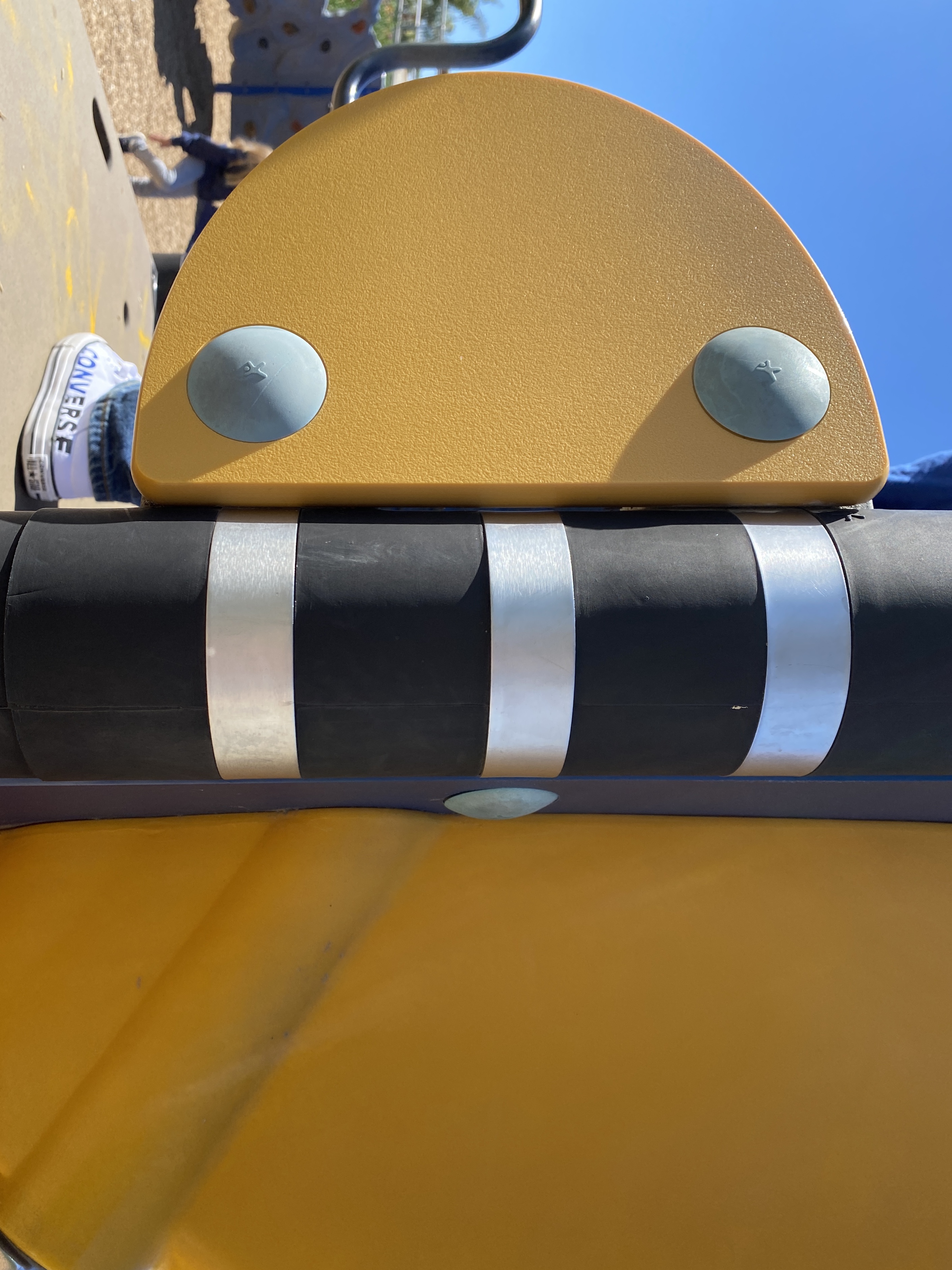
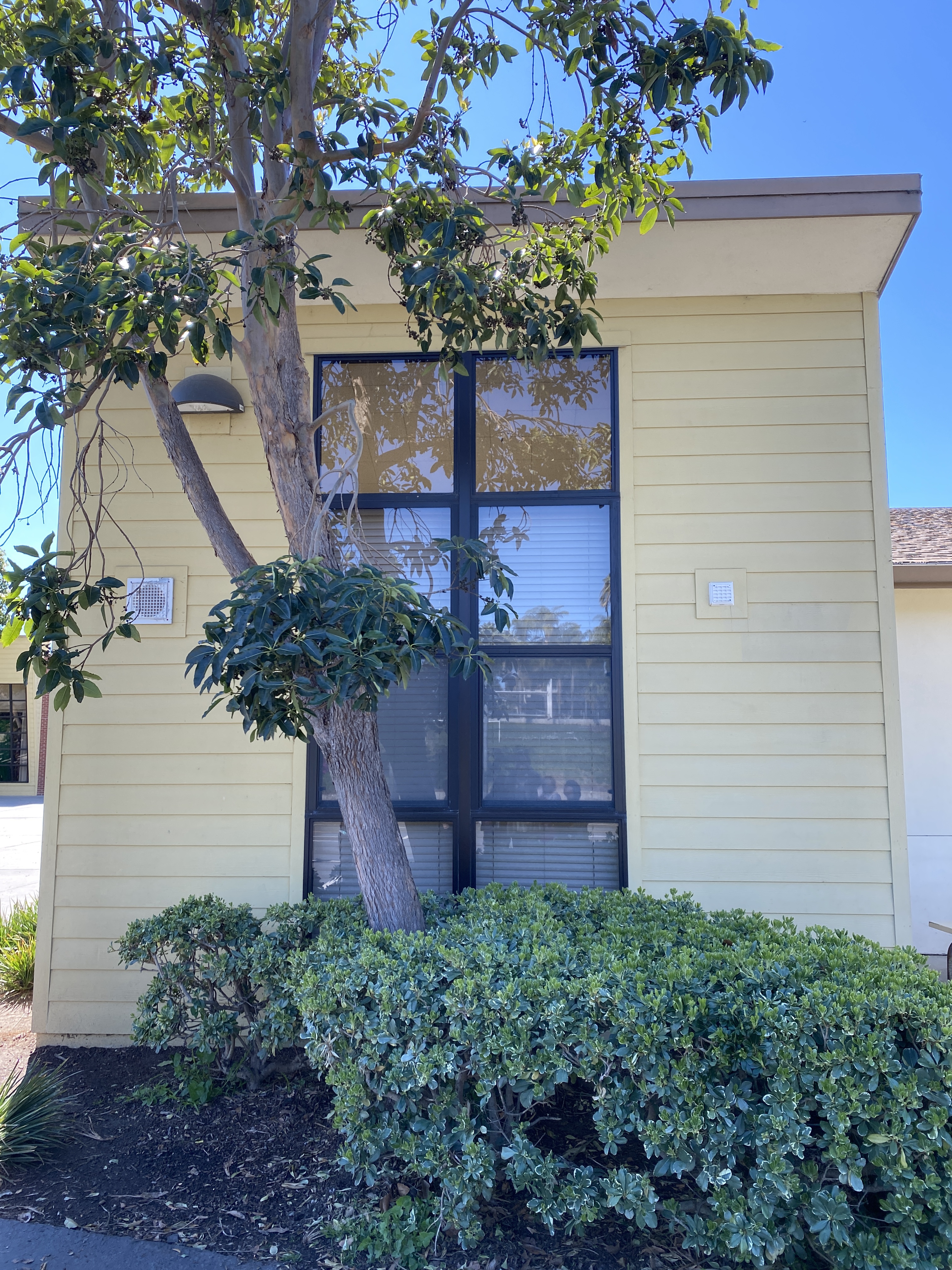
So today…maybe to avoid the awkwardness of photographing one another, my students and I set out with iPads in hand to find faces.  I asked them to find faces rather than make faces or take photos of faces on a mural.  I hadn’t pre-scouted the campus to see if I could find faces, instead I just trusted that my students would be creative and find something interesting.

Because of Monday’s schedule, I haven’t yet seen what my students came up with, but I did capture a few of my own found faces.

Here’s one I noticed from a sideways view hanging out on the playground equipment.

img_5923

And there was this face, complete with sombrero!

img_5926

Looking up, I caught these eyes looking out over the playing field.

img_5924

And heading back to the classroom, I noticed this shy face hanging back behind the shrubbery.

img_5933

I’m not really sure where we will go with these photos…what writing we might pair with these found faces.  I do know that our next step is to consider how to use a photo to advocate for something that needs our attention…so stayed tuned.  There will be more to report soon! (I hope!)

SOLC Day 8: When the Tide is Low…

Springing ahead this morning meant the day was already shorter…and who needs a shorter Sunday?  Luckily, the day was sunny and relatively warm…a perfect day to enjoy the negative tide promised this afternoon.

img_5893

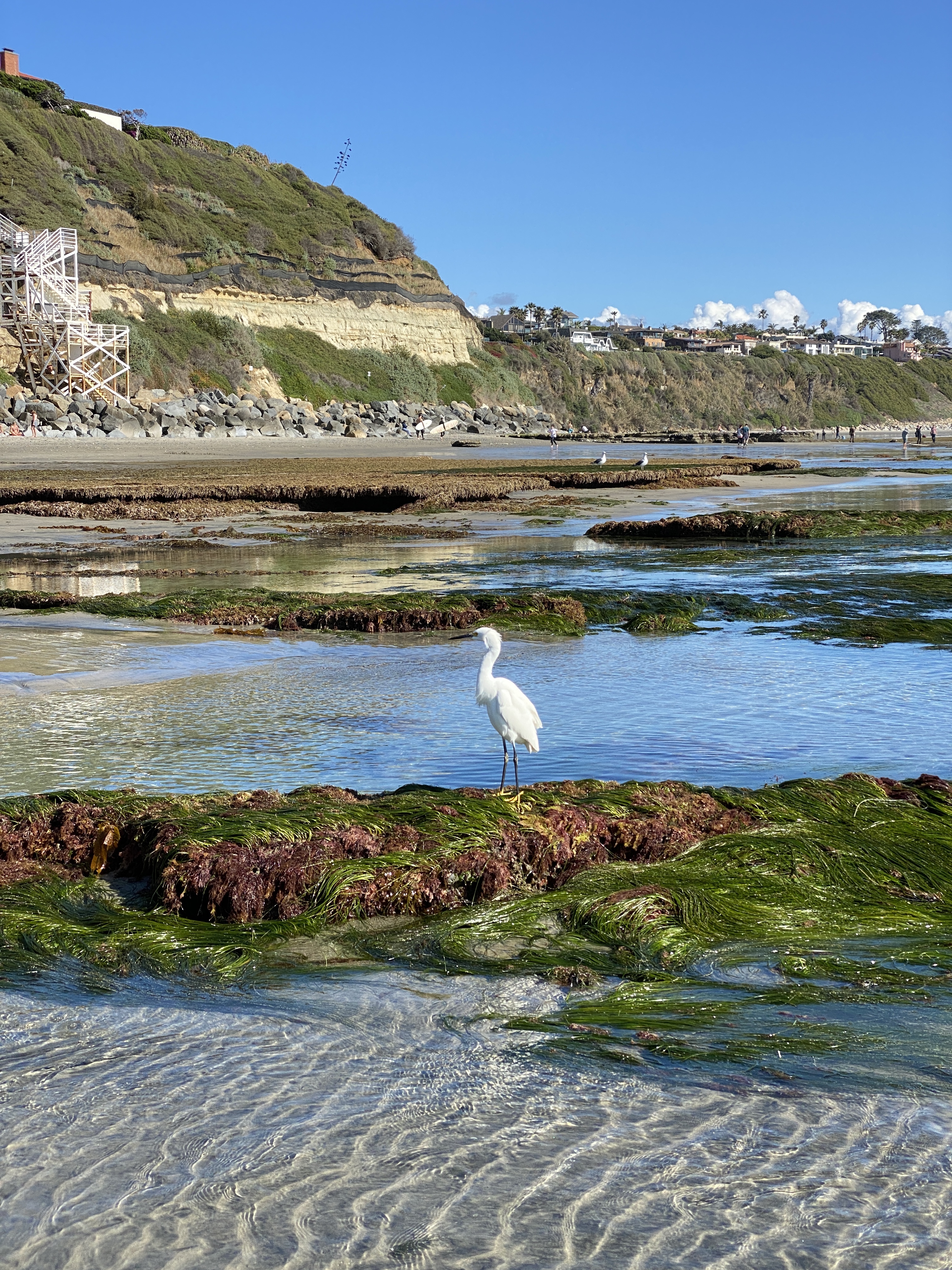
When the tide is low the sea pulls back and offers a wide walking beach.  New geography is on display: exposed tide pools, unexpected sandbars, and slippery algae covered reefs.

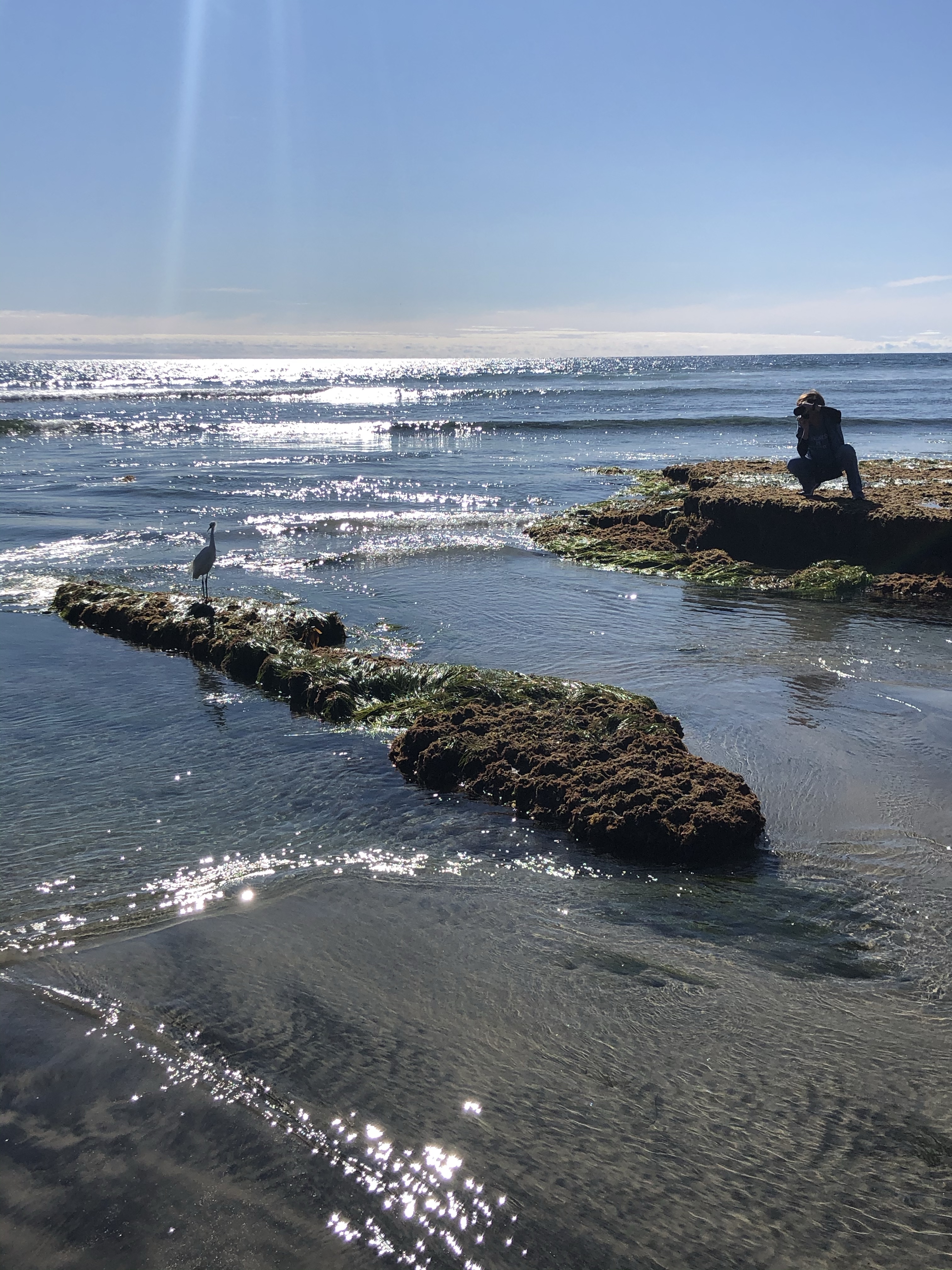
Egrets feast, using their bright yellow feet to stir up tiny fish.  As still as statues, they pose and wait…until the perfect moment arrives.  And then…mealtime!  The gentle sea breeze ruffles those pure white feathers, revealing the layers of texture.  As I crouch low we come eye to eye…and understand that we are not in competition.  The egret can hunt and I can take photos without disturbing one another.

img_1191

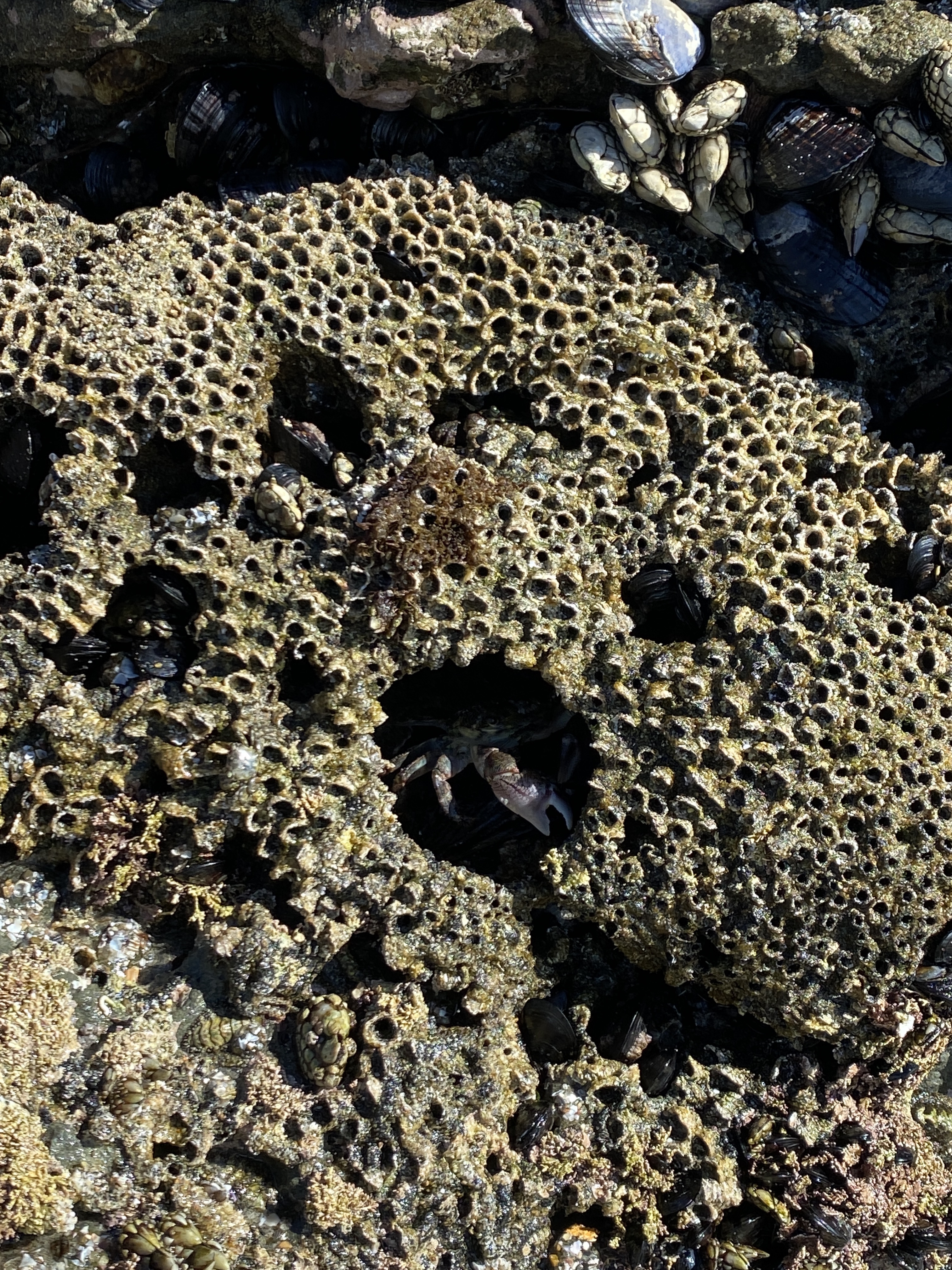
Crabs scurry, hiding in the cracks and crevices of seaside rocks and hive like reef structures. Sensitive to the tiniest movement, I stand perfectly still and patiently watch until I get a glimpse of the sideways reach.  A fist fight between two thumbnail sized green crabs suggests that territory may be in dispute.

img_5888

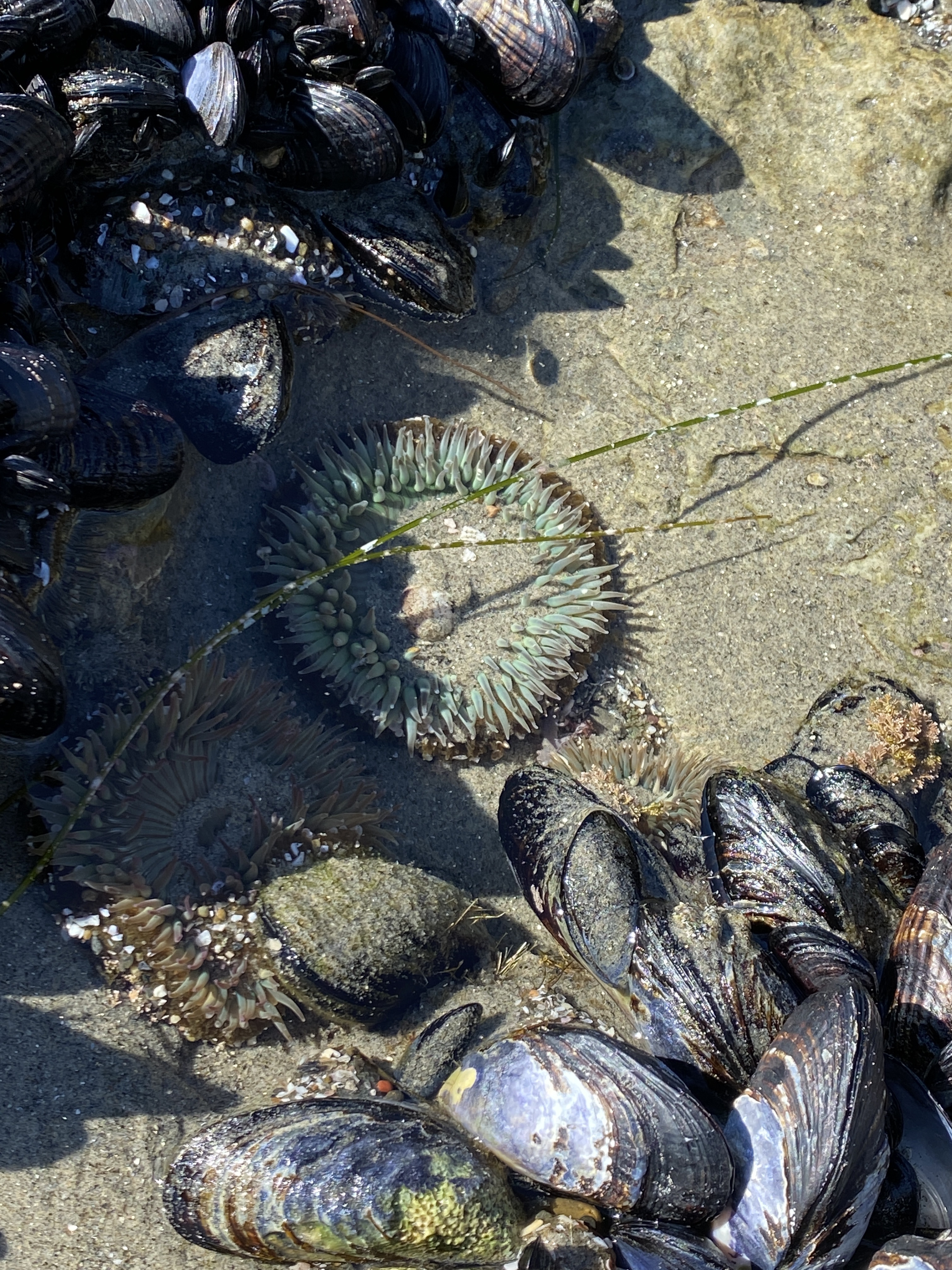
Anemones comes in a variety of shapes, sizes and varieties.  Some immersed in shallow pools, others exposed in the wet sand…all adapted for the harsh conditions of the tidal zone.

img_5892

img_5877

The beach is an ever-changing wonder that I explore endlessly.  For me it is my gym, my photo studio, my meditation space, my therapist.  And on days when the tide is low and my schedule is flexible, it is simply a playground filled with delight!


SOLC Day 7: Weather or Not

There’s not much weather where I live.  In fact, it’s not unusual for a forecast for rain to fade away before actually materializing.  It’s been a dry winter, so the prospect of rain is something people look forward to–even if it causes inconveniences.

I spent the last two days working in Berkeley.  When I looked ahead at the weather to pack for my trip, I noticed that rain was expected today.  I packed my raincoat, double checked that my umbrella was in its home in my suitcase, and hoped that the rain wouldn’t be the deluge I experienced on my last Berkeley trip in January that left my socks drenched and my pant legs damp.

When I awoke this morning and peeked out the hotel window, the streets were still dry.  Thick cloud cover quilted the sky, suggesting that rain might just arrive.  By the time I was ready to head downstairs for breakfast with my colleague, the air was damp.  A light mist spritzed us as we navigated the sidewalks to our chosen restaurant.  As I dipped my hands into my raincoat pocket I felt a slip of paper.  Closer examination revealed it was a receipt from my last trip to Berkeley.  Had I not worn my raincoat since my trip in January?

The rain increased by the time breakfast was done, now coming down at a steady rate.  With hoods up, we walked and talked in the rain.  It wasn’t coming down so hard that we had to hunch down, instead we reveled in this liquid gold, knowing our state is in great need of water.

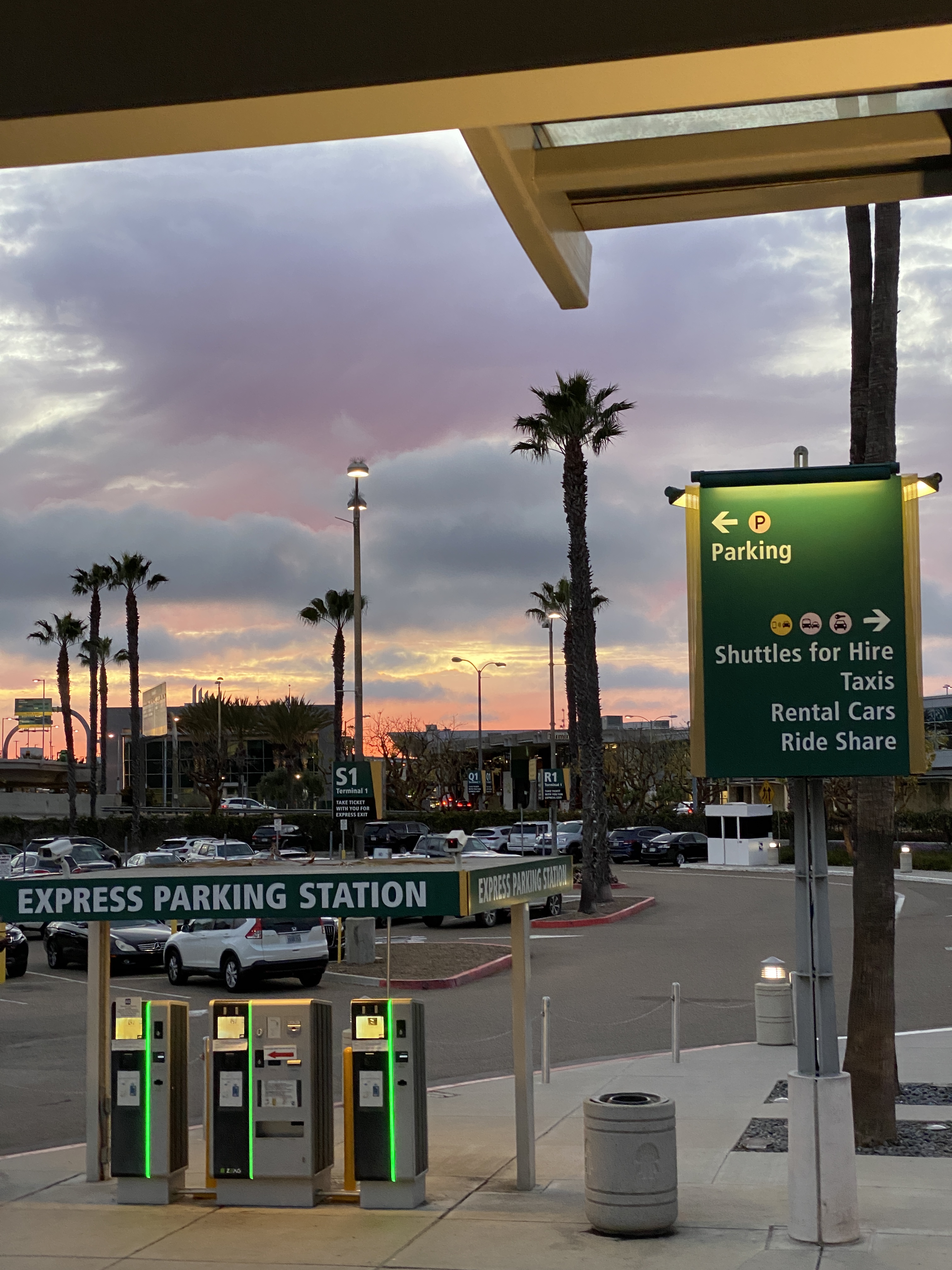
By the time I got to the airport later in the afternoon, the sun peeked out, casting a glow over the tarmac.

img_5871

My flight home was painless–and especially gorgeous as we started to descend.  Layers of clouds interspersed with ribbons of magenta, red, and orange framed my view of the ocean. As we dipped lower, we sank into thick white cotton, obscuring the view for a bit until finally my city came into view.

I caught the last bits of sunset walking to the car and am left wondering if the rain will follow me here.  The weather app says it will rain overnight, but will it?  Rain overnight sounds good…but in these parts we never know weather or not the weather will arrive!

img_5873

SOLC Day 6: The Power of the Invisible

I’m particularly interested in the volume of invisible work in our world.  As a teacher, I experience firsthand just how much work it takes outside the classroom to ensure that students learn, that parents are communicated with, that accountability boxes are marked.  Those school hours don’t even begin to contain the lesson plans, the emails, communication with colleagues, professional learning, and the preparation of “stuff” for students that are necessary to a successful classroom learning environment.

I’ve also been working on a National Writing Project research team with the primary goal of supporting an evaluation study of upper elementary (grades 4 and 5) argument writing.  And while an evaluation system was already in place for middle and high school students, the development of grade appropriate materials to make the system work for younger students has been an amazing learning experience–and involved hours and hours of invisible work.

Evaluating student writing is not as easy as simply checking boxes and assigning the writing a score.  In the case of this argument writing, we developed sourced-based prompts that would reflect the kinds of tasks students would experience in lessons supported by the professional development their teachers received.  We piloted the prompts to ensure that the tasks put together by adults would be relevant and accessible to students.  We refined the prompts and then sent them out into the field to be administered in pre/post situations with students who are a part of the study.

Our research partners culled writing that we then sifted to establish a set of anchor papers to be used to operationalize our scoring continuum, each anchor helping to define the range of particular score points.  These will be used to train scorers to ensure that they are calibrated to the scoring system, increasing the reliability of the scores.  Anticipating potential questions from scorers drives the development of mini lessons to clarify the scoring system, again working to ensure that scorers are calibrated to the system and reliable in their scores.

And while most of the this work is invisible to those outside our small research team, when we come together in our work, powerful collaborative learning takes place.  It’s as if this process opens the faucet that pours out words to describe all the moves that writers make. Even the most basic and underdeveloped of essays contains promising next steps, illustrates what the writer does know and can do, and fits somewhere on the continuum of what argument writing at this level looks like.

img_5813

And the camaraderie of our team turns what could be drudgery into pure joy.  We laugh, delighting in a student’s turn of phrase, unexpected use of evidence, or insightful interpretation of source material.  We argue over score points until we can agree unequivocally on the boundaries of each score–sure enough that we can convey this understanding to a team of scorers who will tackle scoring thousands of papers during a week this coming summer.

And while much of the work is invisible, it isn’t unimportant.  This groundwork will ensure that student writing will teach us about the effectiveness of professional development–and about the power of looking closely at student writing.


SOLC Day 5: Flight Risk

It’s eerily quiet as I approach TSA at the airport tonight. There’s no line…not in the TSA pre line or in the regular line. I zigzag through the empty lanes, making my way to the person who checks your ID without stopping. There’s a few people ahead of me once I get to the x-ray lines, but the entire process is done in minutes…single digit minutes.

Is the relative quiet because I’m flying on a Thursday evening or because of the potential risk involved in flying because of the COVID 19 virus keeping people at home? The freeways I traveled getting to the airport were packed, at one point my navigation told me that the 13 miles I had left to traverse would take 40 minutes—and it was accurate!

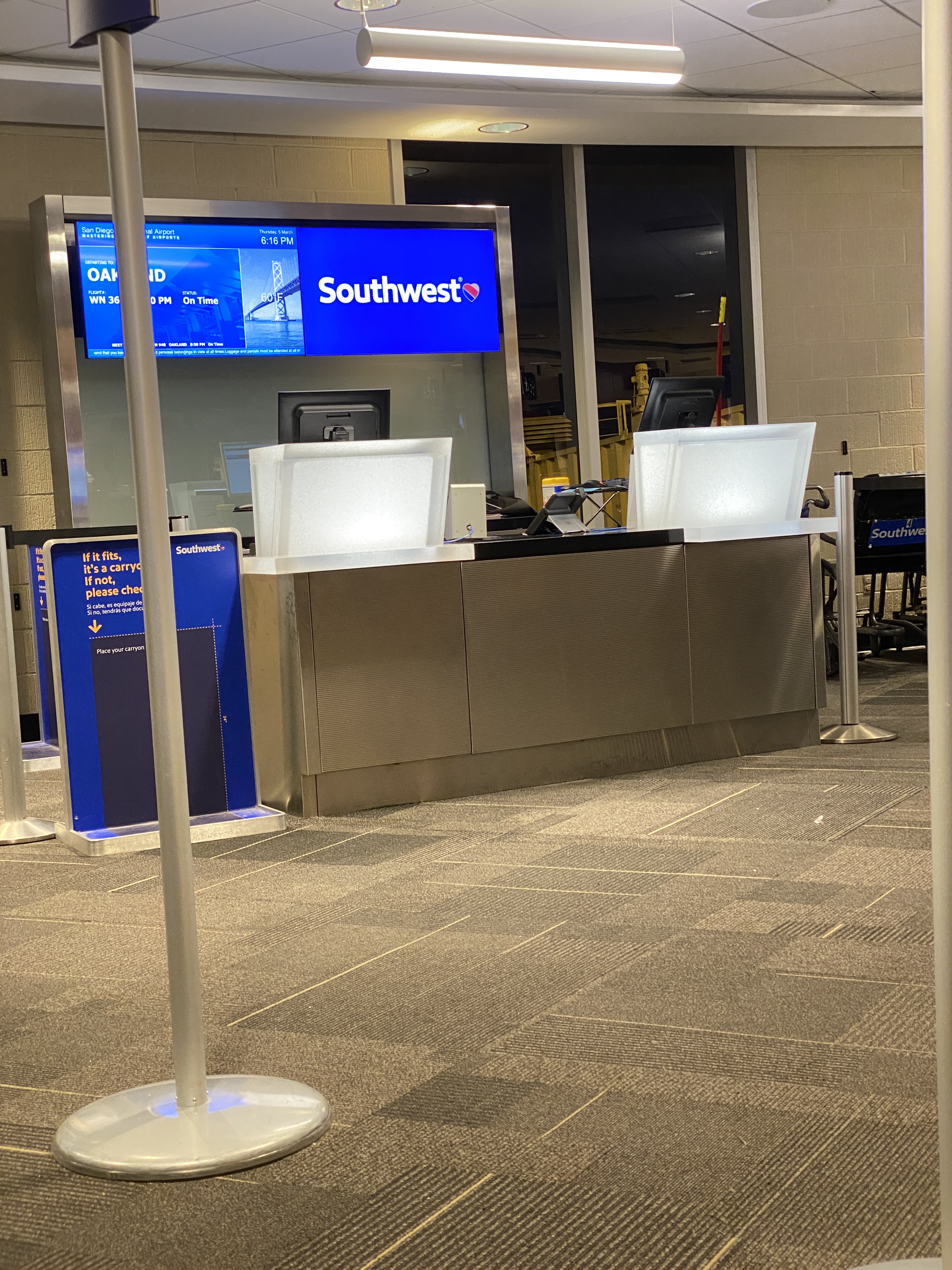
As I type this waiting for my flight I see the Southwest agents pull the disinfecting wipes out, swiping counters. A few minutes earlier I watched another pump the hand sanitizer, rubbing away those unseen dangers. The lady a few seats down from me just pulled out her own hand sanitizer, the smell of the alcohols wafts in my direction.

Am I putting myself at risk by getting on an airplane tonight?  I don’t think so.  In fact, with all the disinfecting wipes, hand sanitizer, and many fewer people than usual, this flight might just be safer than other similar flights I have taken.  And the relative calm of the waiting area is allowing me space to think and write, my belongings spread around me, rather than feeling squeezed in the more typical sardine fashion that I am accustomed to.

But I do have my own hand sanitizer in my bag…and I think I will use it on that tray table before using it tonight.  I might as well keep the risk at the lowest possible levels.

img_5858