Category Archives: thinking

Beginnings

New Year’s Day just passed and everyone is talking about beginnings and goals and thinking about the accomplishments of the year gone by.  But somehow, January 1st seems like an arbitrary beginning to me.  It’s just not the time when I am ready to take stock of the year and make plans for the new.

As an educator, January feels like the middle.  In some ways we have just really gotten started on our learning this year.  Everyone has settled in, we’ve figured out how to operate as a learning community, and with the holidays behind us we are ready to surge forward!

And then the Weekly Photo Challenge presented this week’s prompt–beginnings–and I started to think about how sometimes beginnings and endings are hard to distinguish.  Kinda like the chicken and egg dilemma.  Which comes first?  Which is the beginning and which is the end?

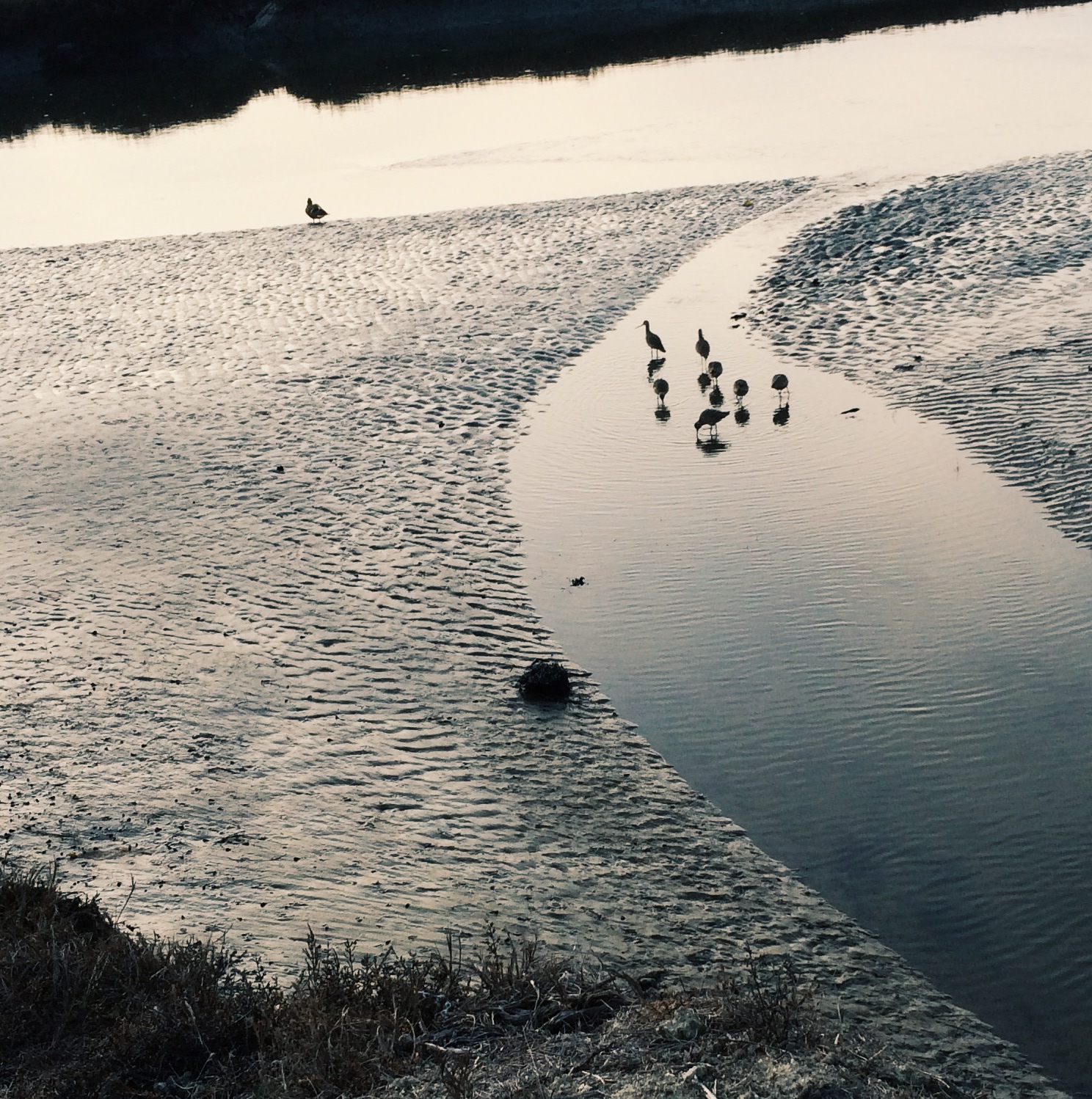
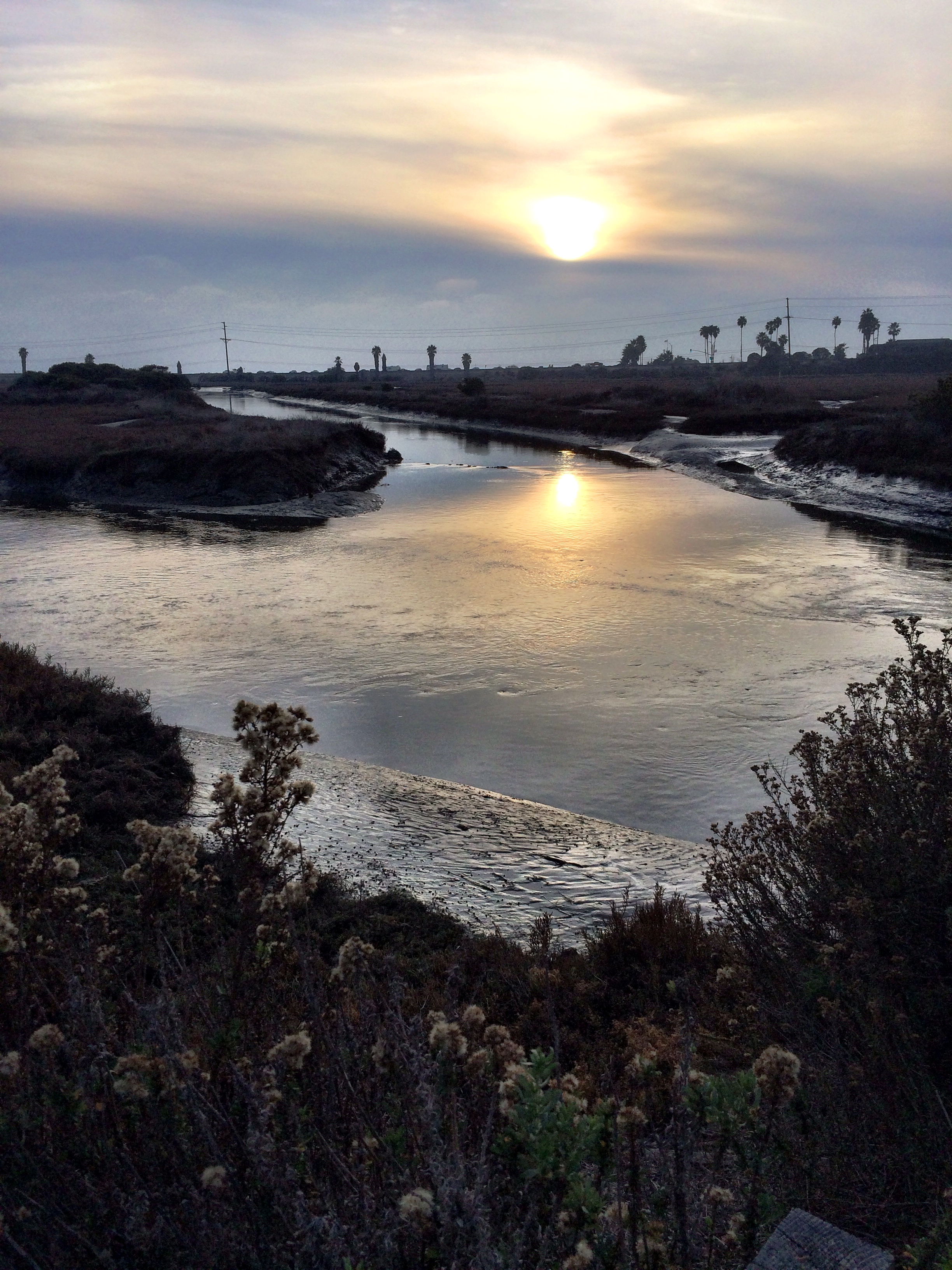
In my pursuit of interesting photos today I found myself at the lagoon–that space where the ocean mingles with fresh water creating a complex environment teeming with life.  It was nearly sunset when I arrived and the briny air was chilled by the gentle sea breezes as the impending fog bank rested off shore.

photo-17

The tide was out, exposing the mud flats, presenting a banquet for the marsh loving birds.

Processed with VSCOcam with g3 preset

Is this marsh the beginning of the ocean or the end of the river?  Is sunset the end of the day or the beginning of the evening?

I’m not so sure it really matters that we have “hard” starts and stops, but it definitely matters that we take time to reflect, consider the experiences we have, and move forward with intention.  I may not do this on January 1st (or December 31st), but I do take the time at regular intervals to consider my work and my life and make adjustments to its course.

Processed with VSCOcam with c1 preset

And sometimes I just take the time to pause and appreciate the moment.  Maybe that, too, is a beginning.

Gaps and Possibility

While I’m still officially on vacation, today was a day spent catching up…on laundry, housework, email, and some reading.  I’ve been reading Onward, (a Christmas gift from my sister) Howard Schultz’ book about Starbucks and his realization that his company had lost its way. He describes the journey to transform Starbucks to be forward thinking, innovative, and successful “…without losing its soul” as requiring hard work, strategic planning, collaborative effort, and respect for employees and customers.  I’m only about a third of the way through the book, but I find his willingness to sacrifice short term gains for the greater long term good interesting and thought provoking.

I also read an article today entitled, We Need to Talk about TEDabout a recent TED talk by Benjamin Bratton where he talks about how little action results from the ideas presented in TED talks.  He describes the ways that TED talks oversimplify the problems we are confronted with and overly rely on inspiration as the take-away from their viewing.  If we talk about problems in inspiring ways, those problems will be solved. Bratton talks about the folly of seeing problems as a puzzle to be solved–implying that all the pieces are already here, ready to be assembled…and that this is a barrier to solving the very problems that need solving.  This talk definitely is worth thinking about…I know I’ll be giving it some more consideration.

This week’s Word a Week Photo Challenge is Gap, so as I was thinking about my reading, I was also looking through the pictures I have taken in the last few days for an image to capture gap.

I found myself thinking about gaps…gaps in understanding, gaps between problems and actions, gaps between beliefs and reality.  The word gap tends to give a negative connotation to space…it implies that something is missing, not closed properly, maybe even dangerous.

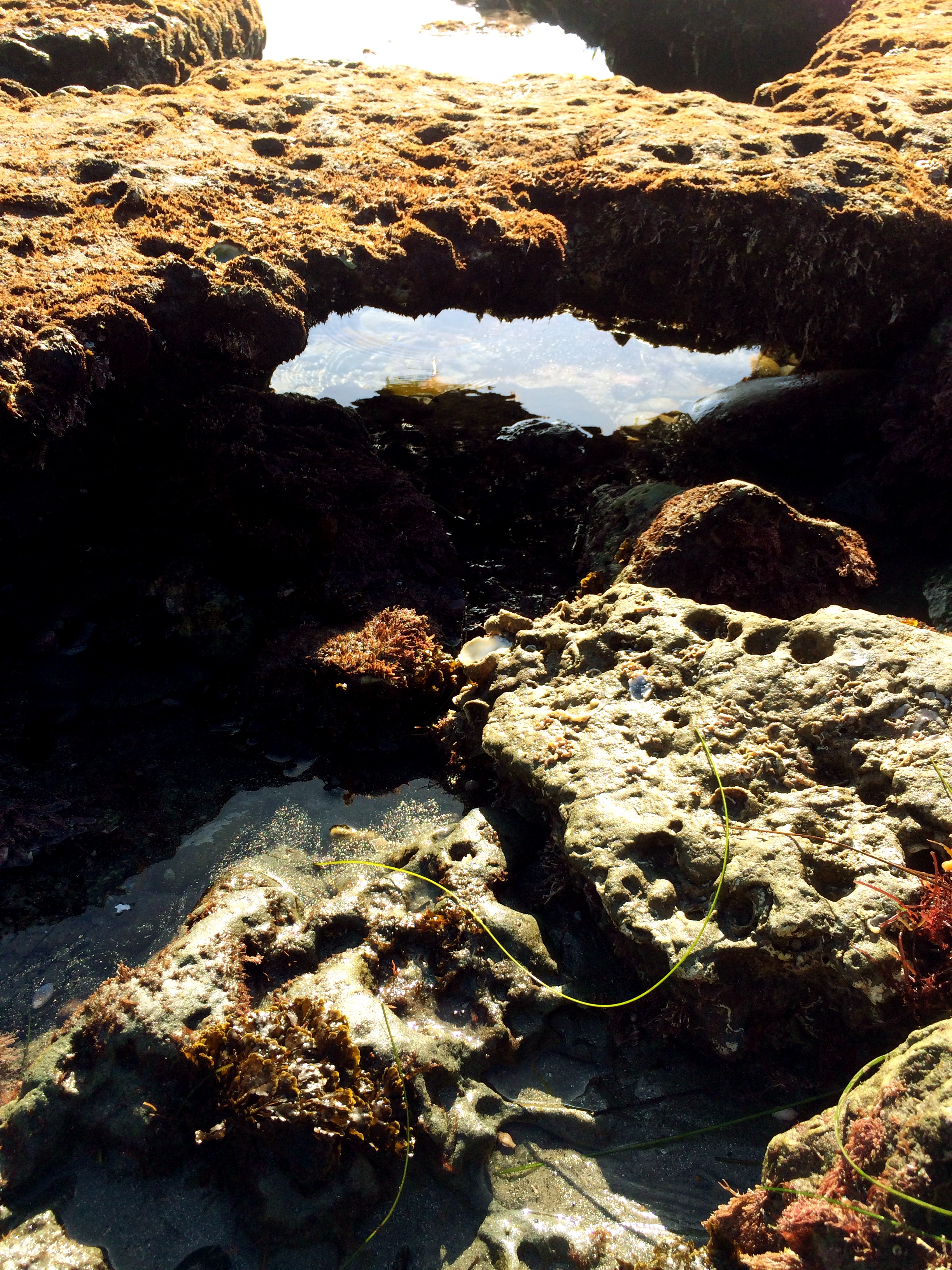
When I looked at this picture taken on the beach a few days ago, I saw the gap…and I saw the possibility that is positioned around the gap.  I also see the beauty in the gap, the space for imagination and innovation and appreciation of the complexity that surrounds us.

photo-16

I also read a short article today, Use Language to Shape a Creative Culturearguing that changing language from negative to positive can dramatically impact the culture of the workplace (and other places as well).  I know that positive language makes a difference to me, it makes a difference in my classroom, and it makes a difference in our writing project.  When we consider, “How might we…” instead of getting mired in all the potential barriers, we are able to come up with creative solutions and move from ideas to action.

I like the way the gap in this photo also highlights the bridge above it.  I’m known to be optimistic…and yet I know that positive thinking alone doesn’t get things done.  But I do know that believing that something is possible allows me to find a way to figure it out…to dig in, try some things, connect with others and learn from their efforts, and then step back and reevaluate my own efforts, make a new plan, and try again.

So maybe we need to analyze gaps and consider redefining them as spaces…spaces to leap over, spaces where a bridge might work, spaces for the wind to soar through.  Change and action take effort, not just ideas.  But we do need spaces for ideas to grow, so look for the gaps in your life that offer opportunity and beauty, and consider, “how might we…”

Shadow

There is no doubt that my photography inspires my writing and my writing refines and refocuses my photography.  (There is something about the reflective process of examining the photos and critiquing them for myself that pushes my “eye” in terms of photos I shoot.)

This evening I noticed on A Word in Your Ear that the A Word a Week Photograph Challenge was shadow.  And that single word got me to flip back through some recent photos thinking about shadow and just what that word means to me.

This accidental shadow from the weekend caught my attention.  I struggled in the bright sunlight to capture a photo of these pea fowl that really captured their beauty, their markings…and made them show up.  They tend to blend in with the dirt.

photo-3

I think the shadow of me taking the photo is crisper than the photo of the peacock.  As I noticed my shadow I found myself shifting and turning as I figured out how to work the sun and shadow.  I found that my best photos of the pea fowl were a bit later when the sun dipped behind the clouds.

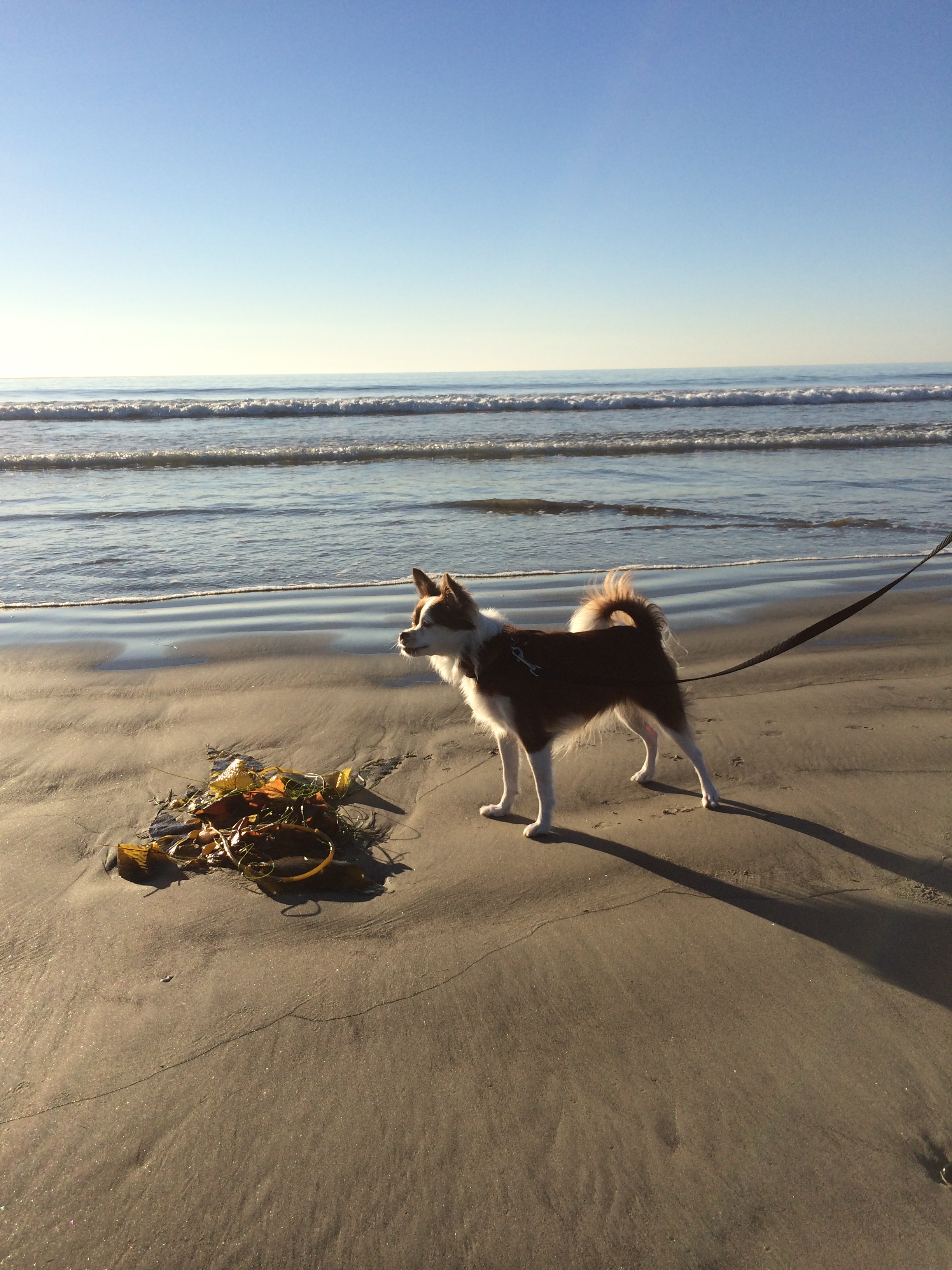
Earlier that week I had been at the beach taking some photos.  I love the way the shadow in this picture of Elli (a long-haired chihuahua) plays with her image of herself as a big dog.  She seems to think she is the protector of her people–and fiercely protects them as though she were five times her size.  (Like the shadow suggests!)

photo

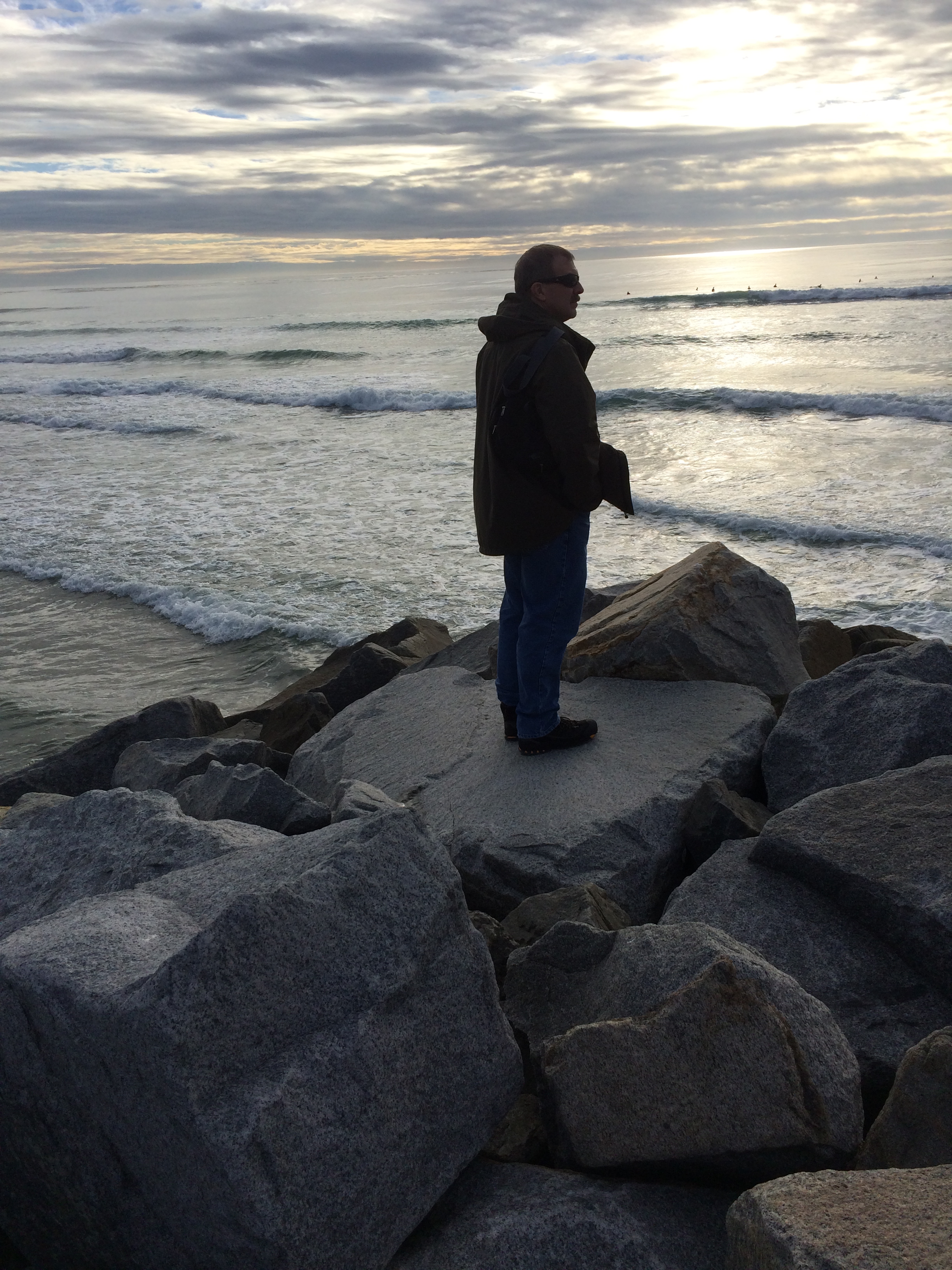
And I like playing with light sources…and the resulting shadows.  This post was all about light and its impact…and how it often results in shadows or silhouettes.  I love this silhouetted view of my husband looking to the light.

beach silhouette

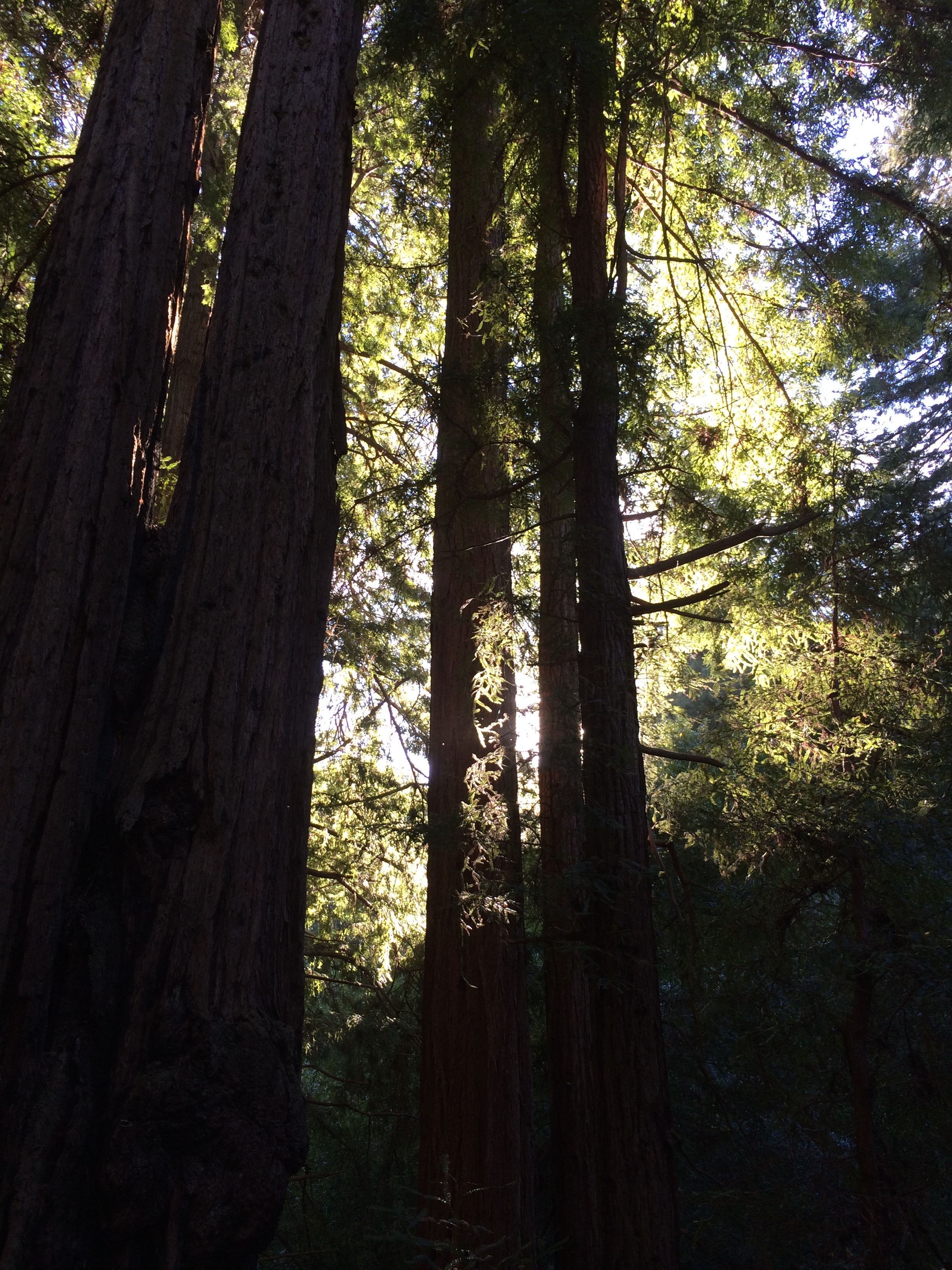
And one of my favorite photos of shadows comes from my visit to the Giant Redwoods a few weeks ago.  These magnificent giants cast shadows that veil the forest floor, keeping the air cool and the sun at a distance.  The shadows create a magical world where the sun sneaks in to make unexpected appearances…creating an otherworldly glow here and there.

photo-2

Shadow…revealing, playful, contemplative, magical…  But what about the shadow of tragedy, sadness, horror, poverty, crime?  Not that I am looking for darkness, but I am sure there are many more shadows to explore.

Systems Thinking

In addition to learning about circuits in the Hacking Your Notebook session, that I described here, at the NWP Annual Meeting in Boston, I also had the opportunity to participate in a three-hour workshop about e-textiles where we made puppets.  This session also involved the basics of circuitry and using a small battery to light up LEDs.

But Melissa and Kylie framed their session in the theory of systems thinking, which has continued to occupy my mind and thoughts ever since I left the session.  They talked about the ways we often simplify explanations in our society by turning to a binary cause and effect model.  Here’s an example of the cause and effect model: if we elect a new president, then the economy will turn around.  Actually, there are many other factors that impact the end result…and in fact, who is president may not even be the most important factor.

Our educational system (and our government) seems to spend a lot of time in the simple cause and effect model, rather than helping our students think more deeply about systems and the ways there are multiple factors, interconnections, and possibilities at work in the outcomes we see.  So the making of puppets in this workshop was about more than learning how circuits work or developing language and writing related to the puppet, it was also a way to think about systems and the problem solving and iteration that it takes to understand and make changes to the overall system.

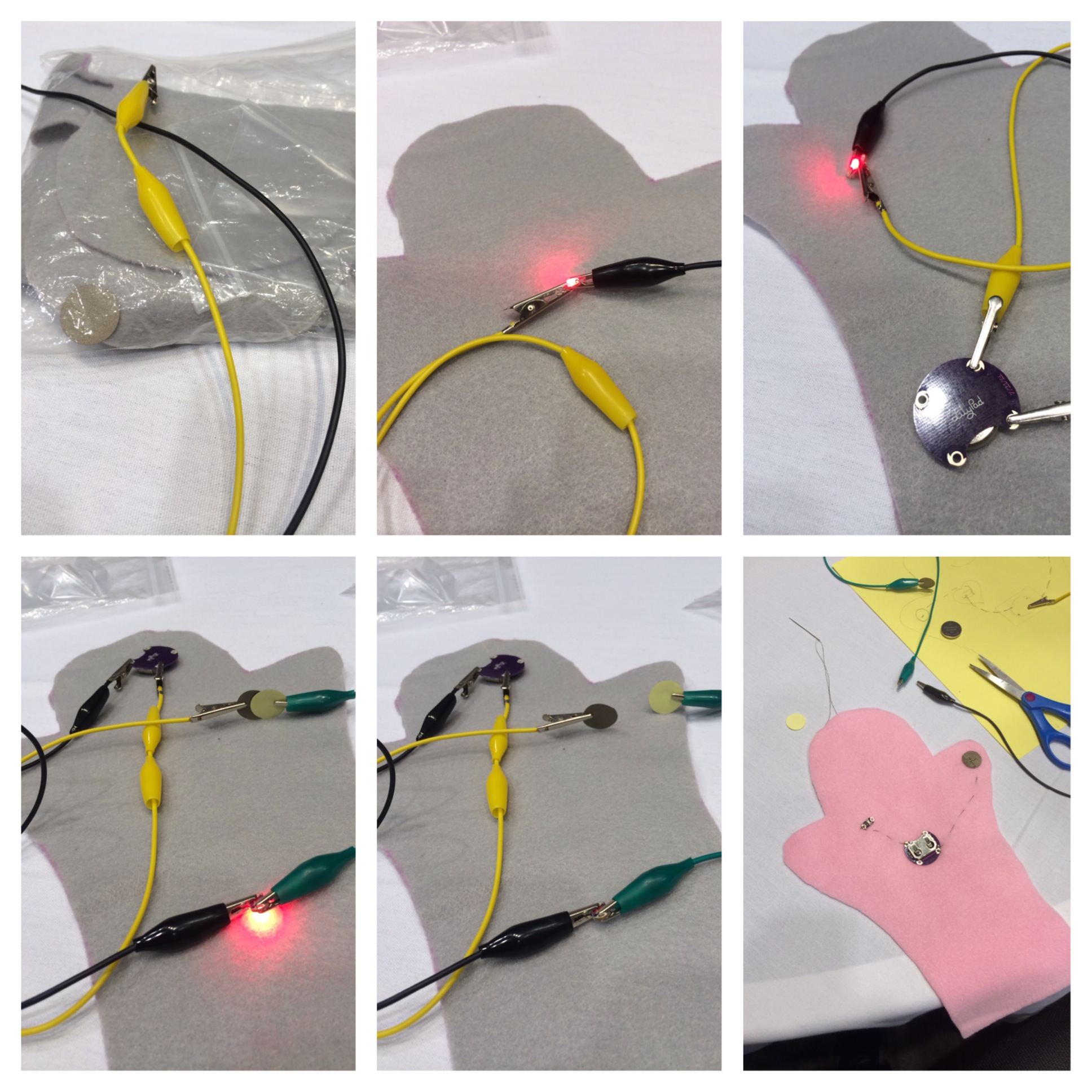
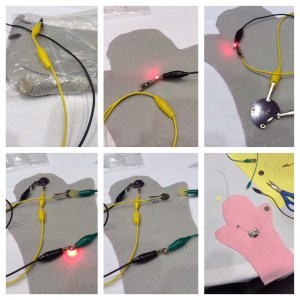
So…with systems in mind, we proceeded to explore circuits with a watch battery, LED lights, and wired alligator clips.  Because of my work with circuits the day before, this part was super easy!  And then they asked us to explore how a switch would work.  It didn’t take much to figure out how to touch the switches to each to open and close the circuit, lighting the LED, and then separating them to turn off the light.

Our goal was to make a puppet that had a light (or two) that would light when you turn on the switch (or make a connection that closes the circuit and turns on the light).  We had two pieces of felt cut out in a puppet pattern, a battery holder, a LED light, and two switches (small pieces of conductive material) along with a host of buttons, ribbons, fabric, yarn, and other materials to use to decorate the puppet.

We began by making a plan.  Tracing our puppet on paper, we drew a diagram of where we would sew our battery holder, LED light(s), and switches, labeling the +/- poles and drawing in the stitches we would sew in with conductive thread.  Having our model in front of us to plan was a perfect step.  We could test and physically trace how the connections should flow as we drew the diagram.

Like in yesterday’s post, there were trickier plans I could have tried, but I opted for a simple plan that I knew I could complete in the time allotted.  And then I got to work.
photo

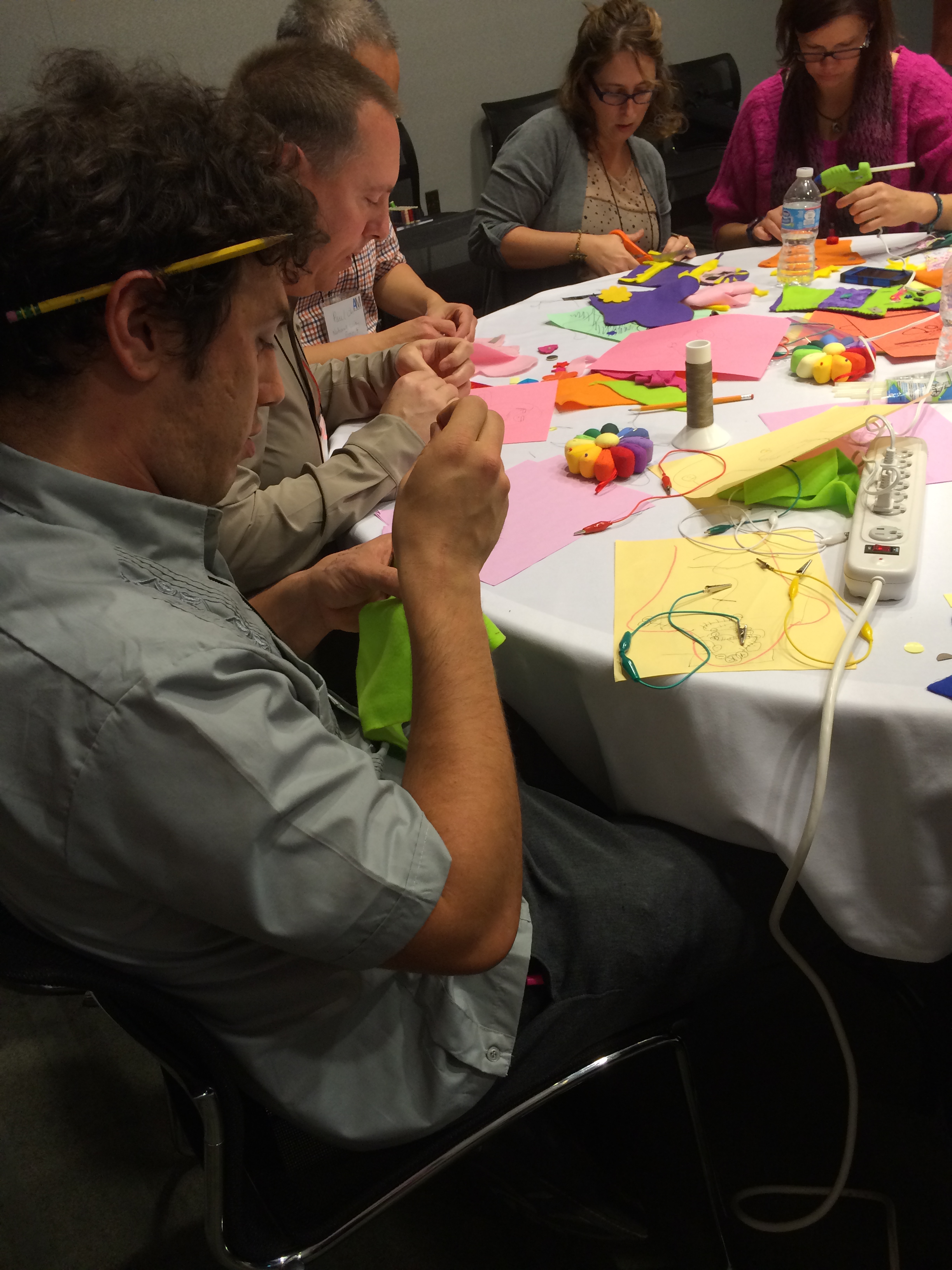
As people worked through their plans and settled into sewing their circuit the room hushed and you could see the intensity of engagement.
photo-4

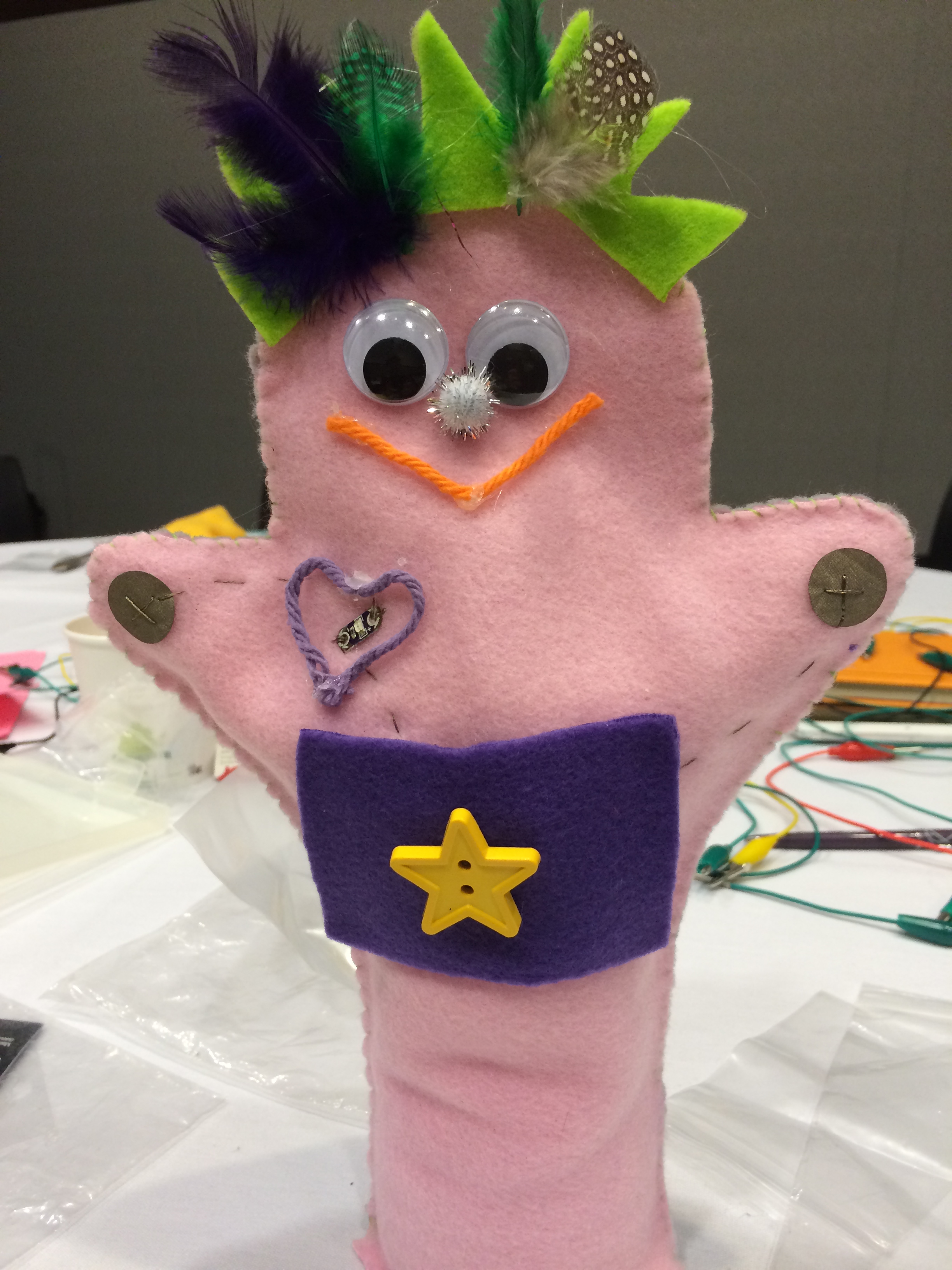
For some the sewing was the hardest part, for others it was working through the circuitry, and for others it was totally about creating the puppet character they had in mind.  Here’s my end result…his heart lights up when his hands touch.
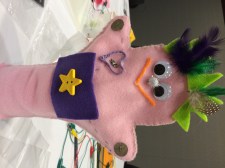
photo-3

There are definitely some things I would do differently the next time I make a puppet.  I learned after I had sewn my circuit in that putting the hands together covered the light…you can see a glow, but it isn’t the effect I had in my head.  Other people were working on pirates and butterflies, some with eyes that lit, some with noses that lit.

And my takeaway has much more to do with systems thinking than it has to do with circuits. I find that I have a better grasp of how to explain some of the approaches I use in my classroom.  Like why design is so important to student learning, why mistakes are valuable to learning…if you take the time to work through what you did and figure out a better outcome, and why students need space to create their own plans and work through the spaces where things are not working the way they intend.

It also has me thinking about other learning opportunities.  I learned to sew as a child, and making clothes and other project definitely involves some systems thinking.  You have to think fabric, including weight, texture, stretch…  Even using a pattern, you have to think about how to lay out the pattern to make best use of the fabric, work with the grain, match the design if the fabric has one…

I’m worried when we make things in the classroom too “neat” that we are working harder and learning more than our students.  That’s one of the things I love best (and hate the most) about teaching writing.  When it’s at its best, it’s messy.  I can have an overall plan in mind for the outcome, but my students benefit from getting “just right” instruction along the way.  And not all my students need the same instruction…and some benefit from learning by watching and listening to their classmates.

After all, the classroom is another system.  When you tweak one aspect, there are many working parts that are impacted.  As an educator it’s important to problem solve and iterate.  It is impossible to make a year-long (or even week-long) plan that won’t change if you are really paying attention to the needs of your students.  We can help break things down for our students, but they also need to figure out how to examine the pieces of a system for themselves in order to understand how the parts interact with the whole.  After all, our students today will be the leaders of tomorrow!

What do you do in the classroom to help your students understand and work through the complexities of systems?

Reflections: a Photoessay

I’m fascinated with reflection. Both the mental version and the physical version. Reflections appear in many surfaces…mirrors, metals, through shade and shadows…and in my favorite medium, water.

I love the idea of the way water captures the way reflection works with learning. Reflecting is a way of reinforcing and internalizing your learning. Taking time to think about why the learning matters and making connections to other experiences enriches learning.

Reflection is not the literal mirror image of seeing exactly what you experienced. Instead, reflection is the processing of experience. Like with peering into water, everything around you impacts the learning. The wind, the current, the life within the water…even the angle you take when you take a look.

I also love to play with reflection in my photographs. Sometimes I intentionally look for ways to capture reflection, but more often than not, I notice the reflection after taking the photo.

Here are a few of my favorites…

I love to capture birds on the beach.

20131110-204452.jpg

And the surprise of the cliffs reflected when I was trying to capture these birds.

20131110-204641.jpg

This fisherman has such a feeling of timelessness and captures the quiet and solitary beauty of individual focus.

20131110-204836.jpg

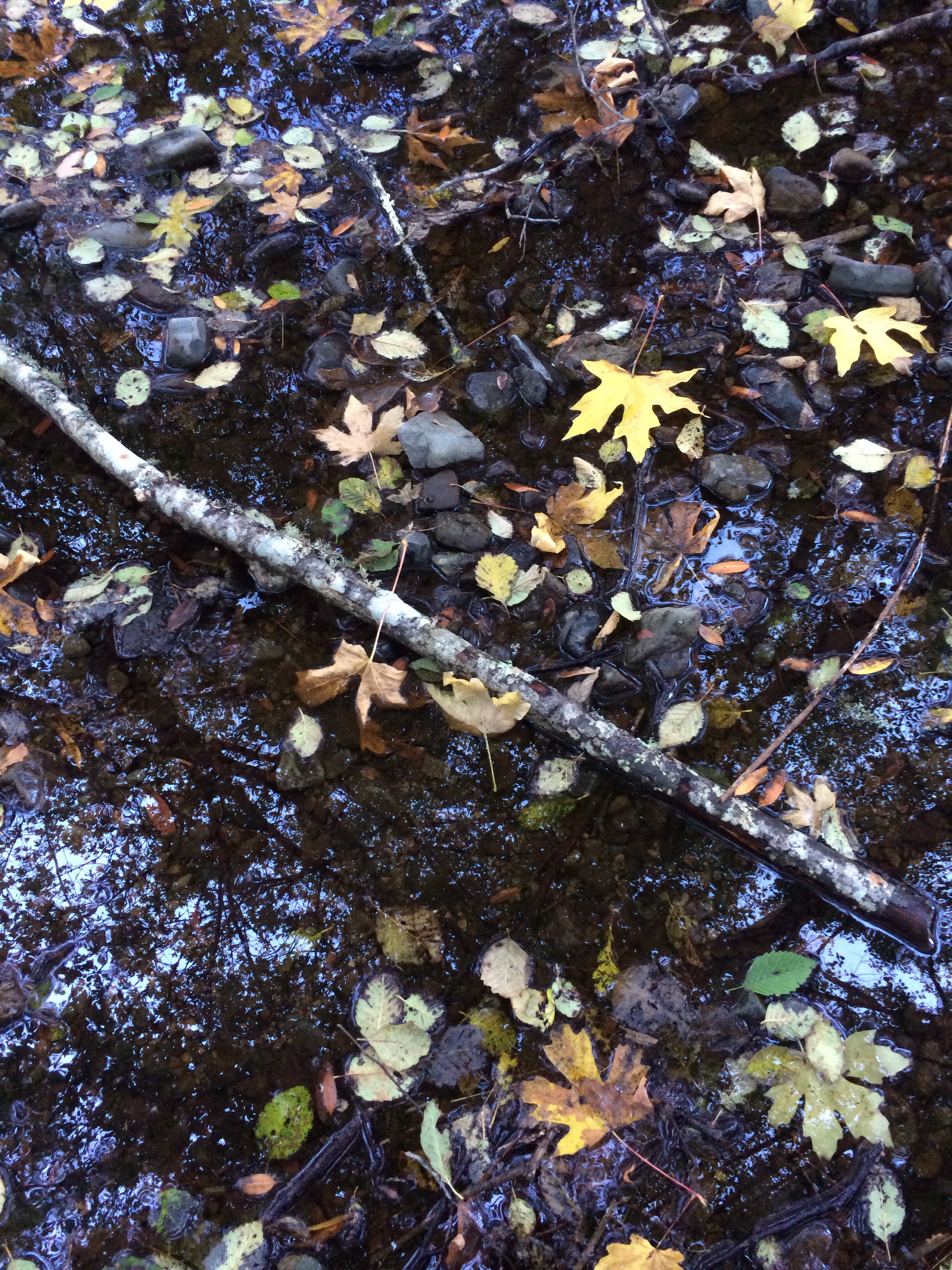
And I’m not limited to the beach. I love the ways the redwoods are captured in this stream. (I also love the colors of the fall leaves floating in the water!)

20131110-205147.jpg

And even at the zoo there are opportunities for reflection!

20131110-205311.jpg

These photos remind me that taking time for reflection matters. There is beauty and meaning in looking back to look forward. I’m reminded to pay attention to the angles, to consider the environment, and to be aware of the life within…in my photography and in my life.

How do you make time for reflection? Do you create opportunities for your students to reflect?

Habits…of Language

How many times have I used the phrase, “What a zoo!,” to describe a particularly chaotic situation? Just what do I mean by that?

Today I spent the afternoon at the Oakland Zoo, watching animals, learning more about their behaviors and natural environments, and generally enjoying spending time with family in the presence of these people and animals that I don’t get to see everyday. There was nothing chaotic about the zoo. Instead, the animals seem to be well cared for and the enclosures offered opportunities to feel like I could really see the animals while keeping everyone safe. The zoo was peaceful, relaxing, and educational.

I do have mixed feelings about zoos. The ideal environment for wild animals is their natural habitat. But I also know that zoos offer humans opportunities to learn about and protect animals. And the zoo as outing provides families and children ways to appreciate wild animals and learn about ways they can help prevent the destruction and encroachment on the natural environments of these beautiful creatures. I watched people of all ages enjoying their interactions with each other as they watched giraffes, tigers, meerkats, sun bears, and even bats.

20131109-191513.jpg

So what do I mean when I describe a chaotic event as a zoo? I’m really not sure. And now that I’m thinking about the reasons behind this phrase, I will be breaking the habit of using those words. There are other phrases I am working to eliminate from my language use. One of those is that one about “killing two birds with one stone.” And “there is more than one way to skin a cat.” And any phrase that includes the word slave in it. I need to break these language habits and figure out more precise uses of language to describe what I’m thinking.

Being mindful about language also makes me more mindful about my actions. Habits can help us get things done, like my habit of writing every day. They can also make us less mindful and result in some thoughtless words and actions.

What habits will you be working to undo…and what will you try to establish as habits?

A Balancing Act

Over at the NWP iAnthology, this week’s writing prompt is about the art of balance and that never ending question of how people balance their personal lives and their work lives and still gets all that they want to get done done.

That balance question is a tricky one…and I think the answer is idiosyncratic.  Each of us must define for ourselves what balance means.  On some days I feel miserable: too tired and overwhelmed to focus on the things I value.  On those days I’m often not eating right, I skip exercise, my family feels neglected, and my work suffers.  That’s when I drop the ball and need to step back and reevaluate.

photo-9

For me the secret to balance is in prioritizing.  I try to focus on what I love in both my work and my personal life…and lucky for me, there is lots of overlap!  I try to spend my time with people who give me energy rather than take it away.  I try to spend my time on projects that are interesting and generative and delegate tasks when I can.  And I try to make time for fun.  It might be as simple as a walk or some time taking photos or even texting with my sons…I find that those relatively quick and simple activities are rejuvenating.  They improve my spirits, make me feel good…and best of all, seem to have a positive impact on both my work and relationships!

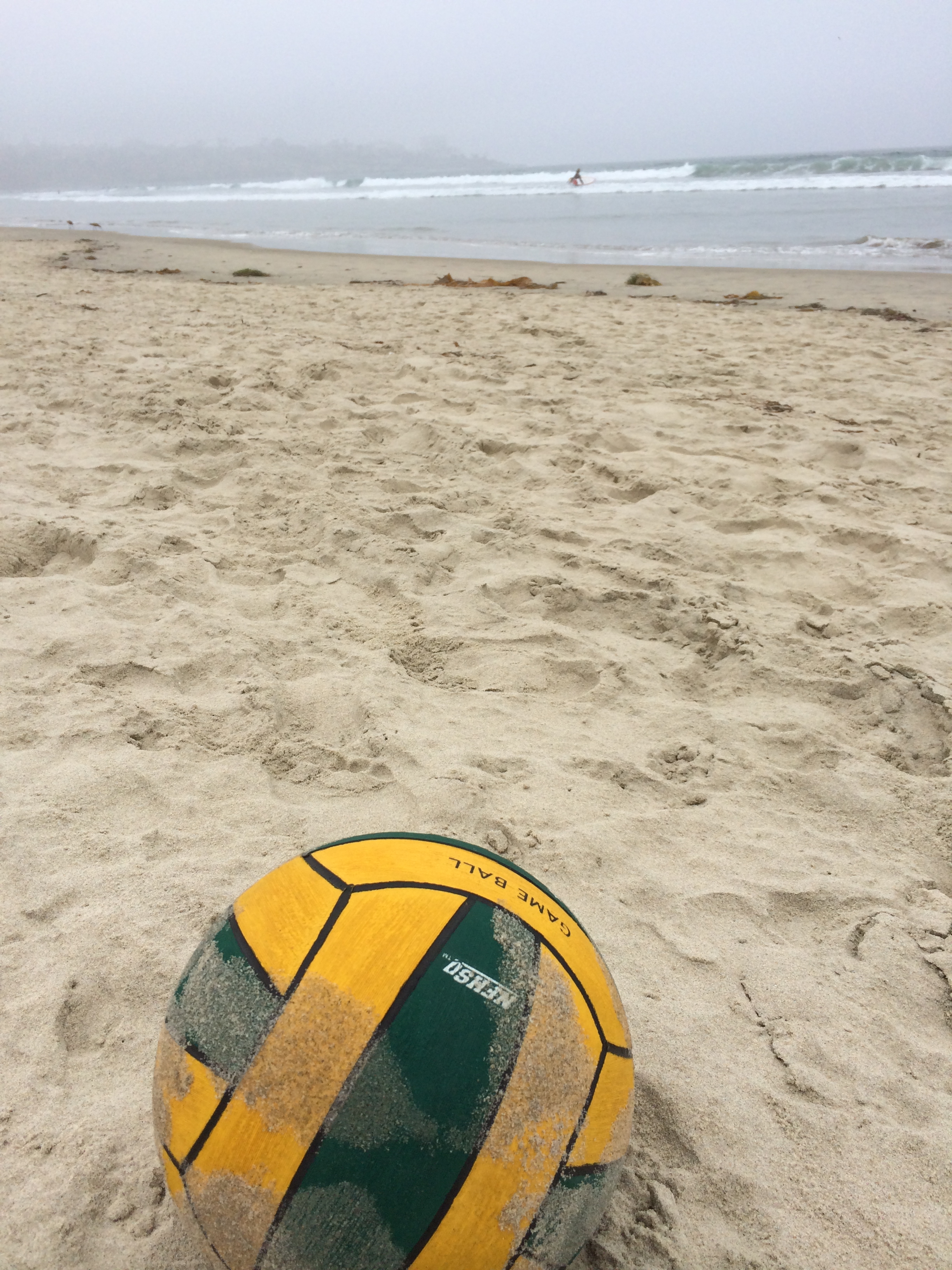
Like everyone else, I feel the stresses of overwork and expectations from time to time.  And this month is always a difficult one for me with report cards and holidays added to the regular everyday demands.  I’m reminding myself to stop and breathe.  And then to walk and take some photos…so instead of dropping the ball, I can take a fun picture of an abandoned ball (dropped by someone else) on the beach!

What do you do to achieve balance in your life?  What activities give you energy?

Thinking about MOOCs

MOOCs (Massively Open Online Courses) are becoming more prevalent.  They seem to be the new “thing” in learning.  Zac over at Autodizactic is asking folks to help him think about MOOCs.

I’m not sure I even know what I think about MOOCs.  Like Zac, I have signed up for MOOCs that I have then abandoned.  It seems easy to both sign up for something that sounds interesting and that you can “attend” asynchronously.  And then when it actually begins, it seems easy to let it go when life gets too busy or the tasks seem too arduous or mundane.

I’m currently signed up for a MOOC, led by people whose work I admire, focused on academic language development for English language learners…and I’m very interested in the subject matter.  But already I’m having trouble finding time to do the readings and complete the tasks assigned.  I’m pretty certain I won’t be completing this MOOC.

This summer I had a completely different experience with the Connected Learning MOOC, clmooc, through the National Writing Project.  And maybe the most important difference was in the way the acronym “mooc” was defined.  Instead of being a “Massive Open Online Course”, the clmooc was defined as a Massive Open Online Collaboration.

There were still facilitators.  And instead of assignments, there were make cycles.  And participants were invited to add to make cycles, interpret them in their own ways, create totally new makes…generally make the experience work for them.

I found the experience exhilarating!  I expected to “lurk” around the edges of this experience.  I knew when I signed up that this would be an extremely busy time for me.  I was coordinating the SDAWP Summer Institute, starting a new grant-funded project, and supporting resource development for another project.  But, because I found it relevant and because of the interaction with facilitators and participants, I was compelled to continue and experiment and learn and grow.

Drawing on Connected Learning principles, my learning was interest-driven, peer supported, and openly networked.  It was also production-centered, academically oriented, and had a shared purpose.  And best of all, it was fun.  Each effort made me interested in trying something else.

I was both connected and learning…and I have a badge to show for it!

badge_be1ee794-764e-4739-981e-69a447770c74

I have many reservations about MOOCs, especially those that are trying to be courses.  I am all for open learning opportunities–I’m just not so sure that we need “courses,” in the formal sense of the word, to achieve the goal of opening access to learning.  And for me, the “course-ness” is the very quality that causes me to “drop out” of MOOCs.

So, Zac (and anyone else who is thinking about MOOCs), I’m not so sure my musing are helpful here…but this thinking is helping me understand why the CLMOOC worked for me and these other MOOCs haven’t.

And now about those badges…I’m not so sure I’m sure what I think about them either. And I have two of them…

Here’s my other one.  It was awarded me by a peer for being a connected educator.

ca43b8ed66346f49da41321ab07a1c5f6c3740de0ce4dd3181a89916ac13cd0a

What are you thinking about MOOCs…and about badges?

Structures

I treated myself to a walk on the beach today after a writing project meeting at the university.  So instead of walking on the beach near where I live, I walked on the beach down the hill from the university.  It was foggy and cool, a perfect day for thinking and reflecting.

As I was walking I was thinking about the meeting…a follow up to the Invitational Summer Institute (a 4-week intensive leadership institute in the teaching of writing)…and the structures that we need as learners to move along the continuum from novice to expert (with the endpoint constantly moving) and from follower to leader.

The structure of the Summer Institute (SI) is designed to immerse teachers in writing, researching, reflecting on their practice, and critical conversations about teaching and learning.  The structure is strong and well built, based on the 40-year-old model developed by National Writing Project founder, Jim Gray.

photo_1

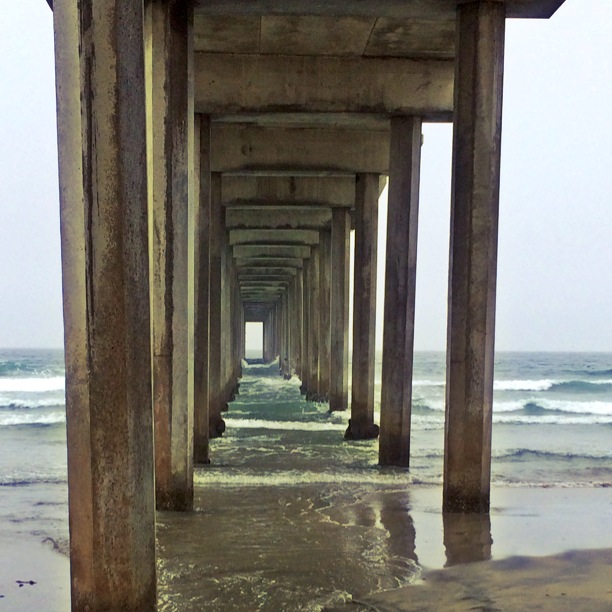
This pier is also a carefully designed, well built structure made to withstand the battering waves of the Pacific Ocean and the relentless wind and sun.  I love the way when you look through the pier it narrows and provides a window through the corridor of surf out to sea just like the SI helps teachers look carefully at policy and practice and then focus on instruction that best supports the students in front of them.

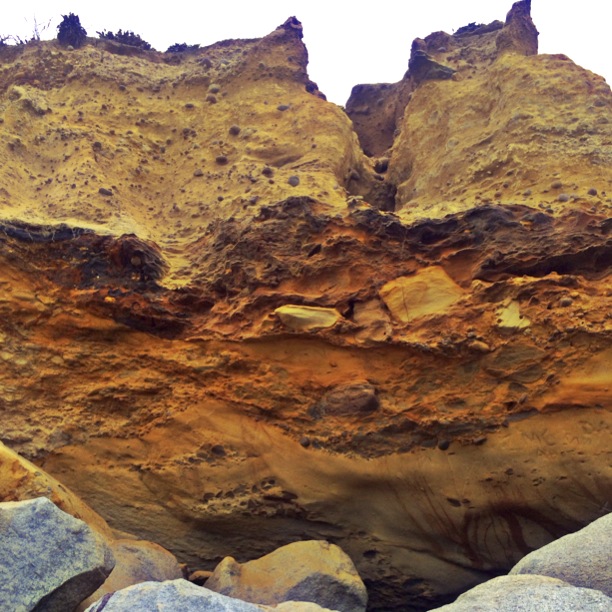
And some of the structures we depend on are organic like these cliffs.

photo_3

They are shaped by the natural environment.  I watched our SI participants create their own structures as well.  They gathered this morning, organically, catching up with each other as we, as facilitators, finalized our last minute plans.

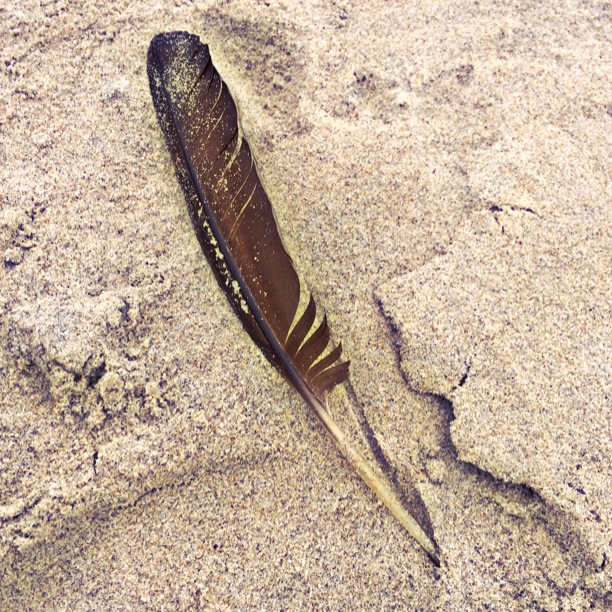
And then there are structures that are light and flexible, like this feather on the beach.

photo_2

It makes me think of our Twitter Fellow of the Week.  This playful use of social media supports more weight than you might imagine.  While we originally saw this program as a way to connect to one another within our project by giving each other a glimpse into a week in the life of an SDAWP educator, it has proven to do more.  When teachers use Twitter as a professional learning network, their interactions begin to impact their practice.  Suddenly they are reading more professional articles about education, “listening in” to debates about policy and practice, getting and sharing ideas from others (within our site and beyond our site), and making their own classroom practice more visible.

Today we asked our SI 2013 cohort to sign up as Twitter Fellows…and starting tomorrow we will begin to get a glimpse into their lives.  (You can follow @SDAWP_Fellow on Twitter) Those who are more confident on Twitter signed up first…but others are willing to dip a toe into this unfamiliar world of tweets and hashtags and mentions.  And they have the rest of the SDAWP community who are happy to help…and the others in their cohort will also be “listening” on Twitter, ready to respond and retweet and favorite…so they won’t be hollering into the dark.

My beach walk today was quiet and introspective as I thought about all the structures I noticed…and those we use to support learners.  Structures can help us stretch and reach and connect as we learn and grow.  What structures support you?  What structures support your students?

Photo-Inquiry…Art, Science, and Writing

I’ve been taking pictures every day for more than a year now.  Some days it’s a struggle, other days it’s pretty easy.  But one of my favorite things about being a photographer (albeit, amateur) is that it makes me pay attention…and ask lots of questions.

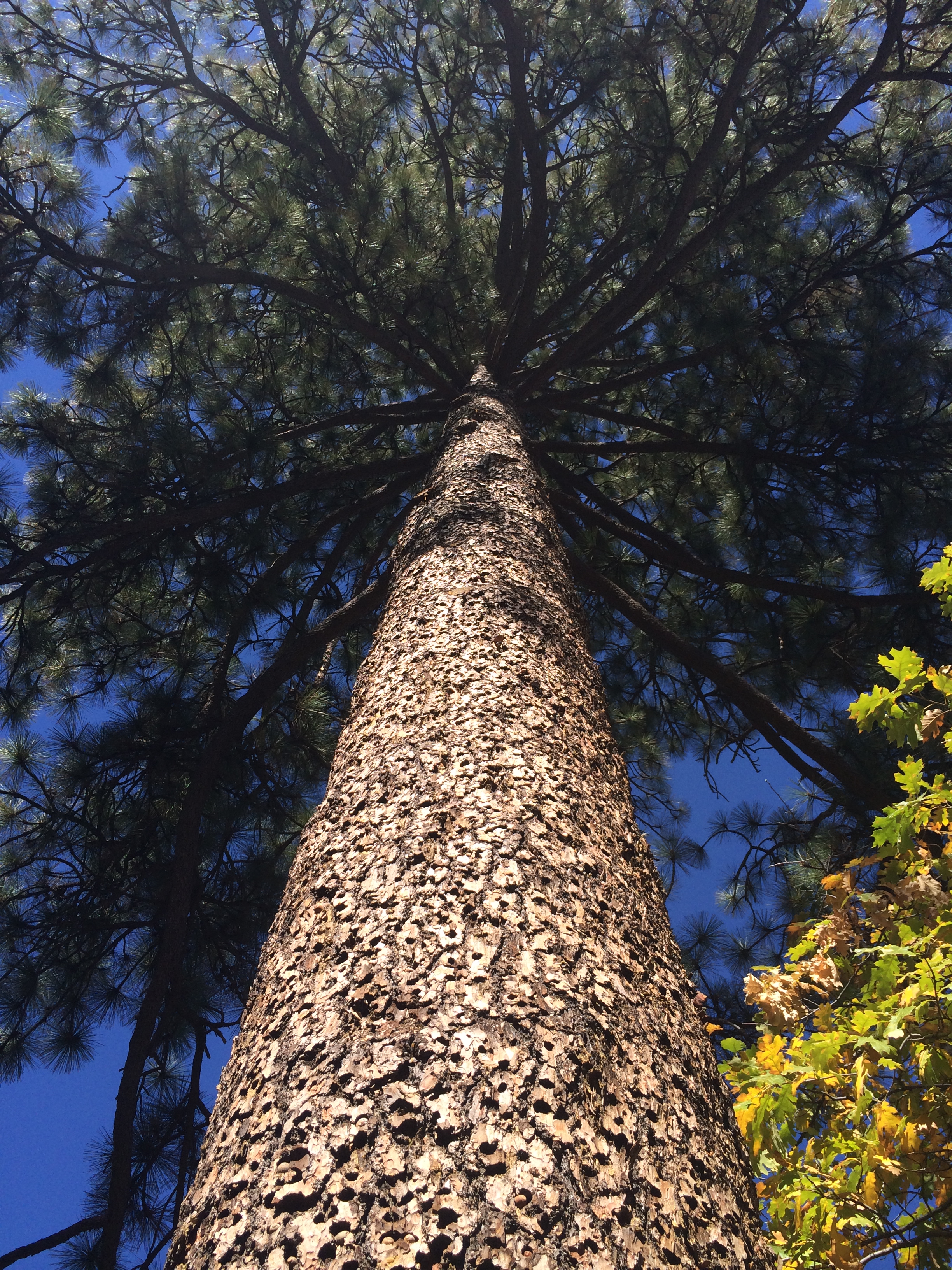
Yesterday I was up in our local mountains enjoying all that fall brings…colors and pumpkins and apples…on a warm fall day.  As I was photographing some beautiful leaves turning orange and red and yellow, I noticed this beautiful pine tree.

photo-12

Looking closely, I was fascinated by the texture of the bark on the tree.  And an even closer look revealed all these tiny holes…with many filled with acorns or other nuts.

photo_1

That observation set off a million questions…how does this happen, what animal does it? Does it hurt the tree?  Is it squirrels?  And then I noticed this nearby fence post.

photo_2

So it’s not only about trees…it’s about wood.  I noticed the nearby utility pole also had holes and nuts.

With all these questions running through my head, we continued our adventure and I continued to look for interesting subjects for my photography.  A while later, at the edge of a little pumpkin patch I looked up and saw a beautiful blue bird with red markings high up on a utility pole.  I thought it might be some kind of jay, but my husband was quick to point out that it was tapping the pole…a woodpecker!

We watched closely, listening to the persistent tapping as it pecked into the top of the pole.  I attempted several photographs…but one thing the iphone camera is not good at is long distance photos!  Here’s an attempt.

photo

If you look closely you can see a tiny silhouette at the top the pole.  As I watched I started to make connections to the pine tree and fence post I had photographed earlier.  These holes with the acorns in them were the work of an acorn woodpecker!  A little internet search today led me to this information:

The group will guard their territory, and will often have a single tree in which they store their acorns; known as a granary. A single granary may contain tens of thousands of acorns. The acorns themselves are placed individually into a hole drilled into the tree. Acorn Woodpeckers also feed on insects (including aerial flycatching), sap, and fruits.

I love that photography always ends up teaching me interesting things about nature and about the world.  It makes me pay attention, notice details, and ask questions.  It makes me curious…and makes me wonder…a perfect tool for inquiry!  And as I write this on the National Day on Writing, I get to share my photography and learning with you!  #write2connect in action!

How do you write to connect?  What do you learn from the activities you love?