Category Archives: writing

A Writing Kind of Day

Today was a writing kind of day.

On Friday we began celebrating the National Day on Writing with a field trip and a puzzle piece that I wrote about here.

But today was the cherry on top of the writing sundae.

Our morning began with a version of a chalk talk.  My teaching partner taped white butcher paper to the wall ball court and posted a few questions for students at our school to respond to: How do you use writing to connect?  Where do you like to write? and Who are your favorite authors or what are you favorite books?

With markers in hand, our students started writing.

They wrote about places they love to write: writing on couches, on the beach, and in libraries.  They love Shel Silverstein, Beverly Cleary, Roald Dahl, and J.K. Rowling.  They write letters, texts, emails, books, notes and more.

They wrote and wrote and wrote.  And when they weren’t writing, they were reading the writing of their classmates on the wall.

Our school-wide puzzle was also on display in the wall ball court today.

photo-1

And students enjoyed reading what other classes at our school wrote for their puzzle piece (and finding their own and reading it again!).
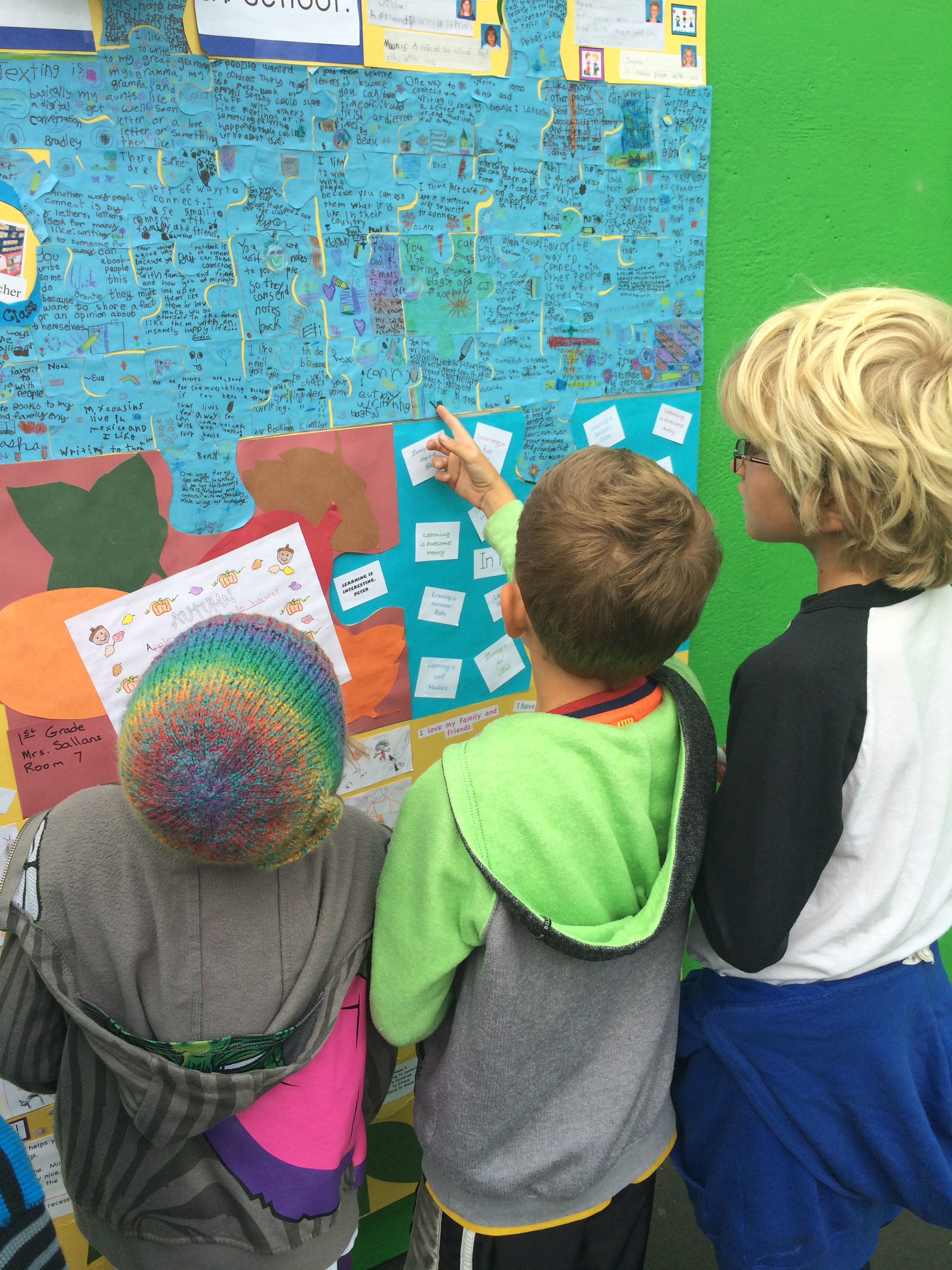
photo-2

And then we went on with our regular classroom activities…and more writing!  Our students have been drafting a just-for-fun piece of writing about an animal of their choice. And they were applying what they have been learning about using figurative language (similes), specific and interesting verbs, and sensory imagery (sound, movement) to write a “moment” featuring their animal.  Today they took some time to give their writing a “check up” (you know like the doctor does to make sure you are healthy).  They reread their writing and looked for the features mentioned above…and then went back to their writing to make it even better.

And the best part of the day was that these writers enjoyed writing, sharing writing about their writing on Twitter, and even revising their writing…because they are writers.  And today was all about writing.
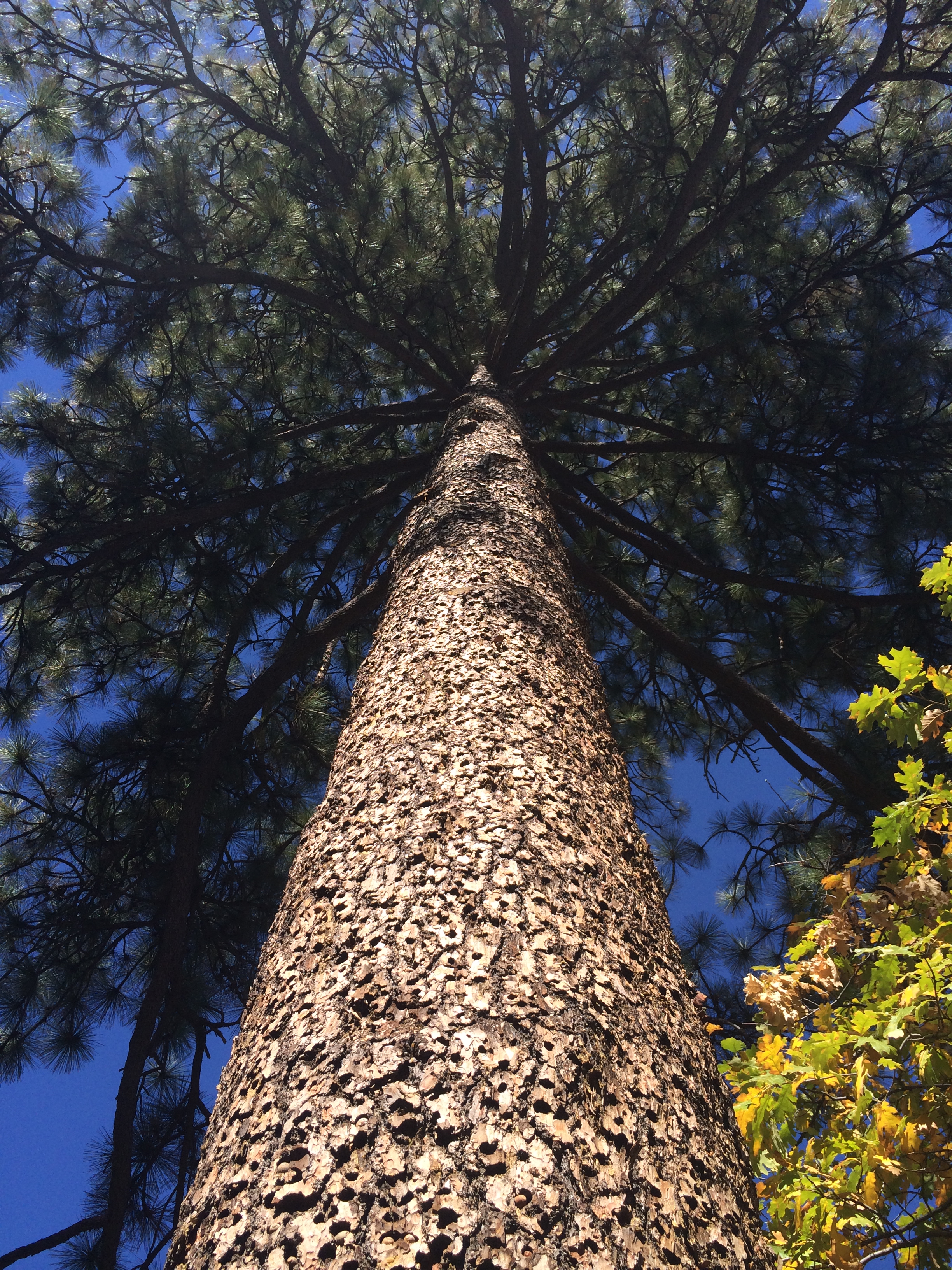
Photo-Inquiry…Art, Science, and Writing

I’ve been taking pictures every day for more than a year now.  Some days it’s a struggle, other days it’s pretty easy.  But one of my favorite things about being a photographer (albeit, amateur) is that it makes me pay attention…and ask lots of questions.

Yesterday I was up in our local mountains enjoying all that fall brings…colors and pumpkins and apples…on a warm fall day.  As I was photographing some beautiful leaves turning orange and red and yellow, I noticed this beautiful pine tree.

photo-12

Looking closely, I was fascinated by the texture of the bark on the tree.  And an even closer look revealed all these tiny holes…with many filled with acorns or other nuts.

photo_1

That observation set off a million questions…how does this happen, what animal does it? Does it hurt the tree?  Is it squirrels?  And then I noticed this nearby fence post.

photo_2

So it’s not only about trees…it’s about wood.  I noticed the nearby utility pole also had holes and nuts.

With all these questions running through my head, we continued our adventure and I continued to look for interesting subjects for my photography.  A while later, at the edge of a little pumpkin patch I looked up and saw a beautiful blue bird with red markings high up on a utility pole.  I thought it might be some kind of jay, but my husband was quick to point out that it was tapping the pole…a woodpecker!

We watched closely, listening to the persistent tapping as it pecked into the top of the pole.  I attempted several photographs…but one thing the iphone camera is not good at is long distance photos!  Here’s an attempt.

photo

If you look closely you can see a tiny silhouette at the top the pole.  As I watched I started to make connections to the pine tree and fence post I had photographed earlier.  These holes with the acorns in them were the work of an acorn woodpecker!  A little internet search today led me to this information:

The group will guard their territory, and will often have a single tree in which they store their acorns; known as a granary. A single granary may contain tens of thousands of acorns. The acorns themselves are placed individually into a hole drilled into the tree. Acorn Woodpeckers also feed on insects (including aerial flycatching), sap, and fruits.

I love that photography always ends up teaching me interesting things about nature and about the world.  It makes me pay attention, notice details, and ask questions.  It makes me curious…and makes me wonder…a perfect tool for inquiry!  And as I write this on the National Day on Writing, I get to share my photography and learning with you!  #write2connect in action!

How do you write to connect?  What do you learn from the activities you love?

Write2Connect!

People all over the nation are celebrating the power of writing this week and next.  October 20th is the National Day on Writing…and with it falling on a Sunday, there are even more days to celebrate writing.

We’ve planned for multiple parts to our celebration of writing…in our classroom, at our school, in our district…and beyond.  And with the theme, write2connect, we’ve focused on how writing connects.

In our district every class has worked to create a puzzle piece highlighting student writing…that interconnects with the other puzzle pieces to create a collage of writing at each school site.  For our pieces (we have two since our class has two teachers and twice as many students) each student has a puzzle piece that interconnects to create the larger puzzle piece.  In their individual puzzle piece each student answers the question, how does writing connect us?  They included answers like writing letters to grandparents, sending emails, writing books and notes, and connecting with teachers in their Homework Writer’s Notebooks.

puzzle

Our school-wide puzzle will be unveiled on Monday…stay tuned!

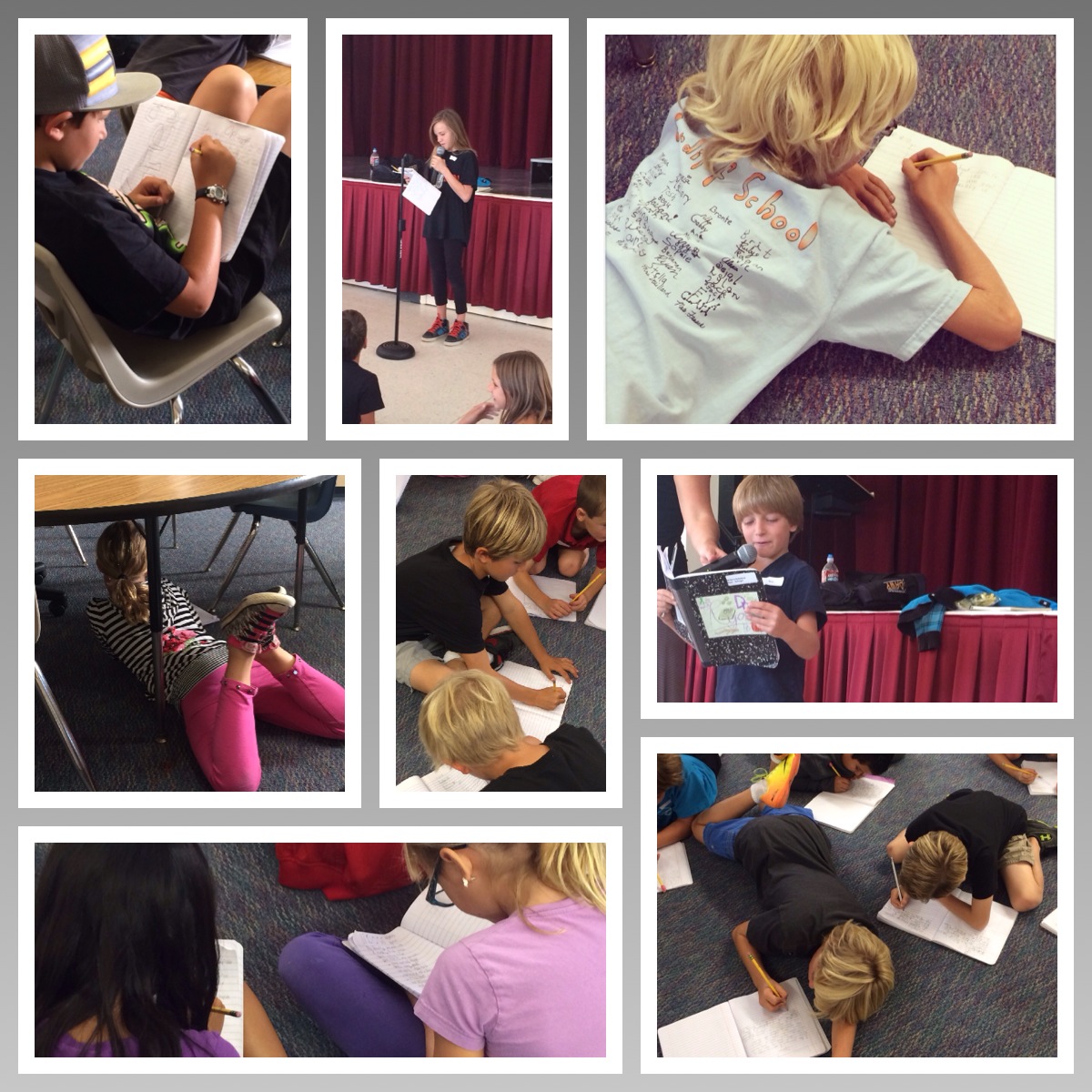
Today we also physically connected with older students at our other school to write together.  Nearly 100 students in grades one through five spent the morning playing with writing.  Using the Common Core text types as broad categories, they explored writing about the same topic in three different ways.  This whirlwind of writing was such fun…and successful.  Students wrote an amazing amount–and such variety, they wrote about soccer and horses and books and clubs and so much more.  In our last few minutes at the end of our allotted time, a few students read their writing aloud while the others guessed whether the writing was primarily narrative, informational, or opinion in nature.

I love watching writers at work!  They were so focused and engaged as they scribbled ideas into their writer’s notebooks.  They all wrote and wrote and wrote…and we didn’t have nearly enough time to hear all who wanted to share!

photo-5

And we have more in store on Monday!  We will be participating in a large-scale “chalk talk” posted in our wall ball courts…and admiring our puzzles of connected writing.  We also plan to initiate our class twitter account and share some of the amazing and thoughtful ideas students are writing!  Check out the #write2connect hashtag on twitter!

How are you celebrating the National Day on Writing?

Remixing and the Cardiff Kook

Tomorrow my class is traveling up the hill (a mile or so) to the other school in our district to write with the older students in the other multiage class (many of whom were in our class a year or two ago).  We’re doing this to celebrate writing and the National Day on Writing and this year’s theme: write2connect.

In the spirit of connection and Jim Gray (the founder of the National Writing Project) and even the Common Core State Standards (CCSS), we will “try on” writing about the same topic in three different ways.  While the CCSS text types (narrative, informational, opinion/argument) will constitute our broad categories, students will be able to fuse and mold the writing to fit their own interests and purposes.

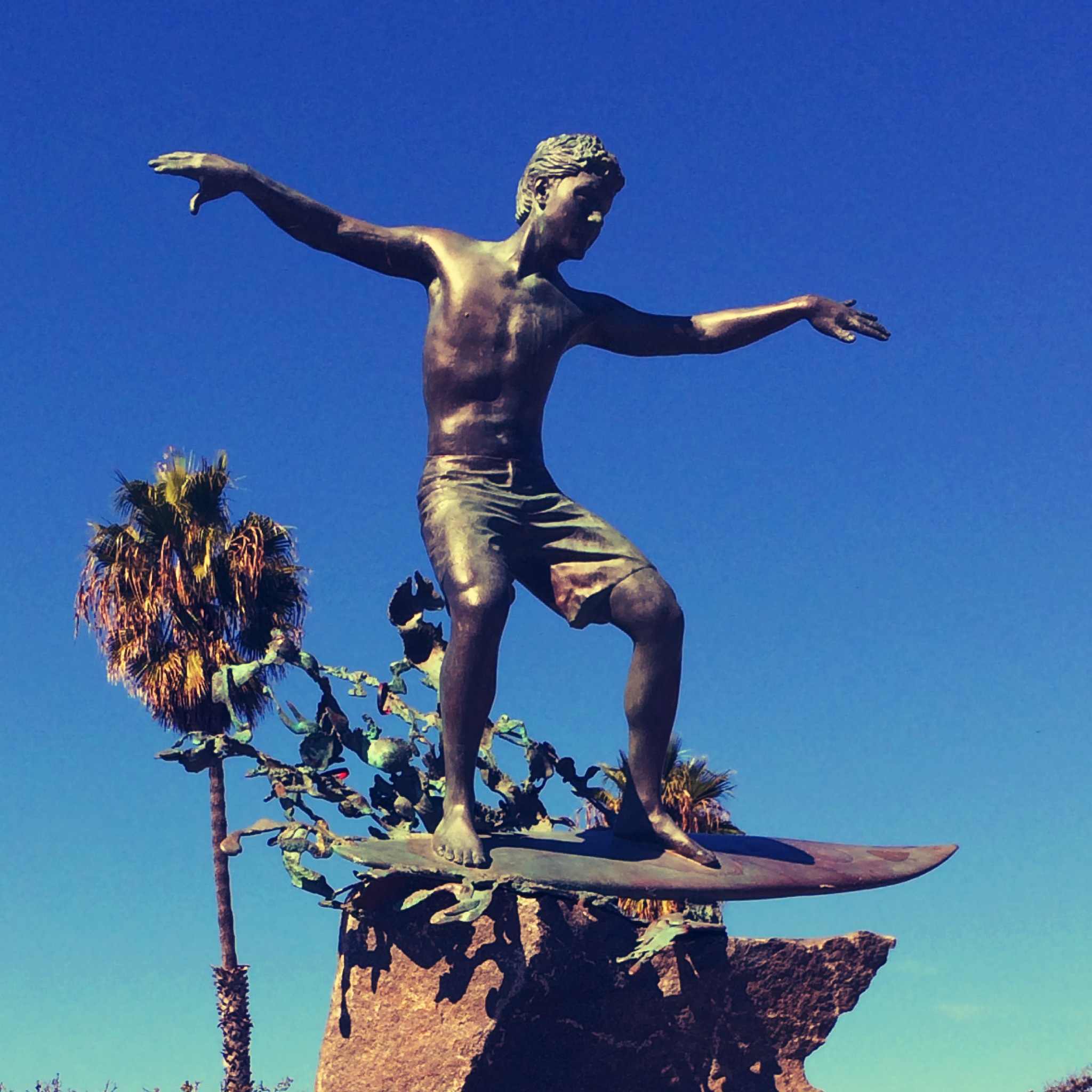
So…to get students started thinking about opinion/argument, this post will be my attempt to create an opinion piece focused on the Cardiff Kook.  The Cardiff Kook, a piece of public sculpture officially named “Magic Carpet Ride,” has been the center of mischief and controversy in the small coastal town where I teach.

photo-3

So here I go:

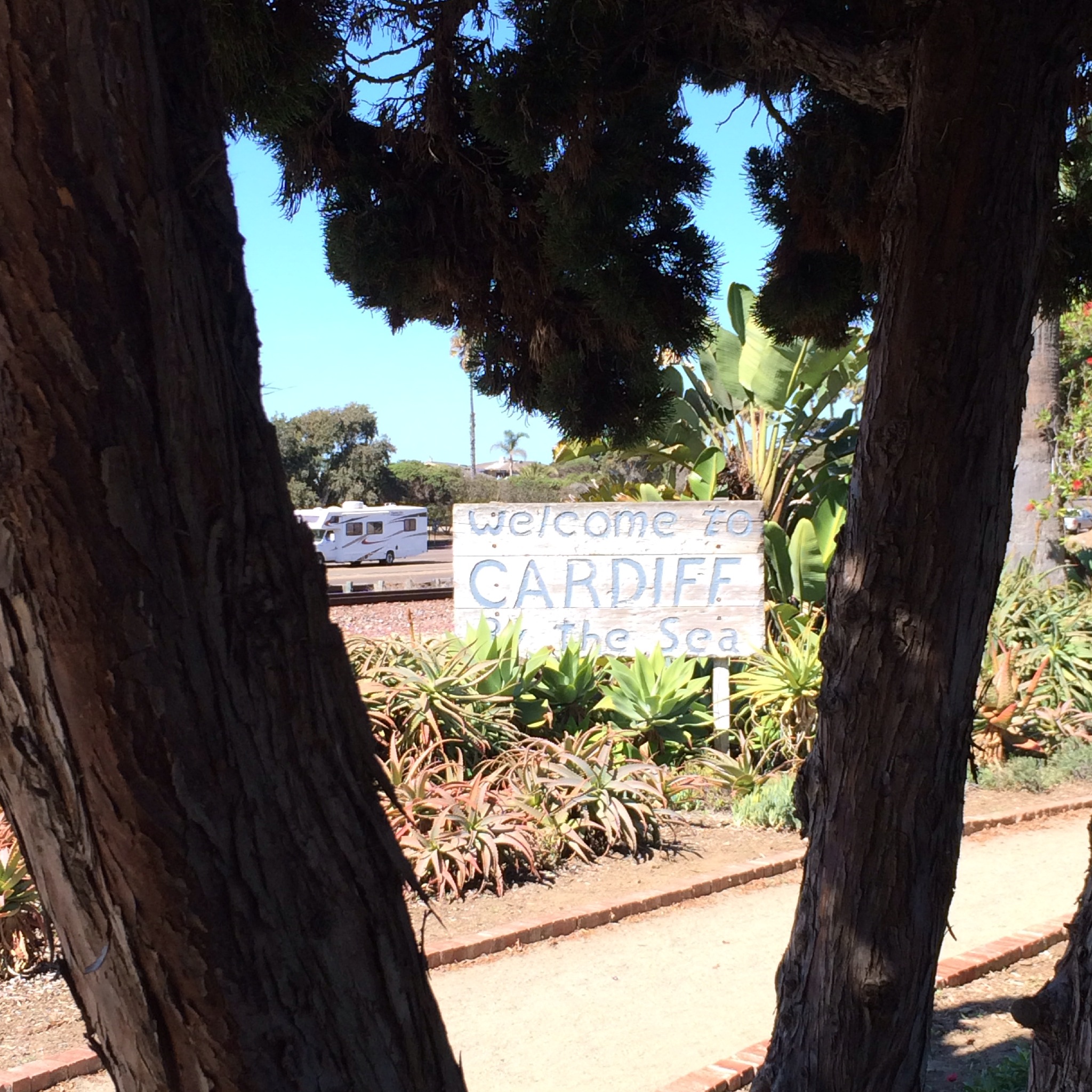
Love it or hate it, the Cardiff Kook has become an iconic image in the seaside town of Cardiff-by-the-Sea.  Guerrilla artists creep up to the statue originally named “Magic Carpet Ride” in the dark of night to creatively adorn the controversial surfer in any number of theatrical props.  It has been transformed into Oprah in celebration of the last Oprah show, engulfed in the jaws of a great white shark, and carried off by a prehistoric flying creature.  I love the Cardiff Kook. It’s a great ambassador for Cardiff, bringing in tourists from all over and creating opportunities for community building within the town.

photo_2

It’s fun to see the kook all dressed up.  There is never a time when I drive by the statue at the intersection of 101 and Chesterfield Drive when I don’t slow down to take a look to see if there is a new creation.  For a while, a couple of years ago, the kook was transformed regularly and extravagantly. Lately that has slowed down and most days it looks like it did today when I took the photo in this post.  I love to take out-of-town guests and family members by to take a look at the statue…always hoping that it might be dressed up in some interesting way.

I recently read that images of the kook are now copyrighted and will be licensed to fund the upkeep of a public garden across the train tracks from the statue.  I’m guessing that was the thinking behind the Cardiff Kook calendar and maybe even the annual Cardiff Kook Run. These kinds of products and events can bring a community together as we all connect through our experiences with the kook.

Mostly, though, I just think the kook is fun.  I think the point of public art is to create conversation.  Some people will like some pieces and some won’t. But the conversations and arguments and conflict make us all think and engage and pay attention.  Not liking the original surfer sculpture resulted in creative and playful ways to re-envision this piece of public art.  And most of the time it remains unadorned as the sculptor created it…but every once in a while others add their own spin to the art, remixing the original artist’s vision with their own to create something new, different, interesting…and create a new conversation.  And for me, that is much more valuable than looking at a static,  unchanging piece of art day after day, year after year.  The Cardiff Kook reminds us to be playful, to have fun…and to connect with each other.

What do you think?

20131017-204042.jpg

Celebrating 100 Posts!

I never would have believed when I started this blog way back in July that I would get to 100 posts…and except for one day a week or so ago, all those posts were consecutive days!  So to celebrate, here are some thoughts on the value of blogging…and writing every day.  (And a silly picture of a balloon I saw at the grocery store)

20131014-193420.jpg

1.  Writing every day gives me authenticity as a writer.  I’m not just talking about the value of writing–I am “walking the walk” of a writer.  As my friend Janis stated in her blog post yesterday,

We must write when we are inspired, and we must write when we are not. We need to feel the joy and the pain of the process in order to understand what our students experience.

I work through my own blocks and figure out ways to find topics to write about and put words on the page.  I am also more aware of the writing of others and notice how they put words together.

2.   As a blogger, I have joined a community of other writers.  I would never have believed that I would have 99 followers to my blog…most of whom I have never met.  And yet these new friends encourage my writing and my photography by their mere presence.  And I’ve come to realize that people read my blog even when they don’t make their presence known.  I get little hints now and then from an unexpected reader and I realize again that my audience stretches beyond me.

3.  Blogging has taught me the value of commenting on other people’s blog posts.  I have definitely been guilty of reading blog post after blog post…and never commenting.  As a blogger myself, I know that comments can push my thinking and increase my motivation to write.  I now take the time to comment on a regular basis and I read blogs differently–always looking for the ways bloggers make connections and create energy around their posts.

4.  Blogging pushes me as a writer and as a photographer.  My photography inspires my writing and my writing inspires my photography.  Both practices encourage me to look closely at my world and pay attention to the little things.  And both have become regular practices in my life…habits! (The good kind!)

5.  Blogging connects me.  I am producing content on the web as well as consuming content.  I am more connected to other educators…all over the world, and more conscious of sharing ideas and resources.  I join in with challenges that other bloggers post, linking my blog posts to theirs…and inspiring some different kinds of writing that I might not undertake on my own.  I continue to look for ways to connect, to learn from others, and to share with others. That is the heart of being a connected educator.

The timing couldn’t be more perfect.  I am celebrating my 100th blog post in the middle of Connected Educator’s month!

Are you thinking about blogging?  Start small…and keep at it.  I’d love to know what you find valuable about blogging.

Ordinary

Today, out of necessity, I had to scrap a plan and invent another without notice.  For teachers, this is something that happens with some regularity and most of us pride ourselves on our flexibility. And I love it when that spontaneous plan blossoms into a wonderful learning moment.

We always have picture books at the ready to read to our class.  Some are set aside for specific purposes and lessons, others we know we want to read but are waiting for the perfect time to present itself.  Last year we read Spoon by Amy Krouse Rosenthal–a book that our students loved.  We revisited it a number of times throughout the school year for different purposes…from mentor sentences to a situation for opinion writing.

At the end of the year, I came across a new book by Amy Krouse Rosenthal: Exclamation Point. So today, in that moment when I needed a plan at a moment’s notice, I picked up Exclamation Point, reminded my returning students (two thirds of them) that this was the author of Spoon, and started to read.  I love those moments when each student’s attention is fully engaged…and they were hooked by the bright yellow cover and the whimsical smiling exclamation point. They noticed right away that there wasn’t a title…at least not written in words. The exclamation point itself stood as the title.

15815400

We read and discussed and noticed and connected all the way through the book.  We delighted in the words and the pictures and the message.  And we were inspired to write our own stories about punctuation.

And then later in the day we managed to get packed up and ready to go home with enough time for a book before the dismissal bell.  Overwhelmingly, students wanted me to read Spoon. It was sitting near Exclamation Point…and suddenly today became the day for a mini author study.  The second and third graders were treated to an old friend, and the first graders were anxious to get acquainted!

After reading, students volunteered their observations, connections, reactions, reflections. They had so many thoughtful comments and ideas for their own writing.  And one student pointed out that Amy Krouse Rosenthal wrote about ordinary things…in wonderful ways.  We started thinking about all the ordinary things we might write about and how our writing could transform them beyond the ordinary.  They were excited to write as the dismissal bell rang today…I hope they sustain that excitement long enough to actually get to the writing.

I’ve also been noticing the power of the ordinary.  Yesterday’s post was about the transformation of an ordinary photo into something I was willing to name as art.  And today on five minute friday the prompt is ordinary.  Today in the classroom the ordinary business of reading a book because an extraordinary opportunity to notice the magic of writers and writing…and turned students into active learners making meaning for themselves.  Today I was reminded that ordinary is a state of mind, and each of us has the power to re-look and re-see the ordinary in new ways.  I love when that wonderful learning moment in the classroom means that I learn too!

Planting Seeds

We planted seeds today…in the garden and in our writer’s notebooks.  There are many garden metaphors about learning and students–especially at the elementary level and as I watched my students today, I can understand why.

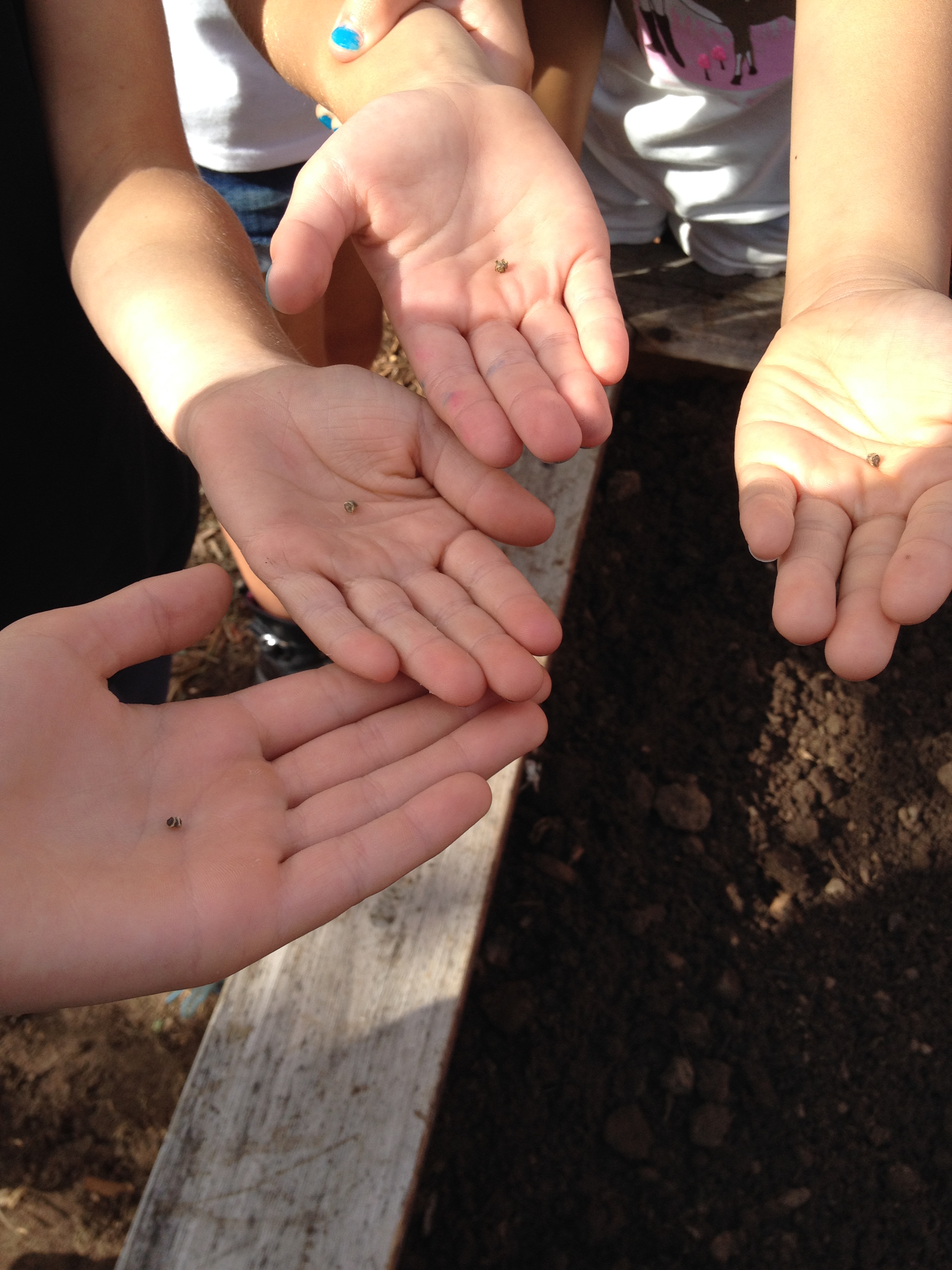
The beet seeds were small and for some of my students, hard to hang onto.  Some seeds slipped to the ground, blending in with the earth.  Those students needed another seed to plant in our garden bed.  Other students delighted in the tiny seeds and noticed every detail. They were able to keep track and carefully nestled the seed into the soil.

photo

During our writing lesson a bit later, I noticed that some of my students took the lesson on similes and easily “planted” their ideas in their writer’s notebooks.  A few stretched even further and played with language and the technique of simile to create fresh and interesting images.  Others had dropped their “seeds” and needed some extra support to “plant” a seed or two in their notebooks.

In the garden, after planting our seeds, students carefully watered the soil to create an environment to support the seeds’ germination.  They managed the heavy watering cans and negotiated turn taking as fledgeling gardeners.

photo-1

In the classroom, we left our writing seeds to germinate too after carefully sowing them in our notebooks.  Time was short and ideas were flowing…students can’t wait to come back to share their writing and extend their ideas.  This is an environment ripe for more writing tomorrow! Today we used Stubborn as a Mule and Other Silly Similes by Nancy Loewen to “prime the pump” and get us thinking about similes and how we might use them in our writing.

We planted beets, peas, arugula, spinach, beans, kale, and sunflowers today.  As our gardening teacher reminded the kids, we plant all the time because we want to eat all the time.  And as writers and learners, we need to write and play with language and writing so our ideas and stamina and capacity for writing and learning will also grow. We celebrate the National Day on Writing in October each year as a reminder of the importance of writing in our lives and learning.  But just as we don’t only plant our gardens in October, we can’t just plant our writing in October.  We have to write all year long, in lots of ways for lots of reasons to nurture our writing…and our writers so they too will grow strong and tall.

photo-2

How do you nurture writers and learners?  What seeds did you plant today?

Making Rockets and More…

I spent yesterday at UC Davis at a conference we threw for ourselves to celebrate the 40th anniversary of the California Writing Project.  The conference was an opportunity to teach each other strategies, structures, and approaches that we find successful at our local writing project sites across the state…and to learn together.  And we did that…and more.

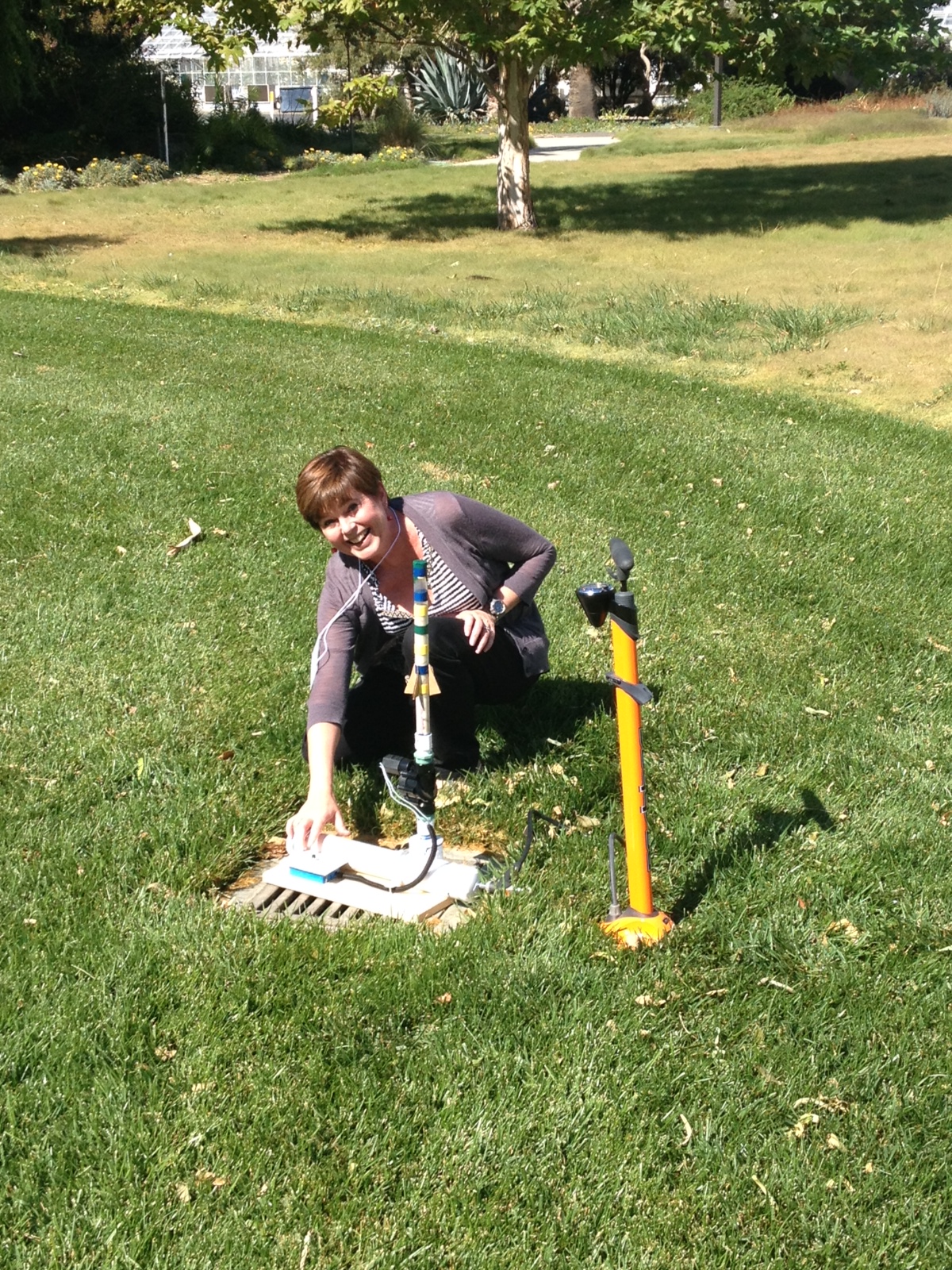
At lunchtime there was an informal “making” session led by the director of the Northern California Writing Project.  Using transparency film (Finally!  A practical use for the boxes of the stuff schools have sitting around since document cameras have replaced overhead projectors.), colored electrical tape, cardboard, and hot glue, we crafted rockets (using a piece of pvc pipe as a mold).

photo_3

We would then test them by firing them from a bicycle pump, air powered launcher.  (Directions on Instructable…here) You’ll notice we sealed the tops and taped around them in hopes they would soar…rather than explode.

photo_2

When our rockets were ready, we headed outside with the launcher and our rockets to test our creations.  We had to place our rocket on the launch pad and then pump with the bicycle pump to build pressure in the system.  We aimed for between 50 and 60 pounds of pressure.

photo-4

After pumping, we pressed a button to release the pressure into our rockets and… POW!!! They shot high into the air and then turned down to land in the grass.

photo-5

I’m looking forward to offering my students more opportunities to build and test and tinker.  They might be building and launching rockets some day soon.

And building these rockets in much like the work we do in the writing project. At the San Diego Area Writing Project we build programs to support teachers and students with writing and writing instruction.  Then we test them out, paying close attention to how they “fly”–what design elements are working, where do we need to tweak our design?  What can we do to help these programs and approaches meet the “mark” we are aiming for?  And then we continue to tinker. How can we make this work better?  What improvements are needed?  Which teachers and students are we reaching?  Who is missing?

I had a lot of fun building and testing rockets with my friends and colleagues yesterday.  And I love building and testing programs for teachers and students.  Writing itself is a lot like building a rocket.  Writers need opportunities to compose and test, get some feedback, and then tinker (or start over) until it gets closer to the desired target.  Sometimes it takes some tangible tinkering with rocket design to remind me of all the tinkering that happens in my life and in my classroom and in our writing project.

So, go out and tinker today…  What rockets have you launched lately?

Informational Writing

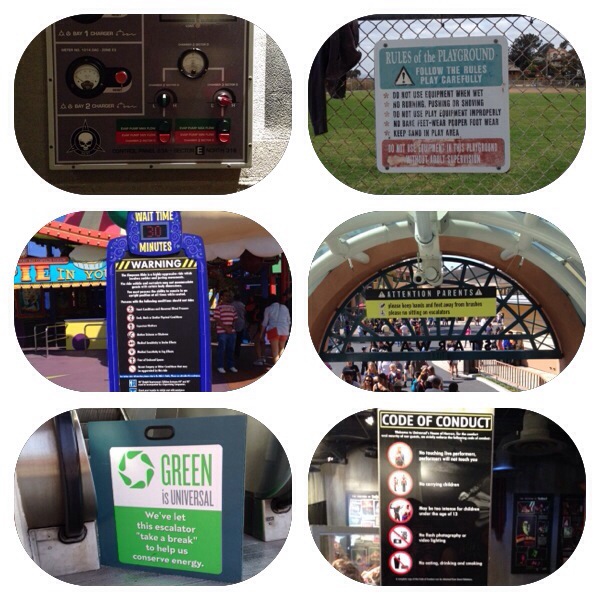
I’ve been noticing that my world is filled with text, much of it informational. When I look around I see signs that explain rules, warn me of danger, remind me of safety, let me know what is going on, and more.

20131004-234144.jpg

I’ve noticed that much of the informational text I see includes icons or images, sometimes even diagrams. It makes me wonder if this kind of text is meant to be read or merely noticed. By noticed, I mean put on warning that there are rules or dangers to heed…and the presence of the text implies that the risk, whatever it is, is yours. A notice of liability, of sorts.

This sign I saw in the Sacramento airport car rental center seems the kind of informational text that exists to fend off questions and complaints.

20131004-234750.jpg

I wonder who writes the texts like this. Is it someone’s job responsibility? Does it go through an revision and editing process? Who determines the clarity?

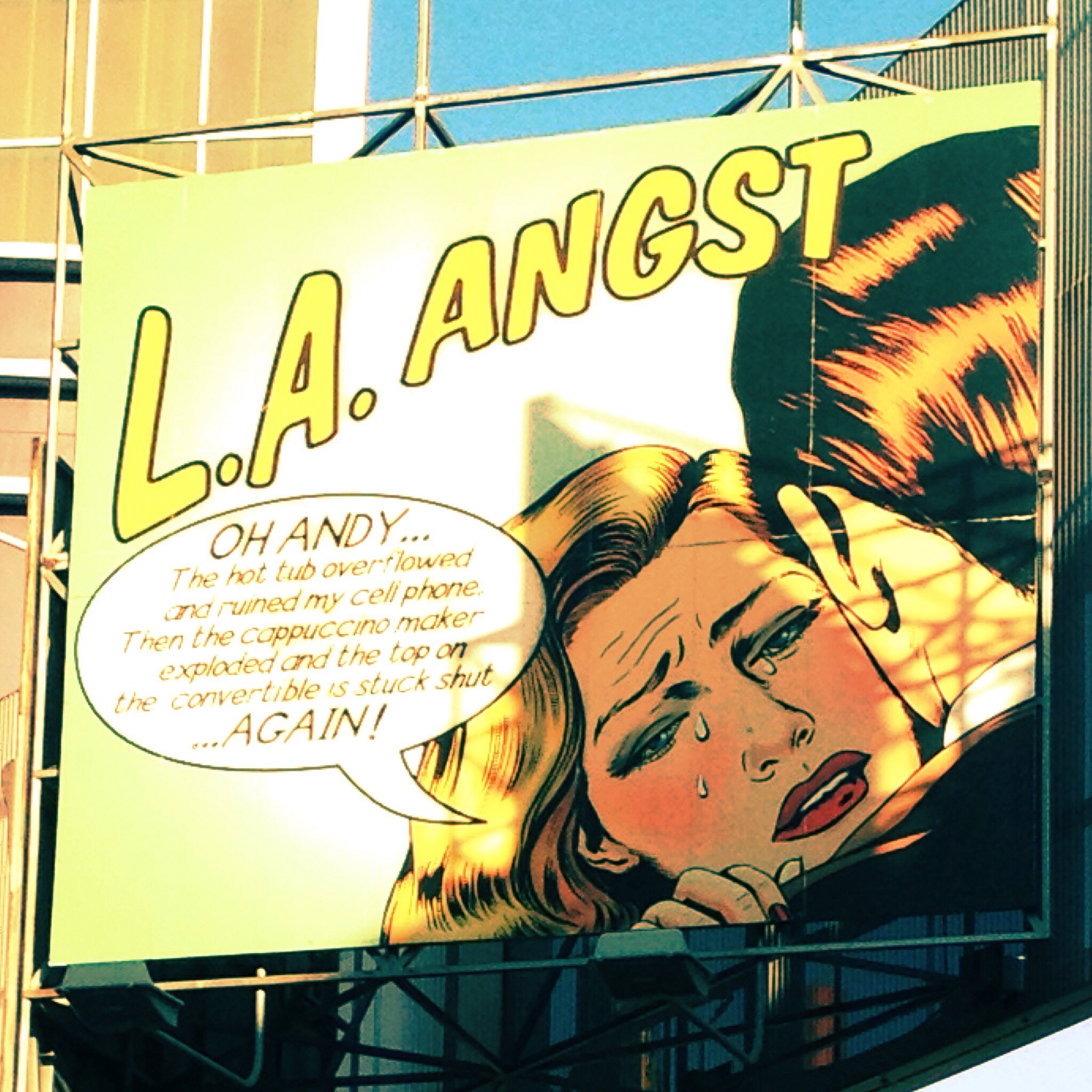
And what about something like this?

20131004-235159.jpg

Is it informational or just entertaining?

Tinkering with Design

Tinkering…  My students experimented with design this week…and then tinkered with their design after talking about it with their classmates.

Based on a nonfiction article about how zoos are experimenting with keeping their animals stimulated–including designing toys based on animals’ natural behaviors, we invited our students to try their hands at designing a toy for a favorite zoo animal.

They drew and labeled and explained their designs.  And evaluated their own and classmates’ designs by asking a few questions:  Is it safe for the animal?  Are the size and materials right for the animal?  Is it fun for the animal?

And then, with feedback in mind, students returned to their designs again…and created a new iteration.  They either started from scratch or improved on their original design.  This design was created by a six-year-old with an elephant in mind!

photo-2

I’m looking forward to our next tinkering opportunity–when students will take some materials and design a “thing” from them.  I can’t wait for them to start making!