Category Archives: writing

Make it Write: October’s Photo-a-Day Experimentation

Maintaining an extended photo-a-day practice (mine has gone on for over a year now!) means figuring out how to keep it interesting and creative.  I depend on my friends to help me think through new ideas and consider whether my ideas are feasible or not.

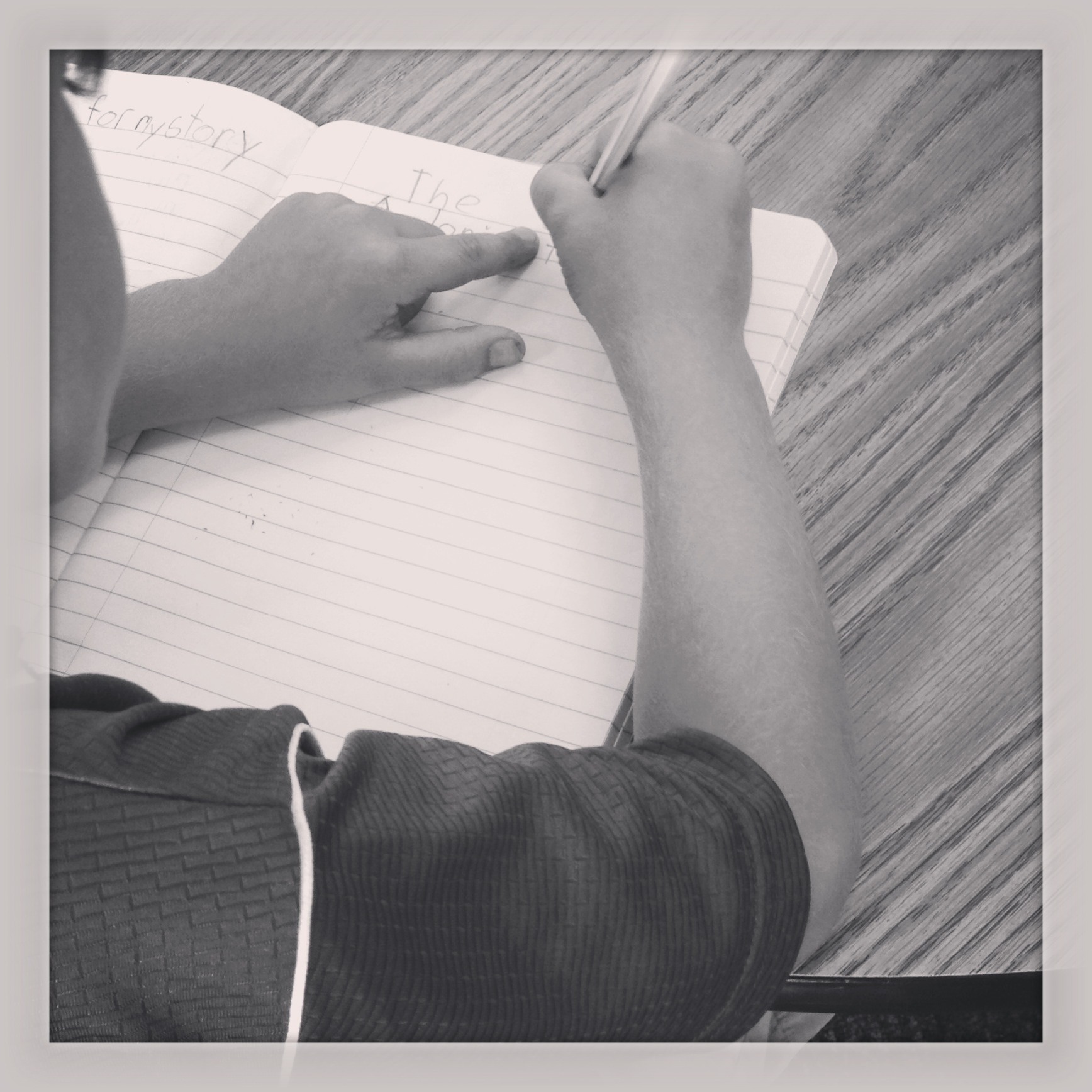
So Abby suggested making this month about writing since it is the month of the National Day on Writing.  And I was thinking about what that would look like.  I know I don’t want to have to take pictures of hands and pencils all month!  But I love the idea of exploring all the ways we “write” our world.  What inspires our writing?  What impedes our writing?  Where do we find people writing?  Where do we find writing in the spaces we inhabit?  Where is writing absent? What is the writing on the wall?  (How will I incorporate macro photography with this prompt?  Hmmm….)

So all month in our photos I invite you to consider writing in the broadest sense.  Where will this open-ended experiment take you?  Will you find it restrictive or inspiring?  And as always, take some time each week to reflect on your photos, write a blog post or comment sharing those thoughts, select a favorite photo, or create a collage and share it on this post.

And here’s a photo to get you started:

photo

This is Jack, one of my two cats.  He’s wanting my undivided attention and definitely interfering with my writing as he snoozes on my computer!  (He even managed to type a few letters with his body in the process of being in the way!)

Can’t wait to see all the ways that writing can be interpreted in a photo…

Be sure to post your photo each day to Instagram, Twitter, Facebook, or Flickr using the hashtag #sdawpphotovoices.  (You can post anywhere—if you want others to be able to follow your photos, Instagram and Twitter are best!) For more information about posting click here.  At the end of each week you’re also invited to curate your pictures from the week and select one to highlight.  You might post it on your blog along with some musings about why you selected it.  If you don’t have a blog of your own, you have a couple of choices—you can create a blog (be sure to share it with us by including your blog address in the comments here—or better yet, tweet it using the hashtag #sdawpphotovoices) or you can post to the SDAWP Voices blog.

As the month goes on, come back to this post to link up your curated photos!  Click on the link up button below and add your favorites.  Or post a comment with an image on this post!

Mentor Text: September Is…

As a teacher of writing, I see mentor text everywhere.  It exists in expected places–like well-written children’s literature and in less traditional places like Youtube videos, blog posts, and even billboards and advertisements.  The tricky part about using mentor text to support writers is finding the right mentor text to use in the situation at hand.  With that in mind, sharing our successes with mentor texts is a great way to help each other as we make our own classroom selections.  The 113 Mentor Texts Challenge over at SDAWP Voices attempts to do just that–create a collection of mentor texts that educators from all levels and all over are using.

Early in the school year in addition to doing some sentence level work, we also like to use mentor text to support students’ generation of whole text.  After examining a number of texts we had for consideration, we decided last week to go with a poem to support our young writers. Bobbi Katz wrote this poem called September Is that describes some qualities of the beginning of school that are easy for students to relate to.

September Is

September is

when yellow pencils

in brand new eraser hats

bravely wait on perfect points–

ready to march across miles of lines

in empty notebooks–

and

September is

when a piece of chalk

skates across the board–

swirling and looping–

until it spells your new teacher’s

name.

Bobbi Katz

As we studied this piece as a class, students noticed that the pencils were described like people…with hats and ready to march.  (They do know that is called personification) They noticed the use of swirling and looping to further describe the skating of the chalk.  They noticed that Bobbi Katz didn’t just make a list of things in school, she picked two and then went into more detail about each of them.

As students got ready to use September Is as a mentor text for their own writing, we also talked about other ideas besides September as a focus for the writing.  They were thinking about Fall Is and School Is as other possibilities.

Students began to generate ideas on that first day and then set their writing aside.  The following day we asked a couple of volunteers to share their work in progress as we noticed what they were doing well.  Students definitely were including interesting verbs and expanded descriptions.  We all then went back to work…even those who thought they were done…to consider stronger words, to add more description and detail.

And here are a couple of student-generated drafts.

“E” — a first grader — wrote this:

Fall Is

Fall is Halloween when ghosts glide through the night sky and when leaves glide off the trees.

“S” — a third grader –wrote this:

Fall Is

Fall is…

when the reddish-brown leaves are too tired of hanging hopelessly on the weak branches so they twirl and spin in the air before they carefully float right on to the cold grassy land full of new seedlings that are going to grow in the summer.

Fall is also when you scoop all of the white tear-shaped seeds out of the big round orange pumpkin and carve a face for the spooky night when ghosts haunt the night sky and children in costumes are running about trick-or-treating and scaring everybody.

I feel like my students captured fall in their writing and that Bobbi Katz supported their ideas. They were able to use her basic structure and let her strong words and images guide them to their own compelling compositions.  That’s the power of mentor text!

photo-3

A Question? A Story?

I took the long way home from work today.  It is also a scenic route with beautiful vistas of the ocean bathed in the early evening sun, signature Torrey Pines gracing the center planters, and stop signs at regular intervals instead of evening freeway rush hour traffic.

My photography this week, scaly is the prompt, has not been terribly inspired.  I’ve been busy–too many meetings and not enough time to immerse myself in the projects that need attention, and require thoughtful time to get them done.

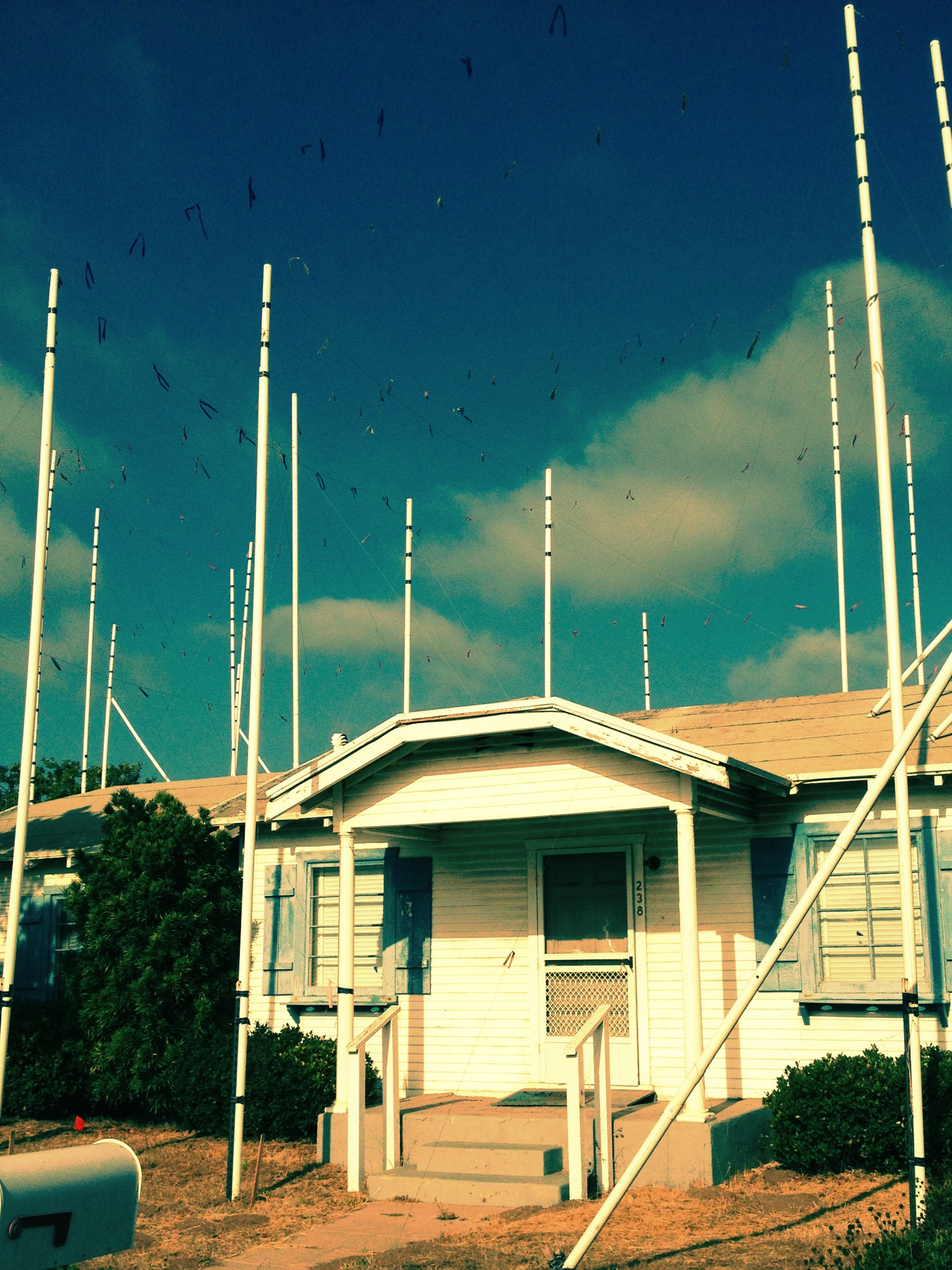
So on my way home, on this scenic route, I made a short detour thinking I remembered a piece of public art that just might fit my scaly search.  But the statue I remembered wasn’t there…so I drove a bit further and saw this house.

photo-2

What?  What are all these poles for?  If you look closely you’ll see they have little flags on them. Is this construction of some sort?  Installation art?  A way to keep the birds away?

I think this photo would make a great writing prompt!  What story do you see?

Looking Beneath the Surface

I suspect my neighbors thought I was crazy as I crawled around the lawn in my skirt when I got home from work today.  I had spotted some new mushrooms growing this morning and noticed that one had a hole where you can see through to the inside.

After unloading my work bag and feeding my cats, I attached the macro lens to my iphone and set out to get a closer look at the underside of the mushrooms.  One had been kicked over and lay with the underside exposed.  It was already turning brown on the exposed texture that is in such contrast to the smooth outside surface.

photo

And then I got down on my hands and knees to look through the hole along the edge of the mushroom top.  I peered through first with my eye…and then with the lens of my camera trying to capture the interesting layers I spied beneath the surface.

photo-2

These mushrooms remind me that what I see on the surface doesn’t always capture the complexity of what lies beneath.  My classroom is like that too.  There is so much about each of my students that isn’t visible unless I take the time to bend down and look carefully beneath the surface.  And sometimes I need a special tool, like my macro lens, to bring those interesting layers into focus.  Sometimes that tool is those informal conversations that I have with the students near me as we walk in lines.  Other times it is the opportunity to listen into a discussion a small group is having about a math concept or a story we have read.  Oftentimes it is through my students’ writing that I learn the most.  Their stories reveal their interests and their experiences…and show me what they know about reading and writing and science and sometimes even math and social studies.  Looking at a piece of student writing is like looking at the underside of a mushroom.  When you take the time to get beyond the surface, there are layers and layers that unfold and reveal new information that helps me know my students and helps me help them learn.

What have you learned from a student lately?

Wilfred Gordon McDonald Partridge: #113texts

When we select books to read in our classroom we begin with well-written books about topics we want to address as part of our instruction.  Wilfred Gordon McDonald Partridge by Mem Fox is a lovely, well-written book that has been around for a long time.  (Published in 1989)

519KFKCRACL._SX260_

This book is about a young boy who lives next door to an old folks home and has made friends with the old people who live there.  One of his best friends–Miss Nancy, who has four names just like him, seems to be losing her memory.  When Wilfred Gordon hears this he goes to the other residents asking what a memory is.  Their responses:  something warm, as precious as gold, makes you laugh, makes you cry…prompt Wilfred Gordon to go home and find these for Miss Nancy.  He collects his interpretation of these things called memories into a basket to share with Miss Nancy.  When Miss Nancy unpacks the hen’s egg, seashells, puppet, and football she begins to tell the stories she remembers when she examines each object.

We started the school year a few weeks ago reading this book as a way of demonstrating the power of things to elicit stories and memories.  We asked students to bring in an object or artifact that represented something important or special to them and/or their families.

In addition to using this book to teach the concept of object-based thinking and writing, we also used it this week as a mentor text for writing.  We like to “mine” the books we have read for interesting sentences to help our students broaden their understanding of sentences, grammar, and conventions.  As our first mentor sentence of the school year we looked for a sentence that was accessible to our first graders and still “meaty” enough for our more accomplished writers.

We decided on this sentence:

He admired Mr. Drysdale who had a voice like a giant.

Asking our students what they noticed, we were able to identify the use of the simile (a voice like a giant), proper nouns (names), and pronouns (he).  We also talked about the verb admired as well as the basics like the use of a capital letter at the beginning of the sentence and period at the end.  After a couple of examples of how we might follow the pattern of this sentence from Mem Fox, students set off to write their own sentence following the pattern.

photo-1

Here are a couple of examples:

First grader, E, wrote: I love my bunnies because they love me.

Second grader, B, wrote: He loved his dog Milo even though he shedded on him if he brushed onto him.

Third grader, C, wrote: I admire LEGO makers who have a way of making awesome sets.

And another third grader, M, wrote: The people love to watch Emily who surfed the waves that were as tall as mountains.

You can see that not all students were including the simile…yet.  But all were able to expand a sentence similar to the way Mem Fox did in her sentence.

There are many other ways to use Wilfred Gordon McDonald Partridge as a mentor text.  Mentor texts are all around us, as close as those classroom bookshelves.  Take a close looks at some of your old favorite read alouds, you’ll be surprised at all the opportunities to use them as writing mentors!

Sorting Quiet

Today was a sorting and categorizing kind of day in my classroom.  Yesterday we read The Quiet Book by Deborah Underwood.

quietbook

In it she describes quiet in lots of evocative ways…here’s a couple of lines:

Last one to get picked up from school quiet.  Swimming underwater quiet.  Pretending you’re invisible quiet.  Lollipop quiet.  First look at your new haircut quiet.  Sleeping sister quiet.

Then we asked our students to think about the best kinds of quiet they have experienced. They had so many wonderful ideas including things like lost in a good book quiet, waking up before everyone else quiet, playing your favorite video game quiet, watching your favorite cartoon on television quiet…  They wrote their best kind of quiet on an index card before the end of the day.

Today to help us think about sorting and categories we read Shoes, Shoes, Shoes by Ann Morris–a book about shoes from around the world used for a variety of purposes.  We thought about the categories our shoes fit into…and the ways they cross categories: school shoes, running shoes, playing shoes…  And then, in groups of four students shared their best kinds of quiet and thought about ways to group their “bests” into categories.  We asked each group of four to try to find 2 categories that their 4 index cards would fit.  They came up with lots of categories: electronics quiet, family quiet, in-the-zone quiet, playing quiet, learning quiet…

And as a class we were able to narrow their categories down to four that we will use to create a class graph of our best kinds of quiet tomorrow.  Can’t wait to see what the data tells us!

What’s your best kind of quiet?

Developing a Practice

One of my favorite weekend morning activities is the opportunity to lounge in bed and read. It’s such a luxury since even on weekends I often have to be up and about and out of the house early.  This morning I was reading Natalie Goldberg’s latest book, The True Secret of Writing: Connecting Life With Language.  I’ve read most of her books–and while this one doesn’t rank as my favorite–the chapter I read this morning on the importance of developing and committing to a practice struck me.  Here’s what Natalie says about practice:

…we established a different slant to practice other than “practice makes perfect”: It’s something you choose to do on a regular basis with no vision of an outcome; the aim is not improvement, not getting somewhere.  You do it because you do it.  You show up whether you want to or not.  Of course, at the beginning it’s something that you have chosen, that you wanted, but a week, a month in, you often meet resistance.  Even if you love it, inertia, obstacles arise: I can make better use of my time, I’m tired, I’m hungry, this is stupid, I need to listen to the evening news.  Here’s where you have the opportunity to meet your own mind, to examine what it does, its ploys and shenanigans.  That’s ultimately what practice is:  arriving at the front–and back door–of yourself.  You set up to do something consistently over a long period of time–and simply watch what happens with no idea of good or bad, gain or loss. No applause–and no criticism.

To get myself blogging, I gave myself a challenge (maybe that is one variation on a practice) to write and post a blog daily for 30 days.  That short term challenge felt doable.  I didn’t create the challenge for myself because I hoped to become a professional blogger (or writer), but because I wanted to feel what it would be like to consistently blog.  But, I am on the verge of establishing a blogging practice.  I have continued to write and post daily on this blog, well past the 30 days of the challenge…but I am sure as the school year begins on Tuesday that this daily practice will need to morph to a regular practice that is more like a three times weekly practice.  But what I love about the practice is that I have written and posted every day–even when I was tired and couldn’t seem to think of anything interesting to write.  I have pushed past my comfort zone and figured out how to generate ideas and get something composed each and every day.

And I can authentically share my experience of developing a practice with my students.  I can help them develop a regular writing practice.  It doesn’t have to be my practice–writing and publishing a daily blog post–but the act of developing a practice and “showing up” on a regular basis help us each learn something about ourselves.  It also helps us to develop those valuable traits of persistence and grit–hanging in there even when things seem hard.  Because ultimately it’s our drive that determines success and learning.  Talent is great…but effort over time is everything.

This reminds me of my time working for McDonald’s Restaurants before I decided to go into teaching.  Ray Kroc, McDonad’s founder, was inspired by this quote by Calvin Coolidge…which I kept for years on the bulletin board in our home office.

Nothing in the world can take the place of persistence. Talent will not; nothing is more common than unsuccessful men with talent. Genius will not; unrewarded genius is almost a proverb. Education will not; the world is full of educated derelicts. Persistence and determination alone are omnipotent. The slogan “press on” has solved and always will solve the problems of the human race.

Natalie recommends keeping a log of your practice–even if you skip–and rather than giving up when you miss a day, just make note of it and resume the next day.  I like this recommendation…and I like that my blog keeps track for me.  I can easily see which days I have “practiced.” What practice will you develop?

Urban Art?

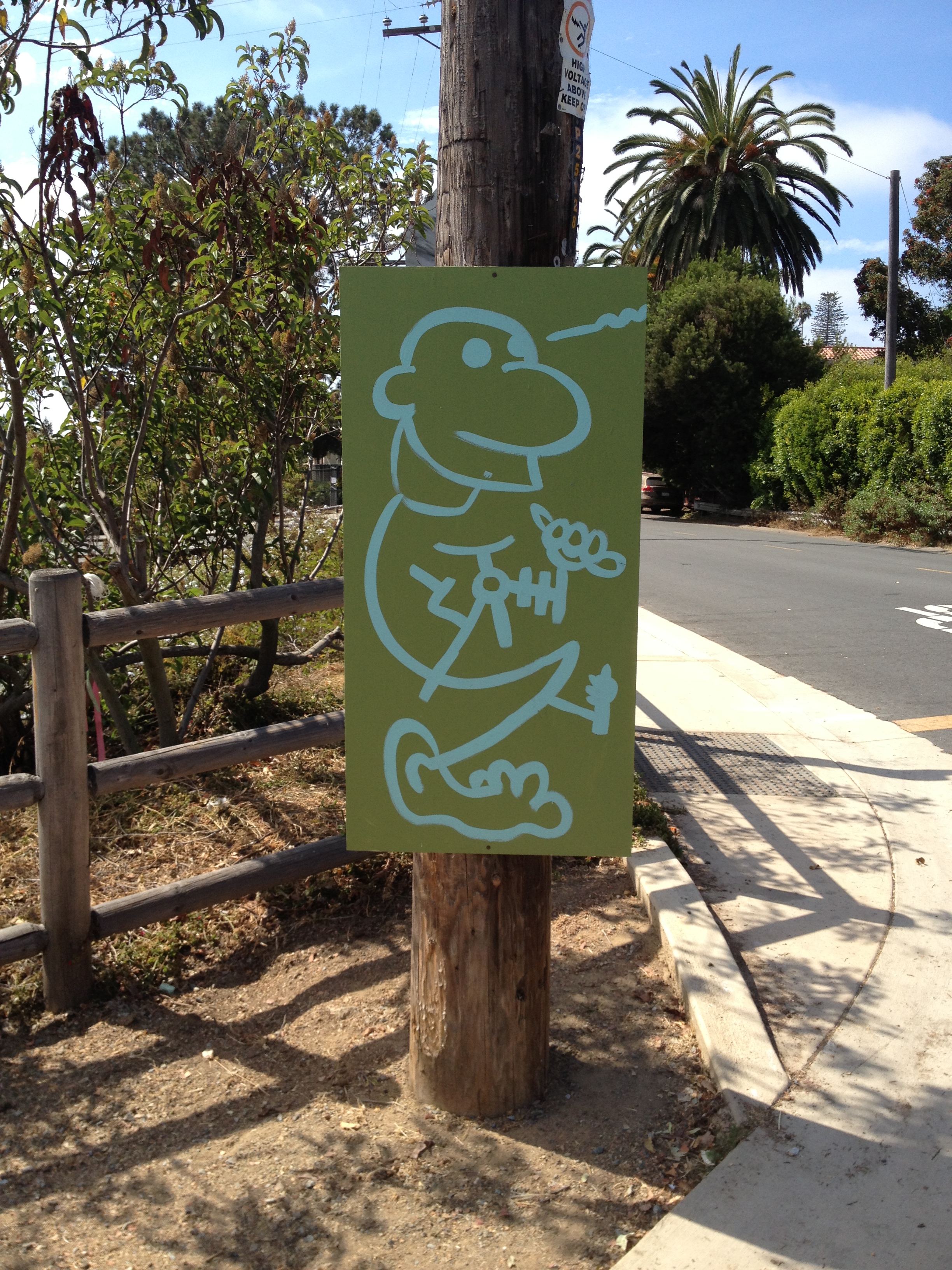
There are two of these nailed to the telephone poles on either side of this bridge-like structure near my school.  I passed them yesterday without stopping, but today I had to take the time to capture a photograph.  They have me wondering and asking questions.

photo

Are they urban art?  An advertisement for something?  They can definitely work as a writing prompt!  What do you think?  What story would you tell?

Building Stamina

Today marks my 45th blog post.  It also marks my shift from a focus on summer work back to my classroom.  Tomorrow is my official first day back–a day that will be filled with seeing familiar faces, catching up on summer activities, meetings and more meetings, and working to prepare the classroom and plan for an engaging start to the new school year.

The beginning of the school year always feels hard.  Even with 2/3 of our students returning (or maybe in spite of it), we want to set a tone and begin to build community that will set the stage for a year filled with learning.  Co-teaching makes it easier…and harder.  We have each other to work through our ideas with, and our ideas get examined and turned inside and out as we each consider how that idea might work…or where it might fall flat.  We have lofty goals for our first, second, and third graders–and we have to remember that they are still very young, so sometimes we have to temper our own enthusiasm and consider how to help our students build the stamina and resilience to reach (and exceed) the goals we set.

And because our students loop up with us we can’t depend on our favorite activity from last year, or read that book that worked so well with last year’s class.  Each year we need a fresh approach to getting started–new books to read, new ideas to get writing started, new ideas for getting to know each other.  It’s what I love about teaching a multiage class–and what makes it hard!

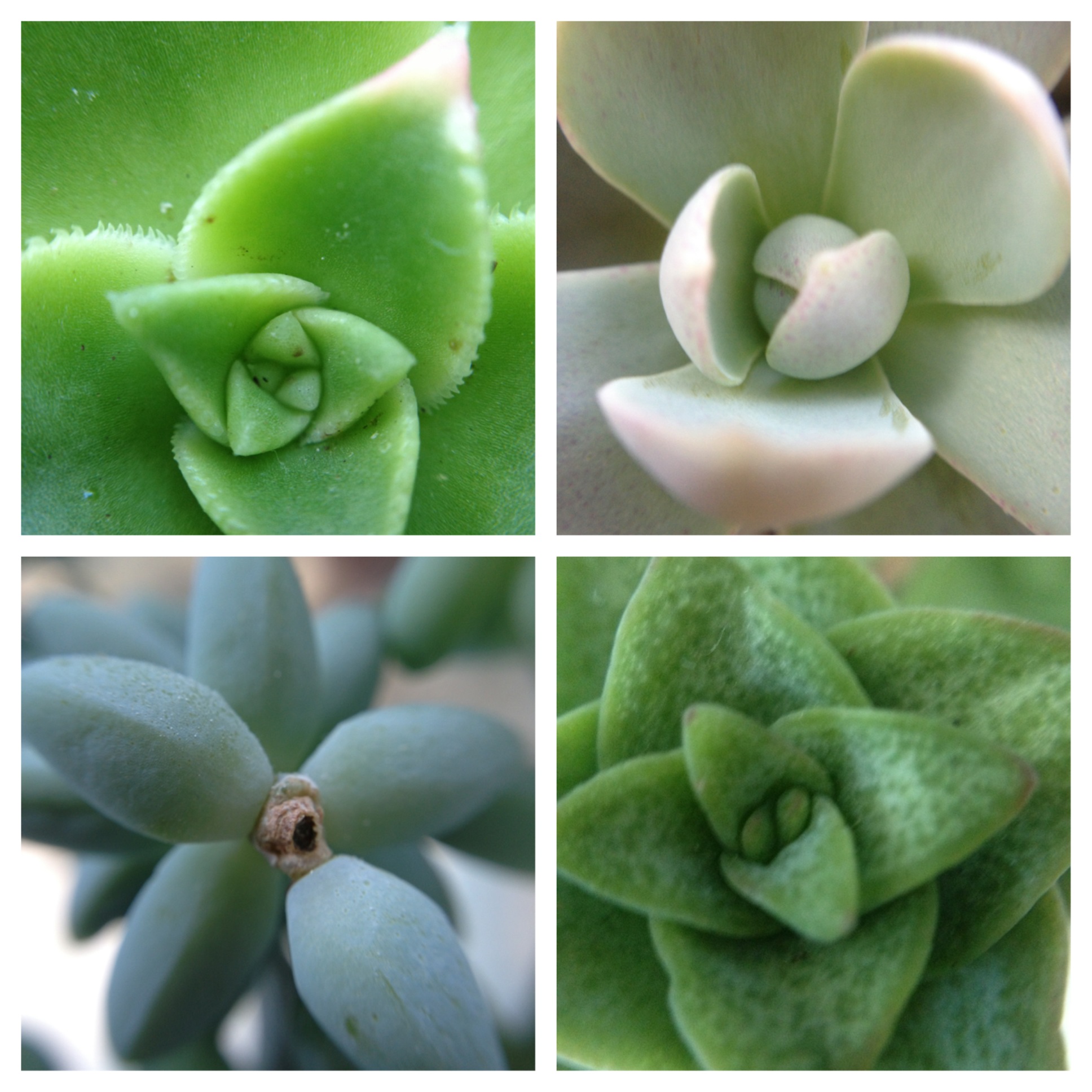
So I’m reminding myself to breathe.  And to appreciate the little things.  When I got home today after a long day in the classroom (I know, my official first day back is tomorrow–but we worked all day today!), I realized I hadn’t taken the time to look for any patterns to photograph. But the plants above the kitchen sink caught my eye…so I took out my macro lens and started noticing.  I ended up capturing the centers of a number of plants.  Do you see any patterns?

photo

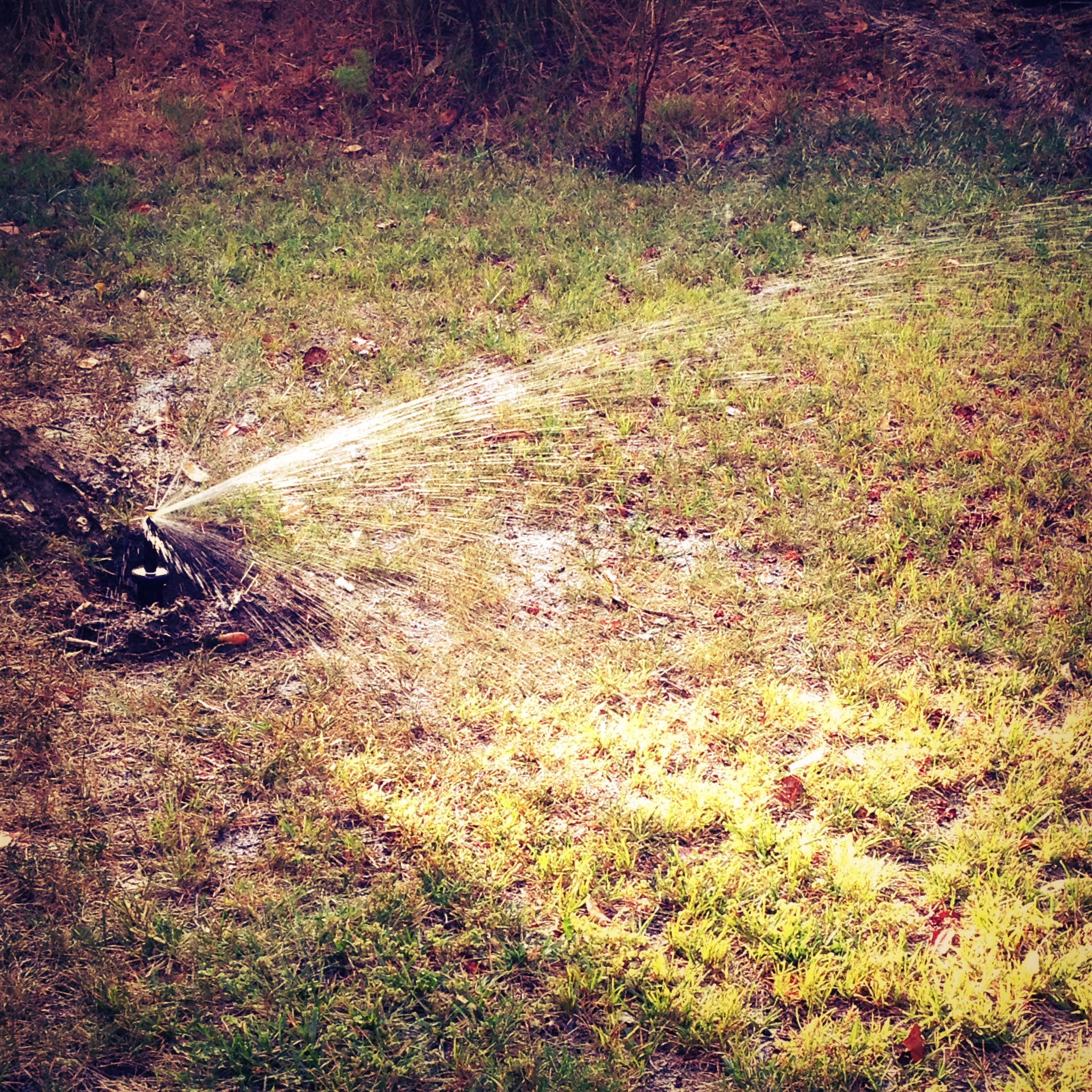
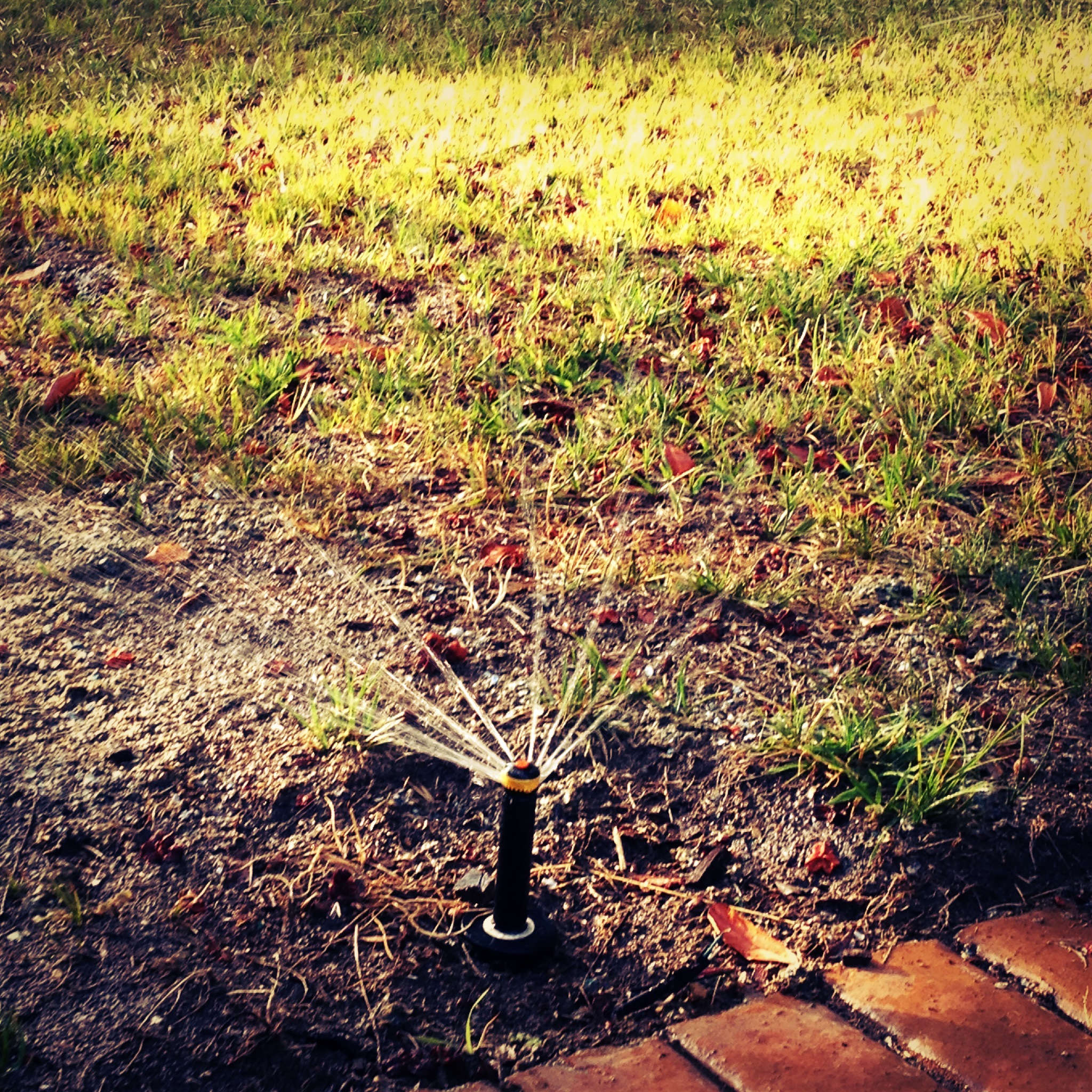
I also spent a little time in the back yard watching Geoff work with the sprinklers.  They have been dysfunctional for most of the summer.  He dug them up and replaced the parts yesterday and today was adjusting the spray to both cover the yard and not hit the house.  There’s something relaxing about spending a bit of time in the yard, feeling the cool evening breeze, and watching the water spray.  (We now have fancy rotating sprinkler heads!)

photo-1 photo-2

I’m sure that sprinkler pictures are not what readers look for in a blog post–but the act of appreciating the spray of the sprinklers helped me to clear my mind and reframe my thinking.  I know we’ll figure out how to get this school year started and I know I will love my new students and I know that my returning students will rise to each new challenge as the school year progresses.  As teachers, we also have to remember that we have to build our own stamina and resilience as we reach for our own lofty goals!  It has taken stamina and resilience to get to this 45th blog post too.  Some days it’s hard to write and I feel like I have nothing of worth to say…and then I breathe, try to focus on and appreciate the little things and dive into the writing.  Some days are filled with false starts…but by sticking with it, I always learn something about myself and I hope something that will help my students.

What do you do to refocus when things feel hard and you feel anxious?  How do you build your stamina and resilience?

Poster Poems, Found Poetry: Remixed

One of my fellow #clmooc-ers, Vanessa Vaile, posted this invitation in the G+ community to remix, hack, create found poetry…and it’s been sitting in the back of my mind, waiting for the opportunity to find its place on my blog.

This morning the twittersphere handed my this poem and it has stayed with me all day, begging me to think about ways to remix and recreate and combine it with my photography.

The World Is in Pencil

BY TODD BOSS

—not pen. It’s got
that same silken
dust about it, doesn’t it,
that same sense of
having been roughed
onto paper even
as it was planned.
It had to be a labor
of love. It must’ve
taken its author some
time, some shove.
I’ll bet it felt good
in the hand—the o

of the ocean, and

the and and the and

of the land.

Source: Poetry (November 2011).

And so, here is my remixed version:
The World Is in Pencil: Remixed
Pencil in the ocean
and the land
Authored with labor
roughed by silken dust.
Love it
shove it
take time
to feel, to handle
Until you can see
as if it was planned
the world 
inked on paper.
A map of your life.
photo
This photo was also remixed.  Taking a photo I took earlier this week,
I wanted to create a sense of pencil and sketch, roughed and labored.
I used the app Sketch on my iPhone to create this effect.
Here is the original:
photo-1
Try your hand at found poetry…I invite you to remix mine or find
something that speaks to you.  How might you remix a photo or
other image to go with it?  Be sure to share!