Macro or Micro?

A picture is worth 1,000 words…or so they say.  And then I’ve been thinking about words and the meanings and shades of meaning they carry with them.

Today’s #sdawpphotovoices prompt was macro.  I love using my macro lens to zoom in on tiny details, those that are almost too small to see without the lens.  It’s definitely challenging to use the macro lens.  You must get close…nearly touching the object to be photographed.  And then you have to get the focal length just right, bringing the object into focus.  And…you have to hold very still to get a crisp, detailed shot.

I always think about macro photography as small and detailed.  You move in close, discovering the smallest of details.
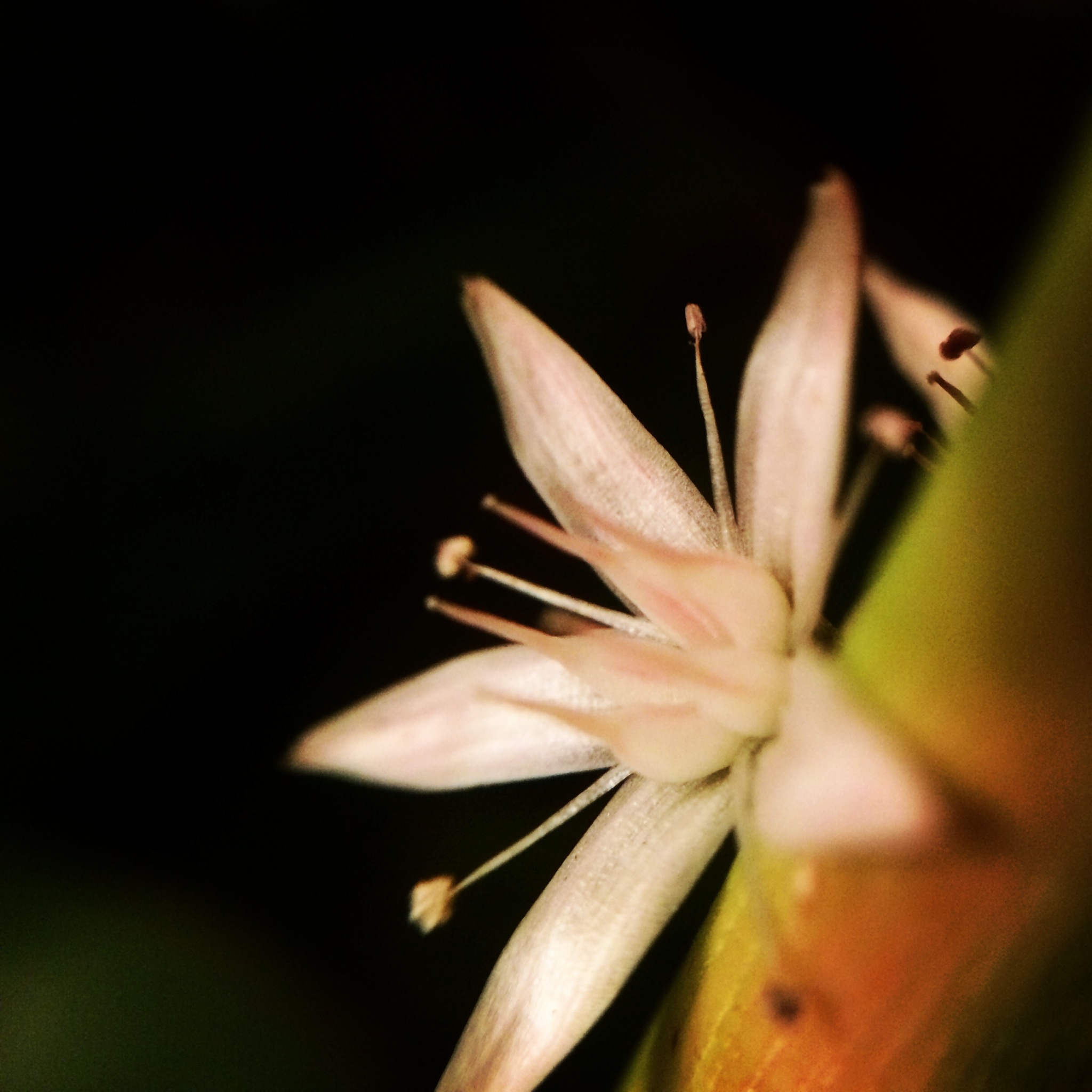
succulent flower

But as I was thinking about the word macro, I realized that macro means large…it’s micro that means small!  I get that the macro lens makes what is small look large by magnifying it…but should it actually be called the micro lens?  Isn’t it kind of like a microscope?

Using the internet, I went looking for some information about where the macro in macro photography came from.  I learned a lot and it’s always interesting to find out that unexpected word meanings come from some historical reference…in this case using macro to distinguish it from photo-micrographs.

I also learned that macro comes from the size of the actual photograph in reference to the size of the object photographed.  And that relationship of the object to the completed photographs is one of the things I like best about using my macro lens.

I really love the way the macro lens changes the use of space in the photograph.  Negative space appears as I angle the lens to lean in close and focus.
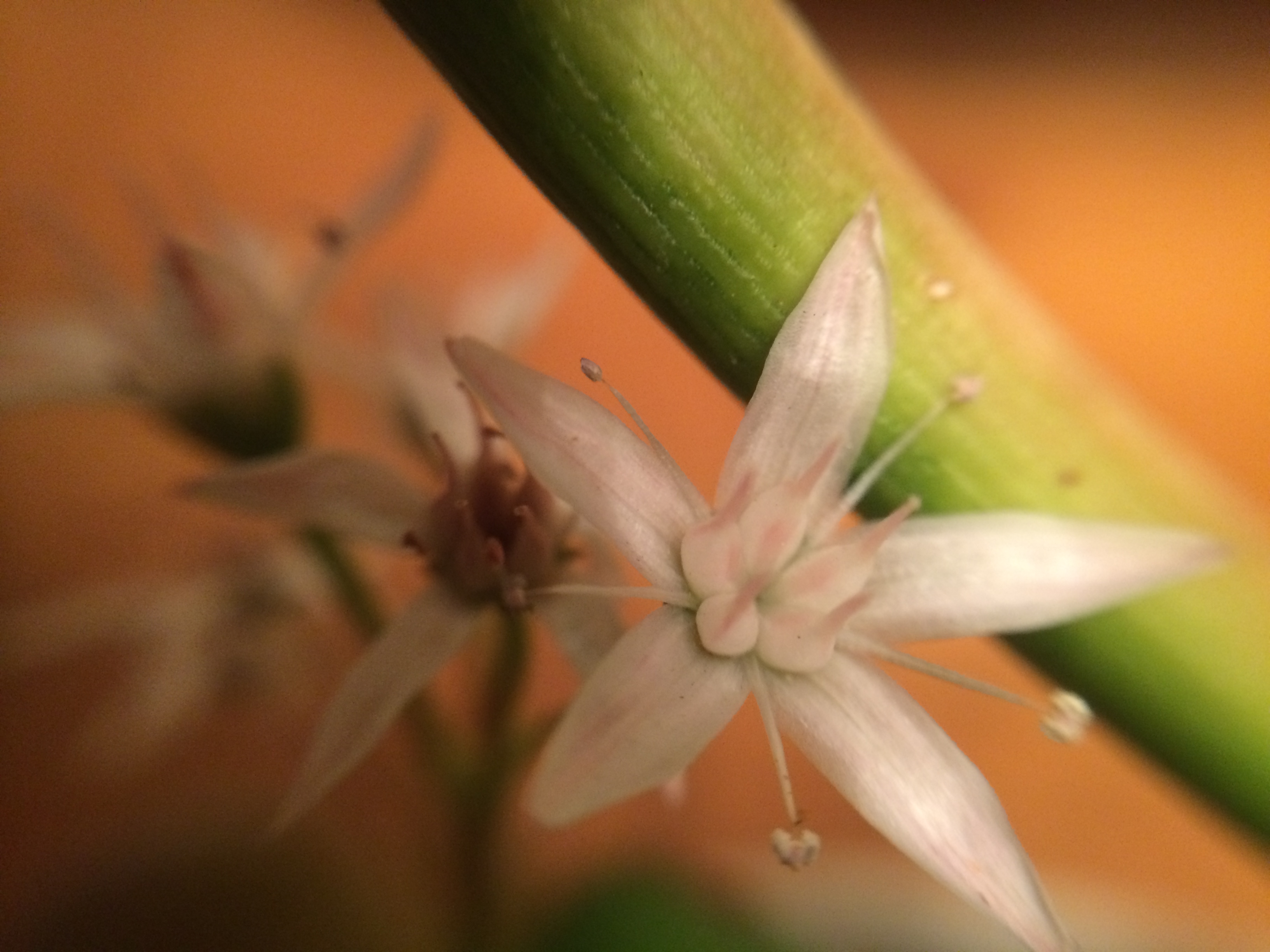
macro flowers

I love the way these blossoms line up behind each other with the one in the foreground in focus.  I think you would be surprised to know that these flowers are barely noticeable in the pot where they live.
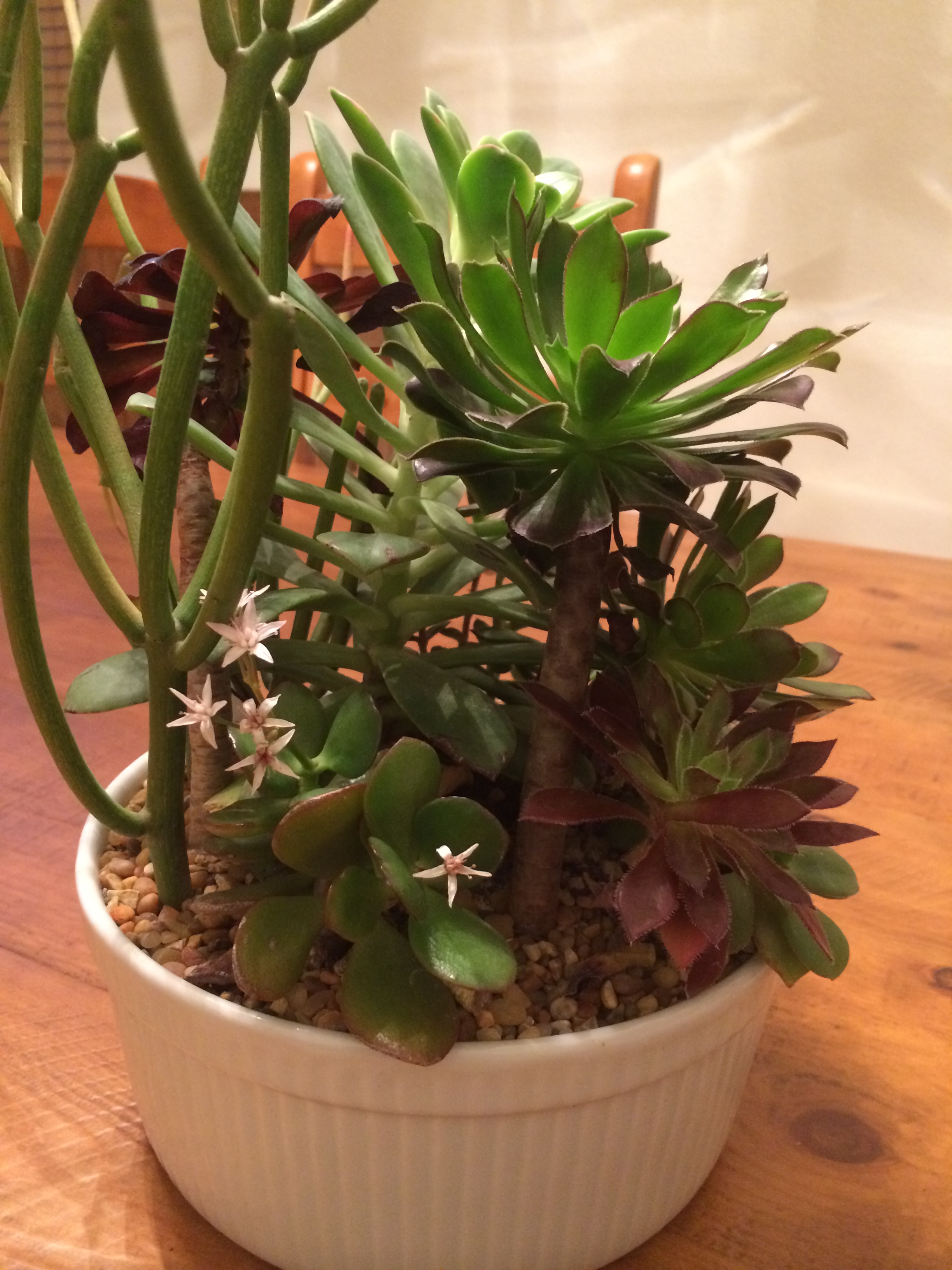
succulent in a pot

The macro lens even seems to have an impact on the color my eye is able to see.  At first glance these blossoms look white.  But with the macro lens, the pigments are enhanced and the pinkness emerges.
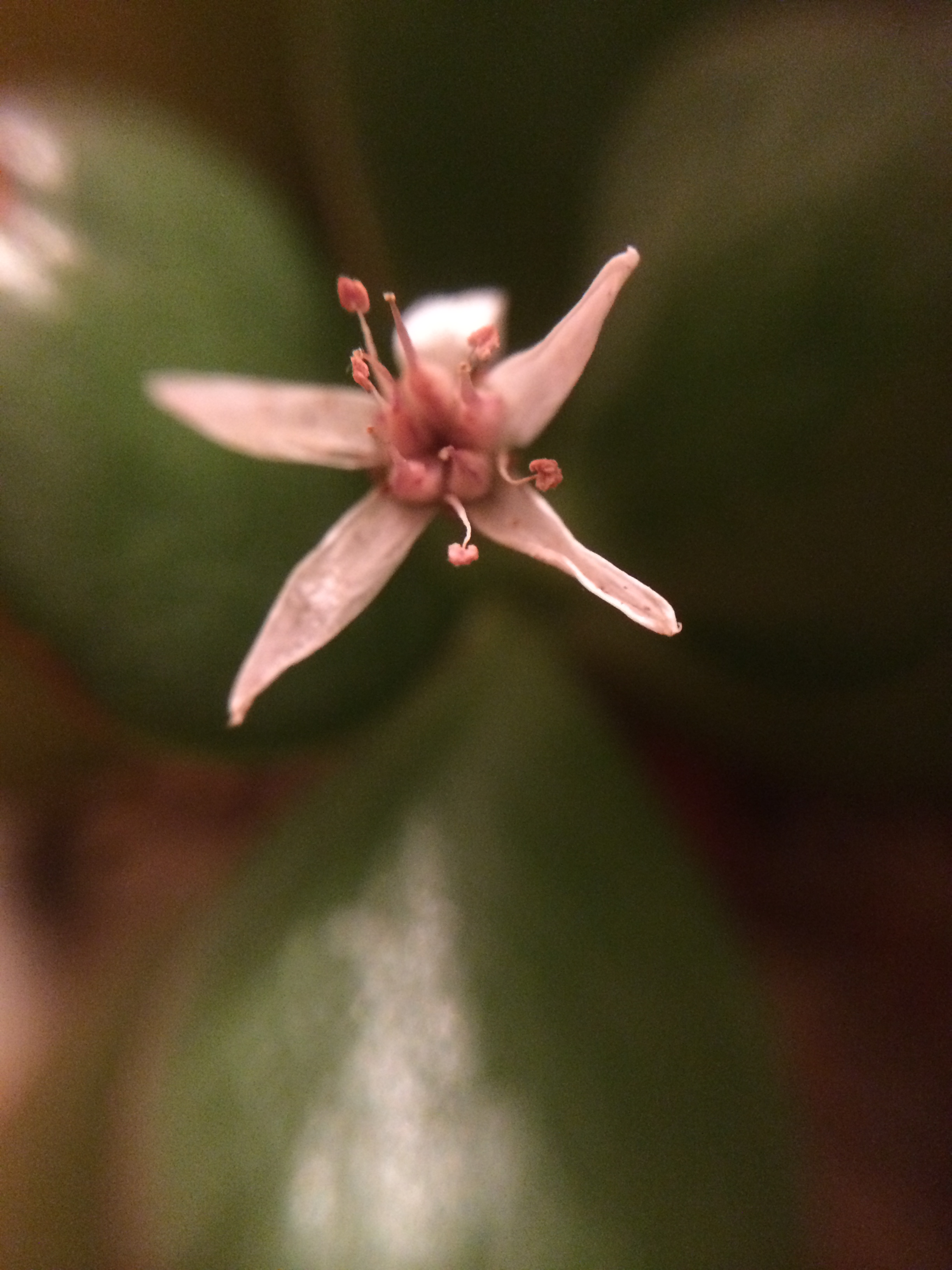
pink flower-macro

There is a magical quality to these macro photos that takes tiny and makes it big.  So, while macro means very large in scale, scope, or capability in a general definition, my understanding of macro as it relates to photography is more nuanced.  Yes–there is a largeness in scale involved…but also a sense of the small, and that is where the magic lives.

So, a picture may be worth 1,000 words…and the words create new meanings for the pictures too.  What words fascinate or perplex you?  How can an image change your understanding of the word?  Or better yet, how do words and images work together to create new understandings for you?

Exploring Green: March Photo-a-Day Challenge

As we enter March, thoughts of spring fill our minds along with images of all things green.  And even though I live in southern California, a place that winter skipped entirely this year, spring invites lighter and brighter colors, the suggestion of new life, and a sense of renewal.  And then there is that all-things-green March holiday, St. Patrick’s Day, a day where everyone is a little bit Irish and a whole lot of green.

And besides color, green is a word with many different meanings and connotations.  It conveys environmentalism and jealousy, youthful inexperience and prosperity.  So for our March #sdawpphotovoices Photo-a-Day Challenge, let’s explore all of the possibilities of green.  The photos do not have to feature the color green, although some might, but instead the goal is to capture the multiplicity of meanings that green might convey.  Here’s some ideas to play around with…and each section ends with an invitation to explore and include something not specifically named.

Week 1: Nature, Vivacity and Life

photo-98

1  conservation

2  environment

3  living

4  nature

5  vivacity

6  preserve

7  what else?

Week 2: Springtime, Freshness, and Hope

8  fresh

9  spring

10  emerging

11  blooming

12  hope

13  wonder

14  what else?

Week 3: Fairies, Dragons, and Monsters

photo-97

(This picture has me thinking of mermaids!)

15  fairies

16  dragons

17 Leprechauns

18  monsters

19  imagination

20  creatures

21  what else?

Week 4: Jealousy and Envy

22  jealousy

23  envy

24  greed

25  permission

26  safety

27  covet

28  what else?

Bonus Days: Youth and Inexperience

29  youth

30  inexperience

31  what else?

After you shoot, post a photo each day with the hashtag #sdawpphotovoices to Twitter, Instagram, Flicker, Google+ and/or Facebook (the more the better!), so that we can all enjoy the posts.  If you are game for some more playfulness, compose a blog post about a photo, a week’s worth of photos, write a photo essay, make a video or slideshow or try a learning walk!  (More about learning walks here and here) You are invited to create a pingback by linking to this url or post your blog address in the comment section.  It’s fun for me to see what others are doing with the same prompts I am using!

Our goal is to play, share with each other, and learn from each other as we shoot our own photos and study the photos others shoot.  Each week includes six suggestions to explore…and one free choice.  You are welcome to follow them in order, mix them up, or exchange them for something that emerges for you as you explore green this month.  You can post every day, once a week, or even sporadically throughout the month…whatever works in your life.  Be sure to share and tag your photos with #sdawpphotovoices so we can find them!

At the Intersection

What do you find at the intersection of science and writing?  In my experience that’s a place filled with energy, inquiry, and amazingly devoted educators!

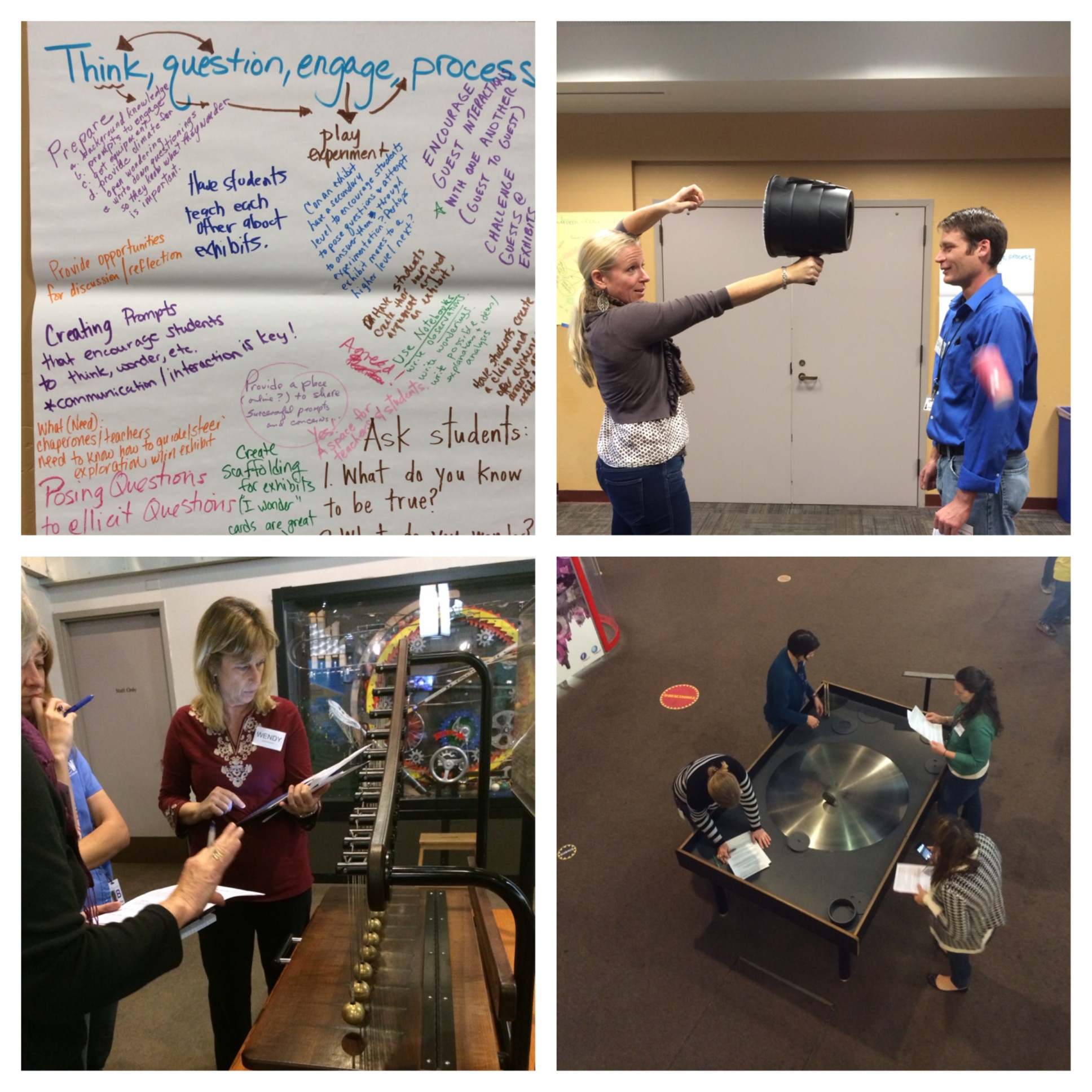
This morning, early on a Saturday, I had the pleasure of working with a group of educators (half who are public school teachers, half who are museum educators) creating tools to improve the field trip experience for students.  (Here’s an earlier post.)

What’s wrong with field trips…you might ask.  You may have fond memories of setting out in a bus as a student and exploring some museum, enjoying a day off from school in the name of learning. And for some students, I am confident that is the case.  It could be that the field trip even stimulated a life-long passion for natural history or science or art…

But all too often, field trips become either a day where the teacher doesn’t have to teach and students are “enriched” but not necessarily learning, or a day of frustration for teachers, chaperones, and museum staff–spent managing student behavior rather than stimulating curiosity and interest in natural history, science, or art.

So…on Saturday mornings this school year, we’ve been learning together.  Thinking about science and writing and inquiry and motivation.  Asking and answering open-ended questions and considering all the different ways we and our students learn.

photo-97

We’ve spent time in the science and natural history museums exploring the exhibits, observing, writing, and thinking.  We’ve read articles and searched for resources.  We’ve examined what other museums have done and looked at our own local resources.  All that in preparation for creating a “toolbox” of sorts for use with field trips.  This toolbox has tools for teachers, tools for students, tools for chaperones.  This morning was spent developing these tools in preparation for our first opportunity to test them.  Later this week we will be seeing how these resources work with students, teachers, and chaperones on a field trip to two museums.

And what I know for sure is that the process of thinking about and creating these tools will improve field trips for students touched by the educators in the room this morning.

The bigger and much harder to answer question is, how do we take our experiences and learning and share them with those who have not been part of our process?  Can we translate our passion, interests and expertise into a “toolbox” that will help others?  And how do we make sure that the tools we create are user-friendly and help to shape inquiry-based learning for students?

I feel confident that our learning will happen in the intersections.  The intersections of our tools and the students, of schools and museums, and of writing and science.  It’s in the intersections of powerful ideas and perspectives that the energy and inquiry lives.

Going Beyond Either/Or (Threes)

Black or white, the fork in the road, Republican or Democrat, male or female, smart or dumb, phonics or whole language, cats or dogs, tea or coffee, win or lose, right or wrong…  the list goes on, always focused on choosing one of two choices.

Why are we so drawn to these dichotomies?  And do they actually serve us in any positive way?

I often feel that these forced either/or choices close down conversations and limit the options and possibilities that would exist if we broadened the conversation to include more gray area, pathways between the two opposites typically posed.

What would happen to our country if our political system worked to solve pressing issues without regard to political party?  And what would happen in our schools if instead of classifying students as high or low achieving, we paid more attention to students’ strengths and interests and piqued their natural curiosity?  What if there were more options for success?

So when I saw the weekly photo challenge at the Daily Post today, I looked for a photo that not only met the challenge of threes, but also worked as a metaphor for me about moving away from these all-too-common dichotomies.  (In a footnote to this, after reading the threes prompt more closely, I see that I re-interpreted it before noticing the invitation to tell a three picture story.  I may be trying that in the next couple of days!)

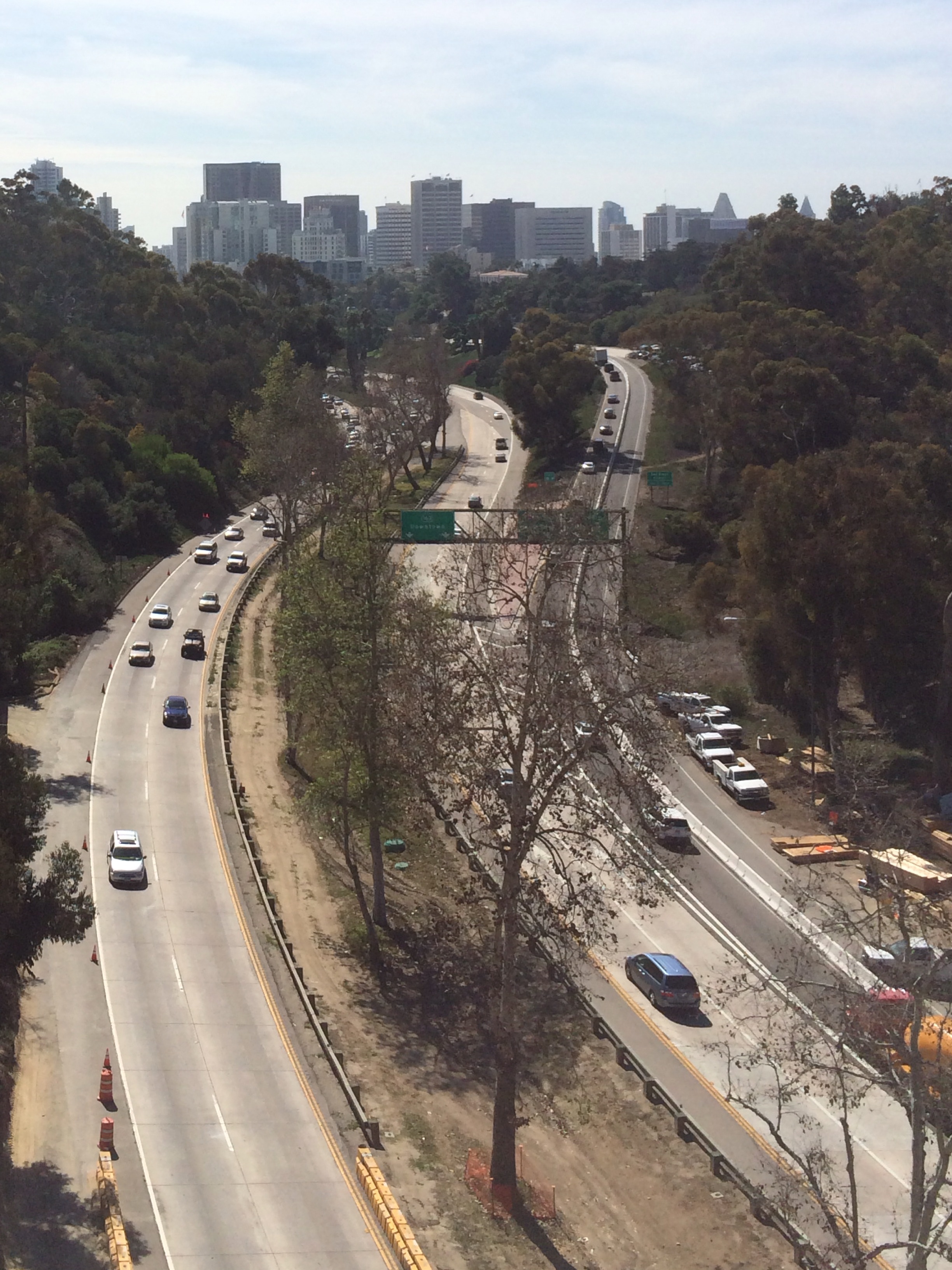
I took this photo today from a bridge over a freeway leading to downtown San Diego.  I like the way you can see three distinct paths curving toward the city in the distance.  It’s interesting to me because I know that the freeway has southbound and northbound lanes…but at this juncture, there is a third route.  I love the idea of including additional options, of getting a more complete picture, of considering a bigger understanding of the story.

photo-97

I’m not suggesting that three is the answer…we do enough with the ideas of high, medium, and low…but three does suggest getting beyond either/or thinking, making it at least a starting place for expanding the conversation.

What image would you chose to represent going beyond standard dichotomies?  How do you get yourself to go beyond the binary?

Weekly Photo Challenge: STEM

Here’s the week 7 Weekly Photo Challenge prompt for the NWP iAnthology!  (Here are weeks 12345, and 6 if you want to look back.)

Probably because I have been busily writing a grant this week for state funding for our writing project site, all the current educational buzz words are bouncing around my brain.  One that has been getting lots of play lately is the acronym, STEM (Science, Technology, Engineering, and Math).

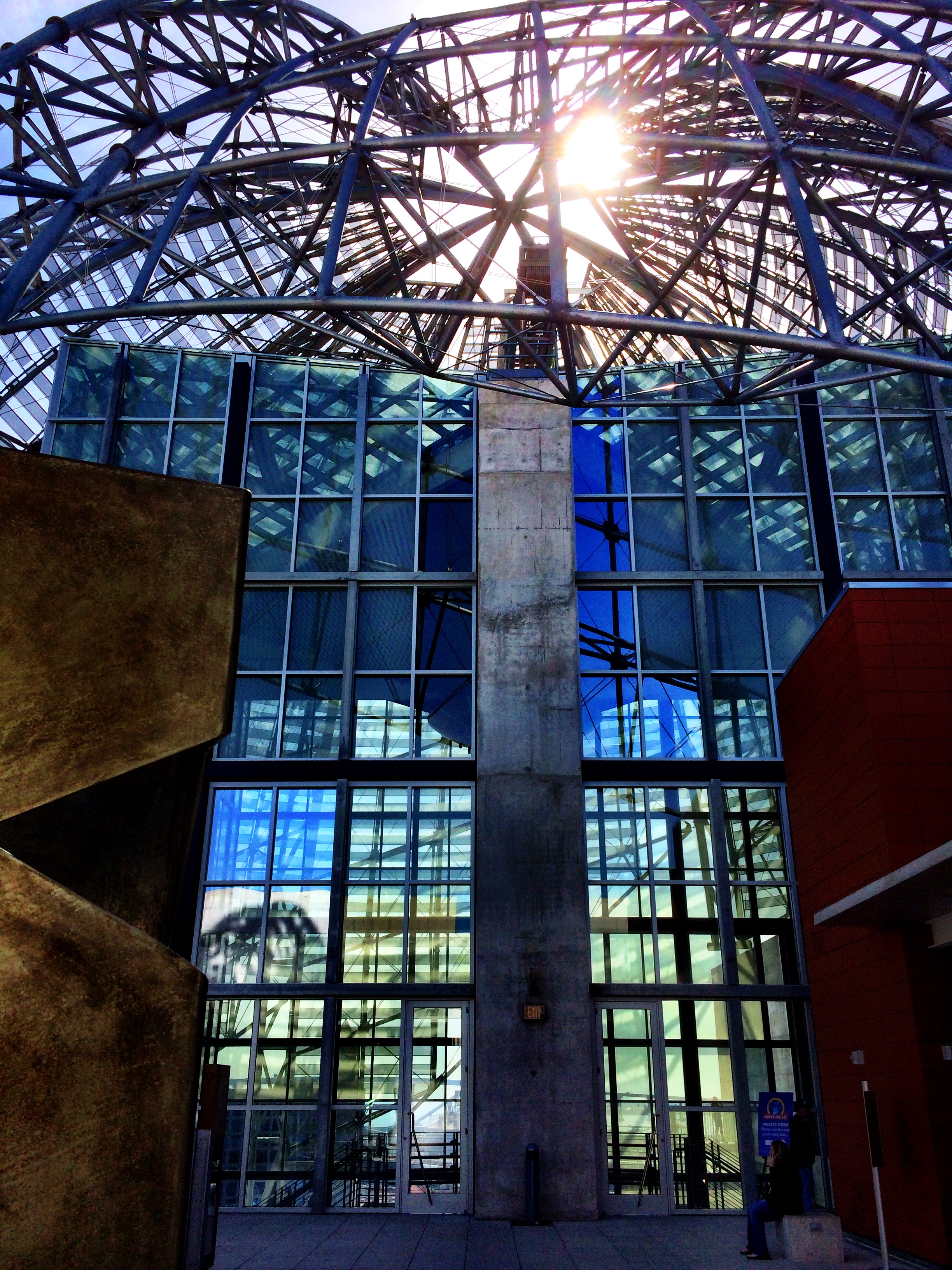
So that has me thinking, what does STEM look like in my photographs?  Today I happened to attend a technology event at the new public library in downtown San Diego called Innovation Day.  The goal was to bring technology leaders of all sorts (from superintendents to ed tech and IT folks to classroom teachers) together to examine some products from vendors and to hear some short presentations about the use of a variety of technological tools.  Walking around the beautiful new library building was a treat in itself, featuring breathtaking views of the city and the bay and some unique architectural features.  This fits the “E” in STEM for me (could probably include some “M” too!)

SD library dome

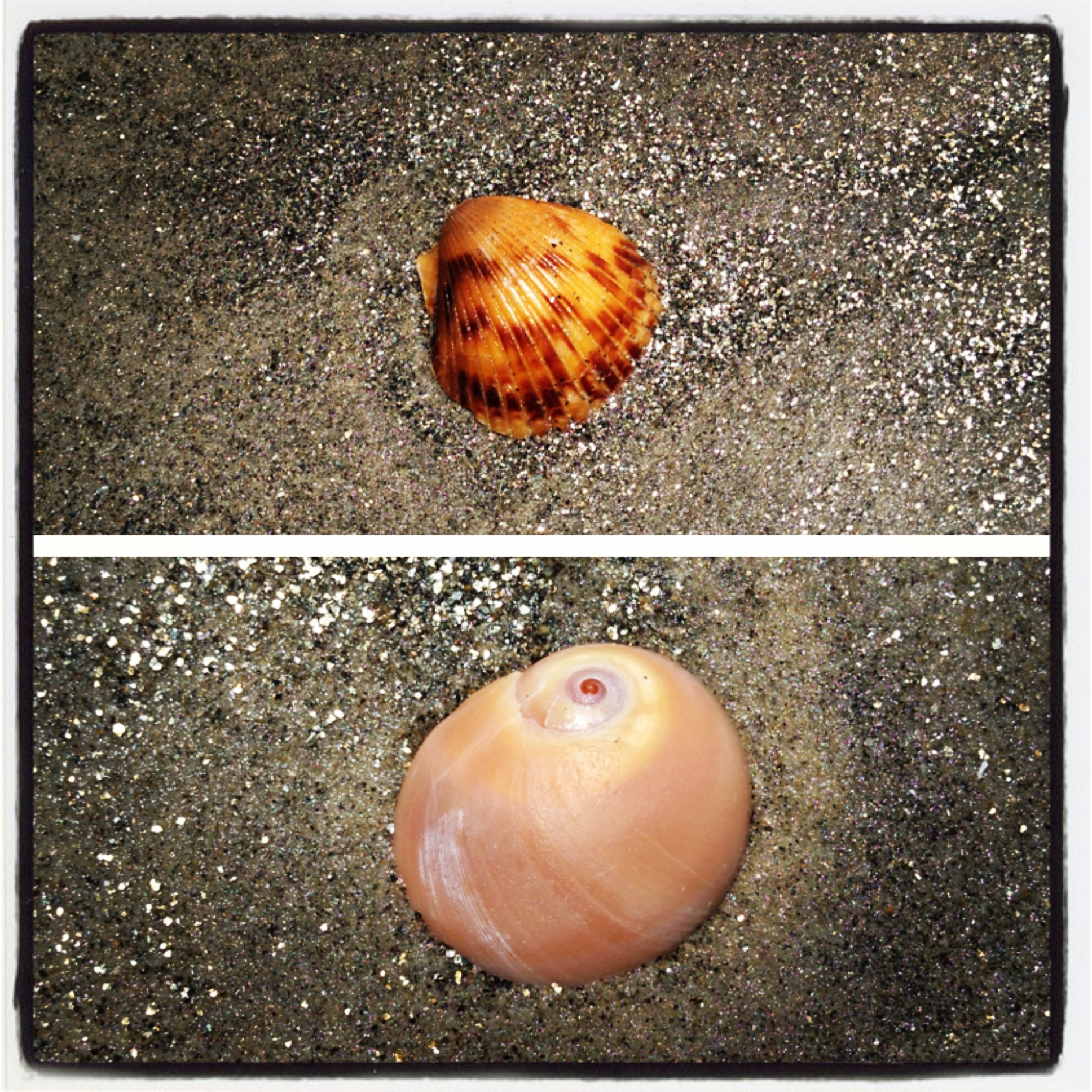
The beach seems to fit every photo category for me.  This pairing of seashells shows symmetry and the fibonacci sequence.  We don’t always think about math when we look at seashells…but they are perfect examples of those mathematical concepts I just mentioned. Do you know which is which?

photo-97

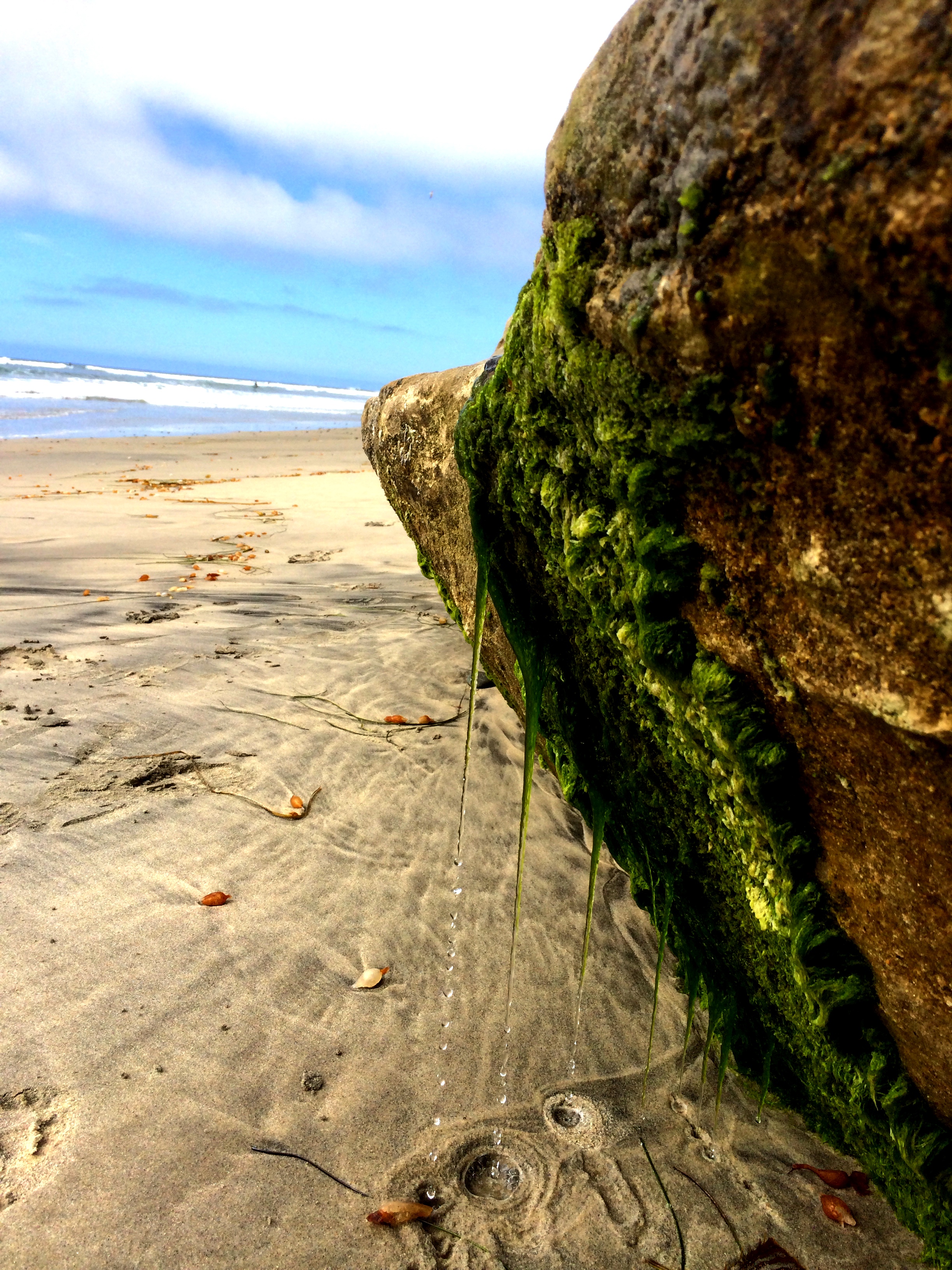
And then there are the intricacies of science.  The biology of grasses that grow on the sea cliffs, the slow and constant wearing of erosion on the geologic features, the physics of waves…

photo-98

So this week’s photo challenge is to represent STEM in photos. Where do you find science, technology, engineering and math?  How does looking through your camera lens through the lens of STEM impact what you see and what you share?  Share a photo (or several) that pictures STEM in some way.  Post either the photo alone or along with writing inspired by the photo.  I also invite you to use others’ photos as inspiration for your own writing and photography.  I often use another photographer’s image as “mentor text” for my own photography, trying to capture some element in my own way.

I like to share my images and writing on social media…and I invite you to share yours widely too. (You might consider Twitter, Instagram, Facebook, Google+) Use the hashtag #STEM and include @nwpianthology to make it easy for us to find and enjoy.  You can find me on Twitter and Instagram @kd0602.  I’d love to follow you if you share your handle.

You can also share your photos and writing by linking to this blog post or sharing in the comment section below.  I am excited to see how you represent STEM through your lens!

The Strength of Violet

Violet always seems so gentle, so calm…like flowers budding in the spring.

The color of these mussels surprised me.  Sometimes they can look almost black…other times a deep indigo or rich blue.  But on this day, in the warm winter sun they looked violet, understating their strength and resilience.

I admire these creatures who survive in the intertidal zone.  They live part of the time under the sea, covered completely by briny ocean water.  And they live part of the time exposed to the sun and wind and birds and people, holding tightly to the rock.  They have an otherworldly look…like they belong to a time before people walked the earth…and perhaps they did.

mussels

Sometimes we miss the beauty of strength, the ability to adapt, to hold tightly and conserve resources.  Mussels, like some of our students, are stoic.  They don’t complain or call for our attention.  They aren’t showy or dramatic…they’re almost common, easy to overlook.

Who are you overlooking in the classroom?  Which of your students takes care of business without attracting your attention?  And what would happen if you were to notice?  What would you see and learn?

A Place to Treasure

We often think about treasures as those tangible trinkets: an irreplaceable family heirloom, the lock of hair from your baby’s first haircut, the multifaceted diamond in your engagement ring, the lucky penny you wear in your shoe.  They often carry sentimental value far beyond their monetary worth, representing events, memories, and stories to remember.

As I was thinking about treasure as the topic for this week’s Weekly Photo Challenge at the Daily Post, I considered the treasures in my life.  Of course I have those tangible items infused with sentiment that carry treasured memories, but a walk on the beach today with my husband brought my treasure forward for me.

As someone who lives a few miles from the beach, it can be easy to take this treasure for granted.  I don’t think anyone would argue that the beach is beautiful, but there is so much more to treasure.

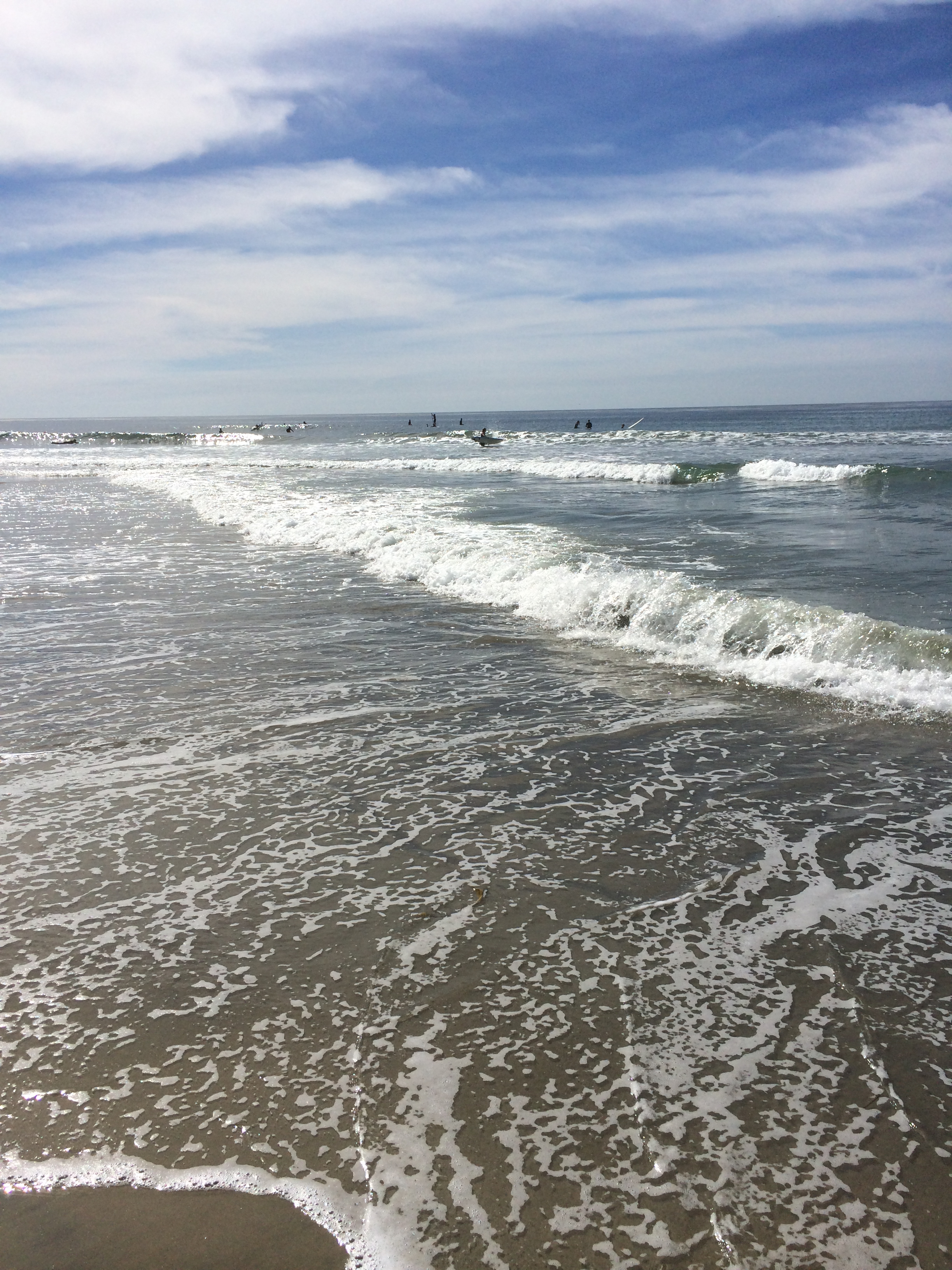
The beach is a chameleon.  It responds dramatically to nuances light and changes moods with even subtle weather changes.  It can be wild and ferocious or calm and playful.  Today was one of those picture-perfect February days that allowed me to roll up my jeans, tie my sweatshirt around my waist, and walk barefoot in the cool salty water.

surf

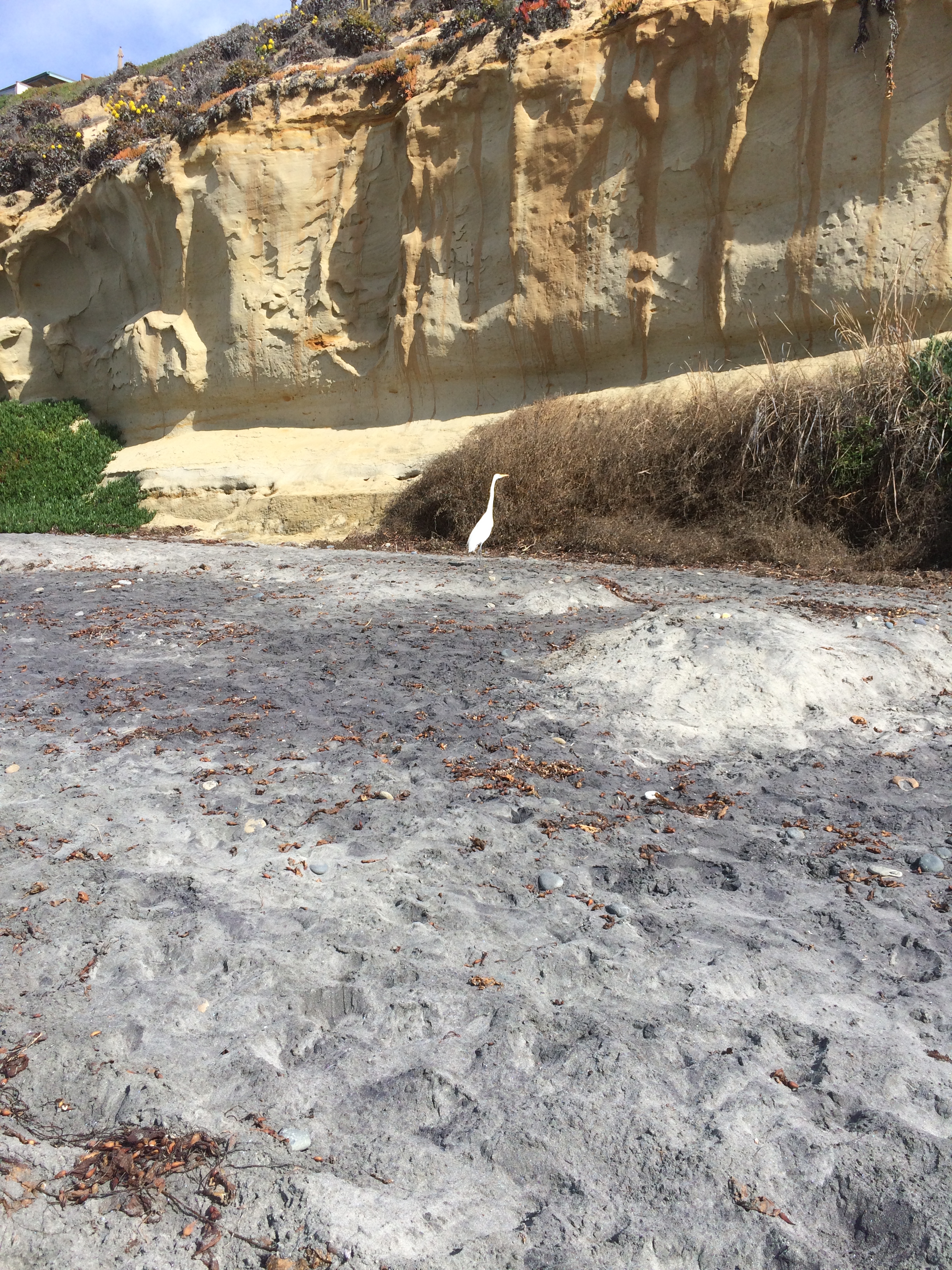
I am continually fascinated by the wildlife, the geology, and the physics at the beach.  This egret caught my attention today and let me get quite close as it investigated close to the cliffs. Egrets more commonly hang out at the lagoon and I seldom see them on the beach.  This guy was quite interested in whatever lurked in the brush at the base of the cliff.  He seemed to move in slow motion, jutting his head forward with each step.  I tried to capture his movement in a short video, but he moved so slowly and deliberately I probably should have tried time lapse!

egret

But what I treasure most about the beach is the opportunities it allows for time…time to think, time to reflect, and time to engage in deep conversation with a companion.  Somehow, no matter how many people are there, you can find space at the beach.

big sky beach

There is a vastness that has a way of wrapping itself around you, shouldering some of the tension that weighs so heavily.  Reflectiveness is a natural on the shoreline; the water and light play with each other, making connections and expanding views…creating opportunities for new understandings.

cliffs

We left the beach after a long, meandering walk refreshed and relaxed having reveled in the natural beauty, the breaths of briny sea air, and the warm rays of sun that danced on our shoulders and cheeks.  I often play with my iPhone photos in editing apps, cropping and brightening or creating interesting effects.  All the photos in this post are completely unedited, shown the way the camera on my phone captured them, in their natural state.

I feel confident that those of you who live in other places, far from the sea, also have some natural treasures like the beach.  What are the places that you treasure?  What makes them special?  I look forward to experiencing your treasures through your lens and through your writing!

Weekly Photo Challenge: Reflection

Here’s the week 6 Weekly Photo Challenge prompt for the NWP iAnthology!  (Here are weeks 1234, and 5 if you want to look back.)

Reflection is one of those words that is layered with meaning for me.  It can be as literal as peering into a mirror or as abstract as considering the way that wind, light, and life transform an image.

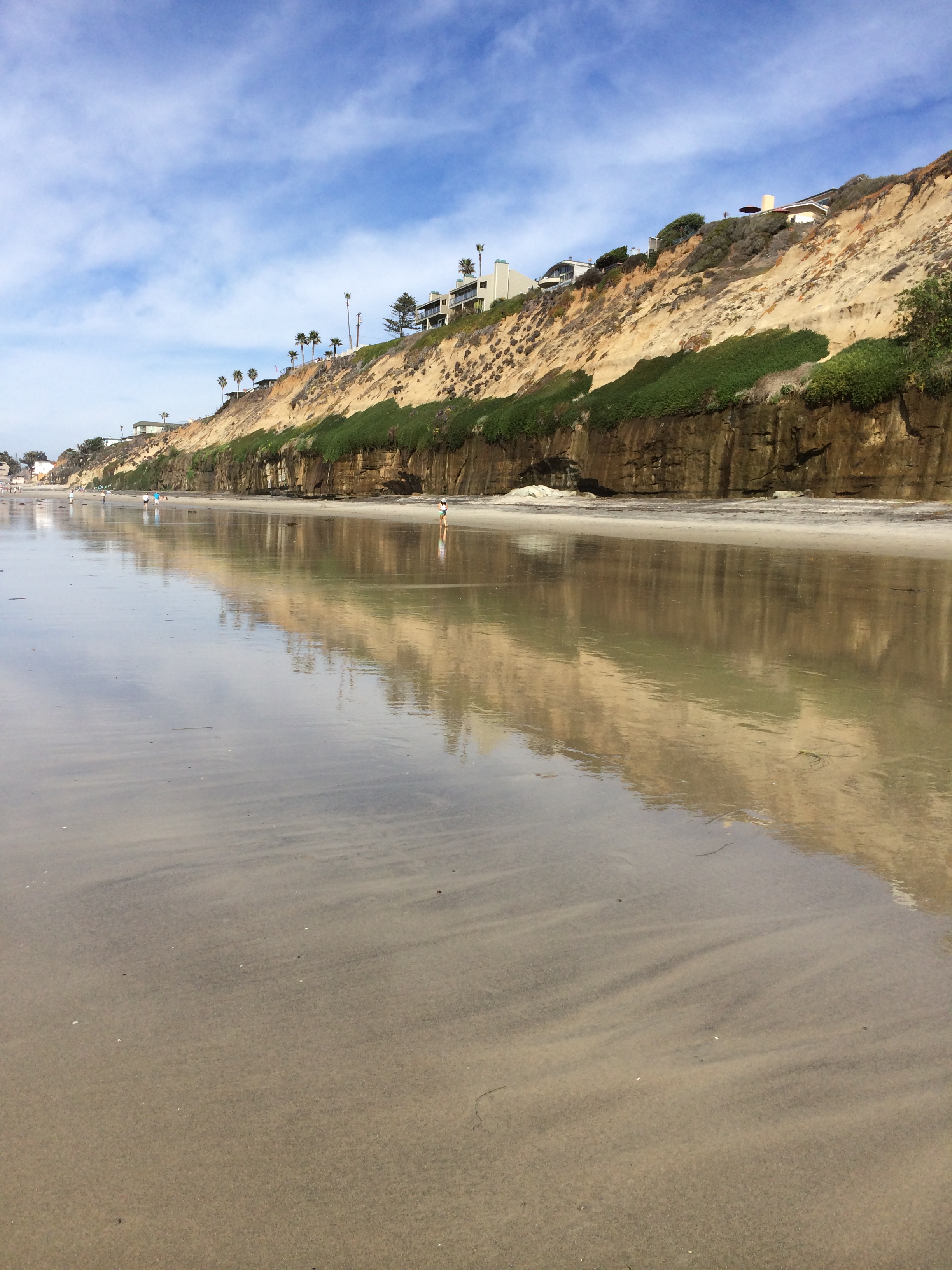
In photography, sometimes reflection is obvious…sunlight on water is one of those I notice often, yet never tire of like this photo of the sun setting reflected in the lagoon.

lagoon reflection

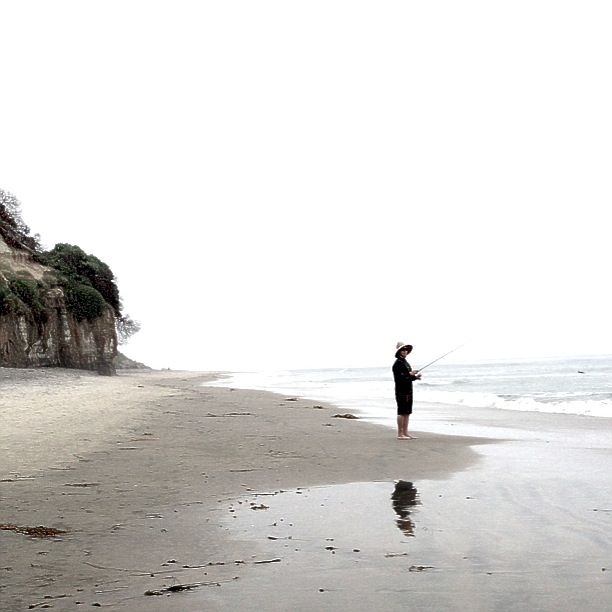
Sometimes I only notice the reflections when I go back and look closely at a photograph after I get home.  In this shot of the fisherman my goal was to capture the sense of aloneness that comes with the overcast sunless sky.  But there is something significant about his reflection appearing wavering in the mirror-like water at the edge of the sea.

fisherman reflection

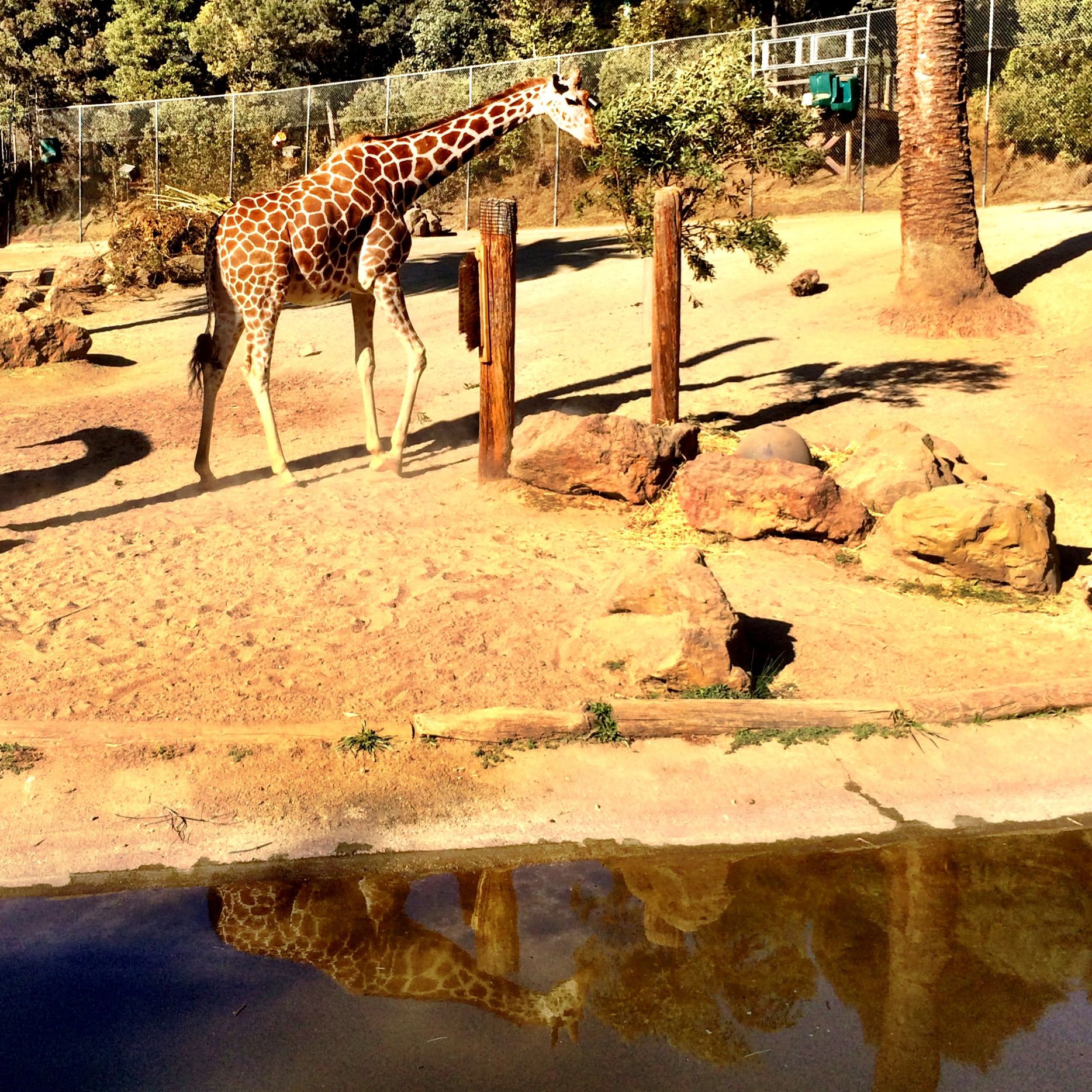
Similarly, this photo of the giraffe at the Oakland zoo almost suggests another life in the reflection where the fences are not visible, and you can see the trees and shrubs that are less obvious in the actual image.

giraffe

I love this subtle reflection I found in a creek in the Muir Woods.  If you look closely, the forest is reflected in the water creating almost a multimedia collage with the leaves and sticks floating in the water.

forest view]

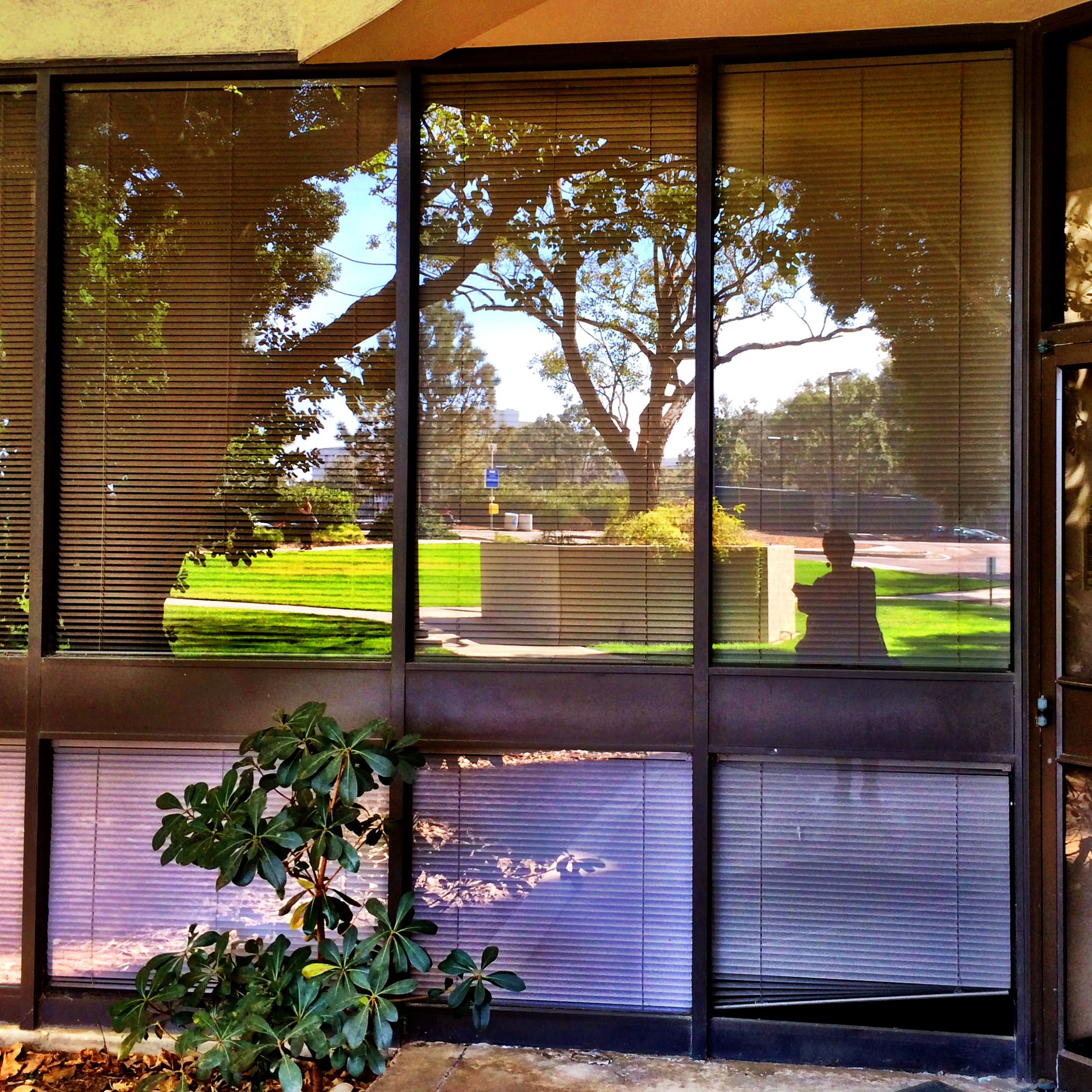
And today I was intentionally looking for a reflection to photograph and wondered if I was going to have to resort to a photo of the sun reflecting on water.  As I walked up to the Writing Project office I noticed the reflection of the courtyard in the windows of the building.  (It turns out that it is a bit of a “selfie” as well, you’ll notice I am there in the reflection as well.)

photo-93

So this week’s photo challenge is to represent your image of reflection. Do you find reflection in water, in mirrors, on shiny surfaces?  Are your reflections lonely, filled with life, colorful? Share a photo that creates an image of reflection for you.  Post either the photo alone or along with writing inspired by the photo.  I also invite you to use others’ photos as inspiration for your own writing and photography.  I often use another photographer’s image as “mentor text” for my own photography, trying to capture some element in my own way.

I like to share my images and writing on social media…and I invite you to share yours widely too. (You might consider Twitter, Instagram, Facebook, Google+) Use the hashtag #reflection and include @nwpianthology to make it easy for us to find and enjoy.  You can find me on Twitter and Instagram @kd0602.  I’d love to follow you if you share your handle.

You can also share your photos and writing by linking to this blog post or sharing in the comment section below.  I am excited to see how you represent reflection through your lens!