Tag Archives: learning

Math Walking: SOL25 Day 26

There’s nothing I like better than extending the walls of the classroom and taking learning out into the world…or at least outdoors around our campus.

And you might know, I love to take photos. I like to share my passions with my students, so I also teach my students to take photos. What could be better than combining going outside with math and photography?

We headed outside yesterday morning in search of odd. My students have learned about odd and even numbers and are getting pretty good at feeling confident that they know which is which (even as numbers get quite large). I set a few parameters for them:

  • They had to take 5 photos–and only 5 photos (using their iPads)
  • They had to find examples of different odd numbers
  • They were to use a photography technique they had learned
  • There could be no humans in their photos
  • They were not allowed to move things to get to “odd”
  • They could not take a photo of 1
  • They could only venture as far as where they could see me and I could see them

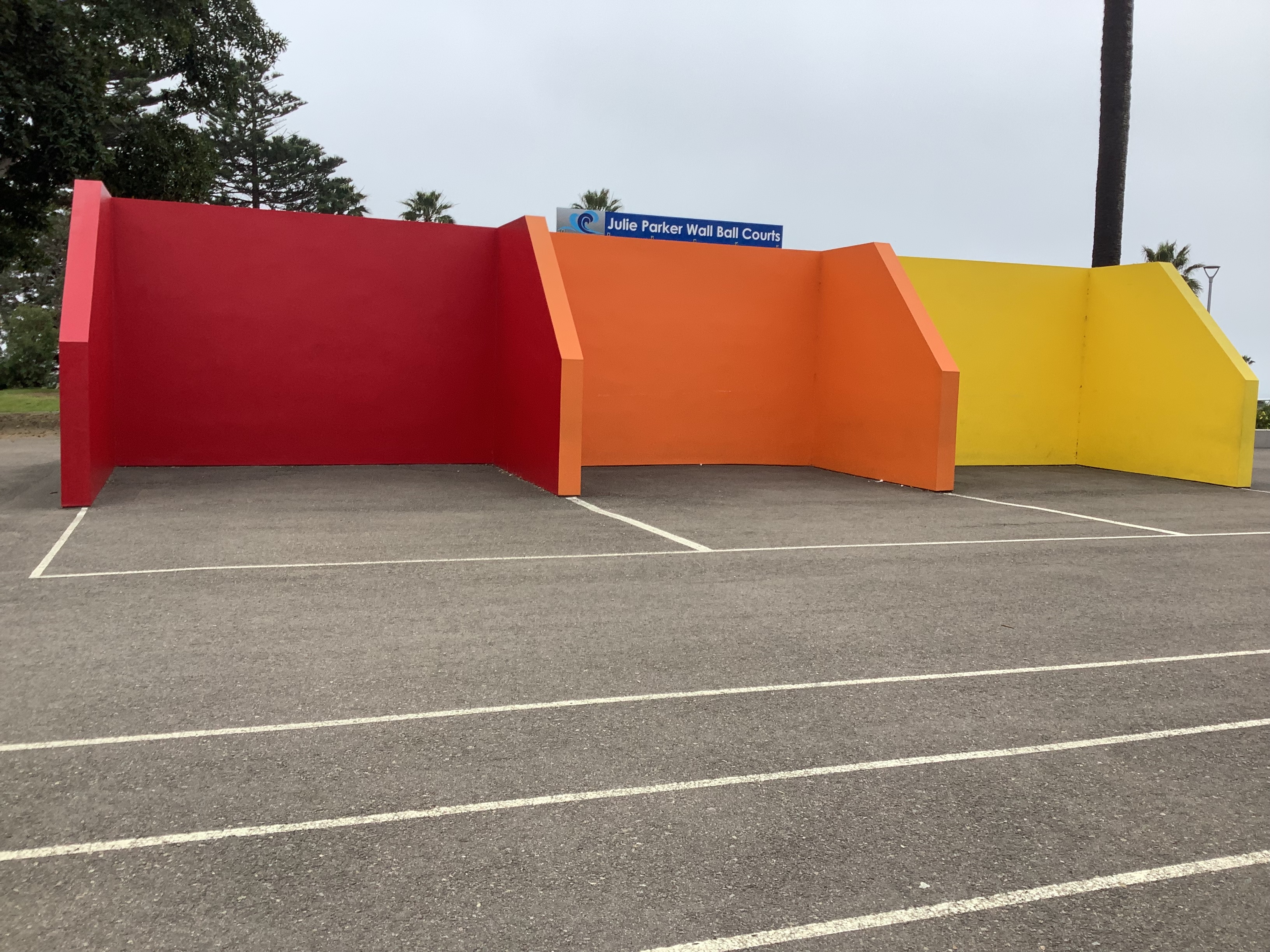
At that point, the fun began. At our first stop on the playground, most students were immediately drawn to our wall ball courts and saw 3 right away. Many of them aimed their lens and took photo number one.

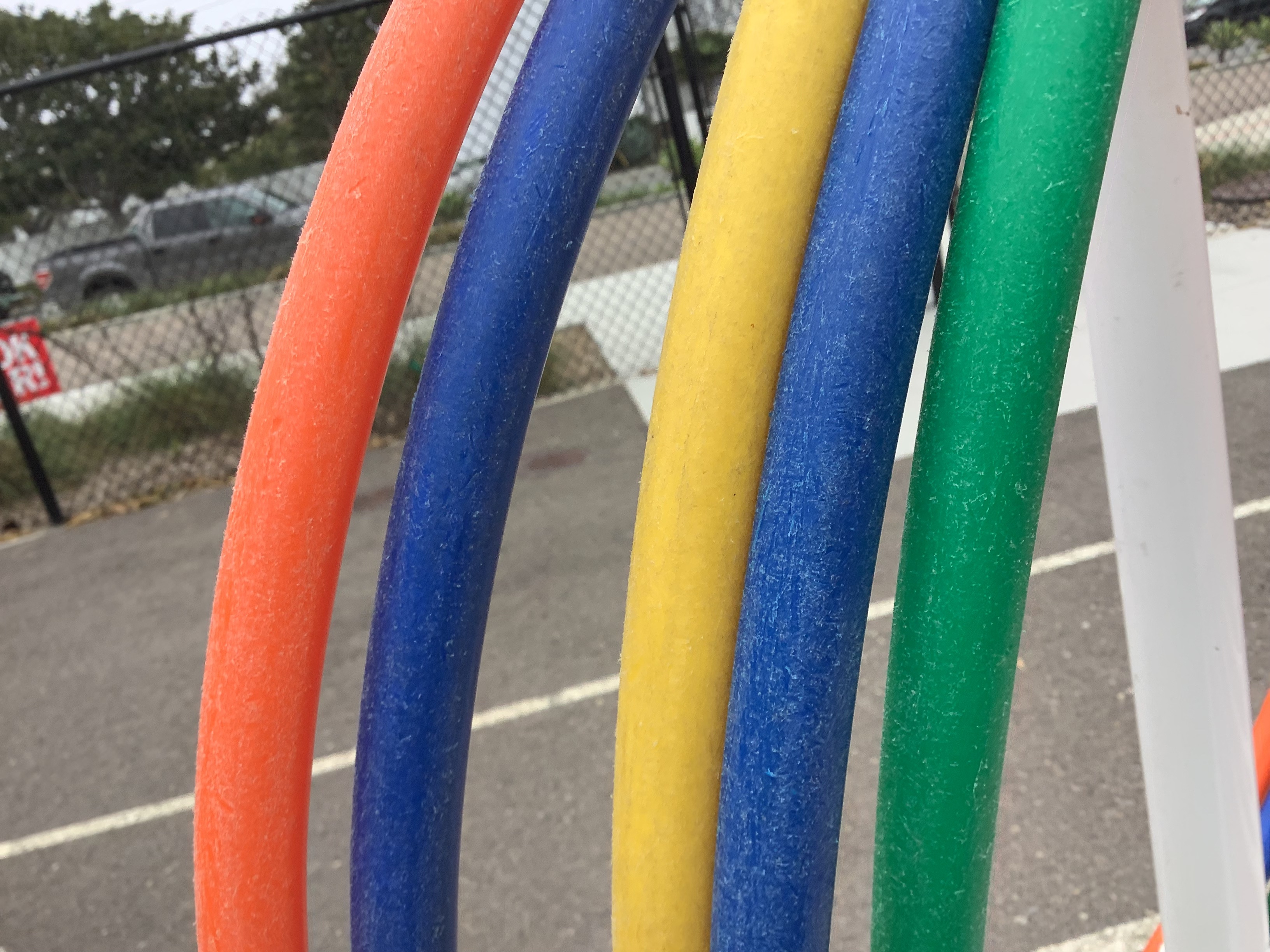
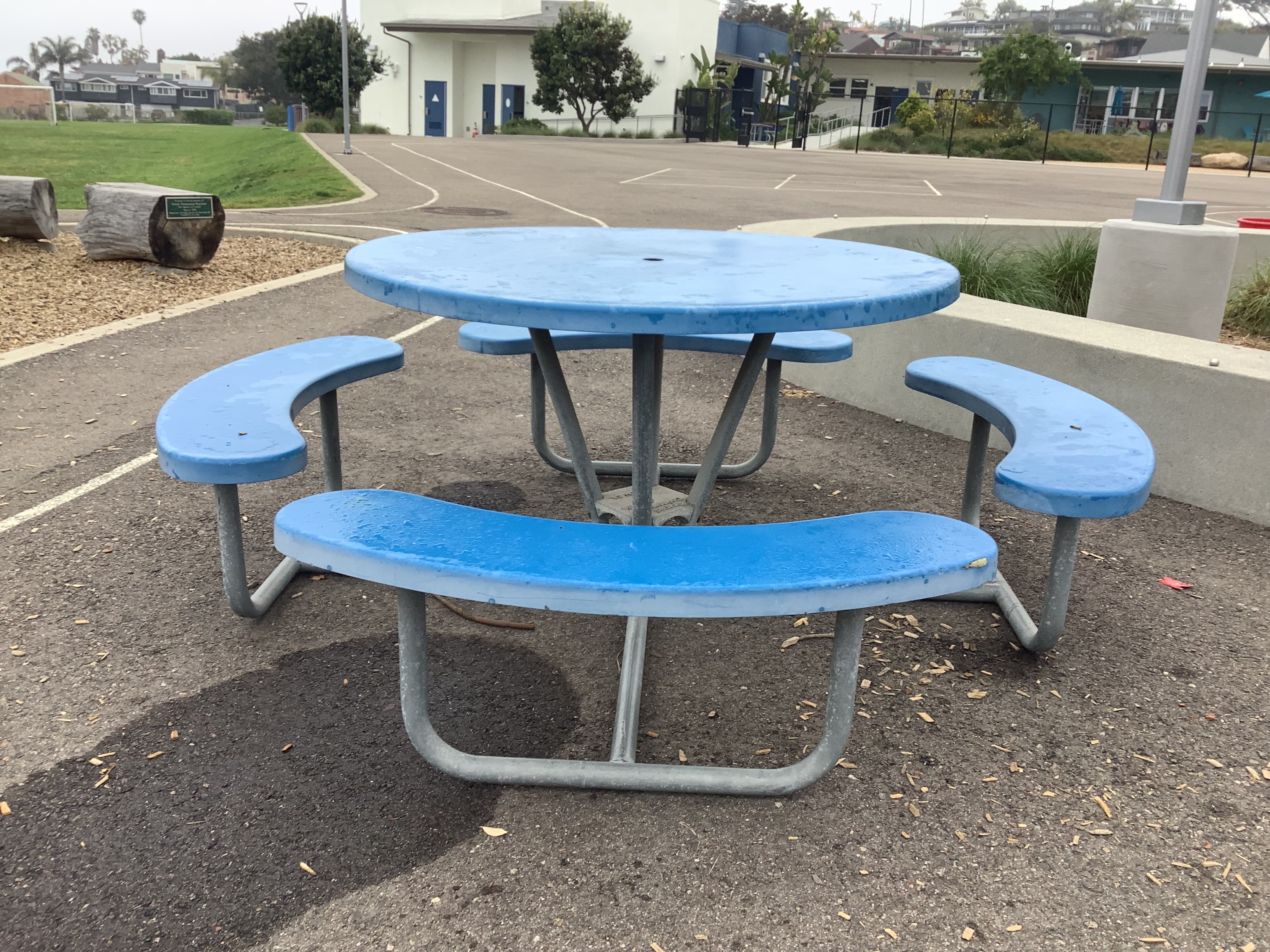
But then they started to notice other numbers. Some students found large numbers (by counting windows), some found interesting images. There was quite a variety.

I listened as they negotiated with each other about the number they saw. Some realized they had miscounted, others clarified their understanding of odd and even through conversation with a classmate. They looked up, knelt low, got close, and angled out from afar.

We returned to the classroom and examined our work. Each student picked a favorite photo to share–we are in the process of putting together a display of odd for our classroom wall.

I’m already thinking about our next math walk. Maybe we’ll focus on triangle

Teachers and Unicorns: NPM24 Day 13

A brain dump. That’s what Barbara asked us to do as part of the #verselove poetry prompt for today. And I don’t think I followed the rules at all. Maybe my poem isn’t a poem at all or maybe it is an 100 word prose poem or even a manifesto in the making. Whatever it is, it was fun to write. There might be some more there there.

Teachers and Unicorns

They tell me I’m a unicorn. A serious person who believes that learning should be fun–should be real. Experiences immersive: audio, visual, tactile, numerical, connected. Classroom walls don’t contain learning. A serious person who believes that play is essential. For children in and out of school and for adults too. That reading and writing and math and science are all opportunities for play and playfulness. School is a place for making–friends, memories, art, poems… Where processes are more important than products and where kids matter. I’m a teaching unicorn who’s serious about the joy of learning. We need more unicorns.

Big…a mini review: SOL24 Day 6

I love picture books. I do have some old favorites, but I am passionate about reading my students newer books, especially those that represent positions and characters that haven’t historically gotten enough attention. In some years I look for stories that help my students see themselves, in other years I look for ways for my students to see beyond themselves.

We have an amazing school librarian who has been making an effort to make sure the teachers know about new books–especially those that represent diverse experiences and address issues of equity and inclusion. Big by Vashti Harrison was a book I had been hearing some buzz about, but I hadn’t yet come across it in person. So when I saw it in the basket of books in the teacher’s lounge, I had to pick it up. As I began to read it, surrounded by my colleagues chatting and eating, I felt drawn into a quiet place. It was just me and the words and images. My breathing slowed, my heart raced, and I could feel tears welling. The careful selection of words and the powerful, beautiful pictures grabbed hold of my heart. I needed to read this book to my first grade students, even though not a single one of them can be described as “big” in these terms. Maybe that’s why this book seemed perfect for them.

My class tends to run on the chatty side. They have a lot to say about everything. As I opened this book and started to read I heard a few comments about the baby, but as I got a few pages in a hush settled over the classroom. I watched students lean in, faces serious. When we got to the pages with no words (a powerful series of images), it was almost as if they were holding their breath. They stayed quiet and seemed to have a communal exhale as the book ended. After a breath or two, they had some things to say. They felt sad for the girl in the story and they were thinking hard about how the words had hurt her.

I read this book for a second time this week (I read it for the first time to students on Monday) because this book has so much to say. Again, my students settled into quiet attention. They paid close attention to the illustrations, noticing the use of color and space…and the ways that words were also part of the illustrations. We talked a bit about my favorite page…the one where the girl has a hand full of their hateful words and says, “These are yours. They hurt me.” as she hands them back to the people who used them.

This book won the Caldecott award and is a Coretta Scott King honor title and I can see why. I highly recommend this book not just for younger children, but for people of all ages. Bias–both implicit and explicit is something we can all learn more about and pay attention to in our daily interactions, especially as educators. And don’t miss the author’s note at the end! Add Big to your TBR pile today!

Sunshine on a Rainy Day: SOL24 Day 2

My alarm rang early on a Saturday. Today was our San Diego Area Writing Project Spring Conference! Before I got out of my cozy, warm bed I checked the weather app on my phone. Drizzle. Drizzle is not really rain, right? I decided against dressing for rain and opted for my Vans tennies and some black almost dressy pants to go with my cute sweater top. (I would have to open the conference, but I also had to walk a good bit to get from the parking structure to the conference venue on the UCSD campus.

About 5 minutes before I was planning to head out, I looked out the door and changed my mind. That was NOT drizzle–even by Southern CA standards, that is called rain! I rushed back to my bedroom, kicked off the Vans, changed into jeans with skinny legs so that I could pull on my cowboy boots–the dressier footwear option for rainy conditions–and then headed out the door wearing my raincoat with my umbrella in my bag.

With windshield wipers on high, I braved the slick freeway and low visibility, and as I approached the university, the weather began to clear. The ground was wet and puddly as I walked from the parking garage, but the sky had cleared a bit and it wasn’t even drizzling.

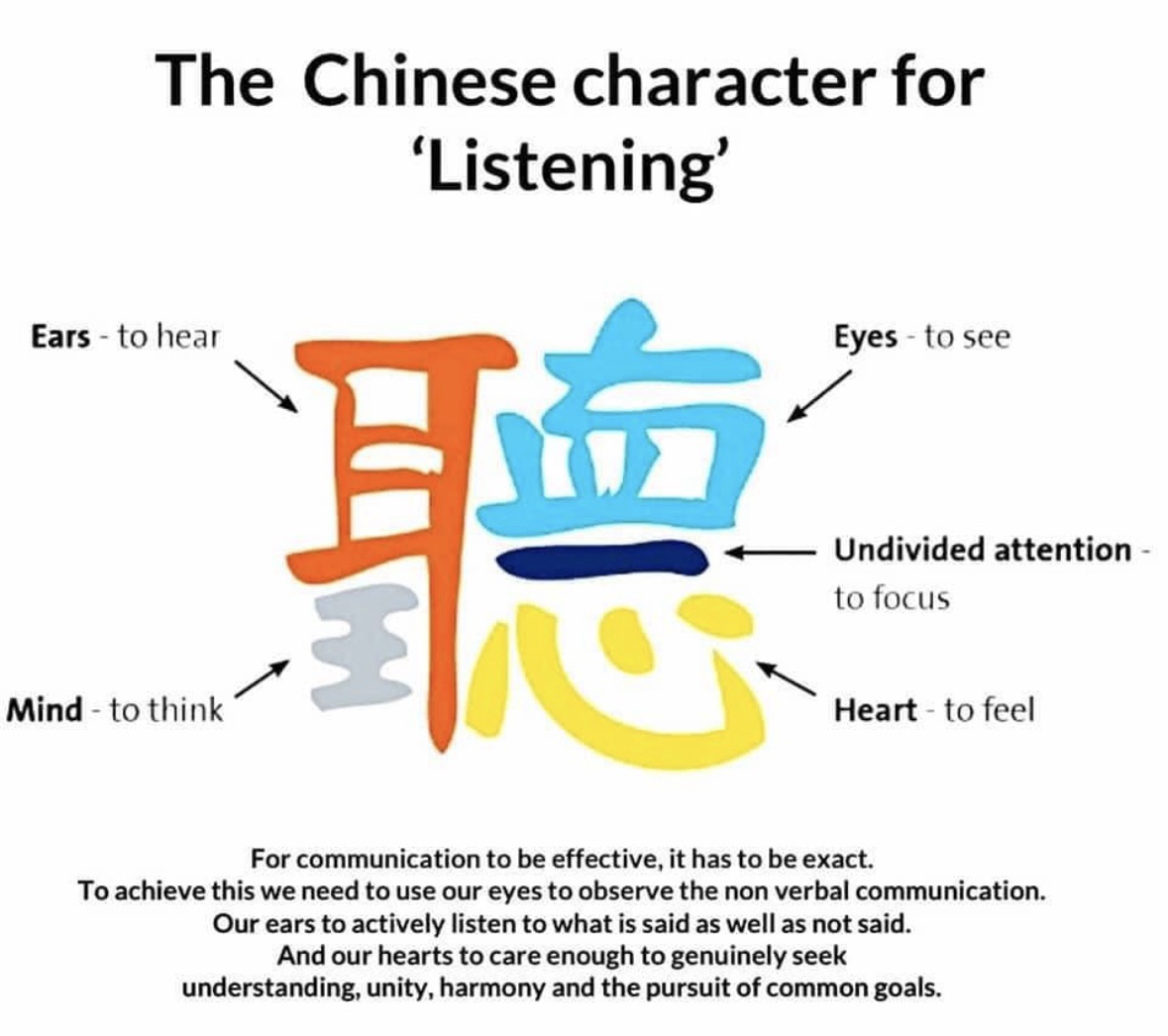
It’s hard to get up on a rainy Saturday morning to attend professional development–even when it is self-selected. But I knew once I arrived that the energy of the participants and presenters would carry me through. And I was right. Our morning keynote by our own Christine Kane focused on the value of conversation, how the best conversations reveal things about ourselves both to those we are conversing with and to ourselves as well. She referenced David Brook’s newest book, How to Know a Person, and shared some of his advice about being a “loud listener.” She also reminded us of the Chinese symbol for listening which includes the eyes (to see), the ears (to hear), the mind (to think), undivided attention (to focus), and the heart (to feel).

Screenshot

What a perfect set up for being conference participants! The three sessions I attended were excellent! Even with 35 years of teaching under my belt, I felt inspired and motivated by gems of wisdom and practice shared by the presenters. I enjoyed my interactions with fellow participants and left the conferences knowing it was a morning well spent.

My drive back home included one surprise rain shower along the way, but as I headed off the freeway toward my house, the sky was bluing and the sun was shining. As I stepped out of my car into the driveway I was greeted by tiny yellow suns sprouting right out of the driveway cracks. Dandelions! I couldn’t resist kneeling down to capture their light and glow. Nothing like a bit of sunshine on a rainy day!

Prime Learning: NPM23 Day 11

Prime numbers, creating limits and brevity of language, a structure to build with. Many thanks to Erika at #verselove for a prompt that asks us to craft a poem that explores an abstract concept using lines built of prime numbers. I’m not sure that everyone will agree with me, but I see learning as an abstract concept–one that is hard to pin down and define. As one who spends all day with young learners, I’m constantly reminding myself to get out of the way and let the learners in my room do their thing. I’m not quite satisfied with my effort–and I really wanted to end up with a prime total. Maybe I’ll get some feedback that can lead me back in that direction!

Prime Learning

Define learning: Time for play, messing and making, hands in and hands on

like water through stone, it will find its way through to joy

explore, engage, express — get out of the way

if you let learning happen

pitched squeals of delight

in their eyes

wonder

Nerdy Fun: SOL23 Day 27

I’ll admit it. Sometimes I’m a bit of a nerd. As a classroom teacher, I love it when the date does something interesting. And this month has offered a big bonanza. Sometime earlier this school year we had a date that was a palindrome (honestly, I don’t remember exactly when, but I do remember the conversation with my students). In case you are wondering, a palindrome is a number, word, or phrase that reads the same backwards and forwards–mom is an example of a palindrome word, 3223 is an example of a palindrome number. So last Monday (3-20-23) I was delighted when one of my students pointed out that the date was a palindrome. Then I heard the murmuring, kids were talking to each other, something was brewing. Then someone piped up with…we”re going to have palindrome dates until we get to March 30th.

Brilliant! Not only did they pick up on the palindrome date, they also noticed that the trend would continue…for the next ten days!

Today, the student who has a birthday on Thursday pointed out that his was a palindrome birthday–and the last day of our current string of palindromes. Then another student shared that today was her grandma’s birthday and they had celebrated with her yesterday, highlighting her palindrome birthday. They even gifted her with a robe that had the date (32723) embroidered on it!

I so love when students carry our uniquely nerdy learning home with them. I’ve been making such a big deal out of how wonderful it is to notice a palindrome date, how fun it is to write a palindrome date, how cool it is to have a palindrome birthday… And now I am hearing students figuring out when (and if) they have a palindrome birthday coming…and Grandma’s birthday with a palindrome theme? That is the best!

I think I have three years before I get a palindrome birthday…here’s to 2026!

A Mini Book Review: SOL23 Day 21

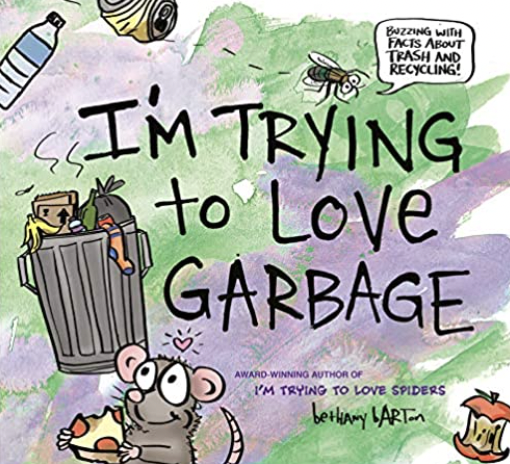
Today I read the book, I’m Trying to Love Garbage by Bethany Barton to my class of first graders. We’ve read other books in the series, including I’m Trying to Love Spiders and I’m Trying to Love Math. My students LOVE these books. Somehow the author manages to hit the perfect balance of funny, gross, and information.

I’m trying to infuse a steady dose of “let’s take care of our earth” throughout the school year, striking a balance of the urgent need to pay attention to the environment with a sense of joy and possibility– that little things DO matter.

This book does a nice job of teaching about nature’s clean up crew–the scavengers, detritivores, and decomposers who break down organic matter and contrasts that with human trash that can take centuries to break down (if at all). They learned about landfills–and were appalled that we, as human, are making huge stacks of trash that will take a long time to break down.

Luckily, at our school we have students engage in trash reduction every day. They compost remains of fruits and vegetables, recycle their paper trays and other recyclable packaging, and limit trash to those things that do not fit into the other categories. We also live in a place that has banned single use plastics, making reuse ordinary.

After reading, they wrote to their parents asking how their families reduce trash–and already, many students were aware of many efforts going on at home. I know that composting and recycling is not enough to change the climate trajectory, but I know that the more we and future generations know and do, the better our chances are to improve the situation.

I love a great book. Especially one that gets kids (and adults) thinking and acting in ways that have a positive impact on the world. What wonderful book have you read to kids lately?

Taking Pictures: SOL23 Day 9

In addition to having students observe, sketch, and write under the influence of nature outdoors, I also like to have them use their iPads to take photos. I’ve learned over the years that most students take better photos if I take the time to teach them some photography techniques. So earlier this week I taught my students three photography techniques: bird’s eye view (shooting from above, looking down), bug’s eye view (getting low to achieve a low perspective, sometimes looking up), and using the rule of thirds where they use the grid feature on their camera to frame their subject thoughtfully off the center.

Once I showed them photos of the three techniques and we noticed how the photographer used their camera, we headed outside to try these techniques. The only rule: no photos of people. We were short on time (this has been quite the week), so I asked students to take 2 photos using each technique. We spent about 7 minutes outside taking photos–with me taking photos too. What I love best is that they were actively engaged in trying out the techniques. I had kids laying on their back shooting the underside of plants, kids holding their iPads up high to get that bird’s eye view, and careful framing using the grid lines.

After our reading groups and lunch we came back and took a look at the photos we captured. Each student examined their photos, remembering which technique they used for each photo. I had them pick a favorite and tell us what technique they used and why it was a favorite. Some of the images were stunning! Some were ordinary. But all students felt success–and came up with photos that were intentionally framed and for the most part, did not include their classmates. Here’s the one that resulted from the image I captured above (Thanks L!). Can you guess which technique was used?

Tomorrow we will go on a photography scavenger hunt to give students a chance to put these new skills to use. Wish me luck as we head out to explore and photograph our school campus!

Keeper of Wild Words: SOL23 Day 6

Today we read The Keeper of Wild Words by Brooke Smith. My students were immediately drawn into this story about a grandma (Mimi) and her granddaughter (Brook). Mimi is worried that important “wild” words will disappear if we don’t use them, know them, write them, and care about them. Mimi and Brook have a list of wild words and set off into the outdoors near Mimi’s house to find the words (natural things) on the list. From wrens to dandelions, minnows to drakes, Mimi and Brook identify and appreciate all of the words on the list. In the author’s note at the end, Brooke Smith tells about her inspiration–an article about removing over 100 natural words from a children’s dictionary to make room for words like vandalism and MP3 player.

After we read and talked, we started our own lists of wild words. We had talked about how some people were already being keepers of wild words, noticing one of our students with the name River is keeping a wild word from disappearing. Of course, we had to add River to our list. You might not be surprised to learn that these southern California first graders were quick to add ocean and sunset to their lists of wild words. I had to add egret to my list–my students know I am obsessed with this quirky shore birds with the bright yellow feet.

These young naturalists were inclined to add general words–trees, sky, and clouds, so I encouraged them to be more specific. One student started writing phrases to capture her ideas more fully (she definitely wanted constellations on her list after some sky gazing over the weekend with her family).

Words matter and paying attention to wild words is another way of focusing attention on our natural world. Appreciate for and knowledge of nature and our environment is essential. I’m hopeful that the next generation will reclaim wild knowledge as they work to regenerate the resources that are on the verge of disappearing, just like the wild words Brooke Smith brought to our attention.

Grow Where You Land: SOL22 Day 31

On this last day of the Slice of Life challenge I want to thank those at Two Writing Teachers for offering this blogging challenge. I also want to thank my fellow bloggers–those I left comments for and those I read and didn’t comment, and even those I simply didn’t have time to read for engaging in this place of words, ideas, and incredible generosity. There is something about this challenge that keeps me accountable and somehow motivates me to write each and every day in March.

It’s also the perfect day for a bit of reflection and thinking about the take aways of an already busy month of teaching, report card writing, parent conferencing also spent with daily writing. Here are a few of my thoughts:

  • Writing begets writing. The more I write, the more I seem to have to write about. Early in the month I feel challenged to come up with writing topics and things to say with any kind of eloquence. With each successive day, I find myself mulling over writing topics as I go through the day, turning them over, considering angles I might take, and even then often surprising myself with the actual post that emerges.
  • A daily slice often means that I am making my teaching practice more visible. I consider the ways instruction and learning interact, often focusing on the ways writing develops with young writers. When I write about what I see my students produce, I understand it on another level. And when my colleagues comment, they also help me see if from new vantages.
  • Reading and commenting on others’ posts helps me see my teaching life in a larger perspective as I consider stories from other parts of the country (and the world), hearing struggles and successes and making connections in spite of differences.
  • I love the many stages of life expressed in slice of life posts. Stories of toddlers and teens, grandchildren and aging parents humanize us all. It helps to know that even the best teachers struggle to find the work/life balance and that writing is a way to process the curveballs that life throws.
  • This is a community where I feel like a dandelion. I thrive and grow where I land. Some days I might land in the crack of the sidewalk, trying to avoid the crush of feet walking over me. Other days I find myself in an open field, swaying in the breeze and soaking up the sun. I’m thankful for landing here and looking forward to next year’s challenge.

This might also be the year that I manage to write a weekly Tuesday slice. I’m making that a regular writing goal. Hope to engage with you all again soon!