Tag Archives: macro

Weekly Photo Challenge: Get Close

Do you speak in images? Enjoy taking photos to document your experiences or just to express what you notice in the world? Love to share them with others? Welcome to the weekly photo challenge! I post a new challenge each week…check in regularly and join the fun!

Just yesterday I noticed some unusual mushrooms growing in the garden box outside my classroom door.  I snapped a quick picture (you can see it on my instagram feed) and went into the classroom to prepare for the day.  Later in the day when I looked into the box, the mushrooms were no longer there.  Did someone pluck them out?  This morning I looked in the box and noticed just a couple of these same mushrooms growing.  I decided to take the time to attach my macro lens and get close to these mushrooms.  And I’m glad I did…once again, they seemed to vanish as the day began to warm.
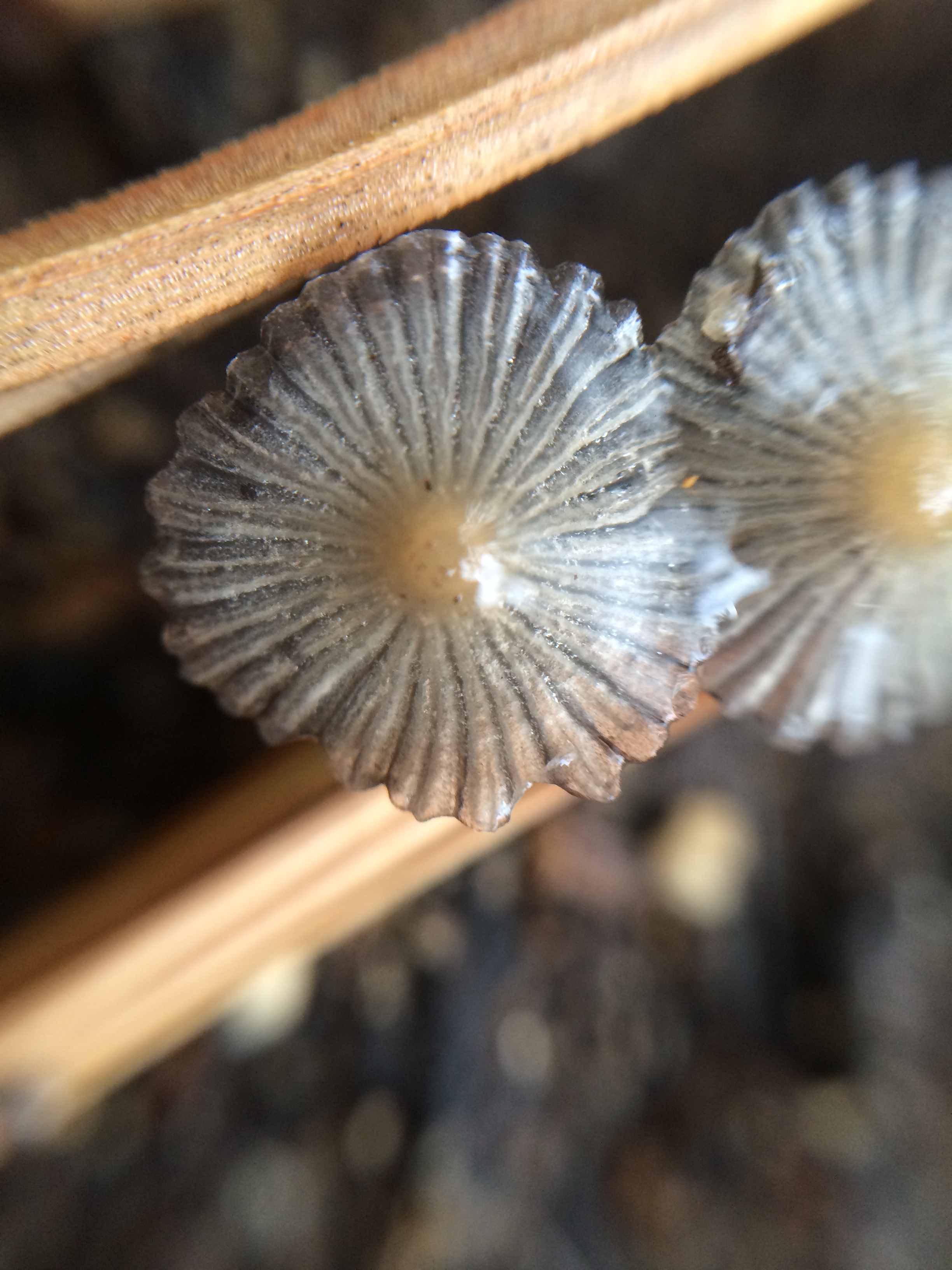
mushrooms up close

And sometimes I like to get close even without the aid of the macro lens. The pines I met while I was in Ohio were different from the varieties I am used to.  I got close to this one as I looked through at the green beyond…and green like this is very unusual where I live!
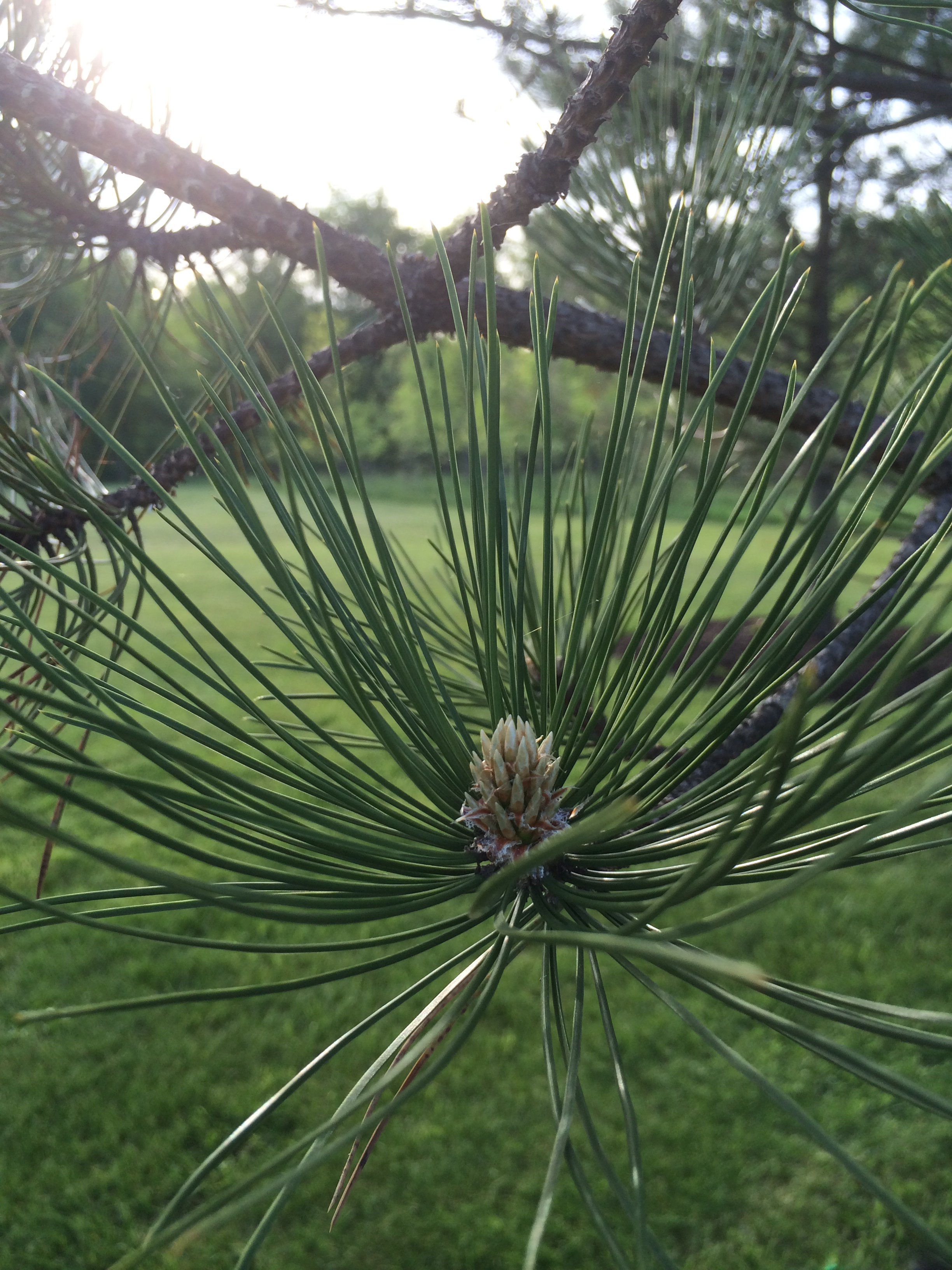
pine tree

Sometimes there is an unexpected invitation to get close.  I couldn’t resist this sign asking museum visitors to lean in and pick up the items in the box…to really examine them closely.  It’s such a different message than the “look only with your eyes” message that is so common.
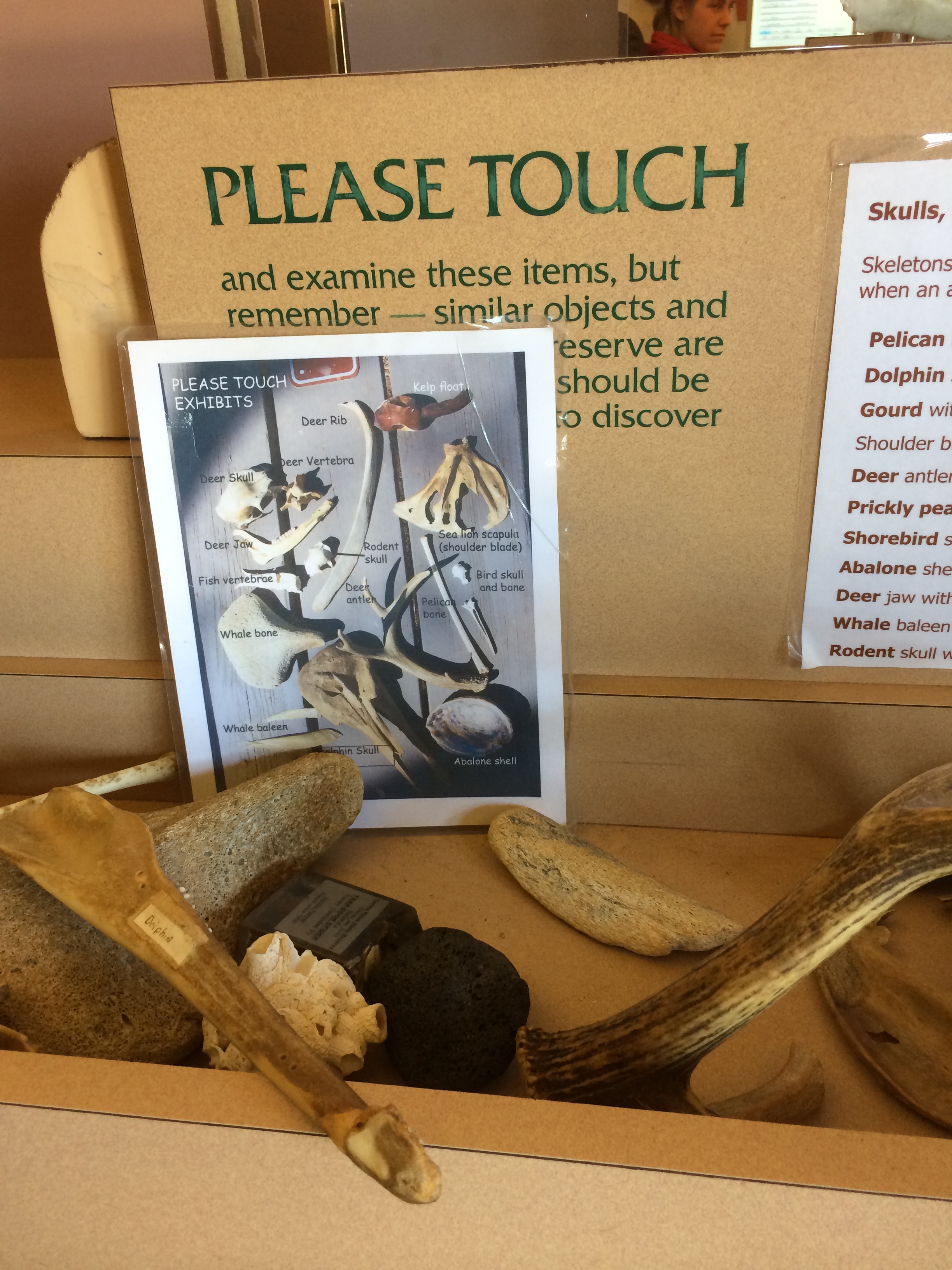
please touch

I’m not sure about this fence.  I got close to the fence…but is the message of the fence to stay back, don’t get too close?
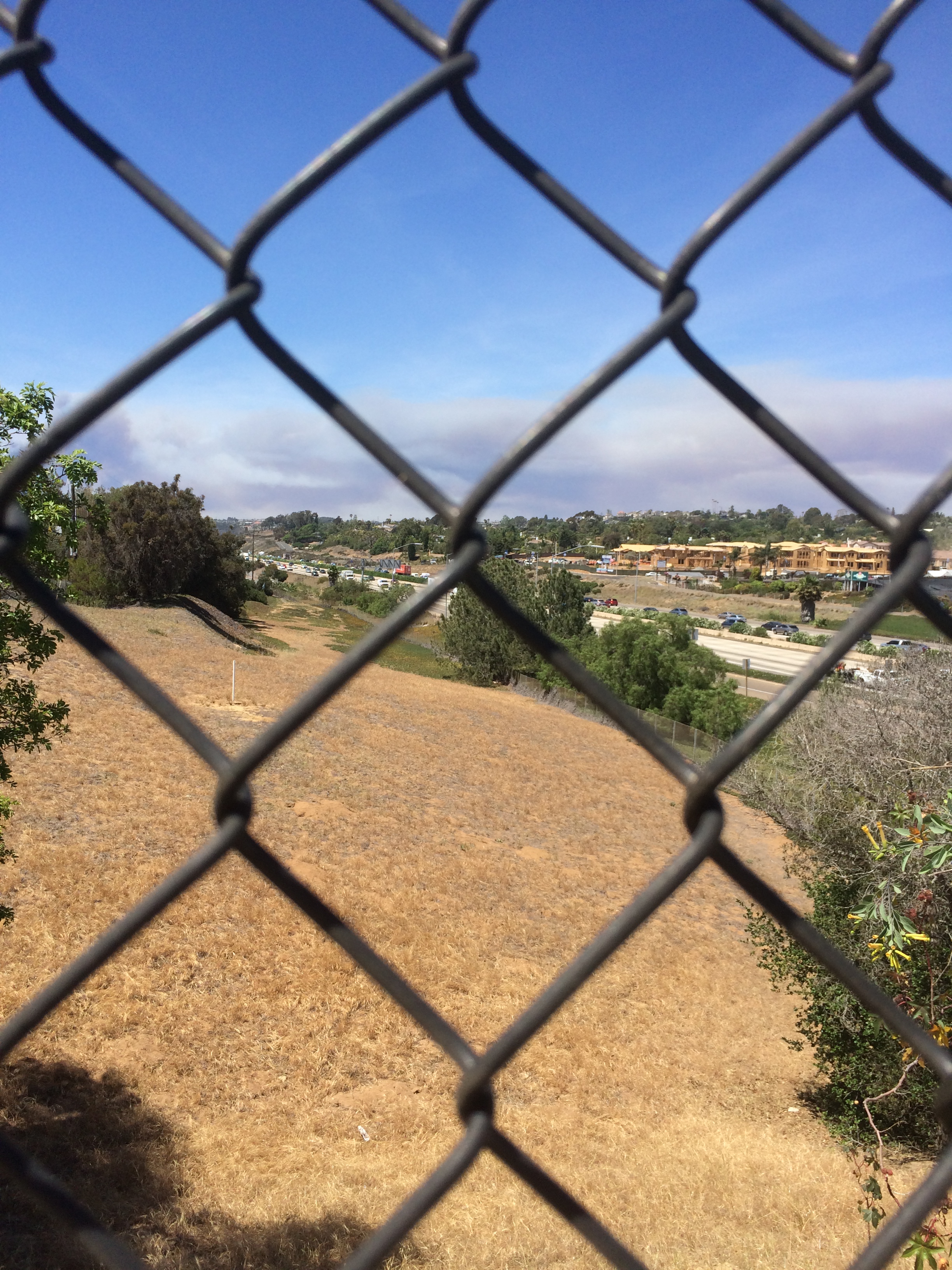
through a fence

And sometimes I use cropping as a way of getting even closer than I’m able to with my ordinary camera lens.  In this case I took a photo of my oatmeal and coffee in the carry tray…and then cropped to make it fill the frame.  The other photos above all are unedited…but this one has been cropped (but no filters applied).

food_close

So this week’s challenge is to get close. You might pull our your macro lens and try your hand at magnifying something small…or you might lean in and see how close you can get.  You might even think about getting close more metaphorically…how else might a photo “read’ close? You can also consider using an editing tool to create the feeling of getting close from a photo that wasn’t all that close.

You can post your photo alone or along with some words: commentary, a story, a poem…maybe even a song! I love to study the photographs that others’ take and think about how I can use a technique, an angle, or their inspiration to try something new in my own photography. (I love a great mentor text…or mentor photo, in this case!)

I share my photography and writing on social media. You can find me on Instagram and Twitter using @kd0602. If you share your photos and writing on social media too, please let me know so I can follow and see what you are doing. To help our Weekly Photo community find each other, use the hashtag #close for this week and include @nwpianthology in your post.

So snuggle up and get close!  I can’t wait to see what you find when you get close with your lens.


Weekly Photo Challenge: Small

Enjoy taking photos?  Love to share them with others?  Welcome to this week’s photo challenge! (I post a new challenge every week…check in each week and join the fun!)

Small things are often underestimated in our biggest, strongest, fastest focused world.  Too often, small gets overlooked or trivialized as merely cute.  And yet, when you look closely, small can reveal so much more.

I was out with my macro lens in my backyard yesterday and noticed these tiny weed buds neighboring up to a potted plant.  I love the gentle curve of its stem, like a dancer in motion rising from its leafy brethren below.

tiny weed bud

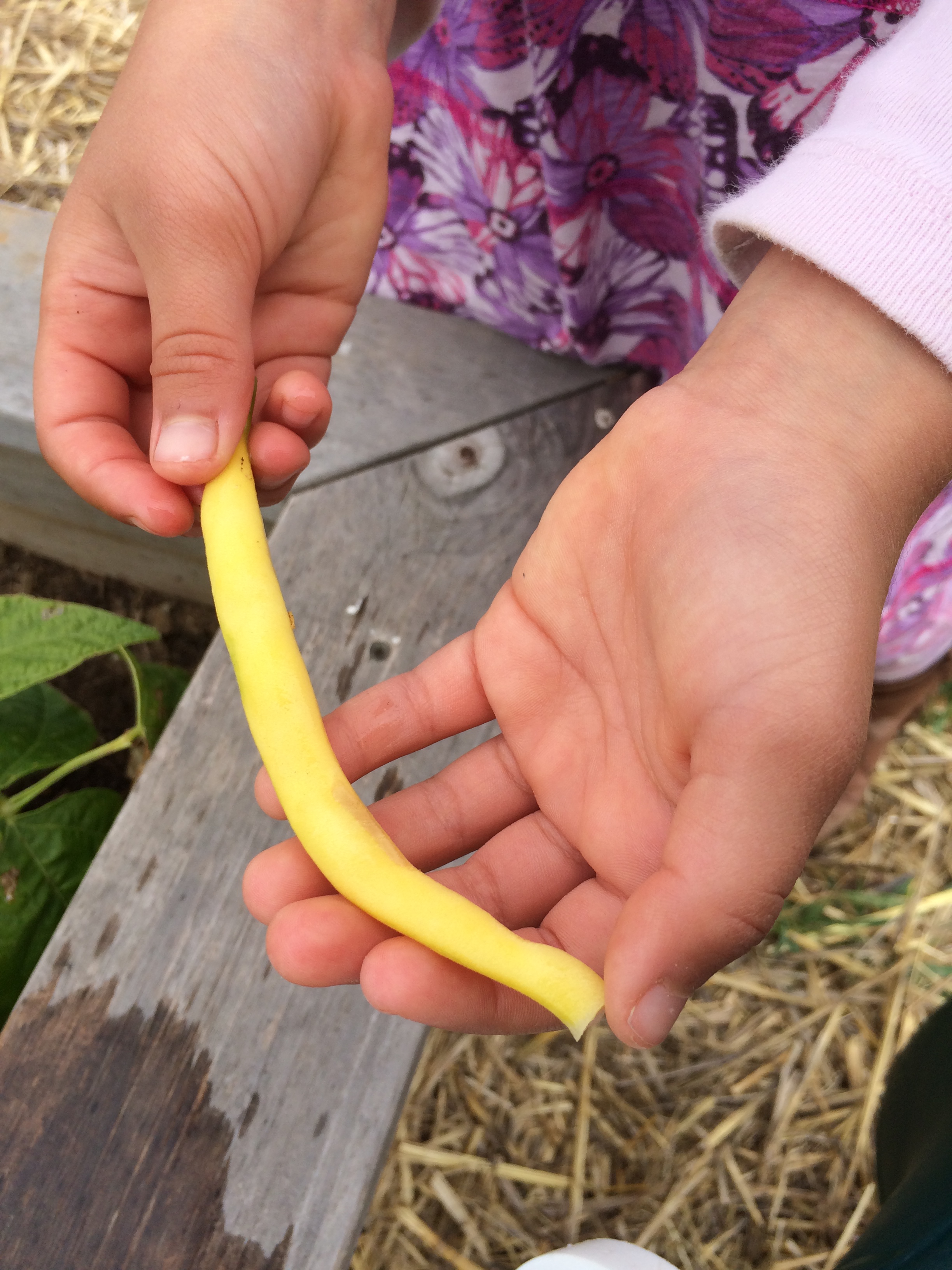
And then there’s the energy and inquisitiveness that comes through this small hand…the hand of a child who just discovered this bean growing in the school garden.  She was excited to taste this morsel, exploring the bounty students planted and nurtured.

hands with bean

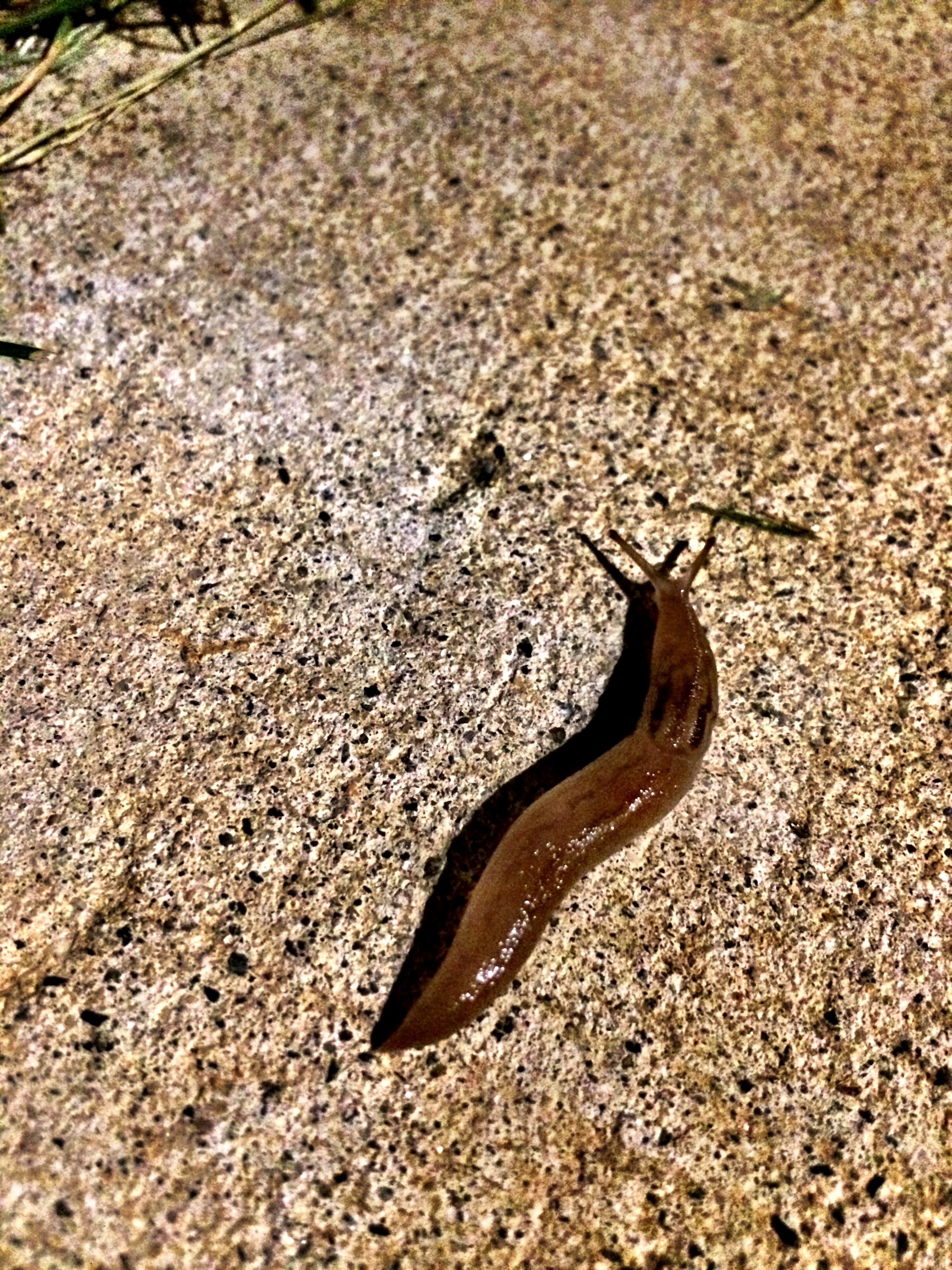
And how often do we dismiss or turn in disgust from these small, slimy creatures?  I came across this slug on my sidewalk as I ventured out to take a peek at the moon the other night.  I nearly missed the small brown creature…or worse, nearly stepped on it!

slug

And sometimes something small is revealed by something larger.  This hearty, healthy dandelion emerged from a small crack between the sidewalk and wall.  Weeds don’t need much space to grow–they grow where they can, making use of small, often unused spaces.

weed in the crack

So this week’s photo challenge is to look for and capture small. Interpret small in ways that work in your context.  Small might mean smaller than your palm, or small in relation to something larger than life.  Use a macro lens, lean in closely, or maybe even pose your small next to something large.  Post either the photo alone or along with writing inspired by the photo. I also invite you to use others’ photos as inspiration for your own writing and photography. I often use another photographer’s image as “mentor text” for my own photography, trying to capture some element in my own way.

I like to share my images and writing on social media…and I invite you to share yours widely too. (You might consider Twitter, Instagram, Facebook, Google+) Use the hashtag #small and include @nwpianthology to make it easy for us to find and enjoy. You can find me on Twitter and Instagram @kd0602. I’d love to follow you if you share your handle.

You can also share your photos and writing by linking to this blog post or sharing in the comment section below. I’m looking forward to seeing small through your lens!

Learning From Weeds

My students seem to be falling in love with weeds.  After reading Weeds Find a Way yesterday, we invited students to be on the lookout for weeds.  And this morning while kids were out running laps for Cardio Club, I was presented with more than one dandelion puff–those magical seed pods of childhood.  I guess they wanted to make sure I knew how much they loved them!

And I love it when different classroom activities intersect and overlap, creating a deeper learning experience for all of us.  Today when students headed out to the garden with our gardening teacher, they went in search of weeds.  And while they had weeded the garden beds before, after our reading yesterday and with the gardening teacher knowing that we were learning about weeds, this time they were looking more closely.  One student came in from recess with a weed clutched in her fist.  She showed me the plant, pointing out what she was as interesting features.  She also let me know that she had sketched this plant in her gardening journal.

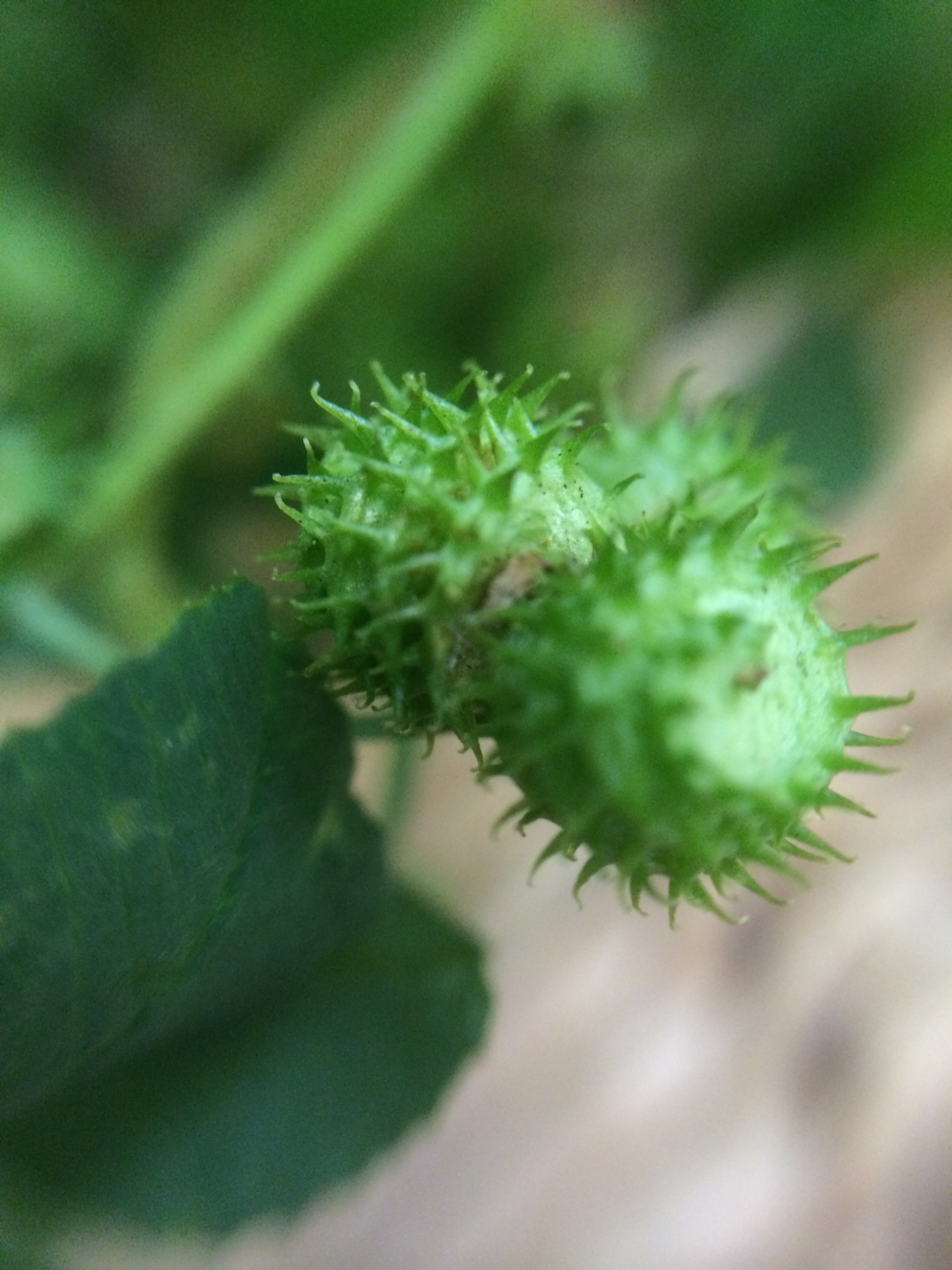
Student brought a basket full of weeds back to the classroom…and we’ll use them later this week in a science lab about weeds.  As I peered into the basket, I was immediately interested in the stickers on the plants that I remember as a child.  I have vivid memories of pulling those stickers out of my socks.  And of course, I had to grab my phone and take a few shots.

sticker weed

In some ways the topic of weeds has stuck to me like those stickers I used to pull out of my socks.  I’m noticing a lot of variety in weeds and find myself wishing I knew more about them. I’m also still thinking about labels and how that influences the way we view and treat those labeled as nuisance or disposable or disgusting or not worth time or energy.  This goes well beyond plants.  It seems to apply to both living things and inanimate items.

Think about those one-time use plastic bags that many people (me included) use to carry groceries home from the market.  We find them everywhere they don’t belong…on the ground, at the beach, on park benches and half buried in the sand.  They are seen as expendable, cheap, replaceable–so people are not taking care to keep track of them or even to dispose of them properly.

My city is contemplating banning these bags because of the environmental dangers they pose. How will the ban change the way people see them and use them?

And how does this apply to students?  Which are seen as expendable, easy to replace, just a number in the system? Does that change the way they are treated?

I’m glad we are learning about weeds.  They are helping me learn a lot about myself.

A Homage to Weeds

I’m fascinated by weeds.  They have a way of surviving in the most unlikely of circumstances, even when they are directly and persistently attacked…like the dandelions in our lawn!  And on a lazy Saturday, a day where I am trying not to have the cold this tell-tale runny nose is suggesting, I’m still looking for an interesting photo or two to snap.

So, after wandering around my yard, I spied a patch of dandelions and other assorted weeds that have hijacked an abandoned pot of dirt and the ground around it.

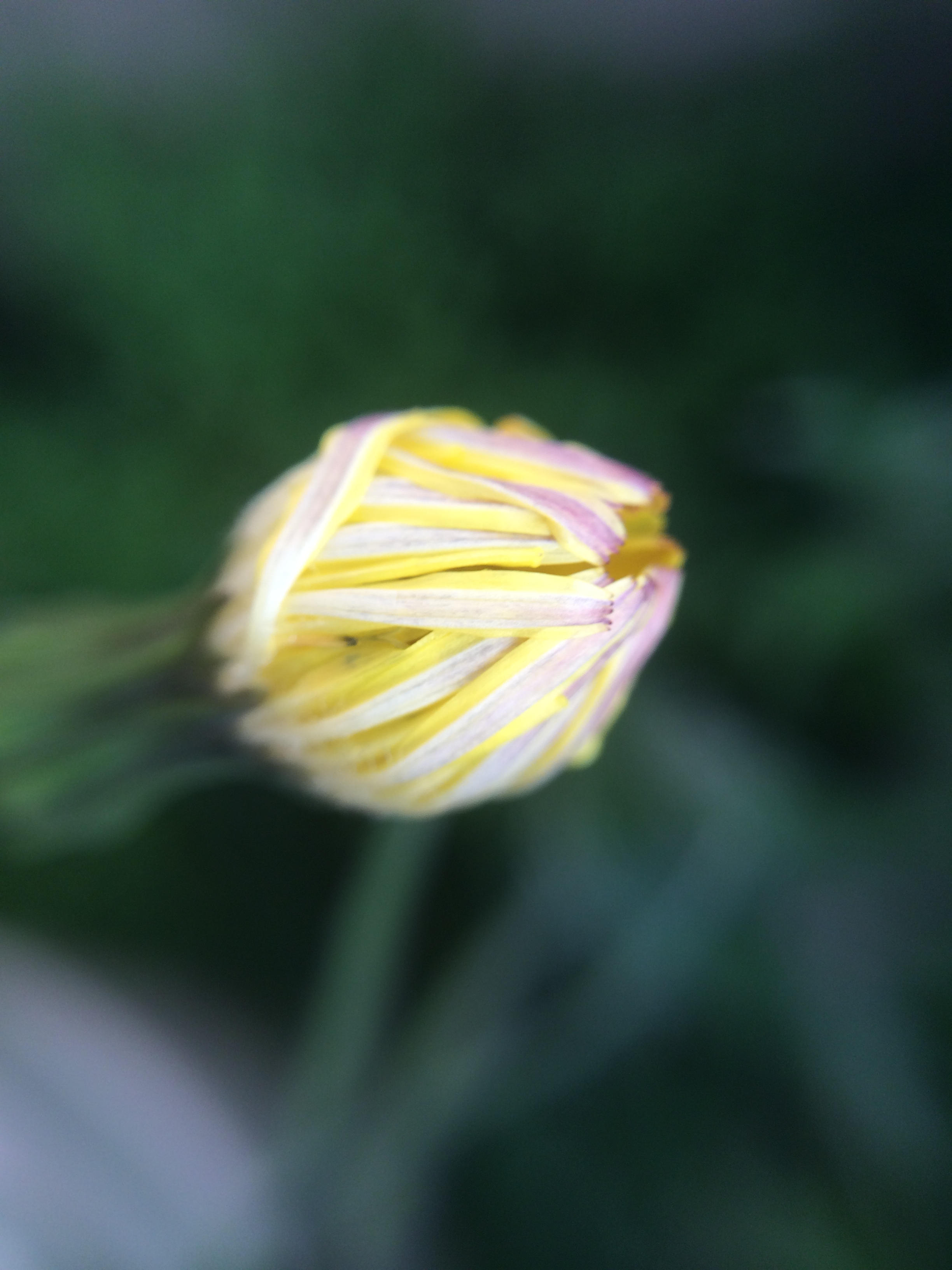
I love my macro lens when weeds are concerned, it takes me in close and lets me see the magic and beauty of what often is mistaken as ordinary.  So with the macro attached, my phone and I headed out to a corner of the yard.  I’m particularly interested in unfolding buds, like this one.

Dandelion bud-macro

The string-like petals remind me of a variegated ball of yarn or multicolored strands of thread. It’s hard to believe that this will bloom into that yellow, sun-like blossom that most recognize as a dandelion.  (I’ve written about dandelions before, if you’re interested.)  Here’s a few tiny blossoms trying to get a foothold in my lawn.

dandelion-macro

SDAWP TC Cindy Jenson-Elliott just had her first picture book released recently.  Weeds Find a Way is a book that celebrates weeds in all their tenacity, beauty, and adaptions for survival. We’ll be using it in our class this week to both teach students about weeds in all their glory and to study the writing as a mentor text for our writing about some other plants in our school garden.

water drop on dandelion

So this post is an homage to weeds, a pause to appreciate these often maligned plants.  Taking time to find beauty, especially in what others have taught us to see as ugly or a nuisance, is refreshing and renewing for me.  And for me it transfers beyond weeds and helps me look at all aspects of life and living in a more appreciative frame.

What have you taken the time to appreciate today?

Macro or Micro?

A picture is worth 1,000 words…or so they say.  And then I’ve been thinking about words and the meanings and shades of meaning they carry with them.

Today’s #sdawpphotovoices prompt was macro.  I love using my macro lens to zoom in on tiny details, those that are almost too small to see without the lens.  It’s definitely challenging to use the macro lens.  You must get close…nearly touching the object to be photographed.  And then you have to get the focal length just right, bringing the object into focus.  And…you have to hold very still to get a crisp, detailed shot.

I always think about macro photography as small and detailed.  You move in close, discovering the smallest of details.

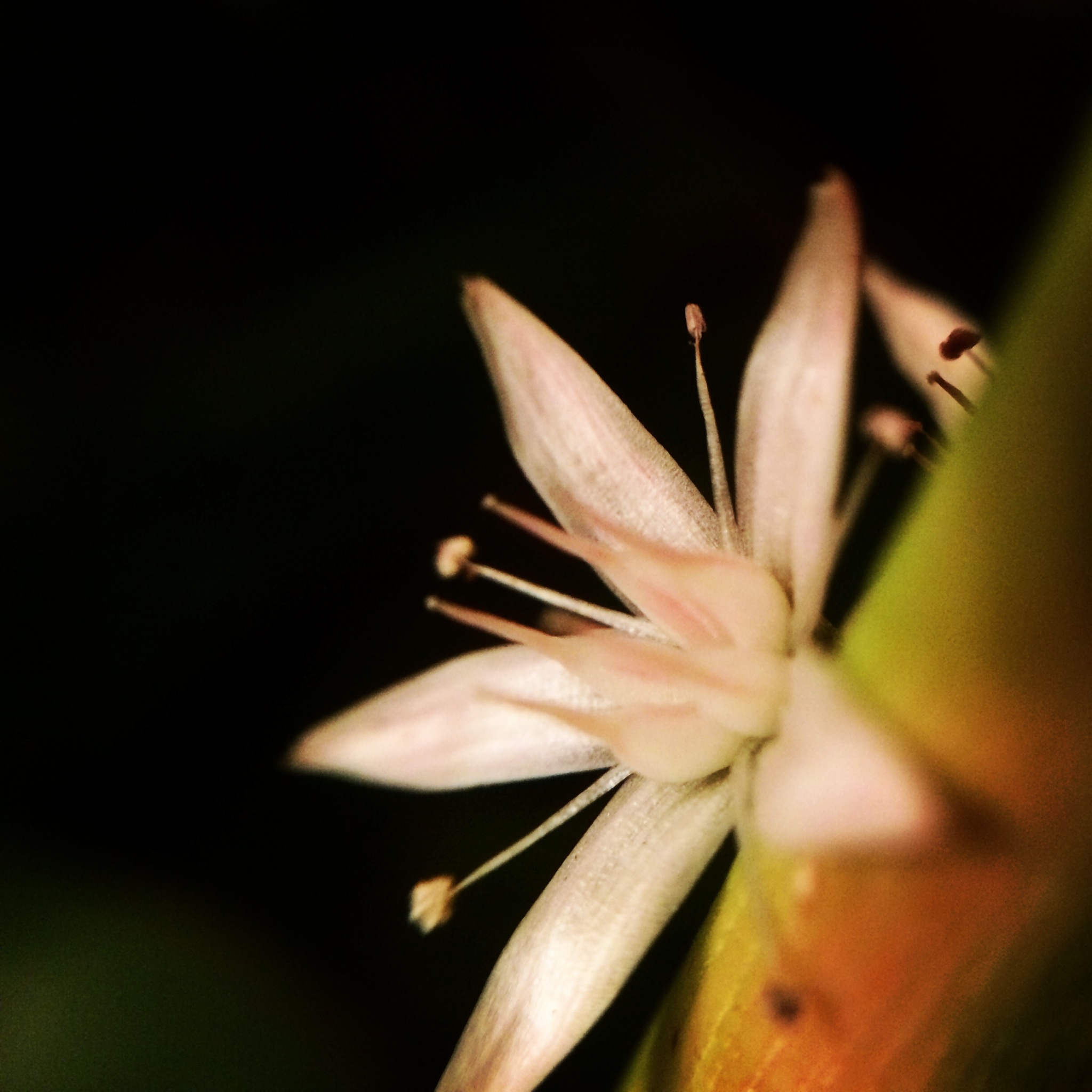
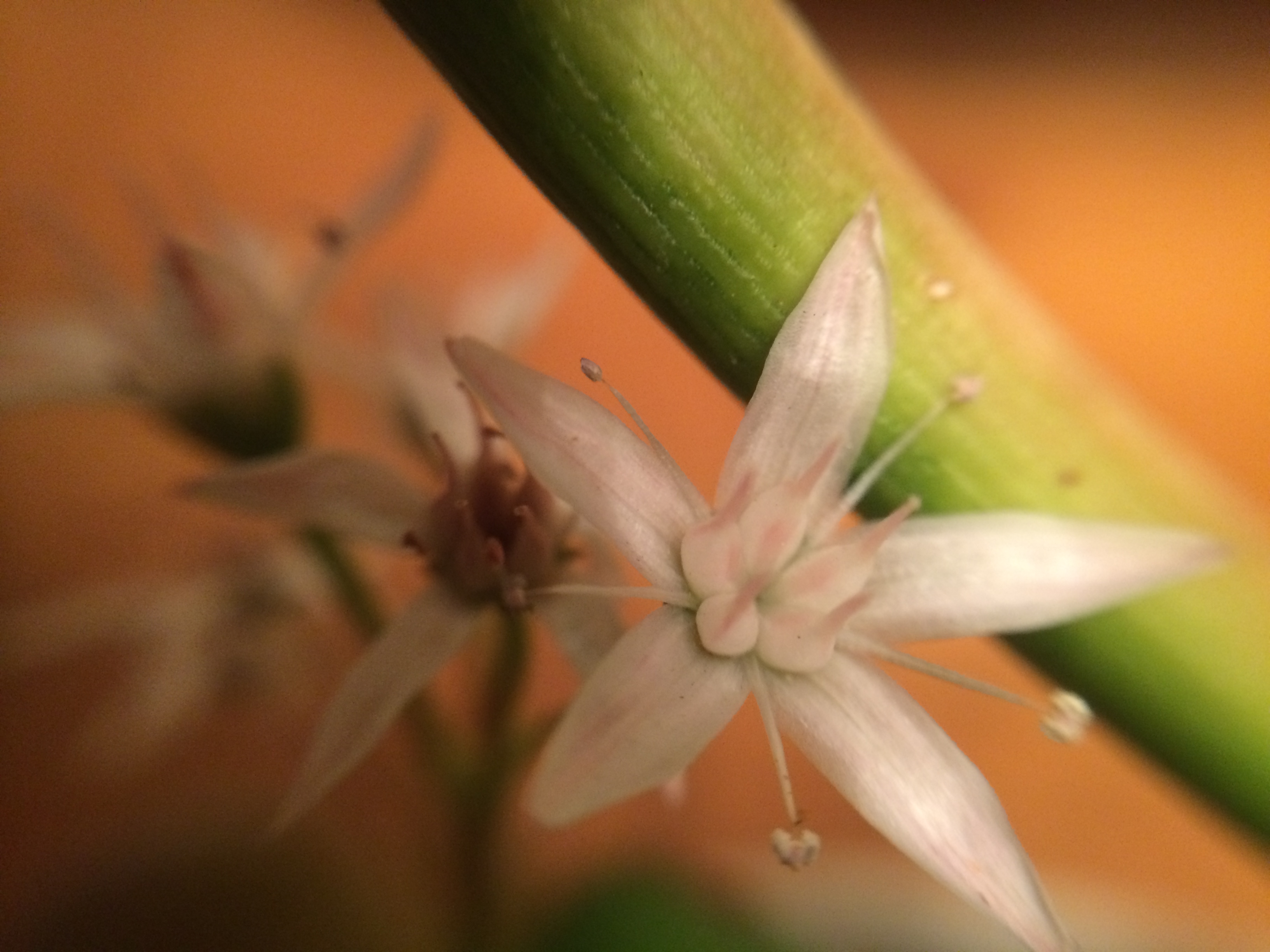
succulent flower

But as I was thinking about the word macro, I realized that macro means large…it’s micro that means small!  I get that the macro lens makes what is small look large by magnifying it…but should it actually be called the micro lens?  Isn’t it kind of like a microscope?

Using the internet, I went looking for some information about where the macro in macro photography came from.  I learned a lot and it’s always interesting to find out that unexpected word meanings come from some historical reference…in this case using macro to distinguish it from photo-micrographs.

I also learned that macro comes from the size of the actual photograph in reference to the size of the object photographed.  And that relationship of the object to the completed photographs is one of the things I like best about using my macro lens.

I really love the way the macro lens changes the use of space in the photograph.  Negative space appears as I angle the lens to lean in close and focus.

macro flowers

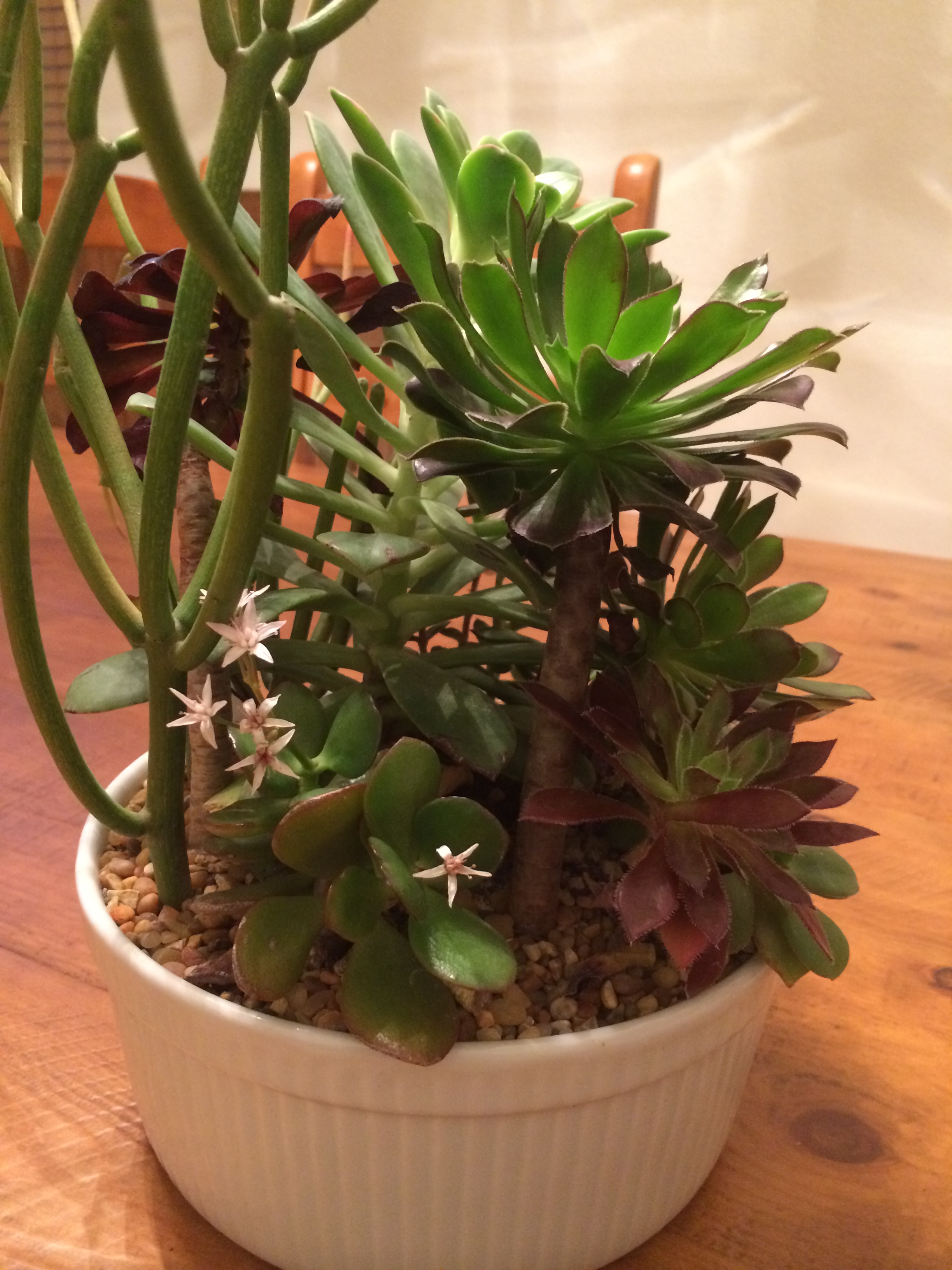
I love the way these blossoms line up behind each other with the one in the foreground in focus.  I think you would be surprised to know that these flowers are barely noticeable in the pot where they live.

succulent in a pot

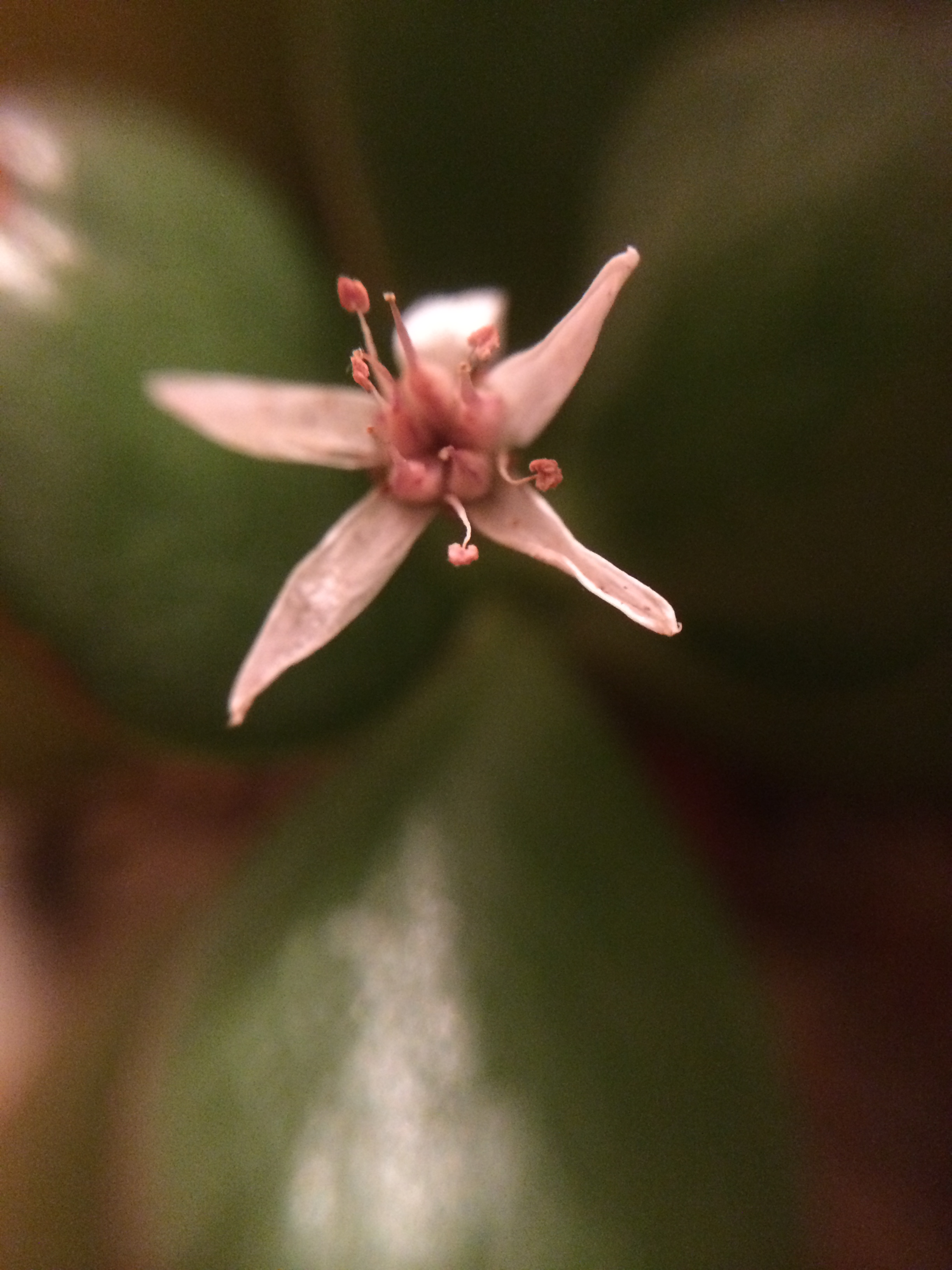
The macro lens even seems to have an impact on the color my eye is able to see.  At first glance these blossoms look white.  But with the macro lens, the pigments are enhanced and the pinkness emerges.

pink flower-macro

There is a magical quality to these macro photos that takes tiny and makes it big.  So, while macro means very large in scale, scope, or capability in a general definition, my understanding of macro as it relates to photography is more nuanced.  Yes–there is a largeness in scale involved…but also a sense of the small, and that is where the magic lives.

So, a picture may be worth 1,000 words…and the words create new meanings for the pictures too.  What words fascinate or perplex you?  How can an image change your understanding of the word?  Or better yet, how do words and images work together to create new understandings for you?

Exploring, Lagoon Style

Sometimes I find myself taking the same photo over and over again.  I definitely have my favorite places to go, and when I’m not intentionally doing something differently, habit leads me to frame that same photo yet again.

To combat that, and to push my photography, I’ve been trying two things: finding someplace new to take photos and framing my photos in intentionally different ways.

I stopped by the San Elijo lagoon yesterday and snapped a few photos near sunset.  Today we headed off to the Batiquitos lagoon–a place we seldom visit–to walk the trails and take photos.

Heading west, we took a trail over a small bridge and found ourselves on a mucky path, slick with mud and wet sand.  We trudged on for a while until we got to a place where we could only pass by climbing rocks.  But along the way I had noticed the pickleweed, a specially adapted plant that thrives in the brackish water of the lagoon.  It’s often green, but today it was gorgeous with vivid pinks and reds.  I got out my macro lens and leaned in close to capture the pickleweed.

photo-20

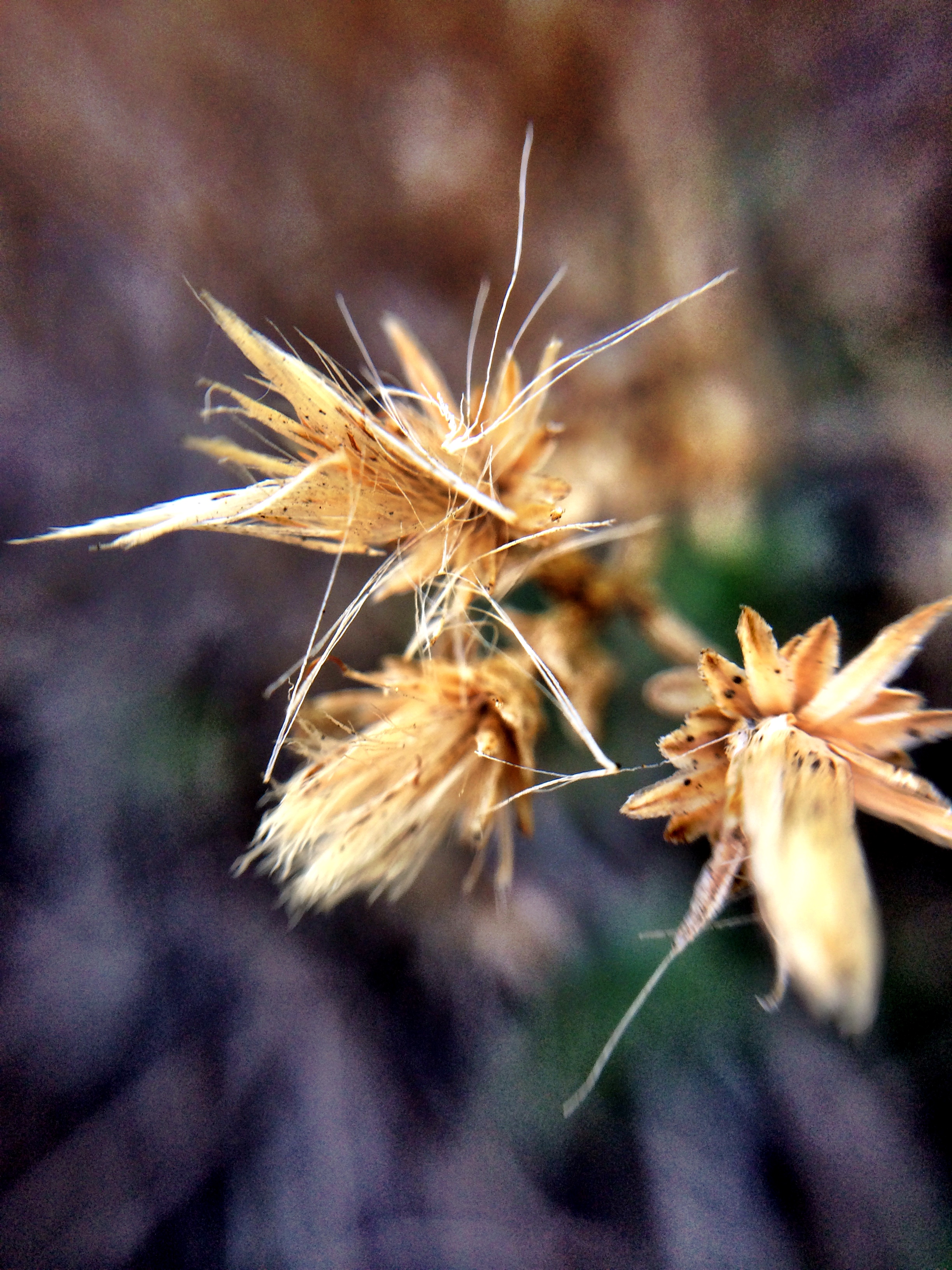
And as long as I had the macro attached, I took photos of other native plants including salt grass and whatever this plant is.

photo-21

Heading back to the east, we found the drier part of the trail and walked with many people and their dogs in the sunny mid-60 degree weather.  We spied an osprey high in a eucalyptus tree overseeing the lagoon.  Ducks paddled and dove down into the briny water for a mid-day meal.

I love the way this lagoon plant almost looks like cotton with puffs exploding from it.  I worked to photograph the lagoon with this plant in the foreground and the sun over my shoulder, framing the water with the plant instead of shooting over the top of it.

photo-24

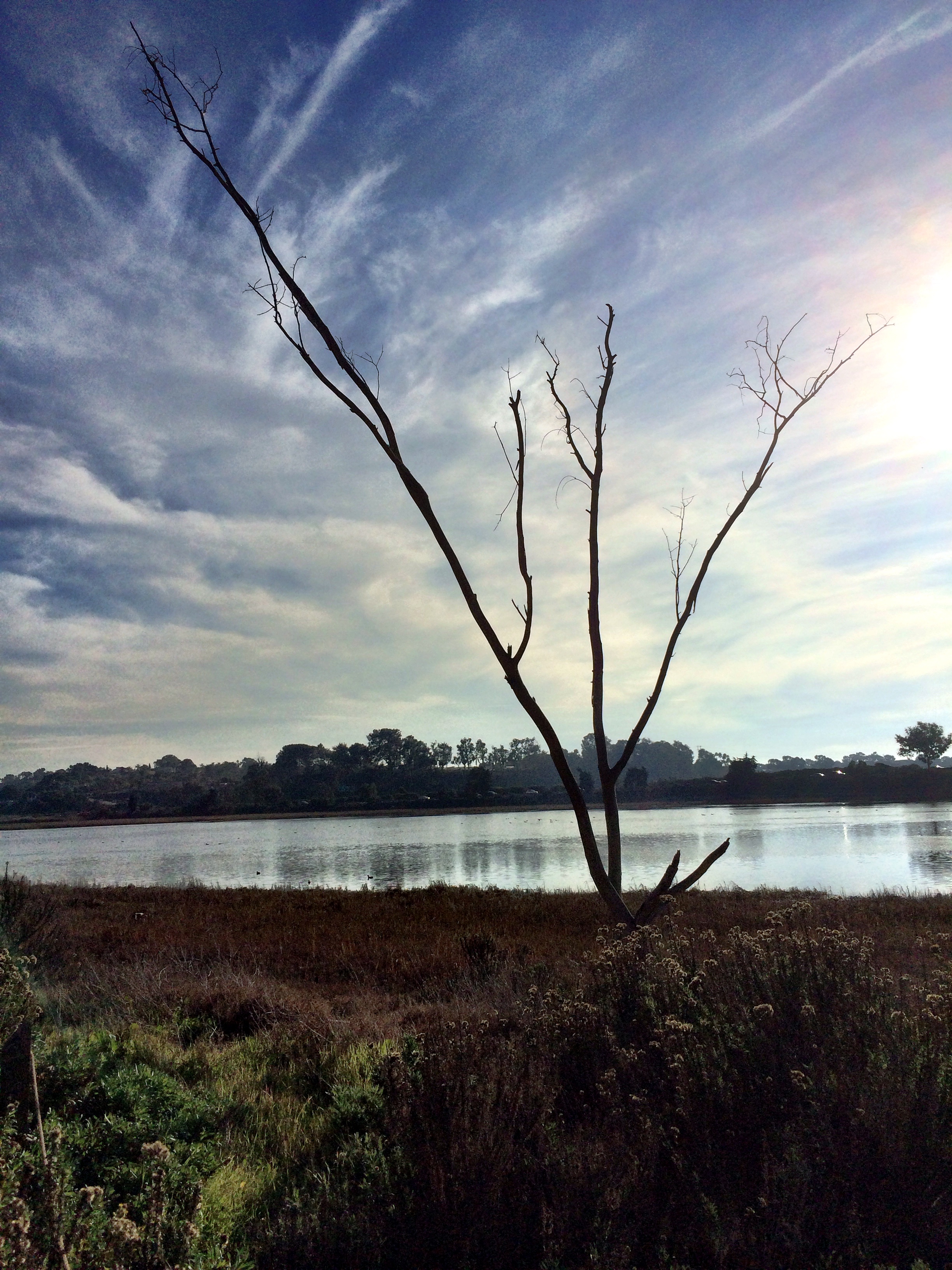
Bare trees are uncommon around here, so this one caught my eye.  Instead of focusing my camera on the tree branches, I worked to see the lagoon through the tree, capturing the wispy white clouds and the shine of the water’s surface behind it.  Shooting toward the sun created the silhouette-like sharpness of both the foreground and the background.

photo-22

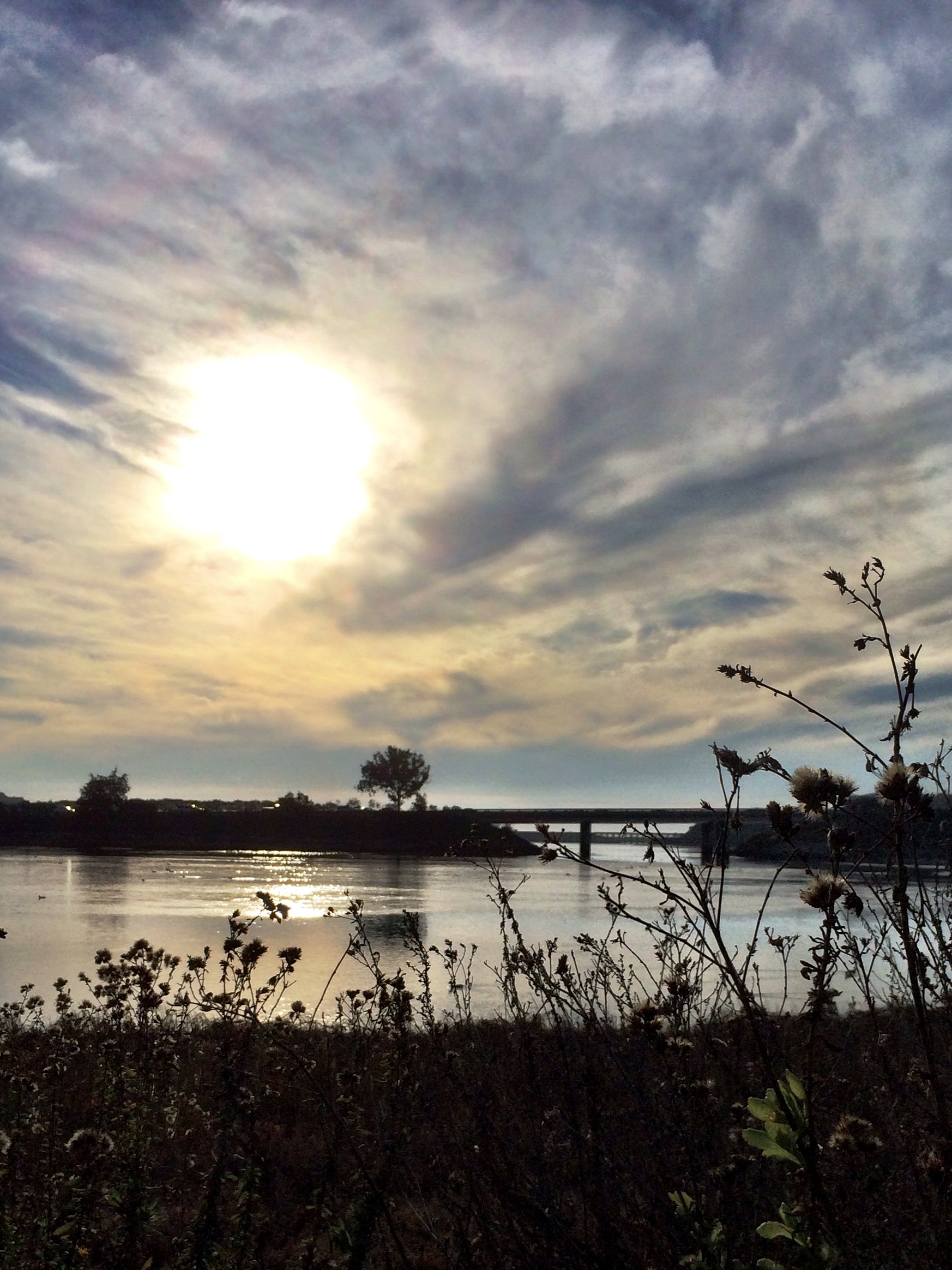
As we were leaving, looking toward the northwest, the sun was a bit off to the side as I tried to frame this image of the space where the freeway passes over the lagoon.  I knelt, pulling the brush into the image as I looked out to the ocean.  You can see the fog beginning to gather along the coast and if you look closely you might even notice the many ducks floating on the current just beyond the brush.

photo-23

And as an added bonus, we got in a nearly two mile walk in the fresh, salty air on our quick photo expedition!

The Grand-ness of Small

When I saw the Weekly Photo Challenge yesterday I started to think about photos to represent the word grand.  Would I choose a picture of the ocean?  A sunset?  The magnificence of the redwoods?  The intricate design of a bridge?  Should I focus on the size…the “wow” factor…or something else?  I went to bed last night without posting because I really couldn’t decide which photo to post.

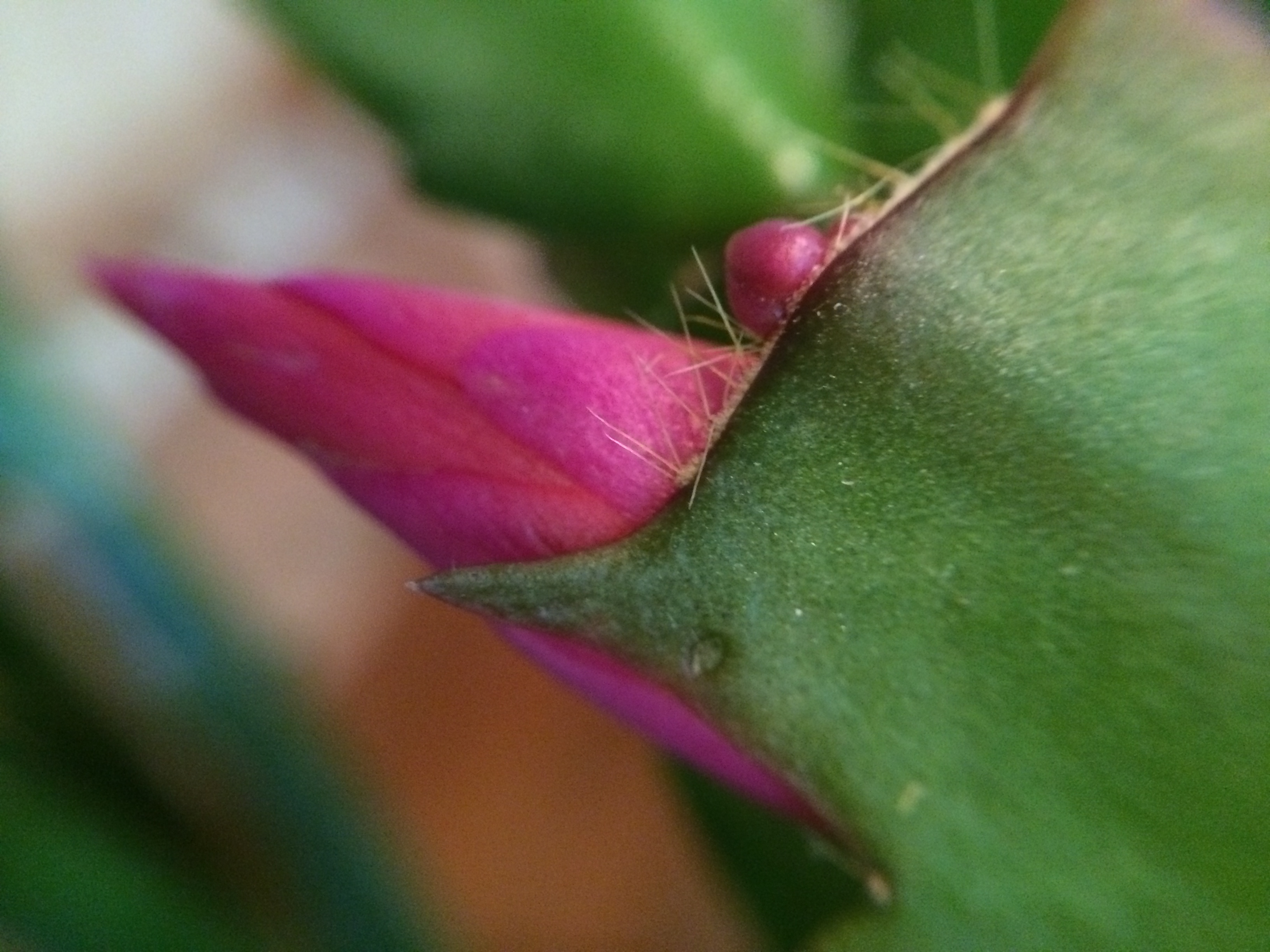
This morning when I woke up and headed down to the kitchen I noticed that our Christmas cactus had bloomed.  For most of the year the Christmas cactus is a pretty ordinary green plant with characteristic sharp spines expected of a cactus.  But once a year (or more if we’re lucky), usually in December, the cactus develops red buds that open in a spectacular burst of color.

When I saw the blossoms this morning I couldn’t wait to get out my macro lens and try to capture some of that splendor in a photograph.  I love the idea that this small blossom represents grand.  When we look closely and notice the details, we can find the beauty and magnificence in the tiniest of places.

This is the unedited photo that I captured this morning.  I hope my photo helps you see the grand in this blossom!

photo

It’s the Little Things

Yesterday I dug out my macro lens and started playing with it again.  It’s one of those things that I love, but I have to stop what I’m doing, take the cover off my phone, unscrew the macro lens from the wide angle, attach it and then lean in to photograph my subject.  Using the macro means coming close, taking time to steady myself and my breathing, and holding still for the perfect shot.  It’s easy to get the focus wrong and come away with a blurry shot.

And in spite of all of that, I love the vantage the macro lens offers.  I get to see small things in new ways.  Things that are easily overlooked suddenly come into focus, creating a stunning new way of understanding the subject.

photo

A familiar TED talk also crossed my Twitter feed this morning.  Angela Duckworth talking about her research about what makes students successful…was it intelligence or something she calls grit?  She found in case after case, holding all other variables steady, that grit made the difference.

This 6 minute video is well worth your time.  But it’s also important to think about not just students and how hard they work, but also how teachers view persistence and effort.  A growth mindset, as described by Carol Dweck, means that errors are seen as part of the learning process.  Mistakes are an opportunity for learning, not an indicator of lack of effort or lack of intelligence.

So back to the macro lens and the little things.  With the help of the macro lens I can appreciate the beauty of things I hadn’t paid much attention to before, like this half blown dandelion in my yard.

photo-2

And with a growth mindset I can also appreciate the little things about my students as I notice how they approach a math problem or understand a science concept or even where their struggles are with decoding.  Instead of seeing what they can’t do, I pay attention to the beauty of what they do know and help them use their strengths as tools to make progress where things seem hard.

photo-3

Like these tiny, ethereal dandelion seeds, learners can take the seeds of understanding from one subject and plant them in others.  And as teachers paying close attention, we can help our students identify their strengths and repurpose them in other situations.

When I went outside this morning the cactus flower blossom in the pot near my front door was closed…looking droopy and like it might be ready to fall off.  But since I was playing with my macro lens, I leaned in and got close…and captured this.

photo-4

Without the lens, my eyes did not capture the beauty and colors that my camera could see (all of these photos are unedited originals).  I noticed later in the day when the sun had reached the door that the blooms opened, yellow and vibrant.

I’m glad that I took some time with my macro lens today…and with Angela Duckworth’s TED talk.  Tomorrow I return to my classroom after a week away for the Thanksgiving holiday. And I’ll be looking closely and leaning in to notice all that my students bring to the learning…even when it seems hard…to appreciate their strengths and re-view their mistakes. We’ll be developing our grit…together.

A #Scratchy Week

Taking photos of textures is tricky.  It’s easy to find smooth and rough…and even scratchy. But it’s much more challenging to compose an interesting photo that also highlights the texture intended.  For the last several months I have been working to push out of my comfort zone and NOT photograph the most obvious  thing associated with any given prompt.  This week was no different.

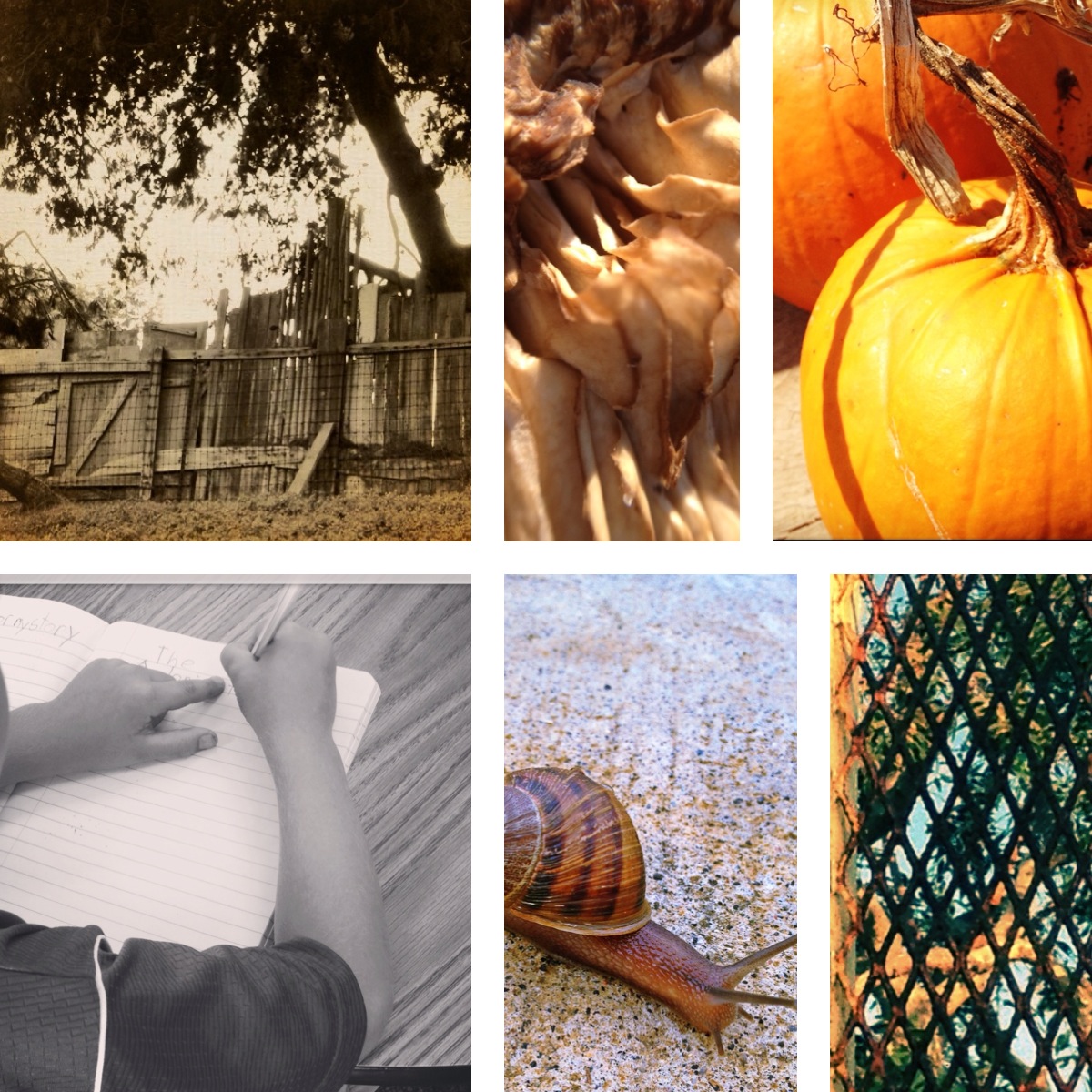
Here is a collage of my first 6 days (in random order thanks to the app collageit) of scratchy.

photo

Monday’s photo was a scratchy old fence that I see on my way to work.  I’ve been eyeing this ramshackle construction for a while, waiting for the perfect time to capture its dilapidated beauty.  Tuesday I was in the school garden and couldn’t resist the scratchy pumpkin stems. Wednesday was probably technically cheating since I used scratching rather than scratchy to describe a student hard at work with writing…and scratching out ideas!  Thursday I was back to my mushrooms…and using my macro lens to capture the scratchy texture on the underside. Friday I played with shooting a tree through a screen to create the scratchy texture.  Saturday I used this snail–whose slow pace allowed me to capture it as it crept across the scratchy sidewalk in front of my house.  And I love my Sunday photo…the scratchy spine of an aloe plant with a spiderweb attached, highlighted by the use of the vintique app.

aloe w:web

It’s always a little bittersweet to move from one prompt to the next as I start to see the world anew.  It always seems to take a week to really see and notice the prompt in interesting ways.

How was your scratchy week?  Today I began to look at my world through the scaly lens, who knows what the week will bring…