Today’s #verselove prompt asks us to borrow a line from another poet and use it as inspiration for our own poem. I decided to use the poem-a-day poem from the poets.org. I read the poem: Throwing Children by Ross Gay and selected the line:…for a minute she notices the ants organizing on the bark…. Here’s my poem for day 26.
With Poem in your PocketDay coming up on Thursday, we studied Amy Ludwig VanDerwater’s poem by the same name. In her poem, Amy sees a bird out her window and wonders, “if this bird had pockets, if this bird could write, would it scribble poems about nectar? humming?flight?” The poem comes from her book, If This Bird Had Pockets: A Poem in Your Pocket Day Celebration where she includes poems written from a variety of different animals’ point of view. So after reading a couple more poems from this book, of course we had to write our own pocket poems. While I suggested writing about a favorite animal, and after yesterday’s success with 16-word poems I encouraged students to try another short poem…students went in their own directions. And in a short period of time, pocket poems began to emerge from the pencils of the first graders in my class. Here’s a taste:
E who often writes about wolves and dogs, today wrote her pocket poem about friendship
You and Me
we walk to my
home
a tornado of
friendship
just you and
me
we are
together forever
C took me up on the animal invitation
Hedgehog
a spiky prickly ball
of sweetness uncurling
to its burrow
going to its mother
to eat breakfast
And G explored one of our favorite ocean animals
Dolphins are Amazing
dolphins zip to
me
leap up up
up
and back down
again
caring considerate and
loving
My own poem featured a hummingbird
Hummingbird
If this iridescent
jewel
had pockets they’d
hold
whipped-cream air
spun
from wings blindingly
fast
Maybe we’ll tuck these poems in our pockets tomorrow to share with those who cross our paths. How will you celebrate Poem in Your Pocket Day?
I love short form poetry, especially when working with young children. Today we read 16 Words: William Carlos Williams and “The Red Wheelbarrow” by Lisa Rogers and learned about a poem made up of a mere 16 words. When my first grade students studied the text of the poem, they immediately noticed that there were four stanzas (awareness built of studying a poem each week). They also noticed that each stanza contained four words (how had I missed that detail?). They noticed the lack of capitalization and punctuation (“he broke the rules!”), something we have noticed with other poets and other poems.
Of course, we had to try our own 16-word poetry. And in a mere five minutes, students expressed their ideas following Williams’ text as their mentor. Here’s a few examples from 6 and 7 year old poets:
Horses
outside the stable
inside
a field of grass
waits in the sun
for horses to run
by A
A Bee Poem
buzzing in the
breeze
is a little
bee
sipping nectar from
flowers
to make yummy
honey
by G
Feelings
white blue and
red
sad and mad
happy
calm purple and
green
pink exciting brown
down
by C
And one by a student who is my unexpected poet–if I say the word poem, his entire body lights up…and he can’t wait to hear the poems and write his own!
The Yellow Bee
i sing with trees
i flew with clouds
i feel the breeze
i saw the earth
by R
And mine, composed while writing with my class, inspired by looking out the window of my classroom.
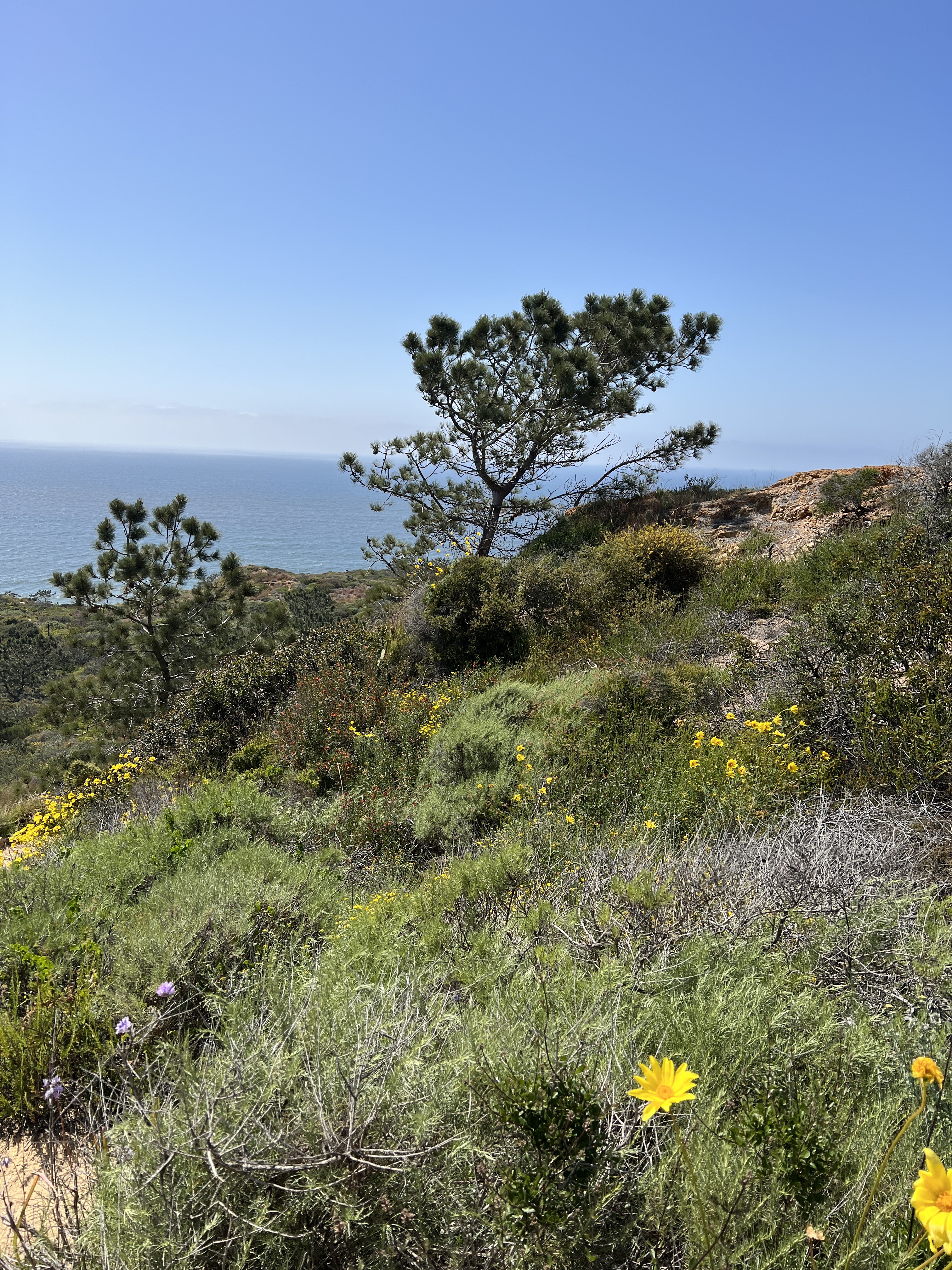
Yesterday we drove to the far reaches of our county to see and appreciate the diverse natural beauty San Diego is known for. Today we went local and visited a place nearby–Torrey Pines State Nature Reserve. We frequently walk the beach there, but today we decided to hike the trails of Torrey Pine groves and cliffs above the beach. Drought and beetles have devastated these special trees that only grow here on the cliffs above the beach and on Santa Rosa Island (one of the Channel Islands). Today, after the abundant rains we had, the trees looked happier than I’ve seen them in a long while–and the native wildflowers were in full bloom. The #verselove prompt for today was to bring a historical figure to life in a poem. Instead, I chose to focus on the Torrey Pine tree in an etheree-ish form (a poem that grows from one to ten syllables). We’re lucky to have this Reserve that is focused on protecting natural places so that future generations can also enjoy them. Maybe a poem and photo can help too.
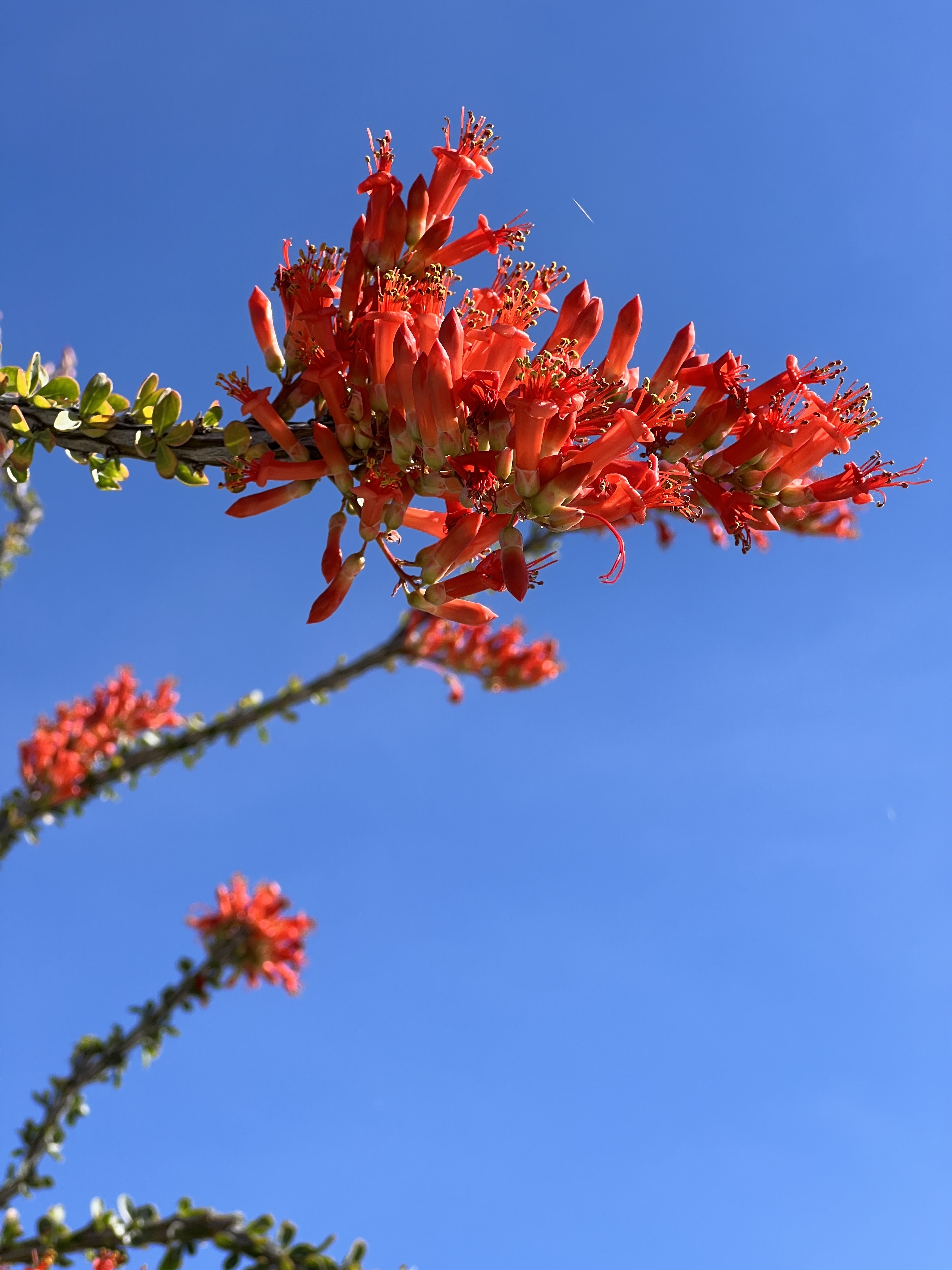
On this Earth Day, the #verselove prompt was inspired by a shower curtain with a map of islands. My own poem was inspired by a trip to the desert to get an up close look at the superbloom that has been all over the news here in California. It’s hard to take photos that capture the glory of the earth in bloom–and I’m not sure my words do either, but it was fun to try.
Today’s #verselove prompt was an opportunity to revise. So often the poetry I post during April are first draft efforts, producing a daily poem rather than refining pieces begun. So I took time today to go back to yesterday’s triolet. I had some ideas about what I wanted to get to and rather than staying with the triolet form, instead I took on another new (to me) form: a nonet poem.
One of the things I love most about #verselove is the opportunity to try new poetry formats and the stretch myself beyond my comfort zone. This is my first triolet, check the #verselove link above for more information.
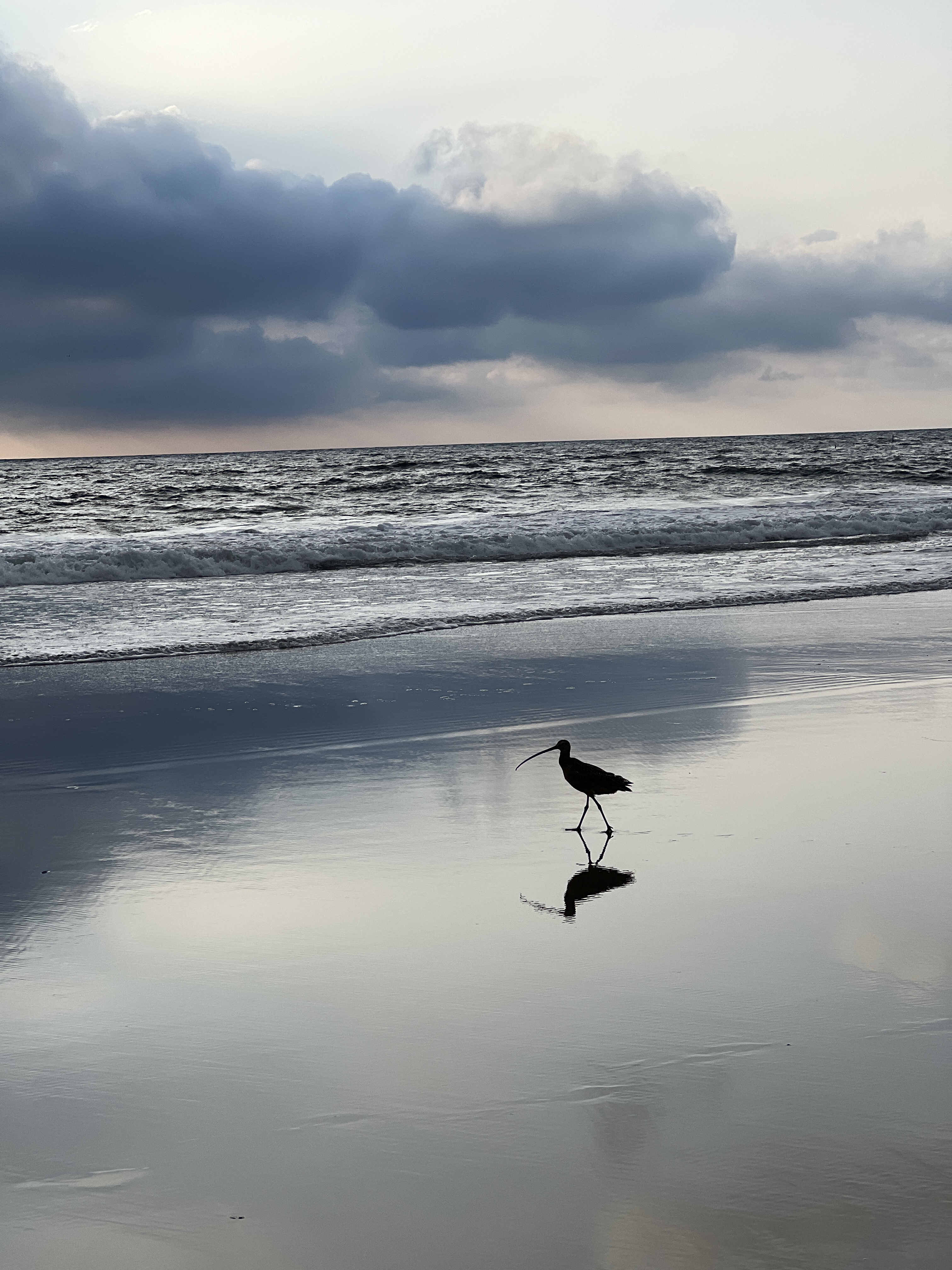
SeaReflections
when I look into the mirrored surface today
sea echoes in my ears and in the roll of the waves
in my eyes reflects every shade from teal to blue to steely gray
when I look into the mirrored surface today
whispers I hear in the outlines of egrets, whistles of shorebirds, briny tickle in my nose…it’s here I’m called to stay
my heart beats to the rhythm, nature’s melody rings clear, it is this wild wet place my soul craves
when I look into the the mirrored surface today
sea echoes in my ears and in the roll of the waves
Why do you write poems with your students when you could be teaching phonics? Because poetry is playing tag with words, chasing them through your mouth, and your ears, and your eyes until you capture them with your pencil and wrestle them onto the page. Poetry squeals with delight and leaves us all breathless–we can’t wait to write again tomorrow.
Why do you write poems with your students when you could be teaching phonics? Because poetry lets us build words like they are made of Legos. We fit the pieces we already know and figure out which new pieces to push in. Sometimes our word buildings fall down and we pick up the pieces and try again, using what we know to help us expand and stretch. Poetry comes in all sizes so we can start small, building confidence and skills until we are ready for the 1000-brick set.
Why do you write poems with your students when you could be teaching phonics? Because writing with young poets is like planting a garden. You amend the soil, plant plenty of seeds, and make sure the watering system is functioning. Pay attention, pick out the weeds when they creep in, and be ready for fresh ideas ready to harvest. Don’t tend too closely, let their roots dig deep and spread wide. Give them space to explore and experiment. Let them loose and watch them bloom.
Together we become a community of writers. We cheer each other on, prop up those who are drooping, lean in to those who have found the sunny spot. Some days we race each other to the finish line, other days we meander uncovering new word combinations, new ideas, new understandings as we listen and learn from each other. Mostly we breathe in the energy and joy of writing and exhale poems.




 Thinking Through My Lens