Tag Archives: teaching

Possibilities and Pen Pals

Today marked 7 more school days until the end of year. It’s a bittersweet time of year. I can’t wait for summer, the way my schedule changes, spaces for some travel, time for family, warmer weather… And I will be saying good-bye to my students after 180 days of learning and growing together. We’ve become like family: getting on each other nerves, supporting one another when someone is feeling down, and depending on that comfortable atmosphere that comes from being home. My students have become confident almost-second-graders full of year-end bravado–nothing feels out of their reach!

I’ve written in the past about the power of pen pals and the reasons why I love it when the opportunity to exchange correspondence with another class presents itself. Again this year, the first graders in my class became pen pals with 5th graders in one of my colleague’s classes. After exchanging letters throughout the school year, today was our day to meet one another in person.

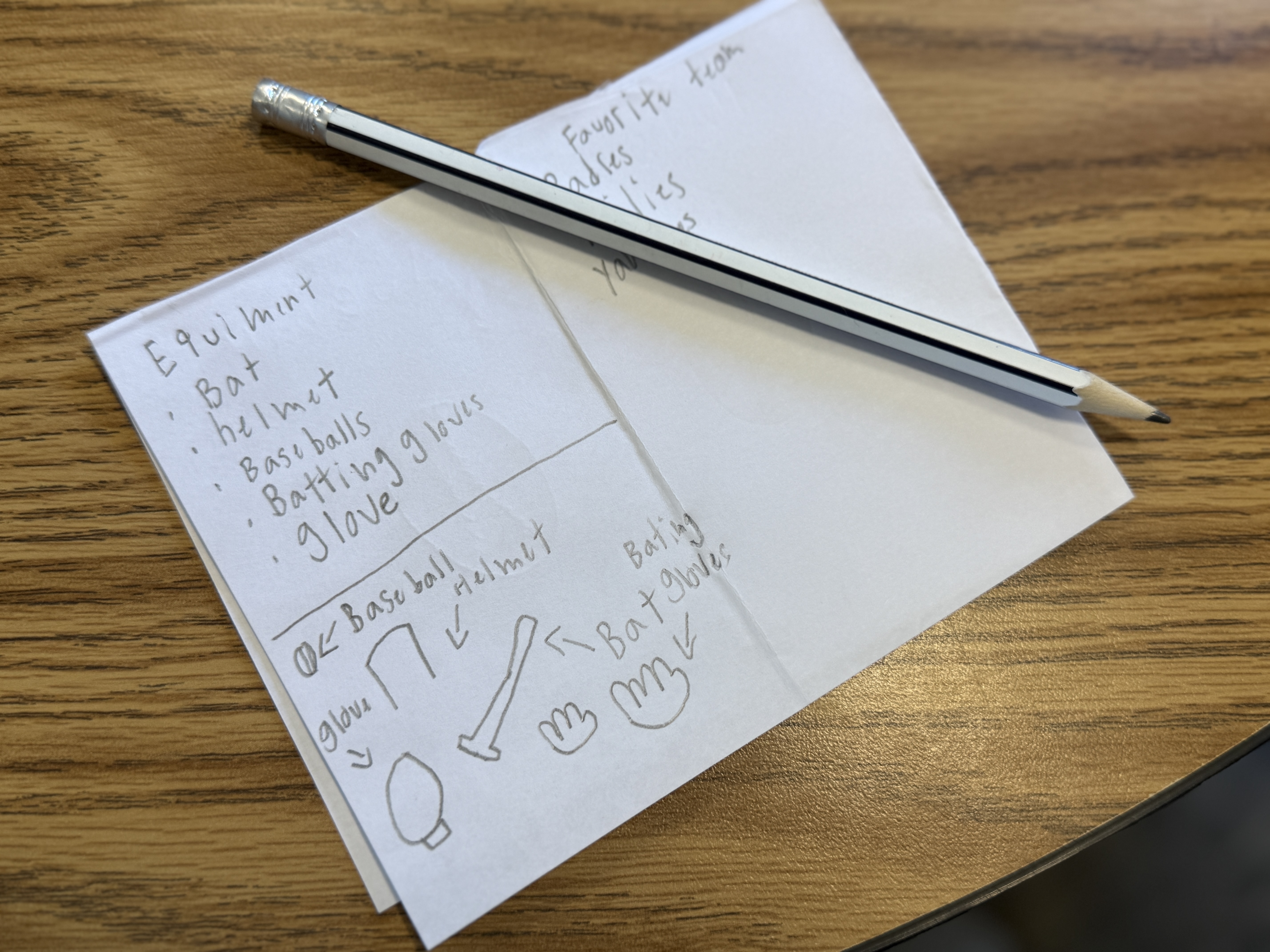
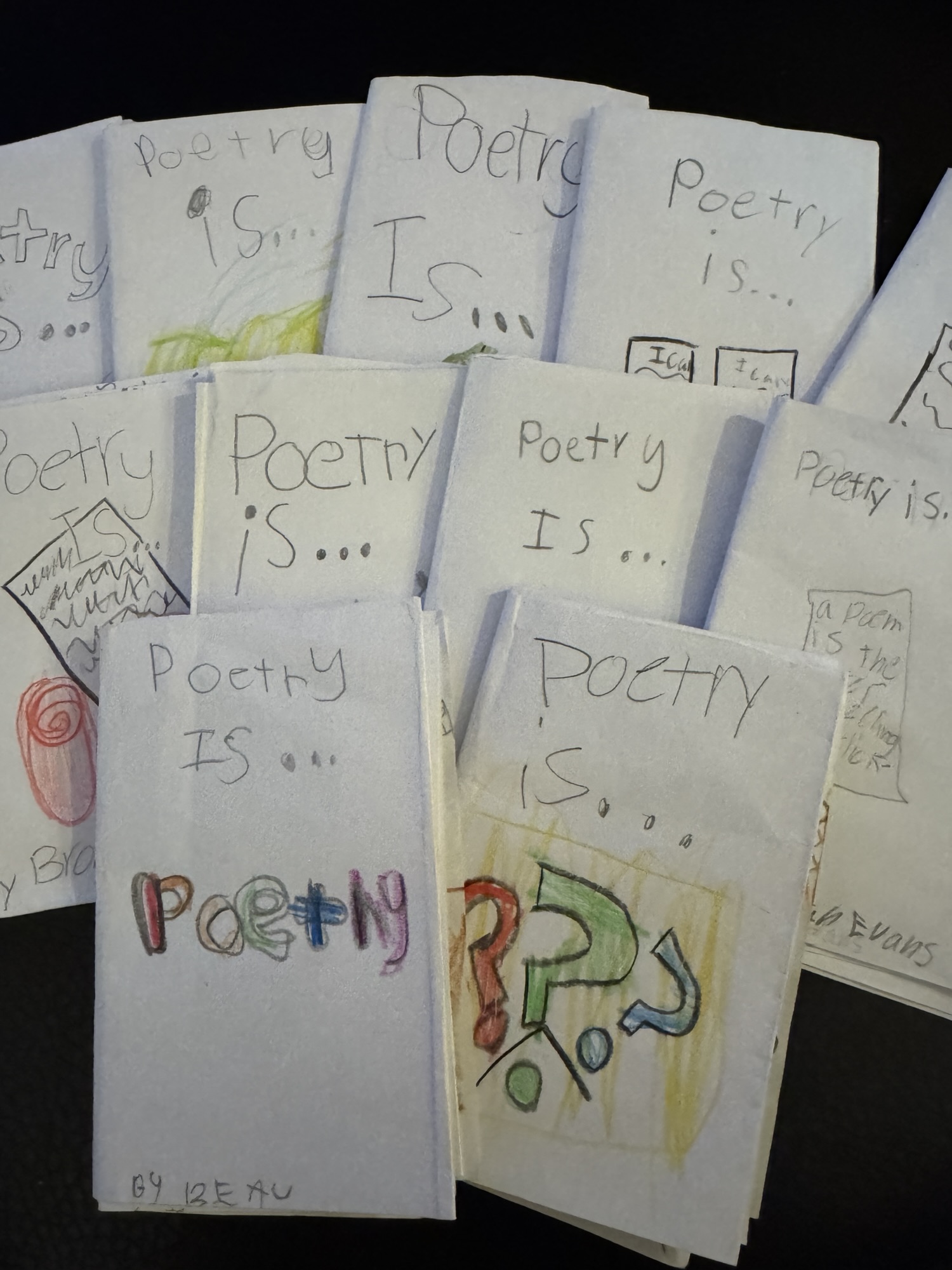
This year my colleague and I decided to have the first graders teach the fifth graders something when they met. Throughout the school year, my students have made zines–small books folded from a single sheet of paper. So today I reminded my students about the zines they have made (and many reminded me that they make zines at home since learning about them in class this year) and that they would be teaching their pen pal how to fold and write a zine of their own.

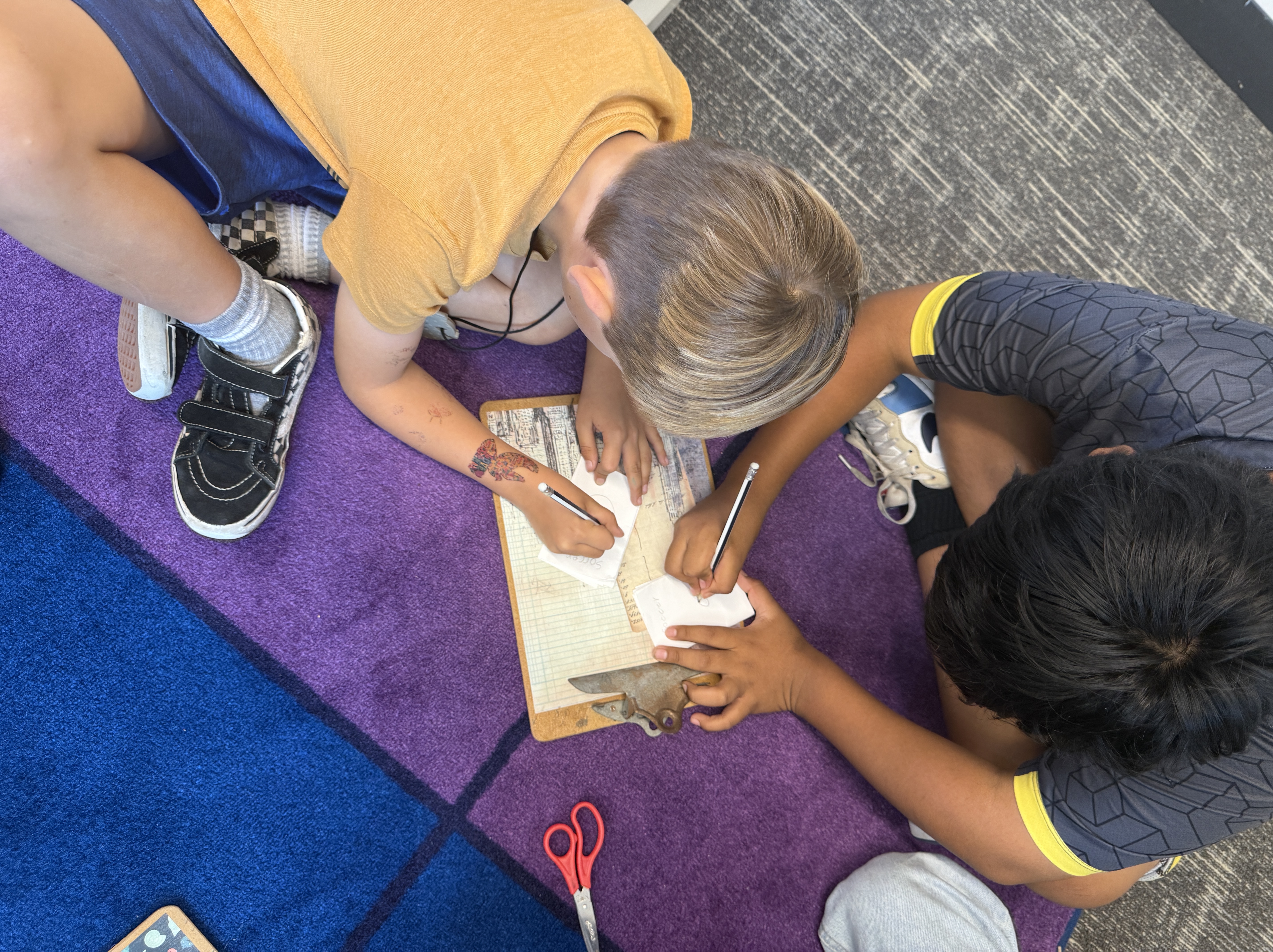
It was such fun to watch my suddenly shy seven-year-old students walk their much older pen pals through the folding and assembly of the zine and the older students coax their young teachers into choosing a topic. Some pairs wrote their zines about the same topics, collaborating on ideas while others chose to focus on an individual approach.

The classroom hummed with the 50+ bodies in the room, writing and chatting. Everyone was successful in the folding and writing, although there was no end product expected. Our gathering ended with a shared snack time and recess. For most of the fifth graders, it was a walk back in time reconnecting them with the school they attended when they were first graders. For the first graders, it was the excitement of hanging out with their new buddies–throwing basketballs with big kids, kicking soccer balls with big kids, reminding those big kids of the fun of just playing at recess.

Later, after the fifth graders returned to their school, I had the time to walk around the classroom, picking up and perusing some of the zines my students had created. I read the zine about playing hockey (step 3: wait for the zamboni to leave before getting on the ice), the one about mythical animals (clearly there are 7-year-olds who know way more about mythical beasts than I do!), and fell in love with the unexpected Poetry Is… zine written by a student who I would have expected to have written about sports!

I’m reminding myself not to waste these last 7 school days. This is the time when students revel in the possibility of choices, in exploring options, in exercising their creativity, in trying things that felt too scary just a few months ago. I’m also reminding myself to breathe through the hard parts of all that independence, to take a step back and enjoy this family the school year built.

Springtime Haibun: NPM25 Day 24

Spring is a time for bees and buds and blossoms. It seems that everything is in motion, including my students. We’ve passed the time of settled in and are now in the time of change. Plants are sprouting in all the shades of green and my students are sprouting in all the volumes of loud. There is so much they need to say: to each other, to me, to anyone passing by.

Roly polies have become their latest obsession. Those tiny pill bugs are everywhere. And my students are intent on “saving” them (or squishing them, depending on the student). What was once a line of first graders walking to class has now become a mob of children on hands and knees scooping up these little curled crustaceans to protect them from the feet of their peers. Except instead of just moving them to a safer place than the hallway sidewalk, these small creatures often find themselves tucked into pockets and backpacks, or being “petted” by a soft 7-year-old finger on its ribbed back.

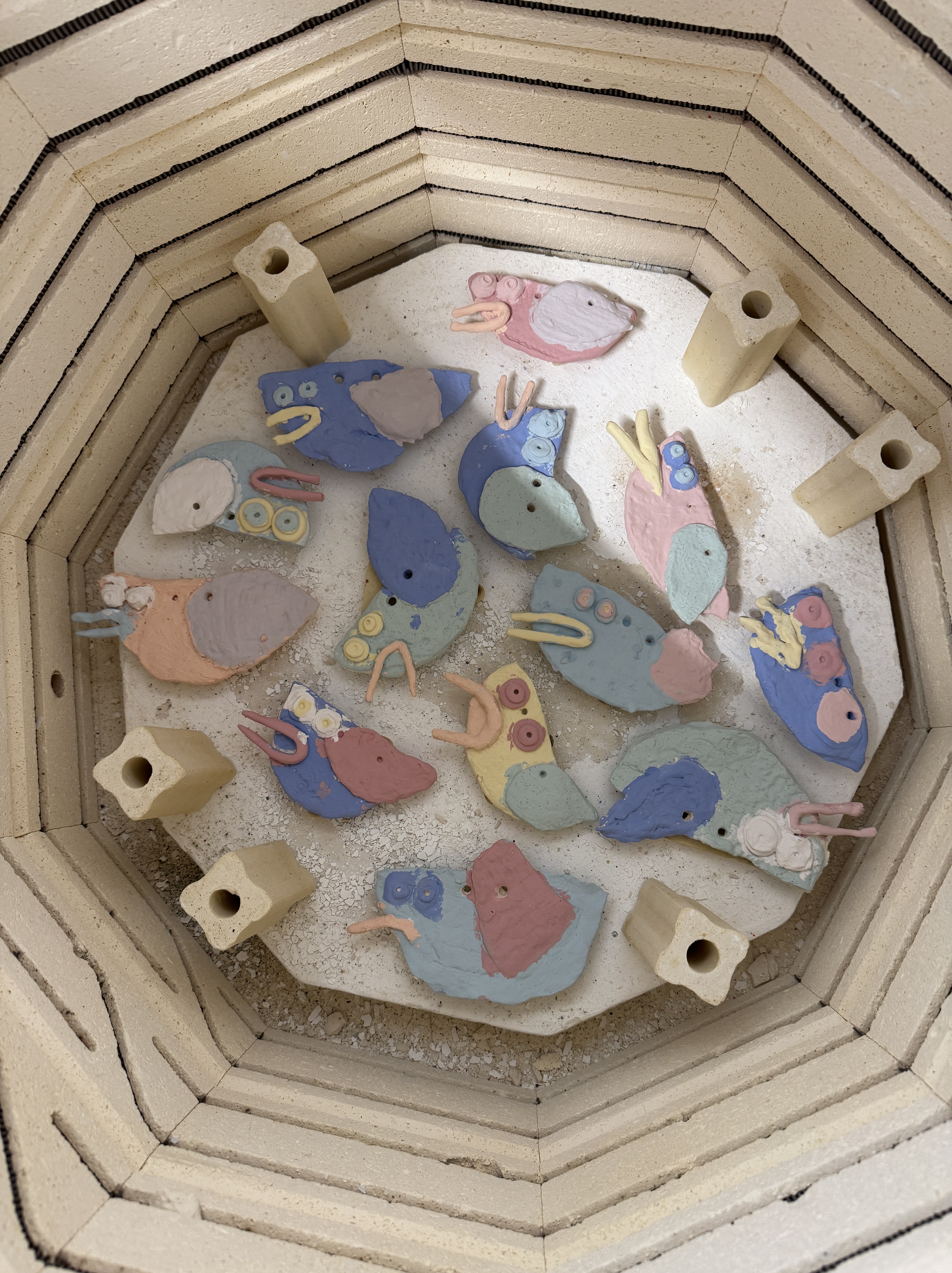
In science they are studying birds: their beaks, their feet, their wings. And considering how those parts work together to help the birds survive. In class we took balls of clay, used the meaty part of the side of our hands to flatten and shape them, and crafted our own ceramic birds. A mistake on my part means that the feet they molded will not be attached…but that is another story.

In spring students show off. They strut their stuff. Confidence levels are spiking. They are testing the limits, the boundaries, the rules, their own abilities. It’s the most wonderful time of the year and the hardest season for teaching. But sunshine helps, clay helps, and carefully constructed classroom community prevails…even in spring.

Skies filled with chirping

birds, textured rainbowed feathers

handmade, formed from clay

Poetry Ecosystem: NPM25 Day 8

Some days it’s the unplanned lessons that have the best results. A few weeks back I came across a picture book that looked interesting. I ordered it, it arrived, and I set it aside. Then yesterday, our first day back after spring break, I found myself with some unclaimed time and reading a book seemed like the perfect solution.

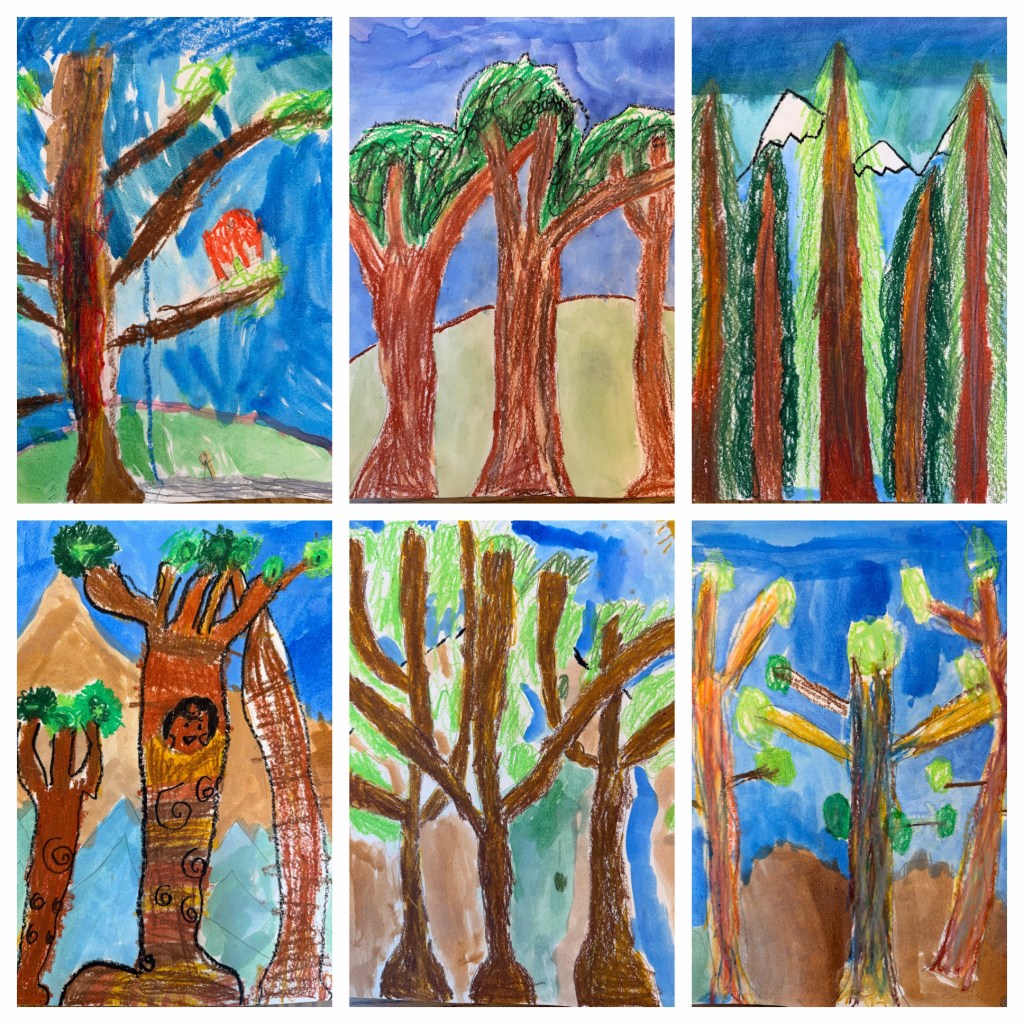
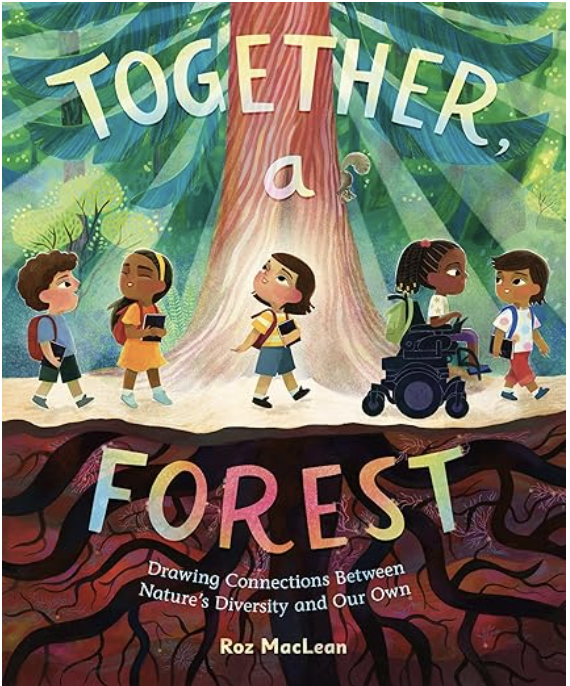
I walked over to the shelf where I stash the books I haven’t gotten to yet…and Together, a Forest: Drawing Connections Between Nature’s Diversity and Our Own called out to me. I started reading the book and those wiggling post-lunch students settled. We learned about different students in the book and their affinity to plants and animals in the forest. There was the student who was interested in everything–and forgetful–just like the squirrel who buried acorns and the ones it forgot later grew into trees.

We started to think about the plants and animals who were like us…and while we didn’t have enough time to finish the book, the seed was planted in the poetry ecosystem that is our classroom.

Today our planned ceramics project went well and we finished successfully before recess. That meant the time I had allowed for the completion of the project after recess was now open and free. So, we went back to Together, a Forest and completed the reading and discussion. And then we started thinking about that question from yesterday…what plant or animal are you like?

The first graders grabbed their notebooks and started to write. They asked the usual questions, “Does it have to be a plant?” (No) “Does it have to be a part of a forest?” (No) “Can I use metaphorical thinking?” (Yes). I wrote–and I made the rounds around the classroom peeking over shoulders, listening to ideas, watching these comparisons turn into small poems, taking root in this poetry ecosystem.

J wrote:

I am an army ant. My super power is strength and I work with people. I eat fruit and I get it at the store then bring it home. My strength is teamwork.

H wrote:

I am an octopus. I am smart. I act like I have eight hands and I am super fast and tricky and change colors.

B wrote:

I am moss. I am like moss because I soak up everything I hear. I remember everything and if it is something bad I can squeeze it out.

And I wrote:

I am an egret. I am quiet and still. Patience is my super power. Most of the time I am good at waiting and thinking. Other times I startle and fly off in a flurry of feathers. I am good at being alone without being lonely. I love to reconnect with my family at the end of the day.

These first drafts will be fodder for the writing we will continue to do, this month and into the future. Right now, my students are writing easily, adding details and elaboration, beginning to play around with language and ideas…and willing and eager to read their writing aloud to their classmates. We have truly built an ecosystem of poetry and writing in our classroom.

Poetry Is… SOL25 Day 25

I introduce my students to poetry beginning in the first week of school. We study a poem each week, noticing what poets do and the wide variety of approaches that make a poem a poem.

Our school schedule consistently fits the beginning of National Poetry Month (April) into our spring break. In order to not miss one minute of this month that celebrates the wonder, fluidity, and flexibility of words, I have learned to launch full-force into poetry the week before our spring break starts.

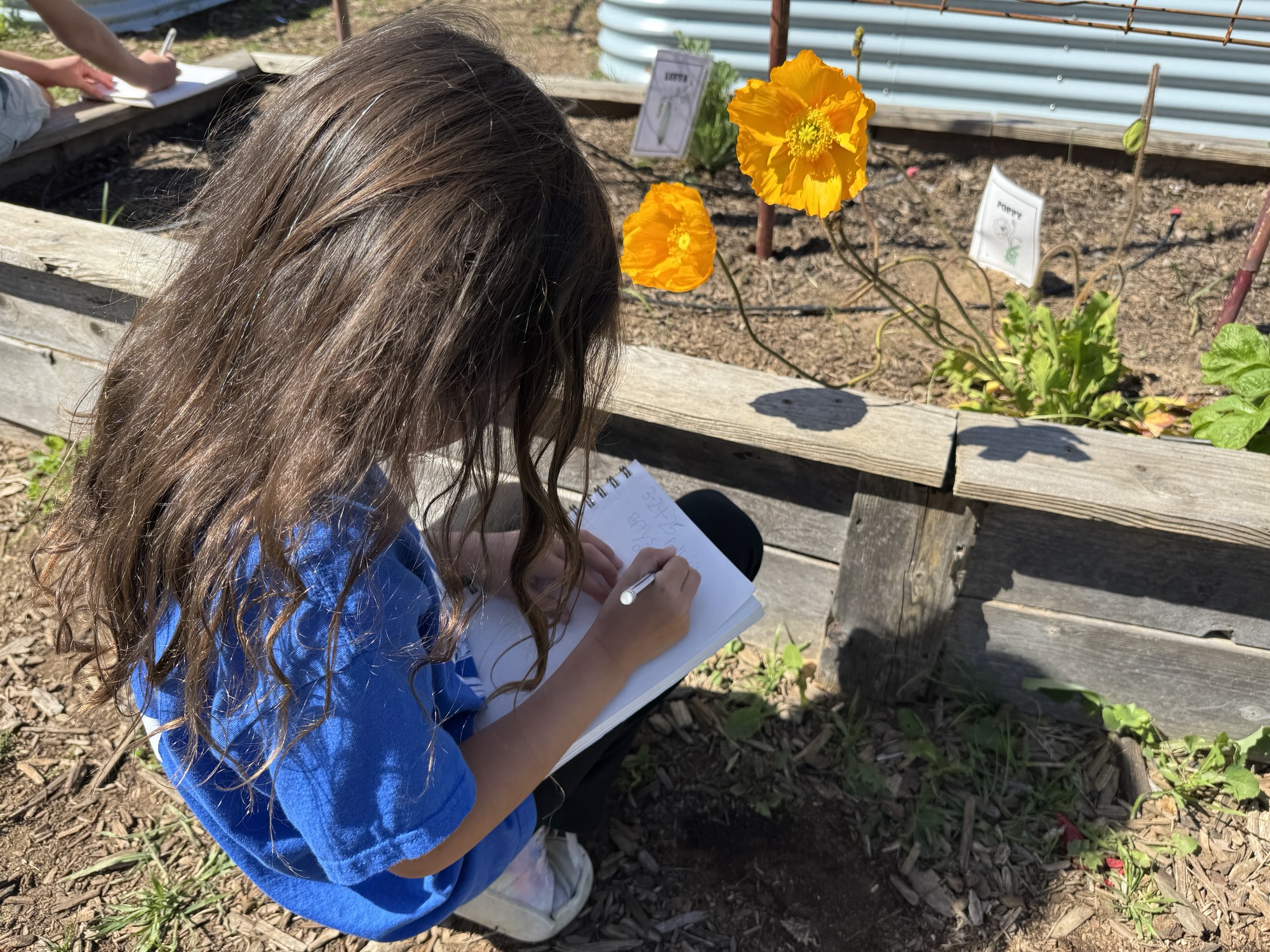
Yesterday we read Daniel Finds a Poem by Mischa Archer, a lovely and accessible book for young children where the title character asks all the creatures in his neighborhood to define poetry and then ends up with a poem compiling their answers at the end. With Daniel’s story as inspiration, we grabbed our sketchbooks and headed out to our school garden in search of poetry.

We are so lucky to have a wonderful school garden, and at this point in the year it is bursting with life and growth. It was a perfect place to enjoy the outdoors, some sunshine, and collect ideas for poetry for the zines students would write today.

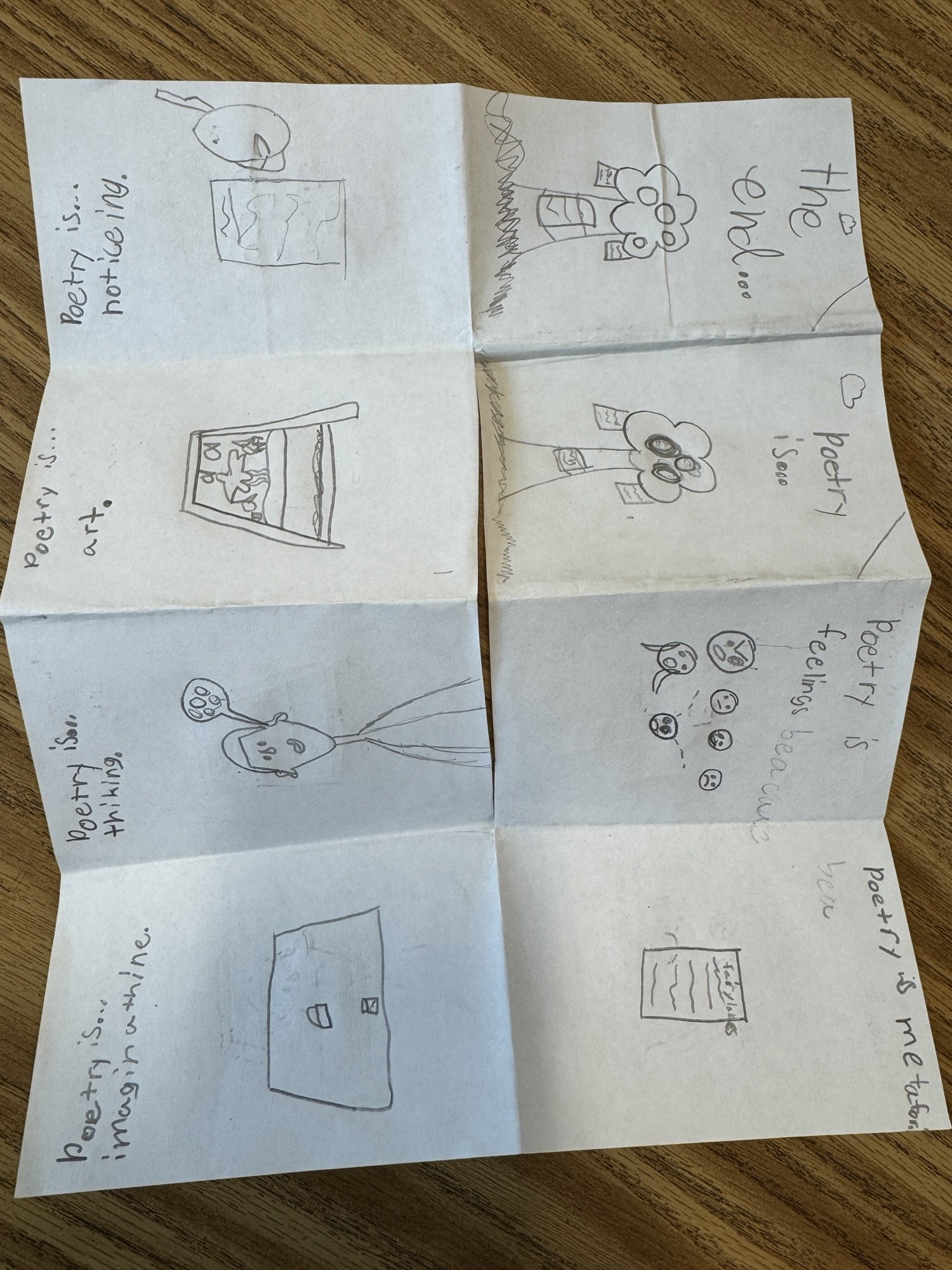
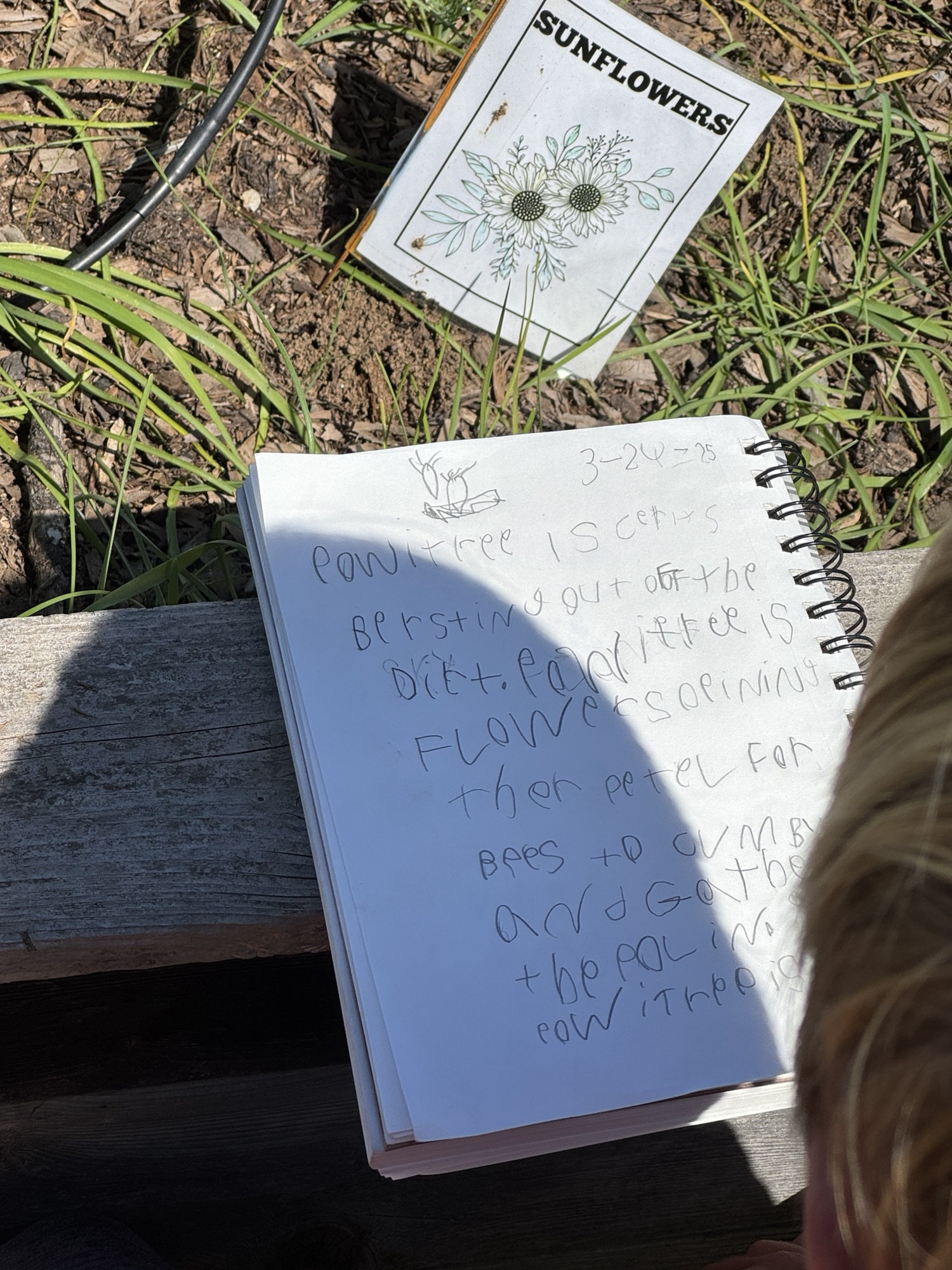
Today to reinforce the idea of seeking and finding poetry in the world around us, I read This is a Poem that Heals Fish by Jean-Pierre Simeon and Olivier Tallec. My students were immediately engaged by the endpapers–fish in the shape of the alphabet with the P, O, E, and M in a different color! “It says poem,” C pointed out. They were all in at that point. This book was more abstract and metaphorical than the one we read yesterday–a perfect “push” as my students took their ideas from their sketchbooks and turned them into Poetry Is… zines (tiny paper books folded from a single sheet of paper).

These first graders did not disappoint! Here’s the tiniest taste:

Poppies are balls of agreement inviting bees over for fun. Corn is popping up to the sun, sunbathing, letting sun beam against their back! Potatoes are as brown as chocolate in Halloween. Carrot are as snappy as twigs. Cabbage is as bumpy as dinosaur skin. Poetry is yellow sun listening to leaves’ hearts beating. (By B)

Poetry is an onion plant waiting to grow. Poetry is a grasshopper jumping with excitement. Poetry is a tree enjoying the rain. Poetry is the worms playing in the soil. Poetry is a sunflower in the rain of a watering can. Poetry is a song that has metaphors and similes and sometimes rhyming words. Poetry is love urging you to write and compare. (By S)

All those amazing words and poetic ideas written in a compact tiny zine. It is truly a delight to watch these young poets blossom…just like the plants in our garden. National Poetry Month, here we come!

Wild Words: SOL25 Day 20

In my experience, kids love nature and natural things. I also think it’s important for the adults around them to expand their exposure to the natural world and also to help them to embrace the role of caretaker and advocate for our earth and its resources.

Last week we learned a bit about Jane Goodall and her lifelong skill as a watcher. Then we did some watching ourselves. Since it was pouring down rain outside (not good weather checking on my part when I planned), I had to adjust my plan and instead of watching outdoors on our campus, I used a couple of animal cams for watching.

With our minds on nature and the natural world, I read students the book, The Keeper of Wild Words by Brooke Smith. The story is about the need for all of us to keep wild words alive (words like wren, dandelion, brook, blackberry…you get the idea) by paying attention to wild things and using these words in our lives or they will continue to be replaced by words like internet, chat room, and other non-natural words.

Recently I harvested an activity called the longest list from a colleague where students collaboratively work to create a list of words…in this case the longest list of wild words. Large sticky note posters worked their magic–students loved working together using markers to make a long poster list of words. Then I gave each student an index card-sized post it note and had them move from poster to poster with the goal of collecting the ten wild words they liked the best. I love the focused engagement during this stage of the work. First graders helped each other spell the words they came up with, helped each other read the words written by their classmates, and sparked ideas for new words all along the way.

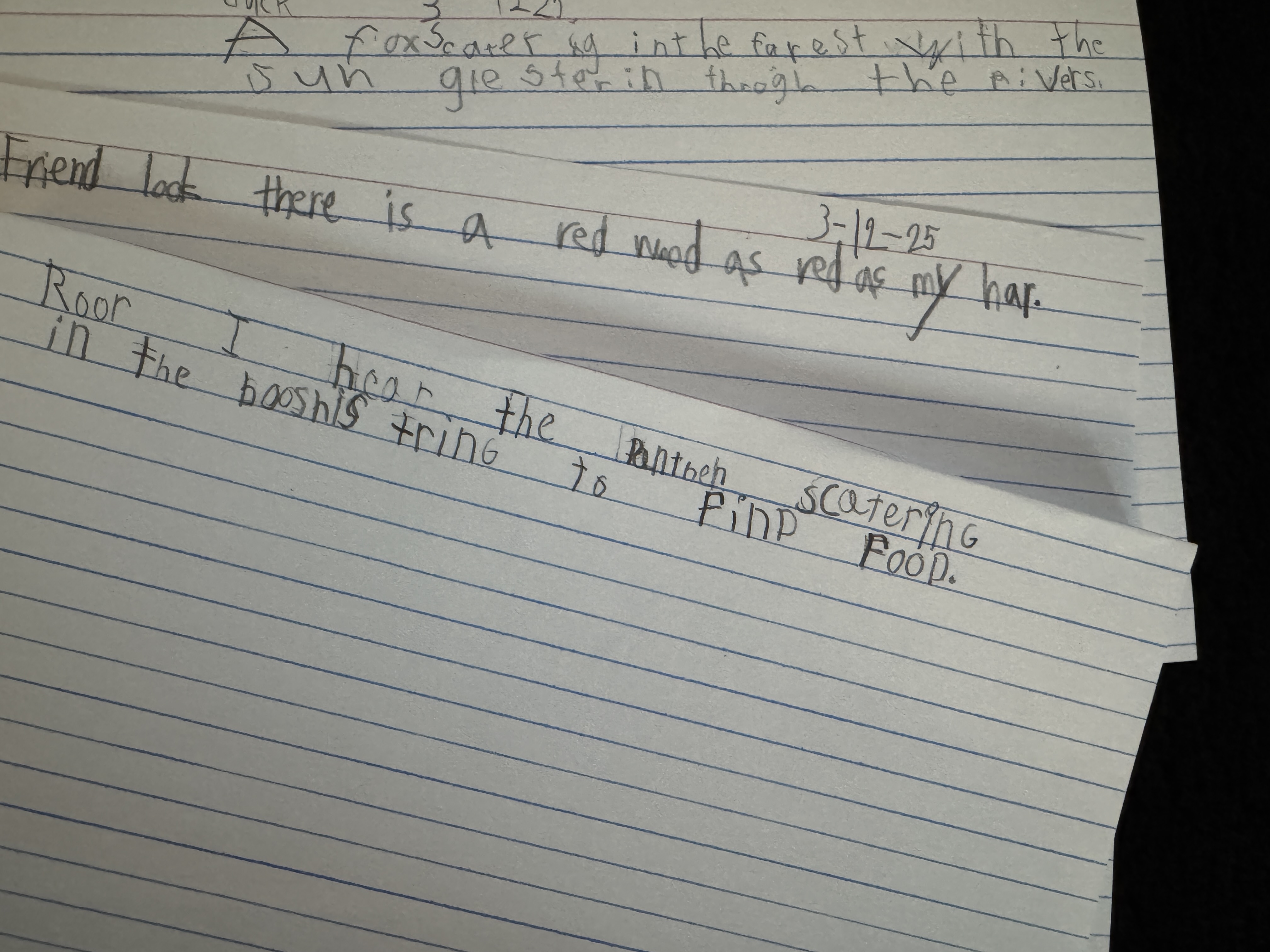
Finally, I asked students to write a 7-up sentence (another something borrowed from a colleague). This sentence as I defined for the students (based on things I wanted them to demonstrate) must feature one wild word, have 7 or more words in it, begin with a capital letter, include ending punctuation (., !, ?), have no backwards letters, have very neat handwriting, and must make sense. I handed them each a 5×7 lined card and they set to work.

“Can I include metaphorical thinking?” I was asked. You know my answer! “This is so easy,” another student exclaimed. Everyone set to work, selecting a word from their list and composing a sentence to meet the criteria.

Here’s a few of their sentences:

J wrote: A fox scattering in the forest with the sun glistering in through the rivers.

T wrote: Friend look there is a redwood as red as my hair.

D wrote: The red roses are scattered around the forest because there is a panther coming.

C wrote: Roar I hear the panther scattering in the bushes trying to find food.

B wrote: Roses rising up in the air high up to the clouds.

While they haven’t yet perfected punctuating the complex sentences they are composing, the sentences are interesting. They are using active words and working to be descriptive.

Were all seven criteria perfectly executed by all students? No. But there was great effort and every student was able to compose a sentence that was pretty close. They were engaged and wanted to craft a sentence unlike other’s. And this was an ideal formative assessment–short and sweet, showing me where to concentrate next instructional efforts.

Best of all, we are working to keep wild words alive: in our minds, in our words, in our writing. And I hope this is another stepping stone leading to students becoming the stewards that our earth and all its resources and creatures need.

That Magical Buzz: SOL25 Day 4

Some days in the first grade classroom chaos rules. It seems that everyone needs help at the same moment and a single word (think birthday, soccer, lunch…) makes every voice rise in frenzied simultaneous conversation.

But today was different. We had started a writing project on Friday, but ran out of time (and focus) before we got it completed. And since it is March and I had some time this morning after our class watched another first grade class perform a play, I gave my students a list of four things to do.

  • Reread the writing from Friday and finish, making sure all five senses are represented
  • Use voice to text (something we have done before) to type the writing into Pages
  • Meet with me for a quick review and a reminder of how to share the document with me
  • Go onto a particular app for independent math practice

When we started this, I wasn’t sure I would be able to meet with students with others working independently. But…my students proved their maturity today and that magical buzz settled over the room. Students focused on completing their writing. They helped each other navigate the iPad and reminded each other how to make the technology work. If I was working with a student, others waited patiently for their turn with me. And those on the app worked without needing reminders to stay focused. It wasn’t quiet, but the noise was productive. Most students were able to complete and share their writing and everyone had meaningful learning work to do.

I love when this breakthrough happens. Now I will stay alert for opportunities for students to exercise this independence and work as a team. That magical buzz is priceless!

How to Take a Photograph: SOL25 Day 2

Have you read Kwame Alexander’s picture books? I love How to Write a Poem and use it with my first graders to help them understand metaphor and metaphorical thinking. Last week I read How to Sing a Song first to remind my students about metaphor and its power in writing and then again a few days later to use a mentor text.

I had taught my students some photography techniques (bird’s eye view, bug’s eye view, and rule of thirds) and then we all headed out to our fairy garden (as they kids call it–adults know it as the pollinator garden) and the playground to try out the techniques. Once back in the classroom, each student picked a favorite photo and studied it carefully.

That’s when that second reading of How to Sing a Song came in. We looked at the text carefully, noticing how the writing was working to describe music. Then came the challenge. Students (yes, first graders) set out to write a How to Take a Photograph version of these books we love. I also suggested that my students consider using their senses to help them come up with their metaphors.

Here are just a few of my students’ works in progress:

First, make a target then decide if you like or not, then take a deep sniff of the blazing violet flowers.

The snap of my iPad is like thunder in the forest, the sound of birds chirping as if they are instruments.

The wispy chews on the leaves look like they got beaten up by a caterpillar.  It sounds like the green leaves are talking to me.

I took this photo on our playground.

And alongside my students I wrote this draft with them as my audience:

How to Take a Photograph

Step out. Breathe in everything you see like a cool breeze. Zoom in close like a magnifying glass. Tilt and find the perfect diagonal where the palm tree overlaps with the climbing structure. Taste the cool of the silvery metal and frame it in the lower third. Listen with your eyes and hear the sounds of children playing, hanging from the braided ropes. Push the button….slowly, carefully, purposefully. Your photo will sing for others to hear and sing along.

If you haven’t had a chance to read these books (there’s another called How to Read a Book), I highly recommend them–even if you don’t have a class of children to read them to! What are your favorite picture books that every adult should know?

Writing a Hope Kit: SOL25 Day 1

This week has been packed to the gills, overflowing with meetings, a flight to SFO on Wednesday (after leaving a meeting early) for a conference on Thursday, another flight home late Thursday for a full day of teaching on Friday and then capped this morning with the 17th annual San Diego Area Writing Project (SDAWP) Spring Conference.

As you might imagine, I was not excited that I needed to be up early this morning and on the road before 7am to be present at the university, helping with set up and preparation. Today’s hiccup was catering not showing up! (What! No coffee for teachers who are up early navigating UCSD parking for our half-day conference?). After several calls we were assured that coffee and pastries would arrive–not when expected, but before it would have been too late.

And as always happens when I am in the presence of writing project teachers, I forgot how much I didn’t want to get up, how much I would have loved a morning with a leisurely start, and was immediately engaged and stimulated by presentations and conversations…and just seeing colleagues who are brilliant and caring and always looking after what is best for their students.

Sessions like Writing for Change: Empowering Student Advocacy Through Project-Based Learning, Academic Writing with Heart: Centering Student Voice, and Hope Starter Kit: Writing Our Way to Resilience (to name only a few) offered inspiration, intellectual stimulation, ideas for classroom implementation, and an opportunity for writing. It also offered an escape from all that feels wrong right now.

As part of my hope kit writing, I had to figure out who (someone real or imagined, still living or long dead) to address a problem I was grappling with–the idea that each of us could tap our inner wisdom through this letter writing/response (inspired by the book Ask Baba Yaga: Otherworldly Advice for Everyday Troubles by Taisia Kitaiskaia). I decided that I would channel my cat, Phil, who died quite a few years ago, but who my husband is convinced still hangs around the house. Here’s my letter and response:

Dear Phil,

How do I manage the guilt of not doing enough to take action in light of all of the chaos and destruction in our current government?

Distraught Citizen

Dear Distraught Citizen,

Screech and roar and scratch…and even pretend to mark the walls and furniture with the scent of your body and beliefs in your spaces. Don’t let your perceived inaction silence you. Rub your scent subtly, weaving in and out of the pant legs of those who are near. Find pockets of comfort, places where the rumble of your inner motor can vibrate, offering moments of relief and contentment for you and others as well. In addition to comforting one another, find the small cracks for action, even if they seem to be big enough for only the tiniest grains of sand.

Phil

Channeling Phil reminds me (and maybe you too) that action can manifest in many different ways. I will keep seeking out all the small spaces where I can make a difference. You likely won’t find me on the picket line or the telephone bank, but that doesn’t mean I don’t care or won’t take actions to right the wrongs that are happening. Thanks to my colleague Stacey for the inspiration and to Phil for the advice.

Teachers and Unicorns: NPM24 Day 13

A brain dump. That’s what Barbara asked us to do as part of the #verselove poetry prompt for today. And I don’t think I followed the rules at all. Maybe my poem isn’t a poem at all or maybe it is an 100 word prose poem or even a manifesto in the making. Whatever it is, it was fun to write. There might be some more there there.

Teachers and Unicorns

They tell me I’m a unicorn. A serious person who believes that learning should be fun–should be real. Experiences immersive: audio, visual, tactile, numerical, connected. Classroom walls don’t contain learning. A serious person who believes that play is essential. For children in and out of school and for adults too. That reading and writing and math and science are all opportunities for play and playfulness. School is a place for making–friends, memories, art, poems… Where processes are more important than products and where kids matter. I’m a teaching unicorn who’s serious about the joy of learning. We need more unicorns.

Welcome Spring! SOL24 Day 19

If you want to know when it’s spring, don’t bother with a calendar, just walk into my first grade classroom. The energy is palpable. Those babies that entered the classroom at the end of last summer are growing into knowledgeable and sassy almost second graders. They are readers and writers and fact collectors extraordinaire (although fact-checking is not yet in their realm of expertise). So what do you do at the end of conference week when it feels like the classroom is fitting like last year’s t-shirt–way too tight? Head out to the garden…with iPads in hand!

We’d been out in the garden with our notebooks earlier in the week–observing carefully in the spirit of Jane Goodall. So on Friday I asked students to go back to the place where they observed earlier in the week and find three photos to take. I reminded them of the photography techniques we had learned and set them loose to explore. There was the insect on the screen that first caught students’ attention. The lizard almost created a need for crowd control as these little paparazzi swarmed the cold-blooded sunbathers against the brick wall. They photographed strawberries, broccoli, fruit tree flowers, aloe, and who knows what else.

Yesterday, we studied the poem, Things to do if you are Rain by Elaine Magliaro. We noticed her action words (polka-dot sidewalks, freckle windowpanes…) and did not miss the metaphor of the rain tap dancing on the rooftop. After choosing one of their photos as the subject, they set off to write their own Things to do… poems. And since it’s mid March, I asked them to include three things in their poems: action, a comparison, and some metaphorical thinking.

We ran out of time…which I should say was intentional planning on my part. It wasn’t, but I am reminded of the value of time away from a draft if you want the young writer to really take another look and make the piece better. Using my poem as an example, we read it carefully, looking for the action, the comparison, and the metaphorical thinking. Then they went back to their drafts to finish them and to make them better. And they did.

O took one of those infamous lizard photos and wrote a short but sweet piece.

Things to do if you are a Lizard

Climb up walls like a snake.

Climb up on a sun on a bright green stem.

Run fast, fast, fast, fast!

Grow back your tail.

G found a flower in one of the garden beds, stretching a bit further with her words.

Things to do if you are a Flower

Reach for the sun

get picked into a bouquet

Blossom in spring

Be in a wedding and shine like the sun

Enjoy your life

Share life and health and happiness

Shine like the bright yellow sun

Tap dance in the breeze like a bird’s chirp is music

Send invitations to animals far and wide

to pollinate and see you bloom into

the prettiest flower

F is one of those quick-to-get-done students and thought he had finished yesterday. Today’s mini lesson was the perfect nudge to get him to push himself a bit further–although there’s still some room for growth.

Things to do if you are a Strawberry

Be red and shiny.

Let yourself grow!

Don’t let bugs eat you!

Have a big family that lives on a big bush.

Your petals help you grow and get washed by the rain.

The strawberries are like red poinsettia flowers.

Red strawberries shine like rubies.

Red roses are like ripe strawberries.

And of course, I had to get in on the fun!

Things to do if you are a Yellow Broccoli Flower

Shoot towards the bright blue sky

Soak up the sun in your bright yellow flowers

Sway in the breeze like you’re dancing the tango

Send invitations to the pollinators: Party at Broccoli’s house–all are welcome

Shed your petals and become part of a child’s healthy dinner

As I finish this post, the spring equinox announces that spring has sprung. Welcome Spring! (Although the first graders have been feeling your presence all month!)