Tag Archives: teaching

This and That: Consider the Microclimates

I live in a place filled with contrasts.  There is the breezy casual of the beach to the west and less than a thirty minute drive away you can be hiking into dry, hot hillsides, exploring vineyards or admiring the abundance of avocado groves.  Our weather reporters call them microclimates…and we tend to be adapted to the microclimate where we spend most of our time.  But what I love most about this place that I call home is that it is not either/or, it is this and that.

Just this weekend I spent time in two of these contrasting spaces…equally beautiful, equally interesting, but entirely different from each other.  I loved exploring the old oak forest as I walked in the dappled sunshine…and looking up in surprise as I watched a mule deer leap across the path I was walking.  It was hot early as I hiked uphill and I could see evidence of wildfires past and the dry brush that continues to be a threat for future fires.
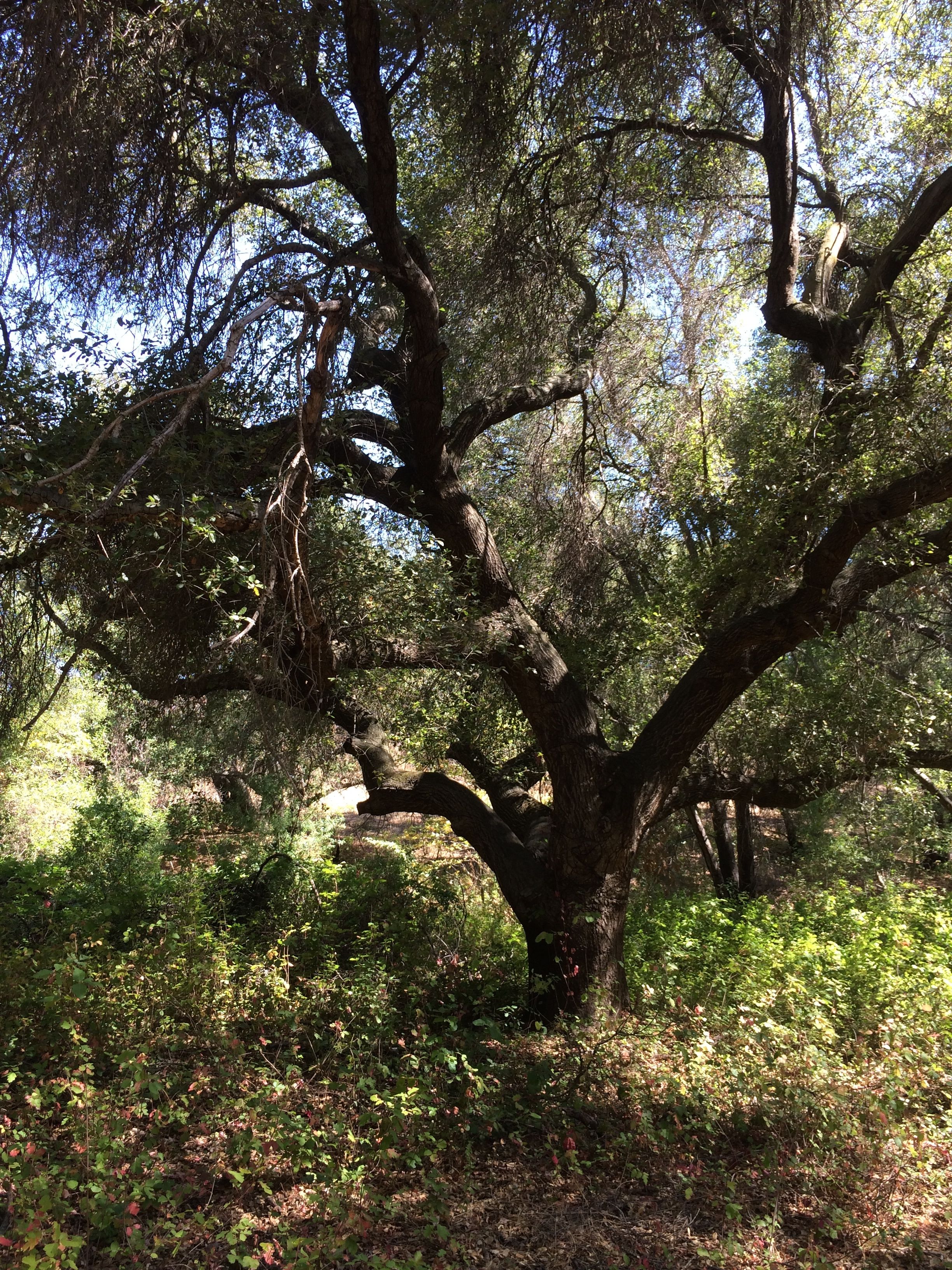
coast live oak

And the beach is always a source of inspiration.  The holiday weekend prompted us to get up early and walk the beach before the crowds arrived.  It was sunny and warm and the water was unusually clear.  We noticed sand sharks and stingrays swimming a few yards from us as the waves crashed.  The water was warm by our standards…up to 70 degrees, perfect for barefoot walking.

beach castles

I’m so happy that I don’t have to chose to love and visit only one part of my place.  I’m feeling like there is such a push to simplify our choices, to turn every decision and discussion to the binary choice.  Right or wrong, left or right, boxers or briefs, apples or oranges.  In my experience, those binaries just don’t represent the rich complexities of everyday life.  Just this morning a friend sent an article about “balanced literacy” where the author lamented the kind of “conventionally rigorous” instruction he had received as a young English learner.  The article implied that “balanced literacy” was essentially an absence of teaching compared to the experience with the effort-full teaching he had received in his childhood.

I’m reminded of the reading wars in the not too distant past.  The phonics versus whole language debate that implied an either/or approach to teaching.  These arguments miss the subtleties and complexities of teaching and learning.  This “all teacher” or “all student” approach ignores the body of student-centered teaching that effective teachers practice every day.  It dismisses the diversity of the needs and interests of students as irrelevant and assumes that if the teacher simply transmits enough information, students will learn what they need to learn.

Let’s start a new conversation.  One that is about learners: teacher learners and student learners. Let’s bring their microclimates into the conversation.

Up Close

It takes time to get close, to people and to flowers.  You have to pay attention, using all your senses, in order to really see.  Sometimes the prickly spines are the first things you notice, and you move away.  But then you are likely to miss the beauty and the unique qualities only visible when you get up close…nose to nose.

Nobody sees a flower really; it is so small. We haven’t time, and to see takes time – like to have a friend takes time.
Georgia O’Keeffe

Whenever I get my macro lens out, I think of Georgia O’Keeffe and her flowers.  I love the way she captured the inner beauty of flowers rather than the view most people see.  My camera helps me do that.  You may notice that I have a tendency to photograph the same thing over and over again.  I notice it…a fascination that keeps bringing me back to a particular subject.  It was definitely like that with dandelions.  (When I searched my blog for dandelions, I came up with 6 posts!)

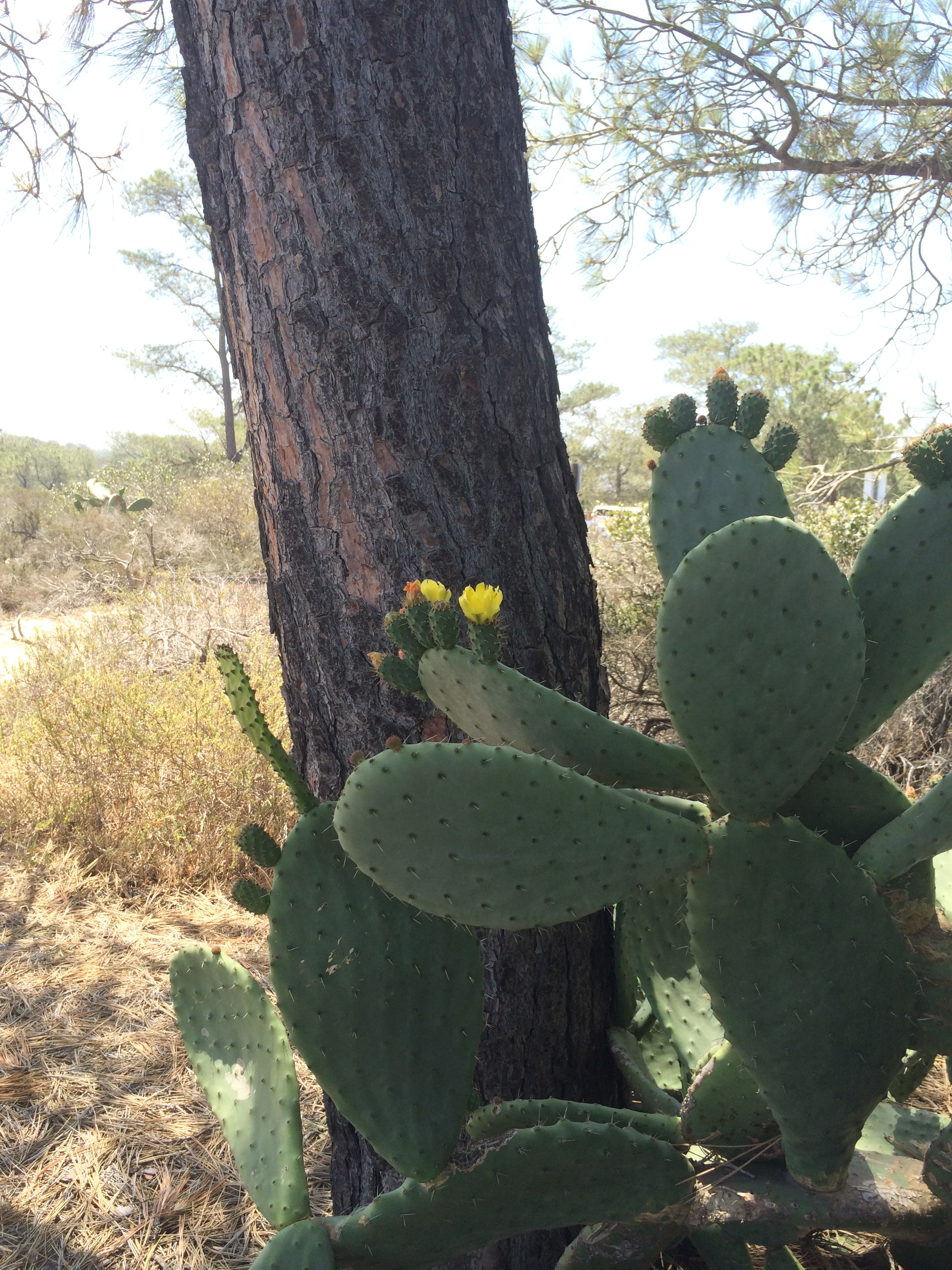
In the past few weeks it’s been prickly pear cactus that keeps catching my eye.  Prickly pears are common in these parts.  And mostly they are ordinary flat round green pads with sharp spines. Some people like to deface them by carving their initials in them, scarring the plant for a very long time.  And right now, they are in bloom, sporting beautiful yellow and pinkish blossoms and they’re beautiful!

prickly pear yellow blossom

So each time I see a prickly pear blooming, I find myself capturing a new photo.  I watched a bee dive headfirst into a bloom over the weekend…and seem to disappear deep inside.  I noticed yellow and pink blossoms on the same plant.

prickly pear and torrey

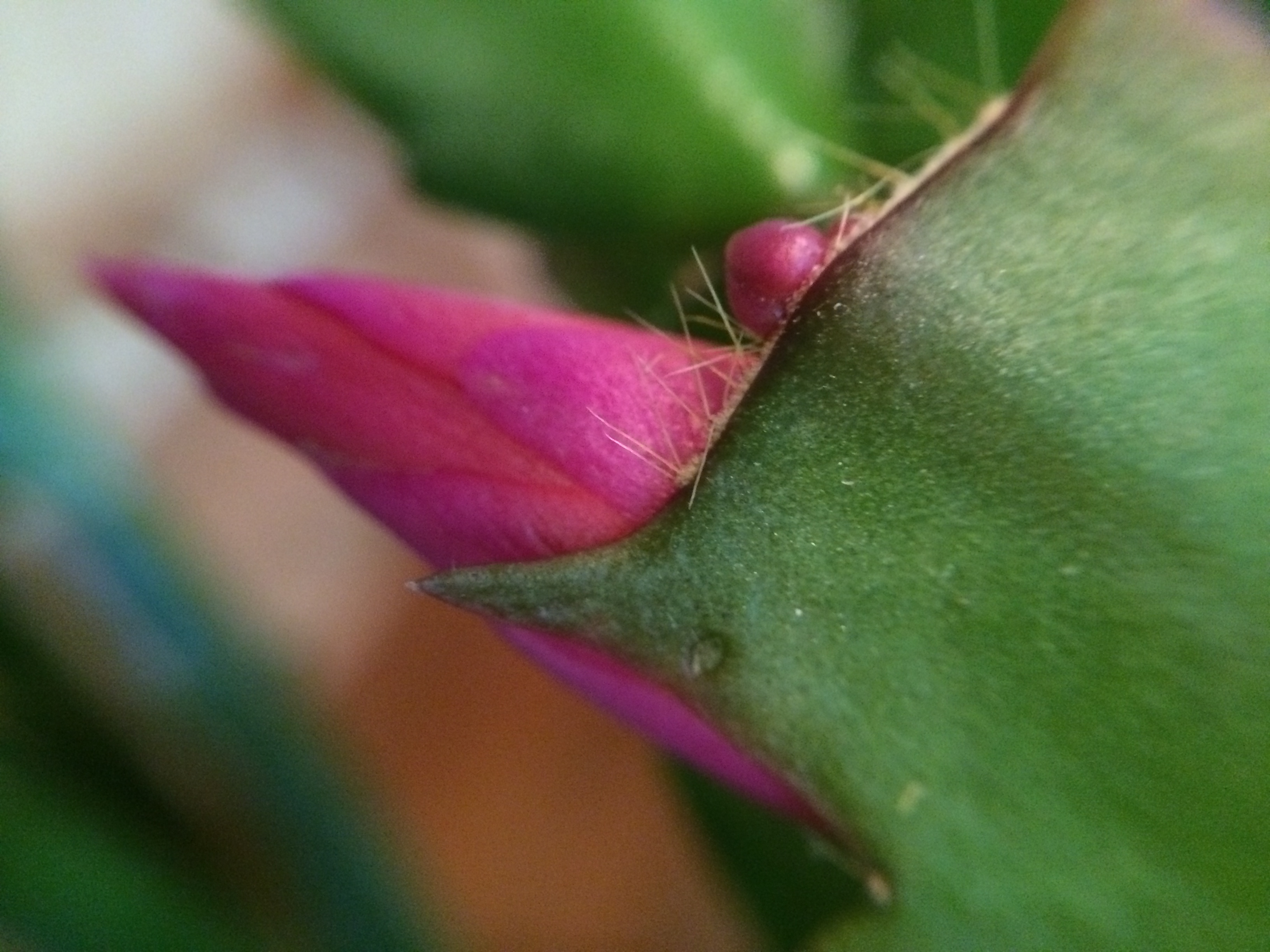
And then I got up close.  Using my macro I leaned in close and got to know this magnificent plant in new ways.

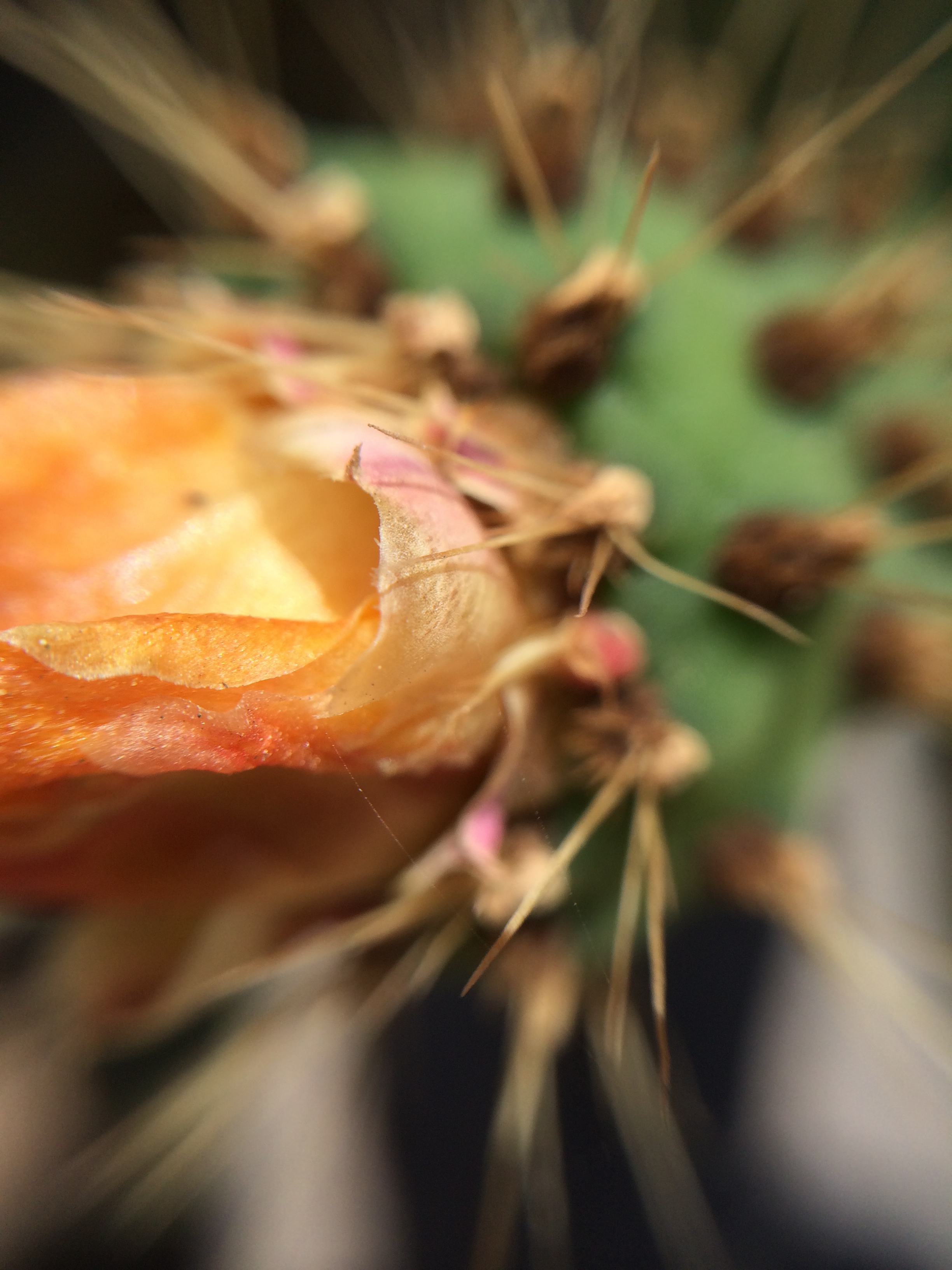
blossom with spines

Each angle revealing something new.

pink prickly pear blossom

I looked from the outside in,

outside looking inand from the inside out.

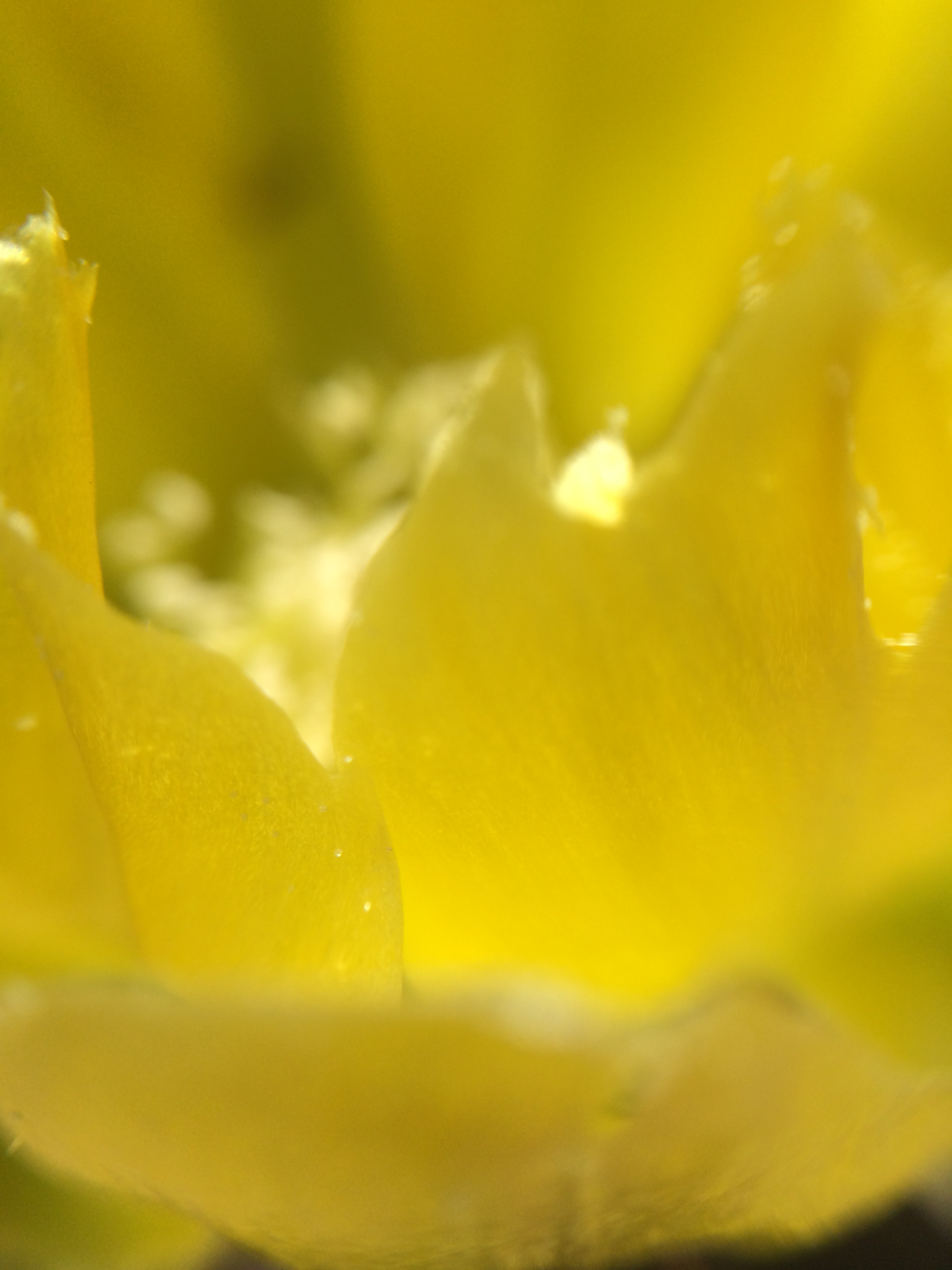
inside the cactus blossom

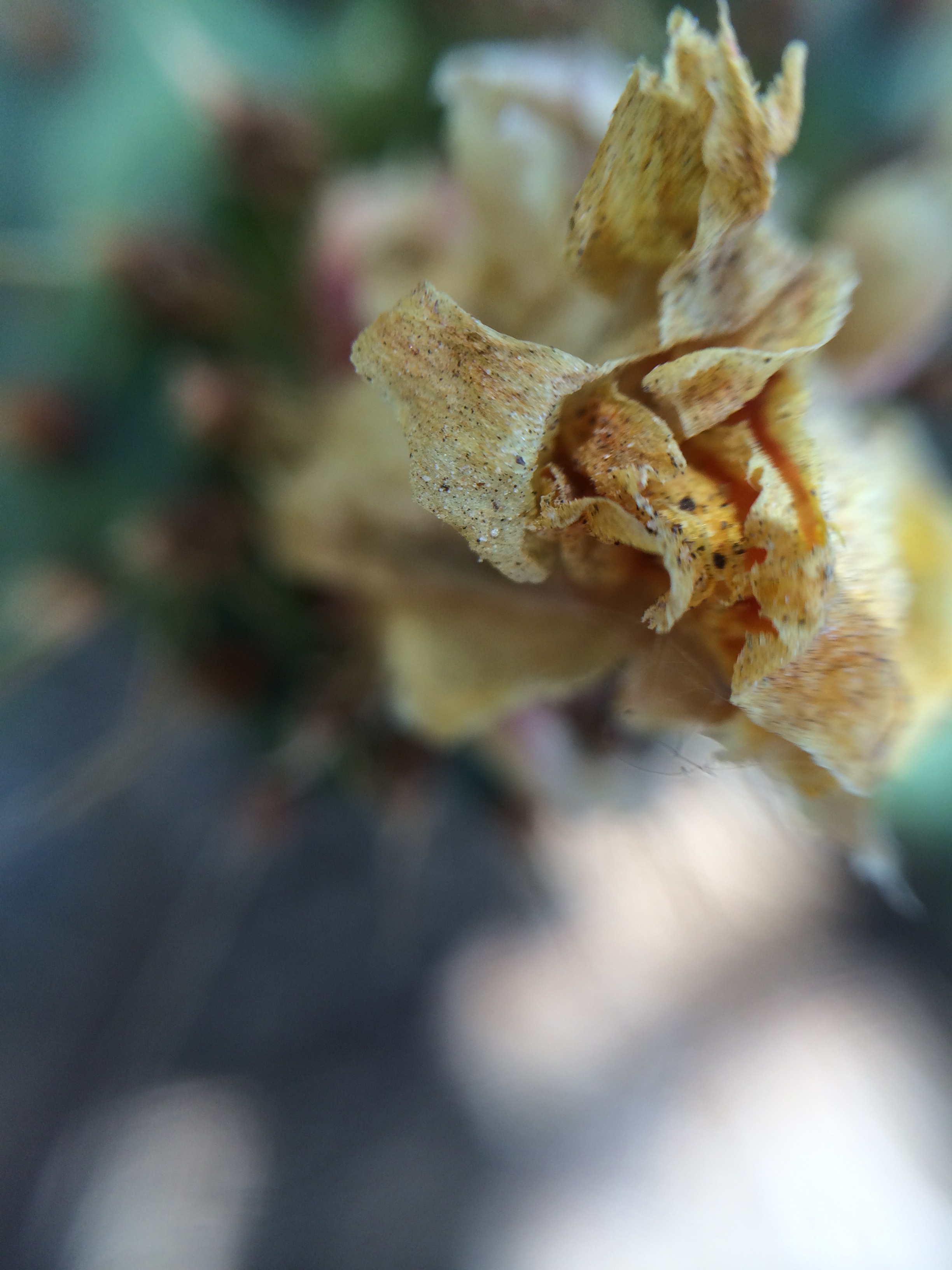
And even this dried up blossom, well past its prime, displays the hints of past glory in its dignified demise.

dying blossom

Getting up close to the prickly pear reminds me of my students in the springtime.  They are blooming too.  And I’ve had all year to get up close, beyond the spines, and get to know them and support them as learners and people.  And I wonder if nobody really sees them either…they are so small, as Georgia O’Keeffe points out.  And the abilities of children are often underestimated.  It takes time to get up close and really see each student as a complex, beautiful, unique individual who will bloom on her/his own timeline.  Luckily, I get that chance in my classroom, even without my camera!

Spring Break: In 25 Words

Sometimes in writing (as in life), less is more.  Coming back from our spring break, we asked our students to zoom into some aspect of their spring break activities and compose a 25-word story to capture the experience.  25 words is short…and it’s not as easy as you might think to come up with a “story” in only 25 words.  But our first, second, and third graders gave it a try. Here’s a couple of examples (the links are to their published blogs–they would love comments if you have time!):

There is new growth in my family garden! Carrots are growing in nice soil (getting sunshine, too!) Making me want to eat the delicious vegetables!  (E.F.)

My brother fell out of a tree, he was in pain! He got crutches, he screamed a lot! Hopefully he didn’t break a bone! (M.B.)

My friends and I went to my Gramma’s house, we had tons of pure fun. We got lost sometimes but it was still extremely fun. (N.B.)

Biosphere two is an amazing place where the scientists are in Arizona, the desert and survived 2 years trapped, researching plant life in threemile greenhouse. (A.R.)

And then there is the student who writes the 25 word story…but can’t resist expanding on the story in her blog post!  (A girl after my own heart!)  Here is the 25 word version…you can click on it for her blog post.

Suddenly a foul ball comes hurling our way. It bounces, jiggles, is everywhere. It happens quickly but suddenly the ball’s in my brother’s sweaty palms. (M.O.)

And of course, I had to try to my hand at a 25-word story about my spring break.  It took me a number of tries to come up with this one…and I might have to try another dozen or so to really craft a story.  And I will include a few photos to enhance my words!

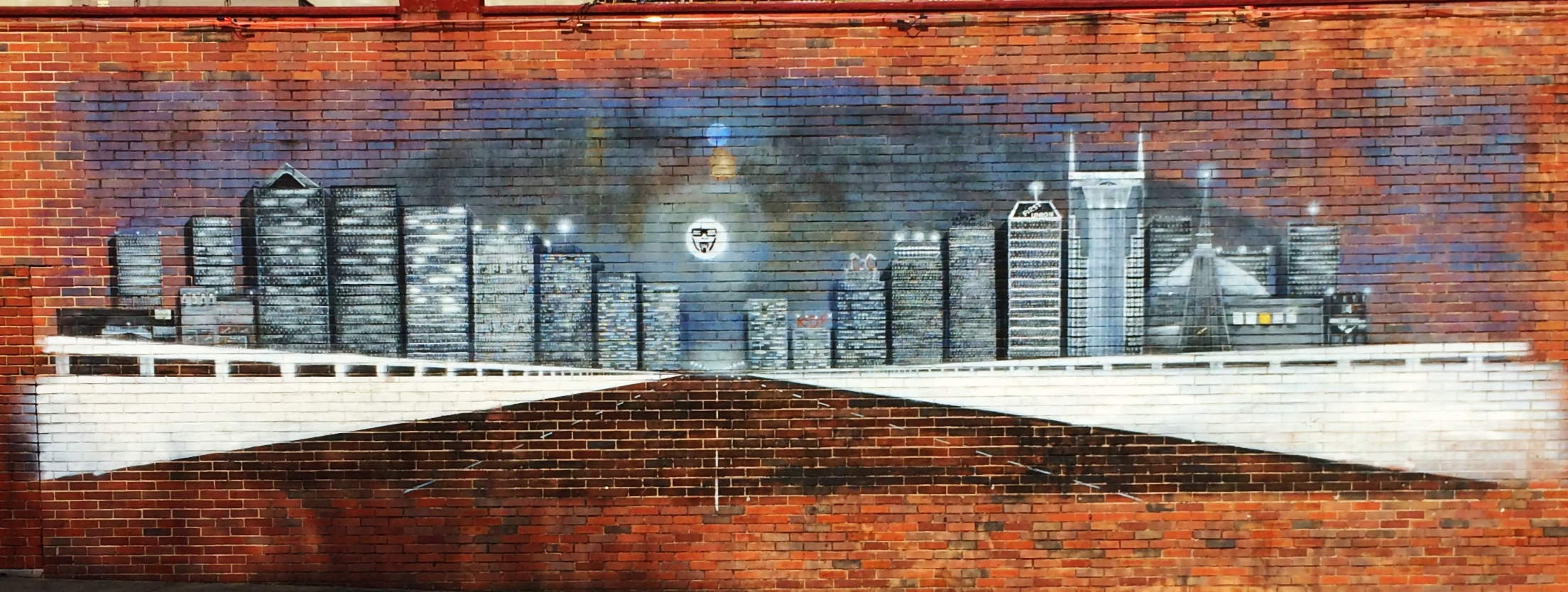
nashville mural

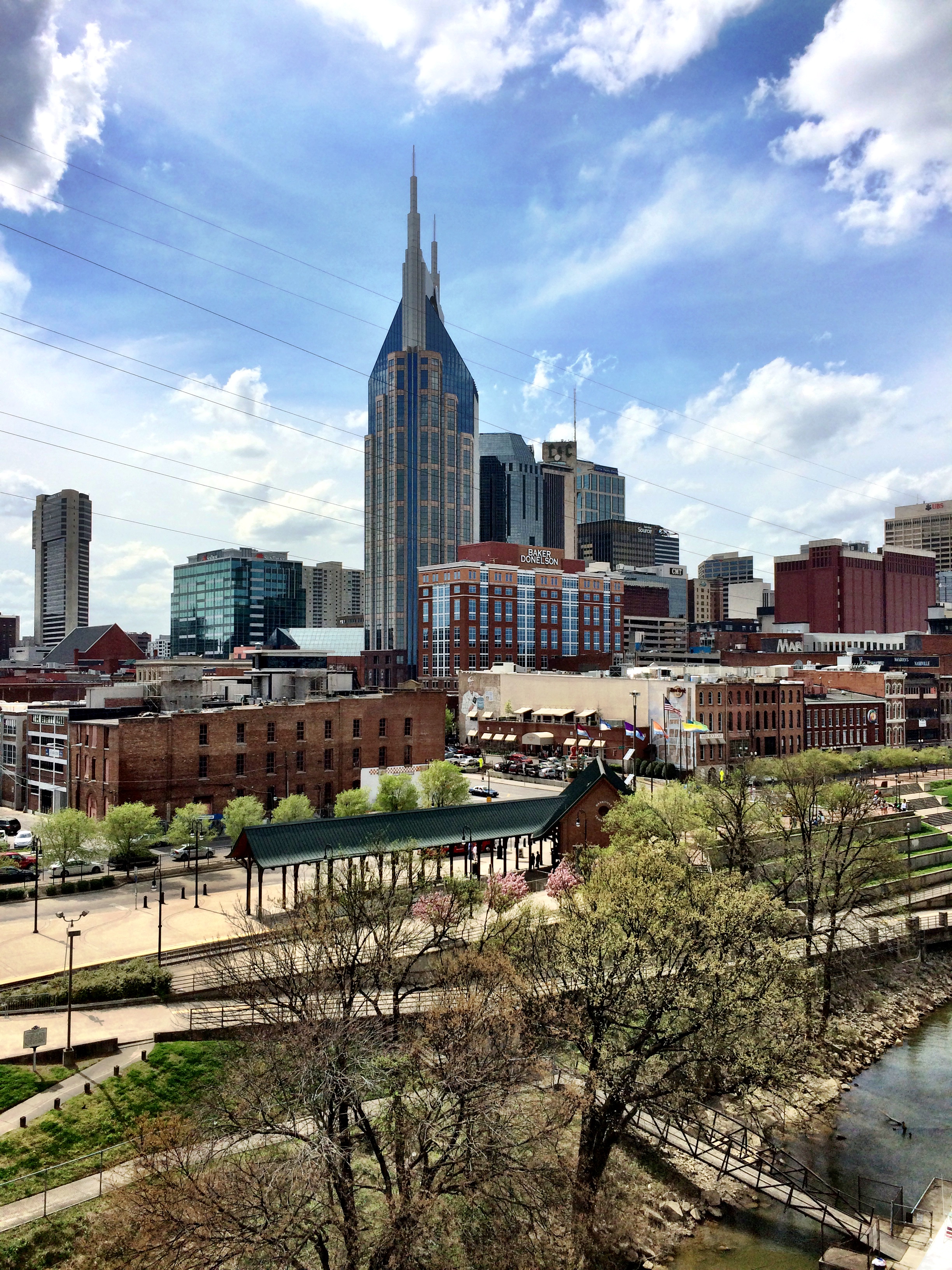
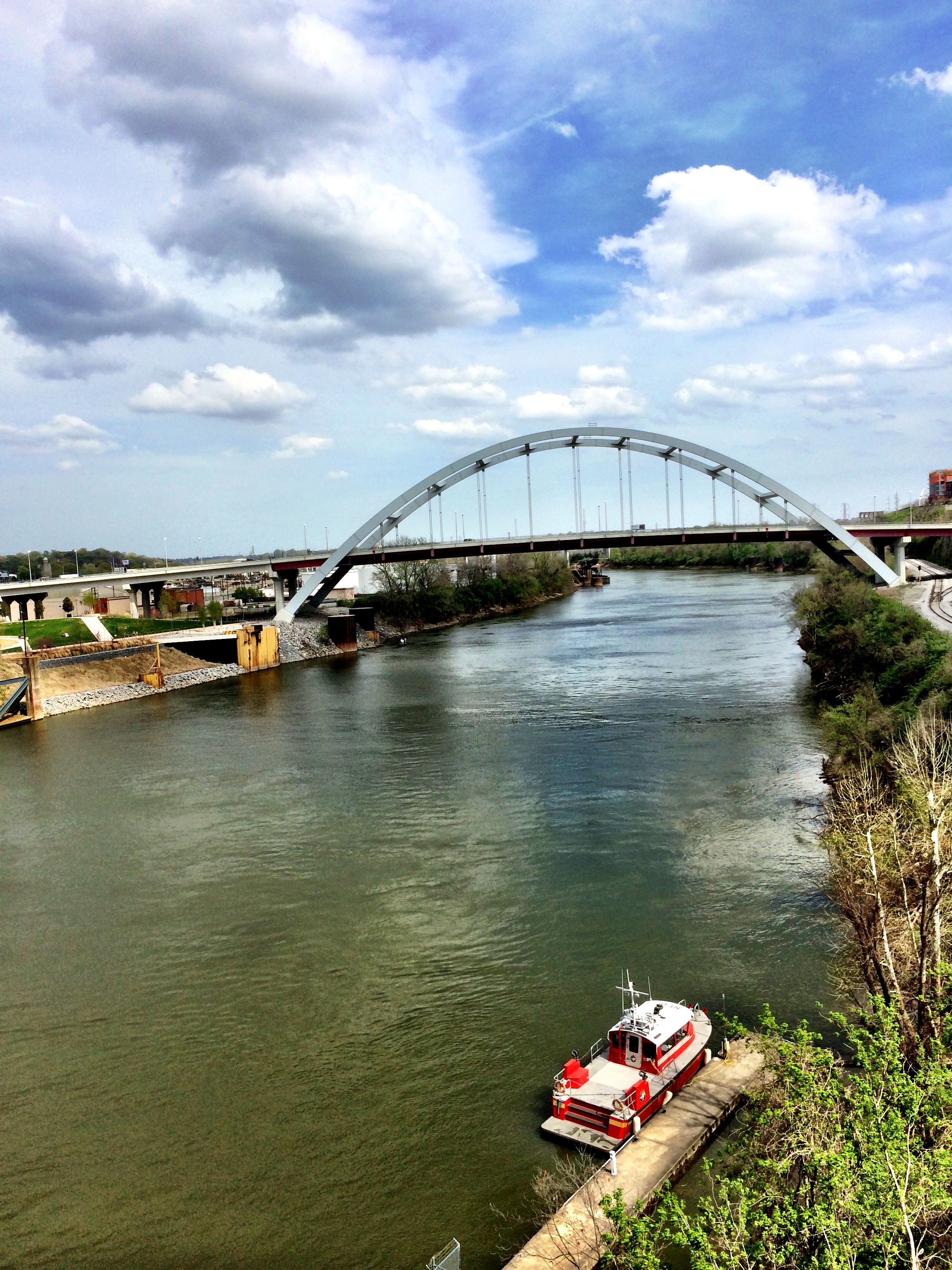
Toes tapping and fingers snapping, she explored the city along the banks of the Cumberland in her new cowboy boots. Her camera captured the details.

Nashville downtown

Cumberland river


Playground Life

I spend three mornings a week out on the playground watching children play.  These early morning duties are generally calm, giving me an opportunity for reflection and observation.

I notice children making up games, resolving their own conflicts, and through their play, improving their coordination and fitness.  I see the same early arrivers most mornings and watch the seasonal changes in the sports of choice.

Balls are always popular, the current favorite ball games are wall ball, basketball, and a blacktop version of baseball that requires no bats or mitts and involves a large rubber ball.

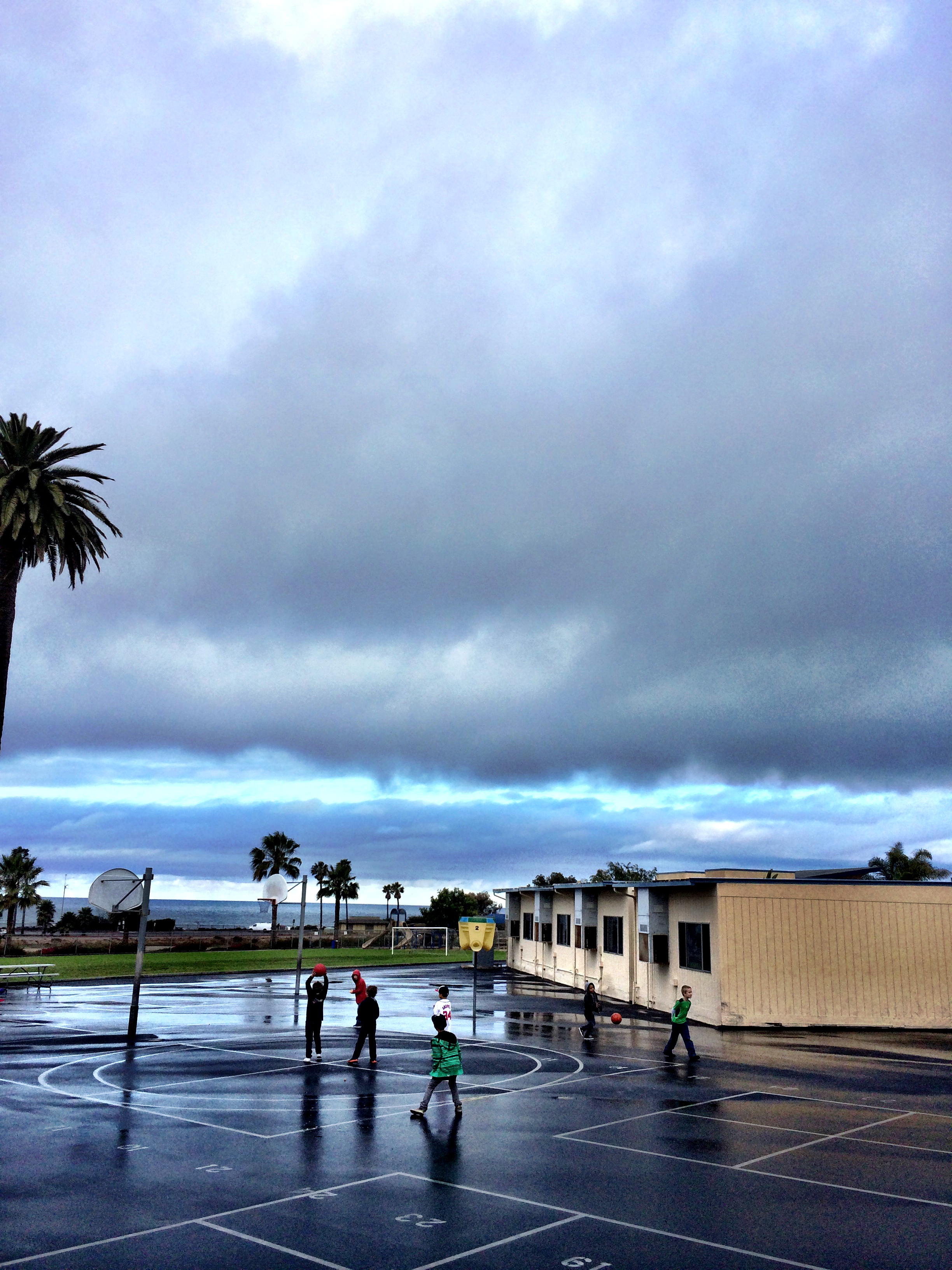
I wasn’t sure this morning that the kids would get to go out and play.  We had a rare rainy day and I ran my windshield wipers all the way to work.  But by the time kids arrived, the sky was still dark, the ground was still wet, but as long as no drops are falling, the kids can play.

rainy playground

The day turned out bright and sunny–and I am doubly glad that I stopped to capture this wet, cloudy moment of children at play.  And so this becomes my Street Life for the Daily Post’s Weekly Photo Challenge.

It’s supposed to rain again tomorrow.  We need the rain so badly that I’m not complaining about the inconveniences of rainy day schedules.  Instead, I’m looking for the silver linings…


Walking the Halls of Congress

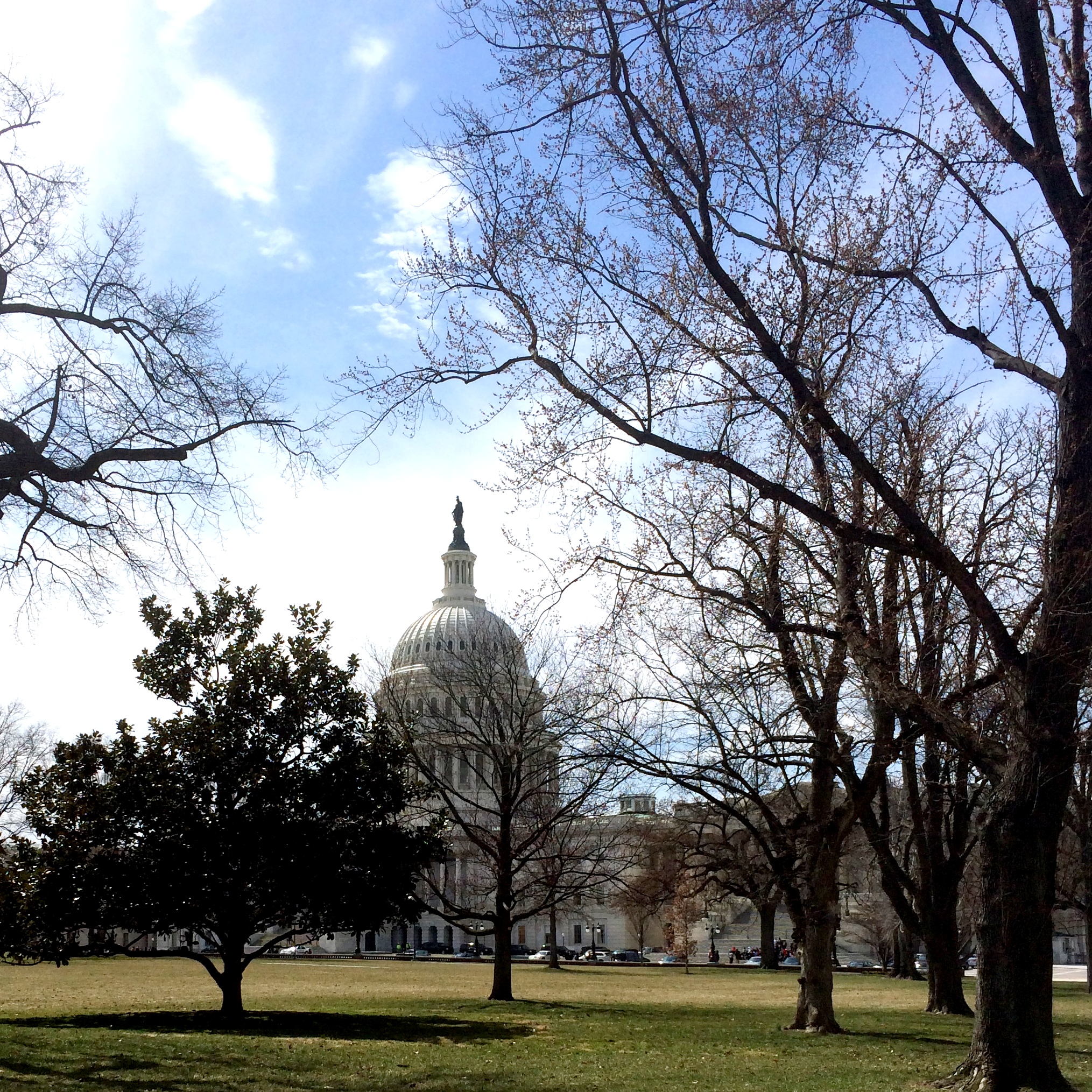
For the last several years I have traveled to our nation’s capitol each spring to advocate for teachers, students, and writing.  As part of that process I walk the halls of congress and meet with elected representatives, telling the story of teaching and learning in my hometown and the power of the National Writing Project network to support teachers and learners.

capitol skyline

I’ve never considered myself political.  Although I have always voted, I hadn’t really considered my role in the political process as a citizen beyond placing my vote at election time.  And honestly, the first time I agreed to meet with elected representatives I wasn’t sure I would be able to find the words and the courage to speak to these strangers about the profession I love.  But I did it…and have continued to do it, because students deserve the best learning opportunities we can provide.  And in the process I have learned a lot about the political process and the power of building relationships with the people who represent us in congress.

In San Diego there are five congressional representatives for the area the San Diego Area Writing Project serves.  There are democrats and republicans, veteran politicians and those new to the job.  Sometimes we meet directly with the representative, sometimes we meet with one of their aides.  Some are knowledgeable about education, some are not.  Sometimes we meet with the same person from year to year, others times we meet someone new.  Sometimes our representatives are upbeat and hopeful, other times they are frustrated, and sometimes even curt.  I can’t imagine how many people they meet with, each wanting their interest to be the priority.

And over the years I have learned some things:

  • Education doesn’t need to be partisan.  Remind the representative of the ways that students in their district benefit from opportunities for high quality learning.  And remind them that teachers work hard and want the best for their students.
  • Our elected representatives understand the value of good writing skills.  They tell us stories every time we meet with them about the difficulty finding employees and interns with good writing skills.
  • Be direct and positive.  That doesn’t mean to sugar coat the truth, but it does mean being pleasant and being prepared with the information you plan to share and the request you have.
  • Work to build a relationship–both locally and in the capitol.  Send information, follow up with emails, invite them and their staff to visit local events…who doesn’t want a photo op with an adorable student?

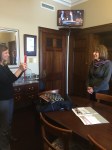
This year, my friend and colleague Abby, who traveled to Washington D.C. with me, decided to make a video for her second grade students featuring our local representatives.  With each of the representatives we spoke with directly, she asked them if they would mind saying a few words to her students.  (We met with three of our five representatives directly–they are featured in the video.) Each representative was happy to participate…and Abby sent them each a link to the finished movie.  (Hope you enjoy it too! I served as cinematographer for the scenes featuring Abby.)

And here’s a couple of behind the scenes photos of Abby in action.

I’ve also learned the power of social media in advocacy.  After Abby tweeted the link to the video she also had responses from the congressional twitter feed.  And it wasn’t long before a photo we had taken with a local congressman was tweeted out as well.

Screen Shot 2014-03-31 at 4.38.40 PM

The only way we can improve the political process is to participate in it.  And although it isn’t necessary to travel to Washington to participate, being there expands my understanding of how the processes work (and don’t) and helps me think beyond the partisan politics that dominate the rhetoric about our government.

I am more convinced than ever that we need to move beyond binary thinking, beyond democrat and republican, beyond right and wrong, and black and white and move toward more complex understandings of how our government works.  For me, these efforts to advocate on behalf of my profession and the students we teach have been steps in that direction.

Reflecting on Weeds

I’ve been pretty obsessed with weeds over the last few weeks.  These much maligned plants are resilient, tenacious, and often quite beautiful…traits I admire.

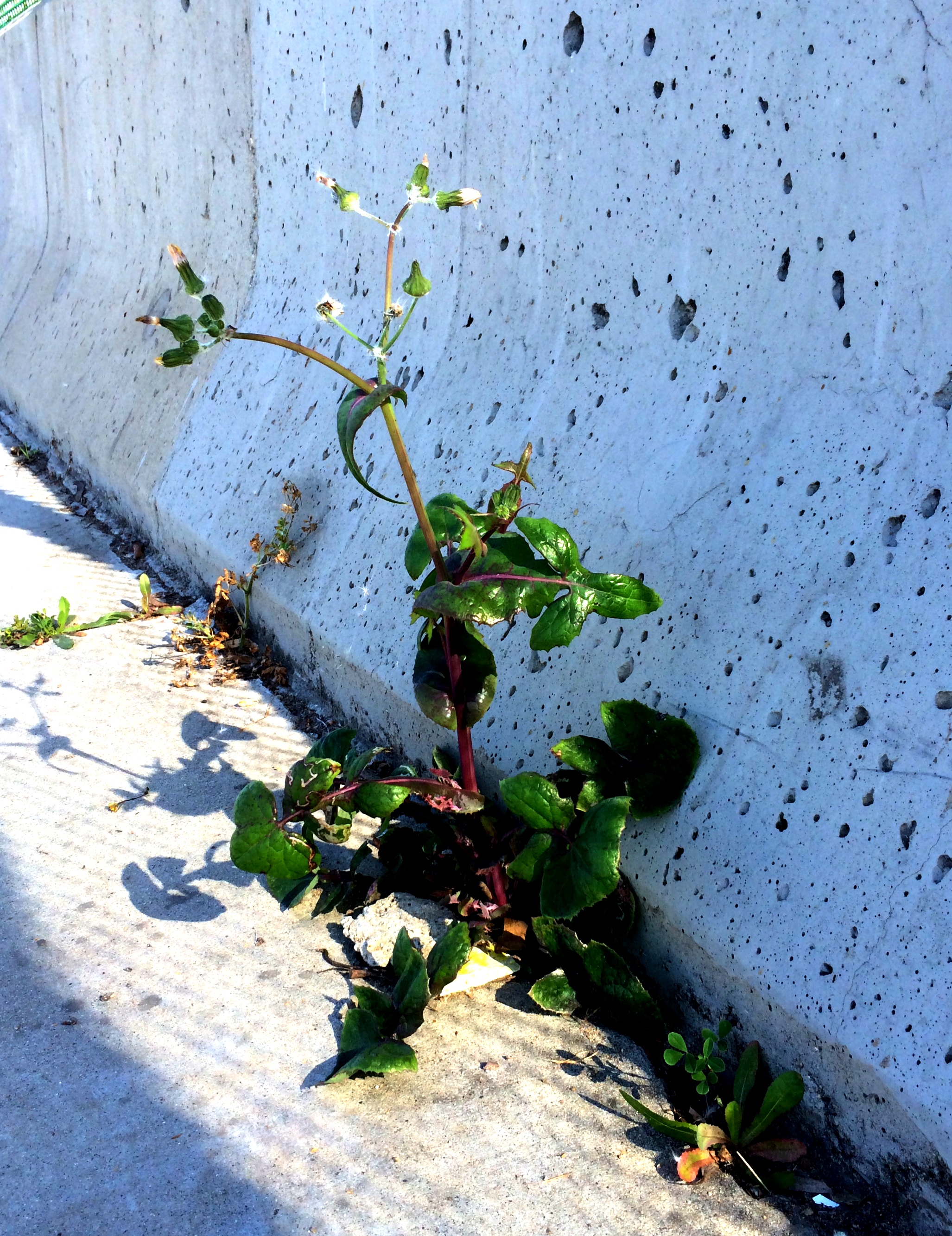
On my way home from work today I noticed that the greenhouses I passed were ablaze with color, so I pulled off the road, parked and walked to take a closer look and a few pictures.  And on my way I noticed this weed growing along the cement wall in a crack between the sidewalk and the wall.

urban weeds

When I got home I noticed that today’s Daily Post Weekly Photo Challenge was reflection…and instead of thinking about the many photos I take of literal reflections (mostly involving water), my mind immediately went to this photo of a dandelion weed growing in the crack of a sidewalk.

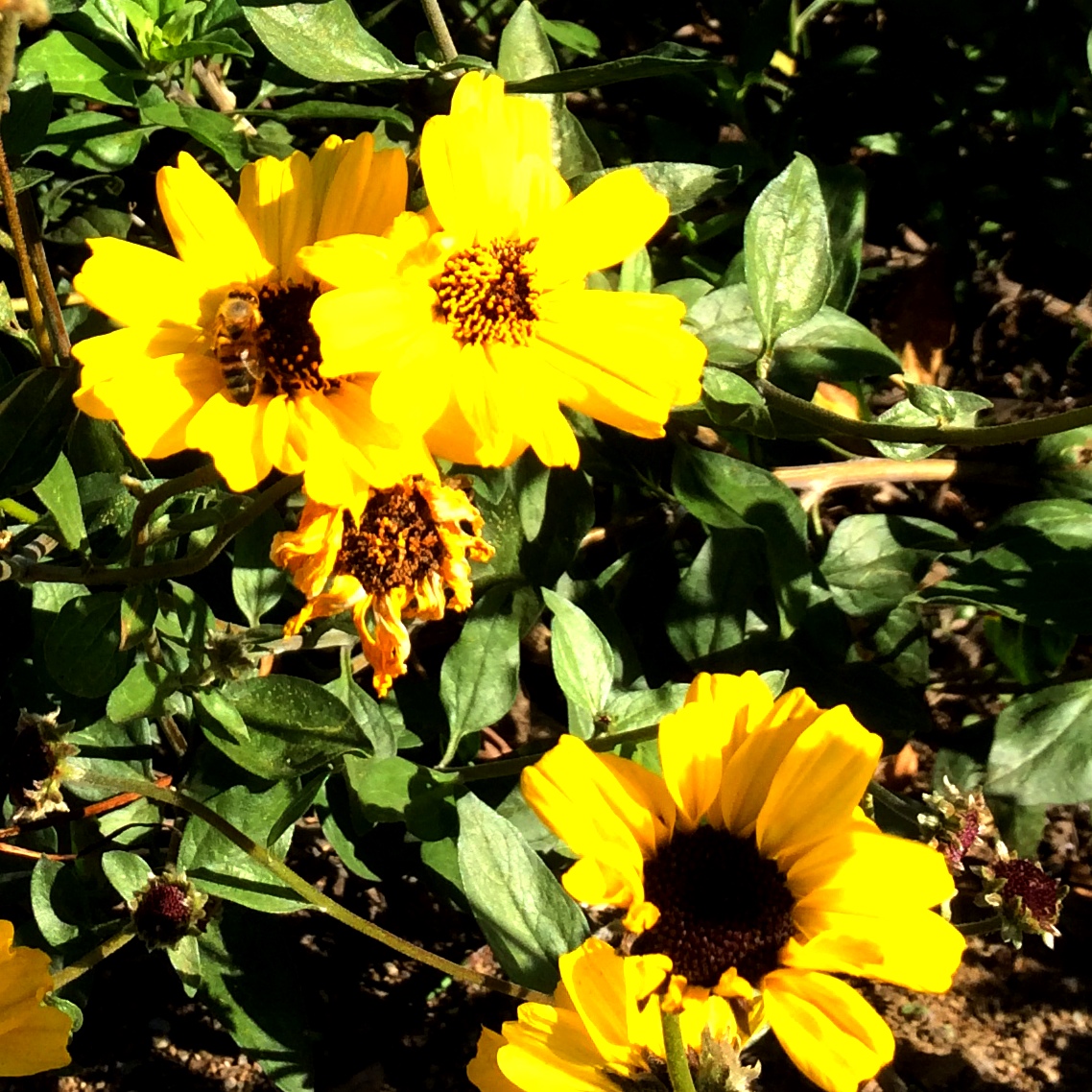
I’ve reflected on many aspects of weeds in the last couple of weeks: their beauty, the role of a negative label, and about things that we see as expendable. Every time I see a weed I find myself thinking about its positive qualities…and wondering if a particular plant is seen as a weed depending on the context.  After I photographed the dandelion weed I also noticed the salty susans growing wild in the dirt where the sidewalk stopped.  I wondered…are these weeds or are they native plants?  And really, what is the difference?  If these yellow blossoms were in the crack of the sidewalk would that make them a weed?

salty susan

And as I finished my parent-student-teacher conferences today I was thinking about the qualities the educational establishment values in learners.  What about the students who don’t quite fit the profile of the ideal learner?

I heard a piece on the radio this morning about the rate of suspension and expulsion in schools of students of color…and know that there is no reasonable explanation for these statistics. These children are being seen as “weeds” in the system, intentionally or unintentionally, and this has to change.  How we talk about kids and how we define success plays a huge role in the ways kids are treated in schools and other contexts.  Plucking them out is not a viable solution…and there’s plenty of research to support that premise.

I think the answer lies in broadening our definitions of school success.  I also think we need to consider what we expect of students.  Do we want them to sit quietly or do we want them to learn?  Is reading from a textbook or listening to lectures the best pathway to learning?  How do we support students in finding their own experiences in the content we teach?  What environments do we cultivate to encourage the growth of students who are quite different from each other?  How do we engage families and learn from them and with them about their children?

For me, weeds are an object of reflection…and of fascination.  And they generate question after question for me to consider as I strive to improve my teaching practice.

And watch out…I might just have an entire garden full of weeds one of these days!

Stars Emerge

Writing is hard.  Teaching writing is harder. And every once in a while the effort of teaching writing and supporting and inspiring writers comes together in ways that make your heart sing and tears flow.

I had one of those moments yesterday.

The first, second, and third grade bloggers were hard at work in our classroom.  The room was filled with the productive hum of writers at work.  I moved around the room, helping with inserting youtube links to the digital stories we had created, troubleshooting technical issues, and helping those emerging writers get their ideas pinned to the digital page.

One of my students called me over, asking for help with a formatting issue.  And that’s when I noticed the poem.  “Where is the poem from?” I wondered.  “I wrote it,” he replied.  “Will you read it to me?” I asked.  And he did.

Stars

A poem

Two stars diverge sending each other down to earth like eagles mating, gripping each other so hard that before they descend and hit the ground they turn into dust. As all the stars shine and shimmer with a shine so big it blinds eyes.

The portal of time, a hole, may it be a dimension to another world? Might it have different forms of life? Or does it hold the keys to the past as you turn the engine?

May it be a beach of darkness or is it truly where your body is when you pass away.

Still a star inside, you shine, a star big enough to fill this sad place with colors and light up the world.

Are all the stars just a puzzle or are they illusions that move and move as you play the game, the game of life?

I have loved watching this writer go from a reluctant and troubled writer to a creative, confident, and willing writer over the three years in our class.  Writers don’t follow easy, uncluttered pathways, instead, like stars and diamonds they emerge from from pressure and heat and time and the tumultuous intricacies of the universe.  I am so lucky to spend three years with my students, it often takes that long for writers to emerge–finding both confidence and voice as writing instruction, practice, and a supportive writing community come together over time.

I’m still thinking about Brit’s poem…great writing does that.  It ignites a fire in the reader, kindled by the writer.  It’s burning bright and hot.

photo-102

You might want to stop by Brit’s blog and leave a comment.  I know I will.

The Strength of Violet

Violet always seems so gentle, so calm…like flowers budding in the spring.

The color of these mussels surprised me.  Sometimes they can look almost black…other times a deep indigo or rich blue.  But on this day, in the warm winter sun they looked violet, understating their strength and resilience.

I admire these creatures who survive in the intertidal zone.  They live part of the time under the sea, covered completely by briny ocean water.  And they live part of the time exposed to the sun and wind and birds and people, holding tightly to the rock.  They have an otherworldly look…like they belong to a time before people walked the earth…and perhaps they did.

mussels

Sometimes we miss the beauty of strength, the ability to adapt, to hold tightly and conserve resources.  Mussels, like some of our students, are stoic.  They don’t complain or call for our attention.  They aren’t showy or dramatic…they’re almost common, easy to overlook.

Who are you overlooking in the classroom?  Which of your students takes care of business without attracting your attention?  And what would happen if you were to notice?  What would you see and learn?

Playing with Shadows

Sunday’s prompt for #sdawpphotovoices had to do with shadows.  (It’s part of our exploration of photography techniques…light is this week’s focus)

And of course, Sunday was overcast most of the day.  So when the sun peeked out from behind the clouds in the later afternoon, I headed outside in search of some shadows.  The first shadow I noticed was my own.  But I’ve taken that shot before (see my post of shadow selfies).

At first it seemed hard to find interesting shadows…and then I started looking for shadows of ordinary things and I spotted this leaf near the hose…a still life with shadow!

photo-92

Further investigation led to me to the sidewalk across the street where the shadow of the tree on the sidewalk along with the shadow of the curb created a shadow tree…not a shadow of an existing tree, but a new tree.

photo-94

Further down the street I noticed that the neighbor’s basketball hoop was making a shadow on the street.  If you look closely, you can almost see the net within the square backboard.

photo-95

As I headed back through the fence to my backyard, I noticed the shadow on the fence.  I love the ways the branches intersect in the shadow.

photo_1

The sun ducked back undercover shortly after my excursion outside, but not before I caught a shadow inside, as the sun shone through the slates of the window blinds onto the floor creating an interesting repeating pattern.

photo-93

I wasn’t excited about taking a picture of a shadow, especially when the sun wasn’t shining when I was out away from home.  But once I headed out and started re-seeing my neighborhood in a playful way…on a shadow hunt…I discovered more than i imagined, and I was having fun chasing after shadows.  There were more that I didn’t include here…including a couple of accidental shadow selfies!

Over coffee with a friend this afternoon, our conversation circled around to play…and the need for teachers to be having fun and playing while they are teaching and working with students.  You know if you, as the teacher, are not having fun, then your students aren’t either. And I don’t know about you, but I always find that I learn the most when I am having fun…almost not even noticing that I am making an effort!

How do you make learning fun?  What are you playing with in the classroom? Chasing shadows seems like it might just be a metaphor for finding play in the classroom…

It’s the Little Things

Yesterday I dug out my macro lens and started playing with it again.  It’s one of those things that I love, but I have to stop what I’m doing, take the cover off my phone, unscrew the macro lens from the wide angle, attach it and then lean in to photograph my subject.  Using the macro means coming close, taking time to steady myself and my breathing, and holding still for the perfect shot.  It’s easy to get the focus wrong and come away with a blurry shot.

And in spite of all of that, I love the vantage the macro lens offers.  I get to see small things in new ways.  Things that are easily overlooked suddenly come into focus, creating a stunning new way of understanding the subject.

photo

A familiar TED talk also crossed my Twitter feed this morning.  Angela Duckworth talking about her research about what makes students successful…was it intelligence or something she calls grit?  She found in case after case, holding all other variables steady, that grit made the difference.

This 6 minute video is well worth your time.  But it’s also important to think about not just students and how hard they work, but also how teachers view persistence and effort.  A growth mindset, as described by Carol Dweck, means that errors are seen as part of the learning process.  Mistakes are an opportunity for learning, not an indicator of lack of effort or lack of intelligence.

So back to the macro lens and the little things.  With the help of the macro lens I can appreciate the beauty of things I hadn’t paid much attention to before, like this half blown dandelion in my yard.

photo-2

And with a growth mindset I can also appreciate the little things about my students as I notice how they approach a math problem or understand a science concept or even where their struggles are with decoding.  Instead of seeing what they can’t do, I pay attention to the beauty of what they do know and help them use their strengths as tools to make progress where things seem hard.

photo-3

Like these tiny, ethereal dandelion seeds, learners can take the seeds of understanding from one subject and plant them in others.  And as teachers paying close attention, we can help our students identify their strengths and repurpose them in other situations.

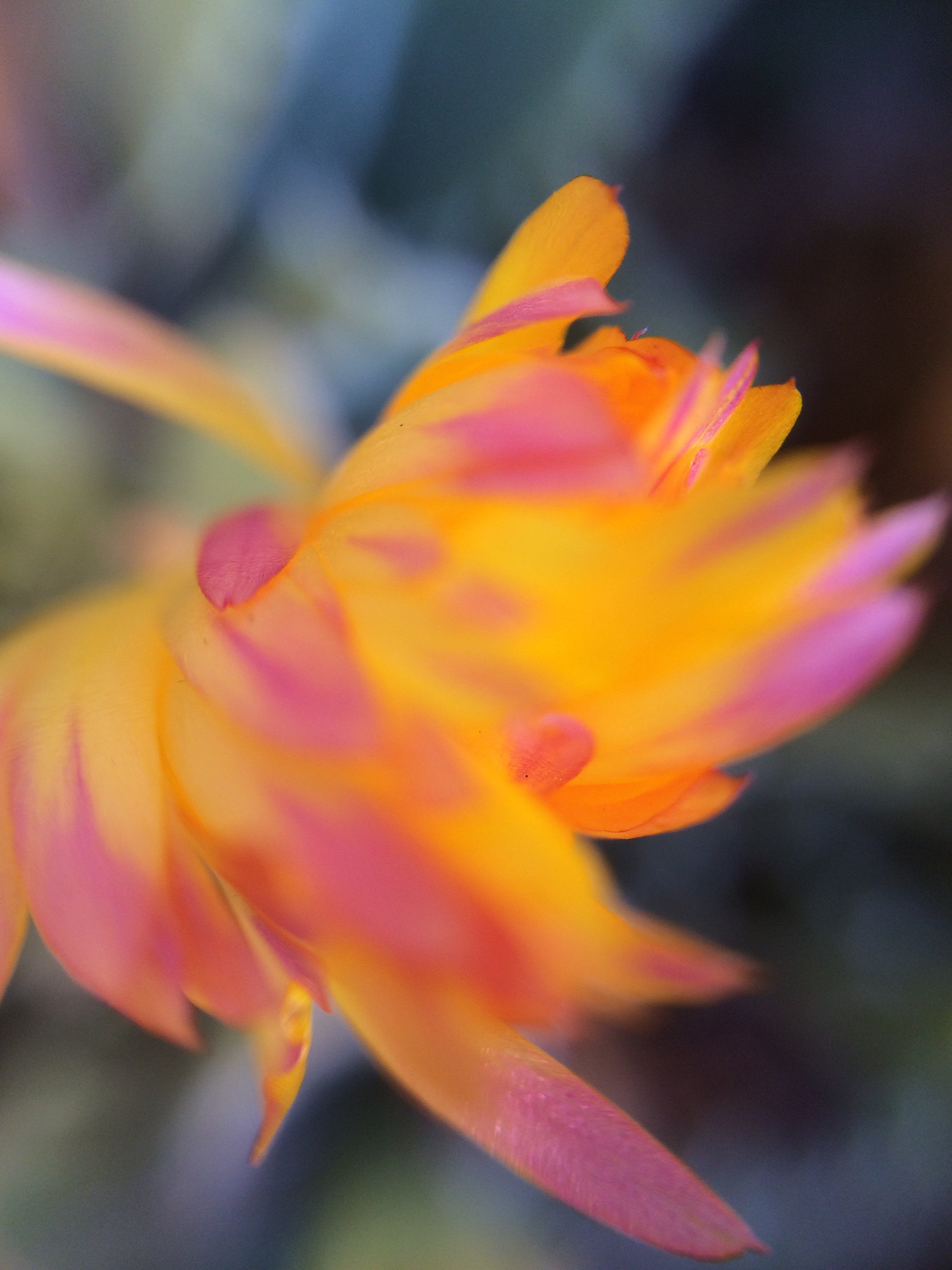
When I went outside this morning the cactus flower blossom in the pot near my front door was closed…looking droopy and like it might be ready to fall off.  But since I was playing with my macro lens, I leaned in and got close…and captured this.

photo-4

Without the lens, my eyes did not capture the beauty and colors that my camera could see (all of these photos are unedited originals).  I noticed later in the day when the sun had reached the door that the blooms opened, yellow and vibrant.

I’m glad that I took some time with my macro lens today…and with Angela Duckworth’s TED talk.  Tomorrow I return to my classroom after a week away for the Thanksgiving holiday. And I’ll be looking closely and leaning in to notice all that my students bring to the learning…even when it seems hard…to appreciate their strengths and re-view their mistakes. We’ll be developing our grit…together.