Tag Archives: writing

Underfoot and Overhead: SOLC #26

What is under your feet and over your head today? A much needed walk took me to the beach, where after a rainy yesterday the sun shone brightly this afternoon.

I tied on my ratty sneakers, the ones with hole in the toe, knowing that I’m always at risk for a salt water foot bath, or the sneak attack of some sand covered blob of tar on the beach.

In my usual fashion, I start out walking quickly trying not to let all the sights and sounds and smells distract me as I attempt to earn my exercise minutes, and then slow down letting the environment speak to me as I pull my camera to my eye.

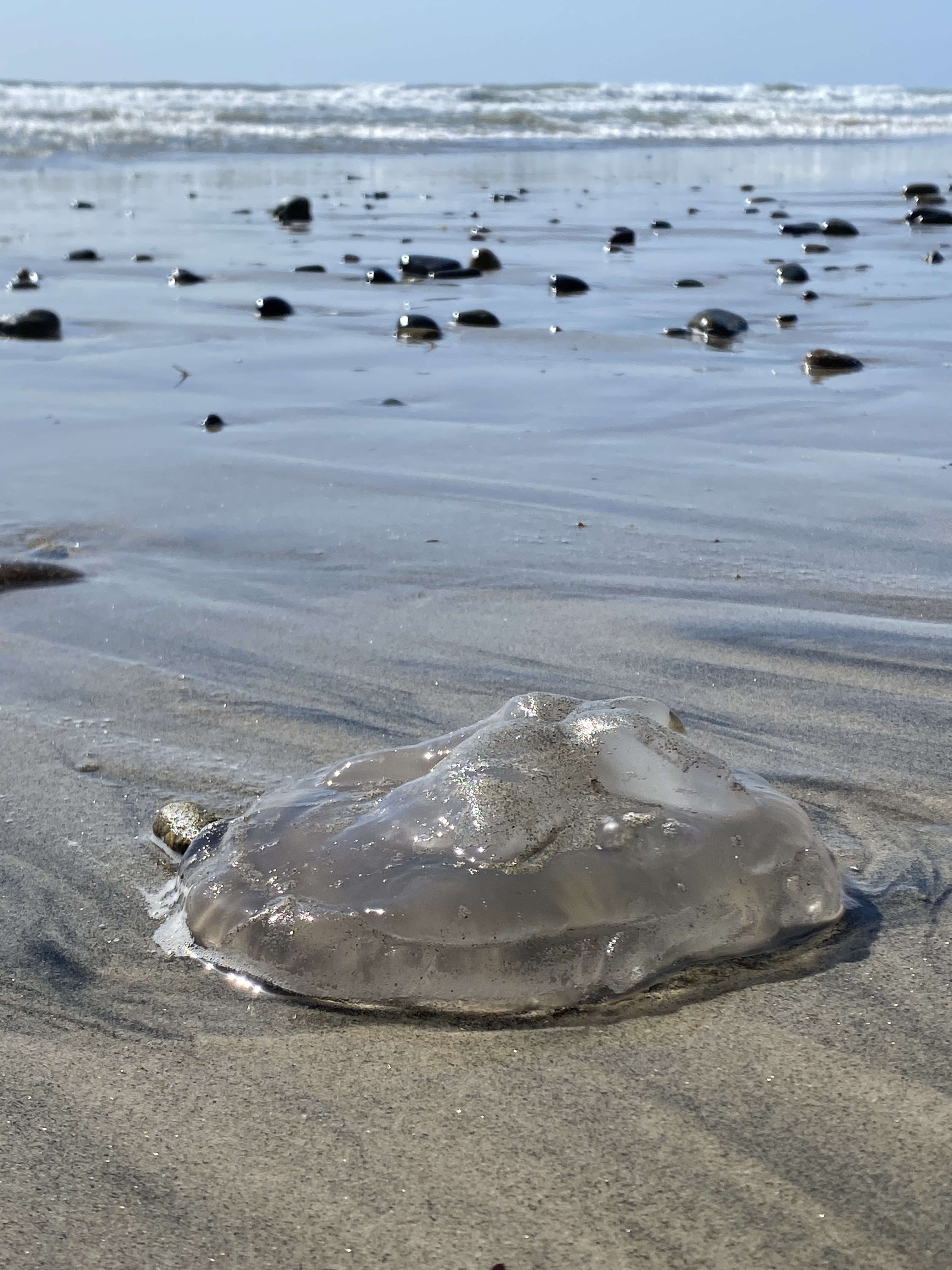
This jelly was nearly invisible, an almost clear glob of gelatinous organic matter. I sometimes see bits and pieces of jellies, but seldom a fully formed (and quite large) creature like this one. I’m not sure what kind of jelly this is–maybe a moon jelly? I’m happy to not have stepped on it, even though it is no longer alive.

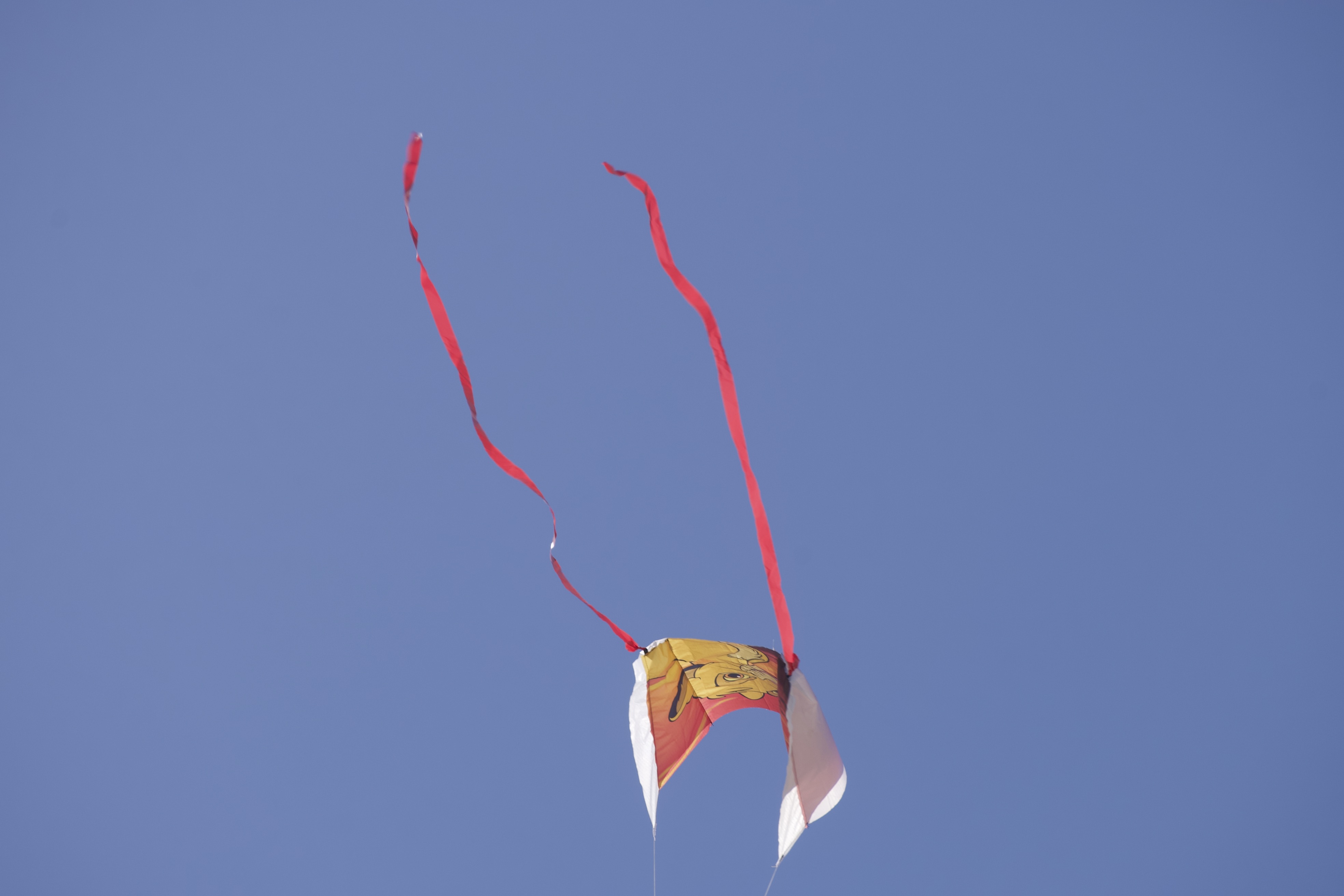
A beautiful spring day also meant a healthy breeze blowing. I’ve been noticing more and more people playing on the beach, throwing balls, building castles, and flying kites. This one was really soaring, getting lots of loft and lift into the bright blue sky.

What did you find underfoot and overhead in your place today?

Jacaranda Season: SOLC #25

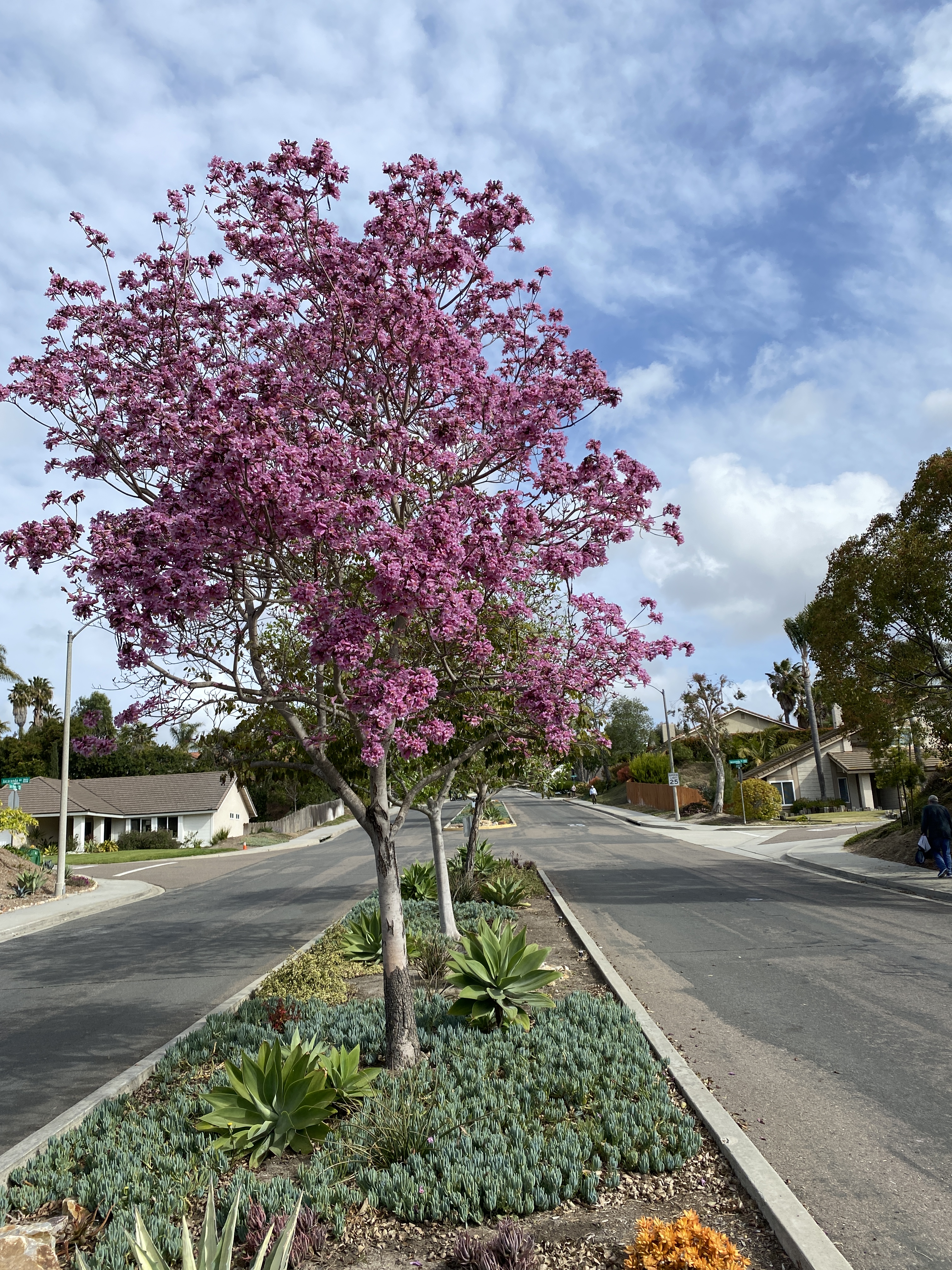
It’s jacaranda season. The time of year when the trees burst into purple flower, spreading cheer and news of springtime.

While the trees are not native to our area, they are iconic in our area. I even just read that they are the official (non-native) tree of San Diego (as of 2000). Apparently it was Kate Sessions (the tree lady) who brought these beauties here and made sure they were planted all over the city.

In full bloom, these trees are beautiful. They are fragrant and their color ranges from bluish purple to these in my neighborhood of the more pinkish purple variety. My eye is always drawn to them as I turn the corner to drive into our neighborhood.

They’re messy…but such a beautiful harbinger of spring in our area. There are places in our city where the ground will be covered in these purple flowers as the blooms begin to drop.

Cue music: imagine Prince and Purple Rain. The city becomes carpeted in purple, like our own version of the yellow brick road. Raining down from above, purple blossoms are everywhere. They fall into your hair, stick to the bottom of your shoes, and cast a magical hue as spring begins to shift to summer.

It’s jacaranda season! Spring is here!

Hierarchy of Need: SOLC #24

There were a ton of things on my to-do list this morning:

  • Whole class Zoom meeting with students
  • Second COVID vaccination (hopefully with no side effects–no time for that!)
  • Get those report cards done!!!!
  • Lesson plans for next week–and for coming back to a full classroom after spring break
  • Figure out how to fit 25 students in my classroom seated 3 feet apart (it was 4 feet last week, but change is the watchword this year!)
  • Respond to student work, especially the poetry that we are starting in anticipation for National Poetry month in April

Once I got through the Zoom meeting and driving through the livestock barn at the local fairgrounds for my second Pfizer vaccine, the only thing I could focus my energy on was rearranging the classroom.

So instead of fighting that urge and heading into report card writing without a true focus, I decided to just commit myself to the physical task, knowing that once done I would have space in my mind (and a lowered anxiety level) to buckle down to the other tasks.

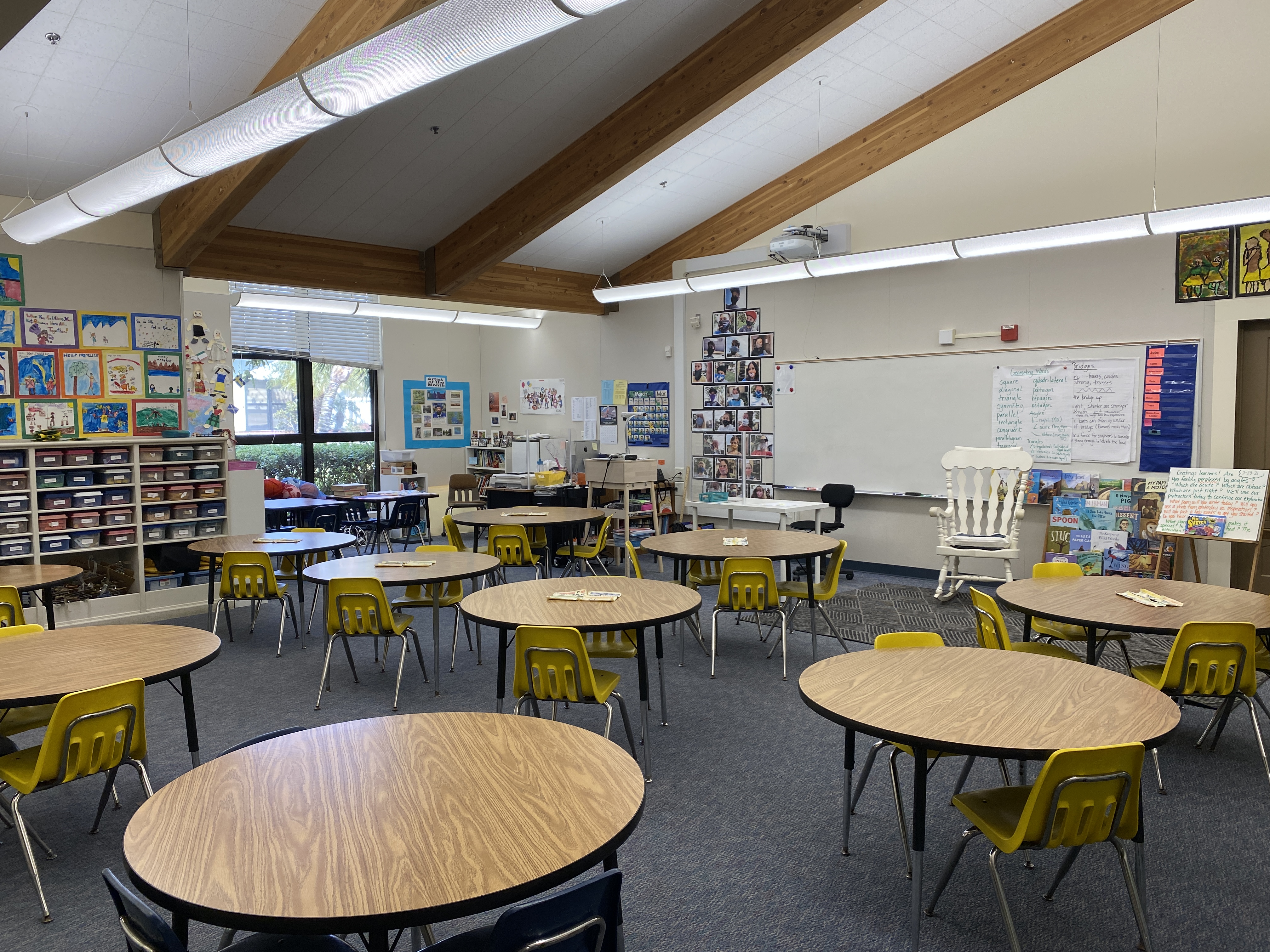
There were so many tables! The room felt tight, with no room to breathe. Something would have to go. I’m not really good at envisioning space–I just have to move stuff, and then move it again until I get it right. So, I started dragging tables from here to there, folding over the area rug for easier movement, and considering just what I could live without.

After smashing my finger between two tables (it’s looking a bit purple on the knuckle), emptying the big kidney shaped table to move it across the room, and throwing my sweatshirt onto a chair, the space started to come together. Once I had a general vision that I thought would work, I texted our custodian, asked him to bring his measuring tape, and requested his assistance.

I tried the kidney table in its new position–but no, everything still felt too crowded. With C’s help, we determined in addition to losing the kidney table, I could also get rid of a student table and still have adequate seating (distanced) for 25. We measured and checked, pushed and pulled until things fell into place. Now there are walking spaces, working spaces, sitting spaces, and distance. I think this will work!

Obviously in my hierarchy of needs, getting this physical space right superseded the report cards and lesson plans. And now that this physical work is done, I know what lies ahead of me for the next few days. I will have some long stretches attached to the computer, entering grades and writing comments in preparation for the parent conferences that will come at the end of next week. The lesson plans are already dancing in my head as I look forward to having students do their school work in the classroom full time instead of at home part of the time.

I’ll get those report cards and lesson plans done–they always get done. But I do feel better now that the space is organized.

A Treasure Hunt: SOLC #23

I like to think of each day a treasure hunt. I look for those hidden gems–sometimes only unseeable because of my own shortsightedness.

On those days when everything seems unbearably humdrum, monotonous, with sameness coloring my every thought, I have to stretch myself to find something, anything at all, that I can classify as treasure.

I was finding myself in the humdrum doldrums on a recent walk at the beach. Impossible, you say! The beach couldn’t possibly be boring or mundane. Except when my brain fills with negative thoughts…all the I want-tos that just can’t happen…yet.

Time for a treasure hunt.

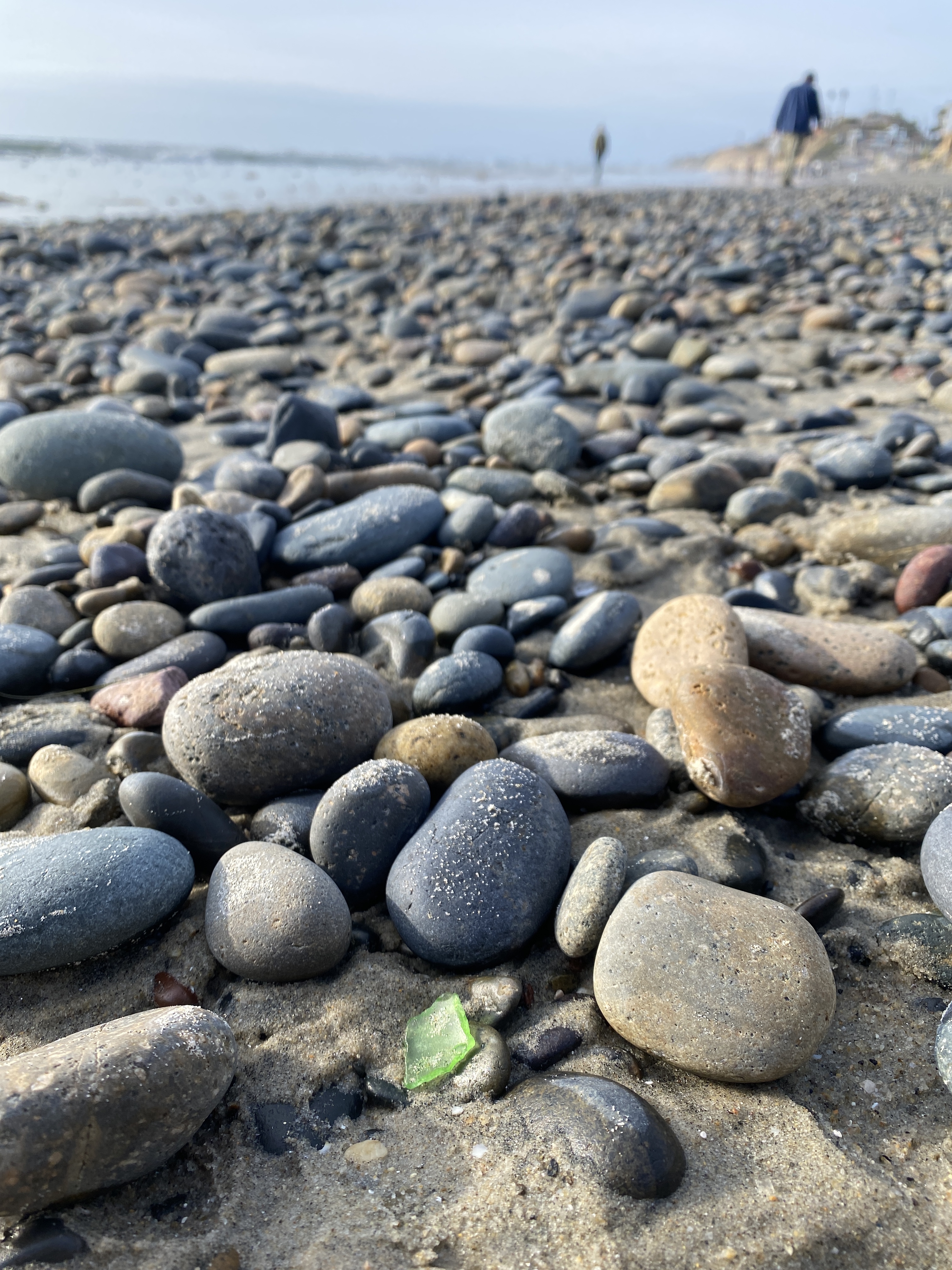
Winter tides bring lots of rock onto the shore. And sometimes, when the light is right and I look at just the right angle, I’ll notice the glint of buried treasure. Sea glass comes in a variety of colors, sizes, shapes, and degrees of ocean sanding. It’s always such a treat to come across a piece during a walk along the shore.

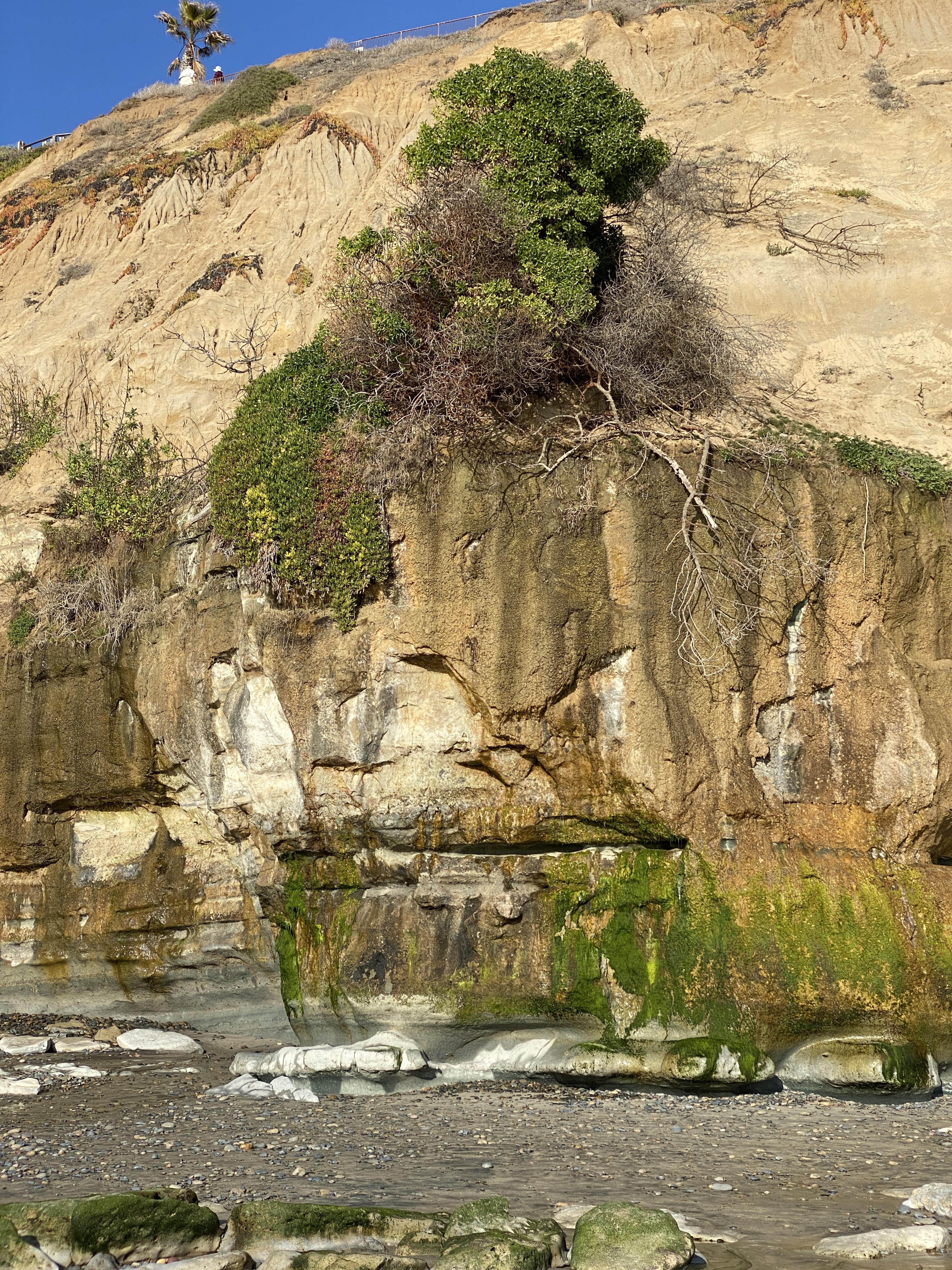
Sometimes the treasure is all about just how you look at something. There’s a place along the beach that we call “the corner.” The cliff juts out a bit, making it tricky to get around when the tide is high. But when you look at that corner, the cliff itself, just right, a face appears. Another treasure. Judge for yourself.

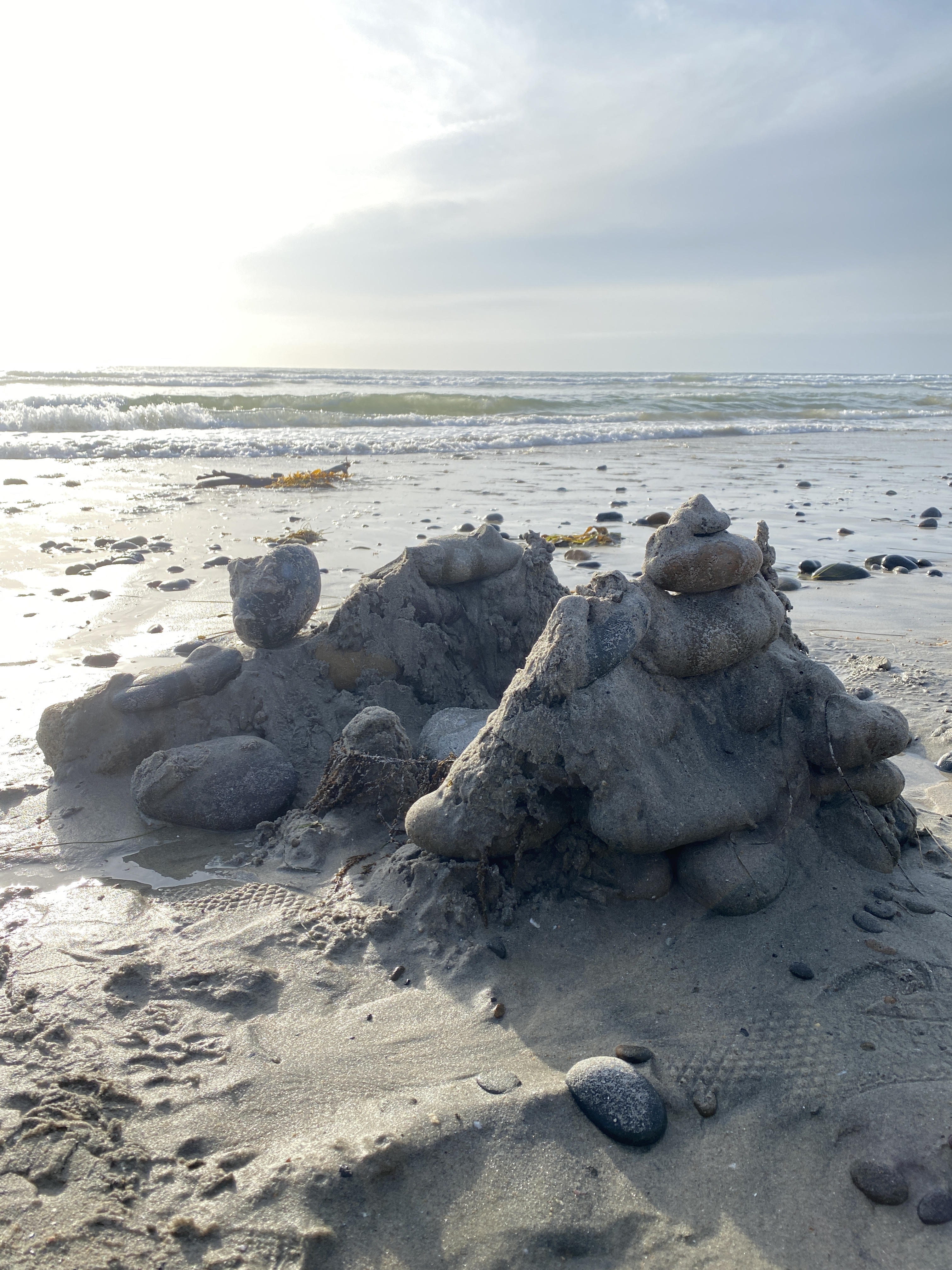
You never know when you’ll come across the remains of someone’s work of art. It might be a stack of stones: a beach cairn. It might be an image raked into the sand. And sometimes it’s a sand castle. This treasure caught my eye because of its creative use of algae. Even in its tumbledown ruin, you can see the brilliance of the design…and the cloudy light also brings a certain feeling of low-key ambiance that whispers treasure in my ear.

Reliving this treasure hunt brightens my day. Remember that treasure is in the eye of the beholder–that the littlest of bright spots can make all the difference in the way you feel at the end of the day. Make time for a little treasure hunt. I’d love to see what treasures you find!

Tiny Perfect Things: SOLC #22

Today students continued their work with photography after we read Tiny Perfect Things. We took the iPads and headed out onto the track around the field to uncover our own tiny (or not so tiny) perfect things. We then used Elaine Magliaro’s poem Things to do if you are a Pencil as a mentor text to get started on a poem to accompany the photo each student selected.

We didn’t get to any sort of publication today, so I don’t have student texts to share with you. That will have to come later.

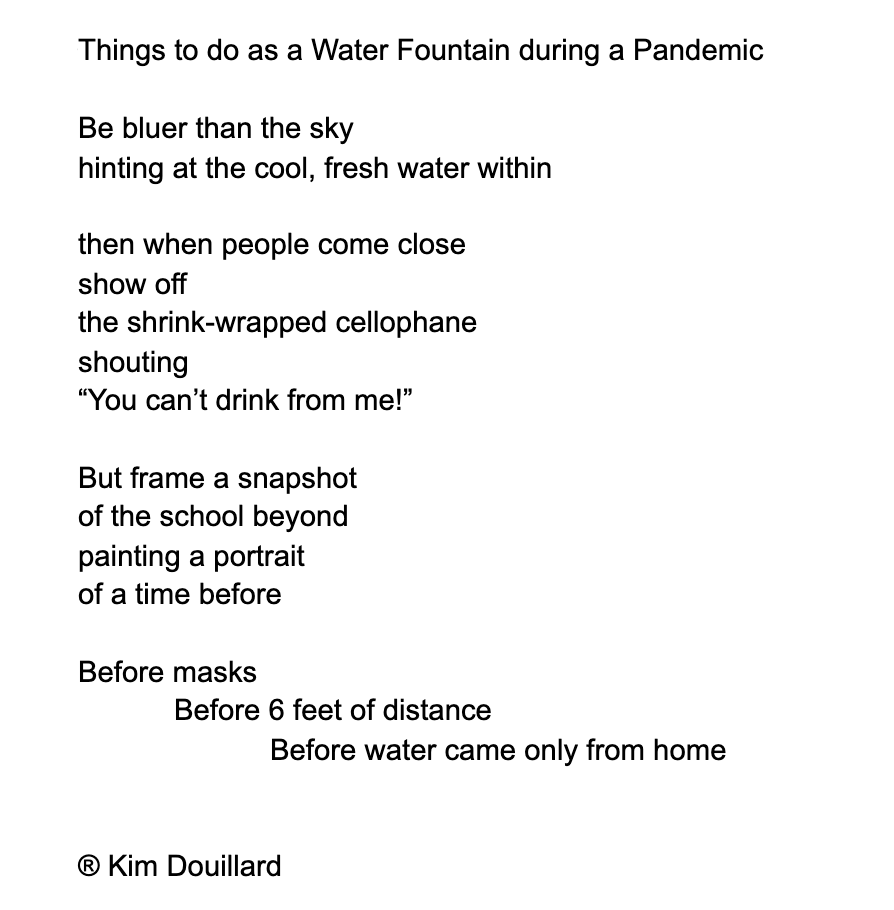
But, I did write with my students, inspired by this photo and our mentor text.

Walking and Wondering: SOLC #19

I’ve walked a lot of laps around the neighborhood. Worn a pathway through the gate, along the sidewalk, turning east and then back to the west. Passing house after house after house. I’ve watched the seasons change: buds become flowers and then fall away as spring becomes summer. The days shorten and leaves drop as summer becomes autumn. I change my walking time as dark pervades and autumn becomes winter. And a year later I’m watching those trees and bushes and groundcovers begin to bud and bloom once again.

I’ve logged mile after mile. But instead of seeing the same scenes days after day, I see new sights each time I head out. Don’t get me wrong–this pathway has become tedious, boring even. I’d much rather be somewhere else, exploring new vistas, hanging out with different people, seeing places I haven’t see before. But for now, this remains my scene.

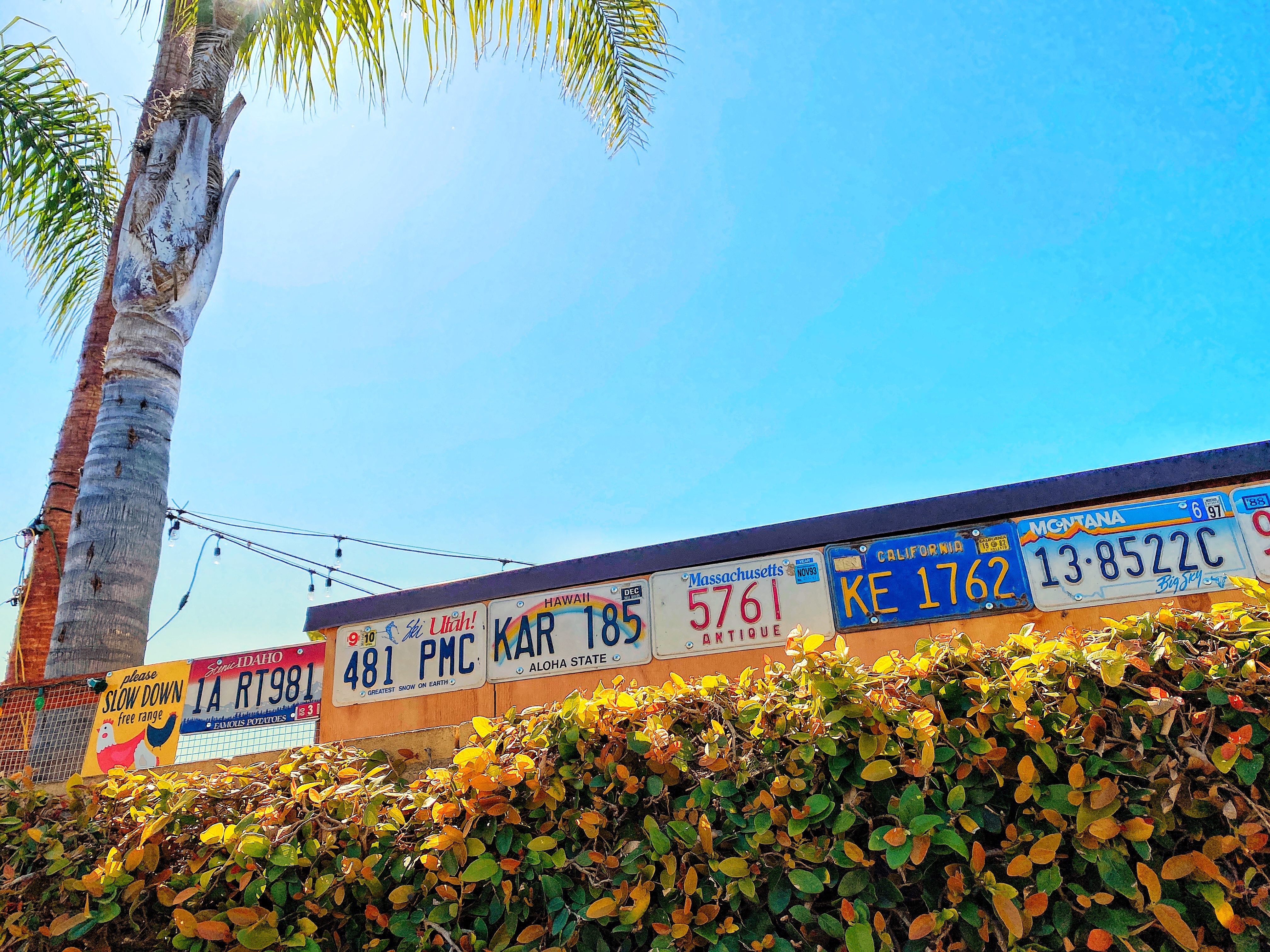
This week I noticed that a neighbor has a structure that peeks out above their hedge. Maybe the structure had always been there–but this week I noticed that it is adorned with license plates. Utah, Hawaii, Massachusetts, California, Montana… Is this a license plate collection? A record of places lived? Cars owned? A lot bid on and won from an online auction? And what is the structure? A pergola? A shed? A chicken coop?

I don’t have the answers, but the wondering makes these somewhat boring walks a bit more interesting.

Thinking about Data: SOLC #18

Have you ever had the experience where you read a post on social media and it sends you down a rabbit hole of further exploration, thinking, and wanting to tell everyone you come across about what you found?

Laurie over at the San Marcos Writing Project Facebook page does an amazing job of posting current blog posts and articles related to education, writing, and connections among and beyond. It’s like an article-at-a-glance from so many different sources. I’m not really sure how she does it, but I totally appreciate her curation of relevant information. Every once in a while, one of the articles shared catches my attention and I find myself going into a deep, satisfying swan dive.

The title, The Trouble with Data, immediately got my attention today. In the piece, the blogger talks about data related to the COVID pandemic–the lack of it, the problems with it–based on a science article in the Atlantic–and then extrapolates it to education.

The three points, in both the Atlantic article and in the blog post, resonated with me and my own experiences with folks who value data (meaning numbers) over all other ways of knowing. The argument these data people always want to make is that data is objective, other ways of knowing are subjective. (Meaning, objective=good, subjective=bad)

Now, please be assured, I am not anti-data or anti-science. I simply always want to know where the numbers came from, how they are gathered, who made the decisions, and about decisions made about how they are displayed and explained. I’ve spent plenty of time in conversations with colleagues explaining that in these seemingly objective testing scenarios, the subjectivity can be found in the decisions made prior to giving the test–in the development of content, format, who is tested, etc.

The three points that I keep thinking about are:

1. All data are created; data never simply exist


2. Data are a photograph, not a window.


3. Data are just another type of information.

When I think about the ways testing data is used to describe our students, the ways it constrains teaching and learning with a huge emphasis on test prep and tremendous time spent away from teaching and learning that is instead spent on the testing process, and the ways what teachers and families know about students is diminished as irrelevant compared to those “snapshots,” I keep going back to my questions about where the data comes from. I encourage you to read and think about data and the ways it is presented–often without context, background, and transparency.

And one more tidbit–this one about some “learning loss” numbers being thrown out into our educational mix. Check out this article from Forbes about where the number–57 days of learning lost during the pandemic–came from.

A quote shared in the Atlantic article to chew on:

Data-driven thinking isn’t necessarily more accurate than other forms of reasoning, and if you do not understand how data are made, their seams and scars, they might even be more likely to mislead you.

My mind is swirling with so many thoughts. I might need a conversation group to talk through some of this!

6-Word Story: SOLC #17

It all began with green beer.

That’s my 6-word story…and I’m sticking to it. It’s the story of meeting Geoff and the love story that we have lived since that day. (Ironically, it wasn’t actually on March 17th, it was on March 10th–must have had something to do with our college spring break.)

Happy St. Patrick’s Day!

Photos and Small Poems: SOLC #16

I love the garden as an outdoor learning space for students. As you may have read yesterday, we began the process of experimenting with some photography techniques in preparation for some writing today. The PM group was rained out of the garden yesterday, but today was bright and sunny so they were able to catch up and try their hand at using the photography techniques.

Today students selected a photo from the garden, and in the spirit of Ansel Adams, transformed the photo to black and white using a filter in the iPad. This photo along with Eve Merriam’s poem, Peeling an Orange, became the inspiration and mentor text for their own original small poems. Before starting our own poems, we took the time to study Peeling an Orange carefully. We named what we noticed: the use of comparisons (similes and metaphors), the opposition of the words carelessly and meticulously (serendipitously, meticulous had been a vocabulary word earlier this year), the inclusion of sensory use (smell). Then I set a timer (something that I find focuses these third grade writers) for 7 minutes and off they wrote!

We shared a few, noticing the interesting comparisons, the use of strong verbs and other vocabulary and moved to the next step: creating a shared Google slide deck to display the photos and poems. While not everyone finished today, I did ask if students were okay with me sharing some of their writing on my blog. They were excited by the prospect.

Here’s a couple of student examples:

And one of mine (since I always write with students):

I’ve been intentionally prioritizing time for writing–from start to finish–in the classroom, in spite of the short time we have in our hybrid schedule. It is totally worth the time spent–and I am seeing the writing improve when students write in community. I look forward to more time for writing as my students return to the classroom for full days, in one group, beginning in mid-April.

Purple Beans: SOLC #15

With rain in the forecast (again!), I was thankful to be able to get my morning group of students out into the garden with their iPads. (No such luck with my PM group–but that is another blog post.)

In the fall, we had spent time in the garden clearing out overgrown beds, pulling weeds and enormous carrots that hadn’t been harvested because of our pandemic shutdown. We groomed the soil, sowed some seeds, made sure the irrigation was working–and then my attention turned to other instructional priorities, neglecting the garden.

This is the time of the year when I like to use photography as a tool to teach my students about perspective, about “seeing” the world in different ways, and about the role photos have played as advocacy. We’ve learned a bit about Dorothea Lange and her photographs during the depression and World War II and also about Ansel Adams and his photos of National Parks and Japanese internment camps.

So we headed into the garden to try on a few photography techniques: a bug’s eye view, leading lines, natural frames, and the rule of thirds. A lot had changed since our last visit to the garden before the winter holidays! We were greeted by 4 foot tall dandelions, beets bigger than a your head, and plenty of other surprises.

My students happily explored with their iPads in search of photographs. They laid on the ground seeking that bug’s eye view, looking up and under the masses of plants. They sought frames and lines, hopefully holding their devices still enough to prevent the inevitable blur that so many experience. They used those helpful grid lines to define the focus of their subject and carefully place it for their rule of thirds photos.

And they pointed out all the wonders they found. There was the little girl who worked diligently to photograph the roly poly that was trying to make a quick get away and the one who dug around in the garden bed and discovered that giant beet (above). They photographed flowers and beans, pinecones and weeds…and who knows what all else.

I found myself captivated by the purple beans. Lots and lots of purple beans and the mass of curlicues reaching up and around.

Tomorrow we will examine our photos, evaluating how well the photography techniques work in helping us look carefully. We’ll also do some writing, using the photos as inspiration and subject matter. And maybe we’ll also get back to some gardening. Weed those beds again, harvest our overgrown bounty, and start again with seeds. Seeds that will also help us grow–as photographers, writers, and advocates too!