Monthly Archives: August 2013

Rethinking Use

For the last couple of days, my teaching partner and I have been busy planning for the first week of school.  With a multiage class of first, second, and third graders, we have a wide span of age and school experience to take into account…and our older students have been in class with us for the last year or two.  That means we are always figuring out new ways to build community and academic skills, encouraging student engagement and building collaboration and problem solving.

We love using picture books to launch student thinking…and students love to be read to!  Today’s planning conversation involved many books, what role they might serve, and how we might use them as we start the school year.  Last year we read a book by Jerry Pallotta called How Will I Get to School This Year? which we used to get our students started with writing opinions.  We used this simple picture book to ask our students to come up with reasons and evidence to support their opinions about how they would want to travel to school.  Which would be better, a grizzly bear or a butterfly?

At the end of the school year when we came across another Pallotta book in the series, Who Will Be My Teacher This Year, we set it aside for potential use this fall.  And when we read it again this year to think about how we might use it, it initially fell a bit short of our expectations. And then we started thinking…

Something we want our students to begin when they come back next week is to help us reorganize our classroom library to better serve their needs.  We have lots and lots of books–but they don’t seem as accessible as we would like.  And we would love to have our students more actively recommending books to each other.  As we thought this reorganizational task through, we worried that some of our more accomplished readers might be dismissive of some of the easier to read choices in the library.

So…how might we use this Pallotta book to model how a seemingly simple book might actually be more than you see at first glance.  When we took a closer look at this book we noticed that in addition to the fairly simple text and some silly associations between teachers and animals, there are also a lot of idioms used.  Attention to these would change the way a reader looks at the book.  We also considered how our students might pick a page where the connection between the animal and the teacher action is tenuous (the alligator teaching students to be “green”–as in environmentally aware–is one example) and revise it.

We found ourselves reading and reconsidering picture books from a variety of perspectives in our planning today.  I know that our thinking today will inform the way we set our students up to revamp our classroom library.  I can’t wait to see all the ways they approach books when charged with this important task of making our classroom library work for them!

How have you rethought your use of and approach to a book you use with students?  What’s a favorite book you can’t wait to share?
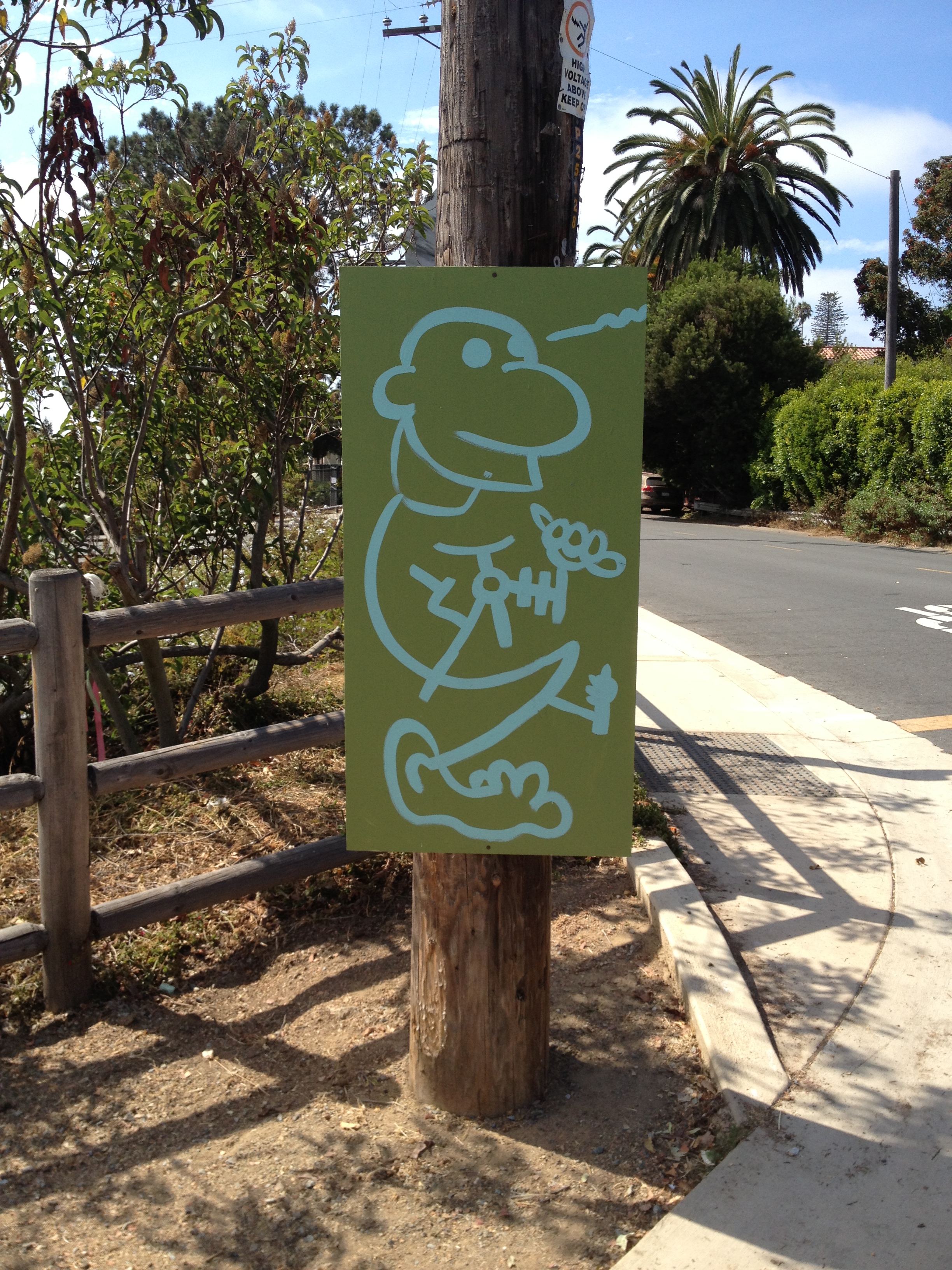
Urban Art?

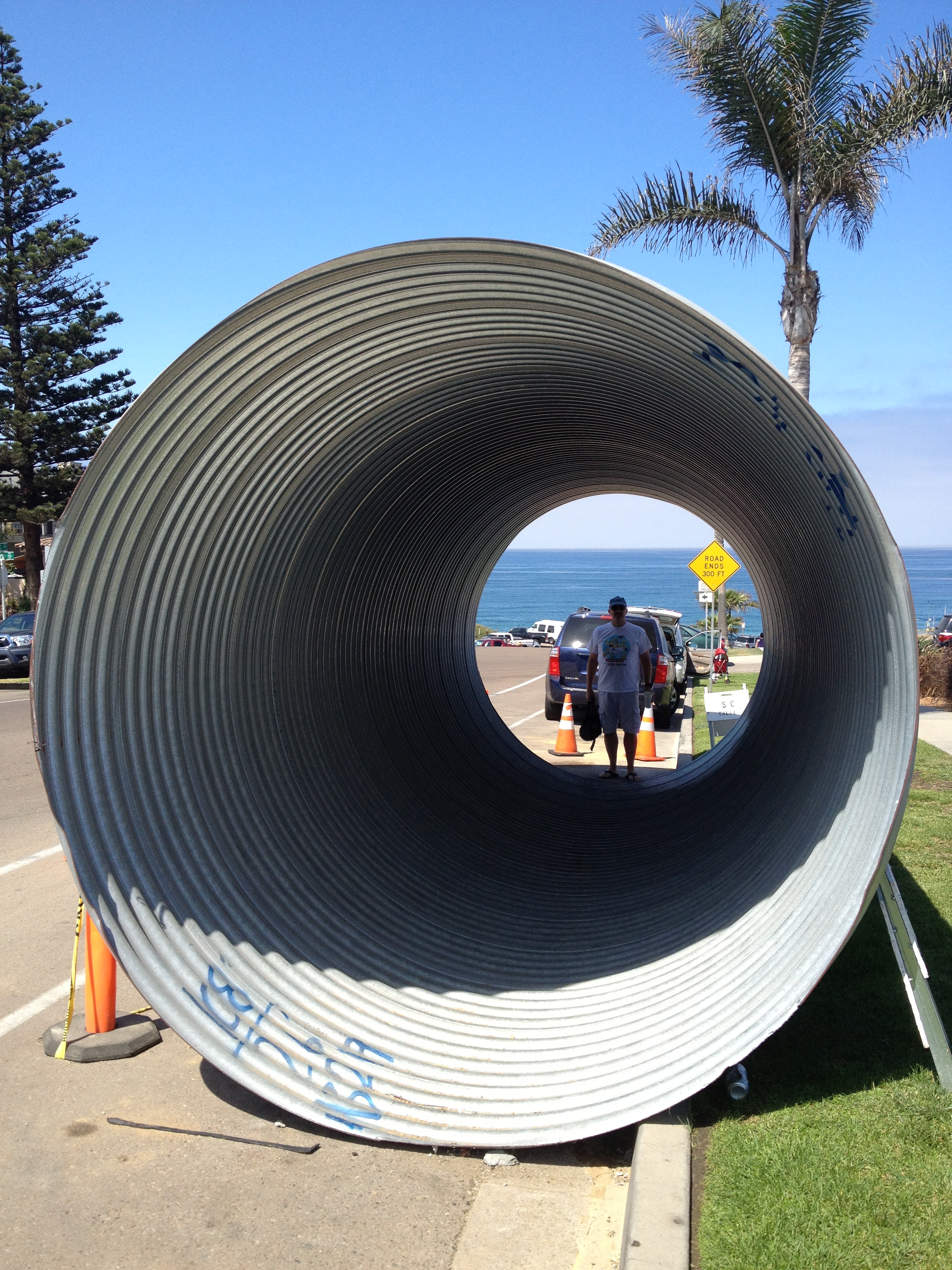
There are two of these nailed to the telephone poles on either side of this bridge-like structure near my school.  I passed them yesterday without stopping, but today I had to take the time to capture a photograph.  They have me wondering and asking questions.

photo

Are they urban art?  An advertisement for something?  They can definitely work as a writing prompt!  What do you think?  What story would you tell?

Building Stamina

Today marks my 45th blog post.  It also marks my shift from a focus on summer work back to my classroom.  Tomorrow is my official first day back–a day that will be filled with seeing familiar faces, catching up on summer activities, meetings and more meetings, and working to prepare the classroom and plan for an engaging start to the new school year.

The beginning of the school year always feels hard.  Even with 2/3 of our students returning (or maybe in spite of it), we want to set a tone and begin to build community that will set the stage for a year filled with learning.  Co-teaching makes it easier…and harder.  We have each other to work through our ideas with, and our ideas get examined and turned inside and out as we each consider how that idea might work…or where it might fall flat.  We have lofty goals for our first, second, and third graders–and we have to remember that they are still very young, so sometimes we have to temper our own enthusiasm and consider how to help our students build the stamina and resilience to reach (and exceed) the goals we set.

And because our students loop up with us we can’t depend on our favorite activity from last year, or read that book that worked so well with last year’s class.  Each year we need a fresh approach to getting started–new books to read, new ideas to get writing started, new ideas for getting to know each other.  It’s what I love about teaching a multiage class–and what makes it hard!

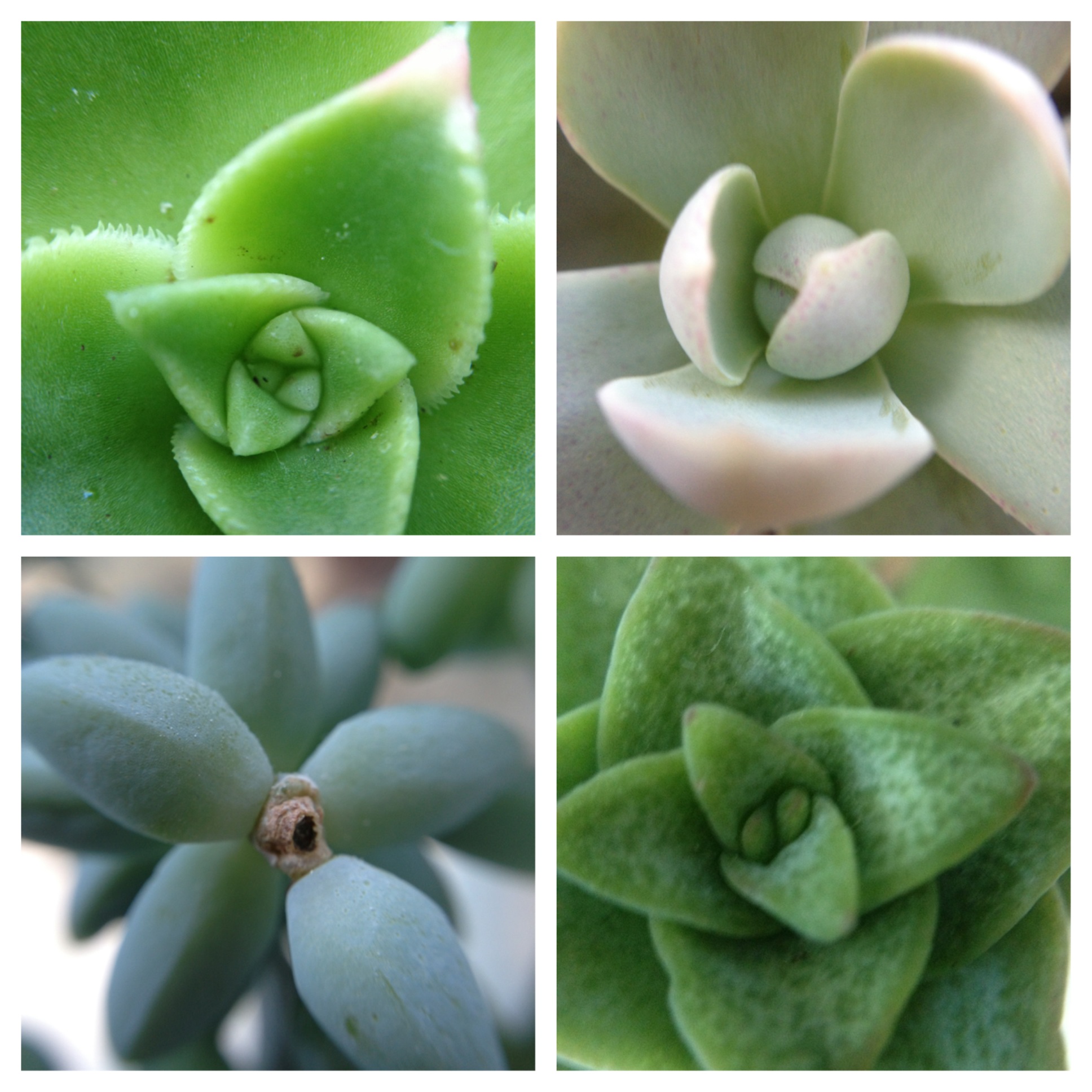
So I’m reminding myself to breathe.  And to appreciate the little things.  When I got home today after a long day in the classroom (I know, my official first day back is tomorrow–but we worked all day today!), I realized I hadn’t taken the time to look for any patterns to photograph. But the plants above the kitchen sink caught my eye…so I took out my macro lens and started noticing.  I ended up capturing the centers of a number of plants.  Do you see any patterns?

photo

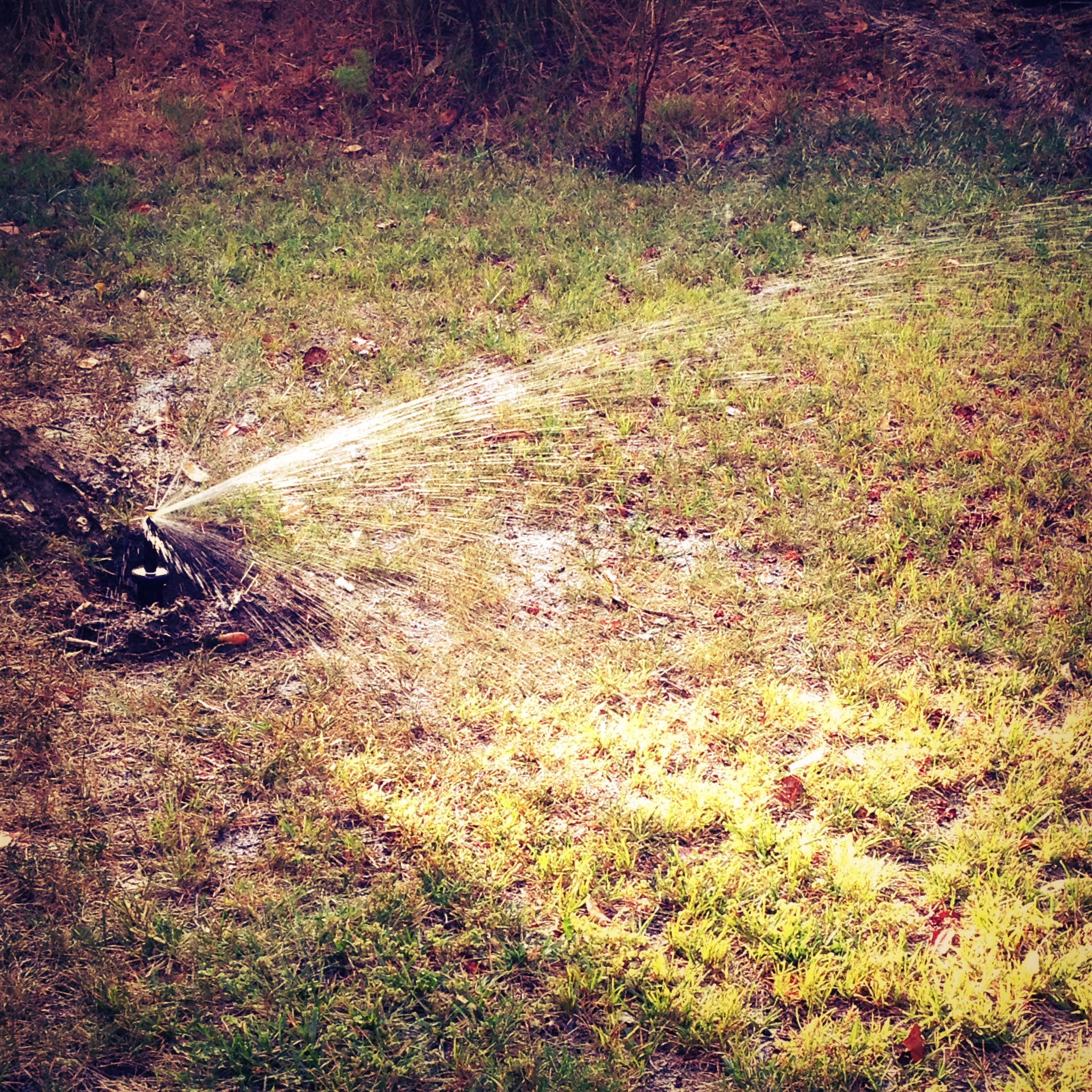
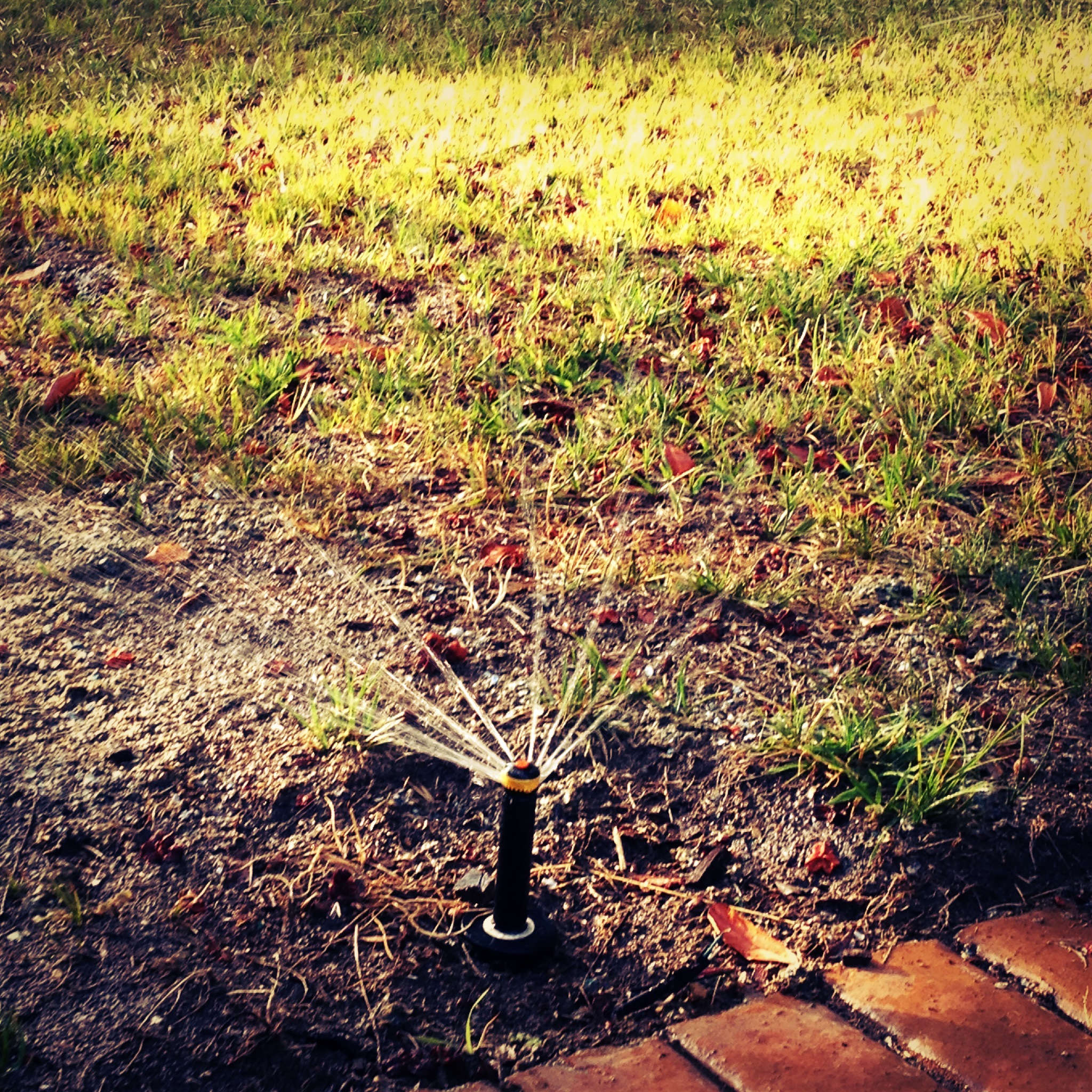
I also spent a little time in the back yard watching Geoff work with the sprinklers.  They have been dysfunctional for most of the summer.  He dug them up and replaced the parts yesterday and today was adjusting the spray to both cover the yard and not hit the house.  There’s something relaxing about spending a bit of time in the yard, feeling the cool evening breeze, and watching the water spray.  (We now have fancy rotating sprinkler heads!)

photo-1 photo-2

I’m sure that sprinkler pictures are not what readers look for in a blog post–but the act of appreciating the spray of the sprinklers helped me to clear my mind and reframe my thinking.  I know we’ll figure out how to get this school year started and I know I will love my new students and I know that my returning students will rise to each new challenge as the school year progresses.  As teachers, we also have to remember that we have to build our own stamina and resilience as we reach for our own lofty goals!  It has taken stamina and resilience to get to this 45th blog post too.  Some days it’s hard to write and I feel like I have nothing of worth to say…and then I breathe, try to focus on and appreciate the little things and dive into the writing.  Some days are filled with false starts…but by sticking with it, I always learn something about myself and I hope something that will help my students.

What do you do to refocus when things feel hard and you feel anxious?  How do you build your stamina and resilience?
A Week of #Angles

My daily blog post is most often the result of a percolation of ideas throughout the day…written toward the end of the day.  Today I knew I would be writing about my week of focusing on angles –this week’s #sdawpphotovoices topic.  My morning began. as it often does on Sunday, with some time reading articles on Twitter.  Today’s @brainpicker post was about a book called On Looking: Eleven Walks With Expert Eyes by Alexandra Horowitz.

As I read the review of the book I found myself thinking about how photo-a-day has impacted the way I look and what I see as I go about my daily life.  And then I saw Janis’s post today on SDAWP Voices as she reflected on her week–and she was saying similar things about her experience (and she had also read the same post by @brainpicker this morning!).  This book focuses on the ways a different lens opens up an entirely different experience of the place.  When you walk with a toddler and pay attention to how that toddler pays attention, you see a different place than the familiar routine you are used to. What does your dog see?  How about an entomologist?

Back to angles…this week’s photo-a-day focus.  I took a lot of pictures this week, from a variety of angles, of a variety of angles…angles were everywhere!  Some of my favorite pictures of the week I never did post on Instagram.  But because I am writing every day to post to this blog, my pictures also become a stimulus for my writing and my thinking.

photo

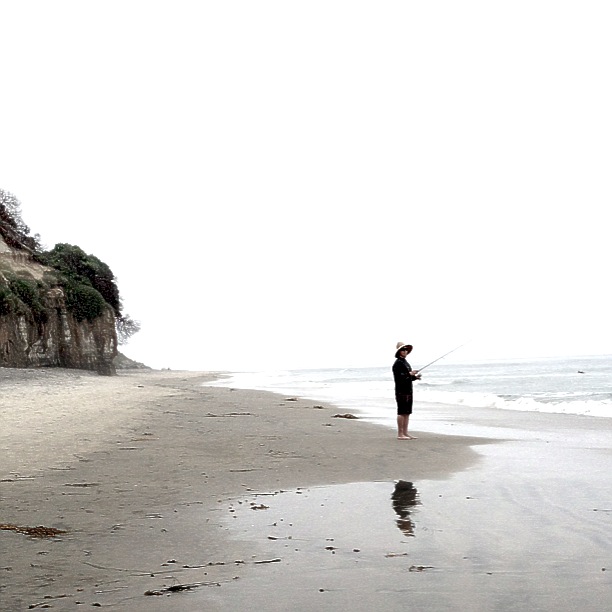
I love this picture of the lone fisherman with his pole angled in the surf.  I don’t often take pictures of people–it feels awkward to photograph people I don’t know…and I didn’t want him to pose.  Instead I took the picture from a distance, knowing I would lose the details of his face. The bonus is the reflection!  I can see writing a story with this photo as the prompt…I think the story is already beginning to take shape for me.

photo-1

This angry bird kite was roosting in the tree above the beach.  Its angles had it caught pretty securely in the intertwining branches…in fact I saw it again several days later on a walk later in the week.  I love the play on words and images of the bird kite in the tree.

photo-4

Shell fragments are common on the beach, but coming across an entire shell–especially one still connected and angled like this is a rare occurrence.  If you look closely you can see the strand of sea grass lying in the background.  I wonder if a seagull got this tasty morsel!

photo-3

Coming down the ramp from the parking lot, I got to see these wonderful flat and yet angled rooftops of the new concession stand and bathrooms.  I love the way that architecture can take straight lines and create unexpected angles by the way they are placed in relation to each other.

Tomorrow I will shift my focus from angles to patterns.  Added to my photography focus and blogging focus, I will also be thinking about all the other ways I might see the world through the lens of a child, or an architect, a scientist, or an artist.  I’ll also try “seeing” the world through my other senses–how does what I hear impact what I see?  What about smell, taste, and touch?

What have you failed to notice?  How can you shift your attention to see more of your world?

Making Sandcastles

Yesterday’s post focused on my sandcastle collection, digital documentation of sandcastles I have found during my walks on the beach over the last week or so.  As I wrote the post I realized that I was collecting other people’s sandcastles–but hadn’t taken the time to build one of my own in a very long time.

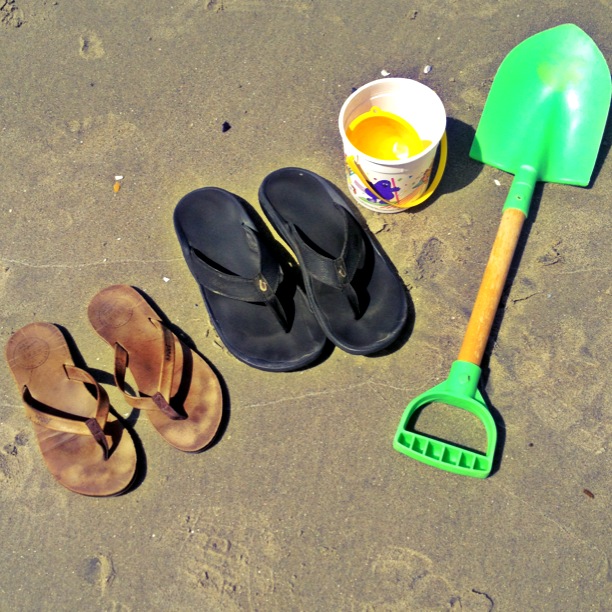
Today was the perfect day for a beach walk.  The marine layer cleared early, the sun made an appearance, the water temperature was reported to be at 70 degrees (that’s warm for ocean water here!) and…low tide was perfectly timed at midday.  As Geoff and I headed out for a walk, we grabbed some tools and decided we would make a sandcastle and enjoy a bit of playing in the sand.

photo

We walked up the beach and picked a place near the edge of the water and away from the crowds of people to get started with our castle.

photo-1

Once we had a base to work from, the fun really began!  We pushed and patted the sand into shape, used the bucket as a mold to create the castle spires, and our castle began to take shape.

photo-2

Gathering water in the bucket and mixing in sand allowed us to drizzle sand to create more texture and detail.  We scoured the nearby area for small rocks, shell bits and pieces of kelp for detail.  A small sand crab moved in (although his camouflage abilities made him impossible to catch in a photo).

photo-3

We had such fun building this castle today!  It was a bit tricky keeping my phone handy and away from the sand.  My shorts became my towel for wiping ocean-cleaned hands.  Here I am with the final product!

photo-4

After finishing our sandcastle, we continued our walk leaving our castle for others to enjoy. The tide was still going down so we knew the surf would leave the castle for a while…and we visited it again on our way back from the walk.  And I added some other sandcastles to my collection too!  (There were some master castle builders out today!)

I’m reminded that taking the time to make and play are essential.  Geoff and I had so much fun and the process of making for myself gives me new understandings and appreciation for the sandcastles I will continue to collect.  When was the last time you made a sandcastle?

Collecting Sandcastles

I started a sandcastle collection.  On my beach walks this summer, I have stopped to take photos of sandcastles abandoned by their builders, left for passers-by to admire and the surf to eventually reclaim.  Here’s a few of my treasures.

photo-7

castle

turtle

photo

Yesterday I also caught a few sand mounds that seem to be a variation on the castle theme.  They weren’t fancy or decorated, but each included a canal from the top down to the bottom extending some distance away from the mound toward the water’s edge.

PicsArt

photo-1

I’ve seen people of all ages building sandcastles.  Kids build them in groups, teenagers build them with their friends, and adults build them–with or without their kids helping out.  Some people use elaborate equipment: shovels and pails and molds.  Some decorate their castles with shells and rocks and driftwood pieces.  Some use the dribble effect, others are smooth leaving the imprint of the buckets packed with sand.

The picture I didn’t capture was the one of the three or four year old, outfitted in his tiny life vest and swim trunks, picking up handfuls of squishy sand and dribbling it onto a castle already substantially built.  He was the image of #carefree…totally immersed in his world of sandcastle building.

This has been a summer of digital making for me–photographs and blogging and all the art and craft that goes into building, editing, and posting them.  But I haven’t taken the time to build a sandcastle of my own.  Maybe I will on my next trip to the beach…and I’ll take a few pictures to collect that one too!

Some Thoughts on Digital Learning: #Leadership Day 2013

Scott McLeod over at Dangerously ! Irrelevant is celebrating the 7th anniversary of his blog today and inviting educators to share views on effective school technology leadership on what he calls Leadership Day 2013.

In lots of way I have been fortunate in my district with technology–our administrators employ a person to provide tech support to troubleshoot problems, send me to trainings if I ask to go, and trust me to figure out what is best for my students.  But I would say that those conditions are not enough to ensure participation of teachers who feel less confident with digital literacy and need more direction and support to implement robust technology use in their classrooms.

But instead of saying just how to support these teachers, in this post I will talk about the pieces of technology leadership that I feel are most often overlooked.  They are two very different but very important aspects of digital literacy:

  • Consideration of the impact of technology on student learning
  • Leadership by example by being a user of digital tools

Consideration of the Impact of Technology on Student Learning

There seems to be lots of attention to hardware decisions in education–Macs or PCs, tablets or chrome books, smart boards, document cameras…  The list goes on.  And there’s lots of attention to software and applications and how technology supports teachers–ease of grading, presentation tools, record keeping…  What is missing for me are meaningful conversations about the ways technology and digital literacy impact student learning.  Instead of asking each other what apps to use on classroom iPads, I think we need to ask how digital tools support student learning.  How can students transform information in ways that make it relevant and meaningful–and accessible in novel situations?  Instead of deciding between Evernote and Notability, we need to have conversations about how and why students will use this type of application–and it probably doesn’t matter which you choose if you have reasons that support student learning.

Leadership by Example by Being a User of Digital Tools

What I notice from my own Professional Learning Network (PLN) on Twitter is that educators who are thinking about the ways digital tools impact student learning are also actively using digital tools for their own learning.  They are blogging about their professional learning, tweeting articles and links about research and thinking about digital tools, they are experimenting with new ways to represent their own learning with video, digital photography, infographics, and other digital tools, and they are actively learning with and from other educators trying similar tools.   I do see a few administrators and district leaders joining in this effort–and it seems that those who do have a bigger impact on the implementation of technology in their districts. The more district leaders use digital tools themselves, the better positioned they are to understand the benefits and challenges of them–and the potential implementation possibilities for use with students.

Our students will be using digital tools–they are pervasive in our lives.  Our question as educators is how do we use these tools to support our students’ learning…and help our students (and ourselves) see and use these technologies in ways that make us all more thoughtful, efficient, and productive?  Leadership is essential to successful implementation.  I hope my suggestions give some food for thought for those in leadership positions for the implementation of technology in education.

Poster Poems, Found Poetry: Remixed

One of my fellow #clmooc-ers, Vanessa Vaile, posted this invitation in the G+ community to remix, hack, create found poetry…and it’s been sitting in the back of my mind, waiting for the opportunity to find its place on my blog.

This morning the twittersphere handed my this poem and it has stayed with me all day, begging me to think about ways to remix and recreate and combine it with my photography.

The World Is in Pencil

BY TODD BOSS

—not pen. It’s got
that same silken
dust about it, doesn’t it,
that same sense of
having been roughed
onto paper even
as it was planned.
It had to be a labor
of love. It must’ve
taken its author some
time, some shove.
I’ll bet it felt good
in the hand—the o

of the ocean, and

the and and the and

of the land.

Source: Poetry (November 2011).

And so, here is my remixed version:
The World Is in Pencil: Remixed
Pencil in the ocean
and the land
Authored with labor
roughed by silken dust.
Love it
shove it
take time
to feel, to handle
Until you can see
as if it was planned
the world 
inked on paper.
A map of your life.
photo
This photo was also remixed.  Taking a photo I took earlier this week,
I wanted to create a sense of pencil and sketch, roughed and labored.
I used the app Sketch on my iPhone to create this effect.
Here is the original:
photo-1
Try your hand at found poetry…I invite you to remix mine or find
something that speaks to you.  How might you remix a photo or
other image to go with it?  Be sure to share!

One Shot, Two Ways…Revision, Photo Style

One of the benefits of blogging is that other people like and follow my blog…and when they do that I often take a glimpse at what they are blogging about–it’s a lot like my experience with the CLMOOC.  Yesterday shotwithmyphone.com liked my blog post and I spent some time perusing the photos he posts…all shot with his iPhone (like me!).  One of his posts was titled One Shot, Two Ways and is part of a challenge posted here.  The challenge invites photographers to take two photos of the same shot–one with a vertical orientation and one with a horizontal orientation and to post them side by side.

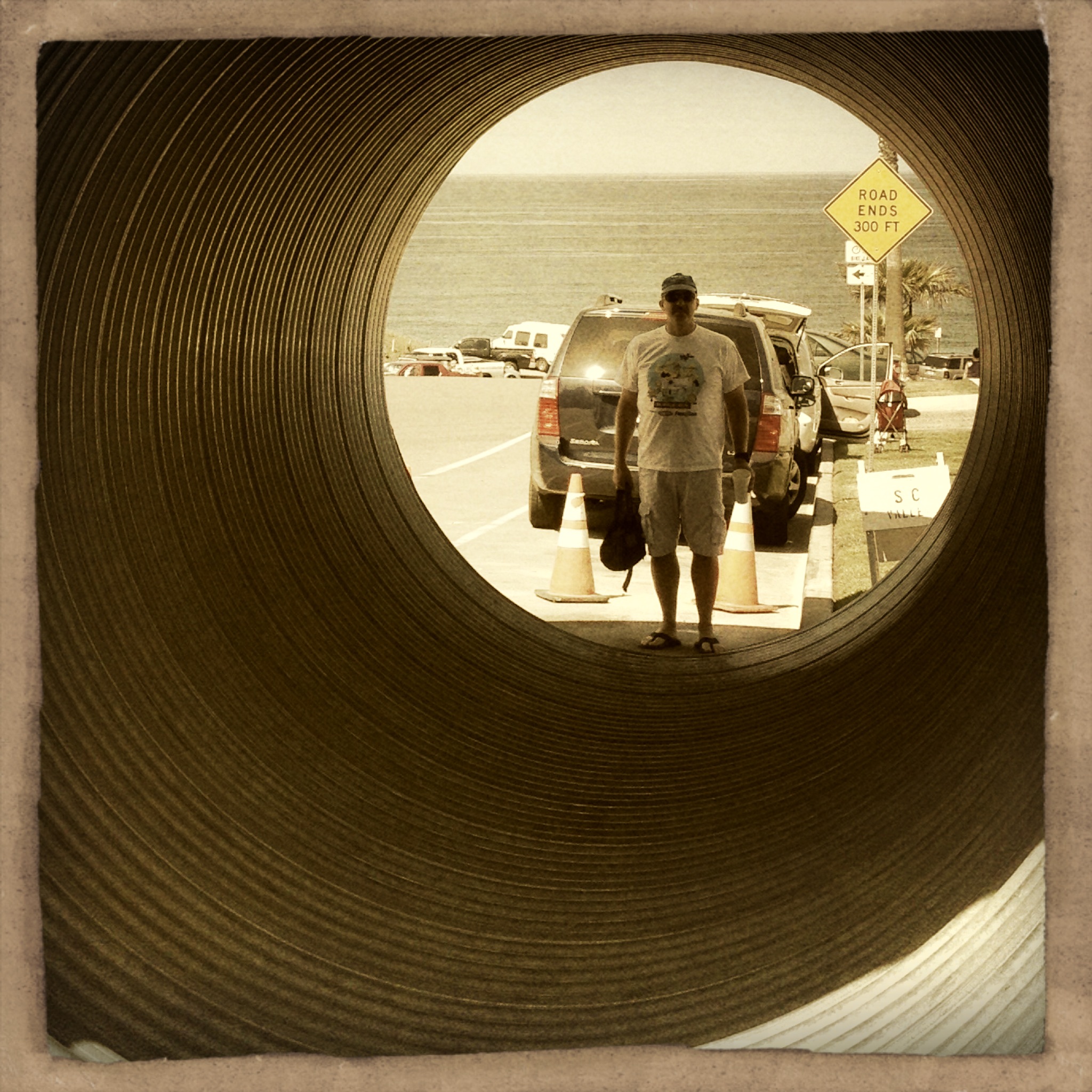
Inspired by those ideas (and looking at a few photos) I decided to try a variation on that theme and show two views of the same photo–one original and one with some editing and filters applied.  In some ways the editing process I apply to my photos feels a lot like revision in the writing process.  It’s the part of the process where I zoom in (or out), crop out distracting details, brighten up the setting, or change the mood.  In many cases, revision in writing and editing in photography transforms the end product and helps the reader/viewer see it differently.

Here’s are a couple from my beach walk on Sunday:

photo-12pipe

photo-10turtle

And here’s a couple from yesterday’s excursion to the Living Coast Discovery Center:

photo-13photo-14

photo-11photo-1

There are times when I post my photos without editing, but I like experimenting with how to take a photo and work with it to convey the message I have in mind–or one that emerges as I play with it.

What do you think?  How does the editing change the way you see the photo?  How does it change the message of the image?  How does this relate to writing and writing instruction?  I’d love to know your thoughts!

A #Macro View of San Diego Natives

I’m lucky to live in a beautiful city–a place where I don’t even have to say the name of my state for people to know where I’m from.  Many people I meet have either visited or know someone (often a relative) who lives here.  But despite that familiarity, there are many misconceptions about San Diego.  So many people expect it to be tropical–like Hawaii or Tahiti–and are surprised when they come in contact with our pervasive marine layer, moderate temperatures (low 60’s in the winter to mid 70’s in the summer with occasional higher and lower temps), and low humidity (we average about 10 inches of rain annually).

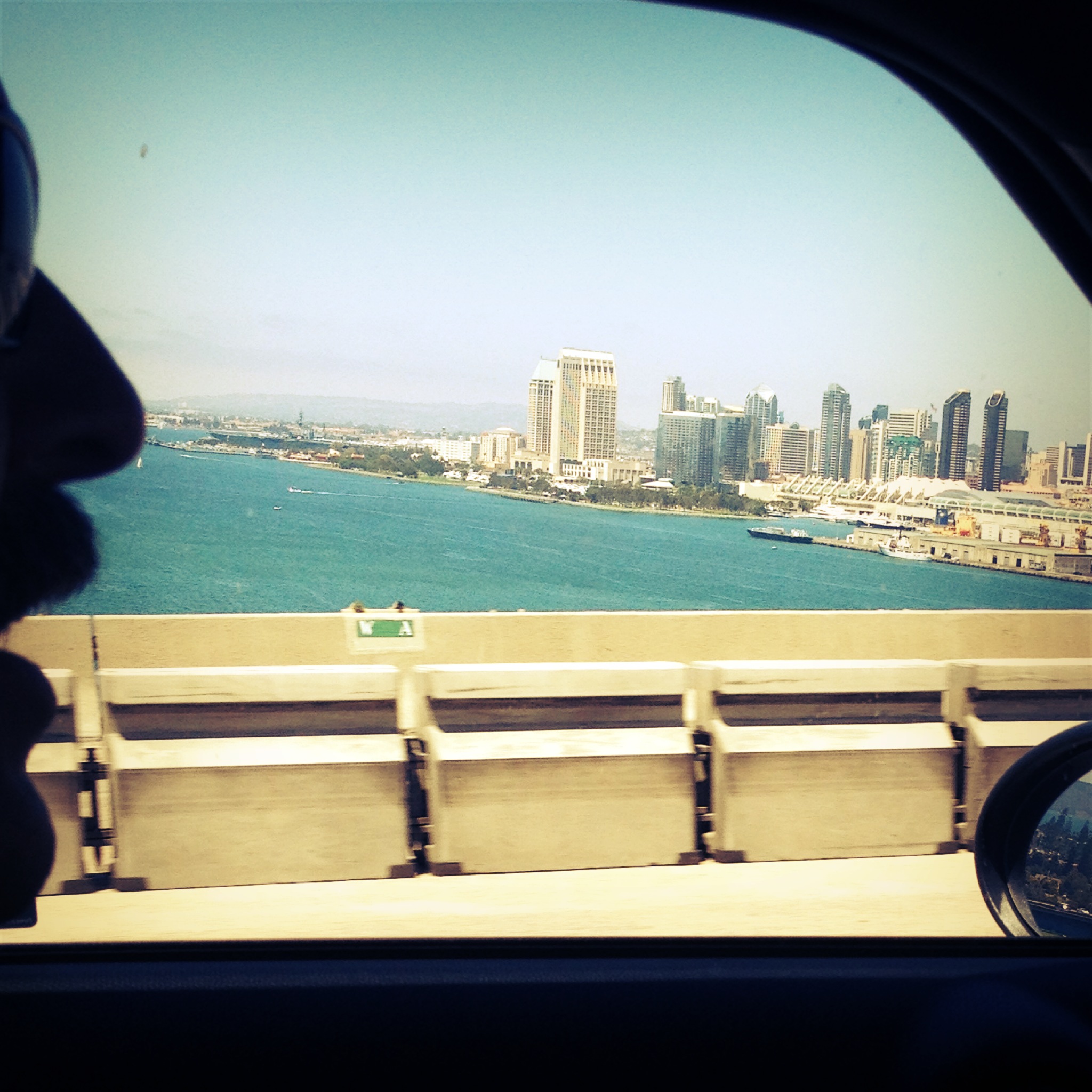
San Diego skyline from the Coronado Bay Bridge

San Diego skyline from the Coronado Bay Bridge

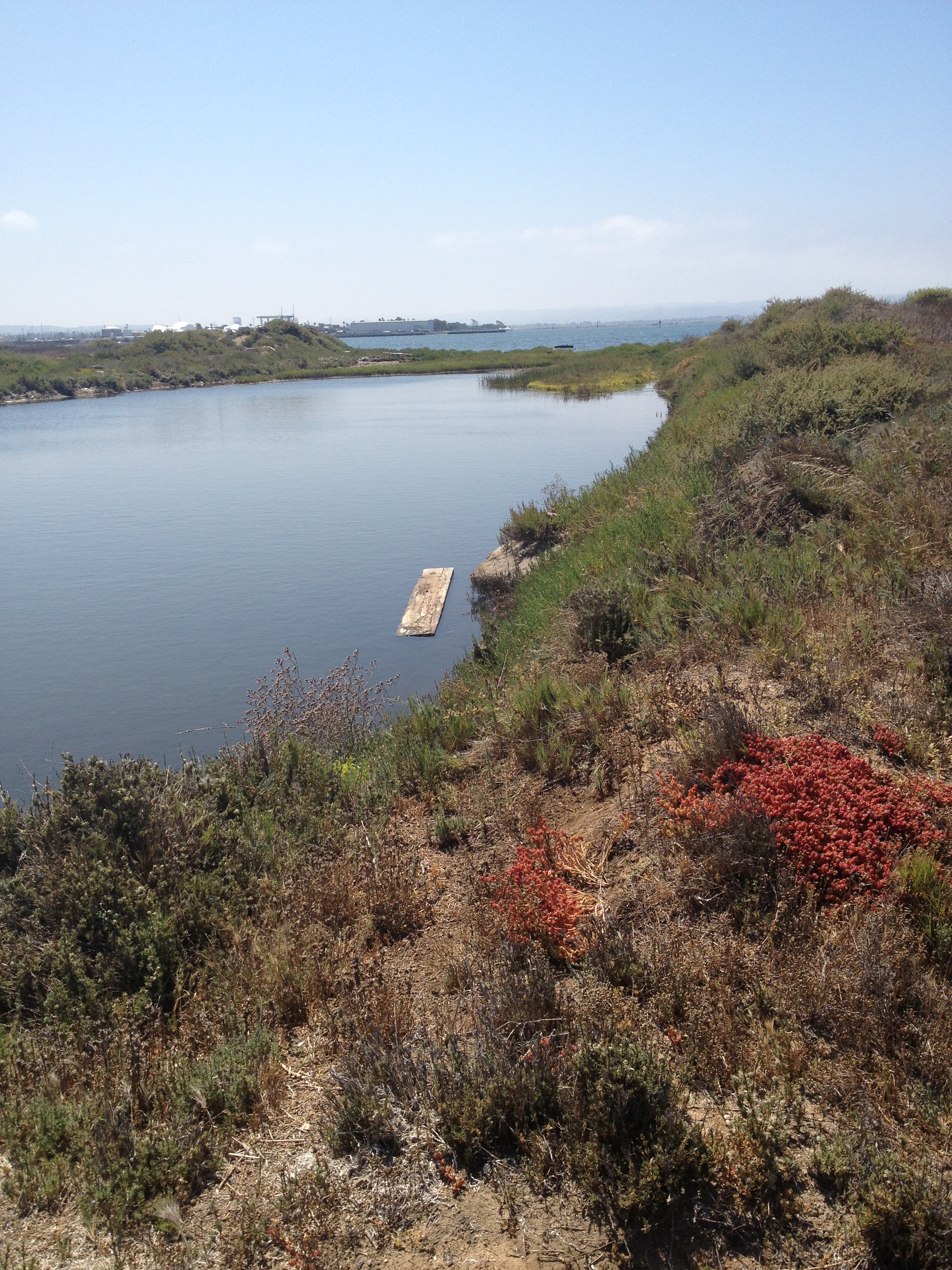
Our beautiful skyline and beaches are often framed with tall swaying palms (not native) and colorful hibiscus flowers (also not native).  Many species of plants grow well here–especially when supported by providing extra water.  Today I vacationed in my own city, taking a trip to Chula Vista to visit the Living Coast Discovery Center (formerly the Chula Vista Nature Center). Located in the wetlands along the San Diego Bay, the center boasts a rich history.  Once the domain of the local Kumeyaay people, around the turn of the century this location became a kelp processing plant run by the Hercules Powder Company extracting potash and acetone from the kelp to make cordite–an explosive used for fuses during World War I.  After the war, abandoned buildings were taken over by the San Diego Oil Products Corporation and became the largest cottonseed warehouse in the United States.  Later it became farmland and after that a site of illegal dumping.  In 1980’s the city of Chula Vista helped develop the site into the Chula Vista Nature Center.

As you can see appreciation of our local habitats has not always been a given, even among the local population.  We love our beaches and our mild climate, but haven’t always taken the time to understand how to best care for or learn about them.  Today, with the help of my macro lens on my iPhone, I spent time looking closely at some of the native plants of San Diego.

The coastal sage scrub community, which grows around our wetlands near the coast, is filled with hearty, drought resistant plants.  In the summer many of them look dry and brown.  Some might even conclude that they are dead…but just wait until some rain falls…

I noticed today that some of the most beautiful blooms are tiny…often unnoticed unless you take the time to bend down and really look closely.  Here’s some of the beauties I uncovered today, all taken with my iPhone and macro lens with no filters applied.

I wish I knew the names of all of these plants.  I admire the resilience and adaptations of these hearty natives and know that I will continue to learn about them.  It’s so easy to overlook these plants and be mesmerized by the exotic beauty of other more colorful species.  I hope you’ll see what I saw when I took the time to look closely–that there is much to appreciate about these natives, you just have to come close and notice what is right in front of you!  (Yet another lesson for my classroom…look for the talents and expertise that are not immediately obvious, but there nevertheless!)