Category Archives: teaching

Garden Magic

This is the time of the school year when schedules become unscheduled, students start to feel like summer has arrived (and act accordingly), and it’s also the time when the most amazing displays of learning happen.

We’re lucky to have a school garden…and even luckier to have a gardening teacher who takes our students out to the garden to plant, learn, and harvest each week.  And yet unexpectedly this week our gardening teacher resigned.  So we (my teaching partner and I) decided this would be an excellent time to have our students get their iPads and head out to the garden to take some photos.

It was just a week ago that I had taken the first and second graders out around the school grounds to take photos while the third graders were otherwise occupied.  And as we walked the campus they framed shots of whatever caught their eyes…and many of the photos are stunning!  (When they get them posted on their blogs, I’ll link you to a few!)

So with iPads in hand, our students were eager to explore the garden.  They photographed strawberries and cucumbers, sunflowers and squash, bees and caterpillars.  They delighted over each new find and worked to capture their discoveries in photographs.  (And I couldn’t resist a few either!)

orange sunflower with bee

green pumpkin

But taking pictures just wasn’t enough.  So after recess (and putting the iPads safely away), we headed back to the garden with our writer’s notebooks.  And that is when the true magic happened.  Our students settled with their notebooks to capture their images of the garden in words…words of their choice, format of their choice, style of their choice. They sat on the ground, on the stumps, on the benches, and even on the edges of the garden beds. Some sat alone, others gathered in small clusters.  And all wrote.  A magical hush settled on the garden. We could hear the shush and whoosh of cars passing by and the songs of the birds that would swoop into the beds for a nibble here and there.  Butterflies flitted from blossom to blossom and bees went about the business of pollinating too.

After some time writing, I got up to peek at the students writing and captured a few images of the writers in action.

boys writing in the garden

girls writing in the garden

more girls writing in the garden

After a time, we gathered back together to share a few lines from their writing and experienced the richness and variety of what it means to write under the influence of the garden.  I can’t wait to see how they transform this writing into blog posts that also include their photos.

So, I’m reminded that the unscheduling of schedules can result in wonderful serendipity…and the most incredible writing!  Gardens are amazing places…and our school garden is truly spectacular, filled with life and science and learning and offering students so many opportunities to interact with the natural world and get close to the foods they eat.  There is really nothing like a bit of garden magic.

Lighting Up Writing and Art: a Design Challenge

My students love a project!  Project communicates to them that they will be doing some making, some designing, some problem solving, and probably a good bit of collaborating.  They also know that projects are about sustained time to create something they will value…and likely, others will too.

The project they did last week comes from 21st Century Notebooking: work I have done in collaboration with Paul Oh of the National Writing Project, Jennifer Dick of Nexmap, and David Cole of CV2.   I’ve had a few opportunities to explore the possibilities of “lighting up” my writing and art–and knew right away that my students would both love the opportunity and learn a lot from working with circuits and writing and art.  I feel fortunate to have the chance to pilot the use of LED stickers with my students and explore the ways a project like this works with young students (grades 1, 2, and 3).

On Monday we started with a pre-assessment to document what my students already knew about circuits and electricity (not much) and then to read a picture book to give them a bit of background knowledge about how electricity and circuits work.  We read Switch On, Switch Off by Melvin Berger to give students an overview of electricity and circuits.  And while the book is a bit dated, it did pique students’ interest and generated lots and lots of questions.  “Breaks” in circuits in conjunction with switches created lots of confusion!

On Tuesday we began talking about how light might impact a piece of writing and art.  I showed students examples that I had created and then they began to brainstorm other possibilities…focusing on topics and things they cared about.  They were invited to come up with at least four possibilities and began sketching them in their writer’s notebooks.

Just this small selection shows the variety of ideas…and students were eagerly discussing not only what they would draw, but also what they would write.  And in typical fashion they were already questioning whether they had to write in the format I had written (I had written a Haiku as my example) or if they could write in some other way.  For me, this was a demonstration of the ownership they were already feeling as the creative juices flowed.

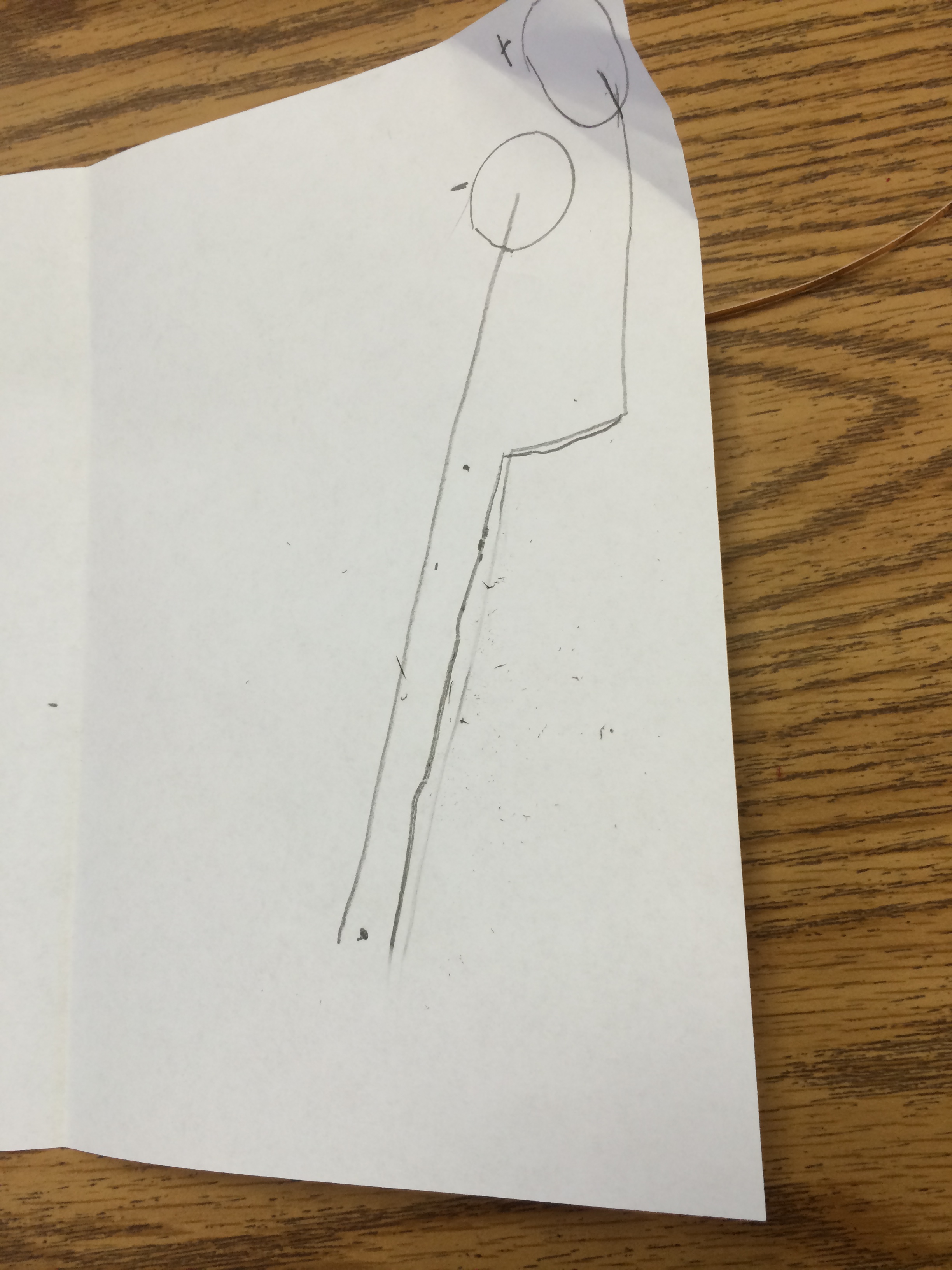
On Wednesday, students were asked to commit to a design and draw it on their folded booklet. Then I showed them how to draw a circuit diagram on the inside of their booklet that would allow them to put the light(s) where they wanted them to shine through.
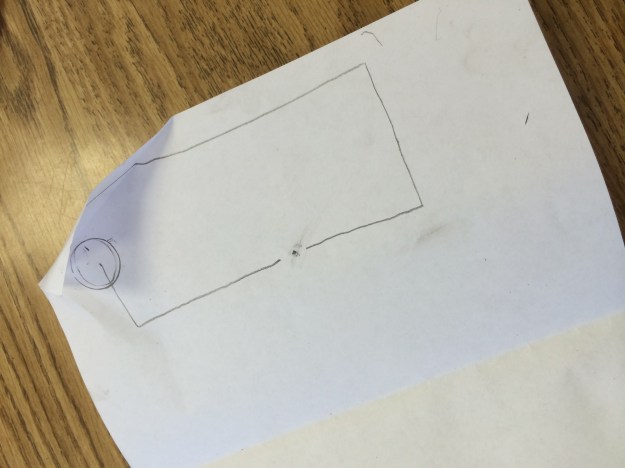
circuit diagram

series diagram

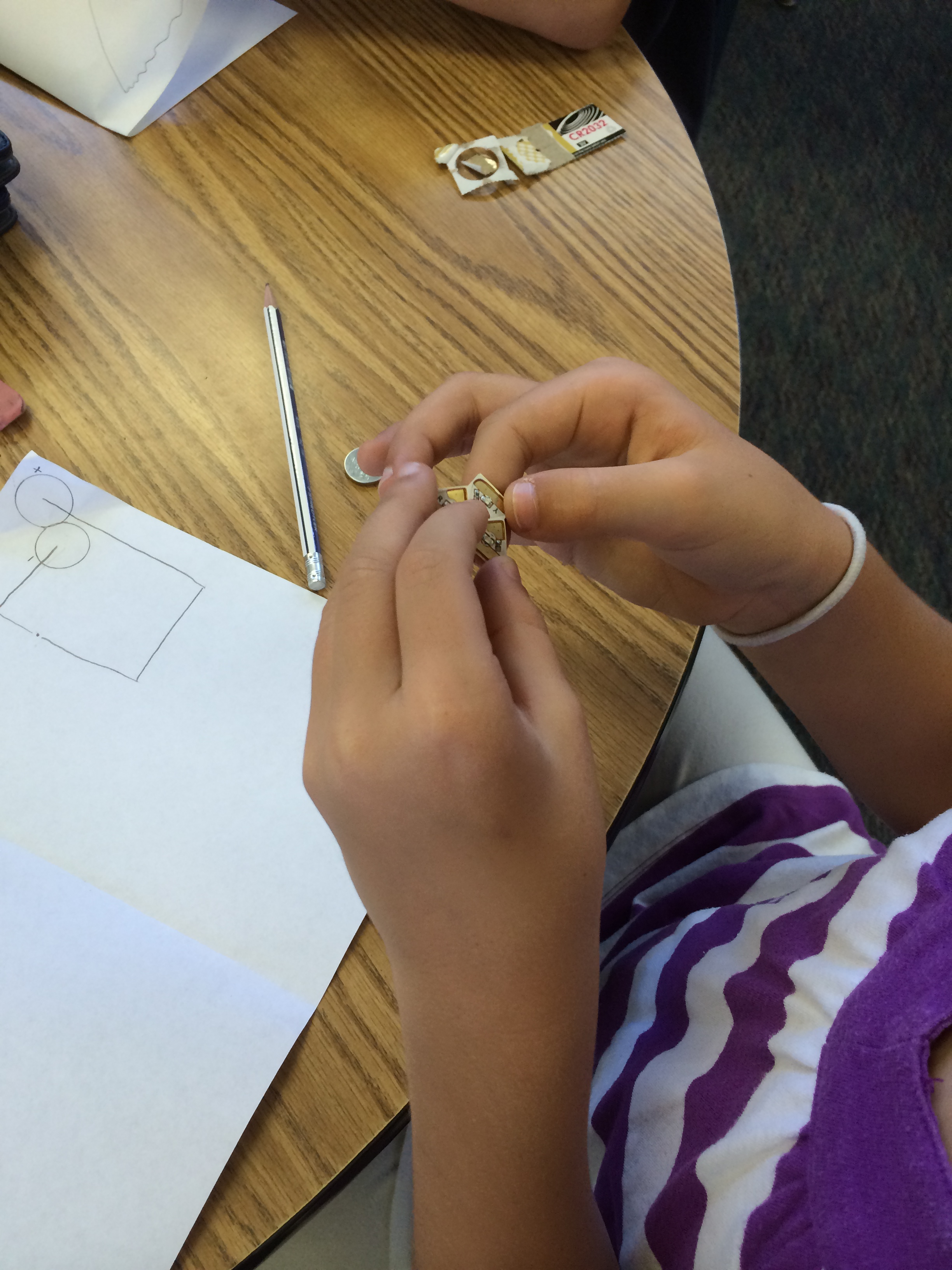
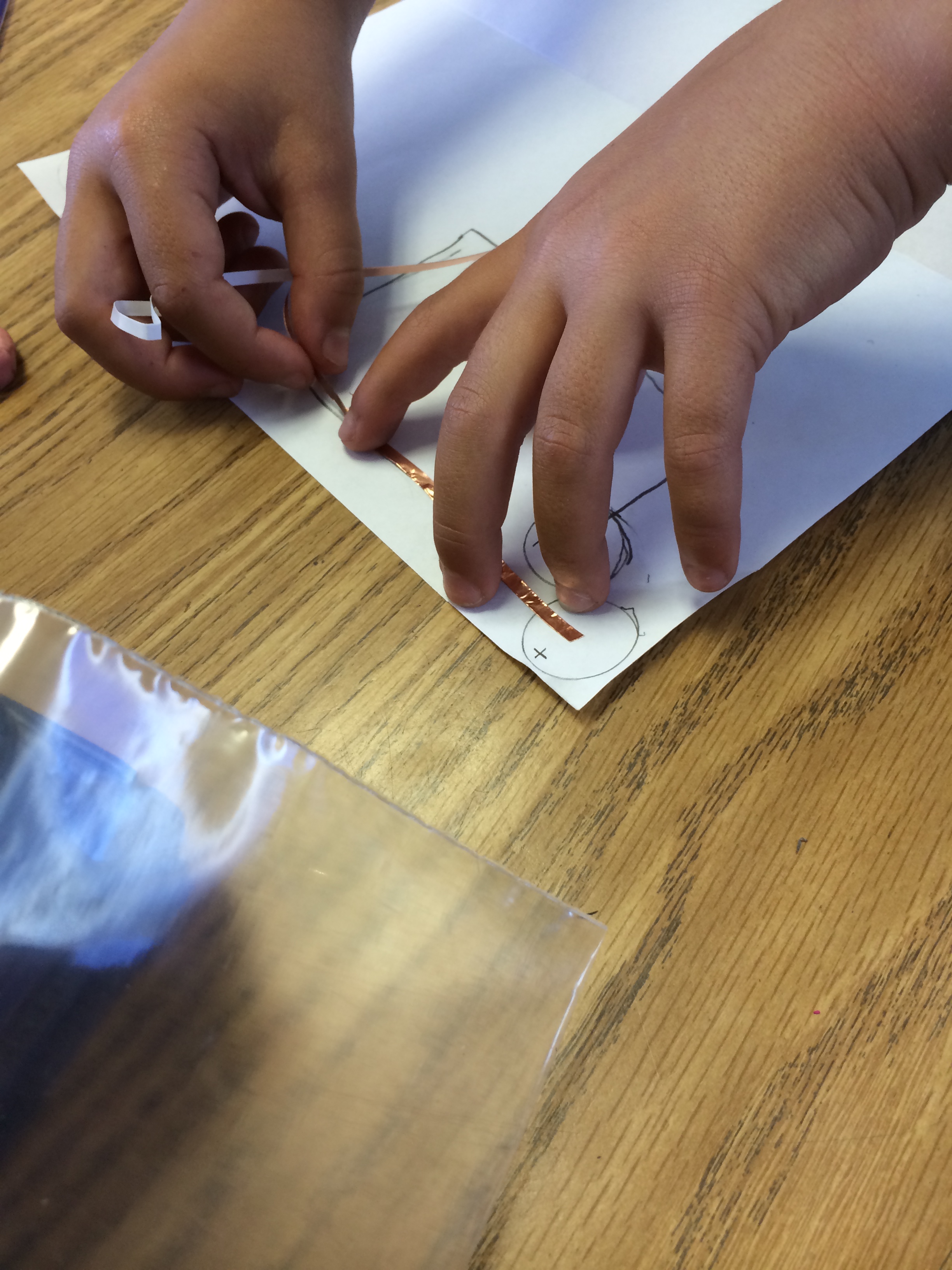
Thursday was the day that the kids got their hands on the copper tape and LED light stickers. Before they tackled creating their own circuits, I showed them how to work with the materials, how to make turns with the tape, how to use the stickers to measure how far to run their tape…and then they set off to work.

working with led stickers

guiding copper tape

The room hummed with the 43 six through nine-year-olds all focused on getting their circuits constructed with the tape and lights.  Many worked with a basic one-light circuit and a few brave students tackled a parallel circuit that included two lights.  When the first circuit worked, the entire room lit up with the students’ excited energy.

circuit success

But as you might imagine, every student was not successful on their first attempt.  We suspected we might have to deal with a few tears of frustration during the course of the project…but, although there was frustration, everyone kept at it, and the spirit of collaboration and encouragement could be felt across the room.  Some students became expert debuggers–and helped their classmates figure out why their circuit wasn’t working.  And my teaching partner and I also became experts, giving recommendations and helping those little hands that had trouble keeping their copper tape smooth and getting their battery lined up and clipped on.  Even before everyone finished, it was time to clean up…and we reassured them that we would return to the project the next day.

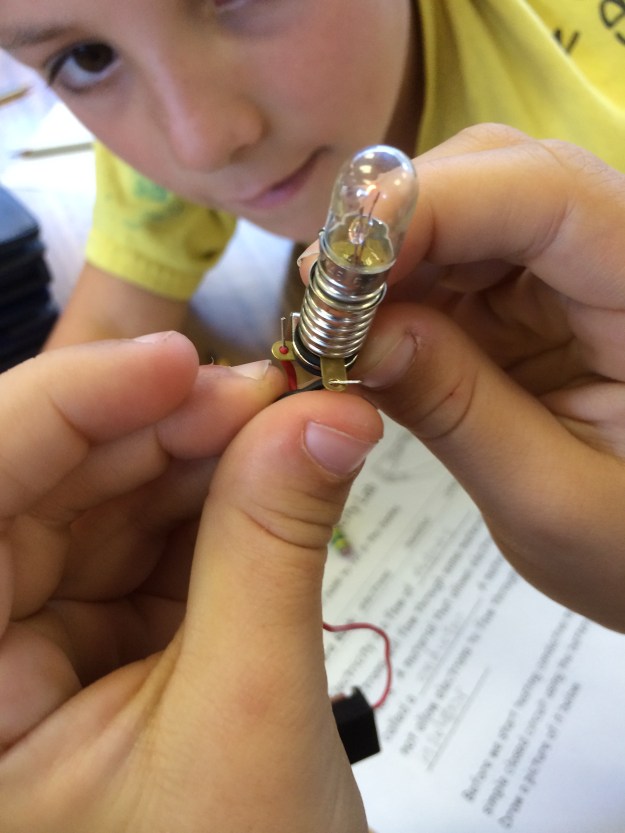
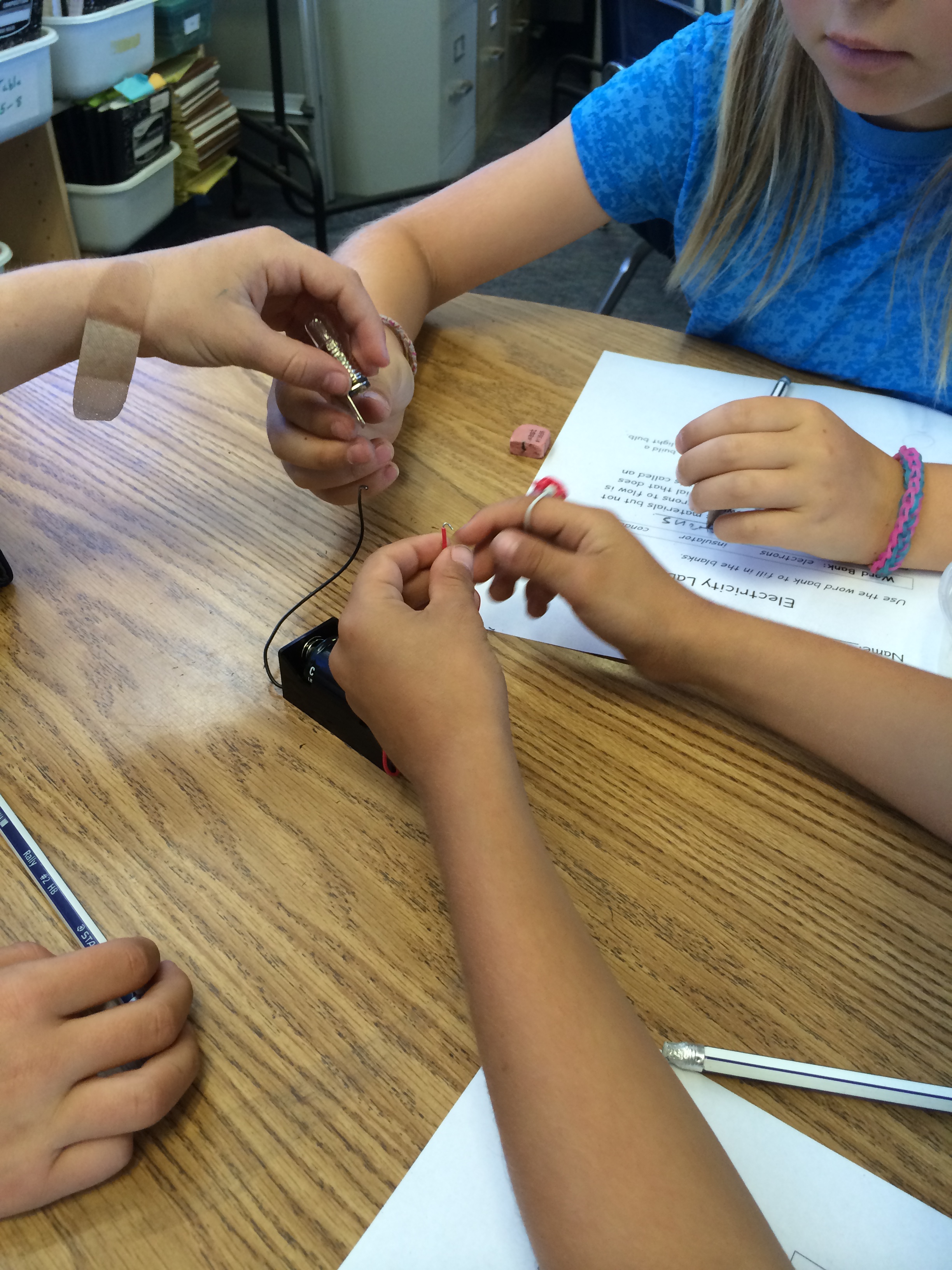
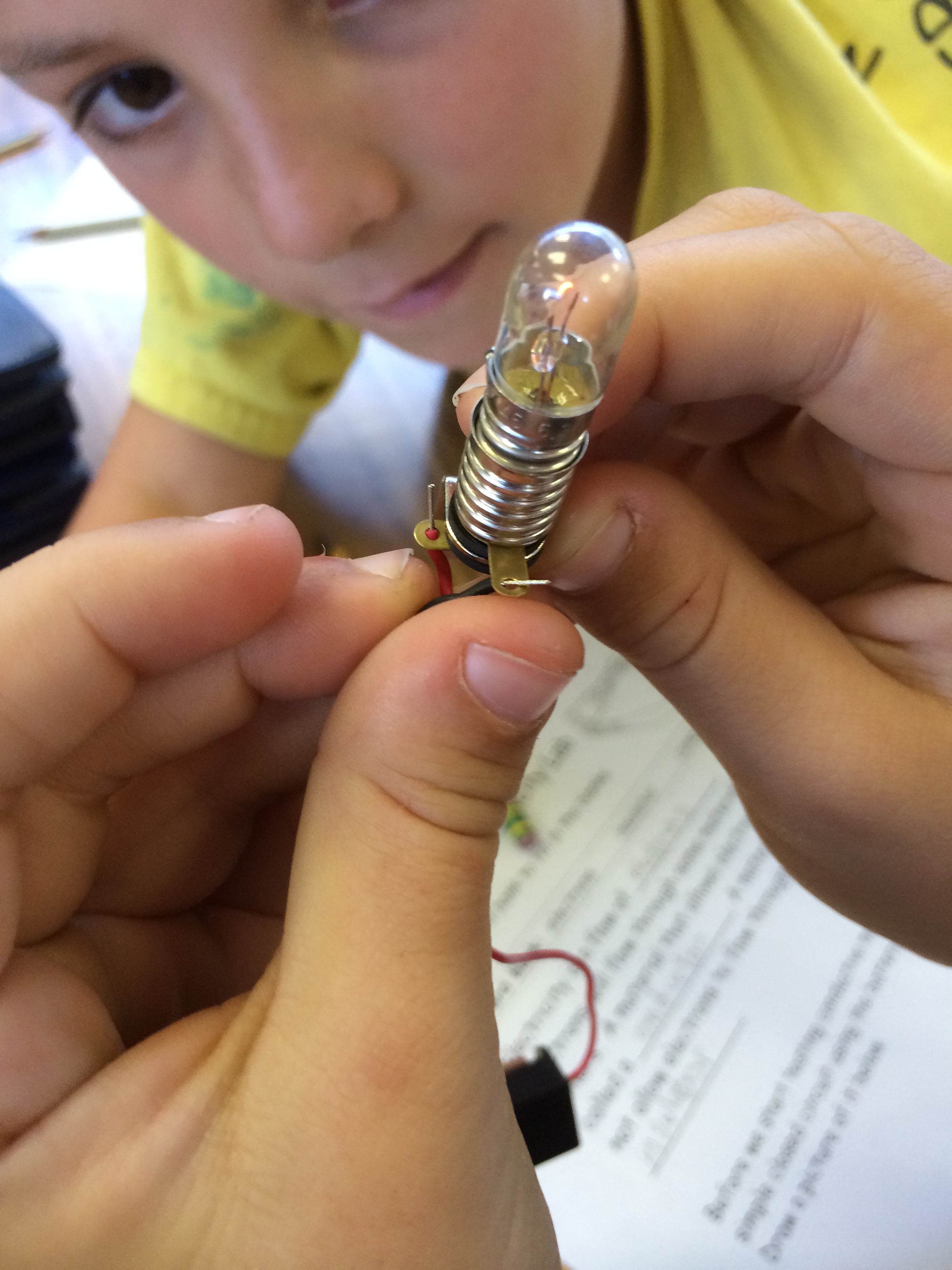
On Friday we were fortunate to have our school’s science teacher design a lab to complement our project.  She had students work in groups of four to attach components to make a circuit with an AA battery and battery holder, a light holder and a small incandescent light.  Because of their experience with the circuits in their project, this was a fun review for them…and they loved that they were able to get their circuits to work!

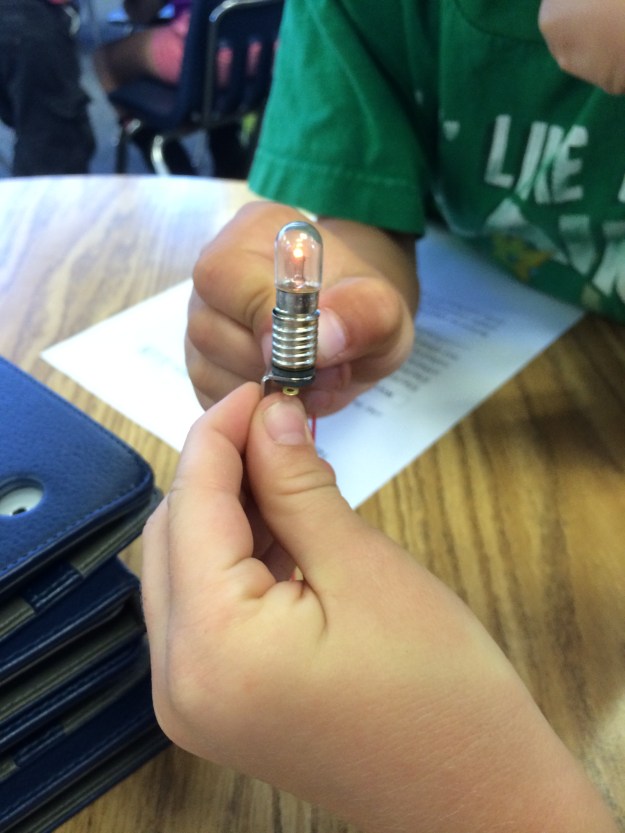
science lab with circuits

light

light with Joe

As part of the lab, they also explored conductors and insulators and noticed which materials allowed the light to light up and which interfered.  All of this was useful information as they returned to their circuit/notebooking project to problem solve circuit issues and continue with their art and writing.  By the end of the work period on Friday every student had successfully gotten their circuit constructed and their light(s) to work.  And we learned some important lessons along the way.  The stickers are pretty easy to work with, but grubby little hands can cause interference with the conductivity of the adhesive.  We had a few instances where we needed to pull the adhesive off and use tape to secure the sticker.  And sometimes our best approach was to peel the copper off and begin again.

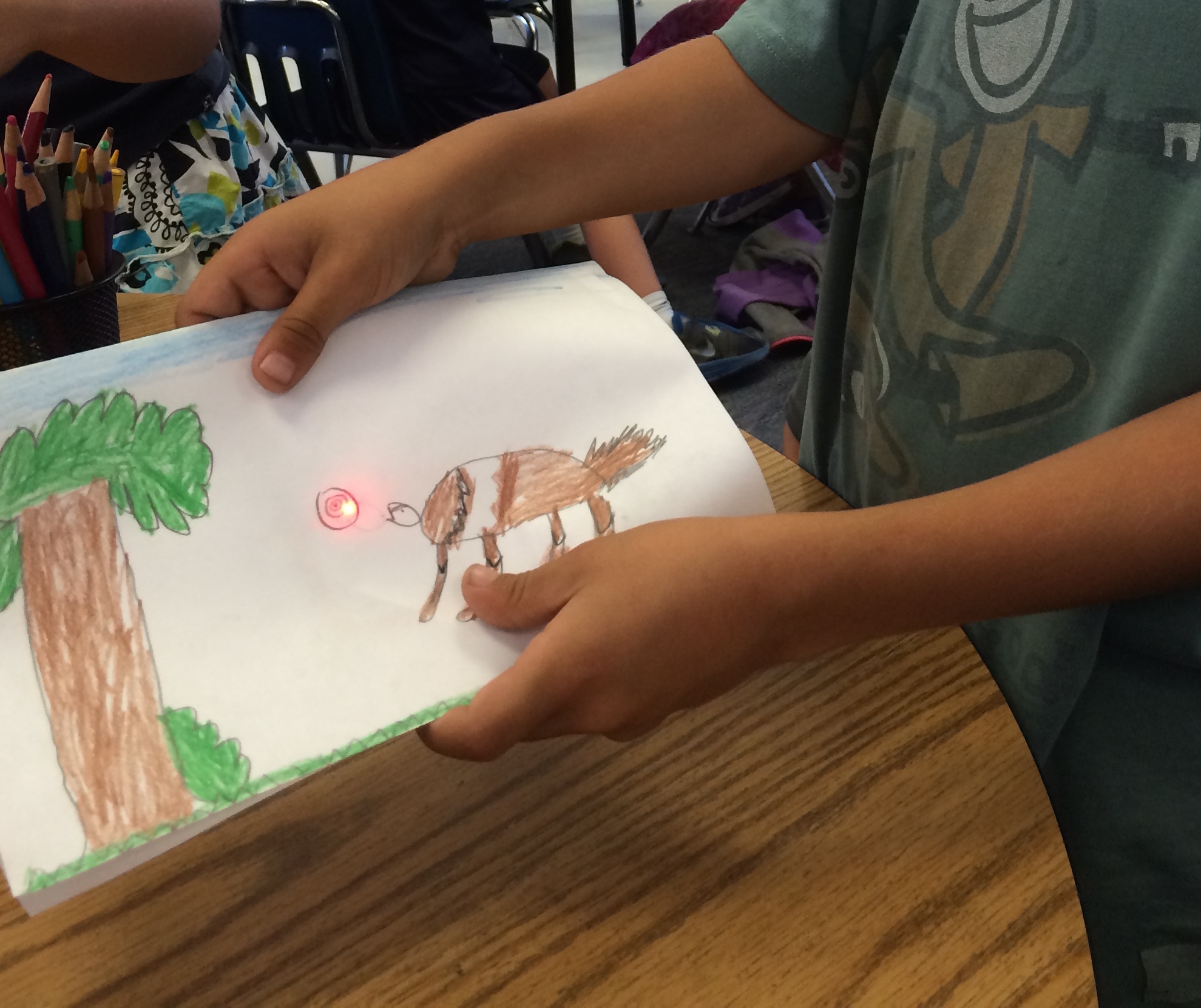
Here are few examples of student projects:
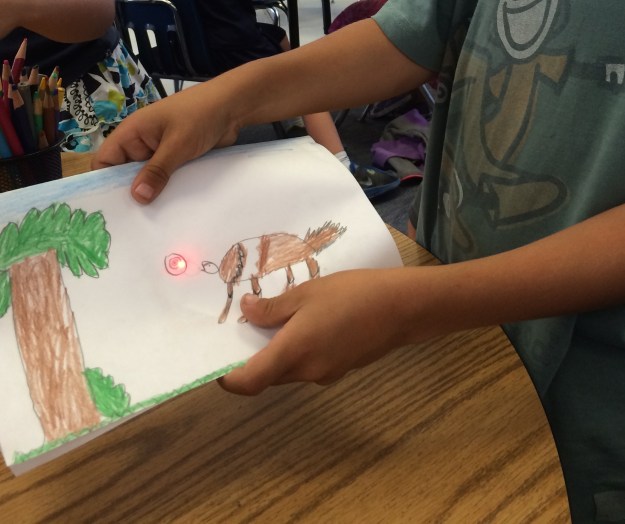
circuit project-CJ

circuit project sophie

circuit project-elke

circuit project_Eva

We still have some final details to complete…including some writing about the science learning that took place during the project. And students are anxious to get a closer look at everyone else’s projects too!  So this week we will take some time to concentrate on the finishing details and already have a gallery walk planned for students to get a close look at all the projects.  The kids can’t wait to take these projects home…but they will have to wait until after Open House later this month.  We just have to have them on display on that night to allow families to experience the “wow” factor in the classroom.

With all the work we have done with the power of iteration this year, I am wishing for some more LED stickers to allow my students a second chance to use these materials.  I am wondering what they can do and would do now that they understand the possibilities.  Maybe I can talk Jen and David into scrounging up a few more just to see what my students would come up with…

Sometimes Process is the Product

It was quiet when I arrived, the coffee maker was percolating, the snake stretching up to explore its glassed-in space, and the empty exhibits waiting to be filled with the curiosity of children. There’s something magical about an empty museum…an experience I have come to love through our Intersections work, a partnership between the San Diego Area Writing Project, the Reuben H. Fleet Science Center, and the San Diego Natural History Museum (the NAT).  We, classroom teachers and museums educators, have been learning and working together throughout this school year to improve the field trip experience for students, and to explore the relationships between science and writing. And yesterday was our second field trip pilot, an opportunity to observe students, their teacher, and chaperones in action as they implemented the tools we developed to support the experience.  These tools: a chaperone orientation video, exhibit guides, and questions to invite student inquiry; a hands-free field kit, question card, and exhibit booklet for students; and all the experiences the teacher–one of our participants–had through our year together, were meant to support student inquiry and encourage exploration.  They were meant to support the parent volunteers/chaperones, helping them to facilitate student-driven conversations about their observations.  And in many ways, these tools did help to support these goals.

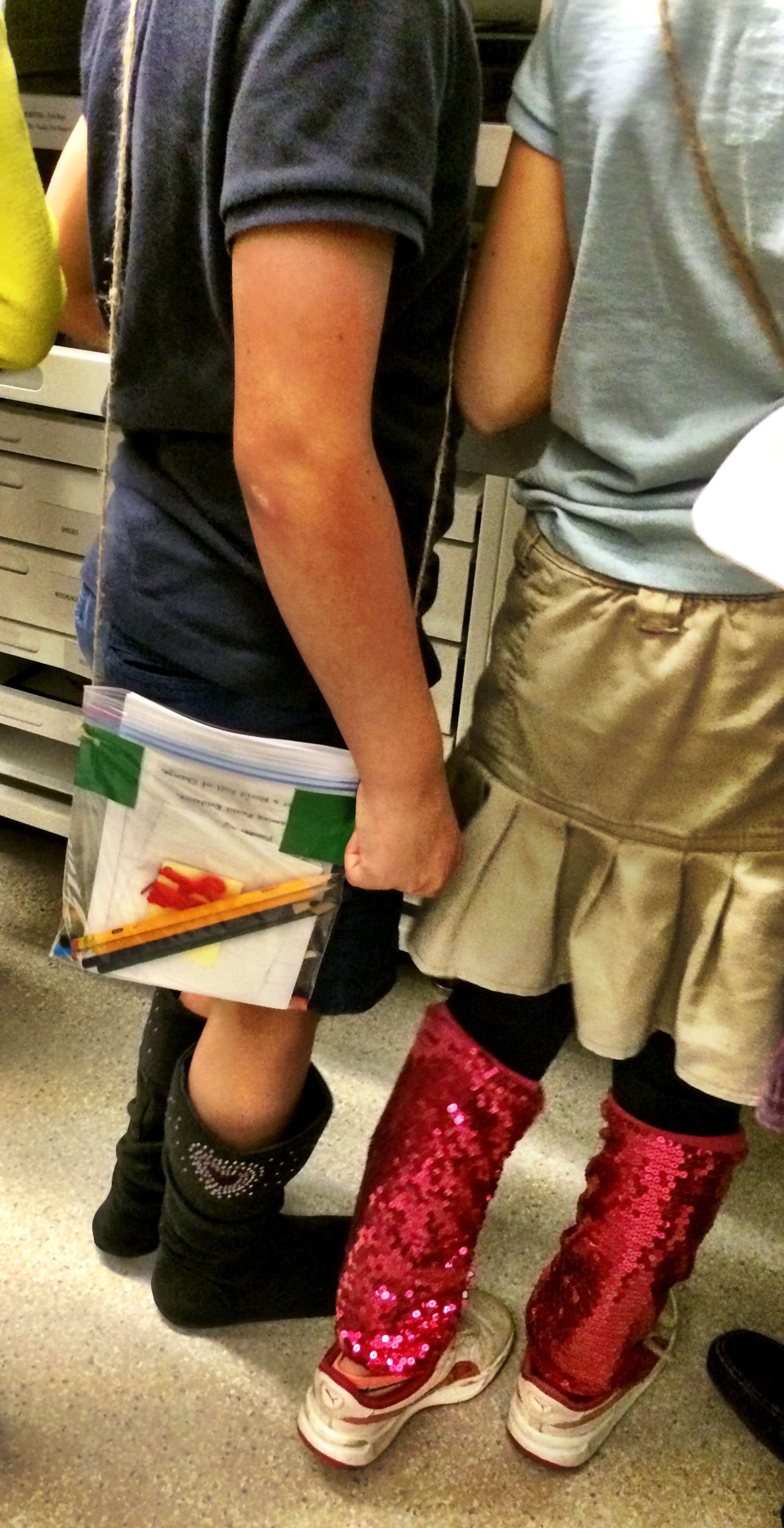
Student Field Bag...(Don't you love the sparkly pink leggings?)

Student Field Bag…(Don’t you love the sparkly pink leggings?)

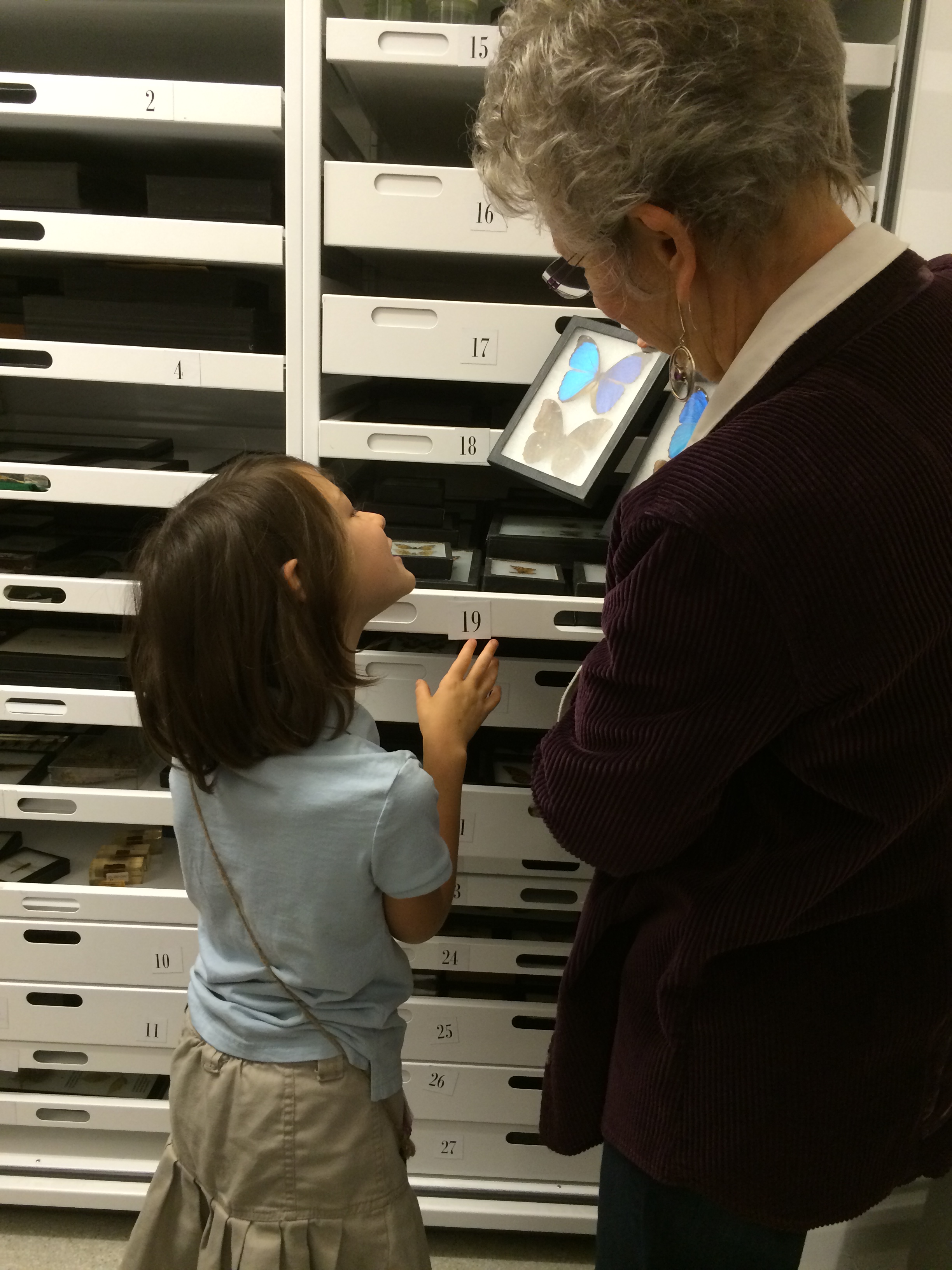
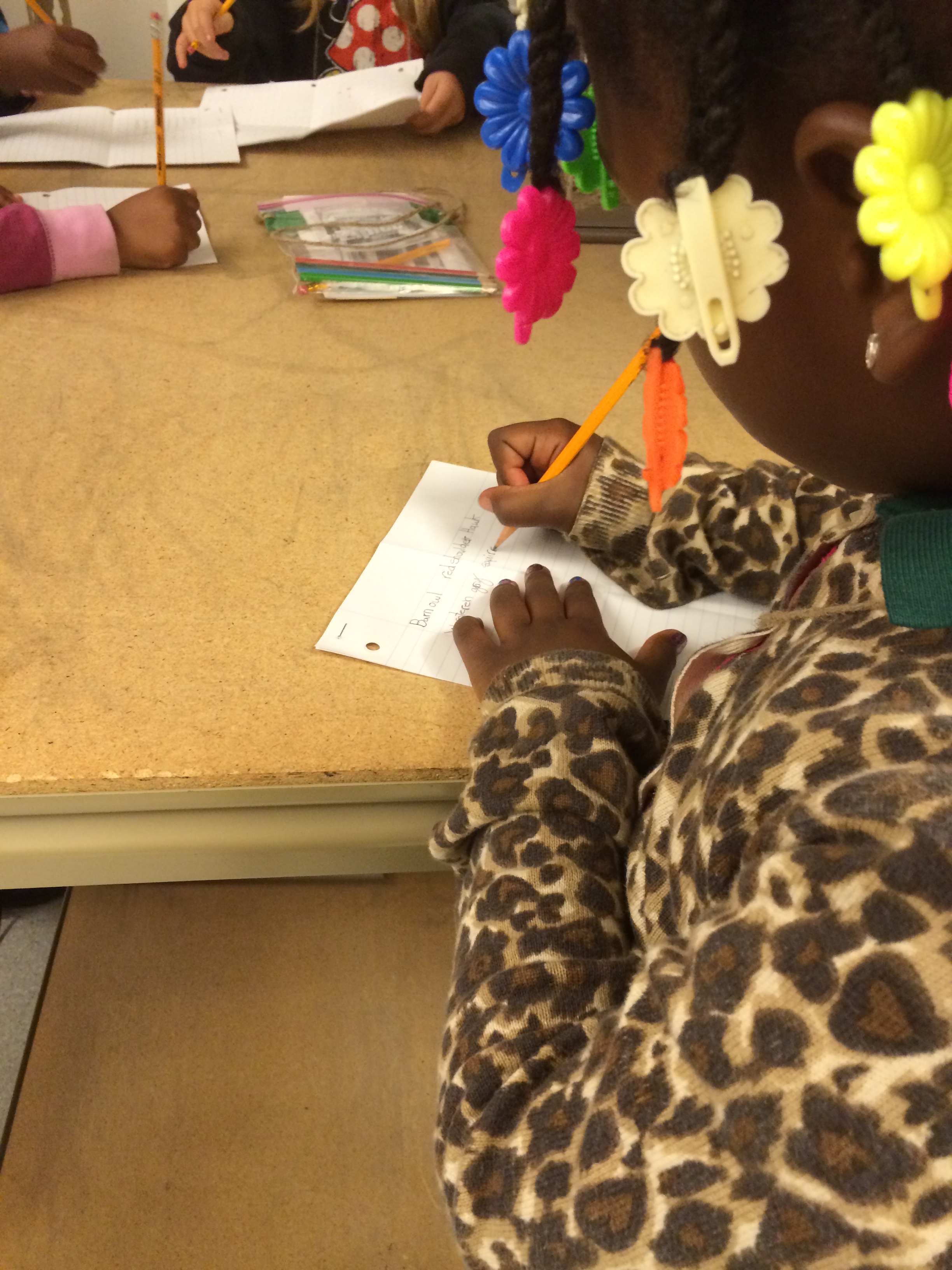
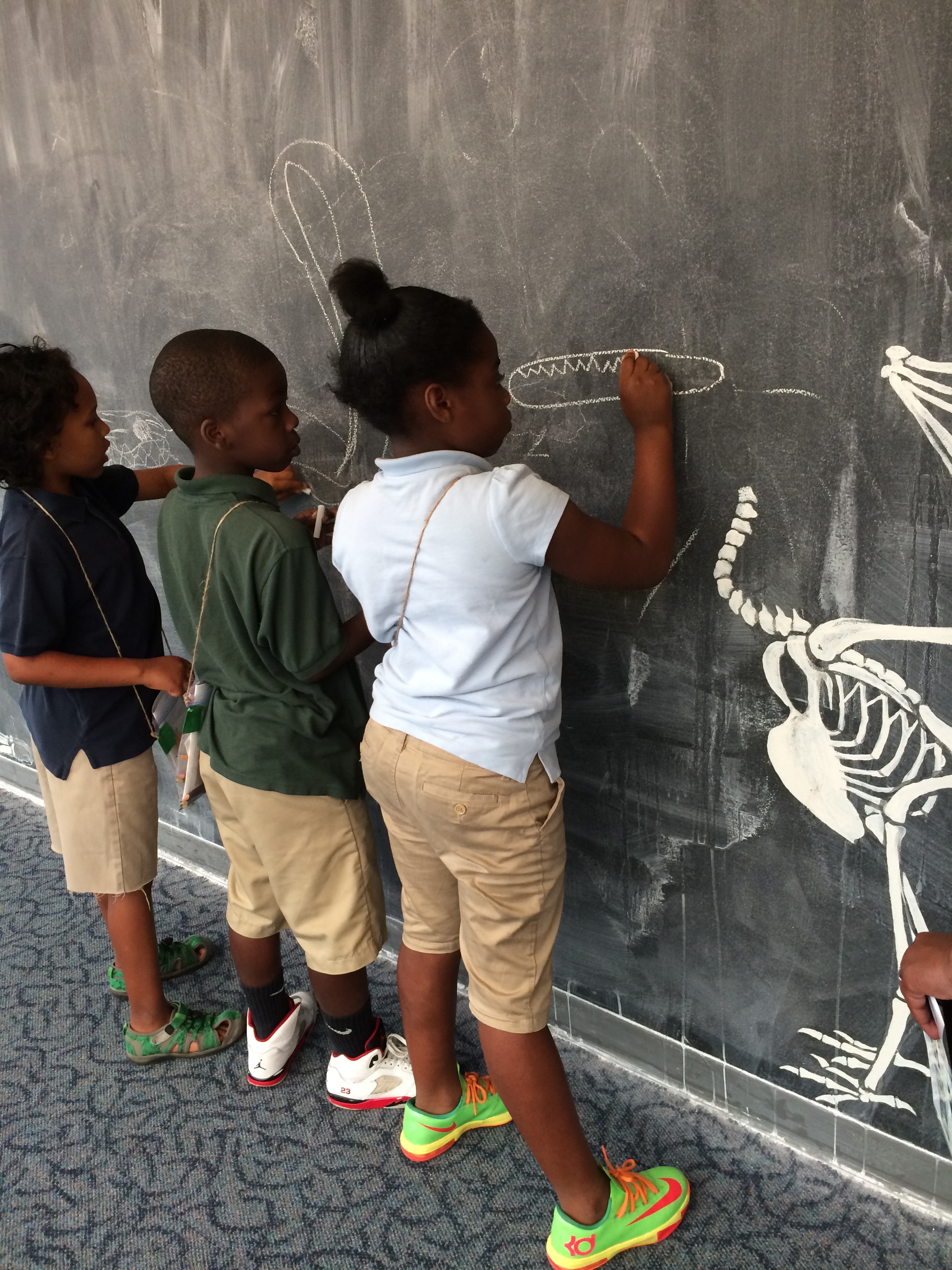
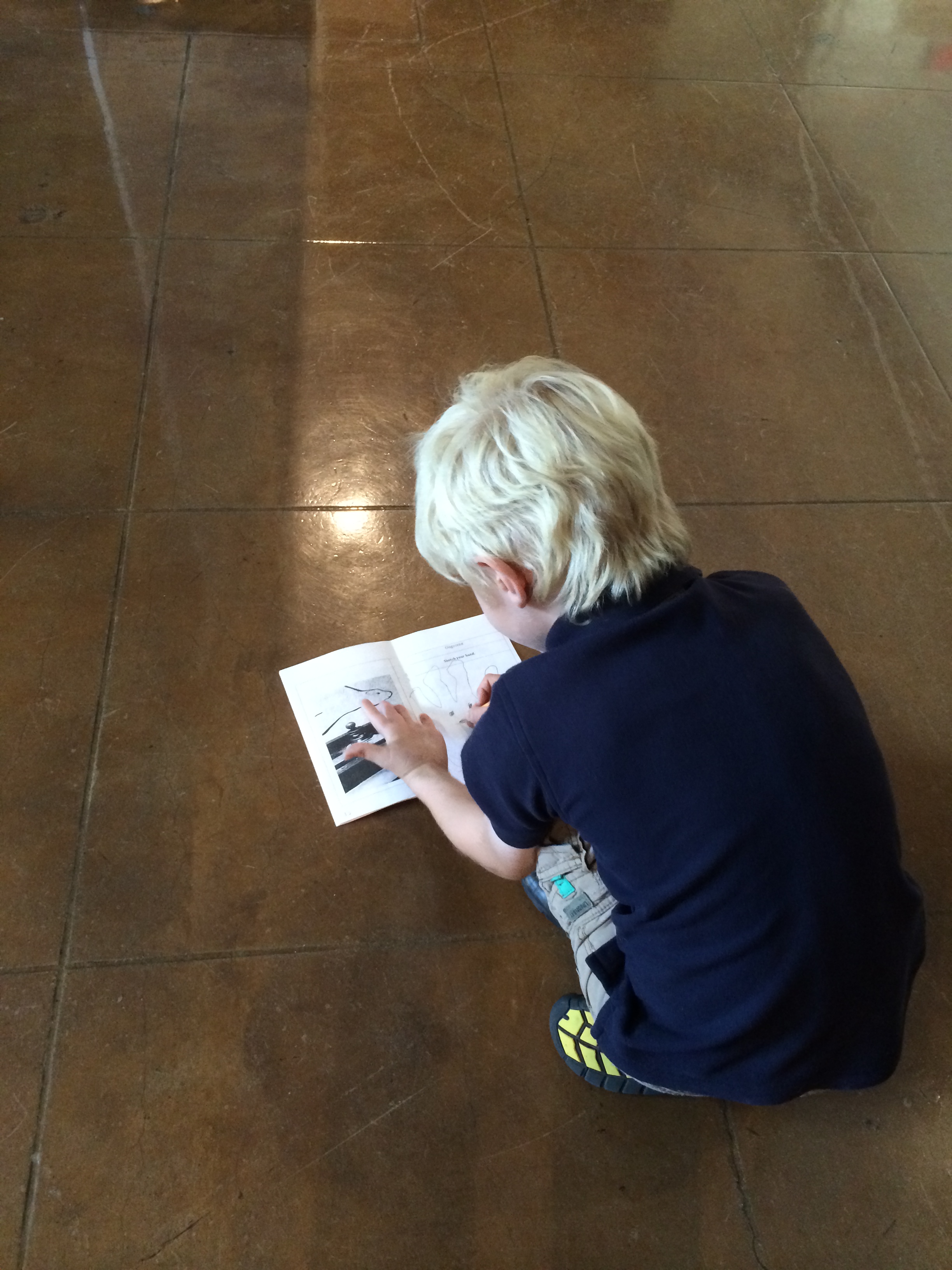
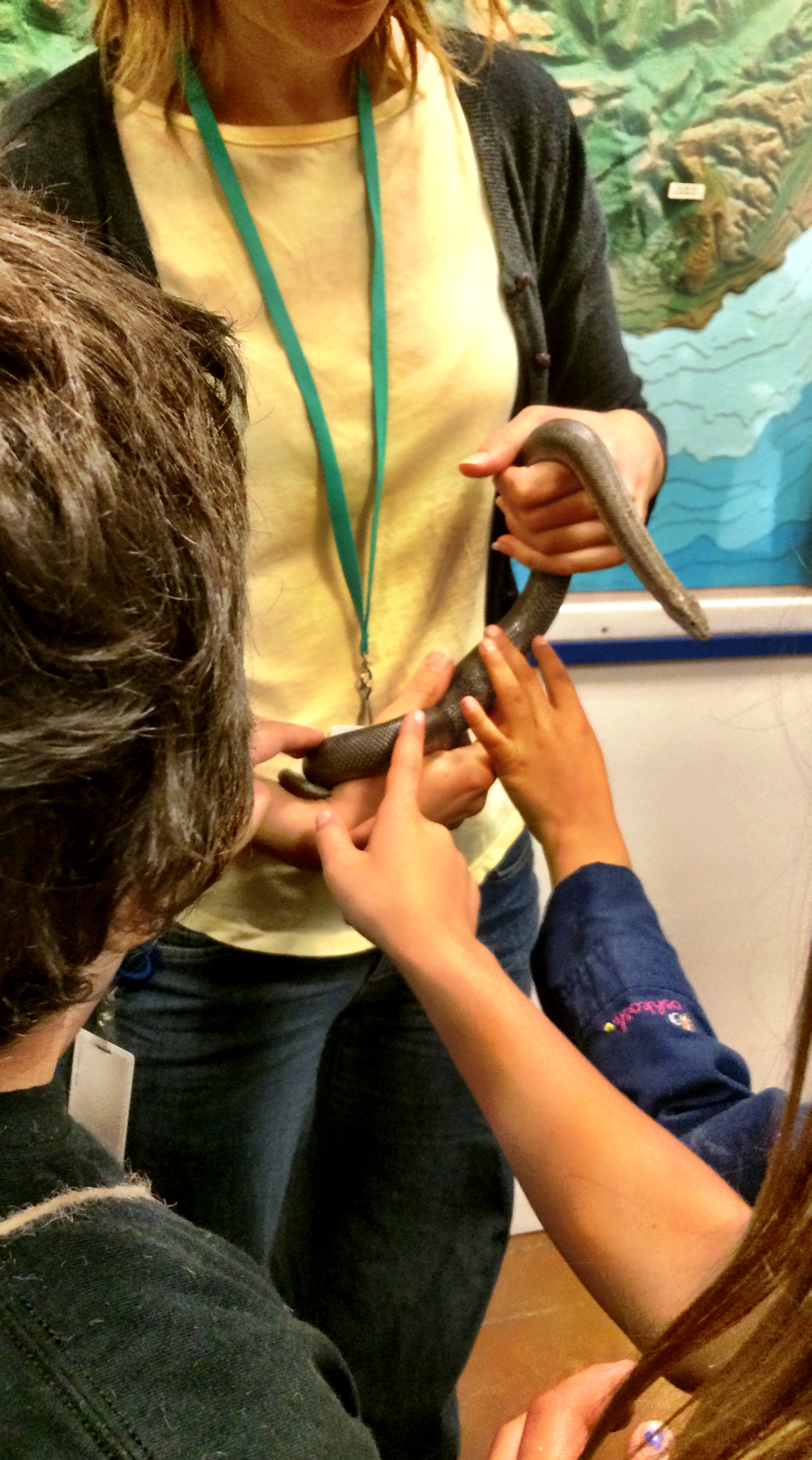
My favorite part of the field trip happened at the very beginning when students were treated to a behind-the-scenes tour of the Nature to You loan library at the NAT, a room filled with taxidermy animals, insect specimens, and a geologic collection that are available for teachers to check out and take to their classrooms.  As we piled into the small space lined with glass cases of bobcats, birds, bats, possums, insects, and more, you could feel the energy.  Students spontaneously began asking questions, “Are they real?” “Are they alive?” “How did they die?” After a brief explanation that in fact, all these animals are real, but no longer alive…and that they either died of natural causes or were found dead and then preserved through taxidermy, students were invited to explore the collection and to consider which animals they might like to have visit their classroom.  The children and their chaperones spread throughout the room, eager to uncover the treasures within. looking closely interesections Student knelt down and bent in close to the glass, carefully observing the animals of interest. They told stories of animals they recognized…and their adult chaperones also told stories and pointed out animals of interest.  Everyone seemed to find favorites and called their friends over to see their finds. With Doretta Intersections This little girl was fascinated by the butterflies and desperately wanted this specimen to come to her classroom.  She asked if she could make a list of animals she wanted to bring back to school…and of course, she was encouraged to do so.  Students spontaneously took paper out of the field bags and used all available surfaces: shelfs, carts, the floor… to write lists and other information they wanted to remember about these animals. writing to remember intersections As they exited from the loan library, students gathered into their small groups and headed off to the museum exhibits.  They were free to explore in whatever order they decided, and our team of educator-researchers followed along, taking notes, listening in on conversations, documenting the museum experience. We noted the places where students lingered, where they seemed eager to spend more time and explore, and captured their questions and conversations where we could.  I found myself interested in the structures and spaces of the museum, thinking about the strategic placement of benches and stools and the height of information boards.  I loved watching students at this chalkboard that invited students to draw skulls that they had observed throughout the exhibit. skulls on a chalkboard intersections And I noticed students sketching and writing in their booklets–a space intended to invite student observations and deepen their thinking.  Unfortunately, in many cases students and chaperones seemed to view the booklet as a duty, often filling in spaces as quickly as possible with little thought and attention.  I did notice a student or two take some time…this little guy made himself quite comfortable in the middle of the floor, as he sketched and completed a page in his booklet. drawing my hand intersectionsBefore lunch, students had the opportunity to get close to a couple of snakes…and even touch them.  They moved in close, asking questions of the the docent as they reached toward the snakes. snake petting intersections After lunch, students headed off to the Fleet with the researchers in tow.  We continued our documentation and observations.  As the field trip wound to an end, the educator-researchers gathered in a conference room to debrief the process.  Reviewing our notes, we thought about the positives of the field trip experience and the places we still felt a need for change and improvement.  And then we gathered in groups and discussed our observations.  The conversations were rich and dynamic, noting the places where we observed students engaged and inspired and still finding missed opportunities for students to be self-directed and to delve more deeply into the questions the exhibits provoked. This process of designing field trip tools, testing them in an authentic field trip experience, and then reflecting on the implications of our observations in order to iterate and innovate has been a powerful one.  And while there has been frustration in our group that we haven’t yet produced a product that captures the depth and intensity of our work together, we have learned a tremendous amount and come to some startling ahas about the intersections of informal and formal learning opportunities.  As much as we’ve tried to support chaperones to facilitate inquiry, the reality is many of our well-intended parent volunteers are not prepared for that role…and our “crash course” in juicy and probing questions isn’t enough to make them feel comfortable and confident in that capacity.  Mostly, they do just what we asked them to do, they keep track of students, redirect them when needed, and deal with the safety and personal well-being needs that come with groups of children.  So, we are rethinking our tools…again.  And maybe we will never have the perfect product we wish for…and then again, maybe this process is the product we are searching for, an occasion to really see students in action and consider the roles we might play in supporting their curiosity, deepening their learning opportunities, and opening up time and place for playful exploration and inspiration both inside the classroom and in those wonderful spaces beyond the classroom walls.
Spring Break: In 25 Words

Sometimes in writing (as in life), less is more.  Coming back from our spring break, we asked our students to zoom into some aspect of their spring break activities and compose a 25-word story to capture the experience.  25 words is short…and it’s not as easy as you might think to come up with a “story” in only 25 words.  But our first, second, and third graders gave it a try. Here’s a couple of examples (the links are to their published blogs–they would love comments if you have time!):

There is new growth in my family garden! Carrots are growing in nice soil (getting sunshine, too!) Making me want to eat the delicious vegetables!  (E.F.)

My brother fell out of a tree, he was in pain! He got crutches, he screamed a lot! Hopefully he didn’t break a bone! (M.B.)

My friends and I went to my Gramma’s house, we had tons of pure fun. We got lost sometimes but it was still extremely fun. (N.B.)

Biosphere two is an amazing place where the scientists are in Arizona, the desert and survived 2 years trapped, researching plant life in threemile greenhouse. (A.R.)

And then there is the student who writes the 25 word story…but can’t resist expanding on the story in her blog post!  (A girl after my own heart!)  Here is the 25 word version…you can click on it for her blog post.

Suddenly a foul ball comes hurling our way. It bounces, jiggles, is everywhere. It happens quickly but suddenly the ball’s in my brother’s sweaty palms. (M.O.)

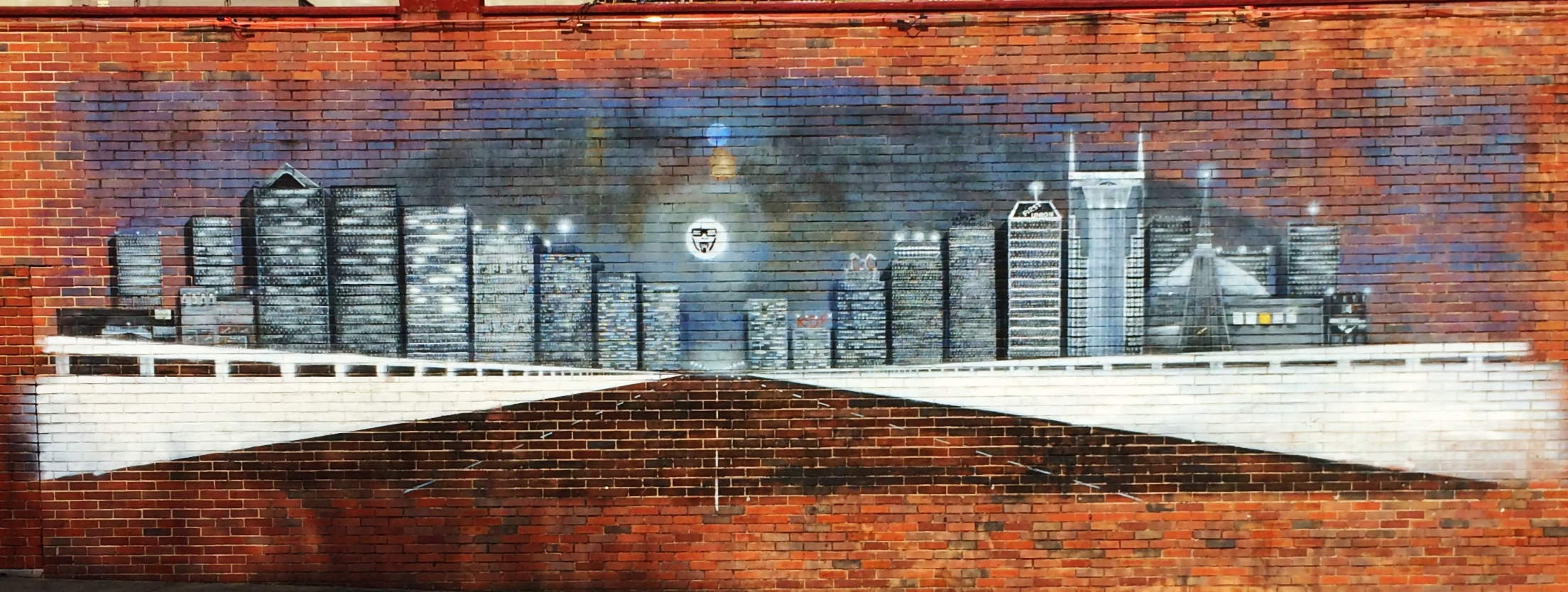
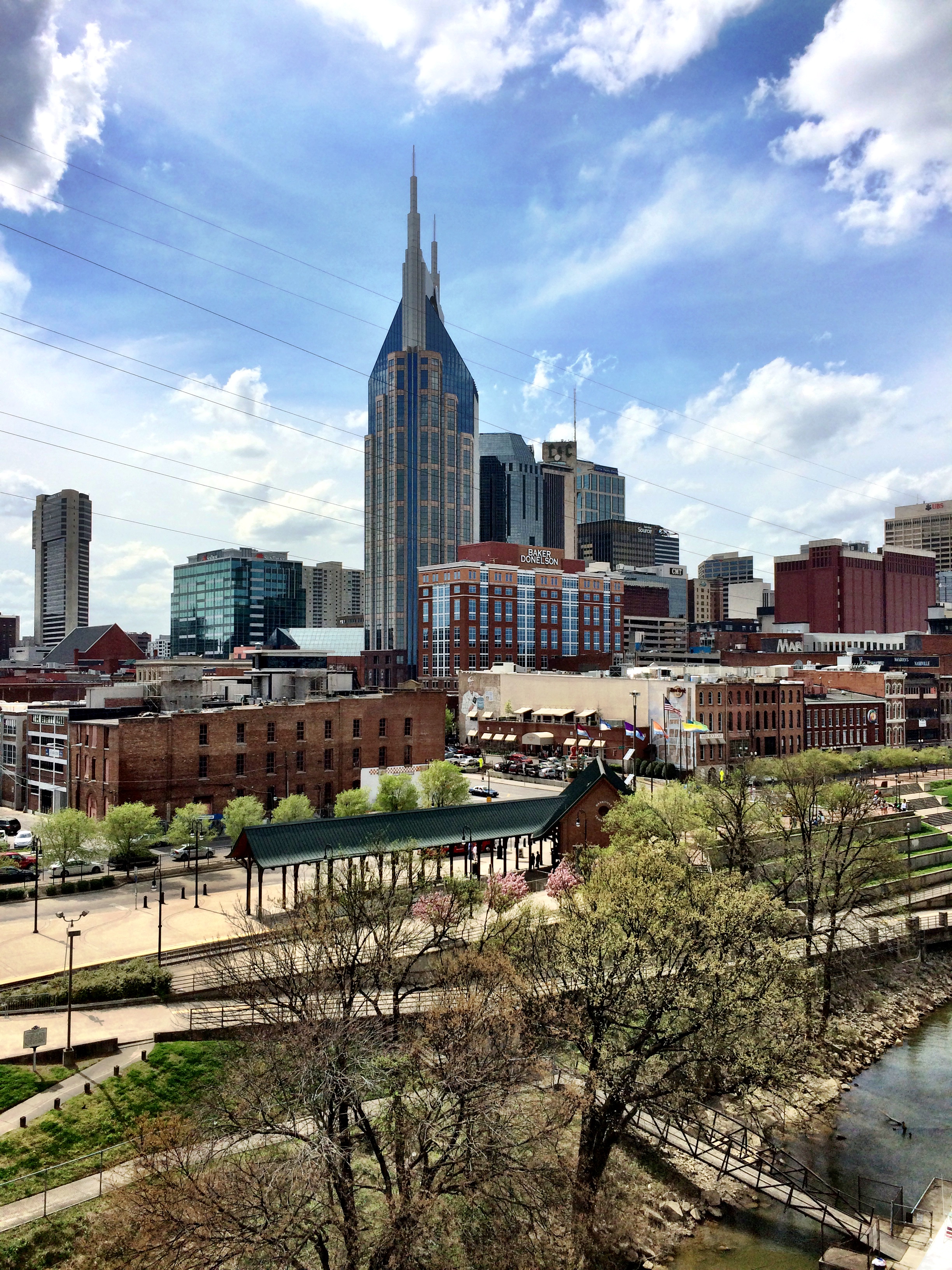
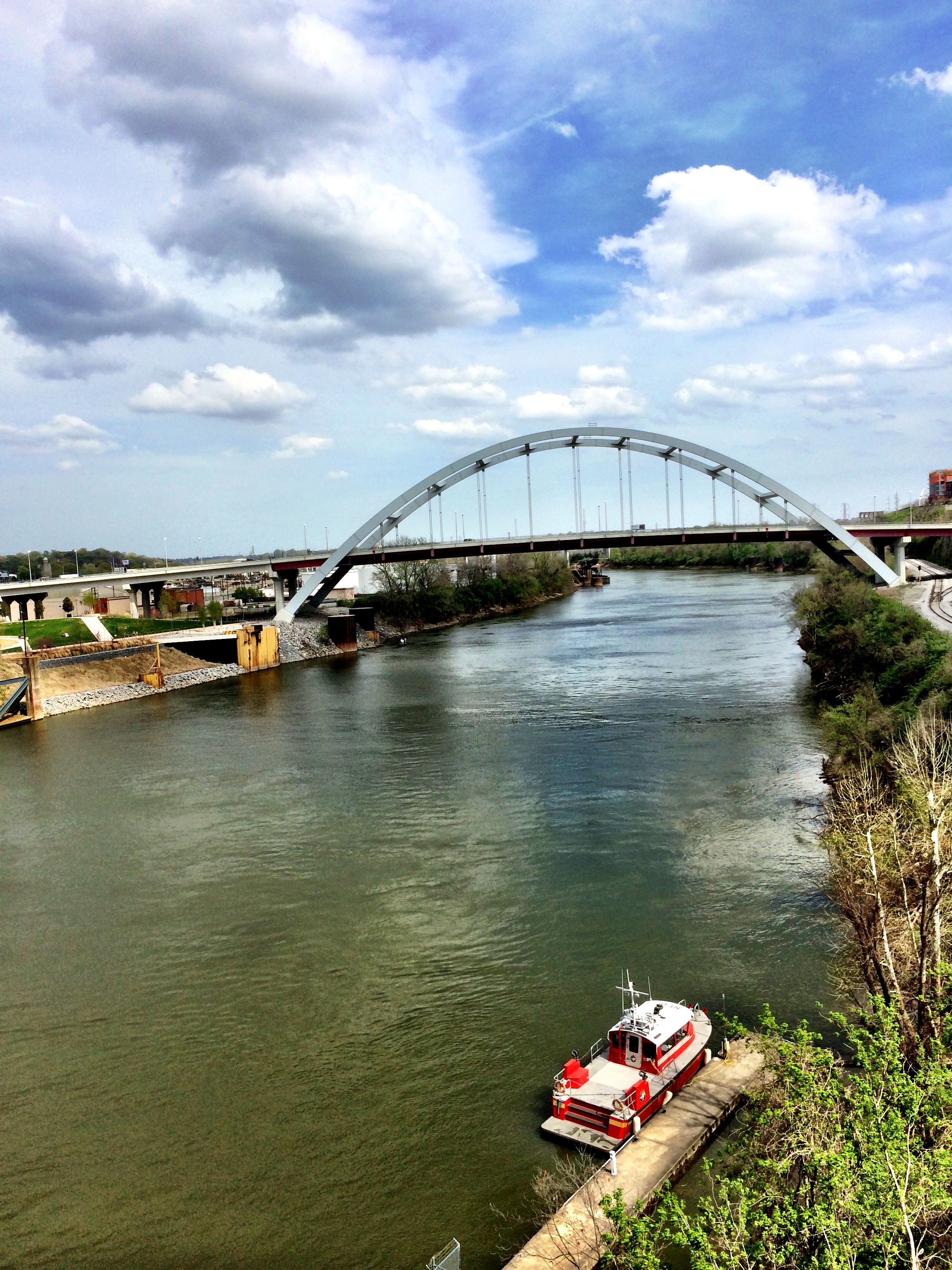
And of course, I had to try to my hand at a 25-word story about my spring break.  It took me a number of tries to come up with this one…and I might have to try another dozen or so to really craft a story.  And I will include a few photos to enhance my words!

nashville mural

Toes tapping and fingers snapping, she explored the city along the banks of the Cumberland in her new cowboy boots. Her camera captured the details.

Nashville downtown

Cumberland river


Playground Life

I spend three mornings a week out on the playground watching children play.  These early morning duties are generally calm, giving me an opportunity for reflection and observation.

I notice children making up games, resolving their own conflicts, and through their play, improving their coordination and fitness.  I see the same early arrivers most mornings and watch the seasonal changes in the sports of choice.

Balls are always popular, the current favorite ball games are wall ball, basketball, and a blacktop version of baseball that requires no bats or mitts and involves a large rubber ball.

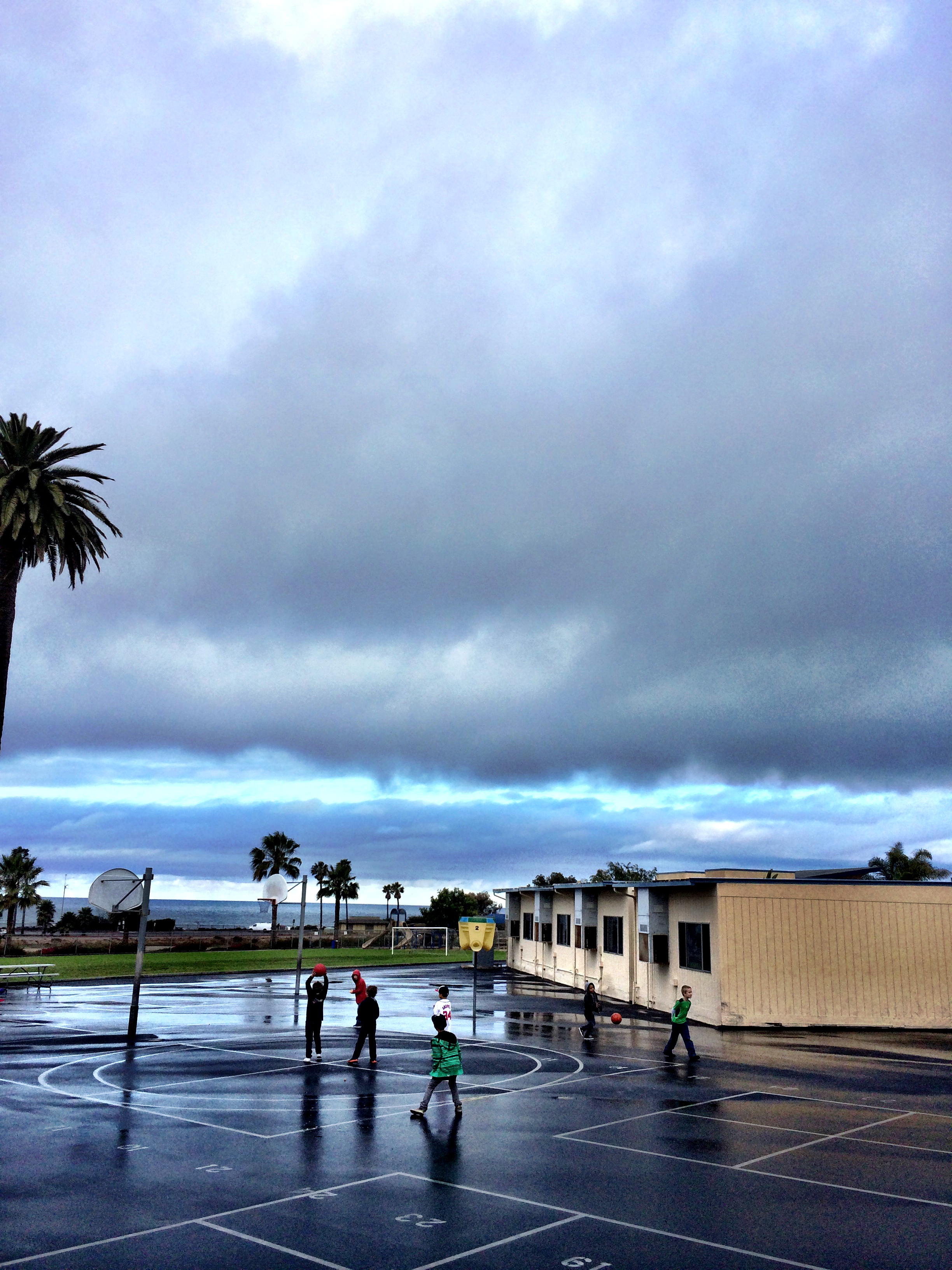
I wasn’t sure this morning that the kids would get to go out and play.  We had a rare rainy day and I ran my windshield wipers all the way to work.  But by the time kids arrived, the sky was still dark, the ground was still wet, but as long as no drops are falling, the kids can play.

rainy playground

The day turned out bright and sunny–and I am doubly glad that I stopped to capture this wet, cloudy moment of children at play.  And so this becomes my Street Life for the Daily Post’s Weekly Photo Challenge.

It’s supposed to rain again tomorrow.  We need the rain so badly that I’m not complaining about the inconveniences of rainy day schedules.  Instead, I’m looking for the silver linings…


Walking the Halls of Congress

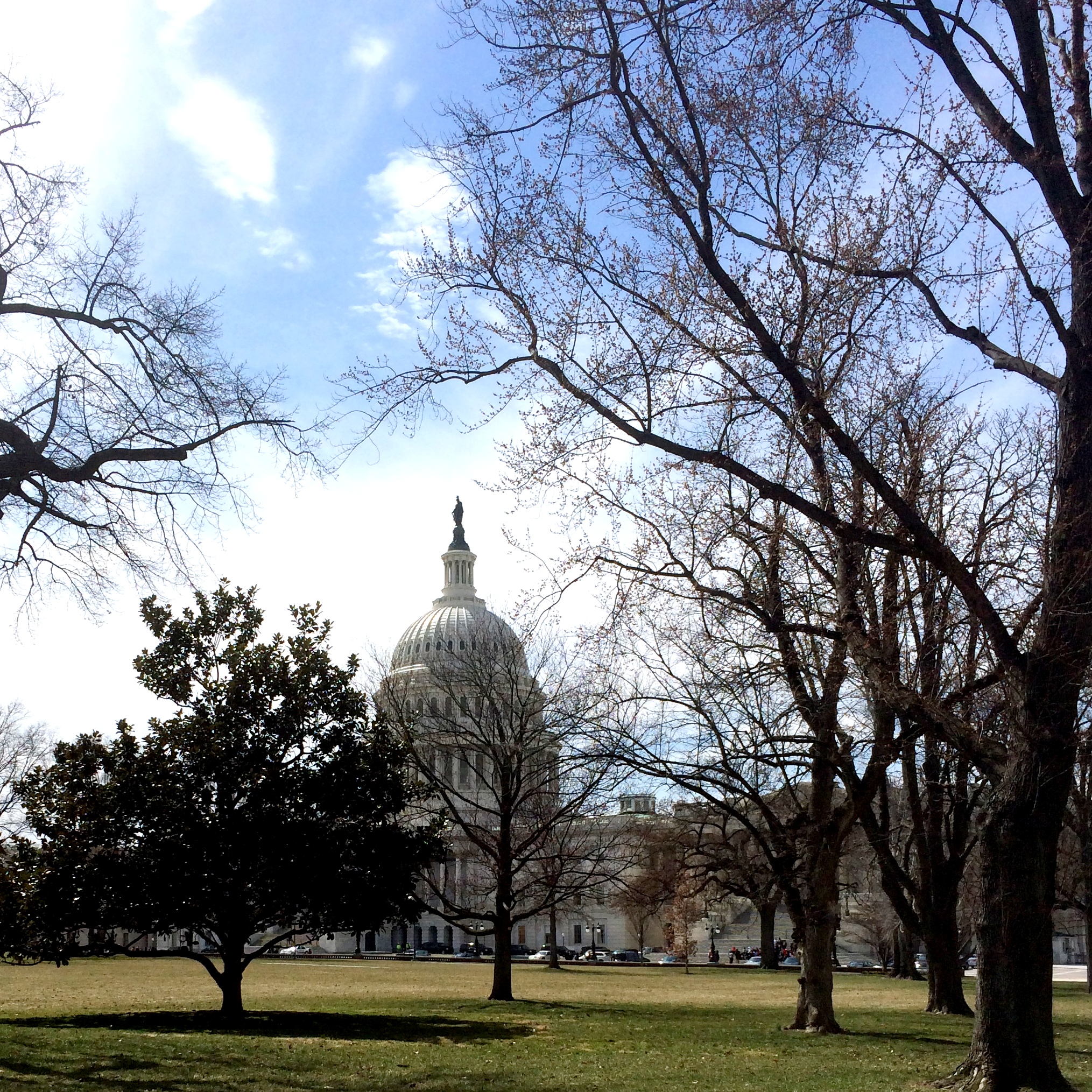
For the last several years I have traveled to our nation’s capitol each spring to advocate for teachers, students, and writing.  As part of that process I walk the halls of congress and meet with elected representatives, telling the story of teaching and learning in my hometown and the power of the National Writing Project network to support teachers and learners.

capitol skyline

I’ve never considered myself political.  Although I have always voted, I hadn’t really considered my role in the political process as a citizen beyond placing my vote at election time.  And honestly, the first time I agreed to meet with elected representatives I wasn’t sure I would be able to find the words and the courage to speak to these strangers about the profession I love.  But I did it…and have continued to do it, because students deserve the best learning opportunities we can provide.  And in the process I have learned a lot about the political process and the power of building relationships with the people who represent us in congress.

In San Diego there are five congressional representatives for the area the San Diego Area Writing Project serves.  There are democrats and republicans, veteran politicians and those new to the job.  Sometimes we meet directly with the representative, sometimes we meet with one of their aides.  Some are knowledgeable about education, some are not.  Sometimes we meet with the same person from year to year, others times we meet someone new.  Sometimes our representatives are upbeat and hopeful, other times they are frustrated, and sometimes even curt.  I can’t imagine how many people they meet with, each wanting their interest to be the priority.

And over the years I have learned some things:

  • Education doesn’t need to be partisan.  Remind the representative of the ways that students in their district benefit from opportunities for high quality learning.  And remind them that teachers work hard and want the best for their students.
  • Our elected representatives understand the value of good writing skills.  They tell us stories every time we meet with them about the difficulty finding employees and interns with good writing skills.
  • Be direct and positive.  That doesn’t mean to sugar coat the truth, but it does mean being pleasant and being prepared with the information you plan to share and the request you have.
  • Work to build a relationship–both locally and in the capitol.  Send information, follow up with emails, invite them and their staff to visit local events…who doesn’t want a photo op with an adorable student?

This year, my friend and colleague Abby, who traveled to Washington D.C. with me, decided to make a video for her second grade students featuring our local representatives.  With each of the representatives we spoke with directly, she asked them if they would mind saying a few words to her students.  (We met with three of our five representatives directly–they are featured in the video.) Each representative was happy to participate…and Abby sent them each a link to the finished movie.  (Hope you enjoy it too! I served as cinematographer for the scenes featuring Abby.)

And here’s a couple of behind the scenes photos of Abby in action.

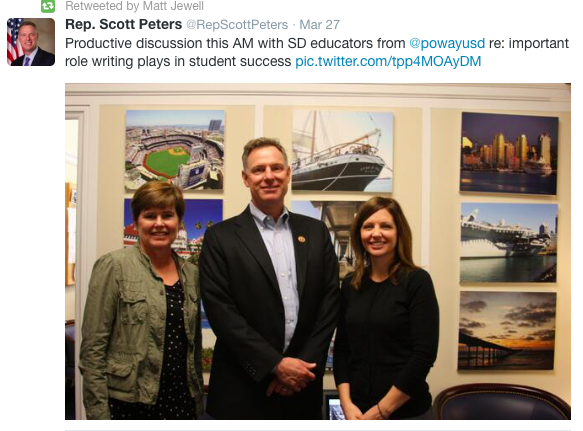
I’ve also learned the power of social media in advocacy.  After Abby tweeted the link to the video she also had responses from the congressional twitter feed.  And it wasn’t long before a photo we had taken with a local congressman was tweeted out as well.

Screen Shot 2014-03-31 at 4.38.40 PM

The only way we can improve the political process is to participate in it.  And although it isn’t necessary to travel to Washington to participate, being there expands my understanding of how the processes work (and don’t) and helps me think beyond the partisan politics that dominate the rhetoric about our government.

I am more convinced than ever that we need to move beyond binary thinking, beyond democrat and republican, beyond right and wrong, and black and white and move toward more complex understandings of how our government works.  For me, these efforts to advocate on behalf of my profession and the students we teach have been steps in that direction.

Reflecting on Weeds

I’ve been pretty obsessed with weeds over the last few weeks.  These much maligned plants are resilient, tenacious, and often quite beautiful…traits I admire.

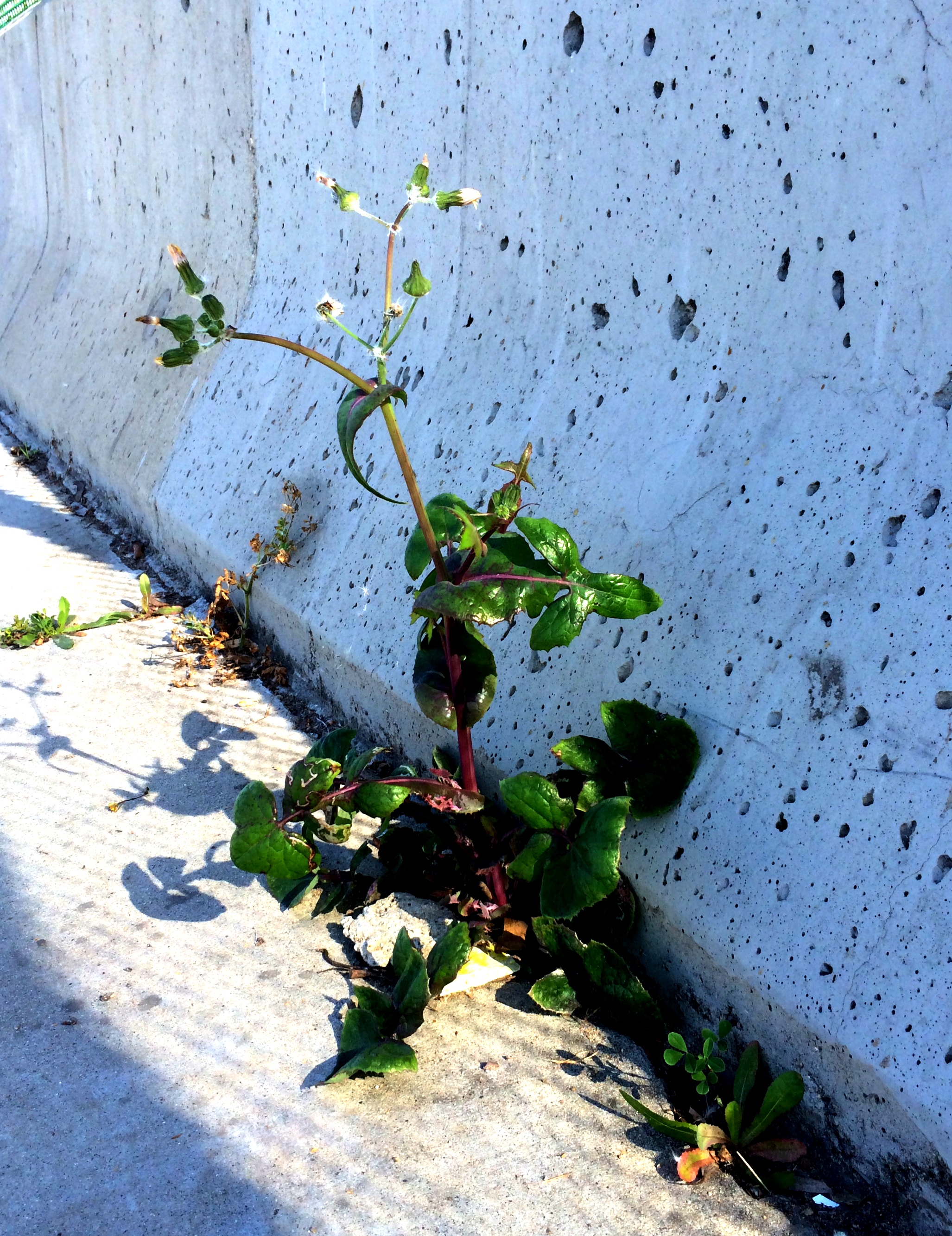
On my way home from work today I noticed that the greenhouses I passed were ablaze with color, so I pulled off the road, parked and walked to take a closer look and a few pictures.  And on my way I noticed this weed growing along the cement wall in a crack between the sidewalk and the wall.

urban weeds

When I got home I noticed that today’s Daily Post Weekly Photo Challenge was reflection…and instead of thinking about the many photos I take of literal reflections (mostly involving water), my mind immediately went to this photo of a dandelion weed growing in the crack of a sidewalk.

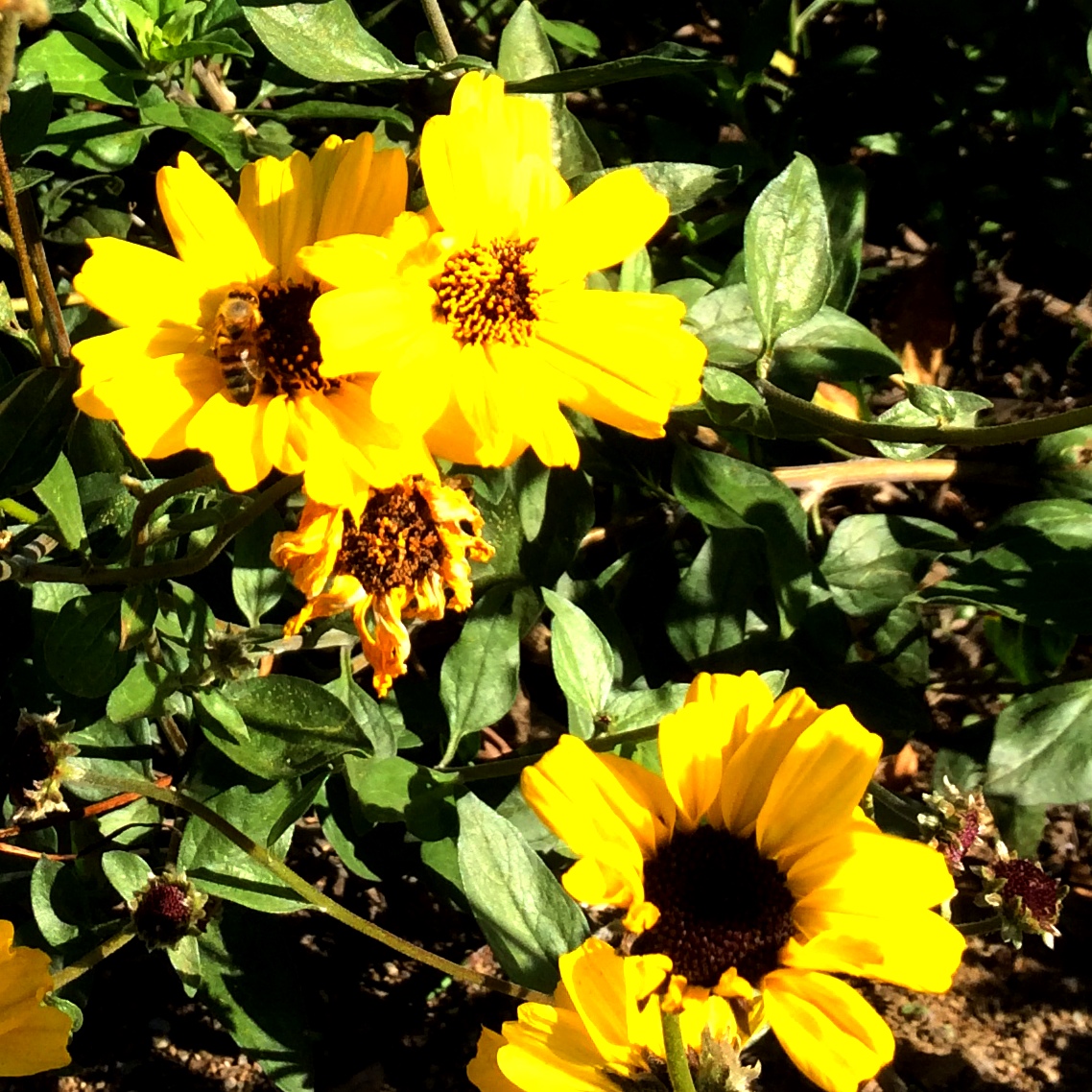
I’ve reflected on many aspects of weeds in the last couple of weeks: their beauty, the role of a negative label, and about things that we see as expendable. Every time I see a weed I find myself thinking about its positive qualities…and wondering if a particular plant is seen as a weed depending on the context.  After I photographed the dandelion weed I also noticed the salty susans growing wild in the dirt where the sidewalk stopped.  I wondered…are these weeds or are they native plants?  And really, what is the difference?  If these yellow blossoms were in the crack of the sidewalk would that make them a weed?

salty susan

And as I finished my parent-student-teacher conferences today I was thinking about the qualities the educational establishment values in learners.  What about the students who don’t quite fit the profile of the ideal learner?

I heard a piece on the radio this morning about the rate of suspension and expulsion in schools of students of color…and know that there is no reasonable explanation for these statistics. These children are being seen as “weeds” in the system, intentionally or unintentionally, and this has to change.  How we talk about kids and how we define success plays a huge role in the ways kids are treated in schools and other contexts.  Plucking them out is not a viable solution…and there’s plenty of research to support that premise.

I think the answer lies in broadening our definitions of school success.  I also think we need to consider what we expect of students.  Do we want them to sit quietly or do we want them to learn?  Is reading from a textbook or listening to lectures the best pathway to learning?  How do we support students in finding their own experiences in the content we teach?  What environments do we cultivate to encourage the growth of students who are quite different from each other?  How do we engage families and learn from them and with them about their children?

For me, weeds are an object of reflection…and of fascination.  And they generate question after question for me to consider as I strive to improve my teaching practice.

And watch out…I might just have an entire garden full of weeds one of these days!

A Pink Fedora

It was a pink fedora kind of day.  What does that mean, you ask?

This is parent-student-teacher conference week.  I love the opportunity to talk to families and yet, it’s a tough week for teachers.  Three hours of back to back to back conferences takes its toll…and it takes those precious after school moments usually devoted to planning and preparation and pushes them aside to make room for the conferences.  And, in conversation after conversation I find myself reminding students to be playful in their learning–that learning doesn’t mean routine and boring and something you dread.  You have to find ways to make it fun and interesting.  And that, in turn, reminds me to be more playful in my teaching and other responsibilities.  I have to find ways to make my hard days fun and rewarding too.

It seems odd to remind children to play, but when it comes to school and learning they seem to think that the path to learning is narrow.  They are looking for the one right way, which sometimes transfers to battles at home about that thing called homework.

I want “homework” to be curiosity and experimentation.  I want students to go home and explore ideas that came up in the classroom.  I want them to play with numbers and play with language.  I want them to figure out new ways to express their ideas in words…and in pictures. And I want them to come back to school and spread that energy and excitement around.  And some of my students do.

This morning, one of my students arrived at school wearing a pink fedora.  It was the first thing I noticed when I walked out to pick up my students this morning.  I could see him from quite a distance…smiling broadly and walking with the air of assurance that comes from knowing with confidence that a pink fedora makes a statement!

photo-101

Somehow that pink fedora represents that playfulness I hope for in our learning community. Playful doesn’t have to mean silly or distracting…and that fedora was neither today.  For me that jaunty pink hat was a talisman of fun, of individuality, of style, with a bit of hopefulness and joy thrown in.  I’m not so sure that the hat will arrive at school again…and that’s okay.  One day of the bright pink fedora reminds me…and helps me remind my students…to find the fun and the playfulness in our work and our learning.

I hope you had a pink fedora kind of day too!

Stars Emerge

Writing is hard.  Teaching writing is harder. And every once in a while the effort of teaching writing and supporting and inspiring writers comes together in ways that make your heart sing and tears flow.

I had one of those moments yesterday.

The first, second, and third grade bloggers were hard at work in our classroom.  The room was filled with the productive hum of writers at work.  I moved around the room, helping with inserting youtube links to the digital stories we had created, troubleshooting technical issues, and helping those emerging writers get their ideas pinned to the digital page.

One of my students called me over, asking for help with a formatting issue.  And that’s when I noticed the poem.  “Where is the poem from?” I wondered.  “I wrote it,” he replied.  “Will you read it to me?” I asked.  And he did.

Stars

A poem

Two stars diverge sending each other down to earth like eagles mating, gripping each other so hard that before they descend and hit the ground they turn into dust. As all the stars shine and shimmer with a shine so big it blinds eyes.

The portal of time, a hole, may it be a dimension to another world? Might it have different forms of life? Or does it hold the keys to the past as you turn the engine?

May it be a beach of darkness or is it truly where your body is when you pass away.

Still a star inside, you shine, a star big enough to fill this sad place with colors and light up the world.

Are all the stars just a puzzle or are they illusions that move and move as you play the game, the game of life?

I have loved watching this writer go from a reluctant and troubled writer to a creative, confident, and willing writer over the three years in our class.  Writers don’t follow easy, uncluttered pathways, instead, like stars and diamonds they emerge from from pressure and heat and time and the tumultuous intricacies of the universe.  I am so lucky to spend three years with my students, it often takes that long for writers to emerge–finding both confidence and voice as writing instruction, practice, and a supportive writing community come together over time.

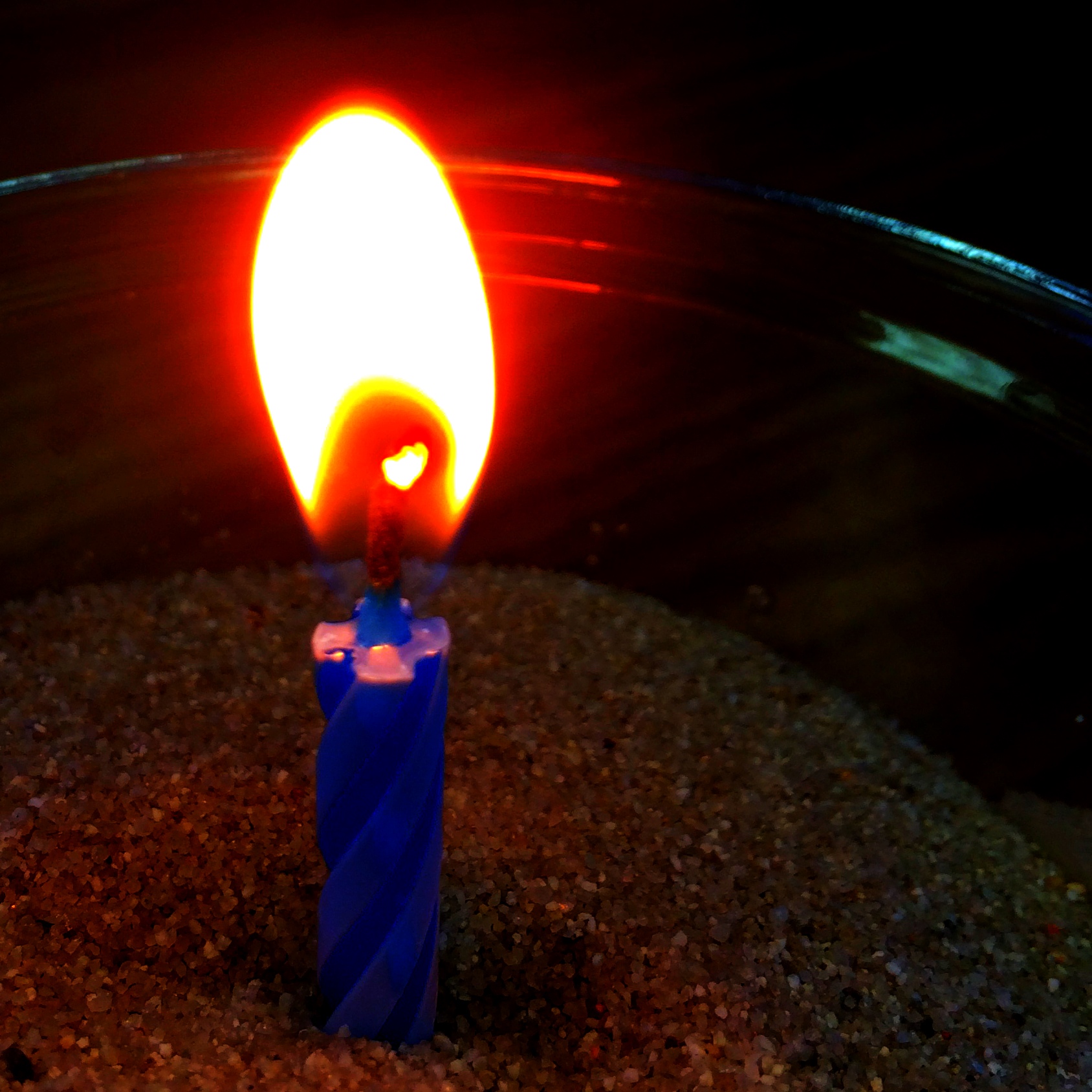
I’m still thinking about Brit’s poem…great writing does that.  It ignites a fire in the reader, kindled by the writer.  It’s burning bright and hot.

photo-102

You might want to stop by Brit’s blog and leave a comment.  I know I will.

Considering Perspective

“If you look the right way, you can see that the whole world is a garden.”
― Frances Hodgson BurnettThe Secret Garden

With play as my word this year, I’m trying to approach my life and work by playing more and looking through a more playful lens.  But sometimes it’s hard and those feelings of being overwhelmed and overworked creep up.

I’m lucky though.  I work with kids in the classroom every day.  And they remind me that when we are having fun, even while going about our work of learning, time flies by without us even noticing.  This week has been like that.

And it’s not that we have done anything so very different than usual…but I think it’s just about the way we’ve been looking at our work.  One example is playing with our math.  Today a small group of third graders were challenged by a tricky math problem.  They knew they needed to multiply 62 and 27, but they didn’t know how to multiply those numbers.  Some tried adding 62 twenty seven times…but it’s so easy to make mistakes doing that.  They consulted each other to see if someone had a workable strategy.  And there was some good thinking going on.  Another student tried breaking the numbers down to multiply easier combinations–more good thinking–but didn’t quite have all the pieces in place.  Yeah–I had to work at it too…and think through where they were going wrong.

The point is that even though we were trying to figure out the correct answer, we were learning through our efforts and through our errors.  As we talked through our strategies we could see where things weren’t working and wondered why a promising approach wasn’t quite right. But it was fun and we weren’t ready to give up…even when we ran out of time.

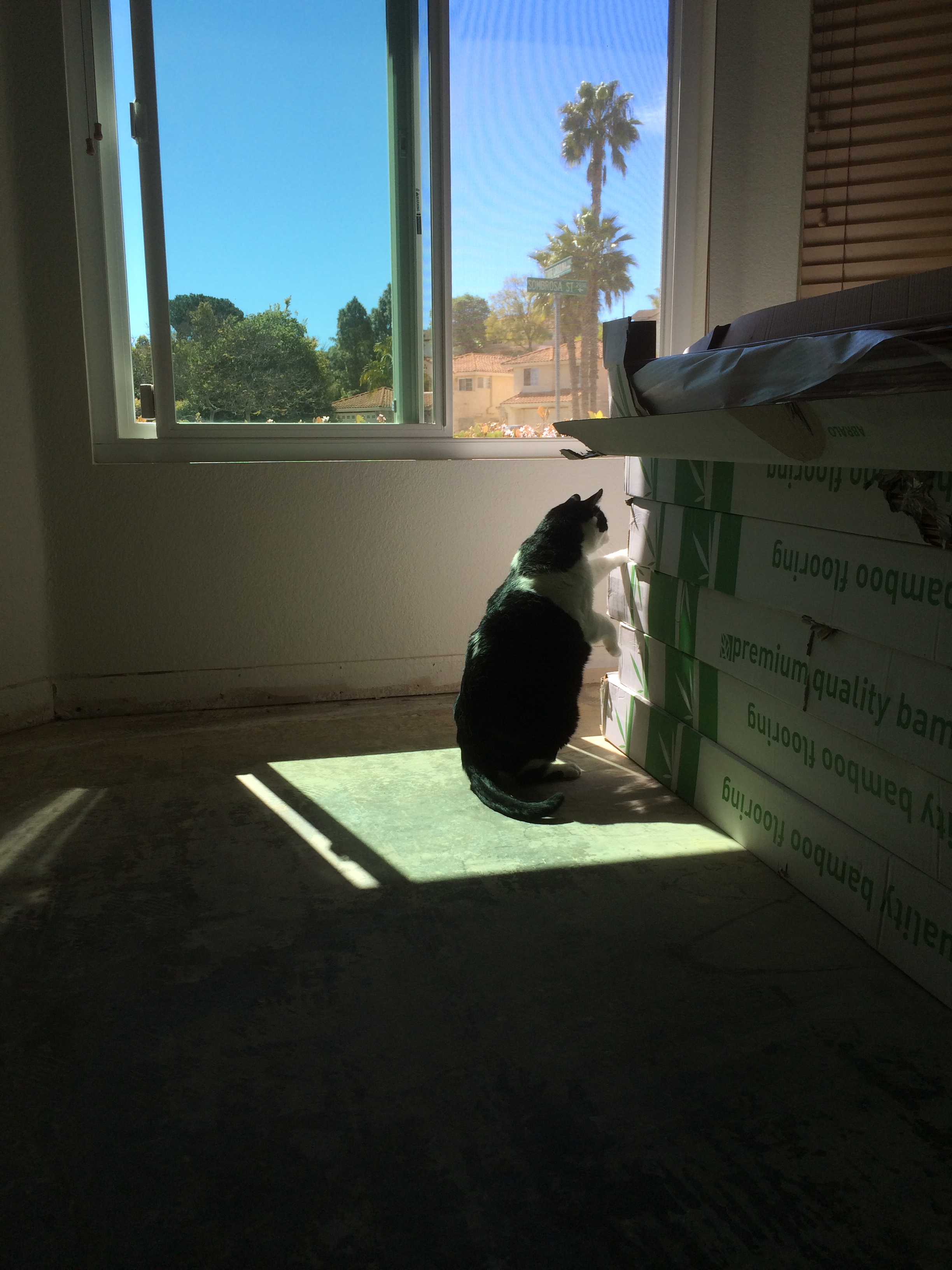
Perspective is everything.  When I remember to be playful, my students play more too.  When I look for the light, the darkness doesn’t seem so daunting. I love this image of Jack, my cat, finding the light.  Cats are like that…they seek out the sliver of sun and squeeze themselves into that space to soak up the warmth.

photo-98

I’m working to keep my perspective positive and playful this week.  In spite of too many meetings, writing report cards, trying to adjust to Daylight Savings Time, and so many people being sick (what is the deal with the horrid cough that everyone seems to have?), I’m looking for the metaphorical garden.  And better yet…I’m finding it.  It’s all about perspective.