Category Archives: writing

Spring Break: In 25 Words

Sometimes in writing (as in life), less is more.  Coming back from our spring break, we asked our students to zoom into some aspect of their spring break activities and compose a 25-word story to capture the experience.  25 words is short…and it’s not as easy as you might think to come up with a “story” in only 25 words.  But our first, second, and third graders gave it a try. Here’s a couple of examples (the links are to their published blogs–they would love comments if you have time!):

There is new growth in my family garden! Carrots are growing in nice soil (getting sunshine, too!) Making me want to eat the delicious vegetables!  (E.F.)

My brother fell out of a tree, he was in pain! He got crutches, he screamed a lot! Hopefully he didn’t break a bone! (M.B.)

My friends and I went to my Gramma’s house, we had tons of pure fun. We got lost sometimes but it was still extremely fun. (N.B.)

Biosphere two is an amazing place where the scientists are in Arizona, the desert and survived 2 years trapped, researching plant life in threemile greenhouse. (A.R.)

And then there is the student who writes the 25 word story…but can’t resist expanding on the story in her blog post!  (A girl after my own heart!)  Here is the 25 word version…you can click on it for her blog post.

Suddenly a foul ball comes hurling our way. It bounces, jiggles, is everywhere. It happens quickly but suddenly the ball’s in my brother’s sweaty palms. (M.O.)

And of course, I had to try to my hand at a 25-word story about my spring break.  It took me a number of tries to come up with this one…and I might have to try another dozen or so to really craft a story.  And I will include a few photos to enhance my words!

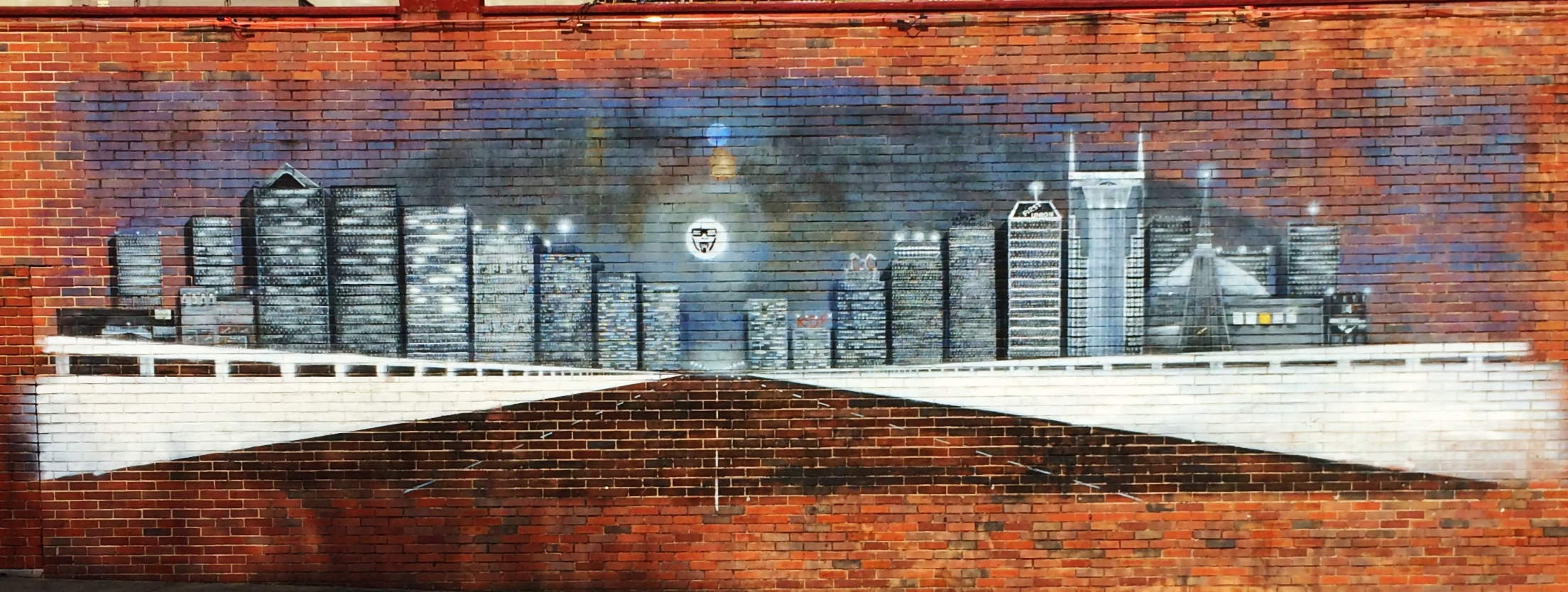
nashville mural

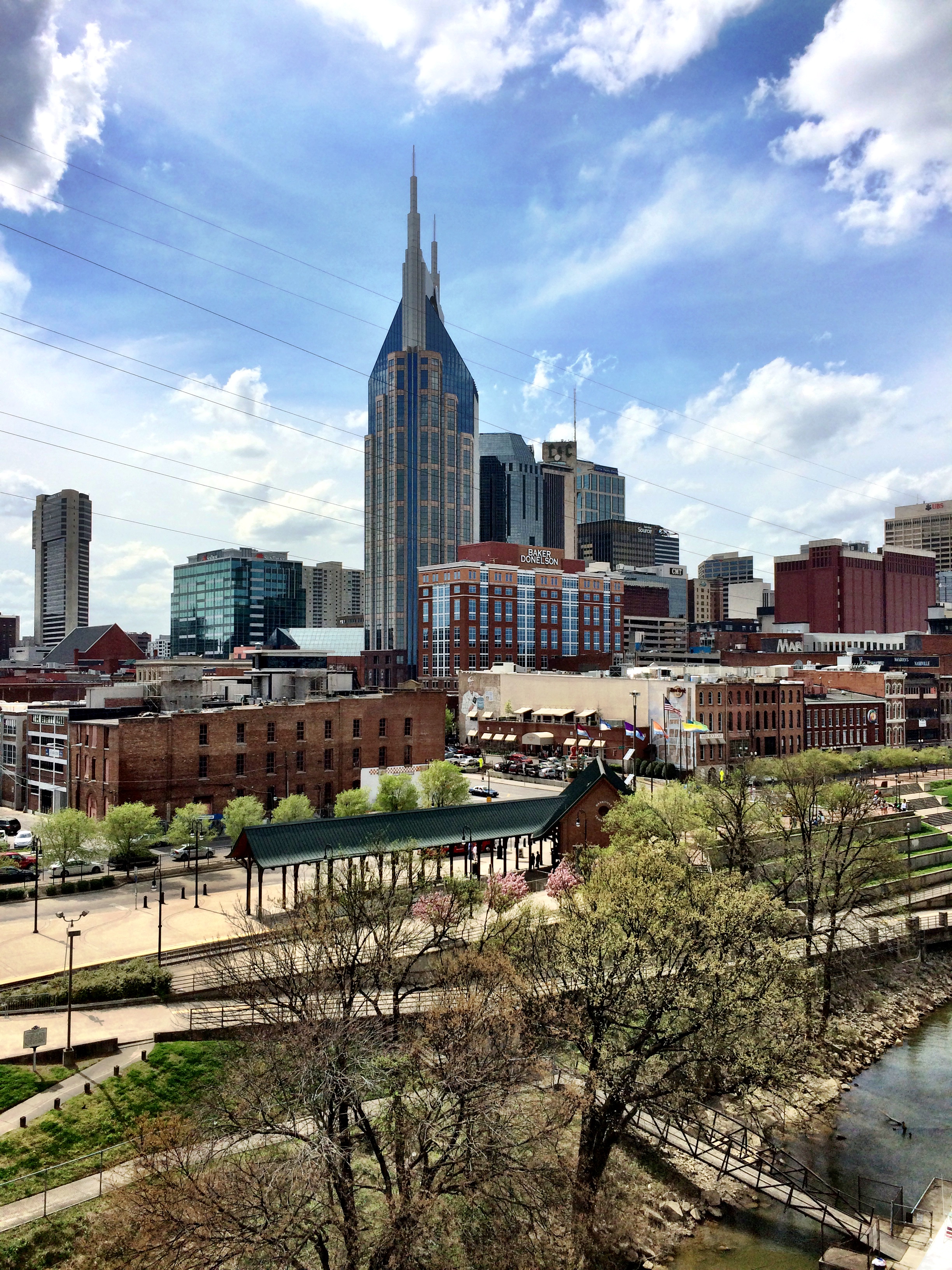
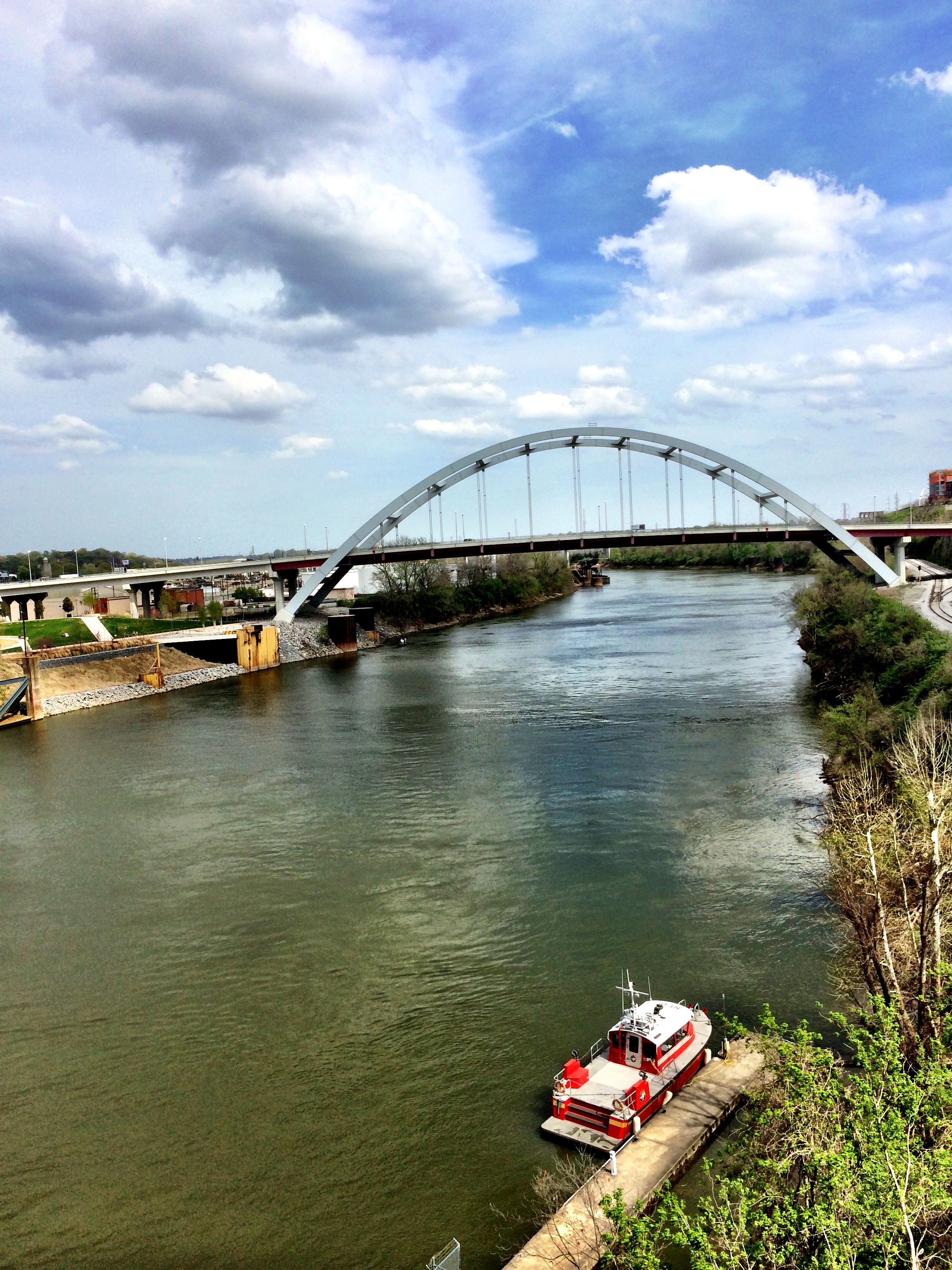
Toes tapping and fingers snapping, she explored the city along the banks of the Cumberland in her new cowboy boots. Her camera captured the details.

Nashville downtown

Cumberland river


Walking the Halls of Congress

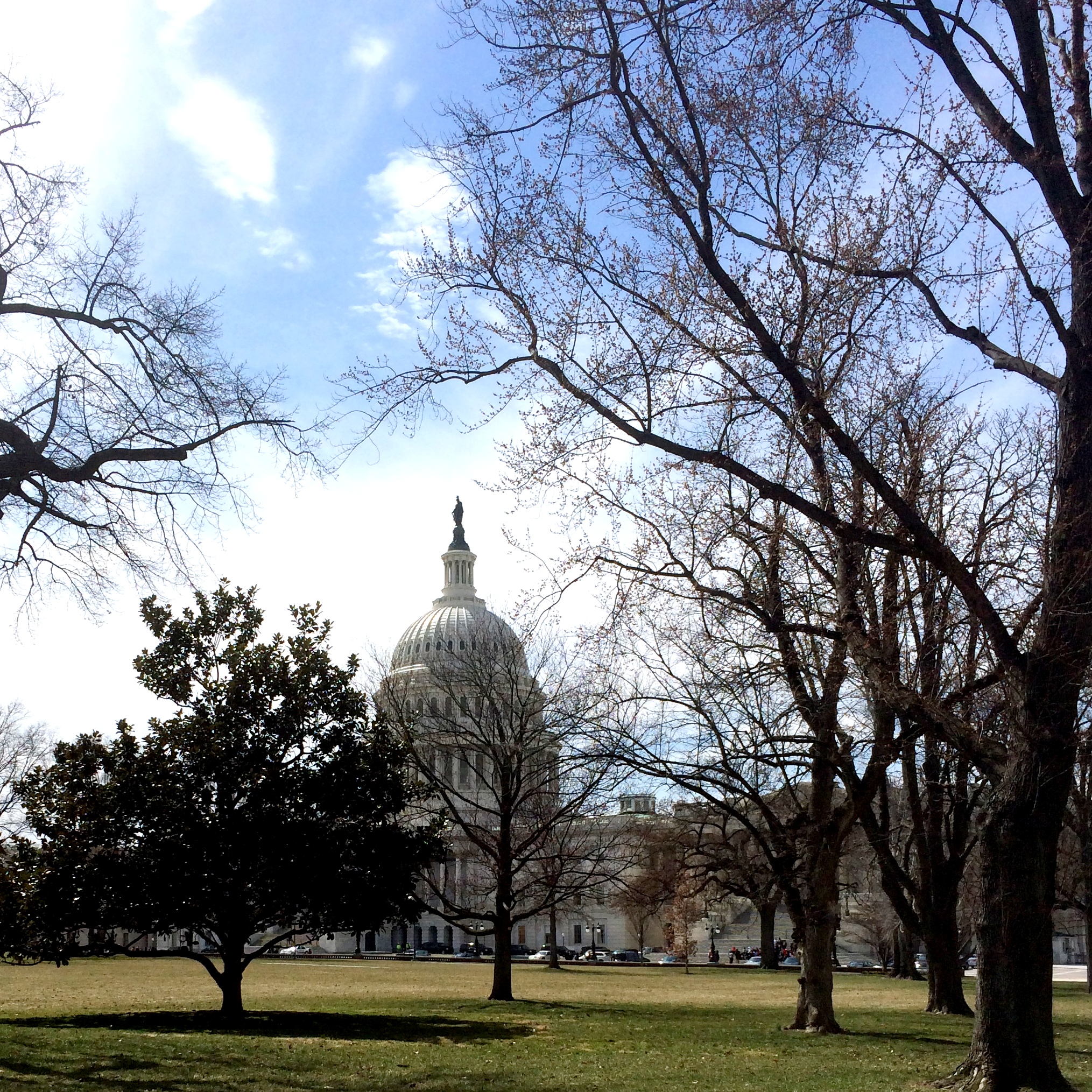
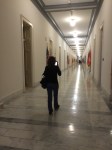
For the last several years I have traveled to our nation’s capitol each spring to advocate for teachers, students, and writing.  As part of that process I walk the halls of congress and meet with elected representatives, telling the story of teaching and learning in my hometown and the power of the National Writing Project network to support teachers and learners.

capitol skyline

I’ve never considered myself political.  Although I have always voted, I hadn’t really considered my role in the political process as a citizen beyond placing my vote at election time.  And honestly, the first time I agreed to meet with elected representatives I wasn’t sure I would be able to find the words and the courage to speak to these strangers about the profession I love.  But I did it…and have continued to do it, because students deserve the best learning opportunities we can provide.  And in the process I have learned a lot about the political process and the power of building relationships with the people who represent us in congress.

In San Diego there are five congressional representatives for the area the San Diego Area Writing Project serves.  There are democrats and republicans, veteran politicians and those new to the job.  Sometimes we meet directly with the representative, sometimes we meet with one of their aides.  Some are knowledgeable about education, some are not.  Sometimes we meet with the same person from year to year, others times we meet someone new.  Sometimes our representatives are upbeat and hopeful, other times they are frustrated, and sometimes even curt.  I can’t imagine how many people they meet with, each wanting their interest to be the priority.

And over the years I have learned some things:

  • Education doesn’t need to be partisan.  Remind the representative of the ways that students in their district benefit from opportunities for high quality learning.  And remind them that teachers work hard and want the best for their students.
  • Our elected representatives understand the value of good writing skills.  They tell us stories every time we meet with them about the difficulty finding employees and interns with good writing skills.
  • Be direct and positive.  That doesn’t mean to sugar coat the truth, but it does mean being pleasant and being prepared with the information you plan to share and the request you have.
  • Work to build a relationship–both locally and in the capitol.  Send information, follow up with emails, invite them and their staff to visit local events…who doesn’t want a photo op with an adorable student?

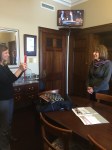
This year, my friend and colleague Abby, who traveled to Washington D.C. with me, decided to make a video for her second grade students featuring our local representatives.  With each of the representatives we spoke with directly, she asked them if they would mind saying a few words to her students.  (We met with three of our five representatives directly–they are featured in the video.) Each representative was happy to participate…and Abby sent them each a link to the finished movie.  (Hope you enjoy it too! I served as cinematographer for the scenes featuring Abby.)

And here’s a couple of behind the scenes photos of Abby in action.

I’ve also learned the power of social media in advocacy.  After Abby tweeted the link to the video she also had responses from the congressional twitter feed.  And it wasn’t long before a photo we had taken with a local congressman was tweeted out as well.

Screen Shot 2014-03-31 at 4.38.40 PM

The only way we can improve the political process is to participate in it.  And although it isn’t necessary to travel to Washington to participate, being there expands my understanding of how the processes work (and don’t) and helps me think beyond the partisan politics that dominate the rhetoric about our government.

I am more convinced than ever that we need to move beyond binary thinking, beyond democrat and republican, beyond right and wrong, and black and white and move toward more complex understandings of how our government works.  For me, these efforts to advocate on behalf of my profession and the students we teach have been steps in that direction.

Wise Words Inspire: April’s Photo-a-Day Challenge

It seems like a chicken and egg dilemma: does the picture inspire the words or do the words inspire the picture? I’m never quite sure. I often go out and take photos of things that catch my eye and later go back and figure out how to make it work for the photo prompt of the day. On other days a single photo will bring a flood of words, and then sometimes with a word or words as prompt, my eye is tuned to find photo opportunities I wouldn’t have noticed otherwise.

With spring in the air (even though we in southern CA haven’t had much of a winter), I find myself looking for signs of the seasons: buds emerging, flowers blossoming, baby animals, warm breezes, rejuvenating rainfall, and all the poetry they evoke. My friend Janis was inspired to find some quotes for us to use as prompts for our April #sdawpphotovoices photo-a-day challenge.

So for April, let each prompt inspire a week of photos. Take the quote literally or figuratively. Take some photos and examine them with the quote in mind to find the intersections and connections or read and ponder the quote and then head out to find the images that the quotation evokes. You get to decide if your photo matches the prompt!

After you shoot, post a photo each day with the hashtag #sdawpphotovoices to Twiiter, Instagram, Flicker, Google+ and/or Facebook (the more the better!), so that we can all enjoy the posts. If you are game for some extra action, compose a blog post about a photo, a week’s worth of photos, write a photo essay, try a learning walk, or write some poetry or even a song! (More about learning walks here and here) You are invited to create a pingback by linking to this url or post your blog address in the comment section. It’s fun for me to see what others are doing with the same prompts I am using!

Week 1: April 1-6

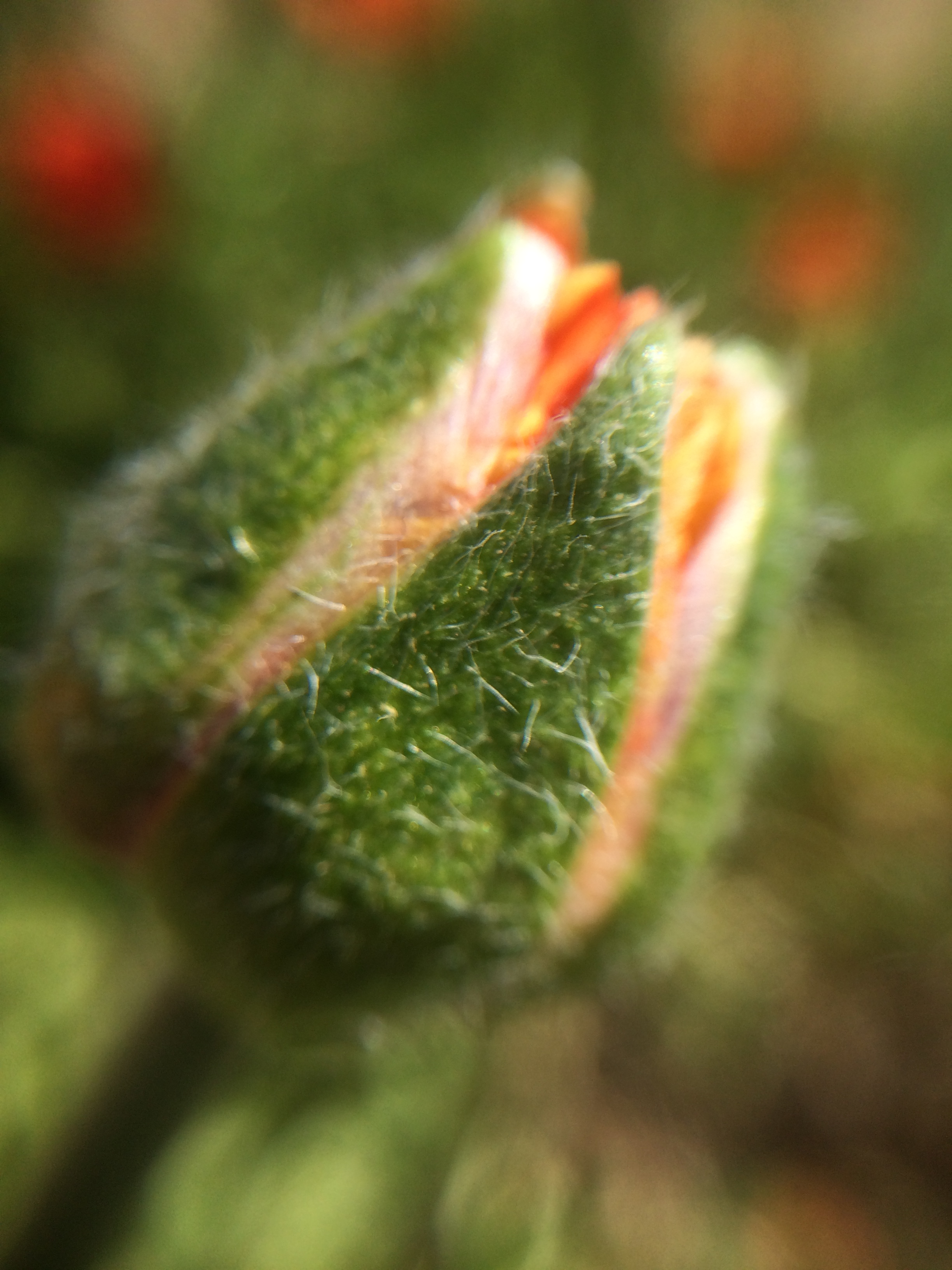
Nature will bear the closest inspection. She invites us to lay our eye level with her smallest leaf, and take an insect view of its plain. —Henry David Thoreau

orange bud

Week 2: April 7-13
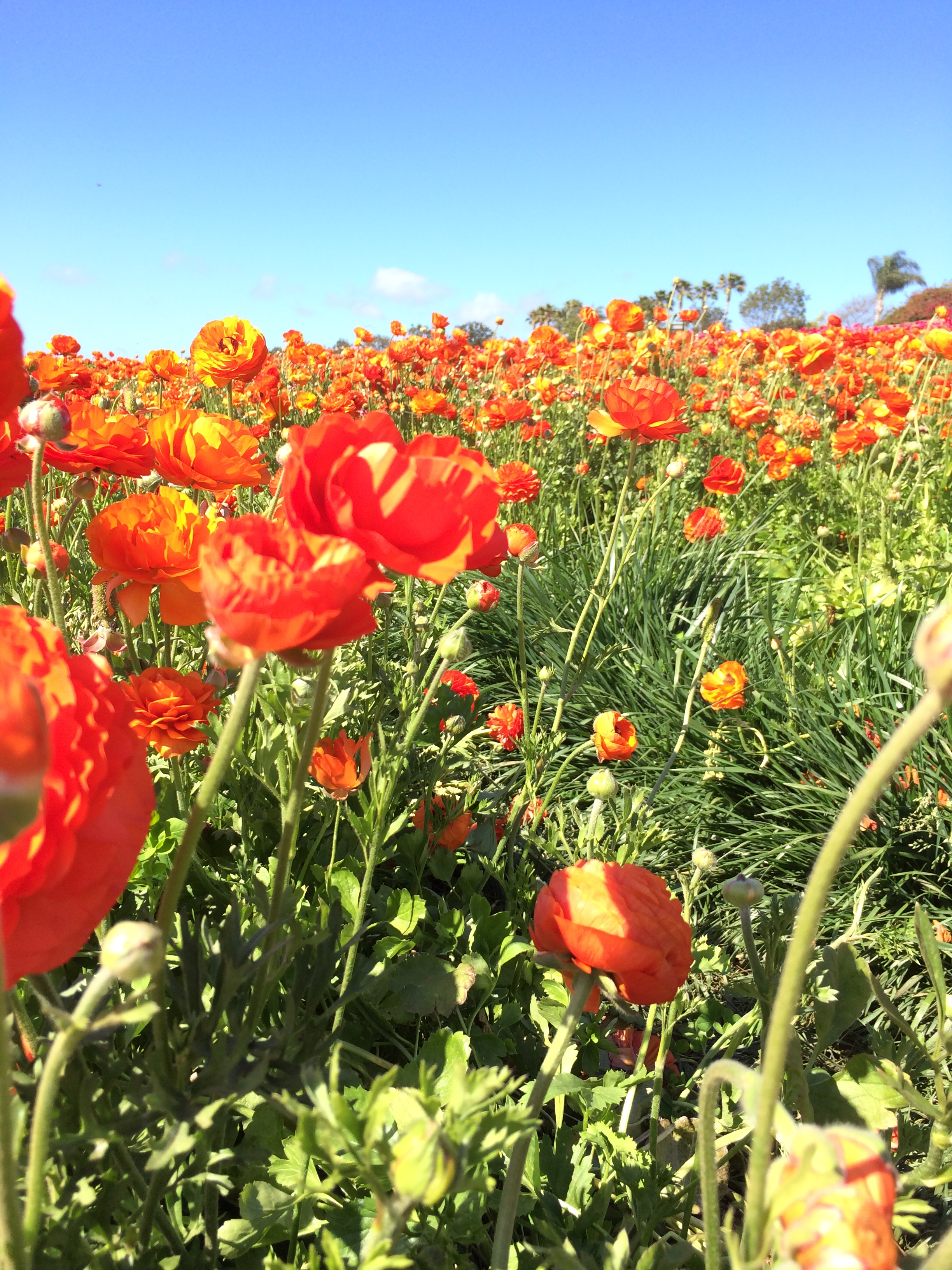
I had always planned to make a large painting of the early spring, when the first leaves are at the bottom of the trees, and they seem to float in space in a wonderful way. But the arrival of spring can’t be done in one picture. —David Hockney

orange flowers

Week 3: April 14-20
Look deep into nature, and then you will understand everything better. —Albert Einstein

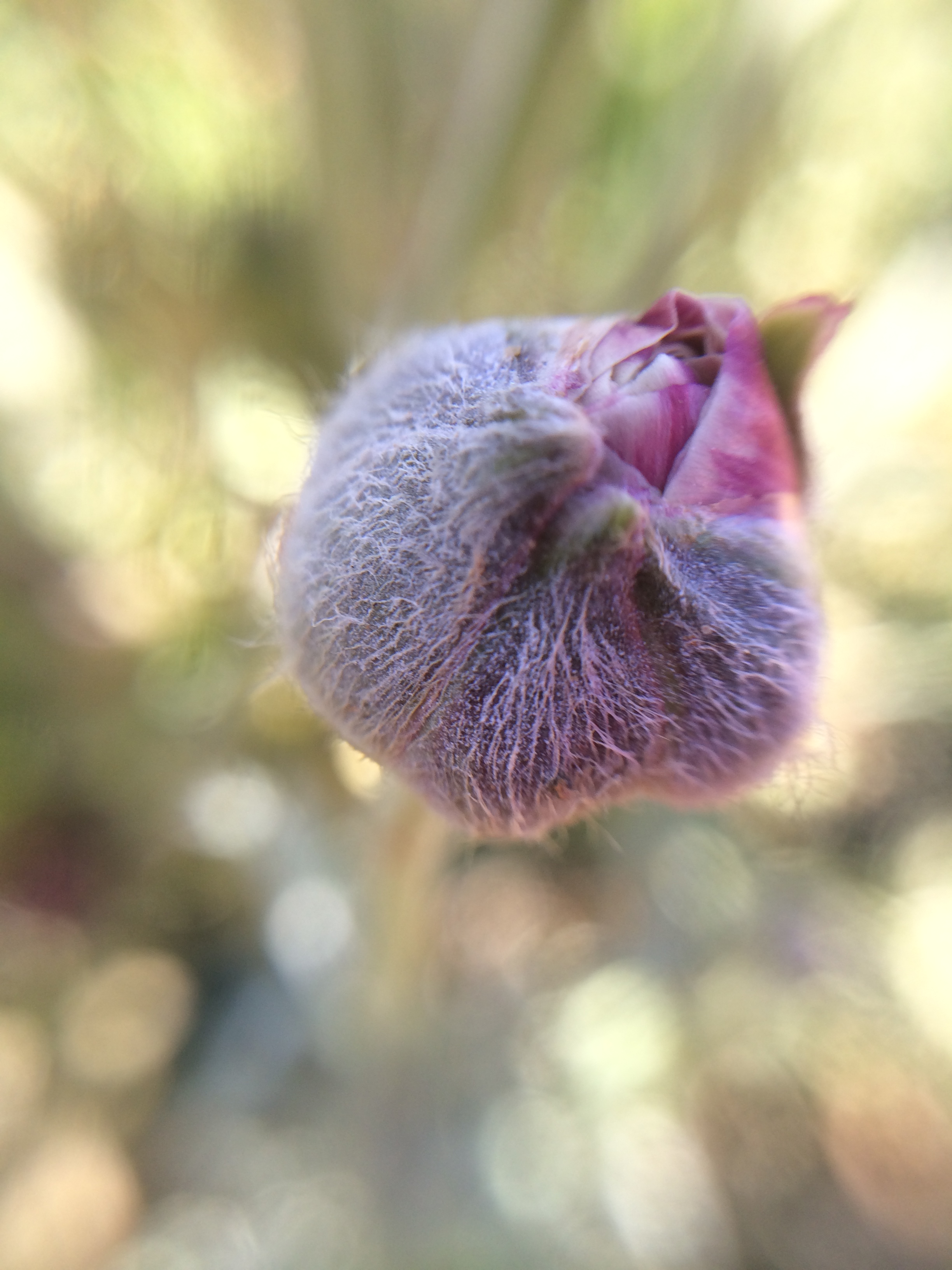
purple fist bud

Week 4: April 21-27
Spring has returned. The Earth is like a child that knows poems. —Rainer Maria Rilke
and/or
Earth laughs in flowers.—Ralph Waldo Emerson

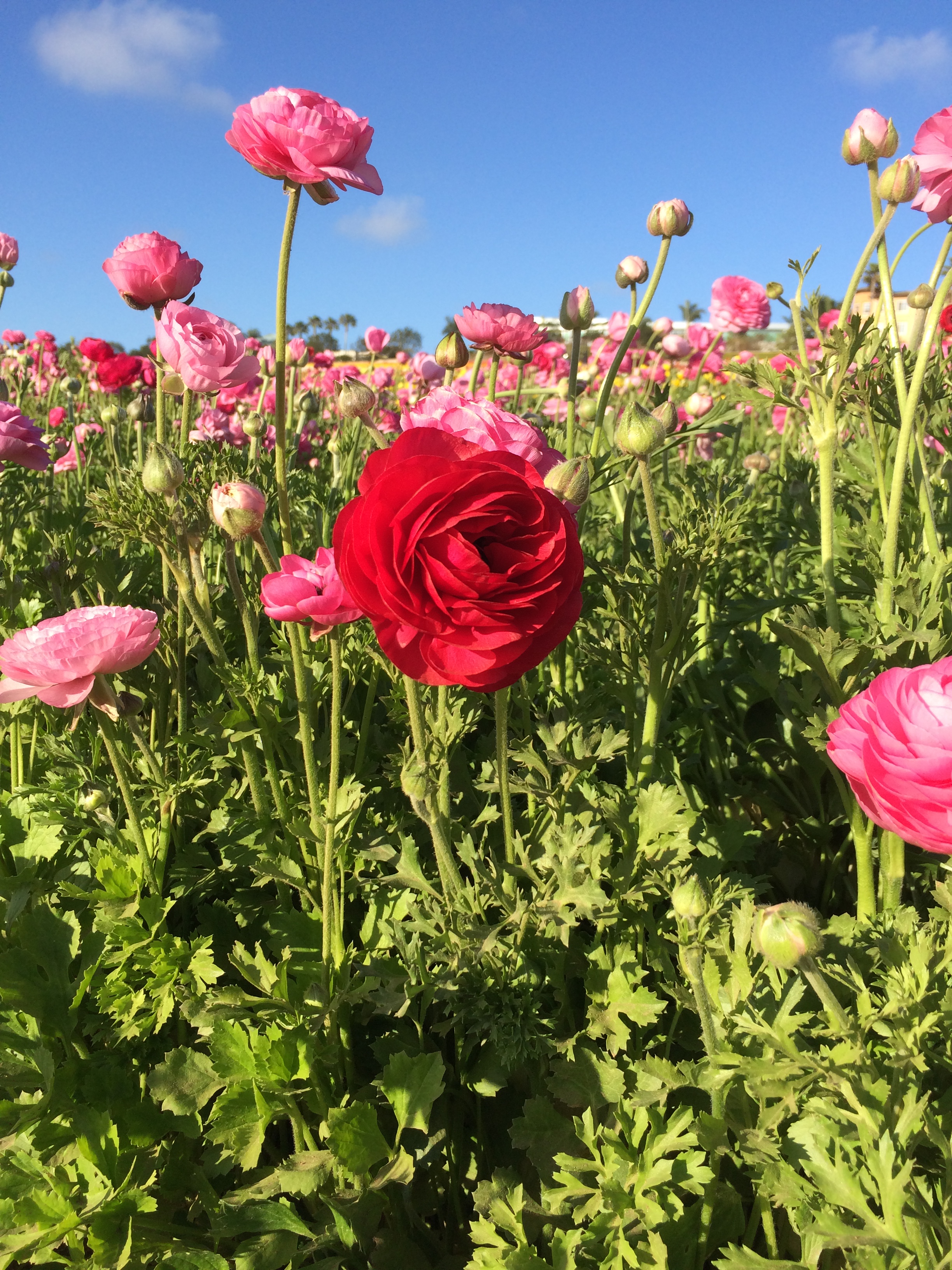
flowers red and pink

Week 5: April 28-30
What is the good of your stars and trees, your sunrise and the wind, if they do not enter into our daily lives? —E. M. Forster

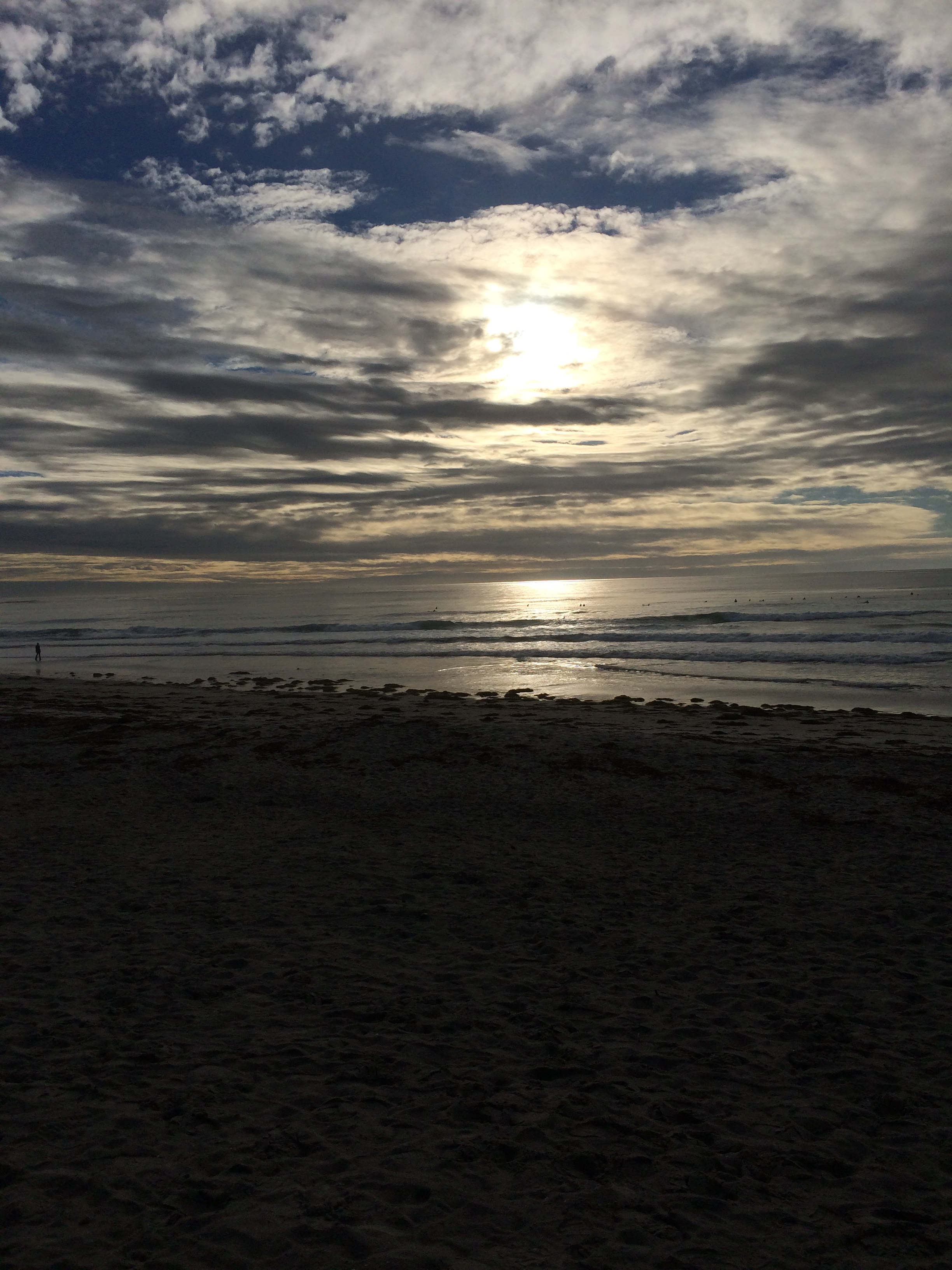
sun on water

Let these wise words inspire your photographic art in April! Have fun, be creative, explore the limits of your photography…April is the perfect time for new beginnings. You can post every day, once a week, or even sporadically throughout the month…whatever works in your life. Be sure to share and tag your photos with #sdawpphotovoices so we can find them!


Dancing with Sandpipers

A while back there was a photo challenge on the Daily Post called three, which I misinterpreted to mean a photo about something with three in it.  Instead, their focus was to tell a story in three photos.  Ever since then, I’ve been meaning to tell a story in a series of photos.

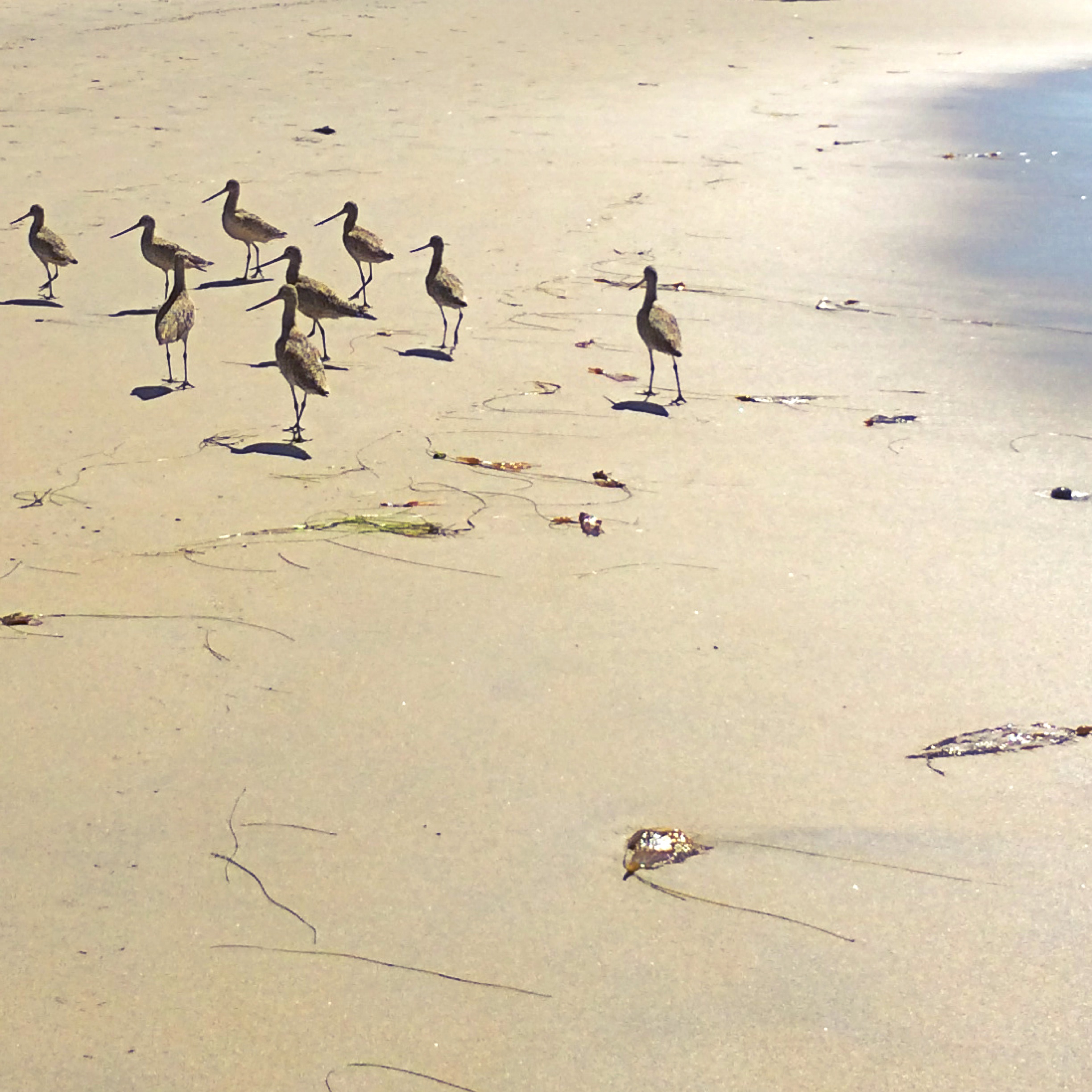
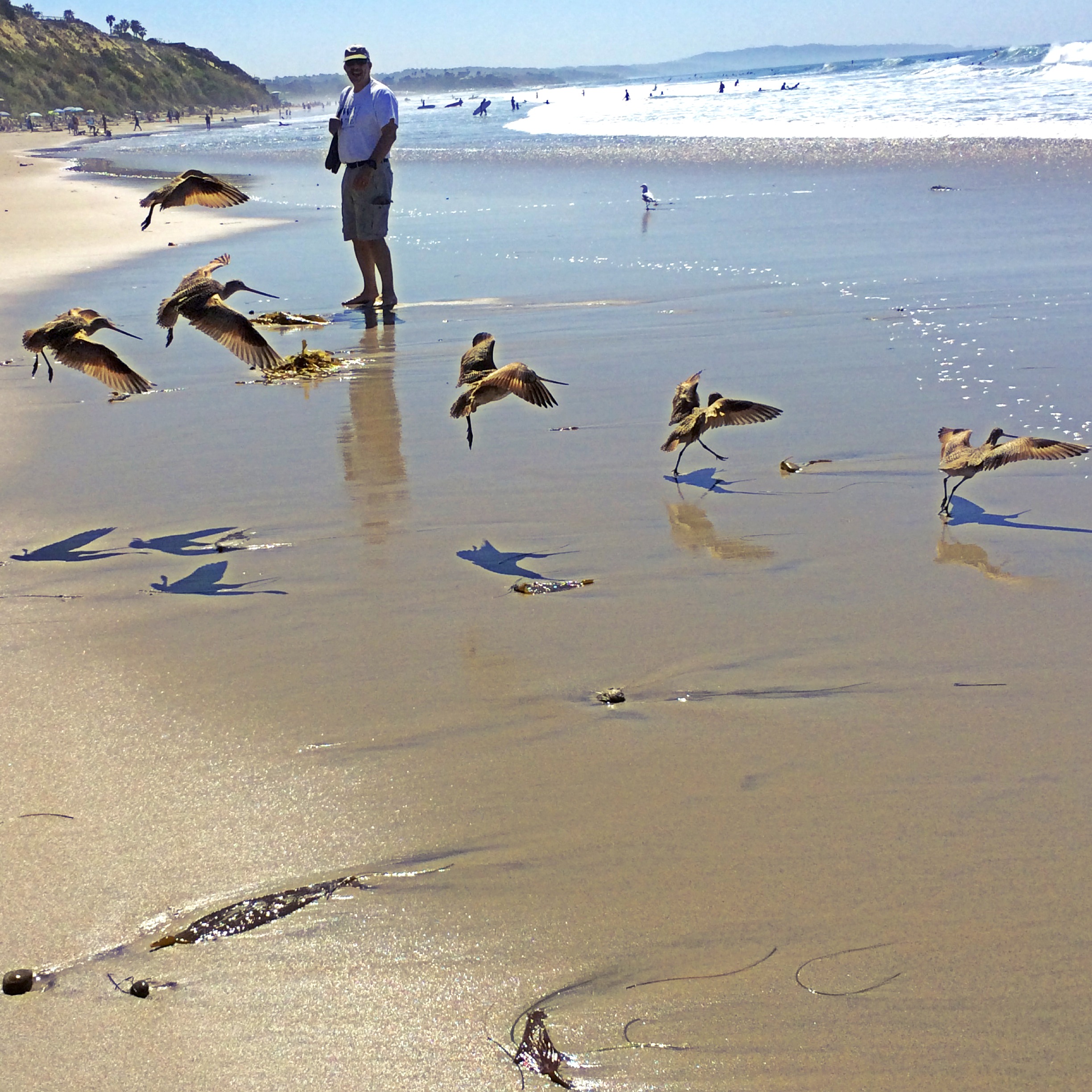
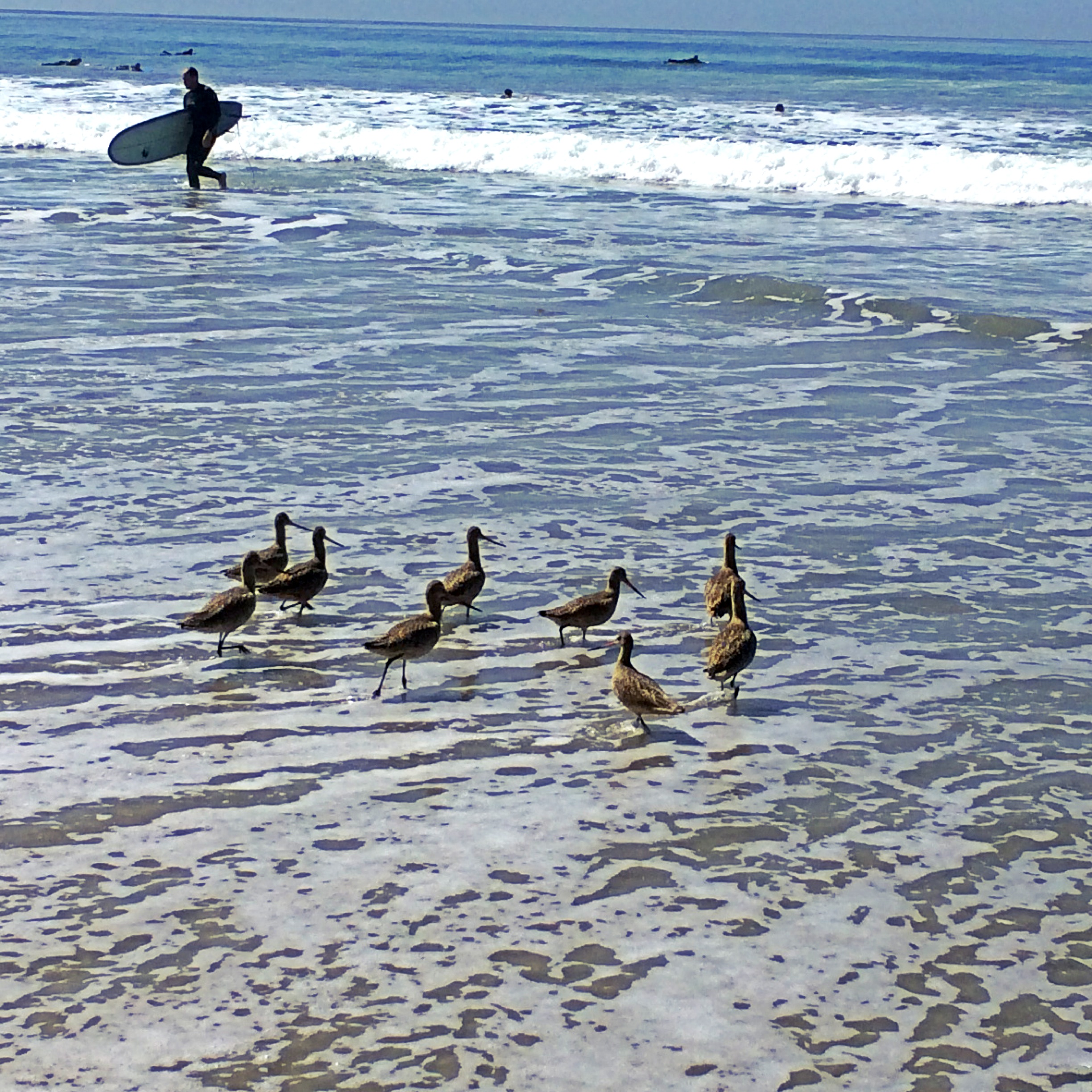
Yesterday while walking on the beach, I noticed a group of sandpipers on the shore.  I love these birds with their long thin beaks and gangly teenager legs.  Most of the time I see them in twos or threes, but seldom in a large group.  I walked toward them with my phone, wanting to edge closer to them to capture a photo.  As I walked toward them, they walked away.  If I curved around the other side, they moved together at another angle.  I felt like I was herding these birds as they countered each of my moves with one of their own.

And then, all at once, they lifted off, wings in unison and landed in the surf a short distance away.

sandpipers on shore

taking flight

in the surf

And instead of a story told by these photos, a poem emerged. I’m not so sure it’s right yet.  I want to capture the elegance and the musicality of these birds on the beach.  I’d love your feedback.  What works for you?  Where do you wish for something more, or something else?

Dancing with Sandpipers

They move to the rhythms of the waves

and the tides

to music felt rather than heard.

In perfect unison

they pirouette on long thin teenage legs

dipping skinny beaks into the spongy sand

in search of tasty tidbits.

I move in close

and they echo, like dancing with a mirror

until the choreography takes them to the sky

leaving me behind

to solo

alone with my lens.

At the Intersection

What do you find at the intersection of science and writing?  In my experience that’s a place filled with energy, inquiry, and amazingly devoted educators!

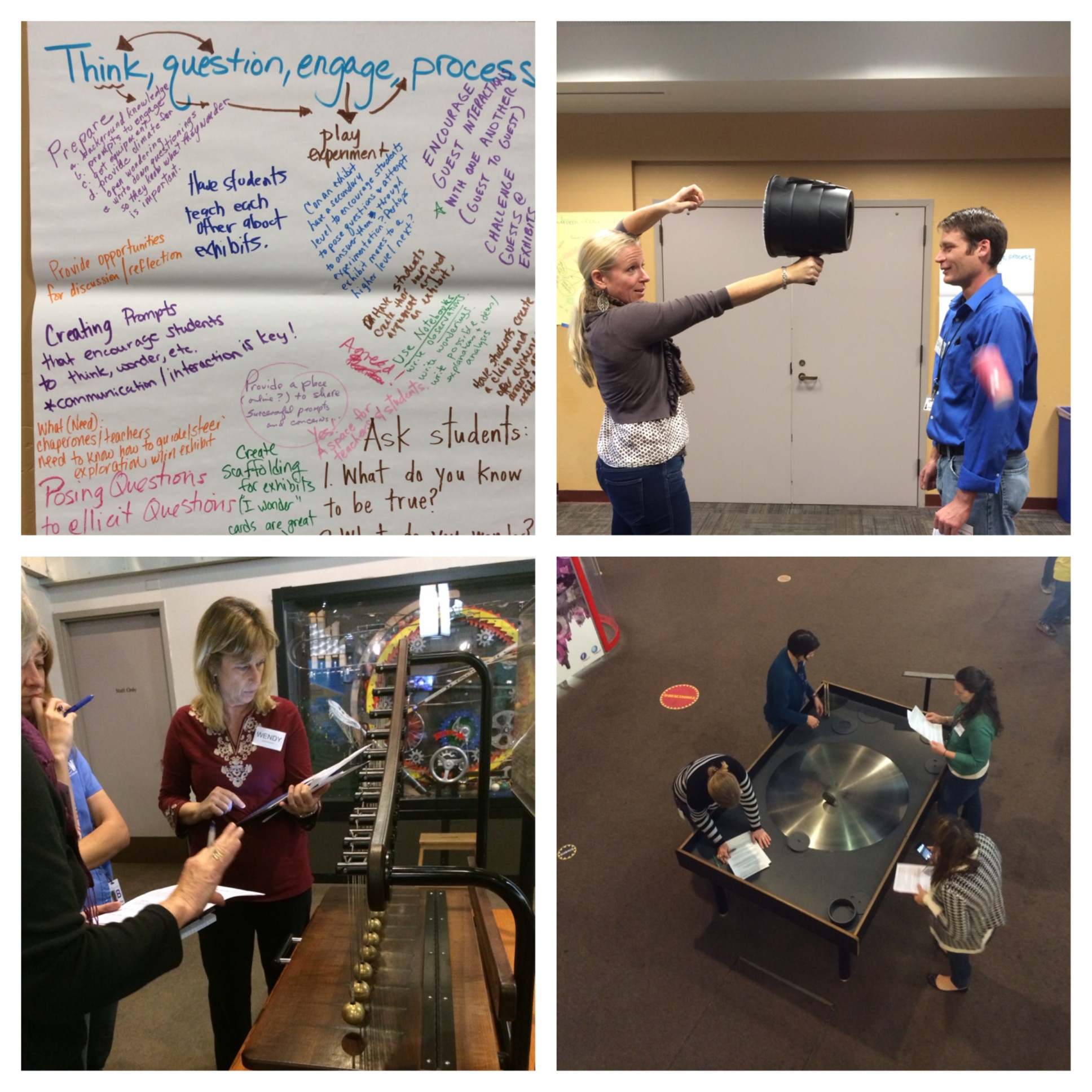
This morning, early on a Saturday, I had the pleasure of working with a group of educators (half who are public school teachers, half who are museum educators) creating tools to improve the field trip experience for students.  (Here’s an earlier post.)

What’s wrong with field trips…you might ask.  You may have fond memories of setting out in a bus as a student and exploring some museum, enjoying a day off from school in the name of learning. And for some students, I am confident that is the case.  It could be that the field trip even stimulated a life-long passion for natural history or science or art…

But all too often, field trips become either a day where the teacher doesn’t have to teach and students are “enriched” but not necessarily learning, or a day of frustration for teachers, chaperones, and museum staff–spent managing student behavior rather than stimulating curiosity and interest in natural history, science, or art.

So…on Saturday mornings this school year, we’ve been learning together.  Thinking about science and writing and inquiry and motivation.  Asking and answering open-ended questions and considering all the different ways we and our students learn.

photo-97

We’ve spent time in the science and natural history museums exploring the exhibits, observing, writing, and thinking.  We’ve read articles and searched for resources.  We’ve examined what other museums have done and looked at our own local resources.  All that in preparation for creating a “toolbox” of sorts for use with field trips.  This toolbox has tools for teachers, tools for students, tools for chaperones.  This morning was spent developing these tools in preparation for our first opportunity to test them.  Later this week we will be seeing how these resources work with students, teachers, and chaperones on a field trip to two museums.

And what I know for sure is that the process of thinking about and creating these tools will improve field trips for students touched by the educators in the room this morning.

The bigger and much harder to answer question is, how do we take our experiences and learning and share them with those who have not been part of our process?  Can we translate our passion, interests and expertise into a “toolbox” that will help others?  And how do we make sure that the tools we create are user-friendly and help to shape inquiry-based learning for students?

I feel confident that our learning will happen in the intersections.  The intersections of our tools and the students, of schools and museums, and of writing and science.  It’s in the intersections of powerful ideas and perspectives that the energy and inquiry lives.

Weekly Photo Challenge: Frames

Here’s the week 2 Weekly Photo Challenge prompt for the NWP iAnthology.  You can look back at week one here.

I take and post a picture every day, and have for over a year and half now.  Sometimes I find myself taking the same photo over and over again.  Somehow I stand in the same place and use the same angle…and the photos begin to look the same.

So to keep myself from falling into this familiarity rut, I try different photography techniques. One I have done some experimenting with is using the natural frames I find in the environment when I am shooting pictures.

Here’s a couple of my examples.  One of my favorites is this view of the ocean through the pier.  I took several other shots, but I love the way this one is like a door opening, framing the sea.

pier frame

Here is a playful one I took during my morning playground duty using the playground equipment as the frame.

playground frame

And here’s one of a window–that includes the window frame as a frame itself.

window frame

Share a photo of a frame you have found…post either the photo alone or do some writing inspired by the photo.  And feel free to be inspired by the photos of others…and either write based on another’s photo or shoot another photograph of a frame based on the inspiration of someone else’s photo.

If you also share on other social media (Twitter, Facebook, google+, Instagram), use the hashtag #frames and include @nwpianthology to make it easy for us to find and enjoy!  You can find me @kd0602.  Be sure to share your media handles too!

And if you are reading this on my blog, feel free to share your photo/response by either linking your photo or your blog to the comment section below.  I am excited to see the frames you have explored through your lens!

Yellow, then and now

If you asked me what my favorite color was when I was a kid, I would never answer with one color…my favorite color was orange, yellow, and green: the brilliant nearly neon tones of the 70’s.  My bedroom sported lime green walls and the most amazing orange, yellow, and green polka-dotted vinyl wallpaper.  My bedspread and curtains continued the theme with orange, yellow, and green stripes.  And the final highlight were the nearly glow-in-the-dark posters that every adolescent of the time dreamed of.

But somewhere along the line I decided that orange and yellow were colors that didn’t suit me.  I veered far from them when choosing clothes and wouldn’t consider them as decorating accents as an adult.

But when I saw that the Word a Week Photography Challenge was yellow this week, I realized that yellow (and orange) have reappeared in my life in new and different ways.

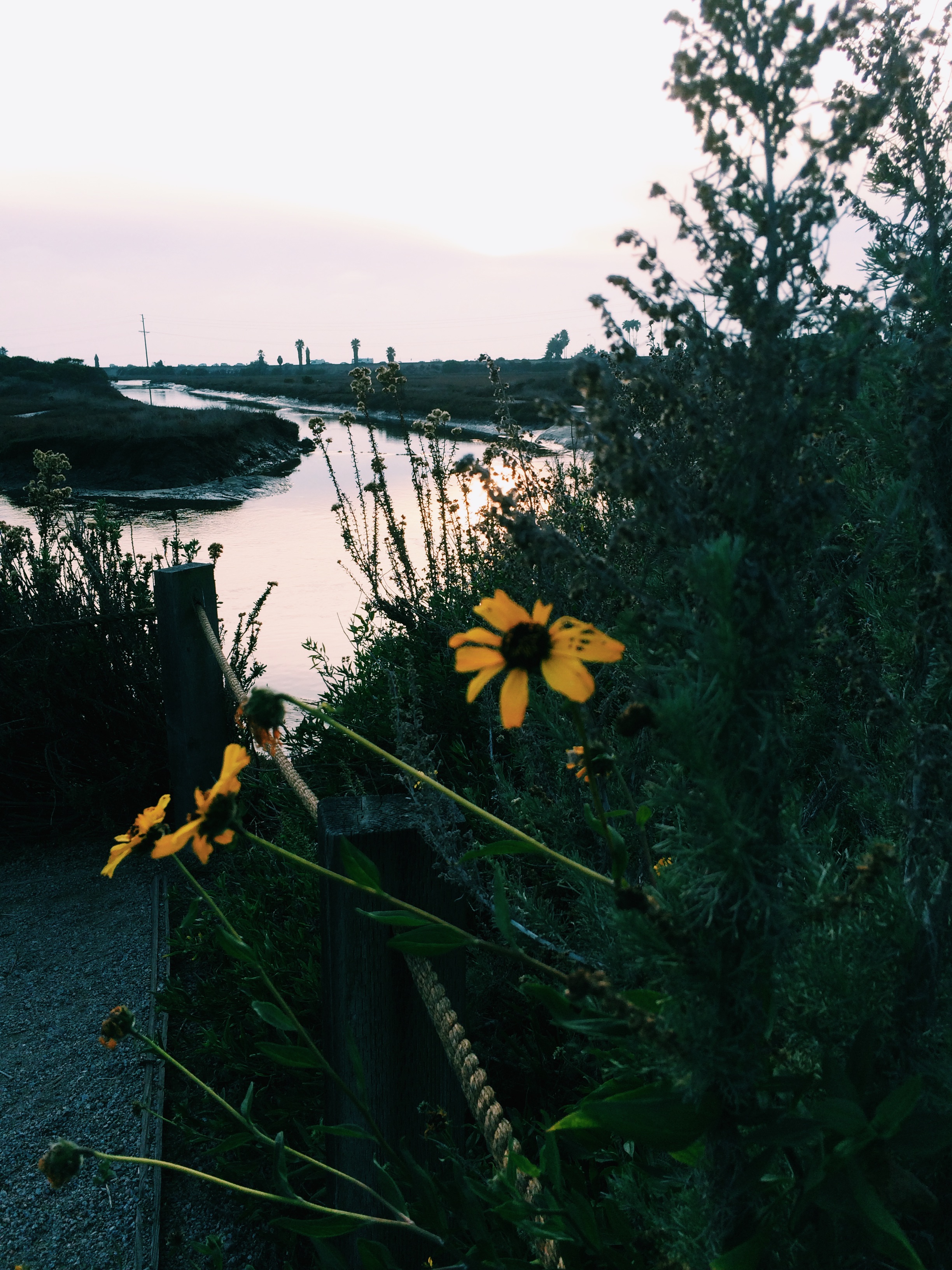
I’m particularly fond of this shot of the lagoon that features the yellow salty susan looking out to sea from the mouth of lagoon.

Processed with VSCOcam with c1 preset

I enjoyed the reminiscing that this prompt allowed this week…and I wish I could put my hands on a photo that features that orange, yellow, and green polka-dot vinyl wallpaper of my 70’s childhood bedroom.  And I’m enjoying my new relationship with yellow…a color that brightens the day and focuses energy.

What is your relationship with yellow?  Do you have a color relationship that has changed over time?

Weekly Photo Challenge: My Place

Some colleagues over at the National Writing Project iAnthology asked me if I would be willing to post weekly photo challenge prompts for their site.  Personally, I enjoy weekly photo challenges and find that they also tend to prompt writing for me as well.  I often participate in the weekly photo challenge at the Daily Post…I love that I have an entire week to figure out how to respond to the prompt, visually and/or in writing…and I love seeing the different ways that each prompt is interpreted.

So along with posting this challenge over at the iAnthology, I thought I would also post it here on my blog so others could participate.  Here’s my first weekly photo challenge prompt:

Photography gives me the opportunity to explore the places I see everyday and come to know them in new ways.  Sometimes I zoom in and discover the beauty of something I had walked by hundreds of times before or just pause and appreciate something I had otherwise taken for granted.  Once in while, a change in the weather or other conditions paints my place and when I take the time to look through the lens, I see what on the surface seems to be an annoyance as an opportunity to reflect, learn, and appreciate another layer of my place.

Here’s a photo I recently took on a stormy day (a relatively rare occurrence) in my place.  Rain makes the roads crazy (even just a light drizzle) and people grumpy, but taking photographs has encouraged me to seek out the beauty and wonder that stormy days have to offer.

photo

Share a photo of your place…either the photo alone or do some writing inspired by the photo.  And feel free to be inspired by the photos of others…and either write based on another’s photo or shoot another photograph of your place based on the inspiration of someone else’s photo.

If you also share on other social media (Twitter, Facebook, google+, Instagram), use the hashtag #myplace and include @nwpianthology to make it easy for us to find and enjoy!  You can find me @kd0602.  Be sure to share your media handles too!

And if you are reading this on my blog, feel free to share your photo/response by either linking your photo or your blog to the comment section below.  I am excited to see “your place” through your lens!

The Power of Multiple Mentor Texts

Writing is hard work.  Some days the writing flows and I know how to put my words together to achieve the desired effect…but at other times I feel  stuck or confused or unsure about how to approach the writing task in front of me.

That’s where mentor texts come in.  I look for pieces written by others that do what I am trying to achieve…and study them to learn from those writers who are acting as my mentors. Sometimes I learn about structure and how to organize my ideas.  Sometimes I am inspired by word choice and craft elements.  Sometimes I notice text features and literary devices.

And for the young writers in our classroom, we work for find mentor texts to support their development as writers.  We like to use multiple texts, knowing that not all texts work for all students…and to show that not all writers approach the same kind of writing in the same way.

And sometimes the just-right mentor text sings.

Last week our students studied four poets and their poems about snow as they got ready to write poems about snowflakes.  We started with an old friend, Valerie Worth.  Her small poems are a treasure: short and rich, filled with imagery and powerful language.  And then we turned to an unusual mentor text…an “old” poem with some unfamiliar language.

On a Night of Snow

Cat, if you go outdoors you must walk in the snow.  You will come back with little white shoes on your feet, little white slippers of snow that have heels of sleet.  Stay by the fire, my Cat.  Lie still, do not go.  See how the flames are leaping and hissing low, I will bring you a saucer of milk like a marguerite, so white and so smooth, so spherical and so sweet–Stay with me Cat.  Outdoors the wild winds blow.

Outdoors the wild winds blow, Mistress, and dark is the night.  Strange voices cry in the trees, intoning strange lore; and more than cats move, lit by our eyes’ green light, on silent feet where the meadow grasses hang hoar–Mistress, there are portents abroad of magic and might, and things that are yet to be done.  Open the door!

Elizabeth Coatsworth

The first response from my students was, “What?”  We reminded them to focus on what they understood about the poem rather than what they didn’t…and they picked up on the “little white shoes” right away.  Then one of our students pointed out that each of the stanzas was told from a different point of view…the first was talking to the cat, the second was the cat talking to the Mistress.  With that comment, one of our third graders, M,  couldn’t contain herself!  “Oh, now I see it!  I want to try that!”

When we went to write, she started immediately.  M had already talked about the metaphor she wanted to try on…an idea about a blank canvas to represent the whiteness of snow…when we had studied Valerie Worth’s poem the day before.

Here’s her poem:

The Snowflake Outside

Snowflake, you have no choice but to fall. So keep dancing down like a ballerina, making the world empty of color like a frustrated artist’s blank canvas. Snowflake, keep whirling magically and descend daintily onto my sleeve. From a great sky you fell.

Yes, from a great sky I fell so let me keep falling forever and ever. Don’t let me land on the frosty ground. I want to have my life forever. I want to show my style and unique ways. I don’t want to land, melt, or be unnoticed. Let me keep falling and blowing with the wild whistling wind.

M

There’s magic when the just-right mentor text provides the just-right support for the writer. You can see how M used the structure of Coatsworth’s poem as a container for her ideas, images, and feelings about snowflakes.  Before she was introduced to this poem she had already done some writing about snowflakes, thinking about movement, metaphor, and imagery.  The idea of shifting the speaker inspired her writing and gave her the shape she was looking for.

Most of the time we try to avoid mentor texts that directly address the topic/subject we are focused on.  But poems about snow are plentiful and we had many choices of mentor texts about snow…and our students have little experience with snow and snowflakes (except those they made by cutting paper) beyond what they have seen in books, movies, and photographs since it doesn’t snow where we live.

I love when a mentor text nudges a writer to try something new and stretch her wings.  And I am reminded that writers need a variety of mentor texts to learn from…rather than a single model.

What mentor texts have you used lately?

photo_2-2

Systems Thinking

In addition to learning about circuits in the Hacking Your Notebook session, that I described here, at the NWP Annual Meeting in Boston, I also had the opportunity to participate in a three-hour workshop about e-textiles where we made puppets.  This session also involved the basics of circuitry and using a small battery to light up LEDs.

But Melissa and Kylie framed their session in the theory of systems thinking, which has continued to occupy my mind and thoughts ever since I left the session.  They talked about the ways we often simplify explanations in our society by turning to a binary cause and effect model.  Here’s an example of the cause and effect model: if we elect a new president, then the economy will turn around.  Actually, there are many other factors that impact the end result…and in fact, who is president may not even be the most important factor.

Our educational system (and our government) seems to spend a lot of time in the simple cause and effect model, rather than helping our students think more deeply about systems and the ways there are multiple factors, interconnections, and possibilities at work in the outcomes we see.  So the making of puppets in this workshop was about more than learning how circuits work or developing language and writing related to the puppet, it was also a way to think about systems and the problem solving and iteration that it takes to understand and make changes to the overall system.

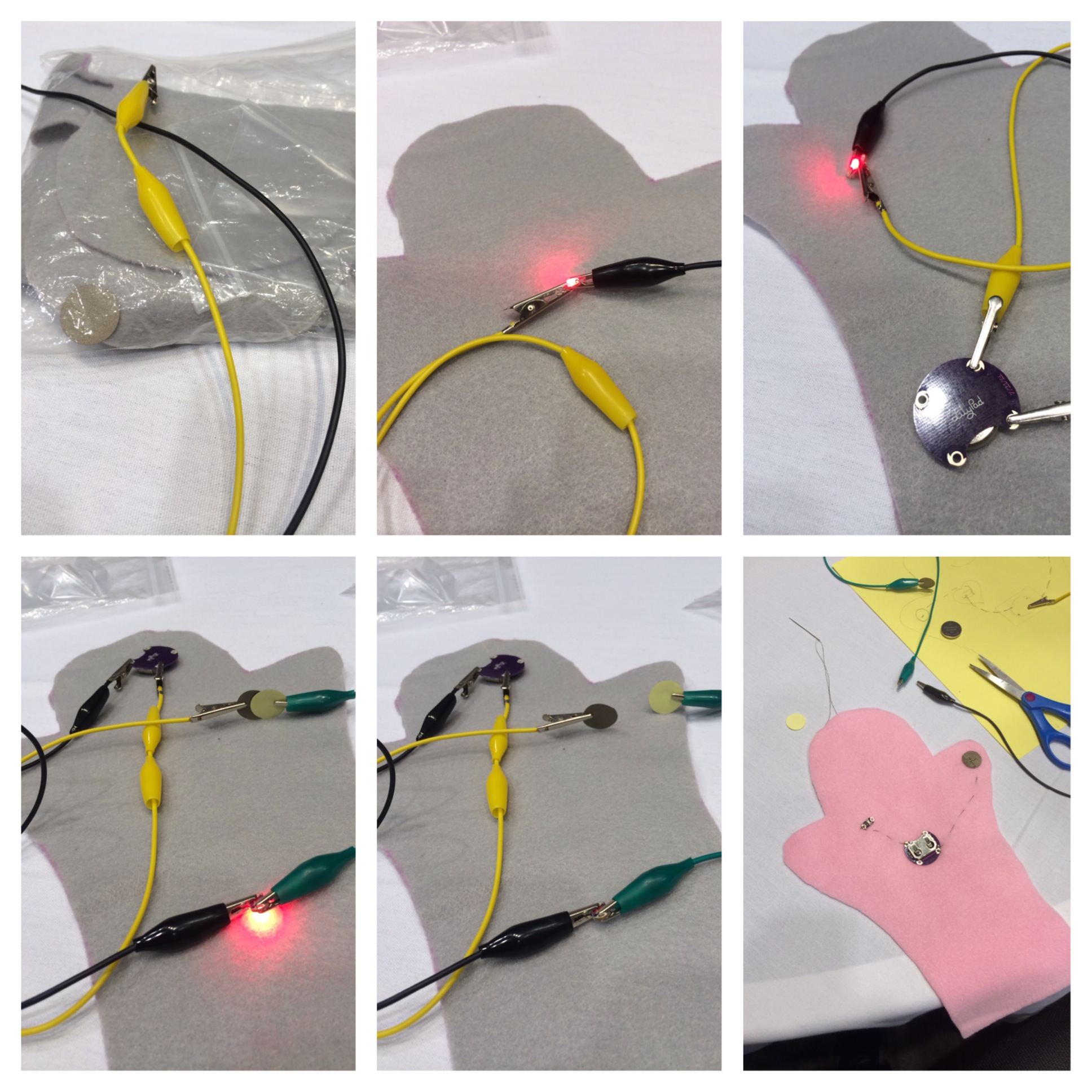
So…with systems in mind, we proceeded to explore circuits with a watch battery, LED lights, and wired alligator clips.  Because of my work with circuits the day before, this part was super easy!  And then they asked us to explore how a switch would work.  It didn’t take much to figure out how to touch the switches to each to open and close the circuit, lighting the LED, and then separating them to turn off the light.

Our goal was to make a puppet that had a light (or two) that would light when you turn on the switch (or make a connection that closes the circuit and turns on the light).  We had two pieces of felt cut out in a puppet pattern, a battery holder, a LED light, and two switches (small pieces of conductive material) along with a host of buttons, ribbons, fabric, yarn, and other materials to use to decorate the puppet.

We began by making a plan.  Tracing our puppet on paper, we drew a diagram of where we would sew our battery holder, LED light(s), and switches, labeling the +/- poles and drawing in the stitches we would sew in with conductive thread.  Having our model in front of us to plan was a perfect step.  We could test and physically trace how the connections should flow as we drew the diagram.

Like in yesterday’s post, there were trickier plans I could have tried, but I opted for a simple plan that I knew I could complete in the time allotted.  And then I got to work.
photo

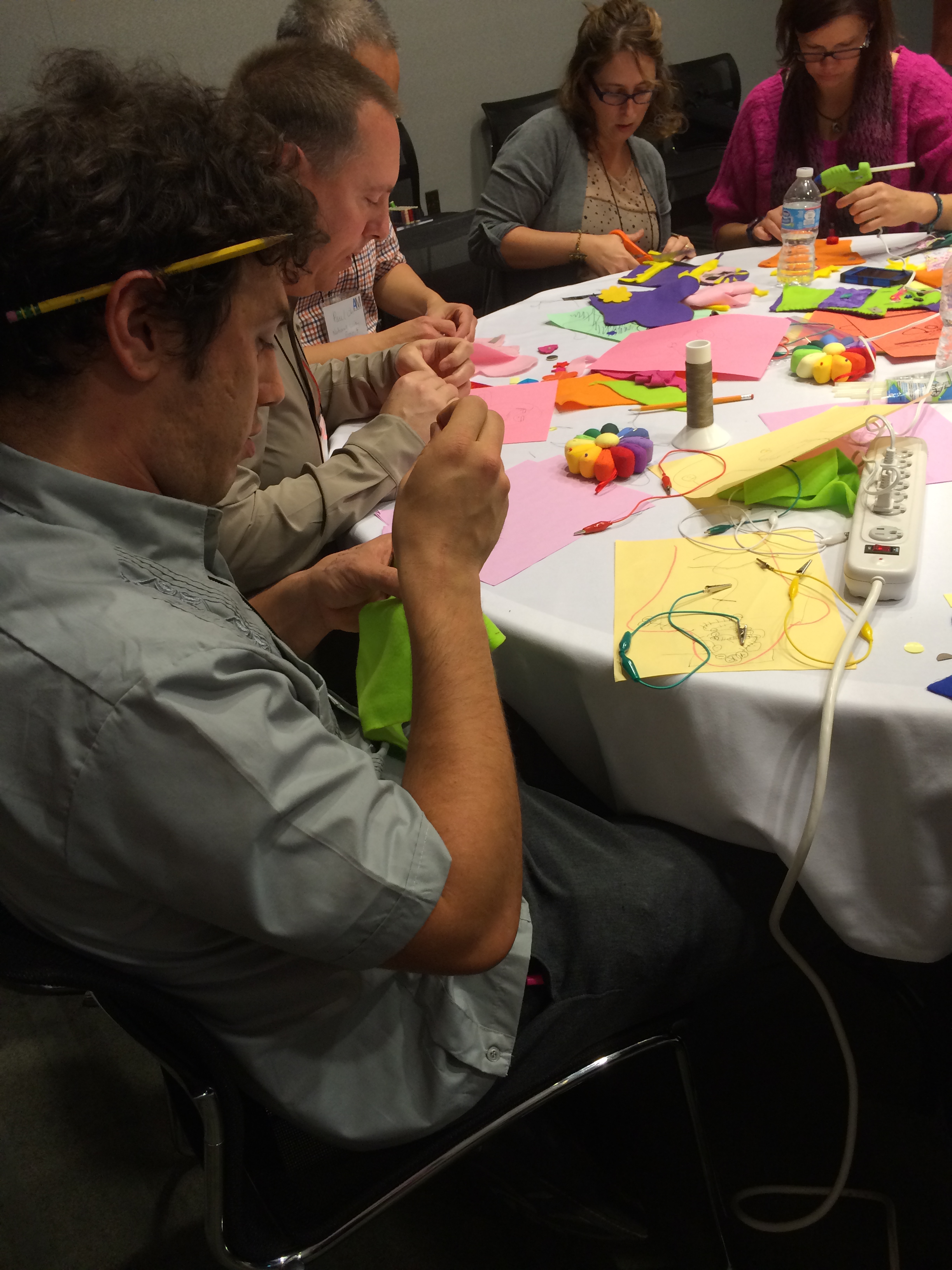
As people worked through their plans and settled into sewing their circuit the room hushed and you could see the intensity of engagement.
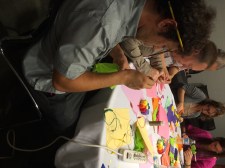
photo-4

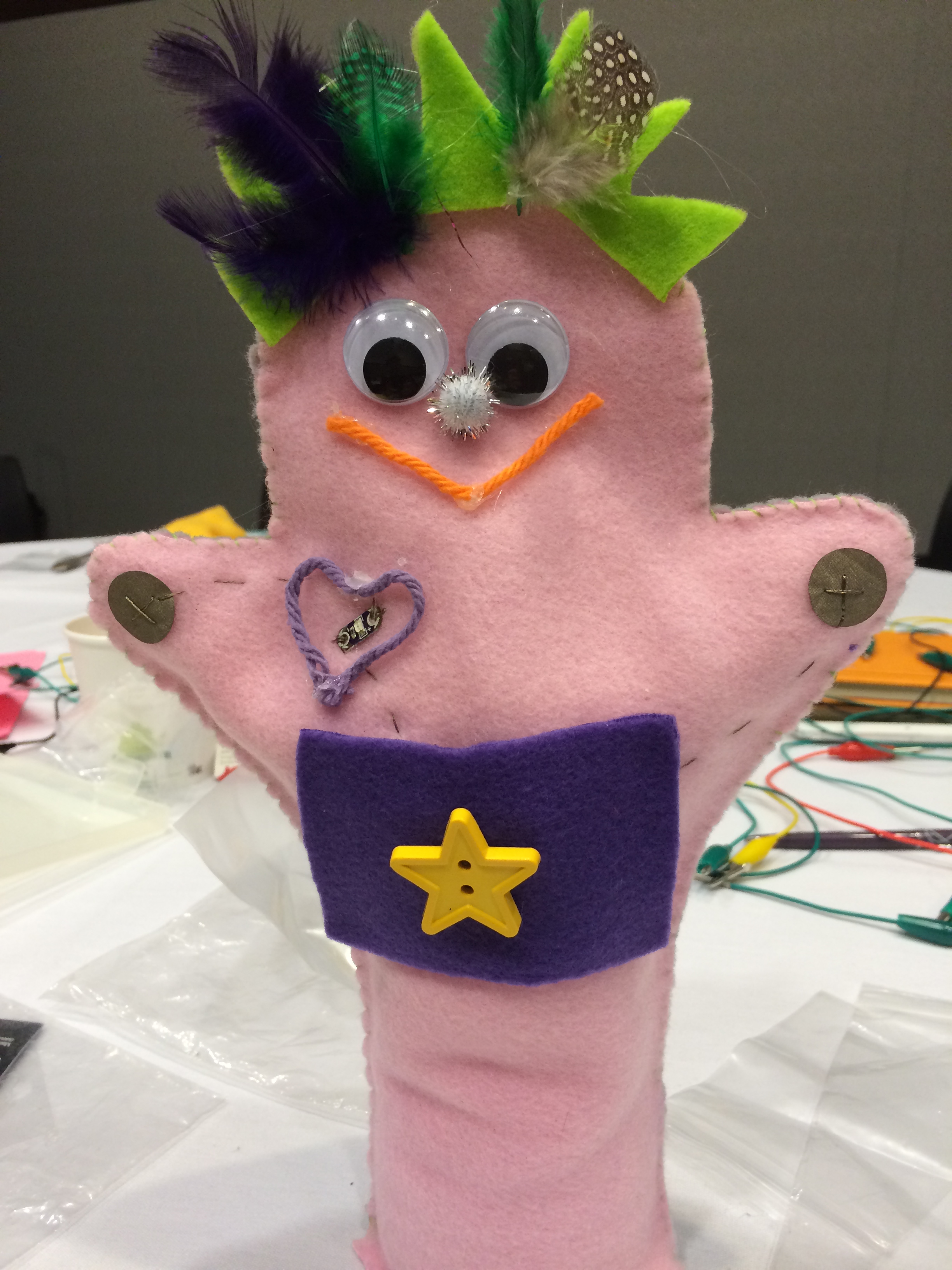
For some the sewing was the hardest part, for others it was working through the circuitry, and for others it was totally about creating the puppet character they had in mind.  Here’s my end result…his heart lights up when his hands touch.
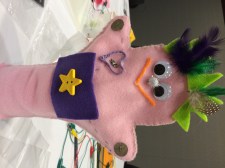
photo-3

There are definitely some things I would do differently the next time I make a puppet.  I learned after I had sewn my circuit in that putting the hands together covered the light…you can see a glow, but it isn’t the effect I had in my head.  Other people were working on pirates and butterflies, some with eyes that lit, some with noses that lit.

And my takeaway has much more to do with systems thinking than it has to do with circuits. I find that I have a better grasp of how to explain some of the approaches I use in my classroom.  Like why design is so important to student learning, why mistakes are valuable to learning…if you take the time to work through what you did and figure out a better outcome, and why students need space to create their own plans and work through the spaces where things are not working the way they intend.

It also has me thinking about other learning opportunities.  I learned to sew as a child, and making clothes and other project definitely involves some systems thinking.  You have to think fabric, including weight, texture, stretch…  Even using a pattern, you have to think about how to lay out the pattern to make best use of the fabric, work with the grain, match the design if the fabric has one…

I’m worried when we make things in the classroom too “neat” that we are working harder and learning more than our students.  That’s one of the things I love best (and hate the most) about teaching writing.  When it’s at its best, it’s messy.  I can have an overall plan in mind for the outcome, but my students benefit from getting “just right” instruction along the way.  And not all my students need the same instruction…and some benefit from learning by watching and listening to their classmates.

After all, the classroom is another system.  When you tweak one aspect, there are many working parts that are impacted.  As an educator it’s important to problem solve and iterate.  It is impossible to make a year-long (or even week-long) plan that won’t change if you are really paying attention to the needs of your students.  We can help break things down for our students, but they also need to figure out how to examine the pieces of a system for themselves in order to understand how the parts interact with the whole.  After all, our students today will be the leaders of tomorrow!

What do you do in the classroom to help your students understand and work through the complexities of systems?