Tag Archives: first grade

Eclipsing the Day Away: NPM24 Day 8

I think this was the first day in my long teaching career that I have ever taught during a solar eclipse. Unfortunately, this wasn’t a total eclipse in our area, but still an eclipse. And on this first day back from Spring Break, we were fortunate. All our of classes were supplied with eclipse viewing glasses…so why not turn the day into an eclipse-centric science phenomenon-based day of learning?

Even before the eclipse began (around 10am our time) we reviewed what we had learned about solar eclipses before our break by watching and listening to a song called “Total Eclipse of the Sun” by PBS kids. I did remind students that we were not going to see totality, but the energy in the classroom was rising. We took our first peek at the sun shortly before recess. With glasses in place, we looked up and could see right away that our usually round sun had a big bite right out of it! From that moment, these first graders were hooked.

After recess, I set up the livestream so that we could keep track of the eclipse for those places in the path of totality and we headed outside with our solar glasses to view the partial eclipse progress about every ten minutes, coming in to sketch and document the time after each viewing.

Totality, even via livestream was exhilarating! “The diamond ring!” they shouted as we watched the sun just about disappear. Four minutes of “nighttime” passed so quickly and then we watched the sun reappear. And just when students thought there was nothing more to notice about our partial eclipse, one more viewing before we headed out for lunch revealed that the “bite” of the sun had changed sides!

And no day of science learning would be complete without adding in some art and writing. After lunch we tried our hand at creating our own eclipses using oil pastels and a masking technique. Students were encouraged to use some artistic license with color–and enjoyed creating these colorful coronas.

Inspired by a poem from the book Welcome to the Wonder House by Rebecca Kai Dotlich made up of all questions, students took a first try at crafting a question poem about their eclipse experience. While we ran out of time before we really had time to finish, here is an early look at a first grade question poem by F.

The Solar Eclipse

When is the next solar eclipse?

Can America have a full eclipse?

Who can track the eclipse?

Can someone see the eclipse from inside an airplane?

Why do we have the moon come in front of the sun on special days?

When was the last eclipse?

When I look up at the moon at night I see a smile on it, but why?

For my own poem, I turned the #verselove Zip Poem prompt into an eclipse teaching poem using my school zip code (and using emoji’s as suggested for the zeros). Thanks for the inspiration Mo!

Zip Poem: Teaching Under the Influence of a Partial Eclipse

9-Solar science eclipsing school day, igniting first grade wonder

2-Planetary alignment

0-☀️

0-🌙

7-Young astronomers’ energy fueling totality-free sky learning

In Search of Math: SOL24 Day 27

Math is everywhere. That’s what I’m always telling my students. But at 6 and 7 years old, my students mostly think math is either counting things one by one or solving equations someone else puts on a page for them.

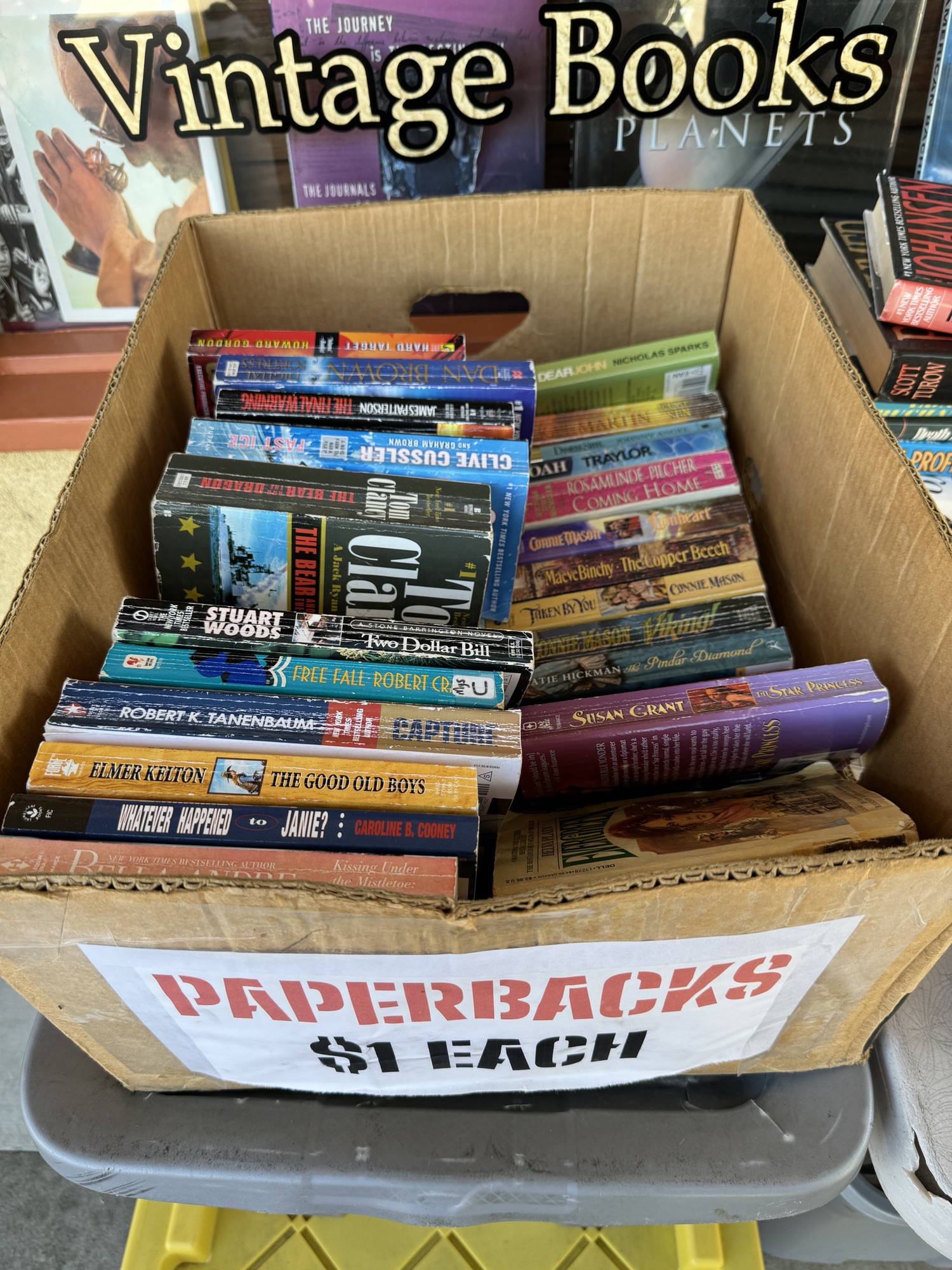
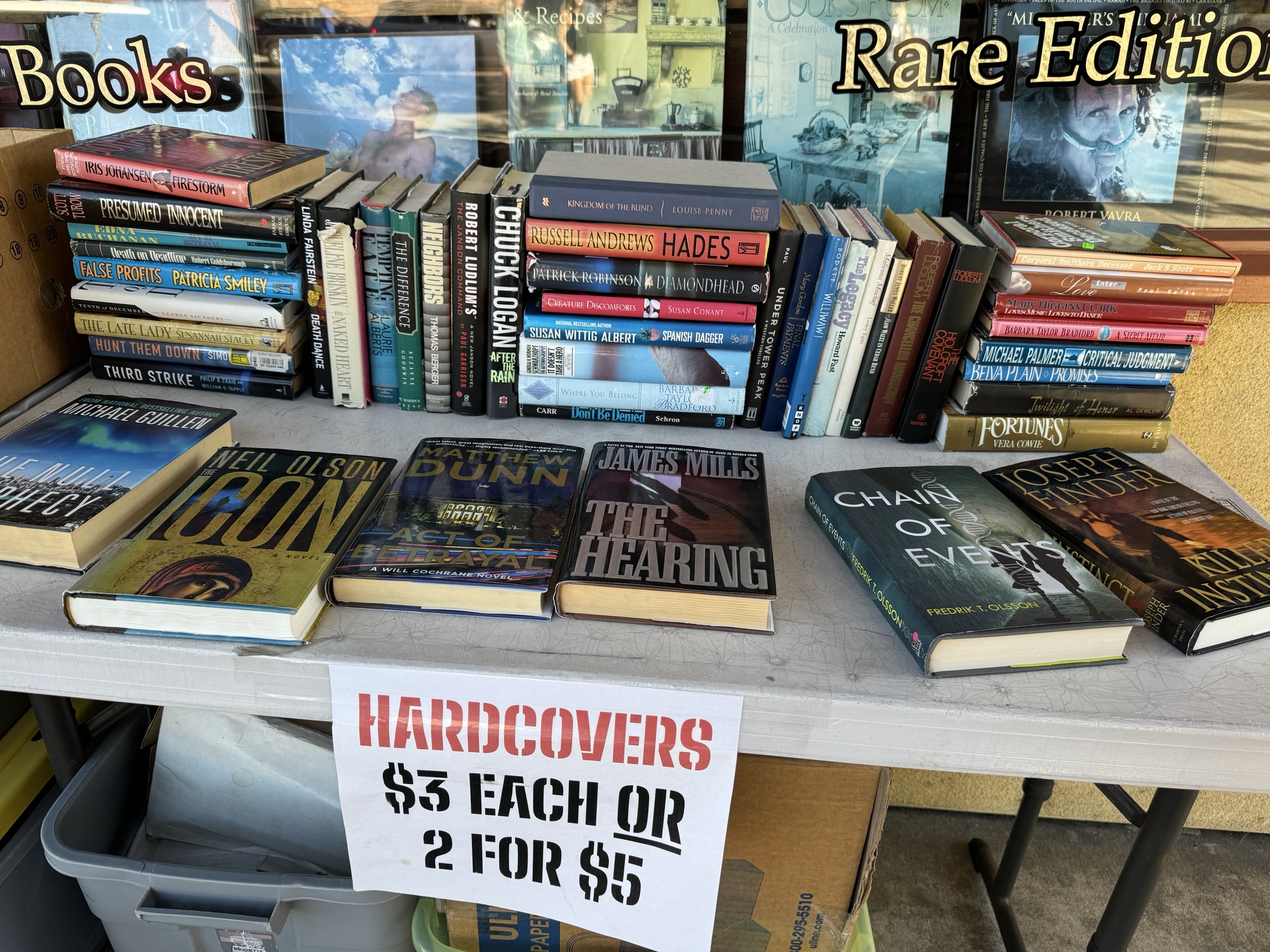
So I’m trying to get in the habit of finding math in my own daily life. And somedays I’m pretty good at it. On a walk in a local downtown I saw these boxes of books at the local used book store. What perfect math for students (or just ordinary people) to think about. What question(s) might you ask to evoke a mathematical response?

When I see these local trashcans I want to challenge my first graders to figure out how many tiles there are without counting each individually. How might you figure it out? Is there more than one strategy to help figure it out?

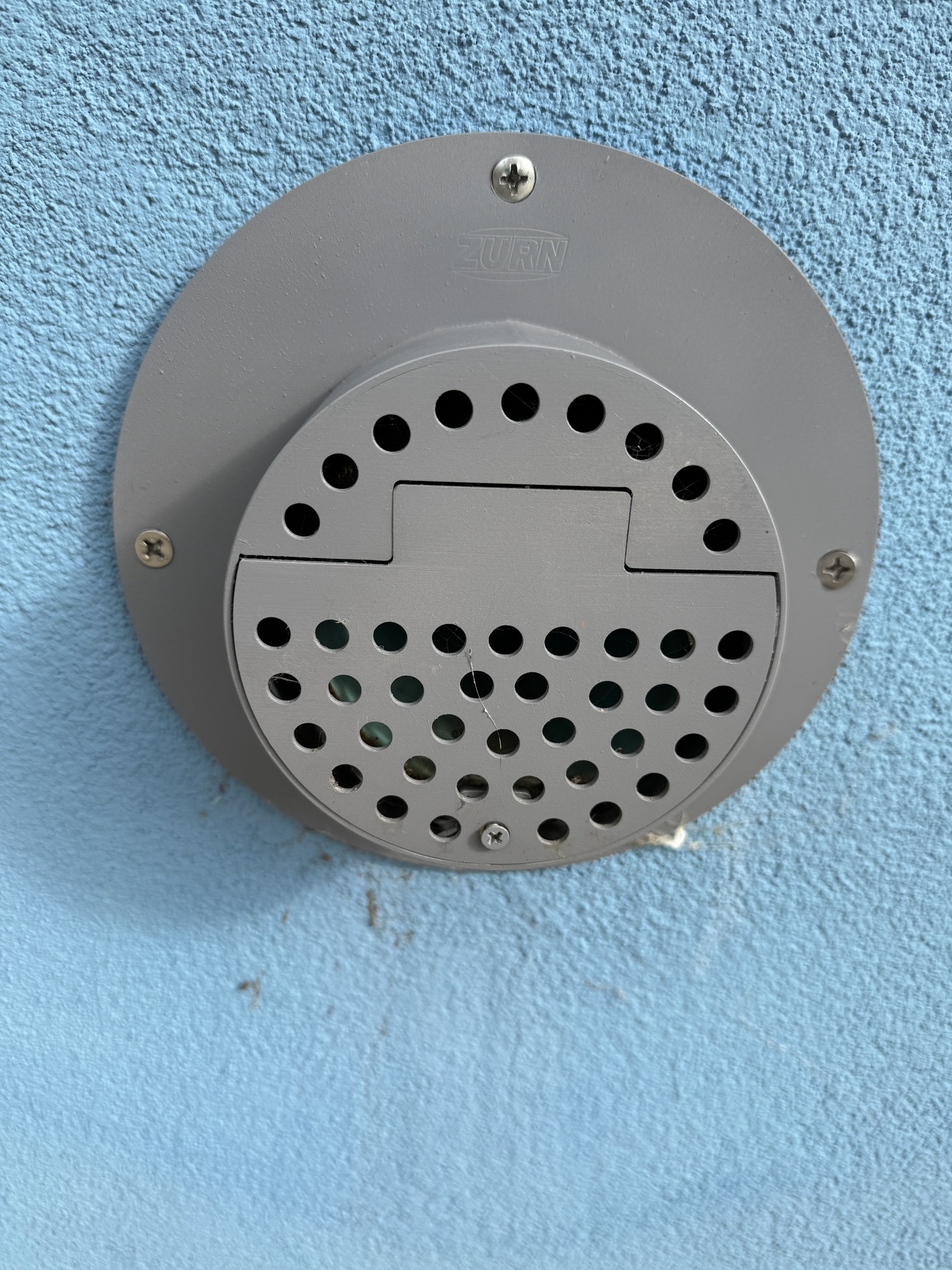
There’s the holes in this drain. Is there an easy way to count them? How might you keep track?

Today we headed out on our playground in search of math. But I’m not so sure that I managed to convey how to look for math. Some students noticed the squares of the climbing ladder on the play structure and were figuring out how many were outlined by the ropes. The inaccuracy of their sketches were definitely not helping them find the solution.

When I prompted, “Do you see any fractions?” a few students were able to see the eight “slices” outlined on the floor of the spinning merry go round thing–and could even articulate that each was an eighth.

But I see that more practice and maybe a bit more direction are still in order. I think I may practice by showing my students one of these photos and then asking some questions to provoke a mathematical response.

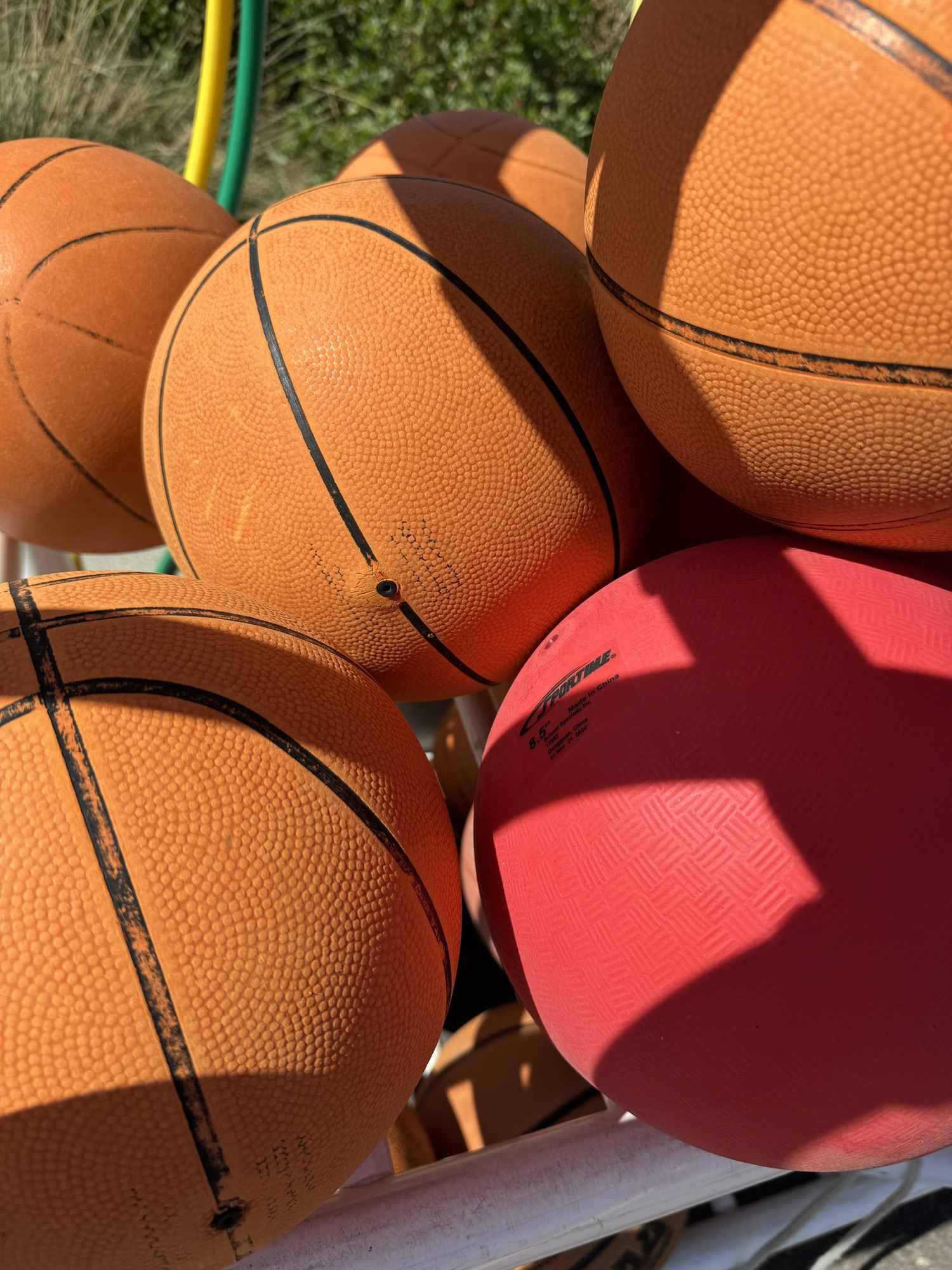
So, let me practice on you. What mathematical situations might come from the close up of these balls on the cart in the playground?

Where do you find math in your daily life?

Poetry Comics: SOL24 Day 26

Another book review? Is it even allowable to write three slices that double as book reviews?

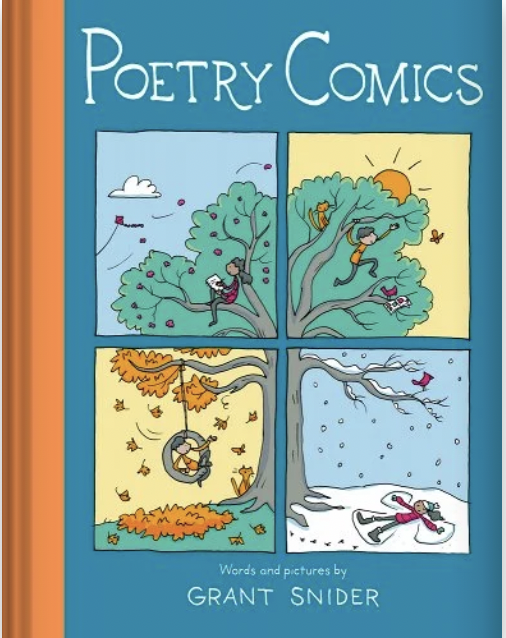
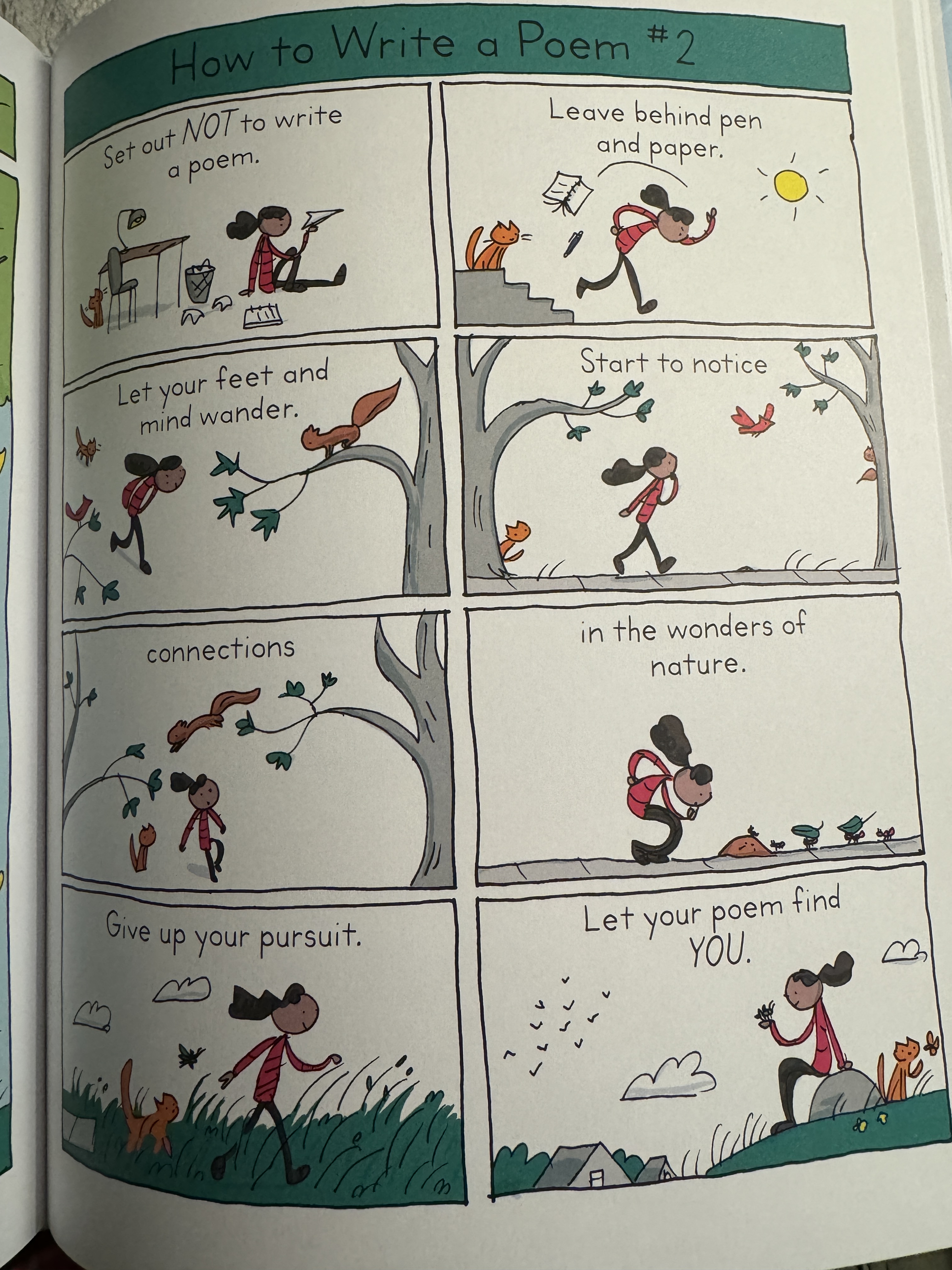
But I simply couldn’t resist. I’ve been following Grant Snider for a while on Instagram/X and I am constantly inspired by his comic writing (for lack of a better term). Somehow he has a knack for simplifying complex ideas into 4 panels or 9 panels where the combination of images and words slices through and hits me right in the heart.

I preordered Poetry Comics, knowing that I needed to have this book not on my Kindle, not from the library, but right in my hands. Ironically, my school librarian got a copy last week and put it in my box a week before my preorder arrived today. I’ve been savoring each page, connecting both as an adult and as a teacher.

I know I will be having my students study a few of these poems and try their own hand at crafting their own poetry comic. There are so many great choices it’s making it hard for me to choose. Here’s one I am considering.

I can’t wait to see what my students will create as they explore poetry comics! How about you? Will you try to craft a poetry comic as we head into National Poetry Month?

Even if you don’t, I highly recommend Grant Snider’s Poetry Comics. There’s plenty to love in this deceptively simple volume.

Welcome Spring! SOL24 Day 19

If you want to know when it’s spring, don’t bother with a calendar, just walk into my first grade classroom. The energy is palpable. Those babies that entered the classroom at the end of last summer are growing into knowledgeable and sassy almost second graders. They are readers and writers and fact collectors extraordinaire (although fact-checking is not yet in their realm of expertise). So what do you do at the end of conference week when it feels like the classroom is fitting like last year’s t-shirt–way too tight? Head out to the garden…with iPads in hand!

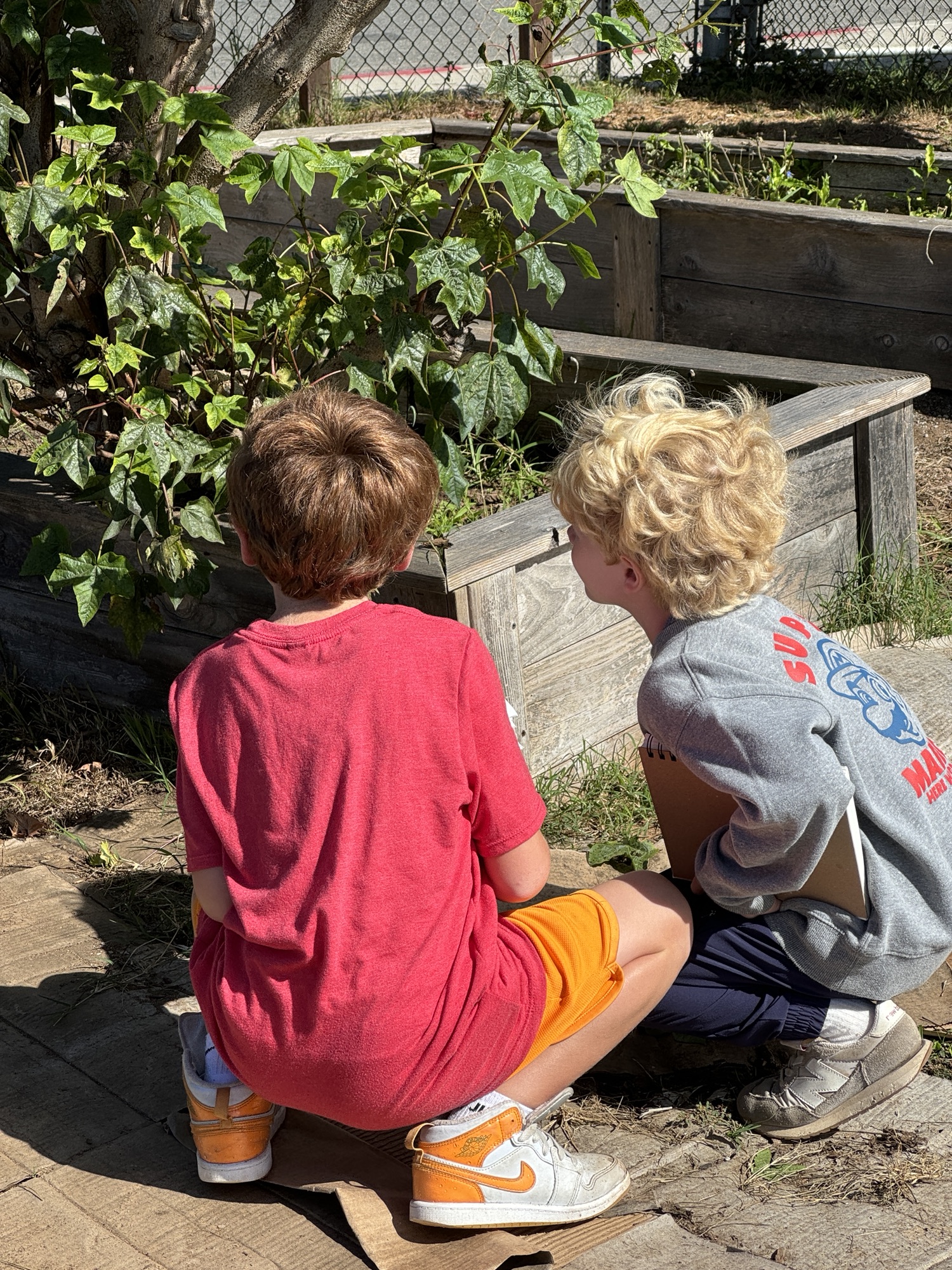
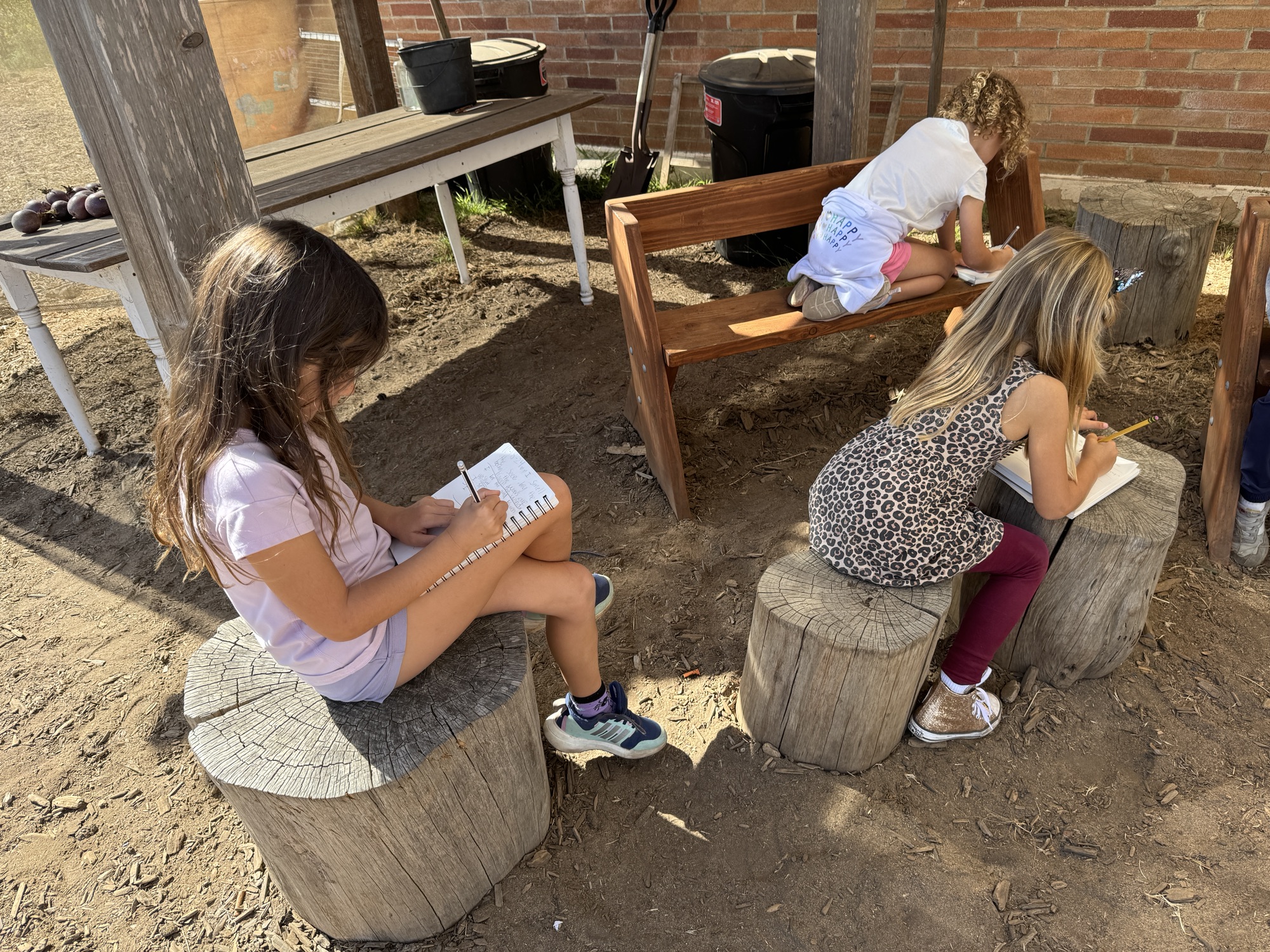
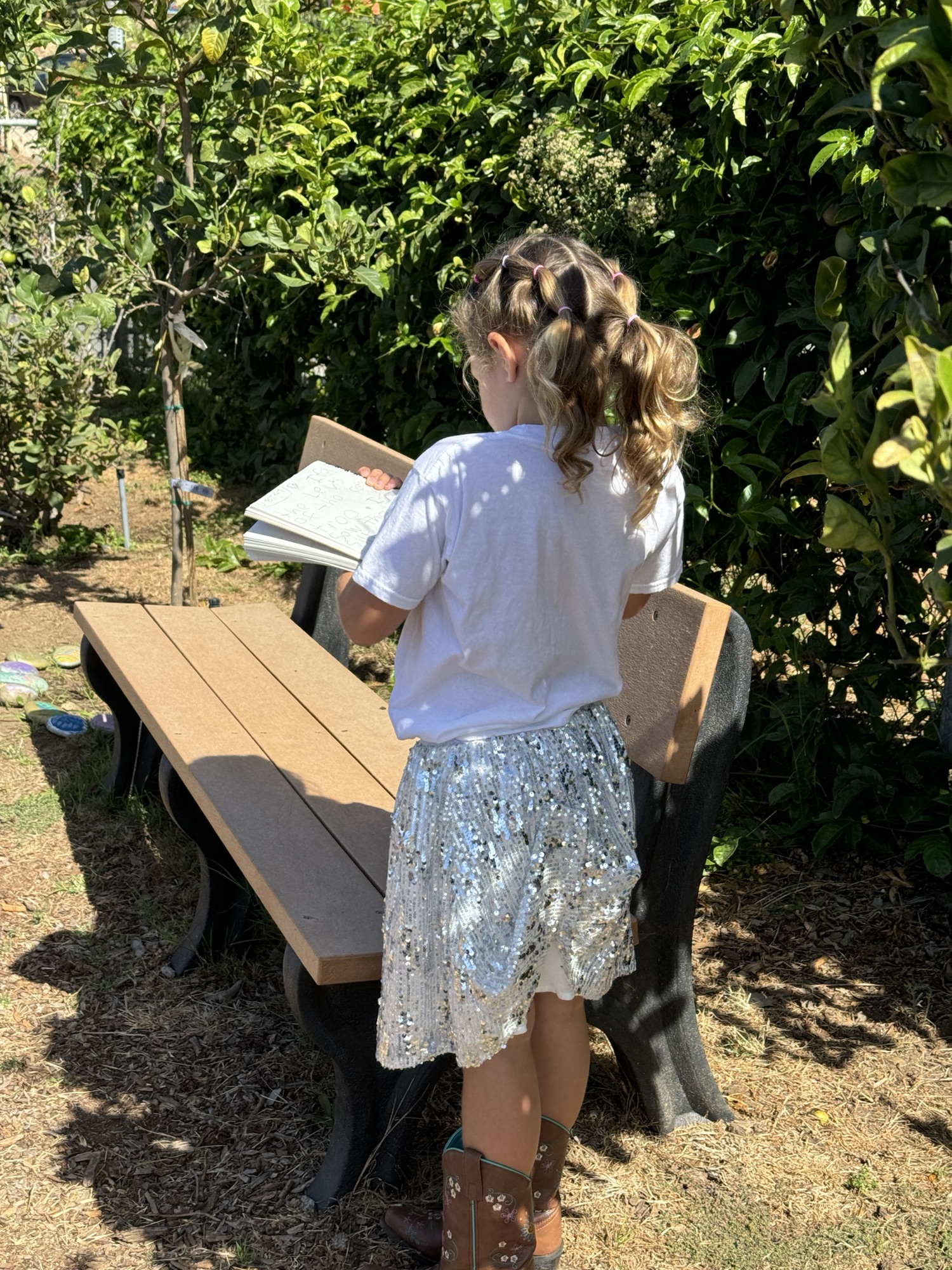
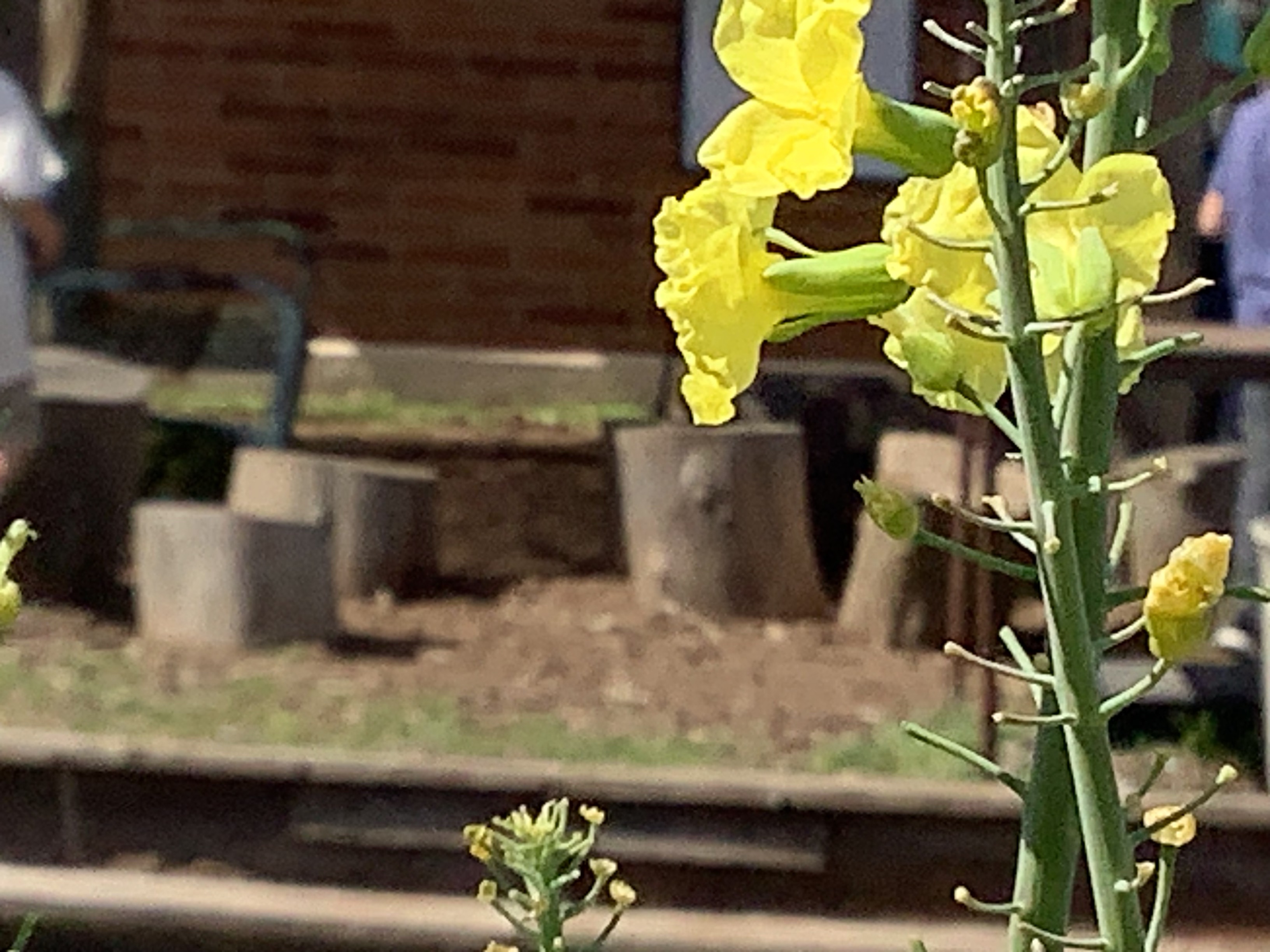
We’d been out in the garden with our notebooks earlier in the week–observing carefully in the spirit of Jane Goodall. So on Friday I asked students to go back to the place where they observed earlier in the week and find three photos to take. I reminded them of the photography techniques we had learned and set them loose to explore. There was the insect on the screen that first caught students’ attention. The lizard almost created a need for crowd control as these little paparazzi swarmed the cold-blooded sunbathers against the brick wall. They photographed strawberries, broccoli, fruit tree flowers, aloe, and who knows what else.

Yesterday, we studied the poem, Things to do if you are Rain by Elaine Magliaro. We noticed her action words (polka-dot sidewalks, freckle windowpanes…) and did not miss the metaphor of the rain tap dancing on the rooftop. After choosing one of their photos as the subject, they set off to write their own Things to do… poems. And since it’s mid March, I asked them to include three things in their poems: action, a comparison, and some metaphorical thinking.

We ran out of time…which I should say was intentional planning on my part. It wasn’t, but I am reminded of the value of time away from a draft if you want the young writer to really take another look and make the piece better. Using my poem as an example, we read it carefully, looking for the action, the comparison, and the metaphorical thinking. Then they went back to their drafts to finish them and to make them better. And they did.

O took one of those infamous lizard photos and wrote a short but sweet piece.

Things to do if you are a Lizard

Climb up walls like a snake.

Climb up on a sun on a bright green stem.

Run fast, fast, fast, fast!

Grow back your tail.

G found a flower in one of the garden beds, stretching a bit further with her words.

Things to do if you are a Flower

Reach for the sun

get picked into a bouquet

Blossom in spring

Be in a wedding and shine like the sun

Enjoy your life

Share life and health and happiness

Shine like the bright yellow sun

Tap dance in the breeze like a bird’s chirp is music

Send invitations to animals far and wide

to pollinate and see you bloom into

the prettiest flower

F is one of those quick-to-get-done students and thought he had finished yesterday. Today’s mini lesson was the perfect nudge to get him to push himself a bit further–although there’s still some room for growth.

Things to do if you are a Strawberry

Be red and shiny.

Let yourself grow!

Don’t let bugs eat you!

Have a big family that lives on a big bush.

Your petals help you grow and get washed by the rain.

The strawberries are like red poinsettia flowers.

Red strawberries shine like rubies.

Red roses are like ripe strawberries.

And of course, I had to get in on the fun!

Things to do if you are a Yellow Broccoli Flower

Shoot towards the bright blue sky

Soak up the sun in your bright yellow flowers

Sway in the breeze like you’re dancing the tango

Send invitations to the pollinators: Party at Broccoli’s house–all are welcome

Shed your petals and become part of a child’s healthy dinner

As I finish this post, the spring equinox announces that spring has sprung. Welcome Spring! (Although the first graders have been feeling your presence all month!)

Something, Someday: SOL24 Day 13

I got a text from a colleague last night with a photo of Amanda Gorman’s new book, Something, Someday. In the text she said it reminded her of the project I had done with my students creating iMovie PSAs about something that needed attention at our school. (You can read more about it here and here.)

So this morning as I headed back to the classroom with my students like ducklings behind me, she saw me, darted into her classroom and came out with the book in her hand.

After taking attendance, I did a quick read of the book while my students were doing some math practice. Yes! This is definitely a perfect book for the project we had done. It is all about making change, finding solutions, working together, and the power of small actions to add up to big change. And in the moment, I rearranged my teaching day in a way that allowed me to read it to my students.

Earlier in the week we read The Watcher: Jane Goodall’s Life with the Chimps by Jeanette Winter, learning about her lifelong work to protect wildlife and our planet. We talked about how both Jane Goodall and Amanda Gorman are living activists working to care for our planet.

Today we also studied the poem, Things to do if you are RAIN by Elaine Magliaro, noticing all the ways she described what rain does…”Polka dot sidewalks. Freckle Windowpanes. … Tap dance on the roof. …” Little did my students know that this would soon become a mentor text for a collaborative poem inspired by the books we’ve read and this poem!

As we got ready to write I asked students for a topic for a Things to do poem. (I had an idea in my back pocket, but hands shot up right away.). O suggested, Things to do if the World is Filled with Problems. Okay–a much heavier topic than I had in mind, but not surprising given our recent project and the books we’ve been reading.

So we did some brainstorming, focusing on the list like qualities of Magliaro’s poem. It took some work getting to some ideas to start and end the poem. And who doesn’t love the student who says, I have some metaphorical thinking to add, and says, “Treat the world like a rainbow.” Okay. So here’s what we came up with:

Things to do if the World is filled with Problems

by Room 3 First Graders

Don’t Give up!

Solve it! Fix it!

We can do this together.

Clean up trash. Don’t pollute.

Put the balls away. Sit up straight.

Water plants. Don’t waste water.

Be kind to your old grandfather

AND everyone else.

Eat your snack. Share with others. Include everyone.

Only take what you need.

Have fun. Smile at a stranger.

Treat the world like a rainbow.

Together we can brighten and color the world.

In 6 Words: SOL24 Day 11

Who decided that parent conference week should follow springing ahead to Daylight Saving Time? I’m feeling the loss of the hour, the compressed teaching day, and hours spent talking…

So today’s slice is a 6 word photo essay…a portion of my teaching day.

Under Goodall’s influence: noticing, wondering, writing

We Did It! SOL24 Day 9

About a week ago I wrote about the work we were doing in my first grade classroom to prepare to create PSAs about things that needed more attention at our school. (You can read those details here.)

I thought long and hard about how to best teach my students to learn iMovie. The first thing I did was to create my own PSA using the same process I had taken my students through. I was definitely a bit rusty knowing the ins and outs of the iMovie app. I had to experiment and fiddle around—giving me valuable experience to share with my students. Finally I decided that I would start by showing my students in real time how to make an iMovie by making another right in front of them — and in fact having kids come up and do some of the processes for me.

We did the easy part first, and students got their photos into iMovie and created a title slide. Then we headed out to recess. I’ve learned over the years that doing complicated things around both sides of a recess is magical. You can get started…take a much needed break before things get too hairy and then return refreshed, but before things are forgotten.

After recess I showed students how to write a script and then record a voice over for their movie and then set them off to work. The classroom transformed before my eyes, becoming a workshop where students were focused on their movies. They helped each other, giving advice and support to their classmates as needed. I was on my feet, moving and listening, reminding how to edit, how to delete. I spent a lot of my time borrowing student headphones as I listened to their works in progress. My biggest challenge was our less-than-stellar headphones. Some crackled when they recorded. Some refused to play back. Over the next couple of work periods I learned to have those with the most problematic headphones go outside and record without using headphones.

It was so exciting to see the finished products–especially knowing that these first graders were able to create these iMovie PSAs on their own. Here is a student PSA created by a first grader last week and the plan he worked from.

First grade PSA video

But the best part of this whole process is when students started telling me that they were going home and making iMovies. They followed the same procedure we did in class: they took photos, planned something to say, and recorded their voices. I loved when a parent emailed me one of these creations! Students are now not only consuming digital content, they are also creating digital content!

Now to think about the next project… Any suggestions?

Big…a mini review: SOL24 Day 6

I love picture books. I do have some old favorites, but I am passionate about reading my students newer books, especially those that represent positions and characters that haven’t historically gotten enough attention. In some years I look for stories that help my students see themselves, in other years I look for ways for my students to see beyond themselves.

We have an amazing school librarian who has been making an effort to make sure the teachers know about new books–especially those that represent diverse experiences and address issues of equity and inclusion. Big by Vashti Harrison was a book I had been hearing some buzz about, but I hadn’t yet come across it in person. So when I saw it in the basket of books in the teacher’s lounge, I had to pick it up. As I began to read it, surrounded by my colleagues chatting and eating, I felt drawn into a quiet place. It was just me and the words and images. My breathing slowed, my heart raced, and I could feel tears welling. The careful selection of words and the powerful, beautiful pictures grabbed hold of my heart. I needed to read this book to my first grade students, even though not a single one of them can be described as “big” in these terms. Maybe that’s why this book seemed perfect for them.

My class tends to run on the chatty side. They have a lot to say about everything. As I opened this book and started to read I heard a few comments about the baby, but as I got a few pages in a hush settled over the classroom. I watched students lean in, faces serious. When we got to the pages with no words (a powerful series of images), it was almost as if they were holding their breath. They stayed quiet and seemed to have a communal exhale as the book ended. After a breath or two, they had some things to say. They felt sad for the girl in the story and they were thinking hard about how the words had hurt her.

I read this book for a second time this week (I read it for the first time to students on Monday) because this book has so much to say. Again, my students settled into quiet attention. They paid close attention to the illustrations, noticing the use of color and space…and the ways that words were also part of the illustrations. We talked a bit about my favorite page…the one where the girl has a hand full of their hateful words and says, “These are yours. They hurt me.” as she hands them back to the people who used them.

This book won the Caldecott award and is a Coretta Scott King honor title and I can see why. I highly recommend this book not just for younger children, but for people of all ages. Bias–both implicit and explicit is something we can all learn more about and pay attention to in our daily interactions, especially as educators. And don’t miss the author’s note at the end! Add Big to your TBR pile today!

A Magical Start: SOL24 Day 4

Mondays can be hard, but I have a colleague who calls out an alliterative daily mantra to everyone she sees. “Magical Monday,” she calls as she passes my classroom before school started this morning. “Magical Monday,” I call back.

Mondays don’t always feel magical, but today felt different. I headed out for recess duty with the sun shining on my shoulders. As I walked out onto the playground one of my first grade students ran up with an envelope in her hand. “Mrs. Douillard,” she said, “I wrote a poem for you!”

In our class we study a poem every week, write poetry with some regularity, and delight in metaphorical thinking. Words matter. They help us express ourselves, understand our world, and communicate with others. I love it when students take our learning outside the classroom walls and write for their own purposes.

My student pulled her poem out of the envelope to show me. “Will you read it to me?” I asked. And she proceeded to read:

Sea Sound

A sea sound is a heart broken.

A sea sound is birth from your heart.

Sea sound is you hearing waves dancing.

This is my poem

When I asked what inspired her to write, she responded, “It was the waves dancing.” She told me I could keep the poem and off she went to play with her friends before the school bell rang.

That is a magical Monday for sure!

Time to Create: SOL24 Day 1

I have a love/hate relationship with technology in my teaching life. I love the possibilities that technology offers and hate dealing with the glitches, the learning curve, and the challenges of keeping my students on task with more creative tasks. When I moved to first grade after the pandemic, I left the creative use of technology mostly behind and instead depended on those practice apps as my primary use of technology in the classroom.

I’ve been starting to feel like my students need opportunities to be creators using technology instead of consumers of content that others have made. So with a bit of a nudge from my sister, I started thinking about a digital storytelling project where my students would create Public Service Announcements (PSAs) for things around our campus that were either going well or need more attention.

We spent time earlier this month studying stories and breaking them down to three main parts: the beginning where the context is set, the problem (or the danger as one student described it), and the solution. They took a wonderful wordless story, Flashlight by Lizi Boyd, condensing it to three drawings that told the major story elements. They wrote their own stories based on a character drawing from our fifth grade penpals including those same three story parts. At this point, I was ready to embark on the digital storytelling project.

So…this week we learned about three photography techniques: bird’s eye view (a perspective from above), bug’s eye view (getting low and looking up), and the rule of thirds (where the focal part of the photograph is positioned in a particular third of the frame). We studied some examples and then headed outside to try on these techniques by going on a photography scavenger hunt. The first graders in my class loved this activity and clearly began to understand the three different techniques. While not all the photos are stunning examples of photography, they are gaining experience with the camera on their iPads and making intentional choices about the photographs they take. Here’s a few first grade examples.

The next day we brainstormed things that our school does well and things that need more attention. We know that our school is quite good at composting and that students need reminders to eat their snack and lunch before running onto the playground to play. We ultimately came up with eight different topics. After students listed their top three topics to work on, I put them into teams so they could help each other to tackle the topic selected. Student then drew the three photographs they would take on campus to create a story of change…a public service announcement.

I was nervous this morning. Would they be able to take photos that would work in their PSA stories? Could they use each other as actors in the photos they envisioned? How would they handle the openness of this task? Would they be distracted and tempted to mess around instead of focusing on the photos?

After a little bit of in-class modeling, we all headed out with iPads in hand. I love it when students surprise me with their creativity and focus…and that was definitely what happened today. Students supported each other, posing and directing. They checked their photos to make sure faces were not visible (one of my requirements), and they all got their 3 photos taken. I loved watching the cooperation and teamwork and was thrilled that I didn’t have to referee any problems. I saw students who are often followers in the classroom take the lead in this creative pursuit and shy students step up to let others know exactly what they needed for their photos. When we returned to the classroom, we spent a few minutes back in teams giving each student a chance to show their photos to each other and tell their story based on the photos.

On Monday we will be learning iMovie and transforming these three still photos into a short video PSA, complete with voiceovers. Wish me luck! My fingers are crossed that our photos will turn into wonderful video PSAs!