Cold, creamy, sweet–a delight for both tongue and tummy. I love ice cream! I eat ice cream in the summer, the perfect cooling dessert and in the winter too–even if it makes me shiver and goosebumps grow tall like mountains on my arms. It is definitely my sweet treat of choice.
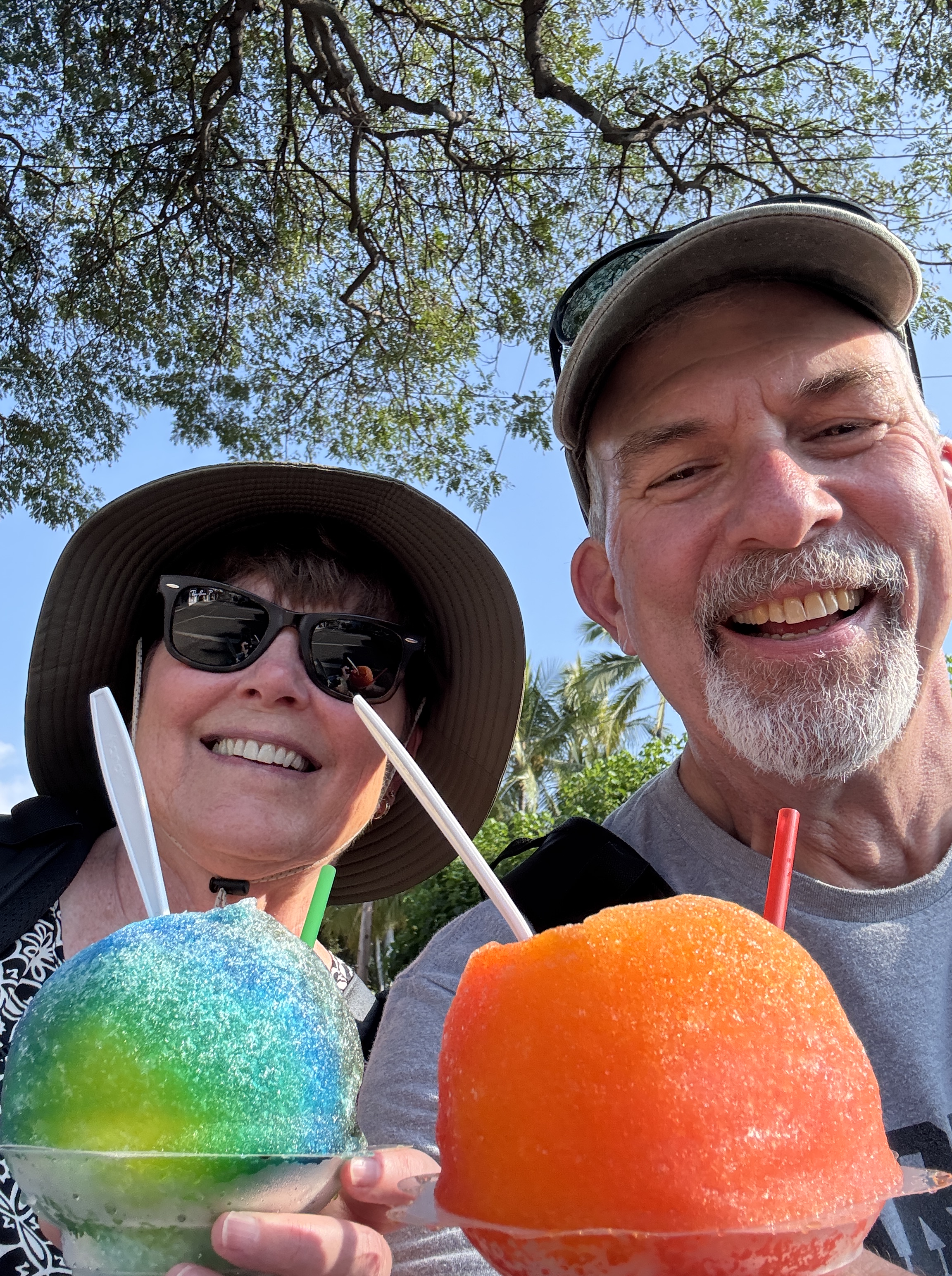
Chunky and crunchy–rocky road or chocolate, chocolate, chocolate. Fruity and tart–rainbow sherbet, raspberry gelato. Stain your tongue and mouth colorful–blue raspberry syrup on an ice cream-filled shave ice.
I can push away the elegant, rich desserts. Cheesecakes, mousses, creme brulee. I can skip cookies and cakes–even a chocolaty, caramely, peanuty Snickers bar (unless it’s the novelty ice cream variety). But ice cream? I can eat ice cream for dinner!
Need cheering up? Ice cream is the answer. Time for a celebration? Bring on the ice cream. Something to soothe a scratchy throat? You know the answer–it’s always ice cream!
Do you have a favorite sweet treat that is nearly impossible to say no to? Or a best ice cream ever? I’d love to know your sweet story!
I can be a bit serious. Okay, maybe a lot serious. And sometimes that means that the classroom can seem like all work and no play…and we all know that first graders (and maybe all students) both want and NEED some play to help learning move along.
For some reason, my school decided that again this year our winter holidays (two weeks of no school) would bump right up against Christmas. I’ll be loving the holiday when January gets here, but to be honest, it’s brutal right now. Instead of children who are focused on learning to read and write (and all our other subjects of study), they have visions of sugarplums dancing in their heads! (Or maybe that is just the candy cane overload coursing through their bodies!)
I made a deal with myself as I planned lessons for this week–leave spaces for play, expect silliness and louder than usual volume, smile and laugh more, enjoy the moments.
So…I planned a small writing lesson.
I remembered this wonderful book of poems called The Proper Way to Meet a Hedgehog and Other How To Poems selected by Paul Janeczko and started flipping through. If I had my students write a “how to” something, they would have many choices of topic and could draw on all that they already know. But which poem would work as a useful mentor text to get them started? There are many good choices…but I was looking for something short, a bit whimsical, and an idea that my students might find unexpected. How to Scare Monsters by Rebecca Kai Dotlich was just right! It starts out easy, “Keep a light on, that’s the thing… and turns a bit in the second (of two) stanzas with “Aim for the toe (did you know this?)…
I read it a few times, letting students soak into the language. They noticed the strange notation (parentheses) and were intrigued. We talked about the extra information in there and they definitely picked up on the personal, friendly tone. We brainstormed things we are “experts” at doing, and that list included A LOT of sports! After I wrote a poem in front of them (How to take Photos of Egrets), they opened their notebooks and began their own How To poems.
Students immediately got to their writing (along with plenty of talking) and a number of them included the parentheses in their poems. As they began to finish and read their writing to me, I could feel the smile genuinely creeping onto my face. The poems were fresh and their voices came through loud and clear. Some of the topics were predictable, but some were not…like this one by O:
How to Catch a Rattlesnake
Go to a desert.
Find a hole.
(Maybe it’s a snake hole.)
If it’s a snake hole,
get a good stick.
And do not grab it by the tail,
grab it by the neck.
If you grab it by the tail
they will swing and bite you.
If you grab it by the neck
they will not move
except their tail.
Did you notice the parentheses? I had encouraged students to pick small topics rather than trying to explain a whole game. But, you know, some students want to do what they want to do. But somehow J captured this game in a nutshell. I bet you know what game it is!
How to Play Ball
Get two teams
9 is enough
9 innings
1,2,3 bases and
one home plate in a square.
(One out is three hittable balls
Four balls you can not hit go to 1st base)
A hit
run as fast as you can go
until you are thrown out
or tagged out
You are out.
Three outs is an inning
touch home plate to get a point.
who has the most points wins
if you are tied
overtime.
And who doesn’t love a how to poem about riding a bike? It’s obviously a childhood classic! Here is O’s rendition. (This is a different O–I have many in this year’s class!)
How to Ride a Bike
This is how we ride a bike
without training wheels.
First put your helmet on
and then get on your bike.
And try not to look down
look straight ahead and pedal
and make sure nothing is in front of you.
And that is how you ride a bike
without training wheels.
And a short but sweet one by V who did take my advice and decided not to capture all of gymnastics but to instead focus on a single trick.
How to do a Cartwheel
Start in a lunge
Put your hands on the ground
Then when you put your hands on the ground
Kick your legs up
(One foot up first, then the other)
Land with hands by your ears.
These small poems started this week off with a dose of joy. Students enjoyed writing and reading them, I enjoyed hearing them and rereading them. No one whined that they had nothing to write about, no one got teary with frustration (including me), and we all enjoyed writing and sharing and teaching someone else about our individual expertise.
Reminder to myself: be playful, small can be powerful, enjoy the wonders of childhood and read and write more poems!
So…if you need to add a bit of joy to your teaching or writing life, take a look at How to Scare Monsters and write some how to poems!
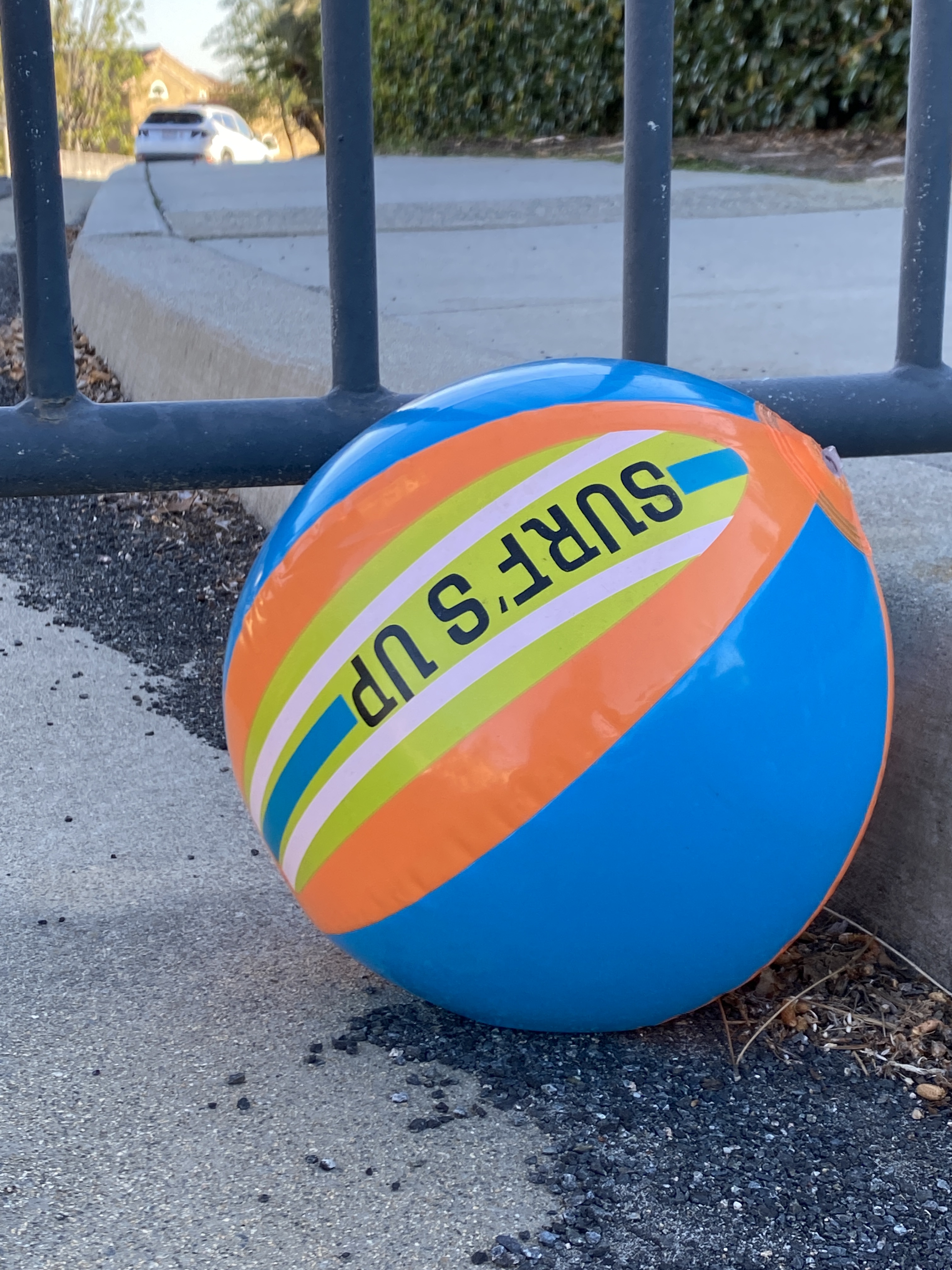
This abandoned beach ball emblazoned with “surf’s up” and wedged against the fence caught my eye this afternoon.
And my mind wandered to a slice I read yesterday written by Charlene Doland over at Reflections, Ruminations, and Renderings where Charlene talked about the value of pruning in the garden…and the need for it in her life.
I’ve also been watching my students play at recess time. There is an urgency and energy that is palpable. They verbally plan their play from the moment they realize it’s recess time, anticipating the interactions to come. And they are flexible. If some other play looks better, the plan is changed and they run headlong into the new activity.
I think we adults need to pay attention and learn from children at play. Full immersion in pure joy should be a daily priority. When was the last time you reveled in activity just for the fun of it?
I had one of those moments when I was in Yosemite a couple of weeks ago. I had a snow moment. (Anyone who regularly reads my blog knows I am SoCal through and through and can count the times I’ve spent in the snow in my lifetime on my fingers and toes.) It was snowing. Not flurries and not a blizzard–just a steady fall of soft, fluffy snowflakes that piled up on my shoulders, on my hat, in the hood that hung down from my collar. It transformed an already gorgeous scene into a magical winter wonderland. I caught flakes on my tongue, crunched them under my boots, held them on my gloved palm, and viewed them as precious jewels bestowed by nature.
Clearly I need to find more of these moments–moments of play and pure joy. How do we make space and create conditions for play? How do we “prune” back all the “ought tos” and “shoulds” to make room for unstructured exploration–without a goal attached? Maybe awareness is the first step…
Yesterday was International Dot Day, a day inspired by the creativity of Peter Reynolds and the power of each of us having the courage and confidence to “make our mark.” To celebrate dots and creativity and confidence, we began our week with the poem What is a Dot? by Laura Purdie Salas. The first graders in my class had an endless list of ideas of what a dot could be and eagerly illustrated the poem with their own “dotty” ideas. Of course, we also read and discussed The Dot by Peter Reynolds.
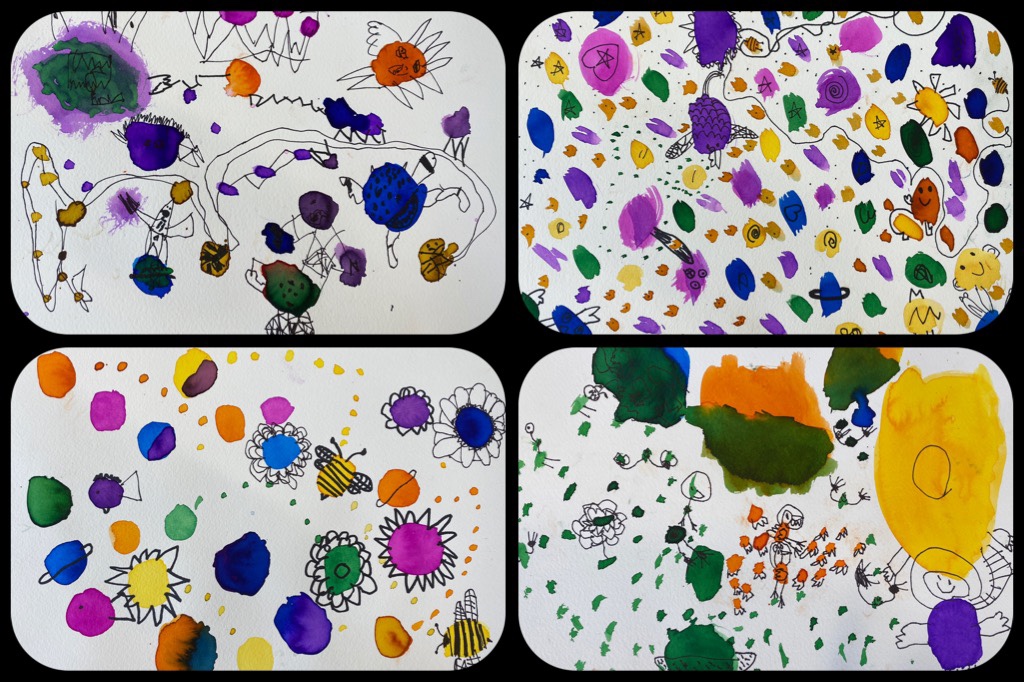
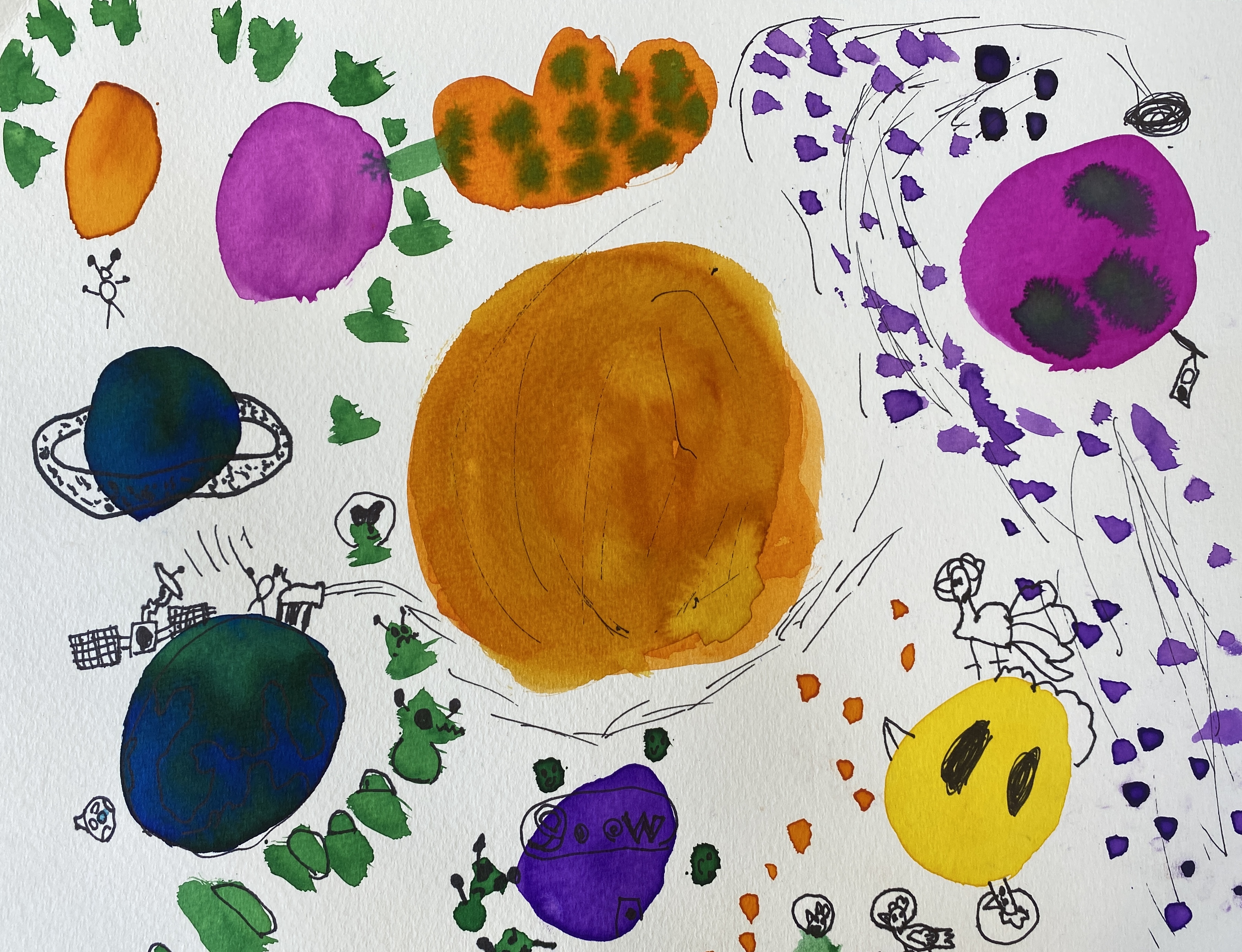
The week got dottier on Tuesday. We broke out the liquid watercolors and painted a page full of dots. These mostly 6-year-old artists knew that making the dots was just the start of this project. They would be transforming their dots into something else using a black sharpie marker the following day. They joyfully and freely painted dot after dot, experimenting with size and placement. They dripped one color onto another, while carrying on a constant narrative of alternative worlds, descriptive details about color, and oohs and aahs of their own discovery. We ended the day by reading Ish, yet another Peter Reynold’s book and talking about encouraging others and not judging our first attempts too harshly when we draw (or try other things too).
Wednesday was the day…International Dot Day! Students came to school dressed in dots and so did I. I l love their creativity in finding dots in their wardrobe. One child found a solar system shirt, each planet a dot. Another noticed the cat faces on her sweater were dots with more dots showing the natural coloring of the cat. There were polka-dotted masks (COVID makes us creative too), socks painted with dot markers, dotted bows in the hair, and I even found a pair of polka dotted earrings! With wardrobe dots in place, students were eager to get started transforming their watercolor dots from the previous day into beautiful pieces of art.
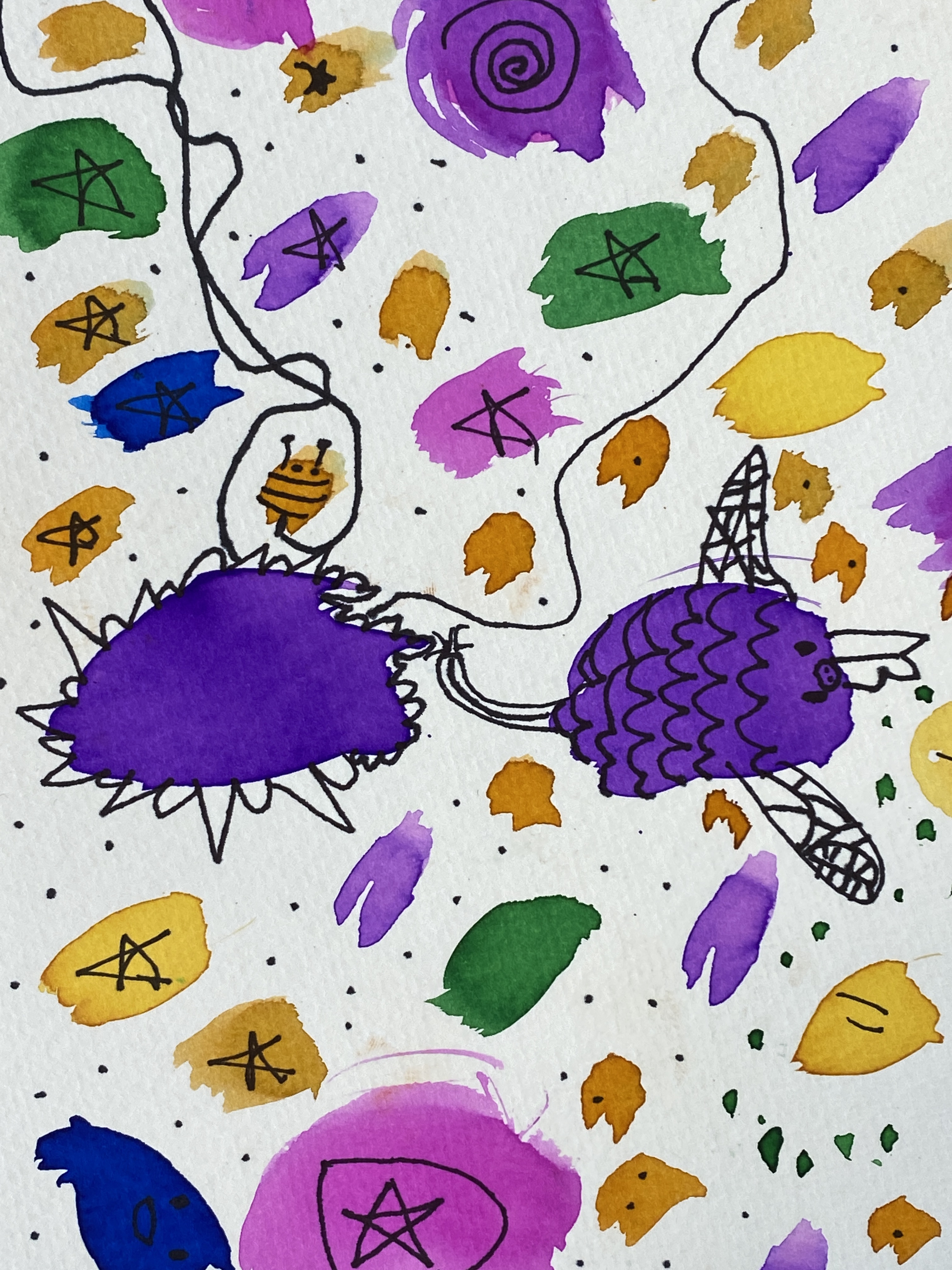
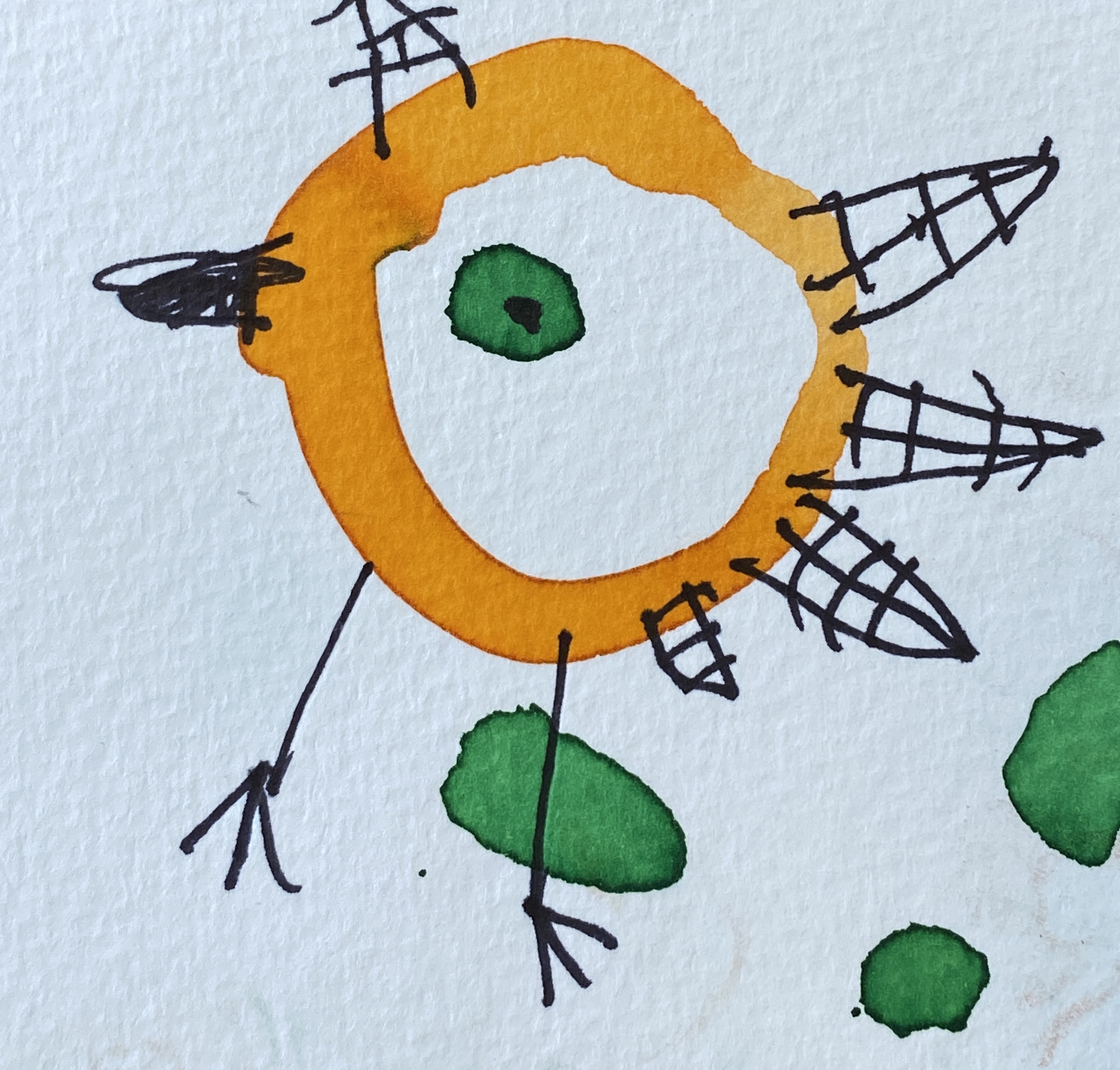
After a bit of modeling by showing what I might do with my own watercolor dots, I handed out the sharpie markers–a thicker one and a thinner one, and reminded students to start thinking about what story they might tell about the dot creation. I love the artistic freedom and courage of first graders. They uncap a permanent marker and confidently draw whatever is on their minds. Dots turned into chickens with space helmets, planets from unnamed galaxies, insects galore (bees, spiders, June bugs, ladybugs…), jellyfish, dragons, and of course, lots and lots of flowers. Along with the drawing was the buzz of conversation, telling the story of the things they were drawing. Clearly kids need to talk their ideas through as they draw.
Once the pens were capped and the drawings done, we took out our writer’s notebooks and set out to put down words to go along with the the art. We started with the simple frame, a dot can be… I showed how as a writer, instead of a sentence like A dot can be a bee, I could expand that sentence saying, A dot can be a pink bee buzzing from flower to flower leaving a trail of heart shaped pollen behind. (And they could see how that sentence also matched my drawing.) And with that short mini lesson, my students were off and writing.
Here’s a few examples:
A dot can be a bee. And a monkey that is blue and yellow. And a purple dragon and the purple dragon is swooping through the clouds. R
A dot can be a flower garden with a hot air balloon with a chicken and a bee and a sleeping cat. The chicken is looking for food. C
The best part of the writing time was that every student, even those who are less confident writers, were engaged with their writing. I heard lots of sounding out to get the words on the page. And students began to stretch their ideas, adding details that bring writing to life. I hope as the year progresses that they become as fearless with their writing as they are with their artwork, knowing that small mistakes might just become a “beautiful oops” or the stepping stone to something magnificent. Risk taking is essential to learning, as is joy. We had a wonderful International Dot Day filled with playfulness, creativity, and lots and lots of learning.
What might you do with a dot? It’s never too late to make your mark!
These days, I often find myself in search of joy. Sameness is numbing, isolation is suffocating, and uncertainty is paralyzing. And yet, we go on. My students show up in the classroom (on a limited, hybrid schedule), ready and eager to learn.
I realize, sometimes over and over again, that my restricted time with my students pushes me to rush things in the classroom. Instead of giving time and space to breathe, to engage, to explore…I find myself watching the clock, urging students on, never letting them get fully immersed, locked into that indescribable flow that I can’t explain, but I always recognize.
Joy, instead of being a constant classroom companion, has become a shadow that I catch sight of at the edge of my visual field. It flickers, momentarily in focus before it dissolves into the corners–just out of reach. If I can’t reach out and grab onto the joy, how can my students?
Somewhere along the way during this pandemic school year I lost sight of daily writing. The whimsy and playfulness of messing around with words and ideas in the low-stakes sandbox of the writer’s notebook had vanished. Students mistakenly believed that writing should be one and done rather than the messy, living, complex process that it is. I had to make a change.
So, at the end of January, I reworked students’ independent work–the stuff they do during the half the school day when they are not in the classroom with me–to include time for daily writing. I set up a routine–predictable but with lots of novelty and variety. One day students are invited to write to a photo prompt–often silly and far-fetched. Another day they write under the influence of our weekly poem study: they can use it as a mentor text, they can be inspired by the topic, they can grab a word and follow it–the choice is the writer’s. And on the third day, I offer an active sort of prompt. Last week, on our weekly Wednesday Zoom call, students participated in a short scavenger hunt. They were sent in search of 5 items, one at a time. Once found, they showed the item on the screen and wrote it in their notebook. That list then became the fodder for the daily writing. They could come up with a story connecting the items, use one and go in any direction, again…choice is key.
While the daily writing is not amazing, students are finding a rhythm. They are developing fluency. And they are having some fun with it–joy is beginning to creep in. We are paying more attention to language, examining what we like when we read. Just last week, students picked one of these daily writing pieces. They picked not the best one; the one they love so much they don’t want to make any changes. Not the worst one; the one that feels flat and uninspiring. They picked one they were willing to work on, to improve, to make better. They used a Praise Question Wish protocol to respond to the writing in pairs. We studied a couple of mentor text excerpts from familiar pieces we had read in class. And armed with these tools, students went off to revise.
Most of these revised pieces are still not where I want them to be, but they are moving in the right direction. And better yet, they are moving toward discovering the joy of writing and language, expression and choice.
I am actively seeking joy in the classroom. Joy that fills me with wonder and energy. Joy that brings a smile to my students’ masked lips–that is visible in their eyes and felt in the air. Joy that takes me back to what I know is important in teaching and learning, despite pandemic restrictions and schedules that squeeze time into unrecognizable shapes. And I want writing to be a part of that joy, for me and for them.
We’ve reached the twelfth month, the last of the calendar year. Traditionally, it’s a time for reflection, of taking stock of the year in order to make progress in the new year.
So…what if we look to the world around us, paying careful attention to what is currently in front of us–and use those images and related thinking to look back, to reflect on the year?
Just last week I had the opportunity to watch some college students dance (many thanks to my niece, a dance major). Their energy and passion were obvious–and contagious! Looking at this image reminds me that we are not attached to the the ground…we are also in flight, ready to follow our imagination.
We tell ourselves so many stories–including stories that fuel our frustration and impatience. Sometimes we need to reframe a story, view it from a new perspective to change our feelings and perceptions. Traffic can be a pain…or an opportunity depending on how your look at it.
And sometimes doors don’t look like doors. They might just be spaces you haven’t noticed before. I’m determined to ride the train to Los Angeles one day soon…and this image will remind me to include this on my to-do list.
Those quiet moments of waiting and watching sometimes pay off in a beautiful photo, but always fill my heart with wonder and joy…even when the photo doesn’t happen. I get just enough rewards like this one to remind me to stop, listen, watch, enjoy what is right in front of me.
I see dozens and dozens and dozens of seagulls–at the beach, when I drive down the freeway, at school–and yet I never tire of them. There is a certain elegance about taking flight, gliding on the currents, and over the currents (and waves) below. Does anyone remember reading Jonathan Livingston Seagull back in the day?
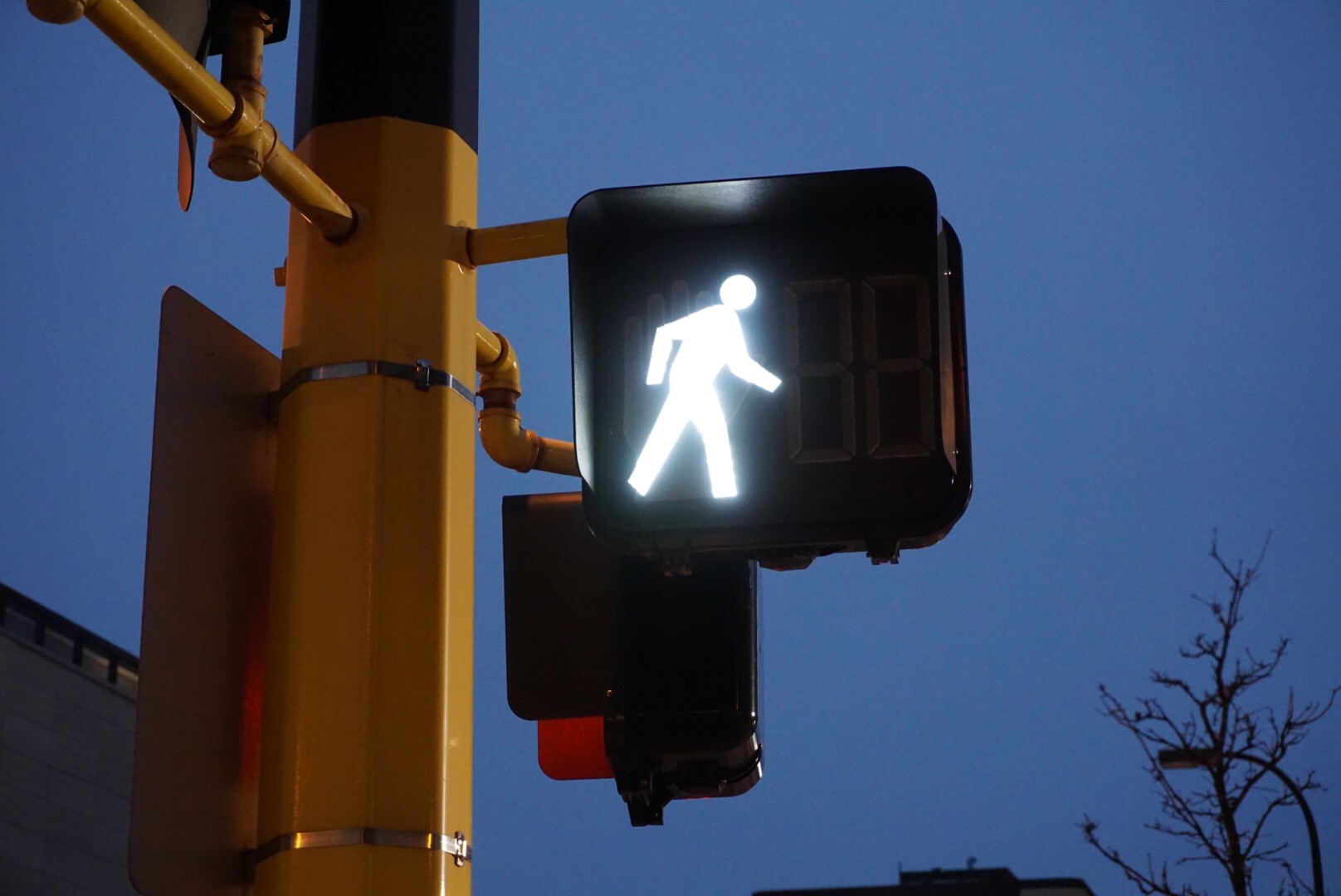
Going to different places means seeing things that are familiar…and well, ordinary. I like to notice the new…the magnificent architecture, the iconic art…but sometimes find myself snapping a photo of the familiar, like this walk sign. (Now I find myself wondering if walk signs are really the same all over, maybe I need to take some more photos of them! This one is from Minneapolis.)
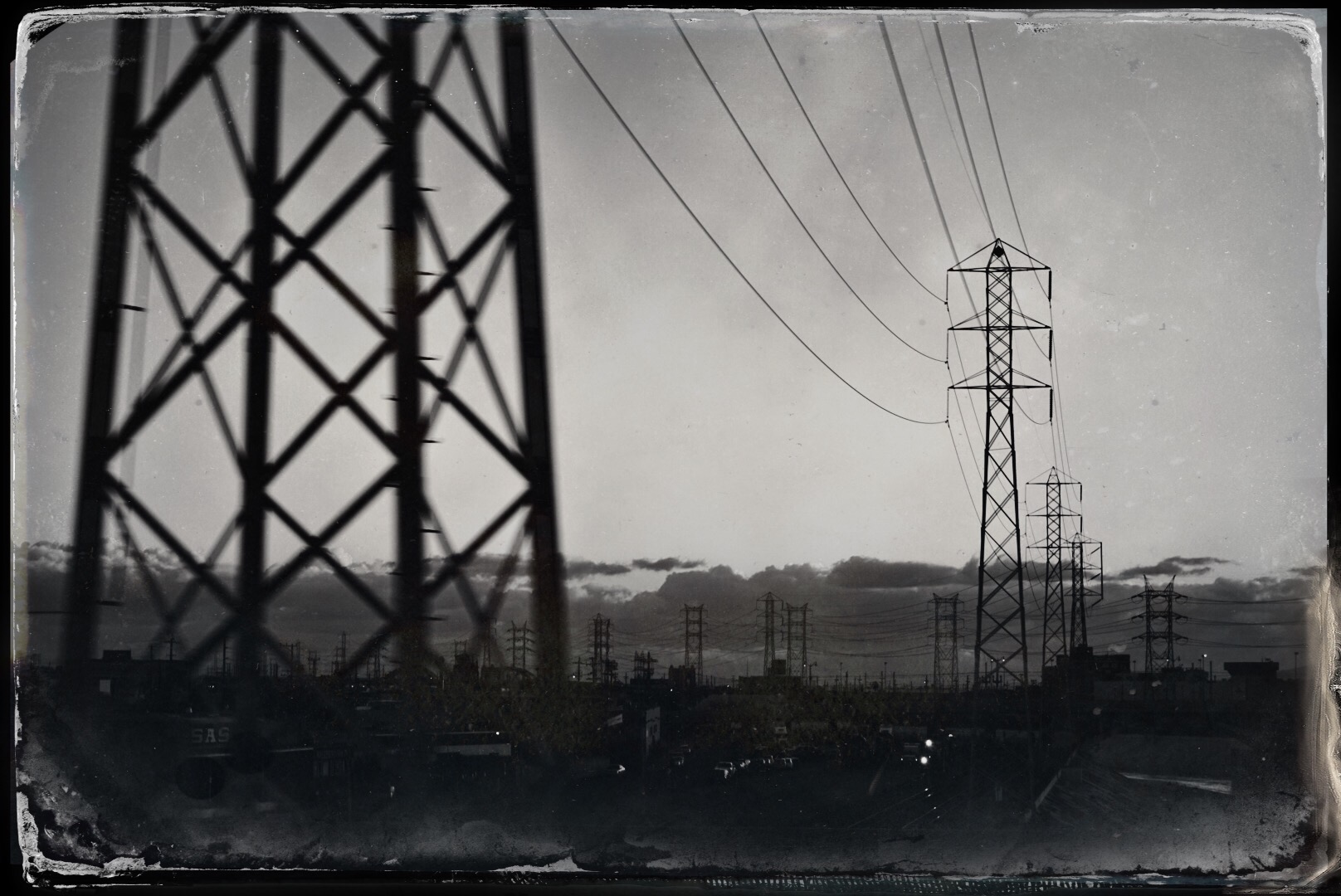
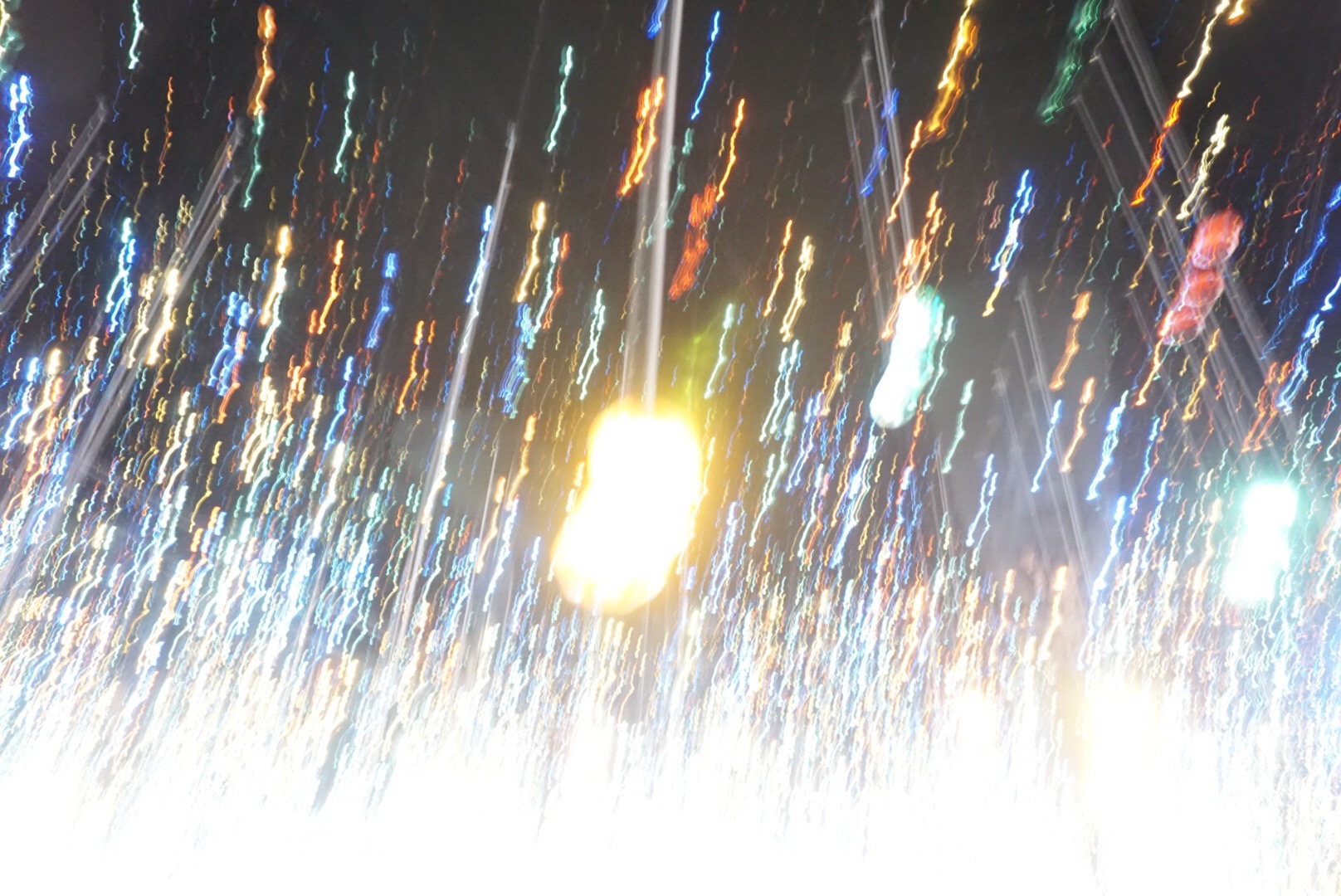
And then there is light. Sometimes it is sunlight, sometimes moonlight…and sometimes a wonderful art piece that is all about light. Add dark to the light and the camera creates effects that are even more interesting, reminding me that we can’t always capture images as we see them…sometimes they create themselves right in our own hands in front of our eyes.
To get you started, here are some prompts for the month:
Spaces
Places
Movement
Relationships
Home
Outdoors
Family
Story
Favorite
Gift
Memory
Dozen
Night
Nature
Quiet
Rhythm
Sharp
Warmth
Flame
Moment
Light
Sky
Doors
Ground
Celebration
Water
Delicious
Hands
Reflect
Dance
New
As always, our challenge will allow us to learn from each other as we shoot our own photos and study the photos others shoot. The prompts are there to help you pay attention to your world and reflect on the year and your experiences. You can use them in order or pick and choose as you like–you are welcome to add a new prompt into the mix if you are so moved. You can post every day, once a week, or even sporadically throughout the month…whatever works in your life.
Be sure to share and tag your photos with #sdawpphotovoices so we can find them! You can share on Twitter (follow me @kd0602), on Instagram (@kd0602), in the CLMOOC community on G+, on Flickr, or even link back to my blog here.
Let’s look closely to look back and move forward as we bring 2015 to a close. Enjoy the winter holidays, whatever version you celebrate, and let your camera help you find the joy and wonder of the season.
As a photographer I am attracted to things I find beautiful…interesting shapes, saturated colors, cute furry animals, sweet children. But today was different.
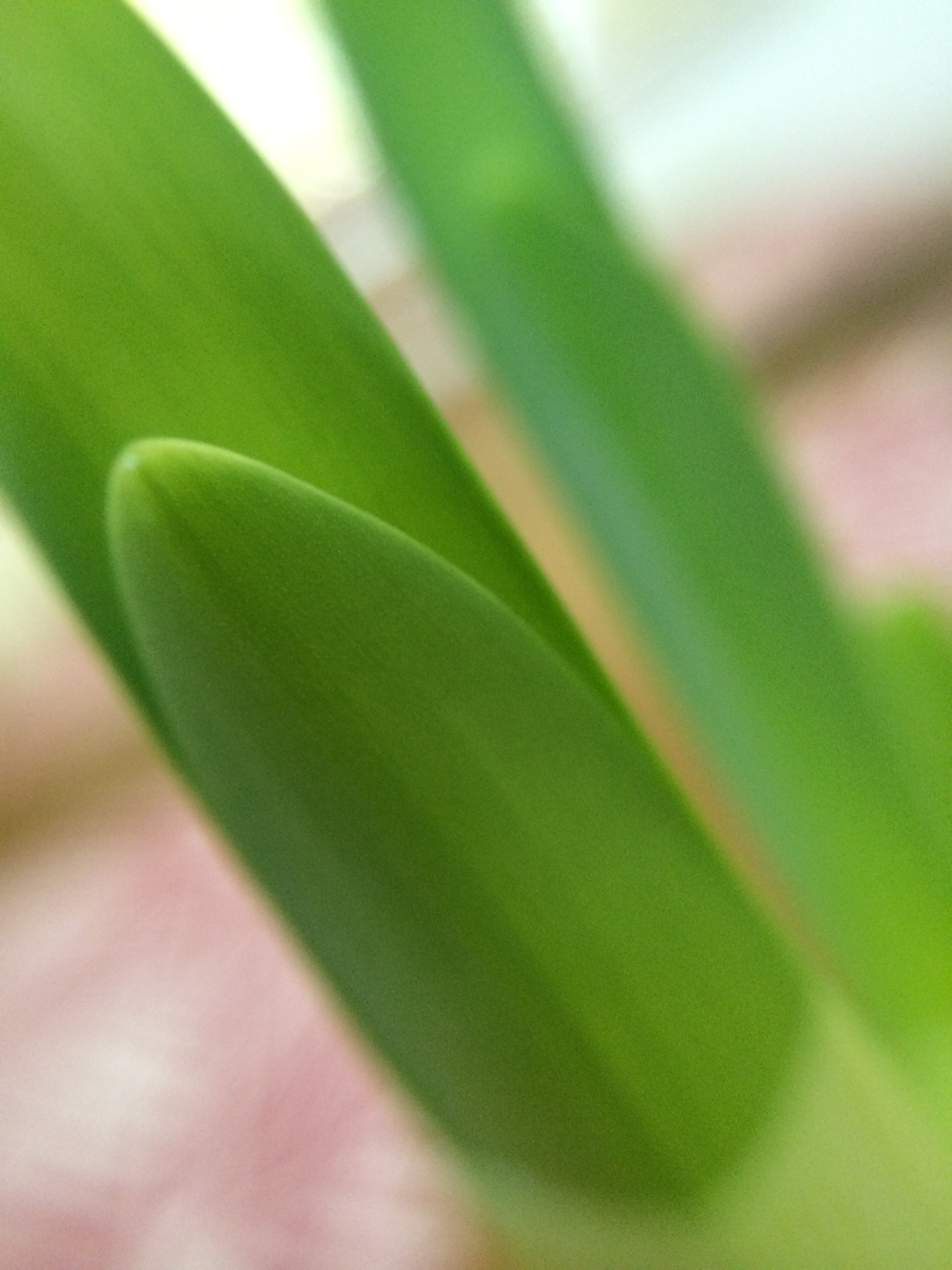
Using my macro lens, I was taking photos of a paperwhite bulb that is beginning to emerge, capturing the brilliant green shoots emerging from the jar.
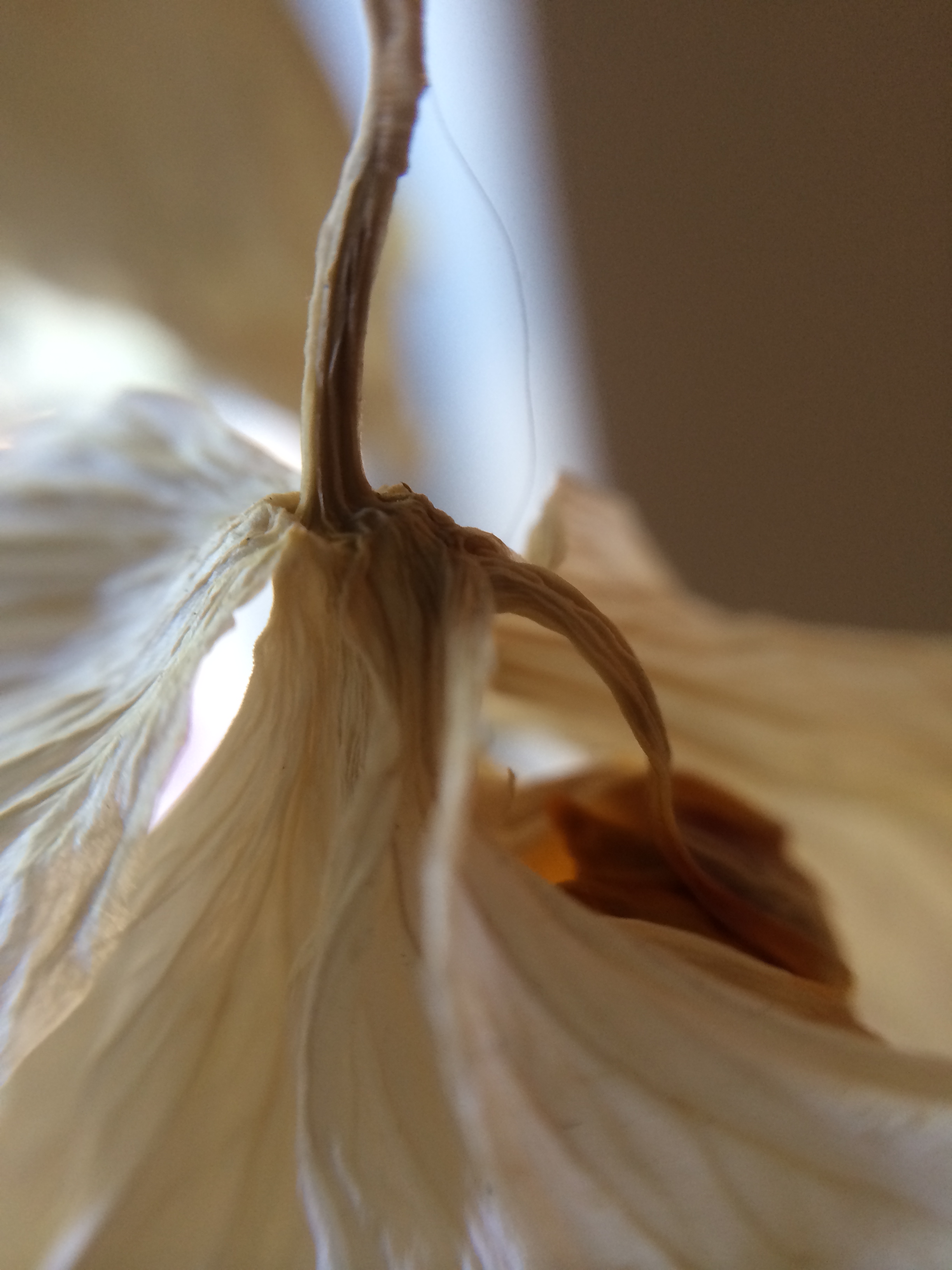
But I wasn’t done exploring with my lens. I noticed the orchid in the kitchen window still hanging onto the dried blossoms. I should probably pull off these dead remnants, but instead I aimed my macro lens and captured a beautiful image of the dried and withered petals.
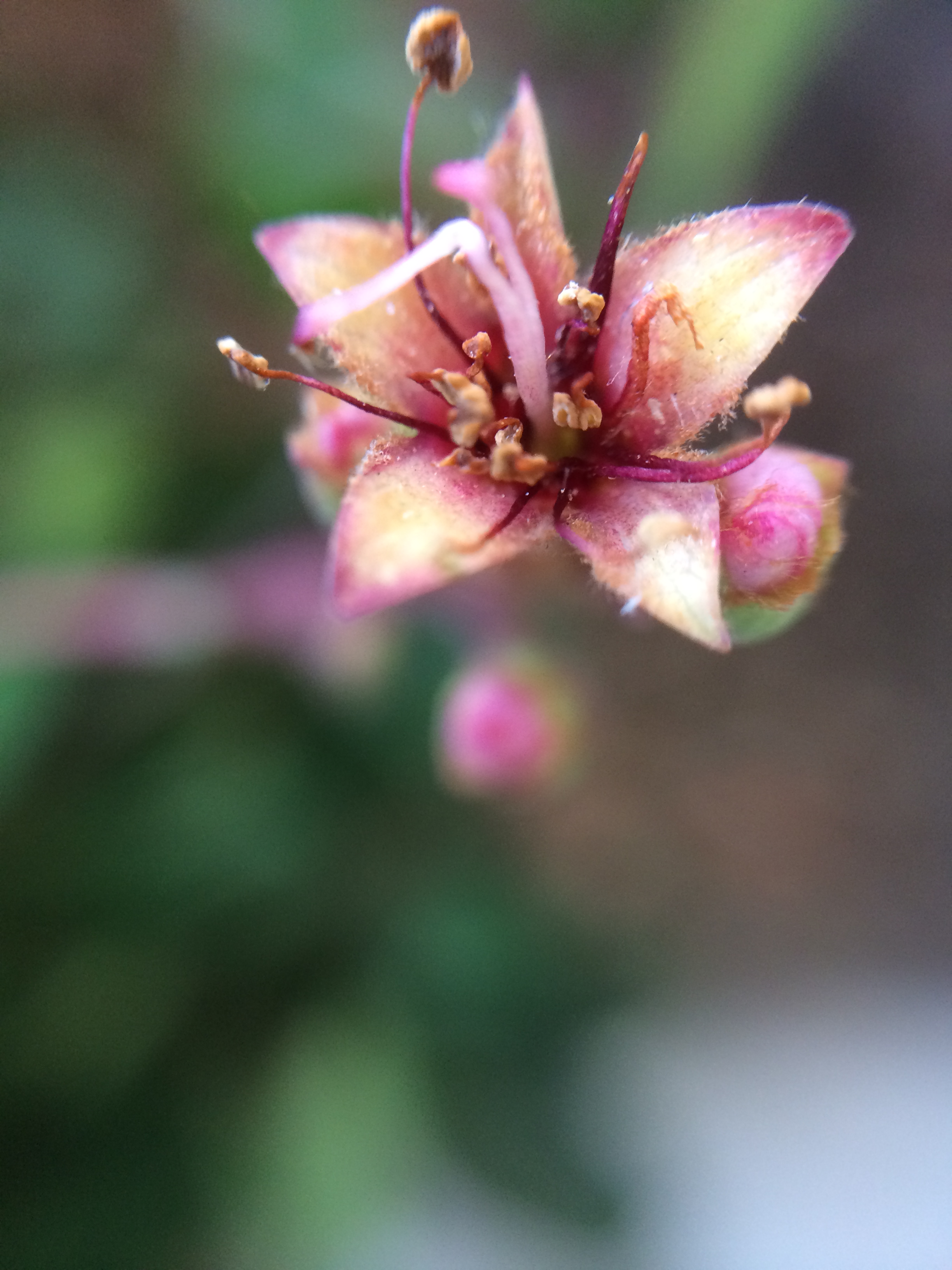
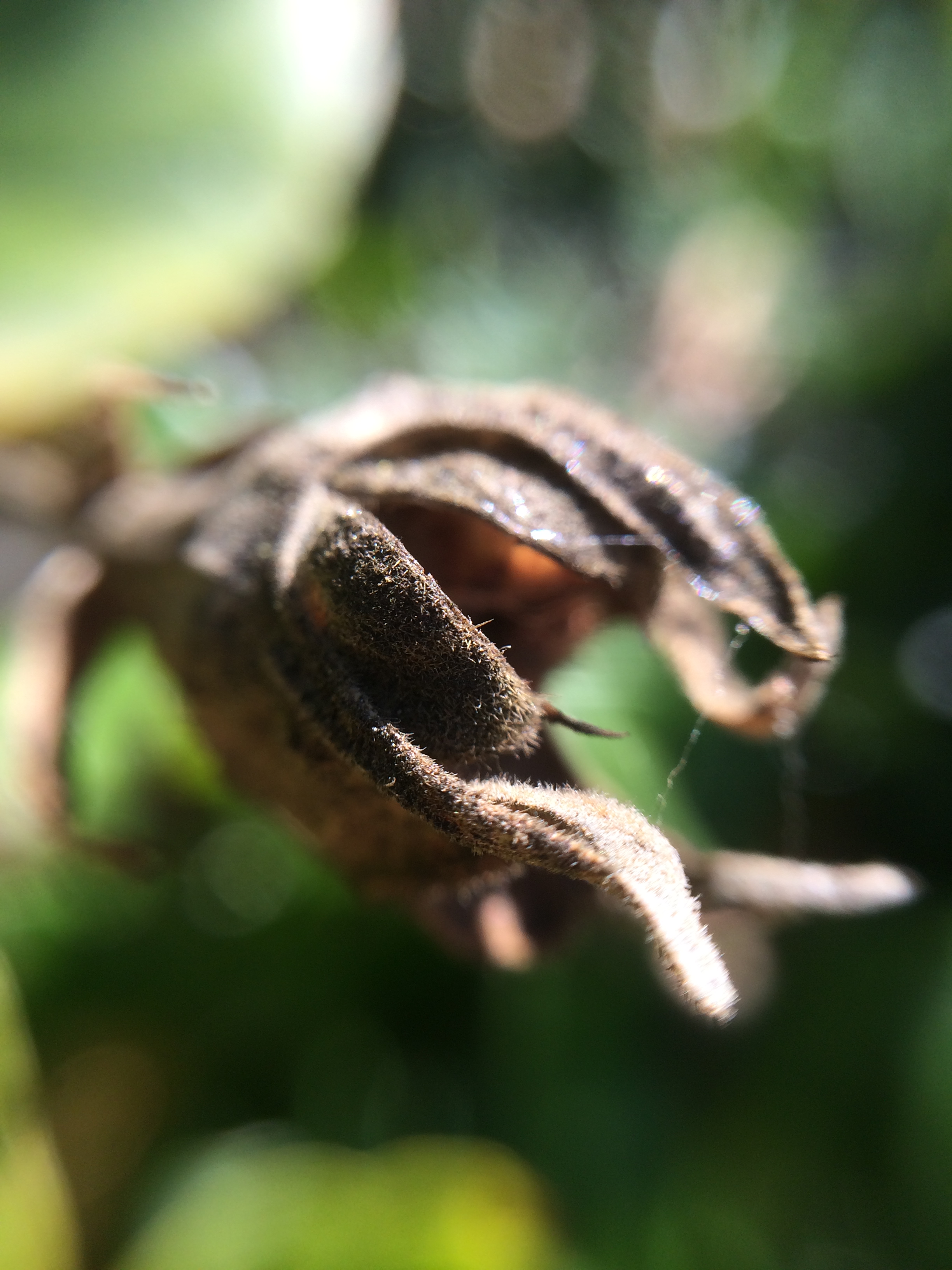
I headed outside into the unusually warm December morning, still looking for opportunities to get close. I noticed this dried blossom on the hedge and leaned in.
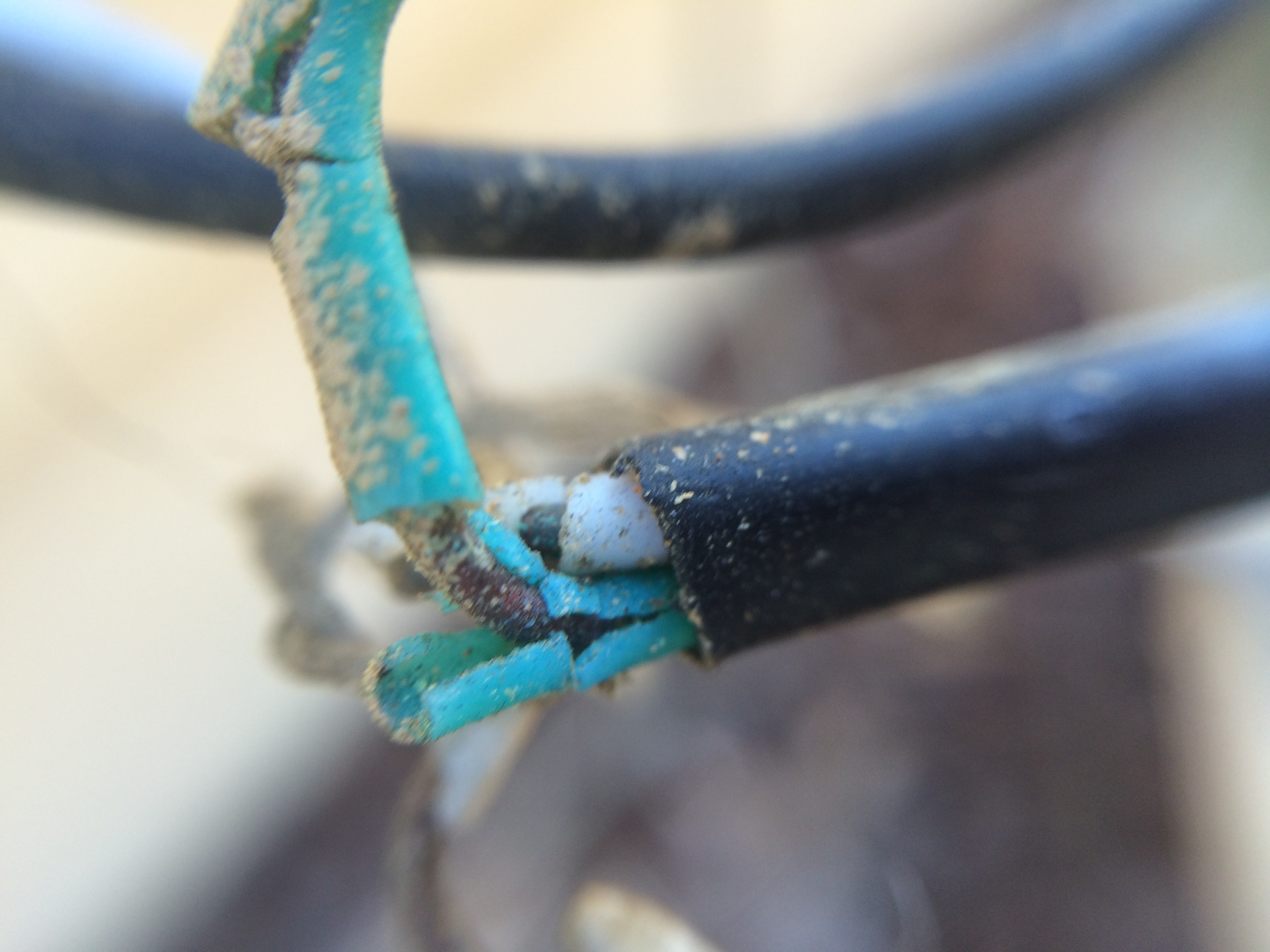
Then I noticed the old wires on the part of the sprinkler system that has been disabled. There’s a certain elegant beauty to the turquoise plastic revealing the coppery wire within.
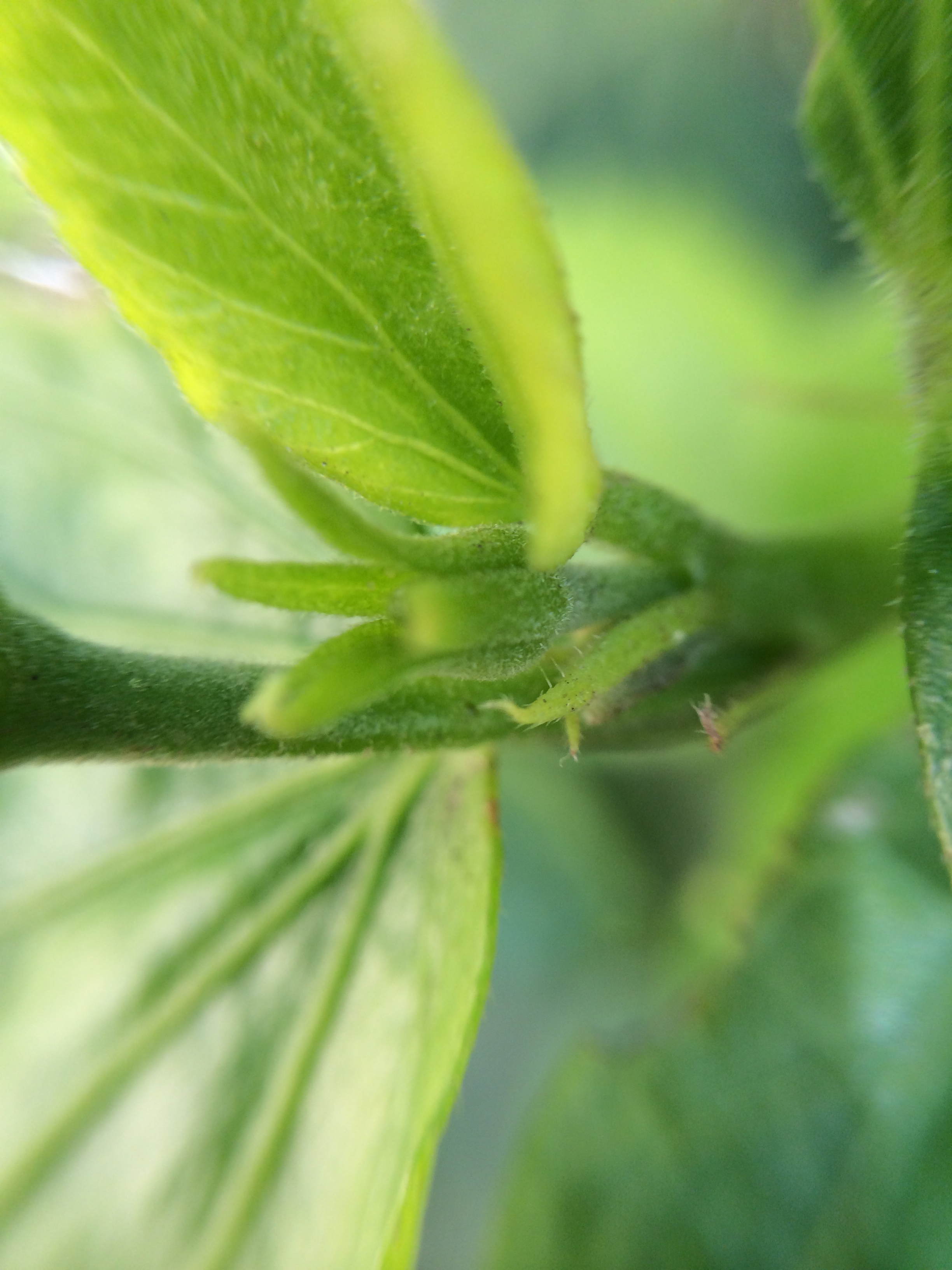
I headed around the corner toward the hibiscus plant. It has tiny shoots of green emerging along with dried remains of previous flowers.
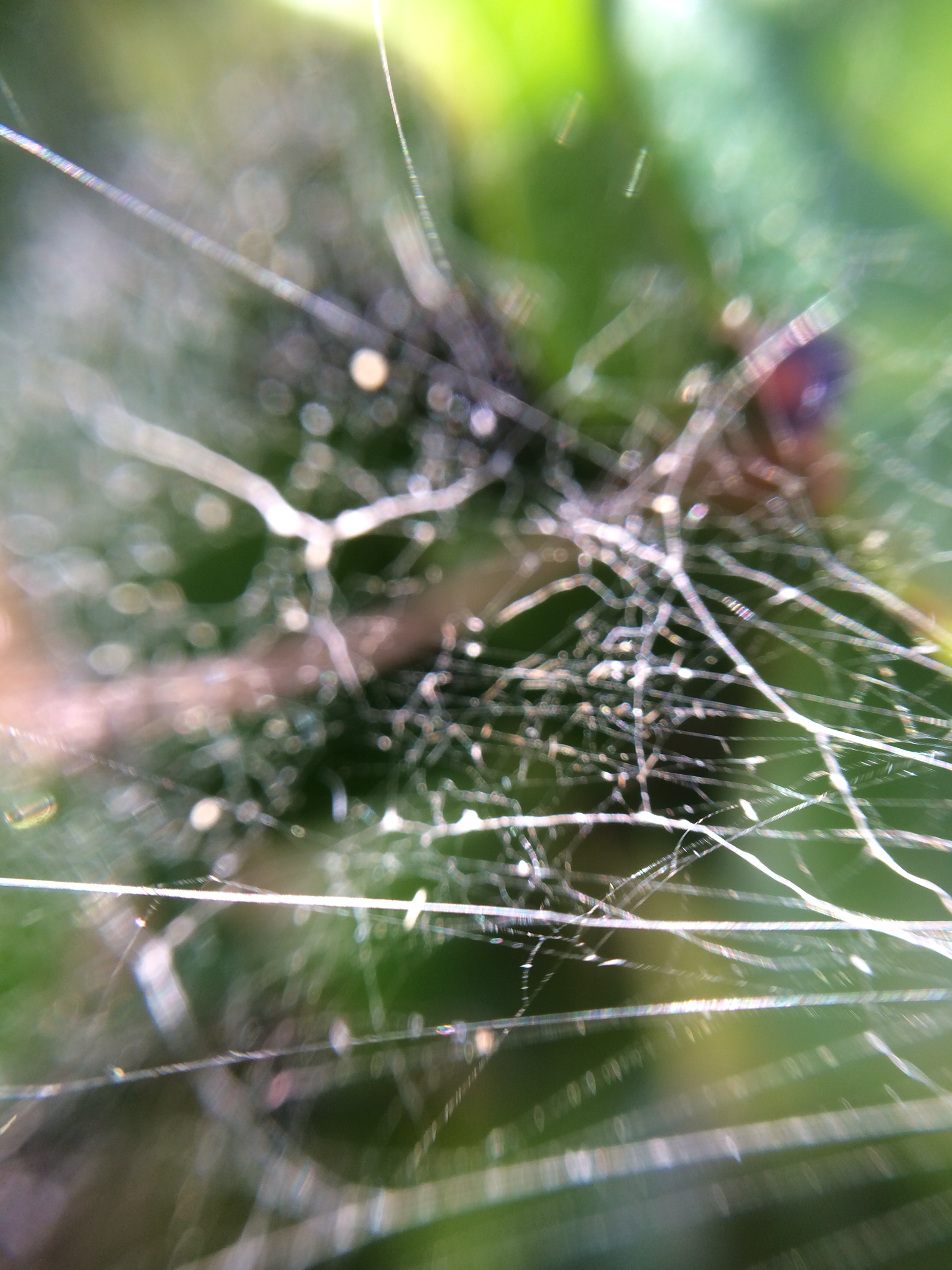
And I have a love/hate relationship with spider webs. They can be elegantly beautiful like delicate lace, especially when they capture drops of dew or rain. And they can be a messy nuisance. But when you look closely, you can see past the mess and notice the intricacies of design and the way the sunlight plays with the thin strands.
I found myself looking for things I would otherwise think of as ugly as I photographed with my macro lens this morning…and I found unexpected beauty and experienced the joy of discovery in my re-seeing.
All of these unedited photos are yet another reminder that there is plenty of beauty to find in our world if we take the time to look past the obvious and consider perspectives beyond what is conventionally accepted.
Where do you find beauty? Do you find joy in the unexpected?







 Thinking Through My Lens