Tag Archives: learning

Stories in Glass: Reflections on Making and Learning

Intense heat and human breath give shape to these vessels. Twirling, pinching, another breath, back into the fire, working and reworking until art emerges from what was once sand and rock. Is this what makes us human? The ability, the desire, the necessity to make…to create from the materials around us?

Evidence abounds, from cave paintings to stained glass creations, super-sized cloth installations that line valleys and islands and spray-painted graphics on the sides of railroad trestles and freeway overpasses. They all suggest a need to make and mark our world.

A visit to the Chihuly glass museum in Seattle served to pique my interest in this question of making and art. I love an art museum and had heard from others that this was a museum worth visiting. I had seen photos of glass art and had already visited a glass studio, just down the street from our favorite donut shop in Seattle. Yet, I was prepared to be underwhelmed, to see beautiful bowls and other vessels, delicate blown glass creations too pricey for my budget.

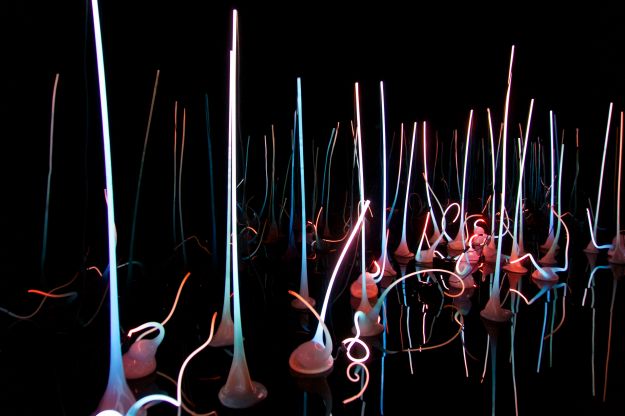
Instead, I walked into the first display and was mesmerized. My eyes were drawn to the white: shiny glass lighting up a dark room. Long stalks of lighted glass protruding like shoots from irregularly shaped bulbs. As in nature, the irregularities were an essential part of the beauty as this stalk curved, that bulb leaned. It was impossible to see where one piece ended and the reflection from the shiny black floor began, creating a sense of infinity that stretched the exhibit well beyond its actual size. This wasn’t a piece of blown glass that I was enticed to purchase, this was an installation of many glass pieces arranged and lit to create an effect. I was drawn to the description “…created by simultaneously blowing and pouring molten glass from a stepladder to the floor below…electrically charged by argon and mercury…” I stopped to take a picture or two, knowing that I would want to look at it and think about it again and again.
glass_white

I moved from space to space, now intensely curious about what each turn would offer. In one room an enormous sculpture twisted and curled to the ceiling; fish, octopi, and other sea creatures nestled within it. In another, the room was bare…until I looked up and found a glass ceiling filled with individual pieces that together created a stained-glass effect of intense color and variation. When did glass bowls and balls morph into something more: stories in glass, sweat, heat and breath?

I find myself thinking not just about the exhibits and sculptures, but about the maker and making behind the art. I’m a maker too. As a writer and blogger I use words to pull ideas closer so that I can think about them, poke and prod at them, turn them over and look under them, and invite others to look along with me. As a photographer, light becomes my medium to inscribe meaning through my camera lens. And I know that ideas in my head often don’t come out through my words or my lens in the ways I intend. But that, for me, is part of the allure…the seduction of making. I surprise myself with new understandings born from moving my fingers on the keyboard or ducking under the bench to get closer to the weed growing along the crack in the sidewalk.

I’m reminded of Seymore Papert and his theory of constructionism. In this theory, different from constructivism, learning happens when the learner is engaged in a personally meaningful activity outside of their head that makes the learning real and shareable. The activity could be making something tangible like a robot, a puppet, or a model bridge—or it can be something less concrete like a poem, a conversation, or a new hypothesis. What’s important is that the making come from the learner rather than being strictly imposed and directed from the outside (from a teacher or an employer). This element of choice and ownership often propels the maker to tinker and improve their make to meet their own criteria for better, allowing for reflection and reworking based on that reflection. This self-directed making can be a challenge in the classroom.

Traditionally it is teachers who direct and make decisions about student learning. So it’s important to create spaces that allow students to see possibilities beyond their own experiences, yet still offer choice and opportunity for experimentation and iteration. Chihuly’s first experience with glass blowing came from a college classroom assignment that required him to incorporate a nontraditional, non fabric material into a weaving. He wasn’t directed to use glass, but may not have experimented with glass without the constraints and possibilities of the assignment.

Making is about transformation. Transformation of materials, like glass or words, or images through a lens. It is also about transformation of thinking and ideas. And it begins in playfulness. Mitch Resnick of the MIT media lab describes a cycle of learning (and making) based on his observation of young children. Beginning with imagination and spiraling out to creating, children make and learn based on their ideas. As they play with their creations and share the ideas and creations with others, they have opportunities for iteration and reflection on their experiences, which leads them back again to imagine new ideas and new projects to work on or ways to improve their original idea.

I could see this in Chihuly’s glass creations. Elements of one sculpture showed up in new ways in another, chandeliers hanging from ceilings in one display turned into bigger and more elaborate free standing sculptural elements in another. And yet, each also showed new thinking—about color, about translucence and light, about placement and size, about cultural references and interactions with the larger world. I watched a few videos that included Chihuly’s reflection on his work where he talked about how his experience with a particular exhibit gives him vision for the next. I was particularly interested in the garden beneath the Space Needle in Seattle and its origins. I learned that this space, formerly a parking lot, was a blank canvas for Chihuly, something he—in collaboration with the landscape architect—could transform to allow others to see the beauty of his hometown in new ways, to expand their experience beyond the glass into the fairyland where light and glass and flowers and bees play with the backdrop of Mount Ranier and the Space Needle. Chihuly’s reflective videos helped me see and understand the spiral of experience and design and how it propeled him to new ideas and new thinking about his chosen media.

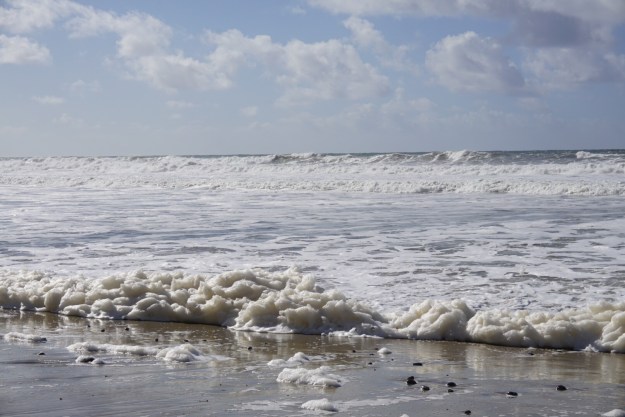
Photography is like that for me. I find myself looking at my world through the lens of my camera, and instead of limiting my view, the lens draws my attention to details of light and shadow. I see the variation of blues in the ocean waves and the foamy white of the lacey breakwaters. The white head of the bald eagle catches my attention and I watch, rapt, as it dives and swoops and then soars into the trees. I have many photos that are not taken, where I’ve missed the moment because I moved too slowly, had the wrong lens in place, or simply had to stop and wait and watch. But those missed photos become inspiration and information for tomorrow’s attempts. As I imagine, make, share and reflect, new thinking emerges and my understandings transform.

I want this for my students too. Opportunities to make and create new understandings, to transform the world as we know it. Learning, like blowing glass, needs to nestle close to the flame—the flame of needing and wanting to know and understand—and then the learner takes a breath and blows out and maybe even includes the breath of another to add dimension, depth, and diversity. Learning needs to be shaped by the learner, to expand beyond basic facts and figures and matter in the world, and in the world of the learner. Learning needs space for reflection and nudging from co-learners and outsiders—and teachers and employers—to expand the realm of the possible. Maybe we need a museum for visitors so they can walk through the breathtaking beauty of learning at the hands of those who learn best: children.

Rather than pushing children to think more like adults, we might do better to remember that they are great learners and to try harder to be more like them. –Seymore Papert

Poetry Play

We challenged the SDAWP SI folks to transmediate their own writing by adding sound and/or animation.  And that meant that I had to figure it out too!  I know I am most comfortable with still photographs and words, so this pushed me out of my comfort zone.  After some frustrating attempts at other applications, I turned to iMovie for my make.  I used my original photos along with a couple others had taken of our group, added a poem I wrote on yesterday’s writing marathon around the UCSD campus, and then recorded my voice.

Here’s my first attempt:

I am wishing that I had taken some video on the writing marathon to add some other texture to the piece. What suggestions would you make to improve this piece?

Watch Them Soar

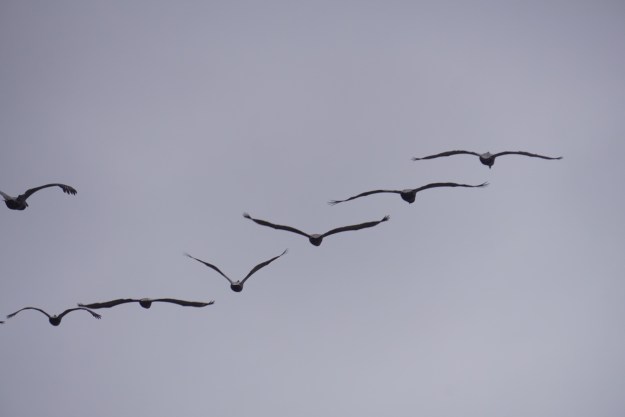
I can watch them for hours as they coast on the air currents high above my head. They seem to play with each other…follow the leader, tag, red rover red rover won’t you come over… Some arrange themselves in perfect formation, vees of aerodynamic perfection performing intricate maneuvers in mid flight. Others fly solo, seemingly free from the attachments of family or community.

img_1482

Birds are hard to photograph.  Maybe that’s the draw for me.  They don’t sit still and the slightest movement sends them to the sky.  They seem spare and compact, unlimited by the constraints of time and space.

“In order to see birds it is necessary to become a part of the silence.”

Robert Lynd
Birds require patience and silence.  I have to sharpen my senses, still my heart, and settle into the landscape to have a chance to watch them in action.  And when I pay close attention I learn a lot about the unique qualities of the birds I am watching–and maybe something about myself too.

img_1518

Watching birds is a lot like teaching.  The most important part of my work is getting to know my students.  I have to recognize the subtleties of their behavior, knowing when to let them grapple productively and when to step in and offer support–a place to perch until their wings are ready for the next flight.  I have to remember to be still and let the learning come rather than force my pace. Patience and silence are important here too.
img_1499

Like students, birds often seek cover, blending in with their surroundings rather than risk standing out in the open, exposed and vulnerable.  But when the space is safe enough and if you listen carefully, you’ll hear their song.  And with time you recognize those voices, even when you don’t see them.

img_1491

When the light is right for a mirror-perfect reflection, I realize that I love birds in the wild but resist the idea of caging these creatures. Yeah, they’re easier to get close to and photograph in a cage–but something essential is missing.

img_1521

But mostly, birds and students give me hope.

In the words of Emily Dickenson:

“Hope” is the thing with feathers –

That perches in the soul –

And sings the tune without the words –

And never stops – at all –

Watching birds reminds me to expand my self-imposed limits and to give my dreams flight–to take to the metaphorical skies and soar.  And that’s what I want for my students too.  Their lives are awash in possibility. I hope that my small breath under their wings helps lift them to pursue their interests and passions.

img_1516

So they can soar.

One Little Word: Expand

It’s that time of year…time to choose a word to guide my year.  I’ve already selected and rejected several, testing them only to find out they were too literal or too confining, not the inspiration or guide I am looking for.

Last year I chose explore…and indeed I did explore.  I looked under rocks, climbed up mountainsides, and discovered landscapes beyond my usual experiences.

mushroom fairyland

A mushroom fairyland found in Olympic National Park near Seattle, WA

The year before that I chose play for my one little word.  Play reminded me to find the fun around me, to push against my seriousness and to make time for myself.

Hiking Merry Christmas

On top of Iron Mountain

This year I am anticipating change.  I will take on an important new role in my life.  Very soon I will be grandma to not one, not two, but three baby boys!  And I can already feel my heart expanding as our family grows.  Over the last several years, I’ve been watching my sons walk the path toward fatherhood, becoming loving and attentive husbands and dog dads…and now nurturing, caring dads-to-be.  My amazing daughters-in-law are big in belly and heart, one carrying identical twins, both women already imagining how they will balance motherhood and work, family and friends.  I had such fun spending time with them over the holidays–talking about their dreams and fears, and watching the babies push and bump, making their presence known from the inside out.  I am lucky that even when I am not with my sons and daughters-in-law, I am the recipient of updates and what were at first mysterious sonogram portraits, becoming more familiar and now revealing hints of the features of the babies that will soon enter the world outside their mothers’ bodies. As grandma, I anticipate building new relationships with my sons and daughter-in-laws…and with these little boys who are my grandsons.  (I can’t wait!!!  The time has passed both excruciatingly slowly and in a blink of an eye, it won’t be long now!)

And I want to continue my growth in other areas of my life as well.  I am continually looking for ways to expand my understanding of teaching and learning.  How do I create conditions where learning can happen–both for my students and for myself and other adults in the room?  How do I facilitate learning within our writing project community–for myself and the others who comprise this inspiring group?  How do I ensure there are pathways that welcome new voices and new perspectives, enriching our educational community by increasing the diversity within our community?

I also want to continue to play and explore the world on my own terms. My photography continues to be a tool that encourages me to try new things and expand my visions of what is possible.  We already have some places to explore on our wish list…as nearby as Yosemite and some international destinations as well.

And so, my one little word this year is expand.  I hope to expand my heart and mind, my understanding and empathy.  I am striving for an expansive year of growth, of love, of adventure, of relationships (and not of my waistline!).

fields on I5

Space to expand…both in front and behind!


Weekly Photo Challenge: Best Of

Since our Weekly Photo Challenge corresponds with New Year’s this week, what more perfect prompt than taking the time to pick a few of your photos from 2015 for a “best of” gallery to usher in 2016?

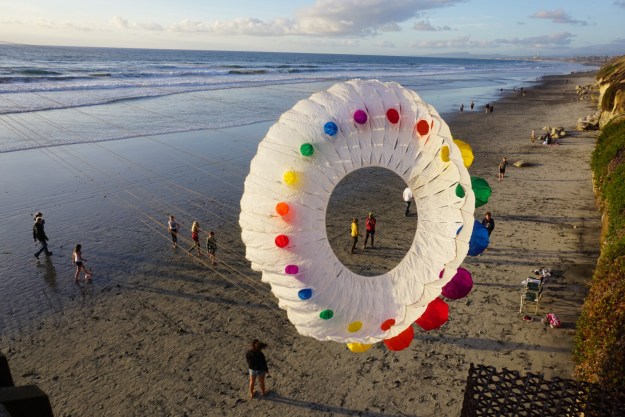
I went all the way back to the beginning of 2015 and after a lot of looking picked a few of my favorites.  These first three include a shot of the brilliantly colored produce at the Grand Central Market in downtown Los Angeles, a winter beach scene with kites flying from behind the lifeguard tower, and a dying tulip in the light on my dining room table.

These next three move to the beginning of summer.  The first is one example of my ongoing experimentation with night photography this year, the San Diego County Fair at dusk.  Then there is a sunset photo taken on the summer solstice and a shot taken from a sailboat out on the ocean off San Diego of a sailboat on the ocean off San Diego.

A trip to Chicago created many new memories for my husband and me.  I conquered (or at least faced) a fear of heights with a trip up Sears Tower, viewed the magnificence of the city skyline from another high perch in the Signature Lounge in the Hancock building, and appreciated the natural beauty of a bee at work in Millennium Park.

The beach continues to inspire my photography, my writing, and allows me to reflect and relax. I take photo after a photo there.  Sometimes I travel to other beaches.  Dog beach offered a view that I don’t see at home. A trip to Catalina island brought me up close and personal to this friendly pelican.  And my local beach is always changing.  I found this tractor in the early fall building a berm on the beach to protect against the winter storms.

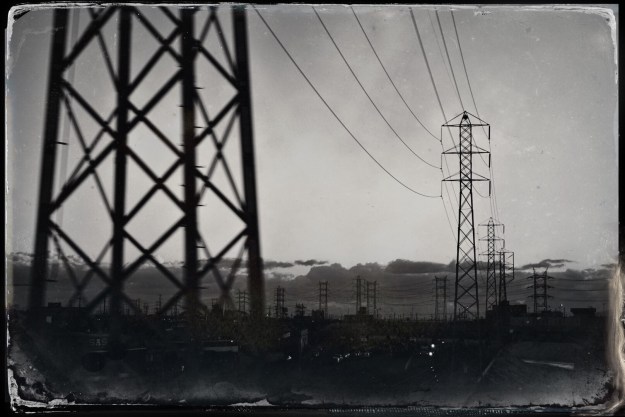
There is always inspiration at museums…like the reflective lights from the Kusama exhibit at the Broad Museum.  I’m learning to find ways to get beyond simply being annoyed by traffic and long road trips.  Some “out the window” photography allowed me to appreciate electrical towers in Los Angeles.  And there is so much to photograph in December.  I love the red of these tree stands in a Christmas tree lot near Walnut Creek.

So, take some time to take a walk through your photos and assemble a best of collection to share with the rest of us.  (Or, of course, you can shoot a few new ones to create this week’s best of!)

You can post your photo alone or along with some words: commentary, a story, a poem…maybe even a song! I love to study the photographs that others’ take and think about how I can use a technique, an angle, or their inspiration to try something new in my own photography. (I love a great mentor text…or mentor photo, in this case!) I share my photography and writing on social media. You can find me on Instagram and Twitter using @kd0602. If you share your photos and writing on social media too, please let me know so I can follow and see what you are doing. To help our Weekly Photo community find each other, use the hashtag #onthestreet for this week and include @nwpianthology in your post.

So take a walk down memory lane and pick a few of your favorite photos to share with us. What constitutes your best of?  What will you learn about yourself and your photography as a result? I can’t wait to see your Best Of!

Looking Closely to Look Back: December’s Photo-a-Day Challenge

We’ve reached the twelfth month, the last of the calendar year.  Traditionally, it’s a time for reflection, of taking stock of the year in order to make progress in the new year.

So…what if we look to the world around us, paying careful attention to what is currently in front of us–and use those images and related thinking to look back, to reflect on the year?

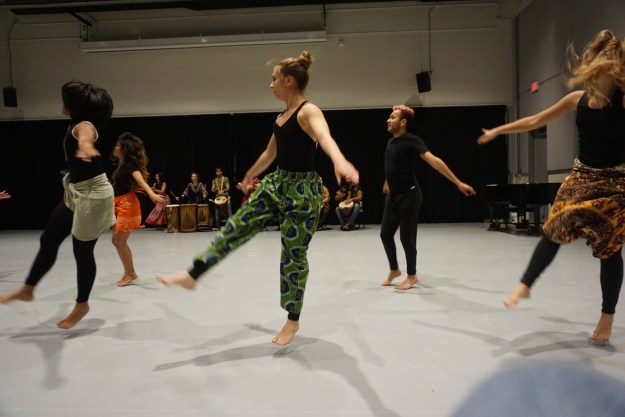
Just last week I had the opportunity to watch some college students dance (many thanks to my niece, a dance major).  Their energy and passion were obvious–and contagious!  Looking at this image reminds me that we are not attached to the the ground…we are also in flight, ready to follow our imagination.

IMG_7935

We tell ourselves so many stories–including stories that fuel our frustration and impatience.  Sometimes we need to reframe a story, view it from a new perspective to change our feelings and perceptions. Traffic can be a pain…or an opportunity depending on how your look at it.

HipstamaticPhoto-470355569.962430

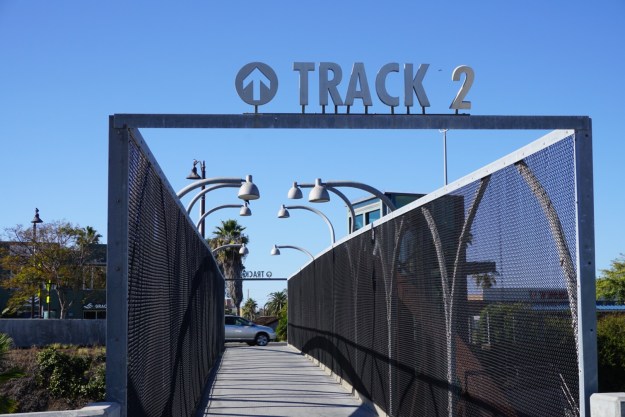
And sometimes doors don’t look like doors.  They might just be spaces you haven’t noticed before.  I’m determined to ride the train to Los Angeles one day soon…and this image will remind me to include this on my to-do list.

IMG_8017

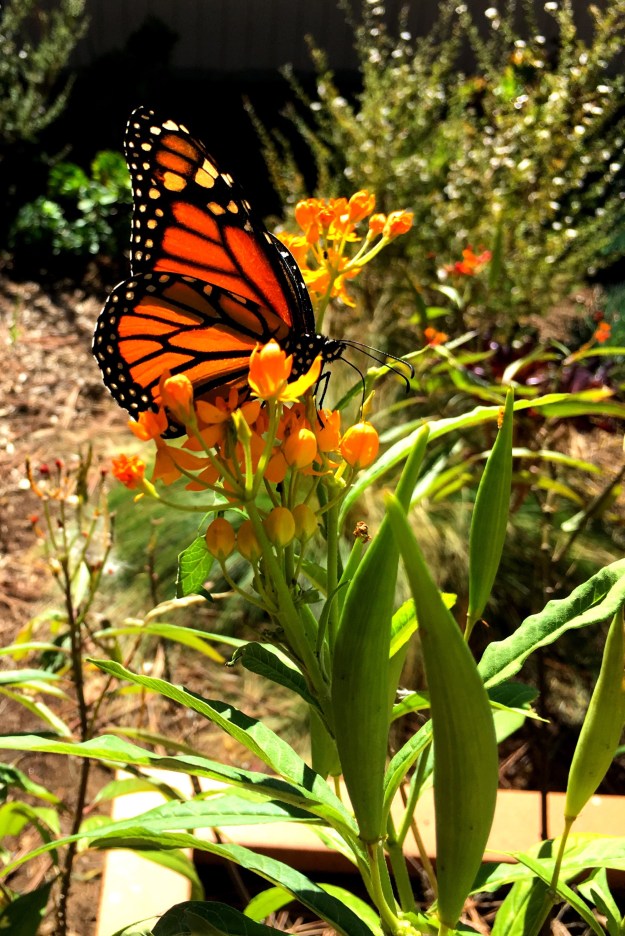
Those quiet moments of waiting and watching sometimes pay off in a beautiful photo, but always fill my heart with wonder and joy…even when the photo doesn’t happen.  I get just enough rewards like this one to remind me to stop, listen, watch, enjoy what is right in front of me.

IMG_7655

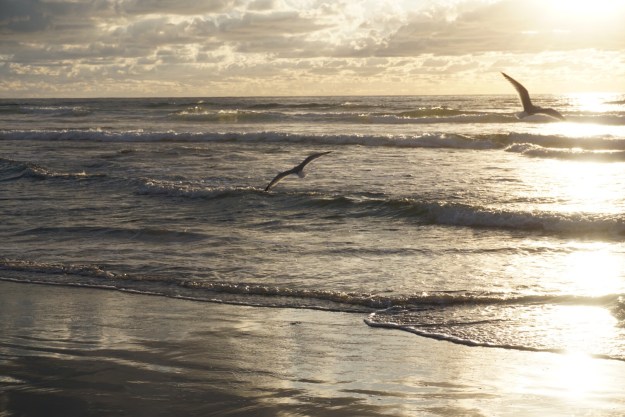
I see dozens and dozens and dozens of seagulls–at the beach, when I drive down the freeway, at school–and yet I never tire of them.  There is a certain elegance about taking flight, gliding on the currents, and over the currents (and waves) below.  Does anyone remember reading Jonathan Livingston Seagull back in the day?

IMG_7997

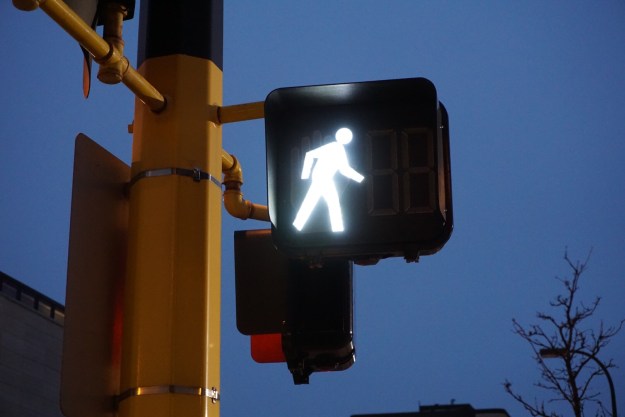
Going to different places means seeing things that are familiar…and well, ordinary.  I like to notice the new…the magnificent architecture, the iconic art…but sometimes find myself snapping a photo of the familiar, like this walk sign.  (Now I find myself wondering if walk signs are really the same all over, maybe I need to take some more photos of them!  This one is from Minneapolis.)

IMG_7875

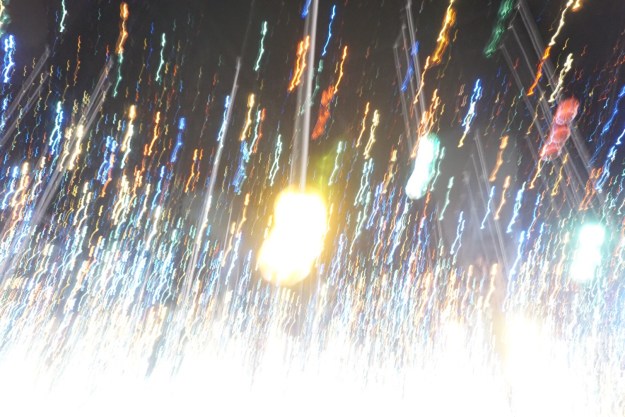
And then there is light.  Sometimes it is sunlight, sometimes moonlight…and sometimes a wonderful art piece that is all about light.  Add dark to the light and the camera creates effects that are even more interesting, reminding me that we can’t always capture images as we see them…sometimes they create themselves right in our own hands in front of our eyes.

IMG_7755

To get you started, here are some prompts for the month:

  1. Spaces
  2. Places
  3. Movement
  4. Relationships
  5. Home
  6. Outdoors
  7. Family
  8. Story
  9. Favorite
  10. Gift
  11. Memory
  12. Dozen
  13. Night
  14. Nature
  15. Quiet
  16. Rhythm
  17. Sharp
  18. Warmth
  19. Flame
  20. Moment
  21. Light
  22. Sky
  23. Doors
  24. Ground
  25. Celebration
  26. Water
  27. Delicious
  28. Hands
  29. Reflect
  30. Dance
  31. New

As always, our challenge will allow us to learn from each other as we shoot our own photos and study the photos others shoot. The prompts are there to help you pay attention to your world and reflect on the year and your experiences. You can use them in order or pick and choose as you like–you are welcome to add a new prompt into the mix if you are so moved. You can post every day, once a week, or even sporadically throughout the month…whatever works in your life.

Be sure to share and tag your photos with #sdawpphotovoices so we can find them! You can share on Twitter (follow me @kd0602), on Instagram (@kd0602), in the CLMOOC community on G+, on Flickr, or even link back to my blog here.

Let’s look closely to look back and move forward as we bring 2015 to a close.  Enjoy the winter holidays, whatever version you celebrate, and let your camera help you find the joy and wonder of the season.

Taking the Long View

There’s a temptation to view learning as quick and direct.  I teach it, you learn it…as simple as that.  You don’t learn it, you must not have listened, you must not have tried…or I didn’t teach it right or well enough.

But over the years I have learned that it is not as simple as that.

Learning is complex…and complicated.  And much of what is going on in terms of learning isn’t visible on the surface.  Like an iceberg, most of the structure lies below the the waters edge–we can only see the tip.

Some days I can see evidence of my students’ learning.  And with some students learning is easy to spot.  With others, it’s not so easy to see.  You have to dig, watch closely and listen carefully, and sometimes sneak a peek when they don’t know you are paying attention.

And most of all, you have to take the long view.

IMG_7591

Step back and wait.  Keep teaching and providing opportunities for active learning even when it doesn’t seem to be having the desired impact.  And I have to remind myself to think about my own learning processes too.  Like an onion, learning keeps layering on, building connections, drawing on what came before.  It takes time–sometimes longer than I want to learn new skills, to understand new concepts, to think in new ways.

But, I’m taking the long view.  I’m learning every day and so are my students, even if it isn’t noticeable to others.

Weekly Photo Challenge: Something I Learned this Week

I’m lucky.  As a classroom teacher I have opportunities for learning all the time…from my students, out in the community, from my colleagues, with my “colleagues at a distance” (on MOOCs and social media), …and at home, from my family…  I am surrounded by learning.

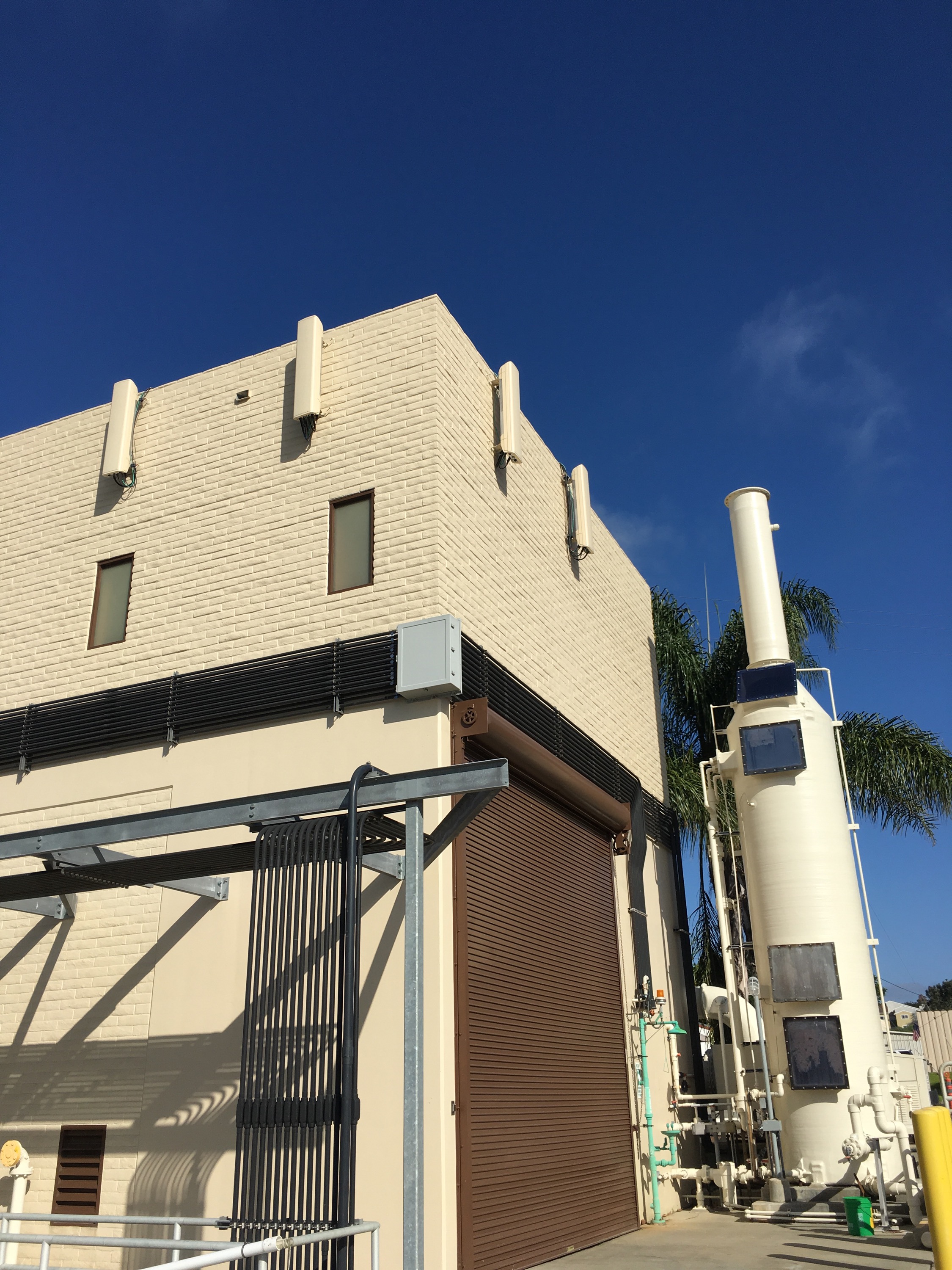
On Thursday, we had the opportunity to take our students to the local waste water treatment plant.  We’ve been studying water (something we don’t have enough of here in San Diego!) and have a parent in our class who happens to be the deputy mayor in our community.  She was eager to make the connection between the study of the properties of water and the water cycle and the municipal responsibilities of getting water to our taps and then treated as the water heads back out into nature’s cycle.  So when she asked if we’d like to have her arrange a field trip to the water treatment plant just a couple of miles away, we were eager to go.

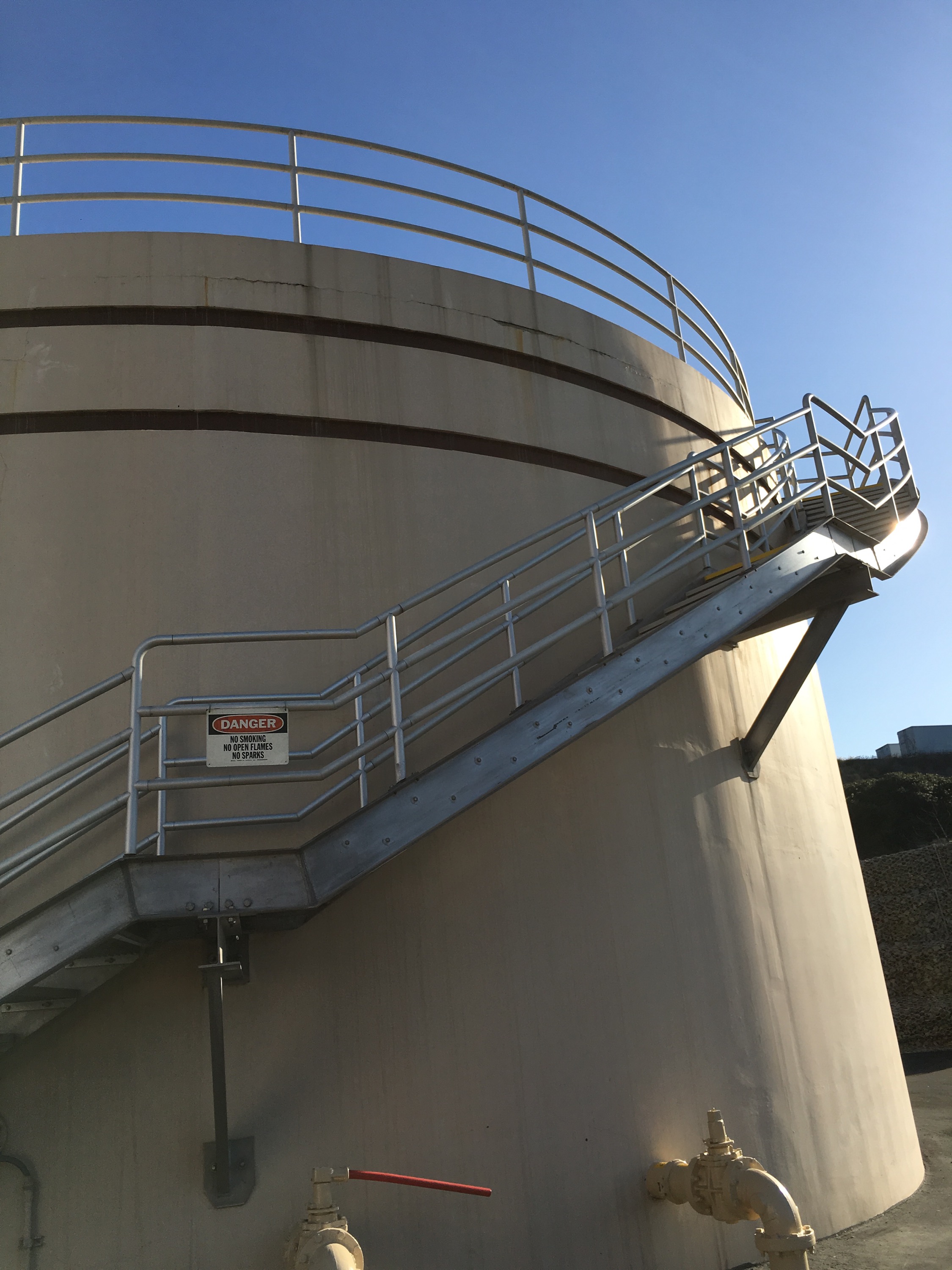
And even more fun, the water plant manager and the other employees were delighted to have us visit.  They had us break into three groups and then took us on a tour of the plant, carefully explaining and describing all the processes in the treatment cycle.  We started at the huge digester tanks, filled with the solid waste being cleaned by natural occurring microorganisms.  We learned that the temperature of the tanks is about the same as our body temperature when we have a fever…up to about 102 degrees.

IMG_7263

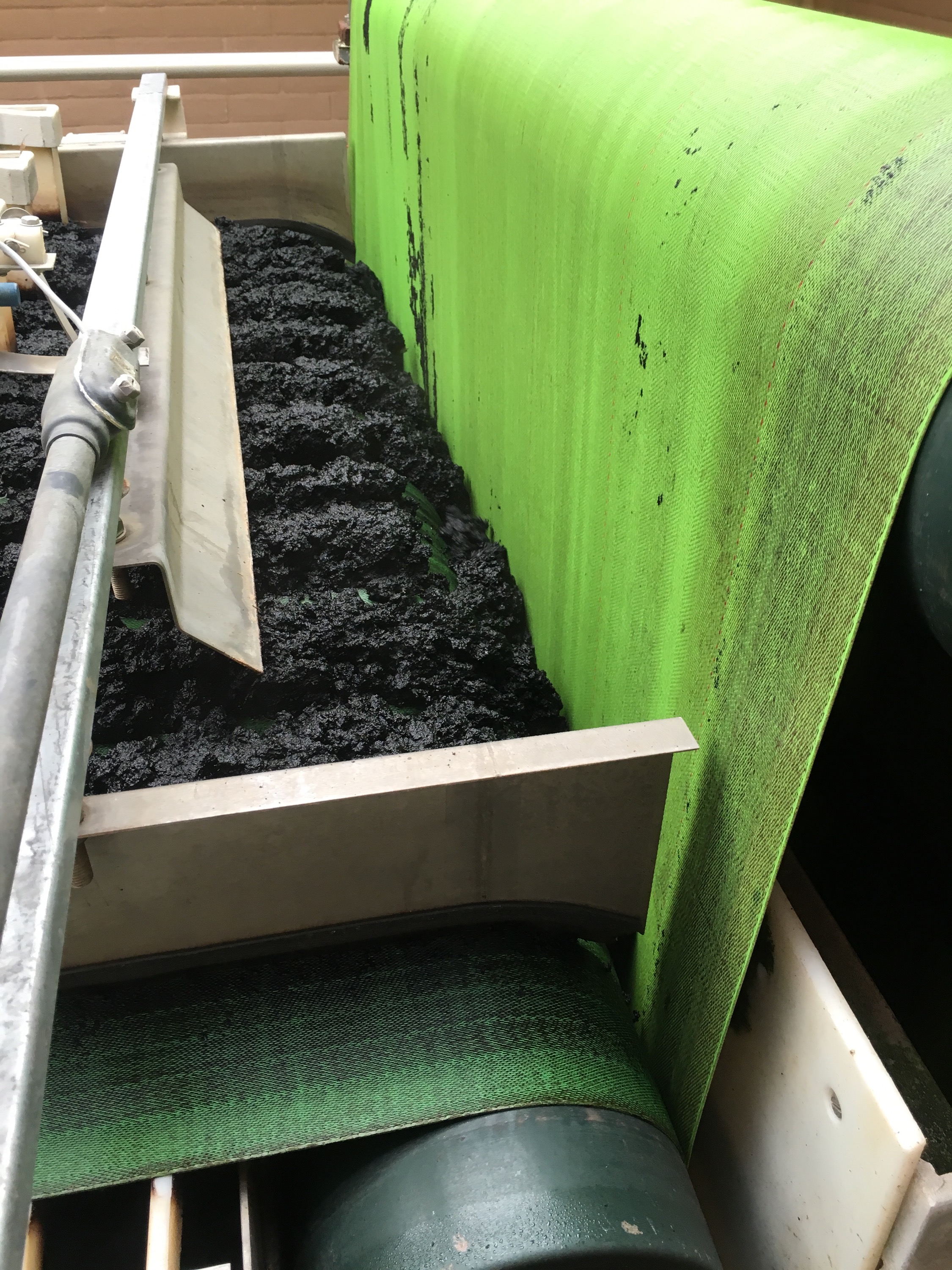
After spending 15 days in the digester, the now activated sludge is sent through a process that separates the water from the solids.  We watched the belts squeeze out the water and send the dry activated sludge into a truck to be hauled off to Arizona where it is used as fertilizer for livestock crops (alfalfa and the sort).

IMG_7272

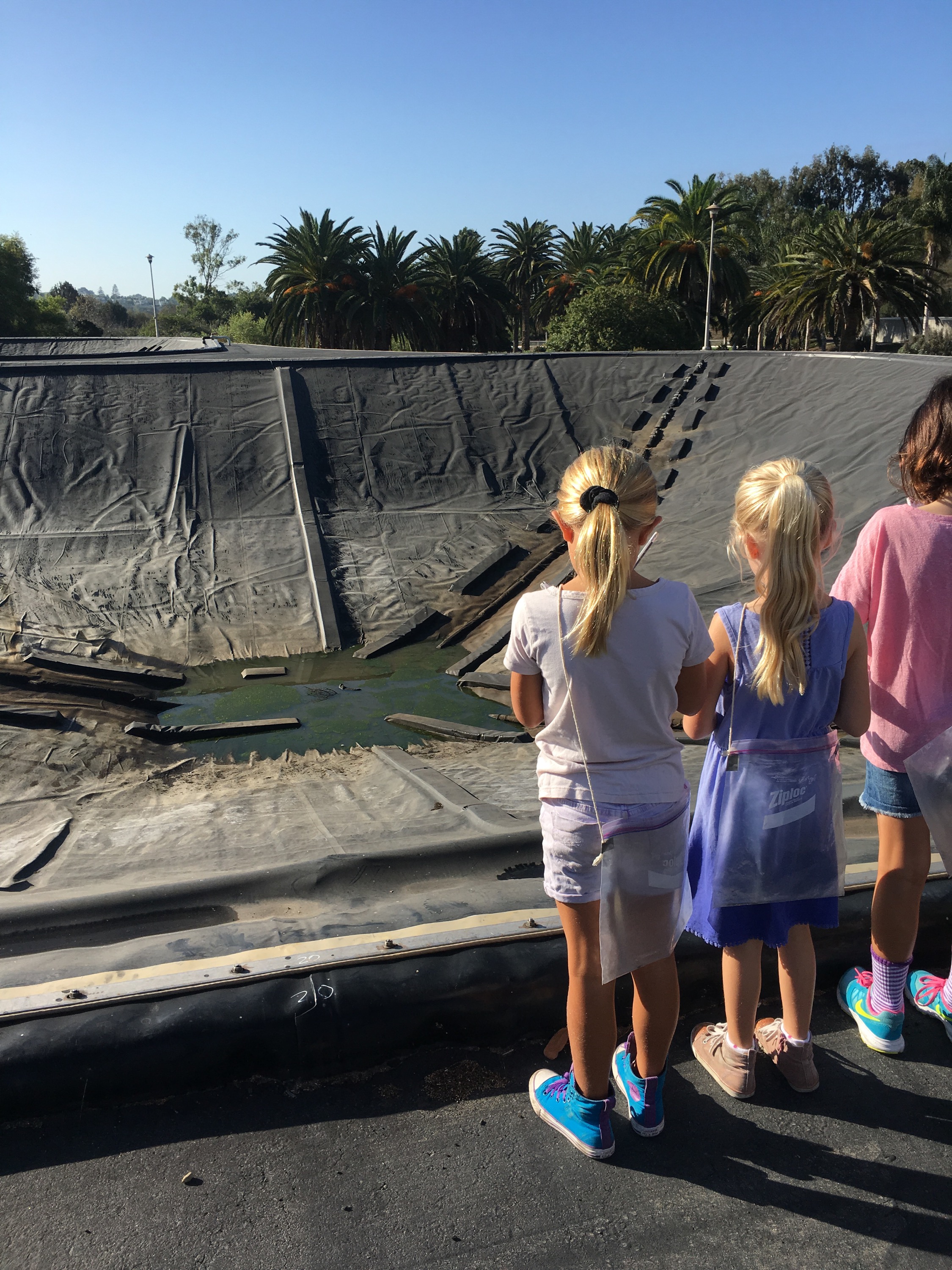
We saw the big overflow tanks…where waste water collects under these big sheets (the water you can see on top is some accumulation as the result of the rain we got last week).  There is an inflow of 3 million gallons a day!  (And they have a duplicate tank just in case there is a problem with one–they explained the importance of redundancy to keep the operation moving.)

IMG_7276

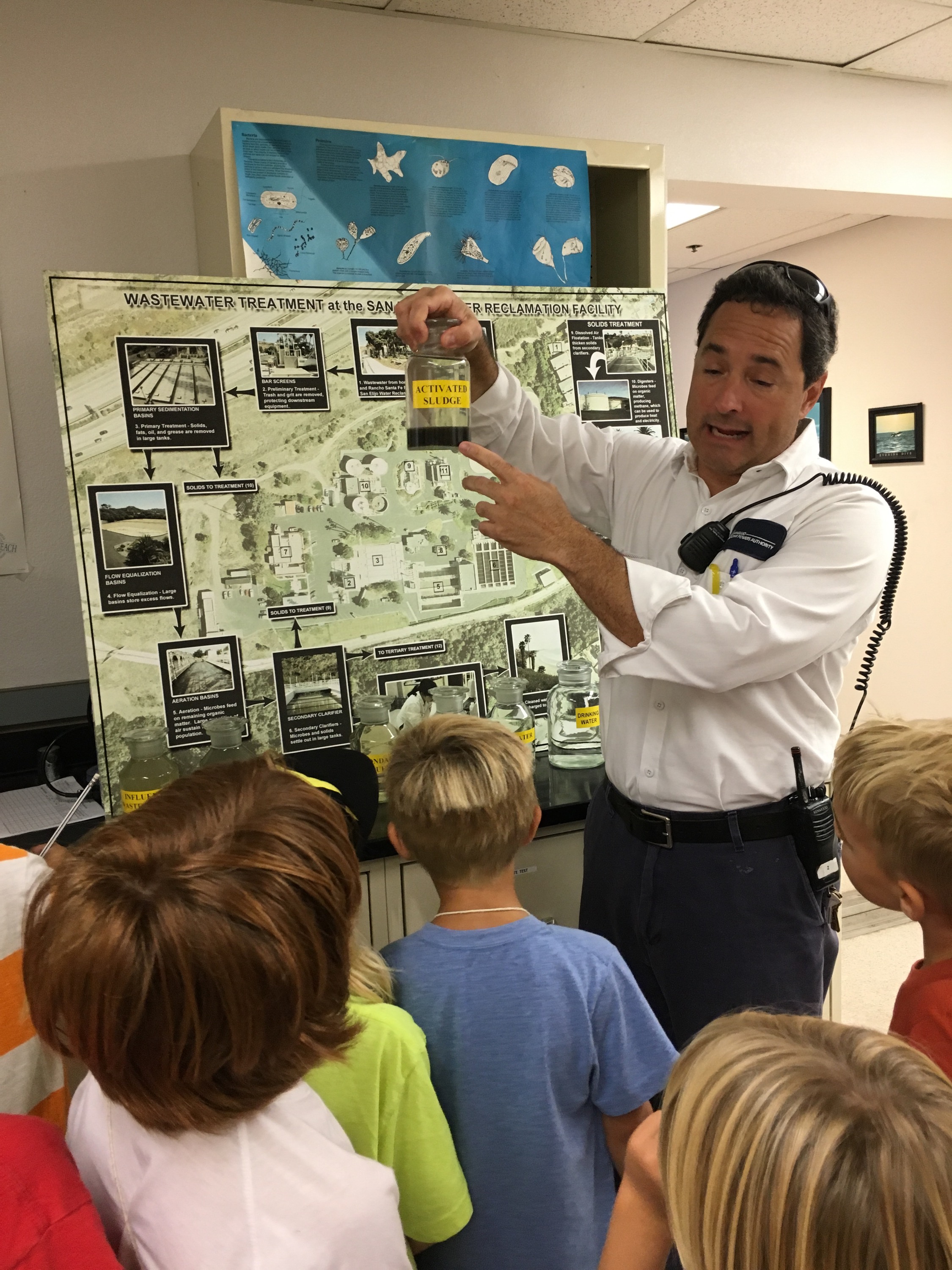
After than, we got to walk through the lab…and take a peek at all the science equipment in use. We noticed test tubes and vials, everything scientists need to test hypotheses, collect data, and carefully examine what is going on with the water they care for.  We also got to see samples of the different stages of water cleaning.  (They use a three-part process to get water to the recycled stage)  Dale carefully explained each step in the water cleaning process to our young students.

IMG_7288

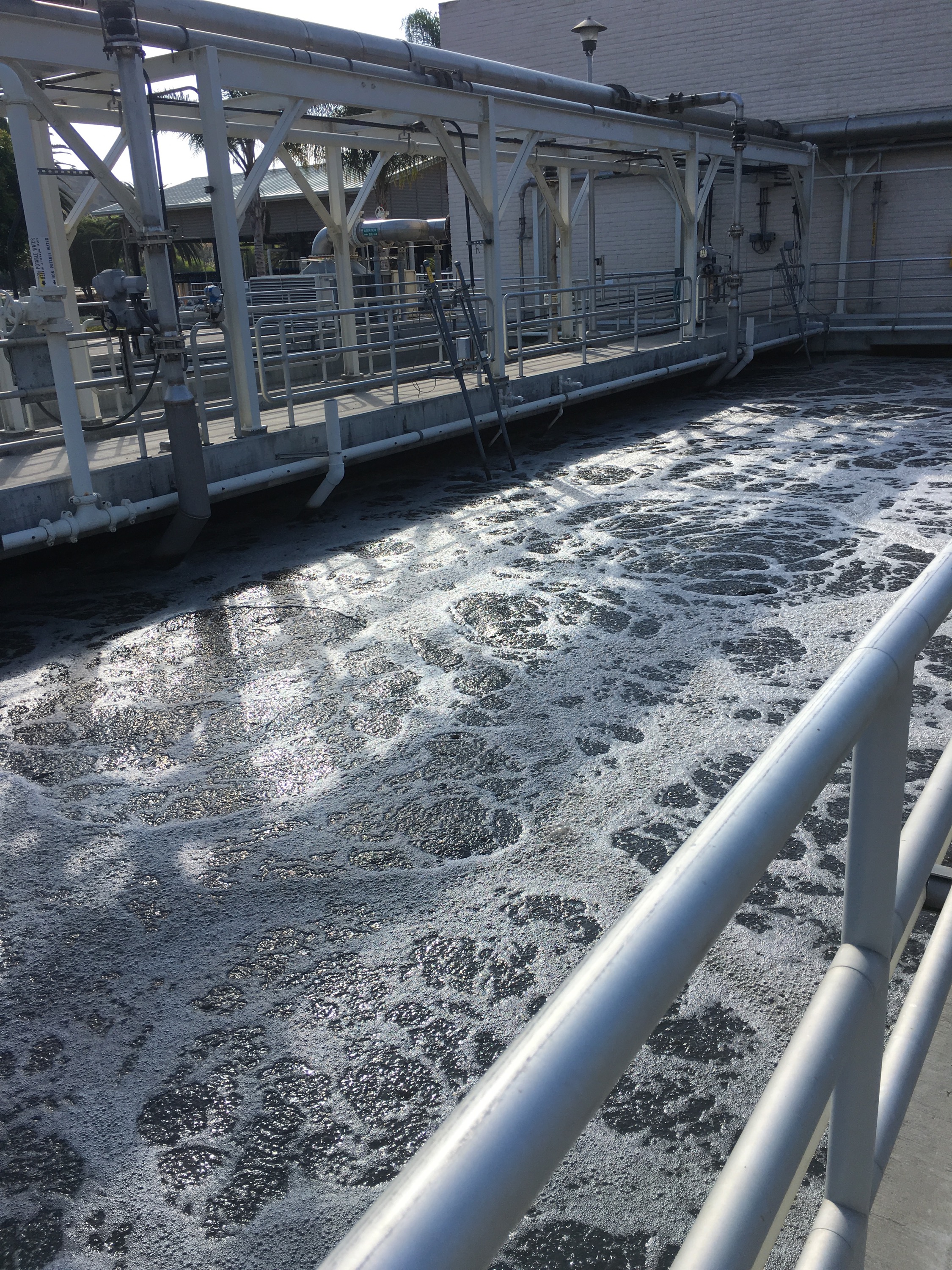
We learned about the way that air is used to clean water…and watched the water bubble with the air pumped through it.

IMG_7307

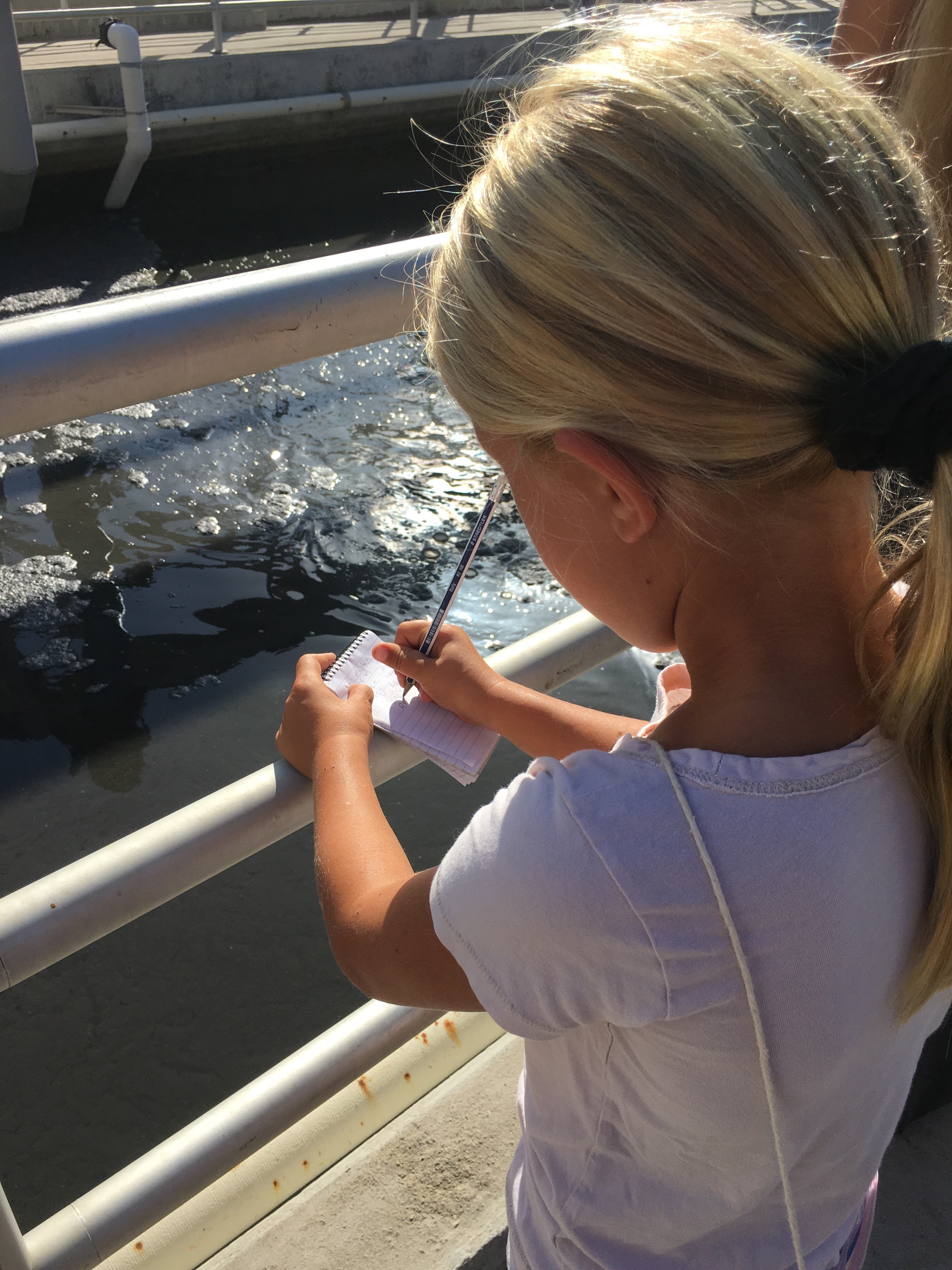
And this student was enthralled with all she was learning…she took pages and pages of notes in her little reporters notebook.  (She proudly announced that she filled 17 pages!)

IMG_7306

I hadn’t thought about the technology of keeping odors at a minimum, but this space ship looking thing cleans smells from the air before it goes back into the air.

IMG_7299

Once water goes through the primary, secondary, and tertiary processes, it gets to the recycled water state…for use in landscaping and on golf courses.  This stage flows into the purple pipes that carry this water throughout our community, but at the plant the water flows through these white pipes that will eventually meet up with the purple ones!

IMG_7316

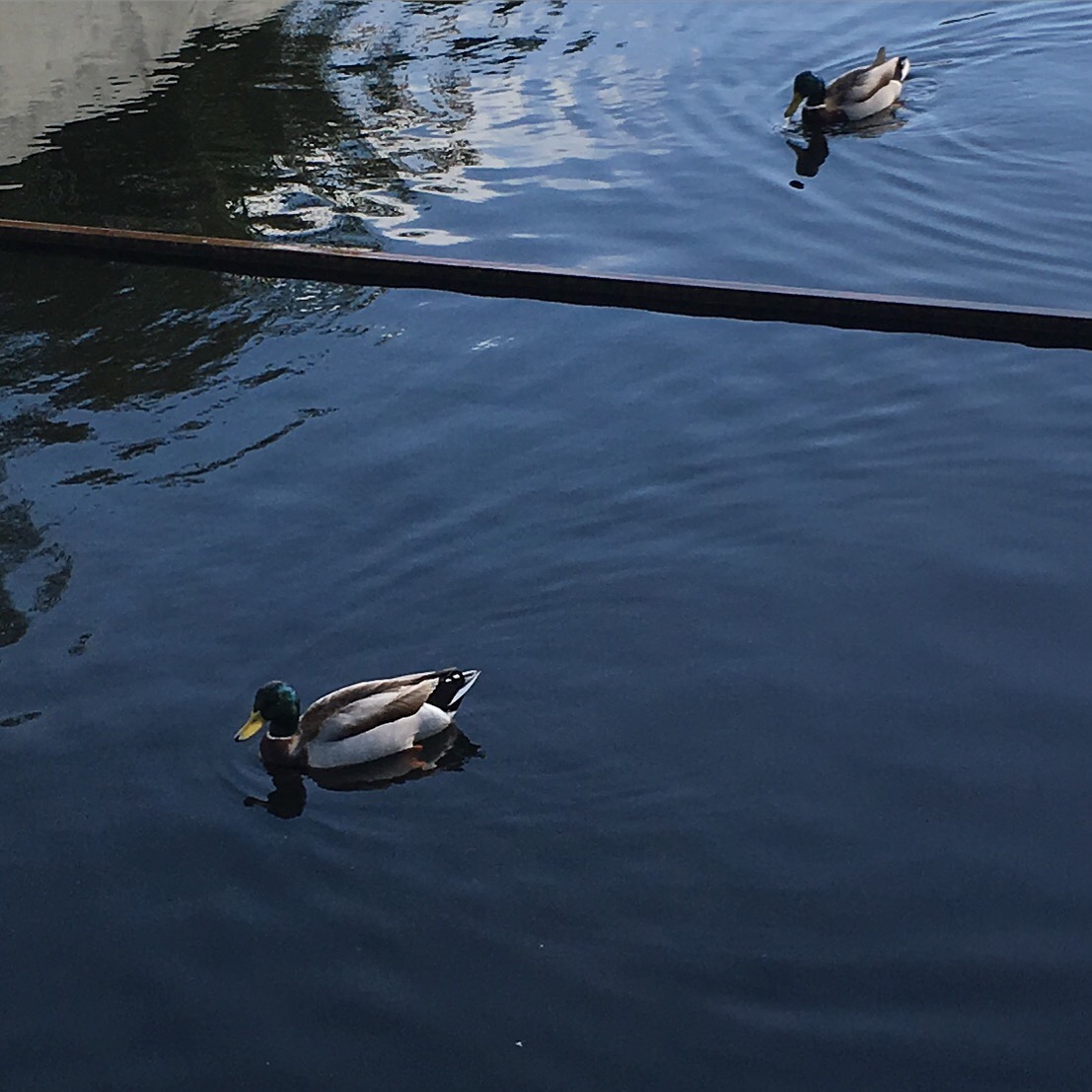
And whatever recycled water is not needed for the purple pipes is piped out into the ocean, joining the salt water and becoming part of our natural water cycle once again.  The ducks have decided that this is a great place to hang out…right across the street from the lagoon!  I think they see this place as their own private spa!

IMG_7317

So…what have you learned this week?  Maybe it’s a longer story of a particular place…or a snippet that caught your fancy and taught you something new.

You can post your photo alone or along with some words: commentary, a story, a poem…maybe even a song! I love to study the photographs that others’ take and think about how I can use a technique, an angle, or their inspiration to try something new in my own photography. (I love a great mentor text…or mentor photo, in this case!) I share my photography and writing on social media. You can find me on Instagram and Twitter using @kd0602. If you share your photos and writing on social media too, please let me know so I can follow and see what you are doing. To help our Weekly Photo community find each other, use the hashtag #learning for this week and include @nwpianthology in your post.

I’m looking forward to learning from you this week…pinpoint something you learned this week and share that learning with the rest of us through your lens!

Wordless Books and the Power of Words

Yesterday we embarked on a study of graphic novels in our classroom by reading Owly and Wormy Friends All Aflutter by Andy Runton.

Screen Shot 2015-09-15 at 5.17.28 PM

This picture book is a nice entry into the world of graphic novels for our young students–even though it may not technically fit into the definition of graphic novel.

Our students aren’t new to reading wordless books, last year we delighted in the wordless books of Flashilight and Inside Outside by Lizi Boyd (you can read about these adventures in a post by my teaching partner here).

Screen Shot 2015-09-15 at 5.19.37 PM

So there were no surprises yesterday when we began to read about Owly and Wormy.  Our older students were eager to “read” as we turned pages under the document camera, and it wasn’t long before our young students began to join in, volunteering their own readings.

Wordless books, and particularly those with a graphic format, allow confident readers to emerge–even if they are still struggling with decoding print.  Our students showed off their wealth of symbolic knowledge–recognizing that a four leaf clover in a speech bubble is a message of good luck and that a light bulb represents a new idea.

Imagine my delight when one of our first grade boys raised his hand…with two things to share. He quickly pointed out that this book was filled with verbs.  You might wonder what he was thinking…this is a wordless book.  But I knew that we had been working with vivacious verbs last week, using George Ella Lyon’s All the Water in the World and Thomas Locker’s Water Dance as mentor texts for this year’s first attempt at poetry.  As I asked this student about the verbs in the book, he pointed out that Owly and Wormy were reading, sleeping, planting…  It was obvious that he understands verbs!  (And I wish I had recorded the actual verbs he pointed out…they were better than my memory!)  I don’t remember the second thing he shared–it was relevant–but not as exciting as his noticing of verbs in a wordless book!

We’ll continue our study of graphic novels, focusing on the features as we connect back to Owly and Wormy and also to Julia’s House for Lost Creatures by Ben Hatke (a hybrid graphic novel/picture book that we read the first week of school to talk about what we needed to do to get along as a community).

Screen Shot 2015-09-15 at 5.27.50 PM

And we’ll take our study further as we explore Hatke’s latest graphic novel, The Little Robot as a class read aloud.

Screen Shot 2015-09-15 at 5.29.36 PM

The more I read wordless books and graphic novels, the more I am intrigued by the power of images and the resulting power of words that my students bring to our conversations about these rich, complex, and layered books.

What are your favorite wordless books and graphic novels to use with students?  For yourself?

One Word from Sophia, it’s Destiny!

Sometimes you know at first sight that you were destined to meet.  That happened to me today.

The SDAWP Summer Institute (SI) is in full swing, which means my head is full and my schedule is packed.  There is lots of reading and writing and thinking and talking going on…and I love it. Today at lunch I had a few minutes to myself, so I headed off to the coffee shop to treat myself to a latte. When I walked in and saw that there was no line, I immediately thought–jackpot!  I can take a few minutes and walk through the bookstore, just to look.

Coffee in hand, I headed toward the children’s book section.  And there it was…

I couldn’t resist.

One Word from Sophia by Jim Averbeck and Yasmeen Ismail grabbed me and wouldn’t let go!

IMG_5968

I was drawn in by this brilliant little girl who knows what she wants…and has a plan to get it.

Sophia’s birthday was coming up, and she had five things on her mind–One True Desire and four problems.

This girl is a student of rhetoric and knows how to make an argument.  She knows her audience and how to tailor her reasoning and evidence (love the variety and types!) to convince.  And she takes her feedback as information essential for revision and iteration.

I don’t want to spoil the story by giving away all the details here…but if you are a teacher of writing, of argument, of debate…or just love a great story…you will want to read and study and probably even own this book!

And there’s more…rich vocabulary, compelling characters, and a surprising ending.  And this is not a book just for children.  I can see community college instructors using this book in their composition classes and kindergarten teachers too.  And you don’t have to be a teacher…this is a book for readers and definitely for writers.

I think this will be a relationship that will endure…right now, it’s love at first sight!

Here’s Jim talking about the story: