Tag Archives: learning

Learning Season

Officially I guess you can call this the off season for many teachers, the time when schools close for the year, graduations happen, grades are posted, and vacations scheduled.  But there is no off season for learning.

In my few days between closing my elementary classroom and beginning a fast-paced four weeks facilitating our SDAWP Summer Invitational Institute, I have taken some time for myself (most notably, a morning lounging in bed well past my usual 5:30am wake up time)…and for some off season learning.

I’ve spent an inordinate amount of time driving the freeways between San Diego and Los Angeles over the last week, experiencing the traffic flow (or lack of flow), talking with people who live in the LA area, and spending time exploring this rich and varied place.  In some places driving great distances is the norm.  I have cousins in Washington state who think nothing of jumping in the car and driving for hours across the state to have lunch with a friend or relative and then head back home.  And then there are people in my own community who resist a drive south of the racetrack because they don’t want to deal with the traffic that is common on the nearby freeway interchange.

As I planned a trip to the LA area to visit my son this week, we brainstormed interesting things to do and places to take photos…and there are many.  I carefully planned my own commute to try to avoid morning rush hour (or is that hours?), and found myself thinking about the factors that essentially wall people in their communities…and traffic and transportation are definitely some of them.  With the luxury of a car, I can go places without scoping out bus stops or worrying if someone peed on the seat of the train (had a conversation about this with a lovely young woman who had to buy a new outfit at the conference I was attending because of this issue). But honestly, I’m not so sure just how far I would travel if I had to deal with this kind of gridlock daily.

As we headed out toward Malibu to explore the coastline, my son explained that he tries not to go more than 15 miles from where he lives (and sometimes that 15 miles can easily take an hour to traverse), that it just takes too much time and effort. And there really is no off season for traffic in LA.  But he’s a good son and humors his mom, and we did work to time our trip to avoid the peak traffic times.

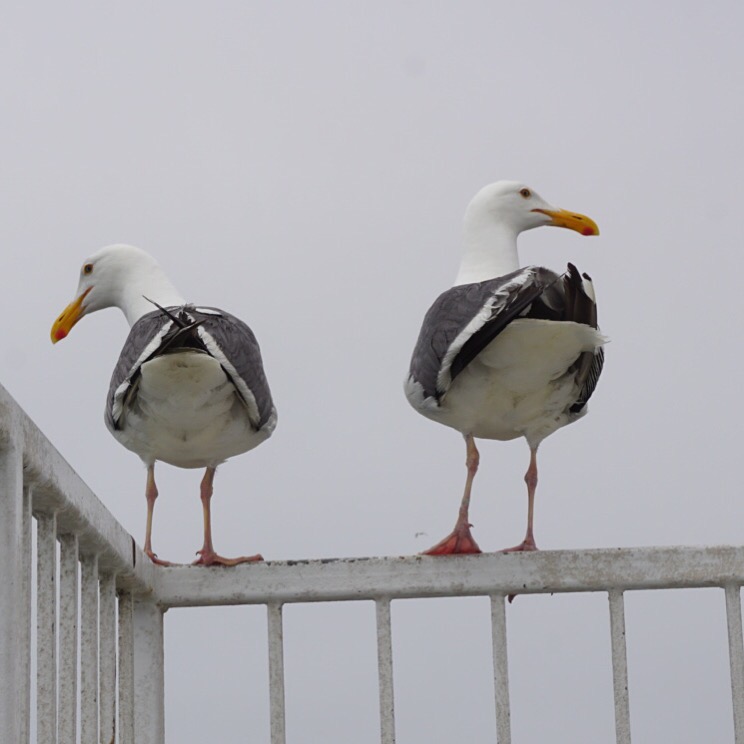
Not too many miles from the urban centers of LA are long stretches of beautiful beaches and magnificent canyons.  I love the character of piers–it seems that each has its own personality. And in the gray overcast that if typical coastal SoCal June gloom, we met up with these seagulls who posed perfectly for my shot.

IMG_5816

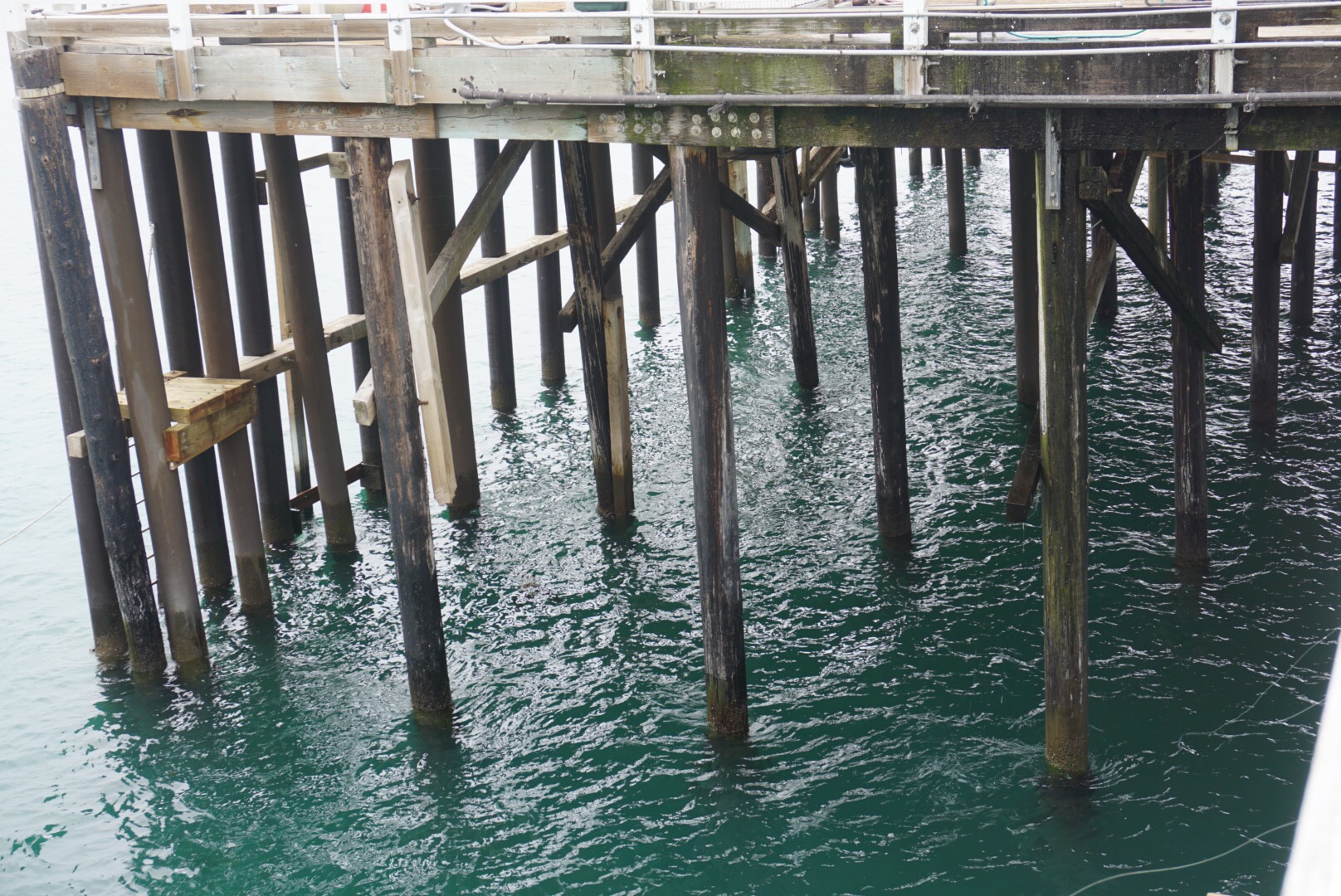
They’ve learned that most people are more interested in taking photos than in bothering them, letting us get quite close.  One of the things I hate most about the coastal grays of May and June is the way it washes all the colors out of the surroundings.  But looking down below the pier, I was able to see the turquoises, greens and blues of the water.

IMG_5821

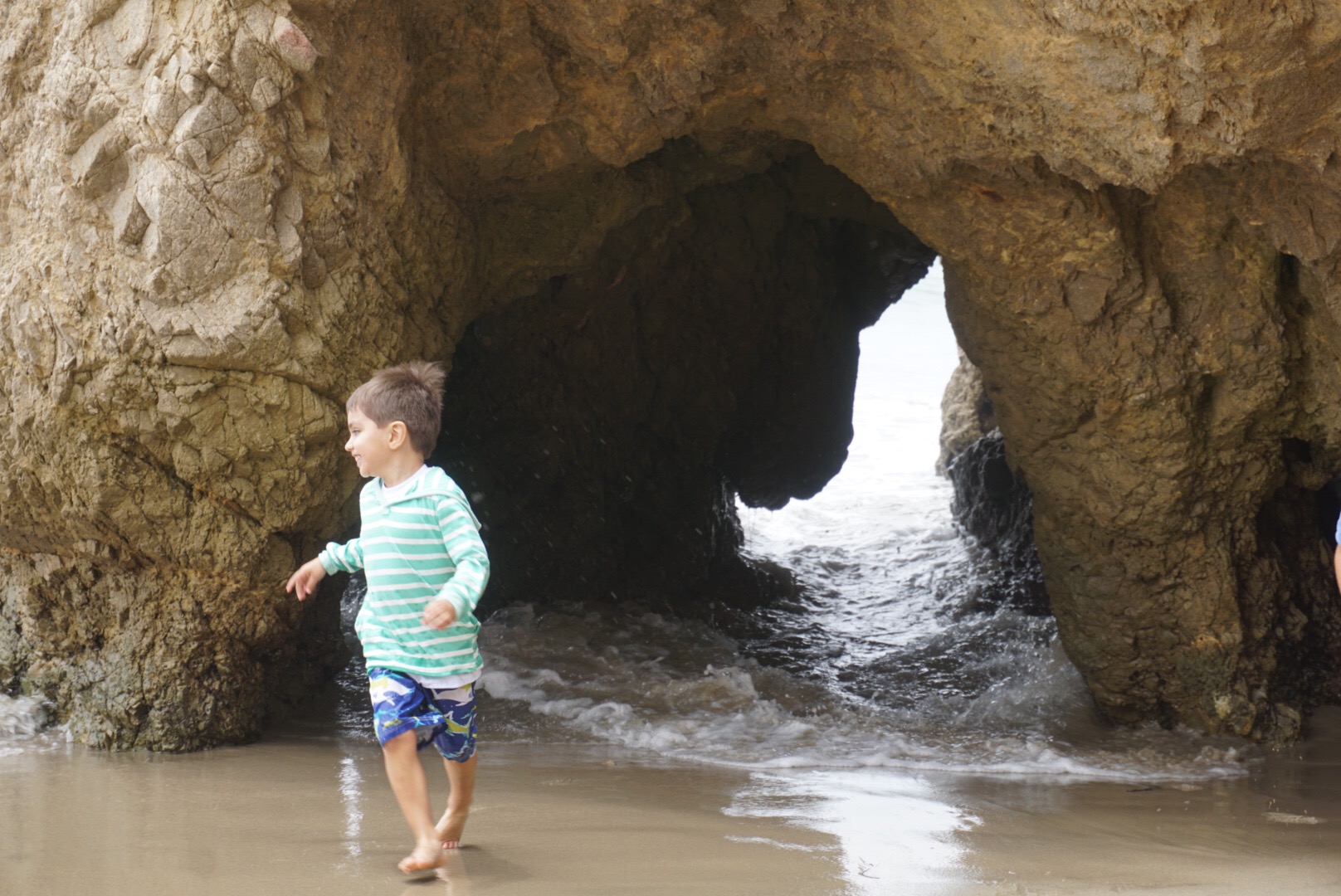
And some miles further north we found Matador beach, a place with huge rocks that jut out of the sand.  Gray weather doesn’t deter determined beach goers–there were plenty of people at the beach.  The tide was fairly high and people were tucked into openings along the cliff face watching children race the waves in hallways carved from rock.

IMG_5834

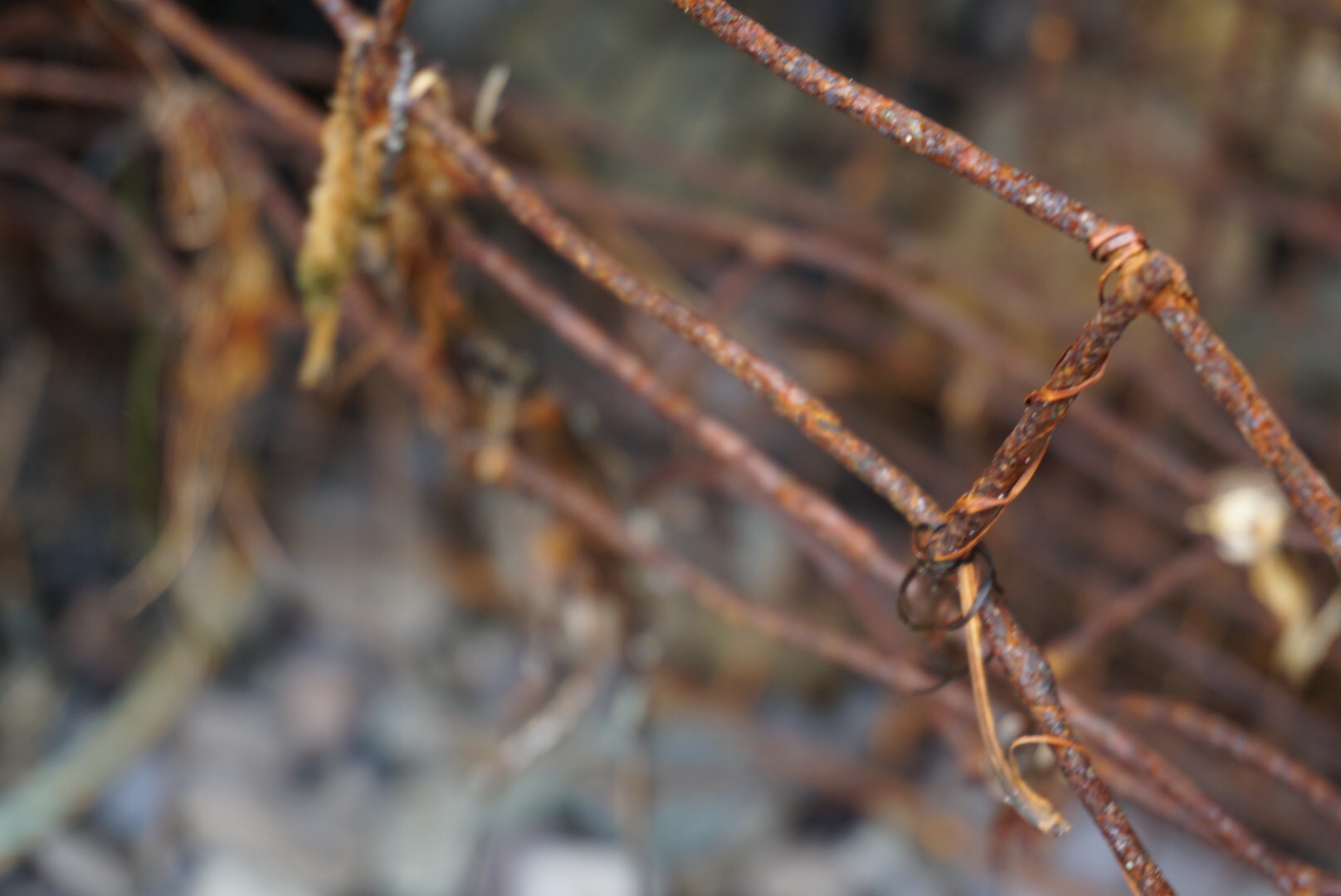
In one of the openings sat a couple of lobster traps washed up on the shore.  I leaned in close with my macro lens to capture some of the complexities of the trap…and very nearly drenched my shoes with the wave that snuck up.  Luckily, I had a graceful moment and lifted my foot just before the wave broke…and still got the shot!

IMG_5820

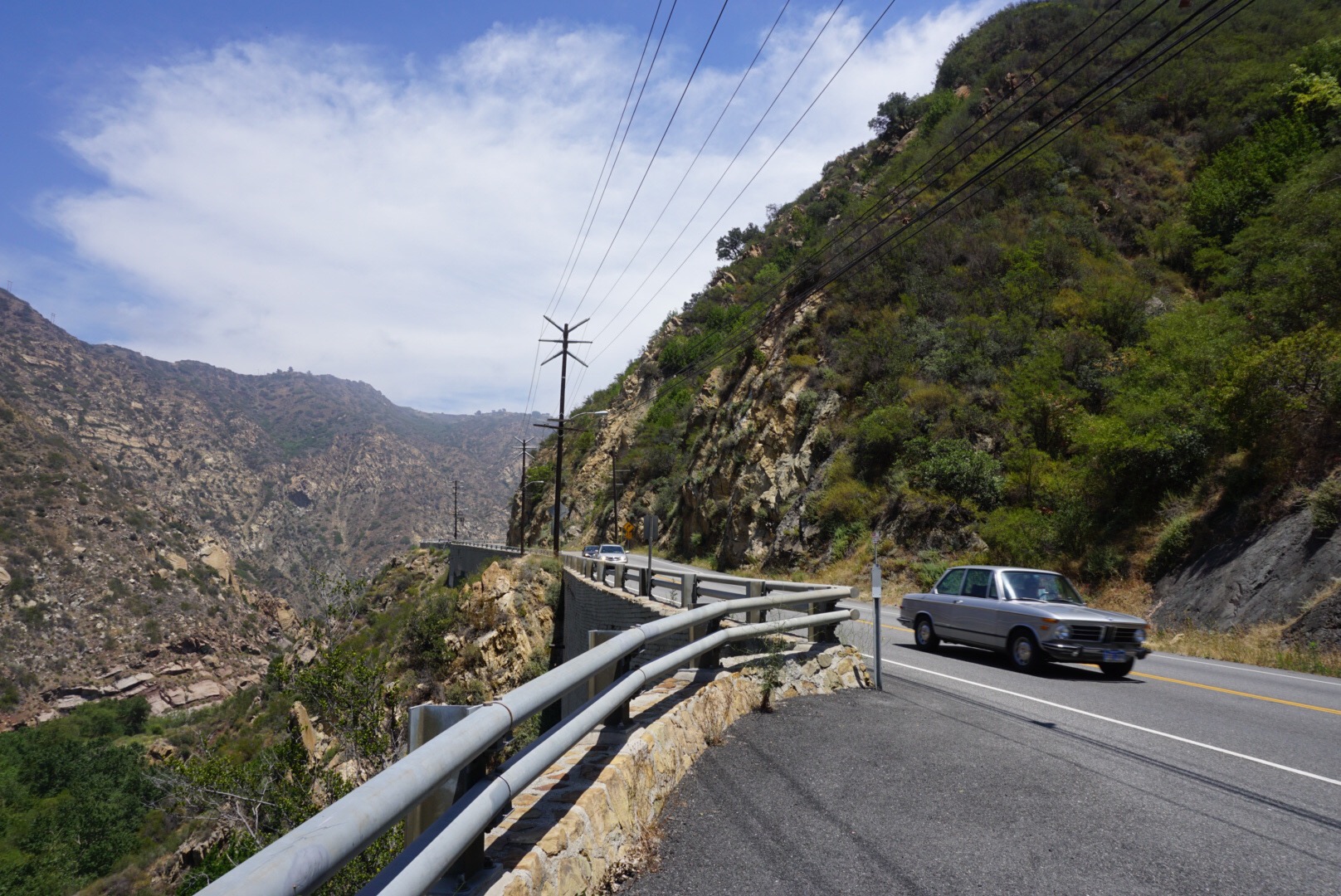
Rather than finding the freeway to get back, we headed down a canyon with majestic views of the hillsides.  In spite of the drought, you can see that we’ve had some recent rains.

IMG_5817

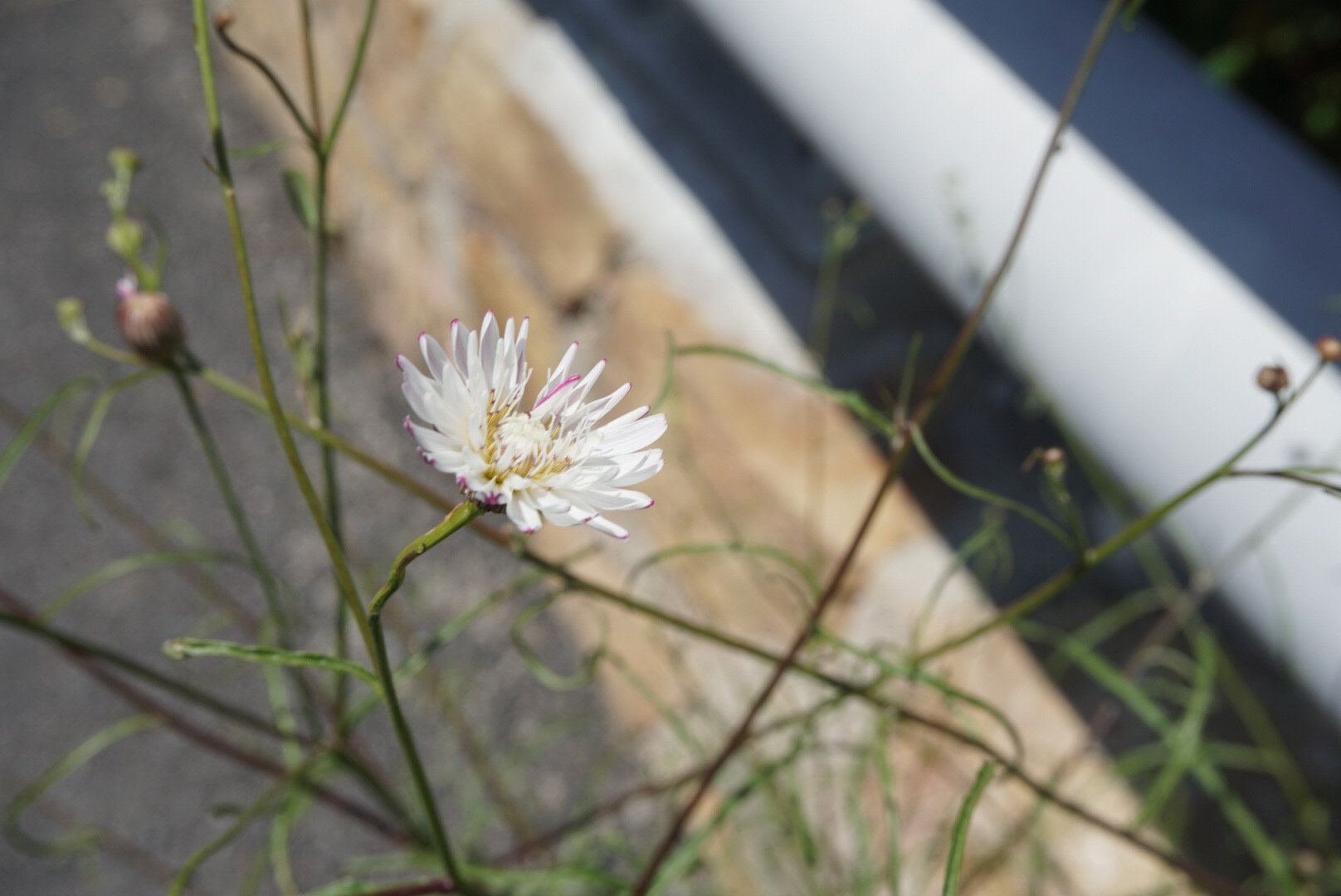
And I love the way that urban flowers (some might call them weeds), find cracks in the asphalt to grow and blossom.

IMG_5819

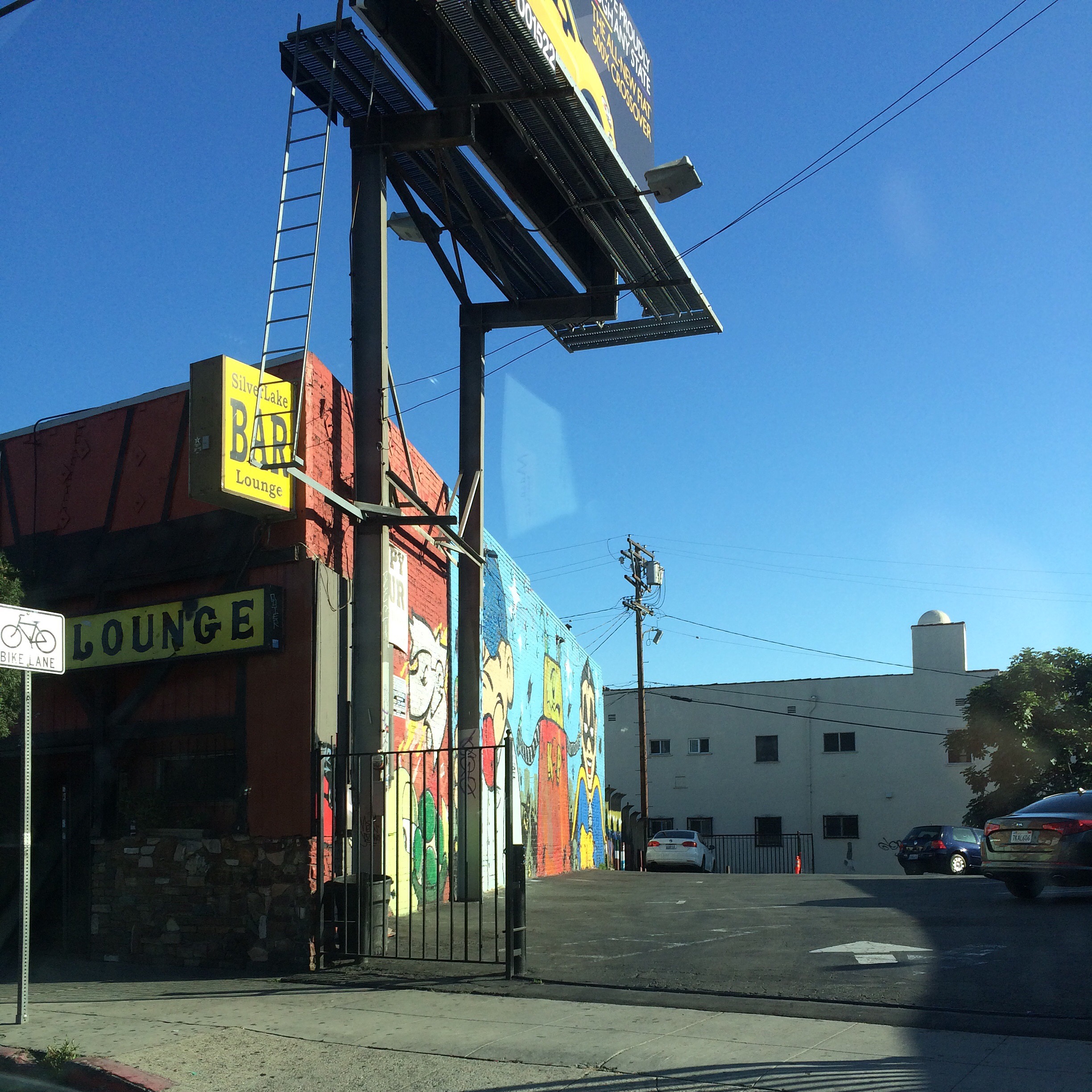
And like the urban flowers, humans also find ways to grow and blossom.  LA has a variety of unique communities and many many walls painted with murals, colorful artwork that speaks to the resilience of the human spirit.

IMG_5825

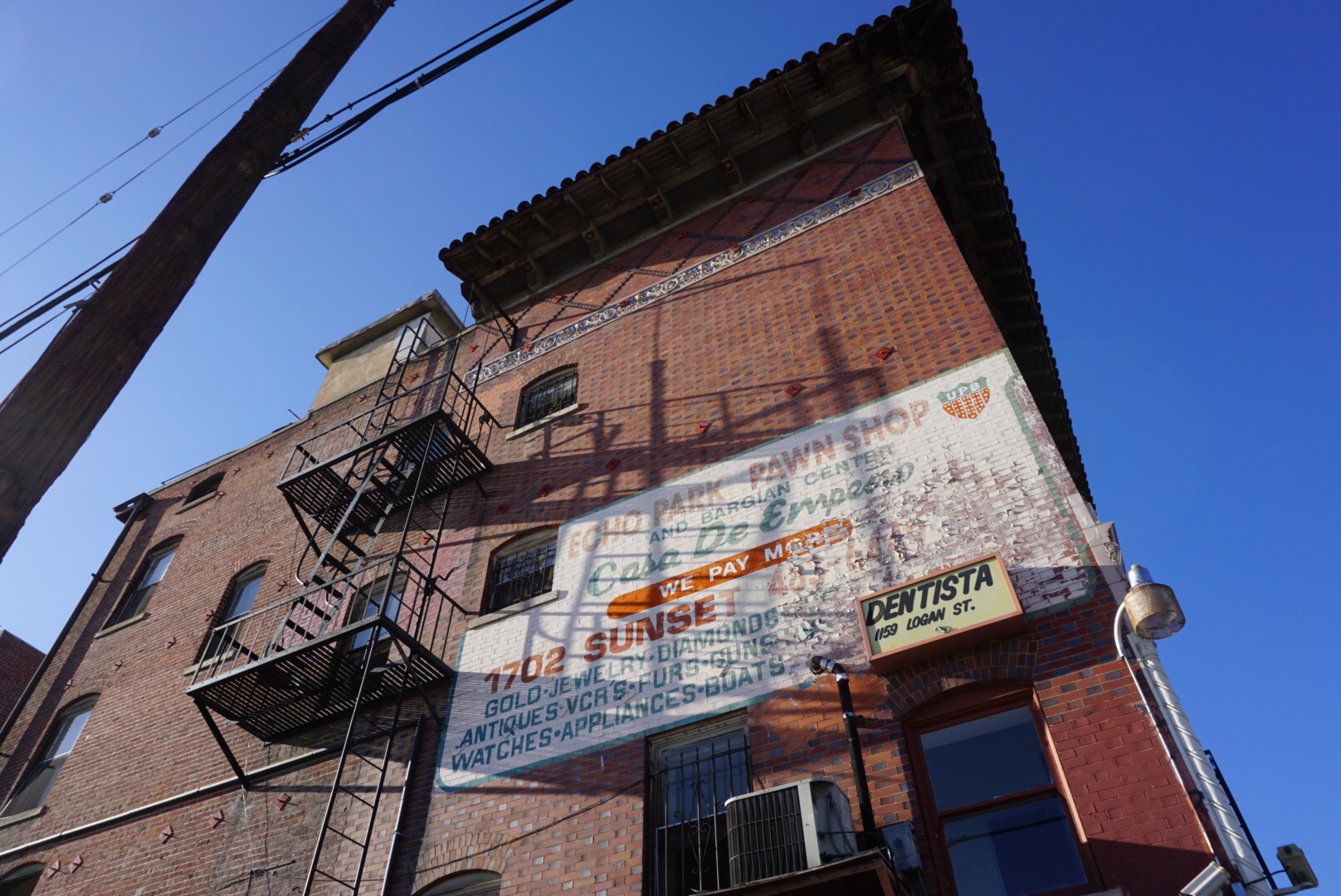
And if you look closely you can find the beauty in the ordinary–the shadows cast on old brick buildings, the way the light plays in the treetops as the sun begins to dip…

IMG_5827

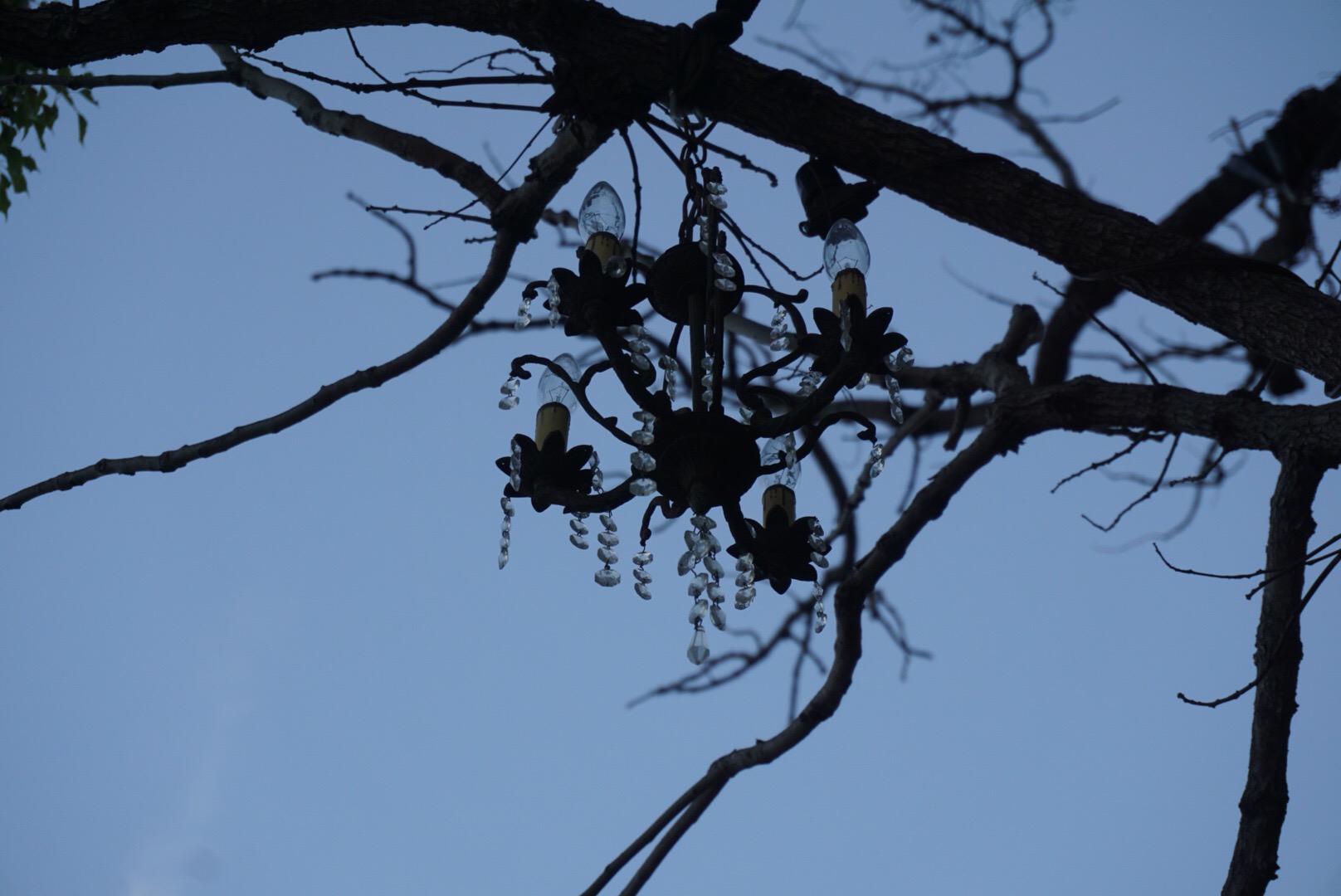
And if I had been able to stay late enough, I would have seen these chandeliers lit as they hung from the old oak tree…but there is something beautiful and interesting about seeing them in silhouette on among the longest of days this year.

IMG_5830

It’s hard to believe that I have lived most of my life in Southern California and only recently begun to explore Los Angeles.  You don’t have to go far to travel to new heights and experiences…mostly what you need to fresh eyes, and it doesn’t hurt to have a camera handy!  I love that there is no off season for learning…it’s a daily adventure!

(And #CLMOOC starts today…more ways to learn and play!  Feel free to join in the fun.)

Enveloped in Possibility

I love this time of the school year.  At least the part that is about my students.  (Yeah…there are too many meetings, too much drama about which students are going where for next year, too much paperwork…filling in forms, checking off boxes, signing off forms for this and that.)

As a friend of mine recently said in an email, this is a time when we get to witness a fuller blossom of our students.  We get to see what they can do when given time and space and opportunity…if we give them time and space and opportunity.

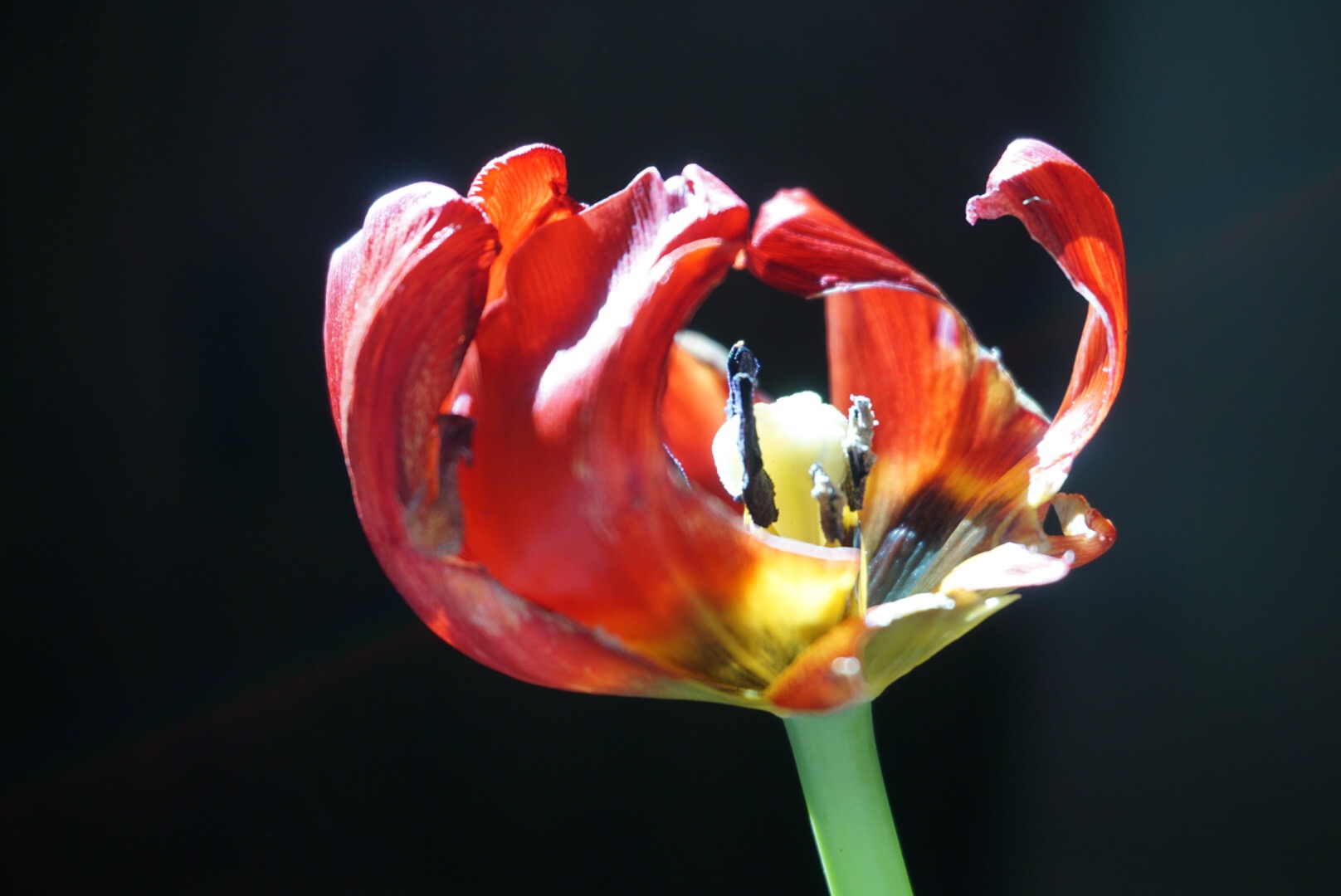
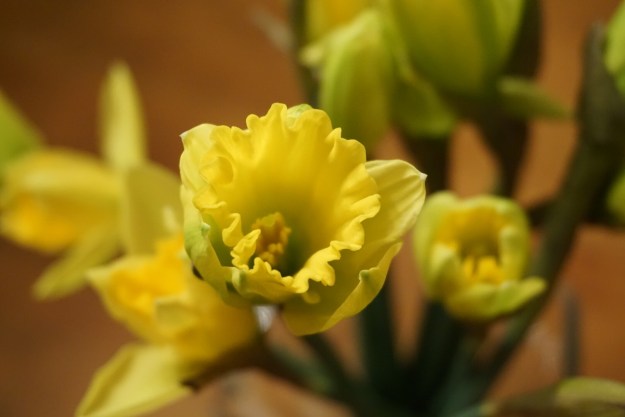
Like this slightly chewed and fully blossomed tulip, students open up at this time of the year. They dig into projects and expose their interests and thinking.  They are enveloped in possibility.

IMG_5517

Our students recently went to the San Diego Natural History Museum on a field trip.  Their goal was to explore the new Coast to Cactus exhibit that features San Diego’s diverse ecosystems and find something that interested them.  When they returned to the classroom. they researched this interest and then create a movie or blog post to teach someone else about what they learned.  With time and a bit of technical support from us, our students inquired, composed, and created.

Here’s a couple of examples:

Ana (a third grader) got very interested in ghost shrimp…and couldn’t wait to learn more.  She researched and wrote…working hard to explain what she learned in her own words and voice…and included her own drawing of a ghost shrimp.  Here’s an excerpt:

Moist, murky water embraces the wetlands, cattails sway in the salty breeze, lush growth is everywhere. The wetlands are teeming with life. They are homes to birds, fish, and many mammals. However, many people ignore what’s happening deep down in the mud flats. The mudflat is a home to an amazing creature, the ghost shrimp

You can see her work here.

Eli (a second grader) noticed a mouse at the museum and couldn’t wait to learn more.  And when he didn’t find the answers to his questions during his time researching in class, he went home and got his parents to help him with his research.  He has also become our residence expert on iMovie…mentoring many of his classmates, helping them record and upload their own videos.  Here’s his movie.

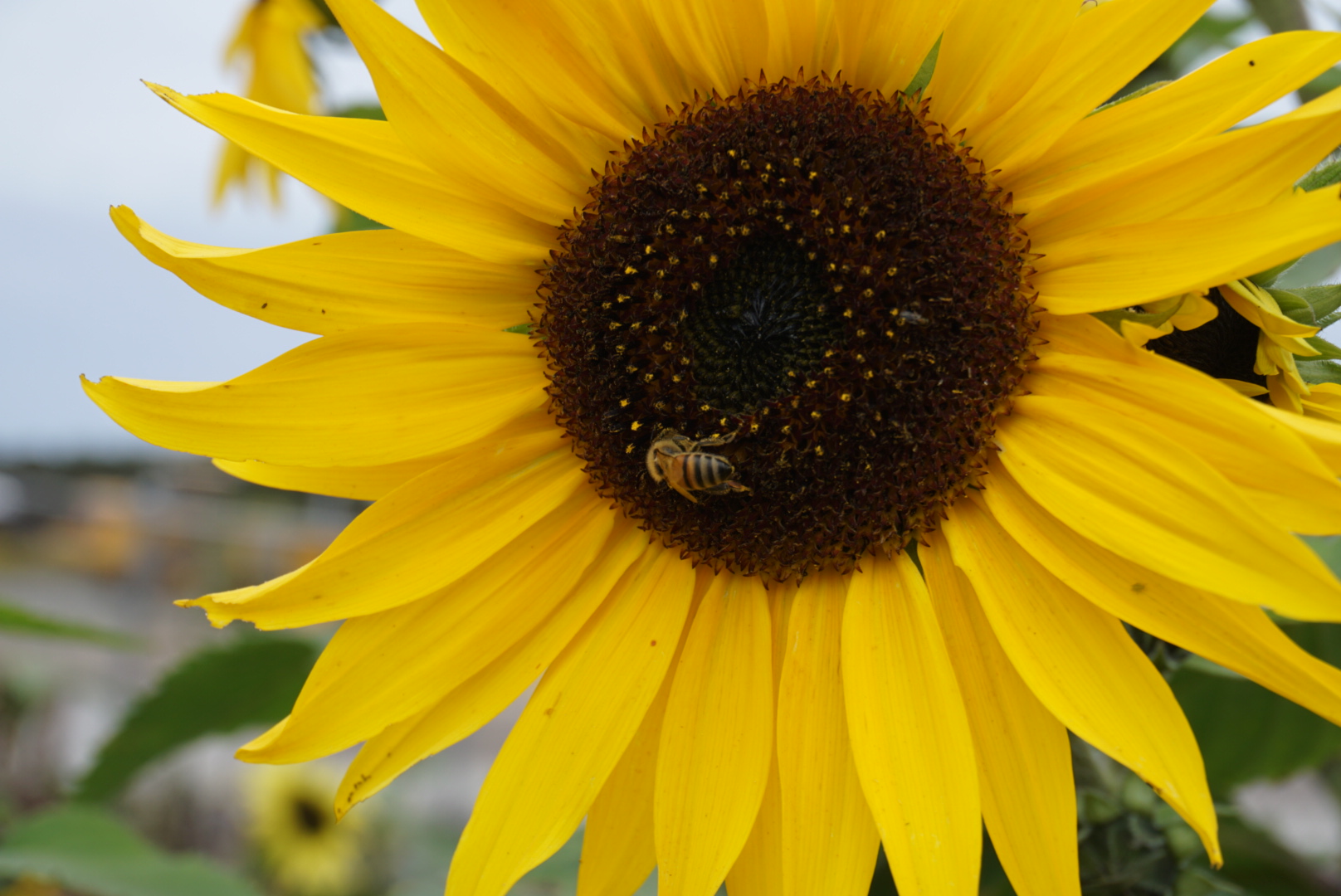
And those two are just the tip of the iceberg of what is happening in the classroom.  Our students have cross-pollinated, pushing each other to consider new possibilities.  Like the bee on this sunflower, they depend on each other as they reach and strive for new heights, solidify what they already know, and reach with a helping hand to lift their classmates.  They are enveloped in a community of learners that allows them to bloom, to stumble, and to get up and try again.

sunflower with bee

And I am so lucky, because I am part of this community too…reaching and learning, enveloped in the energy and excitement of possibility.

Words Have Power

Words have power.  They can hurt…and they can heal.

Our students have been learning about our local history.  They’ve studied the lives of the first settlers, learned about the homestead act, and are fascinated by the stories of those who lived here before us.  And they’ve taken these stories and invented their own playground game.  They call it history.  Essentially, they role-play the lives of these early settlers–some playing the adults, others the children.  (Our school is a part of that history–one of the early schools of the area)

But at lunch recess today, it all went wrong.  Things got rough, and mean words and hurtful actions happened.  We got a heads-up from one of the playground monitors, and expected to see tears as we headed out to our students.  But things were surprisingly calm…until we started to walk back to the classroom.  As the story unfolded, we got a glimpse at both our students’ creativity and imagination…and the escalation of energy, excitement, with some poor choices sprinkled on top of it all.  It became clear that this was not a scuffle between two students, it was a result of good intention, poor choices, swelling anger, and overreaction.

So instead of the plan we had in mind for the afternoon, we decided to address this incident with the entire class…to help our classroom community grow and hopefully give students more tools to use to resolve their own problems.

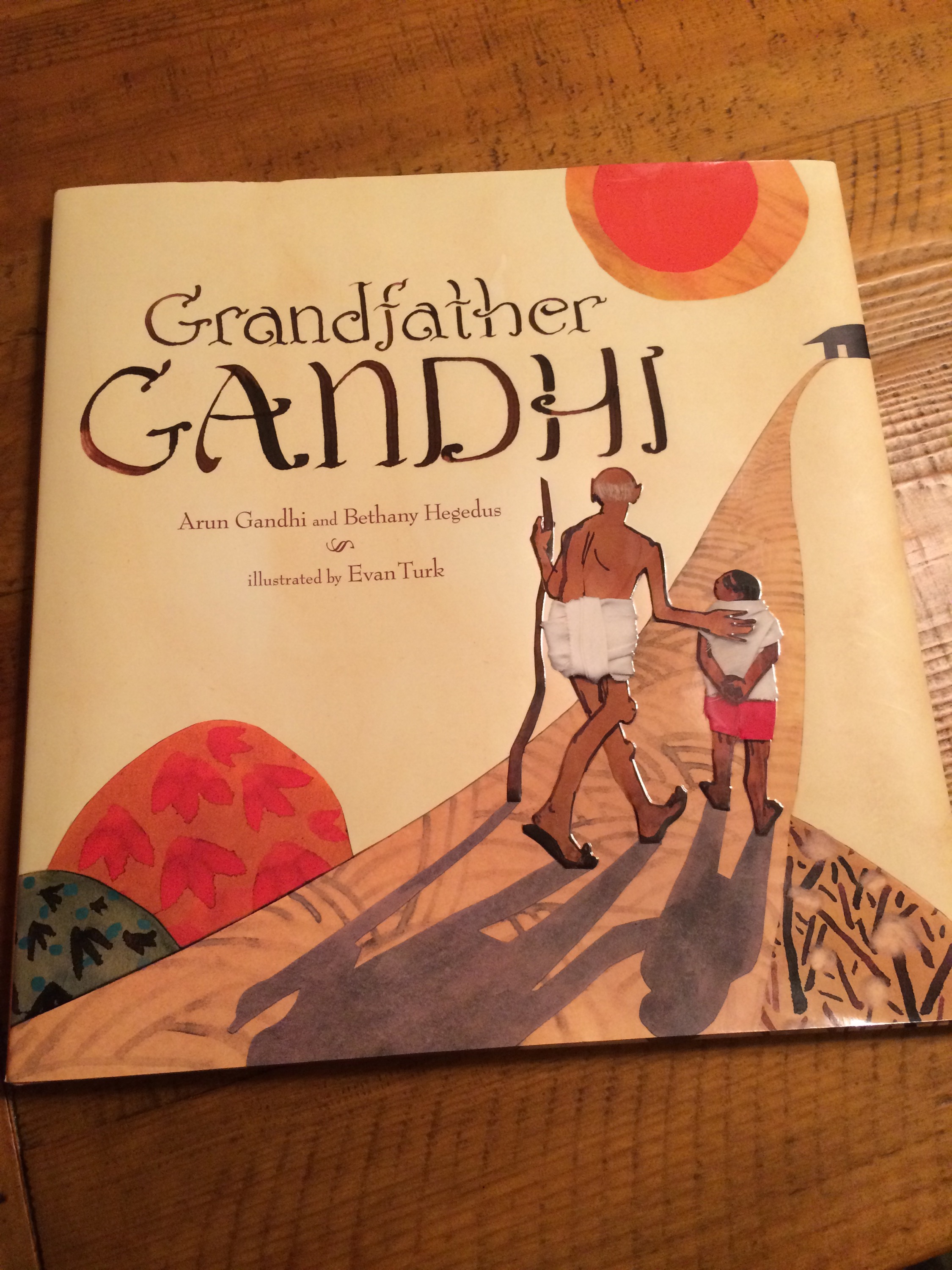
After talking through the pain and frustration and hearing a variety of perspectives, my teaching partner Margit pulled out a book she had bought a few weeks ago…one we were saving for a time when it seemed useful…and she began to read.  Grandfather Gandhi by Arun Gandhi and Bethany Hegedus tells the story of Gandhi’s grandson and his feelings of anger…and of not living up to his grandfather’s reputation and expectations.  The ultimate message is that anger is a normal emotion that we all experience–it’s how we deal with it that matters.  Gandhi explains to his grandson that anger is like electricity.  It can split a living tree in two.  Or, he explains, it can be channeled and transformed.  A switch can be flipped and it can shed light like a lamp.  We can all work to use our anger instead of letting anger use us.

IMG_4977

We talked about the difference between being a bystander–one who stands by and sees things escalating and chooses to do nothing.  Or we can be upstanders, people who make a positive difference and think about how they can help.  People who notice when things are escalating and make an effort to change the dynamic.  For our young students, that might mean summoning an adult or using kind, calm language to help their classmates remember to pay attention to the choices they are making.

Our students took some time to breathe out the pain of the negative lunch interaction and breathe in some warm light…and turned to a partner to talk about what they learned from Arun Gandhi’s story of his grandfather.  One student asked me, before heading out for afternoon recess, if they could still play the history game or if it was now off limits.  I responded by reminding that the game itself wasn’t bad…and that I believed they could play the game as long as they remembered what had gone wrong before, and made different choices.

Our students are wonderful.  They are inquisitive, imaginative, and caring.  And they are kids. They get excited, wound up…and sometimes they make choices that get them into trouble. The words we use as adults are powerful too.  We can use them to punish or we can use them teach.

As we sent our students off for spring break today, I could feel the caring and the healing in our community.  We all learned today.  Words hurt…and words healed…and we all learned.

March Madness

It’s that time of the year…

No, I’m not talking college basketball, brackets, and the sweet sixteen.

It’s report card time, and I can feel the March madness starting to seep in.  That insidious doubt that narrows my vision and makes me doubt what I know to be true.

If I weren’t writing report cards right now and you asked me to describe student learning in my classroom in one word, I would say blossoming.

Our students are blossoming.  They are reading and writing eagerly.  There’s a sense of confidence and fluency among this group of 6, 7, 8, and 9 year olds that defies grade level benchmarks.  Last week when students learned about how reasoning could make their evidence more compelling in a piece they were writing about this special place where they live, they were undaunted and dug in to add reasoning to their evidence, carefully explaining just why the beach makes this place special and why having a family owned donut shop matters to them.  A line like this one makes my heart sing… A second grader describing an iconic statue in our community that makes the community a special place to live wrote:  We also have a Cardiff Kook that loves to get dressed up.  I think everyday is Halloween for him.  And I want to shout from the rooftops when I read an ending like this one a third grader used to close the essay: So where were we again in the beginning? Oh yes, the beach.  Now the sunset kisses the dusk with oranges, yellows, reds, pinks, purples, and blues too beautiful to explain, and as you see the last foamy white whale spout on the horizon, there’s no doubt Encinitas is a very special place.  

Of course they weren’t written on demand in an decontextualized setting.  They are the result of rich discussion and leveraging of background knowledge, a writing community where revision is ongoing and expected, instruction that encouraged students to go back and add reasoning to their claims and evidence, and a space filled with mentor texts that highlight and celebrate beautiful language.  These complex sentences mean that the punctuation isn’t perfect…and the vocabulary students use push them to depend on phonics to express the words they don’t yet know how to spell, but honestly, I wouldn’t have it any other way.

But I know the first thing people see when they look at student writing is the mechanics…and that sometimes it can stop them from even noticing the beauty of the language and composition.

And then there’s math.  All year we have worked to develop a strong sense of number and the ability to solve real life (or as close as you can get in a classroom) mathematical problems.  So why did we hand our students traditional equations to solve?  March madness is my best excuse.  Luckily I took the time to look closely and notice that every one of our third graders competently solved a problem that featured Alexander Calder and his wire circus–and required both multiplication and division to solve.  And the majority of them solved three different versions of the problem that varied the level of difficulty!  (Thank goodness we decided to add that problem to our assessment to represent the kind of problem solving we have worked on all year!)

And most people don’t even ask about students’ programming skills, design abilities, persistence and resilience, empathy…or even their dispositions as budding scientists.  (You can read a bit about that here and here)

So, as I write report cards I’m trying to remind myself to breathe…and focus on the blossoming, pushing against the March madness.  Are all our students right where we want them to be?  No. Is there still room for growth?  Of course!  Can I improve my instruction to better support student learning?  Yes–and I’m working on that every day.

But, our students are blossoming.  And I want to make sure that the way I communicate progress helps their families and other educators see all that they can do, all the ways they have grown as learners…and help our students recognize that growth can be measured and documented in lots of ways.  And also know where they need to continue to work and grow…because learning continues for a lifetime.

I understand the importance of accountability and communication in our educational system.  I want to make sure that students are making progress and not slipping through the cracks.  But I also want to honor hard-earned growth and pay attention to the attitudes and processes that aren’t measured by standardized tests or traditionally reported on through report cards and assessments.

I’ll keep pushing against the March madness…and once the report cards are done, maybe I’ll watch a bit of basketball…


In a New Light

I had the opportunity today to see a museum through the eyes of people who helped to design it and nurture its continued growth.  The North Carolina Museum of Natural Sciences is a gem. The museum is a combination of old and new, growing from a robust history of collection and curation to a modern space of interaction, interrelationships, research, and digital tools.  There is something about a tour led by the director of exhibits who clearly loves his work and his museum that refracts the museum experience, bending the light in ways that allowed me to appreciate nuances of museum craft and scientific discovery and learning that I hadn’t considered before.

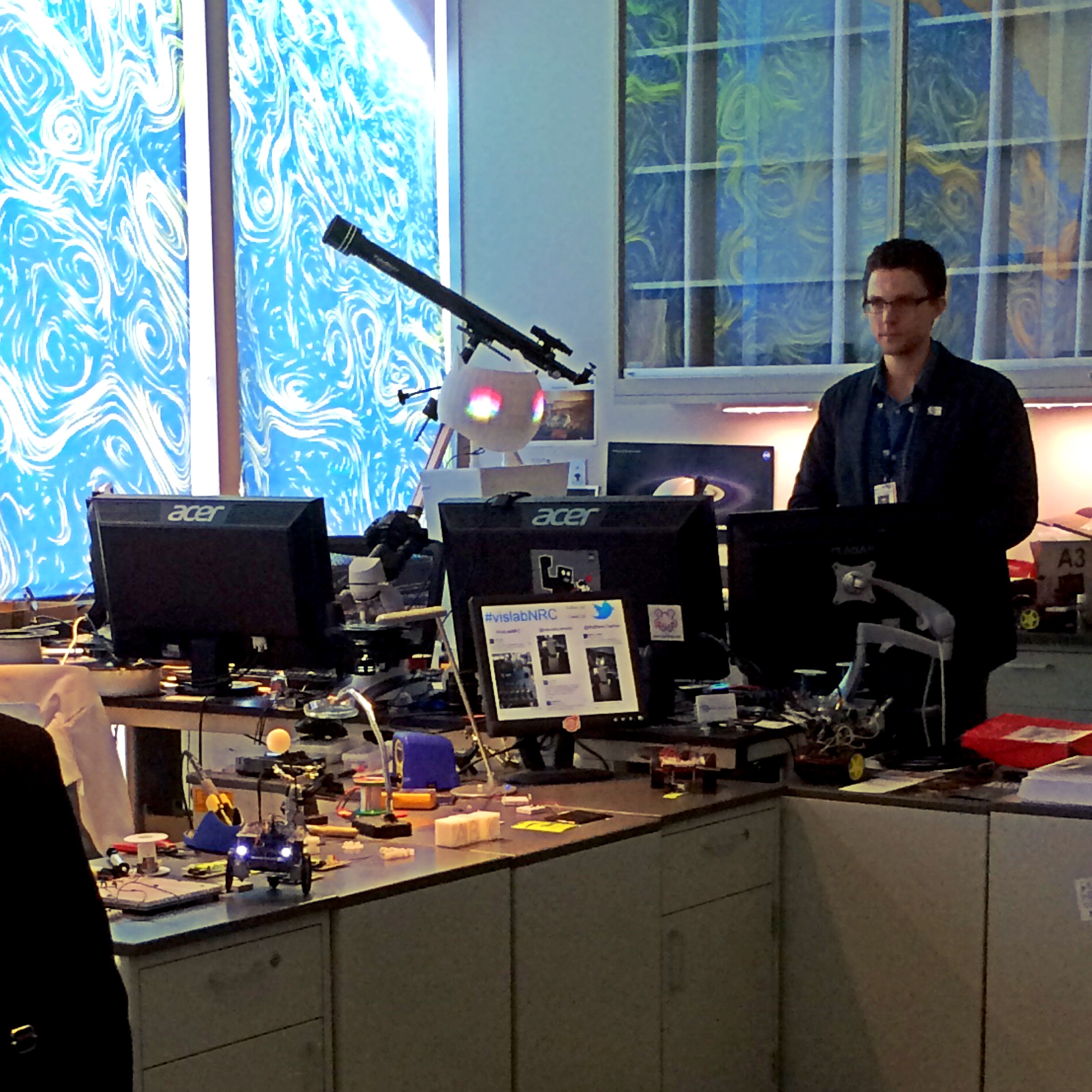
Having a working research lab in the middle of the museum (actually several of them) seems ingenious!  Partnerships with local universities bring scientists out into the open, working in modern, state of the art facilities behind clear class walls.  Seeing scientists at work helps to demystify what it means to be a scientist…and they are able to interact with museum visitors, answering questions and explaining their work.

lab

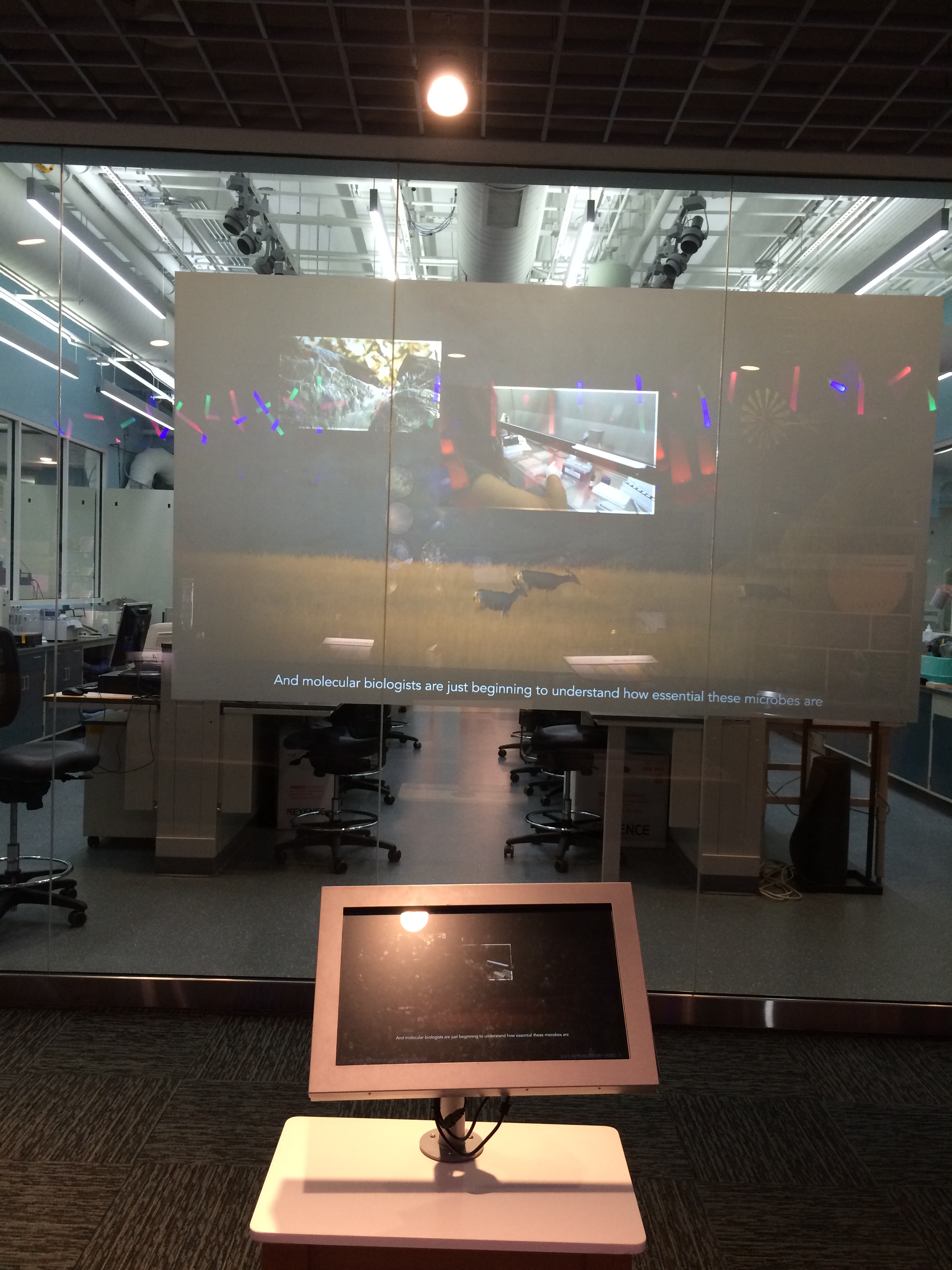
And this interactive projection allows the glass between the lab and the exhibit to nearly disappear, and also works as a tool for the scientists to use to explain their work with school groups and tour groups.

interactive wall

Augmented reality and robotics allow young people access to difficult to understand concepts, using models they can virtually hold and manipulate as they watch atoms come together to form molecules or see the changes in the earth as it is impacted by fire, drought, and storms. This robot, whose head was printed using a 3-d printer, will soon be roaming the museum responding to questions asked by museum guests.

robot

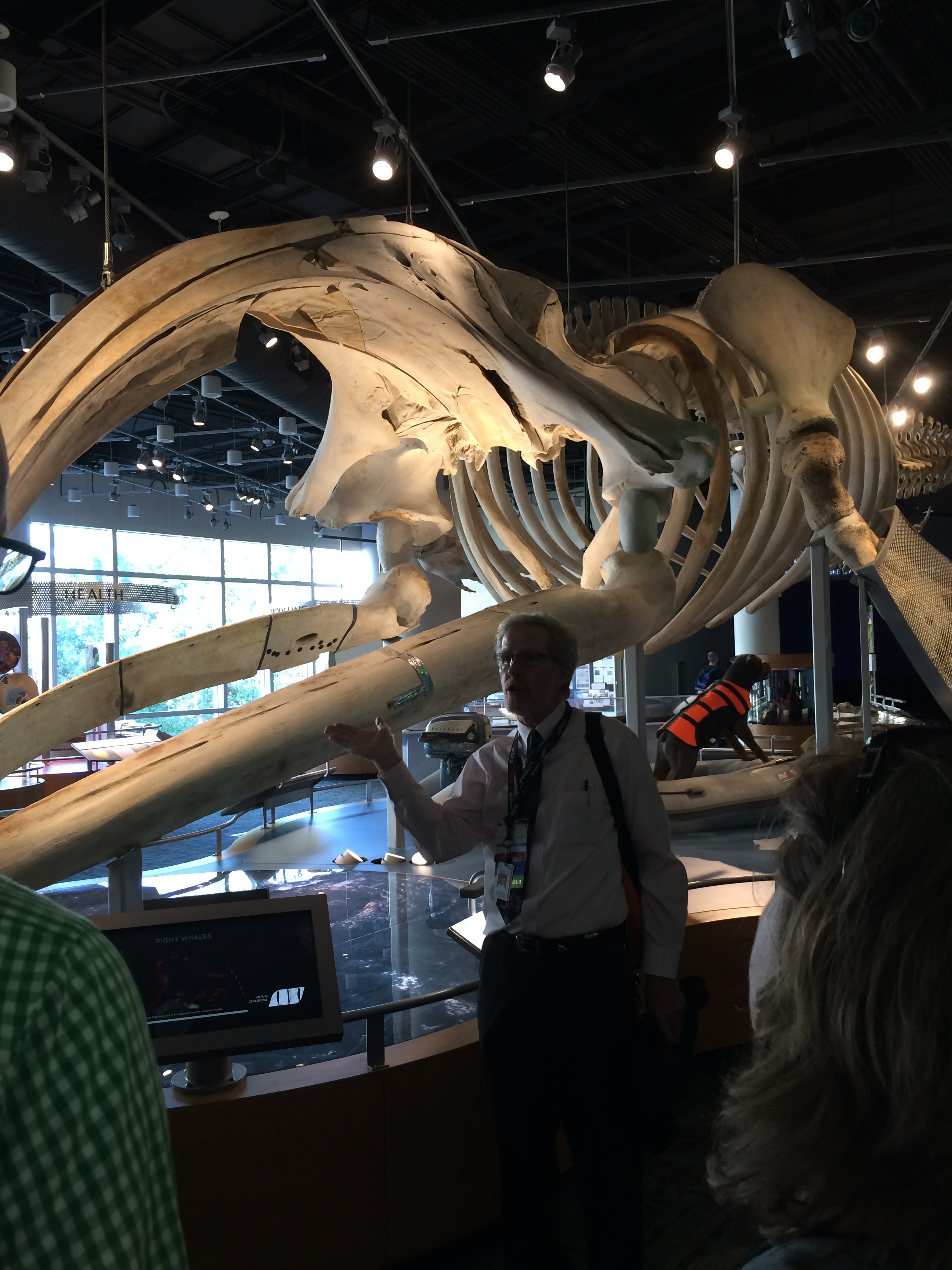
The story of this right whale is both a tragedy and a triumph.  Killed by a boat, its skeleton and that of its fetus were recovered and studied by scientists.  Experiments to determine the speed a boat would require to break the facial bone of a whale and kill it resulted in legislation slowing boats during the migration season of the right whales off the Atlantic coast.  Here’s a great example of science working to save a vanishing species!

whale

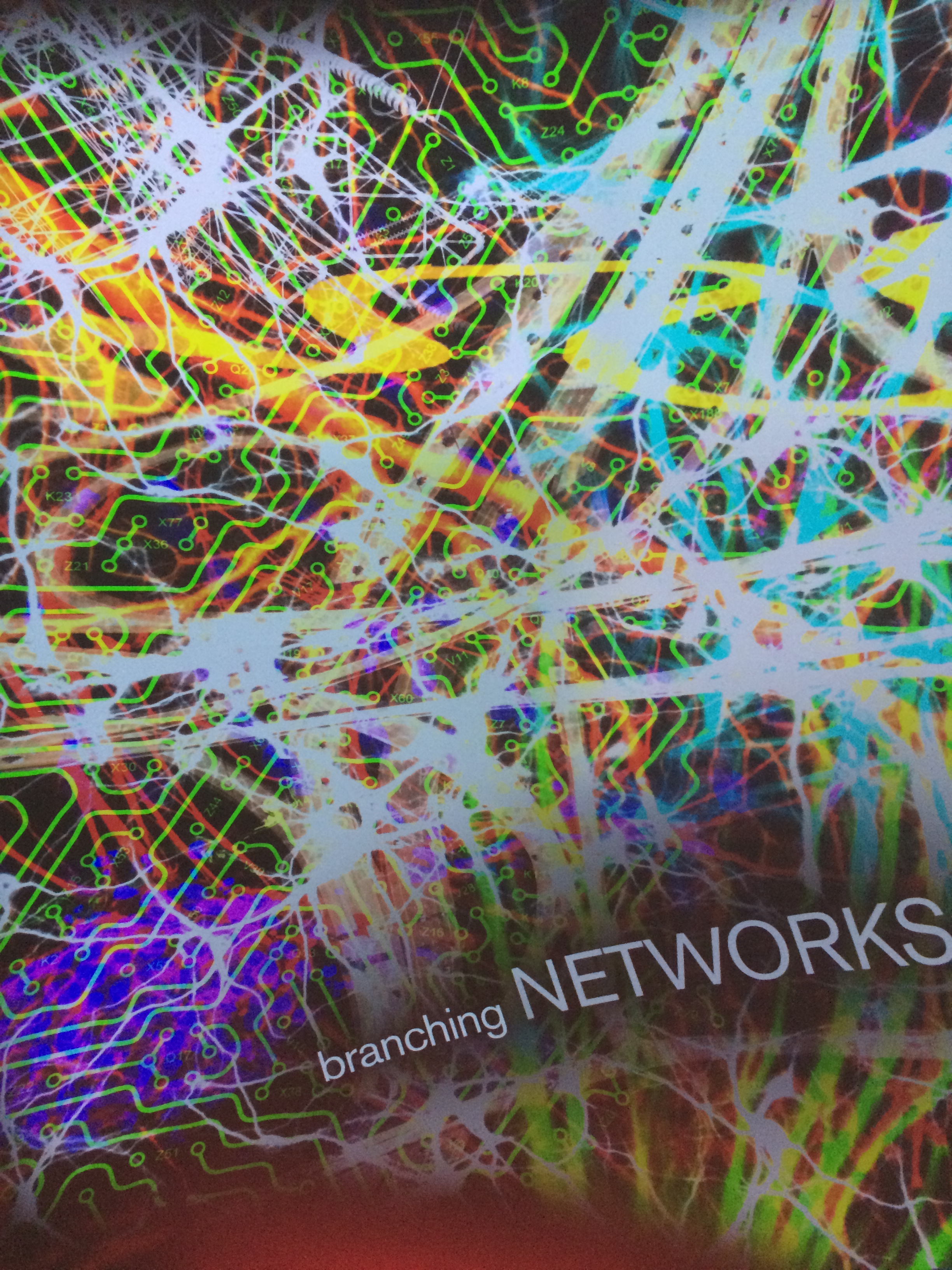
And in a unique space, short visual narratives mesmerize you with their beauty and fascinate you with their complexity.  Balconies allow you to stop and watch from different locations and you can easily dip in and out of the viewing experience.  This sequence on networks grabbed my attention…I know i want to think more about the different kinds of networks in our lives, how they are similar and different, organic and manmade…and how light and movement help us understand them.

networks

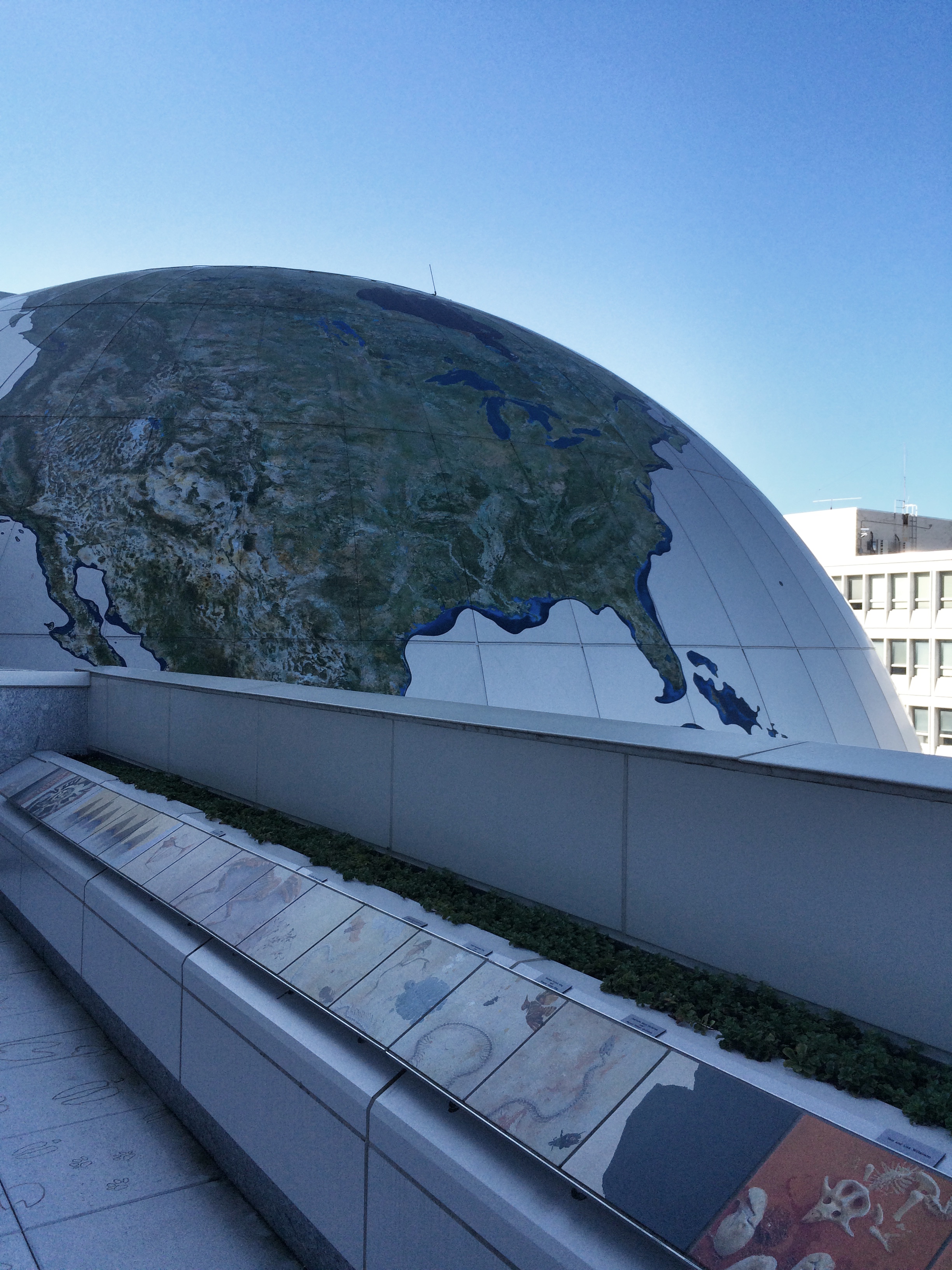
These mini movies were projected on the inside of a curved surface that just happens to be this extraordinary globe from the outside of the building…another interesting and beautiful way to learn about our world.

globe

Today’s tour allowed me to experience the museum in a new light, refracted by the passion of those who know this place intimately.  This post only begins to scratch the surface of what I saw, heard, and experienced in my short visit.  And I’m lucky, I get to return to the museum again tomorrow when it will be filled with museum people from all over the world as they socialize and learn from each other.  I can only imagine what new insights I will gain as I return to this magnificent place of science, research, and learning.

An Invitation to Hack

On Hack Your Notebook Day I found myself thinking about all the possibilities for hacking curriculum.  Especially as we think about our students and who we are and are not reaching with our teaching,, we often think about the materials we are compelled or choose to use.  I feel strongly about the need for teachers to hack their curriculum on the behalf of their students…and to encourage students to hack the curriculum for themselves too.

hacking hands

By curriculum, I don’t just mean those self-contained programs in binders and workbooks, but also the novel unit, the teacher-developed projects and materials, the cute unit inspired by a pin on pinterest… Even the lessons we have poured heart and soul into–they all deserve careful scrutiny with our students’ needs in mind.

We all have students who need scaffolds and we all know (or are) teachers who need scaffolds…there’s nothing wrong with leaning on some support structures.  The problem, for me, is when the structures get in the way of student learning and teacher development.  My least favorite words out of the mouth of a teacher are, “Just tell me what you want me to do!”  And I’m not really fond of those words from students either.  They imply a lack of investment, a lack of agency, a lack of understanding of purpose and audience.  And all of those might be true.

So what do we (I) do about it?  I propose that we hack.  Let’s carefully examine the materials we are required to use and/or decide to use.  Who do they work for in our classroom?  Who benefits?  Who doesn’t?  Who do we give permission to “break the rules?”  Who is handcuffed by the materials?


This and That: Consider the Microclimates

I live in a place filled with contrasts.  There is the breezy casual of the beach to the west and less than a thirty minute drive away you can be hiking into dry, hot hillsides, exploring vineyards or admiring the abundance of avocado groves.  Our weather reporters call them microclimates…and we tend to be adapted to the microclimate where we spend most of our time.  But what I love most about this place that I call home is that it is not either/or, it is this and that.

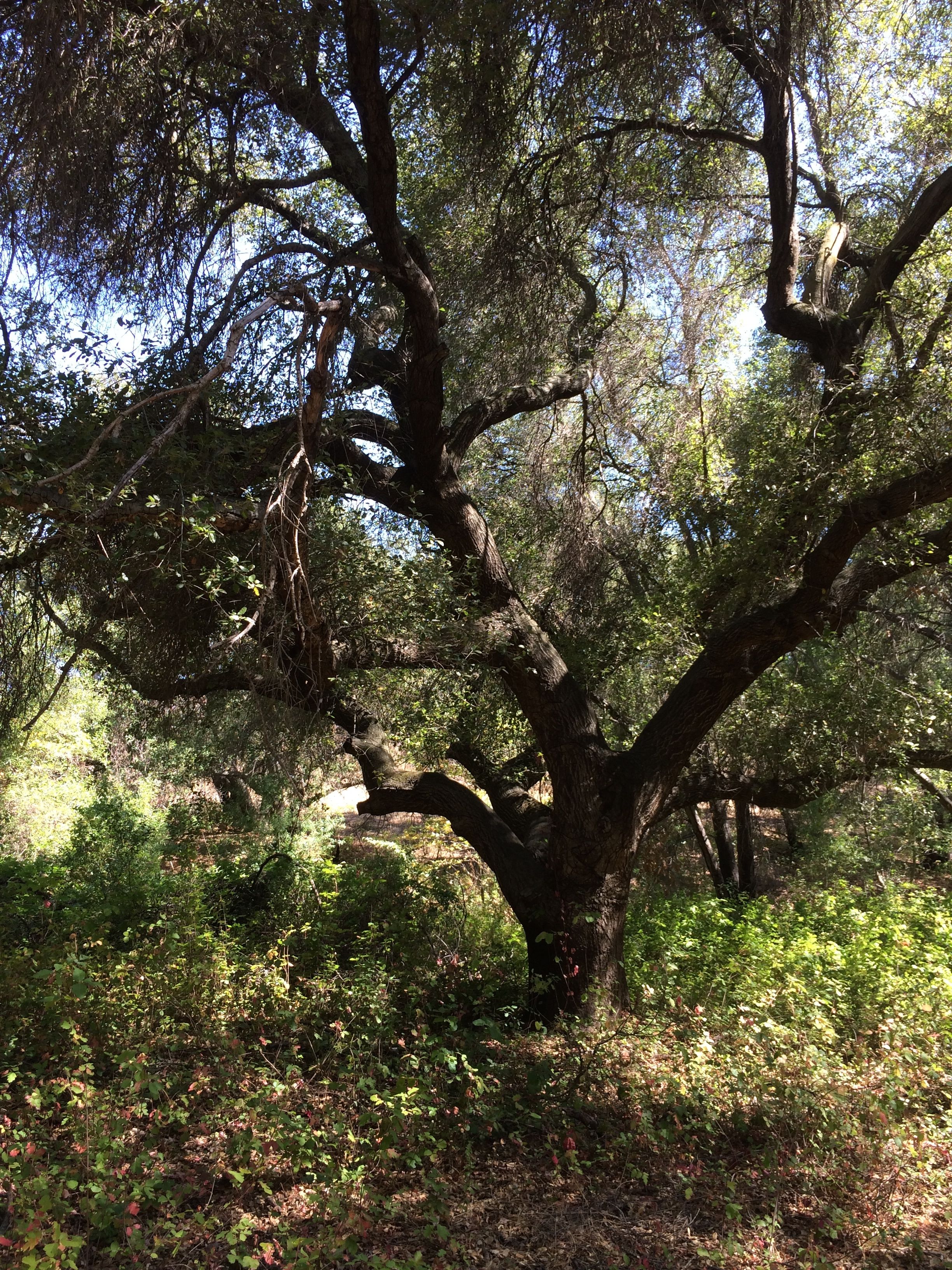
Just this weekend I spent time in two of these contrasting spaces…equally beautiful, equally interesting, but entirely different from each other.  I loved exploring the old oak forest as I walked in the dappled sunshine…and looking up in surprise as I watched a mule deer leap across the path I was walking.  It was hot early as I hiked uphill and I could see evidence of wildfires past and the dry brush that continues to be a threat for future fires.

coast live oak

And the beach is always a source of inspiration.  The holiday weekend prompted us to get up early and walk the beach before the crowds arrived.  It was sunny and warm and the water was unusually clear.  We noticed sand sharks and stingrays swimming a few yards from us as the waves crashed.  The water was warm by our standards…up to 70 degrees, perfect for barefoot walking.

beach castles

I’m so happy that I don’t have to chose to love and visit only one part of my place.  I’m feeling like there is such a push to simplify our choices, to turn every decision and discussion to the binary choice.  Right or wrong, left or right, boxers or briefs, apples or oranges.  In my experience, those binaries just don’t represent the rich complexities of everyday life.  Just this morning a friend sent an article about “balanced literacy” where the author lamented the kind of “conventionally rigorous” instruction he had received as a young English learner.  The article implied that “balanced literacy” was essentially an absence of teaching compared to the experience with the effort-full teaching he had received in his childhood.

I’m reminded of the reading wars in the not too distant past.  The phonics versus whole language debate that implied an either/or approach to teaching.  These arguments miss the subtleties and complexities of teaching and learning.  This “all teacher” or “all student” approach ignores the body of student-centered teaching that effective teachers practice every day.  It dismisses the diversity of the needs and interests of students as irrelevant and assumes that if the teacher simply transmits enough information, students will learn what they need to learn.

Let’s start a new conversation.  One that is about learners: teacher learners and student learners. Let’s bring their microclimates into the conversation.

Blog Birthday: A Reflection

Today marks one year since I began this blog.  I began with a 30 day blogging challenge for myself–creating an urgency to blog every day for 30 days in a row.  And in retrospect, that was a smart move to help me establish a habit of writing every day, day in and day out, even when I wasn’t feeling like I had anything to say.  In the last 365 days, I posted a blog post 293 of them…that’s a little over 80% of the days in the year!

This morning I had plans to read all 293 posts and then create some kind of reflection based on that reading.  And while I think it’s a good idea to go back and read all my posts, I only managed to get through the first 30 days before my life called and I was off to the beach and running those errands that just don’t get accomplished during the work week.

(Making time to photograph and play pushes me to create more balance in my professional and personal life…a good thing, I think!)

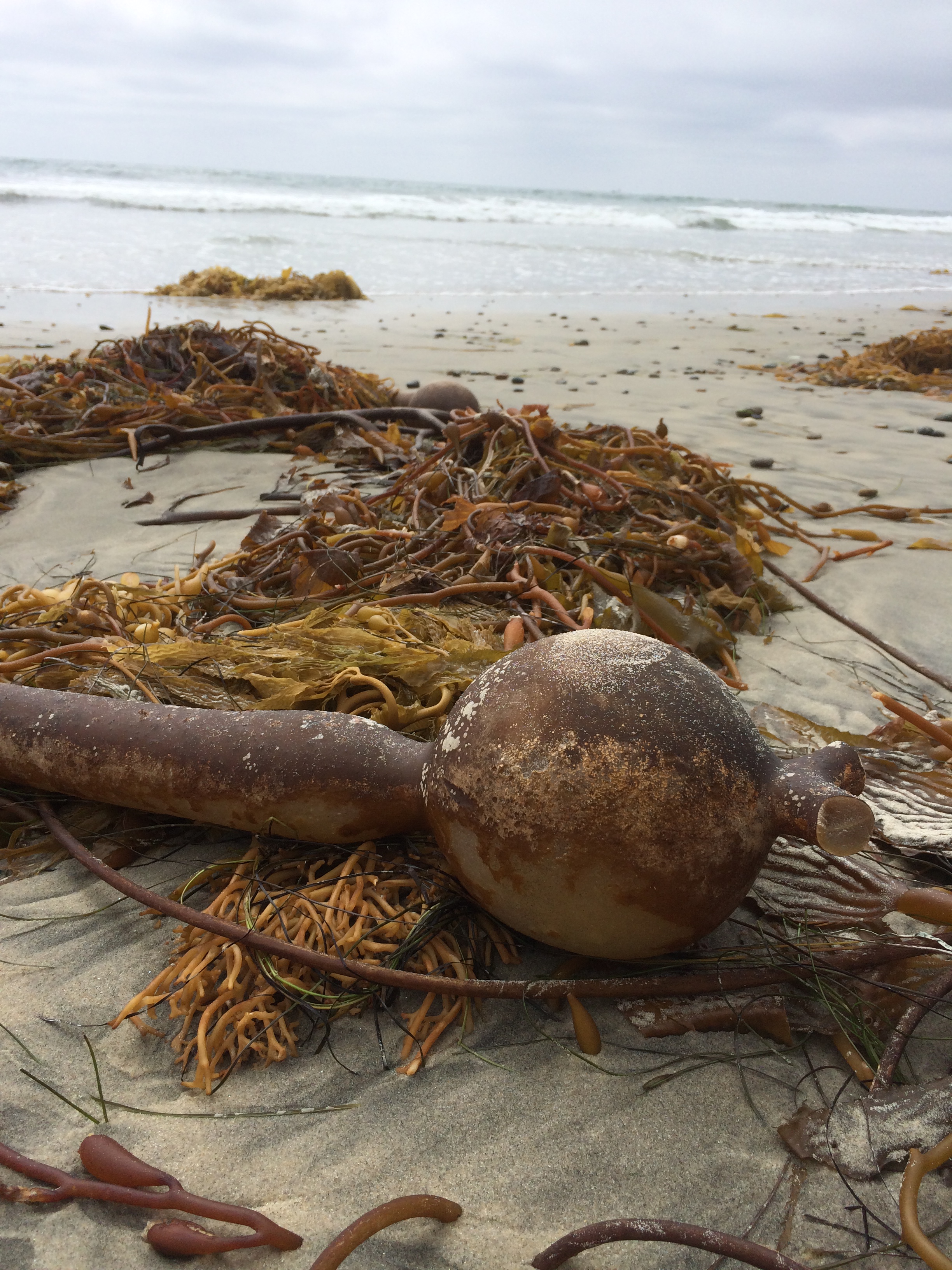
I’ve noticed lots of bull kelp on the beach in the last week.  There is something beautiful and fascinating about these large floats…definitely evokes the wabi sabi for me!

bull kelp

So instead of reflecting on the year’s worth of posts, I decided to highlight five from those first 30 days that continue to speak to me…and I know that I returned to their themes throughout the year–and may continue to return to them.

1.  Dandelions: A Photo Essay – I noticed that I had a number of posts about my fascination with the ordinary, and what I learned about myself and my students by paying attention to small details.  This particular post continues to be one of my favorites.

2.  Fireflies – This is another post about something little–that many people take for granted.  I loved learning that fireflies are the most ordinary of insects, and the most extraordinary!  We southern Californians miss so much by not having these lights in our everyday lives!

3.  Spaces for Learning – Hmmm…I just discovered I have two posts from last July with the same title!  I like this one that talks about “third spaces” for learning, outside the spaces claimed by hierarchies and organizations.  These are the spaces we claim for ourselves as learners.  I’m not done thinking about this idea… and it keeps emerging over and over again in my life…as a teacher, as a learner, and as a human.  (The other post was about Genius Hour, which is related…)

4.  A Small Orange Bead – This post is really about the power of connections and connectedness as a learner.  Opportunities to learn in a community create deep pathways and provide support that matters to learners.

5.  Boys and Bears – There is a physicality to learning that we sometimes forget as adults.  My observations of boys at the polar bear exhibit pushed me to think about how physical interactions have the power to pique curiosity and deepen learning experiences.

A year of blogging has taught me so much about myself as a writer, as a learner, as a photographer, and as an explorer in the world.  It has heightened my senses as I lean closer to my surroundings to understand them and myself through my writing and photography.  When I chose the blog title, Thinking Through My Lens, I wanted to play on the word lens to represent more than a camera’s eye…I also wanted it to represent my own biases, questions, and goals.

I look forward to another year of Thinking Through My Lens…and hope you will continue to bump your thinking against mine, sharing your insights and discoveries so that we can learn more about our world and ourselves, together.


Play and Games

This first week of CLMOOC has reminded me again of the power of connected learning. Don’t get me wrong…I am a connected learner all year long, but there is something about the intensity and playfulness of the CLMOOC that amplifies the effect.  Earlier this week I had the opportunity to serve as a coach for an upcoming make, and when I learned the topic would be games I wondered just how much help I would be.  In online spaces when someone says games, I immediately think of Minecraft and Halo and other video games.

Instead, our conversation went to stories about games from our childhood…games we made up, unstructured time when we were left to our own devices and “forced” to entertain ourselves.  Terry brought up some research about the lack of games in children lives and I wondered how that could be true–aren’t people complaining that kids are too obsessed with gaming?  That’s when our conversation got really interesting…when we realized that game had different connotations in different contexts.  What we all worry about is how little time children seem to have that is unsupervised and free for imaginative play, exploration, making, and doing…not pre-structured by adults. (Many thanks for a rich, thought-provoking conversation Terry, Joe, Christina, and Michael!)

Here’s a link to the talk Terry had referred to:

My husband took today off from work and after we treated ourselves to breakfast out, we headed to the beach for a leisurely low tide walk.  It was warm and sunny, but not too hot, perfect beach weather.  And as we started walking I realized that my husband and I often make up our own games to keep our beach walks interesting.  Our latest “game” has been to search for beach glass as we walk.  It’s like a scavenger hunt, eyes tuned for the gleam of the glass worn by the tides.  We have very little glass on our beaches–probably in large part because glass has been banned on our beaches for a decade.  But when we started playing this game a few weeks ago, each find has become a treasure.  Here’s today’s haul.

beach glass

And Christina reminded me that my photography is a game.  And it’s become even more so managing both #sdawpphotovoices–a monthly photo a day challenge and a weekly photo challenge that I post on my blog and for the NWP iAnthology.  This week’s Weekly Photo Challenge is #two…and I couldn’t resist snapping this photo of my husband fitting our flip flops in his pockets so we don’t have to carry them on our walk.  He puts one of each of our shoes in the pocket since mine are smaller (two of his shoes won’t fit in one pocket!).

two shoes

I also took some photos that I knew I would use to play around with filters and effects. This “still life” seemed perfect for trying out a new app (thanks Bonnie for pointing to it) called painteresque.  I love the effect!

beach stifflife paintereque

And then today I added yet another game to my photographic repertoire.  I’ve been wanting to take photos of “found alphabet” letters.  My rule (self-imposed) is that I have to photograph it as it is, I don’t get to arrange it.  Here’s a couple I found at the beach today.

Here’s a Y from kelp:

Y seaweed

An M I found in the cliffs:

m beach cliff

An O formed by a sea anenome:

o sea anenome

And who can resist the i made of bird poop!  (And it was washed away by a wave right after I snapped it!)

i bird poop

And part of the fun of these games is playing them with others.  It’s fun to search for beach glass with my husband, celebrating each find.  And taking photos is even more fun when others play along and we can share with each other and learn from each other.

I’m hoping that others will join me in the found alphabet fun.  I’m thinking I have two different “sets” I am searching for: found in nature and found on the beach.

What I love best about the CLMOOC is the spirit of playfulness and the ways we build on each others’ ideas and makes.  We are free to explore, to play, and to hack the structures presented. The connections are essential because they motivate and encourage and urge us on to try one more thing.  And thanks Terry, Joe, Christina, and Michael and the rest of you CLMOOC-ers for reminding me that I do know about games. Now I can’t wait for the game-focused make cycle! I’m already making up new games!

Sometimes Process is the Product

It was quiet when I arrived, the coffee maker was percolating, the snake stretching up to explore its glassed-in space, and the empty exhibits waiting to be filled with the curiosity of children. There’s something magical about an empty museum…an experience I have come to love through our Intersections work, a partnership between the San Diego Area Writing Project, the Reuben H. Fleet Science Center, and the San Diego Natural History Museum (the NAT).  We, classroom teachers and museums educators, have been learning and working together throughout this school year to improve the field trip experience for students, and to explore the relationships between science and writing. And yesterday was our second field trip pilot, an opportunity to observe students, their teacher, and chaperones in action as they implemented the tools we developed to support the experience.  These tools: a chaperone orientation video, exhibit guides, and questions to invite student inquiry; a hands-free field kit, question card, and exhibit booklet for students; and all the experiences the teacher–one of our participants–had through our year together, were meant to support student inquiry and encourage exploration.  They were meant to support the parent volunteers/chaperones, helping them to facilitate student-driven conversations about their observations.  And in many ways, these tools did help to support these goals.

Student Field Bag...(Don't you love the sparkly pink leggings?)

Student Field Bag…(Don’t you love the sparkly pink leggings?)

My favorite part of the field trip happened at the very beginning when students were treated to a behind-the-scenes tour of the Nature to You loan library at the NAT, a room filled with taxidermy animals, insect specimens, and a geologic collection that are available for teachers to check out and take to their classrooms.  As we piled into the small space lined with glass cases of bobcats, birds, bats, possums, insects, and more, you could feel the energy.  Students spontaneously began asking questions, “Are they real?” “Are they alive?” “How did they die?” After a brief explanation that in fact, all these animals are real, but no longer alive…and that they either died of natural causes or were found dead and then preserved through taxidermy, students were invited to explore the collection and to consider which animals they might like to have visit their classroom.  The children and their chaperones spread throughout the room, eager to uncover the treasures within. looking closely interesections Student knelt down and bent in close to the glass, carefully observing the animals of interest. They told stories of animals they recognized…and their adult chaperones also told stories and pointed out animals of interest.  Everyone seemed to find favorites and called their friends over to see their finds. With Doretta Intersections This little girl was fascinated by the butterflies and desperately wanted this specimen to come to her classroom.  She asked if she could make a list of animals she wanted to bring back to school…and of course, she was encouraged to do so.  Students spontaneously took paper out of the field bags and used all available surfaces: shelfs, carts, the floor… to write lists and other information they wanted to remember about these animals. writing to remember intersections As they exited from the loan library, students gathered into their small groups and headed off to the museum exhibits.  They were free to explore in whatever order they decided, and our team of educator-researchers followed along, taking notes, listening in on conversations, documenting the museum experience. We noted the places where students lingered, where they seemed eager to spend more time and explore, and captured their questions and conversations where we could.  I found myself interested in the structures and spaces of the museum, thinking about the strategic placement of benches and stools and the height of information boards.  I loved watching students at this chalkboard that invited students to draw skulls that they had observed throughout the exhibit. skulls on a chalkboard intersections And I noticed students sketching and writing in their booklets–a space intended to invite student observations and deepen their thinking.  Unfortunately, in many cases students and chaperones seemed to view the booklet as a duty, often filling in spaces as quickly as possible with little thought and attention.  I did notice a student or two take some time…this little guy made himself quite comfortable in the middle of the floor, as he sketched and completed a page in his booklet. drawing my hand intersectionsBefore lunch, students had the opportunity to get close to a couple of snakes…and even touch them.  They moved in close, asking questions of the the docent as they reached toward the snakes. snake petting intersections After lunch, students headed off to the Fleet with the researchers in tow.  We continued our documentation and observations.  As the field trip wound to an end, the educator-researchers gathered in a conference room to debrief the process.  Reviewing our notes, we thought about the positives of the field trip experience and the places we still felt a need for change and improvement.  And then we gathered in groups and discussed our observations.  The conversations were rich and dynamic, noting the places where we observed students engaged and inspired and still finding missed opportunities for students to be self-directed and to delve more deeply into the questions the exhibits provoked. This process of designing field trip tools, testing them in an authentic field trip experience, and then reflecting on the implications of our observations in order to iterate and innovate has been a powerful one.  And while there has been frustration in our group that we haven’t yet produced a product that captures the depth and intensity of our work together, we have learned a tremendous amount and come to some startling ahas about the intersections of informal and formal learning opportunities.  As much as we’ve tried to support chaperones to facilitate inquiry, the reality is many of our well-intended parent volunteers are not prepared for that role…and our “crash course” in juicy and probing questions isn’t enough to make them feel comfortable and confident in that capacity.  Mostly, they do just what we asked them to do, they keep track of students, redirect them when needed, and deal with the safety and personal well-being needs that come with groups of children.  So, we are rethinking our tools…again.  And maybe we will never have the perfect product we wish for…and then again, maybe this process is the product we are searching for, an occasion to really see students in action and consider the roles we might play in supporting their curiosity, deepening their learning opportunities, and opening up time and place for playful exploration and inspiration both inside the classroom and in those wonderful spaces beyond the classroom walls.