Tag Archives: making

Making and Learning

Instead of thinking about teaching on Tuesday, I spent my day thinking about learning.  On the plane Tuesday morning I sat next to a young family who had vacationed in San Diego to go to Legoland with their two young boys…and got stuck Monday night because of the domino effect of the weather in the midwest and east coast.  For being pretty tired, the boys were great.  The littlest guy (maybe 3 or 4) was playing a game on his DS system.  Whenever he got “stuck,” he would hand the game system up to his older brother (who was maybe 5) in the seat in front of him and ask for help.  Brother would play the troublesome spot and then hand the game back and little guy would go on with his play.  After his brother tired of helping, mom would help…and coach as she did so.

At the same time I was reading Invent to Learn, a book about the maker movement and the value of engaging learners in meaningful activity to maximize learning.  It begins with the theory behind making as learning…including information about Piaget, Montessori, Dewey, Vygotsky, the Reggio Emilia system, and folks at MIT, including Seymore Papert.  The book emphasizes what they call the constructionist (rather than the constructivist) theory of learning.  Their argument is that through the concrete construction of meaningful projects, learners gain rich, layered skills that serve them in school and beyond.  They also emphasize the value of play.

I landed in Oakland and made it on time for my 9:00 meeting at the National Writing Project offices in Berkeley with a small group of like-minded educators interested in the maker movement, interested in the intersections of literacy and science and STEM-related learning, interested in meaningful learning, both in and out of schools, for young people in their community. We gathered to consider ways schools and writing projects might collaborate with other organizations to further these goals.

I wrote about my experience in Boston with paper circuitry here, and today we met with Jen Dick and David Cook to continue to build our relationship and thinking about the ways writing and circuitry enhance each other and might support student learning in and out of schools.  We began by talking about our own experiences with paper circuitry and the benefits and barriers to bringing it to our own contexts.  Lou had managed to secure some LED stickers from Jie in Boston and returned to his high school class in Northern California where he introduced his students to the paper circuitry project.  He described the success and excitement his students experienced and what he learned from both his students and his own children who also tried out the process.

We took our circuitry learning a step further and programmed mini controllers to make our LED lights blink on and off at intervals we selected.
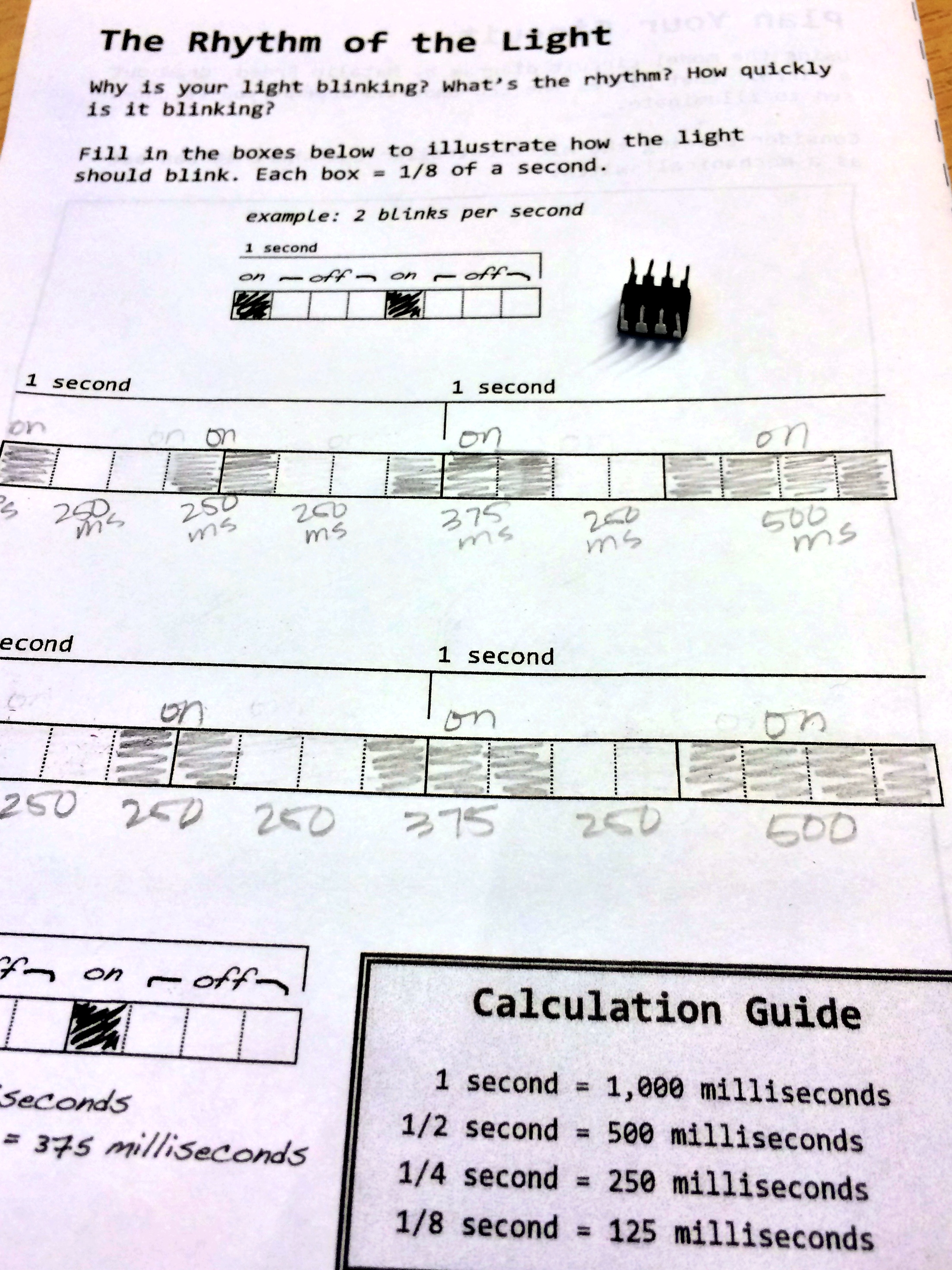
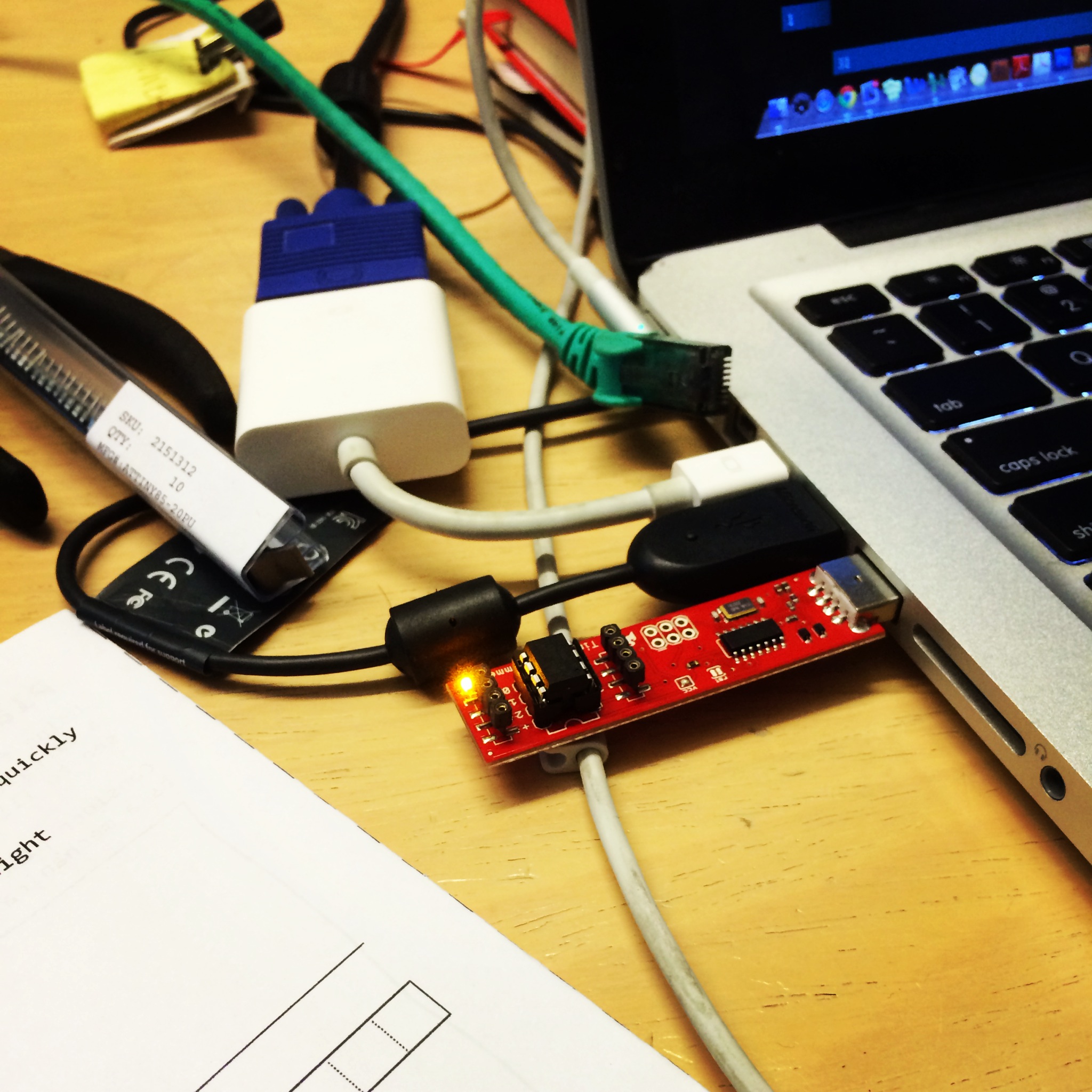
photo-44

photo-43

We also learned about some other exciting new developments on the horizon for merging the science of circuits, technology with programming, and writing.  I still find myself thinking mostly about what students learn when they make a plan and then need to troubleshoot and iterate to get it to work the way they intend.  Systems thinking is a powerful tool that we employ throughout our lives across subject matter and circumstances.

Jie, the designer of the LED stickers, also Skyped with us after we worked with the circuits and we all thought together about how these stickers impact the experience of working with the circuits..and with the the experience of the creating of writing and imagery with the lights.  I appreciate Jie’s attention to the aesthetic experience of composing writing and art and how it is enhanced or impeded by the circuits rather than putting the circuits themselves at the front of the project.  By considering the work as a whole…light and drawing and writing…she reminds us that it is the integration of these elements that create the meaningful result.

The morning ended with the group thinking about how we might put these LED stickers to use back in our classrooms and at our writing project sites.  There was much more to the day…but that will have to be another post.

And I am left thinking about learning.  Those little boys on the plane, the book I was reading, my experience programming to create a blinking light all remind me that the best of learning is meaningful, active and interactive, and collaborative.  Even though I understand the basics of circuitry, sitting next to Peter and examining his working circuit informed my thinking…and since I ran out of time before completing my mini project, I will finish it on my own, at home. I’m confident that I know how to make it work and if I do run into a problem, Peter and my others colleagues are just a tweet or email away.  If you want to see Peter’s finished mini project, see his Vine here.

I can’t wait to share my experiences with my students and with my colleagues.  I look forward to exploring all the ways that writing can enhance and expand this circuitry work along with how the circuitry and lights can add another dimension to the writing.
Making and Learning into the New Year!

2013 has been a year of making for me.  It’s not that I haven’t made things in the past…but this last year I have been making things with the focus less about the product and more about what I learn through the making process.  And throughout my making, I’m also thinking about my students and how they might approach a similar make…and what they might learn from the process.

Photography has been a focus of my making this year.  I’ve gone from taking pictures to crafting photos and creating images…and I love the way that the focus on photography and continually working to improve my craft influences the way I view the world and think about learning and making.

So tonight, on New Year’s Eve, I am enjoying a quiet evening at home with my husband, youngest son, and daughter-in-law.  The fire is roaring in the fireplace, the house is filled with delicious smells, and we’re catching up on stories of all the time we spend away from one another since they live in another city.

And…with my son’s help, I made my first stop motion video!

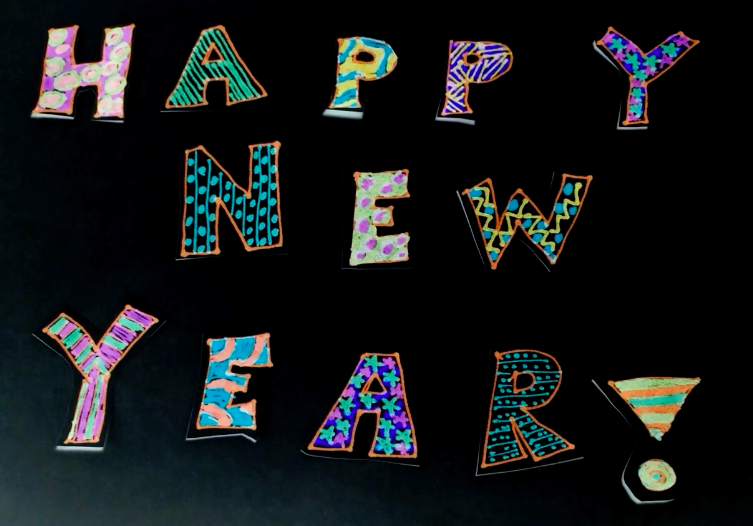
We started with a basic concept based on fireworks on New Year’s (after he showed me a few examples by making some quick stop motion videos in front of me using found items in the living room).  Using a combination of drawing and paper cut outs, we prepared our materials before starting to film.

Together we created our video shooting frame after frame as we built up the motion, carefully moving elements for each shot.  Our goal was not a fancy professional level video–but instead something that my students would be able to do on their iPads.  We shot the entire video on my phone using the imotion HD app.

Since we had shot the video with a white paper background, we searched for ways to invert the colors and make the background black to give the video an evening sky quality.  We looked for apps to use to create the effect, but finally gave up and used After Effects on my son’s computer.  (My students wouldn’t have this ability–but I may also find out about some other apps before then!)

Finally, I loaded the video to Youtube, edited it to loop (since it was only 4 seconds long) and added some New Year’s music from the Youtube library…and voila!

I know I will need to spend some more time trying out stop motion for myself and experimenting with the possibilities.  But already, I know enough to be able to get my students started! Our only problem in the classroom is figuring out how to fit in all the learning and making we want to be doing!  There is simply not enough time in the school day…or in the school year for all the learning we want to be doing!

Happy New Year to all of you!  What did you make and learn on this last day of 2013?  What plans for making and learning do you have for 2014?  If you have any advice for making stop motion videos with students, I’d love to hear it!

Screen Shot 2013-12-31 at 8.41.56 PM

P.S.  If you are interested in trying out a photo-a-day challenge and need some prompts to get you started, check out the photo-a-day prompts we are using in January by clicking here.

Making Time for Making

We’ve been doing a lot of making in our classroom this past week and a half.  Snowflakes, poinsettias, Hopscotch projects…  It’s not that we don’t make at other times, but it seems that we have really gotten in the flow of making lately.

I love it when we can give ourselves and our students the time to plan, design, improve, and finalize a project.  Our snowflakes were just such a project.  Math and science, reading and writing, along with problem solving and some systems thinking all came together to create animal shaped snowflakes that will be accompanied by original snowflake poems later this week.

I wrote about the start of the project here and the value of tenacity and iteration for students.  Our students had at least four opportunities to create their snowflake designs–with time to study their own and others’ attempts in between.  And yesterday, all of our students successfully created an animal-shaped snowflake of their own design.  (We did not provide templates, although we did help the few students who needed some additional scaffolding.)

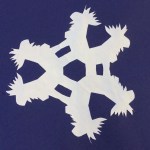
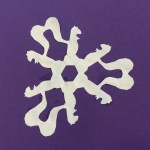
Here are a few examples…and remember these students are 6, 7, and 8 years old!

If you look closely you will notice a moose, a giraffe, a squirrel, and a lizard in these four designs.

Students also created winter scenes using computer programming yesterday.  You can read about it here.  And then today, in addition to writing about snowflakes, we began assembling the poinsettias we are making from the paper we painted on Monday.

They still need their finishing touches…but already are beautiful!  And students have learned a lot about poinsettias and a bit about their history.  (The Ecke family, locals from our area, established themselves as primary producers of poinsettias around  the world!)

But what I love best about this making is the productivity and collaboration from our students.  They love making…and once they get past the fear of failure, are willing to take risks and try new ideas to improve their products.  And we see evidence of students taking these ideas home and trying them out there.

One of our students came in this morning with a huge snowflake…a good three feet across…that she made at home.  She had talked her mom into a trip to Michaels to get the big paper that she designed (a butterfly), cut and decorated…and then brought to school so we could see what she had done.

I know there are people who might call these activities “fluff” and complain that this isn’t real learning.  For those people, I wish they could see the energy and enthusiasm, the collaboration and problem solving…and all the reading, writing, math, science and history that are learned in the process of the making.

Have you made time for making lately?

More Adventures in Coding

It’s Halloween…the perfect day to continue our adventures in coding with our first, second and third grade students!

And thanks to Mark, our ed tech guy, the kids had the advantage of having someone other than their regular teachers reinforce their initial learning and suggest some next steps.

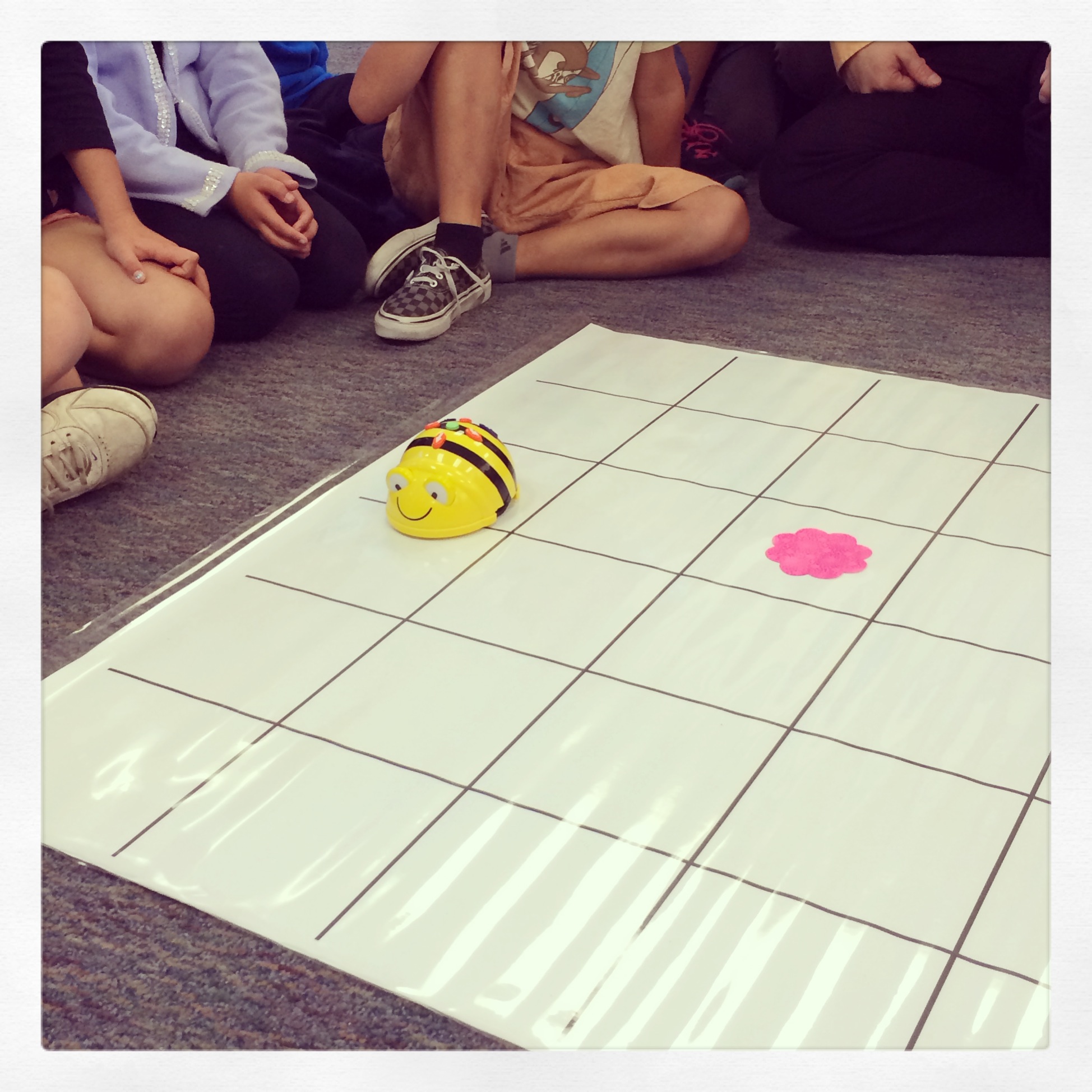
We returned to Beebot today.  Our students love this friendly bee that responds to their fingertip commands.  And it becomes the perfect vehicle (pun intended) for reminding them that programmers have an idea in mind for their code.  Today’s challenge:  can we make Beebot travel in a square and return to where he began?  (The answer was yes!)

photo-4

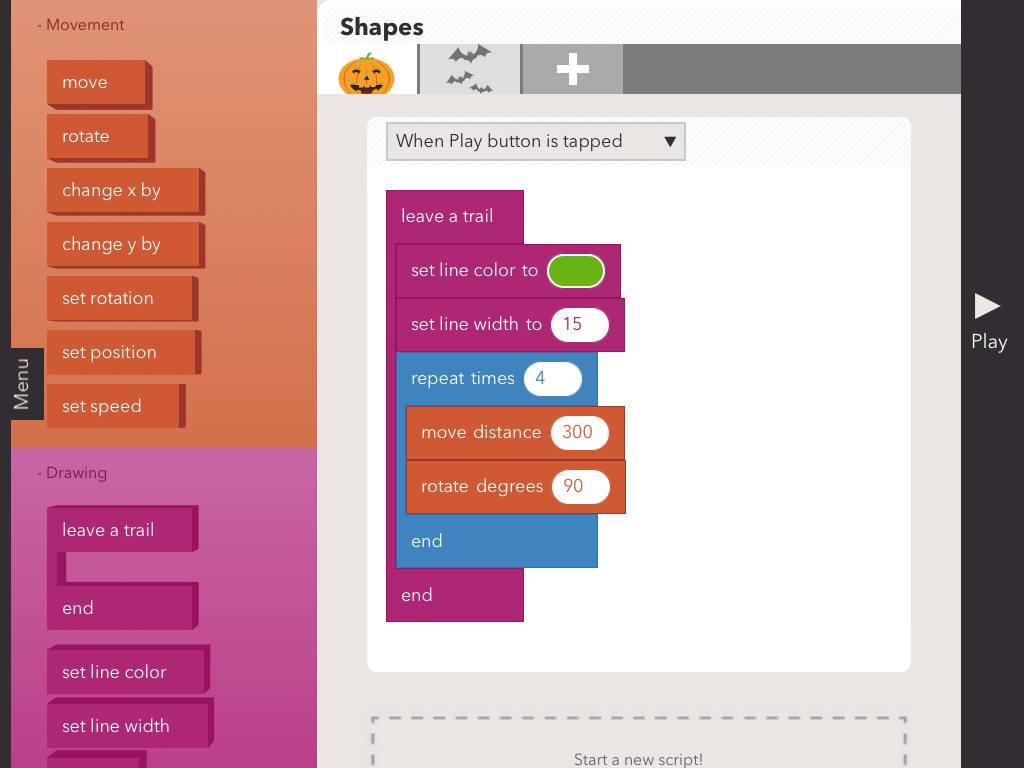
And then we transitioned to Hopscotch.  And our students were in for a treat!  Hopscotch characters were dressed for Halloween today…a special Halloween update.  (The room was electric as the students discovered this new edition on their iPads!)

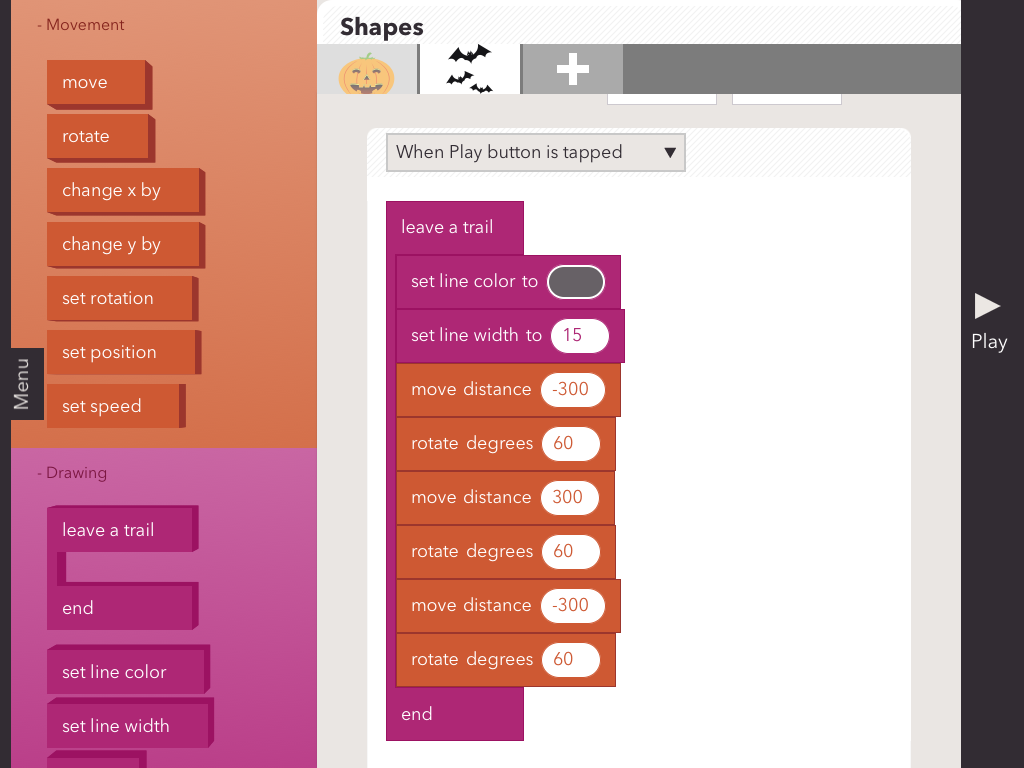
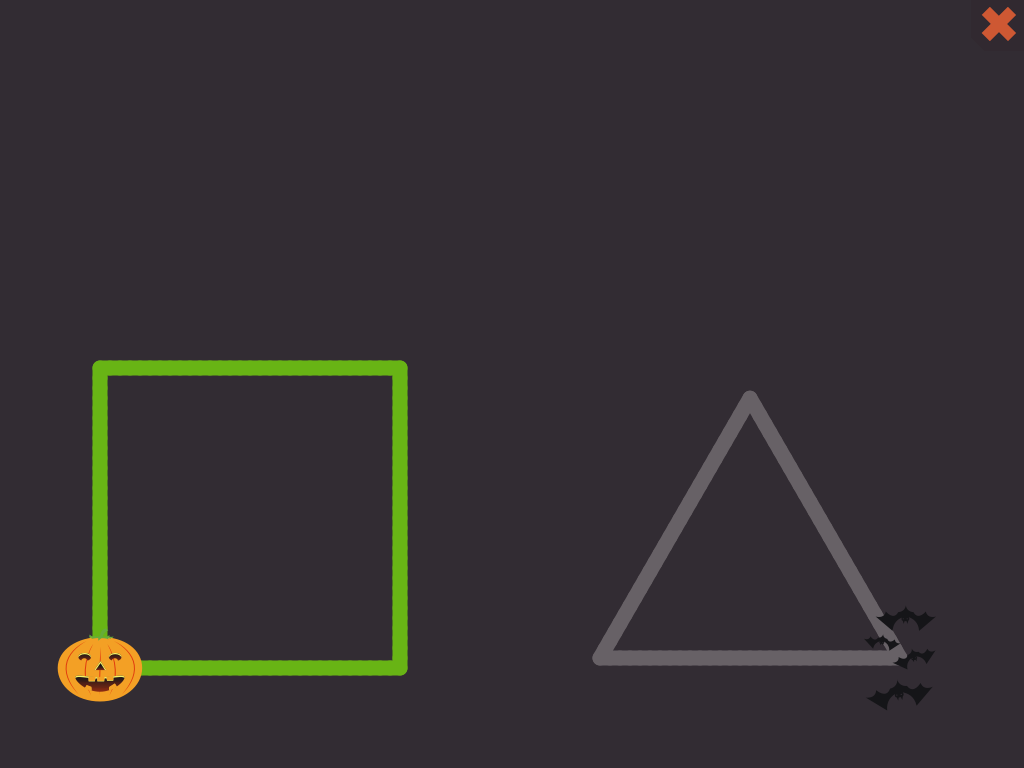
Mark guided the students as they matched the commands they used on Beebot to the blocks on Hopscotch.  And they carefully coded their first character to make a square.

photo_1

As you might expect, there were a few glitches…a perfect opportunity to do some “debugging.”  And then we all tackled making a triangle.

photo_2

That was a bit harder.  And some students figured out if you used the repeat block, some interesting triangle designs resulted!  And here is the basic square and triangle we aimed to code for today.

photo

I hope students take away the value of being able to make the characters do what they want them to do.  This planning is not to get in the way of “happy accidents” but instead to help students do more than move blocks and push play randomly.  I know that many of our students can hardly wait to create some more triangle designs.  Our next invitation might be, what picture can you make with triangles and squares?

The Halloween costumes will go away the next time we update the app…but I hope the lessons learned on Halloween will remain…and become a platform for continued learning. I know I learned a lot today and am more interested in programming than I was before!  I can’t wait to figure out what my students (and I) will do next!

Making…and Learning

Making…a powerful venue for learning.

Our students have been doing a lot of making…and learning lately.  Sometimes that making looks and feels a lot like play.  And that’s a good thing.

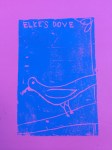
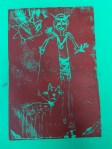
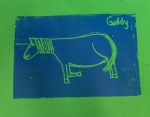
This week we were lucky enough to have the Lux Art Institute come to our classroom with The Story Box from their Valise Project.  On Tuesday our students spent an hour examining the wood carving, block prints, and sculptures of Jim Lawrence based on fairy tales…and were invited to either write their own fairy tale or pick a favorite to create a block print image today.

Our students were excited to think about fairy tales…and write their own.  The creativity of children is amazing…their stories sometimes meander a bit, but there is no shortage of imagination and wonder.

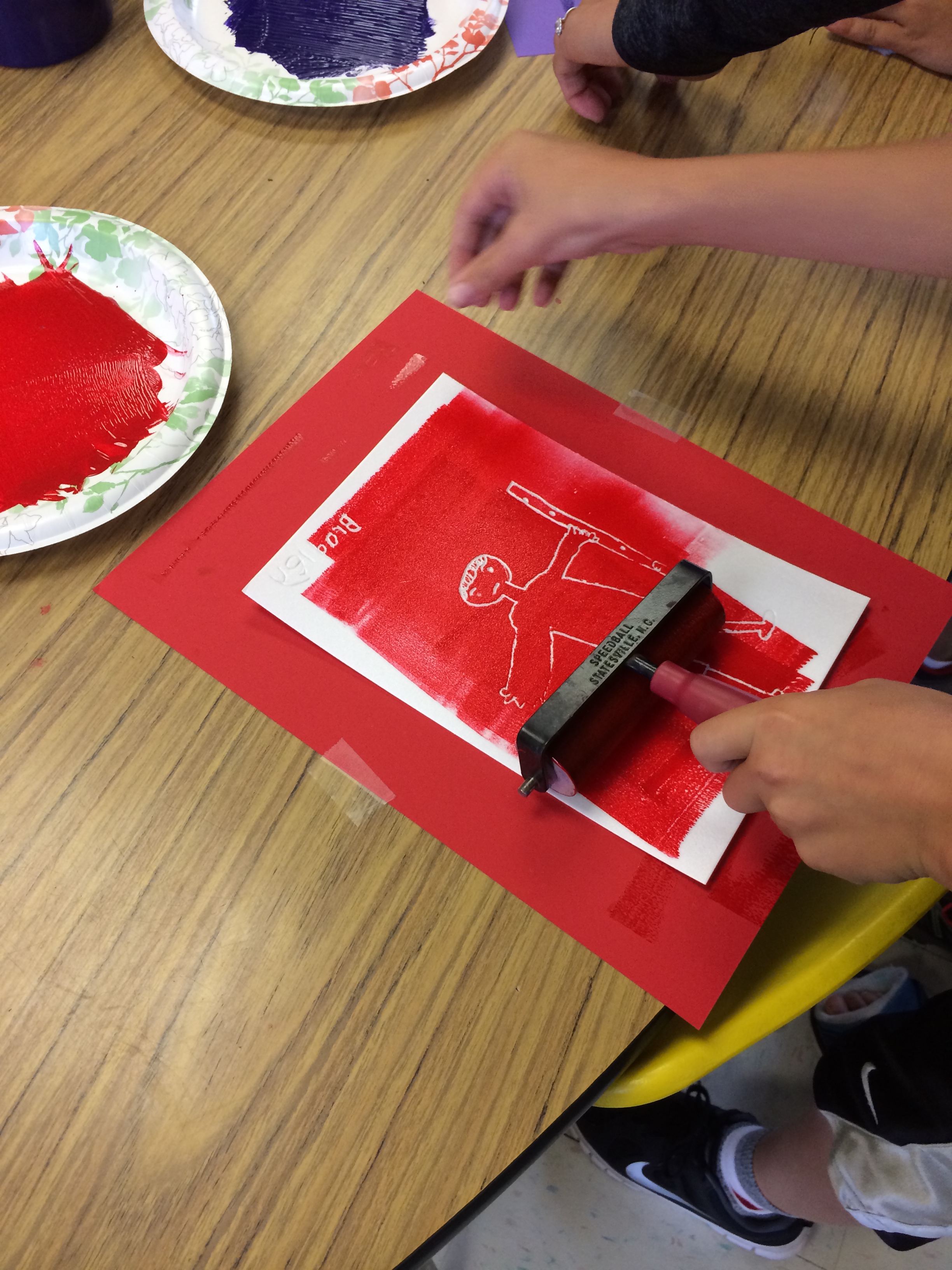
And today they had the opportunity to create their own “blocks” for printing.  Using styrofoam sheets, they used pencils to etch indentations of their image…and even learned some techniques for writing their names and other words backwards so they would print forwards.  (They made a few mistakes…but that, too, is part of the learning process.)

Using a brayer and paint, they smoothed paint onto the surface of their etching and then pressed it onto colored paper to create their prints.

photo_1

They created beautiful images…whimsical, cute, fanciful, scary…and everything in between.

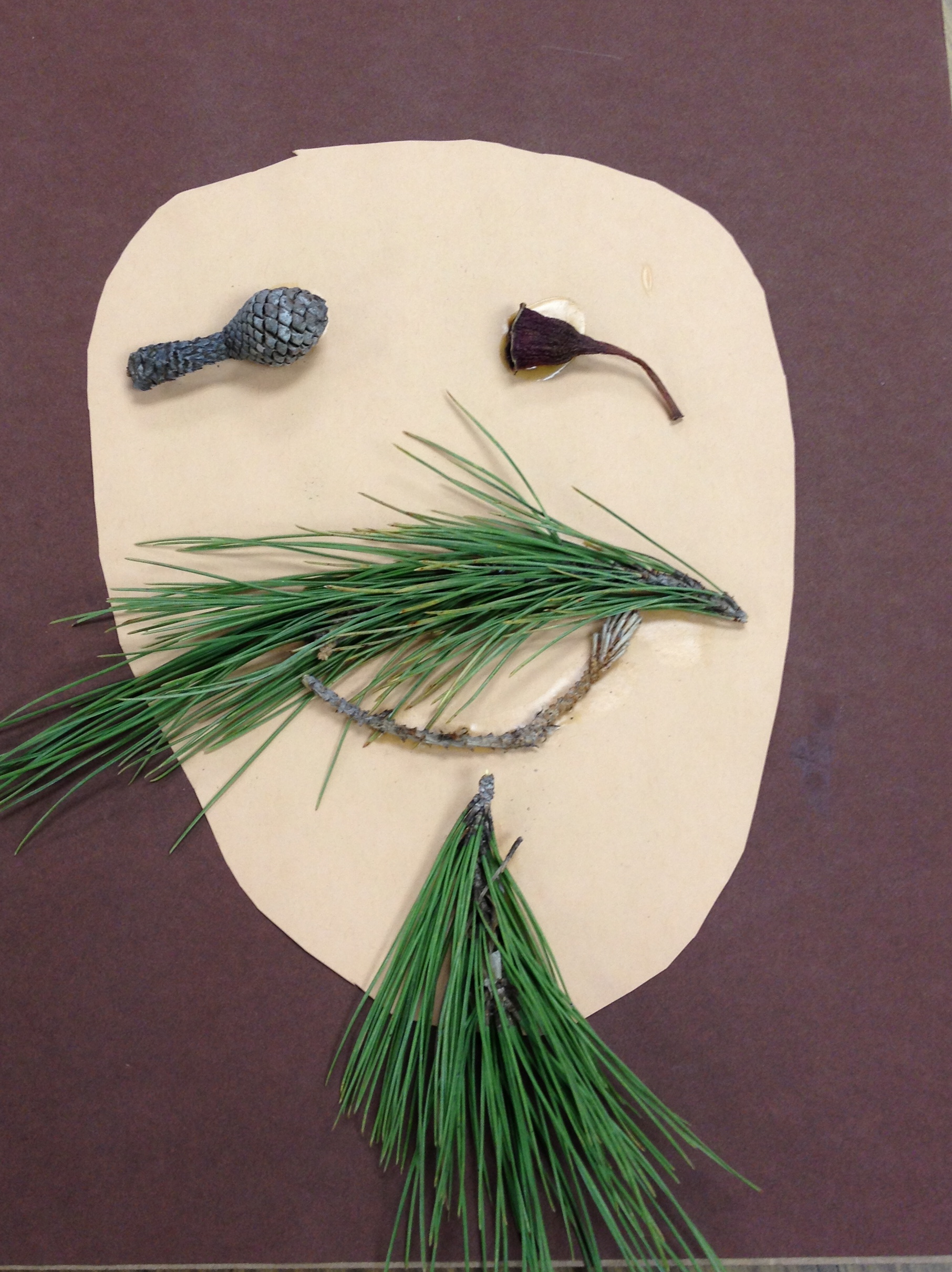
For more than an hour, my students were happily engaged with drawing, etching, painting, and writing.  They had to think critically and problem solve.  They had to practice patience as they waited their turn to paint.  They focused and produced.  They were making.  Making art.  Making stories.  Making memories.  Making connections.  Making understanding.  And they were learning.
What have you made lately?

Making Art

Participating in photo-a-day means that I am always on the lookout for an interesting photo opportunity.  And even though this whole month is themed writing, that doesn’t mean that I don’t take and post other interesting photos.
Driving to work is one of those times when I keep my eyes peeled for promising places to return to for a photo or two.  Over the last few weeks I’ve noticed a house not far from my school that seems to be made of concrete.  It’s huge, looks over the ocean, and has floor to ceiling windows…obviously designed for maximum visual impact, from inside and from outside.

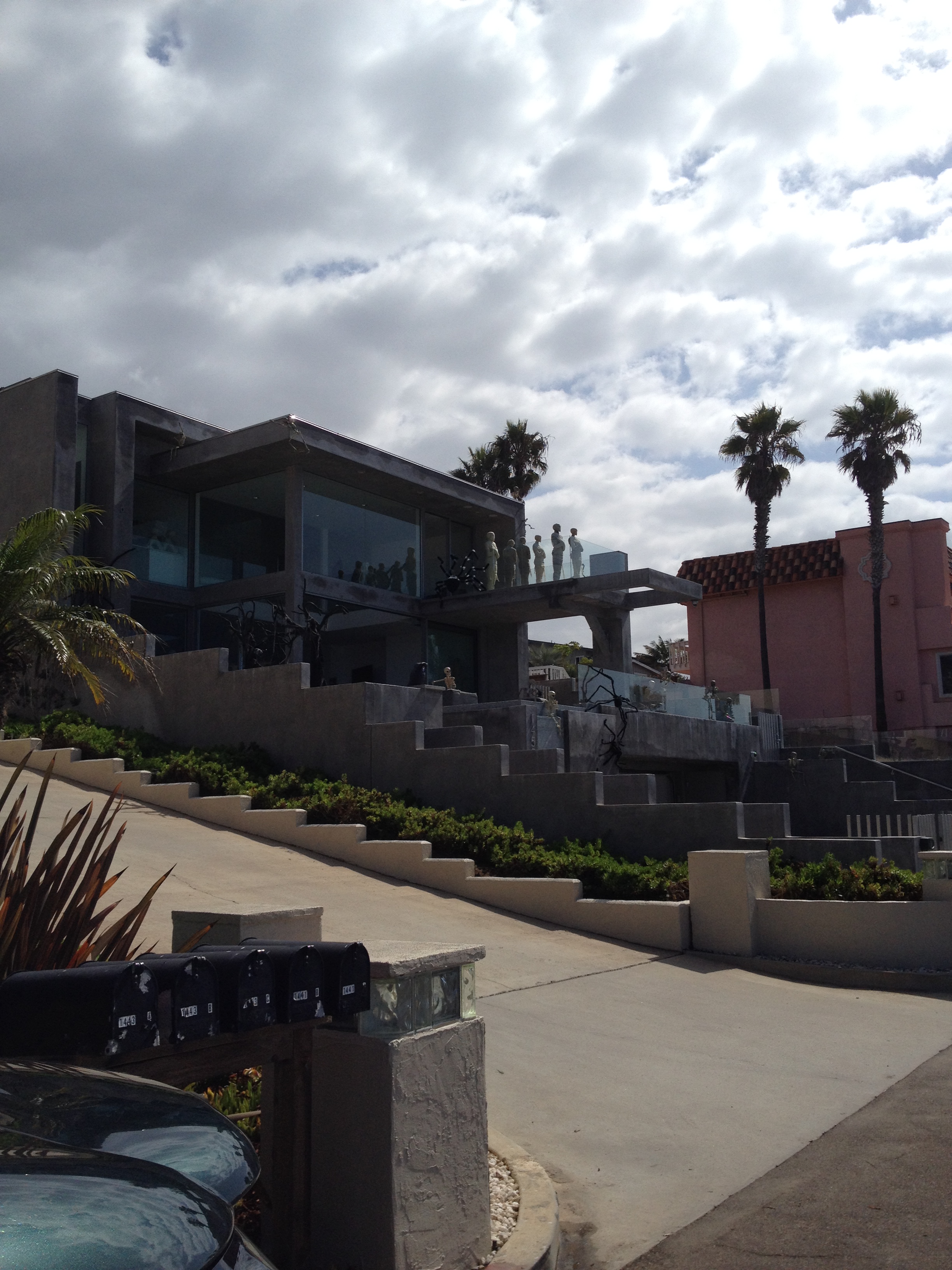
And today as I drove by, I noticed skeletons and zombies and other creepy things through the windows and on the deck.  I knew I would stop by later and take some photos.  When I stopped on my way home I struggled to get a photo that captured what I could see with my eyes.

photo-1

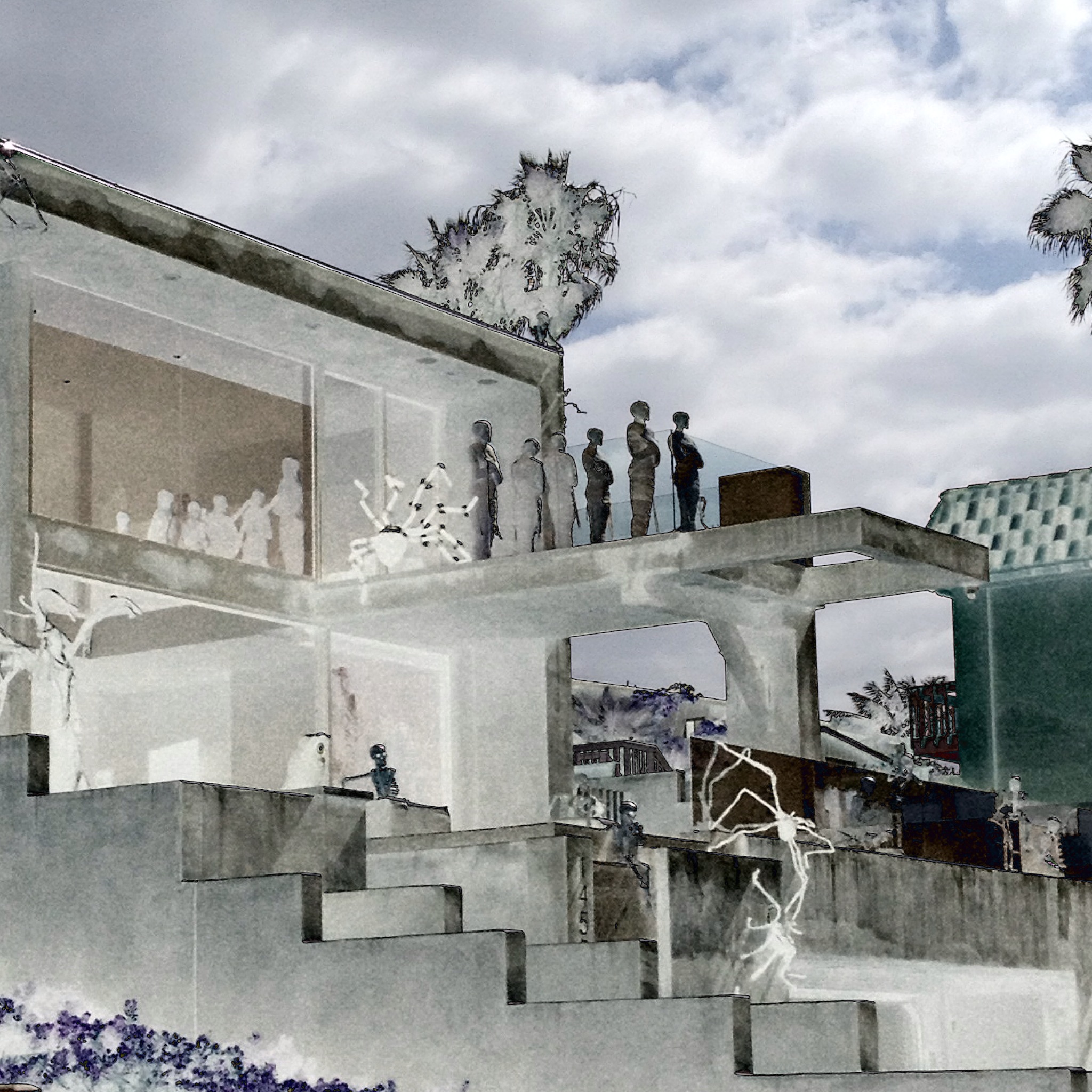
So I took this photo and used an editing app to play around with it.  Could I pull the photo in and see those full sized bodies standing on the deck?  Could I see through the windows?  Here is what I was able to produce from the picture above using the app Tadaa and the filter otherland.

photo

I love that moment when a snapshot becomes a piece of art.  I wonder if that is what the owners of that house also had in mind?

Tinkering with Design

Tinkering…  My students experimented with design this week…and then tinkered with their design after talking about it with their classmates.

Based on a nonfiction article about how zoos are experimenting with keeping their animals stimulated–including designing toys based on animals’ natural behaviors, we invited our students to try their hands at designing a toy for a favorite zoo animal.

They drew and labeled and explained their designs.  And evaluated their own and classmates’ designs by asking a few questions:  Is it safe for the animal?  Are the size and materials right for the animal?  Is it fun for the animal?

And then, with feedback in mind, students returned to their designs again…and created a new iteration.  They either started from scratch or improved on their original design.  This design was created by a six-year-old with an elephant in mind!

photo-2

I’m looking forward to our next tinkering opportunity–when students will take some materials and design a “thing” from them.  I can’t wait for them to start making!

Some Macro Play

I love using my macro lens on my iPhone…but it’s not easy.  I have to take my case off and attach the lens to the magnetic ring…so I don’t take macro shots spontaneously, I have to think about using this lens and make the necessary preparations.

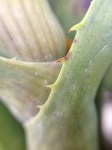
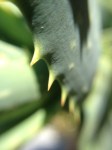
I definitely have days when I feel at a loss for what to photograph.  Things feel ordinary…or I feel like I have already taken those same shots some other day.  Today I headed out to my backyard with plans to sit in the shade and read for a while.  But when I headed out there, I noticed the aloe plant that has gone crazy!  It started as a small house plant…and now is obviously loving the growing conditions in the back yard!  This week on #sdawpphotovoices our photo-a-day focus is #scratchy…and what could be scratchier than aloe spines?  I took a photo with my regular lens…and then headed inside to attach my macro lens.

I love the way the sun behind the plant makes the spine tips glow!

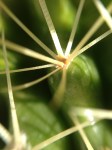
In the same big pot with the aloe there is also a cactus that outgrew its tiny indoor pot and ended up in the backyard.  The long, thin, needle-like spines create interesting flower-like patterns.  I love that the top spines are a brilliant yellow, creating a beautiful sunburst!

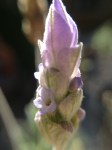
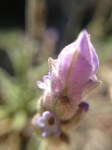
These ordinary cactus almost look like exotic sea creatures when you get close!  My attention turned to the lavender plant–the one I wrote about here–that was almost killed due to neglect! The plant continues to improve, although it is not in full bloom right now. There are a couple of beautiful blossoms…and some buds developing.

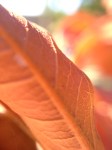
And I wasn’t quite done…I noticed a “volunteer” plant–one that planted itself in a pot of dirt on the edge of the patio.  It was green, but in the last week it has turned to a rusty red-orange color.  I’m not sure if it is dying…or if it is a natural cycle of growth for this plant.

All of these photos are unedited…and I love the colors and the way the sun creates glow.

I decided to take one last photo…of a spiderweb down in a hole where my husband is fixing the sprinkler.  As I moved my lens in close, the web began to glow, catching the sun.

photo

Playing with my macro lens today helped me see the ordinary things in my backyard in a new way.  The colors popped, the patterns emerged, and the light created beauty that’s hard to see without looking closely.  And, as I always notice, opportunities to play and make help me find my creativity and the fun that is so often right in front of me.  And best of all, all this noticing piques my curiosity and wonder at the world around me.

Have you taken time to play today?

Pattern Walk

Being back in my classroom preparing for my students’ arrival next week has taken much of my time, attention, and energy this week.  It’s already Thursday and I haven’t really given much effort to finding patterns for my photo-a-day challenge. (#sdawpphotovoices)  So today I was intentional about looking for patterns and taking some photos.

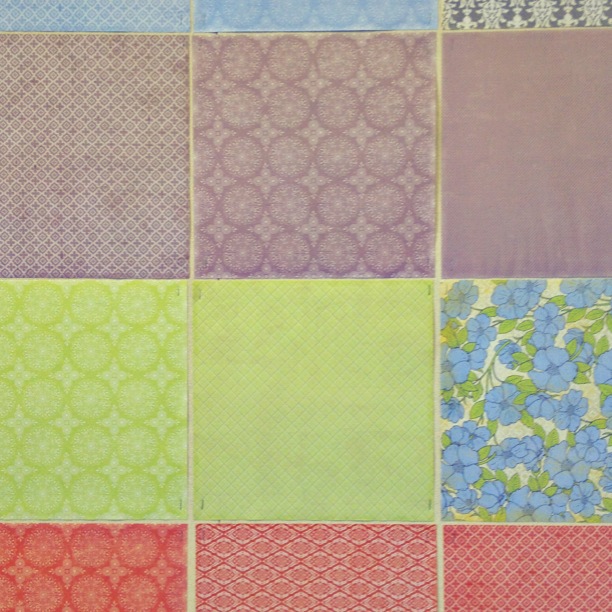
I started the morning by finding that Margit had put up a beautifully patterned backdrop on the classroom wall in anticipation of some student work that will be created next week.  I love the colors and textures of the paper…and this is just a snippet of the larger wall.

photo

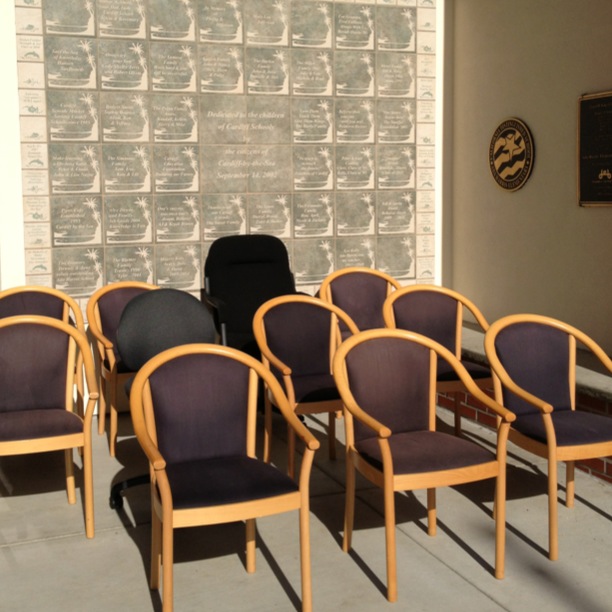
As I headed to the other school for a morning of inservice, this odd assortment of chairs was sitting outside in front of a pattern of wall tiles.  I like the slightly shuffled look of the chairs.  And it’s funny, because when I came out three hours later the chairs were neatly ordered…a pattern I didn’t capture with my camera.

photo-1

Coming back to my school I noticed this bike rack in front of the office.  I was intrigued by the shadows on the right hand side, adding another dimension to the pattern.

photo-2

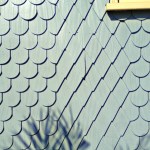
When I left school this afternoon I ended up with a short window of time to myself.  I stopped by Starbucks for an afternoon coffee and took a wonderful learning walk around the area.  I was surprised by all the patterns I found.  These four were all around a local restaurant.  Textures, shadows, colors, and peek-a-boos all caught my eye!

I haven’t really thought about the way that looking for photo opportunities and framing interesting shots both feeds and relaxes me.  My short five-minute walk and photography session was a boost to my feeling of well-being and energy level.  I need to remember to find these windows of time–even when I am busy.  Hours later I still feel refreshed by my afternoon pattern walk!