Tag Archives: noticing

Symbols of Place and Noticing Systems: A Photo Essay

Some places are instantly recognizable by symbolic landmarks…the Golden Gate Bridge, the Eiffel Tower, the Statue of Liberty or the Empire State Building…even the reflective bean (I don’t know its official name, but I know where it is), the London Eye, St. Louis’s arch or the Space Needle.  What systems allow us to know those symbolic places without having visited?  Systems of communications, news, arts…  Some I know firsthand, some I know from watching TV, movies, seeing art exhibits, social media, and more.

But when I think of my place, I can’t imagine what large landmark people unfamiliar with my place would immediately recognize as San Diego.  But there is this large body of water that extends along the western border of our place…the Pacific Ocean.

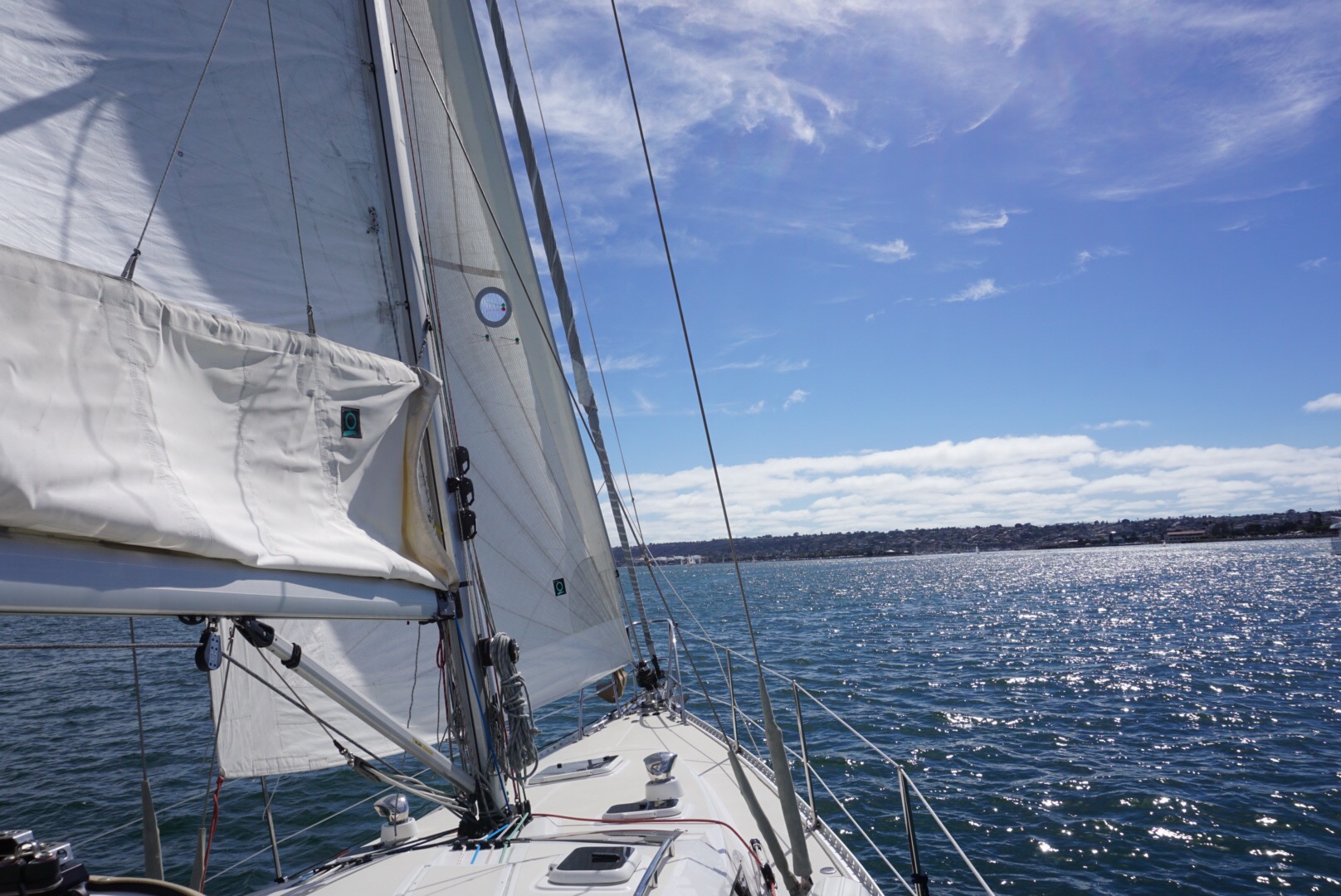
Most days I notice the ocean from the vantage of the land, looking over cliffs, walking in the surf along the shore, looking below as I cross a bridge or stand on a balcony above.  But over the weekend I had the opportunity (thanks Joe and Katie) to step aboard a beautiful sailboat and view the ocean, and discover local symbols and landmarks from a different vantage.
IMG_6073

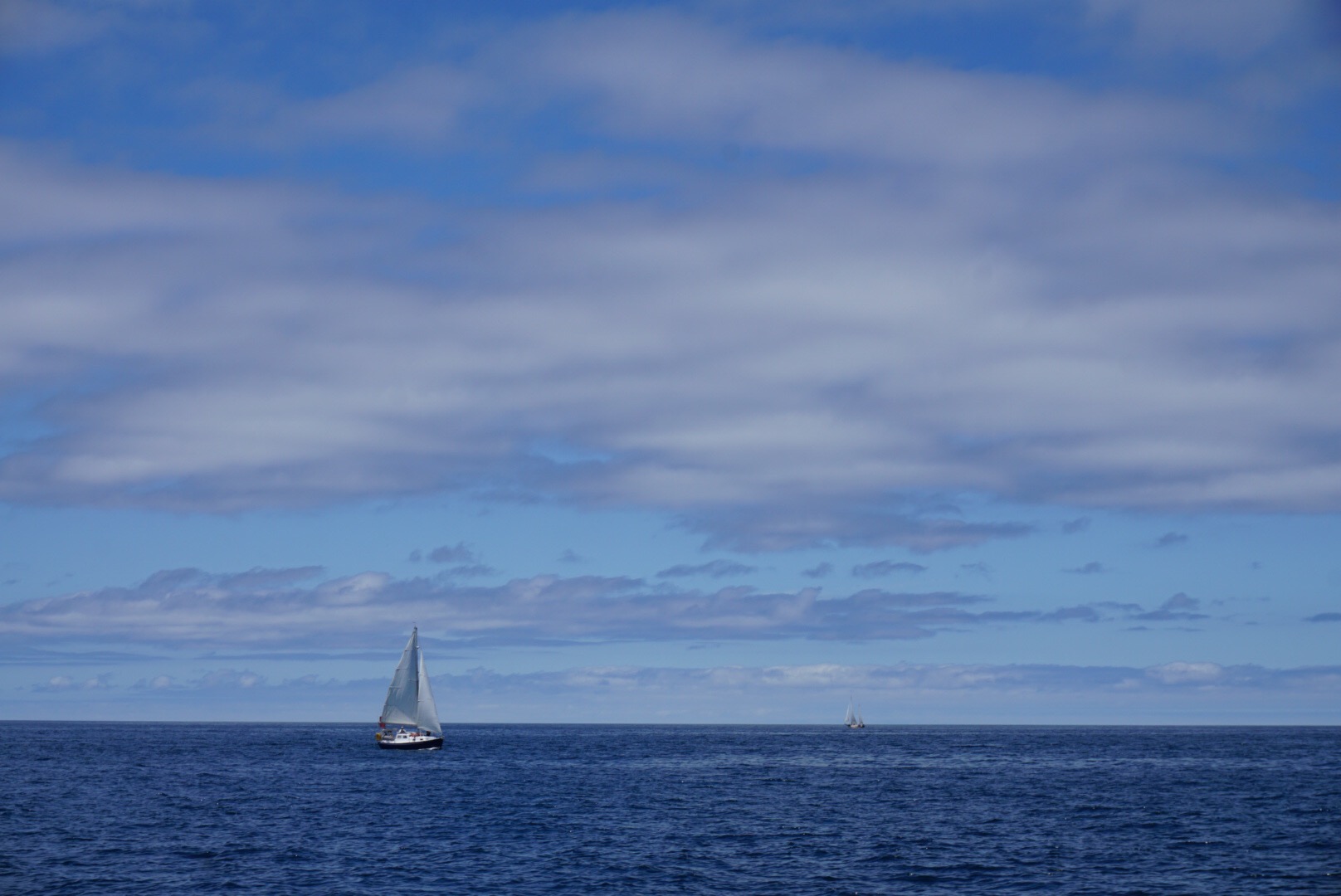
A week or more of heavy overcast and summer cold and gray turned sunny and blue as we headed toward the open ocean.  Under sail with wind power, we breathed in the briny air and soaked up the sun, surrounded by every shade and hue of blue.  The ocean has its own rhythms as the sea interacts with the wind and the land, unpredictable and powerful.  As we moved further into the open sea, vast blue enveloped our sight along with a sense of solitariness…even though we weren’t alone.

Systems of ropes and pulleys interact with large sheets of sail, wind, weather, and the knowledge of the sailor.  A turn of the wheel is reflected in a change of course that changes the way the wind sits in the sails that impacts the speed of the boat.  An unexpected gust with an inexperienced navigator can cause the boat to heel unexpectedly or abruptly change direction! I noticed that sailors have lots of tools that help them with their systems…the obvious instrumentation that give readings of water depth, speed, direction and the less obvious colored strings that blow in the breeze, the different colored ropes, the sheen (or lack of sheen) of the water that indicates breeze, the feel of the breeze on the cheek.
IMG_6077

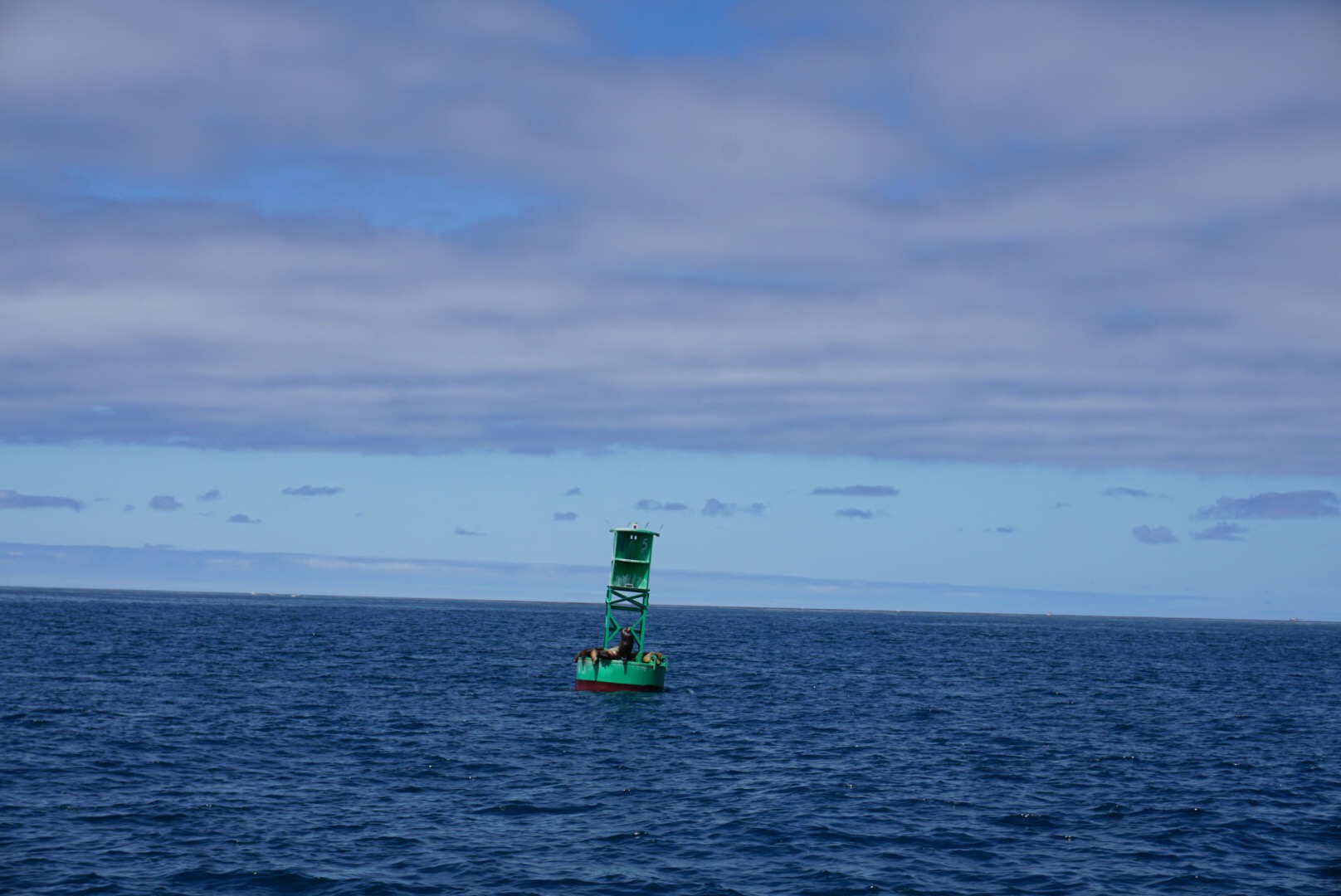
We passed buoys along our way where sea lions basked and sang in the sun,
IMG_6078

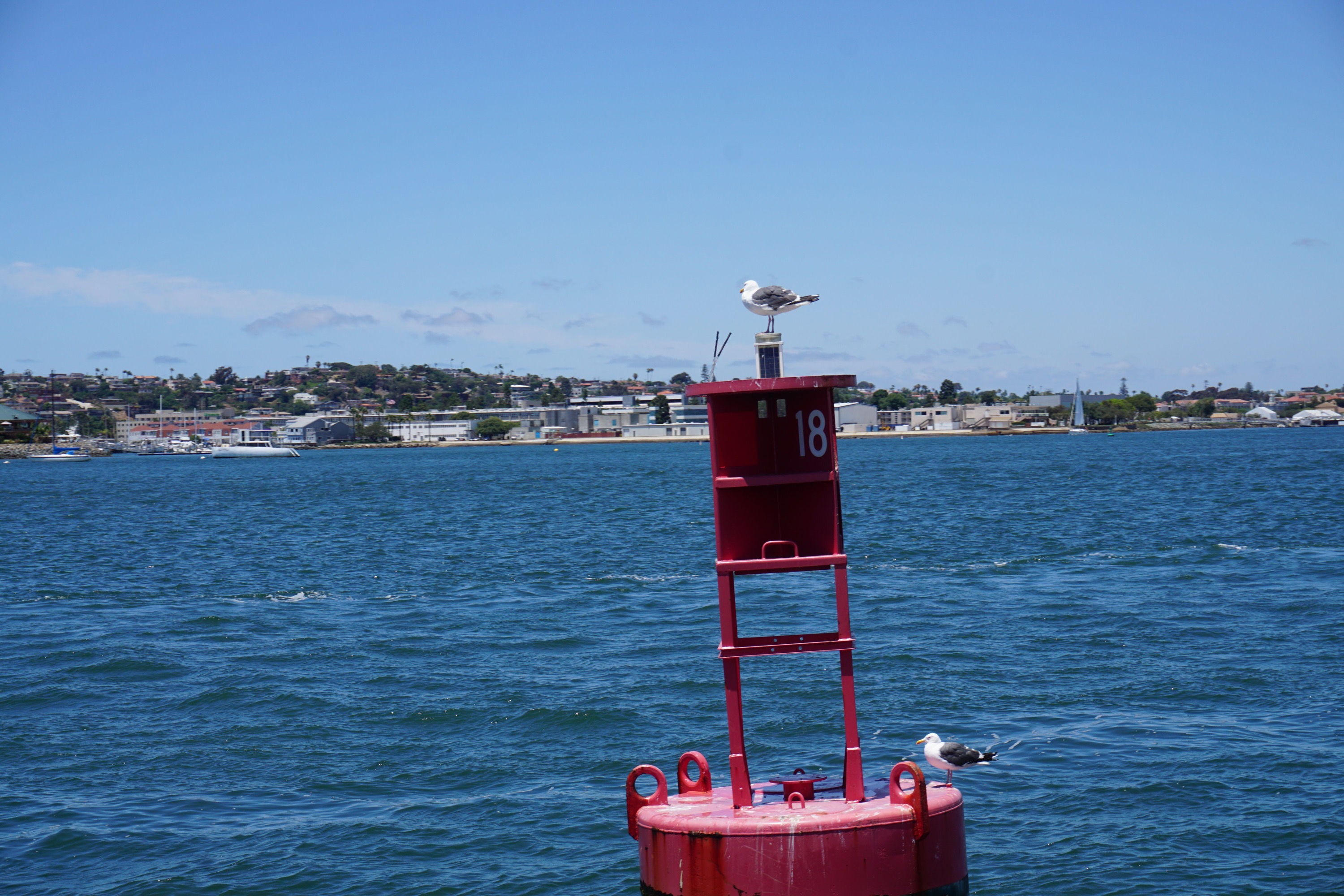
and seagulls served as sentry, overseeing the watery world.  And these too are part of the navigational system of the waterways.  They are symbols that show ships where to travel to avoid shallows, that mark the water in the ways that lane lines and exits mark our freeways.
IMG_6091

As we headed back into the bay, we had the opportunity to see our city skyline from the outside in rather than the inside out.  And it never hurts to have a beautiful sailboat as part of the view! The hustle and bustle of the city was replicated in the water with many people enjoying the water on every kind of boat: tour boats, speed boats, fishing boats, luxury boats, racing boats, tiny boats, large boats and even jet skis.

Invisible systems of etiquette acknowledge which seacraft are most maneuverable.  Sails have the right of way over motors…but like on our roadways, inexperience or recklessness remind us that right of way is no guarantee of safety.  Paying attention to others is crucial at sea, just as it is on the streets of our beautiful city.
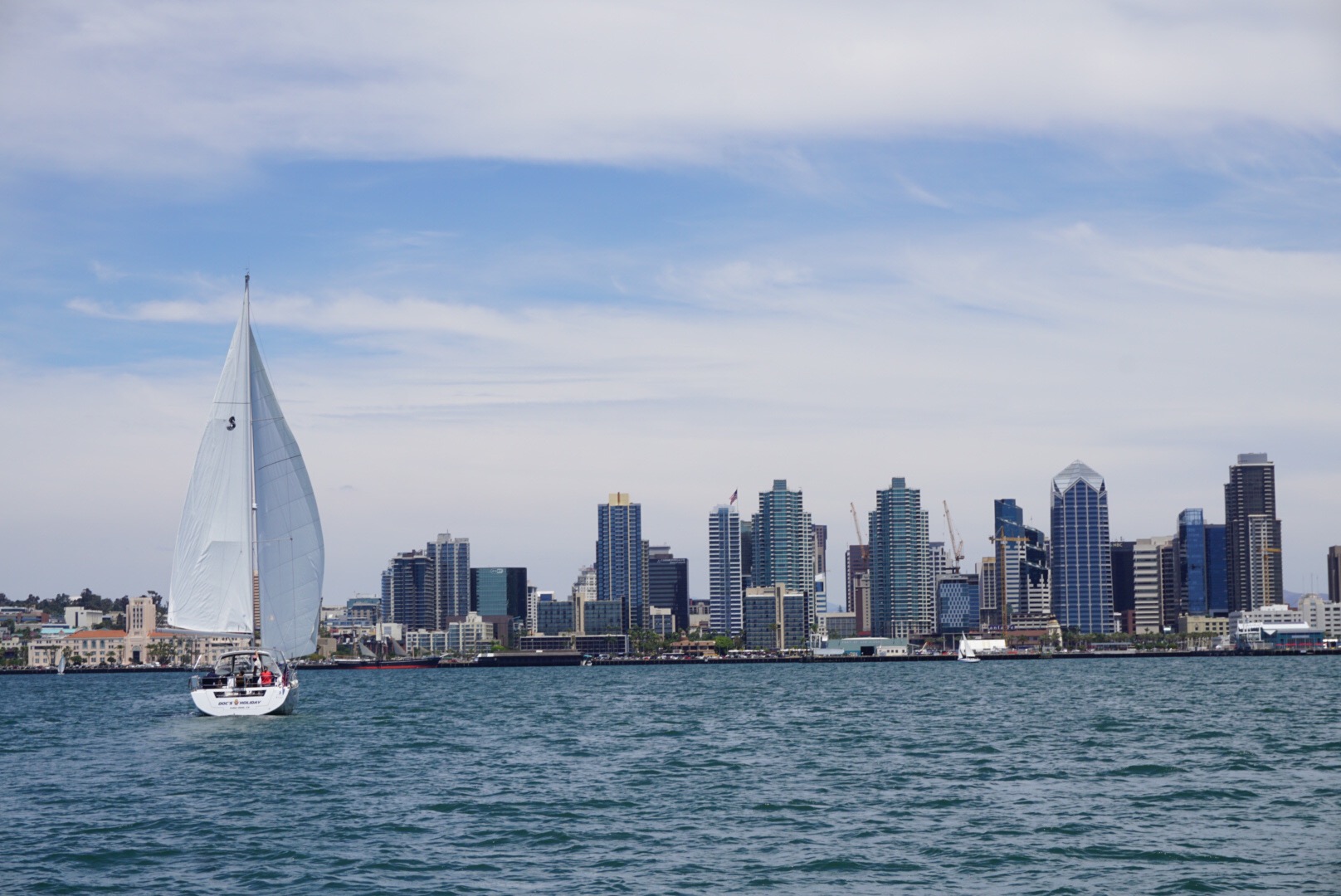
IMG_6060

As we got closer the blue curve of the Coronado Bay Bridge came into view.  This is probably the closest thing to an iconic symbol that we have in our city.  And another view of its beauty is revealed from below as I noticed the way it snakes down in a gentle curve as it crosses the span of the bay.
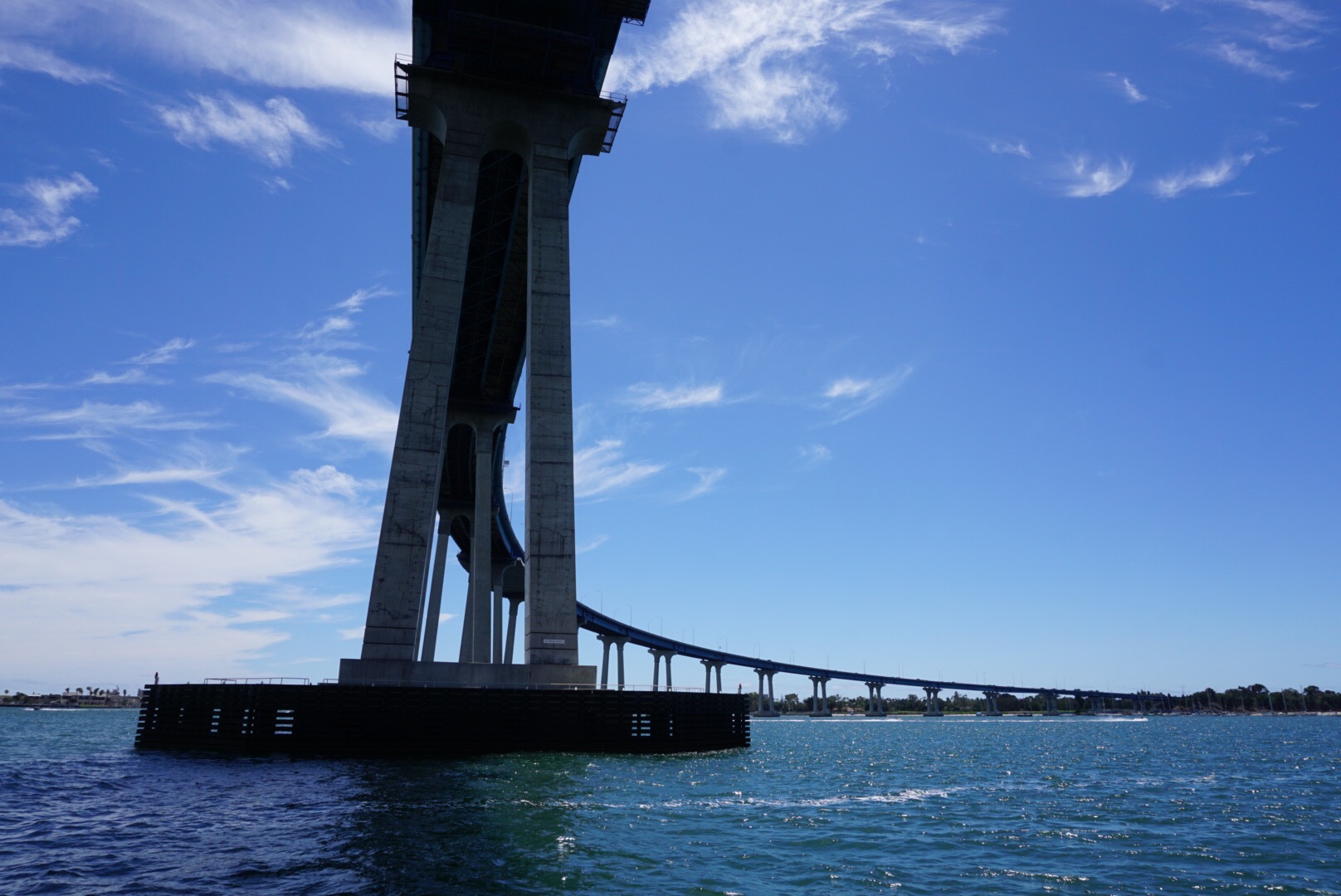
IMG_6064

Coming back through from the other direction, I noticed the optical illusions of distance as it seems that the mast of the sailboat crossing below will certainly scrape the bottom the bridge.

Under sail we were at the mercy of the wind to keep us moving.  And since the wind doesn’t conveniently change direction when you want to go back the other way, a system of tacking or intentional turns allows the sailor to keep the wind in the sails by crisscrossing across the path to reach the desired destination.  (Remember those pulleys and the wheel?  They all come into play during the tacking process!)
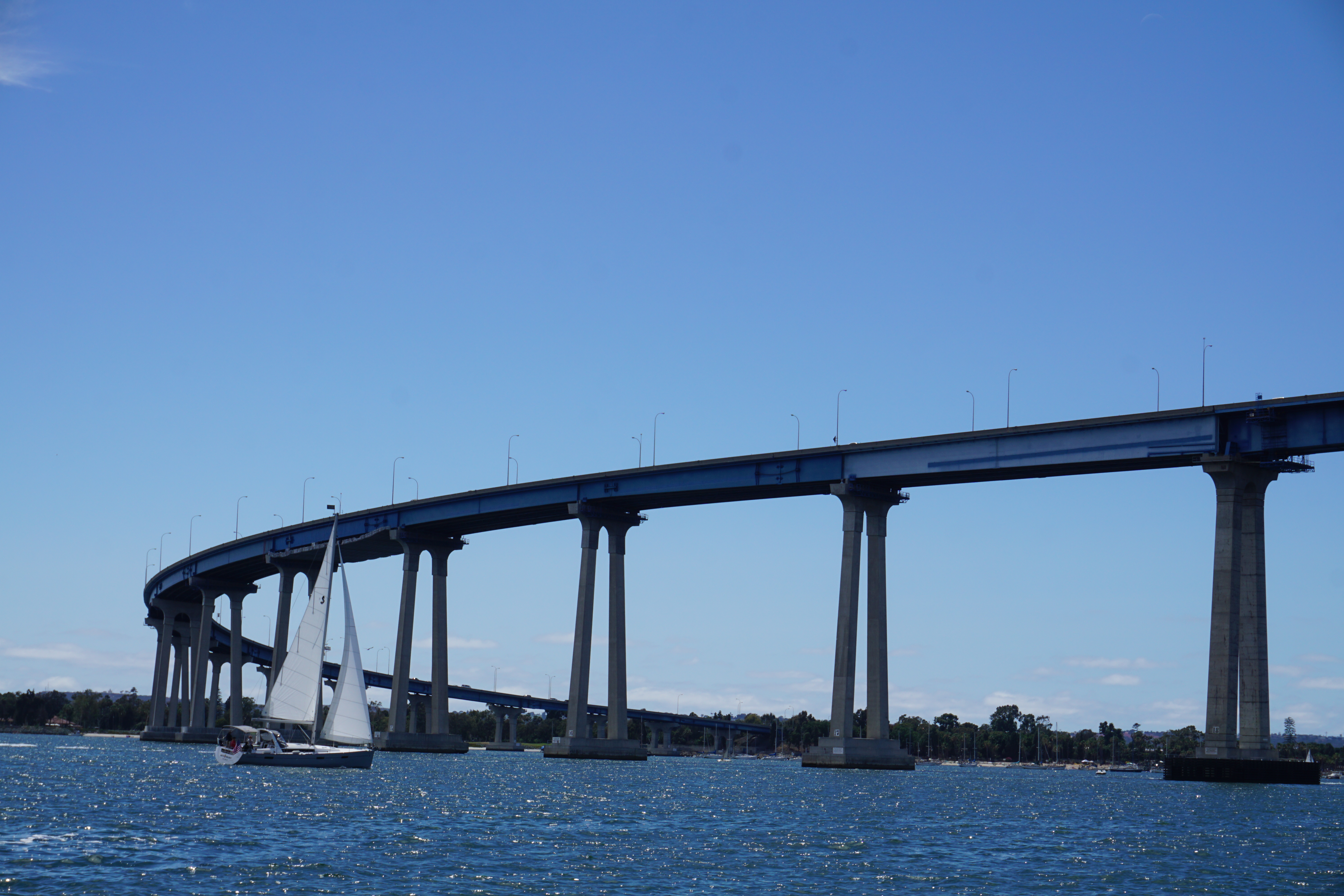
DSC05188

San Diego is a military town, and nowhere is it more obvious than in the San Diego Bay.  The Midway, a decommissioned aircraft carrier turned museum, is visible along the waterfront. From the street, it is an impressive sight.  From the water, it is spectacular!

IMG_6066

And what system allowed this majestic and enormous vessel to become a floating museum? And what systems interact to keep it functioning?  I know there are educational elements with school field trips, ceremonial elements with honoring of military personnel, tourism elements that bring visitors into contact with military history…

IMG_6067

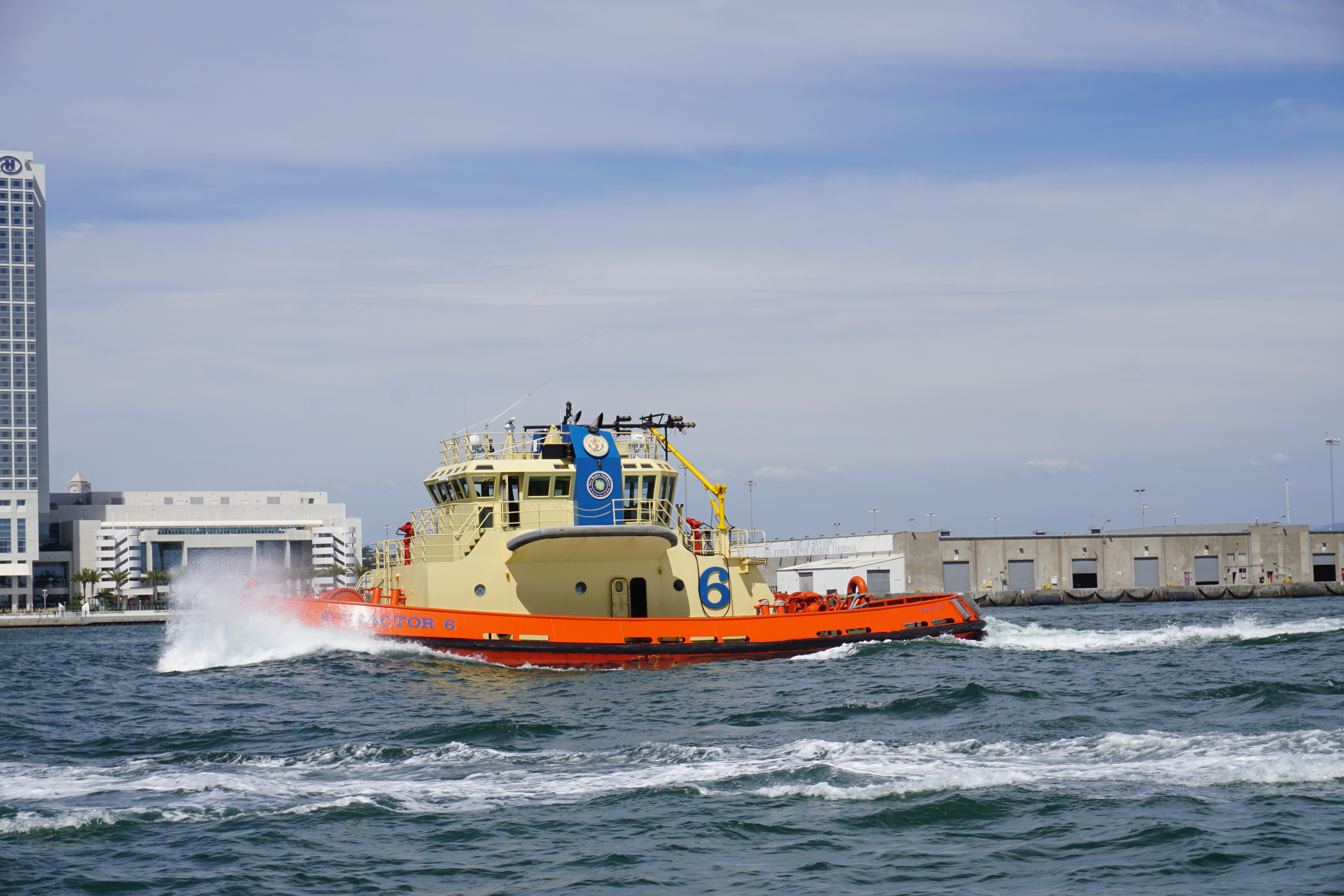
As we headed back toward the marina, we noticed the tugboats heading toward the ocean. These brilliant orange workhorses are fast and powerful, churning water in their wake (and creating some waves for us aboard a sailboat!).  We knew they would be used to escort a big ship into the bay. What would it be?

What systems are in play when these small but powerful boats are deployed as escorts?  How do they interact with this enormous whale of a warship?
DSC05221

We searched the mouth of the bay, waiting for the ship to come into our line of sight.  We were soon greeted by the USS Carl Vinson, an aircraft carrier, along with military police and two tugboats coming into the bay.  The deck was lined with people who looked to be in civilian clothes.  Was this the end of a dependents’ cruise (where family members go out on the military ship)?

Is this a system created to acknowledge the hardships of having a loved one at sea for months at a time, a way to allow families to reconnect by making the workplace more familiar and accessible?

IMG_6072

We had a front row seat as we watched this elegant gray giant enter the bay.  Other recreational boats gathered round, also taking in the view of this symbol of power and strength–our military might.  Earlier in the day we had passed other military vessels–but all were docked.  Seeing this ship under power is a less than usual sight.

And then there is the military as a system.  It is often invisible to those of us outside of it.  And yet, in this city where I live the military is ever present.  The ins and outs of military vessels are only a small part of the military system.  Behind each ship are interconnected webs of systems that keep them running, informed, stocked, maintained, staffed…

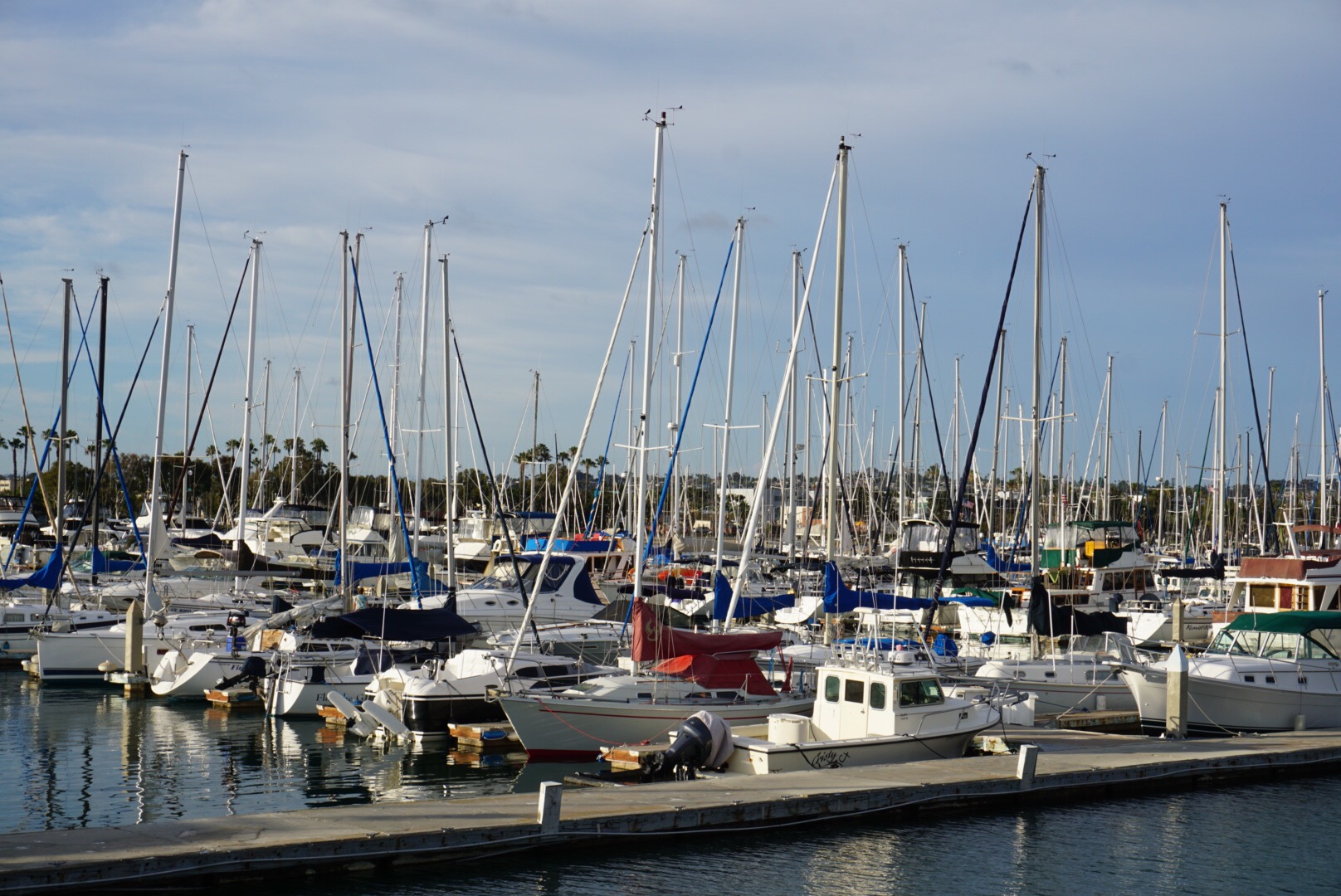
Our outing came to an end as the marina came into view and we navigated our way back into the slip that is home to this sailboat.  But the journey on a boat doesn’t end with the parking. There are sails to be furled, ropes to be tied, hatches to close, instruments to put away…more systems in play to keep the boat maintained and ready for the next use.
IMG_6071

A leisurely day on the ocean…not quite.  But a beautiful day on the ocean…absolutely!  Thanks so much Katie and Joe for including us and allowing us to experience so many symbols of our city from a different perspective.

I noticed so many systems that I don’t ordinarily pay attention to during this one outing (and there are likely many, many more that I didn’t even mention!)  What systems are going on in your place?  How do they impact you and others?
Musings

I am definitely drawn to photograph some images over and over again.  Anyone who reads my blog regularly will recognize the beach where I walk regularly.  There is an endless supply of seagulls, surfers, sunsets, hang gliders, and more.  And I am drawn to photograph them again and again, trying new angles, different light, close ups and vistas.  But is the beach my muse?

Yesterday after a long and busy week keeping me mostly indoors and mostly away from my camera, I just felt the urge to go outside and take some photos.  I was exhausted, my brain full after finishing our first full week in the SDAWP Invitational Summer Institute AND still trying to keep up with and participate in the CLMOOC, and yet I could feel my camera calling.

My husband was in the kitchen performing his culinary magic, the cats lounging nearby (never wanting him beyond their line of sight), so I grabbed my camera and heading into the backyard.

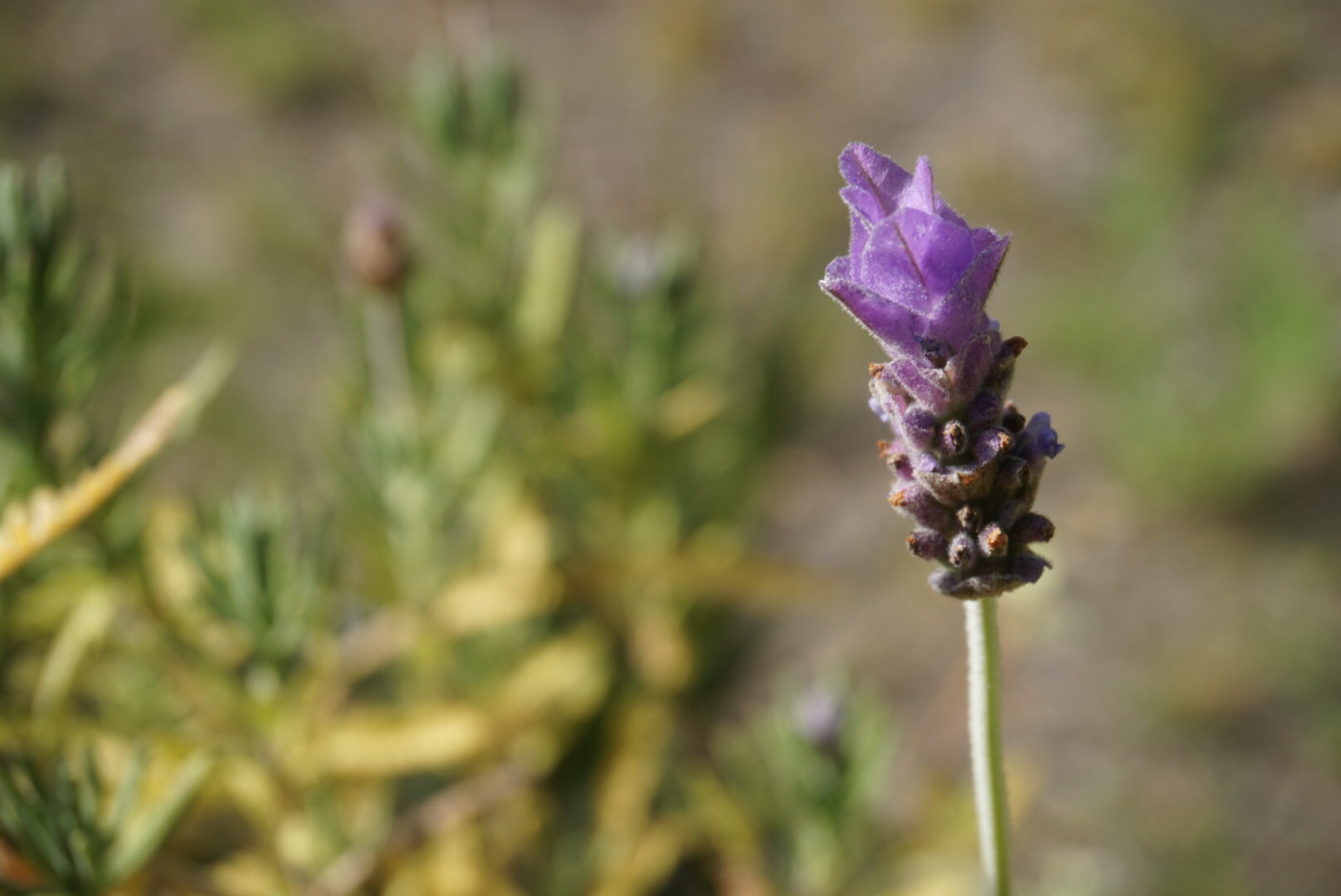
I noticed the lavender first.  It’s not growing as well as I would like, but that didn’t stop me from learning in to get close to this beauty.

IMG_5918

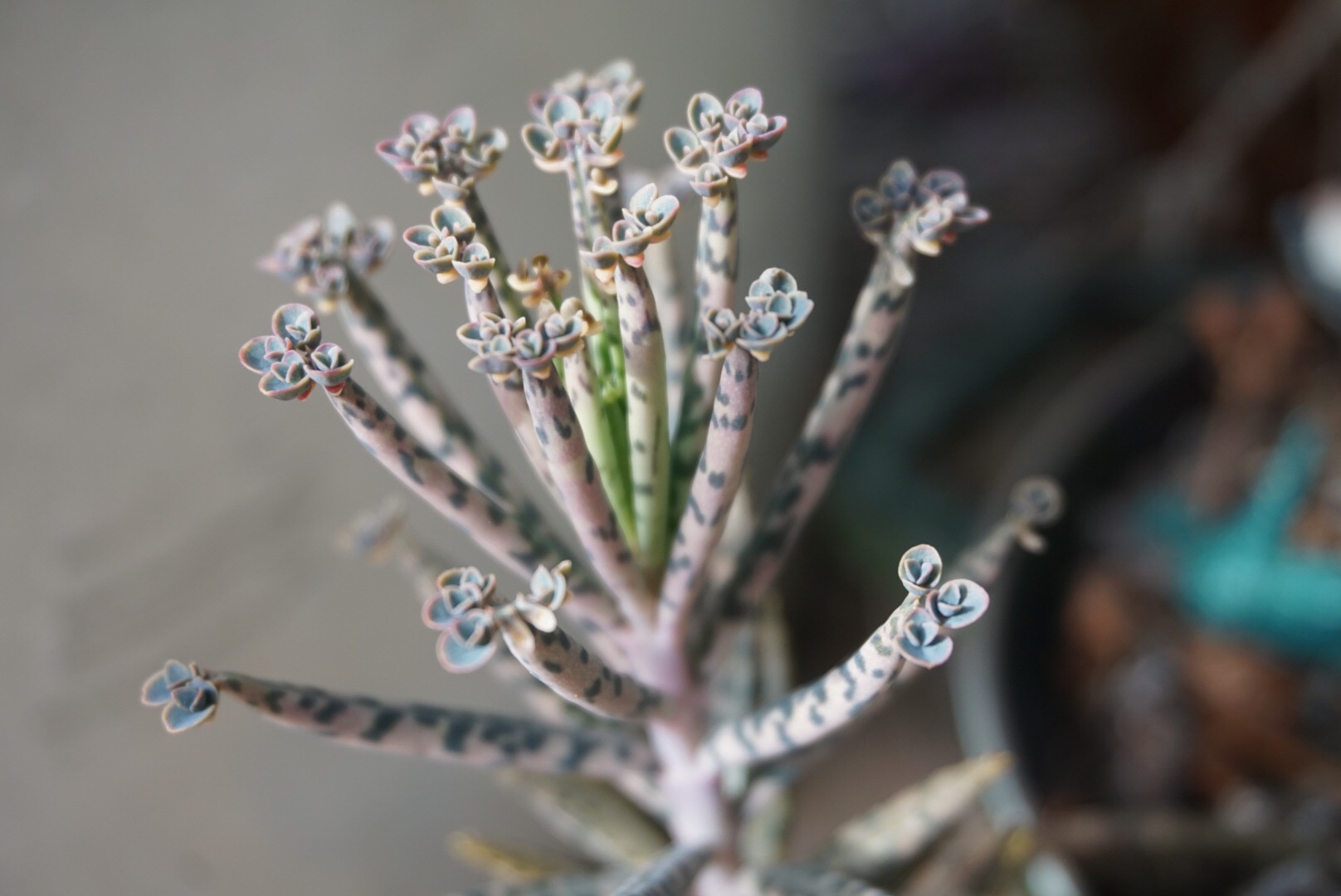
I love playing with macro, the way the lens focuses in on the near and blurs out the background. The afternoon sun allowed the vibrance of the greens and purples to come through.  As I looked down I noticed a succulent in a pot that I hadn’t paid any attention to before.  I got low–on my knees–and tucked in under the scented geraniums to get close enough.  I’m remembering that succulents use those small leaves to conserve water, a great adaptation for an environment like this one where water is scarce…and water restrictions are limiting our elective watering too.

IMG_5919

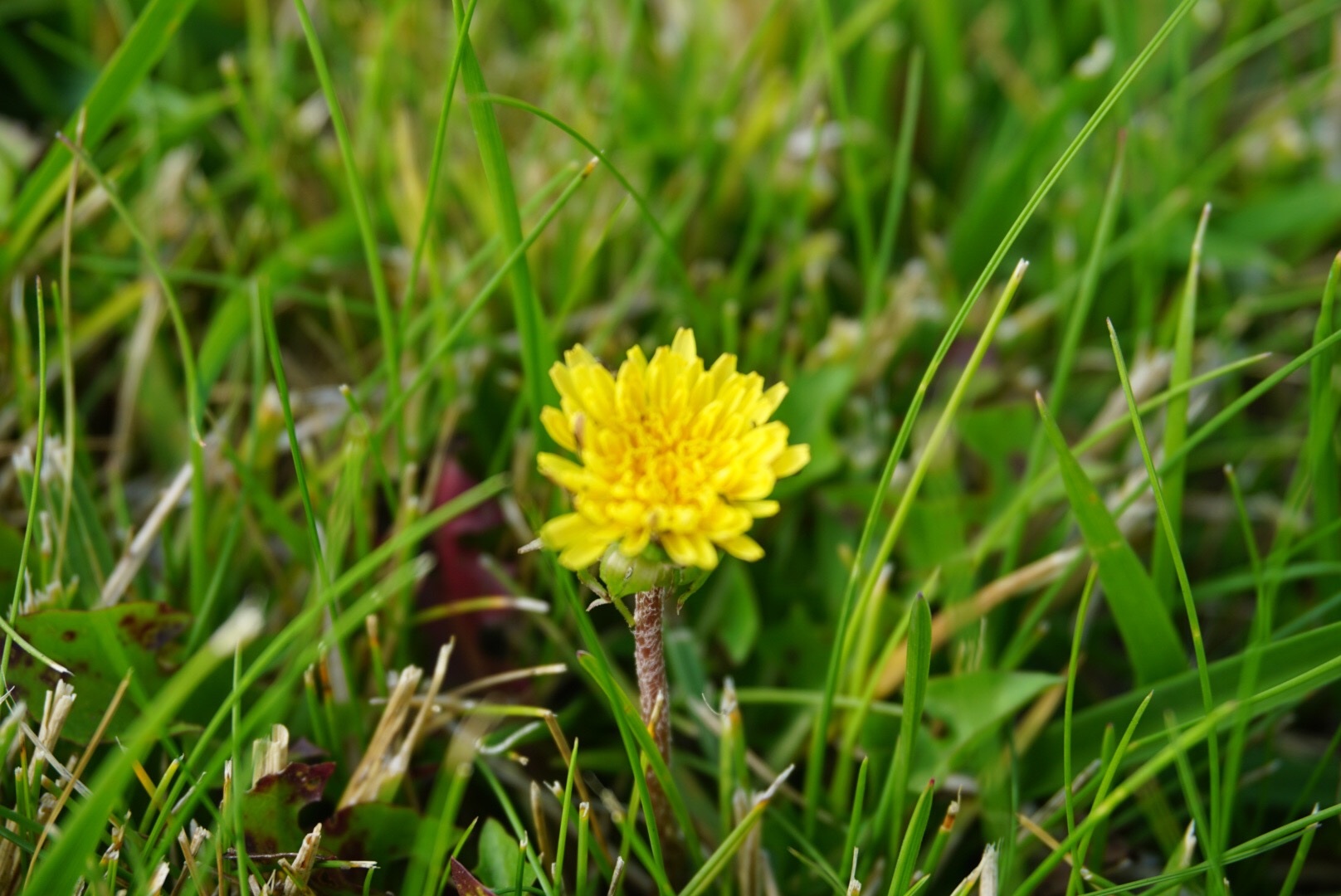
I continued to wander, aiming my lens at whatever caught my eye.  I unlatched the gate and headed toward the front yard.  There are usually dandelions there–much to my husband’s chagrin…and my delight.  I noticed this yellow bloom.

IMG_5922

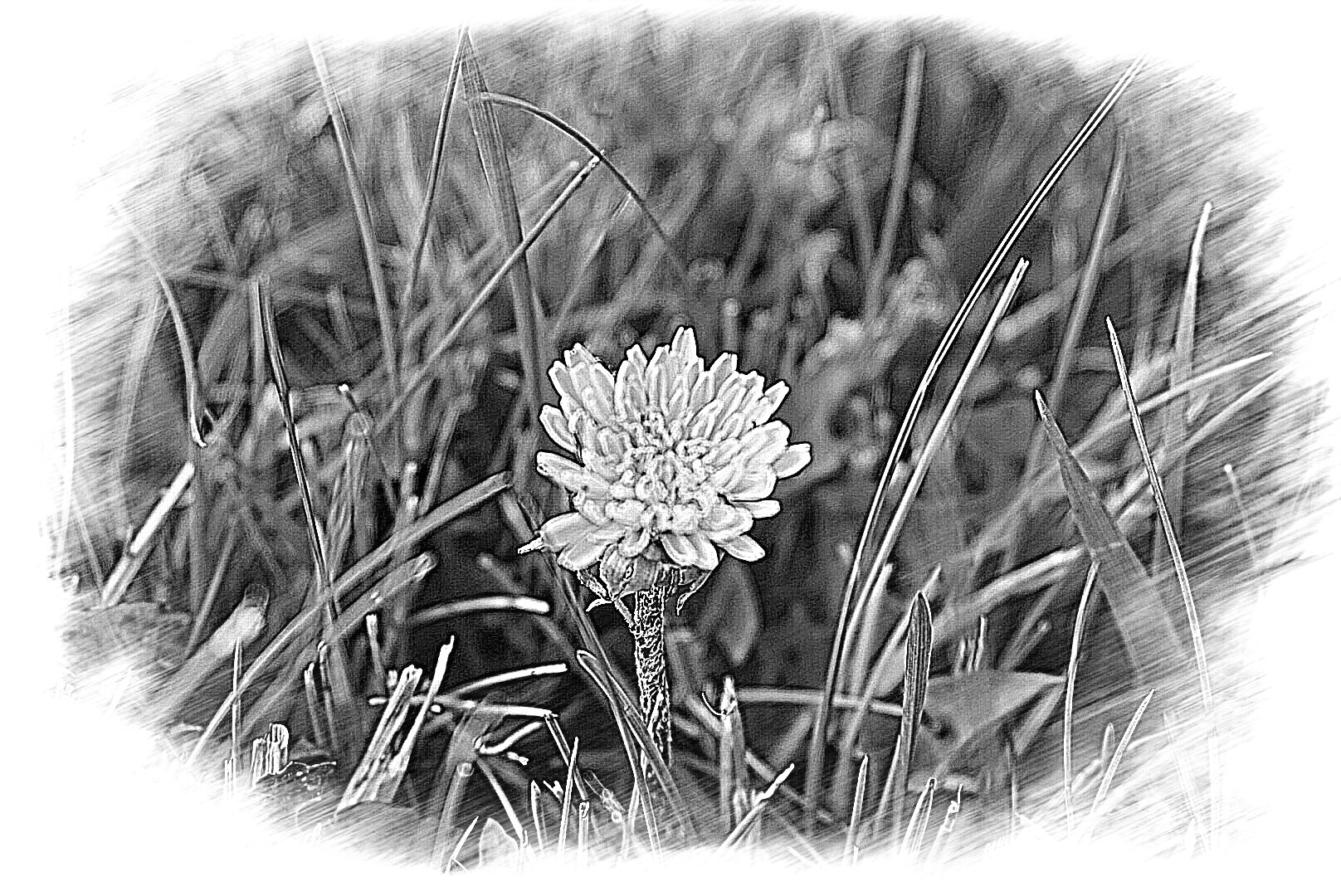
and then later, played with the image with the sketch app.

IMG_5925

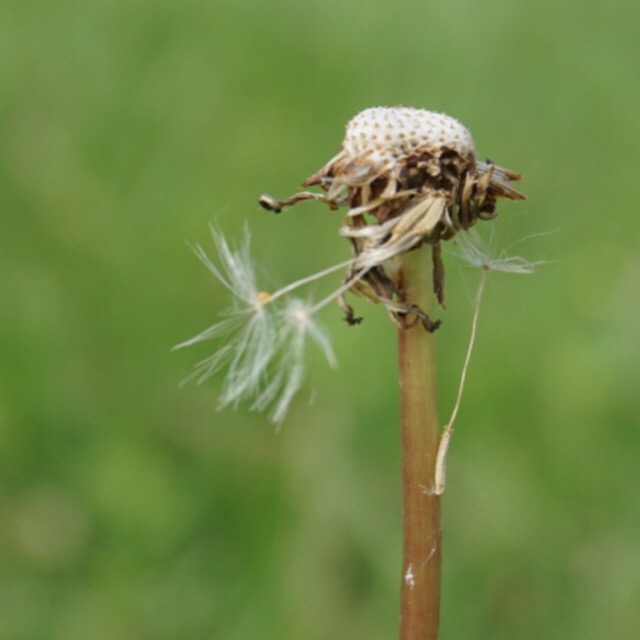
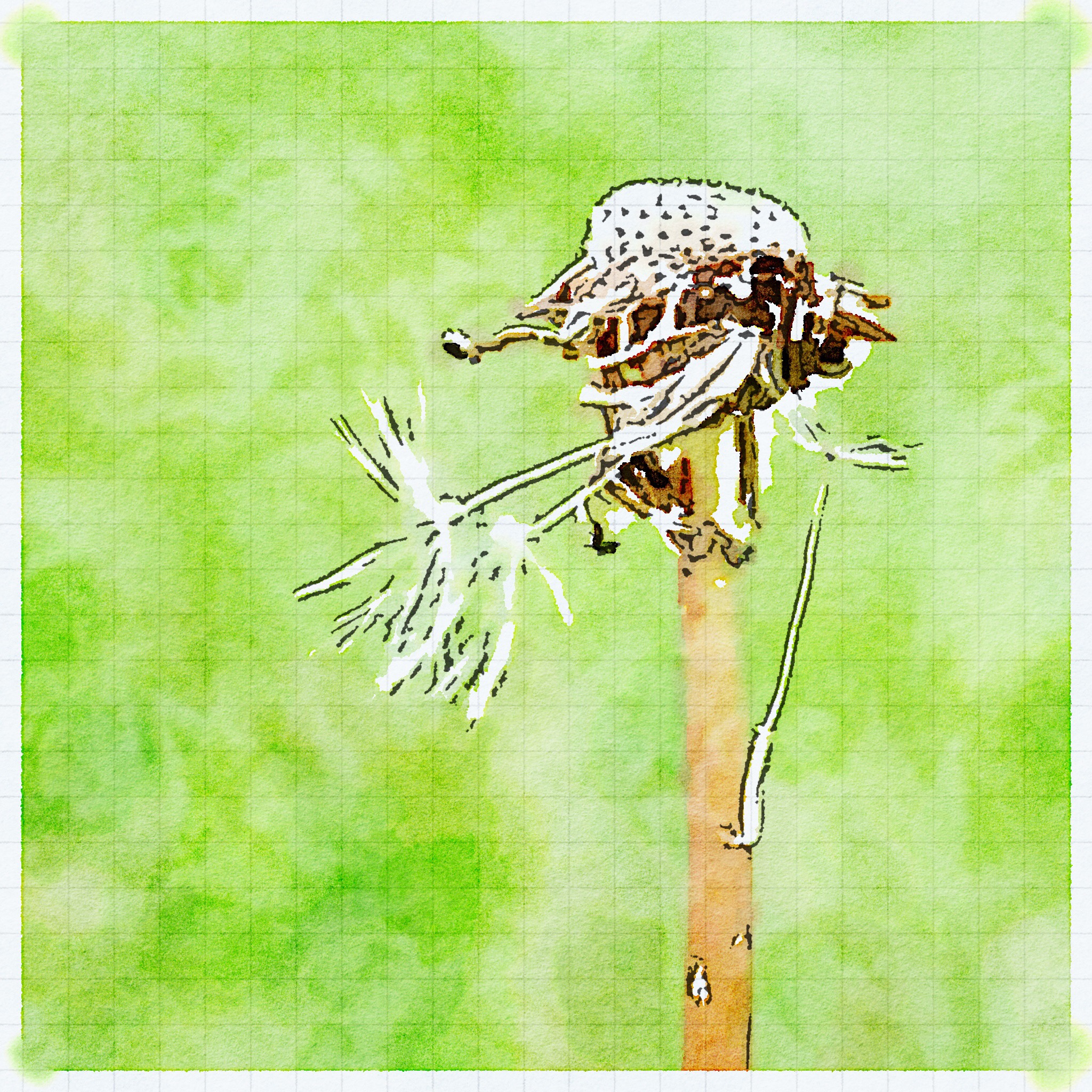
And this later stage dandelion, with most of its seeds blown away caught my eye.  I found myself thinking about wishes and how we often make wishes on a dandelion puff just before we blow the seeds away.  Do those wishes take root or do they float away beyond our reach?

IMG_5923

I like the idea that there are still a few wishes left hanging here…and posted this on a friend’s Facebook page to send her birthday wishes last night.  Later, I played with Waterlogue, a watercolor app just to see what effect it might have.

Preset Style = “It's Technical” Format = 6" (Medium) Format Margin = Small Format Border = Sm. Rounded Drawing = Technical Pen Drawing Weight = Medium Drawing Detail = High Paint = Natural Paint Lightness = Normal Paint Intensity = Normal Water = Tap Water Water Edges = Medium Water Bleed = Minimal Brush = Natural Detail Brush Focus = Everything Brush Spacing = Wide Paper = Graph Paper Texture = Medium Paper Shading = Light Options Faces = Enhance Faces

But as I continue to think about this idea of muse, I find myself rejecting the idea that the dandelion is the muse.  I do and have taken plenty of dandelion photos.  But I think that the muse, for me, is the camera itself.

With a camera in my hand, my senses are heightened.  I notice my surroundings–with my eyes and my ears…all my senses seem to fire.  And even when I don’t capture an amazing photo, I feel like I see more, hear more, am more present in the moment.

And, as I seek an interesting photo, I find myself looking beyond the beautiful.  Those golden sunset moments are pretty reliable…and I think I will never tire of them, but I am also seeking images that make me think, that help me see beyond the surface and find the beauty in what I might have dismissed as ugly, disposable, a nuisance…

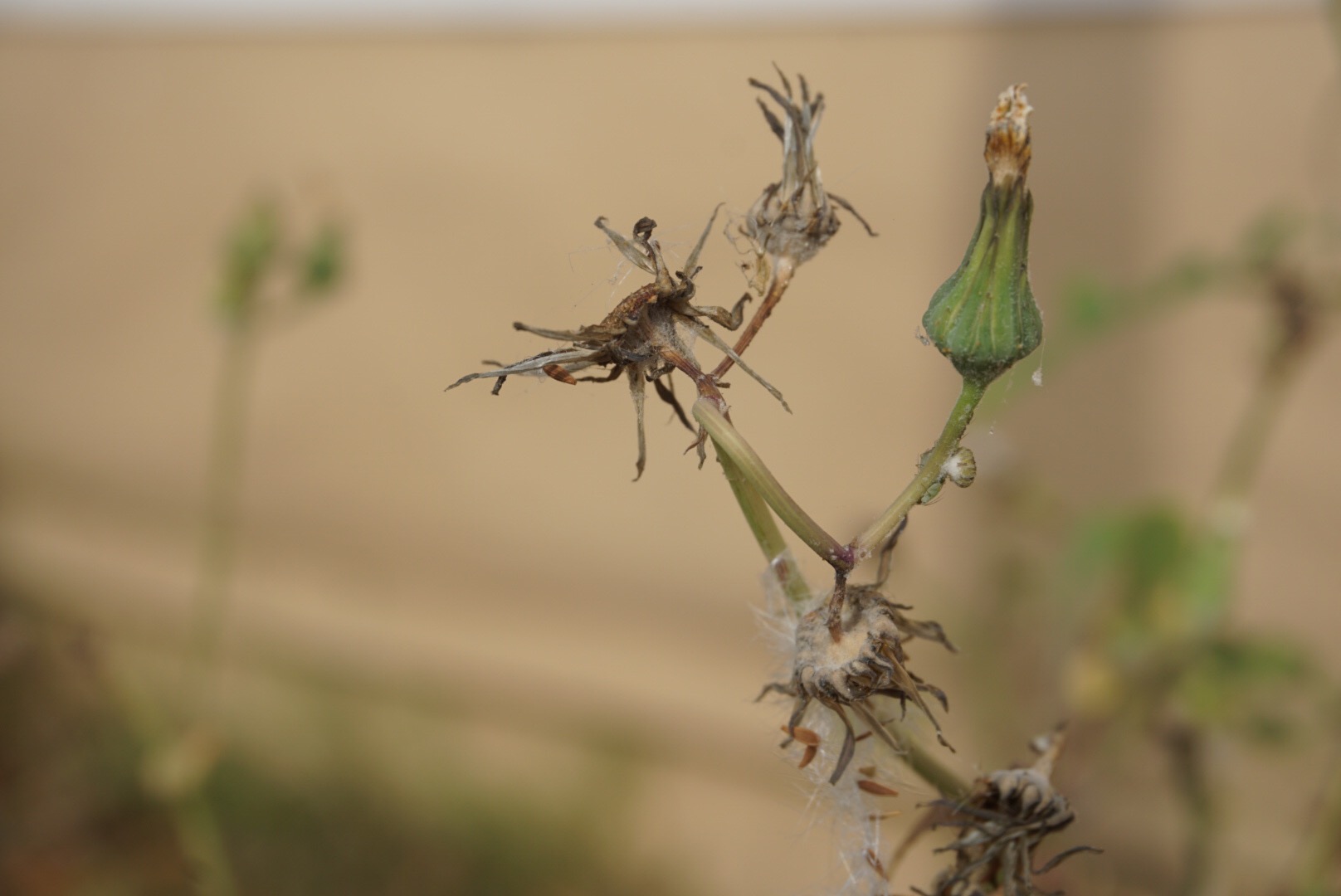
IMG_5920

which reminds me as an educator and a human being that we all need to look past the obvious, make a connection and get under the surface to see what we haven’t noticed before.  This dandelion plant caught my eye and drew me into the dry remnants of the puff, the lone seed hanging on, the bud getting ready to reveal the brilliant yellow flower that doesn’t even hint at becoming a puffy seed ball.  It would be easy to yank this week out and toss it into the green waste (and my husband might when he heads out to mow the lawn), but I’m glad I got to lean in, look closely and discover some of the wonders I might have otherwise missed.

I feel lucky to have my camera as my muse…and even without looking through my lens, it’s teaching me to pay attention, look closely, and connect to better understand myself and my world…and better yet, give me insights into the experiences of others as well.  I may not walk in the shoes of the people I encounter, but by listening carefully, looking closely, and opening my heart, I can do my part to be inclusive, accepting, and strive to understand beyond my own experiences.

How does your muse influence you?

Looking for Signs…

Six weeks into the school year with unseasonably warm temperatures…I find myself looking for signs of fall.  Southern California is not known for spectacular fall colors: the changing leaves, colorful gourds, and orange pumpkins decorating doorsteps.  Instead, I notice things like the orange and red kelp washed up by hurricane Simon off the coast of Mexico,

orange and red kelp

the orange beach umbrella near the lifeguard tower,

orange umbrella

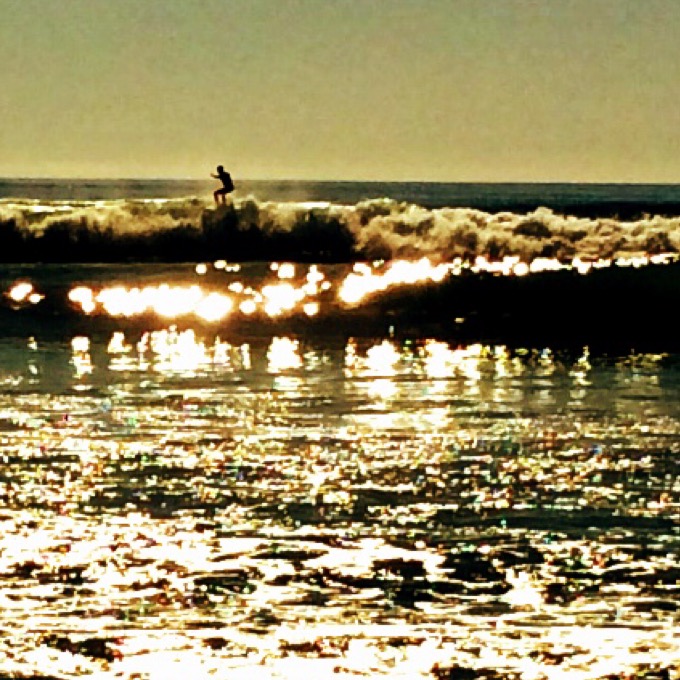
and the golden sun highlighting the surfer atop the bigger than usual waves.

golden surfer

And I’m starting to see some even more exciting signs of fall…and of the writing community growing in my classroom.  Some signs are subtle, like students settling into writing without any urging from us and sticking with the writing for longer and longer periods of time.  There’s a willingness to share writing with one another and with the class as a whole…even from our shyer students.  And then there’s the risk-taking…trying out new strategies for revision and composition with independence and confidence.

This third grader uses her reflection notebook to write about a tool we use in class to help with revision.  It’s clear that she sees the value of revision for improving her writing…knowing writers, even good writers, have to work at improving their craft.

elke's reflection

It’s also fun to see students bring their voice to informal, reflective writing.  They are writers whenever they put words to a page…like this student describing something learned from reading a Scholastic News magazine,

reflectionand the student who began her reflection on a writing and art project with, “It all started when Ms Boyesen read us a book called Flashlight.”

Like the more obvious brilliant crimson leaves, sweet apple cider, and crisp autumn evenings that signal fall, these subtle signs in the classroom represent our growth as a community of learners and writers.  We are ready to dig in, to stretch ourselves as learners, and to learn from and with each other throughout the school year.

I have to look carefully for signs of fall in my place…they aren’t easily recognized by those looking for the gorgeous iconic images we see represented in the media.  The same is true in my classroom, looking carefully uncovers signs that might be overlooked otherwise.  The signs are there and I’m looking forward to the journey with these young writers.

What signs of a developing learning community are you seeing in your place?


Things Not Photographed

I’ve written frequently about the ways that photography helps me see what I would not ordinarily notice.  Today’s post is about all those things that I notice when I am taking photos that I simply cannot capture or do justice to in a photo.

It was just a few days ago that I came across this quote from Dorothea Lange:

A camera is a tool for learning how to see without a camera.

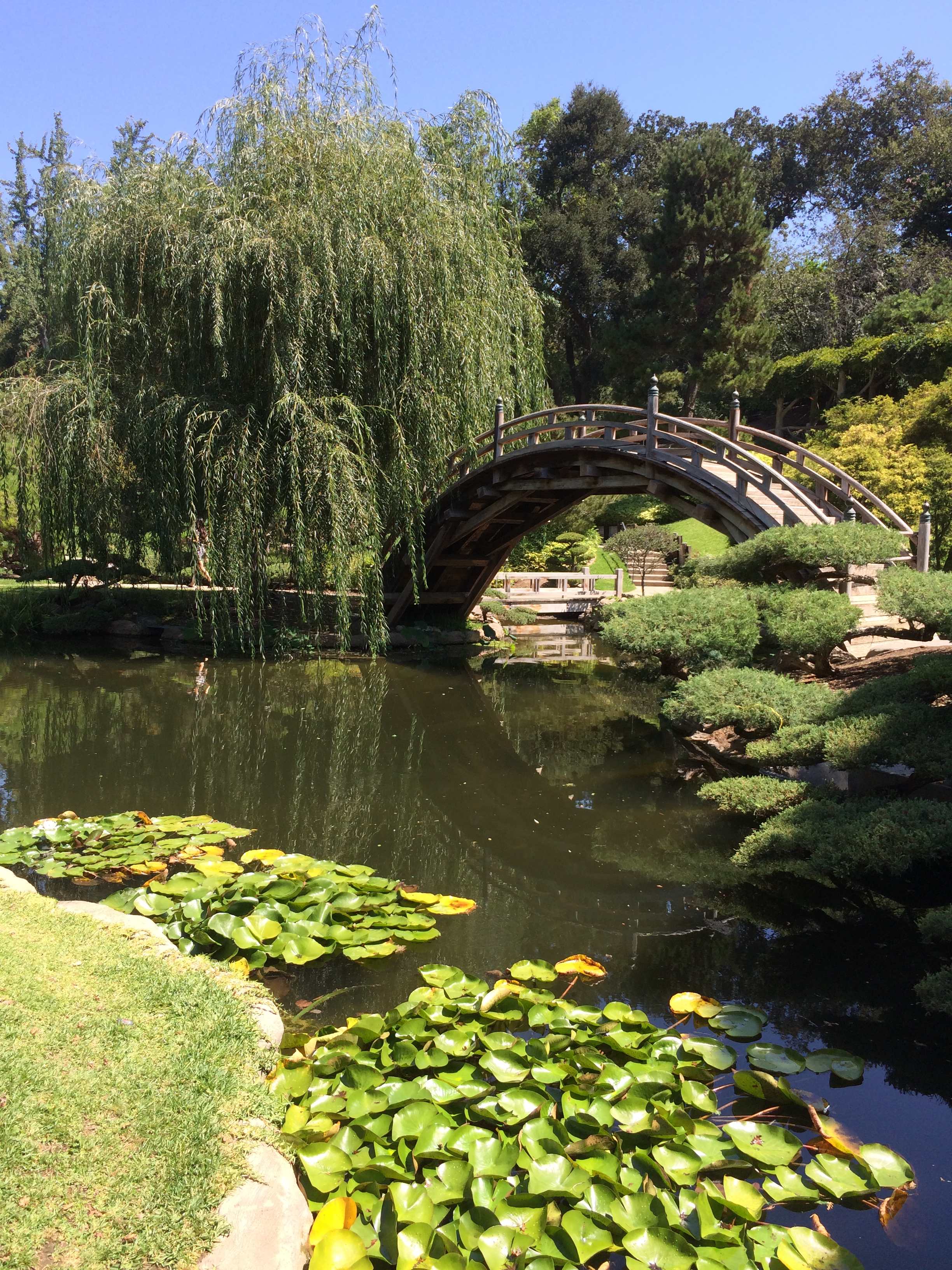
And that has been true for me.  Yesterday I was out taking photos with my youngest son.  We explored the Huntington gardens and museums and old Pasadena…and I took some nice photos.  But there were so many things I saw that I simply was unable to photograph.  The Japanese gardens were extensive and gorgeous!  The harshness of the midday sun was a challenge for photography.

japanese bridge

And while I love this shot of the bridge, I wasn’t able to do justice to the vibrance of the koi swimming below the bridge or capture the beautiful blossoms of the lily pads floating in the water.

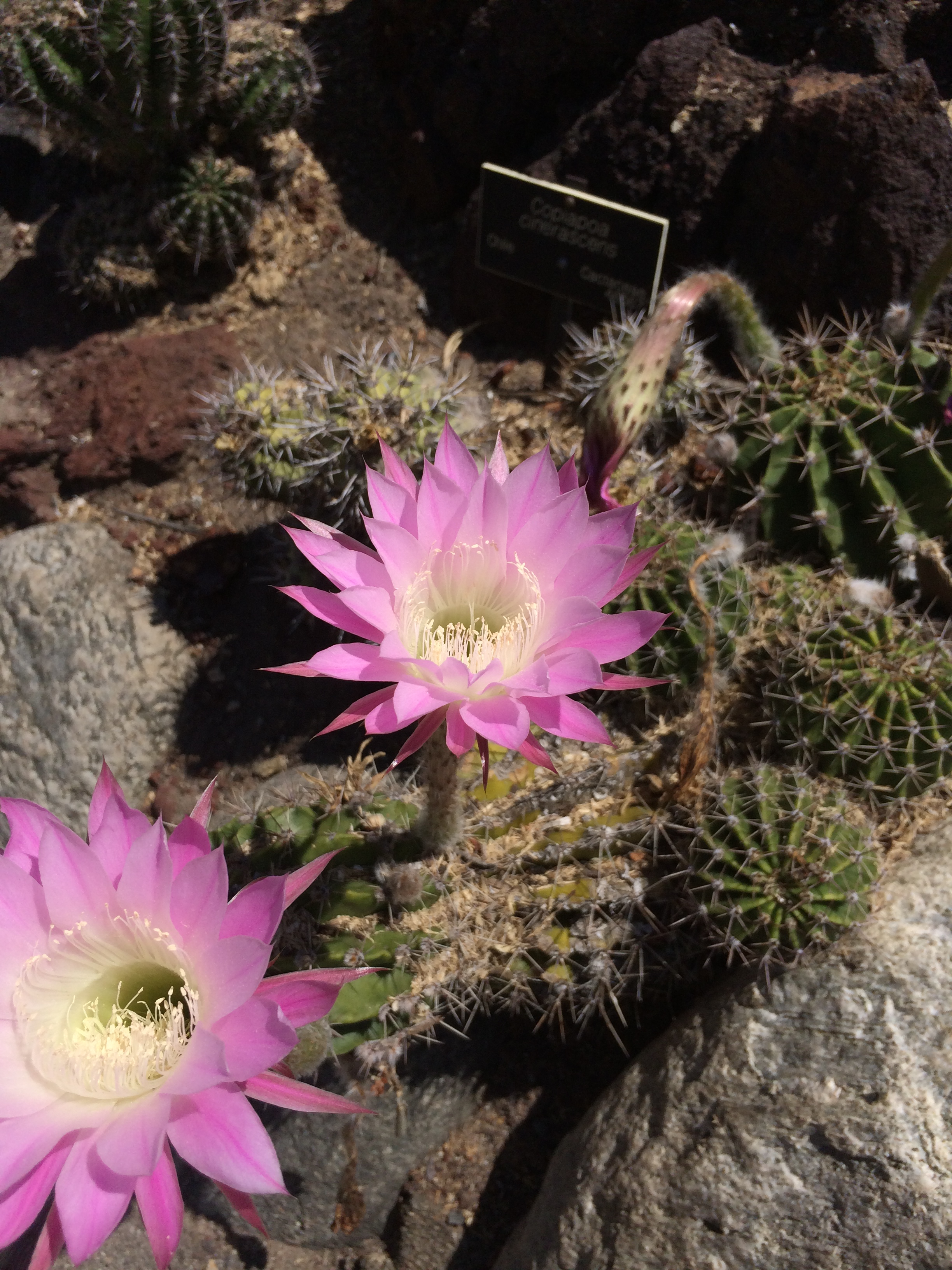
As we moved from the Japanese gardens to the Australian outback and into the desert, I was captivated by the hummingbirds.  There were the usual Anna’s hummingbirds…the larger variety common to my area.  But there were also these tiny hummingbirds, flitting and swooping from blossom to blossom…moving almost before you could see them, much less frame a photo.  I did capture these beautiful cactus blossoms though.

cactus flower

To cool off, we headed inside to the art gallery and the library.  Even though this space feels unfamiliar, I am sure I visited this place as a teenager on a field trip.  The only thing I can remember about the visit is seeing the paintings of Blue Boy and Pinkie.  But walking into the gallery reminded me immediately of the Haunted Mansion at Disneyland!

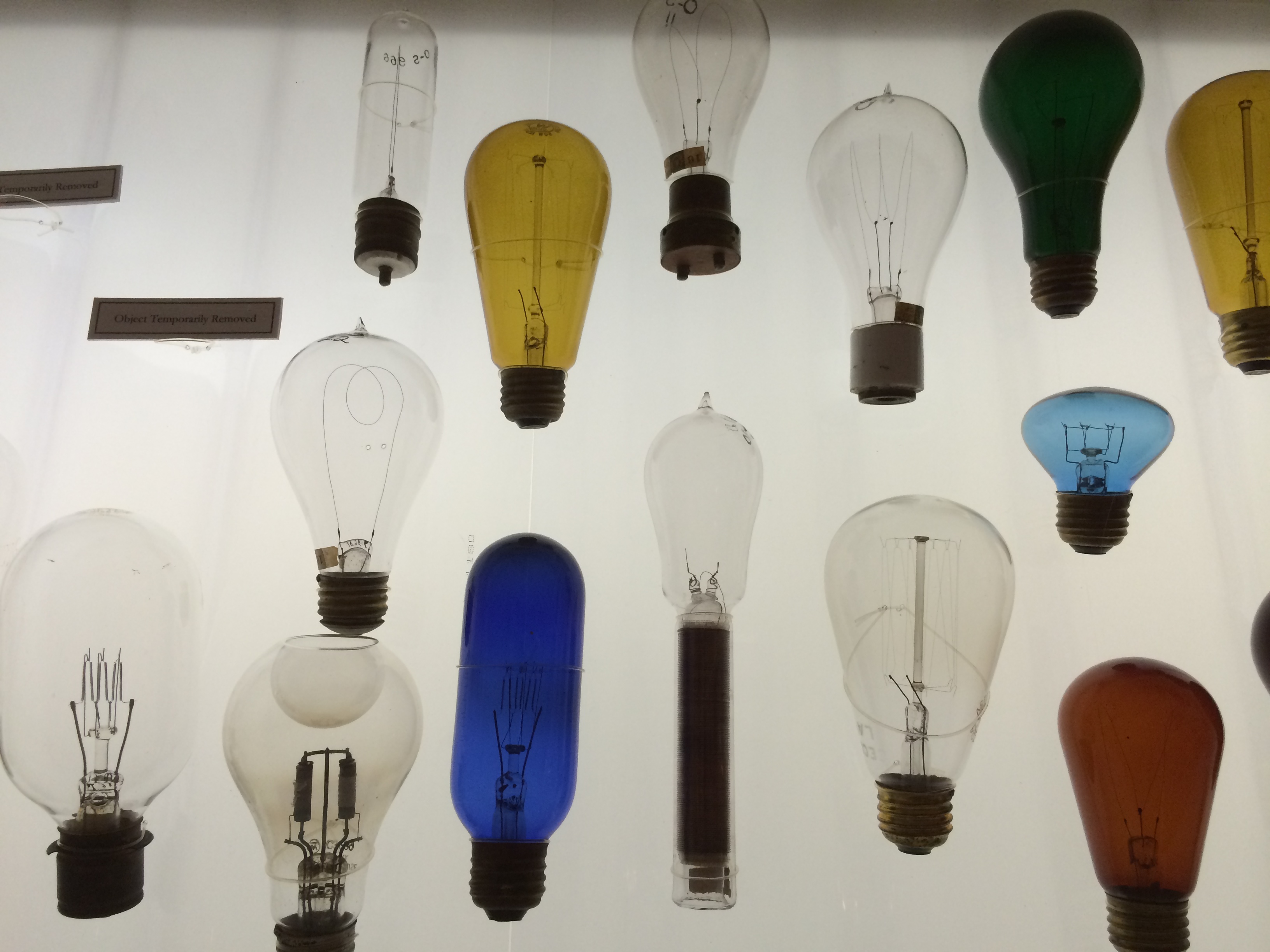
I found myself thinking about curation and exhibition as I walked through the library…noticing the stories told and the ways the displays invited visitors to experience historical events.  I also watched my son–as an adult–drawn to interactive displays, things that can be manipulated, looked though, turned, opened…  I found myself drawn to this display of lightbulbs, showing how they have changed over time.

lightbulbs

And while this photo looks flat…like a poster, this is actually a display of the original lightbulbs. You can see the markers where someone has removed a couple of bulbs for study of some sort.  I didn’t notice those until after I had taken the photo.  I wonder what kind of study you do with old light bulbs.

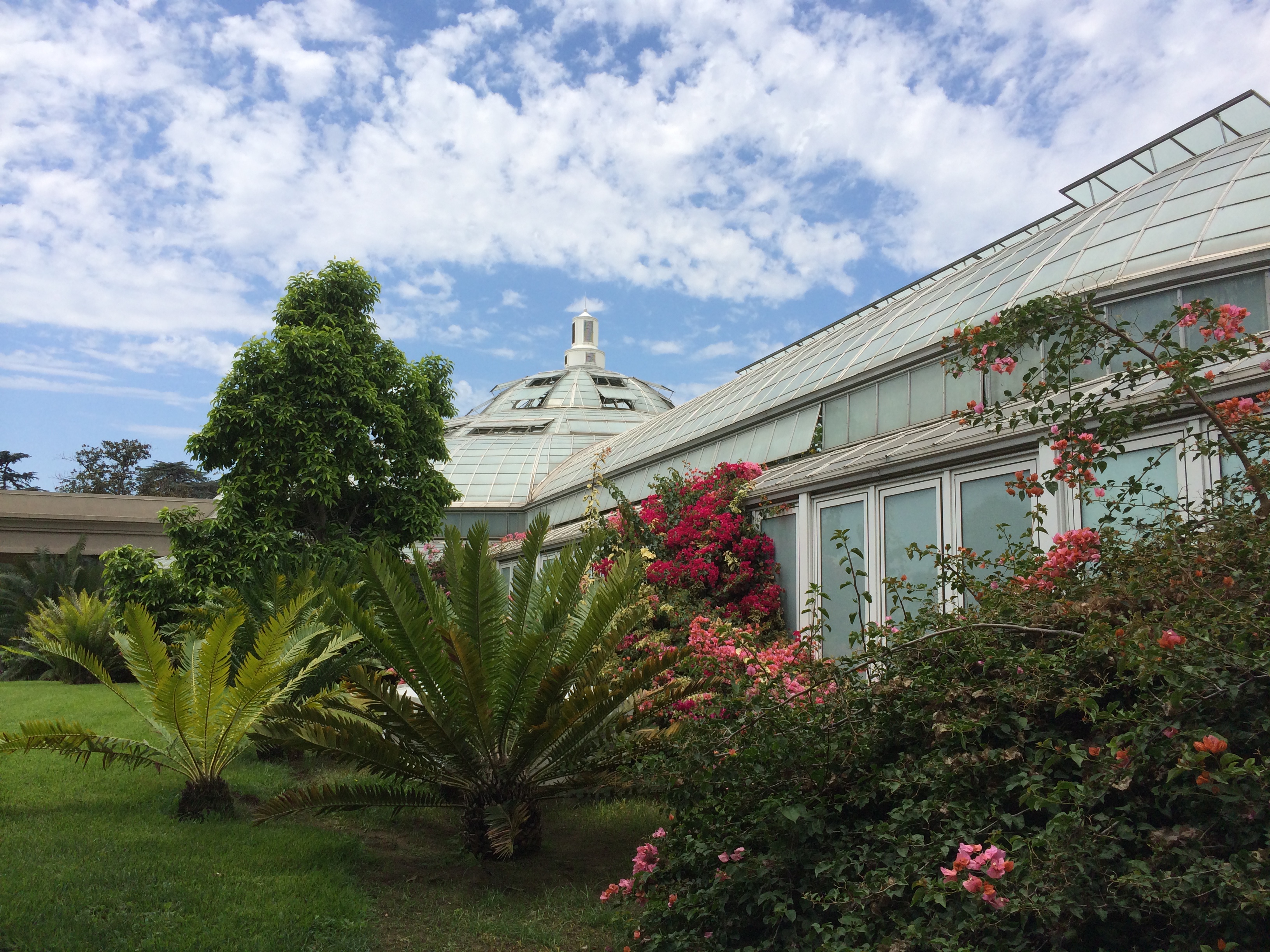
The conservatory is a big greenhouse filled with plants.  And as we headed towards it, I was fascinated by the light blue and white of the building and light blue and white of the sky.

conservatory

And what I didn’t capture was the interesting ways that plants are adapted to their surroundings.  The tiny fibers of the carnivorous plants, the special adaptations of seeds, and even the special slime of the slug we found slithering down the wall.

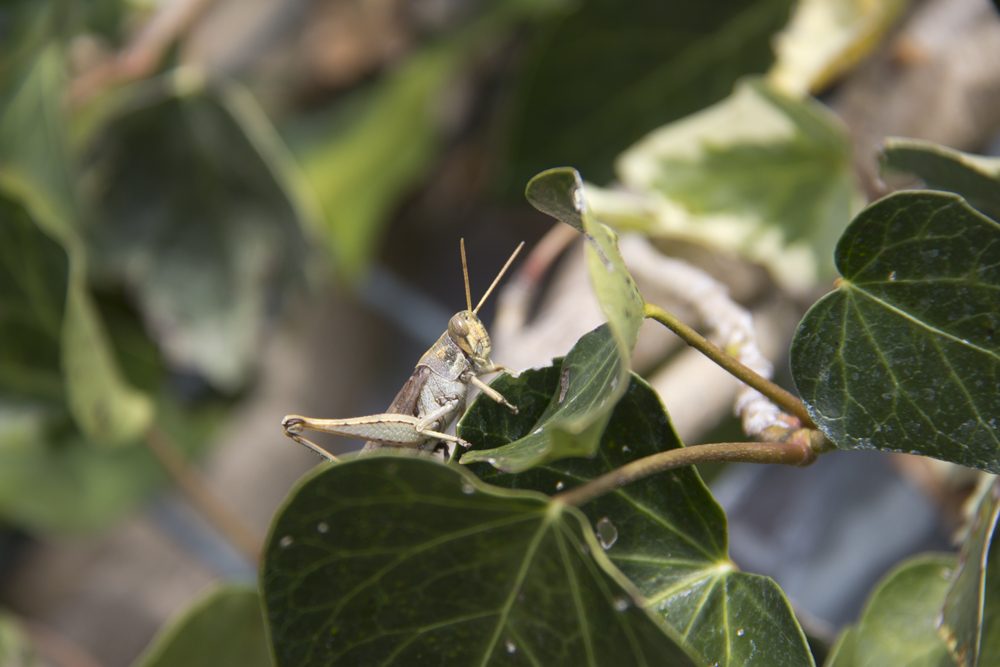
With his fancy camera, Nick was able to capture this grasshopper I noticed as we walked through the children’s garden.  (Photo credit to Nick)

grasshopper Nick

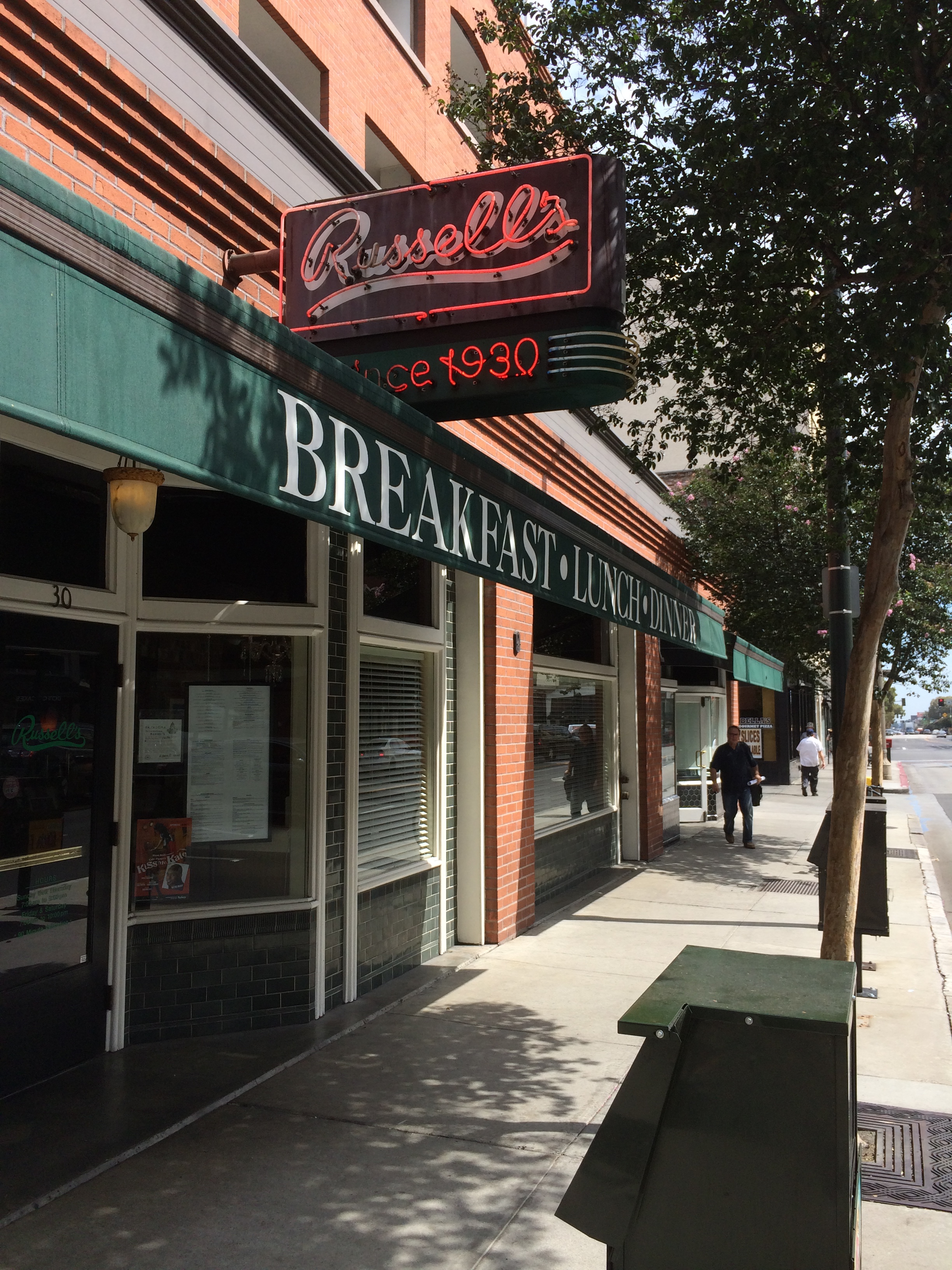
Old town Pasadena also offered an interesting view of the world.  Pasadena conjures images of the Rose Bowl parade…streets lined with people.  Streets with iconic names, like Colorado Boulevard.  We decided on lunch at Russell’s…an establishment that advertises existence since 1930.  (They definitely make a great California BLT!)

Russell's Pasadena

And what I didn’t capture was the stiff and proper waiter and the bright red interior…including the velvet curtain that separates the hallway where the bathrooms are located from the rest of the diner.

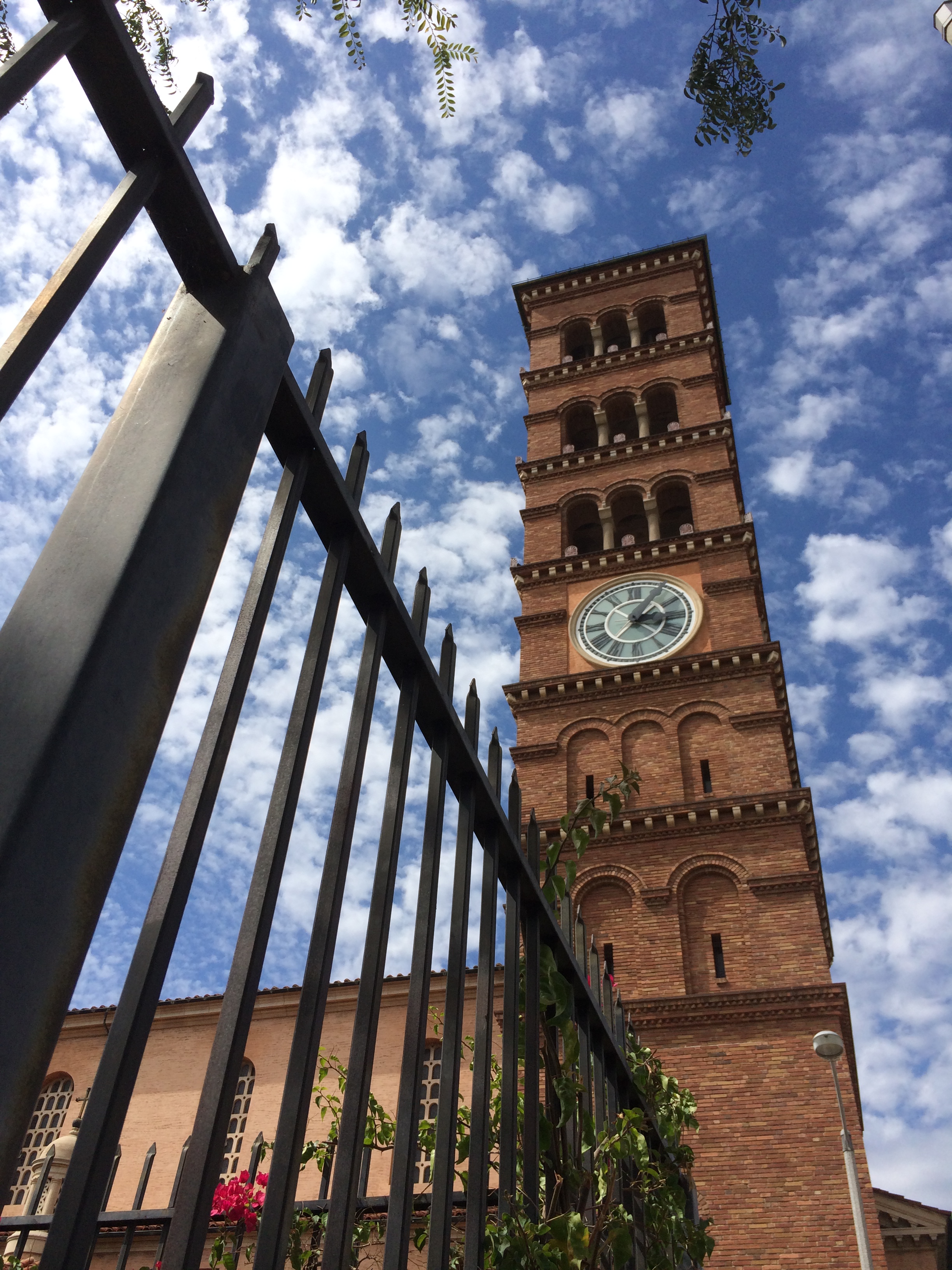
I noticed a clock tower as we drove to find parking.  So once parked, we spent a bit of time exploring on foot…and found the tower.  What isn’t captured is the way that downtown areas are an interesting intersection of poverty and affluence, those with no permanent place intermingling with those exploring that same place.

clock tower pasadena

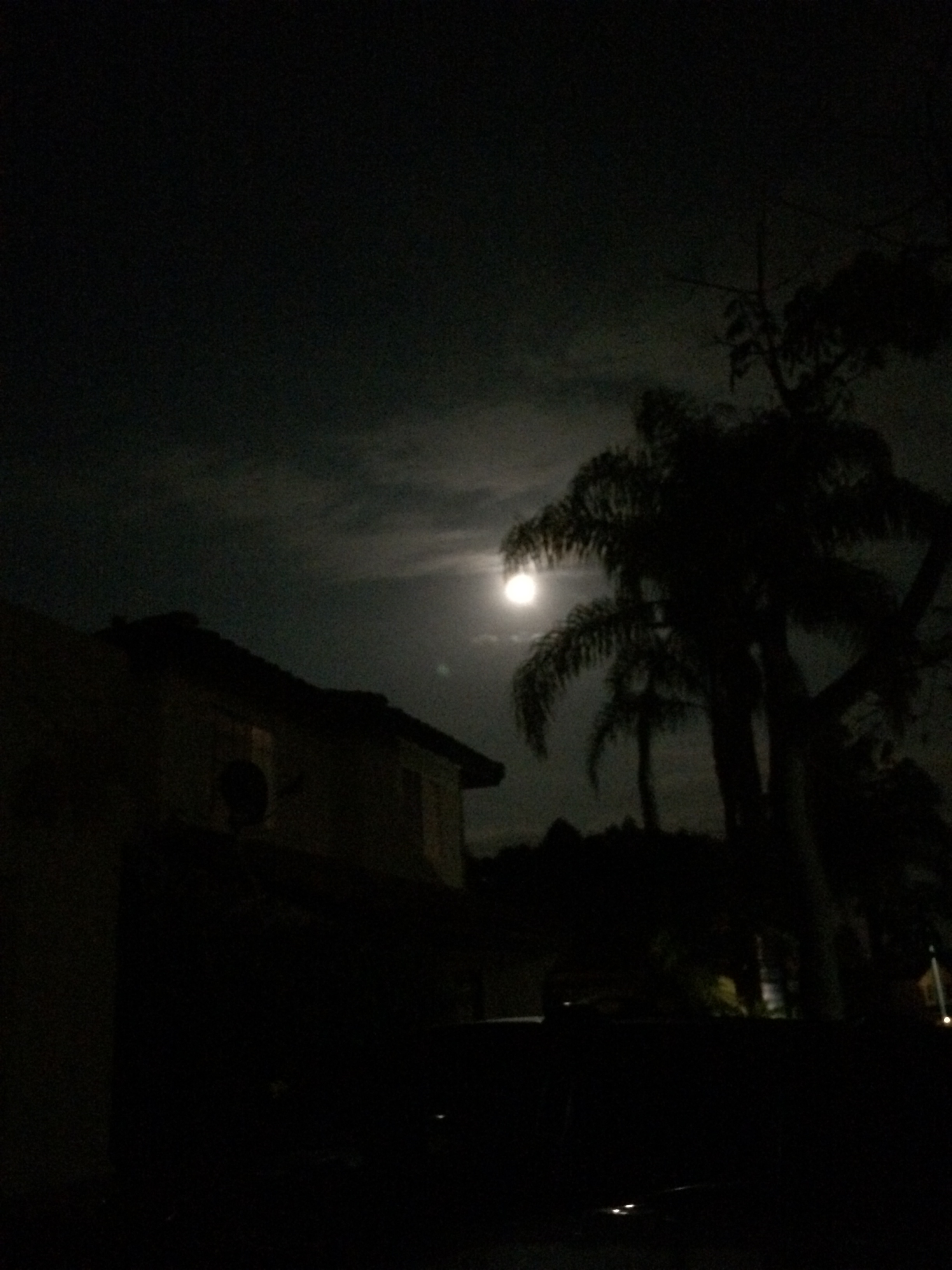
After dark, as I drove home, the large orangish harvest moon lit the way.  As I drove I thought about the beauty of the moon…and how hard it is to capture it in a photograph (at least with my equipment).  When I pulled into my driveway after a long and wonderful day, I did take out my phone a take a couple of shots anyway.

Moon through palms

And all day today I’ve been thinking about how much I see when I set out to take photos–more than I ever capture through my camera lens.  For me, my camera has truly become a tool that helps me see far beyond the lens.  I pay more attention to the world around me, even those things that I haven’t been able to capture in a photographic image.  I’m still hoping to catch that insect in flight, the landing of a raindrop, the surprised expression of a loved one, light that caresses an image perfectly…  But even more importantly, I am seeing those things even when I don’t get the photographic image…and that is priceless!


They’re Back…

Last school year we planted milkweed in the planter box in front of our classroom…and had a front row seat to view the intricacies of the monarch life cycle.

As the school year continued, what was left of the milkweed (after the caterpillars had decimated it) died away and a native volunteer took over the box.

A week or so ago, a classroom mom came by and cleared out our box and replanted milkweed.  And before even an hour had passed, a monarch friend had already visited.  We’ve all been on the lookout for evidence of eggs and caterpillars since.

This week, they made their presence known!  Teeny tiny yellow, green, and black caterpillars have made an appearance and are busily chomping away at the milkweed.

20131107-200546.jpg

It is amazing just how quickly they grow from almost invisible to the eye, to plump little crawlers.

20131107-200801.jpg

These are actually much smaller than they appear in the photo thanks to the magic of modern technology and cropping techniques!  But you can see they have been quickly devouring this plant.

And so now we wait.  Will these caterpillars survive long enough to grow to the size where they form a chrysalis and transform into butterflies?  Is there enough milkweed there to sustain them?  What predators will they have to avoid?

20131107-200938.jpg

These beautiful creatures are fascinating to watch (and photograph), and seem to thrive in our school environment.  I love that we don’t need to buy a butterfly “kit” to have our students learn about the majesty and wonder of the insect world.

20131107-202037.jpg

I always find that the more I learn about something, the more I appreciate and notice the natural beauty right in front of my eyes!  What critters sit outside your door for you to learn more about?

Photo-Inquiry…Art, Science, and Writing

I’ve been taking pictures every day for more than a year now.  Some days it’s a struggle, other days it’s pretty easy.  But one of my favorite things about being a photographer (albeit, amateur) is that it makes me pay attention…and ask lots of questions.

Yesterday I was up in our local mountains enjoying all that fall brings…colors and pumpkins and apples…on a warm fall day.  As I was photographing some beautiful leaves turning orange and red and yellow, I noticed this beautiful pine tree.

photo-12

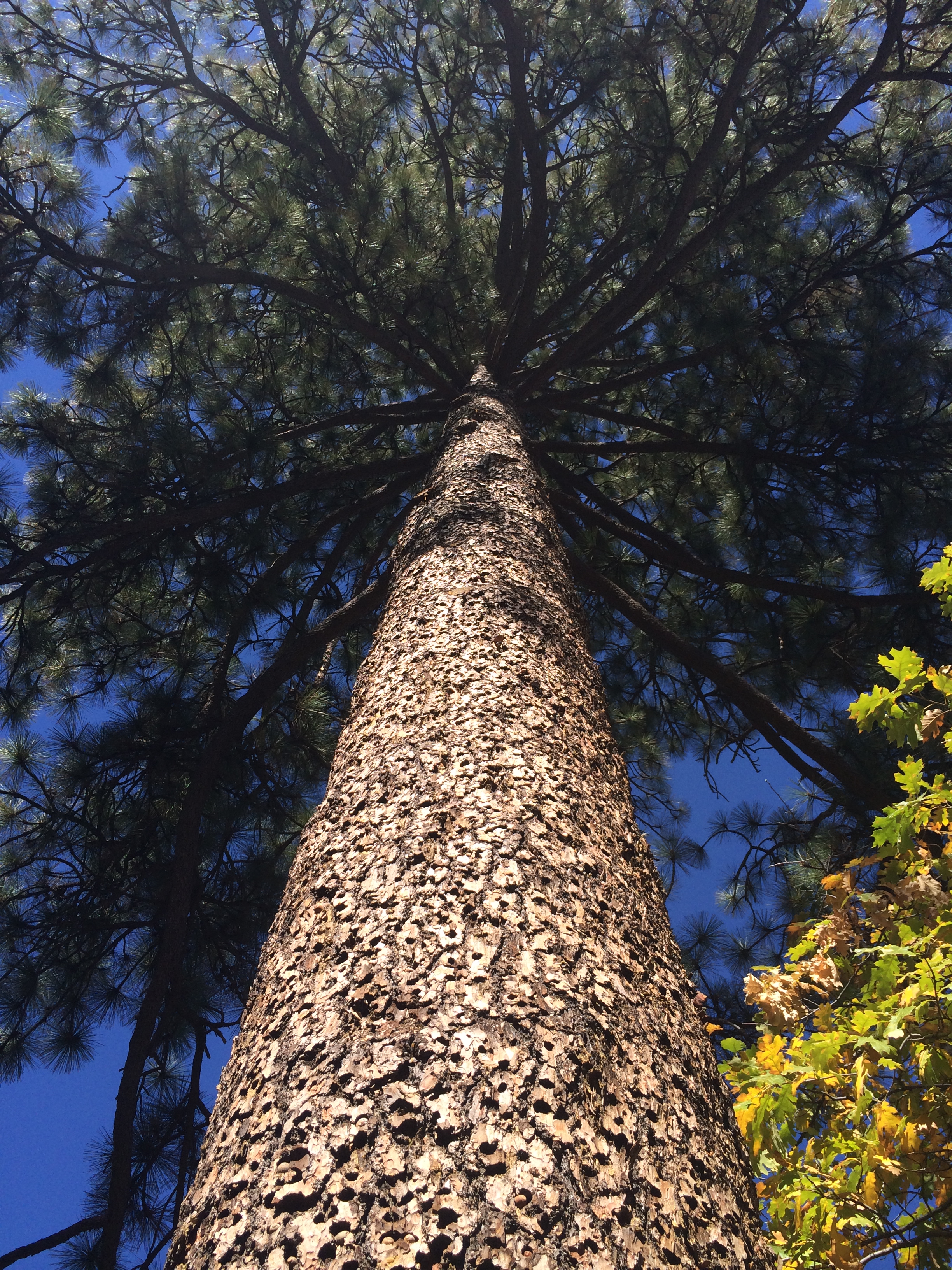
Looking closely, I was fascinated by the texture of the bark on the tree.  And an even closer look revealed all these tiny holes…with many filled with acorns or other nuts.

photo_1

That observation set off a million questions…how does this happen, what animal does it? Does it hurt the tree?  Is it squirrels?  And then I noticed this nearby fence post.

photo_2

So it’s not only about trees…it’s about wood.  I noticed the nearby utility pole also had holes and nuts.

With all these questions running through my head, we continued our adventure and I continued to look for interesting subjects for my photography.  A while later, at the edge of a little pumpkin patch I looked up and saw a beautiful blue bird with red markings high up on a utility pole.  I thought it might be some kind of jay, but my husband was quick to point out that it was tapping the pole…a woodpecker!

We watched closely, listening to the persistent tapping as it pecked into the top of the pole.  I attempted several photographs…but one thing the iphone camera is not good at is long distance photos!  Here’s an attempt.

photo

If you look closely you can see a tiny silhouette at the top the pole.  As I watched I started to make connections to the pine tree and fence post I had photographed earlier.  These holes with the acorns in them were the work of an acorn woodpecker!  A little internet search today led me to this information:

The group will guard their territory, and will often have a single tree in which they store their acorns; known as a granary. A single granary may contain tens of thousands of acorns. The acorns themselves are placed individually into a hole drilled into the tree. Acorn Woodpeckers also feed on insects (including aerial flycatching), sap, and fruits.

I love that photography always ends up teaching me interesting things about nature and about the world.  It makes me pay attention, notice details, and ask questions.  It makes me curious…and makes me wonder…a perfect tool for inquiry!  And as I write this on the National Day on Writing, I get to share my photography and learning with you!  #write2connect in action!

How do you write to connect?  What do you learn from the activities you love?

Ordinary: A Photoessay

When I get busy I don’t take the time to pursue my personal interests, instead I get bogged down with the intricacies of my work and the demands of my schedule.  When I finally get a chance to catch my breath, I also find myself needing to tend to demands of ordinary life…you know, housework and errands and such.  And my exercise routine also falls to the wayside (even though I know that exercise is essential to energy, health, and well-being).  So today I decided to do two things that have been neglected…take a walk and take some photos.

And continuing my theme over the last few days of ordinary…this was an ordinary walk.  I threw on my tennies and took a walk around the neighborhood.  And while I was walking I was also taking a close look at my surroundings…alert for interesting images.

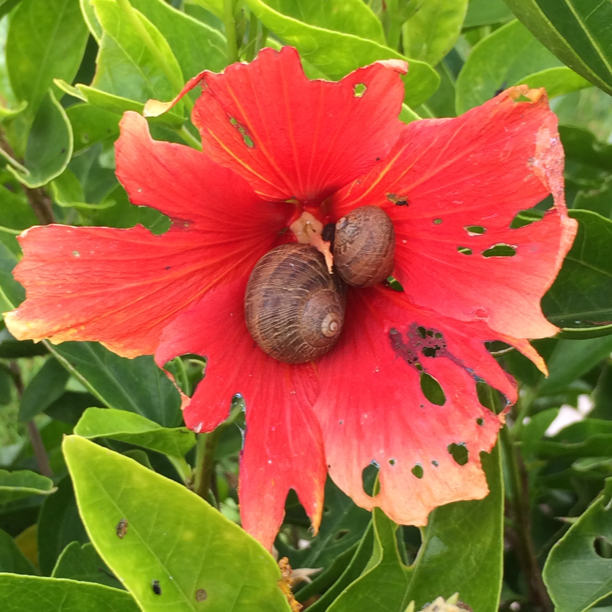
Lots of people in my area have hibiscus bushes with beautiful red or yellow flowers.  As I walked by one house today I noticed this blossom with snails nestled up in the center of the blossom!  While I’m sure it isn’t good for the flower, I love the idea of the snails becoming the center of the flower.

vintique_image

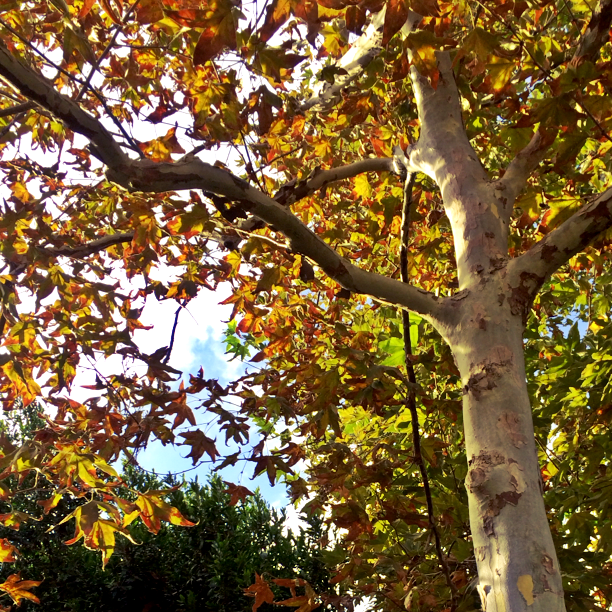
I often hear about how people in other locales have four seasons…and we, in southern CA, don’t.  (Somehow our temperate weather gets construed as sameness)  As a native to the area I feel like the seasons are quite distinct…and fall is definitely in the air!  There’s a difference in light, in the way the air feels (even warm feels different in the fall), and in the foliage.  We do have plenty of evergreen trees…but there are deciduous trees like this too.

vintique_image-1

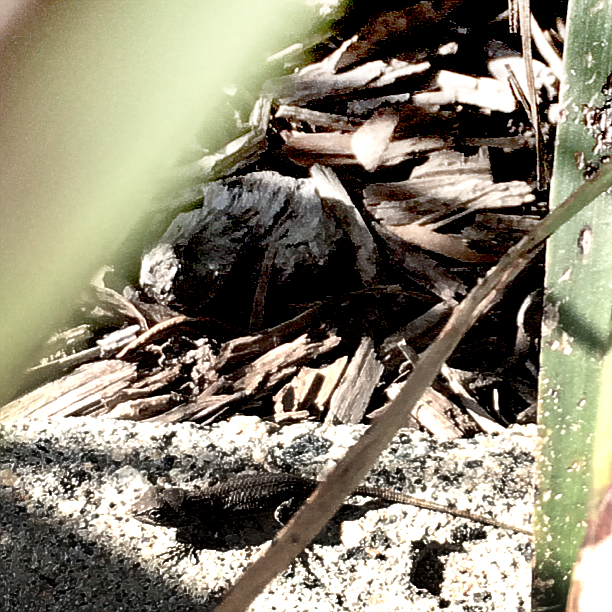
Sometimes when I walk, I find myself “in my head,” not really paying attention to my surroundings.  But today I was alert and tuned in to the dragonflies flitting by, the abandoned Santa toy wedged in the ground cover, the granny smith apple in the gutter, and this tiny lizard that skittered in front of me.  He was cooperative enough to stop and let me take a photo…unlike the dragonfly!

vintique_image-2

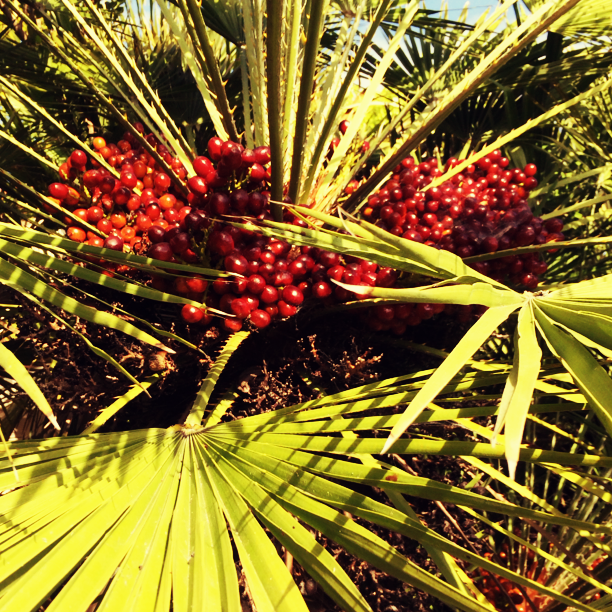
I’ve been noticing the variety of palms in my area.  I commented just yesterday about the fact that the banana leaf palms are pretty uncommon…and then I saw one on my walk today.  And as I headed back to my house I noticed this palm with all these little berries at the center.

vintique_image-3

I love the way the ordinary…a neighborhood walk…becomes something more when you take the time to pay attention and notice details.  And I feel refreshed and relaxed…ready to tackle another busy work week.  I’m sure I will need to remind myself to take time to notice, to tune into the ordinary, and enjoy the moments in the moment!

Making Art

Participating in photo-a-day means that I am always on the lookout for an interesting photo opportunity.  And even though this whole month is themed writing, that doesn’t mean that I don’t take and post other interesting photos.

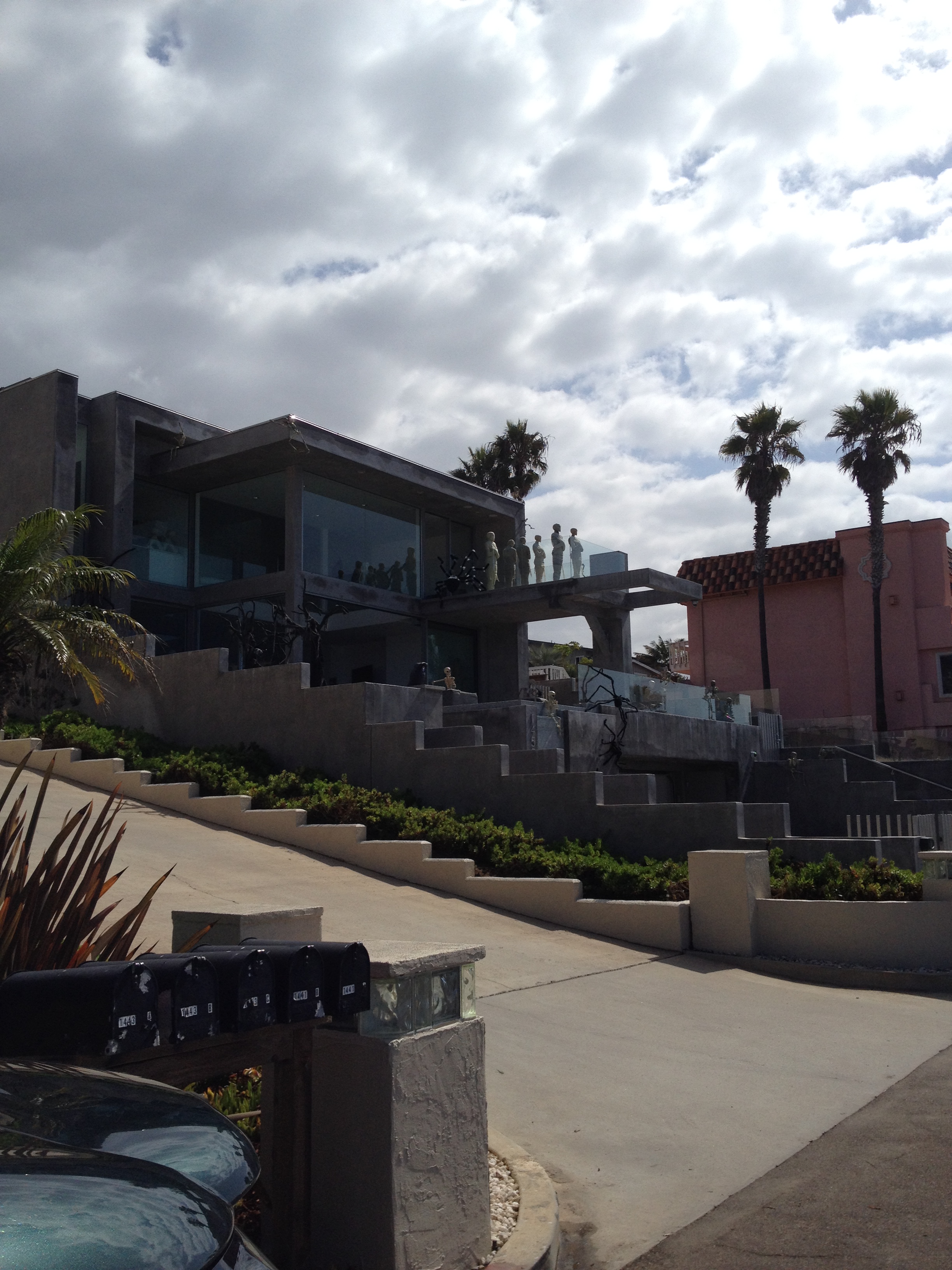
Driving to work is one of those times when I keep my eyes peeled for promising places to return to for a photo or two.  Over the last few weeks I’ve noticed a house not far from my school that seems to be made of concrete.  It’s huge, looks over the ocean, and has floor to ceiling windows…obviously designed for maximum visual impact, from inside and from outside.

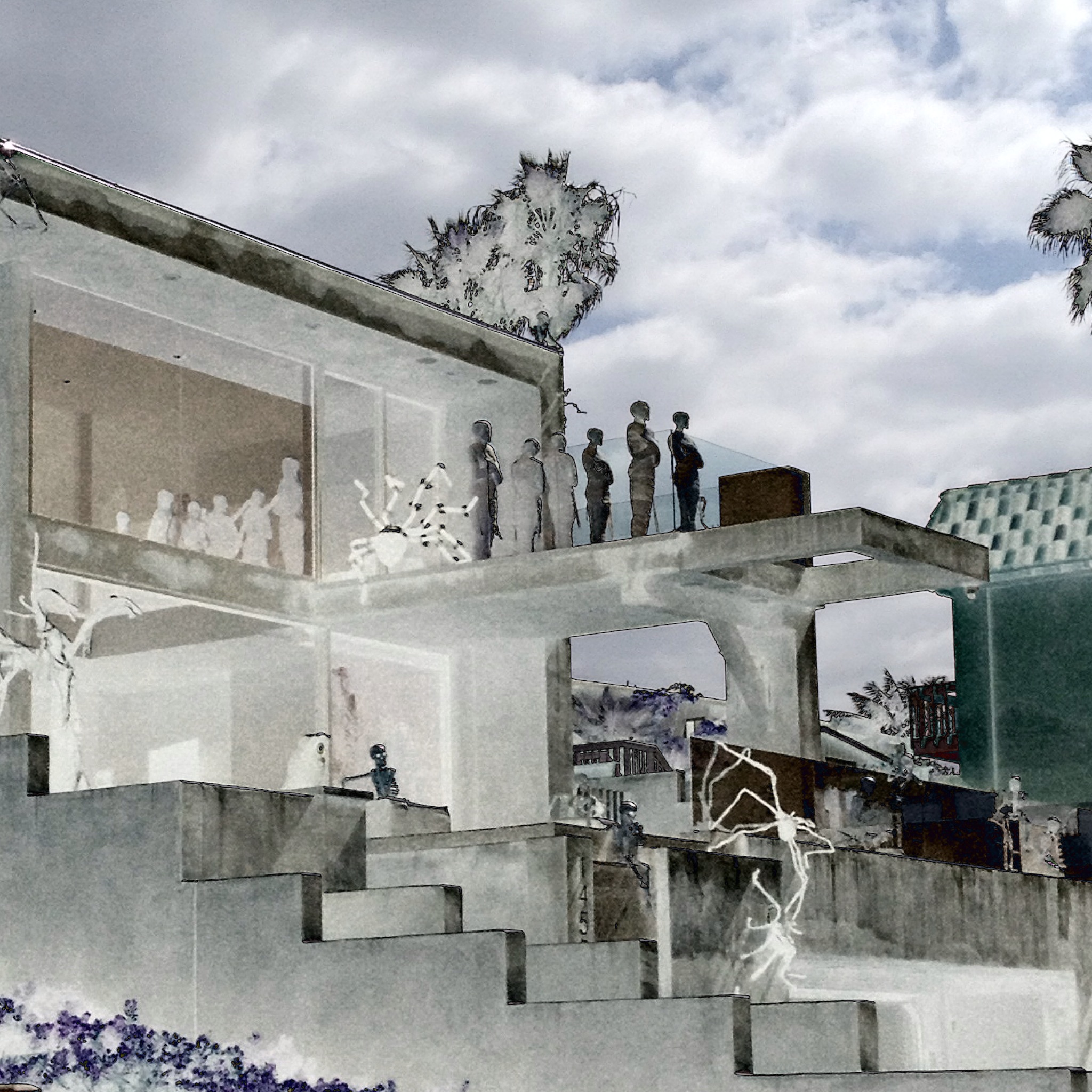
And today as I drove by, I noticed skeletons and zombies and other creepy things through the windows and on the deck.  I knew I would stop by later and take some photos.  When I stopped on my way home I struggled to get a photo that captured what I could see with my eyes.

photo-1

So I took this photo and used an editing app to play around with it.  Could I pull the photo in and see those full sized bodies standing on the deck?  Could I see through the windows?  Here is what I was able to produce from the picture above using the app Tadaa and the filter otherland.

photo

I love that moment when a snapshot becomes a piece of art.  I wonder if that is what the owners of that house also had in mind?

Informational Writing

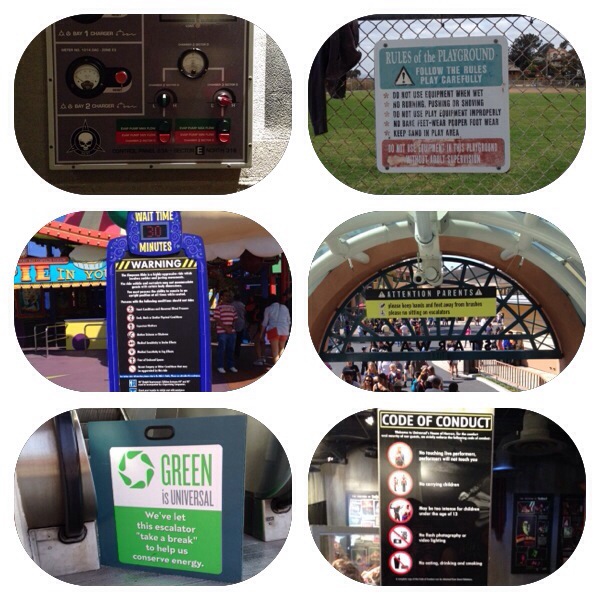
I’ve been noticing that my world is filled with text, much of it informational. When I look around I see signs that explain rules, warn me of danger, remind me of safety, let me know what is going on, and more.

20131004-234144.jpg

I’ve noticed that much of the informational text I see includes icons or images, sometimes even diagrams. It makes me wonder if this kind of text is meant to be read or merely noticed. By noticed, I mean put on warning that there are rules or dangers to heed…and the presence of the text implies that the risk, whatever it is, is yours. A notice of liability, of sorts.

This sign I saw in the Sacramento airport car rental center seems the kind of informational text that exists to fend off questions and complaints.

20131004-234750.jpg

I wonder who writes the texts like this. Is it someone’s job responsibility? Does it go through an revision and editing process? Who determines the clarity?

And what about something like this?

20131004-235159.jpg

Is it informational or just entertaining?

Crows

As I walked across the parking lot toward my office today I heard a crow cawing. I looked and noticed it sitting in a tree at the edge of the parking lot. It was loud and totally unconcerned that I stopped to take a photograph.

20131001-232143.jpg

Thinking about that crow made me realize how much attention I pay to the crows in my life. Those that are loud or otherwise command my attention get more of my time and energy than those that are quieter and less assuming.

Too often that’s true in my classroom too. How often do I seek out the quiet, still child? Instead, all too often I am drawn to that loud voice or the wiggly body that can’t seem to keep in its own space.

I’m glad I stopped to photograph the crow today. I want it to serve as a reminder to look for and notice the quieter beings–the roly polies, the snails, the chickadees and sparrows– that blend into their surroundings and go about their lives without calling for attention.

What am I missing when I only see the crows? What can I learn by tuning my eyes and ears and other senses to the quieter students in my classroom? I’m going to find out…