Tag Archives: thinking

To Meme or Not to Meme

I learned about memes a few years ago…and kind of take them for granted now as commonplace, especially in places like Facebook and other social media platforms.  And I never use them…or at least I don’t think I do!

But this week, the “make” for CLMOOC is a meme.  In fact, the same person that I learned about memes from is part of the team that is inviting memes this week.  So I started out the week actively resisting participating in meme-making…why would I want to take someone else’s image, put some words on it and publish it as commentary on teaching or summer or some aspect of popular culture?

It was Anna who drew me back in with her post today:

Screen Shot 2014-06-24 at 6.02.15 PM

A comment on that thread from Scott sent me off to the PBS Idea Channel, adding to my understanding of memes.

And questions from both Terry and Scott, “What about photography?”  “Images without text?” got me thinking and wondering…  I headed over to Peter and Kim’s invitation and then clicked on James Gleick’s article, What Defines a Meme? and came across this passage in the text:

Images. In Isaac Newton’s lifetime, no more than a few thousand people had any idea what he looked like, even though he was one of England’s most famous men. Yet now millions of people have quite a clear idea—based on replicas of copies of rather poorly painted portraits. Even more pervasive and indelible are the smile of Mona Lisa, The Scream of Edvard Munch and the silhouettes of various fictional extraterrestrials. These are memes, living a life of their own, independent of any physical reality. “This may not be what George Washington looked like then,” a tour guide was overheard saying of the Gilbert Stuart portrait at the Metropolitan Museum of Art, “but this is what he looks like now.” Exactly.

And I admit, I haven’t yet read the entire article…because this got me thinking about a photo I took not too long ago at my nephew’s wedding.  I included the photo in a post back then…and will include it again here.  Is this a version of a meme?  Does it require text?  Does it only resonate with a certain audience of art lovers?

american gothic selfie

What do you think?  What caption might you include?

Appreciating Difference

I love my macro lens!  What I like best about it is that it makes me slow down, breathe deeply, and pay attention to the smallest of details…things that I didn’t even realize I couldn’t see.

Over the weekend I had the opportunity to spend some time at our local botanic gardens, offering a wide variety of plants in different ecosystems from deserts to rain forests to native plants of our area.  They also had a section of the gardens that was all fruit trees…a variety of citrus, figs, persimmons, guava, and more.

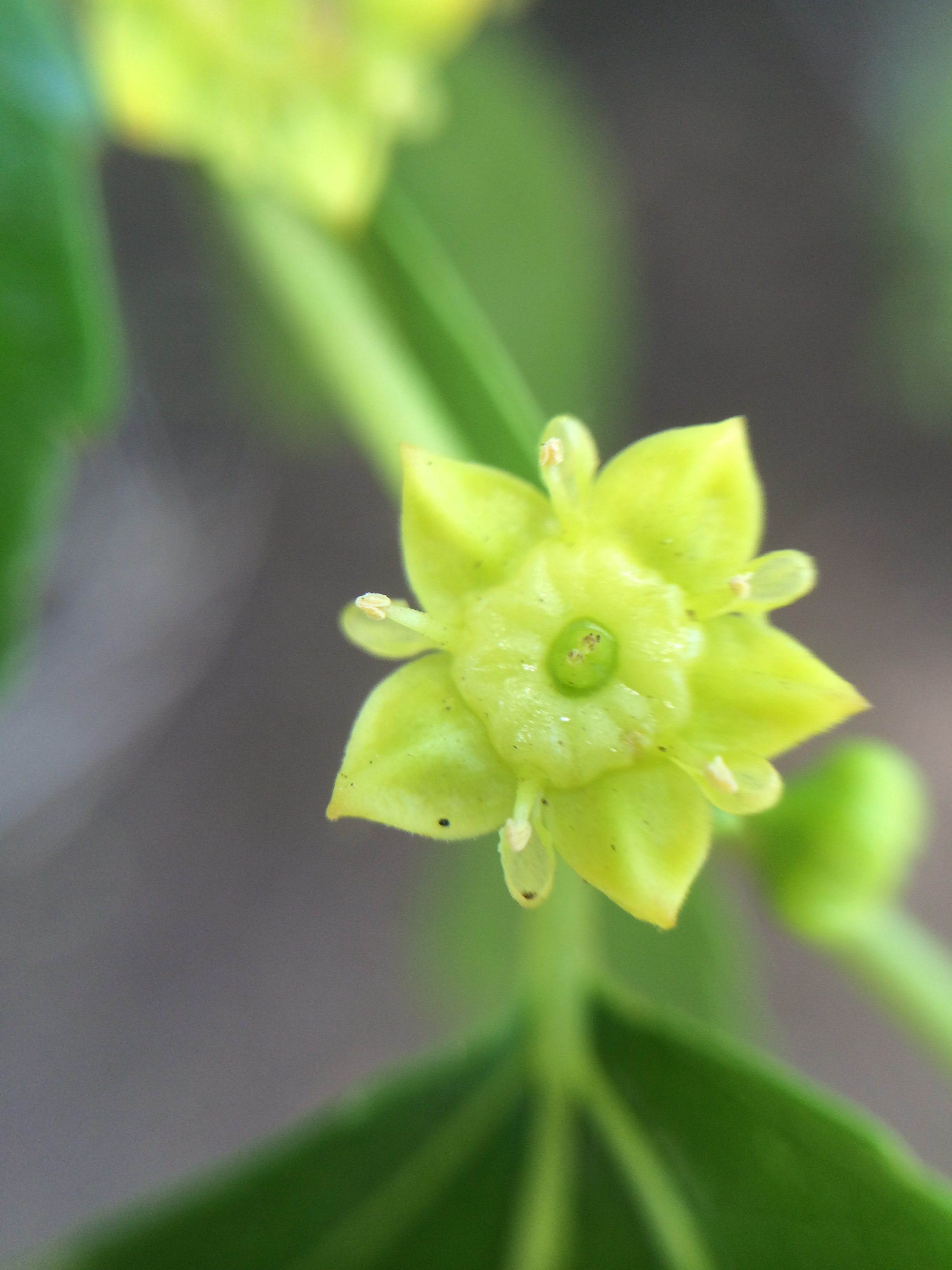
When I saw this delicate guava blossom, I had to stop and take out my macro.  I just knew that it would take a close look to really see and appreciate the beauty of this ethereal bloom.

guava blossom

And once I got started, I couldn’t stop myself.  Each variety offered its own unique beauty. Here’s one variety of fig.

fig blossom green

This is a different variety of fig…and perhaps at a different stage of development.

fig blossom red

I was surprised by the center of this lime blossom.  I knew it was a white flower, but I hadn’t noticed the center before taking this photo.

lime blossom

And this lemonade lemon tree had the prettiest pink blossoms getting ready to open.

lemon blossoms

I’m not sure which fruit tree this blossom came from, but I love its crazy red fringe!

fruit blossom

As I looked closely at these fruit blossoms I found myself thinking about how much diversity there is among them.  Even varieties that are closely related are different from one another. Which got me thinking about my students…and students in general.  As teachers (and parents too), we need to slow down, look and listen closely, and pay attention to the diversity among our students.  Even when students are all the same age, they have vastly different personalities, learning strengths, and interests.  I often have the privilege of teaching siblings…sometimes even twins and triplets…and what I know is, despite having the same parents and living in the same environment, each child in the family is different from the other(s), highlighting the complexities of DNA, personality, behavior, and more.

And in spite of these differences, we all have so much in common:  the need to be loved and valued, to be nurtured and supported, to have others assume the best and help us learn from the inevitable mistakes we will make.

That macro lens offers insight as I look closely at the world of plants, noticing features and details I might have missed without it.  I don’t have a macro lens to use with my students, instead I have to use the lens of mindfulness to keep myself attuned to the individuality of my students and take the time to notice and learn from them and about them.  I don’t just teach a group of children, I teach a classroom full of diverse individuals and to teach them well it’s important for me to know that and take their differences into account.  And for me, that’s the beauty of the classroom, it’s a room full of teaching and learning opportunities as we all bring who we are into the mix.  Our differences are the best part of our learning community as we help each other slow down and see the world in new and different ways.

The Dilemma of Labels

I’m still thinking about weeds.  Probably because we read Weeds Find a Way in class today.  Our students were so surprised when they realized the puff balls they love to blow from dandelions are really seeds!

photo-97

We talked about the places weed grow…and I urged them to be on the lookout for weeds in unexpected places and to report back to us what they noticed.

The more I think about weeds, the more I realize that weeds are just plants that have managed to make pests of themselves.  One of my students pointed out that weeds are plants that we don’t try to grow–they plant themselves.  There’s a list of weeds in the back of Cindy’s book, most that I have never heard of (obviously I’m not well-versed in weeds beyond dandelions).

But then again, is labeling a plant a weed just a matter of opinion?  Is a weed a plant you don’t want?  I can remember as a kid my mom calling geraniums weeds.  They grew along the side of our garage and my mom was always trying to pull them out.  And now I see people trying to grow geraniums, buying them from the nursery, cultivating them for their beautiful colors and vibrance.

Yesterday I noticed this ivy coming through the fence to my backyard.

gate with ivy

Sometimes I think ivy is pretty…but it can be insidious once it takes hold and is very hard to get rid of.  We had some ivy wrap itself around the trunk of a tree in our yard…and nearly kill the tree!  And it took a lot of work to free that tree from the ivy, and the tree is just beginning to come back to health.

So just when does a plant become a weed?  Is ivy a weed when it chokes a tree, but a plant when you cultivate its growth? And does the label matter? What about students?  When we label them…gifted, learning disabled, autistic, dyslexic…does it change the ways we view and treat them?  Do they become metaphoric weeds in our classrooms when they become a nuisance?  When they take too much work?  When they choke someone else’s growth?

Can we change our perceptions by changing the labels?  Or by removing the labels?  Would we like weeds better if we learned their names and noticed their unique qualities?

Hmmm…weeds and labels.  I need to do some more thinking about this!

Going Beyond Either/Or (Threes)

Black or white, the fork in the road, Republican or Democrat, male or female, smart or dumb, phonics or whole language, cats or dogs, tea or coffee, win or lose, right or wrong…  the list goes on, always focused on choosing one of two choices.

Why are we so drawn to these dichotomies?  And do they actually serve us in any positive way?

I often feel that these forced either/or choices close down conversations and limit the options and possibilities that would exist if we broadened the conversation to include more gray area, pathways between the two opposites typically posed.

What would happen to our country if our political system worked to solve pressing issues without regard to political party?  And what would happen in our schools if instead of classifying students as high or low achieving, we paid more attention to students’ strengths and interests and piqued their natural curiosity?  What if there were more options for success?

So when I saw the weekly photo challenge at the Daily Post today, I looked for a photo that not only met the challenge of threes, but also worked as a metaphor for me about moving away from these all-too-common dichotomies.  (In a footnote to this, after reading the threes prompt more closely, I see that I re-interpreted it before noticing the invitation to tell a three picture story.  I may be trying that in the next couple of days!)

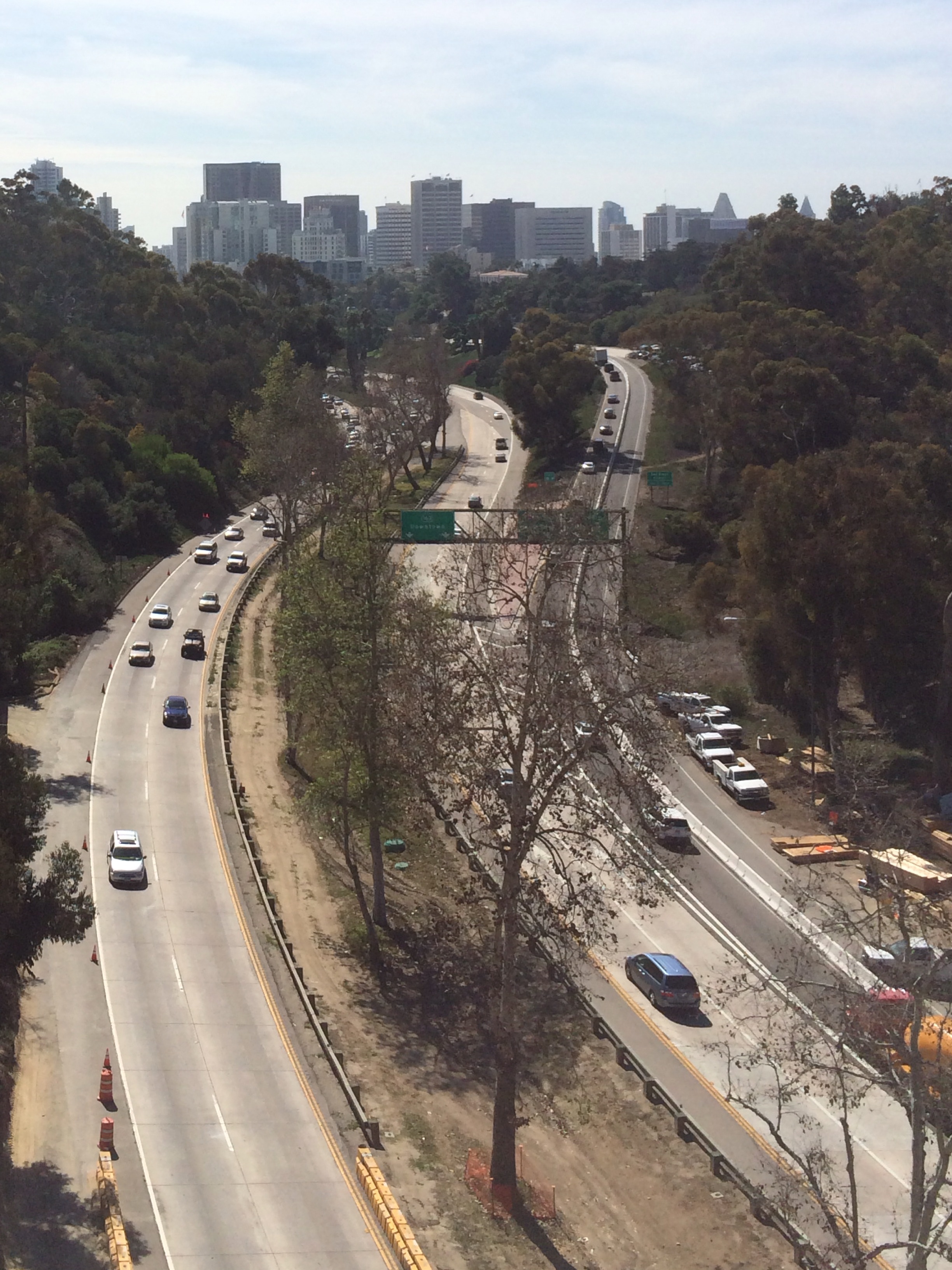
I took this photo today from a bridge over a freeway leading to downtown San Diego.  I like the way you can see three distinct paths curving toward the city in the distance.  It’s interesting to me because I know that the freeway has southbound and northbound lanes…but at this juncture, there is a third route.  I love the idea of including additional options, of getting a more complete picture, of considering a bigger understanding of the story.

photo-97

I’m not suggesting that three is the answer…we do enough with the ideas of high, medium, and low…but three does suggest getting beyond either/or thinking, making it at least a starting place for expanding the conversation.

What image would you chose to represent going beyond standard dichotomies?  How do you get yourself to go beyond the binary?

Window Views

I’ve heard that saying that eyes are the windows to the soul…a way to look beyond the surface of a person into their thoughts and emotions, which got me thinking about windows.

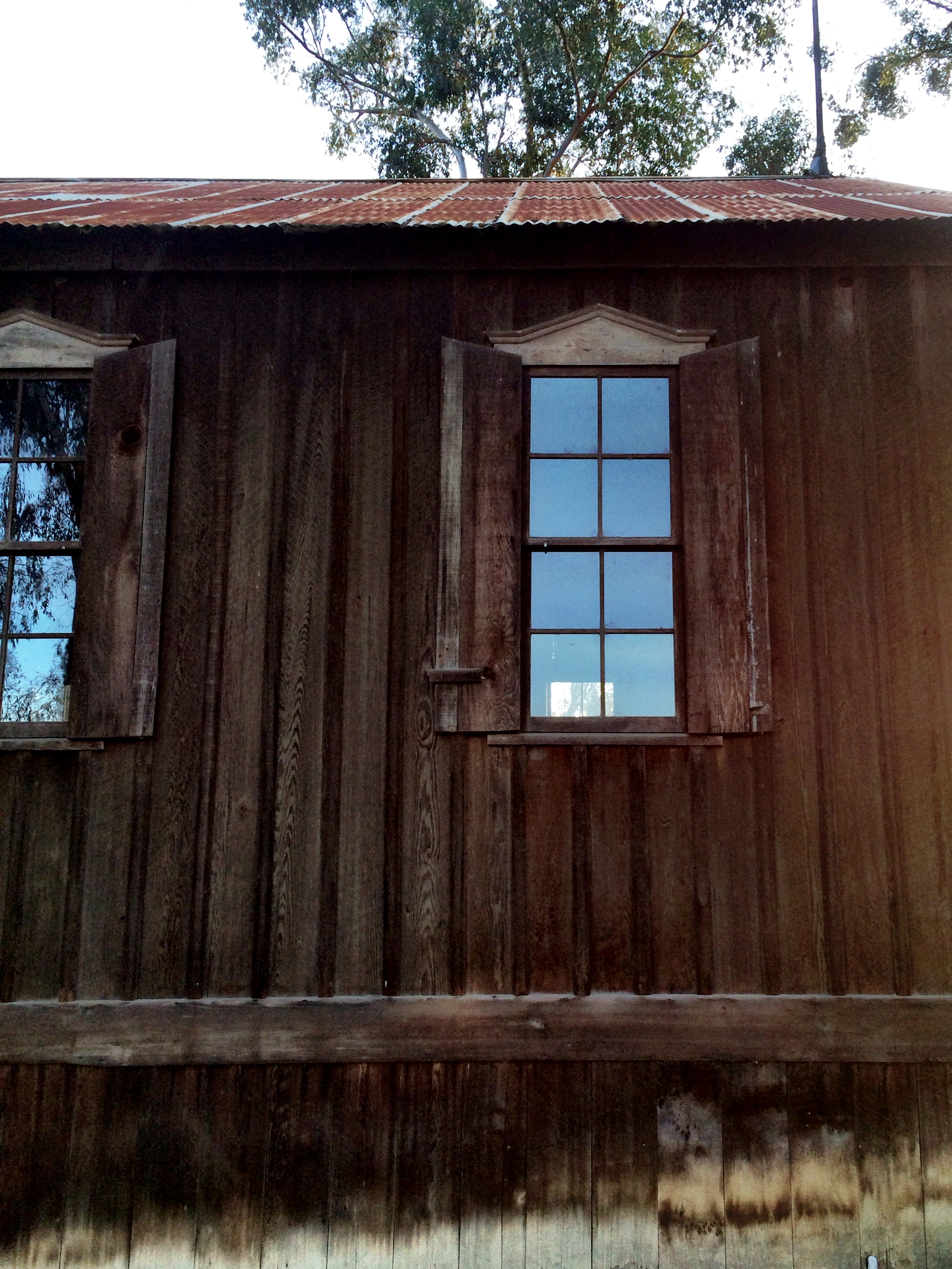
From the outside, you can look through a window to see what is inside.  But sometimes, when the light is right, what you see when you look through the window from the outside is a reflection of the sky and trees…like this.

photo-60

It’s almost more of a mirror than a window.  You don’t see through it, you see the world reflected back at you.

And other times when you look through a window you can see through one window and then back out another window…and catch a glimpse of what is on the other side.

photo-58

It’s almost like looking beyond the present…into the future or maybe into the past.

But what about the shape of windows?  How does that impact our view?  These windows are long and thin, reducing the amount of light that enters and restricting the view.  Was that an intentional goal of the windows in this applied physics and math building?  Or is there some physics and math at work that impacts just how these windows work?

photo-61

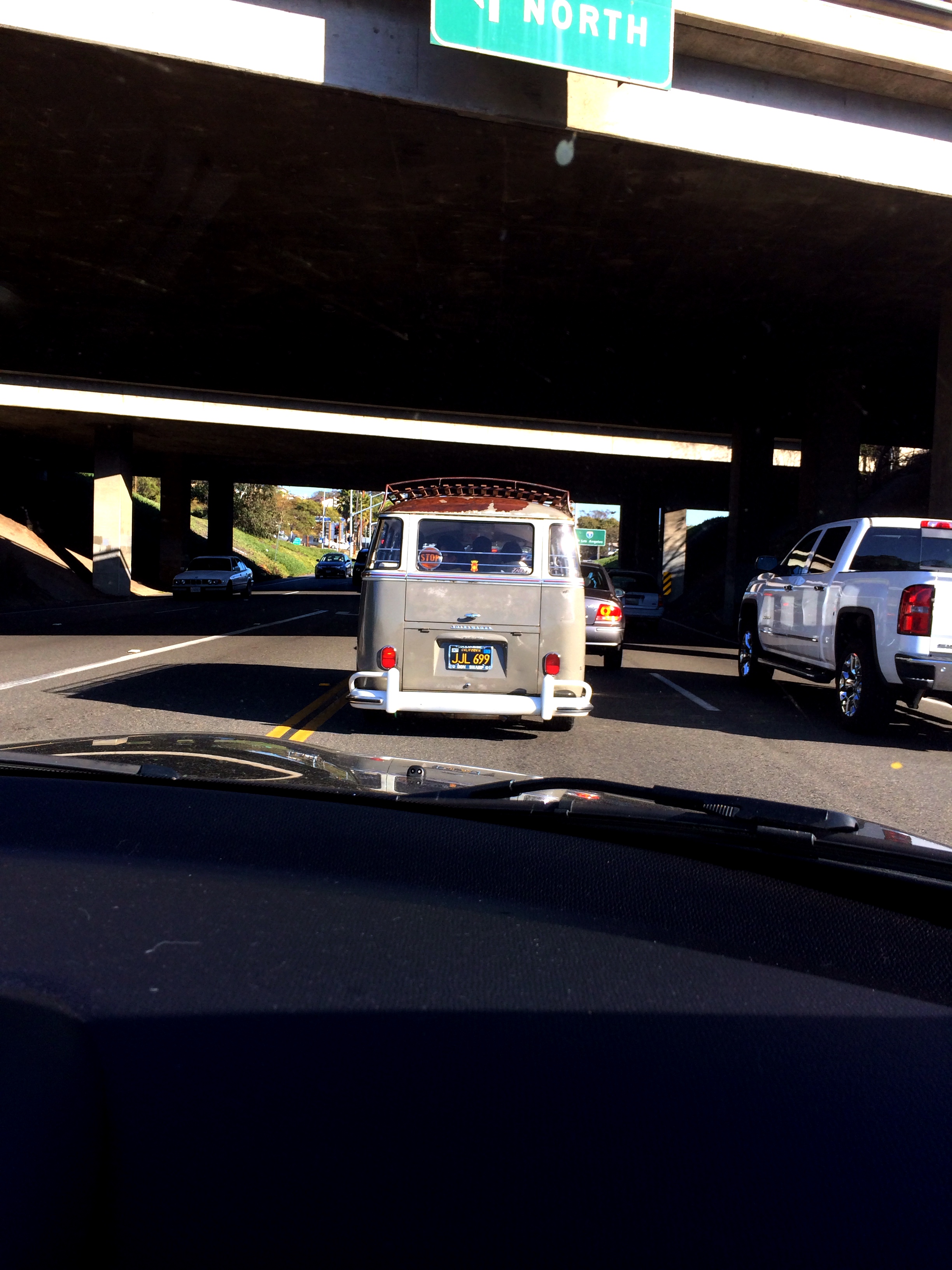
Looking through my photos also makes me realize just how much of my life is seen through the frame of a car window.  How does this window affect my view?  (This one is from the passenger seat…not the driver’s!)  I was fascinated by the VW bus, the rusty roof, the retro license plate…

photo-59

And we also look out through windows.  Sometimes the view is pretty open, allowing a wide angle of view.

photo-57

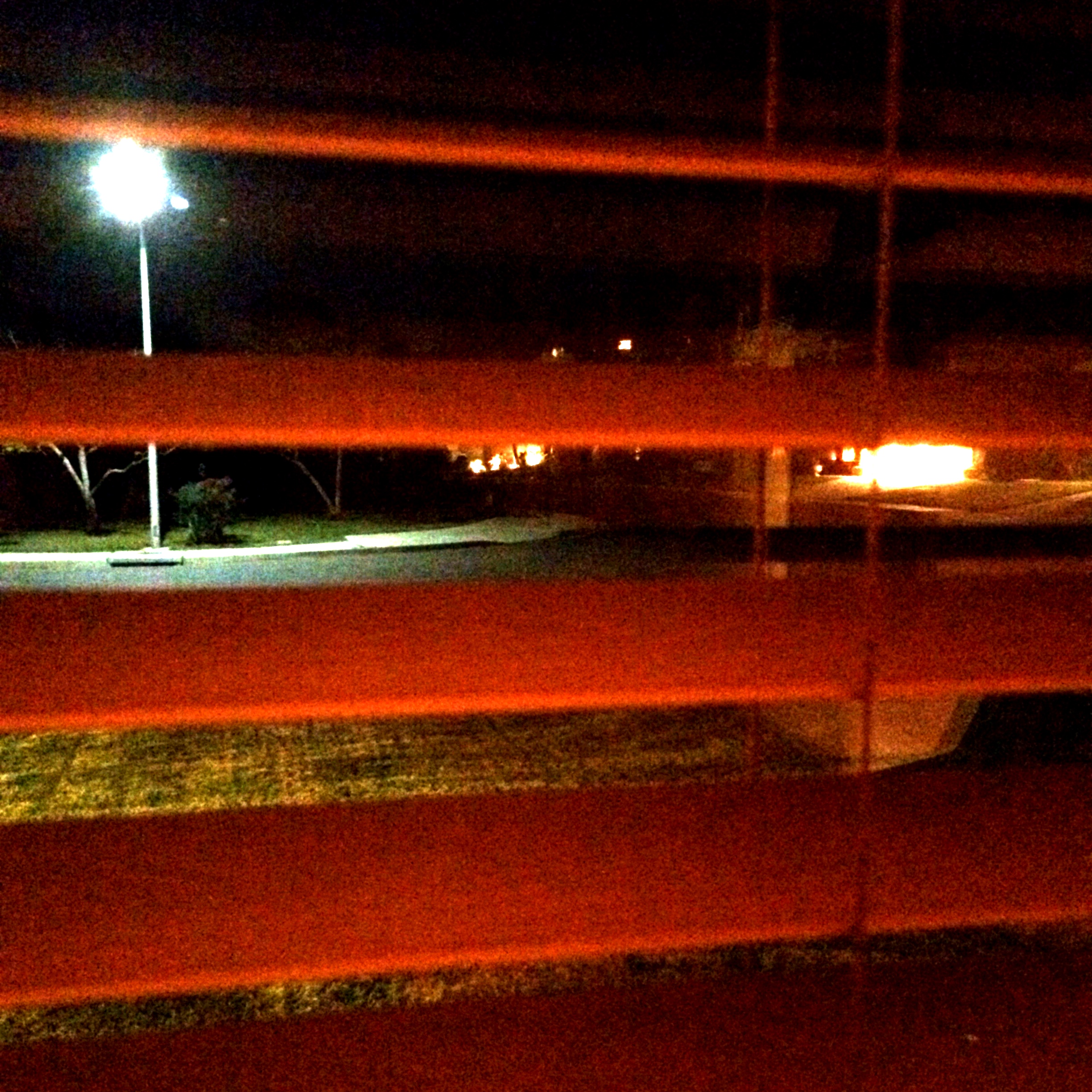
And other times there are barriers, restricting our vision and limiting what can be seen.

photo-62

So are our eyes really like windows?  Do they sometimes reflect, sometimes allow the viewer to see beyond, sometimes carefully frame or give a view influenced by your seat?  What affects the way we see out?  When are the curtains drawn wide open and when are the blinds restricting the view?

How do your windows influence your view of the world?

The Power of Confusion

I love questions!  Not the one right answer kind of questions, but the kind that tickle your brain and keep you thinking in search of possibilities.  The kind that operate right at the edge of confusion.

I love questions in my classroom and in my own learning.  Some of my favorite questions are, “How do you know that?”  “Why do you think that?” “What do you think?” and “What do you notice?”  Sometimes a question as simple as, “What do you think?” can open up rich avenues of conversation.

I think the key to good questions is being interested in the answers.  If you ask but really don’t want to know the answer, then you might as well not ask.  Taking the time to listen is key to the value of questions.

As I was facilitating student-parent-teacher conferences today, I heard some parents who use questions in powerful ways with their children.  I loved the mom who explained how she responds to her son’s questions about spelling with, “How do you think it’s spelled?” and then engages in a conversation about what the child understands about the spelling of the word. The parents who ask genuine questions and listen for their child’s response create opportunities for learning.

Figuring out how to ask questions that you are curious about…those right at the point of your own confusion…can be a catalyst for your own learning.  I love when students ask the question that suddenly gives me insight and clarity into my own teaching and learning.  And I know when I can actually verbalize what is confusing me, and ask the question, that I will make progress in my learning.

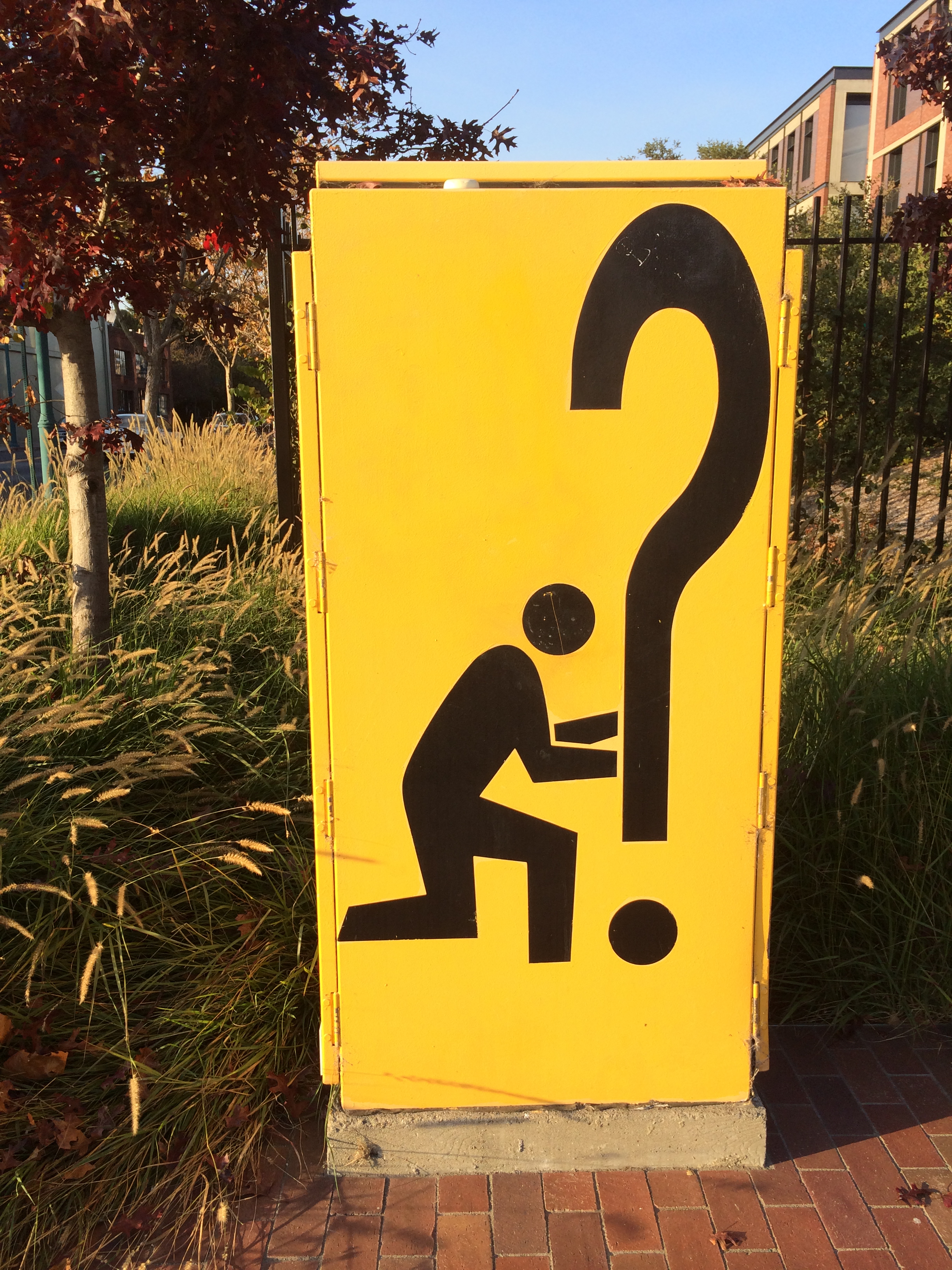
Sometimes questions can involve some heavy lifting…figuring out what is confusing, which questions to ask, and how to respond to the questions of others.  I love this image I found on a utility box in Oakland, CA–be sure to bend and lift those questions with your legs, not your back!

photo

Reflections: a Photoessay

I’m fascinated with reflection. Both the mental version and the physical version. Reflections appear in many surfaces…mirrors, metals, through shade and shadows…and in my favorite medium, water.

I love the idea of the way water captures the way reflection works with learning. Reflecting is a way of reinforcing and internalizing your learning. Taking time to think about why the learning matters and making connections to other experiences enriches learning.

Reflection is not the literal mirror image of seeing exactly what you experienced. Instead, reflection is the processing of experience. Like with peering into water, everything around you impacts the learning. The wind, the current, the life within the water…even the angle you take when you take a look.

I also love to play with reflection in my photographs. Sometimes I intentionally look for ways to capture reflection, but more often than not, I notice the reflection after taking the photo.

Here are a few of my favorites…

I love to capture birds on the beach.

20131110-204452.jpg

And the surprise of the cliffs reflected when I was trying to capture these birds.

20131110-204641.jpg

This fisherman has such a feeling of timelessness and captures the quiet and solitary beauty of individual focus.

20131110-204836.jpg

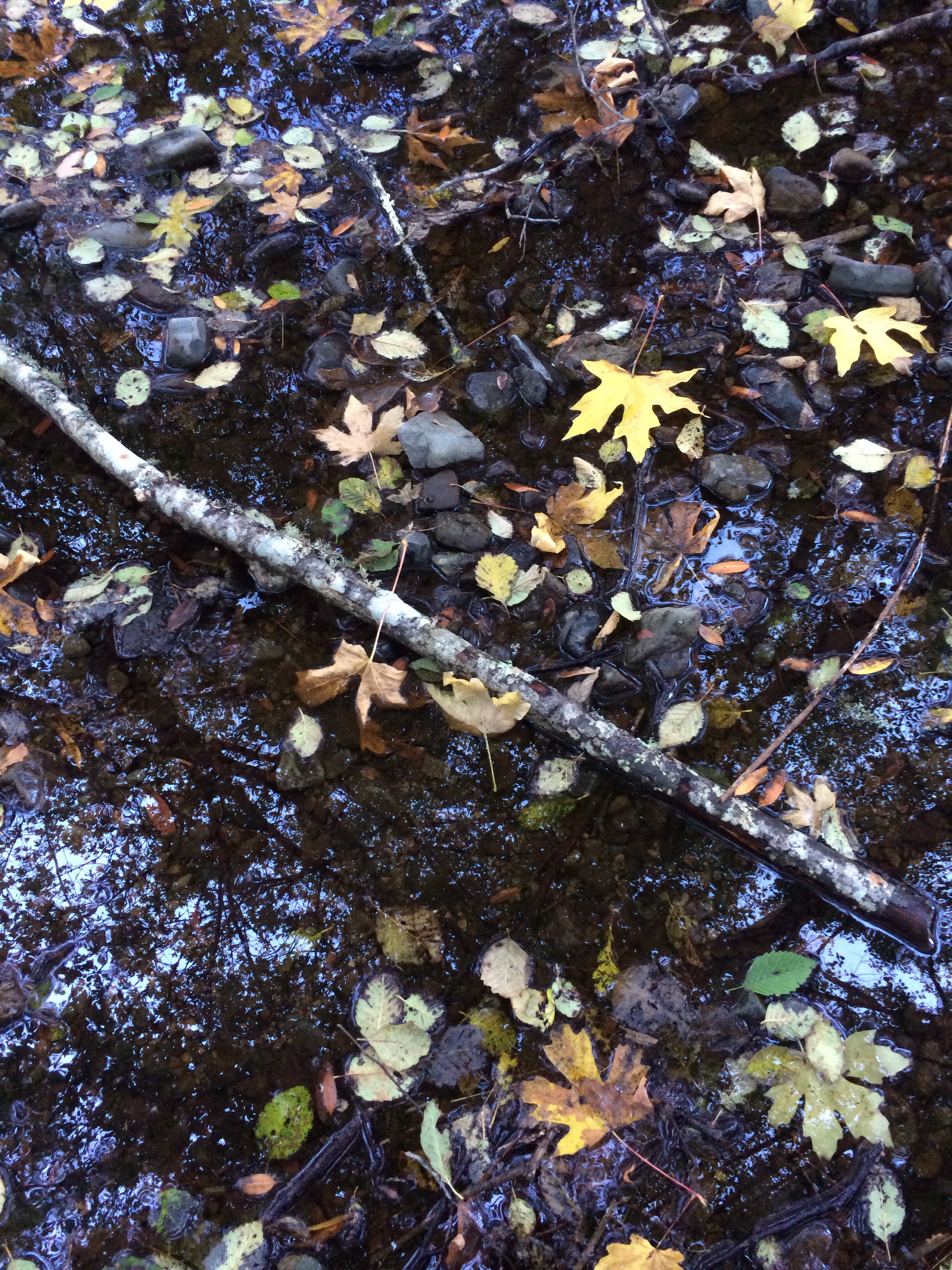
And I’m not limited to the beach. I love the ways the redwoods are captured in this stream. (I also love the colors of the fall leaves floating in the water!)

20131110-205147.jpg

And even at the zoo there are opportunities for reflection!

20131110-205311.jpg

These photos remind me that taking time for reflection matters. There is beauty and meaning in looking back to look forward. I’m reminded to pay attention to the angles, to consider the environment, and to be aware of the life within…in my photography and in my life.

How do you make time for reflection? Do you create opportunities for your students to reflect?

Thinking about MOOCs

MOOCs (Massively Open Online Courses) are becoming more prevalent.  They seem to be the new “thing” in learning.  Zac over at Autodizactic is asking folks to help him think about MOOCs.

I’m not sure I even know what I think about MOOCs.  Like Zac, I have signed up for MOOCs that I have then abandoned.  It seems easy to both sign up for something that sounds interesting and that you can “attend” asynchronously.  And then when it actually begins, it seems easy to let it go when life gets too busy or the tasks seem too arduous or mundane.

I’m currently signed up for a MOOC, led by people whose work I admire, focused on academic language development for English language learners…and I’m very interested in the subject matter.  But already I’m having trouble finding time to do the readings and complete the tasks assigned.  I’m pretty certain I won’t be completing this MOOC.

This summer I had a completely different experience with the Connected Learning MOOC, clmooc, through the National Writing Project.  And maybe the most important difference was in the way the acronym “mooc” was defined.  Instead of being a “Massive Open Online Course”, the clmooc was defined as a Massive Open Online Collaboration.

There were still facilitators.  And instead of assignments, there were make cycles.  And participants were invited to add to make cycles, interpret them in their own ways, create totally new makes…generally make the experience work for them.

I found the experience exhilarating!  I expected to “lurk” around the edges of this experience.  I knew when I signed up that this would be an extremely busy time for me.  I was coordinating the SDAWP Summer Institute, starting a new grant-funded project, and supporting resource development for another project.  But, because I found it relevant and because of the interaction with facilitators and participants, I was compelled to continue and experiment and learn and grow.

Drawing on Connected Learning principles, my learning was interest-driven, peer supported, and openly networked.  It was also production-centered, academically oriented, and had a shared purpose.  And best of all, it was fun.  Each effort made me interested in trying something else.

I was both connected and learning…and I have a badge to show for it!

badge_be1ee794-764e-4739-981e-69a447770c74

I have many reservations about MOOCs, especially those that are trying to be courses.  I am all for open learning opportunities–I’m just not so sure that we need “courses,” in the formal sense of the word, to achieve the goal of opening access to learning.  And for me, the “course-ness” is the very quality that causes me to “drop out” of MOOCs.

So, Zac (and anyone else who is thinking about MOOCs), I’m not so sure my musing are helpful here…but this thinking is helping me understand why the CLMOOC worked for me and these other MOOCs haven’t.

And now about those badges…I’m not so sure I’m sure what I think about them either. And I have two of them…

Here’s my other one.  It was awarded me by a peer for being a connected educator.

ca43b8ed66346f49da41321ab07a1c5f6c3740de0ce4dd3181a89916ac13cd0a

What are you thinking about MOOCs…and about badges?

Making…and Learning

Making…a powerful venue for learning.

Our students have been doing a lot of making…and learning lately.  Sometimes that making looks and feels a lot like play.  And that’s a good thing.

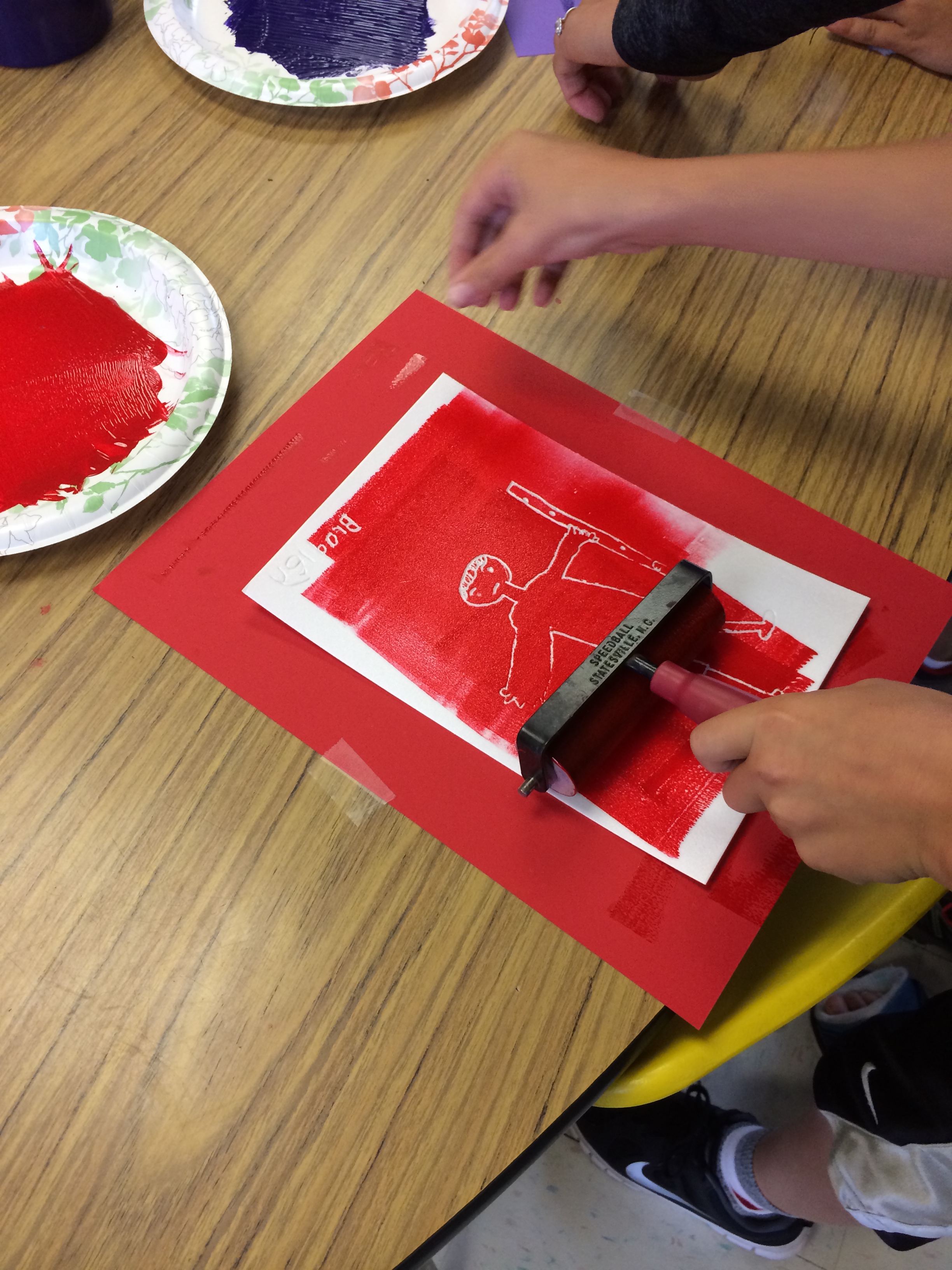
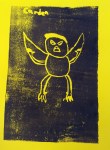
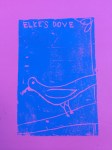
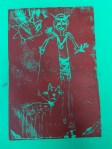
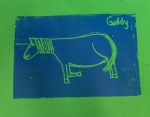
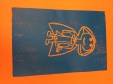
This week we were lucky enough to have the Lux Art Institute come to our classroom with The Story Box from their Valise Project.  On Tuesday our students spent an hour examining the wood carving, block prints, and sculptures of Jim Lawrence based on fairy tales…and were invited to either write their own fairy tale or pick a favorite to create a block print image today.

Our students were excited to think about fairy tales…and write their own.  The creativity of children is amazing…their stories sometimes meander a bit, but there is no shortage of imagination and wonder.

And today they had the opportunity to create their own “blocks” for printing.  Using styrofoam sheets, they used pencils to etch indentations of their image…and even learned some techniques for writing their names and other words backwards so they would print forwards.  (They made a few mistakes…but that, too, is part of the learning process.)

Using a brayer and paint, they smoothed paint onto the surface of their etching and then pressed it onto colored paper to create their prints.

photo_1

They created beautiful images…whimsical, cute, fanciful, scary…and everything in between.

For more than an hour, my students were happily engaged with drawing, etching, painting, and writing.  They had to think critically and problem solve.  They had to practice patience as they waited their turn to paint.  They focused and produced.  They were making.  Making art.  Making stories.  Making memories.  Making connections.  Making understanding.  And they were learning.

What have you made lately?

Informational Writing

I’ve been noticing that my world is filled with text, much of it informational. When I look around I see signs that explain rules, warn me of danger, remind me of safety, let me know what is going on, and more.

20131004-234144.jpg

I’ve noticed that much of the informational text I see includes icons or images, sometimes even diagrams. It makes me wonder if this kind of text is meant to be read or merely noticed. By noticed, I mean put on warning that there are rules or dangers to heed…and the presence of the text implies that the risk, whatever it is, is yours. A notice of liability, of sorts.

This sign I saw in the Sacramento airport car rental center seems the kind of informational text that exists to fend off questions and complaints.

20131004-234750.jpg

I wonder who writes the texts like this. Is it someone’s job responsibility? Does it go through an revision and editing process? Who determines the clarity?

And what about something like this?

20131004-235159.jpg

Is it informational or just entertaining?