Tag Archives: writing

SOLC Day 25: Coronavirus Status

I came across a post about Jimmy Fallon the other day–where he asked people to describe their quarantine experience in 6 words. Now his was a Twitter thing…and with adults, so the results were funny. At the same time, I was thinking about ways to give my young students (8 and 9 year olds) space to express their experiences now that school is happening at home and they are mostly quarantined in their homes. So I took the loose idea from Jimmy Fallon and combined it with some ways of working that are familiar to my students.

Here was my assignment to them today:

On our 8th day of doing school from home because of the coronavirus, think about either something you are missing or something you are finding wonderful.

1. Take a photo to represent that thing. Be sure to use a photo technique. You may use minor editing on your photo.
2. Write a 6-word update. These are 6 carefully chosen words to express your feelings and communicate what you’re experience. (You can see my example) Only 6 words…try to avoid words like the, and, it… Type your 6-word update in Docs.
3. Click on the link to access the slide deck. Choose the next slide in the deck and insert your photo and copy your 6 words (you will need to insert a text box to paste) onto the slide. Be sure to include your name on the slide.
4. You may change the font if you like. Make sure it is big enough and clear enough to be easily read by others.
5. You may change the background color of your slide if you like. Please select a color from the theme (choices along the bottom)
6. Once you are done with your slide, please attach your poem and photo in Google Classroom to submit your work.
7. I can’t wait to see our slide deck develop! Be sure to be thoughtful and do quality work!
8. My slide is included so you can better understand what I am asking you to do.

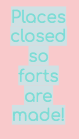
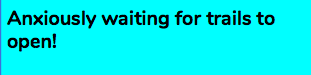
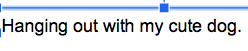
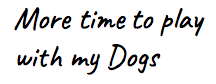
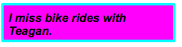
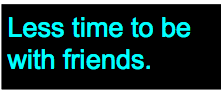
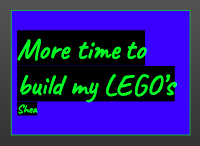
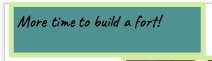
And here are some of the results:
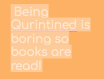
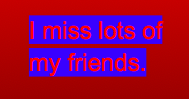
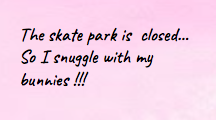
As you can see, the kids can see both the benefits and the drawbacks of their time at home. The biggest loss they are feeling is the social aspects of going to school. They miss their friends…and their teachers. And we definitely miss them too.

So my students’ 6-word coronavirus status updates are not funny, but they are honest and sweet, hopeful and very much all kid! I’ll be looking for more ways to allow for expression without being too heavy-handed.

What have you been doing to document your experience as we journey through this global pandemic? Have you done anything to facilitate the process for the young people in your lives? I’d love to borrow more ideas!

SOLC Day 14: Finding a Poem

My face-to-face meeting with directors of California Writing Project sites all over the state became a Zoom meeting in light of the Corona virus pandemic. I was not looking forward to hours in front of my computer screen, I knew I would miss all the informal opportunities for conversation and camaraderie. But I was wrong. Today’s meeting was energizing and comforting and brought much-needed connection and shared experiences with others who can relate in a world that is suddenly so filled with uncertainty.

Our rich conversations had me jotting down phrases, words I couldn’t forget. And during my beach walk this afternoon, they started to become a poem of sorts. So here’s the early draft…not quite done, found in the words of my colleagues.

Normal 0 false false false EN-US JA X-NONE

Just Wait


In a roiling cauldron of virus brew

we swim

blindly dodging infection

unwilling to get out

sure if we can’t see it, it’s not there


The pandemic spreads

morphing from fear of illness

into a pandemic of disappointment:

canceled events, weekend plans, the coveted spring break

we resist–just this once, I’ll be okay

wash your hands, pump the hand sanitizer


It’s time for each of us to listen loudly

to hear voices of those at risk

each of us is a single brick, interlocking, interconnected

whether we want to be or not


Distance physically

but not emotionally

wash your hands, cough into your elbow

cancel your plans and check on your neighbor

find ways to inject an inoculation of connection

without passing the virus


Write more, read more

Facetime with Grandma, phone call to Dad

and wait…

®Douillard


(And an image from this afternoon’s trip to the grocery store. Empty shelves are so unexpected!)

SOLC Day 13: In the Upside Down

I could feel this day coming, but there’s still no real preparing for it. Life and all the routines that keep it steady and grounded have been disrupted.

I knew when I heard from my colleague this morning that Los Angeles Unified School District would close their schools beginning on Monday that I would get a similar message before the day was out. And it was literally only minutes later that the email arrived.

Because of my Writing Project buy-outs, I don’t teach on Thursdays and Fridays so I was working from home when the message arrived. I texted my teaching partner to learn that the principal had called a meeting during recess. I couldn’t be there by that time, but as soon as my Zoom meeting finished, I headed over to school. I knew I wanted more information, I wanted to see our students, and I wanted to support my teaching partner in getting materials and information ready to send home by the end of the day.

And while we are prepared…as prepared as possible for an impossible situation, there is no roadmap for closing schools for a global pandemic. It feels like the whole world has flipped over and we’re now living in the upside down.

So…my students will be learning remotely for at least the next two weeks. They went home with their iPads today, knowing that they will find lessons and activities to do at home beginning on Monday morning. And importantly, they know that their teachers are on the other side of their apps…planning for learning and expecting to see evidence of learning coming back to them.

So will this move flatten the curve? Tamp down the spread of the virus? Keep us all safer and healthier? I hope so. And I know I will be ready for the world to flip back upright–knowing that our routines will likely continue to be disrupted even when our schools re-open.

Let’s keep washing our hands and keeping our spirits up, the kids out there need us!

SOLC Day 10: Leaving a Trail

Rain sang me to sleep last night. And I woke to a damp morning. As I headed out the door, overloaded as usual with this bag and that one too—along with my lunch and coffee—I nearly stumbled as I spied the tiniest snail crawling near the doorstep. I just had to stop, pull out my phone and photograph the snail and the damp trail behind it.

As I thought about that snail I found myself thinking about those trails I leave, will anyone notice that I have been here? I hope I leave trails for my students. Those that they can turn to even when I am not around. Can they locate a mentor text for themselves when they have something they want or need to write? Will they remember to start with what they know when faced with an unfamiliar math problem?

Maybe those songs we sing in the morning help. Perimeter Around the Area by the Bazillions is a fun way to keep area and perimeter from crossing paths. And who doesn’t love singing the FBI (fungus, bacteria, and invertebrates) by the Banana Slug Band to learn about decomposition?

Getting to know Naomi Shihab Nye through poems like Kindness or Famous or A Valentine for Ernest Mann helps us explore the power of language. Books like Love by Matt de la Pena and Wishtree by Katherine Applegate help us see our own experiences and those that are different from ours.

Making stuff…from art to slideshows to videos to bridges made of cardboard and construction paper allow schoolwork to slip into the realm of play. Playing together and laughing and those long deep conversations about important topics just might leave those trails I’m thinking about.

And I know for sure that my students leave trails of their own, for their classmates to follow, for younger brothers and sisters and most definitely those etched deeply on my heart. They remind me that the ordinary matters, that caring is more important than any test score or report card and that if we pay attention we can find the pathways that matter most.

SOLC Day 8: When the Tide is Low…

Springing ahead this morning meant the day was already shorter…and who needs a shorter Sunday?  Luckily, the day was sunny and relatively warm…a perfect day to enjoy the negative tide promised this afternoon.

img_5893

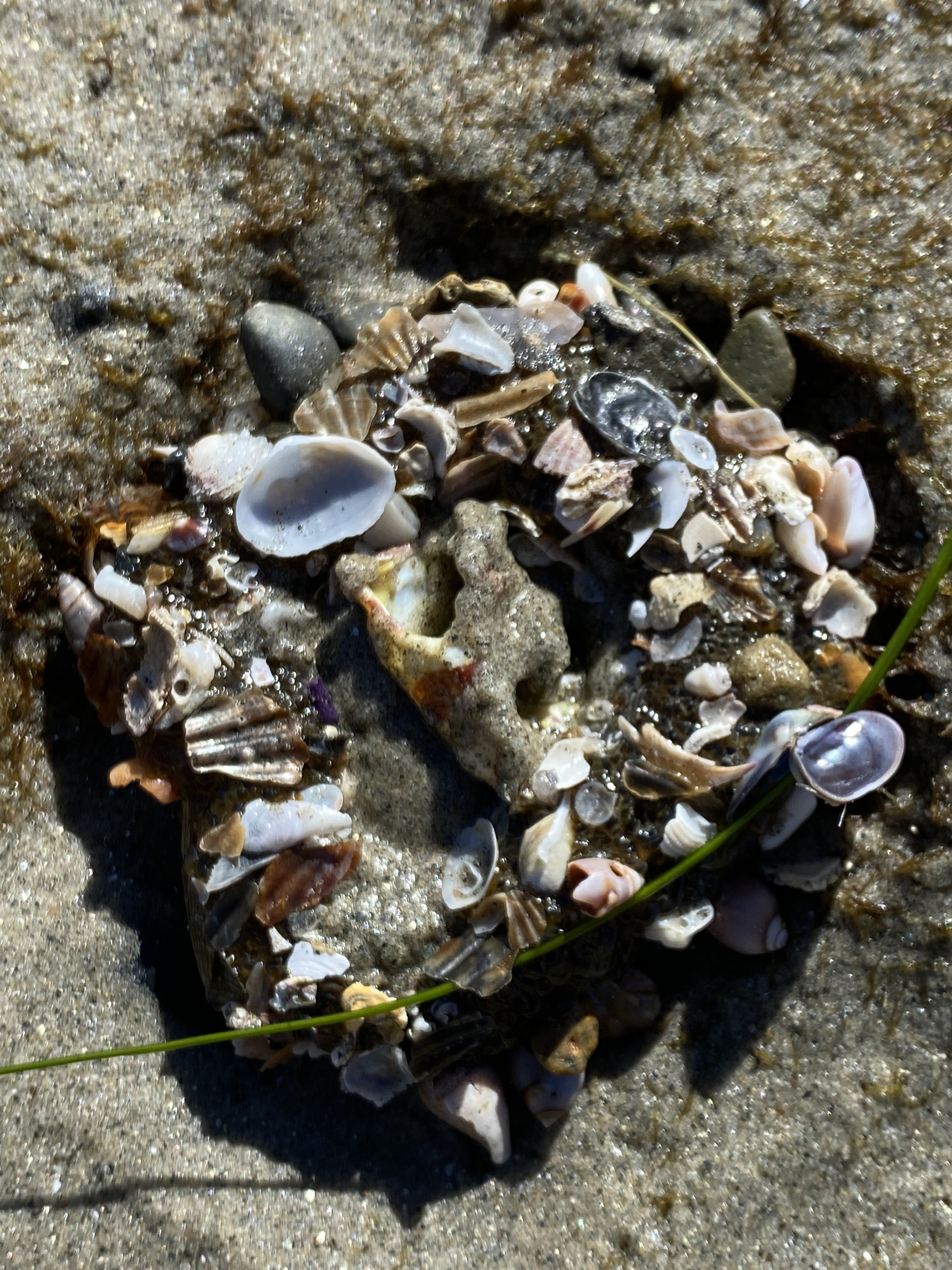
When the tide is low the sea pulls back and offers a wide walking beach.  New geography is on display: exposed tide pools, unexpected sandbars, and slippery algae covered reefs.

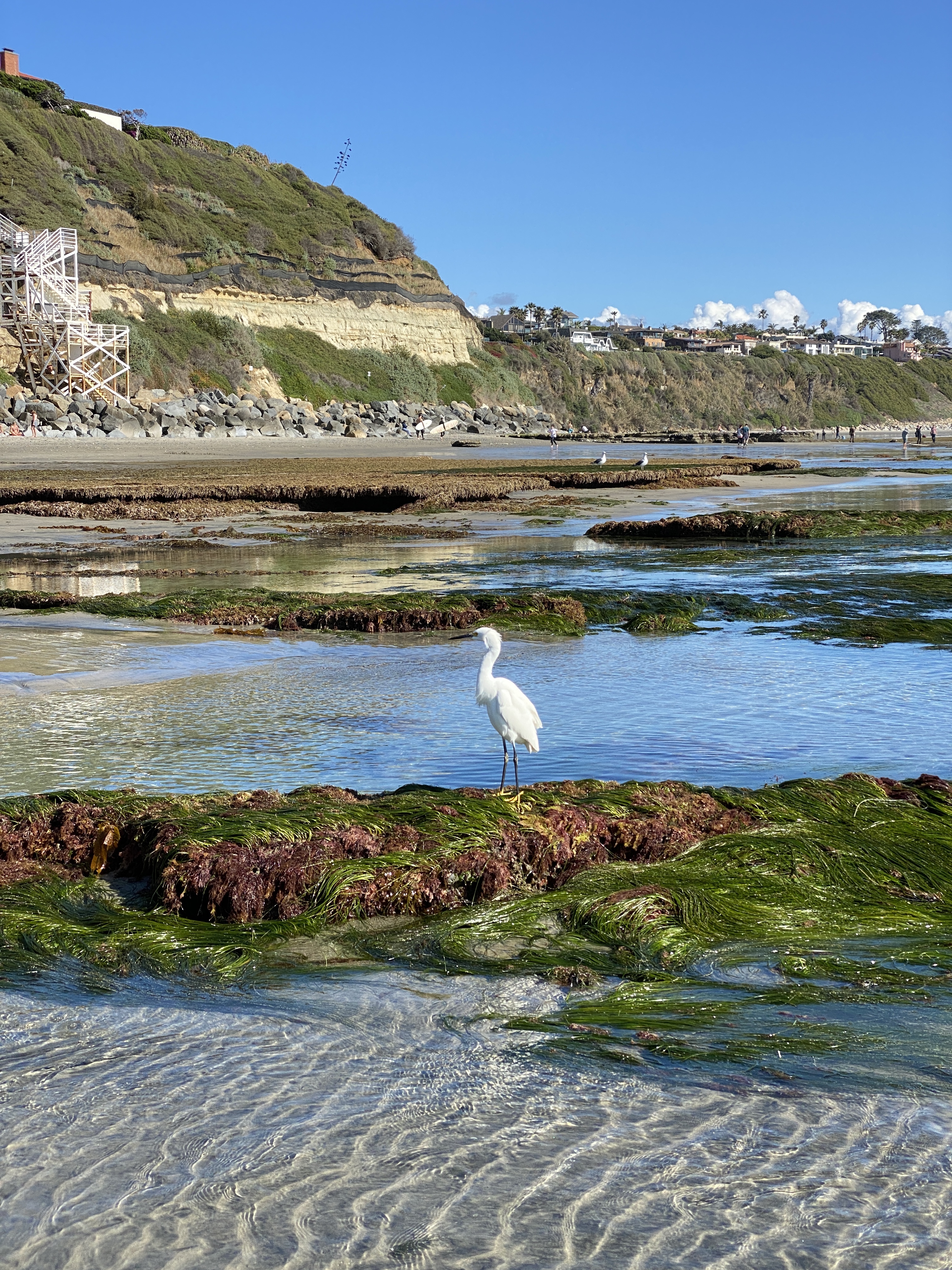
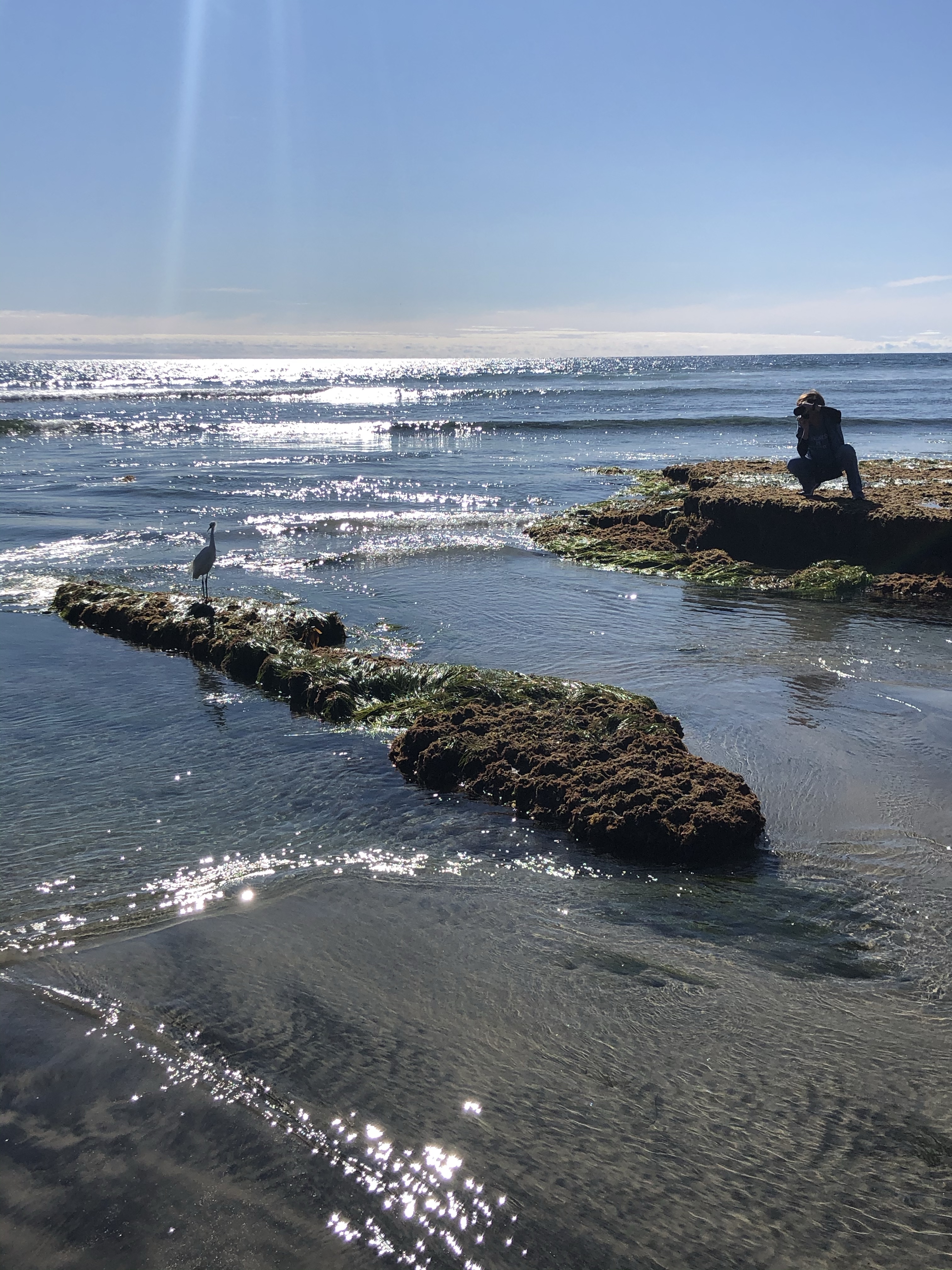
Egrets feast, using their bright yellow feet to stir up tiny fish.  As still as statues, they pose and wait…until the perfect moment arrives.  And then…mealtime!  The gentle sea breeze ruffles those pure white feathers, revealing the layers of texture.  As I crouch low we come eye to eye…and understand that we are not in competition.  The egret can hunt and I can take photos without disturbing one another.

img_1191

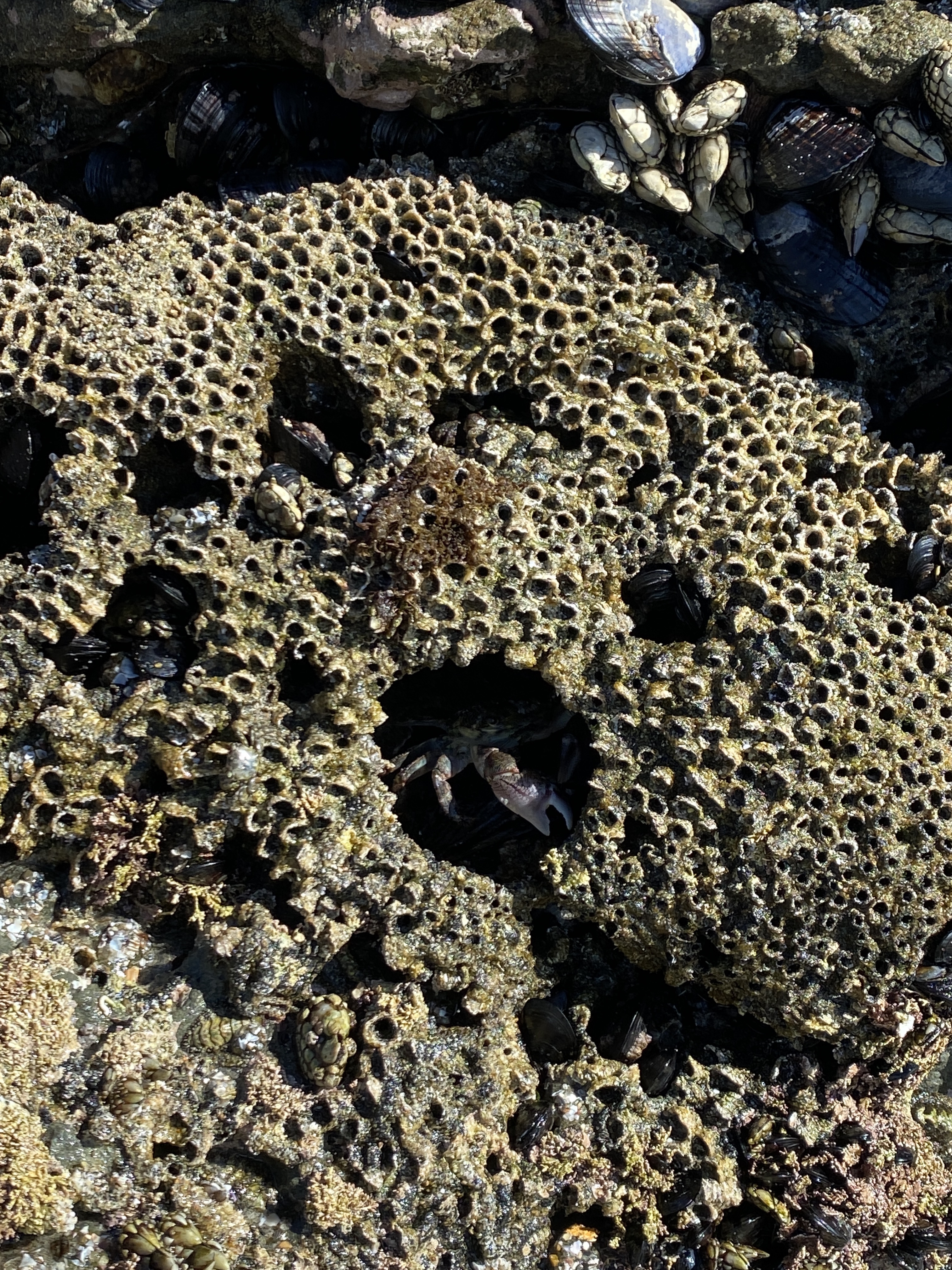
Crabs scurry, hiding in the cracks and crevices of seaside rocks and hive like reef structures. Sensitive to the tiniest movement, I stand perfectly still and patiently watch until I get a glimpse of the sideways reach.  A fist fight between two thumbnail sized green crabs suggests that territory may be in dispute.

img_5888

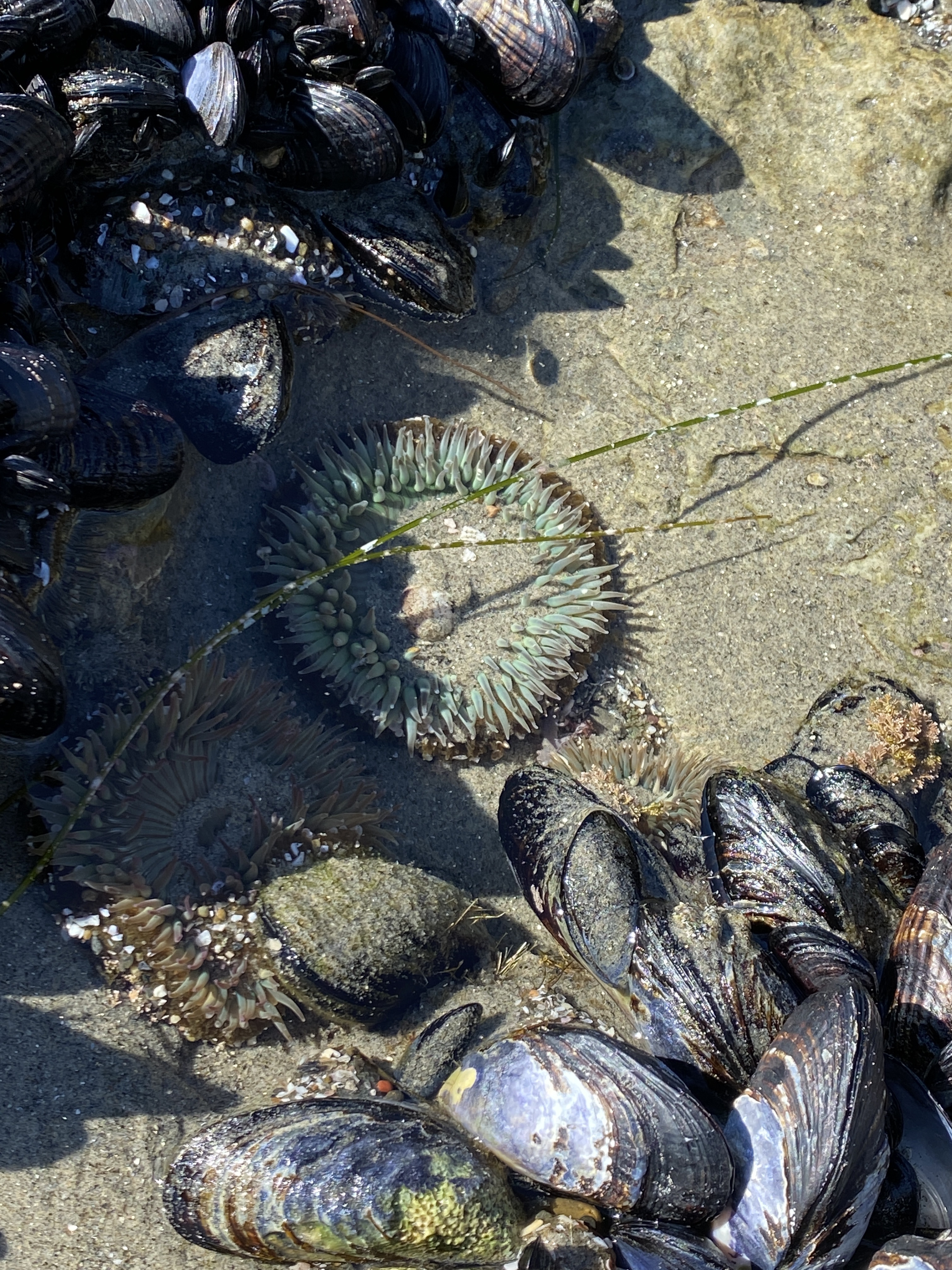
Anemones comes in a variety of shapes, sizes and varieties.  Some immersed in shallow pools, others exposed in the wet sand…all adapted for the harsh conditions of the tidal zone.

img_5892

img_5877

The beach is an ever-changing wonder that I explore endlessly.  For me it is my gym, my photo studio, my meditation space, my therapist.  And on days when the tide is low and my schedule is flexible, it is simply a playground filled with delight!


SOLC Day 6: The Power of the Invisible

I’m particularly interested in the volume of invisible work in our world.  As a teacher, I experience firsthand just how much work it takes outside the classroom to ensure that students learn, that parents are communicated with, that accountability boxes are marked.  Those school hours don’t even begin to contain the lesson plans, the emails, communication with colleagues, professional learning, and the preparation of “stuff” for students that are necessary to a successful classroom learning environment.

I’ve also been working on a National Writing Project research team with the primary goal of supporting an evaluation study of upper elementary (grades 4 and 5) argument writing.  And while an evaluation system was already in place for middle and high school students, the development of grade appropriate materials to make the system work for younger students has been an amazing learning experience–and involved hours and hours of invisible work.

Evaluating student writing is not as easy as simply checking boxes and assigning the writing a score.  In the case of this argument writing, we developed sourced-based prompts that would reflect the kinds of tasks students would experience in lessons supported by the professional development their teachers received.  We piloted the prompts to ensure that the tasks put together by adults would be relevant and accessible to students.  We refined the prompts and then sent them out into the field to be administered in pre/post situations with students who are a part of the study.

Our research partners culled writing that we then sifted to establish a set of anchor papers to be used to operationalize our scoring continuum, each anchor helping to define the range of particular score points.  These will be used to train scorers to ensure that they are calibrated to the scoring system, increasing the reliability of the scores.  Anticipating potential questions from scorers drives the development of mini lessons to clarify the scoring system, again working to ensure that scorers are calibrated to the system and reliable in their scores.

And while most of the this work is invisible to those outside our small research team, when we come together in our work, powerful collaborative learning takes place.  It’s as if this process opens the faucet that pours out words to describe all the moves that writers make. Even the most basic and underdeveloped of essays contains promising next steps, illustrates what the writer does know and can do, and fits somewhere on the continuum of what argument writing at this level looks like.

img_5813

And the camaraderie of our team turns what could be drudgery into pure joy.  We laugh, delighting in a student’s turn of phrase, unexpected use of evidence, or insightful interpretation of source material.  We argue over score points until we can agree unequivocally on the boundaries of each score–sure enough that we can convey this understanding to a team of scorers who will tackle scoring thousands of papers during a week this coming summer.

And while much of the work is invisible, it isn’t unimportant.  This groundwork will ensure that student writing will teach us about the effectiveness of professional development–and about the power of looking closely at student writing.


SOLC Day 5: Flight Risk

It’s eerily quiet as I approach TSA at the airport tonight. There’s no line…not in the TSA pre line or in the regular line. I zigzag through the empty lanes, making my way to the person who checks your ID without stopping. There’s a few people ahead of me once I get to the x-ray lines, but the entire process is done in minutes…single digit minutes.

Is the relative quiet because I’m flying on a Thursday evening or because of the potential risk involved in flying because of the COVID 19 virus keeping people at home? The freeways I traveled getting to the airport were packed, at one point my navigation told me that the 13 miles I had left to traverse would take 40 minutes—and it was accurate!

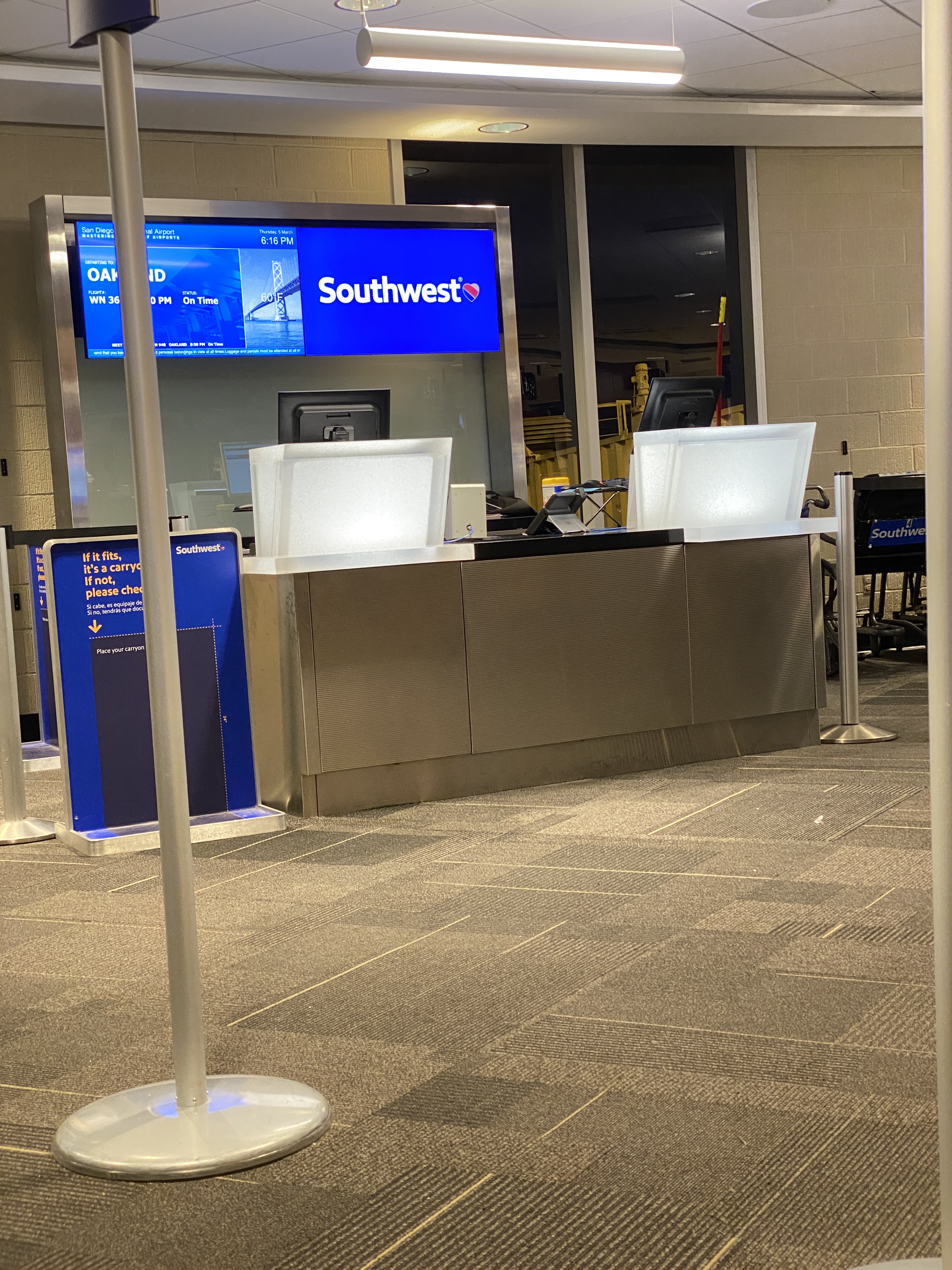
As I type this waiting for my flight I see the Southwest agents pull the disinfecting wipes out, swiping counters. A few minutes earlier I watched another pump the hand sanitizer, rubbing away those unseen dangers. The lady a few seats down from me just pulled out her own hand sanitizer, the smell of the alcohols wafts in my direction.

Am I putting myself at risk by getting on an airplane tonight?  I don’t think so.  In fact, with all the disinfecting wipes, hand sanitizer, and many fewer people than usual, this flight might just be safer than other similar flights I have taken.  And the relative calm of the waiting area is allowing me space to think and write, my belongings spread around me, rather than feeling squeezed in the more typical sardine fashion that I am accustomed to.

But I do have my own hand sanitizer in my bag…and I think I will use it on that tray table before using it tonight.  I might as well keep the risk at the lowest possible levels.

img_5858

SOLC Day 3: Writing Under the Influence

Yesterday’s photography foray into the garden was still on students’ minds today.  I always seem to be living (and teaching) on borrowed time, so after finishing up some other work I was able to give students time to go back and look through the photographs they took yesterday.  I asked them to select their three “best” photos…thinking about the categories/compositional strategies they had tried yesterday.  Then of the three, figure out which one would be best as a black and white image.  I showed my own process, talking through the three photos I selected and showing my black and white image (you can see it on yesterday’s post). They were excited…eager to select, eager to edit, and I smartly limited the time to minutes in the single digits.  I called them together, iPads in hand, and had them all hold up their images.  Stunning, striking, interesting, and sometimes surprising…all words that described those photographs.

And with a few minutes until recess, I reminded students about the poem we had read and studied yesterday: Peeling an Orange  by Eve Merriam.  I started my own poem in front of my students, thinking aloud as I talked through what I saw in this mentor text and writing my poem’s first lines.  I knew they were ready as they suggested ideas for my writing, questioned my decisions, and started asking questions about their own writing-to-be.

There is something magical about writing under the influence.  EVERY SINGLE STUDENT in my class had a title and an path forward for their poem in less than 5 minutes…and were asking when they would have time to return to this writing as we walked out to recess.

Just enough structure and lots choice meant students took photos of what caught their eyes. Being outdoors, wandering through the garden felt more like play than work–offering opportunities for creativity and exploration.  Selecting meant making some intentional choices–but choices again.  And nothing makes my students happier than messing with filters in editing mode!

We read and study a poem each week, so my students are familiar with poetry as a mentor text.  They know me well, expecting to write any time we do something creative and artistic. And there is something wonderful about writing short.  Small poems invite students to try something new, explore language, and still know the end is in sight.  The lift is somehow just right.

Here’s a tiny taste:

Screen Shot 2020-03-03 at 8.47.55 PM

And on some crazy whim, I decided to have my students create a slide deck of their small poems and photographs this afternoon.  (Reminiscent of something we did for #writeout and #clmooc)  So here they are:  first draft small poems and Ansel Adam-inspired photos from the garden.  We were definitely under the influence:  of nature, of photography, of freedom and choice, of a mentor text, and of a community of writers composing together.


SOLC Day 2: Garden Inspiration

I’m fortunate to teach at a school with a garden.  No, I really don’t have a green thumb–and I love the idea of gardening much more than the practice of gardening.  So, lucky for me, we have a garden teacher who directs a lunchtime club that gets things growing…and then I can take my students out to use the garden as inspiration for photography, art, and writing!

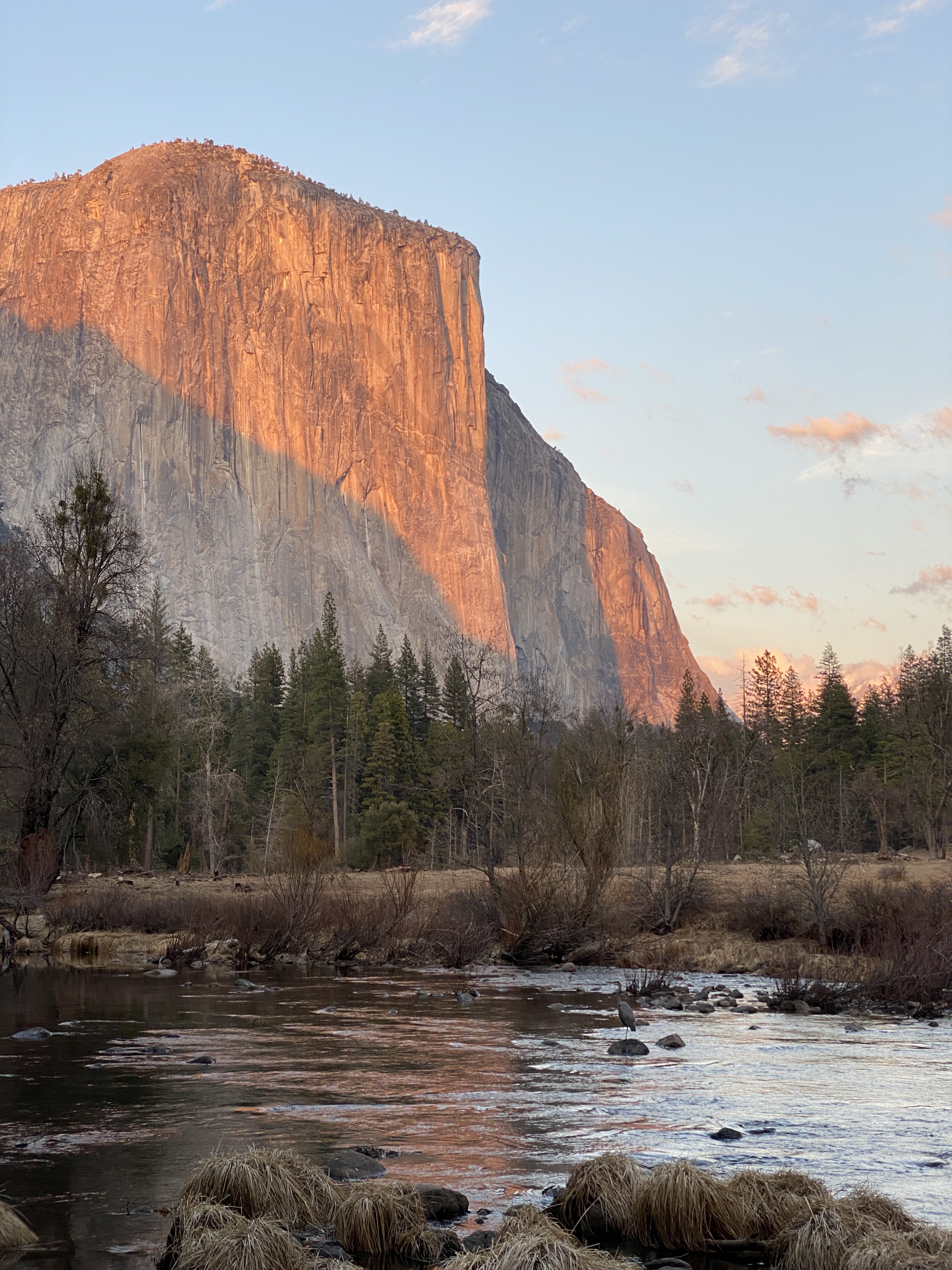
Today I started to teach my students about photography by reading them the book Antsy Ansel by Cindy Jenson-Elliott.  (I’m fortunate to know Cindy and have her as part of our local writing project too!)  My recent trip to Yosemite further inspired my teaching about Ansel Adams and appreciation for the natural beauty around us.  Below is photo of El Capitan with the sun setting and casting its glow on these impressive granite slopes.  If you look closely you can see a heron in the foreground who decided to hang out and watch the light change from its vantage in the Merced River.

img_5479

I like to show students that photography can be more than just taking pretty pictures.  Photography can be a form of activism–another way of expressing your views and spreading information to others.  Adams’ photography played a role in the establishment of our National Park system, something I am grateful for!

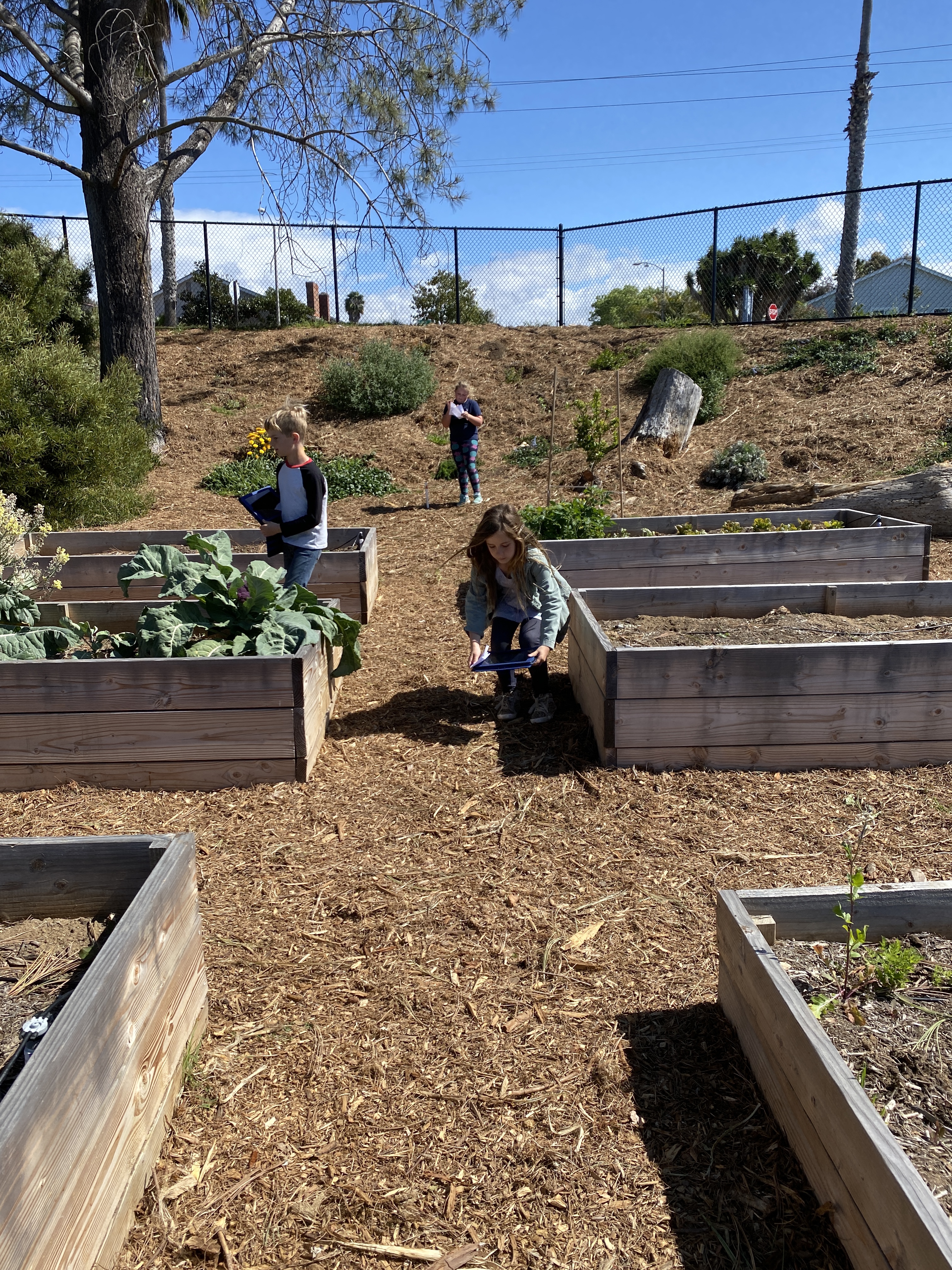
So today after a quick lesson on a variety of composition techniques (rule of thirds, leading lines, bug’s eye view…), we headed out to the garden to take some photos.  With iPads in hand, students explored through their camera lens.  They got low, looked closely, climbed slopes, scrambled under bushes…all in search of an interesting photo.  I haven’t yet gotten a look at their images…we barely made it back into the classroom in time to head out for lunch! Tomorrow will bring next steps…and some inspiration from Dorothea Lange.

And of course, I had to take a few shots along with my students.  Here’s one of some students in action.

img_5810

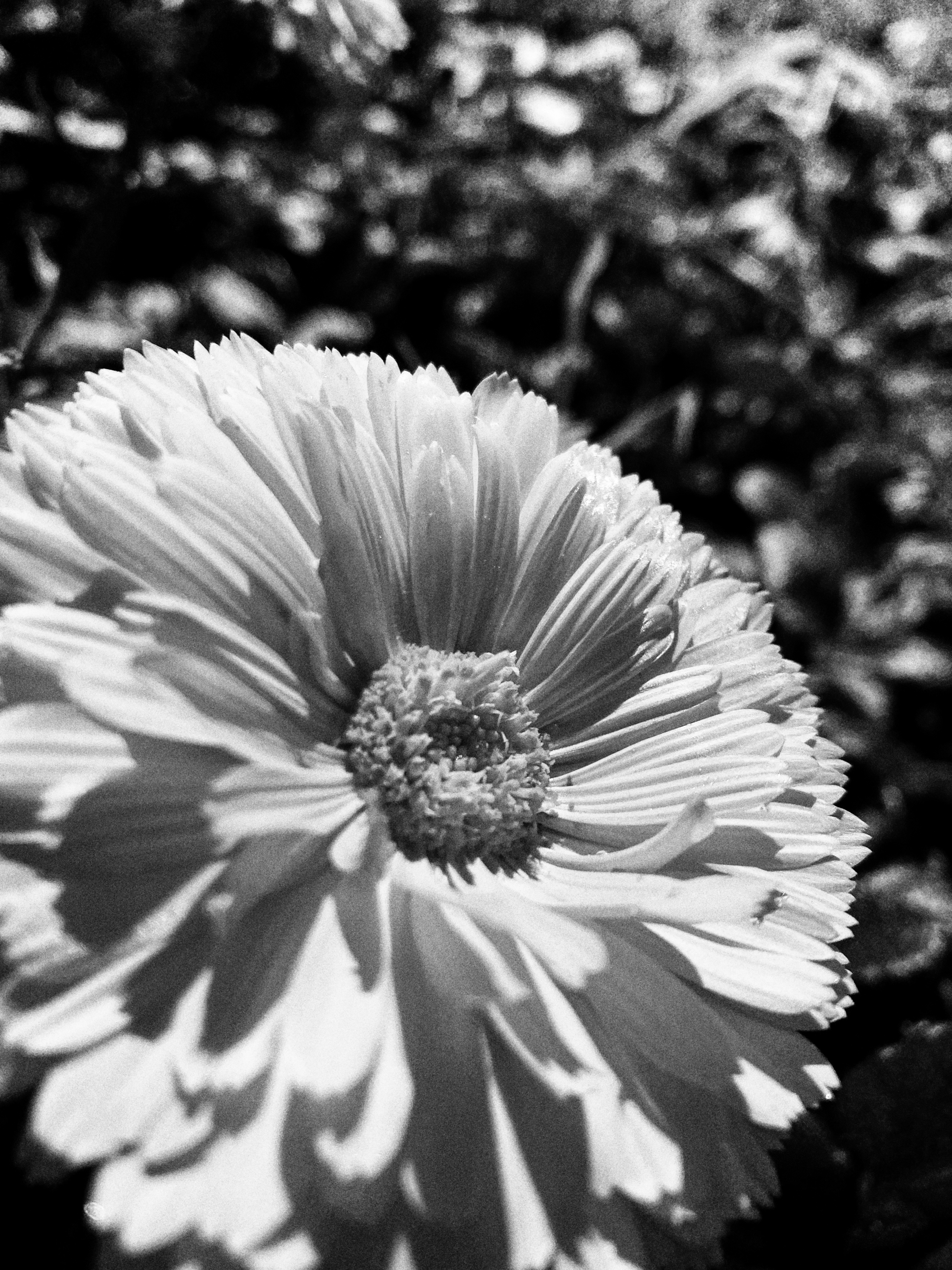
And another experimenting with black and white…something I will ask my students to do tomorrow to help them see the world through Ansel Adams’ lens.  This is a bright yellow flower I found blooming in the garden.

img_5803

We’ll be doing some writing tomorrow as well…hopefully we’ll get far enough that I can share a slice of student results soon!

Reflections on Writing: #whyiwrite

Each year on October 20th people from all over are invited to write, to share their writing, and to consider the prompt: #whyiwrite.  I appreciate a National Day on Writing, a day to celebrate this often unexamined practice that most of us engage in daily.  Sometimes we are confused by the word writing, considering only the writing that appears in bookstores, in magazines, or in prestigious online spaces as “real” writing.

Whatever writing we do is real.  But fear can keep us from getting those words out of our heads and onto a page.  I often find myself writing as I walk, starting a narrative or poem in my head, sparked by something I noticed, overheard, observed.  These words are easily lost, blown into the sea breeze if I don’t make a conscious effort to remember long enough to get them written or somehow recorded for later writing and elaboration.

I find that my words take flight when I turn off that internal censor.  When I stop worrying about writing the perfect essay, saying the “just right” thing that will dazzle and impress someone else.

dsc07101

But why do I write?  I started blogging to hold myself accountable to regular writing.  But all I write isn’t reflected in this public space.  This space, though, offers me the opportunity to connect, to reflect on my writing, teaching, photography, and life in general.  It lets me start small as I wonder and wander through the ideas in my mind.

img_3643

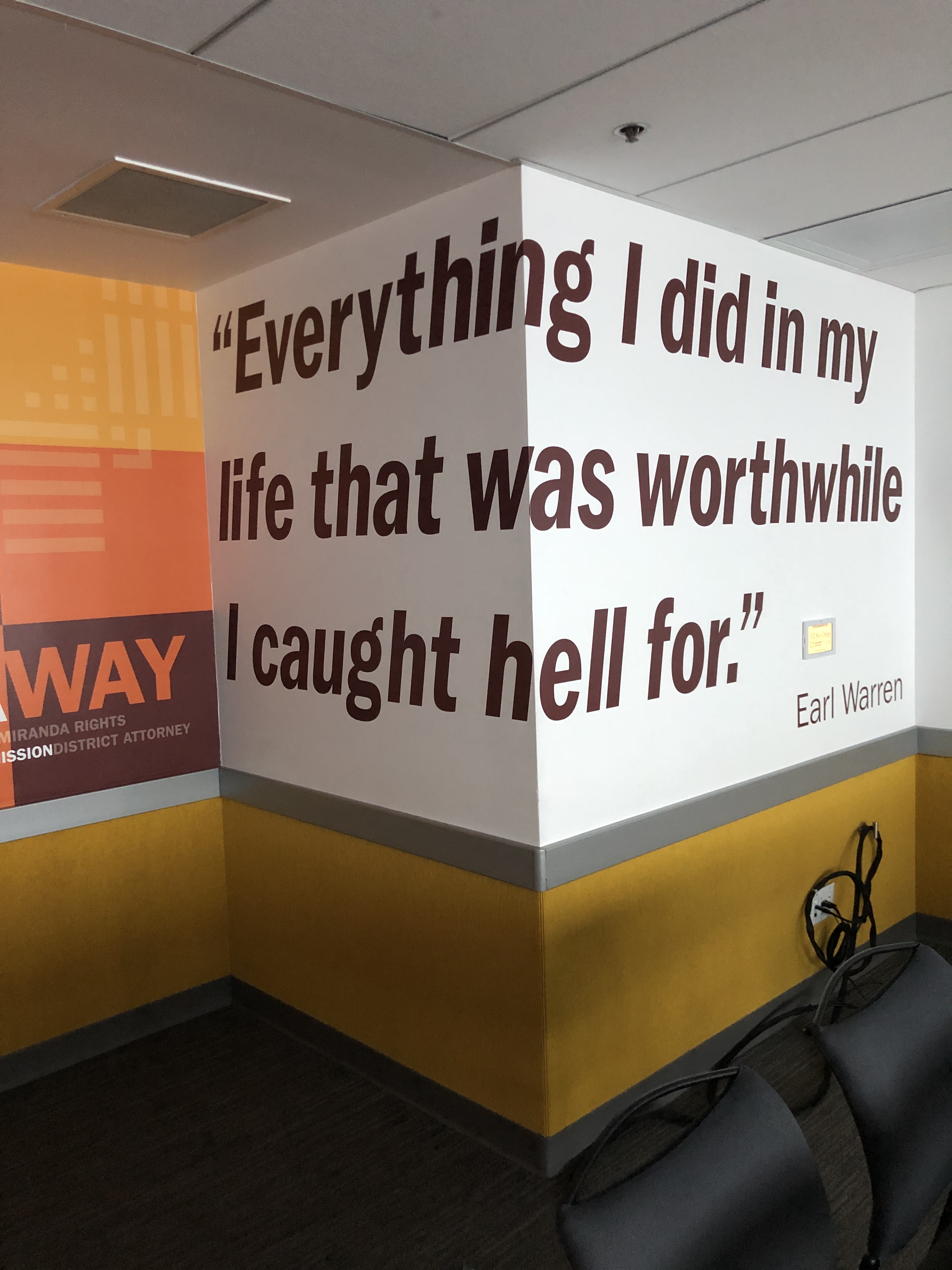
A writing project meeting yesterday led us to a new room on campus, where this quote was prominent on the walls.  I don’t know that it is perfectly true for me, but I like the sentiment. That risk-taking matters.  Sometimes we have to approach an old problem in a new way to figure out a solution.  I’ve been thinking about that a lot when it comes to teaching.  There’s so much talk about how kids are different these days, how they struggle to pay attention (often blamed on our screen-centered society), and how we need to prepare them for jobs that don’t yet exist.  Most of these comments are posed as problems, difficulties to overcome instead of aspirations to reach for.  Why would we teach students today the same content in the same ways as we taught that class ten years ago?  Why is curriculum more similar to than different from what it was when I was a child oh-so-many year ago?  Is this student problem really a teaching problem (or a structures around teaching problem)?  It might just be an assessment problem, since the content that is tested is certainly prioritized in our schools!

dsc07117

That ever-moving target can sometimes make us all feel like failures.  We keep reaching for THE solution, instead of enjoying each wave as we ride it.  Watching surfers from the San Clemente pier yesterday reminds me of the importance of patience, playfulness, and persistence.  (And those same traits might just apply to the photographer as well!)  I’m sure each surfer out there in the cool, salty water in the slant of light on a late fall afternoon was in search of the perfect wave, the great ride, the most fun…  What I loved as I watched was noticing the surfers spot potential waves, start and stop–sometimes bailing out of a waves at the last possible moment; lining themselves up to catch the upcoming wave–paddling, turning, jockeying with other surfers for position; playing with waves that turned out to be less than–swan-diving backwards out of the ride.  I’m reminded that there is learning and joy in the process, not just the end product. How do we help students (and teachers and parents and the public) see the learning that happens in the trying rather than in the exam or “final product?”

dsc07147

So why do I write?  I write to play with words and ideas.  I write to problem-solve, to follow a line of thinking to a place where I can grapple with it.  I write to pay attention to the world around me, to inhale the joy and exhale the heaviness.  And I persist in writing even when it feels too hard, too time consuming, too frustrating, too messy.  Writing matters, each one of us has to find all the reasons why for ourselves (we just may need a little nudge from our friends, teachers, lovers, mentors).  Thanks for the nudge National Day on Writing!

Now it’s your turn, why do you write?