Tag Archives: macro

Some Macro Play

I love using my macro lens on my iPhone…but it’s not easy.  I have to take my case off and attach the lens to the magnetic ring…so I don’t take macro shots spontaneously, I have to think about using this lens and make the necessary preparations.

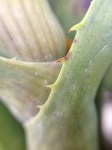
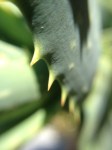
I definitely have days when I feel at a loss for what to photograph.  Things feel ordinary…or I feel like I have already taken those same shots some other day.  Today I headed out to my backyard with plans to sit in the shade and read for a while.  But when I headed out there, I noticed the aloe plant that has gone crazy!  It started as a small house plant…and now is obviously loving the growing conditions in the back yard!  This week on #sdawpphotovoices our photo-a-day focus is #scratchy…and what could be scratchier than aloe spines?  I took a photo with my regular lens…and then headed inside to attach my macro lens.
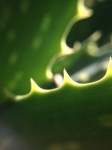
I love the way the sun behind the plant makes the spine tips glow!

In the same big pot with the aloe there is also a cactus that outgrew its tiny indoor pot and ended up in the backyard.  The long, thin, needle-like spines create interesting flower-like patterns.  I love that the top spines are a brilliant yellow, creating a beautiful sunburst!
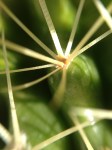
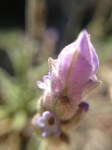
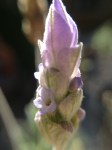
These ordinary cactus almost look like exotic sea creatures when you get close!  My attention turned to the lavender plant–the one I wrote about here–that was almost killed due to neglect! The plant continues to improve, although it is not in full bloom right now. There are a couple of beautiful blossoms…and some buds developing.
And I wasn’t quite done…I noticed a “volunteer” plant–one that planted itself in a pot of dirt on the edge of the patio.  It was green, but in the last week it has turned to a rusty red-orange color.  I’m not sure if it is dying…or if it is a natural cycle of growth for this plant.
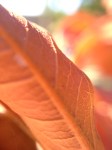
All of these photos are unedited…and I love the colors and the way the sun creates glow.

I decided to take one last photo…of a spiderweb down in a hole where my husband is fixing the sprinkler.  As I moved my lens in close, the web began to glow, catching the sun.

photo

Playing with my macro lens today helped me see the ordinary things in my backyard in a new way.  The colors popped, the patterns emerged, and the light created beauty that’s hard to see without looking closely.  And, as I always notice, opportunities to play and make help me find my creativity and the fun that is so often right in front of me.  And best of all, all this noticing piques my curiosity and wonder at the world around me.

Have you taken time to play today?

Looking Beneath the Surface

I suspect my neighbors thought I was crazy as I crawled around the lawn in my skirt when I got home from work today.  I had spotted some new mushrooms growing this morning and noticed that one had a hole where you can see through to the inside.

After unloading my work bag and feeding my cats, I attached the macro lens to my iphone and set out to get a closer look at the underside of the mushrooms.  One had been kicked over and lay with the underside exposed.  It was already turning brown on the exposed texture that is in such contrast to the smooth outside surface.

photo

And then I got down on my hands and knees to look through the hole along the edge of the mushroom top.  I peered through first with my eye…and then with the lens of my camera trying to capture the interesting layers I spied beneath the surface.

photo-2

These mushrooms remind me that what I see on the surface doesn’t always capture the complexity of what lies beneath.  My classroom is like that too.  There is so much about each of my students that isn’t visible unless I take the time to bend down and look carefully beneath the surface.  And sometimes I need a special tool, like my macro lens, to bring those interesting layers into focus.  Sometimes that tool is those informal conversations that I have with the students near me as we walk in lines.  Other times it is the opportunity to listen into a discussion a small group is having about a math concept or a story we have read.  Oftentimes it is through my students’ writing that I learn the most.  Their stories reveal their interests and their experiences…and show me what they know about reading and writing and science and sometimes even math and social studies.  Looking at a piece of student writing is like looking at the underside of a mushroom.  When you take the time to get beyond the surface, there are layers and layers that unfold and reveal new information that helps me know my students and helps me help them learn.

What have you learned from a student lately?

Nature’s Friday Gift

It’s been a busy week as we’ve been back at school preparing for the arrival of students on Tuesday.  My attention has been focused on planning, organizing, and thinking about ways to engage students in meaningful learning experiences.  And after a long day putting finishing touches on the classroom, getting the iPads synched and charged, and participating in a “fiesta” lunch with my co-workers, I was ready to go home and do a little nothing for a while.

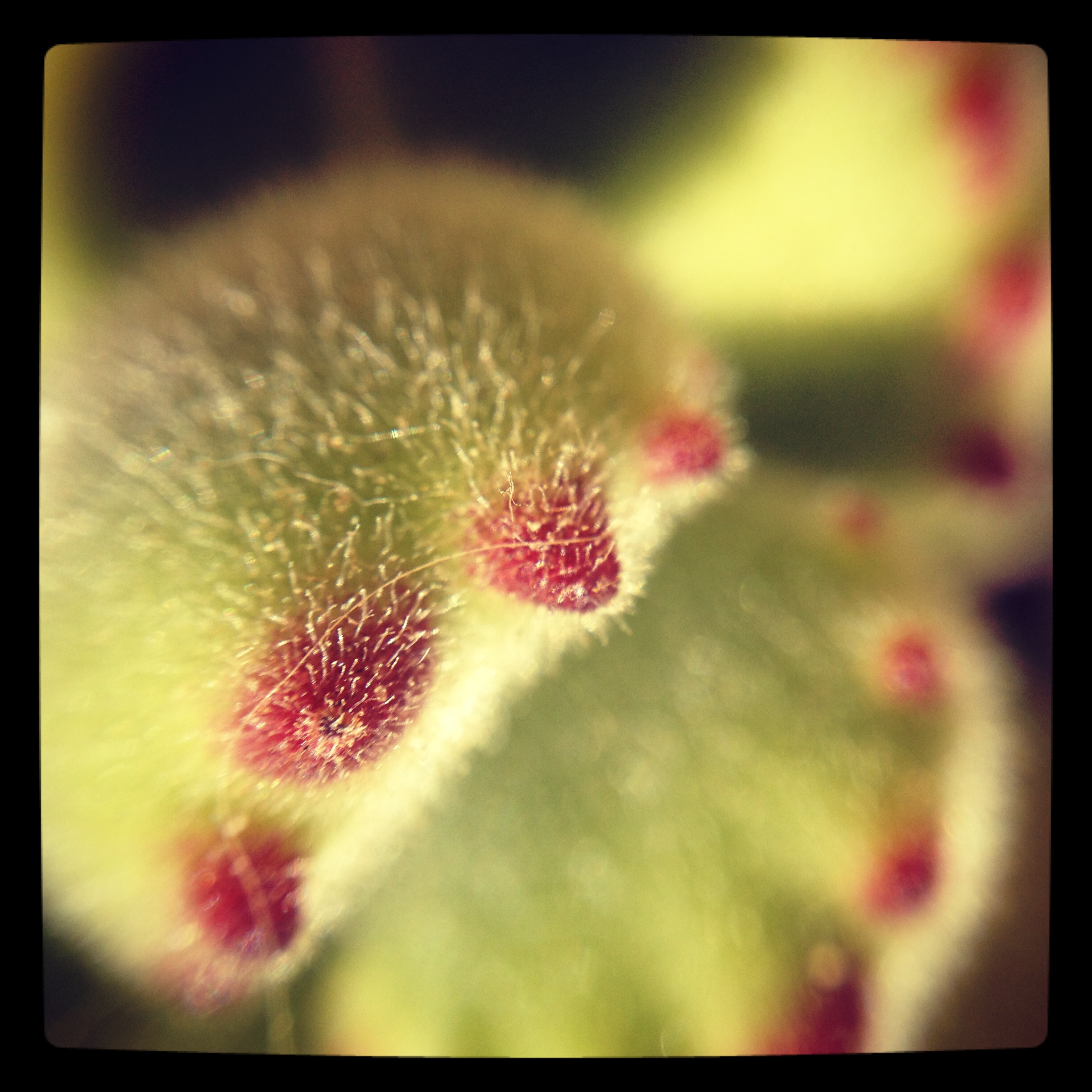
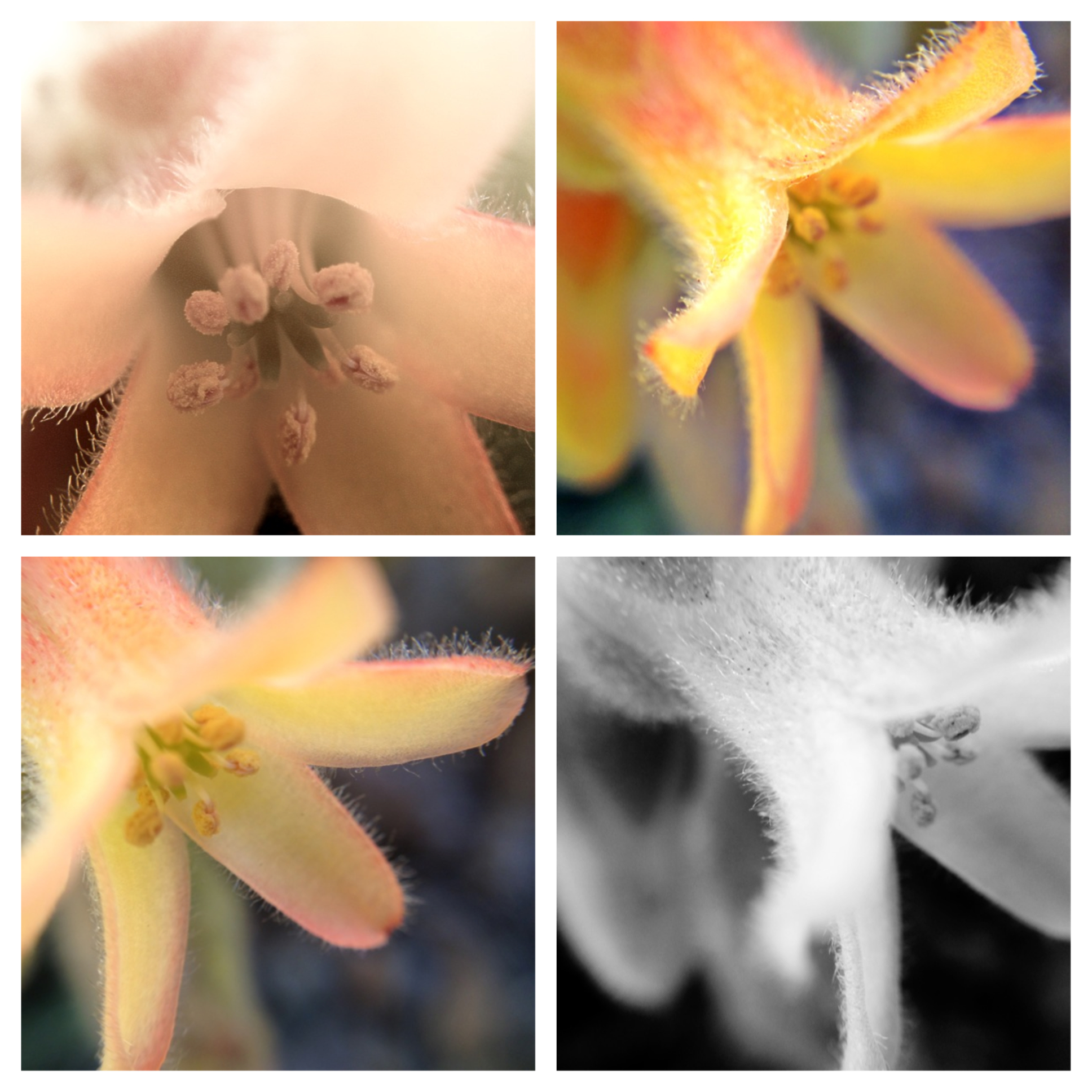
I parked in my driveway and walked up the walkway to the front door of my house and the little bowl of succulents and cacti on my front porch caught my eye.  One of those pretty ordinary looking succulents…you know the ones that are mostly green, a bit furry, and you would never expect to look any different that it usually does…bloomed!

Here’s a view I took in early June.

photo

When I saw the bloom today, I forgot I was tired, hurried into the house to put the macro lens on my iphone and rushed back out to capture the unusual beauty of the blossom in a photo. (Or several–I’m like that!)  I love the pictures!  And then I decided to play with them a bit using the Vintique app and pic-stiched 4 together to display.  (The one on the lower left does not use any filters–all were shot with my macro lens).

picstitch

Arriving home today was like opening a gift!  I love nature’s little surprises.  How has nature surprised you lately?

Building Stamina

Today marks my 45th blog post.  It also marks my shift from a focus on summer work back to my classroom.  Tomorrow is my official first day back–a day that will be filled with seeing familiar faces, catching up on summer activities, meetings and more meetings, and working to prepare the classroom and plan for an engaging start to the new school year.

The beginning of the school year always feels hard.  Even with 2/3 of our students returning (or maybe in spite of it), we want to set a tone and begin to build community that will set the stage for a year filled with learning.  Co-teaching makes it easier…and harder.  We have each other to work through our ideas with, and our ideas get examined and turned inside and out as we each consider how that idea might work…or where it might fall flat.  We have lofty goals for our first, second, and third graders–and we have to remember that they are still very young, so sometimes we have to temper our own enthusiasm and consider how to help our students build the stamina and resilience to reach (and exceed) the goals we set.

And because our students loop up with us we can’t depend on our favorite activity from last year, or read that book that worked so well with last year’s class.  Each year we need a fresh approach to getting started–new books to read, new ideas to get writing started, new ideas for getting to know each other.  It’s what I love about teaching a multiage class–and what makes it hard!

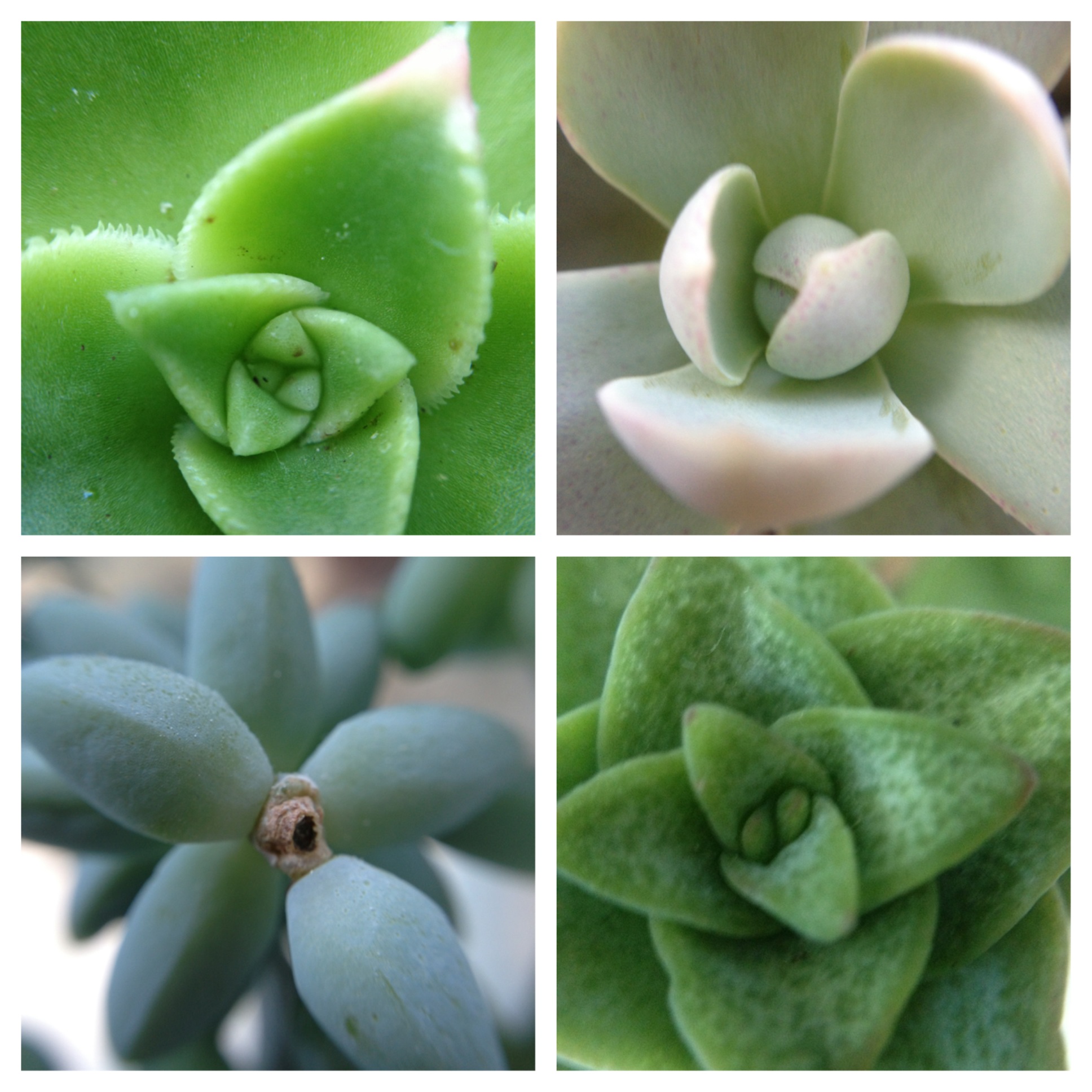
So I’m reminding myself to breathe.  And to appreciate the little things.  When I got home today after a long day in the classroom (I know, my official first day back is tomorrow–but we worked all day today!), I realized I hadn’t taken the time to look for any patterns to photograph. But the plants above the kitchen sink caught my eye…so I took out my macro lens and started noticing.  I ended up capturing the centers of a number of plants.  Do you see any patterns?

photo

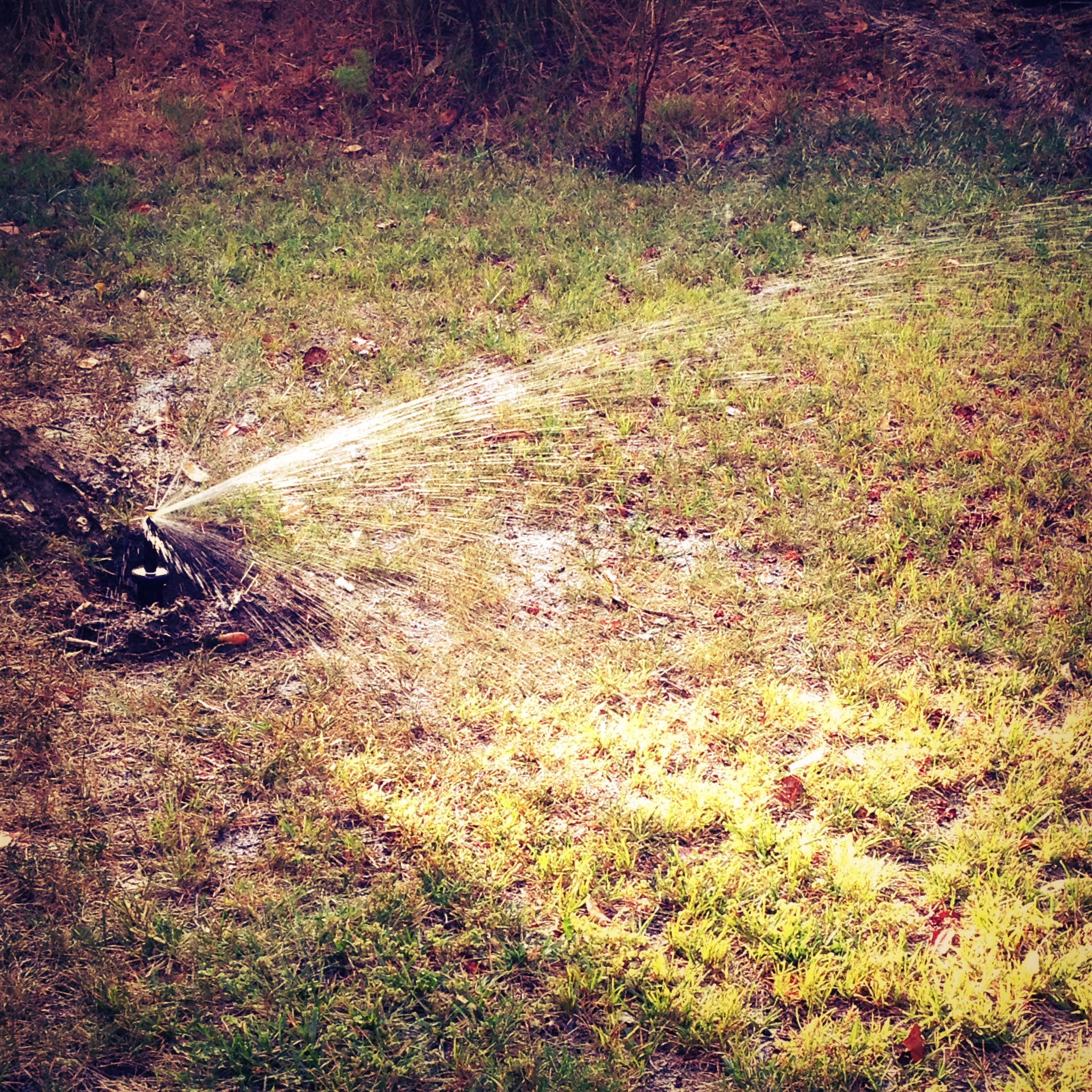
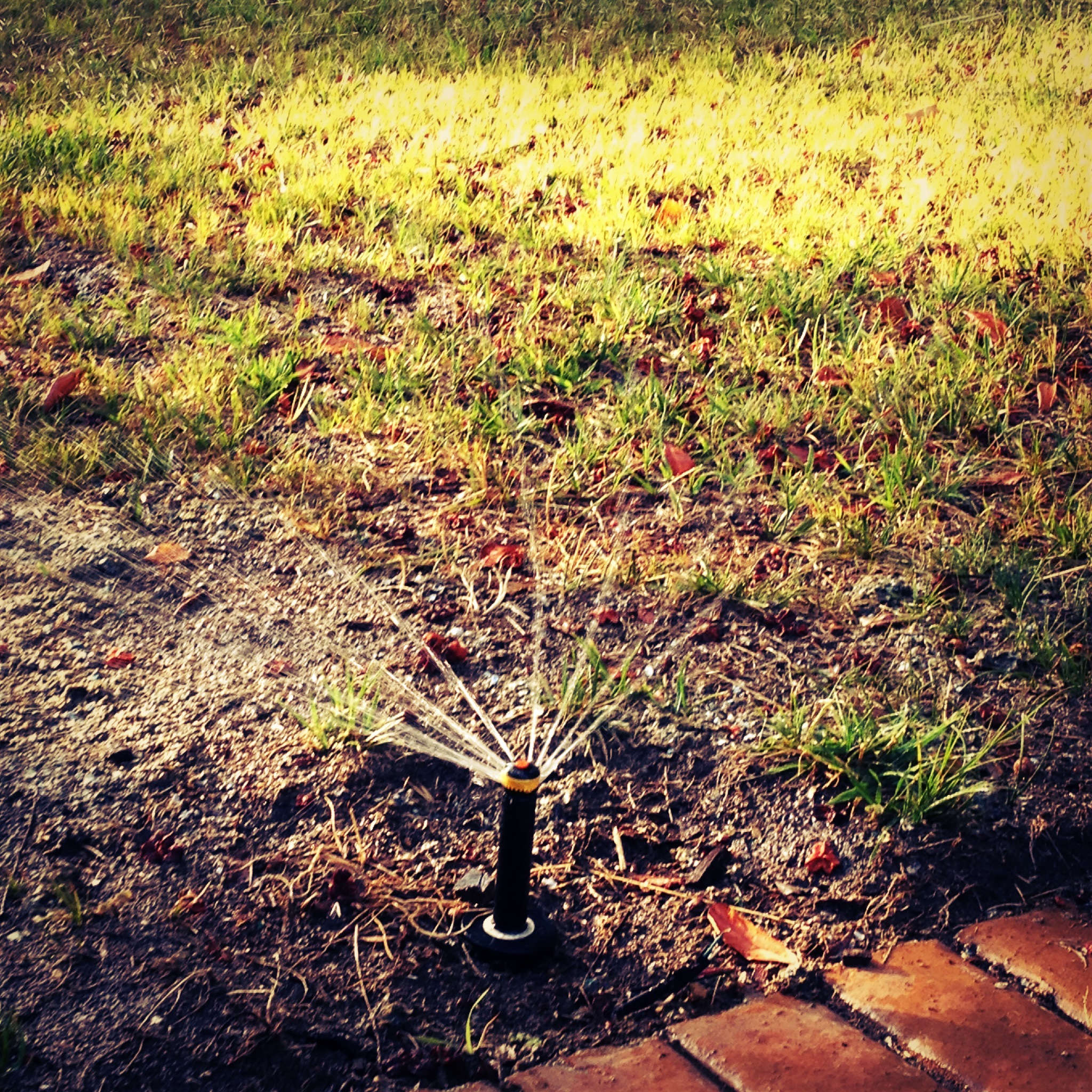
I also spent a little time in the back yard watching Geoff work with the sprinklers.  They have been dysfunctional for most of the summer.  He dug them up and replaced the parts yesterday and today was adjusting the spray to both cover the yard and not hit the house.  There’s something relaxing about spending a bit of time in the yard, feeling the cool evening breeze, and watching the water spray.  (We now have fancy rotating sprinkler heads!)

photo-1 photo-2

I’m sure that sprinkler pictures are not what readers look for in a blog post–but the act of appreciating the spray of the sprinklers helped me to clear my mind and reframe my thinking.  I know we’ll figure out how to get this school year started and I know I will love my new students and I know that my returning students will rise to each new challenge as the school year progresses.  As teachers, we also have to remember that we have to build our own stamina and resilience as we reach for our own lofty goals!  It has taken stamina and resilience to get to this 45th blog post too.  Some days it’s hard to write and I feel like I have nothing of worth to say…and then I breathe, try to focus on and appreciate the little things and dive into the writing.  Some days are filled with false starts…but by sticking with it, I always learn something about myself and I hope something that will help my students.

What do you do to refocus when things feel hard and you feel anxious?  How do you build your stamina and resilience?

A #Macro View of San Diego Natives

I’m lucky to live in a beautiful city–a place where I don’t even have to say the name of my state for people to know where I’m from.  Many people I meet have either visited or know someone (often a relative) who lives here.  But despite that familiarity, there are many misconceptions about San Diego.  So many people expect it to be tropical–like Hawaii or Tahiti–and are surprised when they come in contact with our pervasive marine layer, moderate temperatures (low 60’s in the winter to mid 70’s in the summer with occasional higher and lower temps), and low humidity (we average about 10 inches of rain annually).

San Diego skyline from the Coronado Bay Bridge

San Diego skyline from the Coronado Bay Bridge

Our beautiful skyline and beaches are often framed with tall swaying palms (not native) and colorful hibiscus flowers (also not native).  Many species of plants grow well here–especially when supported by providing extra water.  Today I vacationed in my own city, taking a trip to Chula Vista to visit the Living Coast Discovery Center (formerly the Chula Vista Nature Center). Located in the wetlands along the San Diego Bay, the center boasts a rich history.  Once the domain of the local Kumeyaay people, around the turn of the century this location became a kelp processing plant run by the Hercules Powder Company extracting potash and acetone from the kelp to make cordite–an explosive used for fuses during World War I.  After the war, abandoned buildings were taken over by the San Diego Oil Products Corporation and became the largest cottonseed warehouse in the United States.  Later it became farmland and after that a site of illegal dumping.  In 1980’s the city of Chula Vista helped develop the site into the Chula Vista Nature Center.

As you can see appreciation of our local habitats has not always been a given, even among the local population.  We love our beaches and our mild climate, but haven’t always taken the time to understand how to best care for or learn about them.  Today, with the help of my macro lens on my iPhone, I spent time looking closely at some of the native plants of San Diego.

The coastal sage scrub community, which grows around our wetlands near the coast, is filled with hearty, drought resistant plants.  In the summer many of them look dry and brown.  Some might even conclude that they are dead…but just wait until some rain falls…

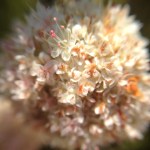
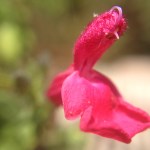
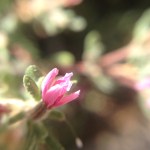
I noticed today that some of the most beautiful blooms are tiny…often unnoticed unless you take the time to bend down and really look closely.  Here’s some of the beauties I uncovered today, all taken with my iPhone and macro lens with no filters applied.

I wish I knew the names of all of these plants.  I admire the resilience and adaptations of these hearty natives and know that I will continue to learn about them.  It’s so easy to overlook these plants and be mesmerized by the exotic beauty of other more colorful species.  I hope you’ll see what I saw when I took the time to look closely–that there is much to appreciate about these natives, you just have to come close and notice what is right in front of you!  (Yet another lesson for my classroom…look for the talents and expertise that are not immediately obvious, but there nevertheless!)

A Macro Kind of Day

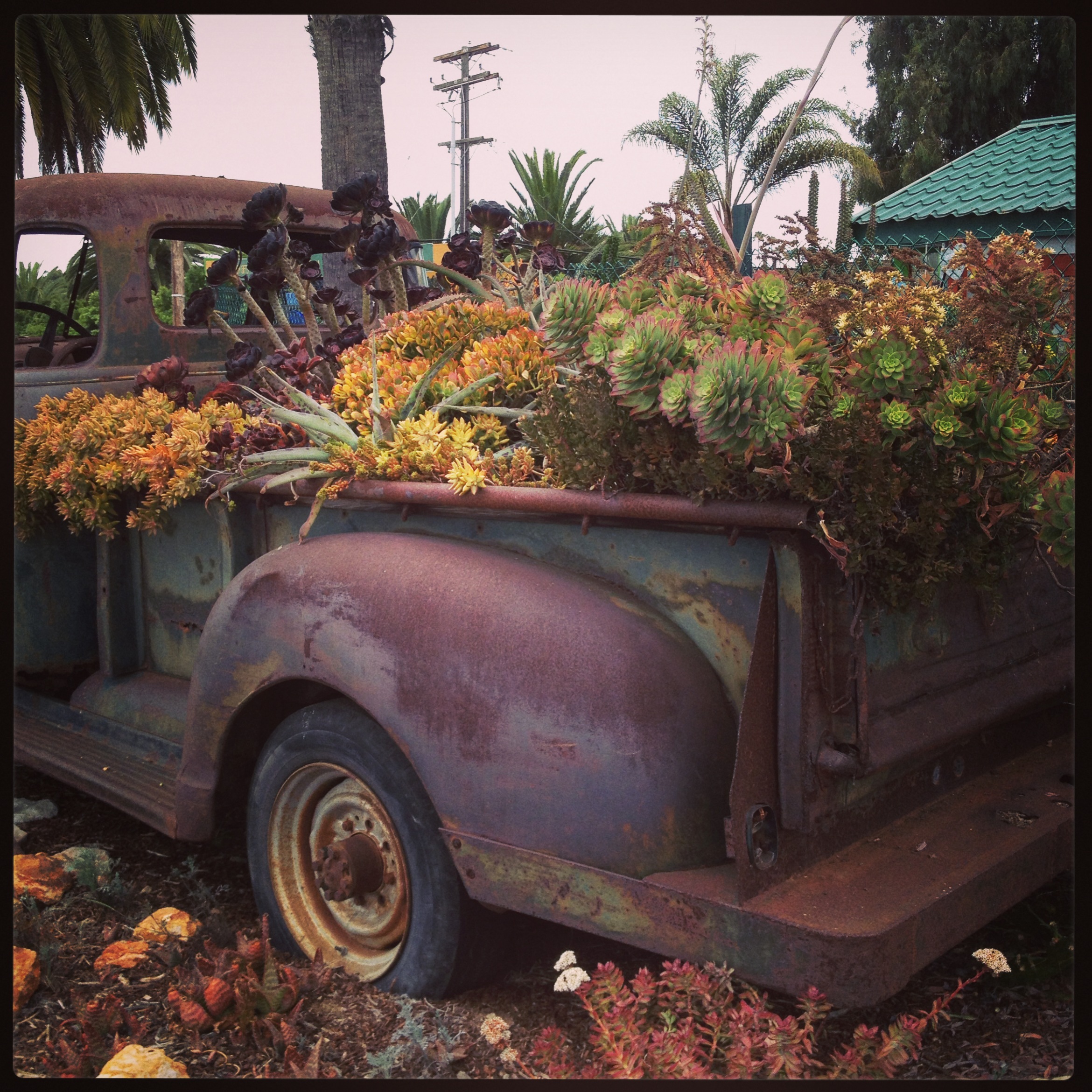
Today was a macro kind of day.  There’s this funky little shop in Leucadia that I’ve been wanting to visit for a while.  I love the way it looks…the green building, the orange fence, and the wonderful old truck used a planted filled with succulents.  It’s called Glorious Gardens Landscape and they specialize in succulents and xeriscape (drought tolerant landscaping).

photo-1

I wandered through the cacti and succulents in this tiny outdoor storefront.  Succulents are like plants from another world.  They have unusual colors, sharp angles and often geometrical design elements, and many sprout crazy flowers like flagpoles waving a celebratory banner.  I am drawn to them.  They remind me of some of my favorite people: resilient and quirky!  These people listen to their own drum beat and persist and follow through with what others often see as crazy dreams or unrealistic projects.  Lucky for our students–many of these people are educators working to make a difference in the world!

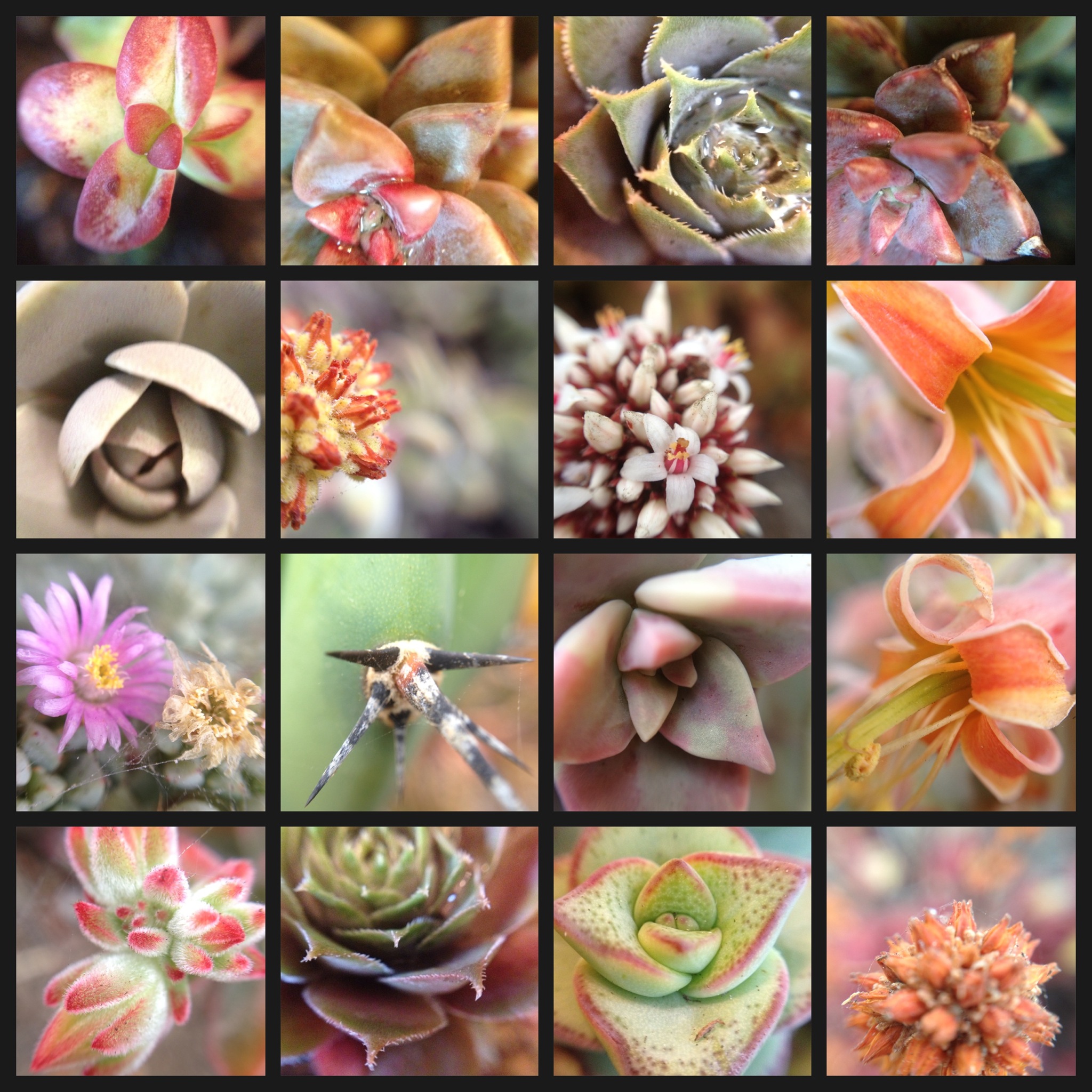
While waiting for my plants to be potted (yeah, I couldn’t resist!) I spent some time with my macro lens looking closely at these fascinating plants.  Here’s an assortment (using the app fuzel) of some of the images I captured.

photo.PNG

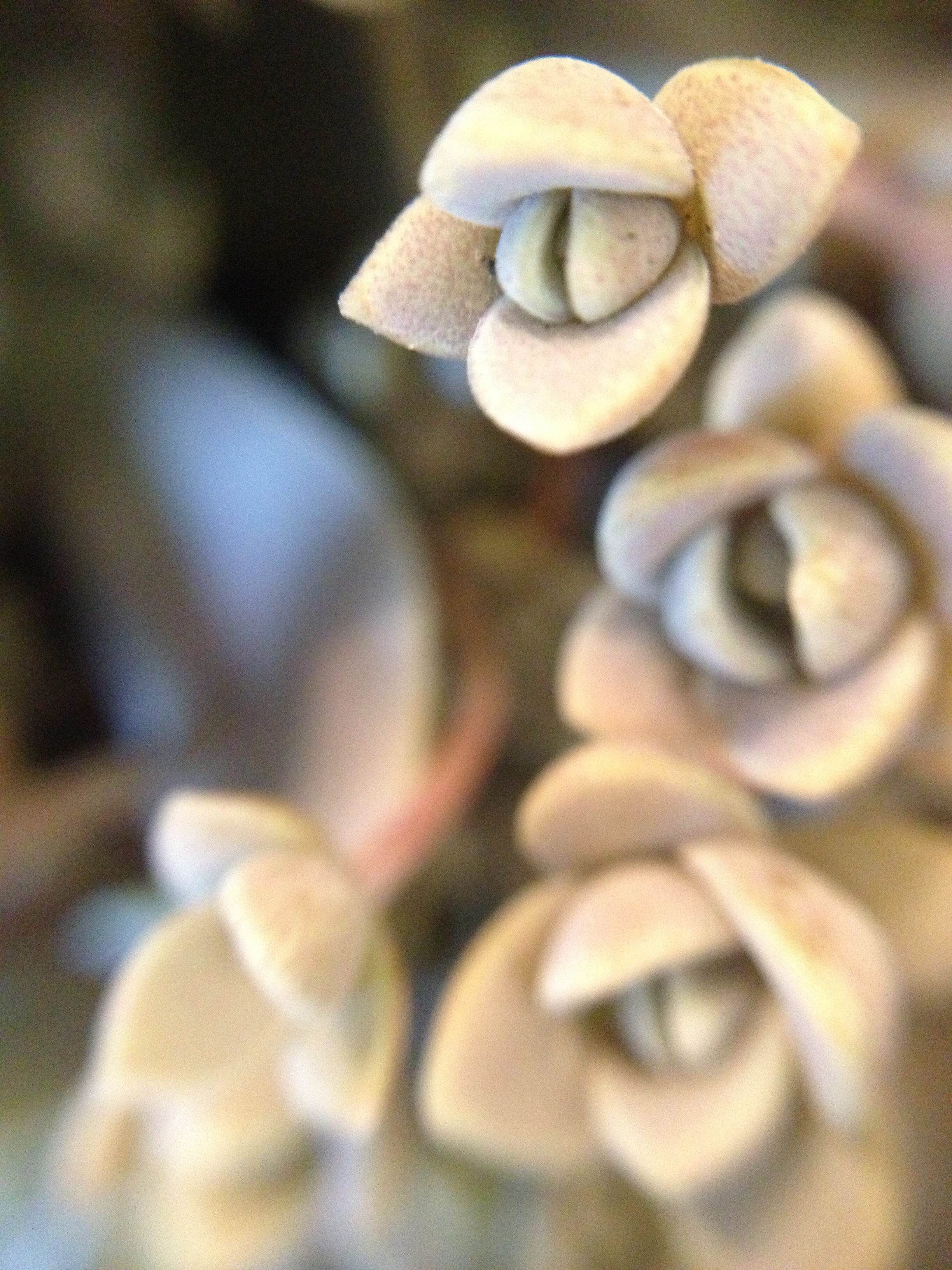
I fell in love with this particular plant today…in shades of gray.  It’s both delicate and sturdy.  Intricate and simple…and simply beautiful.  And in it’s macro close up, I feel like I am looking at it eye to eye.  It’s looking closely at me while I look closely at it.

photo

What do you notice when you have a macro kind of day?

Learning Walk: a Photo Essay

I made time for a learning walk this morning, just a 30 minute or so ramble up the paths around this conference center in the woods.  For me a learning walk is a quiet introspective time for noticing the world around me.  I find that in addition to looking for interesting images to capture with my iPhone, I am more attuned to sounds during a learning walk.  This morning’s walk in the warm, but not too warm sun of Westchester, New York was accompanied by a symphony of birds as they called to one another and flitted through the leaves and branches of the plentiful trees.  The backbeat percussion was provided by the hum of cicadas.  Occasional scurrying sounds suggested that I was not alone on my walk.

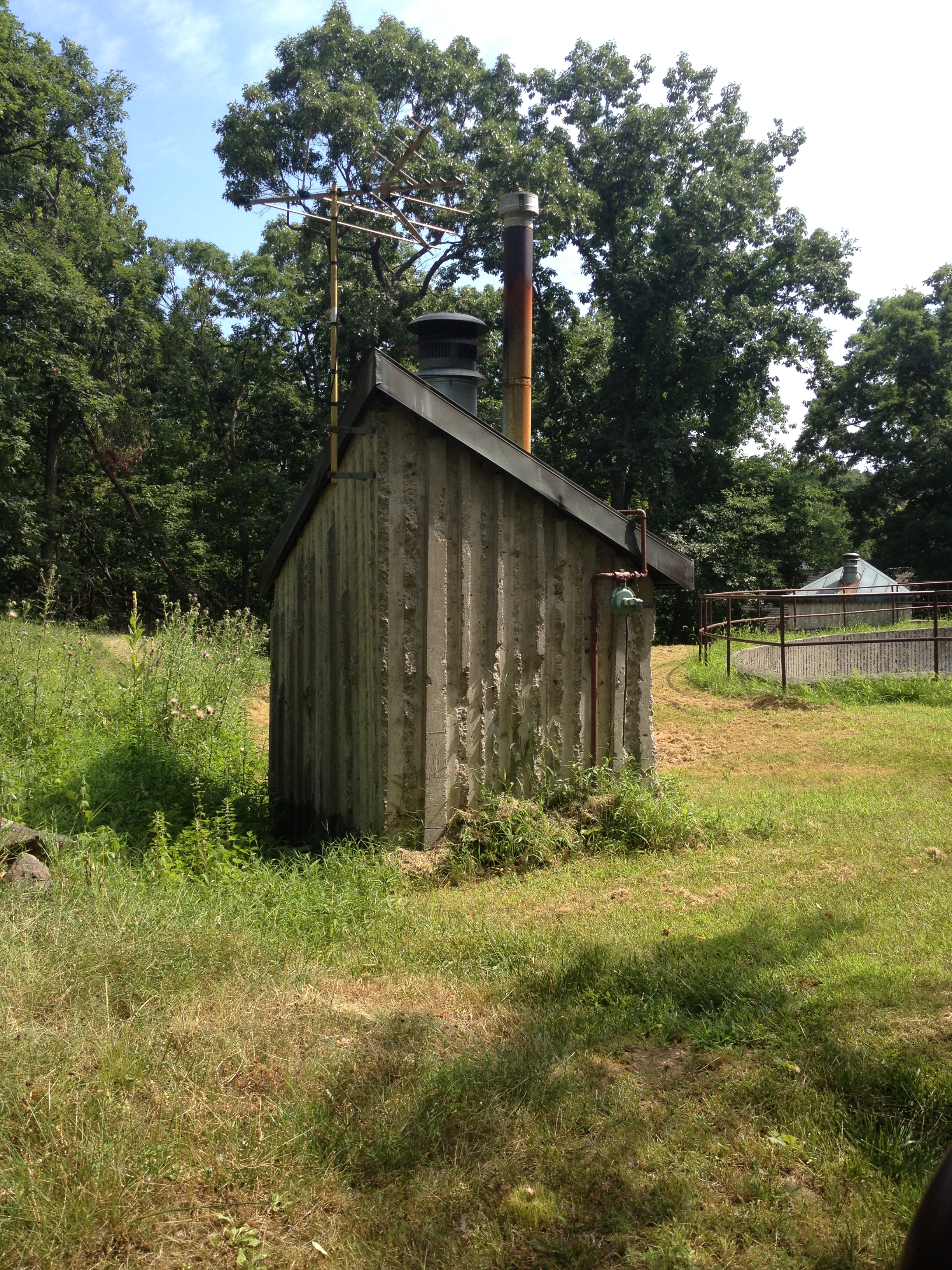
chimney

As I headed up the hill I noticed this rustic chimney on a building along side the path.  I went around the other side hoping to find a beautiful old building, but really, the chimney was the outstanding feature.  I noticed a sign pointing the direction of the tree house.  A tree house?  I was intrigued and continued my walk.
tree house

This isn’t my definition of a tree house.  Looks more like a conference building near trees–not stunning or particularly interesting.  But…I took a few minutes to sit on a picnic bench and attach my macro lens to my phone and then set off to explore some of the plant life.

thistle

thistle2

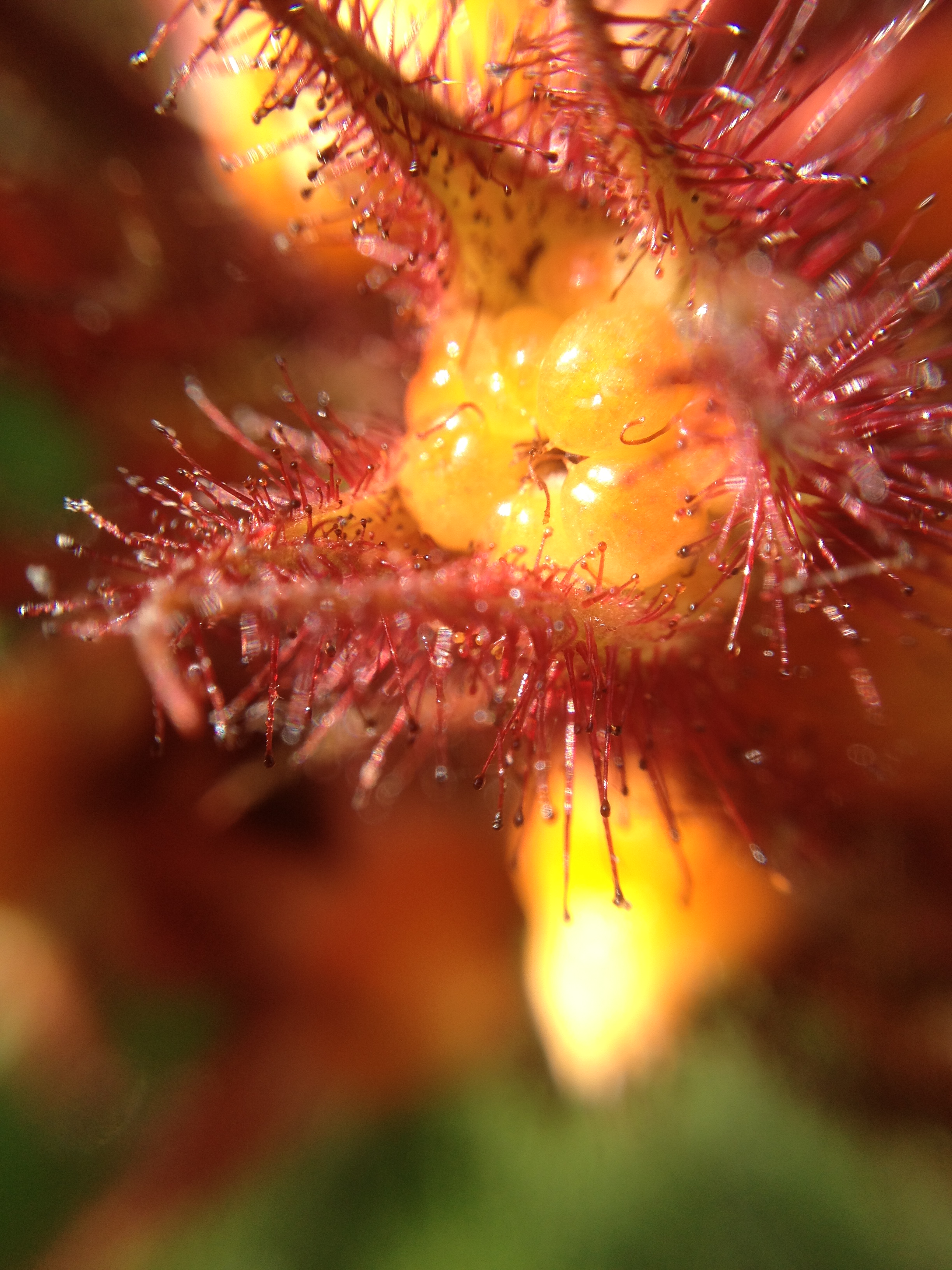
I love the texture of this thistly plant…and its spiky stem and leaves.  But this week is orange in my photo-a-day challenge, so while I was drawn to this beautiful purplish-pink I continued to look for examples of orange.

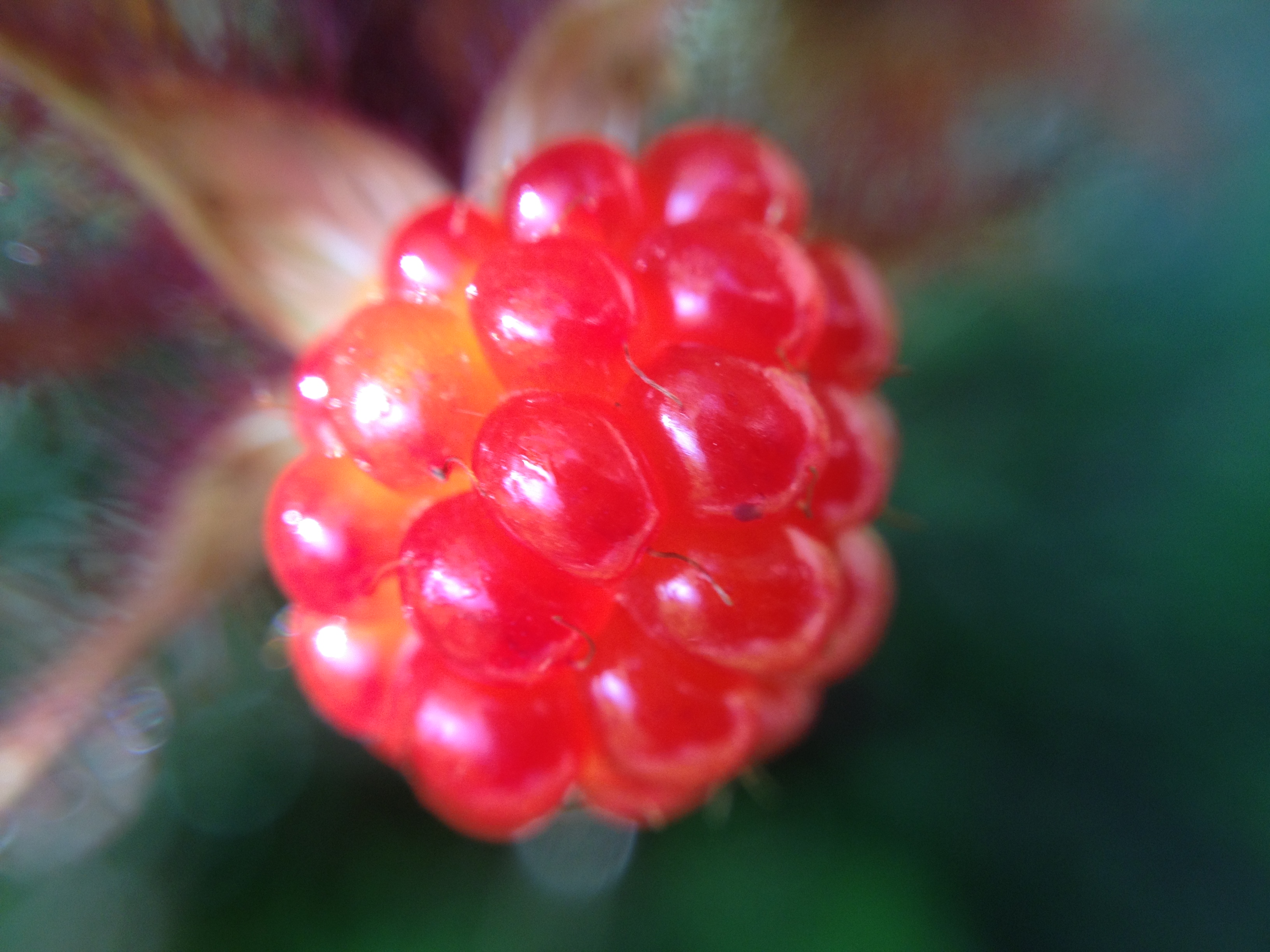
orange berries

berry with orange

I discovered that these berries that I had seen as red, had a stage where orange was prominent.  And I love the hint of orange highlights on this berry!

As I looped around the tree house to head back I noticed some other buildings and happened on this interesting little building…with a rusty orange stovepipe!

rusty pipe

I backtracked the way I had come, noticing things I had missed on my way up.  A tree stump with a hole.  I wonder what might live in there?

tree hole

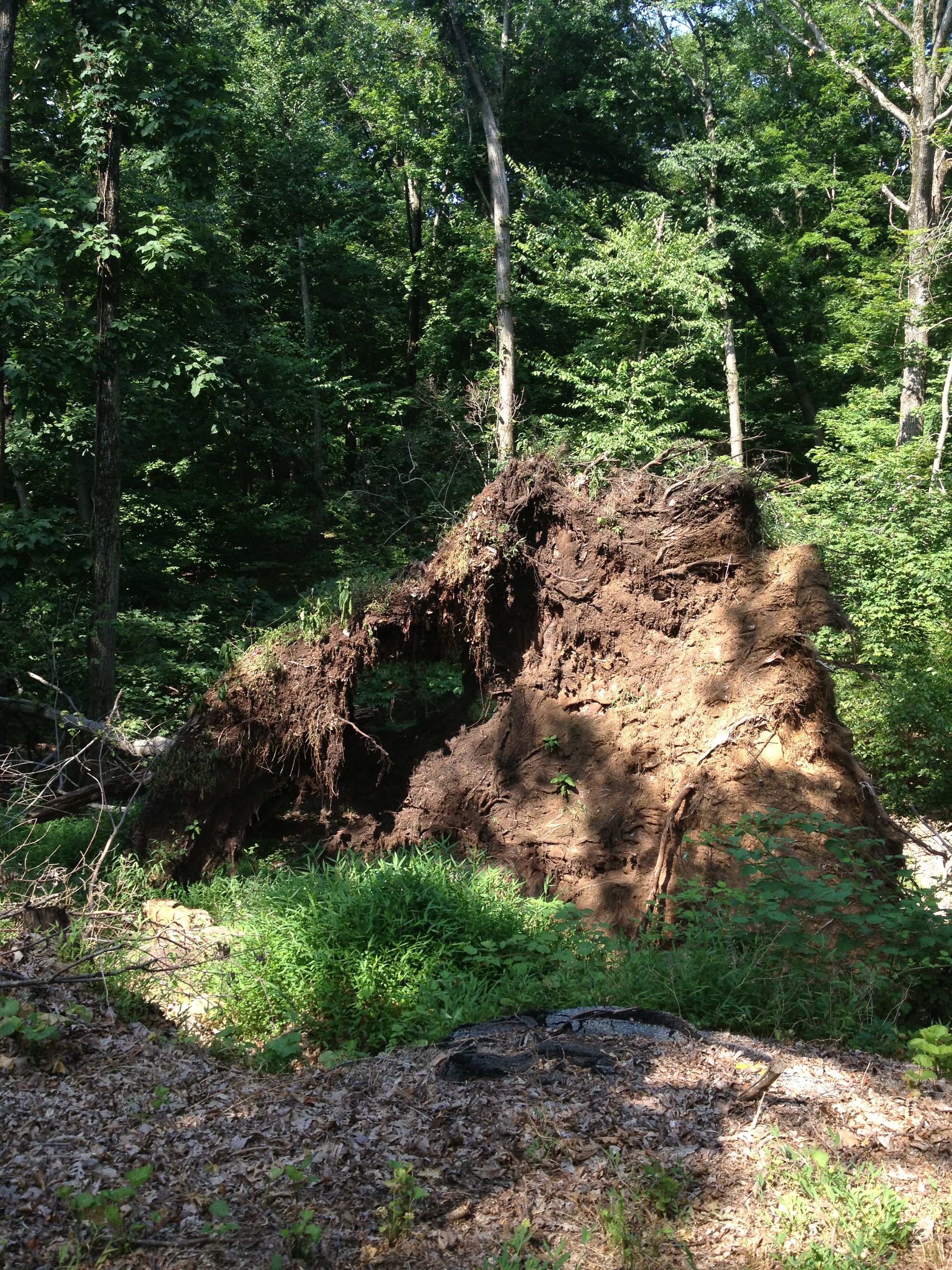
I also wondered if there were storms here in the winter.  These roots from a very large tree are facing up instead of anchoring the tree in the ground.

roots

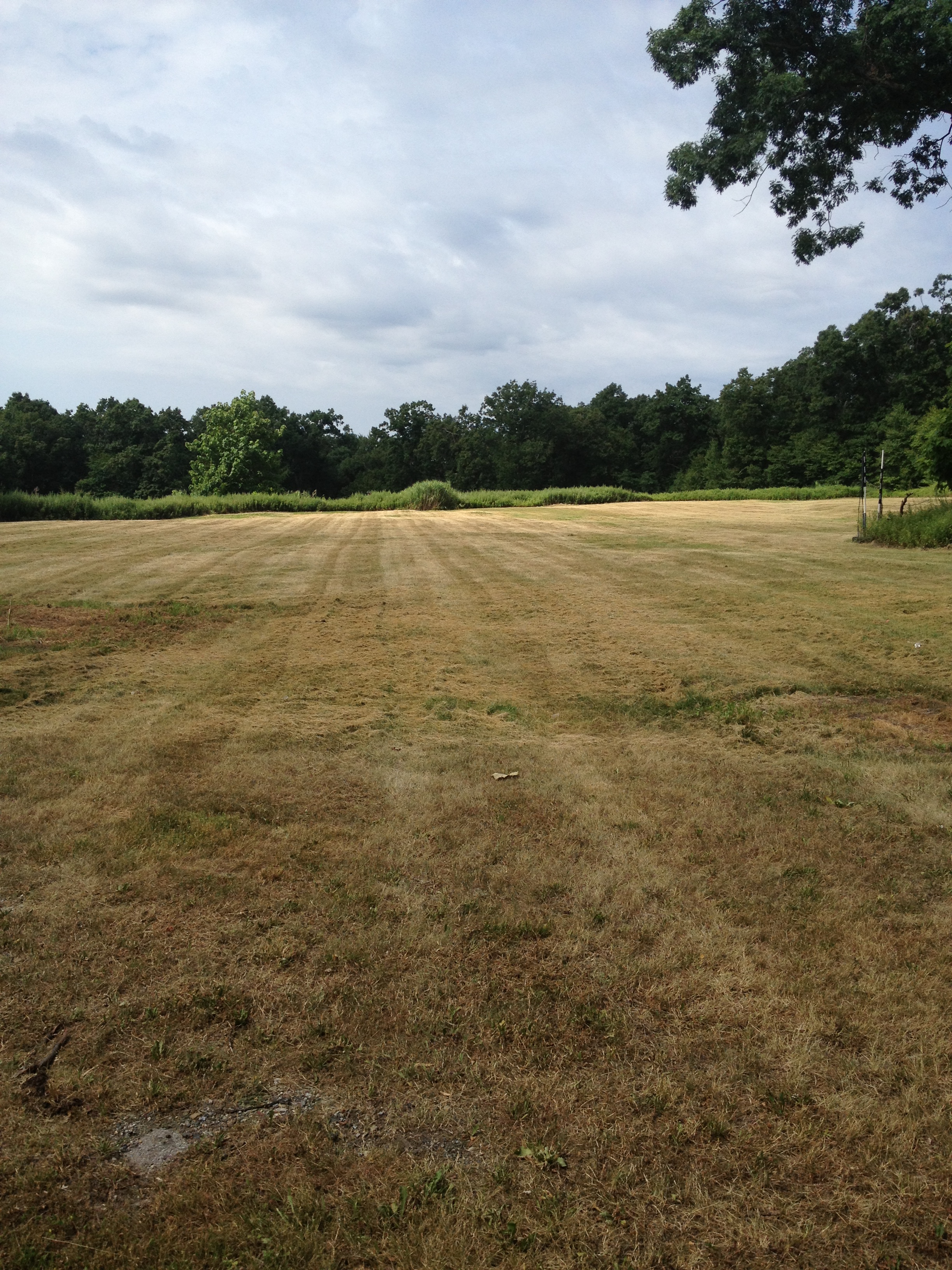
I came across this clearing…a surprise opening in the otherwise moderately dense woods.  I wonder why this space is open?  Does it have a use?  Is it a pasture of some sort?  It looks freshly mowed.

open field

I returned to the conference center with lots of interesting things to think about.  I love taking the time to notice and wonder.  It’s a great way to explore a new place and also to allow for re-seeing someplace you already know.  For me, the photography aspect keeps me from turning my learning walk into a work-out, speeding by without taking the time to stop and notice something that catches my eye…or ear.  I saw so much more than I captured with my camera…the elegant white moths that fluttered around the plants, the way the sky looked through the trees, the tiny white flowers that were enough off the path that I didn’t venture through the brush in my flip flops.

I want to provide time for my students to take some learning walks this year.  We might take our ipads and do some photography.  Or we might take our sketch pads and stop to capture our noticings that way.  We might even head out with our writer’s notebooks.  Whichever tool we choose, the important part of the process is taking the time to notice…and then taking the time to think and reflect to make sense of the experience once we return.  I hope to share some of our class learning walks when school starts in the fall.

I invite you to try a learning walk.  I’d love to know what you notice and learn along the way.

Dandelions: A Photo Essay

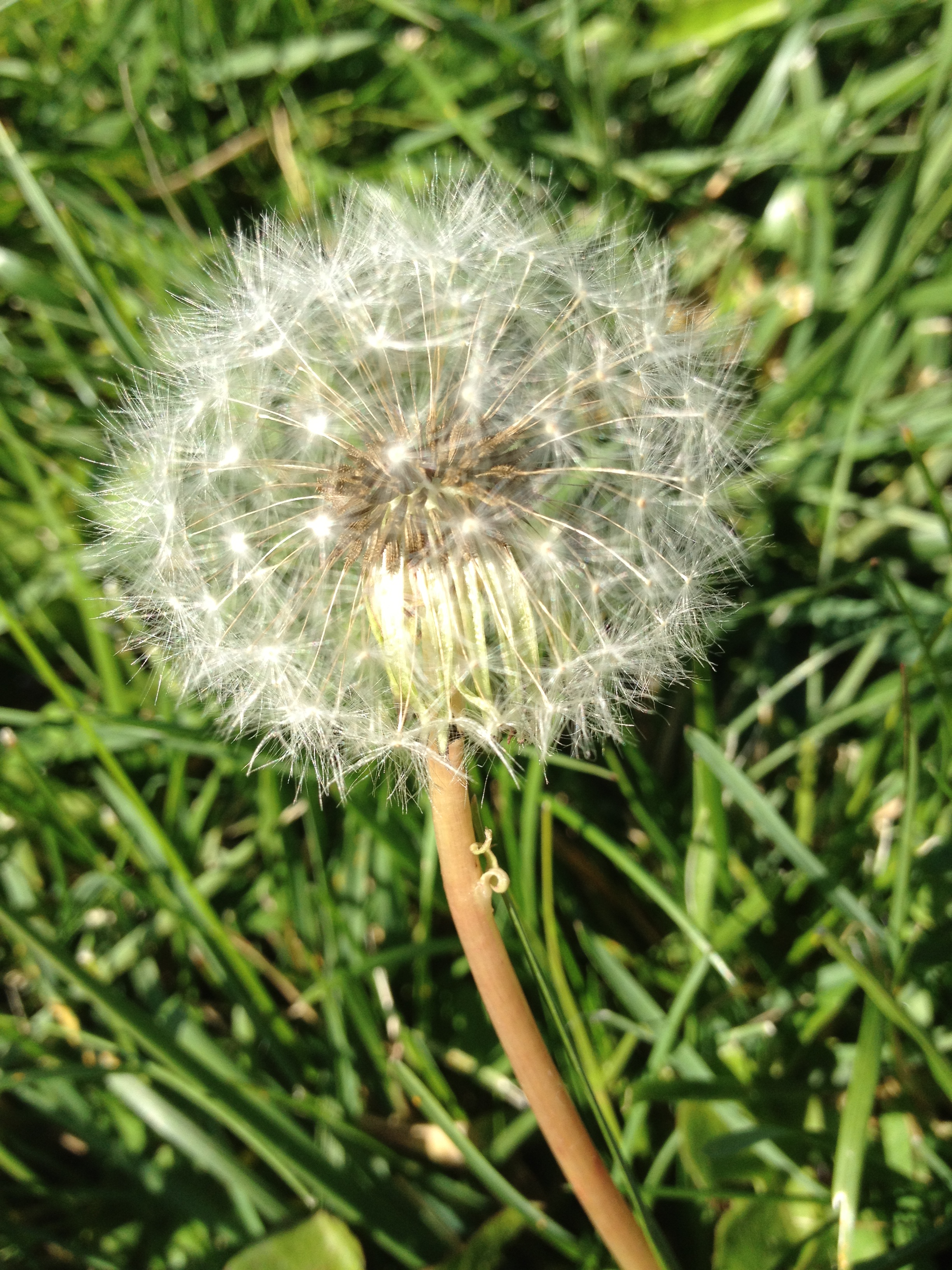
Dandelions fascinate me.  These pesky plants, often referred to as weeds, are hearty, resilient, and strong and at the same time delicate, graceful, and intricate.  During the winter I had the chance to watch a dandelion transform through its growth phases.  It somehow ended up thriving in an abandoned planter in my front yard—one of those spaces where I always have plans to have something beautiful grow—but lack of consistent watering and attention seem to spell doom for whatever I purposely plant there.  We’d about given up on the planter, planning to relegate it to the back yard where it wouldn’t be such an eyesore—its been just a planter of dirt for some time–when I noticed a dandelion flower blooming bright and yellow seemingly oblivious to the neglect of this newfound home.  I grabbed my macro lens for my iphone and worked to capture that sunny globe.

photo

Each day as I arrived home from work, before the daylight had dimmed, I noticed another phase of the dandelion’s life and attempted to capture it with my macro lens.  I love the way the macro forces me to slow my breathing, lean in close, and look carefully.  Steadiness is paramount to a successful photo—and I find myself angling the lens this way and that as I work to achieve the optimal focus on some aspect of my subject.

photo-1

As the dandelion turned from yellow flower to white fluffball, I realize how little thought I had really given to these two very different versions of the same plant.  Like so many people I had played with these “weeds” as a child, picking these little fluffballs and blowing while I made wishes, never considering that I was in fact helping their cause as those pieces of fluff, each with a seed, attaches floated to a new home.

photo-5

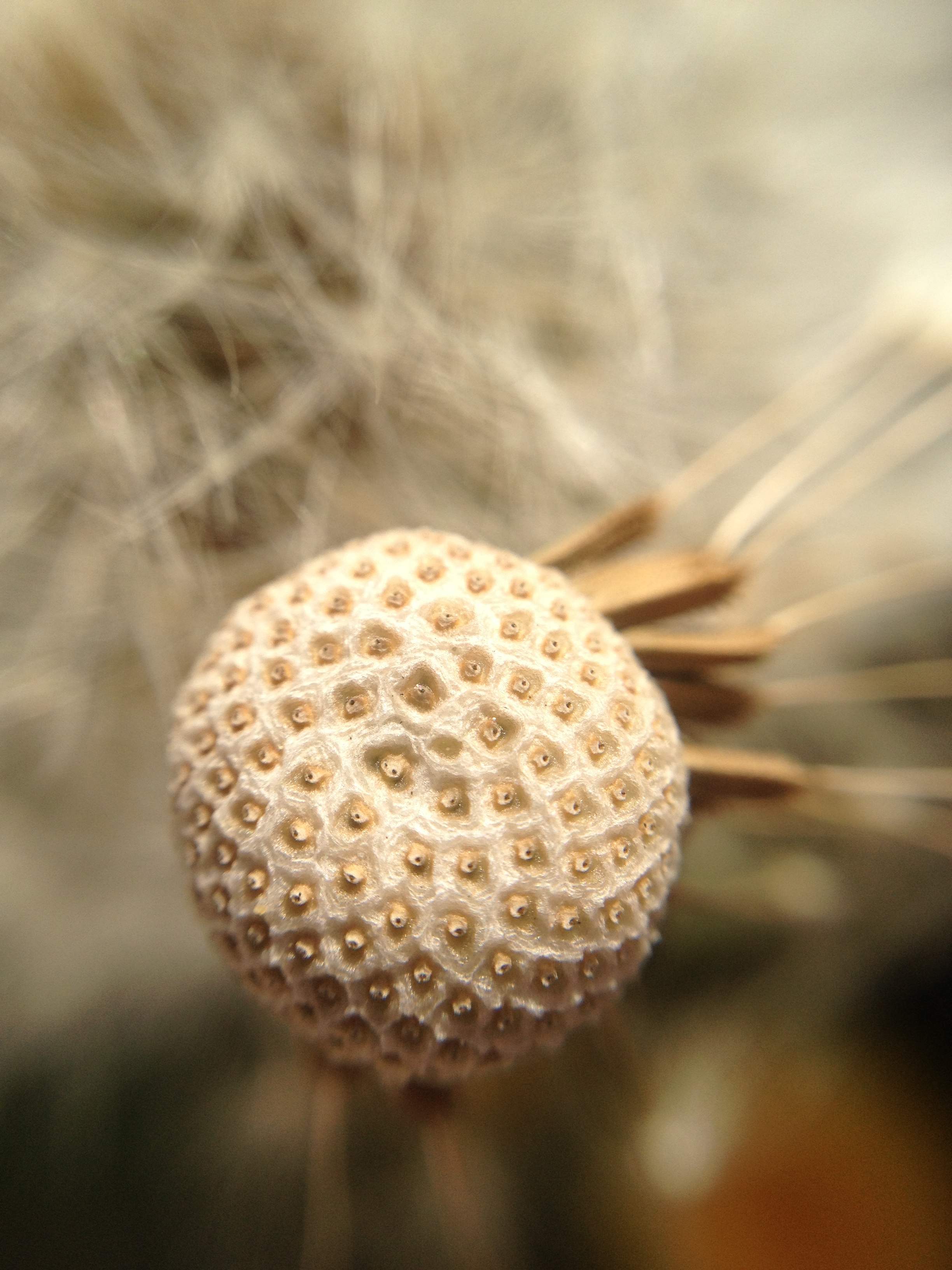
I got closer still and worked to capture what happened day by day as the dandelion naturally progressed.  And that’s when my view of dandelions was forever transformed.

photo-2

I became obsessed with taking pictures of dandelions…in all their states.  And I began seeing what had once been ordinary in new and extraordinary ways.

photo-3

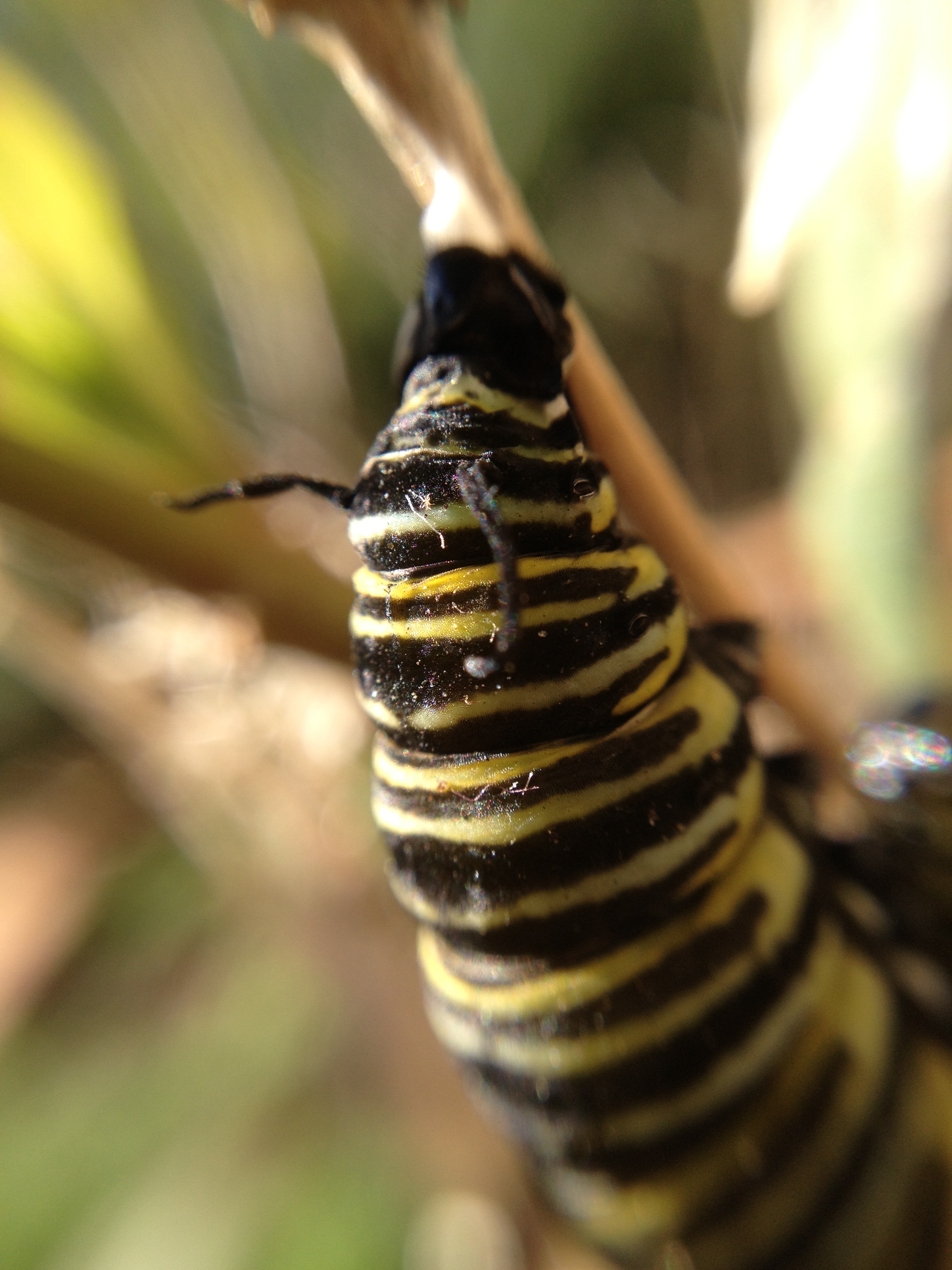
Instead of my “go about my business without paying too much attention to the little things” stance, I suddenly had a caterpillar’s eye view, which opened up new ways of seeing.

photo-4

So my takeaway…look closely and pay attention to the ordinary, searching for the hidden beauty.  I feel like that’s also a lesson to heed even without my iphone in my hand.  In my classroom and in my work with teachers I also need to search for the hidden beauty masked by the ordinary–that’s where the treasures lie.  What treasures are hiding from you?

On Noticing

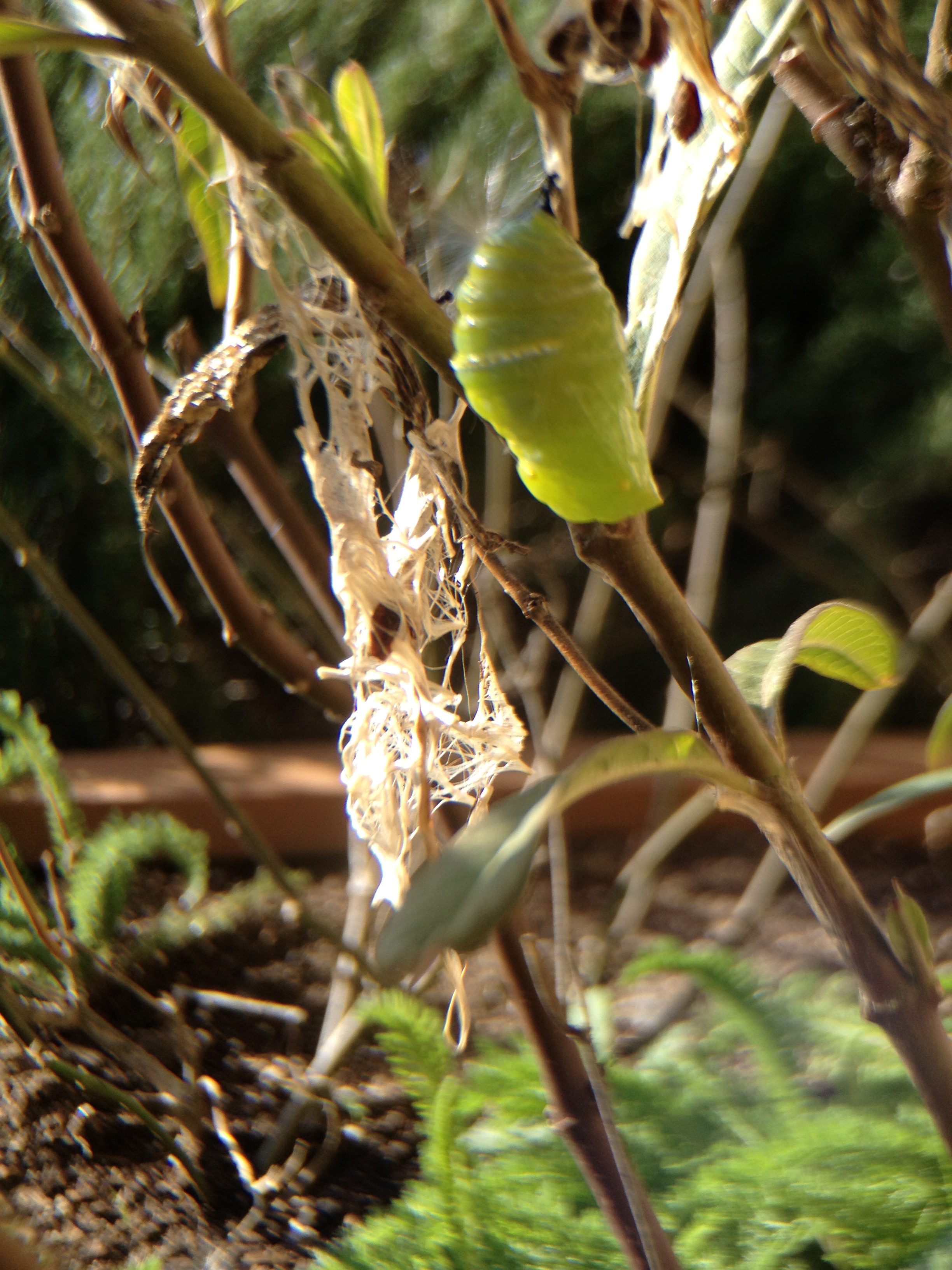
One of the reasons I love taking pictures is that it helps me notice.  Instead of going full-speed-ahead about my life–checking this thing or the other off my ever growing to-do list and worrying about whether I will ever get caught up–noticing helps me slow down, appreciate interesting things around me, and then I find myself asking questions.  When I watched this caterpillar wiggle its way into a chrysalis, my curiosity about everything related to monarch butterflies became insatiable.  (This incredible process happened in the planter box right outside my classroom.  I was also experimenting with using a macro lens on my phone–as seen in the top two photos–helping me to really look closely and focus carefully.  More on focus to come!)

photo-4 photo-3 photo-5 photo-6

As a result of what I had noticed and photographed, I wanted to know more.  I researched on the web, found and read non-fiction books, watched some incredible videos, talked to people around me, and enjoyed reading some fiction as well (Flight Behavior by Barbara Kingsolver came out at the just the right time for me!).  I think that everyone around me also learned–whether they were interested or not–about monarchs and their life cycle!  But most importantly, this event heightened my noticing behavior.  Everywhere I went, indoors and out of doors, I was noticing: paying attention to patterns, colors, numbers, textures…subtleties in the world around me.

This article a friend of mine who works at the San Diego Natural History Museum referred me to reminded me of the importance of noticing–not just for me, but also for my students.  My favorite question to my students is always, “What do you notice?”  I ask that about text, about songs, about pictures, about math and science and social studies…about just about everything!

And even though we do a lot of noticing, I wonder if there is enough time in schools for noticing, for curiosity, for inquiring into things that are interesting.  As I photograph and write my way through the summer, I will also be thinking about that question–and the actions that I will take to make sure my students have ample opportunity to notice as part of their learning experience.  What do you do to help yourself (and the young people around you) notice?